



Hydroxyphenyl Fluorescein
Based on 13 publication(s) in Google Scholar
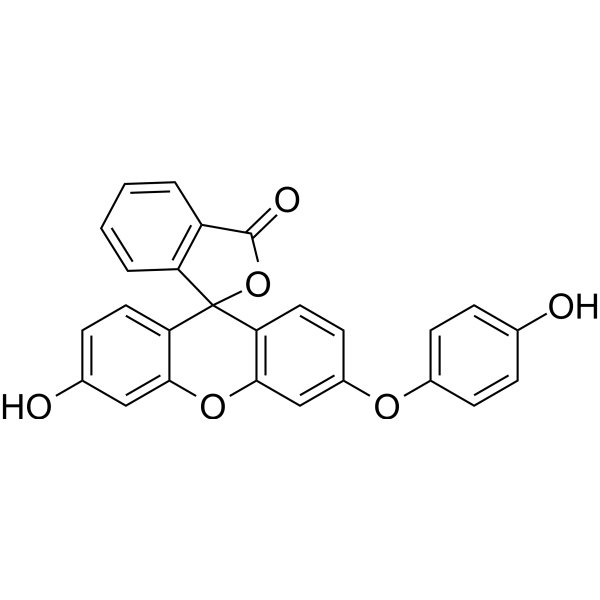
Hydroxyphenyl Fluorescein (HPF) is a stable ROS fluorescent probe dye. Hydroxyphenyl Fluorescein has stronger specificity and stability than H2DCFDA (HY-D0940). Hydroxyphenyl Fluorescein can produce strong green fluorescence through hydroxyl radical reaction with intracellular peroxynitroso. Hydroxyphenyl Fluorescein can be applied for fluorescence microscopy, high-throughput imager, luciferase microplate reader or flow cytometry. Ex/Em=490/515 nm.
For research use only. We do not sell to patients.
- Purity : 99.91%
- CAS No.: 359010-69-8
- Formula: C26H16O6
- Molecular Weight:424.40
-
Storage:
-20°C, protect from light
* In solvent : -80°C, 6 months; -20°C, 1 month (protect from light)

To place orders, for customer services and technical support, please contact: MedChemExpress USA
Tel: 609-228-6898 E-mail: [email protected] [email protected]


-
 Biological Activity
-
Chemical Information
-
Solvent & Solubility
- Protocols
- Purity & Documentation
- References
-
 Help & FAQs


-
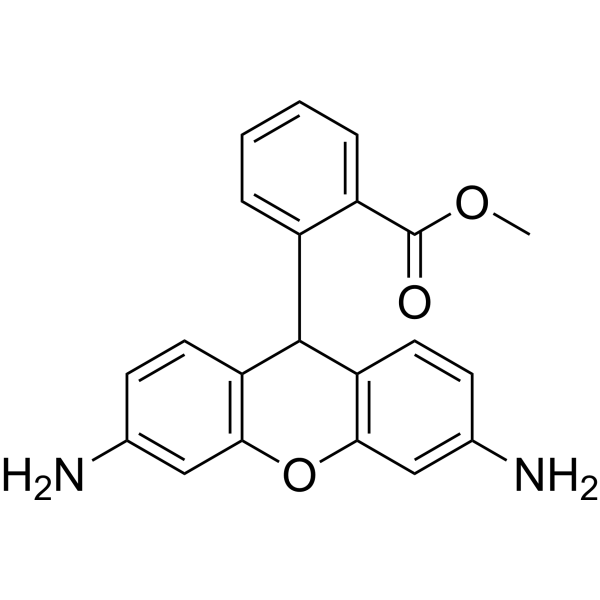
HY-101894
Dihydrorhodamine 123ROS Indicator -
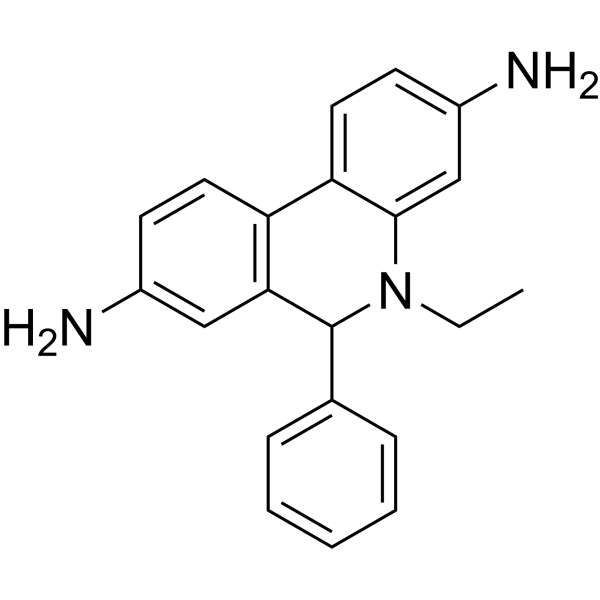
HY-D0079
DihydroethidiumFluorescent -

HY-DY1035
Hydroxyphenyl Fluorescein (solution)ROS Probe -
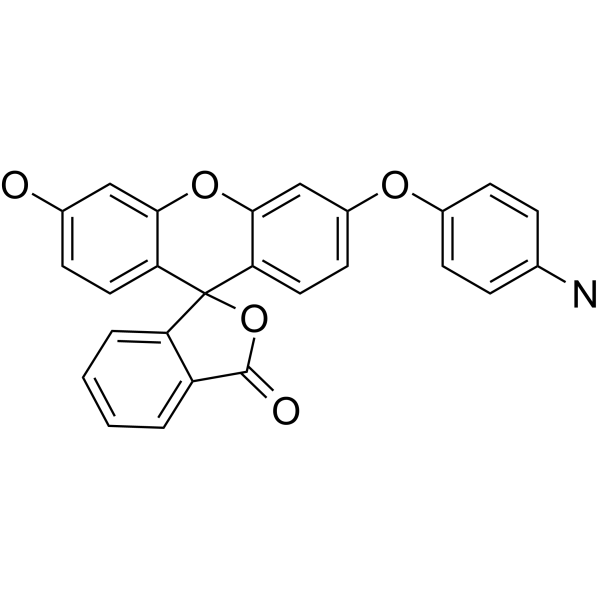
HY-119977
APFFluorescence Probe -
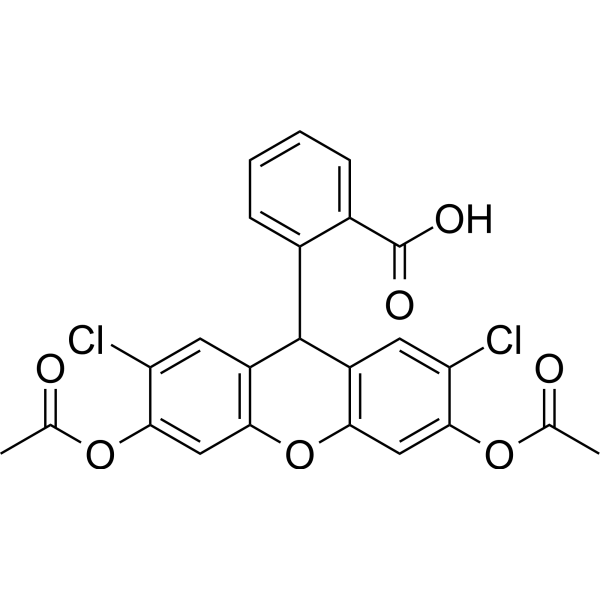
HY-D0940
H2DCFDAROS-Sensitive Probe -
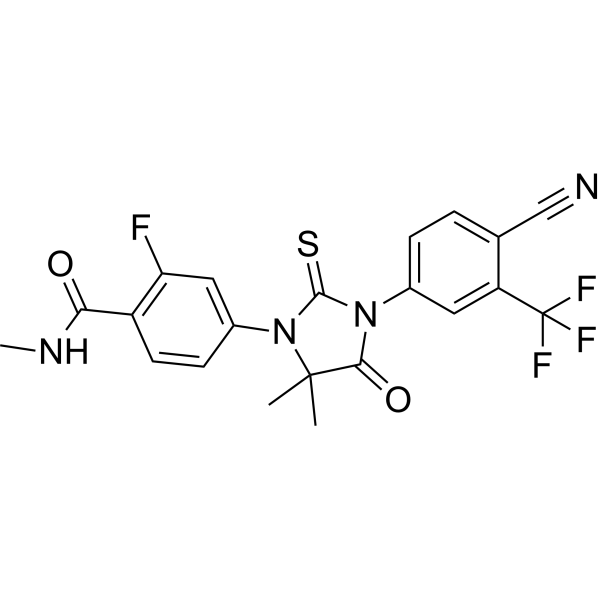
HY-70002
EnzalutamideAndrogen Receptor Antagonist -
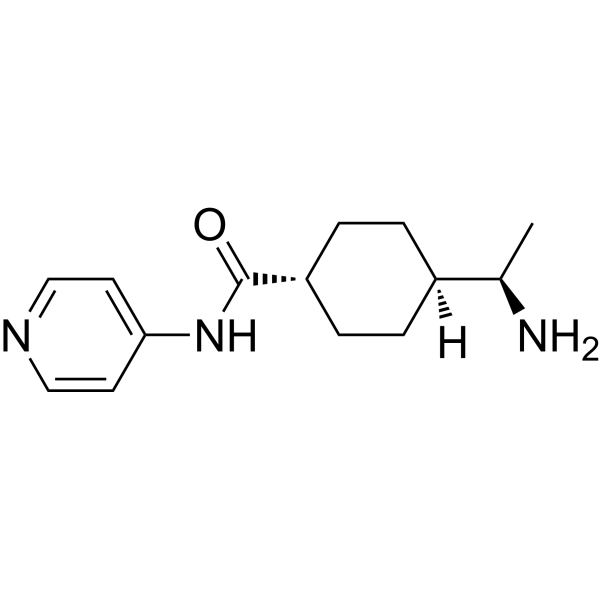
HY-10071
Y-27632ROCK Inhibitor -
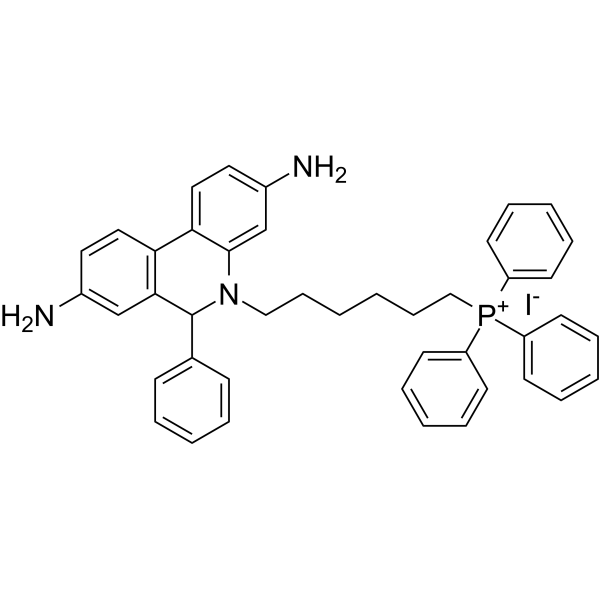
HY-D1055
MitoSOX RedMitochondrial ROS Indicator -
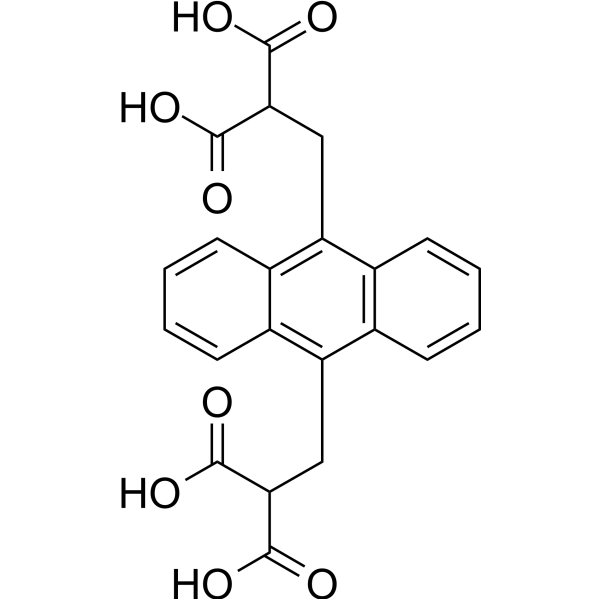
HY-D0034
9,10-Anthracenediyl-bis(methylene)dimalonic acidSinglet Oxygen Indicator -
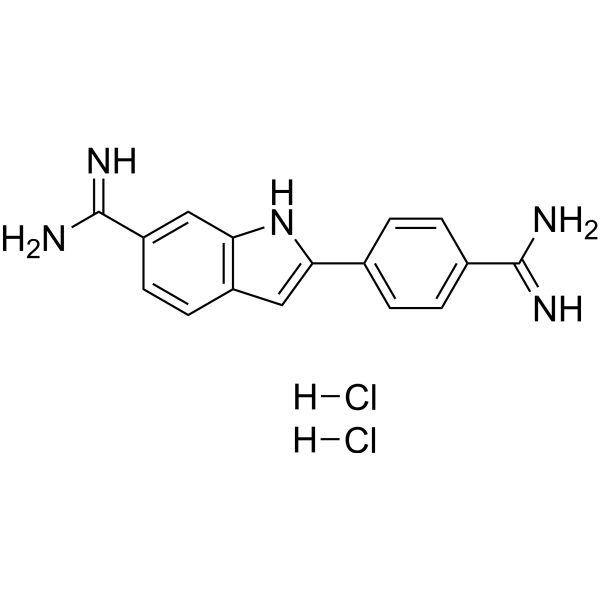
HY-D0814
DAPI dihydrochlorideFluorescent DNA Stain -
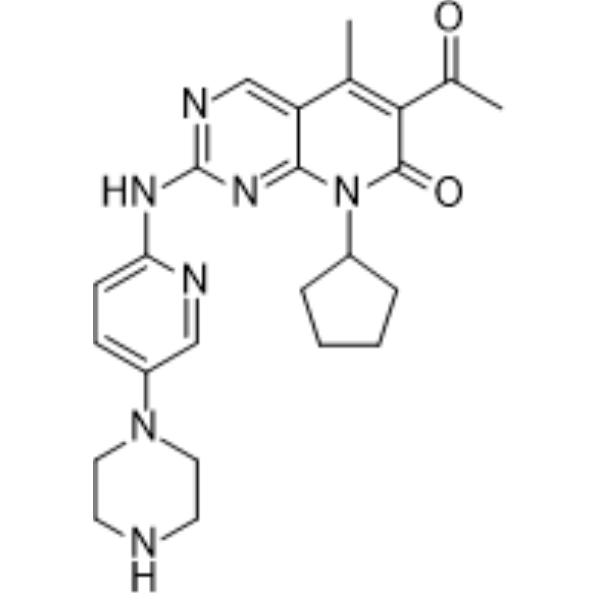
HY-50767
PalbociclibCDK4/6 Inhibitor -
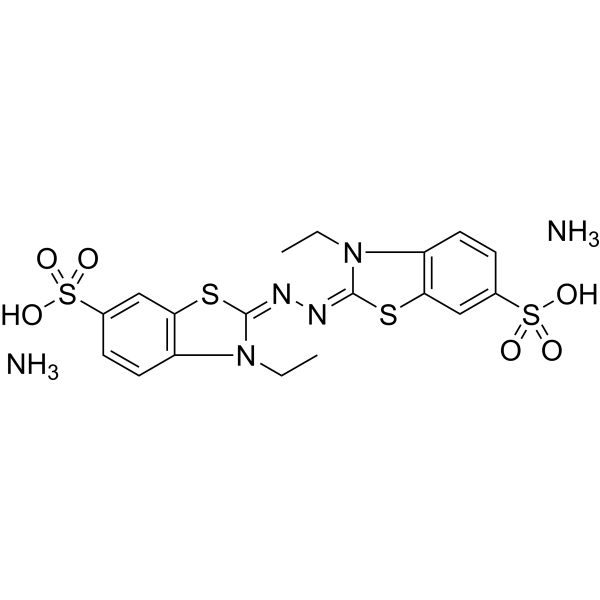
HY-15902
ABTS diammonium saltHRP Substrate
Publications Citing Use of MedChemExpress (MCE) Hydroxyphenyl Fluorescein
More- Adv Mater. 2025 Mar;37(9):e2415030. [Abstract]
- Theranostics. 2025 Jun 9;15(14):6665-6685. [Abstract]
- Adv Sci (Weinh). 2025 Sep 29:e12281. [Abstract]
- J Control Release. 2026 Jun 10:394:114849. [Abstract]
- Small. 2024 Jun;20(26):e2306916. [Abstract]
- Int J Biol Macromol. 2026 Mar:350:150992. [Abstract]
- Int J Nanomedicine. 2026 Mar 25:21:584361. [Abstract]
- ACS Appl Mater Interfaces. 2026 Feb 25;18(7):10979-10993. [Abstract]
- ACS Appl Mater Interfaces. 2024 Oct 2;16(39):52068-52079. [Abstract]
- Eur J Med Chem. 2025 Nov 15:298:118016. [Abstract]
- Colloids Surf B Biointerfaces. 2026 Sep:265:115721. [Abstract]
- bioRxiv. 2026 Jun 17:2026.06.16.732667. [Abstract]
- SSRN. 2025 Jul 24.
 Customer Validation & Images

-
Cell Imaging/Staining
-
Cell Imaging/Staining
-
Bio/Physico-chemical Assay
-
Cell Imaging/Staining


Biological Activity
Description
In Vitro
Guide (Following is our recommended protocol. This protocol only provides a guideline, and should be modified according to your specific needs).
1. Preparation of HPF working solution
1.1 Preparation of the stock solution
Dissolve HPF in DMSO to obtain 10 mM of HPF.
1.2 Preparation of HPF working solution
Dilute the stock solution in serum-free cell culture medium or PBS to obtain 1-10 μM of HPF working solution.
Note: Please adjust the concentration of HPF working solution according to the actual situation.
2. Cell staining
2.1 Cell preparation.
For suspension cells: Centrifuge at 1000 g at 4°C for 3-5 minutes and then discard the supernatant. Wash twice with PBS, 5 minutes each time.
For adherent cells: Discard the cell culture medium, and add trypsin to dissociate cells to make a single-cell suspension. Centrifuge at 1000 g at 4°C for 3-5 minutes and then discard the supernatant. Wash twice with PBS, 5 minutes each time.
2.2 Add 1 mL of HPF working solution, and then incubate at room temperature for 30 minutes.
2.3 Centrifuge at 400 g at 4°C for 3-4 minutes and then discard the supernatant.
2.4 Wash twice with PBS, 5 minutes each time.
2.5 Resuspend cells with 1 mL serum-free cell culture medium or PBS, and then detect by fluorescence microscope or flow cytometer.
MedChemExpress (MCE) has not independently confirmed the accuracy of these methods. They are for reference only. Further protocols information, click here.
Emission (Em)
515
Excitation (Ex)
490


Chemical Information
-
CAS No. 359010-69-8
-
Appearance Solid
-
Molecular Weight 424.40
-
Formula C26H16O6
-
Color Yellow to orange
-
SMILES
OC1=CC=C(OC2=CC3=C(C4(C5=CC=C(C=C5O3)O)C6=C(C(O4)=O)C=CC=C6)C=C2)C=C1
-
Synonyms
HPF; 3'-p-(Hydroxyphenyl) fluorescein
-
Shipping
Room temperature in continental US; may vary elsewhere.
-
Storage
-20°C, protect from light
* In solvent : -80°C, 6 months; -20°C, 1 month (protect from light)


Publications (13)
-
Journal Impact Factor
-
Most Recent
-
Adv Mater
Self-Sustained Biophotocatalytic Nano-Organelle Reactors with Programmable DNA Switches for Combating Tumor Metastasis. [Abstract]2025 Mar;37(9):e2415030. PMID: 39797479
Hydroxyphenyl Fluorescein purchased from MedChemExpress. Usage Cited in: Adv Mater. 2025 Mar;37(9):e2415030. [Abstract]
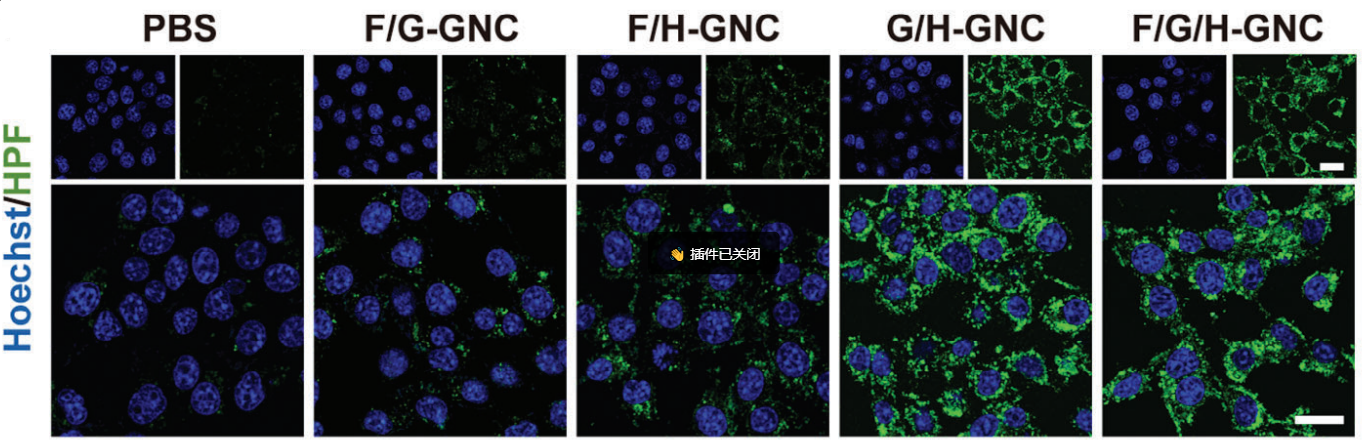
CLSM imaging of ·OH in 4T1 cells following treatment with various nanoreactors. Scale bar: 20 µm.Intracellular ·OH levels were determined using Hydroxyphenyl Fluorescein (HPF, 10 µM; 30 min). The results demonstrated a significant increase in intracellular ·OH levels after treatment with F/G/H-GNC.
-
Theranostics
Oxidative stress-mediated PANoptosis and ferroptosis: Exploration of multimodal cell death triggered by an AIE-active nano-photosensitizer via photodynamic therapy. [Abstract]2025 Jun 9;15(14):6665-6685. PMID: 40585993
Hydroxyphenyl Fluorescein purchased from MedChemExpress. Usage Cited in: Theranostics. 2025 Jun 9;15(14):6665-6685. [Abstract]
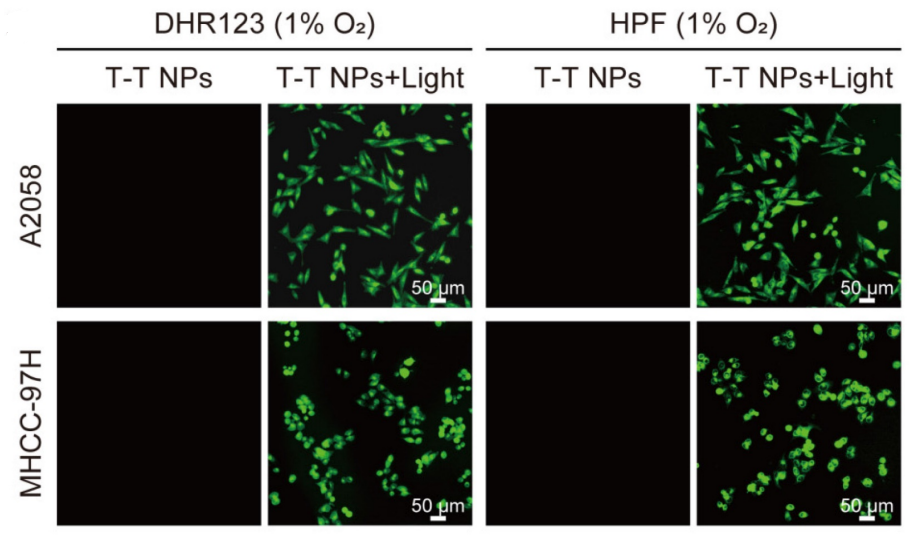
Detection of intracellular O2•- and •OH using DHR123 (20 μM) and Hydroxyphenyl Fluorescein (HPF, 20 μM) indicators in the presence of T-T NPs, with or without light exposure under hypoxia.
-
Adv Sci (Weinh)
Structure-Tailoring Cerium Nanozymes with Self-Cascade ROS Scavenging Catalysis Modulate the Microbiota-Gut-Joint Axis for Rheumatoid Arthritis Therapy. [Abstract]2025 Sep 29:e12281. PMID: 41024355 -
J Control Release
Composite nanovesicles for enhanced chemodynamic cancer therapy via decitabine-mediated epigenetic reactivation. [Abstract]2026 Jun 10:394:114849. PMID: 41871782 -
Small
Capsaicin Enhanced the Efficacy of Photodynamic Therapy Against Osteosarcoma via a Pro-Death Strategy by Inducing Ferroptosis and Alleviating Hypoxia. [Abstract]2024 Jun;20(26):e2306916. PMID: 38221813 -
Int J Biol Macromol
Unveiling the mechanistic link between peroxiredoxin inhibition and ferroptosis-like cell death induced by Dinaciclib in Entamoeba histolytica. [Abstract]2026 Mar:350:150992. PMID: 41713546 -
Int J Nanomedicine
Multifunctional Graphene Oxide Quantum Dot Nanoformulation with Key Immunomodulation for Effective Anticancer Therapy in Mice Model. [Abstract]2026 Mar 25:21:584361. PMID: 41913747 -
ACS Appl Mater Interfaces
Lattice Distortion-Mediated Synergistic Piezoelectric-Long-Acting Chemodynamic Tumor Therapy via Ferroptosis with Cation-Doped Bismuth Nanospheres. [Abstract]2026 Feb 25;18(7):10979-10993. PMID: 41678641 -
ACS Appl Mater Interfaces
Strategically Engineered Ru(II) Complexes with Enhanced ROS Activity Enabling Potent Sonodynamic Effect against Multidrug-Resistant Biofilms. [Abstract]2024 Oct 2;16(39):52068-52079. PMID: 39297327
Hydroxyphenyl Fluorescein purchased from MedChemExpress. Usage Cited in: ACS Appl Mater Interfaces. 2024 Oct 2;16(39):52068-52079. [Abstract]
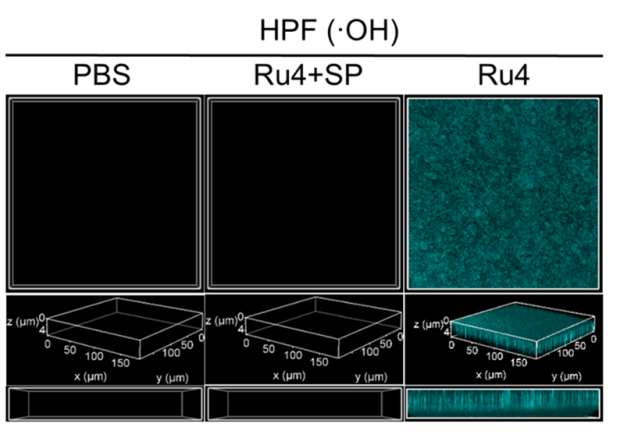
Confocal imaging planes and 3D images of Hydroxyphenyl Fluorescein (HPF, 10 μM; 30 min) staining after the biofilms were incubated with Ru4 (10 μM) for 9 h.
-
Eur J Med Chem
Facile crystallized-AIE-photosensitizer functionalized hydrogel for antimicrobial photodynamic therapy and wound recovery. [Abstract]2025 Nov 15:298:118016. PMID: 40752345
Hydroxyphenyl Fluorescein purchased from MedChemExpress. Usage Cited in: Eur J Med Chem. 2025 Nov 15:298:118016. [Abstract]
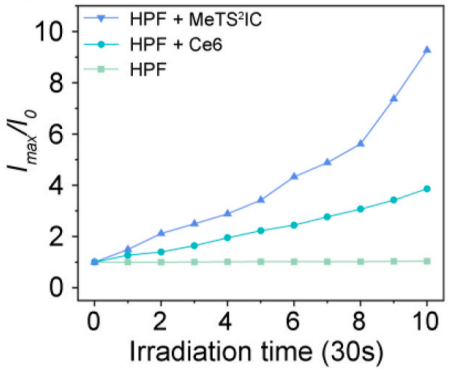
Compare ROS generation of MeTS2IC with Ce6:·OH analyzed by Hydroxyphenyl Fluorescein (HPF, 5 μM) under dark and white light irradiation (10 mW/cm2).
-
Colloids Surf B Biointerfaces
Near-Infrared-Responsive Bi2Fe4O9/rGO nanocomposite for intravesical antibacterial photodynamic therapy of urinary tract infections. [Abstract]2026 Sep:265:115721. PMID: 42030857 -
bioRxiv
Ferrosome Organelles Spatially Insulate a Redox-Active Ferrous Phosphate Biomineral from Cytosolic ROS Chemistry. [Abstract]2026 Jun 17:2026.06.16.732667. PMID: 42367999 -


Solvent & Solubility
In Vitro:
DMSO : 125 mg/mL (294.53 mM; Need ultrasonic; Hygroscopic DMSO has a significant impact on the solubility of product, please use newly opened DMSO)
Please refer to the solubility information to select the appropriate solvent. Once prepared, please aliquot and store the solution to prevent product inactivation from repeated freeze-thaw cycles.
Storage method and period of stock solution: -80°C, 6 months; -20°C, 1 month (protect from light). When stored at -80°C, please use it within 6 months. When stored at -20°C, please use it within 1 month.
Please refer to the solubility information to select the appropriate solvent. Once prepared, please aliquot and store the solution to prevent product inactivation from repeated freeze-thaw cycles.
Storage method and period of stock solution: -80°C, 6 months; -20°C, 1 month (protect from light). When stored at -80°C, please use it within 6 months. When stored at -20°C, please use it within 1 month.
Concentration (start) × Volume (start) = Concentration (final) × Volume (final)

Protocols
-
Flow Cytometry
Flow cytometry (FC) is a technique for high-speed, step-by-step quantitative analysis and sorting of single cells or other biological particles in a suspension by detecting labeled fluorescent signals.
-
Flow cytometric DNA-content cell-cycle staining
Flow cytometric DNA-content cell-cycle staining measures the fluorescence intensity of DNA-bound fluorochromes in single cells or nuclei to estimate DNA content distributions, allowing assignment of populations to G0/G1, S, and G2/M phases by DNA histogram deconvolution. Propidium iodide (PI) intercalates into DNA, and PI fluorescence is proportional to cellular DNA content when staining is performed under conditions that make DNA accessible and minimize non-DNA signal. Cells with G2/M DNA content are expected to show approximately twice the fluorescence intensity of G0/G1 cells, while S-phase cells occupy intermediate fluorescence values. PI-based DNA-content analysis can also detect cells with fractional DNA content, often reported as sub-G1, when DNA fragmentation and extraction during staining reduce retained DNA signal in apoptotic cells. DAPI is an alternative DNA fluorochrome for univariate DNA-content analysis, while bivariate approaches combining DNA content with proliferation
-
ROS/oxidative-stress fluorescent staining
ROS/oxidative-stress fluorescent staining uses cell-permeant fluorogenic probes that become fluorescent after oxidation inside cells or tissues; commonly used examples include DCFH-DA/DCFDA for broad cellular oxidant detection, DHE for superoxide-related signal detection, MitoSOX for mitochondrial superoxide-related signal detection, and CellROX probes for oxidative-stress-associated fluorescence readouts. The assay detects probe oxidation rather than a single ROS species unless the probe and analysis method have been chemically validated for that species. DCFH-DA enters cells, is deacetylated by intracellular esterases to DCFH, and produces fluorescent DCF after oxidation, so the readout is used as an operational measure of total cellular oxidative stress rather than a species-specific ROS measurement. DHE and MitoSOX can report superoxide-related oxidation, but red fluorescence alone can include non-specific ethidium-like oxidation products; HPLC or optimized spectral approaches are
-
Protocol for Phospho-flow cytometry
Phospho-flow cytometry detects intracellular phosphorylated signaling proteins in single cells using phospho-specific antibodies after rapid fixation and permeabilization; the fluorescence intensity reflects phosphorylation state and therefore kinase-pathway activation, inhibition, or drug response in defined cell subsets. Unlike Western blot, phospho-flow preserves single-cell resolution and can measure signaling heterogeneity in cancer cells, primary immune cells, dissociated mouse tumors, macrophages, organoid-derived cells, and drug-screening samples when validated antibodies and fixation/permeabilization conditions are used.


Purity & Documentation
-
Data Sheet (276 KB)
-
SDS (393 KB)
- English - EN (393 KB)
- Français - FR (393 KB)
- Deutsch - DE (393 KB)
- Norwegian - NO (393 KB)
- Español - ES (393 KB)
- Swedish - SV (393 KB)
- Italian - IT (393 KB)
- Korean - KR (393 KB)
- Portuguese - PT (393 KB)
-
Handling Instructions (2659 KB)
References


Complete Stock Solution Preparation Table
Please refer to the solubility information to select the appropriate solvent. Once prepared, please aliquot and store the solution to prevent product inactivation from repeated freeze-thaw cycles.
Storage method and period of stock solution: -80°C, 6 months; -20°C, 1 month (protect from light). When stored at -80°C, please use it within 6 months. When stored at -20°C, please use it within 1 month.
| Optional Solvent | Concentration Solvent Mass | 1 mg | 5 mg | 10 mg | 25 mg |
|---|---|---|---|---|---|
| DMSO | 1 mM | 2.3563 mL | 11.7813 mL | 23.5627 mL | 58.9067 mL |
| 5 mM | 0.4713 mL | 2.3563 mL | 4.7125 mL | 11.7813 mL | |
| 10 mM | 0.2356 mL | 1.1781 mL | 2.3563 mL | 5.8907 mL | |
| 15 mM | 0.1571 mL | 0.7854 mL | 1.5708 mL | 3.9271 mL | |
| 20 mM | 0.1178 mL | 0.5891 mL | 1.1781 mL | 2.9453 mL | |
| 25 mM | 0.0943 mL | 0.4713 mL | 0.9425 mL | 2.3563 mL | |
| 30 mM | 0.0785 mL | 0.3927 mL | 0.7854 mL | 1.9636 mL | |
| 40 mM | 0.0589 mL | 0.2945 mL | 0.5891 mL | 1.4727 mL | |
| 50 mM | 0.0471 mL | 0.2356 mL | 0.4713 mL | 1.1781 mL | |
| 60 mM | 0.0393 mL | 0.1964 mL | 0.3927 mL | 0.9818 mL | |
| 80 mM | 0.0295 mL | 0.1473 mL | 0.2945 mL | 0.7363 mL | |
| 100 mM | 0.0236 mL | 0.1178 mL | 0.2356 mL | 0.5891 mL |


Hydroxyphenyl Fluorescein Related Classifications
HY-111330 Related Classifications
 Powered by Bioz