



CY7
Based on 23 publication(s) in Google Scholar
CY7 is a CY dye. CY, short for Cyanine, is a compound consisting of two nitrogen atoms connected by an odd number of methyl units. Cyanine compounds have the characteristics of long wavelength, adjustable absorption and emission, high extinction coefficient, good water solubility and relatively simple synthesis. CY dyes are of en used for the labeling of proteins, antibodies and small molecular compounds. For the labeling of protein antibodies, the combination can be completed through a simple mixing reaction. Below, we introduce the labeling method of protein antibody labeling, which has certain reference significance.
연구목적의 판매만을 진행합니다. 환자를 대상으로 한 판매는 하지 않습니다.
- Purity : 96.27%
- CAS No.: 943298-08-6
- 화학식: C35H42N2O8S2
- 분자량:682.85
-
보관:
4°C, protect from light
* In solvent : -80°C, 6 months; -20°C, 1 month (protect from light)

To place orders, for customer services and technical support, please contact: MedChemExpress USA
Tel: 609-228-6898 E-mail: [email protected] [email protected]


-
 Biological Activity
-
Chemical Information
-
용액&용해도
- 순도&문서
- References
-
 Help & FAQs


-
HY-D0924
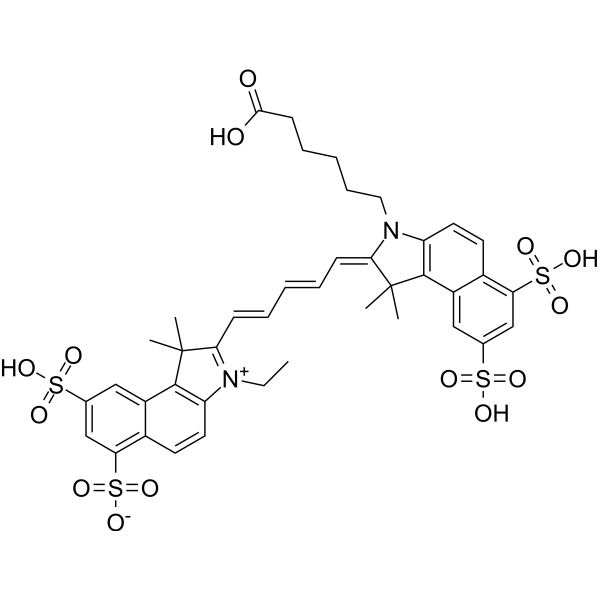
Cy5.5Fluorescent Dye -
HY-D0821
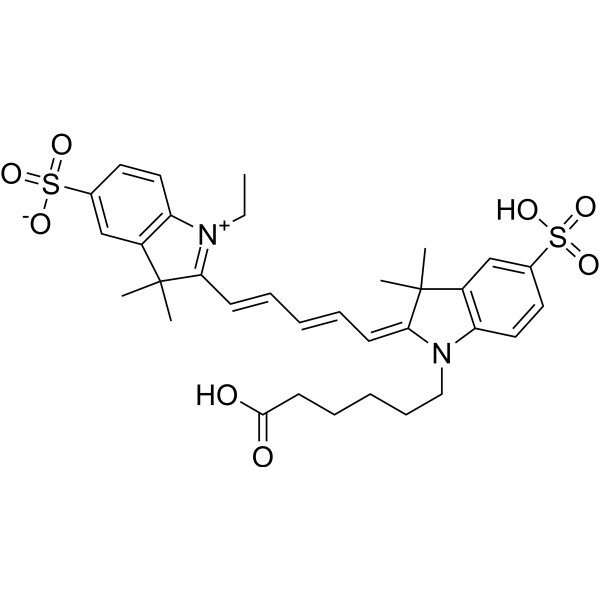
CY5Reactive Dye -
HY-D0822
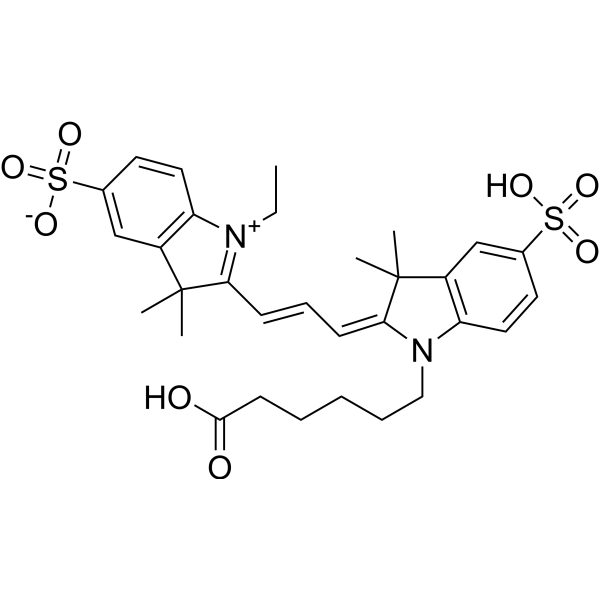
CY3Fluorescent Dye -
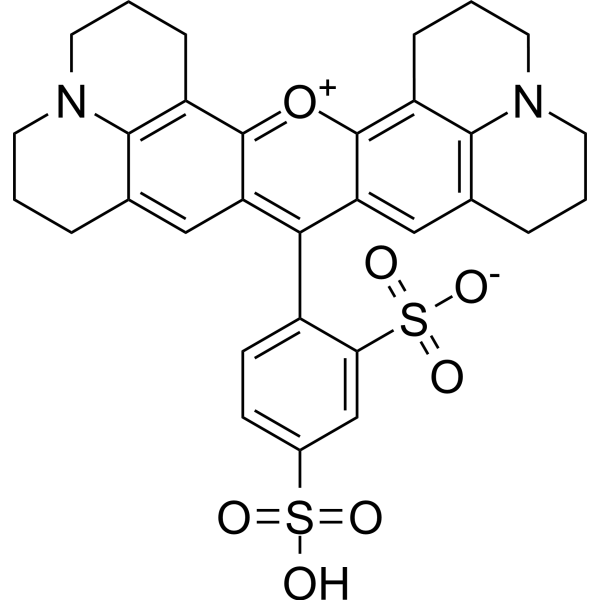
HY-101878
Texas RedRed Fluorescent Dye -
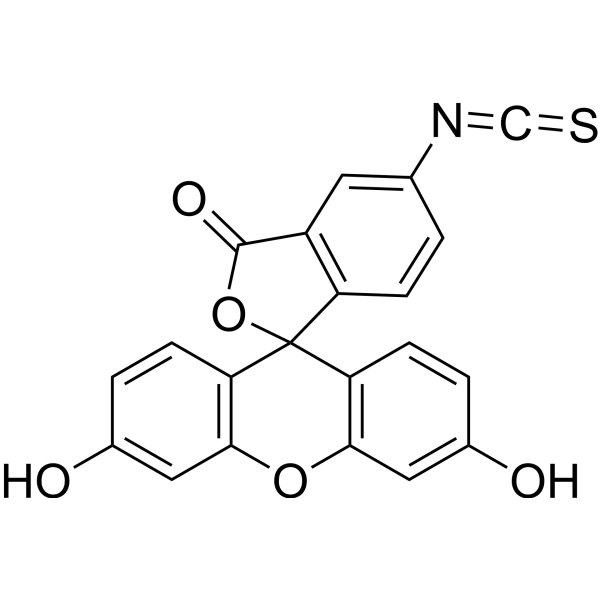
HY-66019
FITCFluorochrome -
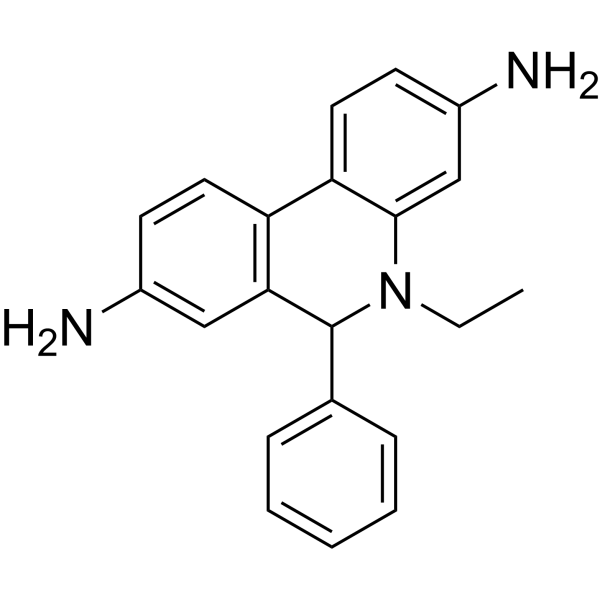
HY-D0079
DihydroethidiumFluorescent -
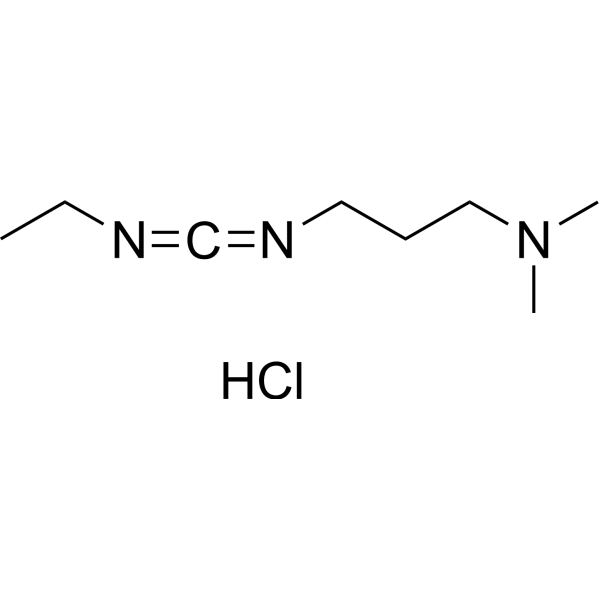
HY-D0178
1-Ethyl-(3-dimethylaminopropyl)carbodiimide hydrochlorideCarbodiimide Reagent -
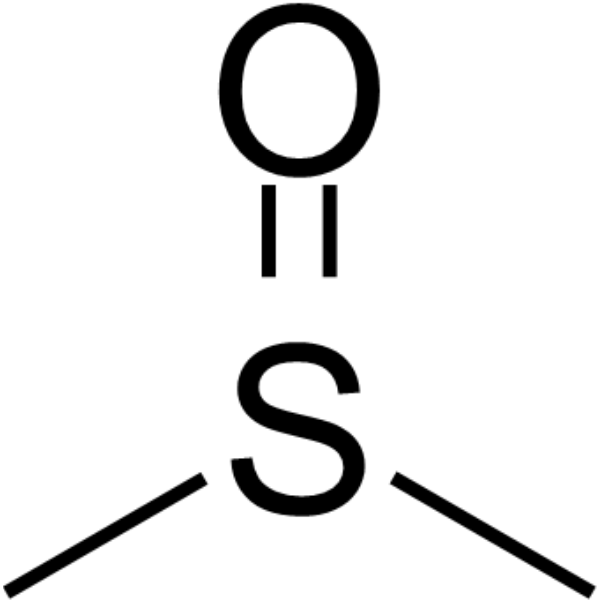
HY-Y0320
Dimethyl sulfoxide, meets analytical specification of Ch.P.Aprotic Solvent -
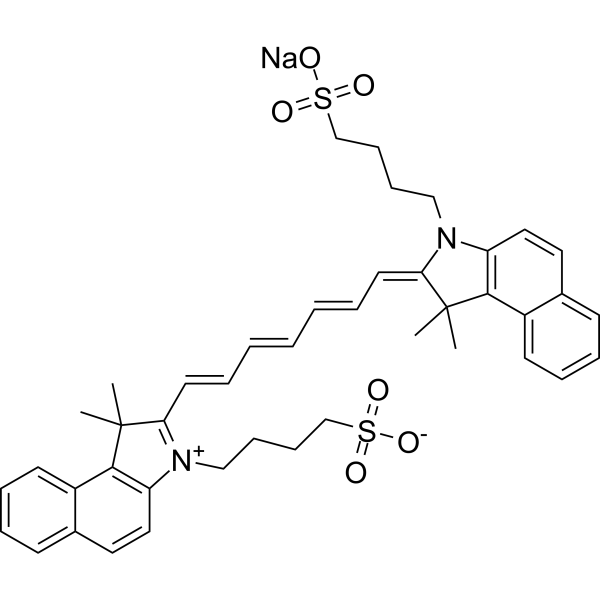
HY-D0711
Indocyanine greenFluorescent Agent -
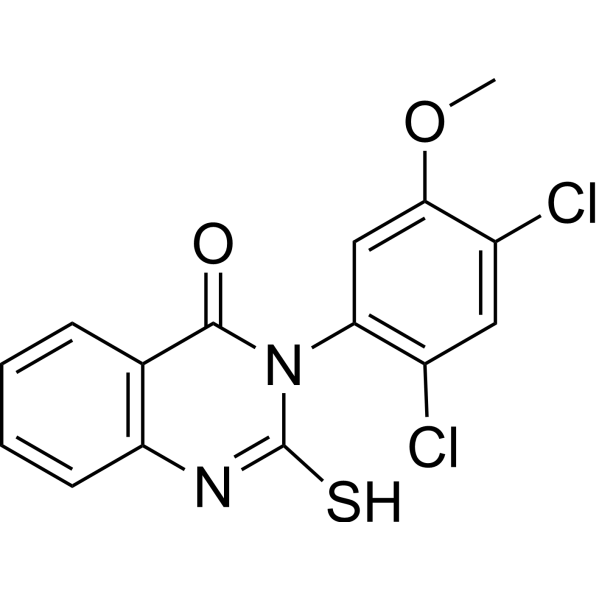
HY-15886
Mdivi-1Drp1 Inhibitor -
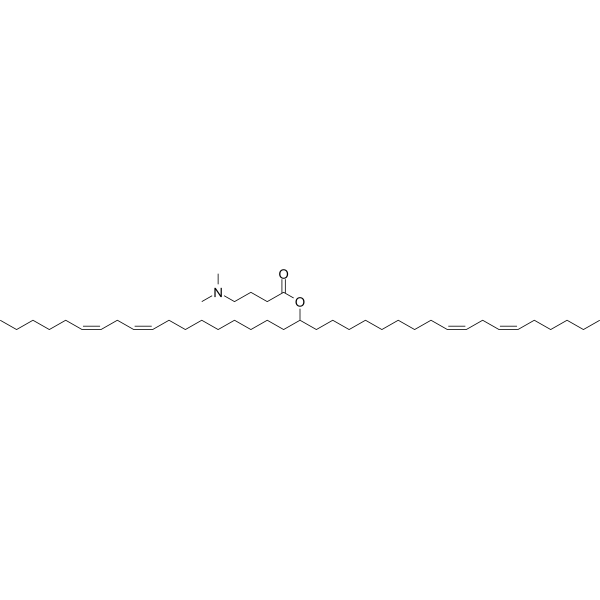
HY-112251
D-Lin-MC3-DMAsiRNA Delivery Vehicle -
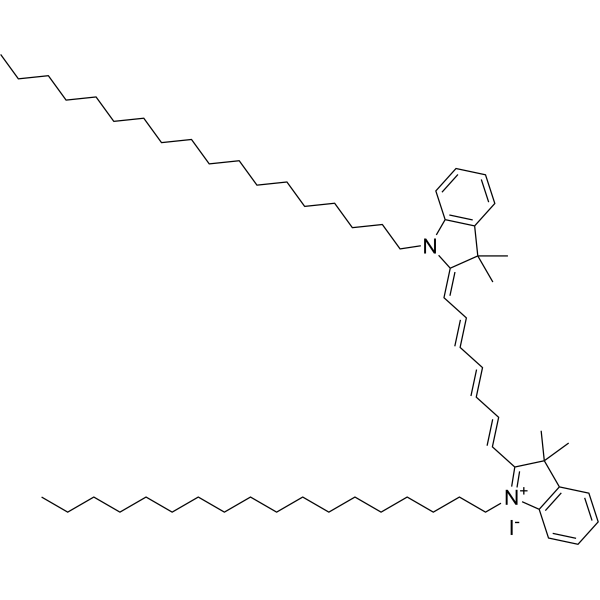
HY-D1048
DiRMembrane Dye
Publications Citing Use of MedChemExpress (MCE) CY7
More- Redox Biol. 2026 Feb:89:103977. [Abstract]
- J Nanobiotechnology. 2026 Jun 11. [Abstract]
- J Nanobiotechnology. 2025 Jan 29;23(1):54. [Abstract]
- Biomaterials. 2026 Jun:329:123933. [Abstract]
- Chem Eng J. 2026 Jul 26;546:179956.
- Chem Eng J. 2021, 129284.
- J Control Release. 2021 Apr 10:332:194-209. [Abstract]
- Cell Death Dis. 2026 Apr 8;17(1):499. [Abstract]
- Cell Mol Biol Lett. 2022 Dec 6;27(1):107. [Abstract]
- Cell Mol Biol Lett. 2022 Oct 12;27(1):92. [Abstract]
- Mater Today Bio. 2026 Jan 31:37:102874. [Abstract]
- Adv Healthc Mater. 2025 Apr;14(9):e2402773. [Abstract]
- J Cachexia Sarcopenia Muscle. 2023 Apr;14(2):915-929. [Abstract]
- J Orthop Translat. 2025 Jun 9:53:99-111. [Abstract]
- Int J Biol Macromol. 2025 Dec 9:149585. [Abstract]
- Int J Biol Macromol. 2025 Jun:313:144010. [Abstract]
- Int J Pharm X. 2026 Feb 24:11:100510. [Abstract]
- ACS Appl Mater Interfaces. 2025 Apr 4. [Abstract]
- J Drug Deliv Sci Technol. 2026 Jul 11;125:108700.
- AAPS PharmSciTech. 2025 Mar 26;26(4):94. [Abstract]
- FASEB J. 2022 Oct;36(10):e22517. [Abstract]
- SSRN. 2025 Sep 8.
- Oxid Med Cell Longev. 2020 Dec 5:2020:8586314. [Abstract]
 Customer Validation & Images

-
In Vivo Imaging
-
In Vivo Imaging
-
Cell Imaging/Staining
-
In Vivo Imaging
-
In Vivo Imaging


Biological Activity
제품 설명
In Vitro
Guide (The following is our recommended protocol. This protocol is only a guide and should be modified according to your specific needs).
1. Protein Preparation
To obtain the best labeling effect, please prepare the protein (antibody) concentration to 2 mg/mL.
1.1 The pH value of the protein solution should be 8.5 ± 0.5. If the pH is lower than 8.0, adjust it with 1 M sodium bicarbonate.
1.2 If the protein concentration is lower than 2 mg/mL, the labeling efficiency will be greatly reduced. To obtain the best labeling efficiency, it is recommended that the final protein concentration range be 2-10 mg/mL.
1.3 The protein must be in a buffer free of primary amines (such as Tris or glycine) and ammonium ions, otherwise the labeling efficiency will be affected.
2. Dye Preparation
Dilute the dye with anhydrous DMSO to prepare a clear stock solution of 10 mg/mL.
Note: Before use, it must be activated with condensation solution (500 μg/mL) (HY-D0178) before subsequent labeling experiments can be performed.
3. Calculation of Dye Amount
The amount of dye required for the reaction depends on the amount of protein to be labeled. The optimal molar ratio of dye to protein is approximately 10:1.
Example: Assuming the required labeled protein is 500 μL 2 mg/mL IgG (MW=150,000), and 1 mg of dye is dissolved in 100 μL DMSO, the required dye volume is 4.8 μL. The detailed calculation process is as follows:
1) mmol (IgG) = mg/mL (IgG) × mL (IgG)/MW (IgG) = 2 mg/mL × 0.5 mL/150,000 mg/mmol = 6.7 × 10⁻⁶ mmol
2) mmol (dye) = mmol (IgG) × 10 = 6.7 × 10⁻⁶ mmol × 10 = 6.7 × 10⁻⁵ mmol
3) μL (dye) = mmol (dye) × MW (dye)/mg/μL (dye) = 6.7 ×10⁻⁵ mmol × 682.85 mg/mmol/0.01 mg/μL = 4.8 μL (dye)
Note: We recommend using a dye:protein molar ratio of 10:1. If the concentration is too low or too high, the ratio can be adjusted to 5:1, 15:1, or 20:1.
4. Running the Coupling Reaction
1) Slowly add the calculated volume of freshly prepared 10 mg/mL dye to 0.5 mL of protein sample solution, gently shake to mix, and then briefly centrifuge to collect the sample at the bottom of the reaction tube. Avoid vigorous mixing to prevent denaturation and inactivation of the protein sample.
2) Place the reaction tube in a dark place and incubate gently with shaking for 60 minutes at room temperature. Every 10-15 minutes, gently invert the reaction tube several times to thoroughly mix the reactants and improve labeling efficiency.
5. Purification of Conjugates
The following protocol is an example of purifying dye-protein conjugates using a Labelling Kits Centrifugation-Based Rapid Desalting Column (5KD) (HY-D3014).
5.1 Prepare the desalting column according to the instructions.
5.2 Load the reaction mixture onto the top of the desalting column.
5.3 Once the sample has run below the resin surface, immediately add PBS (pH 7.2-7.4).
5.4 Add more PBS (pH 7.2-7.4) to the target sample to complete column purification. Collect the fraction containing the desired dye-protein conjugate.
MedChemExpress (MCE) has not independently confirmed the accuracy of these methods. They are for reference only.
Emission (Em)
770
Dyeing Example


Chemical Information
-
CAS No. 943298-08-6
-
Appearance Solid
-
분자량 682.85
-
화학식 C35H42N2O8S2
-
Color Light yellow to green yellow
-
SMILES
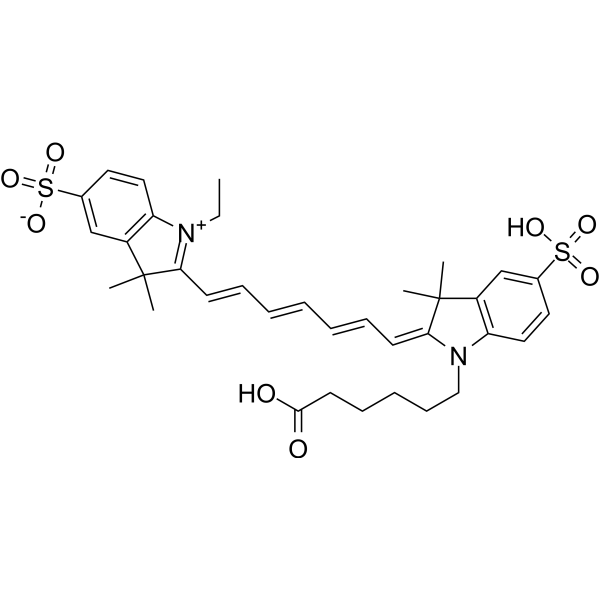
CC(/C(N1CCCCCC(O)=O)=C\C=C\C=C\C=C\C2=[N+](CC)C(C=CC(S(=O)([O-])=O)=C3)=C3C2(C)C)(C)C4=C1C=CC(S(=O)(O)=O)=C4
-
Synonyms
Sulfo-Cyanine7
-
선적
Room temperature in continental US; may vary elsewhere.
-
보관
4°C, protect from light
* In solvent : -80°C, 6 months; -20°C, 1 month (protect from light)


Publications (23)
-
Journal Impact Factor
-
Most Recent
-
Redox Biol
Synergistic STING activation and oxidative cascades-induced ferroptosis drive tumor microenvironment remodeling by engineered manganese nanoreactors. [Abstract]2026 Feb:89:103977. PMID: 41496203
CY7 purchased from MedChemExpress. Usage Cited in: Redox Biol. 2026 Feb:89:103977. [Abstract]
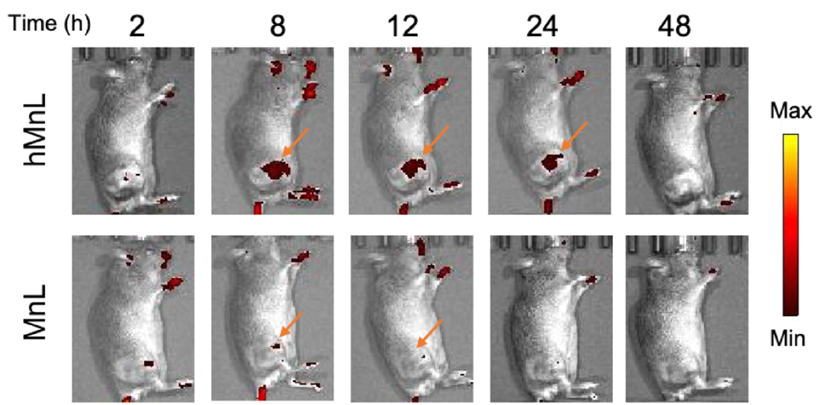
Cy7-labeled hMnL or MnL nanoparticles were intravenously injected into C3H mice for in vivo fluorescence biodistribution analysis.
-
J Nanobiotechnology
Gut microenvironment-responsive copper selenide/disulfiram/eudragit® L100-55 nanoflowers alleviate chronic pancreatitis via the inhibition of pyroptosis and pancreatic stellate cell activation. [Abstract]2026 Jun 11. PMID: 42277854 -
J Nanobiotechnology
Dual-mode-driven nanomotors targeting inflammatory macrophages for the MRI and synergistic treatment of atherosclerosis. [Abstract]2025 Jan 29;23(1):54. PMID: 39881324 -
Biomaterials
Sequential-targeting nanomedicine protects against acute kidney injury by modulating calcium influx and scavenging reactive oxygen species. [Abstract]2026 Jun:329:123933. PMID: 41435454
CY7 purchased from MedChemExpress. Usage Cited in: Biomaterials. 2026 Jun:329:123933. [Abstract]
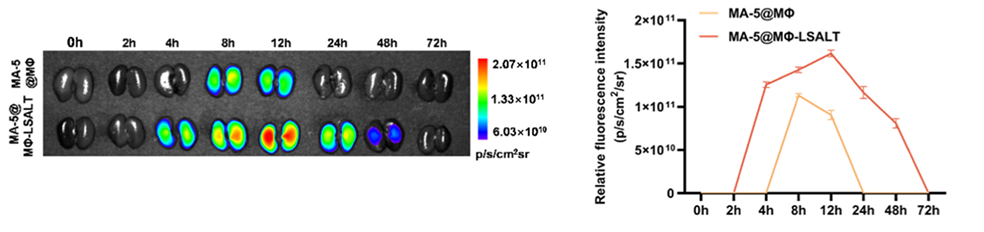
Representative fluorescence images of mouse kidney tissues collected at 0, 2, 4, 8, 12, 24, 48, and 72 h following the administration of Cy7-labeled MA-5@MΦ (100 μg, a single intravenous administration) or Cy7-labeled MA-5@MΦ-LSALT in AKI mice induced by cisplatin (Cis, 20 mg/kg, a single intraperitoneal injection).
-
-
CY7 purchased from MedChemExpress. Usage Cited in: Chem Eng J. 2021, 129284.
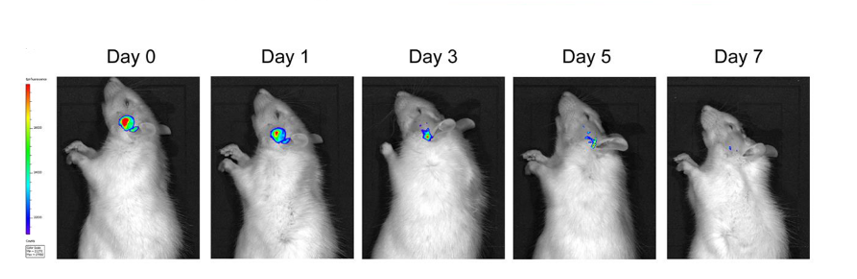
The fluorescein-labeled PDA-Cy7 NPs (100 μg/mL, a single intraarticular injection, 1-7 days) were utilized to assess the accuracy of drug administration in the left TMJ of SD rats.
-
J Control Release
Combination of MAPK inhibition with photothermal therapy synergistically augments the anti-tumor efficacy of immune checkpoint blockade. [Abstract]2021 Apr 10:332:194-209. PMID: 33631225
CY7 purchased from MedChemExpress. Usage Cited in: J Control Release. 2021 Apr 10:332:194-209. [Abstract]
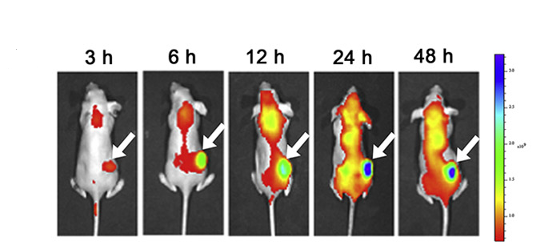
In vivo biodistribution of Cy7-labeled ASP (30 mg/kg) was examined by fluorescent imaging at 3, 6, 12, 24, and 48 h post i.v. administration (the location of the xenograft tumor was indicated with the white arrows).
-
Cell Death Dis
OSCAR functions as a collagen I receptor to suppress hippo signaling and reprogram lipid metabolism in clear-cell renal cell carcinoma. [Abstract]2026 Apr 8;17(1):499. PMID: 41951612 -
Cell Mol Biol Lett
2022 Dec 6;27(1):107. PMID: 36474192
CY7 purchased from MedChemExpress. Usage Cited in: Cell Mol Biol Lett. 2022 Dec 6;27(1):107. [Abstract]
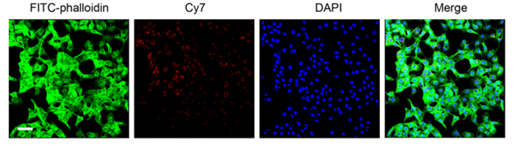
Cy7-labeled MF-094@NPs (50 μg/mL, 40 min) could be successfully taken up by HSC4 cells.
-
Cell Mol Biol Lett
Targeting UBR5 in hepatocellular carcinoma cells and precise treatment via echinacoside nanodelivery. [Abstract]2022 Oct 12;27(1):92. PMID: 36224534 -
Mater Today Bio
An anti-inflammatory neuroenhancer mitigates amyloid-β pathology to improve Alzheimer's disease therapy. [Abstract]2026 Jan 31:37:102874. PMID: 41696149 -
Adv Healthc Mater
Sodium Butyrate-Loaded Microspheres With Enhanced Bioavailability for Targeted Treatment of Intestinal Barrier Injury. [Abstract]2025 Apr;14(9):e2402773. PMID: 39629540 -
J Cachexia Sarcopenia Muscle
Mesenchymal stromal cells ameliorate diabetes-induced muscle atrophy through exosomes by enhancing AMPK/ULK1-mediated autophagy. [Abstract]2023 Apr;14(2):915-929. PMID: 36708027 -
J Orthop Translat
2025 Jun 9:53:99-111. PMID: 40538640 -
Int J Biol Macromol
Recombinant human collagen XVII promotes skin repair and regeneration by upregulating Lgr6 signaling pathway. [Abstract]2025 Dec 9:149585. PMID: 41380874 -
Int J Biol Macromol
Study on the biosafety and in vivo metabolic patterns of DNA-inspired Janus Base nanotubes. [Abstract]2025 Jun:313:144010. PMID: 40354855 -
Int J Pharm X
GPC3 and CD133-targeted peptide dual modification enhances the therapeutic effect of doxorubicin carried by OMVs on hepatocellular carcinoma. [Abstract]2026 Feb 24:11:100510. PMID: 41783645 -
ACS Appl Mater Interfaces
Probiotic Membrane-Modified Nanocomposite Alleviates Inflammation and Microbiota Dysbiosis in Colitis by Scavenging Oxidative Stress and Restoring Immune Homeostasis. [Abstract]2025 Apr 4. PMID: 40184333 -
-
AAPS PharmSciTech
Treatment of Bleomycin-induced Pulmonary Fibrosis by Intratracheal Instillation Administration of Ellagic Acid-Loaded Chitosan Nanoparticles. [Abstract]2025 Mar 26;26(4):94. PMID: 40140157 -
FASEB J
Exosomes derived from mesenchymal stem cells attenuate diabetic kidney disease by inhibiting cell apoptosis and epithelial-to-mesenchymal transition via miR-424-5p. [Abstract]2022 Oct;36(10):e22517. PMID: 36036527 -
-
Oxid Med Cell Longev
Topical Application of Fibroblast Growth Factor 10-PLGA Microsphere Accelerates Wound Healing via Inhibition of ER Stress. [Abstract]2020 Dec 5:2020:8586314. PMID: 33354279


용액&용해도
In Vitro:
DMSO : ≥ 33 mg/mL (48.33 mM; Hygroscopic DMSO has a significant impact on the solubility of product, please use newly opened DMSO)
* "≥" means soluble, but saturation unknown.
Please refer to the solubility information to select the appropriate solvent. Once prepared, please aliquot and store the solution to prevent product inactivation from repeated freeze-thaw cycles.
Storage method and period of stock solution: -80°C, 6 months; -20°C, 1 month (protect from light). When stored at -80°C, please use it within 6 months. When stored at -20°C, please use it within 1 month.
Please refer to the solubility information to select the appropriate solvent. Once prepared, please aliquot and store the solution to prevent product inactivation from repeated freeze-thaw cycles.
Storage method and period of stock solution: -80°C, 6 months; -20°C, 1 month (protect from light). When stored at -80°C, please use it within 6 months. When stored at -20°C, please use it within 1 month.
Concentration (start) × Volume (start) = Concentration (final) × Volume (final)


순도&문서
-
Data Sheet (292 KB)
-
SDS (394 KB)
- English - EN (394 KB)
- Français - FR (394 KB)
- Deutsch - DE (394 KB)
- Norwegian - NO (394 KB)
- Español - ES (394 KB)
- Swedish - SV (394 KB)
- Italian - IT (394 KB)
- Korean - KR (394 KB)
- Portuguese - PT (394 KB)
-
Handling Instructions (2659 KB)
References
[1]. Ptaszek M. Rational design of fluorophores for in vivo applications. Prog Mol Biol Transl Sci. 2013;113:59-108. [Content Brief]
[2]. Lim B, et al. A Unique Recombinant Fluoroprobe Targeting Activated Platelets Allows In Vivo Detection of Arterial Thrombosis and Pulmonary Embolism Using a Novel Three-Dimensional Fluorescence Emission Computed Tomography (FLECT) Technology. Theranostics. 2017 Feb 26;7(5):1047-1061. [Content Brief]


Complete Stock Solution Preparation Table
Please refer to the solubility information to select the appropriate solvent. Once prepared, please aliquot and store the solution to prevent product inactivation from repeated freeze-thaw cycles.
Storage method and period of stock solution: -80°C, 6 months; -20°C, 1 month (protect from light). When stored at -80°C, please use it within 6 months. When stored at -20°C, please use it within 1 month.
| Optional Solvent | Concentration Solvent Mass | 1 mg | 5 mg | 10 mg | 25 mg |
|---|---|---|---|---|---|
| DMSO | 1 mM | 1.4645 mL | 7.3223 mL | 14.6445 mL | 36.6113 mL |
| 5 mM | 0.2929 mL | 1.4645 mL | 2.9289 mL | 7.3223 mL | |
| 10 mM | 0.1464 mL | 0.7322 mL | 1.4645 mL | 3.6611 mL | |
| 15 mM | 0.0976 mL | 0.4882 mL | 0.9763 mL | 2.4408 mL | |
| 20 mM | 0.0732 mL | 0.3661 mL | 0.7322 mL | 1.8306 mL | |
| 25 mM | 0.0586 mL | 0.2929 mL | 0.5858 mL | 1.4645 mL | |
| 30 mM | 0.0488 mL | 0.2441 mL | 0.4882 mL | 1.2204 mL | |
| 40 mM | 0.0366 mL | 0.1831 mL | 0.3661 mL | 0.9153 mL |


CY7 Related Classifications
HY-D0825 Related Classifications
 Powered by Bioz