



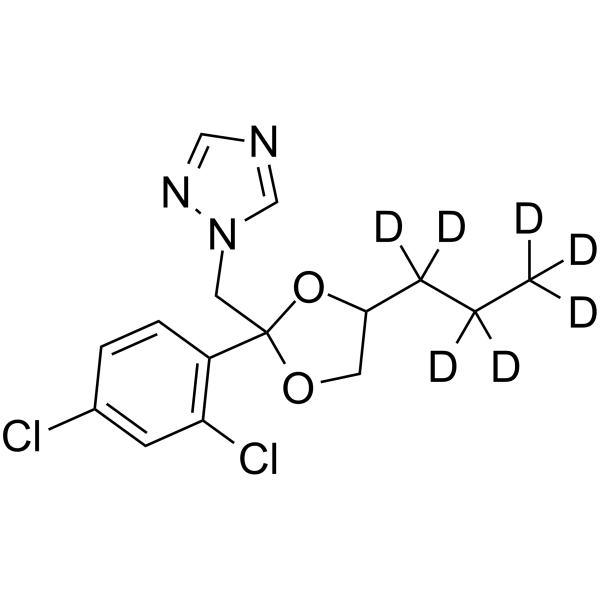
Propiconazole-d7
Propiconazole-d7 is the deuterium labeled Propiconazole. Propiconazole is a broad-spectrum triazole fungicide that inhibits the conversion of lanosterol to ergosterol, leading to fungal cell membrane disruption. Propiconazole inhibits S. cerevisiae, but not rat liver, microsomal cytochrome P450 (IC50s=0.04 and >200 μM, respectively). Propiconazole inhibits the growth of T. deformans and R. stolonifer (ED50s=0.073 and 4.6 μg/mL, respectively). Propiconazole increases production of reactive oxygen species (ROS).
For research use only. We do not sell to patients.
- CAS No.: 1246818-14-3
- Formula: C15H10D7Cl2N3O2
- Molecular Weight:349.26
-
Storage:
Please store the product under the recommended conditions in the Certificate of Analysis.

To place orders, for customer services and technical support, please contact: MedChemExpress USA
Tel: 609-228-6898 E-mail: [email protected] [email protected]


-
 Biological Activity
-
Chemical Information
- Protocols
- Purity & Documentation
- References
-
 Help & FAQs


-
HY-W250116
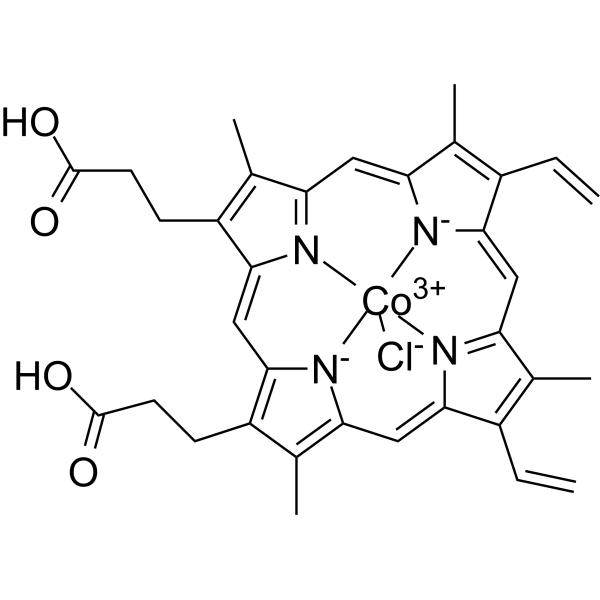
Co(III) protoporphyrin IX chlorideHO-1 Inducer -
HY-B0257S1
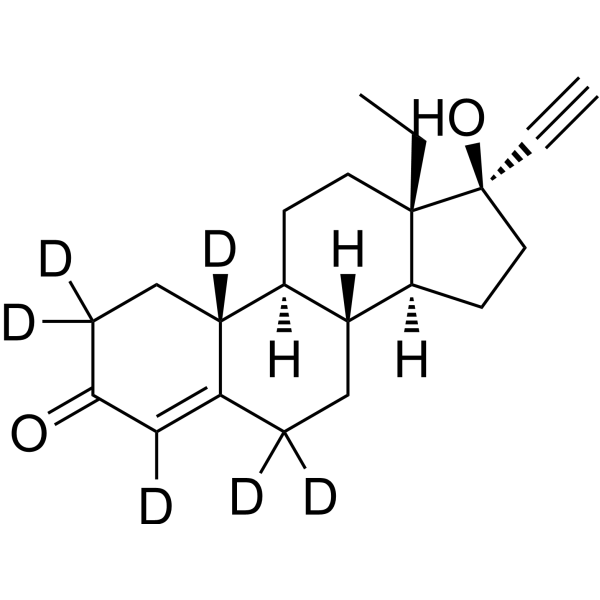
Norgestrel-d6Stable Isotope -
HY-13757AS
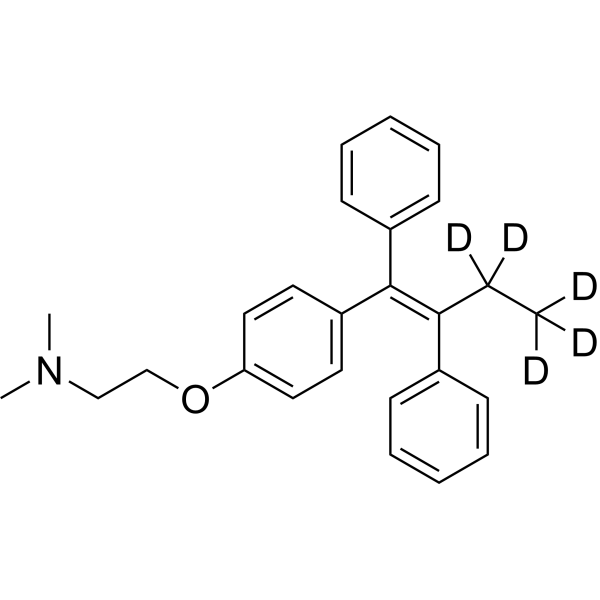
Tamoxifen-d5Stable Isotope -
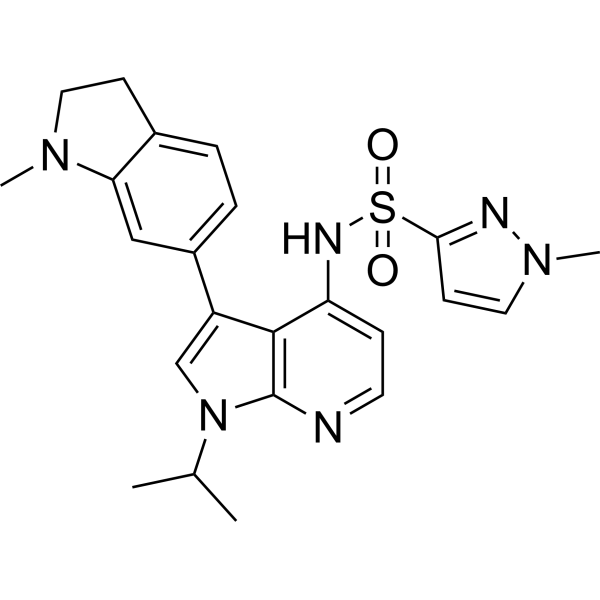
HY-18950
GSK2795039NOX2 Inhibitor -
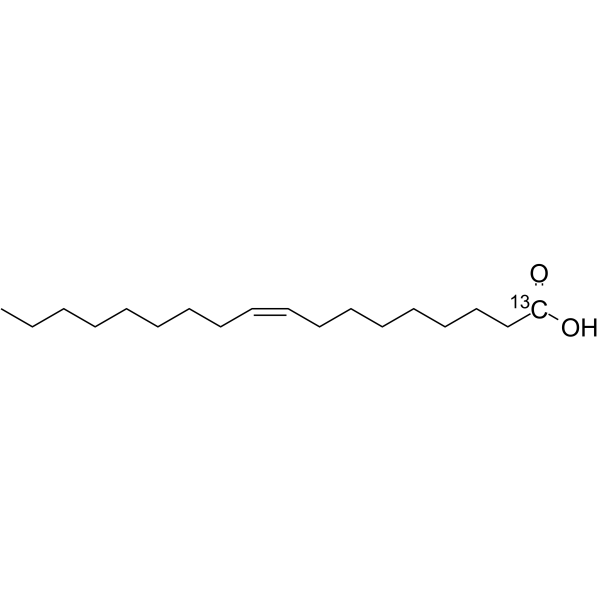
HY-N1446S
Oleic acid-13CStable Isotope -
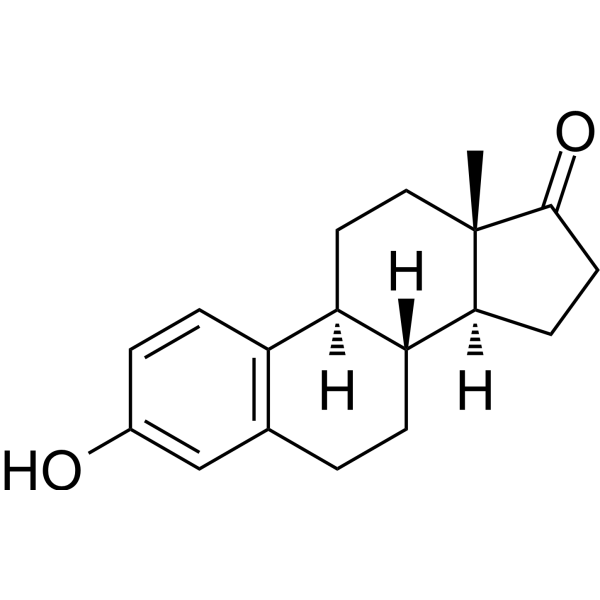
HY-B0234
EstroneEndogenous Metabolite -
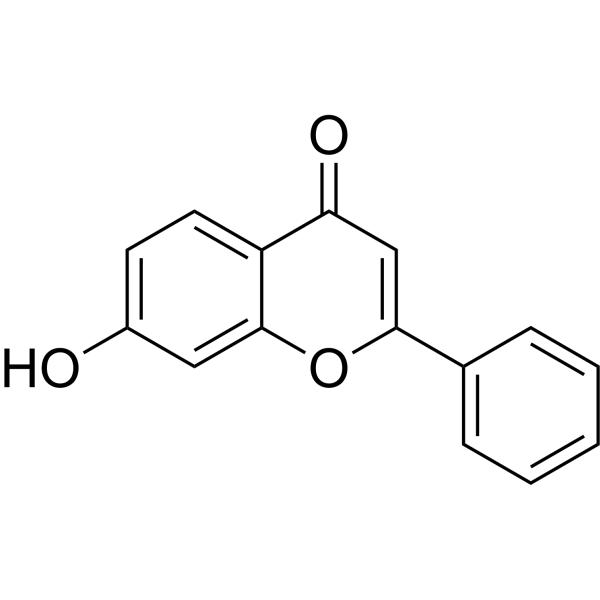
HY-N7108
7-HydroxyflavoneAnti-inflammatory Agent -
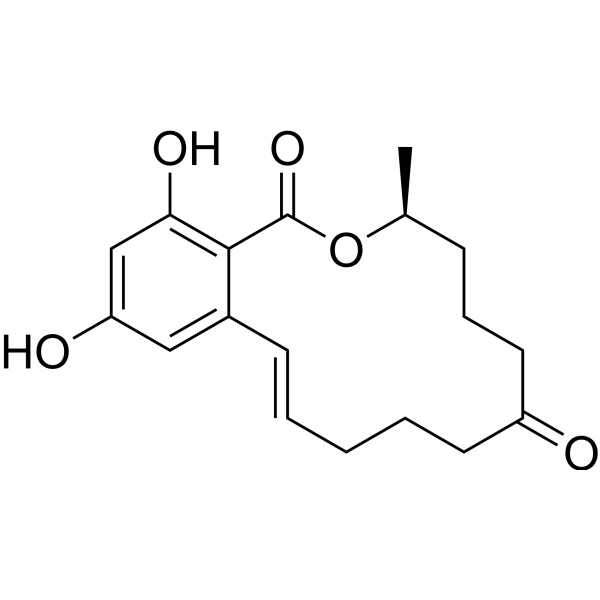
HY-103447
ZearalenoneMycotoxin Compound -
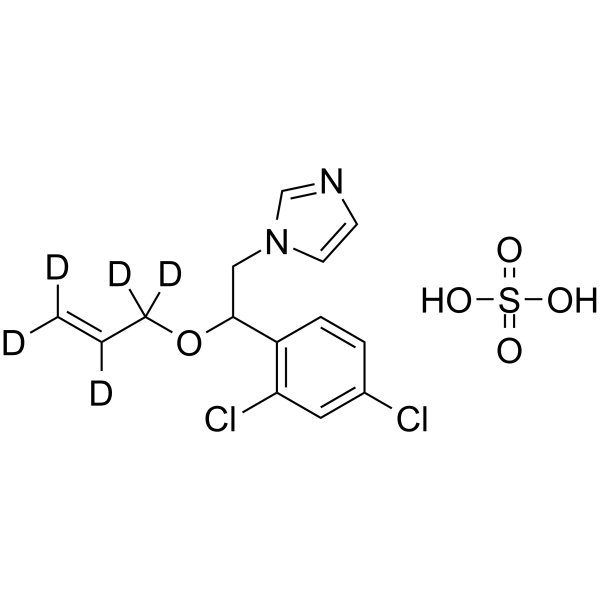
HY-B1134AS
Imazalil-d5 sulfateStable Isotope -
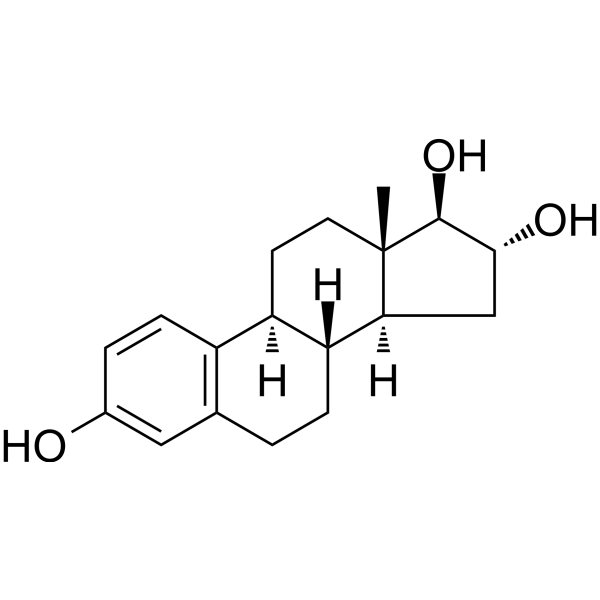
HY-B0412
EstriolEstrogen -
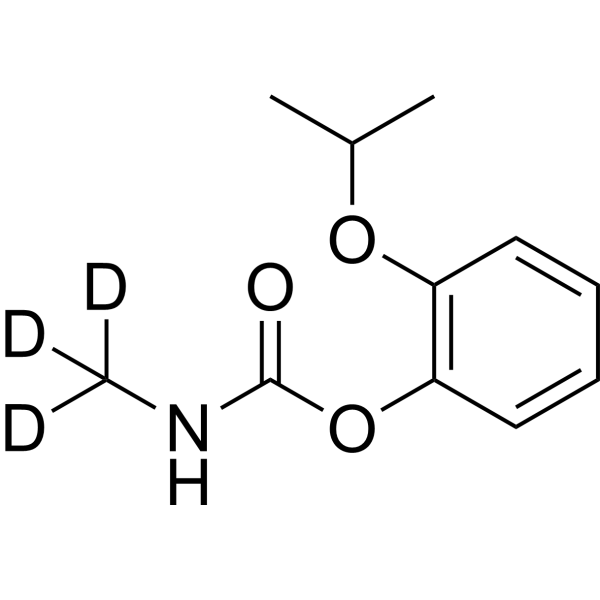
HY-B0916S
Propoxur-d3Stable Isotope


Biological Activity
Description
In Vitro
Stable heavy isotopes of hydrogen, carbon, and other elements have been incorporated into drug molecules, largely as tracers for quantitation during the drug development process. Deuteration has gained attention because of its potential to affect the pharmacokinetic and metabolic profiles of drugs[1].
MedChemExpress (MCE) has not independently confirmed the accuracy of these methods. They are for reference only. Further protocols information, click here.
Application
1. This compound can be used as a tracer
2. This compound can be used as an internal standard for quantitative analysis by NMR, GC-MS, or LC-MS.


Chemical Information
-
CAS No. 1246818-14-3
-
Unlabeled CAS 60207-90-1
-
Molecular Weight 349.26
-
Formula C15H10D7Cl2N3O2
-
SMILES
C(C1(OC(C(C(C([2H])([2H])[2H])([2H])[2H])([2H])[2H])CO1)C2=C(Cl)C=C(Cl)C=C2)N3C=NC=N3
-
Shipping
Room temperature in continental US; may vary elsewhere.
-
Storage
Please store the product under the recommended conditions in the Certificate of Analysis.

Protocols
-
ROS/oxidative-stress fluorescent staining
ROS/oxidative-stress fluorescent staining uses cell-permeant fluorogenic probes that become fluorescent after oxidation inside cells or tissues; commonly used examples include DCFH-DA/DCFDA for broad cellular oxidant detection, DHE for superoxide-related signal detection, MitoSOX for mitochondrial superoxide-related signal detection, and CellROX probes for oxidative-stress-associated fluorescence readouts. The assay detects probe oxidation rather than a single ROS species unless the probe and analysis method have been chemically validated for that species. DCFH-DA enters cells, is deacetylated by intracellular esterases to DCFH, and produces fluorescent DCF after oxidation, so the readout is used as an operational measure of total cellular oxidative stress rather than a species-specific ROS measurement. DHE and MitoSOX can report superoxide-related oxidation, but red fluorescence alone can include non-specific ethidium-like oxidation products; HPLC or optimized spectral approaches are


Purity & Documentation
References
[1]. Teng M, et al. Effect of Propiconazole on the Lipid Metabolism of Zebrafish Embryos ( Danio rerio). J Agric Food Chem. 2019;67(16):4623-4631. [Content Brief]
[2]. Russak EM, et al. Impact of Deuterium Substitution on the Pharmacokinetics of Pharmaceuticals. Ann Pharmacother. 2019;53(2):211-216. [Content Brief]

Calculators
Concentration (start) × Volume (start) = Concentration (final) × Volume (final)


Propiconazole-d7 Related Classifications
HY-B0847S Related Classifications
 Powered by Bioz