2543 Results for "

Class

" in MedChemExpress (MCE) Product Catalog:
Products (2543)

2543 Results for "Class" in MCE Product Catalog:

Art. -Nr.: HY-108706R
CAS. Nr.: 2169272-46-0
Forschungsgebiete:  

Cancer

KdM2A/7A-IN-1 (Standard) is the analytical standard of KdM2A/7A-IN-1 (HY-108706). This product is intended for research and analytical applications. KdM2A/7A-IN-1 is a first-in-class, selective and cell-permeable inhibitor of histone lysine demethylases KdM2A/7A, with an IC50 of 0.16 μM for KdM2A, exhibits 75 fold selevtivity over other JmjC lysine demethylases, and is inactive on methyl transferases, and histone acetyl transferases .
loading...
    loading...
Art. -Nr.: HY-109536B
CAS. Nr.: 68333-79-9
Forschungsgebiete:  

Others

Ammonium polyphosphate, n<20, water solubility>90 g/100 mL is a class of inorganic polyphosphate polymers that chelate metal ions. Ammonium polyphosphate, n<20, water solubility>90 g/100 mL is used as a raw material for agricultural chelated slow-release phosphorus fertilizers, and also serves as a reactive crosslinking component and flame retardant component in bio-based wood bio-adhesives. Ammonium polyphosphate, n<20, water solubility>90 g/100 mL is also used in research related to pH buffer reagents .
loading...
    loading...
Art. -Nr.: HY-112499S
CAS. Nr.: 1233937-31-9
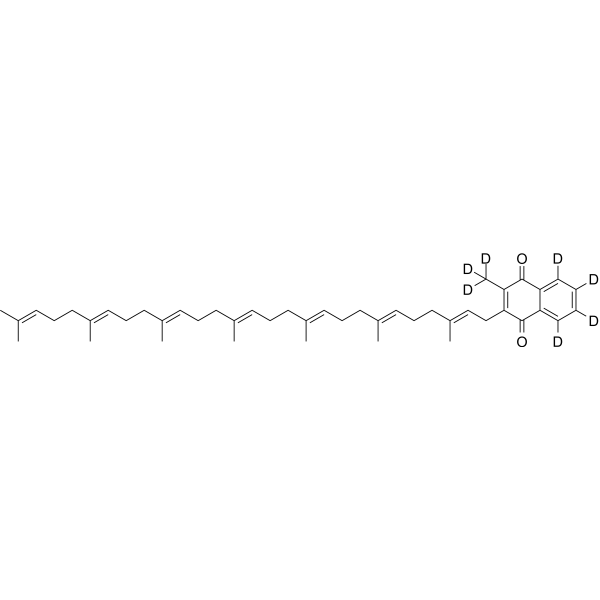
Synonyms: Vitamin K2-7-d7; Vitamin K2(35)-d7; Vitamin MK-7-d7
Menaquinone-7-d7 is the deuterium labeled Menaquinone-7. Menaquinone-7 (Vitamin K2-7), belongs to a class of K2-vitamin homologs, is originally discovered as the anti-hemorrhagic factors . Menaquinone-7 (Vitamin K2-7) is identified as the most bioactive cofactor for the carboxylation reaction of Gla-proteins . Supplementation with Menaquinone-7 (Vitamin K2-7) is a pharmacological option for activating matrix Gla protein and intervening in the progression of calcific aortic valve stenosis (CAVS) .
loading...
    loading...
Art. -Nr.: HY-112499S1
Reinheit:  ≥96.0%
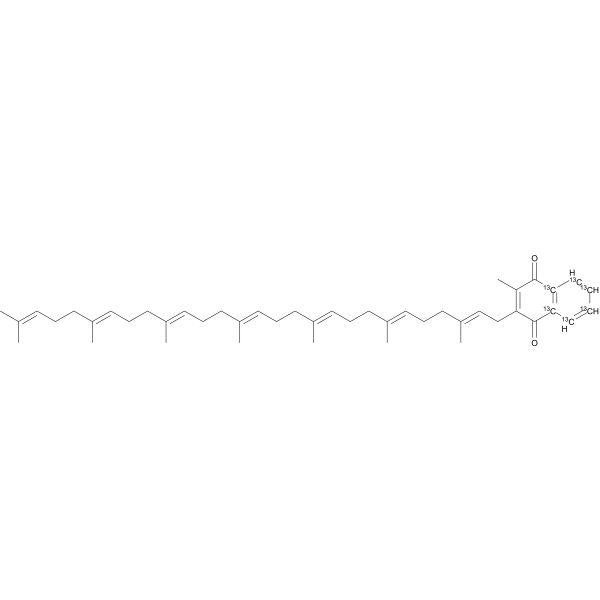
Synonyms: Vitamin K2-7-13C6; Vitamin K2(35)-13C6; Vitamin MK-7-13C6
Menaquinone-7- 13C6 is the 13C-labeled Menaquinone-7. Menaquinone-7 (Vitamin K2-7), belongs to a class of K2-vitamin homologs, is originally discovered as the anti-hemorrhagic factors . Menaquinone-7 (Vitamin K2-7) is identified as the most bioactive cofactor for the carboxylation reaction of Gla-proteins . Supplementation with Menaquinone-7 (Vitamin K2-7) is a pharmacological option for activating matrix Gla protein and intervening in the progression of calcific aortic valve stenosis (CAVS) .
loading...
    loading...
Art. -Nr.: HY-121634
CAS. Nr.: 794466-17-4
Forschungsgebiete:  

Others

DAP-81 is an inhibitory agent targeting Polo-like kinases (Plks), a class of evolutionarily conserved serine/threonine kinases. DAP-81 dose-dependently increases the number of monopolar spindles in treated cells. High-resolution live-cell microscopy revealed that Plk activity is required for the assembly and maintenance of bipolar mitotic spindles. Plk inhibition destabilizes centromeric microtubules while stabilizing other spindle microtubules, leading to the formation of monopolar spindles. Further testing of compounds based on "privileged scaffolds" such as the DAP scaffold may lead to the discovery of new cell division probes and anti-microtubule agents.
loading...
    loading...
Art. -Nr.: HY-124470
CAS. Nr.: 550-28-7
Target:  

Others

Forschungsgebiete:  

Cardiovascular Disease

Amisometradine is an orally active aminouracil diuretic with a diuretic potency approximately 40% that of Mersalyl (HY-108868) (when administered intramuscularly). Amisometradine exerts its effects by promoting the excretion of sodium, chloride and a small amount of potassium, exhibits significant therapeutic effects in heart failure models, and has good tolerance with long-term administration. Compared with drugs of the same class, Amisometradine causes fewer gastrointestinal reactions; its minor side effects mainly include nausea, vomiting, diarrhea, tinnitus and deafness, and are usually not accompanied by proteinuria or abnormalities in blood and urine indicators. Amisometradine is an important tool for the study of heart failure and related diuretic mechanisms .
loading...
    loading...
Art. -Nr.: HY-131910
CAS. Nr.: 2429889-61-0
Target:  

PI3K Cytochrome P450

Forschungsgebiete:  

Inflammation/Immunology

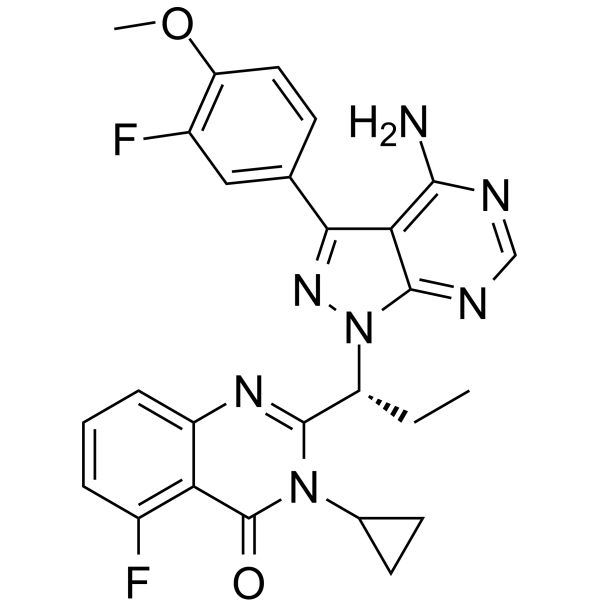
IHMT-PI3Kδ-372 is a potent and selective PI3Kδ inhibitor with an IC50 of 14 nM. IHMT-PI3Kδ-372 shows high selectivity over other class I PI3Ks (56~83 fold) and other protein kinases. IHMT-PI3Kδ-372 can be uesd for chronic obstructive pulmonary disease (COPD) research .
loading...
    loading...
Art. -Nr.: HY-137527
CAS. Nr.: 24570-39-6
Target:  

Bacterial

Forschungsgebiete:  

Infection

Ac-Lys (Ac)-D-Ala-D-Ala-OH is a synthetic dipeptide analog that mimics the terminal structure of bacterial peptidoglycan chains. Ac-Lys (Ac)-D-Ala-D-Ala-OH serves as a molecular decoy to investigate the mechanism of action of Vancomycin-class antibiotics, and also acts as an affinity chromatography ligand for purifying proteins that bind to Vancomycin. Ac-Lys (Ac)-D-Ala-D-Ala-OH reduces the activity of Vancomycin against susceptible enterococci. Ac-Lys (Ac)-D-Ala-D-Ala-OH is applicable to the research of Vancomycin-resistant enterococcal infections .
loading...
    loading...
Art. -Nr.: HY-139620
CAS. Nr.: 2762181-19-9
Forschungsgebiete:  

Cancer

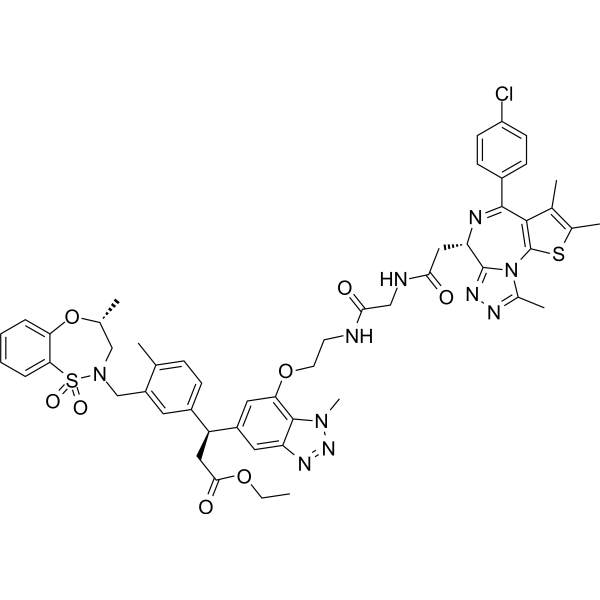
MS83 is a selective degrader of BRD4/BRD3 belonging to the PROTAC class. MS83 hijacks the KEAP1-dependent CUL3 ligase complex by binding to KEAP1 and forming a ternary complex with BRD4/BRD3. MS83 induces polyubiquitination and degradation of BRD4/BRD3 in a concentration-, time- and ubiquitin-proteasome system-dependent manner. MS83 inhibits c-MYC protein levels and suppresses the proliferation of triple-negative breast cancer cells .
loading...
    loading...
Art. -Nr.: HY-145816
CAS. Nr.: 2669785-77-5
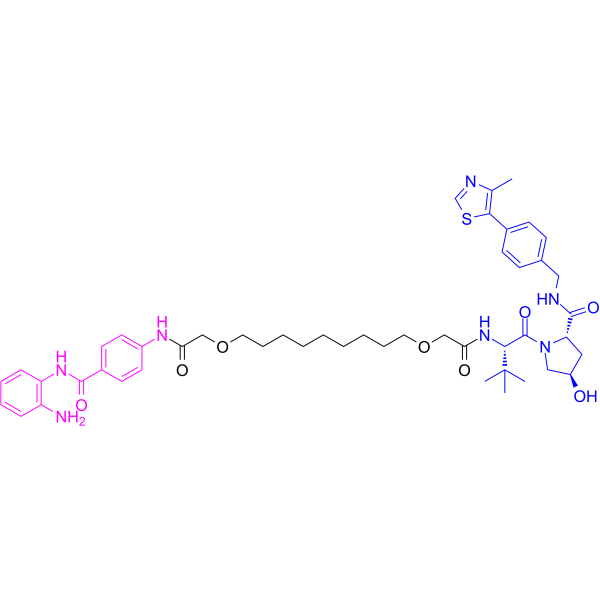
JPS016 is a class I histone deacetylase (HDAC) PROTAC inhibitor. JPS016 recruits the VHL E3 ligase (Ligands for E3 Ligase) to mediate the ubiquitination and proteasomal degradation of HDAC1, HDAC2 and HDAC3. JPS016 reduces the viability of colon cancer cells and induces Apoptosis. JPS016 activates the PINK1/Parkin mitochondrial Autophagy pathway, enhances cardiomyocyte viability, alleviates mitochondrial damage, and reduces mitochondrial ROS production in cells. JPS016 is applicable to research related to colon cancer and sepsis cardiomyopathy .
loading...
    loading...
Art. -Nr.: HY-146231A
Reinheit:  99.88%
Target:  

PROTACs MAP4K

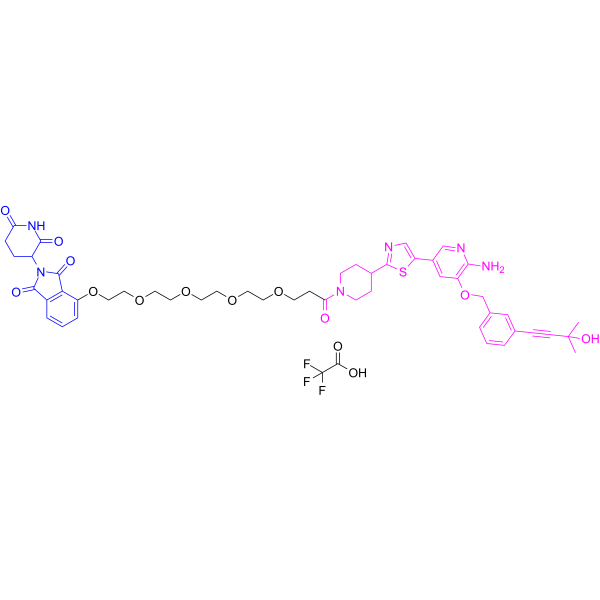
SS47 TFA is a hematopoietic progenitor kinase HPK1 PROTAC-class degrader and immune activator. SS47 TFA promotes the proliferation of CD4+ and CD8+ T cells as well as IFN-γ secretion, and enhances the anti-tumor cytotoxicity and in vivo efficacy of BCMA CAR-T cells. SS47 TFA also inhibits tumor growth in mouse models, and when combined with anti-PD-1 therapy, it improves the immune response of 4T1 tumor-bearing mice. SS47 TFA can be used in breast cancer-related research .
loading...
    loading...
Art. -Nr.: HY-154855
CAS. Nr.: 2814571-89-4
Target:  

HDAC

Forschungsgebiete:  

Cancer

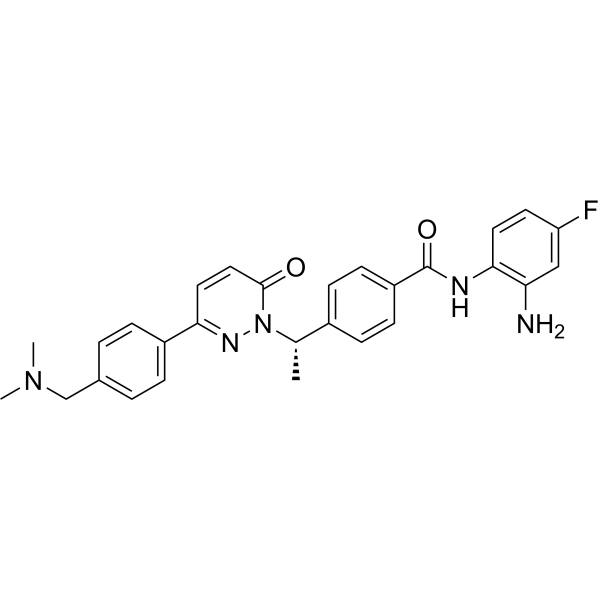
HDAC-IN-56 ((S)-17b) is an orally active class I histone deacetylase (HDAC) inhibitor with IC50 values of 56.0 ± 6.0, 90.0 ± 5.9, 422.2 ± 105.1, >10000 nM for HDAC1, HDAC2, HDAC3, and HDAC4-11, respectively. HDAC-IN-56 has potent inhibitory activity while strongly increasing intracellular levels of acetylhistone H3 and P21 and effectively inducing G1 cell cycle arrest and apoptosis.HDAC-IN-56 has antitumor activity .
loading...
    loading...
Art. -Nr.: HY-163168
CAS. Nr.: 2412985-00-1
Synonyms: CFT-4531
Forschungsgebiete:  

Cancer

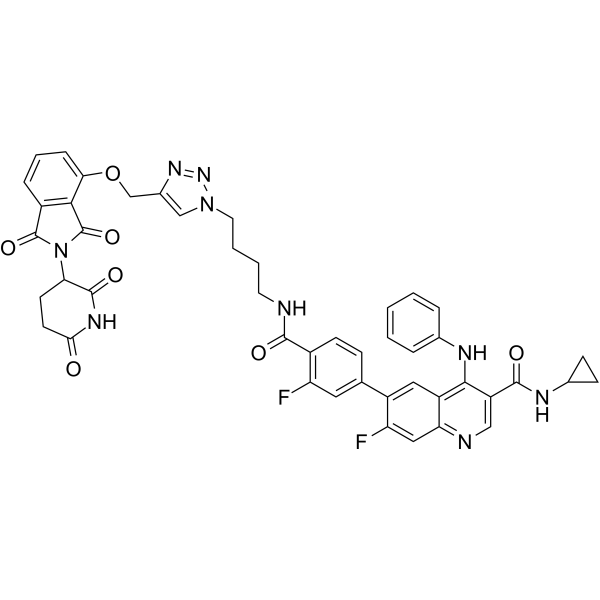
aTAG 4531 (CFT-4531) is a PROTAC-class degrader that induces the degradation of the MTH1/aTAG fusion protein by recruiting cereblon, with a DC50 of 0.28 nM in Jurkat cells. aTAG 4531 inhibits MTH1 enzymatic activity, with a Ki of 1.8 nM. aTAG 4531 rapidly, selectively and reversibly regulates SMART-CAR protein levels, CAR-mediated target cell killing and IL-2 release, and is applicable both in vitro and in vivo. aTAG 4531 can be used in studies of targeted protein degradation, target validation and CAR-T activity regulation .
loading...
    loading...
Art. -Nr.: HY-16457
CAS. Nr.: 791635-59-1
Synonyms: MST 997
Forschungsgebiete:  

Cancer

Simotaxel (MST 997) is an orally active derivative of the taxane class. Simotaxel binds to β-tubulin and promotes tubulin polymerization (EC₅₀ = 0.9 μM), inhibits tubulin depolymerization, and causes cell cycle arrest at the G₂-M phase. Simotaxel disrupts the formation of the mitotic spindle and triggers the caspase-dependent apoptotic pathway (apoptosis). Simotaxel has inhibitory effects on Paclitaxel (HY-B0015) sensitive cell lines and overcomes drug resistance. Simotaxel can be used to study Paclitaxel / Docetaxel (HY-B0011) resistant solid tumors .
loading...
    loading...
Art. -Nr.: HY-171155
CAS. Nr.: 1360282-15-0
Target:  

Tyrosinase

Forschungsgebiete:  

Cancer

CLIP1-LTK fusion protein regulator-1 is a 7-azaindol-6-amine class CLIP1-LTK fusion protein regulator and CLIP1-LTK fusion protein receptor inhibitor. CLIP1-LTK fusion protein regulator-1 suppresses abnormal proliferation of CLIP1-LTK-dependent cells.CLIP1-LTK fusion protein regulator-1 can be used for the research of non-small cell lung cancer .
loading...
    loading...
Art. -Nr.: HY-18326
CAS. Nr.: 1235493-78-3
Target:  

γ-secretase Amyloid-β

Forschungsgebiete:  

Neurological Disease

BMS-869780 is an orally active non-acidic γ-secretase (γ-secretase) modulator. BMS-869780 regulates the activity of γ-secretase, thereby altering the production profile of β-amyloid proteins. When acting alone, it changes the relative levels of specific β-amyloid subtypes without inhibiting the total production of β-amyloid proteins. BMS-869780 exerts a synergistic effect with γ-secretase modulators of the acidic structural class to inhibit the total production of β-amyloid proteins in cell cultures .
loading...
    loading...
Art. -Nr.: HY-A0236
CAS. Nr.: 37640-71-4
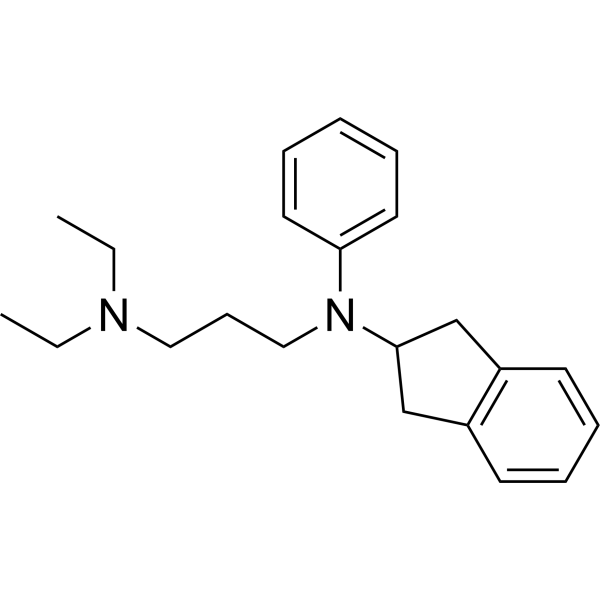
Aprindine is an Ib-class anti-arrhythmic agent. Aprindine mainly exerts its effect by blocking sodium channels (INa), thereby reducing the excitability and conduction velocity of cardiac muscle cells. Aprindine significantly inhibits delayed potassium currents, which helps to prolong the atrial effective refractory period (AERP) and inhibit the occurrence of atrial fibrillation. Aprindine can also regulate intracellular calcium ion concentration by inhibiting Na +/Ca 2+ exchange current (INCX), thereby further stabilizing cardiac electrical activity. Aprindine can be used for the study of atrial fibrillation (AF) and ventricular arrhythmias .
loading...
    loading...
Art. -Nr.: HY-A0236A
CAS. Nr.: 33237-74-0
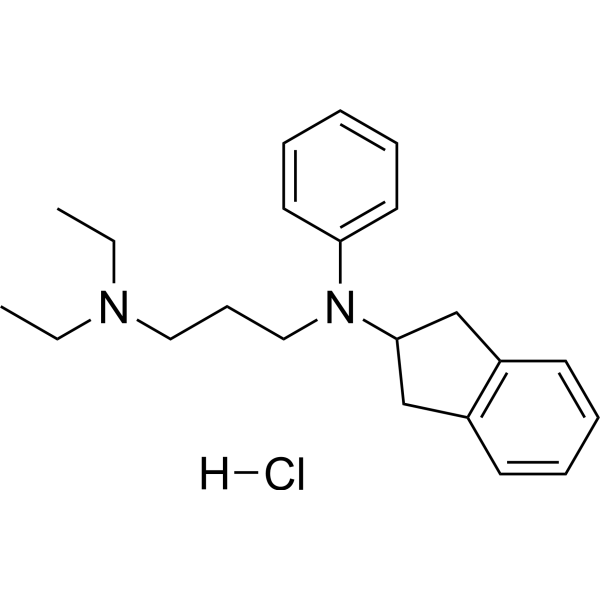
Aprindine hydrochloride is an Ib-class anti-arrhythmic agent. Aprindine hydrochloride mainly exerts its effect by blocking sodium channels (INa), thereby reducing the excitability and conduction velocity of cardiac muscle cells. Aprindine hydrochloride significantly inhibits delayed potassium currents, which helps to prolong the atrial effective refractory period (AERP) and inhibit the occurrence of atrial fibrillation. Aprindine hydrochloride can also regulate intracellular calcium ion concentration by inhibiting Na +/Ca 2+ exchange current (INCX), thereby further stabilizing cardiac electrical activity. Aprindine hydrochloride can be used for the study of atrial fibrillation (AF) and ventricular arrhythmias .
loading...
    loading...
Art. -Nr.: HY-B0897R
CAS. Nr.: 103597-45-1
Forschungsgebiete:  

Others

Bisoctrizole (Standard) is the analytical standard of Bisoctrizole (HY-B0897). This product is intended for research and analytical applications. Bisoctrizole is a broad-spectrum UVA/UVB absorber that belongs to the benzotriazole class of compounds. Bisoctrizole absorbs UV light through hydroxyphenyl groups, causing reversible electronic transitions, thereby converting light energy into heat energy, inhibiting UV-induced material or skin damage. Bisoctrizole is highly efficient in capturing UVA (320-400 nm) and some UVB (280-320 nm) radiation. Bisoctrizole delays the photodegradation of materials such as silicones, improving their UV aging resistance or enhancing the photoprotective ability of sunscreen products .
loading...
    loading...
Art. -Nr.: HY-B1275AR
CAS. Nr.: 153-61-7
Synonyms: Cephalotin (Standard)
Cephalothin (Cephalotin) (Standard) is the analytical standard of Cephalothin (HY-B1275A). This product is intended for research and analytical applications. Cephalothin is a semi-synthetic cephalosporin antibiotic and beta-lactam antibiotic. Cephalothin inhibits class C β-lactamase AmpC, with an Ki of 0.32 µM. Cephalothin binds to penicillin-binding proteins, interfering with the cross-linking of peptidoglycan in the cell wall and thus hindering the normal synthesis of the bacterial cell wall. Cephalothin shows antibacterial activity against a variety of bacteria. Cephalothin can be used in hematological and nephrotoxicity studies .
loading...
    loading...

