

3072 Results for "

Modulators

" in MedChemExpress (MCE) Product Catalog:
Products (3072)

3072 Results for "Modulators" in MCE Product Catalog:

Cat. No.: HY-14744D
CAS No.: 884648-62-8
Levamlodipine besylate Hemipentahydrate is an orally active L-type calcium channel blocker and MMP-9 modulator with high permeability and retention properties. Levamlodipine besylate Hemipentahydrate significantly enhances plaque stability and improves lipid profiles by reducing blood pressure, decreasing systolic blood pressure variability, and inhibiting MMP-9 expression in atherosclerotic plaques. Levamlodipine besylate Hemipentahydrate not only alleviates cardiac and aortic hypertrophy and prevents renal atrophy, but also produces synergistic effects in blood pressure reduction and organ protection when combined with bisoprolol (HY-129029). Levamlodipine besylate Hemipentahydrate exerts no significant inhibitory effect on abdominal aortic intimal hyperplasia. When excessively accumulated in the epidermis, Levamlodipine besylate Hemipentahydrate may induce changes in keratin structure, impair the skin barrier and trigger inflammation; long-term use further exacerbates skin irritation caused by local administration. Levamlodipine besylate Hemipentahydrate can be used in research related to hypertension and atherosclerosis .
loading...
    loading...
Cat. No.: HY-14744S
CAS No.: 1346617-19-3
Purity:  99.74%
Synonyms: (S)-Amlodipine-d4; Levoamlodipine-d4
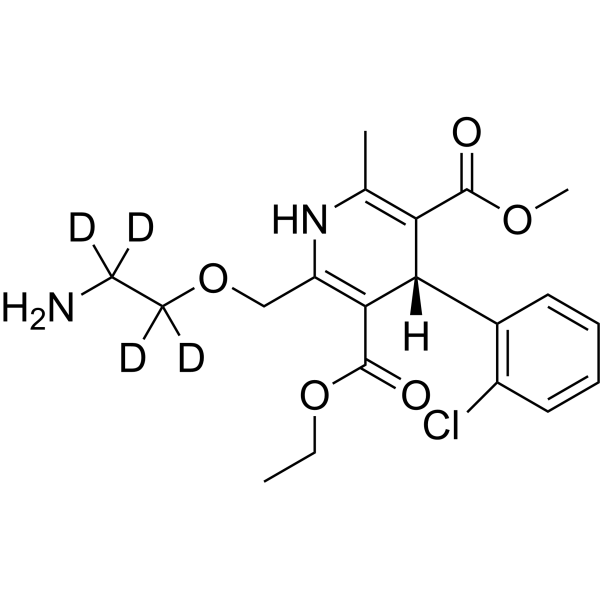
Levamlodipine-d4 is the deuterium labeled Levamlodipine. Levamlodipine ((S)-Amlodipine; Levoamlodipin) is an orally active L-type calcium channel blocker and MMP-9 modulator with high permeability and retention properties. Levamlodipine significantly enhances plaque stability and improves lipid profiles by reducing blood pressure, decreasing systolic blood pressure variability, and inhibiting MMP-9 expression in atherosclerotic plaques. Levamlodipine not only alleviates cardiac and aortic hypertrophy and prevents renal atrophy, but also produces synergistic effects in blood pressure reduction and organ protection when combined with bisoprolol (HY-129029). Levamlodipine exerts no significant inhibitory effect on abdominal aortic intimal hyperplasia. When excessively accumulated in the epidermis, Levamlodipine may induce changes in keratin structure, impair the skin barrier and trigger inflammation; long-term use further exacerbates skin irritation caused by local administration. Levamlodipine can be used in research related to hypertension and atherosclerosis .
loading...
    loading...
Cat. No.: HY-148511
CAS No.: 147063-80-7
Synonyms: CMP-001
Vidutolimod (CMP-001) is a virus-like particle containing a TLR9 activator . Vidutolimod induces human peripheral blood mononuclear cells to secrete IFNα, and upregulates the gene expression of CXCL10, PDL1, IDO and CD80. Vidutolimod activates TLR9, which in turn triggers plasmacytoid dendritic cell activation, production of IFNγ and TNFα, induction of CXCL10, and recruitment of antitumor T cells. Vidutolimod causes influenza-like symptoms, hypotension and tumor regression, and its activity depends on the presence of anti- antibodies. Vidutolimod modulates monocyte function, promotes CD4 T cell proliferation, and activates multiple immune cell types in an environment with anti-Qβ antibodies. Vidutolimod prolongs the survival of tumor-bearing mice. Vidutolimod is used in research related to advanced melanoma, head and neck squamous cell carcinoma, and advanced non-small cell lung cancer .
loading...
    loading...
Cat. No.: HY-15026
CAS No.: 915798-75-3
Target:  

Endogenous Metabolite

Research Areas:  

Inflammation/Immunology

ATB-429, a novel H2S-releasing derivative of mesalamine, demonstrates significant anti-nociceptive and anti-inflammatory effects in models of irritable bowel syndrome (IBS). By releasing hydrogen sulfide (H2S), ATB-429 modulates colorectal distension-induced hypersensitivity in both healthy and postcolitic rats. It attenuates abdominal withdrawal responses and suppresses spinal c-Fos mRNA expression, indicating its potential to alleviate pain associated with gastrointestinal inflammation. Moreover, ATB-429 down-regulates colonic cyclooxygenase-2 and interleukin-1β mRNA expression, effects not observed with mesalamine alone. The mechanism involves ATP-sensitive K+ (KATP) channels, as evidenced by reversal of ATB-429's effects with glibenclamide. These findings suggest ATB-429 could offer therapeutic benefits for managing painful intestinal disorders linked to inflammation .
loading...
    loading...
Cat. No.: HY-171978
Target:  

Adrenergic Receptor

Research Areas:  

Cardiovascular Disease

LM-189 is a β2-adrenergic receptor (β2AR) ligand and G protein-biased modulator with a human β2AR Ki of 0.063 nM.LM-189 promotes β2AR coupling to Gαs and Gαi heterotrimers, stabilizes distinct β2AR conformations including a TM6 outward state, and increases β2AR ICL2 dynamics.LM-189 restricts β2AR ligand-binding pocket conformational heterogeneity, stabilizes polar ligand-receptor interaction networks, and exhibits bias toward Gαi signaling over Gαs signaling.LM-189 enabled cryo-EM structural characterization of the β2AR-Gi complex.LM-189 can be used for the research of congestive heart failure .
loading...
    loading...
Cat. No.: HY-181088
CAS No.: 3088024-27-2
PDE3/4-IN-4 is an orally active PDE3A and PDE4B inhibitor with IC50 values of 10 nM and 9.4 nM, respectively. PDE3/4-IN-4 shows selective activity relative to most other PDE family members. PDE3/4-IN-4 modulates the cAMP/PKA/CREB signaling pathway. PDE3/4-IN-4 inhibits pro-inflammatory factor IL-6. PDE3/4-IN-4 reduces expression of inflammatory markers in liver tissue. PDE3/4-IN-4 attenuates liver fibrosis. PDE3/4-IN-4 limits liver damage in cholestatic and sepsis-induced liver disease mice models. PDE3/4-IN-4 can be used for the research of liver injury, cholestatic liver diseases, sepsis-induced liver injury .
loading...
    loading...
Cat. No.: HY-182048
Target:  

PD-1/PD-L1 mTOR

Research Areas:  

Cancer

PD-1/PD-L1-IN-62 is a PD-L1 inhibitor and mTOR modulator. PD-1/PD-L1-IN-62 inhibits PD-L1 with an IC50 of 6.9 nM and abrogates immune suppression mediated by the PD-1/PD-L1 pathway. By inhibiting mTOR phosphorylation and downregulating the downstream target SREBP1, PD-1/PD-L1-IN-62 significantly reduces cholesterol and triglyceride levels to decrease lipid accumulation. PD-1/PD-L1-IN-62 promotes the infiltration of CD3 +CD8 + T cells into tumor tissues, thereby effectively inhibiting tumor growth. PD-1/PD-L1-IN-62 can be used for the research of hepatocellular carcinoma .
loading...
    loading...
Cat. No.: HY-18234B
CAS No.: 24365-47-7
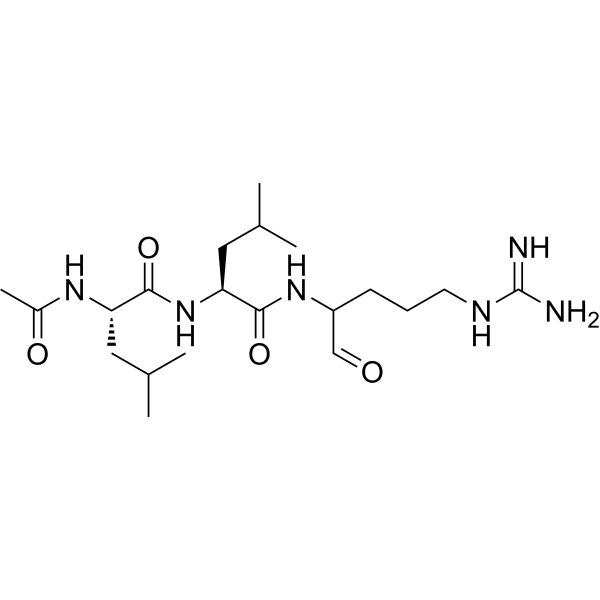
Leupeptin Ac-LL is a broad-spectrum protease inhibitor . By inhibiting the activation of the PTEN/PI3K/Akt/NF-κB/ERK1/2/p38 signaling pathway, Leupeptin Ac-LL significantly reduces LPS-induced NO and ROS production, mitochondrial membrane potential hyperpolarization, phagocytic activity, pro-inflammatory cytokine release, and M1 polarization in mouse peritoneal macrophages, and reverses autophagic flux impairment. It also decreases Concanavalin A (HY-P2149)-induced proliferation index of mouse splenic lymphocytes and the Th1/IL-10 and Th2/IL-10 cytokine ratios, thereby modulating innate and adaptive immune responses. Leupeptin Ac-LL inhibits blood coagulation and tumorigenesis in mouse skin. Leupeptin Ac-LL can be used in research on chronic inflammatory diseases and skin tumorigenesis .
loading...
    loading...
Cat. No.: HY-18234C
CAS No.: 24125-16-4
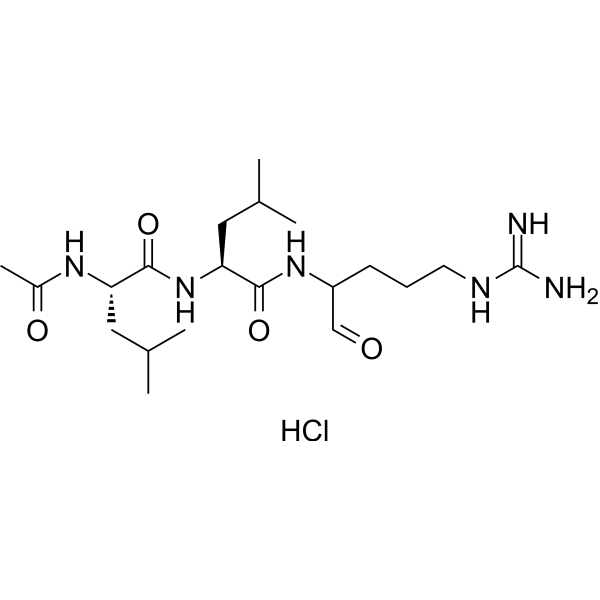
Leupeptin Ac-LL hydrochloride is a broad-spectrum protease inhibitor . By inhibiting the activation of the PTEN/PI3K/Akt/NF-κB/ERK1/2/p38 signaling pathway, Leupeptin Ac-LL hydrochloride significantly reduces LPS-induced NO and ROS production, mitochondrial membrane potential hyperpolarization, phagocytic activity, pro-inflammatory cytokine release, and M1 polarization in mouse peritoneal macrophages, and reverses autophagic flux impairment. It also decreases Concanavalin A (HY-P2149)-induced proliferation index of mouse splenic lymphocytes and the Th1/IL-10 and Th2/IL-10 cytokine ratios, thereby modulating innate and adaptive immune responses. Leupeptin Ac-LL hydrochloride inhibits blood coagulation and tumorigenesis in mouse skin. Leupeptin Ac-LL hydrochloride can be used in research on chronic inflammatory diseases and skin tumorigenesis .
loading...
    loading...
Cat. No.: HY-183273
CAS No.: 3087270-50-3
Research Areas:  

Cancer

BRD4/AKT-IN-1 is a BRD4/AKT inhibitor with BRD4 IC50 66.12 nM and AKT1 IC50 143.81 nM. BRD4/AKT-IN-1 blocks BRD4-mediated c-Myc transcriptional regulation, modulates AKT1 signaling, decouples AKT phosphorylation from pro-survival effectors. BRD4/AKT-IN-1 induces G0/G1 cell cycle arrest via downregulated phosphorylated RB, cyclin E1, CDK2. BRD4/AKT-IN-1 elevates LC3B levels to promote autophagy. BRD4/AKT-IN-1 promotes apoptosis in cancer cells. BRD4/AKT-IN-1 can be used for the research of metastatic castration-resistant prostate cancer .
loading...
    loading...
Cat. No.: HY-187088
CAS No.: 1198309-73-7
Target:  

mGluR

Research Areas:  

Neurological Disease

AZD-8418 is an orally active positive allosteric modulator of metabotropic glutamate receptor 2 (mGluR2), with an EC50 of 0.86 μM for rat mGlu2 receptors. AZD-8418 reduces the in vitro binding level of [ 3H]AZ12559322 in prefrontal cortex brain tissues of non-human primates. AZD8418 enhances the inhibitory effect of the mGlu2/3 agonist DCG-IV (HY-101335) on field excitatory postsynaptic potentials (fEPSP) in rat hippocampal brain slices. AZD-8418 reduces nicotine self-administration behavior in rats, and blocks cue-induced reinstatement of nicotine-seeking and food-seeking behaviors. The attenuating effect on nicotine self-administration behavior develops rapid tolerance, while inhibition of food self-administration behavior requires chronic administration. AZD-8418 can be used in research related to nicotine dependence and neuropsychiatric disorders .
loading...
    loading...
Cat. No.: HY-400902R
CAS No.: 2506273-81-8
Research Areas:  

Cancer

VT3989 (Standard) is the analytical standard of VT3989 (HY-400902). This product is intended for research and analytical applications. VT3989 is an orally active pan-TEAD autopalmitoylation inhibitor that modulates the Hippo signaling pathway. VT3989 directly binds to TEAD transcription factors to block their palmitoylation modification, thereby disrupting the formation of YAP/TAZ-TEAD complexes and inhibiting downstream oncogenic transcriptional activity. VT3989 effectively inhibits the growth of NF2-deficient schwannoma and meningioma cells and reverses the Schwann cell phenotype. In addition, VT3989 exerts a synergistic effect when combined with Osimtinib (HY-15772) in EGFR-mutant non-small cell lung cancer models, significantly delaying tumor recurrence and prolonging survival. VT3989 can be used for the research of epithelioid hemangioendothelioma, malignant pleural mesothelioma, type 2 neurofibromatosis and related advanced solid tumors .
loading...
    loading...
Cat. No.: HY-B0113S1
CAS No.: 934293-92-2
Synonyms: H 16868-d3-1
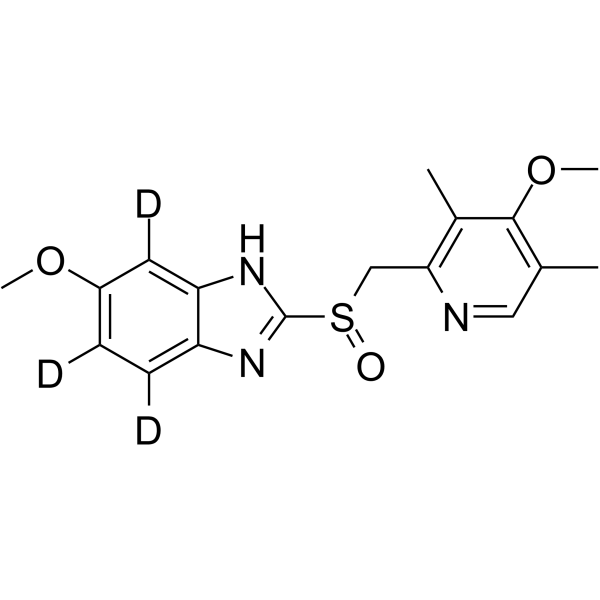
Omeprazole-d3-1 is the deuterium labeled Omeprazole. Omeprazole-1 (H 16868) is an orally active H +,K +-ATPase inhibitor and a proton pump inhibitor. Omeprazole-1 competitively inhibits CYP2C19, CYP3A4, and CYP2C9 activity. Omeprazole-1 inhibits gastric acid secretion and can be used for acid-related gastrointestinal disorders. Omeprazole-1 inhibits pancreatic cancer cell proliferation, induces apoptosis, autophagosome accumulation (elevated LC3-I and LC3-II levels), oxidative stress, and cytogenetic imbalance, modulates lysosomal transport, reduces inflammatory cytokines. Omeprazole-1 alters small intestinal morphology and magnesium absorption, and induces gastric mucosa morphologic changes. Omeprazole-1 aslo has neuroprotective and antibacterial effects .
loading...
    loading...
Cat. No.: HY-B1203R
CAS No.: 127-31-1
Synonyms: 9α-Fludrocortisone (Standard); 9α-Fluorcortisol (Standard)
Fludrocortisone (Standard) (9α-Fludrocortisone (Standard)) is the analytical standard of Fludrocortisone (HY-B1203). This product is intended for research and analytical applications. Fludrocortisone is an orally active mineralocorticoid and glucocorticoid receptor agonist. Fludrocortisone suppresses pro-inflammatory cytokine expression, reduces CCL2, IL-6, IL-8 levels, upregulates mineralocorticoid receptor (MR) expression, induces PI3K/Akt, GSK-3β, CREB, ERK1/2, mTOR phosphorylation, blocks Tau hyperphosphorylation, prevents apoptosis, promotes survival and proliferation, enhances renal sodium and water transport, increases plasma volume and blood pressure, reduces plasma potassium and renin activity, stimulates erythropoietin expression, modulates uterine receptivity genes, and reverses PP242-induced MUC1 upregulation. Fludrocortisone can be used for the research of congenital adrenal hyperplasia, postural hypotension, and adrenal insufficiency.
loading...
    loading...
Cat. No.: HY-B1203S
Synonyms: 9α-Fludrocortisone-d5; 9α-Fluorcortisol-d5
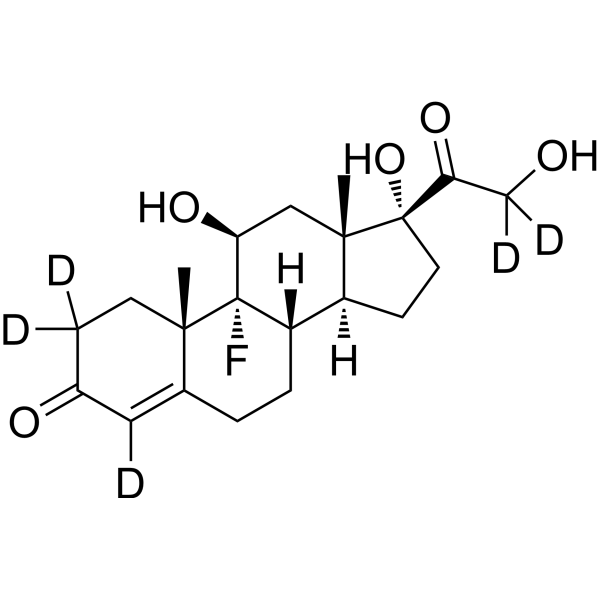
Fludrocortisone-d5 (9α-Fludrocortisone-d5) is the deuterium labeled Fludrocortisone (HY-B1203). Fludrocortisone is an orally active mineralocorticoid and glucocorticoid receptor agonist. Fludrocortisone suppresses pro-inflammatory cytokine expression, reduces CCL2, IL-6, IL-8 levels, upregulates mineralocorticoid receptor (MR) expression, induces PI3K/Akt, GSK-3β, CREB, ERK1/2, mTOR phosphorylation, blocks Tau hyperphosphorylation, prevents apoptosis, promotes survival and proliferation, enhances renal sodium and water transport, increases plasma volume and blood pressure, reduces plasma potassium and renin activity, stimulates erythropoietin expression, modulates uterine receptivity genes, and reverses PP242-induced MUC1 upregulation. Fludrocortisone can be used for the research of congenital adrenal hyperplasia, postural hypotension, and adrenal insufficiency.
loading...
    loading...
Cat. No.: HY-B1203S1
Synonyms: 9α-Fludrocortisone-d2; 9α-Fluorcortisol-d2
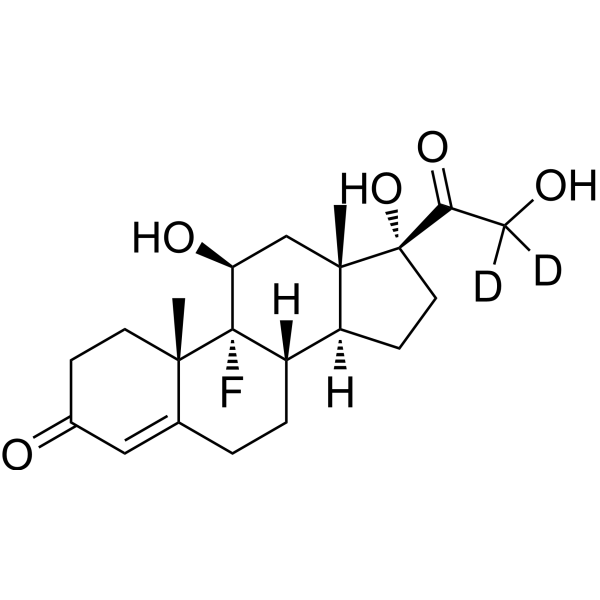
Fludrocortisone-d2 (9α-Fludrocortisone-d2) is the deuterium labeled Fludrocortisone (HY-B1203). Fludrocortisone is an orally active mineralocorticoid and glucocorticoid receptor agonist. Fludrocortisone suppresses pro-inflammatory cytokine expression, reduces CCL2, IL-6, IL-8 levels, upregulates mineralocorticoid receptor (MR) expression, induces PI3K/Akt, GSK-3β, CREB, ERK1/2, mTOR phosphorylation, blocks Tau hyperphosphorylation, prevents apoptosis, promotes survival and proliferation, enhances renal sodium and water transport, increases plasma volume and blood pressure, reduces plasma potassium and renin activity, stimulates erythropoietin expression, modulates uterine receptivity genes, and reverses PP242-induced MUC1 upregulation. Fludrocortisone can be used for the research of congenital adrenal hyperplasia, postural hypotension, and adrenal insufficiency.
loading...
    loading...
Cat. No.: HY-N0837R
CAS No.: 60-70-8
Synonyms: NSC17821 (Standard); NSC23880 (Standard)
Veratramine (NSC17821; NSC23880) (Standard) is the analytical standard of Veratramine (HY-N0837). This product is intended for research and analytical applications. Veratramine (NSC17821; NSC23880) is an orally active inhibitor of the PI3K/Akt/mTOR signaling pathway and a SIGMAR1 modulator. Veratramine induces autophagic apoptosis of tumor cells, arrests the cell cycle at the G0/G1 phase, and inhibits epithelial-mesenchymal transition (EMT)-related proteins to reduce tumor migration. Veratramine reduces spinal cord and sciatic nerve pathological damage in a neuropathy model by inhibiting SIGMAR1 binding to NMDAR and phosphorylation of NMDAR Ser896. Veratramine has anti-tumor proliferation, apoptosis induction, anti-inflammatory and neuroprotective activities, and can be used in the study of cancers such as liver cancer and osteosarcoma, as well as diabetic peripheral neuropathy .
loading...
    loading...
Cat. No.: HY-N1989
CAS No.: 11028-00-5
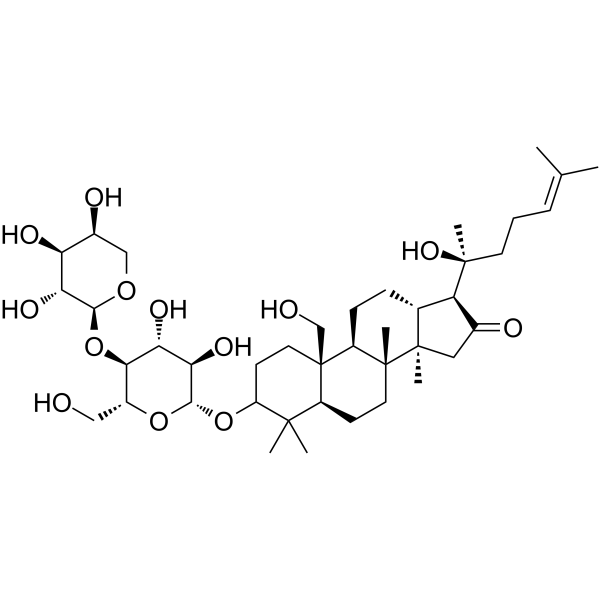
Bacoside A is an orally active, blood-brain barrier-permeable triterpenoid saponin that modulates the activities of ATPases, AChE, CaMK2A and iNOS. Derived from Bacopa monniera. Bacoside A exerts significant antioxidant, anti-inflammatory and anti-apoptotic effects by maintaining ion balance, scavenging reactive oxygen species, stabilizing cell membranes, and regulating the expression of NF-κB and apoptosis-related proteins. Bacoside A counteracts morphine-induced reductions in Na +/K +-ATPase, Ca 2+-ATPase and Mg 2+-ATPase activities, increases mitochondrial membrane potential, and decreases intracellular reactive oxygen species levels. Bacoside A specifically binds to calcium/calmodulin-dependent protein kinase IIA to trigger endoplasmic reticulum calcium release. Bacoside A exhibits non-apoptotic cytotoxicity against glioblastoma cells while protecting normal nerve cells from stress-induced damage. Bacoside A is applicable to the research of Parkinson's disease and glioblastoma multiforme .
loading...
    loading...
Cat. No.: HY-N2492R
CAS No.: 19367-38-5
Synonyms: Methyl trans-p-coumarate (Standard)
(E)-Methyl 4-coumarate (Standard) is the analytical standard of (E)-Methyl 4-coumarate (HY-N2492). This product is intended for research and analytical applications. (E)-Methyl 4-coumarate (Methyl 4-hydroxycinnamate) is a phenolic compound and derivative of Cinnamic acid (HY-N0610A). (E)-Methyl 4-coumarate can be found in several plants, such as the leaves of Allium cepa and Morinda citrifolia L. (E)-Methyl 4-coumarate, when combined with Carnosic acid (HY-N0644), induces Apoptosis. (E)-Methyl 4-coumarate inhibits GSK3β activity and modulates inflammatory cytokine levels (increasing IL-10 and decreasing IL-4). (E)-Methyl 4-coumarate combined with Carnosic acid exhibits anticancer effects against acute myeloid leukemia. (E)-Methyl 4-coumarate ameliorates Plasmodium berghei NK65 infection .
loading...
    loading...
Cat. No.: HY-P1889
CAS No.: 721885-31-0
Target:  

Bcl-2 Family Amyloid-β

Research Areas:  

Neurological Disease

Bim BH3, Peptide IV is an 42-binding peptide and the pro-apoptotic BH3 domain of the BIM protein. Bim BH3, Peptide IV binds 42 with a Kd of 7.1 μM. Bim BH3, Peptide IV modulates 42 structure, fibrillization pathways, aggregate morphology, and membrane interactions, inhibiting fibril formation while enhancing protofibril assembly. Bim BH3, Peptide IV promotes 42 β-sheet formation and accelerates aggregation. Bim BH3, Peptide IV enhances 42 membrane internalization and bilayer stiffening. Bim BH3, Peptide IV induces neuronal cell death by enhancing BH3-induced membrane interactions of 42 prefibrillar species. Bim BH3, Peptide IV can be used for research on Alzheimer's disease .
loading...
    loading...

