81 Results for "

Antioxidation

" in MedChemExpress (MCE) Product Catalog:
Products (81)

81 Results for "Antioxidation" in MCE Product Catalog:

1
1 Cited Publications
Cat. No.: HY-14616R
CAS No.: 555-66-8
Synonyms: [6]-Shogaol (Standard); 6-Shogaol (Standard)
Shogaol (Standard) is the analytical standard of Shogaol. This product is intended for research and analytical applications. Shogaol ( -Shogaol), an active compound isolated from Ginger (Zingiber officinale Rosc), exhibits a variety of biological activities including anticancer, anti-inflammation, and anti-oxidation.
loading...
    loading...
1
1 Cited Publications
Cat. No.: HY-113145
CAS No.: 23028-17-3
Synonyms: (Rac)-Danshensu; (Rac)-Tanshinol
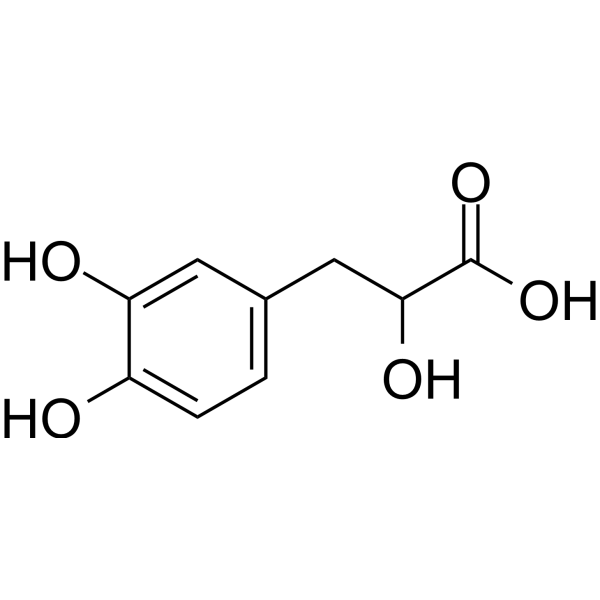
(Rac)-Salvianic acid A ((Rac)-Danshensu) is the racemate of Salvianic acid A (HY-N1913). Salvianic acid A, an orally active phenolic compound, can induce Nrf2/HO-1 activation and inhibition of NF-κB pathway. Danshensu has anti-oxidation, anti-apoptosis, anti-lung inflammatory and has the potential for COVID-19, cardiovascular and cerebrovascular diseases research .
loading...
    loading...
Cat. No.: HY-N2598
CAS No.: 112-62-9
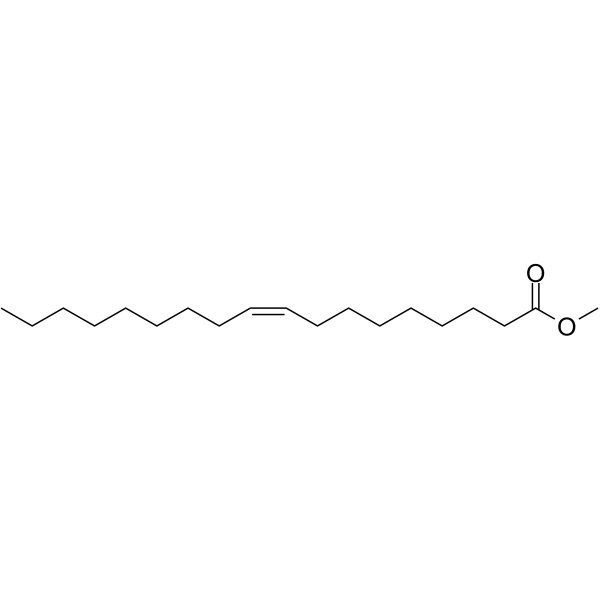
Methyl oleate is a fatty acid methyl ester (FAME) with anti-extended spectrum β-Lactamase (ESBL) potential, anticancer and antibacterial activities. Methyl oleate substantially improves the antioxidation ability but markedly impaired the antiwear capacity of zinc dialkyldithiophosphate (ZDDP). Methyl oleate is promising for research of ESBL producing multi drug resistant (MDR) pathogens .
loading...
    loading...
Cat. No.: HY-150097
Purity:  ≥99.0%
Recombinant Human Serum Albumin (rHSA) is a non-glycosylated monomeric plasma protein that acts as a core factor for maintaining plasma colloid osmotic pressure. Recombinant Human Serum Albumin (rHSA) possesses multiple physiological functions including carrier, metabolic regulation, detoxification, antioxidation and enzyme mimicking. Recombinant Human Serum Albumin (rHSA) not only scavenges reactive oxygen and nitrogen species via specific residues and binds a variety of endogenous and exogenous compounds to maintain redox homeostasis, but also serves as a biomarker for multiple diseases such as cancer and inflammation. Recombinant Human Serum Albumin (rHSA) broadly supports the development of implantable materials, surgical adhesives and ligand capture, and can be used for research on critical illnesses including hypovolemia, liver failure, severe sepsis and various types of trauma resuscitation .
loading...
    loading...
Cat. No.: HY-B0504S2
Synonyms: NSC13123-d5
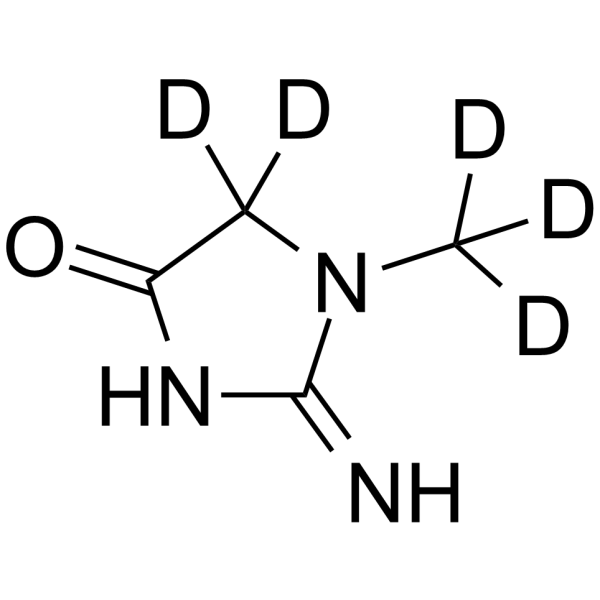
Creatinine-d5 is the deuterium labeled Creatinine. Creatinine (NSC13123) is an orally active, blood-brain barrier-permeable modulator of GABAA and NMDA receptors, with activities of antioxidation and metabolic regulation. Creatinine is generated via non-enzymatic conversion of creatine and phosphocreatine in muscle. Creatinine serum levels correlate with muscle mass, glomerular filtration rate, and extrarenal clearance, serving as an evaluation biomarker for renal function, muscle mass, and clinical outcomes, and used for perioperative renal risk assessment. In addition, Creatinine can induce specific Cryptococcus species to produce creatinine deiminase and act as their nitrogen source, while it can be secreted via renal tubules. Creatinine is widely used in research related to various diseases such as neurodegenerative diseases, psychiatric disorders, acute kidney injury, chronic kidney disease, and renal failure .
loading...
    loading...
Cat. No.: HY-108292
CAS No.: 66532-86-3
Purity:  99.89%
Target:  

NF-κB

Research Areas:  

Neurological Disease Cancer

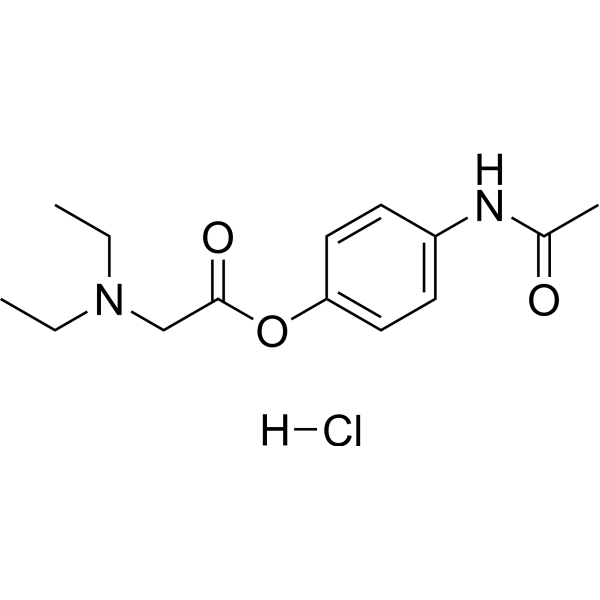
Propacetamol hydrochloride is an orally active prodrug of paracetamol and an inducer of acute liver injury models, with multiple properties including antinociception, antioxidation and gastroprotection. Propacetamol hydrochloride potentiates Tramadol and attenuates Aspirin (HY-14654)-induced gastric mucosal damage and lipid peroxidation. Under specific conditions, Propacetamol hydrochloride also acts as a hepatotoxic inducer, triggering acute liver injury, oxidative stress and apoptosis, with strain differences in toxicity sensitivity. Propacetamol hydrochloride can be used in the research of acute liver injury, drug-induced hepatotoxicity and gastric mucosal damage .
loading...
    loading...
Cat. No.: HY-N0110A
CAS No.: 3486-67-7
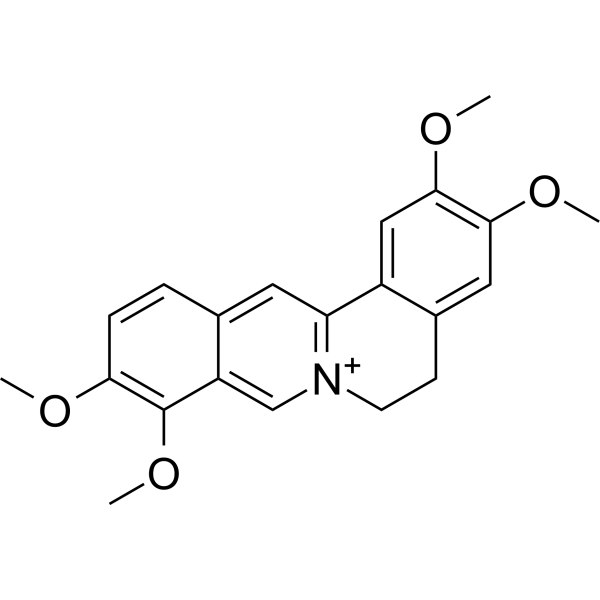
Palmatine is an orally active and irreversible indoleamine 2,3-dioxygenase 1 (IDO-1) inhibitor with IC50s of 3 μM and 157μM against HEK 293-hIDO-1 and rhIDO-1, respectively. Palmatine can also inhibit West Nile virus (WNV) NS2B-NS3 protease in an uncompetitive manner with an IC50 of 96 μM. Palmatine shows anti-cancer, anti-oxidation, anti-inflammatory, neuroprotection, antibacterial, anti-viral activities .
loading...
    loading...
Cat. No.: HY-127033
CAS No.: 512-61-8
Synonyms: α-Santalene
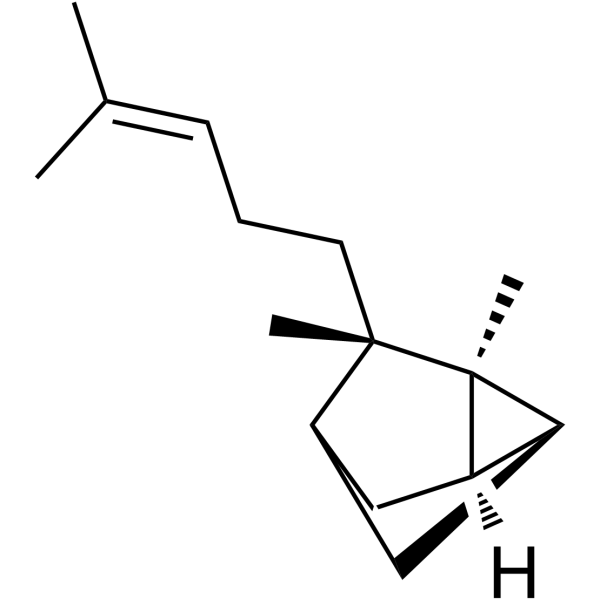
Santalene is a bicyclic sesquiterpene and a major component of sandalwood oil found in the heartwood of Santalum album. Santalene exhibits antibacterial, antioxidant and antitumor pharmacological activities .
loading...
    loading...
Cat. No.: HY-N2381
CAS No.: 10458-14-7
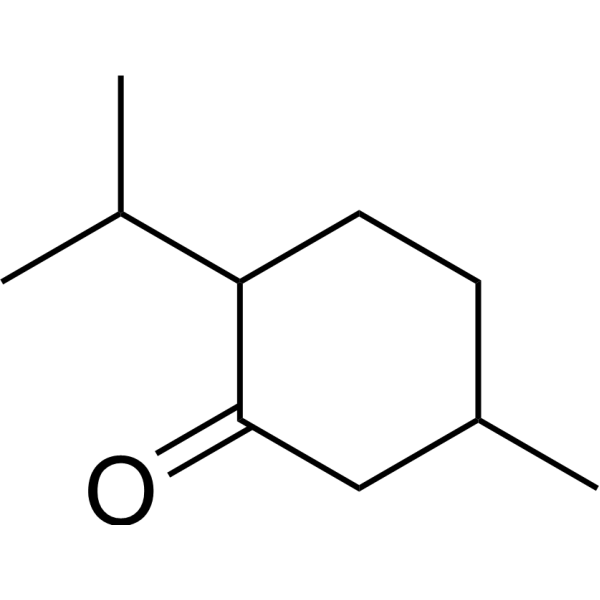
Menthone, an orally active monoterpene that can be isolated from plants and Mentha oil with antibacterial, antitumor, antioxidation, and antivirus properties. Menthone is a main volatile component of the essential oil, and has anti-Inflammatory properties in Schistosoma mansoni infection and rheumatoid arthritis .
loading...
    loading...
Cat. No.: HY-N0007A
CAS No.: 24939-16-0
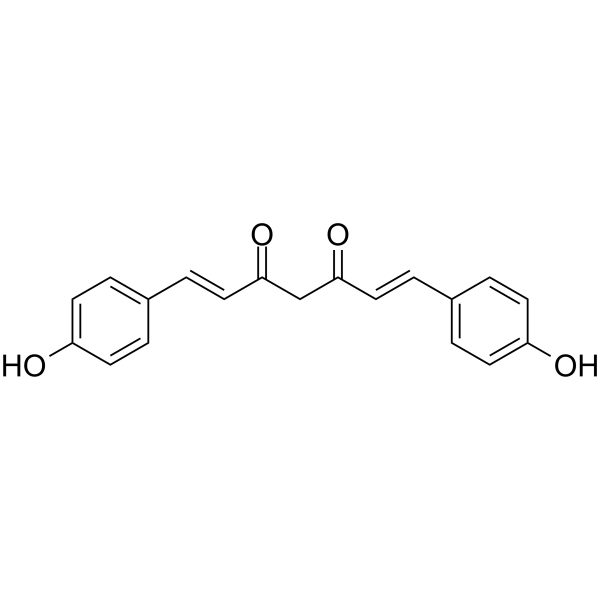
Synonyms: Curcumin III; Didemethoxycurcumin
Bisdemethoxycucurmin (Curcumin III) is a curcuminoid compound and an inhibitor of P-glycoprotein and ferroptosis. Bisdemethoxycucurmin exhibits multiple activities such as anti-oxidation, anti-inflammation and anti-tumor. Bisdemethoxycucurmin can be used for the research of tumors and inflammatory diseases .
loading...
    loading...
Cat. No.: HY-N4093
CAS No.: 29884-49-9
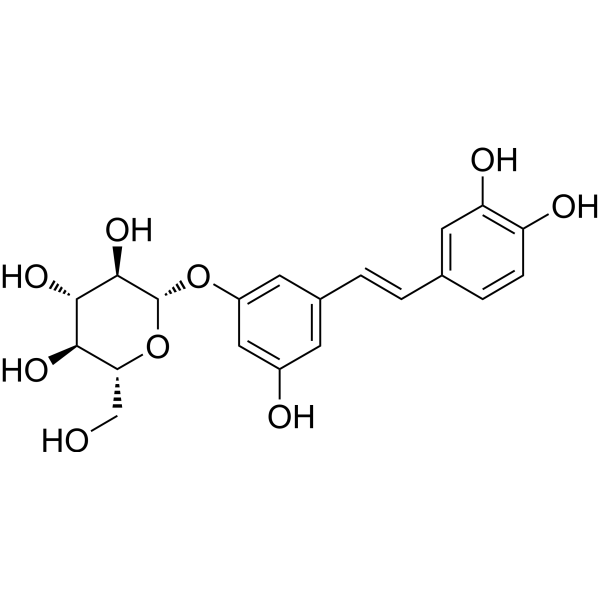
Synonyms: trans-Astringin
Astringin (trans-Astringin) is an orally active natural phenolic stilbene glucoside. Astringin can inhibit the production of oxidative stress, inflammatory factors, etc. Astringin has multiple activities such as anti-oxidation, anti-inflammation, and anti-apoptosis. Astringin is also an inhibitor of ferroptosis. Astringin can be used in the research of diseases such as acute lung injury .
loading...
    loading...
Cat. No.: HY-B0504R
CAS No.: 60-27-5
Synonyms: NSC13123 (Standard)
Creatinine (Standard) is the analytical standard of Creatinine. This product is intended for research and analytical applications. Creatinine (NSC13123) is an orally active, blood-brain barrier-permeable modulator of GABAA and NMDA receptors, with activities of antioxidation and metabolic regulation. Creatinine is generated via non-enzymatic conversion of creatine and phosphocreatine in muscle. Creatinine serum levels correlate with muscle mass, glomerular filtration rate, and extrarenal clearance, serving as an evaluation biomarker for renal function, muscle mass, and clinical outcomes, and used for perioperative renal risk assessment. In addition, Creatinine can induce specific Cryptococcus species to produce creatinine deiminase and act as their nitrogen source, while it can be secreted via renal tubules. Creatinine is widely used in research related to various diseases such as neurodegenerative diseases, psychiatric disorders, acute kidney injury, chronic kidney disease, and renal failure .
loading...
    loading...
Cat. No.: HY-145532
CAS No.: 2281-22-3
Purity:  ≥95.0%
Research Areas:  

Inflammation/Immunology Cancer

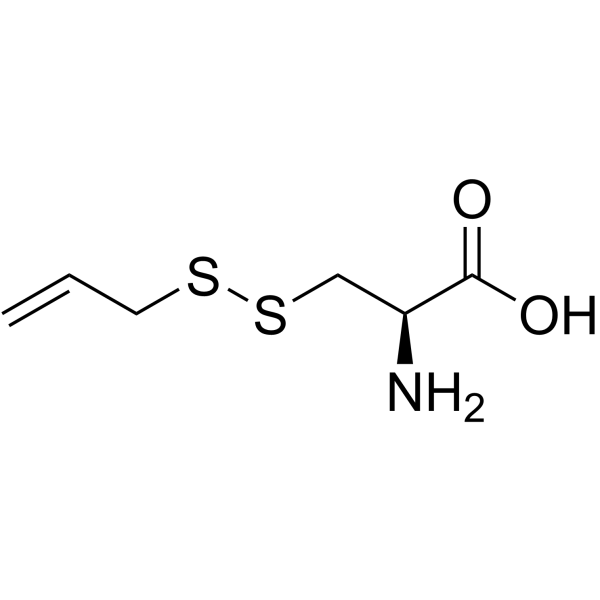
S-allylmercaptocysteine, an organic sulfur compound extracted from garlic, has anti-inflammatory and anti-oxidative effects for various pulmonary diseases. S-allylmercaptocysteine achieves its anti-cancer effect through a variety of pathways such as inducing the apoptosis of cancer cells through the TGF-β signaling pathway, or reducing the NF-κB activity and up-regulating Nrf2 to achieve the effects of anti-inflammation and anti-oxidation .
loading...
    loading...
Cat. No.: HY-B0504S1
CAS No.: 1173022-95-1
Synonyms: NSC13123-13C
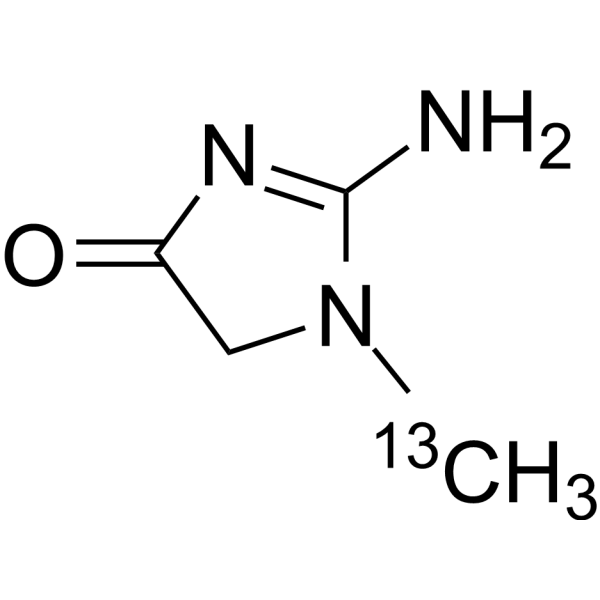
Creatinine- 13C is the 13C-labeled Creatinine. Creatinine (NSC13123) is an orally active, blood-brain barrier-permeable modulator of GABAA and NMDA receptors, with activities of antioxidation and metabolic regulation. Creatinine is generated via non-enzymatic conversion of creatine and phosphocreatine in muscle. Creatinine serum levels correlate with muscle mass, glomerular filtration rate, and extrarenal clearance, serving as an evaluation biomarker for renal function, muscle mass, and clinical outcomes, and used for perioperative renal risk assessment. In addition, Creatinine can induce specific Cryptococcus species to produce creatinine deiminase and act as their nitrogen source, while it can be secreted via renal tubules. Creatinine is widely used in research related to various diseases such as neurodegenerative diseases, psychiatric disorders, acute kidney injury, chronic kidney disease, and renal failure .
loading...
    loading...
Cat. No.: HY-N4005
CAS No.: 54081-48-0
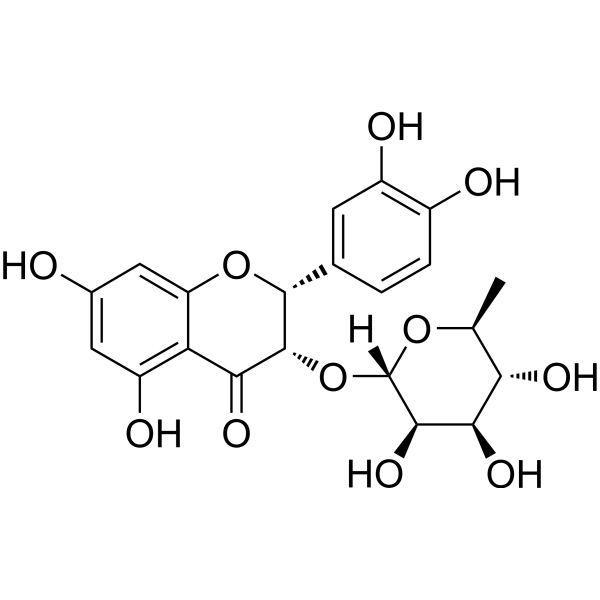
Isoastilbin is a dihydroflavonol glycoside compound in Rhizoma Smilacis glabrae and Astragalus membranaceus. Isoastilbin inhibits glucosyltransferase (GTase) with an IC50 value of 54.3 μg/mL, and also inhibits tyrosinase activity. Isoastilbin shows neuroprotective, antioxidation, antimicrobial and anti-apoptotic properties and has the potential for Alzheimer’s disease research .
loading...
    loading...
Cat. No.: HY-165131
CAS No.: 7212-91-1
Synonyms: Delta-7-avenasterol
Research Areas:  

Inflammation/Immunology

Δ7-Avenasterol (Delta-7-avenasterol) is a phytosterol that binds to prostaglandin E2 receptor (prostaglandin E2 receptor) and cyclooxygenase-2 (COX-2). Δ7-Avenasterol is applicable to research related to gastric ulcer, anti-inflammation and antioxidation .
loading...
    loading...
Cat. No.: HY-115498
CAS No.: 1037837-27-6
Purity:  99.08%
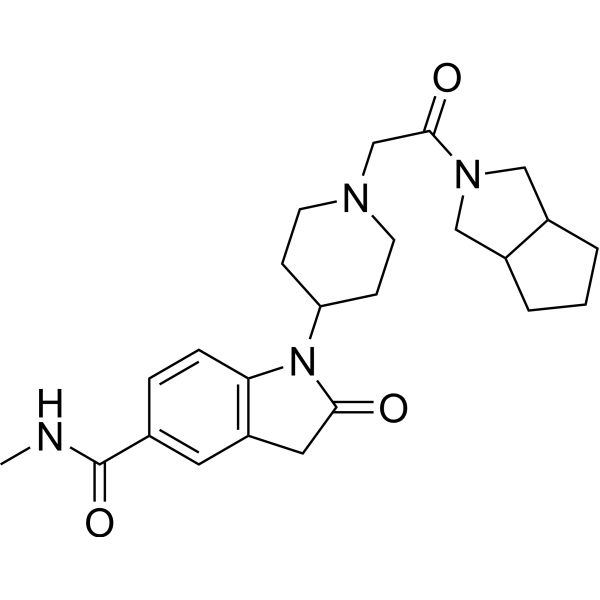
ARN14494 is a potent and selective serine palmitoyltransferase (SPT) inhibitor, with an IC50 of 27.3 nM. ARN14494 affects the CNS in terms of anti-inflammation and neuroprotection. ARN14494 protects neurons from β-amyloid 1-42-induced neurotoxicity through a variety of mechanisms, including anti-oxidation, anti-apoptosis, and anti-inflammation. ARN14494 can be used for Alzheimer’s disease research .
loading...
    loading...
Cat. No.: HY-N5073
CAS No.: 178468-00-3
Synonyms: 4''-O-Glucosylvitexin
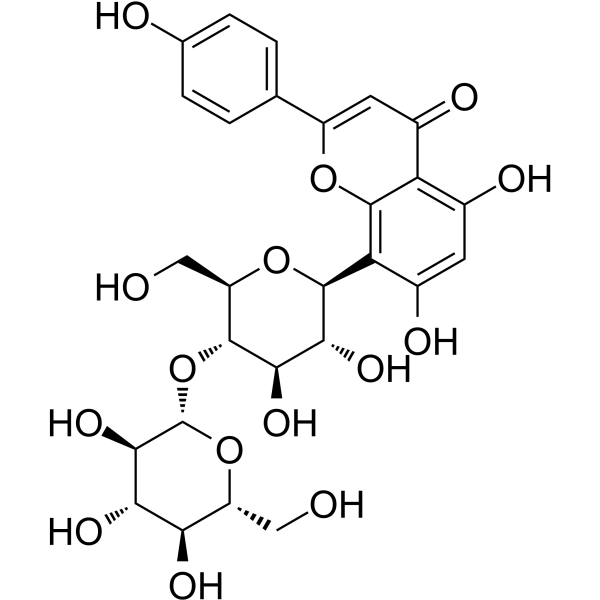
Vitexin-4''-O-glucoside (4''-O-Glucosylvitexin) is an orally active natural flavonoid component with multiple pharmacological effects including antioxidation, anti-inflammation, cytoprotection and anti-apoptosis. Vitexin-4''-O-glucoside regulates the MAPK signaling pathway by downregulating the phosphorylation levels of JNK and p38, thereby blocking endoplasmic reticulum stress responses. Vitexin-4''-O-glucoside alleviates oxidative stress by reducing MDA content and upregulating the activities of SOD and CAT, attenuates inflammation by downregulating the expressions of inflammatory factors TNF-α, IL-1β and IL-6, and also reduces LDH release and inhibits caspase-3 activation. Vitexin-4''-O-glucoside effectively improves drug-induced acute liver injury and exerts significant protective effects against myocardial hypoxia/reoxygenation injury. Vitexin-4''-O-glucoside can be used in studies on acute liver injury, cardiovascular diseases and myocardial hypoxia-reoxygenation injury .
loading...
    loading...
Cat. No.: HY-W020044R
CAS No.: 10191-41-0
Synonyms: DL-α-Tocopherol (Standard)
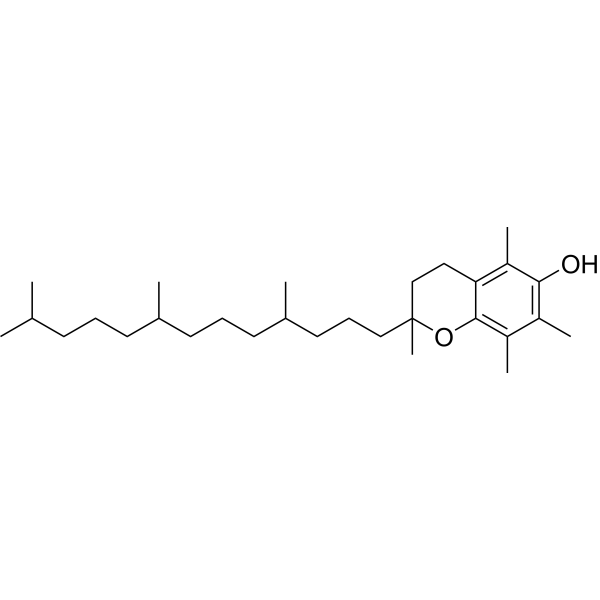
DL-alpha-Tocopherol (Standard) is the analytical standard of DL-alpha-Tocopherol. This product is intended for research and analytical applications. DL-alpha-Tocopherol is a synthetic vitamin E, with antioxidation effect. DL-alpha-Tocopherol protects human skin fibroblasts against the cytotoxic effect of UVB .
loading...
    loading...
Cat. No.: HY-N9625
CAS No.: 126-29-4
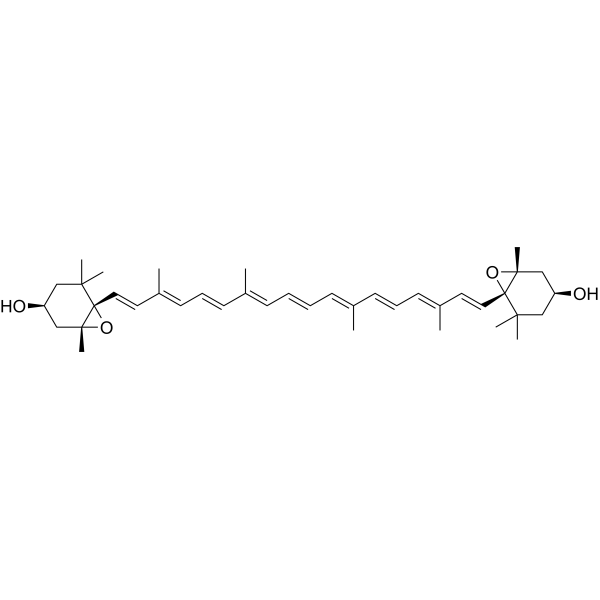
Violaxanthin is a naturally derived diepoxy xanthophyll carotenoid and light-harvesting accessory pigment with biological activities such as antioxidation and anti-inflammation. Violaxanthin transfers excitation energy to chlorophyll a under low-light conditions. Violaxanthin participates in the xanthophyll cycle and dissipates excess light energy in the form of heat, thereby protecting thylakoid membrane lipids from photo-oxidative damage. Violaxanthin exhibits activities including inhibition of lipid peroxidation, quenching of singlet oxygen, scavenging of DPPH free radicals, and scavenging of ABTS + free radicals. Violaxanthin can be used in antioxidant-related research .
loading...
    loading...

