416 Results for "

Bactericidal

" in MedChemExpress (MCE) Product Catalog:
Products (416)

416 Results for "Bactericidal" in MCE Product Catalog:

7
7 Cited Publications
Cat. No.: HY-Y0366
CAS No.: 143-07-7
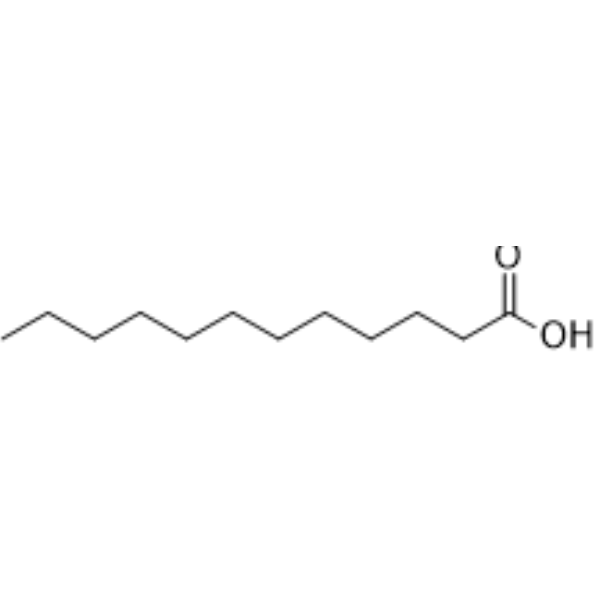
Lauric acid is a middle chain-free fatty acid with strong bactericidal properties. The EC50s for P. acnes, S.aureus, S. epidermidis, are 2, 6, 4 μg/mL, respectively .
loading...
    loading...
7
7 Cited Publications
Cat. No.: HY-B1327
CAS No.: 64-72-2
Synonyms: 7-Chlorotetracycline hydrochloride
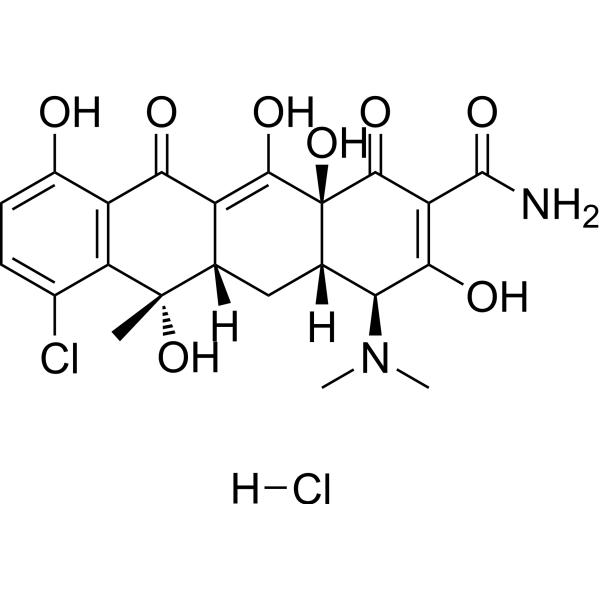
Chlortetracycline hydrochloride (7-Chlorotetracycline hydrochloride) is an orally active, effective and selectively methanogenic bacteria inhibitor with bactericidal effects. Chlortetracycline hydrochloride is also a antibiotic that acts by inhibiting bacterial protein synthesis. Additionally, Chlortetracycline hydrochloride is a specific and potent calcium ionophore antibiotic, inhibiting binding of aminoacyl-tRNA to ribosomes .
loading...
    loading...
6
6 Cited Publications
Cat. No.: HY-B0026
CAS No.: 103980-44-5
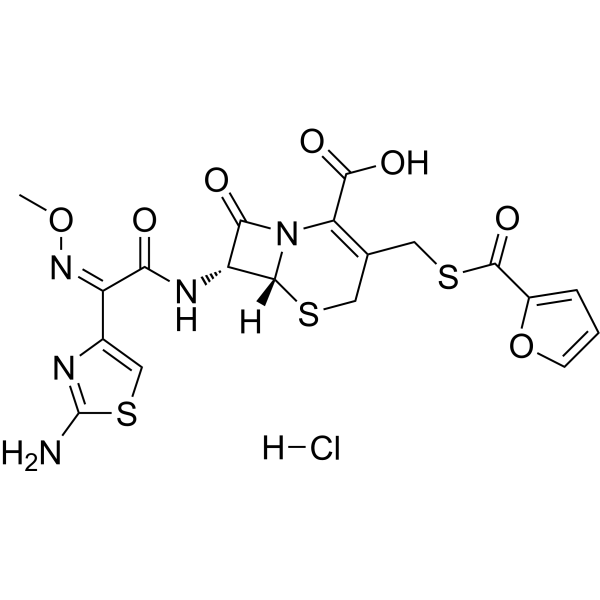
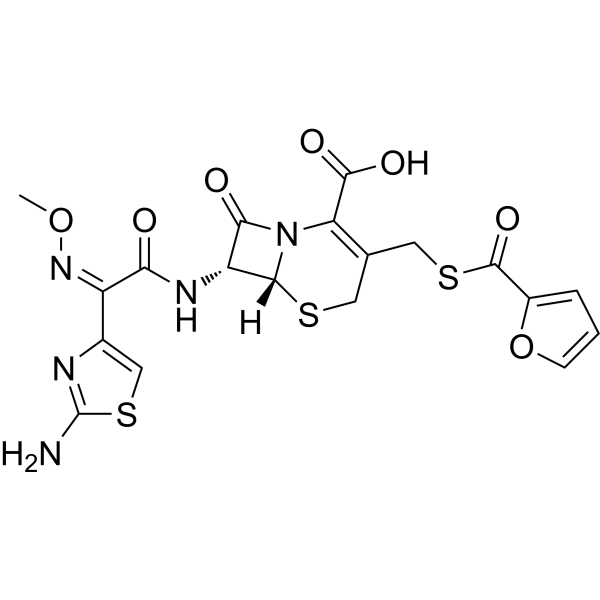
Ceftiofur hydrochloride is a cell wall synthesis inhibitor that targets bacterial penicillin-binding proteins (PBPs) and has anti-inflammatory effects in endotoxemia. Ceftiofur hydrochloride exerts bactericidal effects by inhibiting the synthesis of bacterial cell wall peptidoglycan, leading to bacterial cell lysis. Ceftiofur hydrochloride also inhibits the activation of NF-κB and MAPKs, thereby reducing the secretion of pro-inflammatory cytokines such as TNF-α, IL-1β, and IL-6 .
loading...
    loading...
6
6 Cited Publications
Cat. No.: HY-B0898
CAS No.: 104010-37-9
Synonyms: sodium ceftiofur
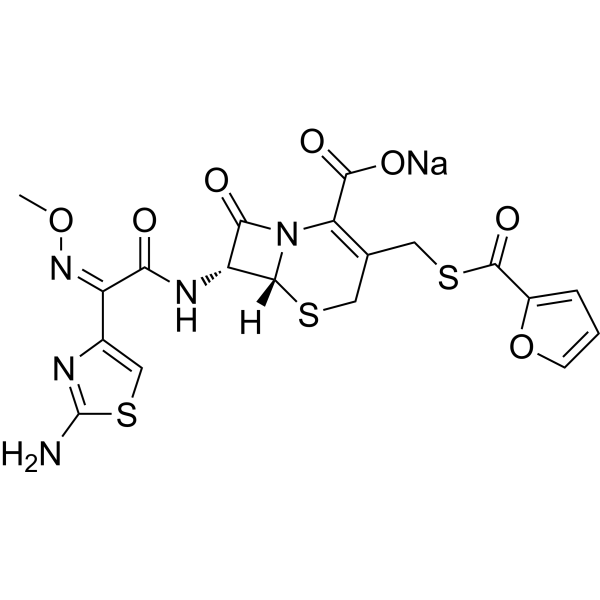
Ceftiofur sodium is a cell wall synthesis inhibitor that targets bacterial penicillin-binding proteins (PBPs) and has anti-inflammatory effects in endotoxemia. Ceftiofur sodium exerts bactericidal effects by inhibiting the synthesis of bacterial cell wall peptidoglycan, leading to bacterial cell lysis. Ceftiofur sodium also inhibits the activation of NF-κB and MAPKs, thereby reducing the secretion of pro-inflammatory cytokines such as TNF-α, IL-1β, and IL-6 .
loading...
    loading...
6
6 Cited Publications
Cat. No.: HY-N7102
CAS No.: 80370-57-6
Ceftiofur is a cell wall synthesis inhibitor that targets bacterial penicillin-binding proteins (PBPs) and has anti-inflammatory effects in endotoxemia. Ceftiofur exerts bactericidal effects by inhibiting the synthesis of bacterial cell wall peptidoglycan, leading to bacterial cell lysis. Ceftiofur also inhibits the activation of NF-κB and MAPKs, thereby reducing the secretion of pro-inflammatory cytokines such as TNF-α, IL-1β, and IL-6 .
loading...
    loading...
5
5 Cited Publications
Cat. No.: HY-B1190
CAS No.: 50370-12-2
Synonyms: BL-S 578
Target:  

Bacterial Antibiotic EAAT

Research Areas:  

Infection Neurological Disease

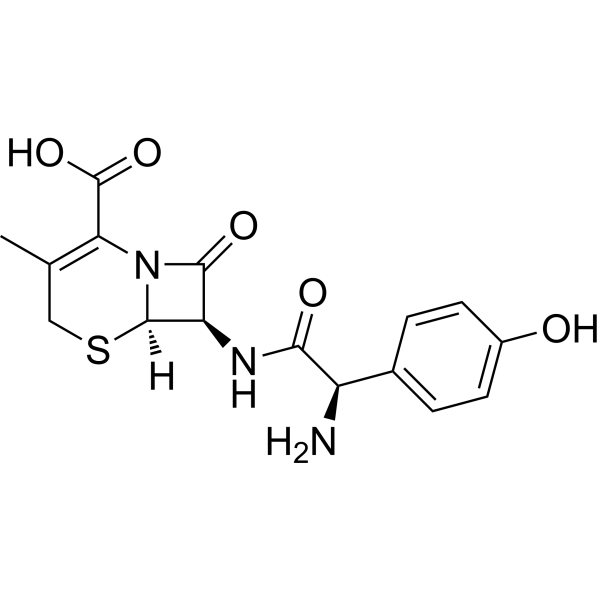
Cefadroxil is an orally active broad-spectrum cephalosporin antibiotic. Cefadroxil inhibits bacterial cell wall synthesis and enhances the expression of glutamate transporter-1. Cefadroxil is dependent on the intestinal peptide transporter PepT1 for small intestinal absorption. Cefadroxil has inhibitory and bactericidal activity against a variety of Gram-positive and Gram-negative bacteria and has analgesic effects on neuropathic pain .
loading...
    loading...
5
5 Cited Publications
Cat. No.: HY-12903
CAS No.: 1377239-83-2
Purity:  98.46%
Synonyms: PBTZ169
Target:  

Bacterial Antibiotic

Research Areas:  

Infection

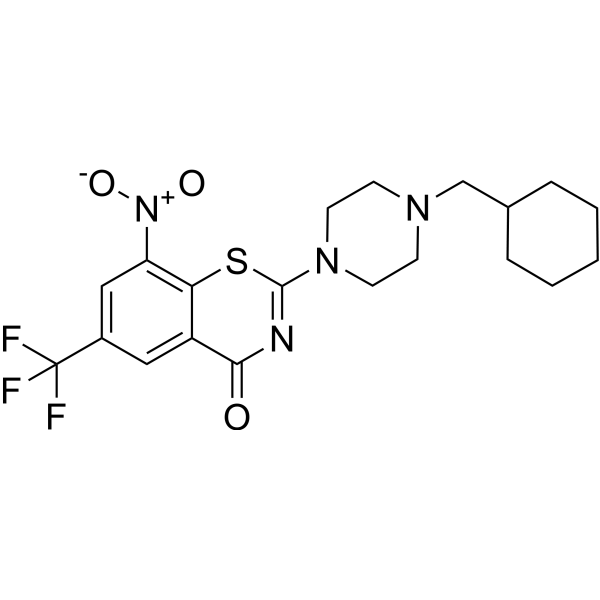
Macozinone (PBTZ169) is a bactericidal benzothiazinone and a potent DprE1 (decaprenylphosphoryl-β-d-ribose 2′-oxidase) inhibitor. Macozinone inhibits the essential flavoprotein DprE1 by forming a covalent bond with the active-site Cys387 residue. Macozinone has antituberculosis effect .
loading...
    loading...
5
5 Cited Publications
Cat. No.: HY-B1190A
CAS No.: 66592-87-8
Synonyms: BL-S 578 hydrate
Target:  

Bacterial Antibiotic EAAT

Research Areas:  

Infection Neurological Disease

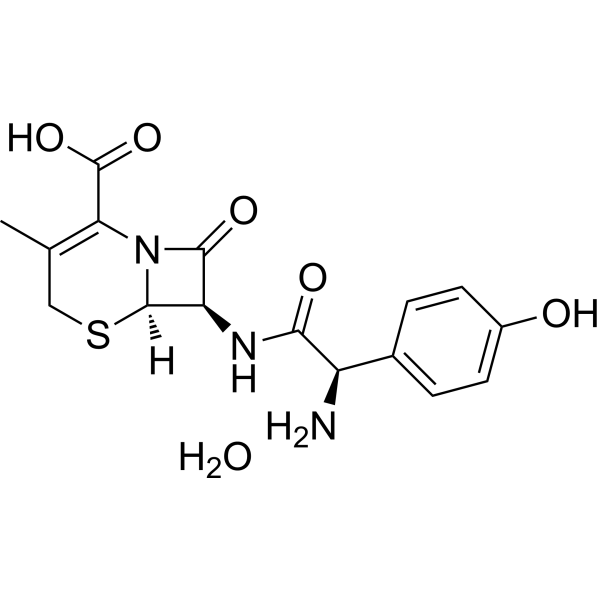
Cefadroxil hydrate is an orally active broad-spectrum cephalosporin antibiotic. Cefadroxil hydrate inhibits bacterial cell wall synthesis and enhances the expression of glutamate transporter-1. Cefadroxil hydrate is dependent on the intestinal peptide transporter PepT1 for small intestinal absorption. Cefadroxil hydrate has inhibitory and bactericidal activity against a variety of Gram-positive and Gram-negative bacteria and has analgesic effects on neuropathic pain .
loading...
    loading...
4
4 Cited Publications
Cat. No.: HY-100725
CAS No.: 146204-42-4
Purity:  99.51%
Target:  

Bacterial

Research Areas:  

Infection

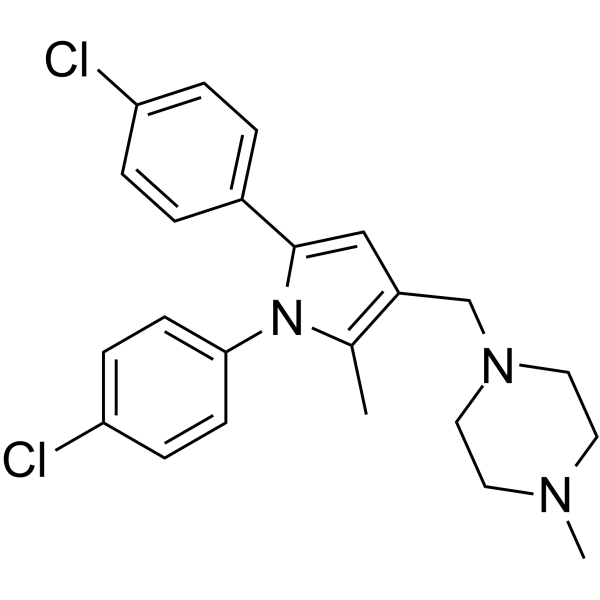
BM212 is a potent Mycobacterial membrane protein Large 3 (MmpL3) inhibitor. BM212 has strong bactericidal activity against both M. tuberculosis and some nontuberculosis mycobacteria. BM212 exhibits antimycobacterial activity against M. tuberculosis H37Rv with an MIC of 5 µM .
loading...
    loading...
4
4 Cited Publications
Cat. No.: HY-B0956
CAS No.: 1263-89-4
Synonyms: Aminosidine sulfate
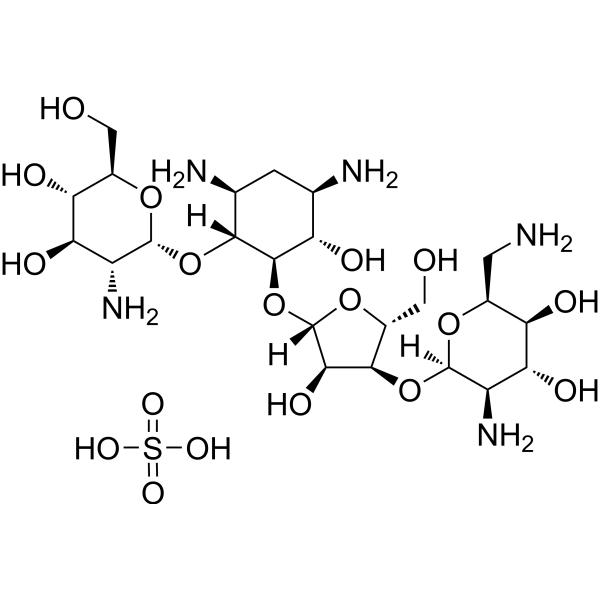
Paromomycin (Aminosidine) sulfate, a neomycin (HY-B0470) derivative, is a broad spectrum aminoglycoside antibiotic with amebicidal and bactericidal effects. Paromomycin sulfate prematures termination of translation of mRNA and inhibits protein synthesis by specifically binds to the RNA oligonucleotide at the A site of bacterial 30S ribosomes. Paromomycin sulfate can be used for the research of bacterial and parasitic infections .
loading...
    loading...
4
4 Cited Publications
Cat. No.: HY-12930
CAS No.: 1384984-18-2
Purity:  99.50%
Synonyms: VXc-486
Target:  

Topoisomerase Bacterial

Research Areas:  

Infection

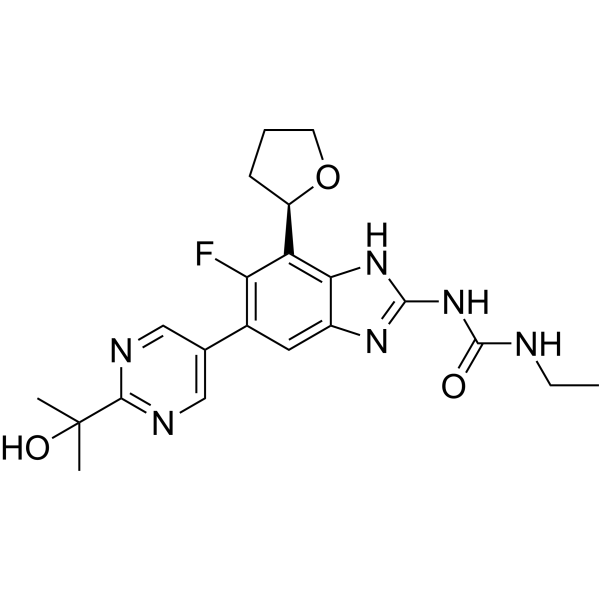
SPR719 (VXc-486) is an orally active gyrase B inhibitor, with bactericidal activity. SPR719 potently inhibits multiple agent-sensitive isolates and drug-resistant isolates of Mycobacterium tuberculosis, with MICs of 0.03 to 0.30 μg/ml and 0.08 to 5.48 μg/ml, respectively. SPR719 is promising for research of lung disease caused by non-tuberculous mycobacteria (NTM) .
loading...
    loading...
3
3 Cited Publications
Cat. No.: HY-106783
CAS No.: 86408-36-8
Purity:  99.82%
Target:  

Bacterial Antibiotic

Research Areas:  

Infection

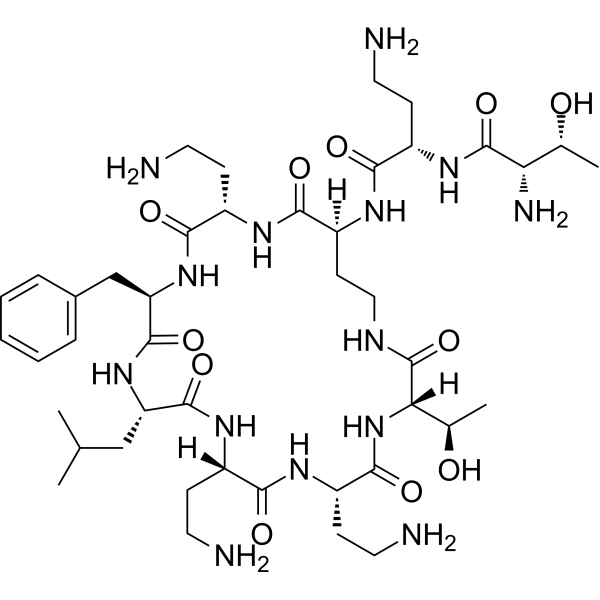
Polymyxin B nonapeptide is a cyclic peptide obtained from Polymyxin B by proteolytic removal of its terminal amino acyl residue. Polymyxin B nonapeptide is less toxic, lacks bactericidal activity, and retains its ability to render gram-negative bacteria susceptible to several antibiotics by permeabilizing their outer membranes .
loading...
    loading...
3
3 Cited Publications
Cat. No.: HY-B1831A
CAS No.: 192564-14-0
Synonyms: LY333328 diphosphate
Target:  

Bacterial Antibiotic

Research Areas:  

Infection Inflammation/Immunology

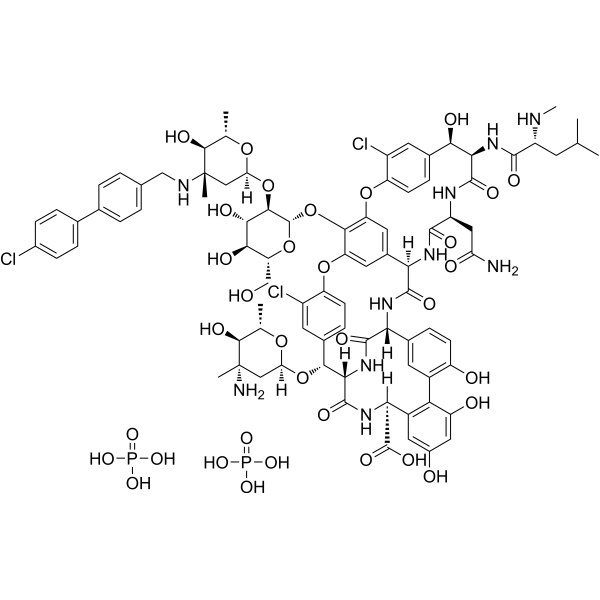
Oritavancin diphosphate (LY333328 diphosphate), a semisynthetic derivative of Vancomycin (HY-B0671), is an orally active glycopeptide antibiotic with bactericidal activity against gram-positive organisms. Oritavancin diphosphate shows antibacterial effect against B. anthracis, such as Ames strain with a MIC value of 0.015 g/mL. Oritavancin diphosphate inhibits cell wall synthesis and disrupts the membrane potential. Oritavancin diphosphate inhibits ArlS kinase activity thereby interfering the signal transduction. Oritavancin diphosphate enters cells by adsorptive endocytosis, which drives it to lysosomes, where it exerts antibiotic activity .
loading...
    loading...
3
3 Cited Publications
Cat. No.: HY-106783A
CAS No.: 2220175-42-6
Purity:  99.79%
Target:  

Bacterial Antibiotic

Research Areas:  

Infection

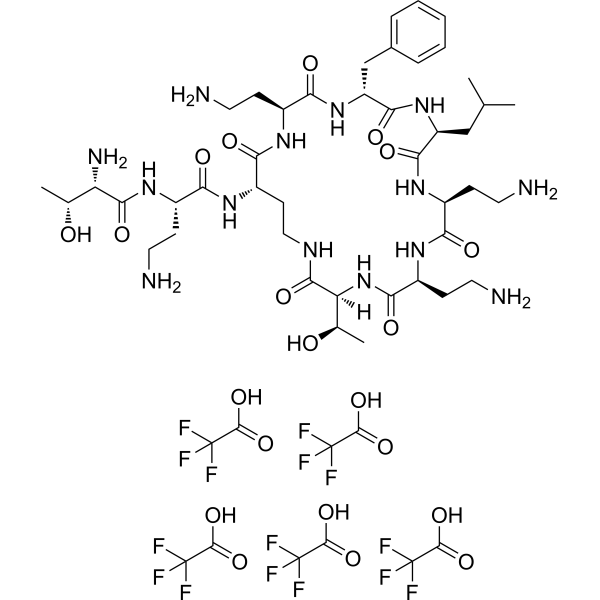
Polymyxin B nonapeptide TFA is a cyclic peptide obtained from Polymyxin B by proteolytic removal of its terminal amino acyl residue. Polymyxin B nonapeptide TFA is less toxic, lacks bactericidal activity, and retains its ability to render gram-negative bacteria susceptible to several antibiotics by permeabilizing their outer membranes .
loading...
    loading...
3
3 Cited Publications
Cat. No.: HY-B0398
CAS No.: 389-08-2
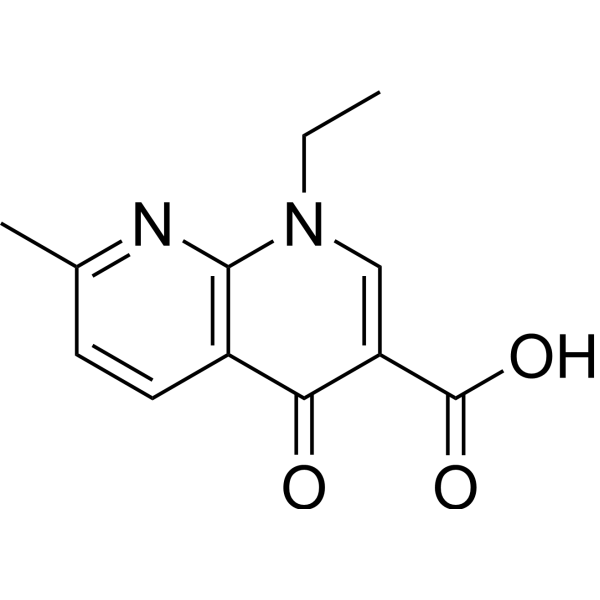
Nalidixic acid, a quinolone antibiotic, is effective against both gram-positive and gram-negative bacteria. Nalidixic acid acts in a bacteriostatic manner in lower concentrations and is bactericidal in higher concentrations. Nalidixic acid inhibits a subunit of DNA gyrase and topoisomerase IV and reversibly blocks DNA replication in susceptible bacteria .
loading...
    loading...
3
3 Cited Publications
Cat. No.: HY-B0398A
CAS No.: 3374-05-8
Research Areas:  

Infection

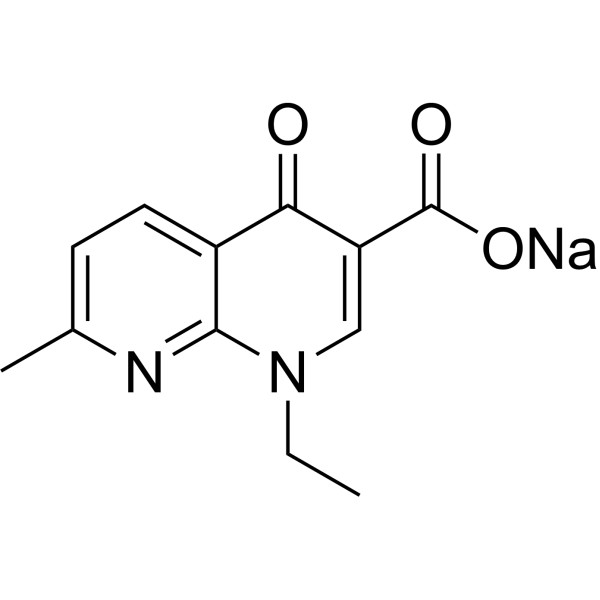
Nalidixic acid sodium salt, a quinolone antibiotic, is effective against both gram-positive and gram-negative bacteria. Nalidixic acid acts in a bacteriostatic manner in lower concentrations and is bactericidal in higher concentrations. Nalidixic acid inhibits a subunit of DNA gyrase and topoisomerase IV and reversibly blocks DNA replication in susceptible bacteria .
loading...
    loading...
3
3 Cited Publications
Cat. No.: HY-N12257
CAS No.: 27220-57-1
Antimycin A2 is a selective inhibitor of the cytochrome b-c1 complex in the mitochondrial electron transport chain. Antimycin A2 disrupts mitochondrial membrane potential and produces reactive oxygen species (ROS) by inhibiting electron transfer between cytochrome b and c. Antimycin A2 has bactericidal and piscicidal activity, as well as tumor cell growth inhibitory effects, and can induce S-phase cell cycle arrest and apoptosis in HeLa cells. Antimycin A2 is suitable for research of cervical cancer and fisheries management. Antimycin A2 can be naturally isolated from the fermentation products of Streptomyces sp. strains .
loading...
    loading...
2
2 Cited Publications
Cat. No.: HY-B0555A
CAS No.: 7177-50-6
Research Areas:  

Infection

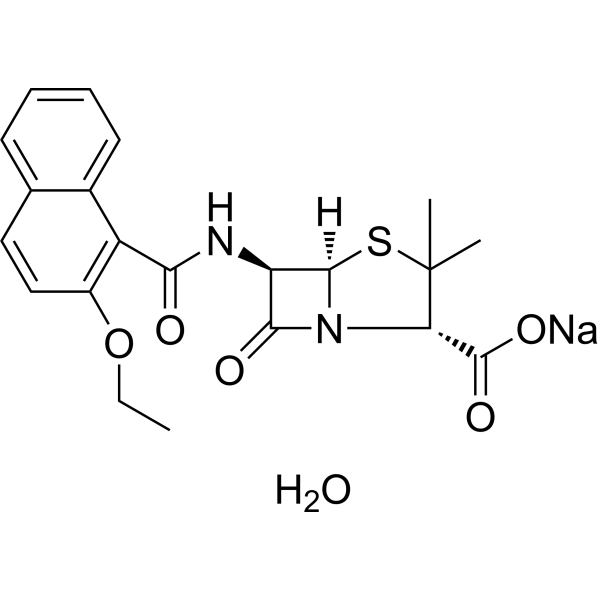
Nafcillin sodium monohydrate, an antibiotic, is a reversible inhibitor of β-lactamase. Nafcillin sodium monohydrate can be used for the research of staphylococcal infections .
loading...
    loading...
2
2 Cited Publications
Cat. No.: HY-121620
CAS No.: 142-18-7
Purity:  99.26%
Synonyms: 1-Monolaurin
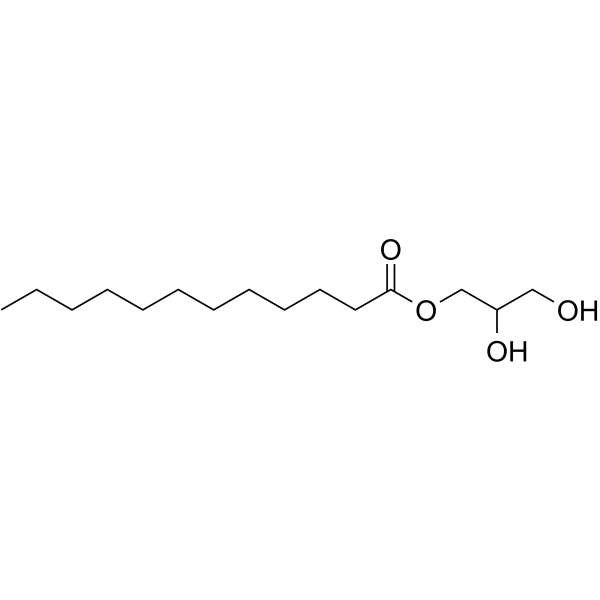
Monolaurin (1-Monolaurin) is an orally active antibiotic with antiviral and antibacterial properties .
loading...
    loading...
2
2 Cited Publications
Cat. No.: HY-A0241
CAS No.: 112362-50-2
Synonyms: RP54476
Target:  

Antibiotic Bacterial

Research Areas:  

Infection

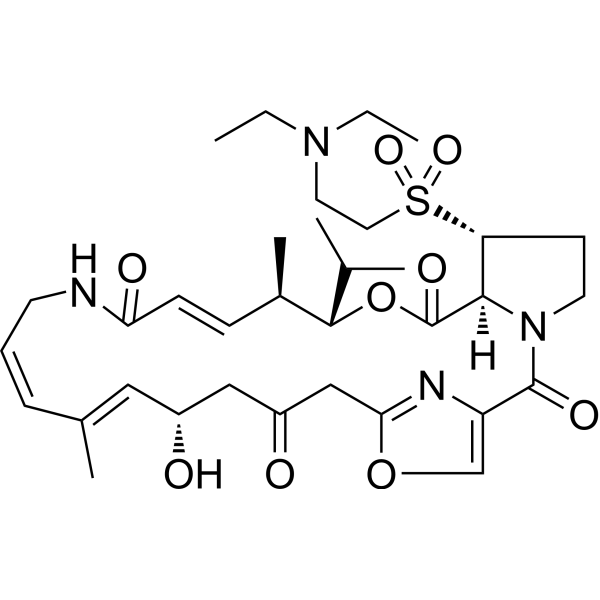
Dalfopristin (RP54476) is a semisynthetic sulfone antibiotic. Dalfopristin alone has limited antibacterial activity, but synergistically with Quinupristin it has significant bactericidal activity against many pathogenic Gram-positive cocci .
loading...
    loading...

