8320 Results for "

Protac

" in MedChemExpress (MCE) Product Catalog:
Products (8320)

8320 Results for "Protac" in MCE Product Catalog:

8
8 Cited Publications
Cat. No.: HY-119932
CAS No.: 2301916-69-6
Purity:  99.25%
Target:  

PROTACs FAK Akt

Research Areas:  

Cancer

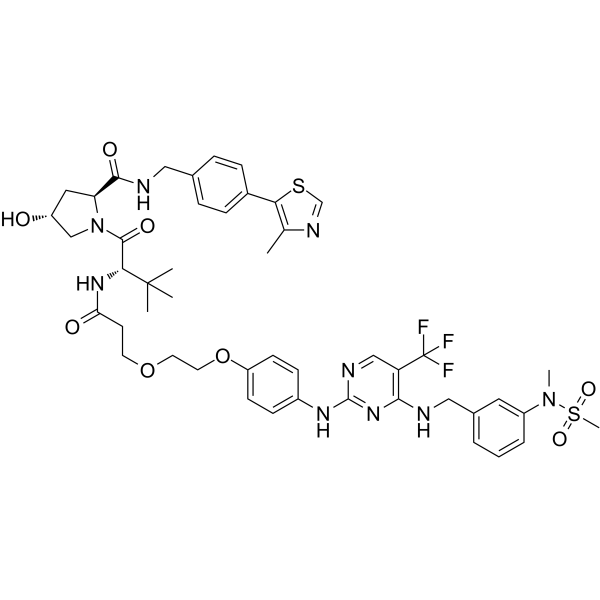
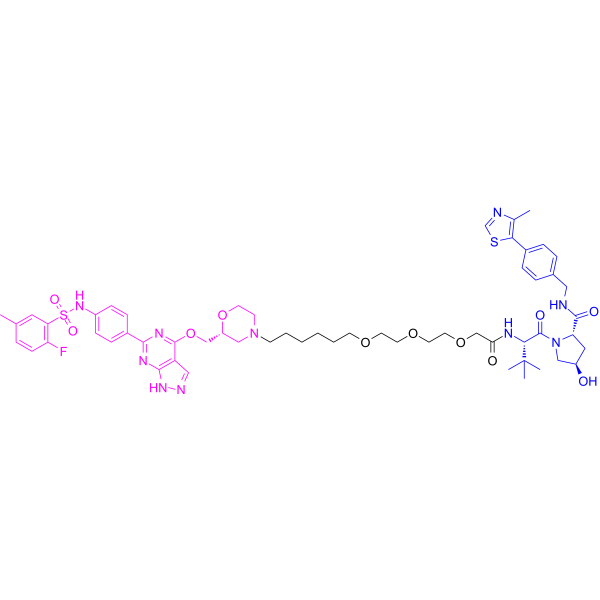
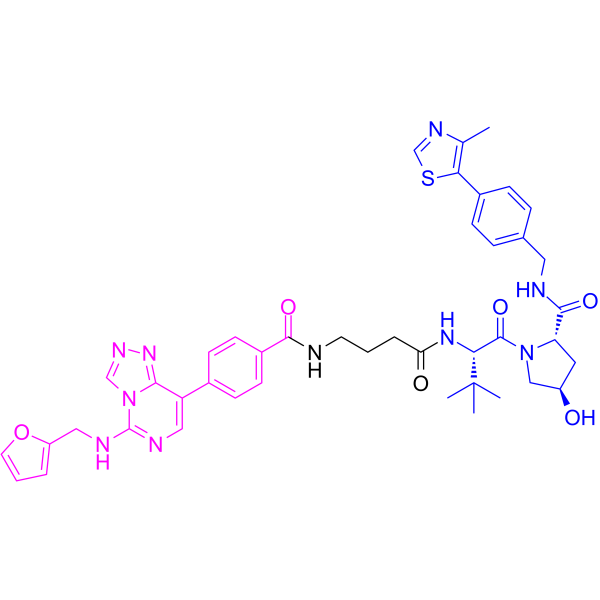
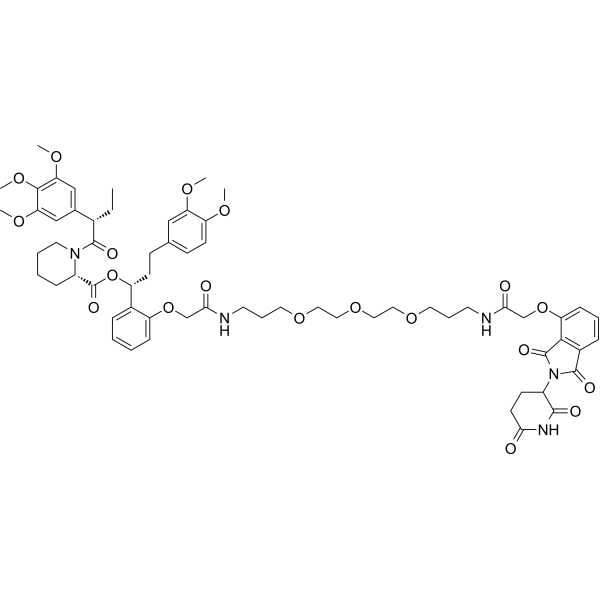
PROTAC FAK degrader 1 (Compound PROTAC-3) is a selective and effective degrader of Fak PROTAC with a DC50 of 3.0 nM. PROTAC FAK degrader 1 reduces the ability of cancer cells to migrate and invade. PROTAC FAK degrader 1 can be used in the study of tumor .
loading...
    loading...
8
8 Cited Publications
Cat. No.: HY-114312
CAS No.: 2136247-12-4
Purity:  99.60%
Research Areas:  

Cancer

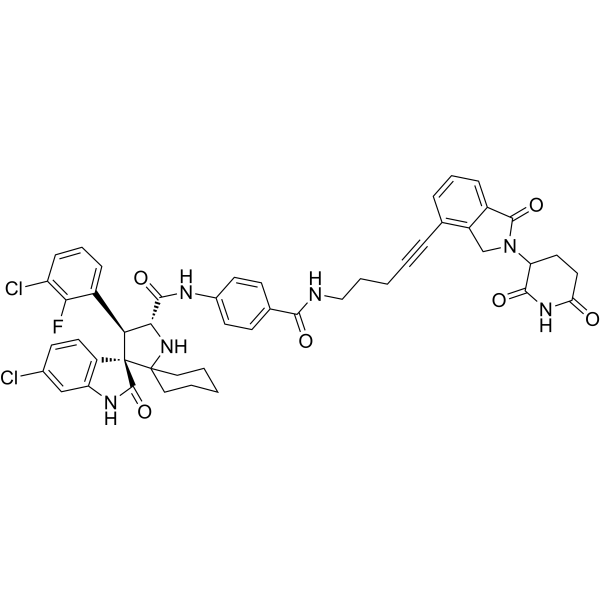
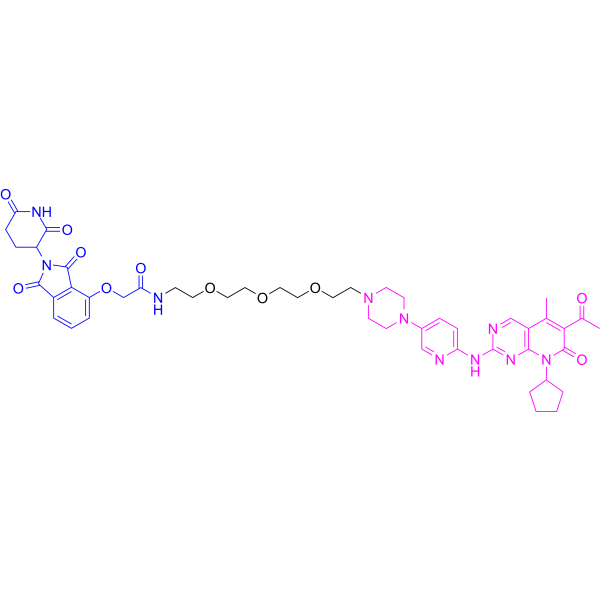
MD-224 is a first-in-class and highly potent small-molecule human murine double minute 2 (MDM2) degrader based on the proteolysistargeting chimera (PROTAC) concept. MD-224 consists of ligands for Cereblon and MDM2. MD-224 induces rapid degradation of MDM2 at concentrations <1 nM in human leukemia cells, and achieves an IC50 value of 1.5 nM in inhibition of growth of RS4;11 cells. MD-224 has the potential to be a new class of anticancer agent . MD-224 is a click chemistry reagent, it contains an Alkyne group and can undergo copper-catalyzed azide-alkyne cycloaddition (CuAAc) with molecules containing Azide groups.
loading...
    loading...
8
8 Cited Publications
Cat. No.: HY-111519
CAS No.: 2170695-14-2
Purity:  99.89%
Research Areas:  

Cancer

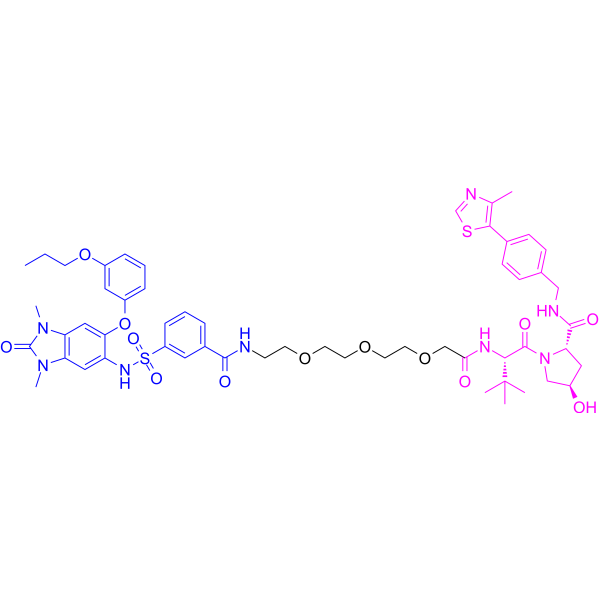
dTRIM24 is a selective bifunctional degrader of TRIM24 based on PROTAC, consists of ligands for von Hippel-Lindau and TRIM24.
loading...
    loading...
6
6 Cited Publications
Cat. No.: HY-140346A
CAS No.: 942518-29-8
Purity:  98.85%
Target:  

PROTAC Linkers

Research Areas:  

Cancer

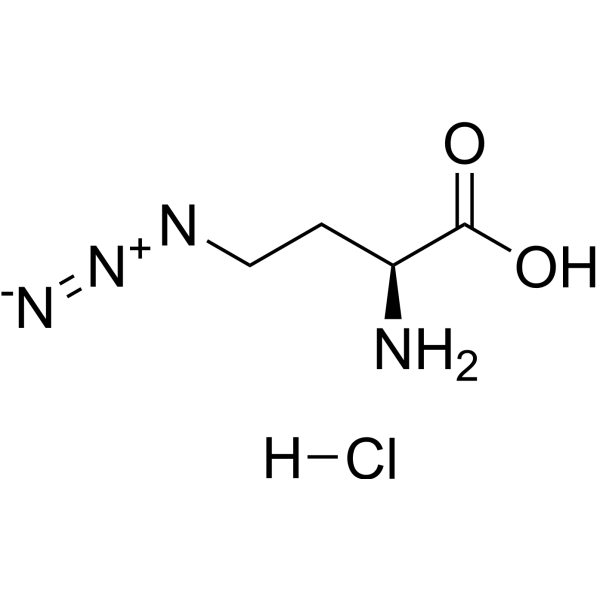
L-Azidohomoalanine hydrochloride is an alkyl chain-based PROTAC linker that can be used in the synthesis of PROTACs . L-Azidohomoalanine (hydrochloride) is a click chemistry reagent, it contains an Azide group and can undergo copper-catalyzed azide-alkyne cycloaddition reaction (CuAAc) with molecules containing Alkyne groups. It can also undergo strain-promoted alkyne-azide cycloaddition (SPAAC) reactions with molecules containing DBCO or BCN groups.
loading...
    loading...
5
5 Cited Publications
Cat. No.: HY-125878
CAS No.: 2381320-35-8
Purity:  99.89%
Synonyms: SGK3-Protac1
Target:  

PROTACs SGK

Research Areas:  

Cancer

PROTAC SGK3 degrader-1 (SGK3-PROTAC1), a chemical probe, is a von Hippel-Lindau ligand-based SKG3 PROTAC composed of a PEG3-C4-OBn (HY-130620) alkyl linker, an SGK3 degrader (red structure), and a VHL ligand (HY-150803, blue structure). PROTAC SGK3 degrader-1 (0.3 μM) induced 50% endogenous SGK3 degradation within 2 hours, and 80% SGK3 degradation was observed at 8 hours, accompanied by loss of phosphorylation of NDRG1 (SGK3 substrate) .
loading...
    loading...
5
5 Cited Publications
Cat. No.: HY-139156
CAS No.: 2523016-96-6
Purity:  99.86%
Target:  

PROTACs PARP

Research Areas:  

Cancer

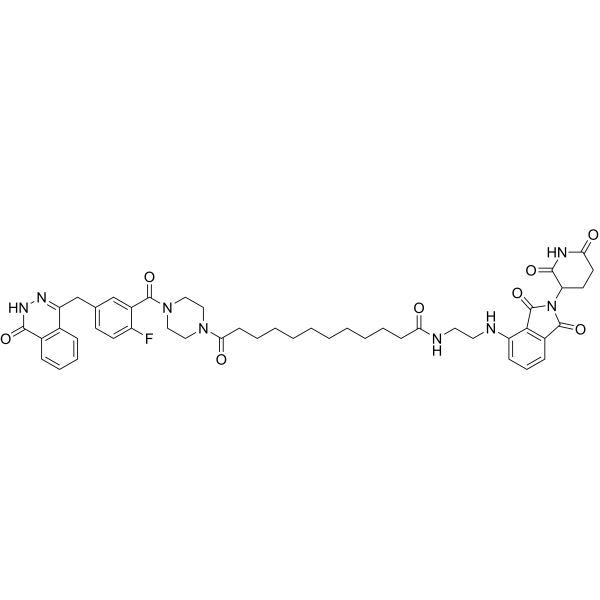
SK-575 is a highly potent and specific proteolysis-targeting chimera (PROTAC) degrader of PARP1, with an IC50 of 2.30 nM. SK-575 potently inhibits the growth of cancer cells bearing BRCA1/2 mutations .
loading...
    loading...
5
5 Cited Publications
Cat. No.: HY-122562
CAS No.: 2231744-29-7
Purity:  98.35%
Target:  

PROTACs Btk

Research Areas:  

Cancer

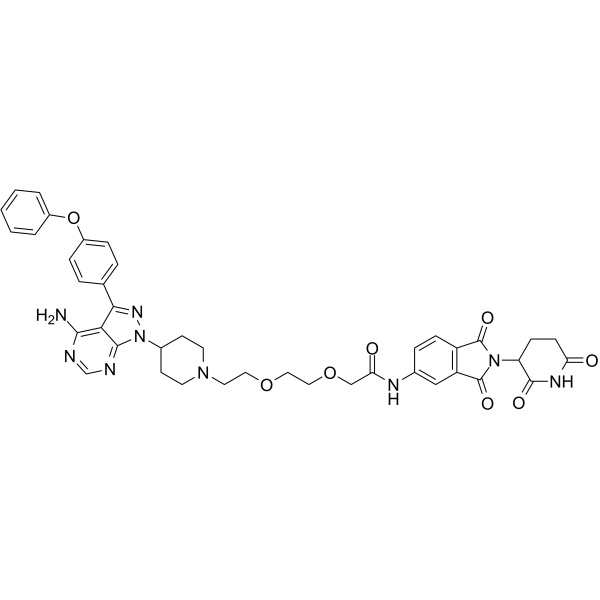
MT-802 is a BTK PROTAC degrader. MT-802 degrades wild-type BTK (DC50 = 14.6 nM) and BTK mutants including E41K, C481S (DC50 = 14.9 nM), C481R, C481Y, C481T, C481F, L528W, and inhibits their Y223 phosphorylation. BI-4732 can be used for the study of Ibrutinib (HY-10997)-resistant chronic lymphocytic leukemia (CLL). (Pink: BTK ligand (HY-150885), Blue: CRBN Ligand (HY-14658), Black: Linker (HY-141371), E3 ligase ligand-linker conjugate (HY-176340)) .
loading...
    loading...
5
5 Cited Publications
Cat. No.: HY-139039
CAS No.: 2519823-34-6
Purity:  98.73%
Target:  

PROTACs CDK

Research Areas:  

Cancer

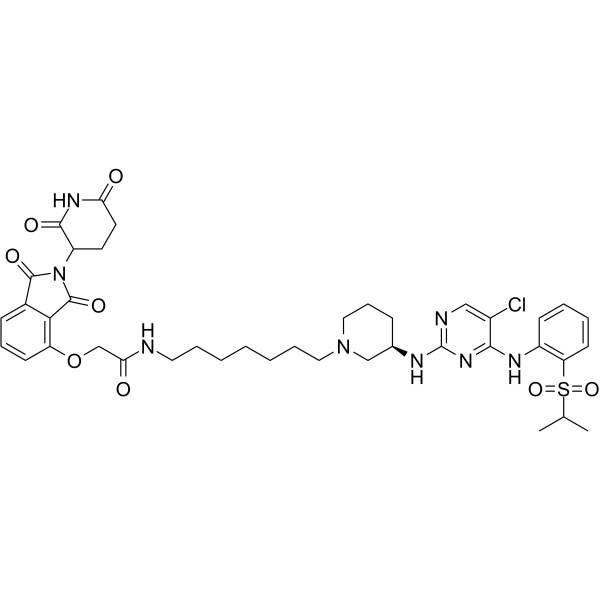
BSJ-4-116 is a PROTAC connected by ligands for Cereblon and CDK. BSJ-4-116 is a highly potent and selective CDK12 degrader (PROTAC) with an IC50 of 6 nM. BSJ-4-116 downregulates DDR genes through a premature termination of transcription, primarily through increasing poly(adenylation). BSJ-4-116 exhibits potent antiproliferative effects, alone and in combination with the poly(ADP-ribose) polymerase inhibitor Olaparib (HY-10162) .
loading...
    loading...
5
5 Cited Publications
Cat. No.: HY-123844
CAS No.: 1883863-52-2
Purity:  99.94%
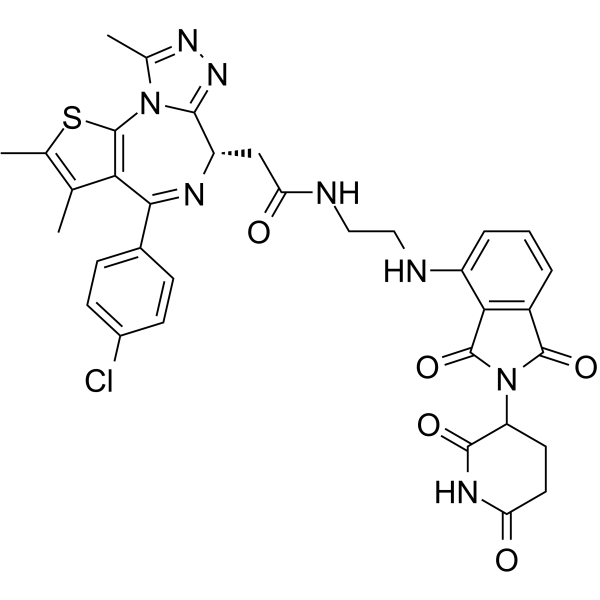
dBET57 is a potent and selective BRD4BD1 PROTAC degrader with a DC50 of approximately 500 nM. dBET57 forms a ternary complex with CRL4 CRBN and BRD4BD1, induces the ubiquitination and degradation of BRD4, and indirectly inhibits the transcription of MYCN, c-Myc and PD-L1, ultimately leading to cell cycle arrest and apoptosis. dBET57 can be used in related research on neuroblastoma, non-small cell lung cancer and colorectal cancer .
loading...
    loading...
5
5 Cited Publications
Cat. No.: HY-130708
CAS No.: 2688842-08-0
Purity:  99.60%
Research Areas:  

Cancer

UNC6852 is a PRC2 PROTAC degrader, with a DC50 value of 0.79 μM for EED (HeLa), 0.3 μM for EZH2 (HeLa), and 0.59 μM for SUZ12 (DLBCL). UNC6852 binds to the WD40 aromatic cage of EED and CRL2-VHL, inducing proteasomal degradation of EED, EZH2 and SUZ12. UNC6852 reduces the level of H3K27me3 and exerts antiproliferative effects in cancer cells. UNC6852 can be used in studies related to diffuse large B-cell lymphoma, triple-negative breast cancer and prostate cancer .
loading...
    loading...
5
5 Cited Publications
Cat. No.: HY-111556
CAS No.: 2361493-16-3
Purity:  ≥98.0%
Target:  

PROTACs CDK Apoptosis

Research Areas:  

Cancer

BSJ-03-123 is a selective PROTAC degrader of CDK6. BSJ-03-123 degrades CDK6, thereby inhibiting Rb S780 phosphorylation and inducing G1 phase arrest, while remodeling cell cycle and transcriptional signaling, with no effect on CDK4-dependent cancer cells. BSJ-03-123 reduces CDK6 protein levels in mouse ovarian tissues, increases the proportion of primordial follicles, and induces granulosa cell apoptosis, without impairing the ability of oocytes to resume meiosis and mature to the MII stage. BSJ-03-123 alleviates uveitis by blocking the HDACs-CDK6/ID2 axis. BSJ-03-123 can be used in studies related to acute myeloid leukemia, mantle cell lymphoma and autoimmune uveitis .
loading...
    loading...
4
4 Cited Publications
Cat. No.: HY-123921
CAS No.: 2230821-27-7
Purity:  99.98%
Target:  

PROTACs EGFR

Research Areas:  

Cancer

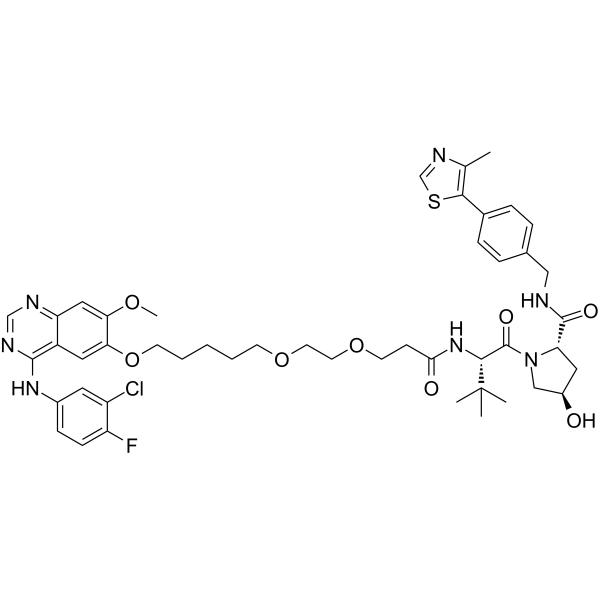
Gefitinib-based PROTAC 3 is a PROTAC degrader targeting EGFR, with a DC50 of 11.7 nM against exon 19 deletion mutants and a DC50 of 22.3 nM against EGFR L858R. Gefitinib-based PROTAC 3 selectively induces the ubiquitin-proteasome degradation of exon 19 deletion-mutant and L858R-mutant EGFR by recruiting the VHL E3 ligase. Gefitinib-based PROTAC 3 can be used for the research of EGFR mutation-positive cancers .
loading...
    loading...
4
4 Cited Publications
Cat. No.: HY-123941
CAS No.: 2064175-32-0
Purity:  98.78%
Synonyms: dTAG-7
FKBP12 PROTAC dTAG-7 (dTAG-7) is a FKBP12 F36V PROTAC degrader. FKBP12 PROTAC dTAG-7 binds FKBP12 F36V and CRBN to form a complex, mediating degradation via the ubiquitin-proteasome system. FKBP12 PROTAC dTAG-7 mediates the degradation of FKBP12 F36V-tagged nuclear and cytoplasmic proteins, including BRD4, HDAC1, EZH2, MYC, PLK1, KRAS G12V, and antigen fusion proteins. FKBP12 PROTAC dTAG-7 enhances MHC class I antigen presentation. FKBP12 PROTAC dTAG-7 is applicable to leukemia-related research .
loading...
    loading...
4
4 Cited Publications
Cat. No.: HY-115718A
Purity:  98.62%
Target:  

PROTACs Bcl-2 Family

Research Areas:  

Cancer

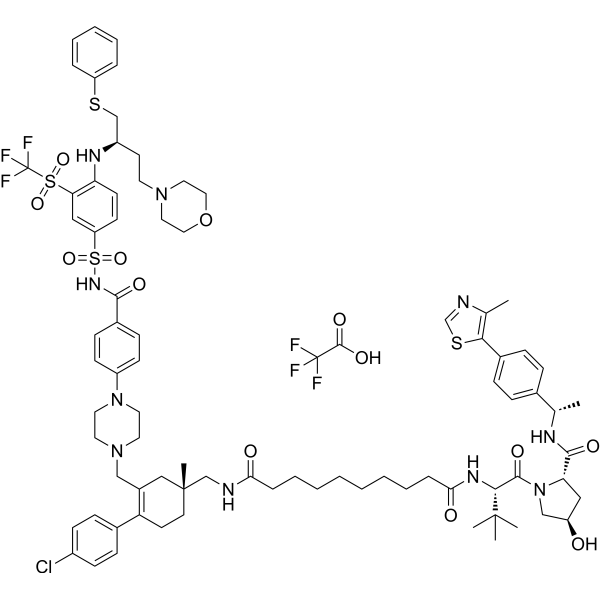
PZ703b TFA is a Bcl-xl PROTAC degradation agent that induces apoptosis and inhibits cancer cell proliferation for bladder cancer research .
loading...
    loading...
4
4 Cited Publications
Cat. No.: HY-115718
CAS No.: 2471970-56-4
Purity:  98.00%
Target:  

PROTACs Bcl-2 Family

Research Areas:  

Cancer

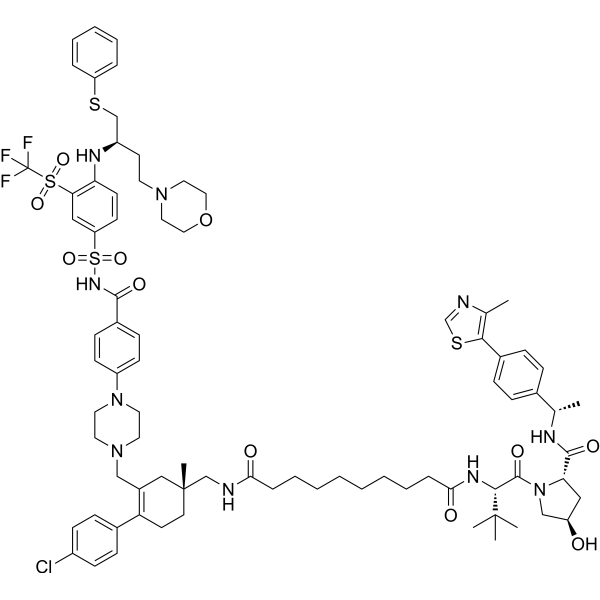
PZ703b is a Bcl-xl PROTAC degrader that induces apoptosis and inhibits cancer cell proliferation. PZ703b can be used for the research of bladder cancer research .
loading...
    loading...
4
4 Cited Publications
Cat. No.: HY-115718B
Purity:  99.18%
Research Areas:  

Cancer

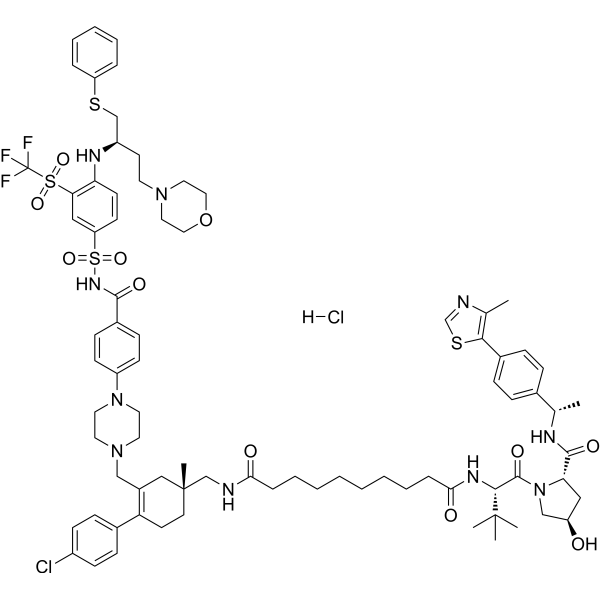
PZ703b hydrochloride is a Bcl-xl PROTAC degrader that induces apoptosis and inhibits cancer cell proliferation. PZ703b hydrochloride can be used for the research of bladder cancer research .
loading...
    loading...
4
4 Cited Publications
Cat. No.: HY-140335
CAS No.: 82909-47-5
Purity:  ≥95.0%
Target:  

PROTAC Linkers

Research Areas:  

Cancer

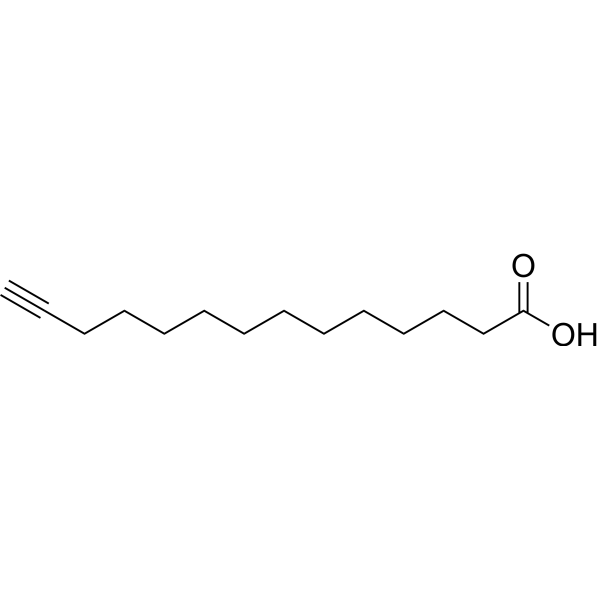
Alkynyl myristic acid is an alkyl chain-based PROTAC linker that can be used in the synthesis of PROTACs . Alkynyl myristic acid is a click chemistry reagent, it contains an Alkyne group and can undergo copper-catalyzed azide-alkyne cycloaddition (CuAAc) with molecules containing Azide groups.
loading...
    loading...
4
4 Cited Publications
Cat. No.: HY-140272
CAS No.: 1427004-19-0
Purity:  98.40%
Target:  

PROTAC Linkers

Research Areas:  

Cancer

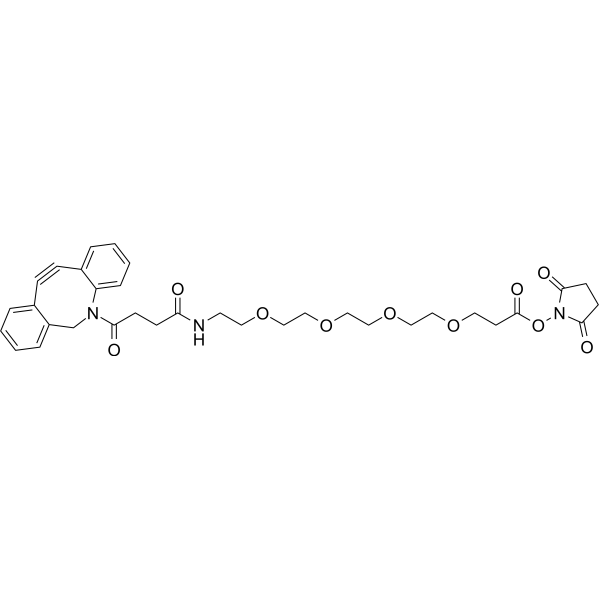
DBCO-PEG4-NHS ester is a PEG-based PROTAC linker that can be used in the synthesis of PROTACs . DBCO-PEG4-NHS ester is a click chemistry reagent, it contains a DBCO group that can undergo strain-promoted alkyne-azide cycloaddition (SPAAC) with molecules containing Azide groups.
loading...
    loading...
4
4 Cited Publications
Cat. No.: HY-129917
CAS No.: 2384184-44-3
Purity:  99.17%
Research Areas:  

Cancer

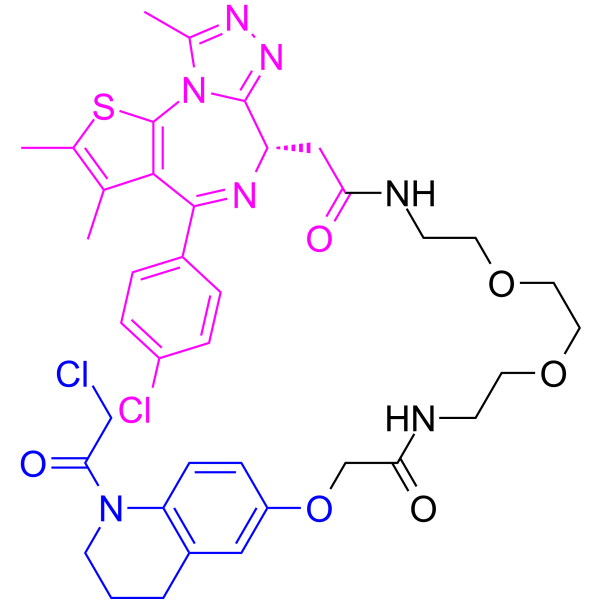
KB02-JQ1 is a potent and selective BRD4 PROTAC degrader. KB02-JQ1 degrades BRD4 via the ubiquitin-proteasome pathway by bridging DCAF16 E3 ubiquitin ligase and BRD4. KB02-JQ1 can be used for cancer research .
loading...
    loading...
4
4 Cited Publications
Cat. No.: HY-112155
CAS No.: 2229036-62-6
Purity:  99.72%
Research Areas:  

Cancer

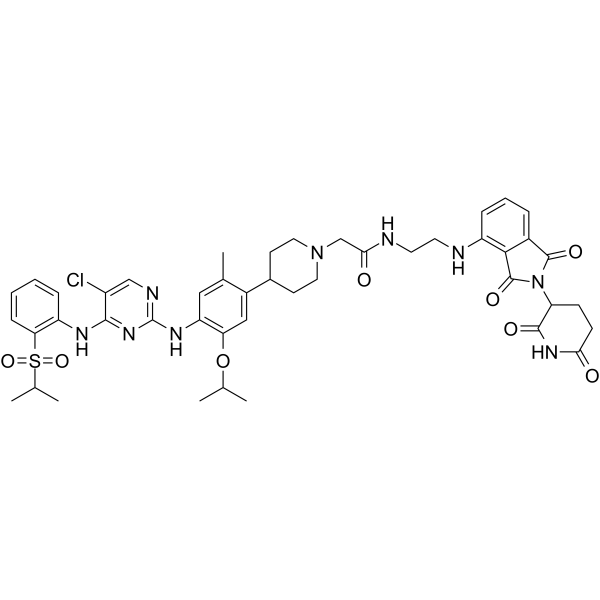
MS4078 is a ALK PROTAC degrader with a DC50 of 11 nM in SU-DHL-1 cells and a DC50 of 59 nM in NCI-H2228 cells, and its Kd value for ALK binding is 19 nM. MS4078 induces ALK degradation via the ubiquitin-proteasome pathway by recruiting cereblon, and inhibits the phosphorylation of ALK and STAT3, thereby suppressing cancer cell proliferation. MS4078 is applicable for the research of non-small cell lung cancer and anaplastic large cell non-Hodgkin's lymphoma .
loading...
    loading...

