
125 Results for "

metabolic process

" in MedChemExpress (MCE) Product Catalog:
Products (125)

125 Results for "metabolic process" in MCE Product Catalog:

Art. -Nr.: HY-N2325
CAS. Nr.: 528-50-7
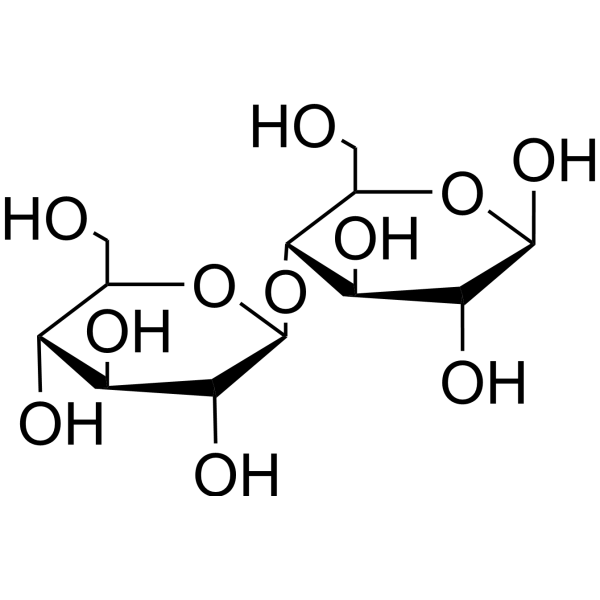
D-(+)-Cellobiose is a water-soluble disaccharide and an important intermediate product in the degradation process of cellulose and hemicellulose. D-(+)-cellobiose is used as a carbon source by microorganisms in fermentation processes, where it is converted into ethanol or other metabolic products. D-(+)-Cellobiose has significant application value in biofuel production, such as bioethanol .
loading...
    loading...
Art. -Nr.: HY-126370A
CAS. Nr.: 313263-08-0
Reinheit:  ≥95.0%
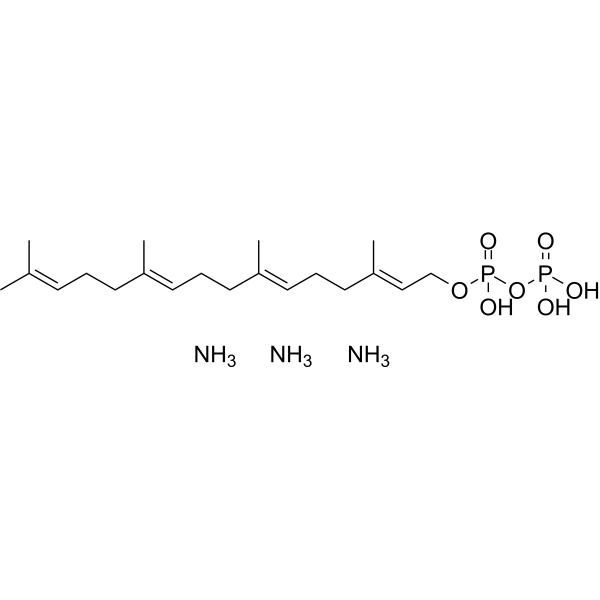
Geranylgeranyl pyrophosphate triammonium is a type of isoprenoid metabolic intermediate, mainly synthesized through the mevalonate pathway. Geranylgeranyl pyrophosphate triammonium is a key precursor in various biological synthesis processes, especially as a necessary substrate for post-translational modification of proteins - geranylgeranyl phosphorylation. Geranylgeranyl pyrophosphate triammonium regulates various cellular processes and disease progression through protein geranylgeranyl phosphorylation, such as activating the YAP signaling pathway, promoting cell proliferation and inhibiting apoptosis; promoting IL-2 production and STAT5 phosphorylation; and influencing metabolic homeostasis and cancer, etc .
loading...
    loading...
Art. -Nr.: HY-Y1269S
CAS. Nr.: 39466-62-1
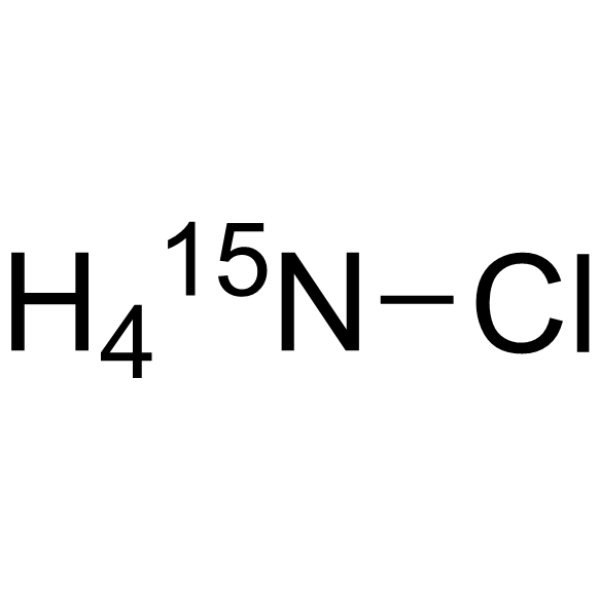
Ammonium chloride- 15N is the 15N labeled Ammonium chloride (HY-Y1269). Ammonium chloride, as a heteropolar compound with pH value regulation, can cause intracellular alkalization and metabolic acidosis thus effecting enzymatic activity and influencing the process of biological system. Ammonium chloride is an autophagy inhibitor. Ammonium chloride is also a lysosome inhibitor .
loading...
    loading...
Art. -Nr.: HY-121965
CAS. Nr.: 492-61-5
Reinheit:  99.93%
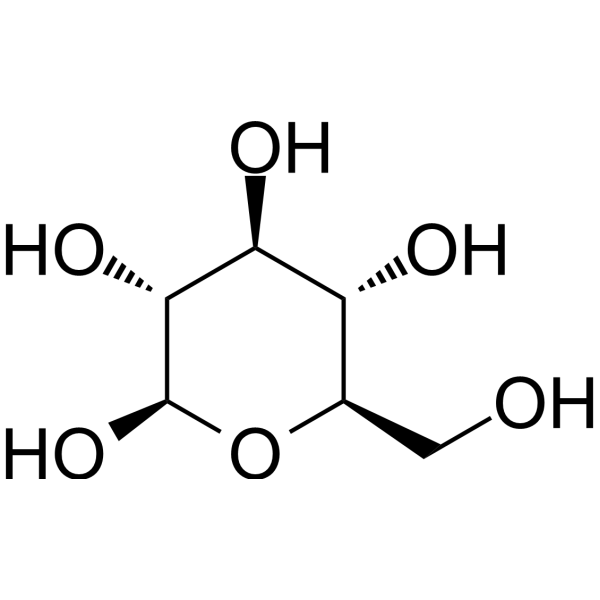
β-D-Glucose, also known as glucose, is a monosaccharide, the most important carbohydrate in biological systems, the main energy source of cells, and plays a key role in various metabolic processes. β-D-Glucose has unique chemical properties that make it an abundant component in plant and animal tissues and is readily metabolized by organisms to produce cellular energy. It is commonly used to improve hypoglycemia and dehydration, and as a sweetener and preservative in food and beverage production.
loading...
    loading...
Art. -Nr.: HY-W749209
CAS. Nr.: 56374-56-2
Synonyms: Anhydrous sodium acetate-13C2
Acetic acid-13C2 is a stable isotope labeled compound with biomarker and metabolic tracking activity. Acetic acid-13C2 is often used in biochemical research for the analysis of metabolic pathways. Acetic acid-13C2 is also used in medical imaging and compound development to improve the understanding of biological processes.
loading...
    loading...
Art. -Nr.: HY-N8469
CAS. Nr.: 2430-94-6
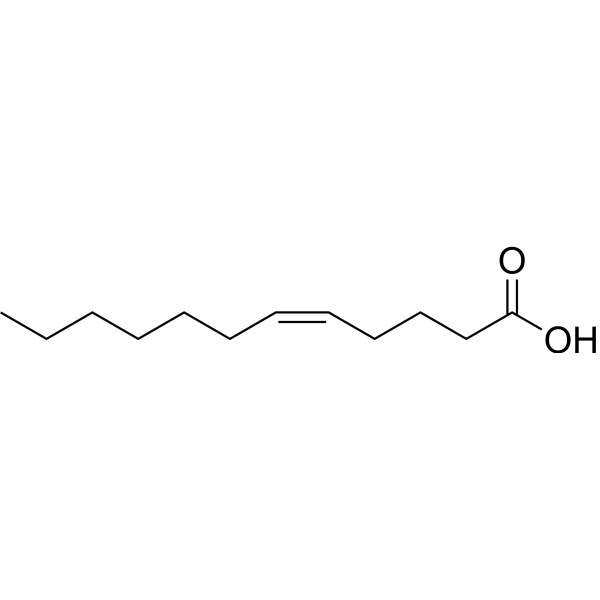
cis-5-Dodecenoic acid is an inhibitor of COX-I and COX-II with anti-inflammatory activity. cis-5-Dodecenoic acid reduces prostaglandin synthesis by inhibiting COX enzyme activity and is involved in the fatty acid -β oxidative metabolic pathway. The metabolic rate of cis-5-Dodecenoic acid is significantly lower than that of saturated fatty acids. cis-5-Dodecenoic acid can be used in the research of anti-inflammation, fatty acid metabolism mechanisms and related physiological and pathological processes .
loading...
    loading...
Art. -Nr.: HY-143212
CAS. Nr.: 65886-80-8
Synonyms: 1-Stearoyl-2-docosahexaenoyl-sn-glycerol
Target:  

Ras p38 MAPK ERK PKC

18:0-22:6 DG (1-Stearoyl-2-docosahexaenoyl-sn-glycerol) is a diacylglycerol (DG) that can interact with RasGRP (Ras guanine nucleotide-releasing protein) (Ki = 8.37 μM) and modulate the activation of MAP kinases (such as ERK1/ERK2), which play a crucial role in cellular signaling processes. 18:0-22:6 DG can also activate protein kinase C (PKC) isozyme. 18:0-22:6 DG can be used for research of cancer, immunology and metabolic disease .
loading...
    loading...
Art. -Nr.: HY-P3016A
CAS. Nr.: 9000-97-9
Synonyms: EC 2.6.1.1, porcine heart; GOT, porcine heart; AST, porcine heart
Forschungsgebiete:  

Cardiovascular Disease

Aspartate aminotransferase (EC 2.6.1.1), porcine heart is a metabolic regulator with the highest activity in the heart, liver and skeletal muscle. Aspartate aminotransferase, porcine heart comprises two isozymes: the cytoplasmic form (AST1) and the mitochondrial form (AST2). By catalyzing reversible transamination reactions between oxaloacetate, L-glutamate and other substances, it is deeply involved in key physiological processes such as amino acid metabolism, the tricarboxylic acid cycle and neurotransmitter synthesis. Aspartate aminotransferase, porcine heart also provides substrate support for the synthesis of urea and purines/pyrimidines. Aspartate aminotransferase, porcine heart is a serum marker reflecting cardiac and hepatic injury, and its abnormal levels are also closely associated with myocardial infarction, cardiovascular diseases and various cancers .
loading...
    loading...
Art. -Nr.: HY-126370
CAS. Nr.: 6699-20-3
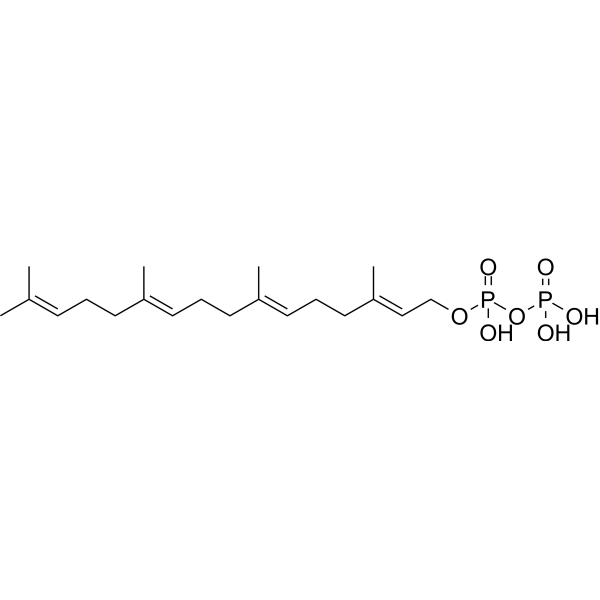
Geranylgeranyl pyrophosphate is a type of isoprenoid metabolic intermediate, mainly synthesized through the mevalonate pathway. Geranylgeranyl pyrophosphate is a key precursor in various biological synthesis processes, especially as a necessary substrate for post-translational modification of proteins - geranylgeranyl phosphorylation. Geranylgeranyl pyrophosphate regulates various cellular processes and disease progression through protein geranylgeranyl phosphorylation, such as activating the YAP signaling pathway, promoting cell proliferation and inhibiting apoptosis; promoting IL-2 production and STAT5 phosphorylation; and influencing metabolic homeostasis and cancer, etc .
loading...
    loading...
Art. -Nr.: HY-119443
CAS. Nr.: 79778-41-9
Reinheit:  ≥98.0%
Target:  

Apoptosis

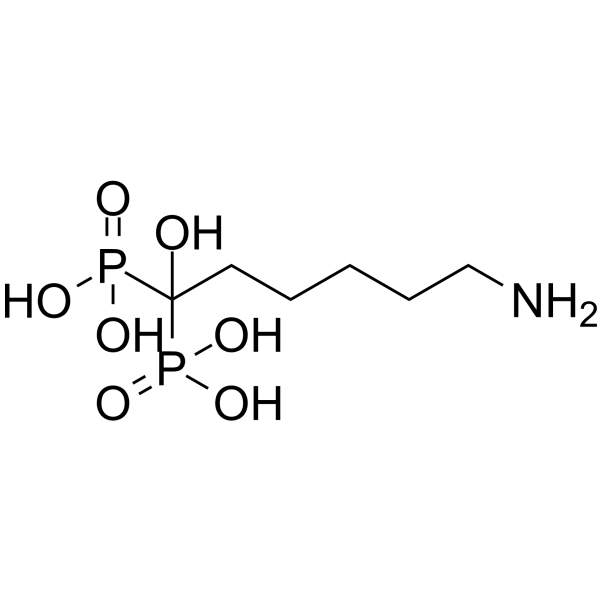
Neridronate is a bisphosphonate. Bisphosphonates initiate the Apoptotic process. Neridronate sodium reduces the levels of bone resorption, bone turnover markers, the degree of back pain, and the risk of fractures. Neridronate inhibits capillary tube formation. Neridronate itself has weak anticancer activity, but liposomal encapsulation enhances this activity. Neridronate can be used in research related to demineralizing metabolic bone diseases, thalassemia-associated osteoporosis, chronic inflammatory diseases, cancer, and osteogenesis imperfecta .
loading...
    loading...
Art. -Nr.: HY-W039953
CAS. Nr.: 98924-81-3
Synonyms: N-azidoacetylglucosamine-tetraacylated
Forschungsgebiete:  

Infection

Ac4GlcNAz (N-azidoacetylglucosamine-tetraacylated) is an azido-containing fully acetylated N-acetylglucosamine analog, a metabolic glycan marker, and also an inducer of S-glycosylation. Ac4GlcNAz can be taken up by bacteria, processed via endogenous carbohydrate biosynthesis pathways, and integrated into glycans by replacing natural monosaccharides. Under alkali promotion, Ac4GlcNAz undergoes β-elimination to form α,β-unsaturated aldehydes, which then bind to cysteine residues via Michael addition. Ac4GlcNAz can be integrated into glycoproteins. Ac4GlcNAz is applicable to research related to Helicobacter pylori infection .
loading...
    loading...
Art. -Nr.: HY-112537S1
Reinheit:  ≥98.0%
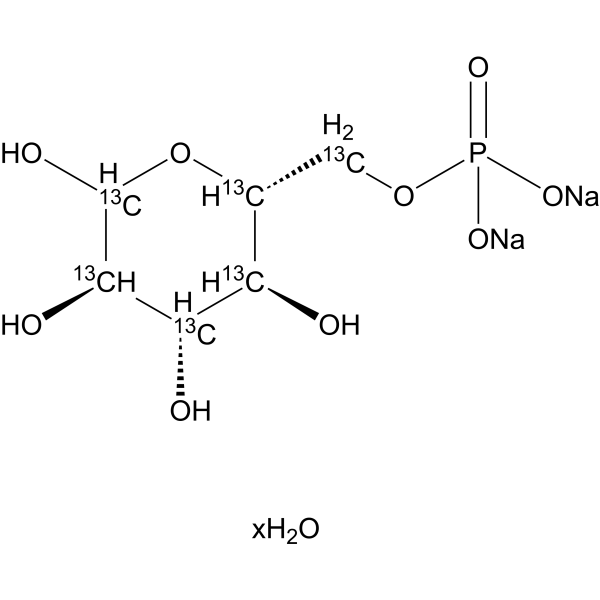
D-Glucose 6-Phosphate- 13C6 disodium xhydrate is a 13C-labeled D-Glucose 6-phosphate disodium xhydrate. D-Glucose 6-phosphate disodium xhydrate is a key central node metabolite in sugar metabolism, serving as the initial metabolite of glycolysis and pentose phosphate pathway, and also a substrate for glycogen synthesis. D-Glucose 6-phosphate disodium xhydrate can act as a metabolic stress signal, especially when phosphoglucomutase (PGI) is inhibited, activating the mTOR pathway, promoting protein synthesis, and thereby participating in the remodeling process of the heart. D-Glucose 6-phosphate disodium xhydrate can be used in research related to non-insulin-dependent diabetes and heart failure.
loading...
    loading...
Art. -Nr.: HY-W047710
CAS. Nr.: 21193-75-9
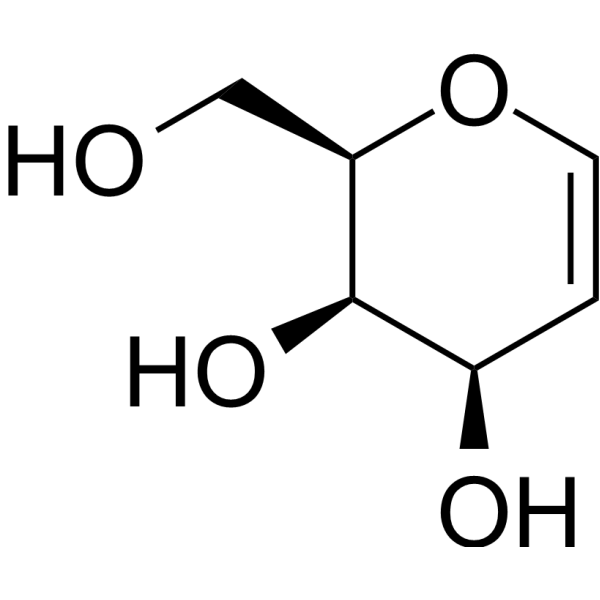
D-Galactal is a monosaccharide that belongs to the class of carbohydrates. It is an aldohexose, which means it has six carbon atoms and an aldehyde functional group. D-Galactal occurs naturally in certain foods such as dairy products, meats and fruits. It can also be synthesized by chemical or enzymatic processes. D-Galactal has various applications in the food industry, especially as a flavoring and sweetening agent. Additionally, it has potential research roles in metabolic disorders, cancer, and inflammation.
loading...
    loading...
Art. -Nr.: HY-152261
CAS. Nr.: 2891709-58-1
Reinheit:  99.2%
Forschungsgebiete:  

Cancer

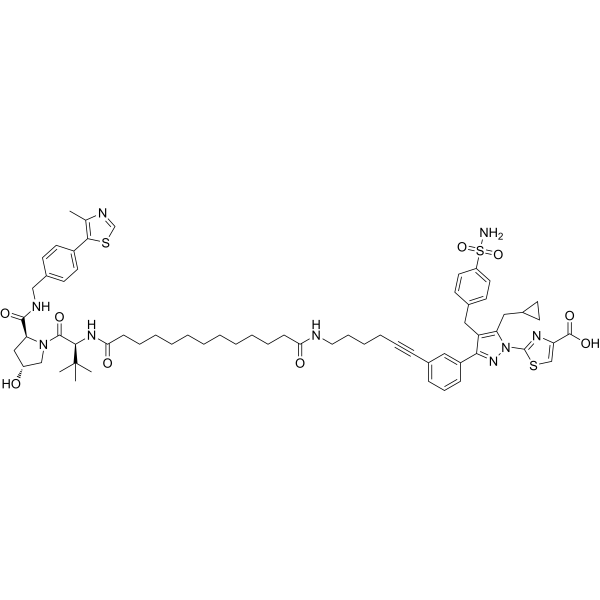
MS6105 is a PROTAC degrader targeting LDHA and LDHB, with DC50 values of 38 nM and 74 nM for degrading LDHA and LDHB in PANC-1 cells, respectively, and no hook effect is observed at high concentrations. MS6105 inhibits the proliferation of pancreatic cancer cells, and no obvious toxicity is observed after intraperitoneal administration in mice. MS6105 can be used for pancreatic cancer-related research .
loading...
    loading...
Art. -Nr.: HY-144312
CAS. Nr.: 1989627-40-8
Reinheit:  99.76%
Target:  

Galectin

Forschungsgebiete:  

Metabolic Disease Cancer

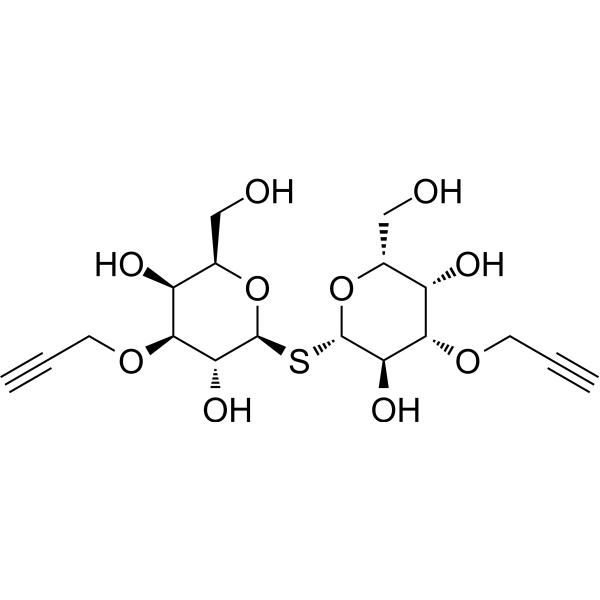
Thiobis-β-Galactose-propyne is an effective multivalent galectin-3 (Gal-3) inhibitor. Galectin-3 is involved in many metabolism processes related to cancer. Galectin-3-IN-1 is a click chemistry reagent. It contains an alkyne group that can undergo a copper-catalyzed azide-alkyne cycloaddition (CuAAc) reaction with molecules that have an azide group .
loading...
    loading...
Art. -Nr.: HY-W037825
CAS. Nr.: 2236-60-4
Pterin is a pteridine with antibacterial activity. Pterin binds to the Fe 2+ active site via its carbonyl group, reducing the oxygen activation energy barrier in hydroxylases. Pterin participates in metabolic redox processes. Pterin can be used in research related to cancer, vitiligo, bacterial infections, phenylketonuria, Parkinson's disease, schizophrenia and depression .
loading...
    loading...
Art. -Nr.: HY-W015466
CAS. Nr.: 96-81-1
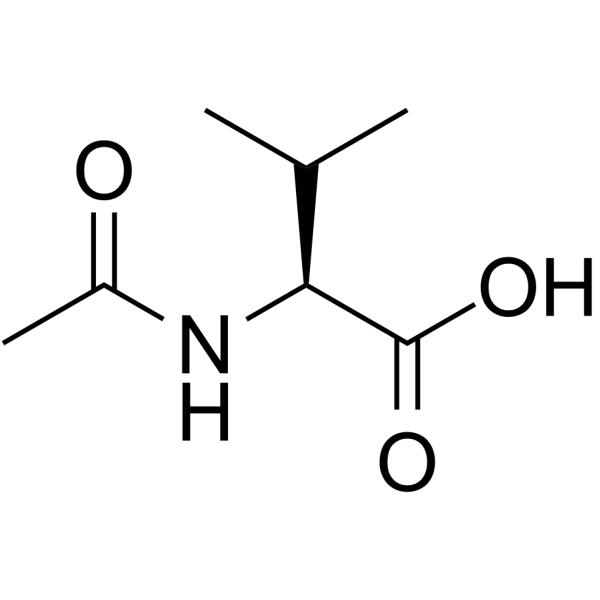
Acetylvaline is a class of amino acid derivative metabolites. The expression abundance of Acetylvaline is upregulated under heat stress conditions; it participates in the regulation of amino acid biosynthesis, cysteine and methionine metabolic pathways, and mediates the physiological processes of antioxidant defense and energy metabolism reprogramming in Magallana sikamea. Acetylvaline can be released from acetylvalyl-RNA of Turnip Yellow Mosaic Virus (TYMV) by N‑acylaminoacyl‑tRNA hydrolase. Acetylvaline can be used in metabolism-related research .
loading...
    loading...
Art. -Nr.: HY-113325AR
CAS. Nr.: 698999-85-8
NADP sodium hydrate (Standard) is the analytical standard of NADP sodium hydrate (HY-113325A). This product is intended for research and analytical applications. NADP sodium hydrate is the sodium salt hydrate form of NADP (HY-113325). NADP is a coenzyme involved in cellular electron transfer reactions in biological metabolism, which is alternately oxidized (NADP+) and reduced (NADPH), and can maintain cellular redox homeostasis and regulate many biological events, including cellular metabolism. NADPH is a universal electron donor that provides reducing ability for synthetic metabolic reactions and redox balance. NADPH plays a multifunctional role in regulating inflammation, redox homeostasis, and synthetic metabolism processes.
loading...
    loading...
Art. -Nr.: HY-116568
CAS. Nr.: 178928-70-6
Reinheit:  99.52%
Synonyms: JAU-6476
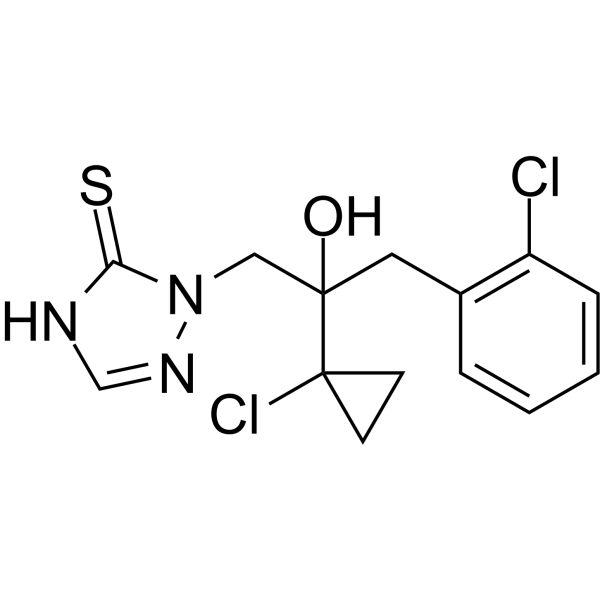
Prothioconazole is an orally active broad-spectrum fungicide. Prothioconazole weakly inhibits CaCYP51 activity in Candida albicans, with an apparent IC50 of approximately 120 μM. Prothioconazole disrupts Microtubule stability by reducing the acetylation level of α-tubulin. Prothioconazole induces Mitochondrial dysfunction, oxidative stress, DNA damage, and Apoptosis. Prothioconazole accumulates 14-methylated sterols and depletes ergosterol in cells, culture media, plants, and animals. Prothioconazole interferes with pyruvate metabolism and glycolysis/gluconeogenesis processes in mouse liver, downregulates Fasn mRNA expression, and induces hepatotoxicity and renal metabolic disorders. Prothioconazole reduces the fertility of female mice. Prothioconazole inhibits body weight gain and increases liver/kidney indices in mice. Prothioconazole can be used in studies related to candidiasis .
loading...
    loading...
Art. -Nr.: HY-Y1269AS
CAS. Nr.: 12015-14-4
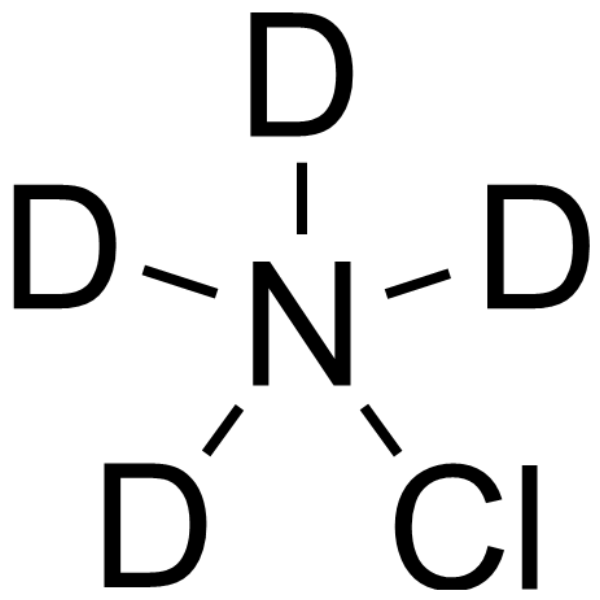
Ammonium chloride-d4 is the deuterium labeled Ammonium chloride. Ammonium chloride, as a heteropolar compound with pH value regulation, can cause intracellular alkalization and metabolic acidosis thus effecting enzymatic activity and influencing the process of biological system. Ammonium chloride is an autophagy inhibitor. Ammonium chloride is also a lysosome inhibitor .
loading...
    loading...

