
75 Results for "

substrate binding site

" in MedChemExpress (MCE) Product Catalog:
Products (75)

75 Results for "substrate binding site" in MCE Product Catalog:

Cat. No.: HY-175597
CAS No.: 2363753-48-2
Target:  

ClpP

Research Areas:  

Infection

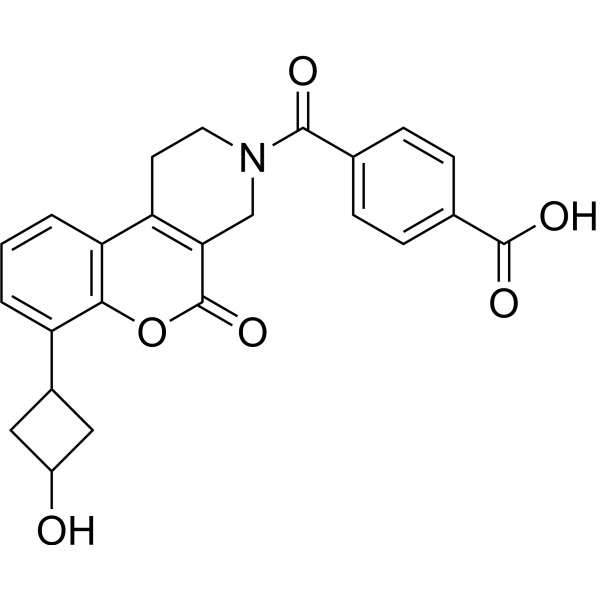
ClpP modulator-1 (Compound BC8a), a peptidomimetic, is an allosteric ClpP modulator. ClpP modulator-1 is a ClpP activator at low concentration with EC50s of 0.35 and 0.58  μM for for Neisseria meningitides ClpP (NmClpP) and Escherichia coli ClpP (EcClpP), resepectively. ClpP modulator-1 also inhibits peptidase activity at high concentration by competitively inhibiting substrate protein (LY-AMC) binding to ClpP C sites. ClpP modulator-1 has antibacterial activity. ClpP modulator-1 can be used for bacterial infections research .
loading...
    loading...
Cat. No.: HY-173162
CAS No.: 86383-89-3
GPV0057 (Compound 5d) is a selective and potent P-glycoprotein (P-gp) inhibitor. GPV0057 is also a selective potassium channel Kir2.1 activator. GPV0057 competitively binds to the substrate-binding site of P-gp, inhibiting ATP-dependent drug efflux to reverse multidrug resistance in tumor cells. GPV0057 can also stabilizes the open state of Kir2.1 and promotes potassium ion influx. GPV0057 is promising for research of tumors with high P-gp expression, Kir2.1-deficient diseases such as heart failure and Andersen-Tawil Syndrome .
loading...
    loading...
Cat. No.: HY-145425
CAS No.: 2771006-54-1
Target:  

IRE1 Apoptosis FGFR

Research Areas:  

Inflammation/Immunology

PAIR2 is a highly selective inhibitor targeting the kinase domain of human IRE1α, with a Ki value of 8.8 nM against human IRE1α. PAIR2 fully occupies the ATP-binding site of the IRE1α kinase domain, partially antagonizes the ribonuclease activity of IRE1α, specifically inhibits regulated IRE1α-dependent decay (RIDD) and its mediated substrate cleavage, while preserving the splicing function of Xbp1 mRNA. PAIR2 also promotes the differentiation of B cells into plasma cells, blocks IRE1α-induced cell apoptosis, and restores the expression of Fgfr2 mRNA in AT2 cells. PAIR2 effectively reaches a steady-state concentration in the lung tissues of Mus musculus, and serves as an important tool for investigating the function of the IRE1α signaling pathway in diseases such as pulmonary fibrosis .
loading...
    loading...
Cat. No.: HY-N0181A
CAS No.: 474-69-1
Synonyms: 9β,10α-Ergosterol
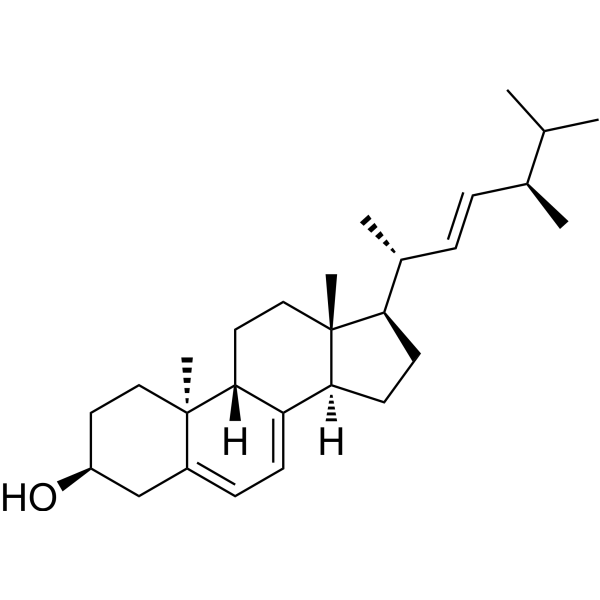
Lumisterol (9β,10α-Ergosterol) is a photoproduct of 7-dehydrocholesterol, present in the skin, and acts as an orally active VDR non-genomic modulator and ROR inverse agonist. Lumisterol binds to the SARS-CoV-2 Mpro substrate-binding pocket and the RdRP active site, inhibiting enzyme activity. Lumisterol induces NRF2-regulated antioxidant responses, p53 phosphorylation and nuclear translocation, and intracellular free radical scavenging. Lumisterol inhibits the proliferation of epidermal keratinocytes and melanoma cells, modulates cell cycle progression, and suppresses basal and TNFα-induced NFκB transcriptional activity. Lumisterol inhibits RORγ transcriptional activity and IL-17 production. Lumisterol is used in research on UVB-induced skin damage, melanoma, psoriasis, vitamin D deficiency, and COVID-19 .
loading...
    loading...
Cat. No.: HY-116750
CAS No.: 4324-55-4
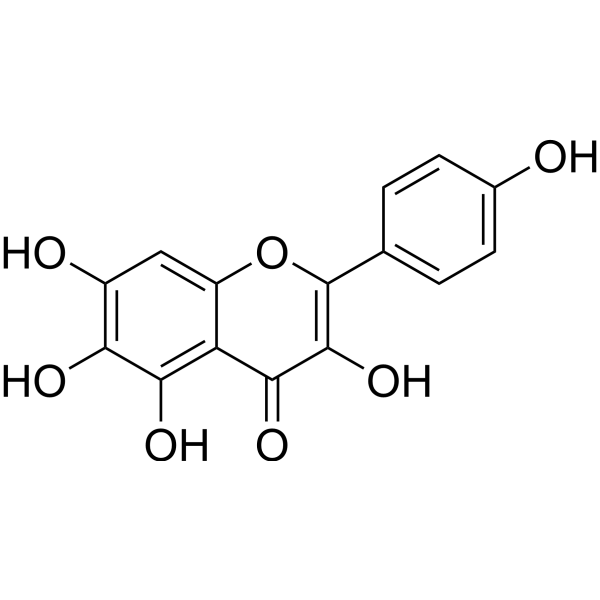
6-Hydroxykaempferol, a flavonoid, is a competitive tyrosinase inhibitor with an IC50 value of 124 μM. 6-Hydroxykaempferol has a Ki value of 148 μM relative to L-DOPA as a substrate and effectively inhibits the activity of the enzyme by binding to the active site of the enzyme .
loading...
    loading...
Cat. No.: HY-149825
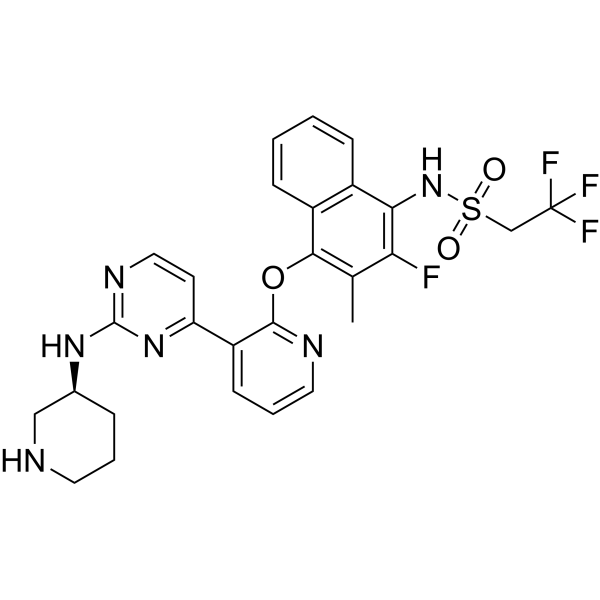
MTHFD2-IN-1 is a MTHFD2 inhibitor with selectivity for MTHFD2 binding over MTHFD1. MTHFD2-IN-1 binds to the substrate-binding site of MTHFD2 and interacts with Arg43, Asn87, Lys88, Gln132, Gly310 and Tyr84. MTHFD2-IN-1 can be used in cancer-related research .
loading...
    loading...
Cat. No.: HY-144354S
CAS No.: 51494-04-3
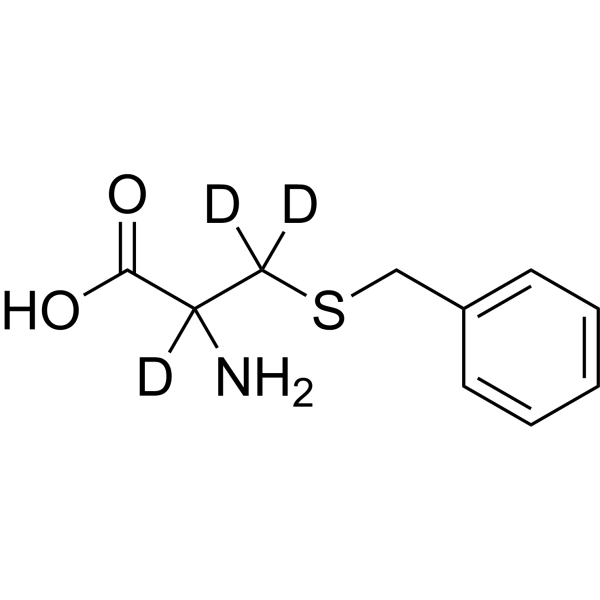
S-Benzyl-DL-cysteine-2,3,3-d3 is a deuterium labeled Benzylcysteine. Benzylcysteine is an ASCT2 inhibitor that binds to ASCT2 with an apparent Ki of 780 μM. Benzylcysteine inhibit ASCT2 function based on a competitive mechanism, indicating that Benzylcysteine binds to the substrate-binding site of ASCT2 .
loading...
    loading...
Cat. No.: HY-145779
CAS No.: 17663-87-5
Synonyms: H-γ-Glu-Met-OH; γ-Glu-Met
Target:  

Dipeptidyl Peptidase

Research Areas:  

Metabolic Disease

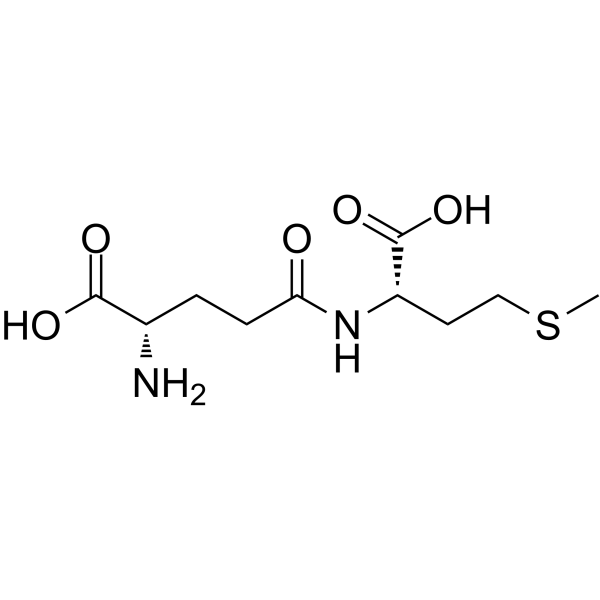
H-Glu(Met-OH)-OH (H-γ-Glu-Met-OH; γ-Glu-Met) is a DPP-IV inhibitor with an IC50 of 2.11 mM. H-Glu(Met-OH)-OH binds to DPP-IV’s active site to block substrate binding. H-Glu(Met-OH)-OH can be used for the research of type 2 diabetes .
loading...
    loading...
Cat. No.: HY-149826
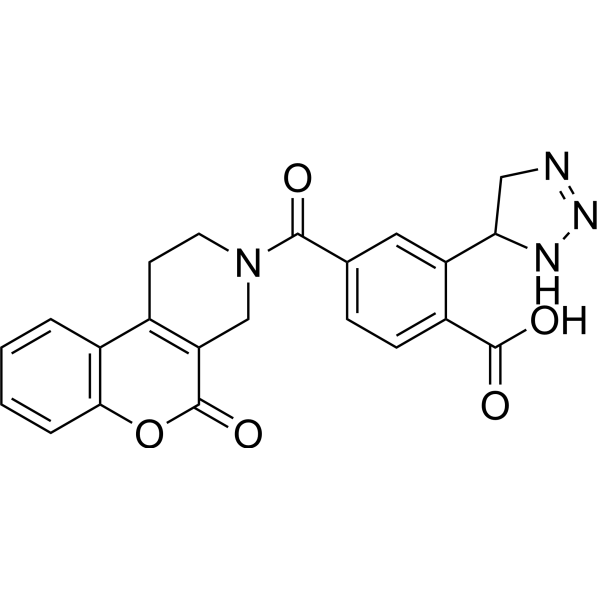
MTHFD2-IN-2 is a selective MTHFD2 inhibitor with poor binding to MTHFD1. MTHFD2-IN-2 binds to the MTHFD2 substrate binding site, forming π-π stacking with Tyr84, hydrogen bond/salt-bridge contacts with Arg43 and Asn87, and lipophilic interactions with Ile276. MTHFD2-IN-2 exhibits predicted anticancer activity. MTHFD2-IN-2 can be used for the research of cancer .
loading...
    loading...
Cat. No.: HY-149827
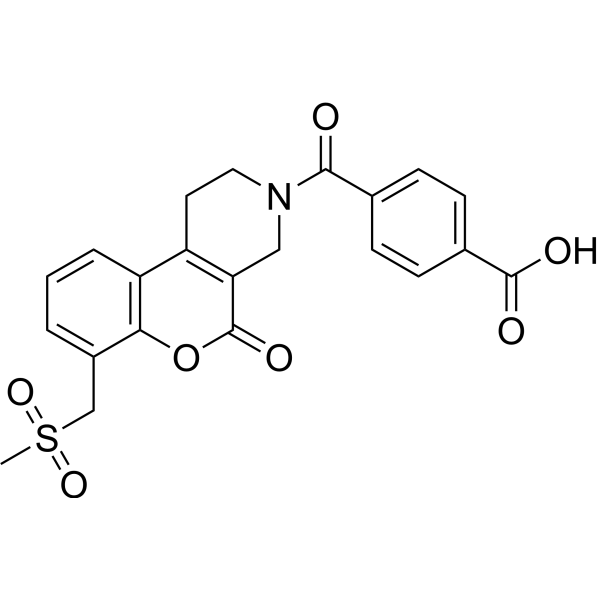
MTHFD2-IN-3 is a selective inhibitor of MTHFD2. MTHFD2-IN-3 binds to the substrate-binding site of MTHFD2, forms hydrogen bonds with Arg43, Lys88, Gln132, Asn87 and Gly310, and undergoes π-π stacking with Tyr84. MTHFD2-IN-3 can be used in cancer-related research .
loading...
    loading...
Cat. No.: HY-170920
CAS No.: 3056059-99-2
Herbicide safener-4 is a herbicide safener targeting acetolactate synthase (ALS). Herbicide safener-4 competitively binds to the active site of ALS, blocks the binding of Mesosulfuron-methyl (HY-126987), and simultaneously allows substrates to enter for catalytic reactions. Herbicide safener-4 increases the content/activity of glutathione (GSH), glutathione S-transferase (GST), cytochrome P450 monooxygenase (CYP450) and peroxidase (POD) in plants, and decreases the activity of superoxide dismutase (SOD) .
loading...
    loading...
Cat. No.: HY-149828
MTHFD2-IN-4 is a selective MTHFD2 inhibitor. MTHFD2-IN-4 binds to the substrate-binding site of MTHFD2, interacts with Arg43, Tyr84, Asn87, Lys88, Gln132 and Gly310, and does not interact with the key selective residues of MTHFD1. MTHFD2-IN-4 exerts its function through selective inhibition of MTHFD2 in cancer cells. MTHFD2-IN-4 can be used in cancer-related research .
loading...
    loading...
Cat. No.: HY-P2765A
CAS No.: 9075-65-4
Synonyms: GPDH, microorganism; α-Glycerophosphate dehydrogenase, microorganism; Glycerol phosphate dehydrogenase, microorganism
Research Areas:  

Metabolic Disease

Glycerol-3-phosphate dehydrogenase, microorganism (GPDH; α-Glycerophosphate dehydrogenase; Glycerol phosphate dehydrogenase) is an NADH-dependent oxidoreductase derived from microorganism that participates in glycolysis, gluconeogenesis, and the glycerol‑3‑phosphate shuttle metabolic pathway. Glycerol-3-phosphate dehydrogenase, microorganism uses NADH as a reducing equivalent donor, and its substrate binding relies on the phosphate-binding site in the active center; it catalyzes the reversible reduction of dihydroxyacetone phosphate to L‑α‑glycerol‑3‑phosphate. The catalytic activity of the enzymatic reaction of Glycerol-3-phosphate dehydrogenase, microorganism is regulated by pH and divalent metal ions. Glycerol-3-phosphate dehydrogenase, microorganism can be used in metabolism-related studies .
loading...
    loading...
Cat. No.: HY-150510A
CAS No.: 3031788-28-7
Purity:  ≥98.0%
Research Areas:  

Neurological Disease Cancer

MS8511 (hydrochloride) is a selective G9a/GLP covalent irreversible inhibitor by targeting a cysteine residue at the substrate binding site, with IC50 values of 100 nM (G9a) and 140 nM (GLP), and Kd values of 44 nM (G9a) and 46 nM (GLP). MS8511 (hydrochloride) reduces the cellular H3K9me2 level and enhances antiproliferation activity. MS8511 (hydrochloride) can be used for the research of several types of cancers including brain, breast, ovarian, lung, bladder, melanoma, colorectal cancer, and other disease such as Alzheimer’s disease (AD), sickle cell disease, Prader−Willi syndrome (PWS) .
loading...
    loading...
Cat. No.: HY-P3892
CAS No.: 309247-48-1
Target:  

PKC

Research Areas:  

Inflammation/Immunology

Protein Kinase C (19-35) Peptide is the PKC pseudosubstrate inhibitor/region. Protein Kinase C (19-35) Peptide possibly blocks the substrate-binding site in its kinase domain, makes the cytoplasmic form of PKC inactive .
loading...
    loading...
Cat. No.: HY-146248A
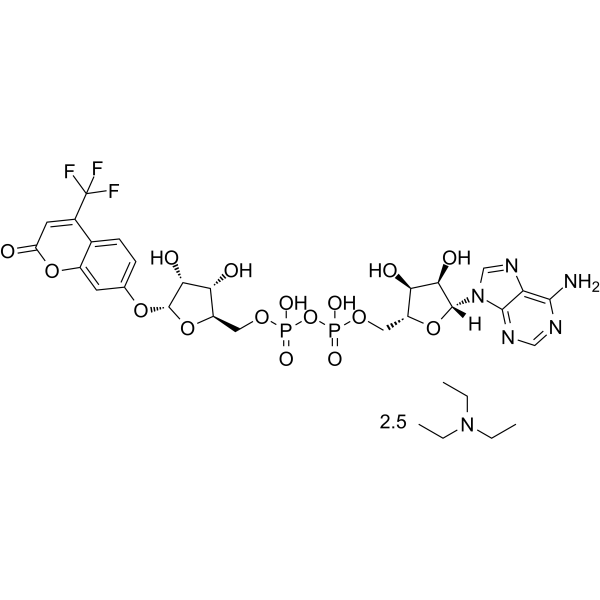
TFMU-ADPr triethylamine is a selective reporter substrate of SARS-CoV-2 Macro1 (IC50=0.59 μM), with an excitation wavelength (λEx) of 385 nm, and an emission wavelength (λEm) of 502 nm (or 495 nm). TFMU-ADPr triethylamine can also undergo enzymatic hydrolysis with Poly(ADP-ribose) Glycohydrolase (PARG) sourced from human, Tetrahymena thermophila and ADP-ribosylhydrolase 3 from human to release fluorophores, thereby directly reporting total poly (ADP-ribose) hydrolase activity. TFMU-ADPr triethylamine binds to the ADPr-binding site of SARS-CoV-2 Macro1, and its TFMU moiety inserts into the narrow hydrophobic groove of this protein. TFMU-ADPr triethylamine can thus be used to evaluate small-molecule inhibitors targeting PAR hydrolases under in vitro conditions, to investigate the regulatory mechanisms of ADP-ribosyl catabolic enzymes, or to detect PAR hydrolase activity in whole-cell lysate assays. TFMU-ADPr triethylamine is also applicable to COVID-19-related research .
loading...
    loading...
Cat. No.: HY-P1230
CAS No.: 852155-81-8
Research Areas:  

Metabolic Disease

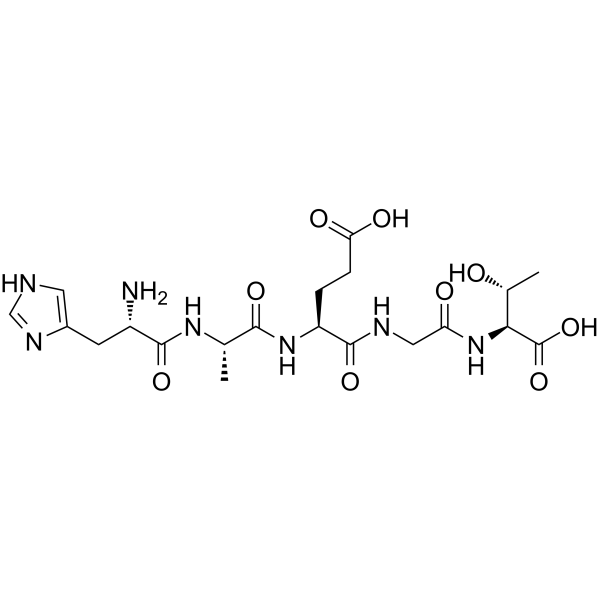
HAEGT is the first N-terminal 1-5 residues of glucagon like peptide-1 (GLP-1) peptide, and the sequence is His-Ala-Glu-Gly-Thr. HAEGT acts as a competitive substrate for probing prime substrate binding sites of human dipeptidyl peptidase-IV (DPP-IV) 1, in which the N-terminal His-Ala is catalyzed cleavage by DPP-IV. HAEGT can be used in the research of diabetes, obesity .
loading...
    loading...
Cat. No.: HY-149828A
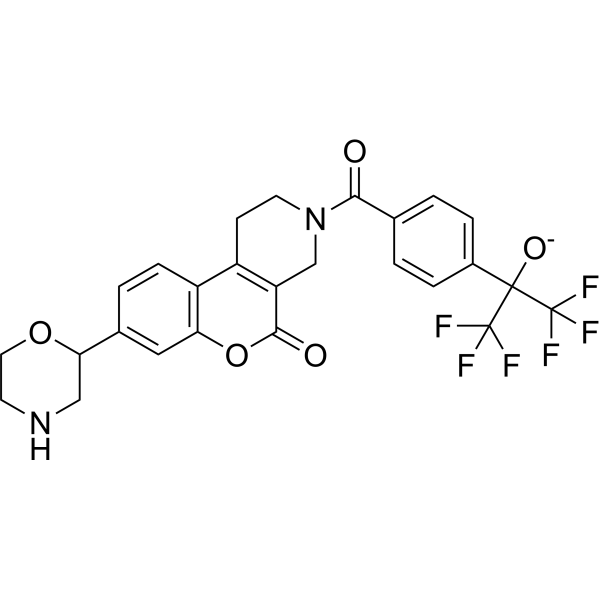
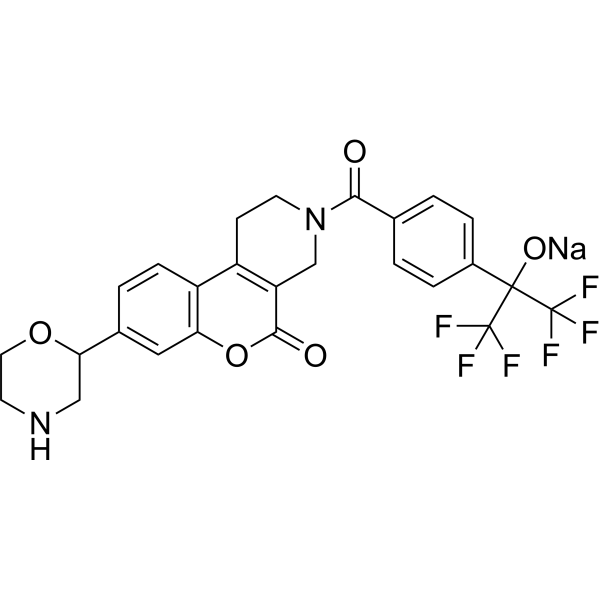
MTHFD2-IN-4 sodium is a selective MTHFD2 inhibitor. MTHFD2-IN-4 sodium binds to the substrate-binding site of MTHFD2, interacts with Arg43, Tyr84, Asn87, Lys88, Gln132 and Gly310, and does not interact with the key selective residues of MTHFD1. MTHFD2-IN-4 sodium exerts its function through selective inhibition of MTHFD2 in cancer cells. MTHFD2-IN-4 sodium can be used in cancer-related research .
loading...
    loading...
Cat. No.: HY-176001
Target:  

Dipeptidyl Peptidase

Research Areas:  

Inflammation/Immunology Cancer

DPP8/9-IN-1 (Compound 16) is a selective covalent inhibitor of dipeptidyl peptidases 8 and 9 (DPP8/9) with IC50 values of 14 and 298 nM, respectively. DPP8/9-IN-1 binds irreversibly to the active site serine (S730 in DPP9) via a phosphonate warhead and blocks substrate binding to inhibit DPP8/9-mediated protein processing. DPP8/9-IN-1 is promising for research of cancers and inflammatory diseases .
loading...
    loading...
Cat. No.: HY-19111
CAS No.: 126320-77-2
Synonyms: TIBO-R 82150
Research Areas:  

Infection

R-82150 (TIBO-R 82150) is an HIV-1 reverse transcriptase inhibitor that blocks the reverse transcription of viral RNA by binding to the non-substrate binding site of reverse transcriptase, thereby inhibiting viral replication. R-82150 does not inhibit the replication of HIV-2, other RNA viruses, and DNA viruses .
loading...
    loading...

