

5472 Results for "

Multivariate statistical analysis

" in MedChemExpress (MCE) Product Catalog:
Products (5472)

5472 Results for "Multivariate statistical analysis" in MCE Product Catalog:

1
1 Cited Publications
Cat. No.: HY-N13015
CAS No.: 34199-21-8
Quercetin 5-O-β-D-glucopyranoside is a glycosylated flavonoid metabolite and flavonoid compound. Quercetin 5-O-β-D-glucopyranoside can be produced by microbial transformation of Quercetin (HY-18085) via Mucor hiemalis. Quercetin 5-O-β-D-glucopyranoside can be used in studies related to benign prostatic hyperplasia .
loading...
    loading...
1
1 Cited Publications
Cat. No.: HY-D0988
CAS No.: 11016-17-4
Synonyms: R-PE
R-Phycoerythrin is found in Heterosiphonia japonica. R-Phycoerythrin is an orange-red fluorescent probe with α, β, and γ subunits. R-Phycoerythrin can be used in photodynamic therapy (PDT) to induce apoptosis in tumor cells. R-Phycoerythrin can be used in fluorescence microscopy, flow cytometry, and immunofluorescence analysis (Ex: 495 nm).
loading...
    loading...
1
1 Cited Publications
Cat. No.: HY-W077680
CAS No.: 1126-58-5
Research Areas:  

Others

Girard's P reagent is a reagent used in organic chemistry. Girard's P reagent is used to react with vanillin to form a hydrazone derivative, which is then combined with an ion selective electrode (ISE) to develop a potentiometric method for the determination of vanillin. Girard's P reagent can be used in the development of ion selective electrodes and in the study of organic analysis .
loading...
    loading...
1
1 Cited Publications
Cat. No.: HY-141749B
CAS No.: 144750-42-5
Purity:  99.50%
Synonyms: CLPM hydrochloride; SR 26334 hydrochloride
Target:  

Drug Metabolite

Research Areas:  

Cardiovascular Disease

Clopidogrel carboxylic acid (CLPM) hydrochloride is an inactive metabolite of the widely used antiplatelet medication clopidogrel, which serves as a reference standard for quantitative analysis of clopidogrel metabolism. Clopidogrel carboxylic acid hydrochloride has been shown to represent approximately 85% of circulating clopidogrel, hydrolyzed from the active form by esterases. Clopidogrel carboxylic acid hydrochloride plays a crucial role in assessing the pharmacokinetics and bioavailability of clopidogrel in various clinical and research settings.
loading...
    loading...
1
1 Cited Publications
Cat. No.: HY-108309
CAS No.: 1984-15-2
Purity:  ≥98.0%
Synonyms: Methylenediphosphonic acid
Research Areas:  

Others

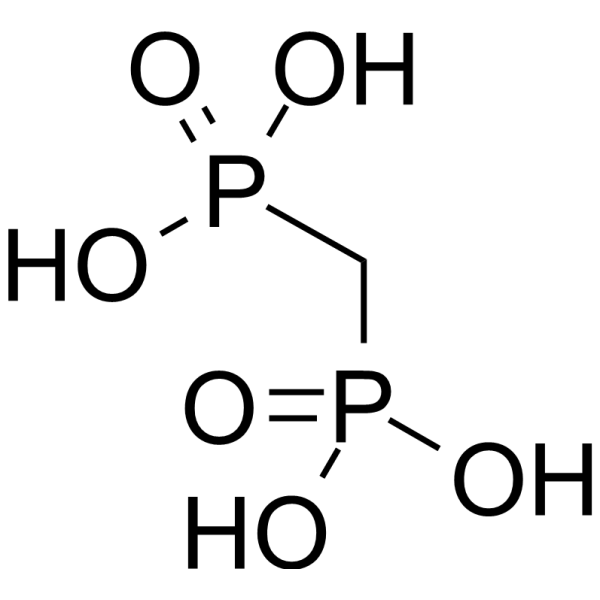
Medronic acid (Methylenediphosphonic acid) is a methylene-substituted bisphosphonate. Medronic acid has an affinity for the surface of hydroxyapatite crystals in the bone matrix and adheres to them. Medronic acid can be used in complex with radioisotopes in bone imaging. Due to its strong metal chelating ability, medronic acid is also used as a water treatment chemical. In addition, medronic acid is used as a solvent additive to improve peak shape and signal of metal-sensitive metabolites in LC/MS analysis .
loading...
    loading...
1
1 Cited Publications
Cat. No.: HY-111956B
CAS No.: 2703746-41-0
Purity:  98.77%
Target:  

Fluorescent Dye

Research Areas:  

Cancer

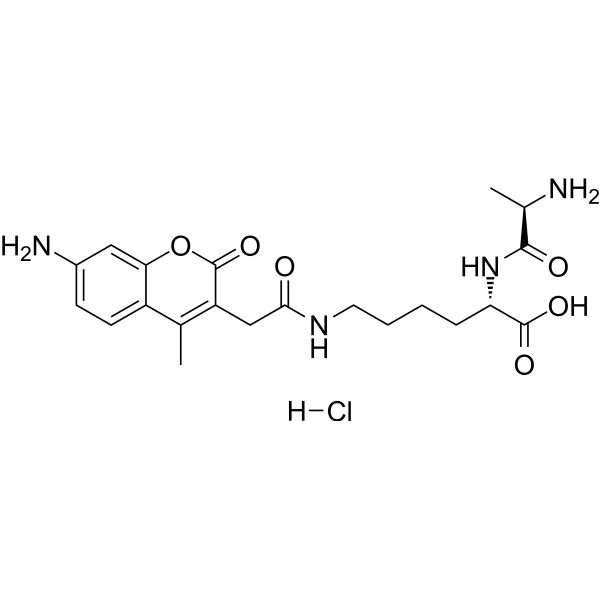
D-Ala-Lys-AMCA hydrochloride is a known proton-coupled oligopeptide transporter 1 (PEPT1) substrate that emits blue fluorescence. D-Ala-Lys-AMCA hydrochloride may be transported into liver cancer cells and Caco-2 cells based on fluorescence analysis. D-Ala-Lys-AMCA hydrochloride can be used for characterizing PEPT1-specific substrates or inhibitors (Ex/Em = 390/480 nm) .
loading...
    loading...
1
1 Cited Publications
Cat. No.: HY-158742
CAS No.: 2171036-89-6
Purity:  99.30%
Synonyms: GL13; SBB-A-B
Target:  

Tyrosinase

Research Areas:  

Others

SBB-Analogue (GL13) Biotin (GL13; SBB-A-B) consists of a Sudan Black B (SBB) (HY-D0213) derivative conjugated with biotin. SBB-Analogue (GL13) Biotin potently detects senescent cells and eliminates the drawback of false-positive staining caused by serum starvation and cell fusion in SA-β-gal assays. SBB-Analogue (GL13) Biotin can be used in flow cytometry, immunofluorescence analysis, and other applications .
loading...
    loading...
1
1 Cited Publications
Cat. No.: HY-156562A
CAS No.: 2906227-87-8
Purity:  99.91%
Synonyms: 5-Propargyltryptamide formic
Target:  

Drug Derivative

Research Areas:  

Inflammation/Immunology

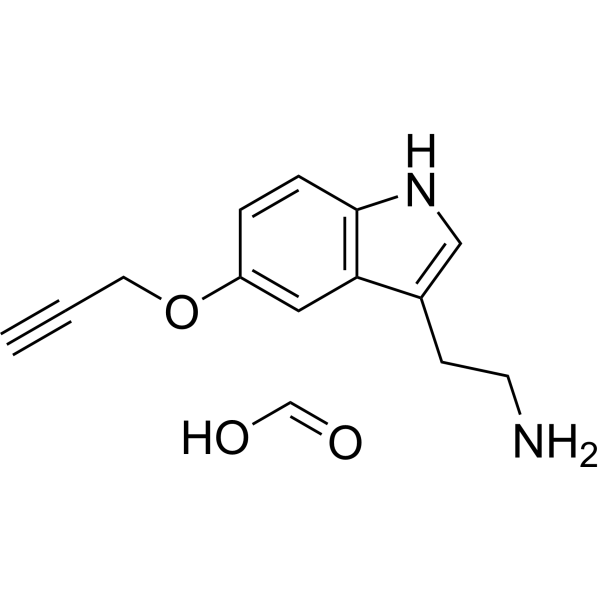
5-PT (5-Propargyltryptamide) formic is an alkyne-functionalized 5-HT (HY-B1473A) derivative and serotonylation substrate, taken up by living cells. 5-PT formic conjugated to a biotin enables identification of serotonylated proteins via copper-click chemistry and mass spectrometry. 5-PT formic labels and isolates serotonylated cells in alveolar epithelial cells for proteomic analysis. 5-PT formic can be used for the research of bronchopulmonary dysplasia .
loading...
    loading...
1
1 Cited Publications
Cat. No.: HY-15906
CAS No.: 122341-56-4
Purity:  99.93%
Synonyms: Lumi-Phos Plus; Lumigen PPD; PPD
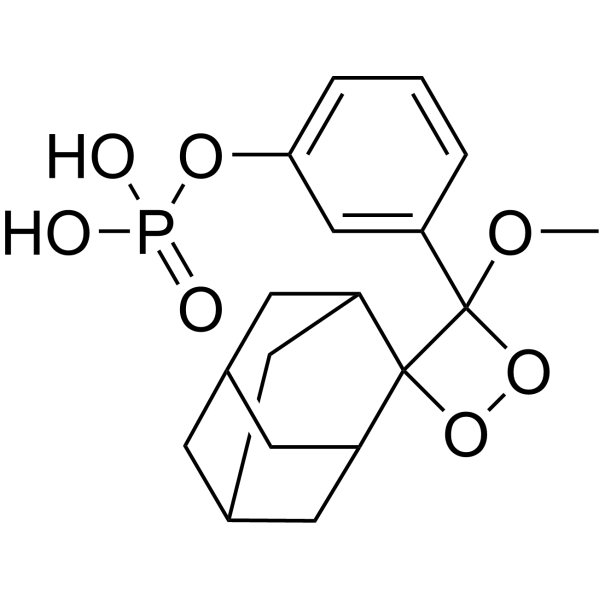
AMPPD (Lumi-Phos Plus; Lumigen PPD) is a chemiluminescent substrate for alkaline phosphatase (APase). AMPPD is hydrolyzed by APase to generate an unstable dioxetane intermediate, and the intermediate releases a chemiluminescent signal when it decomposes. The luminescent signal of AMPPD can be detected by highly sensitive equipment, thereby achieving quantitative analysis of the target molecule. AMPPD can be used in ultrasensitive enzyme-linked immunosorbent assays (such as quantitative detection of human tissue kininogen), chemiluminescent detection of proteins and nucleic acids, and other fields .
loading...
    loading...
1
1 Cited Publications
Cat. No.: HY-W129633
CAS No.: 1266615-56-8
Synonyms: DCIP sodium hydrate; DPIP sodium hydrate
2,6-Dichlorophenolindophenol (DCIP; DPIP) sodium hydrate is a redox chromogenic indicator with a redox potential of +217 mV relative to SHE, and it acts as a substrate for reduction reactions. During the metabolic process of nutrient consumption by Saccharomyces cerevisiae, 2,6-Dichlorophenolindophenol sodium hydrate is reduced from dark blue to colorless, resulting in a decrease in absorbance. 2,6-Dichlorophenolindophenol sodium hydrate is widely used in spectrophotometric biochemical oxygen demand determination and preclinical colorimetric toxicity analysis for heavy metal ion detection based on Saccharomyces cerevisiae .
loading...
    loading...
1
1 Cited Publications
Cat. No.: HY-W013159
CAS No.: 33430-61-4
Synonyms: 5′-dGMP disodium
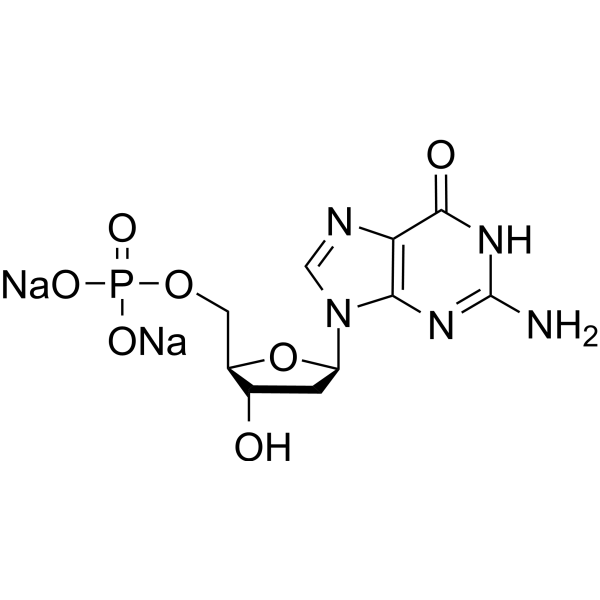
2'-Deoxyguanosine 5'-monophosphate (5′-dGMP) disodium is a mononucleotide having guanine as the nucleobase. 2'-Deoxyguanosine 5'-monophosphate disodium is a reactant involved in analysis of self-assembling in solution and nucleation/growth of G-qudruplexes, nucleophilic trapping and reductive alkylation. 2'-Deoxyguanosine 5'-monophosphate disodium can be used as an oxidizable target. 2'-Deoxyguanosine 5'-monophosphate disodium is a nucleic acid guanosine triphosphate (GTP) derivative and is a nucleotide precursor used in DNA synthesis .
loading...
    loading...
1
1 Cited Publications
Cat. No.: HY-W016729
CAS No.: 6203-18-5
4-(Dimethylamino) cinnamaldehyde is a staining agent that reacts with flavan-3-ols and Proanthocyanidins (HY-N0794) bearing meta-dihydroxyl or trihydroxyl phenol structures to form a green chromophore. In acidic media, 4-(Dimethylamino) cinnamaldehyde undergoes a condensation reaction with aromatic primary amines to produce colored and stable quinoid protonated Schiff base salts. 4-(Dimethylamino) cinnamaldehyde can be used to determine indole products of apotryptophanase and tryptophanase, as well as for the detection and analysis of Proanthocyanidins, with the absorbance detection wavelength of the calibration curve set at 640 nm .
loading...
    loading...
1
1 Cited Publications
Cat. No.: HY-15929
CAS No.: 14348-40-4
Synonyms: 2,4,6-Tribromo-3-hydroxybenzoic acid
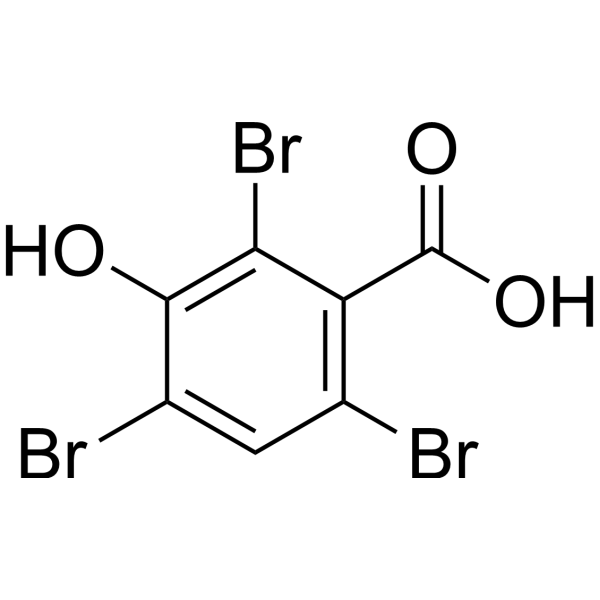
TBHBA (2,4,6-Tribromo-3-hydroxybenzoic acid) is a chemical colorimetric agent and nanomaterial surface modifier. TBHBA can react with some oxidants (such as H2O2) to generate high-absorbance quinoneimine dyes, which enhance the sensitivity of HDL cholesterol enzymatic determination. TBHBA can be used as a bromine-containing coupling agent to modify the surface of silica nanoparticles through esterification reaction. Thereby, organic flame retardant groups are introduced to improve the thermal stability and flame retardant properties of nanocomposites. TBHBA can be used in clinical biochemical testing (such as serum lipoprotein analysis) and the preparation of flame-retardant polymer nanocomposites .
loading...
    loading...
1
1 Cited Publications
Cat. No.: HY-D0150
CAS No.: 107091-89-4
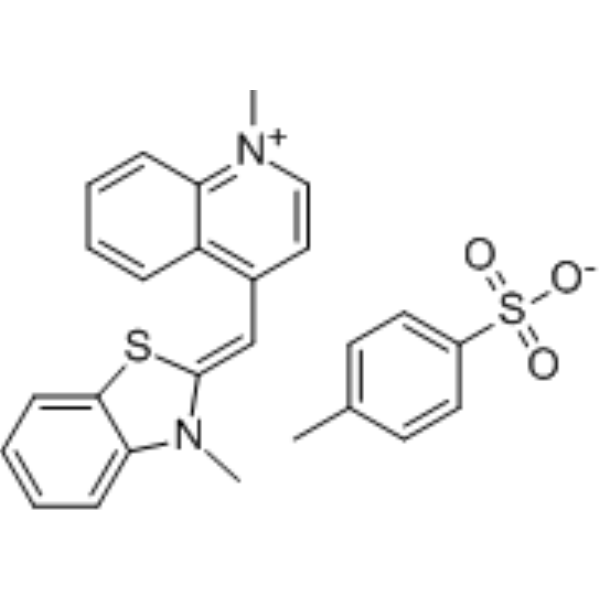
Thiazole Orange is an asymmetric anthocyanin dye that can be coupled with oligonucleotides (ONs) to prepare fluorescent hybridization probes. Thiazole Orange has been widely used in biomolecular detection and staining of DNA/ RNA in gels and can be used for reticulocyte analysis. Thiazole orange generates a significant fluorescence enhancement and high quantum yield when it binds with nucleic acids, especially RNA. Thiazole orange can permeate living cell membranes. Thiazole orange can use UV light for detection, but can also be detected with blue light. The excitation and emission of Thiazole orange are λex = 510 nm (488 nm and 470 nm also show strong excitation) and λem = 527 nm, respectively .
loading...
    loading...
1
1 Cited Publications
Cat. No.: HY-D1423
CAS No.: 68654-25-1
Target:  

Fluorescent Dye

Research Areas:  

Others

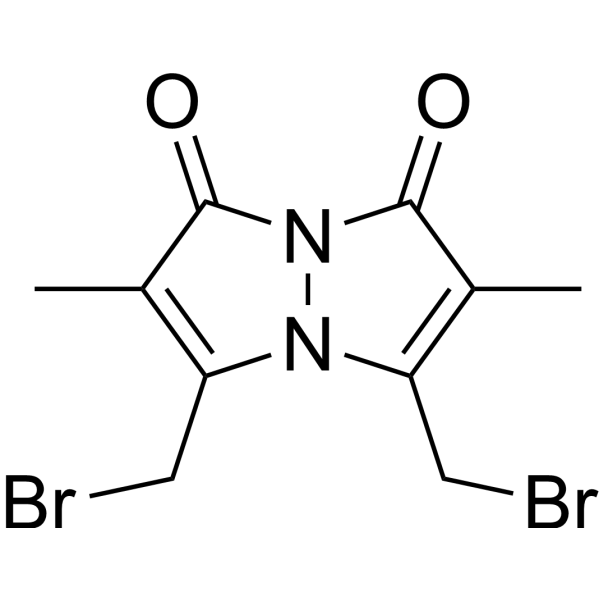
Dibromobimane is a Fluorescent dye and probe that can be used for the detection of intracellular reduced glutathione and the analysis of spatial proximity of closely adjacent cysteine thiol groups. Dibromobimane activates fluorescence through binding to thiol groups; its excitation/emission wavelengths are Ex/Em = 393/477 nm for glutathione detection, and Ex/Em = 385/477 nm for cysteine thiol cross-linking. Dibromobimane uses two equivalent bromomethyl groups to cross-link cysteine thiolates with a distance ranging from 3-6 Å. Dibromobimane can be applied to 96-well microplate-based high-throughput assays for labeling intracellular glutathione, and its fluorescence signal is normalized against nuclear staining results to eliminate the impact of cell density .
loading...
    loading...
1
1 Cited Publications
Cat. No.: HY-117393
CAS No.: 137592-43-9
Purity:  98.95%
Research Areas:  

Cancer

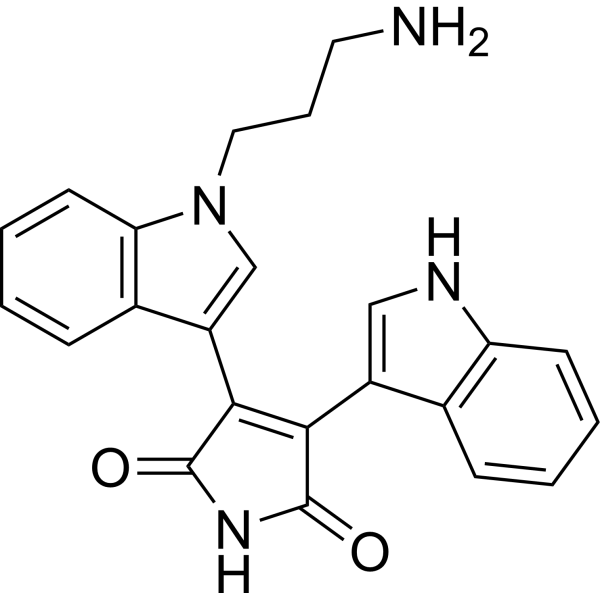
Bisindolylmaleimide III is a protein kinase C (PKC) inhibitor with IC50 values of 0.26, 5.7, and 6 μM against PKCα, PKCδ, and PKCμ, respectively. Bisindolylmaleimide III also exhibits inhibitory activity against other off-targets, with IC50 values of 0.17, 1, and 2 μM against SLK, adenosine kinase (AK), and CDK2, respectively; its Ki for NQO2 is 16.5 μM. Bisindolylmaleimide III selectively binds to activated Rsk1 following EGF stimulation, and serves as a tool for detecting the activation status of intracellular Rsk1 and PKCα, as well as for functional analysis of SLK. Bisindolylmaleimide III can be used in studies of signal transduction and colorectal cancer .
loading...
    loading...
1
1 Cited Publications
Cat. No.: HY-D1668
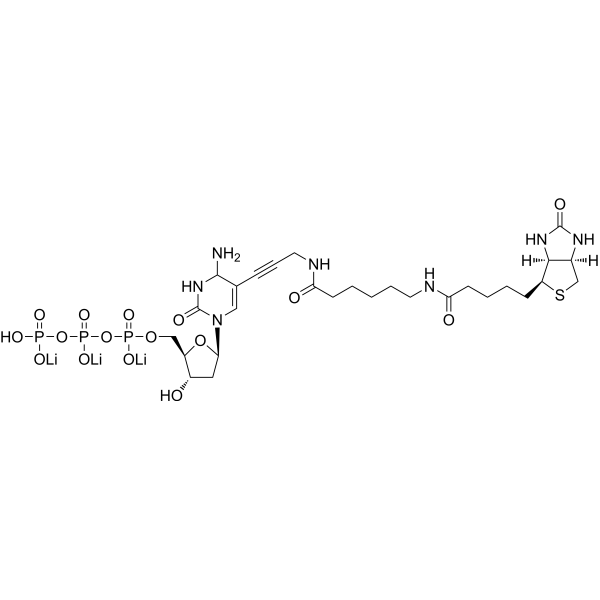
Biotin-11-dCTP is a biotinylated deoxynucleoside triphosphate and an important DNA labeling reagent. In random primer DNA labeling reactions, Biotin-11-dCTP incorporates into newly synthesized DNA strands to generate labeled DNA probes suitable for hybridization applications. In addition, Biotin-11-dCTP can serve as a substrate for terminal deoxynucleotidyl transferase to end-label oligonucleotides for telomere sequence detection, or to label the cut ends of linearized DNA molecules, thereby supporting streptavidin-based electron microscopy analysis. For example, Biotin-11-dCTP can label the cut ends of linearized DNA molecules under the action of dGTP and avian myeloblastosis virus reverse transcriptase .
loading...
    loading...
1
1 Cited Publications
Cat. No.: HY-Y0678
CAS No.: 621-23-8
Synonyms: TRIMETHYL PHLOROGLUCINOL
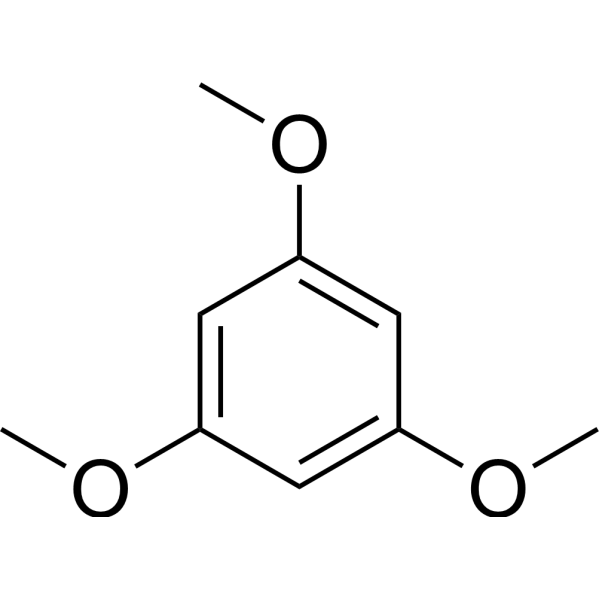
1,3,5-Trimethoxybenzene (TRIMETHYL PHLOROGLUCINOL) is an electrophilic substitution reaction substrate targeting free chlorine (Cl +) and free bromine (Br +). 1,3,5-Trimethoxybenzene has highly selective electrophilic addition characteristics. By capturing halogens, it undergoes specific substitution reactions to generate stable halogenated products. 1,3,5-Trimethoxybenzene can not only quench residual oxidants, but also quantify the halogen concentration by detecting the product without affecting the stability of redox-sensitive disinfection byproducts (DBPs). 1,3,5-Trimethoxybenzene is mainly used in water quality testing and quantitative analysis of free chlorine/bromine in water. At the same time, in phytochemistry, it is a key component of rose fragrance and participates in the study of pollination attraction mechanism .
loading...
    loading...
1
1 Cited Publications
Cat. No.: HY-W110883
CAS No.: 3618-43-7
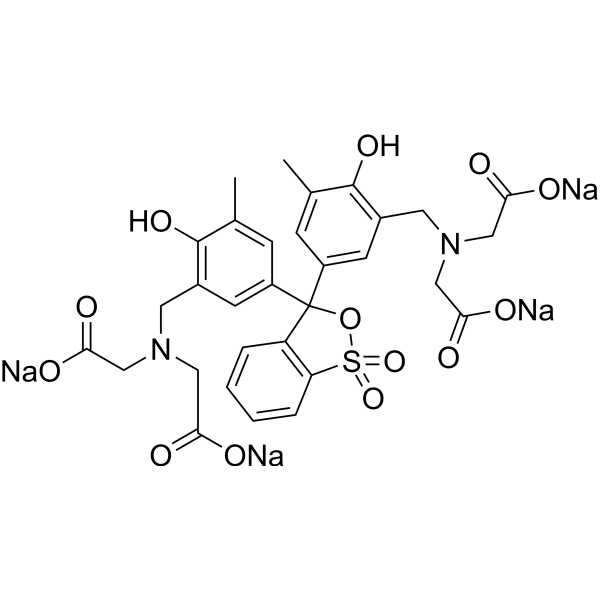
Xylenol orange tetrasodium salt, IND is commonly used as a colorimetric indicator for metal titration and possesses Zn 2+ chelating activity. Xylenol orange tetrasodium salt, IND binds Zn 2+ under physiological pH, and its Zn-XO complex allows visual differentiation between tartrate and malate ions. Xylenol orange tetrasodium salt, IND undergoes decolorization upon oxidation by hydrogen peroxide, undergoes a Co (II)-catalyzed pseudo-second-order reaction in a strong alkaline environment, and regulates the ferrous ion oxidation process mediated by peroxy radicals. Xylenol orange tetrasodium salt, IND forms colored ternary complexes with various anions, cations and iron-alanine, which is suitable for spectrophotometric quantification and can also be used for alanine irradiation dose detection. Xylenol orange tetrasodium salt, IND is applicable to EDTA metal titration analysis under acidic conditions .
loading...
    loading...
Cat. No.: HY-P99116
CAS No.: 1607793-29-2
Synonyms: RG7716; RO-6867461
Faricimab, an overall good safety and tolerability profile, is a bispecific antibody targeting Angiopoietin-2 (Ang-2) and vascular endothelial growth factor-A (VEGF-A). Faricimab prevents retinal vascular leakage, cell death and inflammation in retinal ischemia/reperfusion (I/R) injury and sCNV mouse models. Faricimab demonstrates statistically superior visual acuity gains versus Ranibizumab (HY-P9951). Faricimab can be used for retinal diseases, such as age-related macular degeneration (w-AMD), diabetic macular edema (DME) and macular edema following retinal vein occlusion (RVO) .
loading...
    loading...

