9194 Results for "

reducing

" in MedChemExpress (MCE) Product Catalog:
Products (9194)

9194 Results for "reducing" in MCE Product Catalog:

Cat. No.: HY-147245
CAS No.: 1858179-75-5
Pureté:  98.49%
Synonyms: STP1002
Target:  

PARP

Domaines de recherche:  

Cancer

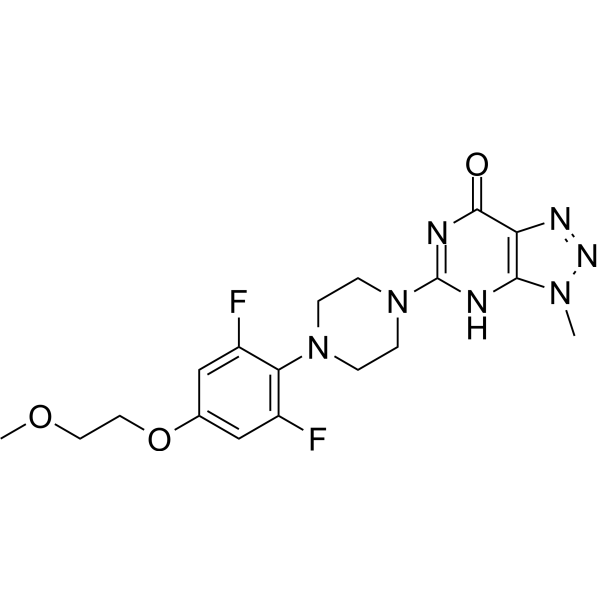
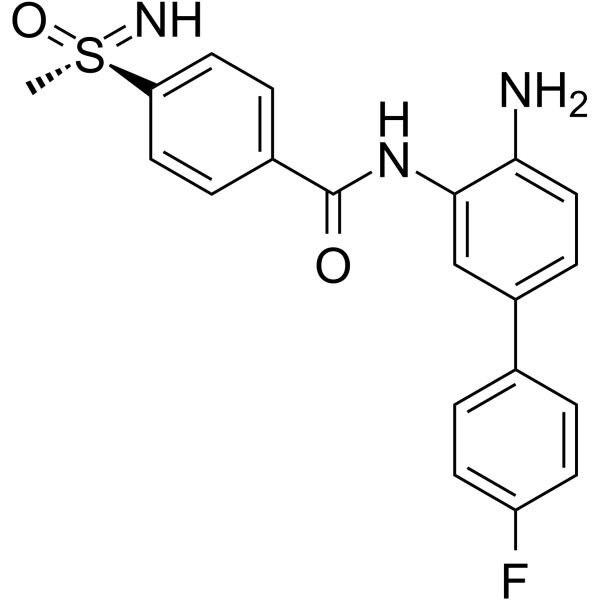
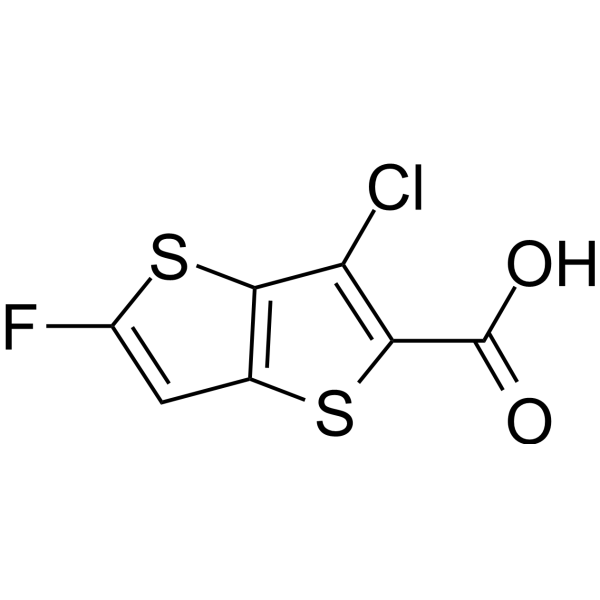
Basroparib (STP1002) is a selective, orally active inhibitor of tankyrase (TNKS1/TNKS2) with IC50 of 29.94 nM and 3.68 nM for TNKS1 and TNKS2, respectively. Basroparib has an IC50 of >10 μM for PARP1. Basroparib binds to TNKS, stabilizes AXIN1/2 proteins, blocks Wnt/β-catenin signaling pathway, inhibits tumor cell proliferation and induces apoptosis, while reducing cancer stem cell properties. Basroparib can be used in colorectal cancer (CRC) studies with KRAS mutations (such as G12V/G12D) to overcome acquired resistance to MEK inhibitors. STP1002 has synergistic antitumor activity with MEK inhibitors .
loading...
    loading...
Cat. No.: HY-147338S
Synonyms: 5-Methyl-CTP-d3 trisodium
5-Methylcytidine 5′-triphosphate-d3 trisodium (5-Methyl-CTP-d3 trisodium) is the deuterated-labeled 5-Methylcytidine 5′-triphosphate trisodium (HY-147338A). 5-Methylcytidine 5′-triphosphate trisodium is a modified cytidine triphosphate nucleotide. 5-Methylcytidine 5′-triphosphate trisodium serves as a modified nucleotide substrate for in vitro transcription, partially or completely replacing CTP. 5-Methylcytidine 5′-triphosphate trisodium enhances mRNA stability and translation efficiency, and reduces activation of the innate immune system. 5-Methylcytidine 5′-triphosphate trisodium is used in RNA synthesis-related research .
loading...
    loading...
Cat. No.: HY-147338S2
Synonyms: 5-Methyl-CTP-d8 trisodium
5-Methylcytidine 5′-triphosphate-d8 trisodium (5-Methyl-CTP-d8 trisodium) is the deuterated-labeled 5-Methylcytidine 5′-triphosphate trisodium (HY-147338A). 5-Methylcytidine 5′-triphosphate trisodium is a modified cytidine triphosphate nucleotide. 5-Methylcytidine 5′-triphosphate trisodium serves as a modified nucleotide substrate for in vitro transcription, partially or completely replacing CTP. 5-Methylcytidine 5′-triphosphate trisodium enhances mRNA stability and translation efficiency, and reduces activation of the innate immune system. 5-Methylcytidine 5′-triphosphate trisodium is used in RNA synthesis-related research .
loading...
    loading...
Cat. No.: HY-14811
CAS No.: 251111-30-5
Synonyms: ZGN-440; CKD-732 free base
Target:  

MetAP NF-κB

Domaines de recherche:  

Metabolic Disease

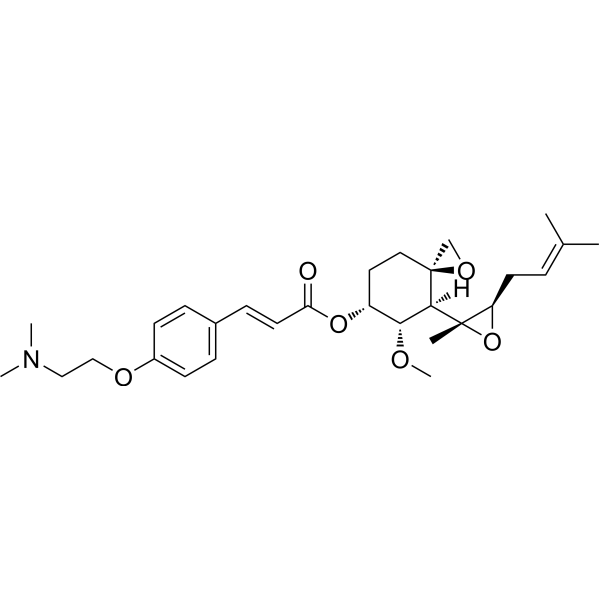
Beloranib (ZGN-440; CKD-732 free base) is a selective, irreversible inhibitor of methionine aminopeptidase MetAP2 that suppresses appetite and increases energy expenditure. Beloranib blocks the enzymatic cleavage of N-terminal methionine from nascent proteins by forming a covalent bond with MetAP2, thereby regulating fatty acid metabolism, adrenergic signaling, and hypothalamic NF-κB expression. Beloranib significantly reduces food intake, body weight, and fat accumulation, while improving glucose tolerance, insulin sensitivity, and lipid metabolism. Beloranib also elevates energy expenditure and fat oxidation levels, without affecting body temperature, spontaneous activity, or the inflammatory cytokine IL-1β. Beloranib can be used in research on obesity and hypothalamic obesity .
loading...
    loading...
Cat. No.: HY-148829
CAS No.: 2407449-49-2
Target:  

PROTACs WDR5 IKZF Family

Domaines de recherche:  

Infection Inflammation/Immunology Cancer

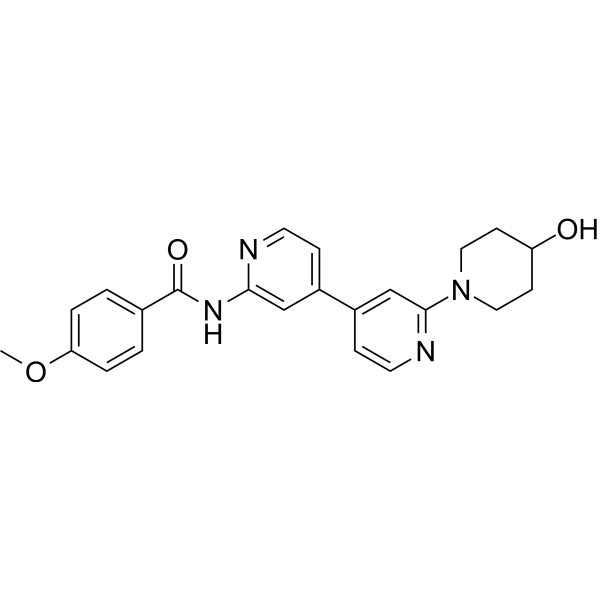
MS40 is a WDR5 PROTAC degrader with a DC50 of 42 nM in MV4;11 MLL-rearranged acute myeloid leukemia (AML) cells. MS40 induces WDR5 degradation dependent on WDR5, CRBN and the proteasome, dissociates the MLL/KMT2A complex from chromatin, reduces H3K4me2 levels, degrades IKZF1/IKZF3, the novel substrates of CRBN, inhibits the transcription of WDR5/MLL and IKZF target genes, and suppresses cancer cell growth. MS40 can be used in the research of MLL-rearranged acute myeloid leukemia, breast cancer, Burkholderia infection and cystic fibrosis-associated bacterial infections .
loading...
    loading...
Cat. No.: HY-149151
CAS No.: 20988-30-1
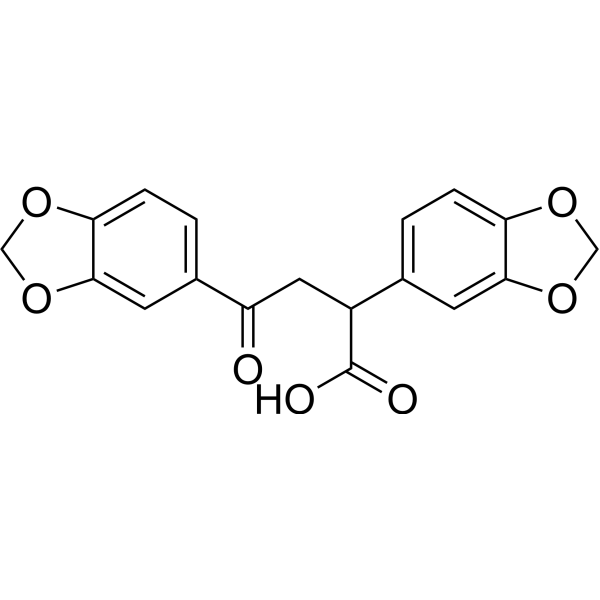
Variegatic acid is a secondary metabolite derived from basidiomycete fungi. Variegatic acid is a PKCβ1 inhibitor with an IC₅₀ of 36.2 μM. Variegatic acid inhibits antigen- or calcium ionophore-induced β-hexosaminidase release (IC₅₀ values of 10.4 μM and 22.2 μM, respectively) and TNF-α secretion (IC₅₀ values of 16.8 μM and 20.1 μM, respectively). Variegatic acid suppresses the enzymatic activity of calcium-activated PKCβ1 and reduces Fe(III) to Fe(II) in a pH-dependent manner, enabling the generation of hydroxyl radicals (·OH) through reaction with H₂O₂, which facilitates the degradation of lignocellulose. Variegatic acid is useful for studying biological degradation and allergic responses.
loading...
    loading...
Cat. No.: HY-151411
CAS No.: 88755-39-9
Pureté:  99.88%
Target:  

RUNX

Domaines de recherche:  

Cancer

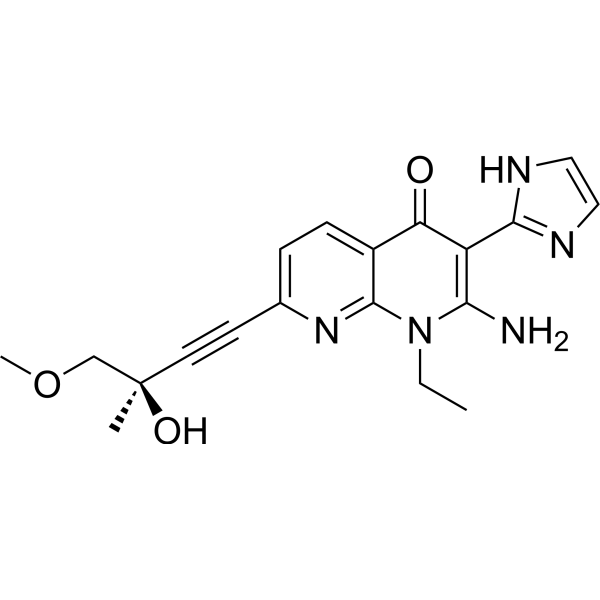
RUNX1/ETO tetramerization-IN-1 is a small-molecule inhibitor of RUNX1/ETO tetramerization, exhibits anti-leukemic effect. RUNX1/ETO tetramerization-IN-1 specifically targets to NHR2 of RUNX1/ETO (EC50=0.25 μM), restores gene expression down-regulated by RUNX1/ETO. RUNX1/ETO tetramerization-IN-1 inhibits the proliferation of RUNX1/ETO-depending SKNO-1 cells, and reduces the RUNX1/ETO-related tumor growth in a mouse model .
loading...
    loading...
Cat. No.: HY-152293
CAS No.: 1412453-70-3
Target:  

VEGFR ERK

Domaines de recherche:  

Cancer

EVT801 is an orally active and selective inhibitor of VEGFR-3 (IC50=11 nM), which has antitumor effects. EVT801 inhibits not only VEGF-C-induced human endothelial cell proliferation, but also tumor (lymphatic) angiogenesis in tumor mouse models. EVT801 can reduce tumor hypoxia, immunosuppressive cytokines (CCL4, CCL5) and myeloid derived suppressor cells (MDSC) production. EVT801 has synergistic effect with immune checkpoint therapy (ICT), which improves ICT response rate and has better inhibitory effect on cancer mouse models . EVT801 is a click chemistry reagent, it contains an Alkyne group and can undergo copper-catalyzed azide-alkyne cycloaddition (CuAAc) with molecules containing Azide groups.
loading...
    loading...
Cat. No.: HY-153358
CAS No.: 2935964-98-8
Pureté:  99.91%
Target:  

HDAC

Domaines de recherche:  

Cancer

TNG260 is a selective, orally effective inhibitor of HDAC1 and CoREST complex, with a 10-fold selectivity for HDAC1 over HDAC3 and a 500-fold selectivity for CoREST complex over NuRD and Sin3 complex. TNG260 reshapes the tumor immune microenvironment, reduces immunosuppressive neutrophil infiltration, promotes effector T cell recruitment, and reverses anti-PD-1 resistance caused by STK11 deficiency by inhibiting the activity of the CoREST-HDAC1 complex. TNG260 induces durable tumor regression in combination with α-PD1 in MC38 tumor-bearing mice with STK11 mutations, and has lower toxicity to bone marrow cells than non-selective HDAC inhibitors .
loading...
    loading...
Cat. No.: HY-153718
CAS No.: 2416873-72-6
Domaines de recherche:  

Cancer

KI-ARv-03 is a potent and selective ATP-competitive CDK9 inhibitor with an IC₅₀ of 0.15 μM (at 45 μM ATP), exhibiting over 130-fold selectivity against other CDKs (including CDK1-7). KI-ARv-03 reduces androgen receptor (AR)-driven transcription and proliferation in prostate cancer cells. KI-ARv-03 can be used for leukemia, pancreatic cancer, alveolar rhabdomyosarcoma (ARMS) and castration-resistant prostate cancer (CRPC) research. KI-ARv-03 is a ligand for target protein for PROTAC. KI-ARv-03 can be used to synthesize PROTAC KI-CDK9d-32 (HY-173523) [1][2].
loading...
    loading...
Cat. No.: HY-154636
CAS No.: 8012-95-1
Domaines de recherche:  

Endocrinology

Liquid Paraffin is a petroleum-derived mixture of saturated hydrocarbons and an orally active fecal lubricant. Liquid Paraffin is widely used in studies of constipation and fecal incontinence in children through its lubricating effect and the osmotic effect generated by its conversion to hydroxy fatty acids. Liquid Paraffin has high safety, is non-carcinogenic, and does not affect fat-soluble vitamin levels with long-term use. Liquid Paraffin does not cause abdominal pain or electrolyte disorders, but may lead to lipoid pneumonia and granulomas caused by rectal administration. Liquid Paraffin can also be used as a phase change material for thermal energy storage, or combined with nanoparticles to form a protective boundary film to reduce mechanical wear .
loading...
    loading...
Cat. No.: HY-155218
CAS No.: 2488892-09-5
Target:  

PROTACs CDK

Domaines de recherche:  

Cancer

TMX-2172 is a selective bivalent cereblon-recruiting PROTAC-based dual CDK2 and CDK5 degrader with IC50 values of 6.5 nM and 6.8 nM, respectively. TMX-2172 shows selectivity for CDK2 and CDK5 over other cell cycle CDKs (CDK1, CDK4, and CDK6) and transcriptional CDKs (CDK7 and CDK9). TMX-2172 inhibits CDK2/CDK5 enzymatic activity, induces their proteasomal degradation, reduces ASCL1 protein levels and half-life, induces cancer cell death, and exerts antiproliferative effects. TMX-2172 can be used for the research of ovarian cancer and small cell lung cancer .
loading...
    loading...
Cat. No.: HY-155811
CAS No.: 2377187-09-0
Pureté:  99.85%
Target:  

iGluR

Domaines de recherche:  

Neurological Disease

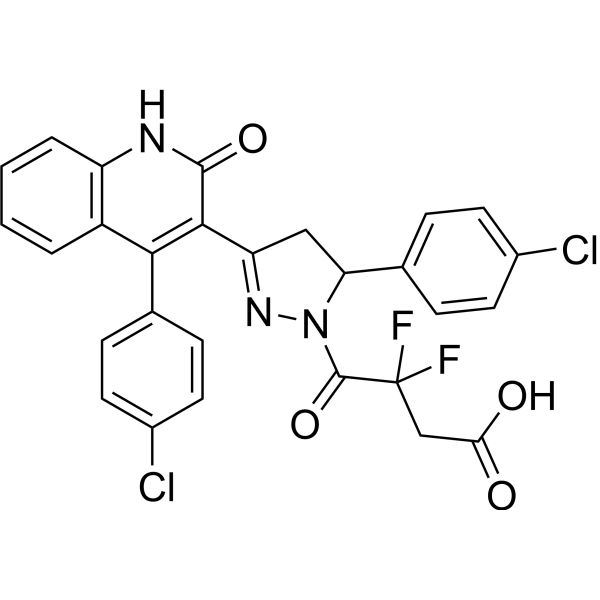
DQP-997-74 (compound 2i) is a selective negative allosteric modulator of N-methyl-d-aspartate receptor (NMDAR), specifically targeting GluN2C/D (IC50: 0.069 μM and 0.035 μM), with blood-brain barrier penetrability. Where DQP refers to dihydroquinoline-pyrazoline. DQP-997-74 acts synergistically with the agonist glutamate to exhibit time-dependent enhanced potency in inhibiting hypersynchronous activity driven by high-frequency excitatory synaptic transmission. DQP-997-74 reduces the number of epileptogenesis in a murine model of tuberous sclerosis complex (TSC)-induced epilepsy. DQP-997-74 can be used for research on NMDAR-related neurological diseases .
loading...
    loading...
Cat. No.: HY-156149
CAS No.: 3032386-49-2
Domaines de recherche:  

Infection

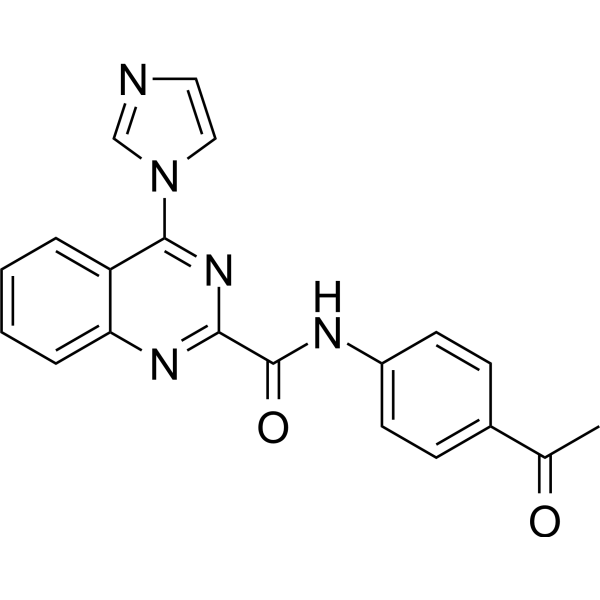
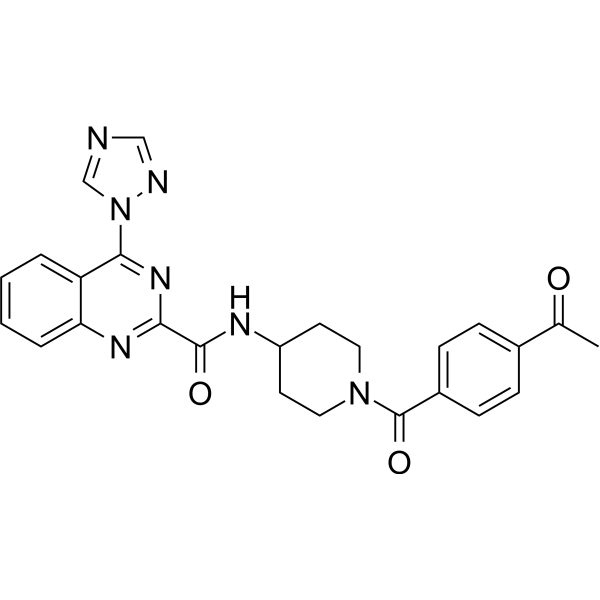
CYP51/PD-L1-IN-1 (compound L11) is a quinazoline compound with antifungal activity. CYP51/PD-L1-IN-1 is a dual inhibitor of CYP51 (IC50: 0.884 μM) and PD-L1 (IC50: 0.083 μM), which can induce early apoptosis of fungal cells in the cell cycle. CYP51/PD-L1-IN-1 also significantly reduced intracellular IL-2, NLRP3, and NF-κBp65 protein levels, induced mitochondrial damage and ROS accumulation, and ultimately led to fungal lysis and death .
loading...
    loading...
Cat. No.: HY-156150
CAS No.: 3032386-58-3
Domaines de recherche:  

Infection

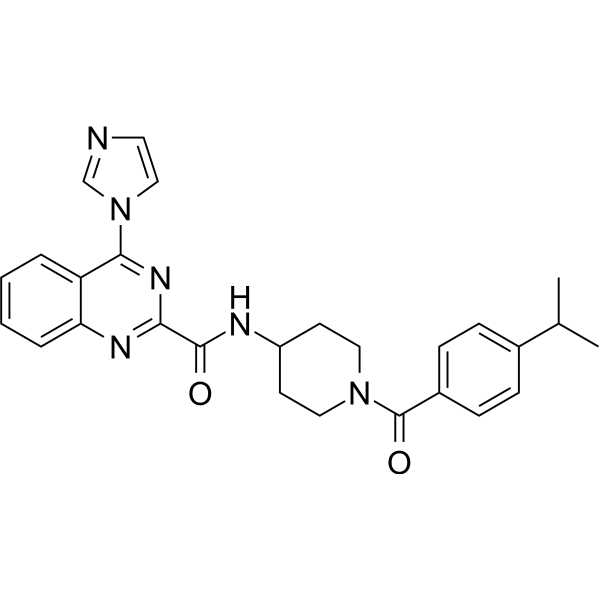
CYP51/PD-L1-IN-2 (compound L20) is a quinazoline compound with antifungal activity. CYP51/PD-L1-IN-2 is a dual inhibitor of CYP51 (IC50: 0.263 μM) and PD-L1 (IC50: 0.017 μM), which can induce early apoptosis of fungal cells in the cell cycle. CYP51/PD-L1-IN-2 also significantly reduced intracellular IL-2, NLRP3, and NF-κBp65 protein levels, induced mitochondrial damage and ROS accumulation, and ultimately led to fungal lysis and death .
loading...
    loading...
Cat. No.: HY-156151
CAS No.: 3032386-59-4
Domaines de recherche:  

Infection

CYP51/PD-L1-IN-3 (compound L21) is a quinazoline compound with antifungal activity. CYP51/PD-L1-IN-3 is a dual inhibitor of CYP51 (IC50: 0.205 μM) and PD-L1 (IC50: 0.039 μM), which can induce early apoptosis of fungal cells in the cell cycle. CYP51/PD-L1-IN-3 also significantly reduced intracellular IL-2, NLRP3, and NF-κBp65 protein levels, induced mitochondrial damage and ROS accumulation, and ultimately led to fungal lysis and death .
loading...
    loading...
Cat. No.: HY-156193
CAS No.: 2573122-40-2
Pureté:  99.69%
PF-07208254 is a selective, orally active allosteric inhibitor of branched-chain ketoacid dehydrogenase kinase (BDK) (IC50=110 nM, Ki=54 nM, KD=84 nM). PF-07208254 inhibits BDK-mediated BCKDH phosphorylation and enhances the catabolism of branched-chain amino acids (BCAAs) and branched-chain keto acids (BCKAs) by binding to the allosteric pocket of BDK, reducing BDK binding to BCKDH-E2 and promoting BDK degradation. PF-07208254 inhibits BDK activity in human skeletal muscle cells (IC50=540 nM) and has activity to improve cardiac function and metabolism. PF-07208254 can be used in the study of cardiometabolic diseases (e.g., heart failure, type 2 diabetes) .
loading...
    loading...
Cat. No.: HY-156296
CAS No.: 2995336-58-6
Target:  

CDK Apoptosis

Domaines de recherche:  

Cancer

CDK9-Cyclin T1 PPI-IN-1 (Compound B19) is a selective CDK9-Cyclin T1 protein-protein interaction (PPI) inhibitor. CDK9-Cyclin T1 PPI-IN-1 inhibits cell proliferation in TNBC MDA-MB-231 cells (IC50: 0.044 μM), and induces apoptosis. CDK9-Cyclin T1 PPI-IN-1 inhibits CDK9 transcription activity, reduces the phosphorylation of RNA Pol II CTD ser2. CDK9-Cyclin T1 PPI-IN-1 inhibits tumor growth in a TNBC 4T1 mouse model .
loading...
    loading...
Cat. No.: HY-156498R
CAS No.: 2765082-12-8
RMC-7977 (Standard) is the analytical standard of RMC-7977 (HY-156498). This product is intended for research and analytical applications. RMC-7977 is an orally active triple-complex RAS inhibitor that can simultaneously bind to cyclophilin A (CYPA) (Kd = 195 nM) and KRAS (G12V) (Kd = 292 μM). It exhibits broad-spectrum inhibitory activity against KRAS, NRAS, and HRAS proteins and their various wild-type and mutant variants. RMC-7977 induces apoptosis by inhibiting the phosphorylation of ERK, CRAF, and RSK, as well as increasing PARP cleavage. This leads to tumor regression, reduces resistance in KRAS G12C cancer models, and demonstrates good tolerability across various RAS cancer models .
loading...
    loading...
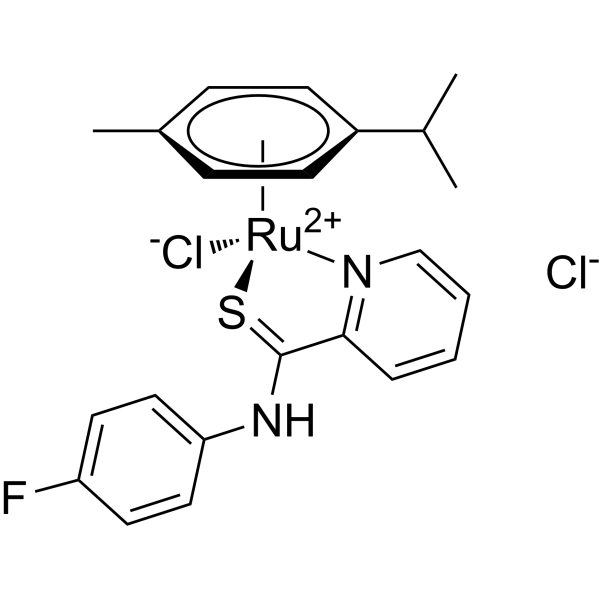
Cat. No.: HY-156675
CAS No.: 2119725-22-1
Plecstatin‑1 is a metal complex that drives the aggregation and collapse of the plectin network, and disrupts the cytoskeletal structures of α‑tubulin and F‑actin. Plecstatin-1 triggers oxidative stress, mediates the phosphorylation of eIF2α, and induces molecular features associated with immunogenic cell death, including calreticulin membrane exposure, membrane localization of HSP70/HSP90, ATP secretion, and HMGB‑1 release. Plecstatin-1 induces apoptosis via the intrinsic mitochondrial pathway and exerts anti-invasive activity. Plecstatin‑1 inhibits sphere proliferation and reduces clonogenicity in the 3D tumor spheroid model of colon cancer cells. Plecstatin-1 is applicable to relevant research on colorectal cancer .
loading...
    loading...

