Search Result
Results for "
γ-H2AX
" in MedChemExpress (MCE) Product Catalog:
1
Isotope-Labeled Compounds
| Cat. No. |
Product Name |
Target |
Research Areas |
Chemical Structure |
-
- HY-172085
-
|
|
IFNAR
DNA/RNA Synthesis
c-Myc
CDK
|
Cancer
|
|
SH514 is an orally active IRF4 inhibitor (IC50 = 2.63 μM). SH514 binds to the IRF4-DBD domain, thereby inhibiting the interaction of IRF4 protein with DNA (KD = 1.28 μM). SH514 can inhibit the proliferation of IRF4-high-expressing NCI-H929 and MM.1R cells, and displays no cytotoxicity for normal cells. SH514 significantly downregulates the expression of IRF4 downstream target genes concentration-dependently. SH514 inhibits the expression of cell cycle-related proteins CDC2, Cyclin B1, Cyclin D1, Cyclin E1, and CMYC in Multiple Myeloma cells. SH514 can induce DNA damage and increase the expression of γH2AX. SH514 effectively inhibits the proliferation of multiple myeloma tumors .
|
-
-
- HY-171124
-
|
AZD9592
|
Antibody-Drug Conjugates (ADCs)
EGFR
c-Met/HGFR
Topoisomerase
DNA/RNA Synthesis
|
Cancer
|
|
Tilatamig samrotecan (AZD9592) is an anti-EGFR/c-MET antibody-drug conjugate (ADC). Tilatamig samrotecan consists of an anti-EGFR/c-MET antibody with the drug-linker conjugate being AZ14170133 (HY-145399) (a topoisomerase I (TOP1i) inhibitor payload). Tilatamig samrotecan induces multiple DNA damage response pathway markers (like ATM, ATR, γH2AX). Tilatamig samrotecan selectively binds to EGFR and c-MET, delivering the cytotoxic payload. Tilatamig samrotecan exerts anti-tumor activity in vivo. Tilatamig samrotecan can be used for non-small cell lung cancer (NSCLC) and head and neck squamous cell carcinoma (HNSCC) research [2] .
|
-
-
- HY-19939S
-
VX-984
4 Publications Verification
M9831
|
DNA-PK
|
Cancer
|
|
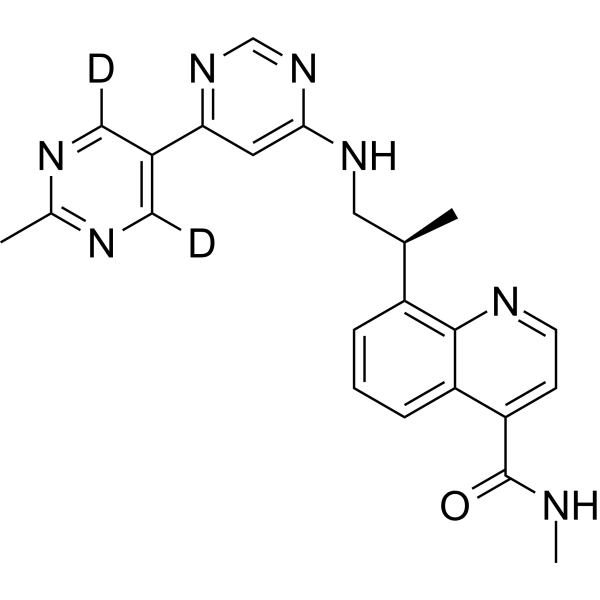
VX-984 is an orally active, potent, selective and BBB-penetrated DNA-PK inhibitor. VX-984 efficiently inhibits NHEJ (non-homologous end joining) and increases DSBs (DNA double-strand breaks). VX-984 can be used for glioblastomas (GBM) and non-small cell lung cancer (NSCLC) research. VX-984 is a de novo deuterium [2] .
|
-
-
- HY-122181
-
|
|
Histone Methyltransferase
|
Cancer
|
|
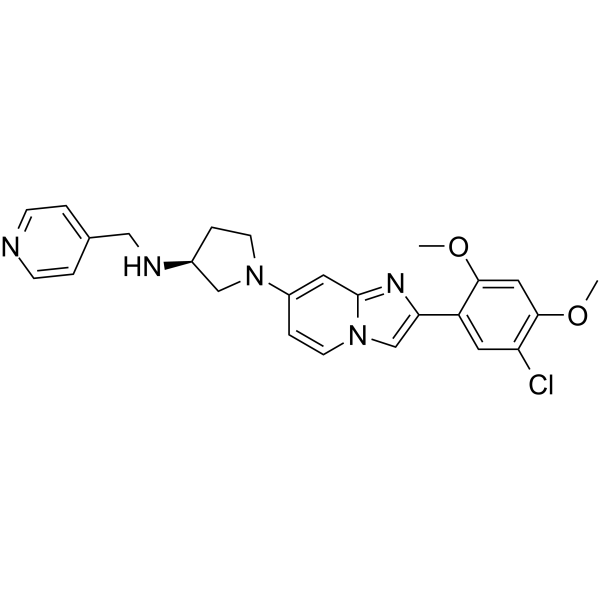
OTS186935 is a potent protein methyltransferase SUV39H2 inhibitor with an IC50 of 6.49 nM. OTS186935 shows significant inhibition of tumor growth in mouse xenograft models without any detectable toxicity. OTS193320 regulates the production of γ-H2AX in cancer cells .
|
-
-
- HY-163944
-
|
|
DNA/RNA Synthesis
Molecular Glues
CDK
Apoptosis
RAD51
ATM/ATR
PARP
|
Cancer
|
LL-K12-18 is a CDK12 kinase inhibitor and a dual-site molecular glue. LL-K12-18 inhibits human CDK12 with an IC50 value of 283.9 nM, and selectively degrades cyclin K via the ubiquitin-proteasome system by stabilizing the CDK12-DDB1 complex. LL-K12-18 downregulates DNA damage response genes, reduces the phosphorylation level of CTD Ser2 in RNA polymerase II, and modulates biomarkers such as ATM, RAD51, γ-H2AX and cleaved PARP, thereby effectively inducing apoptosis and inhibiting proliferation of breast cancer cells. LL-K12-18 exhibits high target selectivity and serves as a research tool for studies on triple-negative breast cancer [2].
|
-
-
- HY-N2445
-
|
|
Apoptosis
Akt
JNK
PERK
Caspase
PARP
MDM-2/p53
IAP
Reactive Oxygen Species (ROS)
SOD
FABP
Autophagy
AMPK
mTOR
GLUT
EGFR
PI3K
HSP
VEGFR
FAK
|
Cancer
|
|
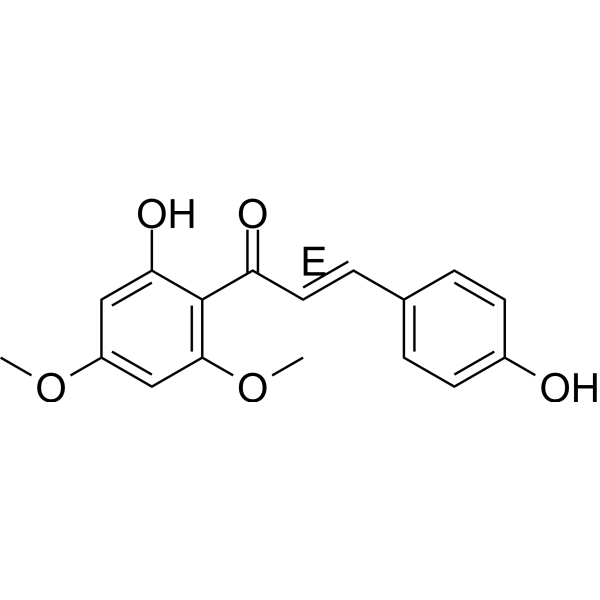
Flavokawain C is an orally active natural chalcone. Flavokawain C inhibits the proliferation of various cancer cells. Flavokawain C upregulates GADD153 in cancer cells, inhibits the phosphorylation of Akt and JNK, suppresses early ERK phosphorylation, activates late ERK phosphorylation, activates caspase related subtypes, induces PARP-1 cleavage, causes upregulation of p21 and p27, downregulation of mutant p53 and anti-apoptotic IAP proteins, elevates intracellular ROS levels, reduces SOD activity, and induces apoptosis. Flavokawain C downregulates FABP4, induces autophagy in cancer cells, and activates the AMPK/mTOR pathway . Flavokawain C decreases the expression of glycolysis-related proteins GLUT1 and HK2, and inhibits glycolysis in nasopharyngeal carcinoma cells. Flavokawain C inhibits the activation of the EGFR/PI3K/Akt/mTOR signaling pathway and reduces the expression of HSP90B1. Flavokawain C inhibits angiogenesis by decreasing the expression of angiogenic proteins Ang-1 and VEGF in human umbilical vein endothelial cells. Flavokawain C increases γ-H2AX levels in cells, inhibits the phosphorylation of FAK, PI3K and AKT in cells, and induces DNA damage in cells. Flavokawain C exerts anti-tumor activity in multiple tumor xenograft mouse models. Flavokawain C is applicable to research related to colorectal cancer, colon adenocarcinoma, nephroblastoma, nasopharyngeal carcinoma and liver cancer [2] .
|
-
-
- HY-122182
-
|
|
Histone Methyltransferase
Apoptosis
|
Cancer
|
|
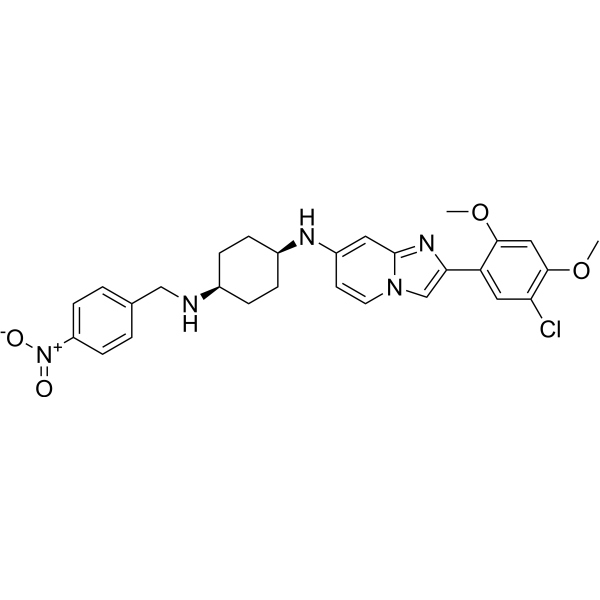
OTS193320, a imidazo[1,2-a]pyridine compound, is a SUV39H2 methyltransferase activity inhibitor. OTS193320 decreases global histone H3 lysine 9 tri-methylation levels in breast cancer cells and triggers apoptotic cell death. Combination of OTS193320 with Doxorubicin (HY-15142A) results in reduction of γ-H2AX levels as well as cancer cell viability compared to a single agent OTS193320 or DOX .
|
-
-
- HY-N7271
-
|
|
RAD51
MDM-2/p53
|
Cardiovascular Disease
Cancer
|
|
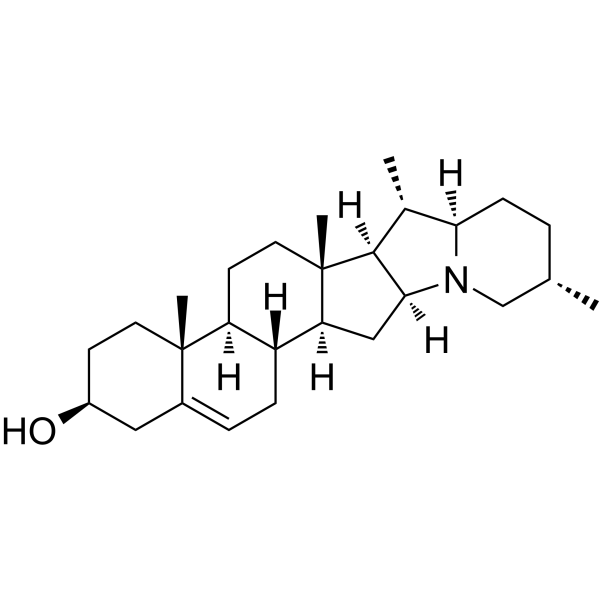
Solanidine is an orally active cholestane alkaloid. Solanidine can be isolated from potato. Solanidine decreases RAD51 and increases γH2AX and p53. Solanidine has anti-tumor effects on LLC tumors and lung cancer. Solanidine promotes breast cancer cell proliferation. Solanidine reduces neovascularization. Solanidine causes abortion in some pregnant mice [2] .
|
-
-
- HY-139621
-
|
|
DNA Alkylator/Crosslinker
|
Cancer
|
|
Colibactin 742 is a covalently binding DNA-damaging agent targeting DNA, with an IC50 of 5.2 μM against human cervical cancer cells (HeLa). Colibactin 742 covalently binds to DNA, forming interstrand crosslinks (ICLs), activating the Fanconi anemia DNA repair pathway, inducing γH2AX and FANCD2 foci formation and cell cycle arrest, while exacerbating mismatch repair deficiency (MMRd)-related mutations. Colibactin 742 can mimic the genotoxicity of natural Colibactin while avoiding its instability, and is mainly used in colorectal cancer (CRC) related research, including microbial tumorigenesis mechanisms, DNA damage repair pathways, and mutation signature analysis [2] .
|
-
-
- HY-122181B
-
|
|
Histone Methyltransferase
|
Cancer
|
|
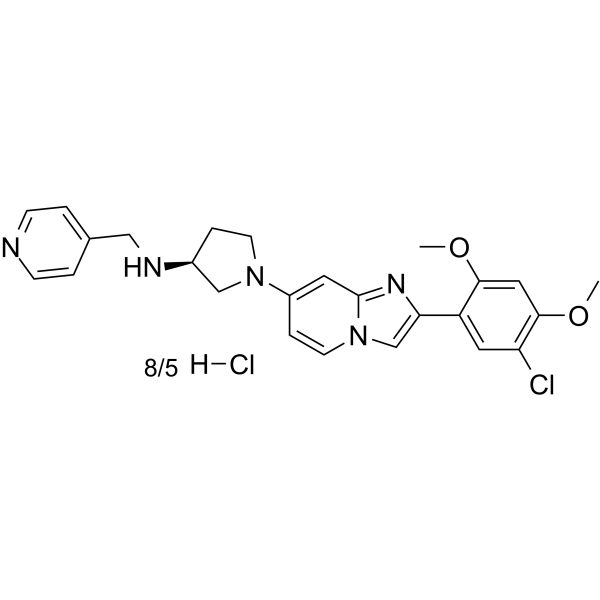
OTS186935 hydrochloride is a potent protein methyltransferase SUV39H2 inhibitor with an IC50 of 6.49 nM. OTS186935 hydrochloride shows significant inhibition of tumor growth in mouse xenograft models without any detectable toxicity. OTS193320 hydrochloride regulates the production of γ-H2AX in cancer cells .
|
-
-
- HY-147356
-
|
|
DNA/RNA Synthesis
|
Cancer
|
|
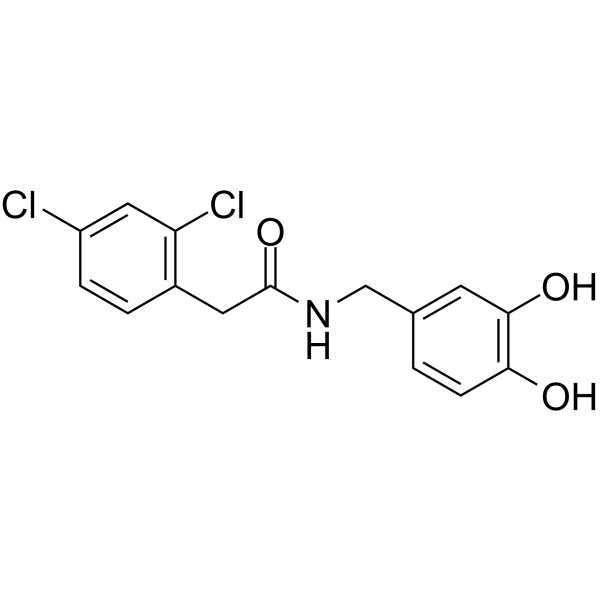
ERCC1-XPF-IN-2 is a potent ERCC1-XPF endonuclease inhibitor with an IC50 value of 0.6 μM. ERCC1-XPF-IN-2 shows activity in nucleotide excision repair, cisplatin enhancement and γH2AX assays .
|
-
-
- HY-160005
-
|
NSC 781517
|
Topoisomerase
DNA/RNA Synthesis
|
Cancer
|
|
LMP517 (NSC 781517) is a potent and non-camptothecin Topoisomerase I and II (TOP1 and TOP2) dual inhibitor. LMP517 can induce TOP1 and TOP2 cleavage complexes (TOP1ccs and TOP2ccs). LMP517 can induce cancer cells DNA damage and γH2AX production. LMP517 can be used for the research of cancer, such as small cell lung cancer [2].
|
-
-
- HY-163942
-
|
|
DNA/RNA Synthesis
|
Cancer
|
|
GSK_WRN4 is an orally active WRN helicase inhibitor (pIC50=7.6). GSK_WRN4 induces DNA damage markers (p21, p-γH2AX, p-KAP1). GSK_WRN4 selectively inhibits microsatellite-unstable tumor growth in vitro and in vivo by inducing DNA double-strand breaks, particularly at expanded TA repeats and regions of DNA damage .
|
-
-
- HY-N0857
-
|
|
GLUT
HDAC
Virus Protease
PI3K
AMPK
Akt
Histone Demethylase
MDM-2/p53
IFNAR
Reactive Oxygen Species (ROS)
|
Infection
Metabolic Disease
Inflammation/Immunology
|
|
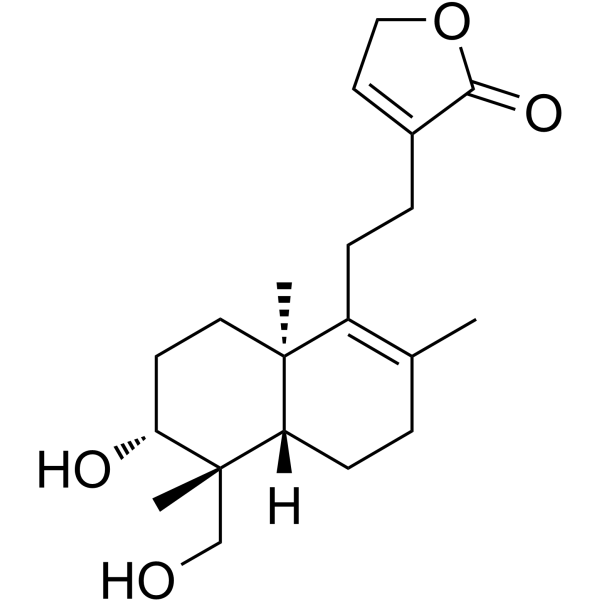
Deoxyandrographolide is an orally active lactone found in the Andrographis paniculata Nees. Deoxyandrographolide shows a KD of 38.4 μM of HDAC1. Deoxyandrographolide enhances GLUT4 plasma membrane translocation, activates PI3K and AMPK-dependent signaling pathways, suppresses fasting blood glucose, serum insulin, triglycerides, and LDL-cholesterol levels. Deoxyandrographolide enhances HDAC1 expression via inhibited ubiquitination degradation, represses H3K4me3, improves chromosome stability, and restrains aging biomarkers p16, p21, γH2A.X, p53 and ROS production. Deoxyandrographolide interacts with Foot-and-Mouth Disease Virus 3Cpro active site, inhibits protease and IFN-antagonist activity, derepresses ISG expression, and inhibits viral replication. Deoxyandrographolide can be used for the researches of type 2 diabetes mellitus, vascular senescence and virus infection .
|
-
-
- HY-153339
-
|
|
Eukaryotic Initiation Factor (eIF)
|
Cancer
|
|
E235 is an expression regulator of activates transcription factor 4 (ATF4). E235 reduces cell viability by activating integrated stress response (ISR) and DNA damage response signals. E235 has anti-proliferative activity and can be used for tumor research .
|
-
-
- HY-175700
-
|
|
Topoisomerase
Apoptosis
|
Cancer
|
|
YCJ-02 is a selective Topoisomerase I (Top I) inhibitor. YCJ-02 can inhibit cell proliferation and induce apoptosis and G2/M phase arrest. YCJ-02 can induce DNA damage and increaseγ-H2AX levels. YCJ-02 can promote Top I deqradation via a ubiquitin/26S proteasome pathway. YCJ-02 increases the expressions of pro-apoptotic proteins Bad, Bax, and cleaved
caspase-3. YCJ-02 shows broad-spectrum antitumor activity. YCJ-02 can be used for the research of cancer, such as intrahepatic cholangiocarcinoma (ICC) .
|
-
-
- HY-122860
-
|
|
TOPK
Apoptosis
c-Myc
MDM-2/p53
FAK
Src
Mitosis
|
Cancer
|
|
SKLB-C05 is a novel selective, orally active TOPK inhibitor, with an IC50 of 0.5 nM. SKLB-C05 selectively inhibit TOPK kinase. SKLB-C05 induces Apoptosis, downregulates c-Myc, γ-H2AX, activates p53, blocks FAK/Src medicated migration-related signaling. SKLB-C05 disturbs cell mitosis. SKLB-C05 shows anticancer activity only against TOPK-positive colorectal cancer .
|
-
-
- HY-137843
-
|
|
DNA/RNA Synthesis
|
Cancer
|
|
NSC 80467, a DNA damaging agent, selectively inhibits survivin. NSC 80467 preferentially inhibits DNA synthesis and results in induction of γH2AX and pKAP1, two markers of DNA damage .
|
-
-
- HY-178909
-
|
|
c-Myc
Apoptosis
Reactive Oxygen Species (ROS)
|
Cancer
|
Y502-2304 is a c-Myc G-quadruplex stabilizer. Y502-2304 exhibits potent antiproliferative activity in multiple myeloma (MM) cells. Y502–2304 downregulates c-Myc mRNA and protein expression. Y502-2304 induces apoptosis in MM cells, characterizes by elevated γH2AX levels, increases reactive oxygen species (ROS) generation, and mitochondrial dysfunction. Y502-2304 significantly inhibits tumor growth in a xenograft MM model. Y502-2304 can be used for the study of multiple myeloma .
|
-
-
- HY-121777
-
|
|
DNA/RNA Synthesis
|
Cancer
|
|
SFOM-0046 arrests cell cycle in S-phase and causes DNA replication stress leading to the phosphorylation of H2AX into γ-H2AX. SFOM-0046 induces DNA damages. SFOM-0046 is a potent anticancer agent .
|
-
-
- HY-W414334
-
|
|
DNA/RNA Synthesis
Fluorescent Dye
|
Cancer
|
|
ICR-191 dihydrochloride enhances Cisplatin (HY-17394)- DNA binding and sensitizes cells to cisplatin. ICR-191 dihydrochloride induces a significant increase in the expression of phosphorylated H2AX (γH2AX), particularly in DNA-replicating cells. ICR-191 dihydrochloride can be used for the study of leukemia [2].
|
-
-
- HY-178373
-
|
|
Topoisomerase
DNA/RNA Synthesis
Reactive Oxygen Species (ROS)
MDM-2/p53
Caspase
|
Cancer
|
|
Topoisomerase I-IN-18, a derivative of Thiosemicarbazide (HY-Y0032), is a Topoisomerase I inhibitor. Topoisomerase I-IN-18 can disrupt DNA synthesis and transcription. Topoisomerase I-IN-18 inhibits tumor cell proliferation by inducing S-phase cell cycle arrest. Topoisomerase I-IN-18 can enhance mitochondria-mediated apoptosis, suppress cell migration, and increase intracellular Reactive Oxygen Species (ROS) levels. Topoisomerase I-IN-18 can increase p53 protein expression, γH2AX phosphorylation, upregulate Bax expression, downregulate Bcl-2 expression, and activate the caspase cascade. Topoisomerase I-IN-18 can be used for the study of lung cancer .
|
-
-
- HY-178032
-
|
|
PARP
Apoptosis
Reactive Oxygen Species (ROS)
DNA/RNA Synthesis
STING
|
Cancer
|
|
PARP1-IN-44, an Olaparib (HY-10162) derivative, is an orally active PARP1 inhibitor (IC50 = 0.6 nM), and also inhibits PARP2 (IC50 = 1.0 nM) and PARP7 (IC50 = 7.5 nM). PARP1-IN-44 has selective antiproliferative activity against BRCA-deficient cancer cells with minimal toxicity to normal cells. PARP1-IN-44 induces G2/M phase arrest, promotes apoptosis, elevates ROS levels, disrupts mitochondrial membrane potential. PARP1-IN-44 suppresses PARylation while increasing γH2AX accumulation. PARP1-IN-44 activates the cGAS-STING pathway, upregulating IFN-β and CXCL10 expression. PARP1-IN-44 enhancing CD8+ T cell infiltration in a CT26 tumor mouse model, demonstrating robust in vivo antitumor efficacy .
|
-
-
- HY-122181A
-
|
|
Histone Methyltransferase
|
Cancer
|
|
OTS186935 trihydrochloride is a protein methyltransferase SUV39H2 inhibitor with an IC50 of 6.49 nM. OTS186935 trihydrochloride shows significant inhibition of tumor growth in mouse xenograft models without any detectable toxicity. OTS186935 trihydrochloride regulates the production of γ-H2AX in cancer cells .
|
-
-
- HY-117688
-
|
|
HDAC
Topoisomerase
Apoptosis
|
Cancer
|
|
WJ35435 is a dual-targeted anticancer hybrid that induces anti-HDAC (in particular HDAC1 and HDAC6) and anti-topoisomerase I activities that causes DNA damage associated with a low DNA repair capability and induces cell cycle arrest at G1- and G2-phase to apoptosis. WJ35435 induces histone H3 acetylation and phosphorylation, α-tubulin acetylation and γ-H2AX formation to achieve anti-HDAC effect. WJ35435 is promising for research of cancer .
|
-
-
- HY-145289
-
|
|
Apoptosis
|
Cancer
|
|
Antitumor agent-37 possesses potent anti-proliferative and anti-metastasis activities. Antitumor agent-37 induces serious DNA damage and further leads to high expression of γ-H2AX and p53. Antitumor agent-37 promotes apoptosis of tumor cells through mitochondrial apoptotic pathway Bcl-2/Bax/caspase3. Antitumor agent-37 significantly improves immune response through restraining the expression of PD-L1 to increase CD3+ and CD8+ T infiltrating cells in tumor tissues .
|
-
-
- HY-145288
-
|
|
Apoptosis
|
Cancer
|
|
Antitumor agent-36 possesses potent anti-proliferative and anti-metastasis activities. Antitumor agent-36 induces serious DNA damage and further leads to high expression of γ-H2AX and p53. Antitumor agent-36 promotes apoptosis of tumor cells through mitochondrial apoptotic pathway Bcl-2/Bax/caspase3. Antitumor agent-36 significantly improves immune response through restraining the expression of PD-L1 to increase CD3+ and CD8+ T infiltrating cells in tumor tissues .
|
-
-
- HY-168877
-
|
|
MDM-2/p53
Reactive Oxygen Species (ROS)
Apoptosis
Caspase
PARP
Bcl-2 Family
|
Cancer
|
|
FMP is a Platinum(IV) complexe. FMP significantly upregulates the expression of γ-H2AX and p53. FMP increases the production of ROS. FMP markedly upregulates the expressions of Apoptosis-related proteins (DR5, Fas, caspase-8, Cyt-c, caspase-3, cleaved-PARP1, Bax). FMP shows antiproliferative activity against breast cancer .
|
-
-
- HY-172537
-
|
|
DNA/RNA Synthesis
|
Inflammation/Immunology
Cancer
|
|
Indolimine-214 is a metabolite of M. morganii Indolimine-214 increases the level of γH2AX in HeLa cells. Indolimine-214 can be used in the study of inflammatory bowel disease (IBD) and colorectal cancer (CRC) .
|
-
-
- HY-157954
-
|
|
DNA/RNA Synthesis
Apoptosis
|
Cancer
|
|
WRN inhibitor 6 (compound 3ci) is a potent WRN inhibitor. WRN inhibitor 6 induces apoptosis. WRN inhibitor 6 increases the expression of p-p53, P-Chk2, γH2AX expression .
|
-
-
- HY-123786
-
|
|
Apoptosis
Caspase
|
Cancer
|
|
NSC745887 (compound 25) is an inhibitor that targets DNA topoisomerase cleavage, activates the caspase-8/9-caspase-3-poly (ADP-ribose) polymerase cascade, and induces apoptosis in cancer cells. NSC745887 enhances γH2AX expression and causes DNA fragmentation leading to DNA damage [2].
|
-
-
- HY-N7271R
-
|
|
Reference Standards
RAD51
MDM-2/p53
|
Cardiovascular Disease
Cancer
|
|
Solanidine (Standard) is the analytical standard of Solanidine. This product is intended for research and analytical applications. Solanidine is an orally active cholestane alkaloid. Solanidine can be isolated from potato. Solanidine decreases RAD51 and increases γH2AX and p53. Solanidine has anti-tumor effects on LLC tumors and lung cancer. Solanidine promotes breast cancer cell proliferation. Solanidine reduces neovascularization. Solanidine causes abortion in some pregnant mice [2] .
|
-
-
- HY-170937
-
|
|
Bacterial
Apoptosis
Reactive Oxygen Species (ROS)
|
Infection
|
Urease-IN-20 (compound XBP2) is an inhibitor of Helicobacter pylori (H. pylori). Urease-IN-20 inhibits H. pylori with an IC50 of 0.14 μM. Urease-IN-20 reduces cell Apoptosis and decreases ROS and γH2AX in GES-1 cells infected with H. pylori. Urease-IN-20 exhibits significant gastric mucosal protective effects. Urease-IN-20 shows the potential for H. pylori research .
|
-
-
- HY-119892
-
|
NSC 320846; BAY-H 2049
|
Topoisomerase
|
Cancer
|
|
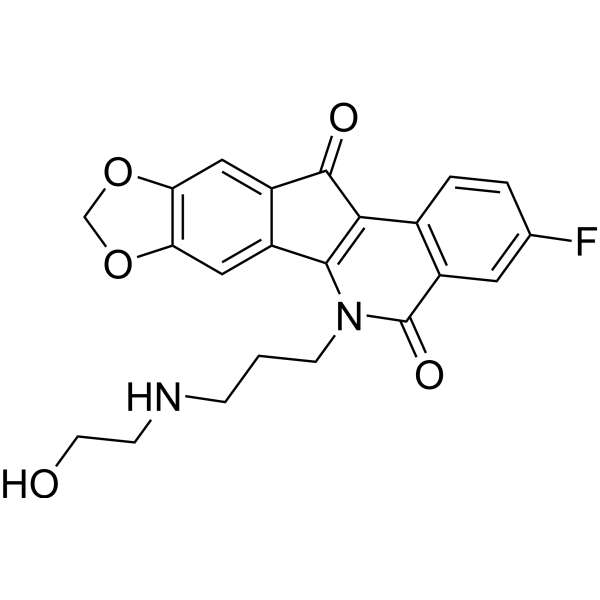
Batracylin (NSC320846) is a potent DNA Topoisomerases I and DNA Topoisomerases II inhibitor. Batracylin shows cytotoxicity and antiproliferative activity. Batracylin induces DNA breaks .
|
-
-
- HY-178348
-
|
|
PARP
c-Met/HGFR
DNA/RNA Synthesis
|
Cancer
|
|
PARP1/c-Met-IN-2 is a highly potent, orally active, PARP1 (IC50 = 21.8 nM) and c-Met (IC50 = 30.2 nM) dual inhibitor. PARP1/c-Met-IN-2 can elevate the expression level of γH2AX, cause DNA damage. PARP1/c-Met-IN-2 exhibits remarkable anti-tumor efficacy in the Olaparib (HY-10162)-resistant HCT116 (HCT116OR) xenograft models. PARP1/c-Met-IN-2 can be used for the study of Colon Cancer .
|
-
-
- HY-124731
-
-
-
- HY-149972
-
|
|
Apoptosis
|
Cancer
|
|
Antitumor agent-96 (Compound D34) is a potent MRE11 inhibitor. Antitumor agent-96 down-regulates the HR pathway by binding with MRE11 and suppressing its endonuclease functions. Antitumor agent-96 induces CM cells apoptosis .
|
-
-
- HY-168739
-
|
|
Topoisomerase
Reactive Oxygen Species (ROS)
Apoptosis
Survivin
Bcl-2 Family
IAP
DNA/RNA Synthesis
|
Cancer
|
|
Topoisomerase I inhibitor 17 (Compound 7h) is a Topoisomerase I (Top1) inhibitor. Topoisomerase I inhibitor 17 reduces DDX5 and reverses the locking of Top1 activity by DDX5. Topoisomerase I inhibitor 17 induces Top1-mediated DNA damage and promotes reactive oxygen species (ROS) production. Topoisomerase I inhibitor 17 induces Apoptosis (reduces antiapoptotic proteins XIAP, Bcl-2, Survivin and up-regulates pro-apoptotic proteins Bax, γH2AX). Topoisomerase I inhibitor 17 also blocks the progression of the G2/M checkpoint and induces cell cycle arrest. Topoisomerase I inhibitor 17 significantly inhibits colony formation and cell migration in colorectal cancer cells. Topoisomerase I inhibitor 17 effectively reduces tumors in human PDX tumor mice .
|
-
-
- HY-181678
-
|
|
DNA-PK
HDAC
Apoptosis
Mitochondrial Metabolism
DNA/RNA Synthesis
|
Cancer
|
|
DNA-PK/HDAC6-IN-1 is a selcetive and orally active dual DNA-PK and HDAC6 inhibitor with IC50 values of 84.2 and 64.8 nM. DNA-PK/HDAC6-IN-1 suppresses cancer cells proliferation, induces cancer cell cycle G2/M arrest, apoptosis, and decreases the mitochondrial membrane potential. DNA-PK/HDAC6-IN-1 induces DNA damage and elevates γ-H2AX levels. DNA-PK/HDAC6-IN-1 exhibits antitumor efficacy in AML animal mouse model. DNA-PK/HDAC6-IN-1 can be used for the research of acute myeloid leukemia .
|
-
-
- HY-181557
-
|
|
DNA Alkylator/Crosslinker
DNA/RNA Synthesis
Apoptosis
|
Cancer
|
|
SY-589 is an orally active DNA polymerase Polθ helicase domain inhibitor (IC50=2.29 nM) and DNA damage inducer. SY-589 inhibits the ATPase activity of the Polθ helicase domain and blocks the Polθ-mediated microhomology-mediated end joining (MMEJ) DNA repair pathway (IC50=0.85 nM). SY-589 also induces the accumulation of DNA double-strand breaks by increasing γ-H2AX levels. SY-589 exerts antiproliferative effects on BRCA2-deficient cells and is used in the research of HR-deficient tumors .
|
-
-
- HY-181018
-
|
|
Topoisomerase
PAK
Bcl-2 Family
IAP
Reactive Oxygen Species (ROS)
Apoptosis
|
Cancer
|
|
Topo I/DDX5-IN-1 (Compound A10) is a Topo I and DDX5 inhibitor. Topo I/DDX5-IN-1 inhibits Topo I activity, binds to DDX5, and suppresses DDX5 function. Topo I/DDX5-IN-1 increases expression of γ-H2AX and p21, suppresses the expression of antiapoptotic proteins (Bcl-2 and XIAP), stimulates ROS generation, and triggers Apoptosis. Topo I/DDX5-IN-1 exhibits anticancer activity against pancreatic cancer, non-small cell lung cancer, skin cancer, and colorectal cancer .
|
-
-
- HY-183330
-
|
|
Topoisomerase
Reactive Oxygen Species (ROS)
Apoptosis
MDM-2/p53
Caspase
Bcl-2 Family
|
Cancer
|
|
Topo I/II-IN-3 is a dual inhibitor of topoisomerase I/II (topoisomerase I/II), with an IC50 of 8.99 μM against Topo I and an IC50 of 26.92 μM against Topo II. Topo I/II-IN-3 induces DNA damage, elevates intracellular ROS levels, activates the mitochondrial apoptosis pathway, and exerts cytotoxicity against cancer cells. Topo I/II-IN-3 upregulates the expression of γ-H2AX, p53, activated caspase-9, Bax and activated caspase-3, while downregulating the expression of Bcl-2. Topo I/II-IN-3 can be used in research related to breast cancer, liver cancer and gastric cancer .
|
-
-
- HY-182790
-
|
|
Wee1
|
Cancer
|
|
BAA-065 is a selective and orally active PKMYT1 inhibitor with an IC50 of <50 nM. BAA-065 inhibits cancer cells proliferation, induces γH2AX expression and DNA damage. BAA-065 inhibits tumor growth in OVCAR3 xenograft mice. BAA-065 can be used for the research of cancer, such as ovarian cancer .
|
-
-
- HY-181060
-
|
|
Apoptosis
DNA/RNA Synthesis
Caspase
Bcl-2 Family
MDM-2/p53
|
Cancer
|
|
Apoptosis inducer 56 is an apoptosis inducer. Apoptosis inducer 56 induces DNA damage (upregulation of γH2AX and p-ATM expression) by minor groove binding. Apoptosis inducer 56 induces intrinsic apoptosis (upregulation of p53 and Bax/Bcl-2 ratio, cleaved caspase-7) via S-phase cell cycle arrest. Apoptosis inducer 56 shows selectivity for cancer cells over normal breast epithelial cells. Apoptosis inducer 56 can be used for the research of breast cancer .
|
-
-
- HY-181848
-
|
|
DNA-PK
Apoptosis
|
Cancer
|
|
DNA-PK-IN-16 is an orally active DNA-dependent protein kinase (DNA-PK) inhibitor with an IC50 of 10.2 nM. DNA-PK-IN-16 induces the upregulation of γH2A.X, a biomarker of DNA double-strand breaks. DNA-PK-IN-16 exhibits antiproliferative activity in various cancer cell lines. DNA-PK-IN-16 enhances the infiltration of CD8 + T cells in tumor tissues through synergistic action with anti-PD-L1 monoclonal antibody. DNA-PK-IN-16 is applicable for cancer research .
|
-
-
- HY-179409
-
|
|
DNA Methyltransferase
Caspase
MDM-2/p53
DNA/RNA Synthesis
Apoptosis
|
Cancer
|
|
MC3817 is a selective DNMT1 inhibitor. MC3817 inhibits DNMT1 and DNMT3A/3L with IC50s of 0.044 μM and > 10μM, respectively. MC3817 inhibits P53-dependent cancer cell proliferation, induces apoptosis and DNA damage MC3817 elevates cleaved Caspase 3, P53, and γH2AX. MC3817 can be used in non-small cell lung cancer, colon cancer, cervical cancer, triple-negative breast cancer and histiocytic lymphoma research .
|
-
-
- HY-179409A
-
|
|
DNA Methyltransferase
Caspase
MDM-2/p53
DNA/RNA Synthesis
Apoptosis
|
Cancer
|
|
MC3817 free base is a selective DNMT1 inhibitor. MC3817 free base inhibits DNMT1 and DNMT3A/3L with IC50s of 0.044 μM and > 10μM, respectively. MC3817 free base inhibits P53-dependent cancer cell proliferation, induces apoptosis and DNA damage. MC3817 free base elevates cleaved Caspase 3, P53, and γH2AX. MC3817 free base can be used in non-small cell lung cancer, colon cancer, cervical cancer, triple-negative breast cancer and histiocytic lymphoma research .
|
-
-
- HY-180809
-
|
|
PARP
|
Cancer
|
|
YCH3292, a derivative of YCH189 (HY-155993) is a potent, selective and orally active PARP1/2 inhibitor with IC50 both <0.001 nM. YCH3292 can increase the stability of PARP-DNA complexes. YCH3292 exhibits robust antiproliferative activity. YCH3292 can induce double-strand breaks in DNA, increase the protein levels of γH2AX, P-RPA32, and P-Chk1 and induce tumor cells S or G2/M phase arrest and apoptosis. YCH3292 can inhibit tumor growth in MC38 xenograft model .
|
-
-
- HY-181272
-
|
|
MMP
Caspase
Apoptosis
|
Cancer
|
|
MMP-9-IN-14 is a MMP-9 inhibitor (IC50 = 34.46 μM). MMP-9-IN-14 induces G1-phase cell cycle arrest and caspase-dependent apoptosis in cancer cells. MMP-9-IN-14 promotes the accumulation of phosphorylated γH2AX. MMP-9-IN-14 inhibits the migration and invasion of cancer cells, and downregulates the expressions of MMP-2, MMP-9 and hTERT in cancer cells. MMP-9-IN-14 inhibits tumor growth and angiogenic spread in animal models. MMP-9-IN-14 can be used for the research of cancers such as lung adenocarcinoma, cervical cancer and colorectal cancer .
|
-
-
- HY-179413
-
|
|
DNA/RNA Synthesis
|
Cancer
|
|
Polθ-IN-9 is an orally active Polθ polymerase inhibitor (IC50 = 9.6 nM, Kd = 47.5 nM). Polθ-IN-9 shows remarkable selectivity with no inhibitory activity against other human DNA polymerases, including Pol α, Pol ε, Pol γ, Pol λ, and Pol μ. Polθ-IN-9 exhibits strong antiproliferative activity in DLD1 BRCA2 KO cells (IC50 = 2.9 μM), and high sensitivity to MDA-MB-436 cells (IC50 = 4.9 μM). Polθ-IN-9 increases DNA damage accumulation, induces γH2AX levels, and inhibits tumor growth in combination with Olaparib (HY-10162), in the MDA-MB-436 xenograft model. Polθ-IN-9 can be used for the research of homologous recombination (HR)-deficient cancers such as breast cancer .
|
-
- HY-179614
-
|
|
PARP
DNA/RNA Synthesis
Apoptosis
CDK
Bcl-2 Family
|
Cancer
|
|
PARP1-IN-50 is a selective and orally active PARP-1 inhibitor with an IC50 of 64.98 nM. PARP1-IN-50 can inhibit PAR formation and induce DNA double strand breaks, thereby causing DNA damage. PARP1-IN-50 can induce G2/M phase arrest and cancer cells apoptosis. PARP1-IN-50 demonstrates significant antiproliferative activity against various cancer cells. PARP1-IN-50 can be used for the research of cancer, such as breast cancer .
|
-
| Cat. No. |
Product Name |
Category |
Target |
Chemical Structure |
-
- HY-N2445
-
|
|
Structural Classification
Classification of Application Fields
Piperaceae
Plants
Chalcones
Flavonoids
other families
Phenols
Polyphenols
Piper methysticum G.Forst.
Disease Research Fields
Source Classification
Cancer
|
Apoptosis
Akt
JNK
PERK
Caspase
PARP
MDM-2/p53
IAP
Reactive Oxygen Species (ROS)
SOD
FABP
Autophagy
AMPK
mTOR
GLUT
EGFR
PI3K
HSP
VEGFR
FAK
|
|
Flavokawain C is an orally active natural chalcone. Flavokawain C inhibits the proliferation of various cancer cells. Flavokawain C upregulates GADD153 in cancer cells, inhibits the phosphorylation of Akt and JNK, suppresses early ERK phosphorylation, activates late ERK phosphorylation, activates caspase related subtypes, induces PARP-1 cleavage, causes upregulation of p21 and p27, downregulation of mutant p53 and anti-apoptotic IAP proteins, elevates intracellular ROS levels, reduces SOD activity, and induces apoptosis. Flavokawain C downregulates FABP4, induces autophagy in cancer cells, and activates the AMPK/mTOR pathway . Flavokawain C decreases the expression of glycolysis-related proteins GLUT1 and HK2, and inhibits glycolysis in nasopharyngeal carcinoma cells. Flavokawain C inhibits the activation of the EGFR/PI3K/Akt/mTOR signaling pathway and reduces the expression of HSP90B1. Flavokawain C inhibits angiogenesis by decreasing the expression of angiogenic proteins Ang-1 and VEGF in human umbilical vein endothelial cells. Flavokawain C increases γ-H2AX levels in cells, inhibits the phosphorylation of FAK, PI3K and AKT in cells, and induces DNA damage in cells. Flavokawain C exerts anti-tumor activity in multiple tumor xenograft mouse models. Flavokawain C is applicable to research related to colorectal cancer, colon adenocarcinoma, nephroblastoma, nasopharyngeal carcinoma and liver cancer [2] .
|
-
-
- HY-N7271
-
-
-
- HY-N0857
-
|
|
Structural Classification
Acanthaceae
Simsia foetida (Cav.) S.F.Blake
Terpenoids
Diterpenoids
Plants
Source Classification
|
GLUT
HDAC
Virus Protease
PI3K
AMPK
Akt
Histone Demethylase
MDM-2/p53
IFNAR
Reactive Oxygen Species (ROS)
|
|
Deoxyandrographolide is an orally active lactone found in the Andrographis paniculata Nees. Deoxyandrographolide shows a KD of 38.4 μM of HDAC1. Deoxyandrographolide enhances GLUT4 plasma membrane translocation, activates PI3K and AMPK-dependent signaling pathways, suppresses fasting blood glucose, serum insulin, triglycerides, and LDL-cholesterol levels. Deoxyandrographolide enhances HDAC1 expression via inhibited ubiquitination degradation, represses H3K4me3, improves chromosome stability, and restrains aging biomarkers p16, p21, γH2A.X, p53 and ROS production. Deoxyandrographolide interacts with Foot-and-Mouth Disease Virus 3Cpro active site, inhibits protease and IFN-antagonist activity, derepresses ISG expression, and inhibits viral replication. Deoxyandrographolide can be used for the researches of type 2 diabetes mellitus, vascular senescence and virus infection .
|
-
-
- HY-N7271R
-
-
| Cat. No. |
Product Name |
Chemical Structure |
-
- HY-19939S
-
4 Publications Verification
|
|
VX-984 is an orally active, potent, selective and BBB-penetrated DNA-PK inhibitor. VX-984 efficiently inhibits NHEJ (non-homologous end joining) and increases DSBs (DNA double-strand breaks). VX-984 can be used for glioblastomas (GBM) and non-small cell lung cancer (NSCLC) research. VX-984 is a de novo deuterium [2] .
|
-
Your information is safe with us. * Required Fields.
Inquiry Information
- Product Name:
- Cat. No.:
- Quantity:
- MCE Japan Authorized Agent:

