
1. Search Result
Search Result
Results for "

Aβ1-42 aggregation

" in MedChemExpress (MCE) Product Catalog:

57

Inhibitors & Agonists

10

Peptides

5

Natural
Products

1

Click Chemistry

Targets Recommended:
Cat. No. Product Name Target Research Areas Chemical Structure
  • HY-113283

    Amyloid-β Natriuretic Peptide Receptor (NPR) α-synuclein Transthyretin (TTR) Claudin Neurological Disease Metabolic Disease Cancer
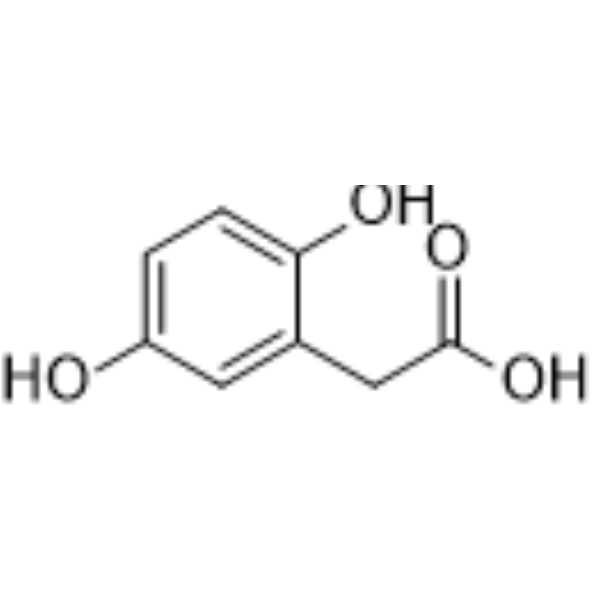
    Homogentisic acid is an orally active, blood-brain barrier-permeable amyloidogenic compound that functions as both an amyloid component and a pigment precursor. Accumulation of homogentisic acid downregulates tight junction proteins (such as claudin-5, occludin, ZO-1) and impairs blood-brain barrier integrity. Homogentisic acid and its oxidation product benzoquinone acetic acid not only induce the aggregation and fibrosis of multiple proteins (such as Aβ1-42, α-synuclein, SAA, Transthyretin (TTR), atrial natriuretic peptide), but also trigger oxidative stress, damage to the Wnt/β-catenin pathway, and neurotoxicity, leading to ochronosis pigment deposition and synaptic dysfunction. At specific concentrations, homogentisic acid exerts no cytotoxicity or genotoxicity on human peripheral blood lymphocytes, and even counteracts the genotoxicity induced by Irinotecan (HY-16562). Homogentisic acid serves as an important tool molecule for investigating the mechanisms of diseases including ochronosis, secondary amyloidosis, Alzheimer's disease, and colorectal cancer .
    Homogentisic acid
  • HY-W748591

    Apoptosis Amyloid-β KMO Neurological Disease Inflammation/Immunology Cancer
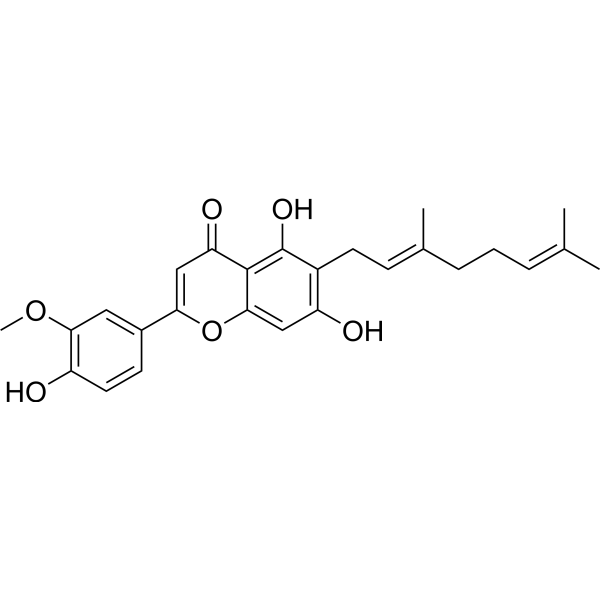
    Cannflavin A can be isolated from Cannabis sativa L.. Cannflavin A has anti-cancer, neuroprotective and anti-inflammatory activity. Cannflavin A inhibits Aβ1-42 aggregation. Cannflavin A also inhibits kynurenine-3-monooxygenase (KMO) (IC50 = 29.4 μM). Cannflavin A activates apoptosis via caspase-3 cleavage. Cannflavin A exerts anti-inflammatory effects by inhibiting pro-inflammatory enzymes, including prostaglandin E2 and cytochrome c oxidases I and II in PC12 cell line .
    Cannflavin A
  • HY-136500

    PGH2

    Endogenous Metabolite Amyloid-β Neurological Disease Inflammation/Immunology
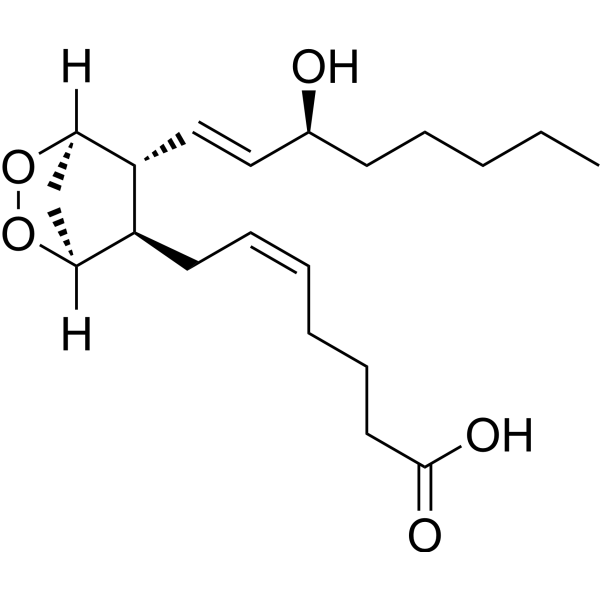
    Prostaglandin H2 (PGH2) is an endothelium-derived contracting factor. Prostaglandin H2 can cause vasoconstriction. Prostaglandin H2 is the common precursor of all PGs and is produced by several cells that express cyclooxygen-ases. Prostaglandin H2 can activate PGD2 receptors CRTH2 and DP via interacting directly with the receptors and/or by giving rise to PGD2 after catalytic conversion by plasma proteins. Prostaglandin H2 can induce eosinophils migration and inhibit platelet aggregation. Prostaglandin H2 can accelerate the formation of dimers and higher oligomers of amyloid β1-42. Prostaglandin H2 can be used for the researches of inflammation and neurological disease, such as Alzheimer disease .
    Prostaglandin H2
  • HY-P1378A

    Amyloid-β Neurological Disease
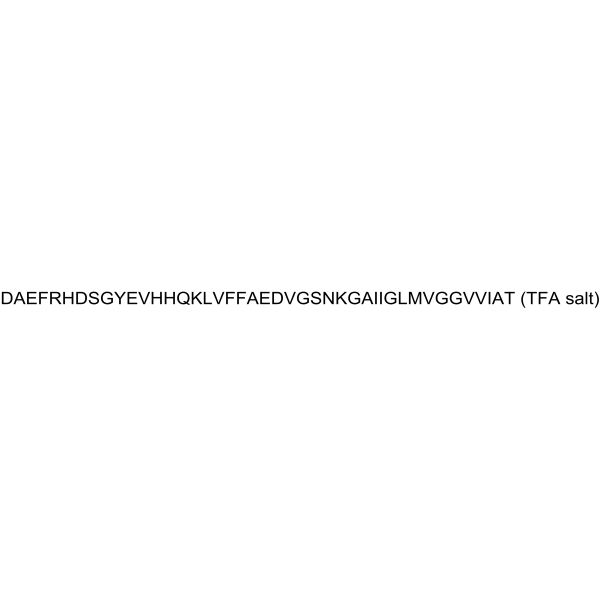
    β-Amyloid (1-43)(human) TFA is more prone to aggregation and has higher toxic properties than the long-known Aβ1-42. β-Amyloid (1-43)(human) TFA shows a correlation with both sAPPα and sAPPβ. β-Amyloid (1-43)(human) TFA could be considered an added Alzheimer's disease (AD) biomarker together with the others already in use .
    β-Amyloid (1-43)(human) TFA
  • HY-150003

    Cholinesterase (ChE) Amyloid-β Neurological Disease
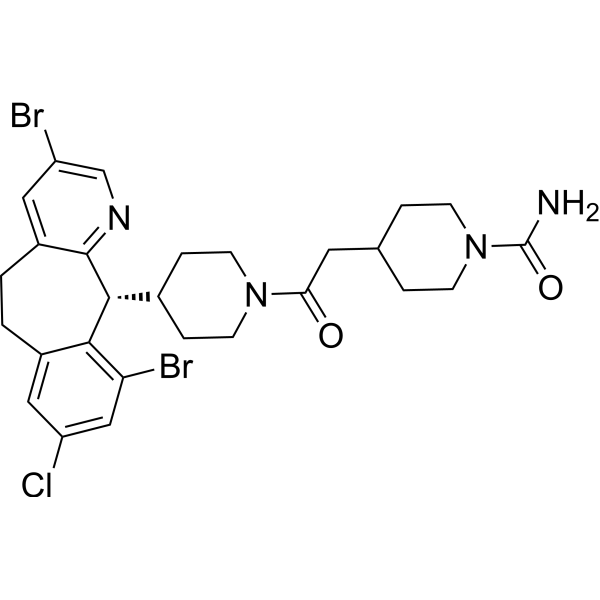
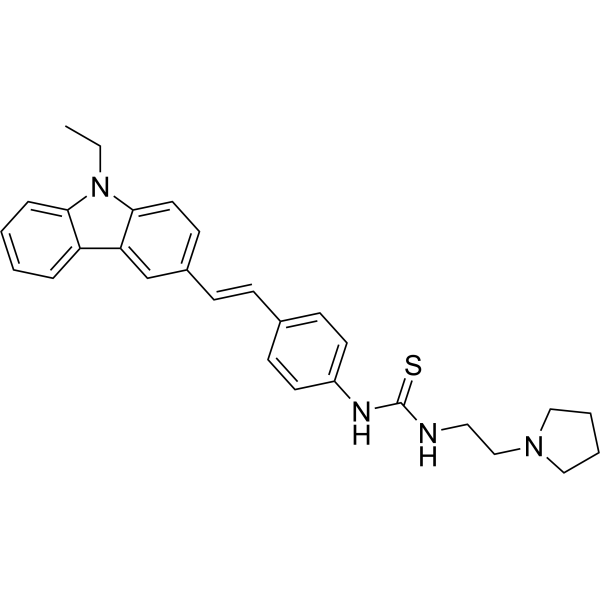
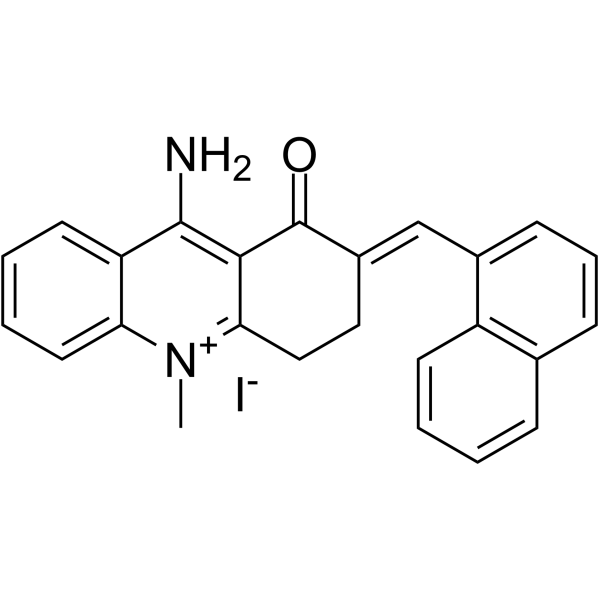
    Aβ1-42 aggregation inhibitor 1 inhibits AChE (acetylcholinesterase) and BuChE (butyrylcholinesterase) with the IC50 value of 2.64 μM and 1.29 μM, respectively. Aβ1-42 aggregation inhibitor 1 inhibits self-mediated Aβ1-42 aggregation by 51.29% at a concentration of 25 μM. Aβ1-42 aggregation inhibitor 1 has the potential for the research of anti-Alzheimer's disease .
    Aβ1–42 aggregation inhibitor 1
  • HY-N8671

    Amyloid-β Apoptosis Reactive Oxygen Species (ROS) SARS-CoV Infection Neurological Disease
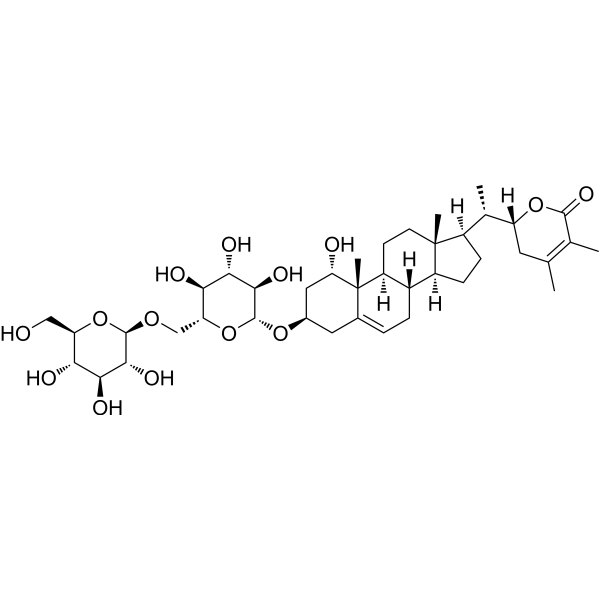
    Withanoside V is a blood-brain barrier-permeable withanolide derivative . Withanoside V binds strongly to Sudlow I (domain IIA) of human serum albumin (HSA) to form a stable complex and alter the secondary structure of albumin, thereby increasing helix content and reducing β-sheet and random coil. Withanoside V binds to Aβ (1-42) to block the interaction between monomers and subsequent aggregation. Withanoside V inhibits the viability of neuroblastoma cells, reduces the number of apoptotic cells induced by Aβ (1-42), and decreases ROS production. Withanoside V inhibits SARS-CoV-2 Mpro. Withanoside V can be used for research on Alzheimer's disease and coronavirus disease 2019 .
    Withanoside V
  • HY-141661

    Amyloid-β Neurological Disease
    Aβ/tau aggregation-IN-1 is a potent Aβ1-42 β-sheets formation and tau aggregation inhibitor. The KD values of Aβ/tau aggregation-IN-1 with Aβ1-42 and tau are 160 μM and 337 μM, respectively. Aβ/tau aggregation-IN-1 can permeate the blood-brain barrier .
    Aβ/tau aggregation-IN-1
  • HY-P4886A

    Amyloid-β Neurological Disease
    Amyloid β-Protein (3-42) TFA is a precursor of Pyr peptide. Pyroglutamic acid-modified Aβ (pEAβ) (3-42) is the core of the amyloid plaque in Alzheimer's disease. pEAβ (3-42) accelerates the aggregation of Aβ(1-42), while Aβ(1-42) significantly slows down the primary and secondary nucleation of pEAβ(3-42).
    Amyloid β-Protein (3-42) TFA
  • HY-P10578

    Amyloid-β Neurological Disease
    SEN 304 is an aggregation inhibitor. SEN 304 can bind directly to Aβ(1-42), delay β-sheet formation and promote aggregation of toxic oligomers into a nontoxic form. SEN 304 can be used for research of Alzheimer’s disease .
    SEN 304
  • HY-144389

    Cholinesterase (ChE) Amyloid-β Neurological Disease
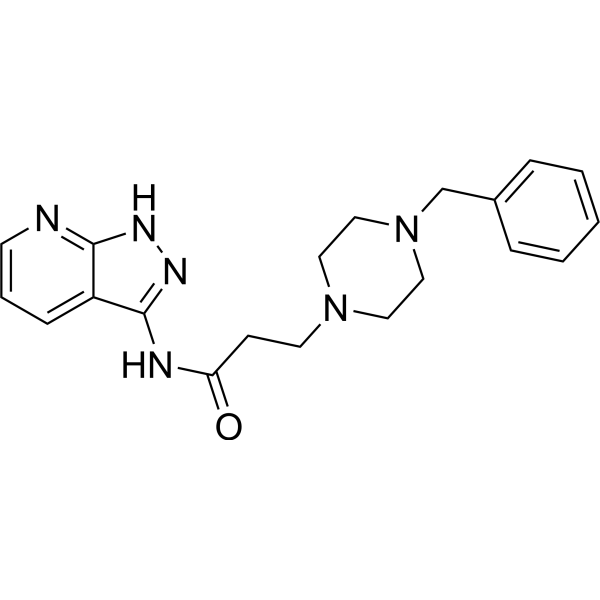
    hAChE/Aβ1-42-IN-1 (Compound 16) is a potent inhibitor of hAChE and Aβ1-42 aggregation. hAChE/Aβ1-42-IN-1 shows acceptable relative safety upon hepG2 cell line and excellent BBB penetration with wide safety margin. hAChE/Aβ1-42-IN-1 has the potential for the research of Alzheimer disease (AD) .
    hAChE/Aβ1-42-IN-1
  • HY-P1378

    Amyloid-β Neurological Disease
    β-Amyloid (1-43)(human) is more prone to aggregation and has higher toxic properties than the long-known Aβ1-42. β-Amyloid (1-43)(human) shows a correlation with both sAPPα and sAPPβ. β-Amyloid (1-43)(human) could be considered an added Alzheimer's disease (AD) biomarker together with the others already in use .
    β-Amyloid (1-43)(human)
  • HY-179496

    GSK-3 Cholinesterase (ChE) Amyloid-β Neurological Disease
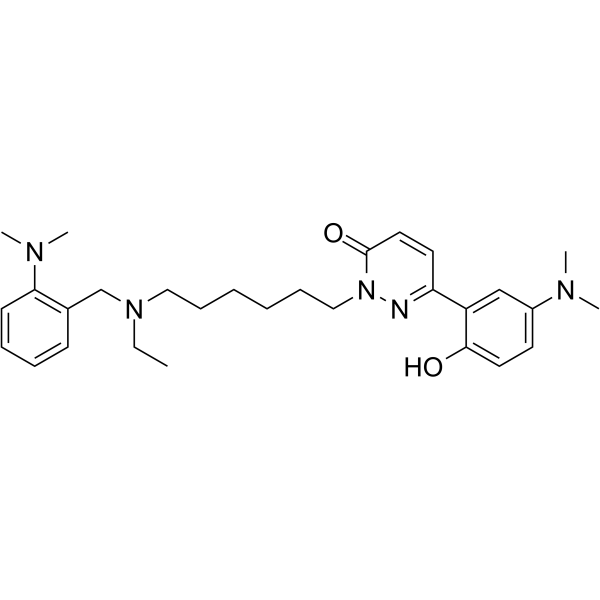
    ChE/GSK-3β-IN-1 (compound 18o) is a potent dual ChE/GSK-3β inhibitor. ChE/GSK-3β-IN-1 exhibits dual inhibition of AChE (IC50 = 1.7 μM), butyrylcholinesterase (BChE) (IC50 = 5.3 μM), and GSK-3β (IC50 = 5.7 μM). ChE/GSK-3β-IN-1 inhibits Aβ1-42 self-aggregation. ChE/GSK-3β-IN-1 can be used for Alzheimer’s disease (AD) research .
    ChE/GSK-3β-IN-1
  • HY-144324

    Cholinesterase (ChE) Neurological Disease
    AChE-IN-6 (Compound 12a) is an optimal multifunctional ligand with significant inhibition of AChE (EeAChE, IC50 = 0.20 μM; HuAChE, IC50 = 37.02 nM) and anti-Aβ activity (IC50 = 1.92 μM for self-induced Aβ1-42 aggregation; IC50 = 1.80 μM for disaggregation of Aβ1-42 fibrils; IC50 = 2.18 μM for Cu2+-induced Aβ1-42 aggregation; IC50 = 1.17 μM for disaggregation of Cu2+-induced Aβ1-42 fibrils). AChE-IN-6 has the potential for the research of Alzheimer's disease .
    AChE-IN-6
  • HY-P4886

    Amyloid-β Neurological Disease
    Amyloid β-Protein (3-42) is the precursor of Pyr peptide. Pyroglutamate-modified Aβ (pEAβ) (3-42) is the core of the amyloid template block in Alzheimer's disease. pEAβ(3-42) accelerated the aggregation of Aβ(1-42), while Aβ(1-42) significantly slowed the primary and secondary nucleation of pEAβ(3-42) .
    Amyloid β-Protein (3-42)
  • HY-P1051

    Amyloid β-Protein (12-28)

    Amyloid-β Neurological Disease
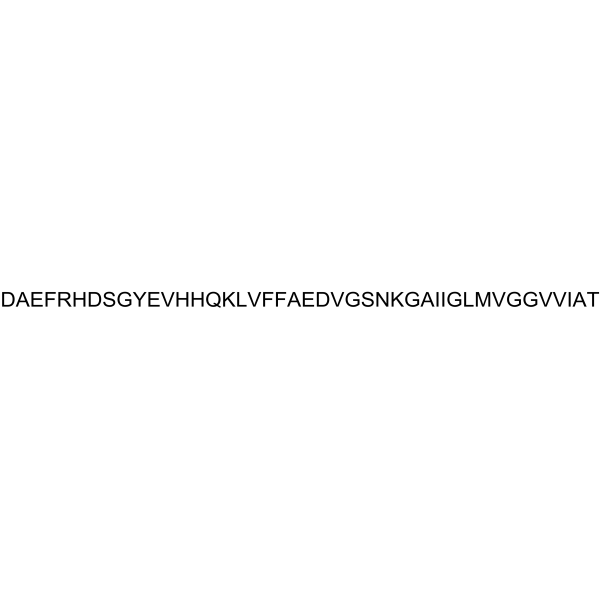
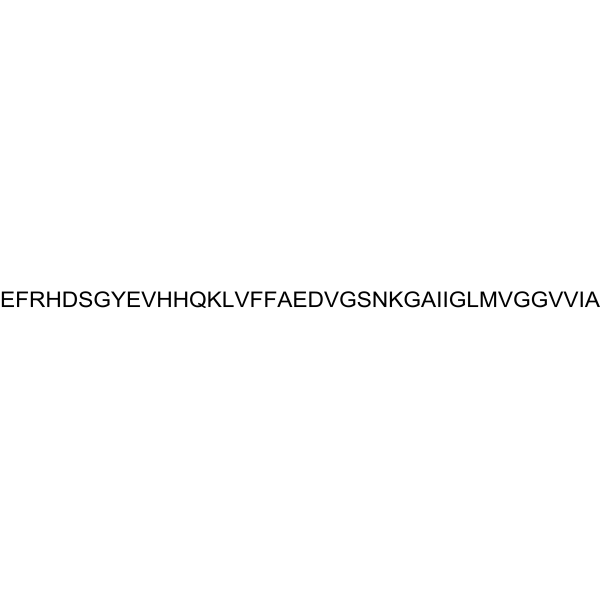
    β-Amyloid (12-28) (Amyloid β-Protein (12-28)) is a peptide fragment of β-amyloid protein (β1-42). β1-42, a 42 amino acid protein , is the major component of senile plaque cores. β-Amyloid (12-28) shows aggregation properties. β-Amyloid (12-28) has the potential for Alzheimer’s disease research .
    β-Amyloid (12-28)
  • HY-W265961

    ST1859; 1,1′-Methylenedi-2-naphthol

    Amyloid-β Neurological Disease Inflammation/Immunology
    Squoxin (ST1859) is an antiamyloid agent that specifically binds to Aβ1-42 and prevents the aggregation and fibril formation of Aβ. Squoxin crosses the blood-brain barrier (BBB) and has anthelmintic activity and anti-inflammatory properties .
    Squoxin
  • HY-178454

    Monoamine Oxidase Amyloid-β Mitochondrial Metabolism Apoptosis Reactive Oxygen Species (ROS) COX NF-κB Neurological Disease
    Multitarget AD-IN-3 is a brain-penetrant neuroprotective agent. Multitarget AD-IN-3 can selectively inhibit MAO-B with an IC50 of 4.42 μM and a SI of 18.12. Multitarget AD-IN-3 can eliminate ROS. Multitarget AD-IN-3 Multitarget AD-IN-3 can inhibit Aβ1-42 self-aggregation and can reverse Aβ1-42-induced mitochondrial membrane depolarization and inhibit apoptosis. Multitarget AD-IN-3 can be used for the research of neurological disease, such as Alzheimer’s disease .
    Multitarget AD-IN-3
  • HY-146678

    HDAC Amyloid-β Cholinesterase (ChE) Neurological Disease
    HDAC6-IN-5 (compound 11b) is a potent and BBB-penetrated HDAC6 inhibitor, with an IC50 of 0.025 μM. HDAC6-IN-5 exhibits strong inhibitory activity against Aβ1-42 self-aggregation and AChE, with IC50 values of 3.0 and 0.72 μM. HDAC6-IN-5 can enhance neurite outgrowth without significant neurotoxicity .
    HDAC6-IN-5
  • HY-175758

    Cholinesterase (ChE) Amyloid-β Neurological Disease
    AChE-IN-94 is an orally active and blood-brain barrier penetrable AChE inhibitor with an IC50 of 0.40 μM and Ki of 0.28 μM. AChE-IN-94 prevents self-induced and AChE-mediated Aβ1-42 aggregation. AChE-IN-94 alleviates cognitive/memory deficits in Scopolamine (HY-N0296)-induced amnesic model. AChE-IN-94 can be used for the study of Alzheimer's disease (AD) .
    AChE-IN-94
  • HY-146679

    HDAC Amyloid-β Cholinesterase (ChE) Neurological Disease
    HDAC6-IN-6 (compound 6a) is a potent and BBB-penetrated HDAC6 inhibitor, with an IC50 of 0.025 μM. HDAC6-IN-6 exhibits strong inhibitory activity against Aβ1-42 self-aggregation and AChE, with IC50 values of 3.0 and 0.72 μM. HDAC6-IN-6 can enhance neurite outgrowth without significant neurotoxicity .
    HDAC6-IN-6
  • HY-149340

    Cholinesterase (ChE) Neurological Disease
    PD07 is an orally active AChE inhibitor (IC50: 0.29 μM for hAChE). PD07 also inhibits ChEs, BACE1 (IC50: 13.42 μM), and Aβ1–42 aggregation in in vitro. PD07 is an antioxidant, and shows DPPH inhibitory activity (IC50: 26.46 μM). PD07 improves memory and cognition in Scopolamine (HY-N0296)-induced amnesia rats. PD07 can be used for research of Alzheimer’s disease .
    PD07
  • HY-178356

    Cholinesterase (ChE) nAChR Interleukin Related TNF Receptor Neurological Disease Inflammation/Immunology
    BChE-IN-44 is a potent, brain-penetrant, highly selective BChE inhibitor [equine BChE IC50 = 18.00 pM, human BChE IC50 = 1.50 nM]. BChE-IN-44 shows neuroprotective effects against the Aβ1-42-induced injury model and inhibitory effects on Aβ1-42 self-aggregation. BChE-IN-44 reduces the levels of inflammatory factors (NO, IL-6, and TNF-α) in Lipopolysaccharides (HY-D1056)-induced BV2 cells. BChE-IN-44 can significantly ameliorate Scopolamine (HY-N0296)-induced cognition impairment. BChE-IN-44 exhibits capacity in the regulation of BChE and acetylcholine levels in the mouse hippocampus. BChE-IN-44 can be used for the study of Alzheimer’s disease (AD) .
    BChE-IN-44
  • HY-173621

    Cholinesterase (ChE) Amyloid-β Neurological Disease
    Aβ1–42 aggregation inhibitor 3 (Compound 3b) is an acetylcholinesterase (AChE) and butyrylcholinesterase (BuChE) inhibitor (IC50 values are 1.634 and 0.0285 μM, respectively). Aβ1–42 aggregation inhibitor 3 can inhibit the aggregation of Aβ1-42. Aβ1–42 aggregation inhibitor can be used in Alzheimer's disease (AD) research .
    Aβ1–42 aggregation inhibitor 3
  • HY-162093

    Amyloid-β Neurological Disease
    Aβ1–42 aggregation inhibitor 2 (compound 7c) is a potent inhibitor of Aβ1-42 aggregation that plays an important role in Alzheimer's disease research. Aβ1–42 aggregation inhibitor 2 displays excellent antioxidant, metal ions chelating, oxidative stress alleviation, neuroprotective and anti-neuroinflammatory activities .
    Aβ1–42 aggregation inhibitor 2
  • HY-144388

    Cholinesterase (ChE) Amyloid-β Neurological Disease
    ChE/Aβ1-42-IN-1 (compound 28) is a potent ChE and Aβ1-42 aggregation inhibitor with IC50s of 0.062, 0.767 and 1.227 µM for AChE, BuChE and Aβ1-42 aggregation, respectively. ChE/β1-42-IN-1 shows excellent BBB penetration. ChE/Aβ1-42-IN-1 is a potent multi-targeted anti-Alzheimer's agent .
    ChE/Aβ1-42-IN-1
  • HY-144327

    Amyloid-β Neurological Disease
    Aβ-IN-2 is a Aβ1-42 aggregation inhibitor. Aβ-IN-2 inhibits Aβ1-42 self-aggregation in vitro by delaying the exponential growth phase or reduces the quantity of fibrils in the steady state. Aβ-IN-2 can be used for the research of conformational disorders .
    Aβ-IN-2
  • HY-144326

    Amyloid-β Neurological Disease
    Aβ-IN-1 is a Aβ1-42 aggregation inhibitor. Aβ-IN-1 inhibits Aβ1-42 self-aggregation in vitro by delaying the exponential growth phase or reduces the quantity of fibrils in the steady state. Aβ-IN-1 can be used for the research of conformational disorders .
    Aβ-IN-1
  • HY-14535

    Amyloid-β Neurological Disease
    SEN-1269 is a potent aggregation inhibitor. SEN-1269 blocks Aβ(1-42) aggregation and protects neuronal cell lines exposed to Aβ(1-42). SEN-1269 reduces the deficits in LTP and memory induced by Aβ oligomers. SEN-1269 can be used for the research of Alzheimer's disease .
    SEN-1269
  • HY-N8693

    COX Amyloid-β Sirtuin Reactive Oxygen Species (ROS) Apoptosis SARS-CoV Infection Neurological Disease
    Withanoside IV is an orally active, blood-brain barrier-permeable withanolide derivative. Withanoside IV specifically binds to the Sudlow I site of HSA, induces secondary structural changes in HSA, and forms stable HSA complexes. Withanoside IV inhibits the enzymatic activity of COX-2. Withanoside IV induces axonal regeneration, peripheral nervous system myelination and increased axonal density in spinal cord tissue, reduces reactive gliosis-related changes, and improves hindlimb motor function. Withanoside IV binds to amyloid-β 1-42 to inhibit its aggregation, induces neurite outgrowth and synapse reconstruction, repairs damaged axons and dendrites, enhances mitochondrial biogenesis, exerts neuroprotective effects via the BDNF and SIRT1 signaling pathways, reduces ROS production and neuronal apoptosis, and ameliorates memory deficits. Withanoside IV inhibits the activity of the SARS-CoV-2 main protease. Withanoside IV can be used in research related to spinal cord injury, Alzheimer's disease, and coronavirus disease 2019 (COVID-19) .
    Withanoside IV
  • HY-152506

    Amyloid-β Neurological Disease
    Antioxidant agent-8 is an orally active inhibitor of Aβ1-42 deposition. Antioxidant agent-8 inhibits fibril aggregation (IC50=11.15 µM) and promotes fibril disaggregation (IC50=6.87 µM). Antioxidant agent-8 also inhibits Cu 2+-induced Aβ1-42 fibril aggregation (IC50=3.69 µM) and promotes Cu 2+-induced Aβ1-42 fibril disaggregation (IC50=3.35 µM). Antioxidant agent-8 has antioxidant activity, anti-inflammatory activity, biosafety, blood-brain barrier permeability and neuroprotective effect .
    Antioxidant agent-8
  • HY-P1060

    Amyloid-β Neurological Disease
    LPYFD-NH2, a pentapeptide, exerts some inhibitory effect on the aggregation of Aβ(1-42). LPYFD-NH2 can be used for the research of Alzheimer’s disease .
    LPYFD-NH2
  • HY-P1060A

    Amyloid-β Neurological Disease
    LPYFD-NH2 TFA, a pentapeptide, exerts some inhibitory effect on the aggregation of Aβ(1-42). LPYFD-NH2 TFA can be used for the research of Alzheimer’s disease .
    LPYFD-NH2 TFA
  • HY-149430

    Amyloid-β Neurological Disease
    YIAD-0205 is an orally available Aβ(1?42) aggregation inhibitor. YIAD-0205 demonstrated in vivo efficacy in an AD transgenic mouse model with five familial AD mutations (5XFAD) .
    YIAD-0205
  • HY-P1051A

    Amyloid β-Protein (12-28) TFA; Amyloid Beta-Peptide (12-28) (human) TFA; β-Amyloid protein fragment(12-28) TFA

    Amyloid-β Neurological Disease
    β-Amyloid (12-28) (TFA) (Amyloid β-Protein (12-28) (TFA)) is a peptide fragment of β-amyloid protein (β1-42). β1-42, a 42 amino acid protein , is the major component of senile plaque cores. β-Amyloid (12-28) (TFA) shows aggregation properties. β-Amyloid (12-28) (TFA) has the potential for Alzheimer’s disease research .
    β-Amyloid (12-28) TFA
  • HY-157978

    Cholinesterase (ChE) Amyloid-β Neurological Disease
    AChE-IN-59 (compounds 3b) is an AChE inhibitor, with an IC50 value of 0.05 μM. AChE-IN-59 can inhibit the aggregation of Aβ1-42, protect nerve cells and penetrate the blood-brain barrier well. AChE-IN-59 can be used for the research of Alzheimer's disease (AD) .
    AChE-IN-59
  • HY-155366

    Cholinesterase (ChE) GSK-3 Neurological Disease
    hAChE-IN-6 (compound 51) is a brain penetrant AChE inhibitor with an IC50 of 0.16 μM. hAChE-IN-6 also inhibits hBuChE and GSK3β with IC50 values of 0.69 μM and 0.26 μM, respectively. hAChE-IN-6 inhibits tau protein and Aβ1-42 self-aggregation, and can be used for Alzheimer's disease (AD) research .
    hAChE-IN-6
  • HY-149984

    Monoamine Oxidase Neurological Disease Inflammation/Immunology
    MAO-B-IN-21 is an excellent MAO-B inhibitor with antioxidant activity and anti-Aβ aggregation activity. MAO-B-IN-21 also exhibits metal-ion chelating ability, anti-neuroinflammation (NO, TNF-α), neuroprotective activity and BBB permeability. MAO-B-IN-21 significantly improves the memory and cognitive impairment in Aβ1-42 induced Alzheimer's disease mice model .
    MAO-B-IN-21
  • HY-155365

    Cholinesterase (ChE) GSK-3 Amyloid-β Neurological Disease
    hAChE-IN-5 (compound 49) is a potent hAChE and hBuChE inhibitor with IC50 values of 0.17 μM and 0.17 μM, respectively. hAChE-IN-5 shows potent GSK3β inhibition with an IC50 value of 0.21 μM. hAChE-IN-5 is used as tau protein aggregation and Aβ1-42 self-aggregation inhibitor. hAChE-IN-5 can bind virtually with the PAS affecting Aβ aggregation, thus preventing Aβ-dependent neurotoxicity. hAChE-IN-5 can penetrate BBB and has the potential for multi-targeted anti-Alzheimer's agents research .
    hAChE-IN-5
  • HY-146399

    Cholinesterase (ChE) ROS Kinase Neurological Disease
    AChE/BChE-IN-9 (Compound 7a) is a potent, orally active AChE and BChE inhibitor with IC50 values of 5.74 μM and 14.05 μM against hAChE and eqBChE, respectively. AChE/BChE-IN-9 is also an efficacious antioxidant with an IC50 of 57.35 μM. AChE/BChE-IN-9 is able to chelate iron and modulates aggregation of amyloid β1-42. AChE-IN-16 can cross the BBB .
    AChE/BChE-IN-9
  • HY-162812

    Apoptosis Cholinesterase (ChE) Tau Protein Ferroptosis Histamine Receptor Neurological Disease
    H3R antagonist 4 (compound 11L) was a dual inhibitor of cholinesterase and histamine receptor (H3R), with corresponding IC50 of 7.04 μM (eeAChE), 9.73 μM (hAChE)(reversible) and 1.09 nM (H3R) , respectively. H3R antagonist 4 inhibited the aggregation of Aβ1-42 induced by itself and Cu 2+ (95.48% and 88.63%) , and degraded the Aβ1-42 fibrils induced by itself and Cu 2+ (80.16% and 89.30%) . H3R antagonist 4 chelate biometals such as Cu 2+, Zn 2+, Al 3+, and Fe 2+. H3R antagonist 4 significantly reduced tau protein hyperphosphorylation induced by Aβ1-42 and inhibited RSL-3-induced apoptosis and ferroptosis in PC12 cells. H3R antagonist 4 had the best blood-brain barrier permeability and intestinal absorption in hCMEC/D3 and hPepT1-MDCK cells.H3R antagonist 4 ameliorates learning and memory impairment in a mouse model of Alzheimer's disease induced by scopolamine (HY-N0296) .
    H3R antagonist 4
  • HY-146314

    Monoamine Oxidase Amyloid-β Neurological Disease
    MAO-B-IN-9 (compound 16) is a potent, selective, BBB-penetrated, irreversible and time-dependent MAO-B (monoamine oxidase B) inhibitor, with an IC50 of 0.18 μM. MAO-B-IN-9 prevents Aβ1-42-induced neuronal cell death. MAO-B-IN-9 shows neuroprotective effects, which may be the result of its Aβ1-42 anti-aggregation effects . MAO-B-IN-9 is a click chemistry reagent, itcontains an Alkyne group and can undergo copper-catalyzed azide-alkyne cycloaddition (CuAAc) with molecules containing Azide groups.
    MAO-B-IN-9
  • HY-161466

    Cholinesterase (ChE) Amyloid-β Neurological Disease
    AChE-IN-62 (Compound 1) is an effective mixed and selective acetylcholinesterase (AChE) inhibitor with an IC50 value of 0.421 μM. AChE-IN-62 exhibits excellent blood-brain barrier permeability and neuroprotective effects. Additionally, AChE-IN-62 can inhibit the aggregation of Aβ1-42 with an IC50 value of 44.64 μM. AChE-IN-62 is also an effective multi-target-directed ligand (MTDL) that can be utilized in the research of Alzheimer's disease .
    AChE-IN-62
  • HY-149287

    Cholinesterase (ChE) Neurological Disease
    hAChE/hBACE-1-IN-1 (compounds 5d) is an orally active inhibitor of hAChE with blood-brain permeability. hAChE/hBACE-1-IN-1 inhibits hAChE and hBACE-1 with IC50 values of 0.076 and 0.23 μM, respectively. hAChE/hBACE-1-IN-1 inhibits Aβ1-42 aggregation and improves mouse learning and memory ability. hAChE/hBACE-1-IN-1 can be used to research in Alzheimer's disease .
    hAChE/hBACE-1-IN-1
  • HY-170583

    Cholinesterase (ChE) Amyloid-β Neurological Disease
    hAChE-IN-10 (Compound ET11) is the inhibitor for human acetylcholinesterase (AChE) with an IC50 of 6.34 nM. hAChE-IN-10 scavenges free radicals, and exhibits antioxidant activity. hAChE-IN-10 exhibits metal chelating activity, inhibits Cu 2+-induced Aβ1-42 aggregation, reduces the formation of amyloid plaques, and exhibits neuroprotective activity. hAChE-IN-10 ameliorates the Scopolamine (HY-N0296)-induced cognitive impairment in mouse models .
    hAChE-IN-10
  • HY-147939

    Cholinesterase (ChE) Amyloid-β Cancer
    AChE/BuChE-IN-3 is a potent and blood-brain barrier (BBB) penetrant AChE and BuChE dual inhibitor with IC50s of 0.65 μM and 5.77 μM for AChE and BuChE. AChE/BuChE-IN-3 also inhibits Aβ1-42 aggregation. AChE/BuChE-IN-3 has effectively neuroprotective activities and nearly no toxicity on SH-SY5Y cells. AChE/BuChE-IN-3 can be used for researching Alzheimer's disease .
    AChE/BuChE-IN-3
  • HY-158261

    Cholinesterase (ChE) Amyloid-β Beta-secretase Neurological Disease
    AChE-IN-63 (Compound 5AD) is a selective inhibitor of hAChE (IC50=0.103 μM). AChE-IN-63 also inhibits hBChE and hBACE-1 (IC50= 10 μM (hBChE); 1.342 μM (hBACE-1)). AChE-IN-63 inhibits Aβ aggregation, preventing the formation and deposition of Aβ1-42. AChE-IN-63 can effectively penetrate the blood-brain barrier and is orally effective. It is primarily used in Alzheimer's disease research .
    AChE-IN-63
  • HY-150563

    Monoamine Oxidase Amyloid-β Neurological Disease Inflammation/Immunology
    Neuroinflammatory-IN-2 is a potent anti-neuroinflammatory agent with an IC50 value of 10.30 μM for MAO-B, and 96.33% inhibition of Aβ1-42 aggregation at 25 μM. Neuroinflammatory-IN-2 has neuroprotective activity in H2O2-induced PC-12 cell injury. Neuroinflammatory-IN-2 also has biometal chelating abilities, antioxidant activity, anti-neuroinflammatory activity and appropriate BBB permeability. Neuroinflammatory-IN-2 can be used for researching Alzheimer’s disease .
    Neuroinflammatory-IN-2
  • HY-163909

    Cholinesterase (ChE) Neurological Disease
    AChE-IN-72 (Compound 13a) is an inhibitor for acetylcholinesterase (AChE) with an IC50 of 0.59 μM. AChE-IN-72 inhibits BChE with an IC50 of 5.02 μM. AChE-IN-72 exhibits radical scavenging with IC50 of 5.88 μM. AChE-IN-72 exhibits iron-chelating property, inhibits Aβ1−42 aggregation, and inhibits NLRP3 inflammasome activation. AChE-IN-72 ameliorates memory impairment in Betaine (HY-B0710)-induced AD mouse model. AChE-IN-72 is blood-brain barrier (BBB) penetrable .
    AChE-IN-72
  • HY-144790

    Amyloid-β Cholinesterase (ChE) Monoamine Oxidase Neurological Disease
    AChE-IN-12 is a potent and blood-brain barrier (BBB) penetrant acetylcholinesterase (AChE) with IC50s of 0.41 μM and 1.88 μM for rat AChE and electric eel AChE. AChE-IN-12 is also a good antioxidant (ORAC = 3.3 eq), selective metal chelator and huMAO-B inhibitor (IC50 = 8.8 μM). AChE-IN-12 has remarkable inhibition of self- and Cu 2+-induced Aβ1-42 aggregation, as well as exhibits a good neuroprotective effect. AChE-IN-12 can be used for researching Alzheimer’s disease .
    AChE-IN-12
  • HY-W748591R

    Amyloid-β Apoptosis Reference Standards KMO Neurological Disease Inflammation/Immunology Cancer
    Cannflavin A (Standard) is the analytical standard of Cannflavin A. This product is intended for research and analytical applications. Cannflavin A can be isolated from Cannabis sativa L.. Cannflavin A has anti-cancer, neuroprotective and anti-inflammatory activity. Cannflavin A inhibits Aβ1-42 aggregation. Cannflavin A also inhibits kynurenine-3-monooxygenase (KMO) (IC50 = 29.4 μM). Cannflavin A activates apoptosis via caspase-3 cleavage. Cannflavin A exerts anti-inflammatory effects by inhibiting pro-inflammatory enzymes, including prostaglandin E2 and cytochrome c oxidases I and II in PC12 cell line .
    Cannflavin A (Standard)

Inquiry Online

Your information is safe with us. * Required Fields.

Salutation


Country or Region *

Applicant Name *


Organization Name *

Department *


Email Address *


Product Name *

Cat. No.


Requested quantity *

Phone Number *


Remarks

Inquiry Online

Inquiry Information

Product Name:
Cat. No.:
Quantity:
MCE Japan Authorized Agent:

