
Search Result
Results for "
AKT-IN-1
" in MedChemExpress (MCE) Product Catalog:
-
- HY-10071
-
Y-27632
Maximum Cited Publications
533 Publications Verification
|
ROCK
NADPH Oxidase
mTOR
Reactive Oxygen Species (ROS)
NF-κB
Apoptosis
Akt
Autophagy
PAK
Ras
|
Cancer
|
|
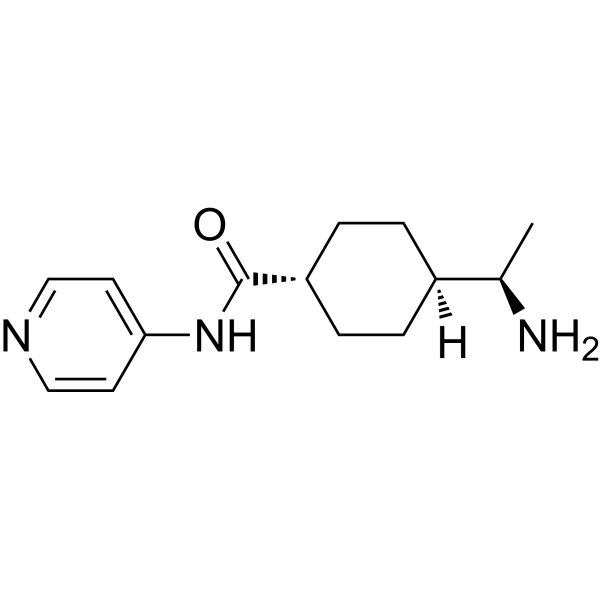
Y-27632 is a ROCK inhibitor with Ki values of 220 nM and 300 nM for ROCK1 and ROCK2, respectively. Y-27632 exerts anti-inflammatory and immunomodulatory effects in systemic lupus erythematosus models by inhibiting the ROCK/NF-κB pathway. Y-27632 enhances autophagy by inhibiting the AKT/mTOR pathway, thereby inducing apoptosis apoptosis in oral squamous cell carcinoma. Y-27632 induces the formation of tunneling nanotubes in ARPE-19 cells and significantly enhances mitochondrial transfer through these channels. Y-27632 promotes neurite outgrowth in PC12 cells by activating the Rac1/NOX1/ROS/AKT/PAK1 signaling cascade [1] .
|
-
-
- HY-15431
-
|
AZD5363
|
Akt
Autophagy
|
Cancer
|
|
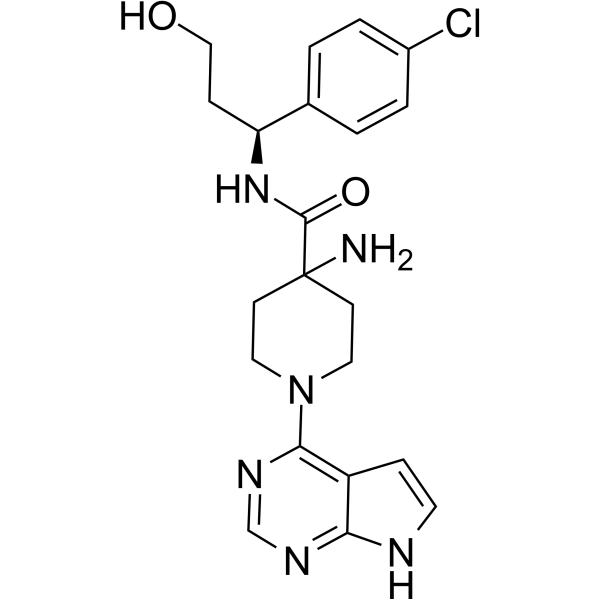
Capivasertib (AZD5363) is an orally active and potent pan-AKT kinase inhibitor with IC50 of 3, 7 and 7 nM for Akt1,Akt2 and Akt3, respectively.
|
-
-
- HY-15186
-
|
GDC-0068; RG7440
|
Organoid
Akt
Apoptosis
|
Cancer
|
|
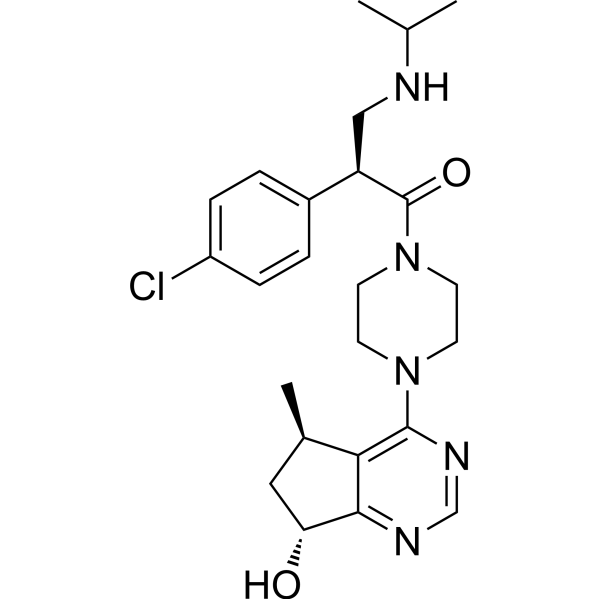
Ipatasertib (GDC-0068) is an orally active, highly selective and ATP-competitive pan-Akt inhibitor with IC50 values of 5, 18, 8 nM for Akt1/2/3, respectively. Ipatasertib synchronously activates FoxO3a and NF-κB through inhibition of Akt leading to p53-independent activation of PUMA. Ipatasertib also induces apoptosis in cancer cells and inhibits tumor growth in xenograft mouse models [1] .
|
-
-
- HY-13685
-
|
HePC; Hexadecyl phosphocholINe
|
Akt
HIV
Parasite
|
Infection
Cancer
|
|
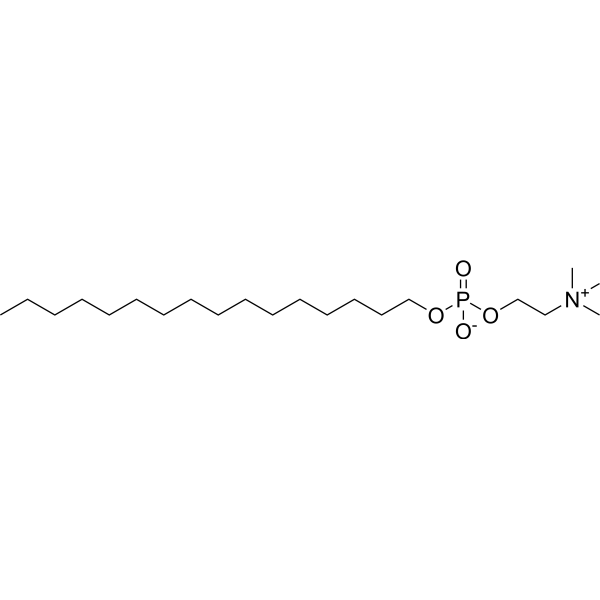
Miltefosine is a broad spectrum antimicrobial, anti-leishmanial, phospholipid agent acting by inhibiting the PI3K/Akt activity . Miltefosine is an inhibitor of CTP-phosphocholine cytidyltransferase (CCT) .
|
-
-
- HY-15965
-
|
GSK2141795
|
Akt
|
Cancer
|
|
Uprosertib (GSK2141795) is a potent and selective pan-Akt inhibitor with IC50 values of 180/328/38 nM for Akt1/Akt2/Akt3, respectively.
|
-
-
- HY-15727
-
|
GSK2110183; LAE002
|
Akt
PKC
ROCK
|
Cancer
|
|
Afuresertib (GSK2110183) is an orally bioavailable, selective, ATP-competitive and potent pan-Akt kinase inhibitor with Kis of 0.08/2/2.6 nM for Akt1/Akt2/Akt3, respectively [1] .
|
-
-
- HY-100018
-
|
|
Akt
|
Cancer
|
|
BAY1125976, a chemical probe, is a selective allosteric Akt1/Akt2 inhibitor; inhibits Akt1 and Akt2 activity with IC50 values of 5.2 nM and 18 nM at 10 μM ATP, respectively.
|
-
-
- HY-122913
-
|
|
Akt
|
Cancer
|
|
Borussertib, a chemical probe, is a covalent-allosteric and first-in-class inhibitor of protein kinase Akt, with an IC50 of 0.8 nM and a Ki of 2.2 nM for Akt wt .
|
-
-
- HY-P0119
-
-
-
- HY-16071
-
AT13148
2 Publications Verification
|
Akt
PKA
ROCK
Ribosomal S6 Kinase (RSK)
|
Cancer
|
|
AT13148 is an orally active and ATP-competitive, multi-AGC kinase inhibitor with IC50s of 38 nM/402 nM/50 nM, 8 nM, 3 nM, and 6 nM/4 nM for Akt1/2/3, p70S6K, PKA, and ROCKI/II, respectively.
|
-
-
- HY-13425
-
Deguelin
Maximum Cited Publications
15 Publications Verification
(-)-DeguelIN; (-)-cis-DeguelIN
|
Akt
Autophagy
Apoptosis
|
Cancer
|
|
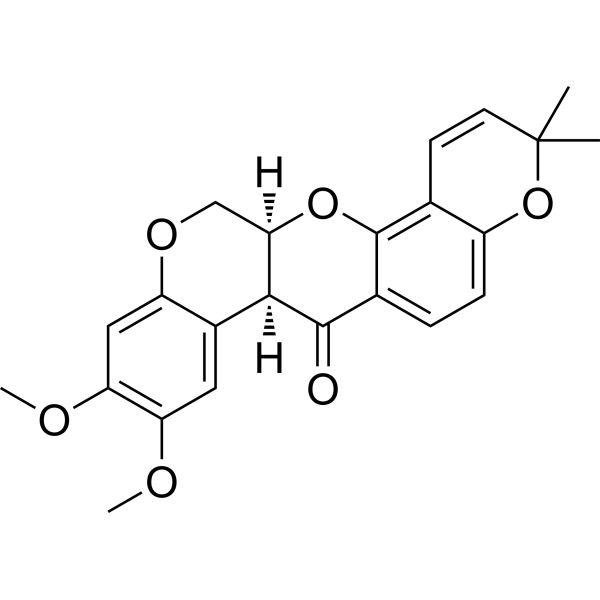
Deguelin, a naturally occurring rotenoid, acts as a chemopreventive agent by blocking multiple pathways like PI3K-Akt, IKK-NF-κB, and MAPK-mTOR-survivin-mediated apoptosis. Deguelin binding to Hsp90 leads to a decreased expression of numerous oncogenic proteins, including MEK1/2, Akt, HIF1α, COX-2, and NF-κB.
|
-
-
- HY-N1181
-
-
-
- HY-N2292
-
|
|
Keap1-Nrf2
Apoptosis
|
Inflammation/Immunology
|
|
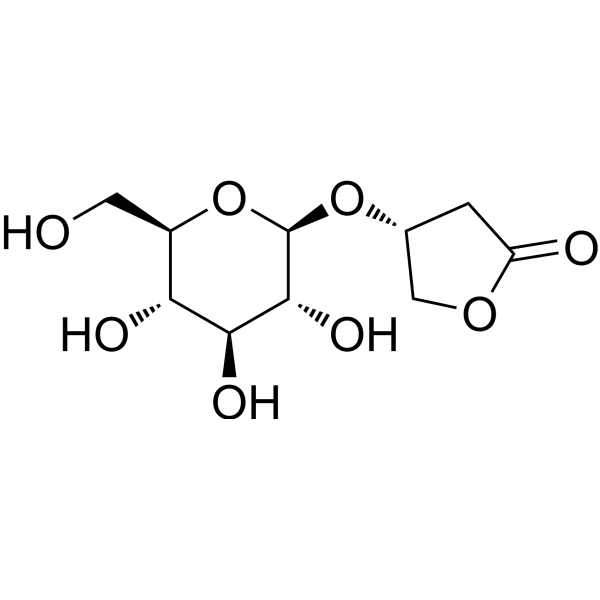
Kinsenoside is the main active ingredient of the genus plant, and has various biological activities. Kinsenoside and Nrf2 depend on the protection of nuclear cells (NPCs), which significantly reduces their ability to survive. Kinsenoside Active NPC Medium AKT-ERK1/2-Nrf2 Signal passage, Prevent physical decline, aging, harmonious physical function impairment. Kinsenoside can improve the puncture guide model for intermediate vertebral wall discharge (IDD).
|
-
-
- HY-12494
-
|
|
TAM Receptor
FLT3
|
Neurological Disease
Cancer
|
|
LDC1267 is a AXL/TAM/FLT3 inhibitor with IC50 values of 42 nM, 130 nM, and 63 nM against AXL, MERTK, and TYRO3, respectively. LDC1267 blocks GAS6-induced AXL phosphorylation and the downstream AKT/ERK1/2 signaling pathway. LDC1267 inhibits cancer cell proliferation, colony formation, and glioblastoma cell invasion, without causing obvious impairment of cytotoxic autophagic flux. LDC1267 exerts a synergistic effect when used in combination with Imatinib (HY-15463) in chronic myeloid leukemia models. LDC1267 can be widely applied in studies related to glioblastoma and chronic myeloid leukemia [1] .
|
-
-
- HY-144806
-
|
|
PI3K
Akt
Apoptosis
|
Cancer
|
|
PI3K/AKT-IN-1 is an effective PI3K/AKT dual inhibitor (IC50 of 6.99, 4.01 and 3.36 μM for PI3Kγ, PI3Kδ and AKT, respectively). PI3K/AKT-IN-1 has anticancer activity and acts by inhibiting PI3K/AKT axis and inducing caspase 3 dependent apoptosis [1].
|
-
-
- HY-18296
-
|
|
Akt
|
Cancer
|
|
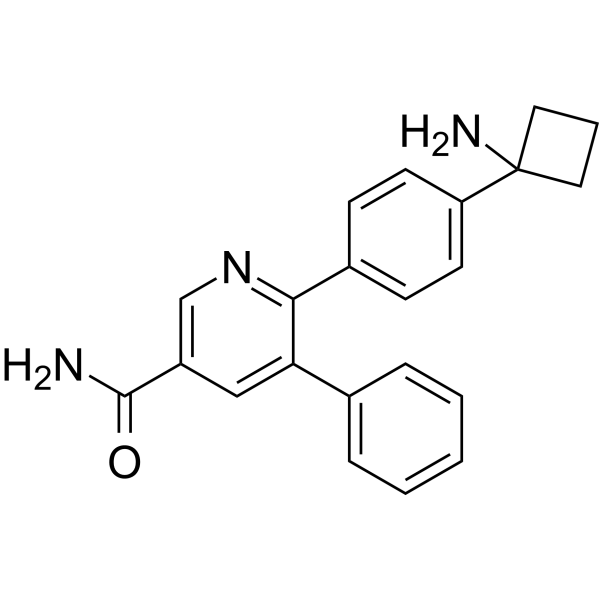
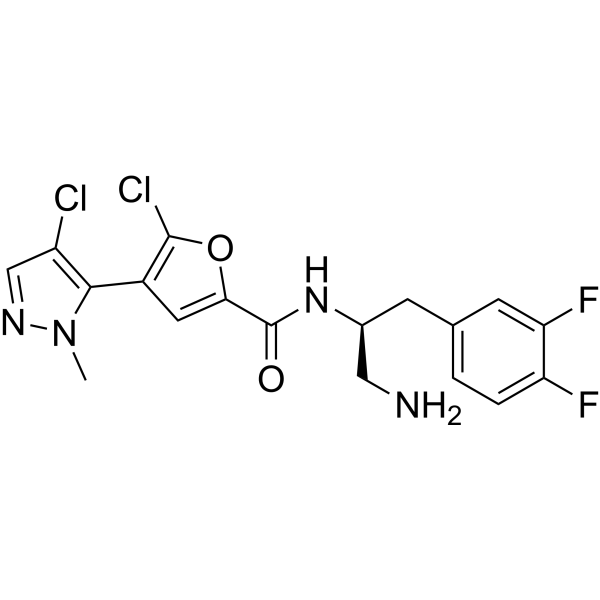
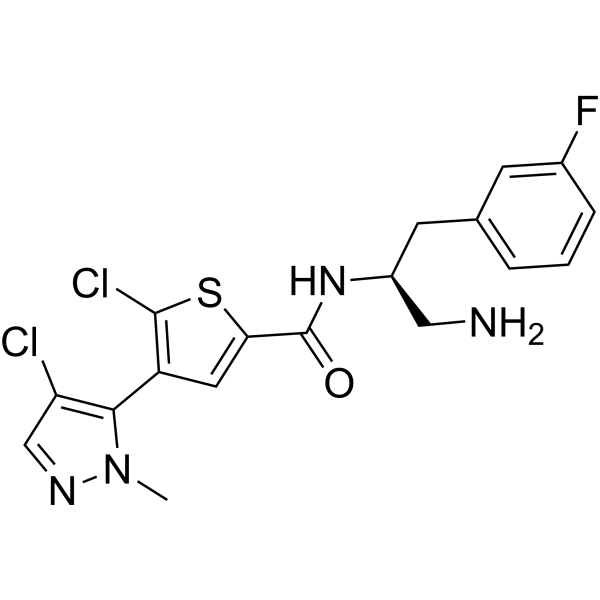
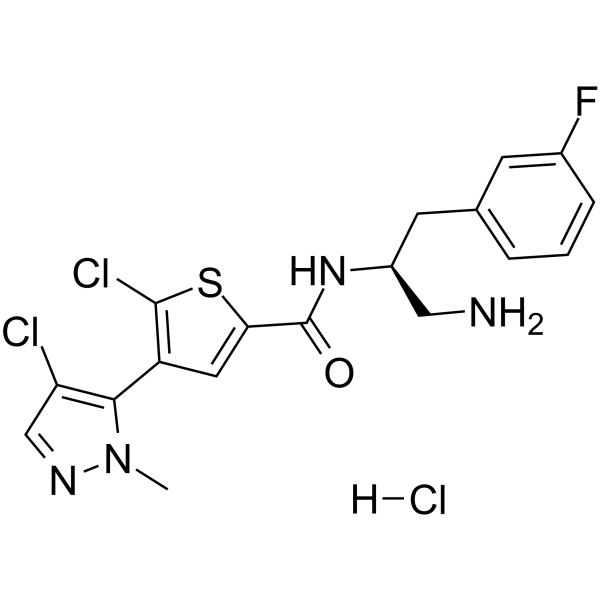
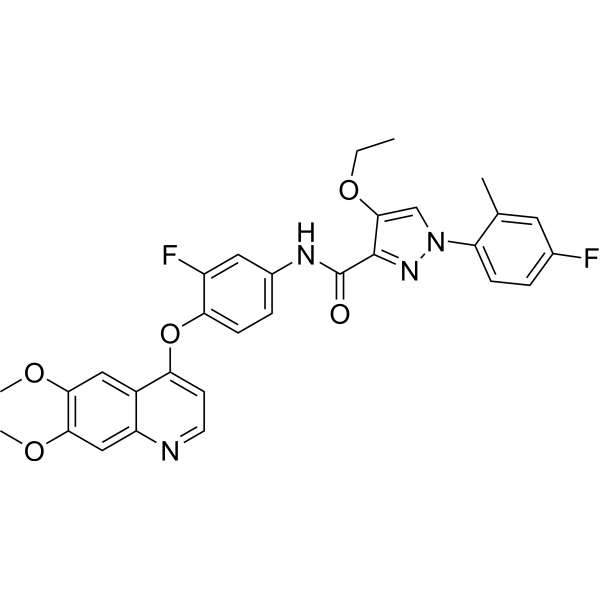
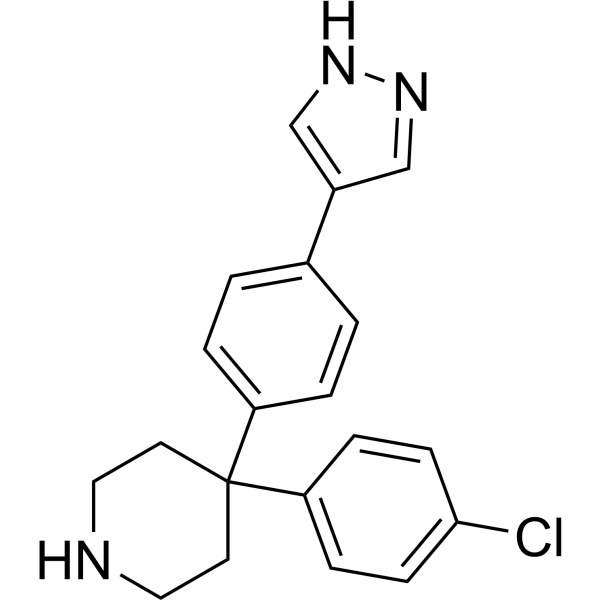
AKT-IN-1 is an allosteric AKT inhibitor with an IC50 of 1.042 μM.
|
-
-
- HY-P99274
-
|
BI 836845; Anti-Human IGF1 and IGF2 RecombINant Antibody
|
IGF-1R
|
Cancer
|
|
Xentuzumab (Anti-Human IGF1 and IGF2 Recombinant Antibody; BI836845) is a recombinant a human monoclonal antibody that targets IGF ligands IGF1 and IGF2. Xentuzumab inhibits both of IGF1 and IGF2 growth-promoting signalling and suppresses AKT activation .
|
-
-
- HY-107597
-
Halicin
2 Publications Verification
SU3327
|
JNK
|
Metabolic Disease
Inflammation/Immunology
|
|
Halicin (SU3327) is a potent, selective and substrate-competitive JNK inhibitor with an IC50 of 0.7 μM. Halicin also inhibits protein-protein interactions between JNK and JNK Interacting Protein (JIP) with an IC50 of 239 nM. Halicin shows less active against p38α and Akt kinase .
|
-
-
- HY-N7110
-
|
|
Akt
ERK
JNK
GABA Receptor
|
Neurological Disease
Metabolic Disease
Inflammation/Immunology
|
|
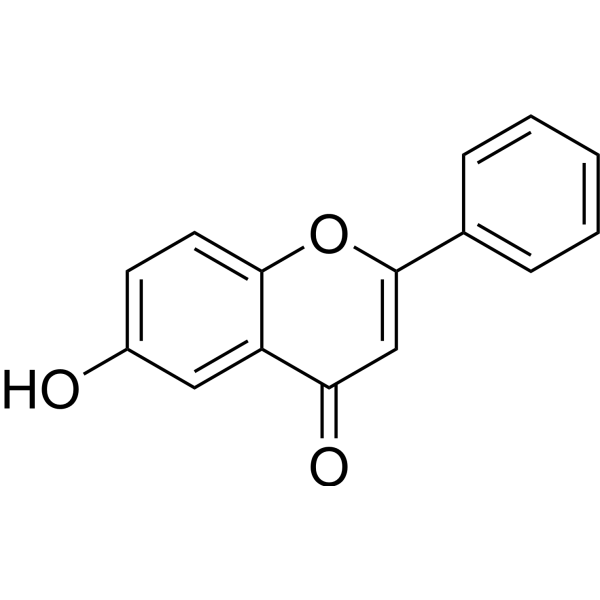
6-Hydroxyflavone is an orally effective flavonoid compound. 6-Hydroxyflavone can inhibit LPS (HY-D1056) -induced NO production and has anti-inflammatory effects. 6-Hydroxyflavone promotes osteoblast differentiation by activating AKT, ERK 1/2 and JNK signaling pathways. 6-Hydroxyflavone has an inhibitory effect on bovine hemoglobin (BHb) glycosylation. 6-Hydroxyflavone has a kidney protective effect. In addition, 6-Hydroxyflavone enhances GABA-induced current through the Benzodiazepine sites of γ-aminobutyric acid (GABAA) receptors. 6-Hydroxyflavone shows a clear preference for α2 - and α3 - subtypes, which play an anti-anxiety role [1] .
|
-
-
- HY-N0616
-
|
|
Tyrosinase
TNF Receptor
Bacterial
Apoptosis
Autophagy
AMPK
mTOR
ERK
NF-κB
|
Infection
Metabolic Disease
Inflammation/Immunology
Cancer
|
|
Trifolirhizin is a pterocarpan flavonoid found in the roots of Sophora flavescens. Trifolirhizin is a tyrosinase inhibitor with an IC50 value of 506.77 μM. Trifolirhizin reduces intracellular melanin production and modulates multiple signaling pathways including NFκB-MAPK, AMPK/mTOR, PI3K/Akt, MAPK-NFATc1 and EGFR-MAPK. Trifolirhizin targets biological molecules including PTK6 and COX-2, inhibits the activities of hyaluronidase, collagenase and elastase, induces apoptosis, autophagy and cell cycle arrest, and suppresses the proliferation, migration and invasion of cancer cells. Trifolirhizin exerts diverse pharmacological effects including anti-inflammatory, anti-asthmatic, bone-protective, renoprotective, antibacterial, antifungal, hepatoprotective, antiplatelet, estrogenic and wound-healing activities. Trifolirhizin can be used to investigate a broad range of malignant, inflammatory, metabolic and infectious disorders [1] .
|
-
-
- HY-40351
-
|
|
Drug Intermediate
|
Others
|
|
4-Chloro-7H-pyrrolo[2,3-d]pyrimidine is a nitrogen-containing heterocyclic organic synthesis intermediate that can be used for the synthesis of JAK and PKB/Akt inhibitors .
|
-
-
- HY-15727A
-
|
GSK2110183 hydrochloride; LAE002 hydrochloride
|
Akt
PKC
ROCK
|
Cancer
|
|
Afuresertib hydrochloride (GSK 2110183 hydrochloride) is an orally bioavailable, selective, ATP-competitive and potent pan-Akt kinase inhibitor with Kis of 0.08/2/2.6 nM for Akt1/Akt2/Akt3 respectively [1] .
|
-
-
- HY-N0479
-
|
(-)-LicarIN B
|
PPAR
GLUT
|
Metabolic Disease
|
|
Licarin B, a nitric oxide production inhibitor extracted from the component of the seeds of Myristica fragrans, improves insulin sensitivity via PPARγ and activation of GLUT4 in the IRS-1/PI3K/AKT pathway .
|
-
-
- HY-12059
-
AT7867
5 Publications Verification
|
Akt
PKA
Ribosomal S6 Kinase (RSK)
|
Cancer
|
|
AT7867 is a potent ATP-competitive inhibitor of Akt1/Akt2/Akt3 and p70S6K/PKA with IC50s of 32 nM/17 nM/47 nM and 85 nM/20 nM, respectively.
|
-
-
- HY-118020A
-
|
Loliolid; Digiprolactone
|
Endogenous Metabolite
Caspase
PI3K
Apoptosis
Akt
Sirtuin
Reactive Oxygen Species (ROS)
NF-κB
MMP
|
Neurological Disease
Cancer
|
|
Loliolide (Loliolid) is a β-carotene metabolite. Loliolide reduces caspase 3, 8, 9 expression, enhances PI3K, AKT, SIRT1, inhibits ROS, apoptosis, and blocks NF-κB p65 nuclear translocation. Loliolide protects mitochondria, reduces oxidative stress, and increases cell viability in neuroblastoma cells. Loliolide can be used for the research of UV-induced skin damage and Parkinson’s disease [1] .
|
-
-
- HY-N3312
-
|
|
p38 MAPK
JNK
NF-κB
|
Metabolic Disease
Inflammation/Immunology
Cancer
|
|
Matairesinol is an orally active bioactive compound with anti-inflammatory, antioxidant and anticancer activities. Matairesinol inhibits the phosphorylation of MAPK, JNK and NF-κB, downregulates RANKL-induced NFATc1 expression and activity, and suppresses the activation of the PI3K/AKT/FOXO1 pathway. Matairesinol can be used in research related to sepsis-mediated brain injury, osteoporosis, heart failure, atopic dermatitis and cancer [1] .
|
-
-
- HY-N7676
-
Marein
3 Publications Verification
|
AMPK
HDAC
|
Cardiovascular Disease
Neurological Disease
Metabolic Disease
|
|
Marein has the neuroprotective effect due to a reduction of damage to mitochondria function and activation of the AMPK signal pathway. Marein improves insulin resistance induced by high glucose in HepG2 cells through CaMKK/AMPK/GLUT1 to promote glucose uptake, through IRS/Akt/GSK-3β to increase glycogen synthesis, and through Akt/FoxO1 to decrease gluconeogenesis. Marein is a HDAC inhibitor with an IC50 of 100 μM. Marein has beneficial antioxidative, antihypertensive, antihyperlipidemic and antidiabetic effects [1] .
|
-
-
- HY-P0119A
-
-
-
- HY-12059A
-
|
|
Akt
PKA
Ribosomal S6 Kinase (RSK)
|
Cancer
|
|
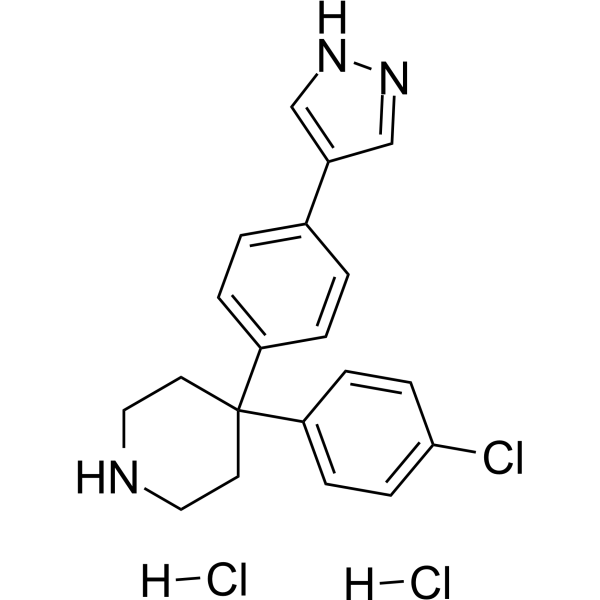
AT7867 dihydrochloride is a potent ATP-competitive inhibitor of Akt1/Akt2/Akt3 and p70S6K/PKA with IC50s of 32 nM/17 nM/47 nM and 85 nM/20 nM, respectively.
|
-
-
- HY-121012
-
|
|
NF-κB
Akt
|
Endocrinology
|
|
(rac)-AG-205 is a potent inhibitor of progesterone receptor membrane component 1 (Pgrmc1) that induces genes involved in sterol synthesis, including the INSIG1 protein, which forms a complex with PGRMC1. (rac)-AG-205 prevents neuronal resistance to hypoxic ischaemia by blocking NF-kB signalling and activation of the BDNF/PI3K/AKT pathway .
|
-
-
- HY-16461
-
|
(-)-SolenopsIN A
|
Akt
Ribosomal S6 Kinase (RSK)
PI3K
PDK-1
FOXO
Mitophagy
Reactive Oxygen Species (ROS)
Mitochondrial Metabolism
|
Cardiovascular Disease
|
|
Solenopsin ((-)-Solenopsin A) is an ATP-competitive and selective Akt-1 inhibitor with an IC50 of 5-10 μM, and also acts as an RSK1 inhibitor. Solenopsin inhibits the activities of PDK1 in lipid rafts, downregulates PI3K, blocks PI3K-dependent generation of 3-phosphoinositides, and suppresses the phosphorylation of FOXO1a. Solenopsin induces Mitophagy and ROS production, reduces mitochondrial oxygen consumption, and exhibits antiproliferative and antiangiogenic activities. Solenopsin can be used in research related to hyperproliferative skin diseases and malignant diseases [1] .
|
-
-
- HY-10071A
-
|
|
ROCK
NF-κB
Apoptosis
Autophagy
Akt
mTOR
NADPH Oxidase
Reactive Oxygen Species (ROS)
PAK
Ras
|
Neurological Disease
Inflammation/Immunology
Cancer
|
|
Y-27632 hydrochloride hydrate is a ROCK inhibitor with Ki values of 220 nM and 300 nM for ROCK1 and ROCK2, respectively. Y-27632 hydrochloride hydrate exerts anti-inflammatory and immunomodulatory effects in systemic lupus erythematosus models by inhibiting the ROCK/NF-κB pathway. Y-27632 hydrochloride hydrate enhances autophagy by inhibiting the AKT/mTOR pathway, thereby inducing apoptosis apoptosis in oral squamous cell carcinoma. Y-27632 hydrochloride hydrate induces the formation of tunneling nanotubes in ARPE-19 cells and significantly enhances mitochondrial transfer through these channels. Y-27632 hydrochloride hydrate promotes neurite outgrowth in PC12 cells by activating the Rac1/NOX1/ROS/AKT/PAK1 signaling cascade [1] .
|
-
-
- HY-131055
-
|
|
ADC Payload
PI3K
Apoptosis
|
Cancer
|
|
Mytoxin B is an ADC cytotoxin. Mytoxin B is a satratoxin-type trichothecene macrolide and is similar to the effect of LY294002 (HY-10108). Mytoxin B induces cell apoptosis via PI3K/Akt pathway .
|
-
-
- HY-15431R
-
|
AZD5363 (Standard)
|
Akt
Autophagy
Reference Standards
|
Cancer
|
|
Capivasertib (Standard) is the analytical standard of Capivasertib. This product is intended for research and analytical applications. Capivasertib (AZD5363) is an orally active and potent pan-AKT kinase inhibitor with IC50 of 3, 7 and 7 nM for Akt1,Akt2 and Akt3, respectively.
|
-
-
- HY-13685R
-
|
HePC (Standard); Hexadecyl phosphocholINe (Standard)
|
Akt
HIV
Parasite
Reference Standards
|
Infection
Cancer
|
|
Miltefosine (Standard) is the analytical standard of Miltefosine. This product is intended for research and analytical applications. Miltefosine is a broad spectrum antimicrobial, anti-leishmanial, phospholipid agent acting by inhibiting the PI3K/Akt activity . Miltefosine is an inhibitor of CTP-phosphocholine cytidyltransferase (CCT) .
|
-
-
- HY-13425R
-
|
(-)-DeguelIN (Standard); (-)-cis-DeguelIN (Standard)
|
Akt
Autophagy
Apoptosis
Reference Standards
|
Cancer
|
|
Deguelin (Standard) is the analytical standard of Deguelin. This product is intended for research and analytical applications. Deguelin, a naturally occurring rotenoid, acts as a chemopreventive agent by blocking multiple pathways like PI3K-Akt, IKK-NF-κB, and MAPK-mTOR-survivin-mediated apoptosis. Deguelin binding to Hsp90 leads to a decreased expression of numerous oncogenic proteins, including MEK1/2, Akt, HIF1α, COX-2, and NF-κB.
|
-
-
- HY-15113A
-
|
|
Prolyl Endopeptidase (PREP)
|
Neurological Disease
Cancer
|
|
Y-29794 tosylate is a selective, orally active inhibitor for non-peptide prolyl endopeptidase (PREP), with an IC50 of 3 nM and a Ki of 0.95 nM. Y-29794 tosylate enhances the effect of thyrotropin-releasing hormone (TRH) on the release of ACh in the rat hippocampus, exhibits potential neuroprotective efficacy. Y-29794 tosylate exhibits anticancer activity through inhibition of the IRS1-AKT-mTORC1 pathway. Y-29794 tosylate penetrates the brain-blood barrier (BBB) [1] .
|
-
-
- HY-N1181R
-
-
-
- HY-15965A
-
|
GSK2141795 hydrochloride
|
Akt
|
Cancer
|
|
Uprosertib hydrochloride (GSK2141795 hydrochloride) is a potent and selective pan-Akt inhibitor with IC50 values of 180/328/38 nM for Akt1/Akt2/Akt3, respectively.
|
-
-
- HY-122959
-
|
|
Akt
PPAR
|
Metabolic Disease
|
|
Kihadanin B is a citrus limonoid that can be purified from the peels of immature Citrus unshiu. Kihadanin B suppresses adipogenesis through repression of the Akt-FOXO1-PPARγ axis in 3T3-L1 adipocytes [1].
|
-
-
- HY-149989
-
|
|
Ack1
Akt
|
Cancer
|
|
Ack1 inhibitor 1 is a potent, selective, and orally active inhibitor of ACK1 kinase with an IC50 value of 2.1 nM. Ack1 inhibitor 1 inhibits the phosphorylation of ACK1 and activation of downstream AKT. Ack1 inhibitor 1 has anti-tumor activity [1].
|
-
-
- HY-N9968
-
|
|
Akt
Apoptosis
|
Cancer
|
|
Cucurbitacin C is a triterpenoid calabinoid that can be isolated from Cucurbitaceae plants. Cucurbitacin C has anti-cancer activity in vivo and in vitro. Cucurbitacin C can induce cell cycle arrest in G1 or G2/M phase and apoptosis by inhibiting Akt signaling .
|
-
-
- HY-155542
-
|
|
ROR
|
Cancer
|
|
RORγ antagonist 1 (compound 22), a potent betulinic acid derivative, is an antagonist of RORγ (KD=0.18 μM). RORγ antagonist 1 exhibits anti-proliferative activity in HPAF-II pancreatic cancer xenograft model. RORγ antagonist 1 inhibits RAS/MAPK and AKT/mTORC1 pathway, and induces caspase-dependent apoptosis in pancreatic cancer cells [1].
|
-
-
- HY-175848
-
|
|
c-Met/HGFR
STAT
Apoptosis
Akt
VEGFR
Bcl-2 Family
MDM-2/p53
Caspase
|
Cancer
|
|
NSC 850745 is a selective and potent c-Met/STAT3 inhibitor with IC50 values of 210 and 670 nM. NSC 850745 can inhibit cell proliferation, induce G2/M phase arrest and induce apoptosis. NSC 850745 can downregulate AKT-1, VEGF and Bcl-2 expression and upregulate p53, Bax and caspase expression. NSC 850745 can be used for the research of cancer, such as leukemia and colon cancer [1].
|
-
-
- HY-P991243
-
|
|
EGFR
Akt
|
Cancer
|
|
MP-RM-1 is an antibody-based, non-competitive ErbB-3 inhibitor with a Kd value of 32.7 nM. MP-RM-1 inhibits both ligand-dependent and ligand-independent ErbB-3 activation, blocks ErbB-2/ErbB-3 heterodimerization, induces ErbB-3 internalization and degradation, and suppresses the phosphorylation of downstream Akt. MP-RM-1 exerts its antagonistic effect through a non-competitive mechanism. MP-RM-1 inhibits tumor growth in melanoma and prostate cancer xenograft models in nude mice and reduces the proliferative activity of tumor cells [1].
|
-
-
- HY-145244
-
|
|
Akt
|
Cancer
|
|
APN/AKT-IN-1 is a potent and dual inhibitor of APN and AKT with IC50s of 0.21 and 0.27 μM, respectively. APN/AKT-IN-1 can effectively inhibit the phosphorylation of GSK3β, the intracellular substrate of AKT [1].
|
-
-
- HY-161891
-
|
|
EGFR
Akt
|
Cancer
|
|
EGFR/Akt-IN-1 (compound 17) is a potent inhibitor of EGFR/Akt, with the IC50s of 12.89 μM and 10.88 μM in A549 cells, respectively. EGFR/Akt-IN-1 arrestes the cell cycle at the S phase [1].
|
-
-
- HY-161861
-
|
|
VEGFR
Akt
|
Cancer
|
|
VEGFR-2/AKT-IN-1 (compound 17) is a dual inhibitor of VEGFR-2 and AKT, with the IC50s of 0.164 μM and 0.452 μM, respectively. VEGFR-2/AKT-IN-1 has antitumor activity [1].
|
-
-
- HY-173007
-
|
|
Akt
PI3K
Anaplastic lymphoma kinase (ALK)
CDK
Apoptosis
Mitochondrial Metabolism
|
Cancer
|
|
ALK/PI3K/AKT-IN-1 (Compound 45) inhibits the proliferation of cancer cell A549, H1975 and PC9 with an IC50 of 0.44, 0.83 and 1.51 μM. ALK/PI3K/AKT-IN-1 increases the expression of p21 and p27, inhibits the activity of CDK2 and p-Rb, arrests the cell cycle at G1 phase. ALK/PI3K/AKT-IN-1 inhibits the ALK/PI3K/AKT signaling pathway, promotes the depolarization of mitochondrial membrane potential, and inducing apoptosis in A549 cell. ALK/PI3K/AKT-IN-1 inhibits the formation and growth of A549 cell spheroids [1].
|
-
-
- HY-161351
-
|
|
Akt
STAT
Apoptosis
|
Cancer
|
|
STAT3/AKT-IN-1 is a dual inhibitor for the signal transducer and activator of transcription 3 (STAT3) and protein kinase B (AKT) signalling pathway, exhibits antitumor activity against gastric cancer and induces cell apoptosis in SGC-7901 cells [1].
|
-
- HY-P10049
-
|
|
Akt
|
Cancer
|
|
TAT-TCL1-Akt-in is an Akt inhibitor .
|
-
- HY-16032
-
|
|
Akt
|
Cancer
|
|
AKT-I-1 is a selective inhibitor of Akt1, with an IC50 of 4.6 µM [1].
|
-
- HY-162285
-
|
|
Akt
|
Cancer
|
|
Anticancer agent 189 (compound 4) is an anticancer agent that antagonizes CRC effects by targeting AKT1 .
|
-
- HY-112148
-
|
|
Akt
|
Cancer
|
|
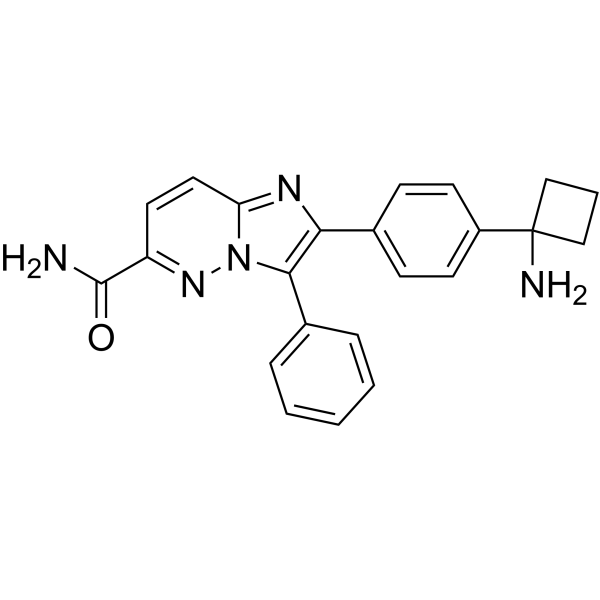
AKT-IN-2 is a potent, selective and orally bioavailable AKT inhibitor with an IC50 of 5 nM for AKT1 .
|
-
- HY-W750451
-
|
|
Akt
|
Cancer
|
|
Reptoside, an iridoid glucoside, is a DNA damaging active agent. Reptoside has strong interactions with Trp352 and Tyr335 in AKT1 .
|
-
- HY-147789
-
|
|
Akt
|
Neurological Disease
Cancer
|
|
FPDT is an anti-glioblastoma agent. FPDT displays the IC50 value of 45–68 μM for GBM cells and >100 μM for astrocytes. Anti-glioblastoma activity of FPDT is linked to downregulation of the AKT pathway .
|
-
- HY-E70789
-
|
|
RET
|
Others
|
|
BCR-RET Recombinant Human Active Protein Kinase is a BCR-RET fusion protein in hematopoietic malignancies. BCR-RET overactivates the Ras-ERK pathway, in addition to JAK/STAT3 and PI3K/AKT pathways .
|
-
- HY-161144
-
|
|
Akt
Apoptosis
|
Cancer
|
|
AKT-IN-21 (compound C36) is a potent AKT inhibitor with broad-spectrum cytotoxicity and anticancer activity. AKT-IN-21 also blocks the cell cycle and induces apoptosis of cancer cells by down-regulating the PI3K/AKT pathway .
|
-
- HY-P4790
-
|
|
PI3K
Akt
|
Metabolic Disease
|
|
Acetyl-Exenatideyes is an acetylated derivative of Exenatide. Exenatide has the function similar to insulin, which can be used for research of type 2 diabetes. Exenatide can promote Th17 differentiation, inhibits Tregs differentiation, downregulates PI3K/Akt/FoxO1 phosphorylation [1].
|
-
- HY-13685S1
-
|
HePC-d4; Hexadecyl phosphocholINe-d4
|
Isotope-Labeled Compounds
Akt
Parasite
HIV
|
Infection
Cancer
|
|
Miltefosine-d4 (HePC-d4) is deuterium labeled Miltefosine. Miltefosine is a broad spectrum antimicrobial, anti-leishmanial, phospholipid agent acting by inhibiting the PI3K/Akt activity . Miltefosine is an inhibitor of CTP-phosphocholine cytidyltransferase (CCT) .
|
-
- HY-158050
-
|
|
c-Fms
|
Cancer
|
|
PXB17 can inhibit CSF1R (IC50 = 1.7 nM) by blocking the activation of PI3K/ AKT/mTORC1 signaling. PXB17 is orally effective. PXB17 significantly inhibits the growth of CRC, improves PD-1 mAb efficacy and reduces tumor recurrence in CRC [1].
|
-
- HY-N0479S
-
|
|
Isotope-Labeled Compounds
PPAR
GLUT
|
Metabolic Disease
|
|
Licarin B-d4 is the deuterium labeled Licarin B (HY-N0479). Licarin B, a nitric oxide production inhibitor extracted from the component of the seeds of Myristica fragrans, improves insulin sensitivity via PPARγ and activation of GLUT4 in the IRS-1/PI3K/AKT pathway .
|
-
- HY-107758
-
|
|
Prolyl Endopeptidase (PREP)
|
Cancer
|
|
Y-29794 oxalate is a selective, orally active and blood-brain barrier permeable non-peptide prolyl endopeptidase inhibitor. Y-29794 oxalate blocks the IRS1-AKT-mTORC1 pathway and inhibits tumor growth. Y-29794 oxalate is also effective in inhibiting the progression of Aβ-like deposition in the hippocampus of aging-accelerated mice (SAM) [1] .
|
-
- HY-15186C
-
|
GDC-0068 tosylate; RG7440 tosylate
|
Organoid
Akt
Apoptosis
|
Cancer
|
|
Ipatasertib (GDC-0068) tosylate is an orally active, highly selective and ATP-competitive pan-Akt inhibitor with IC50 values of 5, 18, 8 nM for Akt1/2/3, respectively. Ipatasertib tosylate synchronously activates FoxO3a and NF-κB through inhibition of Akt leading to p53-independent activation of PUMA. Ipatasertib tosylate also induces apoptosis in cancer cells and inhibits tumor growth in xenograft mouse models [1] .
|
-
- HY-163006
-
|
|
EGFR
c-Met/HGFR
|
Cancer
|
|
EGFR/c-Met-IN-1 (compound TS-41) is a dual-target inhibitor of EGFR/c-Met. The IC50 for inhibiting EGFR L858R and c-Met is 68.1 nM and 0.26 nM respectively. . EGFR/c-Met-IN-1 induces apoptosis and cell cycle arrest in A549-P cells, downregulating the phosphorylation of EGFR, c-Met, and downstream AKT. EGFR/c-Met-IN-1 inhibits tumor growth in vitro and in vivo [1].
|
-
- HY-15113
-
|
|
Prolyl Endopeptidase (PREP)
|
Neurological Disease
Cancer
|
|
Y-29794 is a selective, orally active inhibitor for non-peptide prolyl endopeptidase (PREP), with an IC50 of 3 nM and a Ki of 0.95 nM. Y-29794 enhances the effect of thyrotropin-releasing hormone (TRH) on the release of ACh in the rat hippocampus, exhibits potential neuroprotective efficacy. Y-29794 exhibits anticancer activity through inhibition of the IRS1-AKT-mTORC1 pathway. Y-29794 penetrates the brain-blood barrier (BBB) [1] .
|
-
- HY-162268
-
|
|
MALT1
Apoptosis
|
Inflammation/Immunology
Cancer
|
|
MALT1-IN-13 (compound 10m) is inhibitor for mucosa-associated lymphoid tissue lymphoma translocation protein 1 (MALT1), which to binds MALT1 protease covalently and irreversibly, inhibits MALT1 with the IC50 of 1.7 μM. MALT1-IN-13 inhibits proliferation against ABC-DLBCL and induces apoptosis in ABC-DLBCL HBL1. MALT1-IN-13 regulates mTOR and PI3K-Akt pathways .
|
-
- HY-P0119S
-
-
- HY-183273
-
|
|
Epigenetic Reader Domain
Akt
CDK
Autophagy
Apoptosis
|
Cancer
|
|
BRD4/AKT-IN-1 is a BRD4/AKT inhibitor with BRD4 IC50 66.12 nM and AKT1 IC50 143.81 nM. BRD4/AKT-IN-1 blocks BRD4-mediated c-Myc transcriptional regulation, modulates AKT1 signaling, decouples AKT phosphorylation from pro-survival effectors. BRD4/AKT-IN-1 induces G0/G1 cell cycle arrest via downregulated phosphorylated RB, cyclin E1, CDK2. BRD4/AKT-IN-1 elevates LC3B levels to promote autophagy. BRD4/AKT-IN-1 promotes apoptosis in cancer cells. BRD4/AKT-IN-1 can be used for the research of metastatic castration-resistant prostate cancer [1].
|
-
- HY-15431S
-
|
AZD5363-d4
|
Isotope-Labeled Compounds
Autophagy
Akt
|
Cancer
|
|
Capivasertib-d4 (AZd5363-d4) is the deuterium labeled Capivasertib (HY-15431). Capivasertib (AZD5363) is an orally active and potent pan-AKT kinase inhibitor with IC50 of 3, 7 and 7 nM for Akt1,Akt2 and Akt3, respectively.
|
-
- HY-100018R
-
|
|
Akt
Reference Standards
|
Cancer
|
|
BAY1125976 (Standard) is the analytical standard of BAY1125976 (HY-100018). This product is intended for research and analytical applications. BAY1125976, a chemical probe, is a selective allosteric Akt1/Akt2 inhibitor; inhibits Akt1 and Akt2 activity with IC50 values of 5.2 nM and 18 nM at 10 μM ATP, respectively.
|
-
- HY-107597R
-
|
SU3327 (Standard)
|
Reference Standards
JNK
|
Metabolic Disease
Inflammation/Immunology
|
|
Halicin (Standard) is the analytical standard of Halicin (HY-107597). This product is intended for research and analytical applications. Halicin (SU3327) is a potent, selective and substrate-competitive JNK inhibitor with an IC50 of 0.7 μM. Halicin also inhibits protein-protein interactions between JNK and JNK Interacting Protein (JIP) with an IC50 of 239 nM. Halicin shows less active against p38α and Akt Kinase .
|
-
- HY-183069
-
|
|
GLUT
PI3K
Akt
Apoptosis
Bcl-2 Family
|
Cancer
|
|
FKL-137 is a GLUT1 and PI3K/AKT signaling pathway inhibitor. FKL-137 binds to GLUT1, reduces glucose uptake and lactate secretion, downregulates glucose metabolism-related proteins, and inhibits erythroleukemia cell proliferation. FKL-137 downregulates PI3K, p-PI3K, AKT, p-AKT levels, disrupts the PI3K/AKT-GLUT1 positive feedback loop, and suppresses erythroleukemia cell proliferation. FKL-137 induces apoptosis via upregulated Bax, Cleaved-PARP and downregulated Bcl-2, PARP. FKL-137 can be used for the research of erythroleukemia [1].
|
-
- HY-183366
-
|
|
HDAC
Caspase
Akt
|
Inflammation/Immunology
Cancer
|
|
HDAC1-IN-14 is an indole-based benzamide selective HDAC1 inhibitor with an IC50 of 77 nM. HDAC1-IN-14 acts as an antiproliferative agent, with GI50 values ranging from nanomolar to low micromolar levels in various cancer cells. HDAC1-IN-14 induces G0-G1 cell cycle arrest in colon cancer cells. HDAC1-IN-14 upregulates the expression of Caspase-3, Cyto-C and Bax, and downregulates the expression of AKT-1. HDAC1-IN-14 can be used in research related to leukemia, non-small cell lung cancer, colon cancer, central nervous system cancer, melanoma, ovarian cancer, renal cancer, prostate cancer and breast cancer [1].
|
-
- HY-10071R
-
|
|
Reference Standards
mTOR
Ras
ROCK
NADPH Oxidase
NF-κB
Reactive Oxygen Species (ROS)
Akt
Apoptosis
Autophagy
PAK
|
Cancer
|
|
Y-27632 (Standard) is the analytical standard of Y-27632 (HY-10071). This product is intended for research and analytical applications. Y-27632 is a ROCK inhibitor with Ki values of 220 nM and 300 nM for ROCK1 and ROCK2, respectively. Y-27632 exerts anti-inflammatory and immunomodulatory effects in systemic lupus erythematosus models by inhibiting the ROCK/NF-κB pathway. Y-27632 enhances autophagy by inhibiting the AKT/mTOR pathway, thereby inducing apoptosis apoptosis in oral squamous cell carcinoma. Y-27632 induces the formation of tunneling nanotubes in ARPE-19 cells and significantly enhances mitochondrial transfer through these channels. Y-27632 promotes neurite outgrowth in PC12 cells by activating the Rac1/NOX1/ROS/AKT/PAK1 signaling cascade [1] .
|
-
-
- HY-40351
-
|
|
生化学アッセイ試薬
|
|
4-Chloro-7H-pyrrolo[2,3-d]pyrimidine is a nitrogen-containing heterocyclic organic synthesis intermediate that can be used for the synthesis of JAK and PKB/Akt inhibitors .
|
-
- HY-P0119
-
-
- HY-P0119A
-
-
- HY-P10049
-
|
|
Akt
|
Cancer
|
|
TAT-TCL1-Akt-in is an Akt inhibitor .
|
-
- HY-P4790
-
|
|
PI3K
Akt
|
Metabolic Disease
|
|
Acetyl-Exenatideyes is an acetylated derivative of Exenatide. Exenatide has the function similar to insulin, which can be used for research of type 2 diabetes. Exenatide can promote Th17 differentiation, inhibits Tregs differentiation, downregulates PI3K/Akt/FoxO1 phosphorylation [1].
|
-
- HY-P0119S
-
| 製品番号 |
製品名 |
Target |
研究分野 |
Image |
-
- HY-P99274
-
|
BI 836845; Anti-Human IGF1 and IGF2 RecombINant Antibody
|
IGF-1R
|
Cancer
|
|
Xentuzumab (Anti-Human IGF1 and IGF2 Recombinant Antibody; BI836845) is a recombinant a human monoclonal antibody that targets IGF ligands IGF1 and IGF2. Xentuzumab inhibits both of IGF1 and IGF2 growth-promoting signalling and suppresses AKT activation .
|
-
(5)
-
- HY-P991243
-
|
|
EGFR
Akt
|
Cancer
|
|
MP-RM-1 is an antibody-based, non-competitive ErbB-3 inhibitor with a Kd value of 32.7 nM. MP-RM-1 inhibits both ligand-dependent and ligand-independent ErbB-3 activation, blocks ErbB-2/ErbB-3 heterodimerization, induces ErbB-3 internalization and degradation, and suppresses the phosphorylation of downstream Akt. MP-RM-1 exerts its antagonistic effect through a non-competitive mechanism. MP-RM-1 inhibits tumor growth in melanoma and prostate cancer xenograft models in nude mice and reduces the proliferative activity of tumor cells [1].
|
-
(5)
| 製品番号 |
製品名 |
Category |
Target |
構造式 |
-
- HY-13425
-
-
-
- HY-N1181
-
-
-
- HY-N2292
-
-
-
- HY-N7110
-
-
-
- HY-N0616
-
|
|
Structural Classification
Flavonoids
Classification of Application Fields
Leguminosae
Trifolium pratense Linn.
Sophora flavescens Aiton
Plants
Other Flavonoids
Inflammation/Immunology
Disease Research Fields
Source Classification
Cancer
|
Tyrosinase
TNF Receptor
Bacterial
Apoptosis
Autophagy
AMPK
mTOR
ERK
NF-κB
|
|
Trifolirhizin is a pterocarpan flavonoid found in the roots of Sophora flavescens. Trifolirhizin is a tyrosinase inhibitor with an IC50 value of 506.77 μM. Trifolirhizin reduces intracellular melanin production and modulates multiple signaling pathways including NFκB-MAPK, AMPK/mTOR, PI3K/Akt, MAPK-NFATc1 and EGFR-MAPK. Trifolirhizin targets biological molecules including PTK6 and COX-2, inhibits the activities of hyaluronidase, collagenase and elastase, induces apoptosis, autophagy and cell cycle arrest, and suppresses the proliferation, migration and invasion of cancer cells. Trifolirhizin exerts diverse pharmacological effects including anti-inflammatory, anti-asthmatic, bone-protective, renoprotective, antibacterial, antifungal, hepatoprotective, antiplatelet, estrogenic and wound-healing activities. Trifolirhizin can be used to investigate a broad range of malignant, inflammatory, metabolic and infectious disorders [1] .
|
-
-
- HY-N0479
-
-
-
- HY-118020A
-
|
Loliolid; Digiprolactone
|
天然物
Classification of Application Fields
Metabolic Disease
Plants
Compositae
Millettia usaramensis Taub.
Disease Research Fields
Source Classification
|
Endogenous Metabolite
Caspase
PI3K
Apoptosis
Akt
Sirtuin
Reactive Oxygen Species (ROS)
NF-κB
MMP
|
|
Loliolide (Loliolid) is a β-carotene metabolite. Loliolide reduces caspase 3, 8, 9 expression, enhances PI3K, AKT, SIRT1, inhibits ROS, apoptosis, and blocks NF-κB p65 nuclear translocation. Loliolide protects mitochondria, reduces oxidative stress, and increases cell viability in neuroblastoma cells. Loliolide can be used for the research of UV-induced skin damage and Parkinson’s disease [1] .
|
-
-
- HY-N3312
-
-
-
- HY-N7676
-
-
-
- HY-13425R
-
-
-
- HY-N1181R
-
-
-
- HY-122959
-
-
-
- HY-N9968
-
-
-
- HY-W750451
-
-
-
- HY-13685S1
-
|
|
|
Miltefosine-d4 (HePC-d4) is deuterium labeled Miltefosine. Miltefosine is a broad spectrum antimicrobial, anti-leishmanial, phospholipid agent acting by inhibiting the PI3K/Akt activity . Miltefosine is an inhibitor of CTP-phosphocholine cytidyltransferase (CCT) .
|
-
-
- HY-N0479S
-
|
|
|
Licarin B-d4 is the deuterium labeled Licarin B (HY-N0479). Licarin B, a nitric oxide production inhibitor extracted from the component of the seeds of Myristica fragrans, improves insulin sensitivity via PPARγ and activation of GLUT4 in the IRS-1/PI3K/AKT pathway .
|
-
-
- HY-P0119S
-
|
|
|
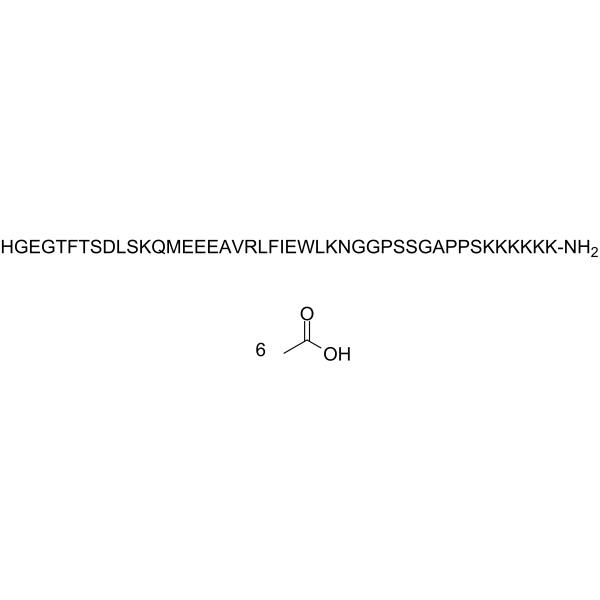
Lixisenatide (Leu- 13C6, 15N) TFA is the 13C- and 15N-labeled Lixisenatide (HY-P0119). Lixisenatide is a glucagon-like peptide-1 (GLP-1) receptor agonist. Lixisenatide inhibits the inflammatory response through down regulation of pro-inflammatory cytokines, and suppresses of the Akt-MEK1/2 signaling pathway. Lixisenatide can inhibit oxidative stress, mitochondrial dysfunction and apoptosis. Lixisenatide can be used for the researches of inflammation, metabolic disease, neurological disease and cardiovascular disease, such as rheumatoid arthritis, diabetes, Alzheimer's disease and atherosclerosis [1] .
|
-
-
- HY-15431S
-
|
|
|
Capivasertib-d4 (AZd5363-d4) is the deuterium labeled Capivasertib (HY-15431). Capivasertib (AZD5363) is an orally active and potent pan-AKT kinase inhibitor with IC50 of 3, 7 and 7 nM for Akt1,Akt2 and Akt3, respectively.
|
-
-
- HY-13685
-
|
HePC; Hexadecyl phosphocholINe
|
|
Phospholipids
|
|
Miltefosine is a broad spectrum antimicrobial, anti-leishmanial, phospholipid agent acting by inhibiting the PI3K/Akt activity . Miltefosine is an inhibitor of CTP-phosphocholine cytidyltransferase (CCT) .
|
入力情報は安全に管理されます. ※ 必須入力項目.
Inquiry Information
- 製品名:
- 製品番号:
- 数量:
- MCE 日本正規代理店:

