1. Search Result
Search Result
Results for "

Anti-infective

" in MedChemExpress (MCE) Product Catalog:

92

Inhibitors & Agonists

3

Screening Libraries

1

Fluorescent Dyes

1

Biochemical Assay Reagents

4

Peptides

19

Natural
Products

5

Isotope-Labeled Compounds

1

GMP Molecules

Cat. No. Product Name Target Research Areas Chemical Structure
  • HY-14397
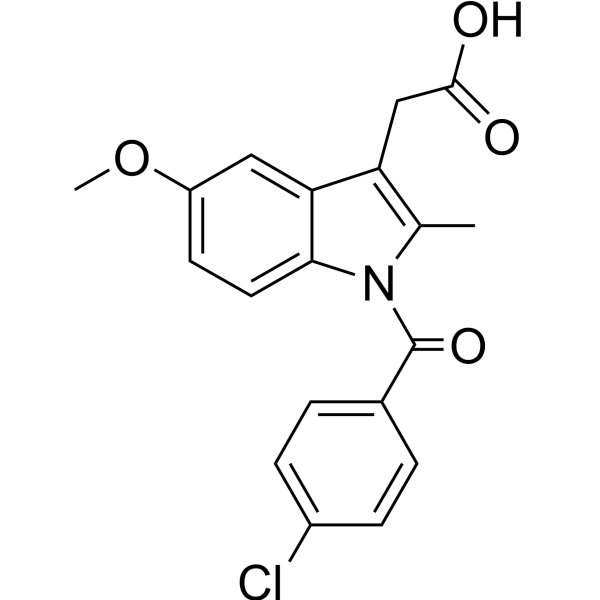
    Indomethacin
    Maximum Cited Publications
    76 Publications Verification

    Indometacin

    COX Antibiotic Influenza Virus Bacterial Inflammation/Immunology Cancer
    Indomethacin (Indometacin) is a potent, orally active COX1/2 inhibitor with IC50 values of 18 nM and 26 nM for COX-1 and COX-2, respectively. Indomethacin has anticancer activity and anti-infective activity. Indomethacin can be used for cancer, inflammation and viral infection research .
    Indomethacin
  • HY-B2230
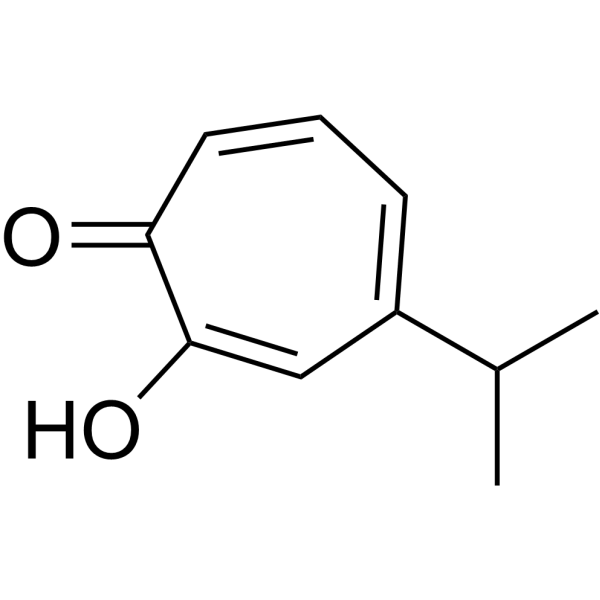
    Hinokitiol
    Maximum Cited Publications
    8 Publications Verification

    β-Thujaplicin

    Keap1-Nrf2 DNA Methyltransferase Virus Protease Infection Cancer
    Hinokitiol is a component of essential oils isolated from Chymacyparis obtusa, reduces Nrf2 expression, and decreases DNMT1 and UHRF1 mRNA and protein expression, with anti-infective, anti-oxidative, and anti-tumor activities.
    Hinokitiol
  • HY-14882
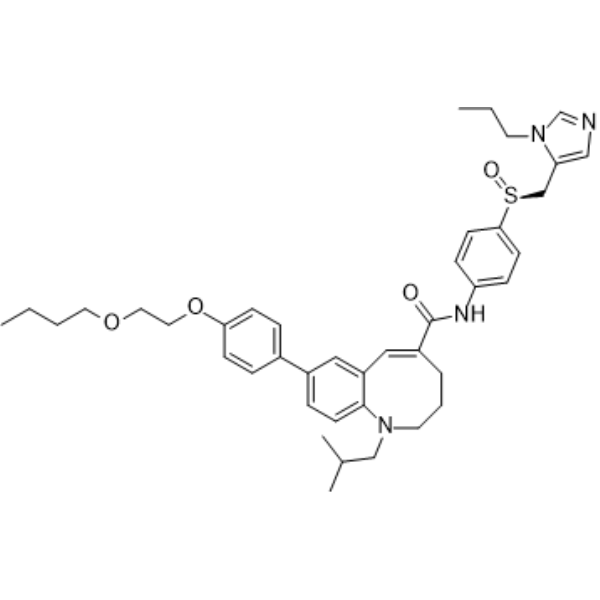
    Cenicriviroc
    5+ Cited Publications

    TAK-652; TBR-652

    CCR HIV Infection Endocrinology
    Cenicriviroc (TAK-652) is an orally active, dual CCR2/CCR5 antagonist, also inhibits both HIV-1 and HIV-2, and displays potent anti-inflammatory and antiinfective activity .
    Cenicriviroc
  • HY-121636
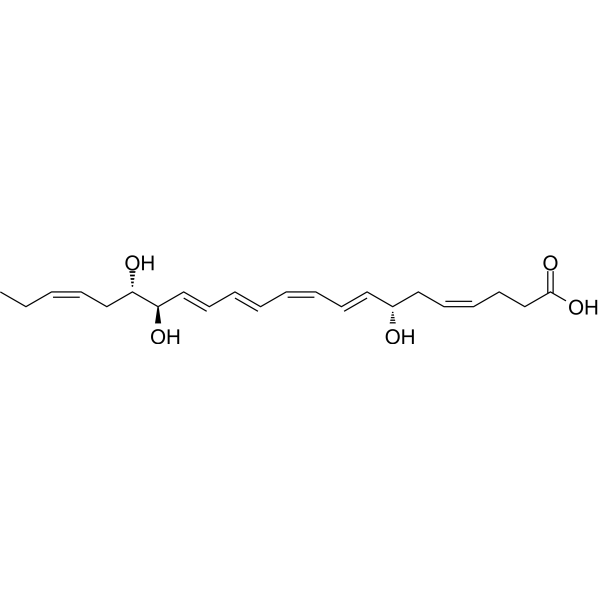
    Resolvin D2
    5 Publications Verification

    RvD2

    TRP Channel Infection Neurological Disease Inflammation/Immunology
    Resolvin D2 is a metabolite of docosahexaenoic acid (DHA), with anti-inflammatory, anti-infective activities. Resolvin D2 is a potent regulator of leukocytes and controls microbial sepsis. Resolvin D2 is a remarkably potent inhibitor of TRPV1 (IC50 = 0.1 nM) and TRPA1 (IC50 = 2 nM) in primary sensory neurons .
    Resolvin D2
  • HY-N0808
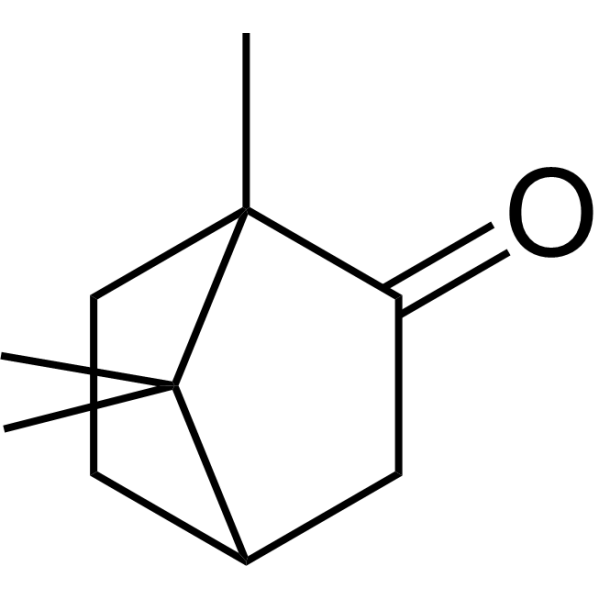
    Camphor
    3 Publications Verification

    (±)-Camphor

    Environmental Pollutants TRP Channel Influenza Virus Infection Inflammation/Immunology Cancer
    Camphor ((±)-Camphor) is a topical anti-infective and anti-pruritic and internally as a stimulant and carminative. However, Camphor is poisonous when ingested. Antiviral, antitussive, and anticancer activities . Camphor is a TRPV3 agonist .
    Camphor
  • HY-B1350
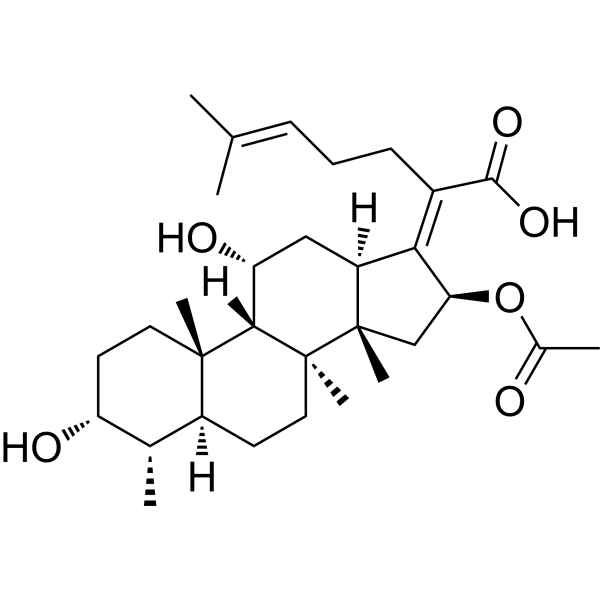
    Fusidic acid
    2 Publications Verification

    Fusidate; SQ-16603

    Bacterial Antibiotic Infection Cancer
    Fusidic acid (Fusidate) a bacteriostatic antibiotic produced from the Fusidium coccineum fungus, belongs to the class of steroids. Fusidic acid has no corticosteroid effects. Fusidic acid inhibits the growth of bacteria by preventing the release of translation elongation factor G (EF-G) from the ribosome. Fusidic acid holds promise for research in anticancer and anti-infective applications. .
    Fusidic acid
  • HY-12687
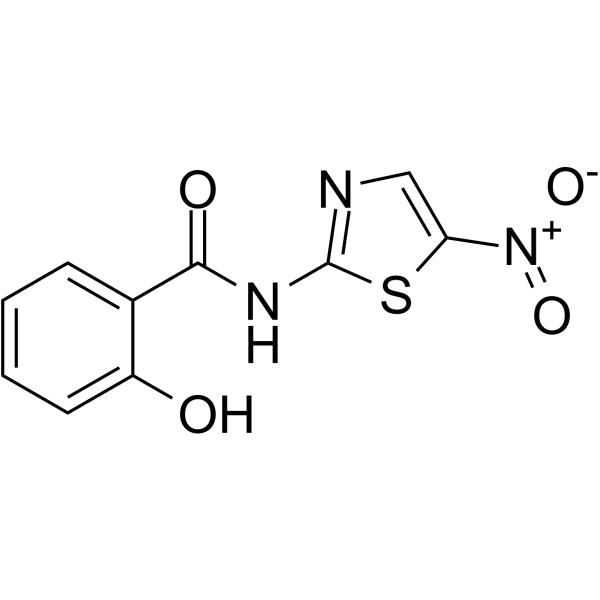
    Tizoxanide
    10+ Cited Publications

    TIZ

    Bacterial HIV Autophagy Parasite IKK Influenza Virus Infection Cancer
    Tizoxanide (TIZ) is the active metabolite of Nitazoxanide, which is a thiazolide anti-infective compound against anaerobic bacteria, protozoa, and a range of viruses. Tizoxanide (TIZ) has anti-HIV-1 activities and potent inhibition of both HBV and HCV replication with values EC50 of 0.46μM and 0.15 μM, respectively. Tizoxanide also exerts anti-inflammatory effects by inhibiting the production of pro-inflammatory cytokines and suppressing of the activation of the NF-κB and the MAPK signaling pathways in LPS-treated macrophage cells .
    Tizoxanide
  • HY-14882A
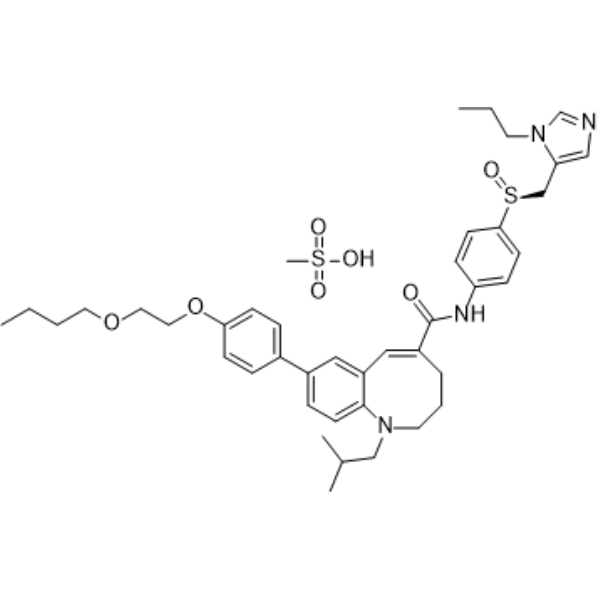
    Cenicriviroc Mesylate
    5+ Cited Publications

    TAK-652 Mesylate; TBR-652 Mesylate

    CCR HIV Infection Inflammation/Immunology Endocrinology
    Cenicriviroc Mesylate (TAK-652 Mesylate) is a dual CCR2/CCR5 antagonist, also inhibits both HIV-1 and HIV-2, and displays potent anti-inflammatory and antiinfective activity.
    Cenicriviroc Mesylate
  • HY-19892A
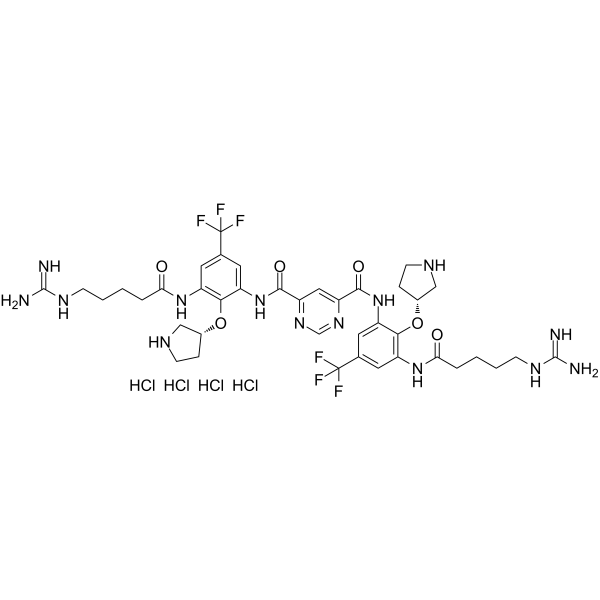
    Brilacidin tetrahydrochloride
    1 Publications Verification

    PMX 30063 tetrahydrochloride

    Bacterial Antibiotic Infection Cancer
    Brilacidin tetrahydrochloride (PMX 30063 tetrahydrochloride) is an anti-infective antimicrobial with MIC90s of 1 and 8 μg/mL for Gram-positive bacteria Streptococcus pneumonia and Streptococcus viridans, and MIC90 of 8 and 4 μg/mL for Gram-negative bacteria Haemophilus influenza and Pseudomonas aeruginosa. Brilacidin tetrahydrochloride is a defensin mimetic antibiotic compound .
    Brilacidin tetrahydrochloride
  • HY-B1864A
    Kasugamycin hydrochloride
    1 Publications Verification

    Ksg hydrochloride

    Environmental Pollutants Antibiotic Bacterial Infection
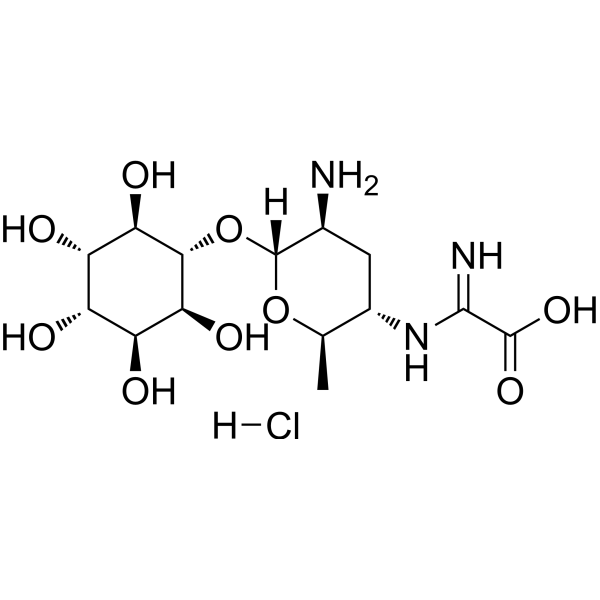
    Kasugamycin (Ksg) hydrochloride hydrate is an antibiotic that binds to 30s and 70s ribosomes but not to the 50s subunit, and has anti-infective activity. Kasugamycin hydrochloride hydrate mimics mRNA nucleotides, disrupts tRNA binding and inhibits canonical translation initiation. Kasugamycin hydrochloride hydrate increases the sensitivity of mycobacteria to Rifampicin (HY-B0272) in vitro and in mouse infection models .
    Kasugamycin hydrochloride
  • HY-14397A
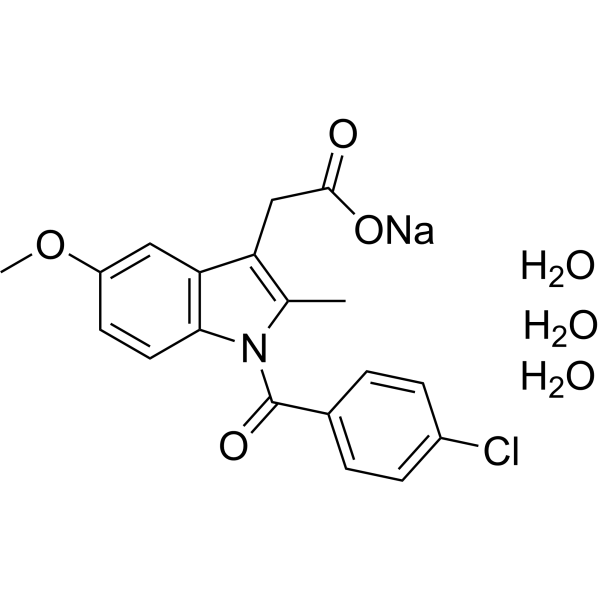
    Indomethacin sodium hydrate
    Maximum Cited Publications
    76 Publications Verification

    Indometacin sodium hydrate

    COX Bacterial Influenza Virus Antibiotic Infection Neurological Disease Inflammation/Immunology Cancer
    Indomethacin (Indometacin) sodium hydrateis a orally active and BBB-permeable COX1/2 inhibitor with IC50 values of 18 nM and 26 nM for COX-1 and COX-2, respectively. Indomethacin sodium hydrateis has anticancer activity and anti-infective activity. Indomethacin sodium hydrateis can be used for cancer, inflammation and viral infection research .
    Indomethacin sodium hydrate
  • HY-N0677A
    Kalii Dehydrographolidi Succinas
    1 Publications Verification

    Potassium dehydroandrographolide succinate

    Antibiotic Infection Inflammation/Immunology
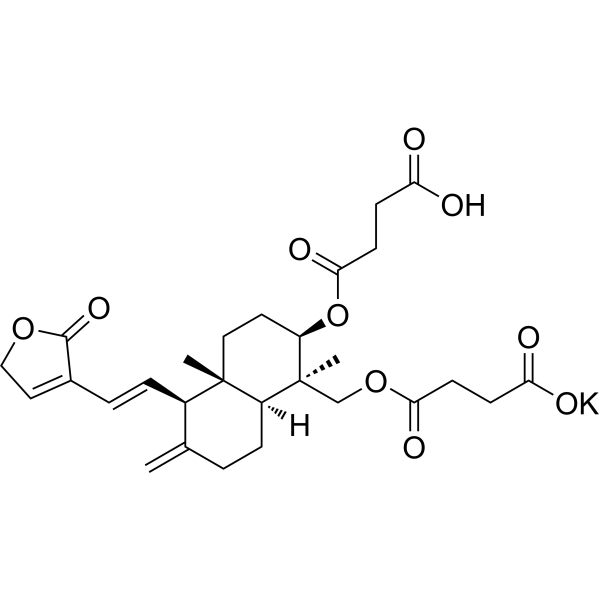
    Kalii Dehydrographolidi Succinas (Potassium dehydroandrographolide succinate) is an antibiotic. Kalii Dehydrographolidi Succinas exerts immunostimulatory, anti-infective and anti-inflammatory effects . Kalii Dehydrographolidi Succinas shows potential for research on viral pneumonia and viral upper respiratory tract infections .
    Kalii Dehydrographolidi Succinas
  • HY-B1864B
    Kasugamycin hydrochloride hydrate
    1 Publications Verification

    Ksg hydrochloride hydrate

    Antibiotic Bacterial Infection
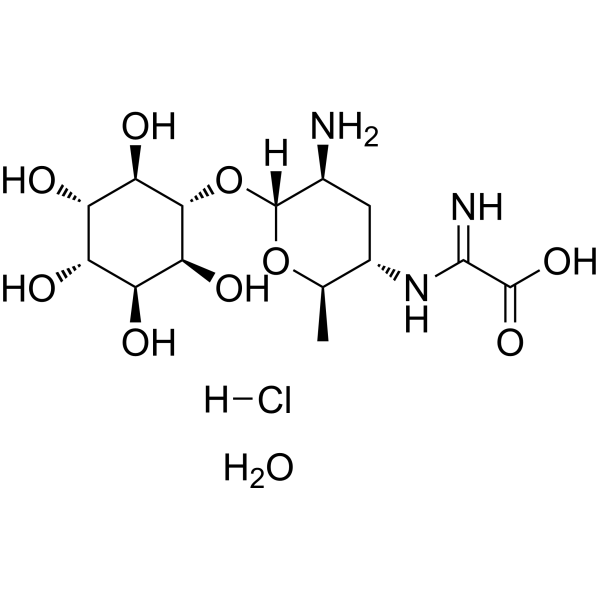
    Kasugamycin (Ksg) hydrochloride hydrate is an antibiotic that binds to 30s and 70s ribosomes but not to the 50s subunit, and has anti-infective activity. Kasugamycin hydrochloride hydrate mimics mRNA nucleotides, disrupts tRNA binding and inhibits canonical translation initiation. Kasugamycin hydrochloride hydrate increases the sensitivity of mycobacteria to Rifampicin (HY-B0272) in vitro and in mouse infection models .
    Kasugamycin hydrochloride hydrate
  • HY-N0677
    Dehydroandrographolide succinate
    1 Publications Verification

    Influenza Virus Prostaglandin Receptor Akt GSK-3 Infection Inflammation/Immunology Cancer
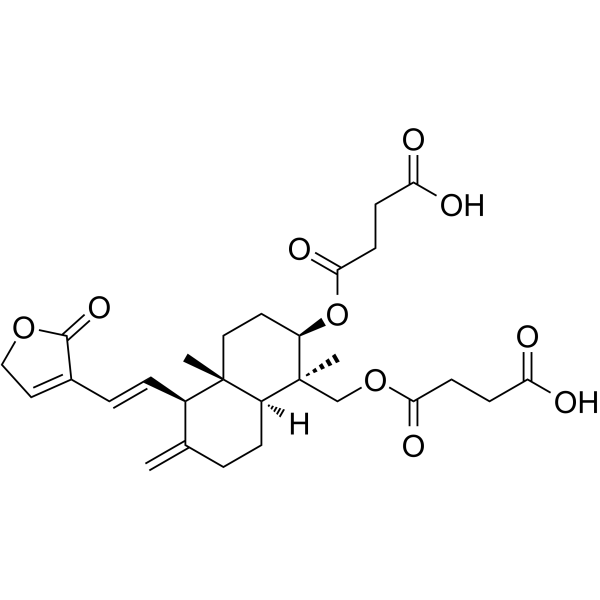
    Dehydroandrographolide succinate can be extracted from herbal medicine Andrographis paniculata (Burm f) Nees, is widely used in research for viral pneumonia and viral upper respiratory tract infections because of its immunostimulatory, anti-infective and anti-inflammatory effect. Dehydroandrographolide succinate exerts antithrombotic effect. Dehydroandrographolide succinate significantly inhibits the platelet aggregation rate (ED50 = 386.9 mg/kg) by decreasing TXB2 levels. Dehydroandrographolide succinate mitigates muscle astrophy via the Akt/GSK3β and MuRF-1 pathways .
    Dehydroandrographolide succinate
  • HY-B0914A
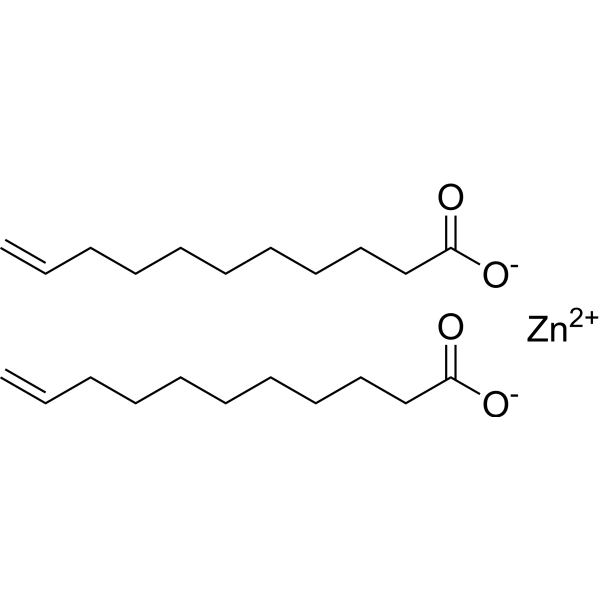
    10-Undecenoic acid zinc salt
    2 Publications Verification

    Zinc undecylenate

    Fungal Bacterial Amyloid-β Reactive Oxygen Species (ROS) Proteasome Infection Neurological Disease Endocrinology Cancer
    10-Undecenoic acid zinc salt (Undecylenic acid zinc salt) is an antifungal agent. 10-Undecenoic acid zinc salt inhibits oligomerization, scavenges ROS and inhibits μ-calpain activity. 10-Undecenoic acid zinc salt has neuroprotective effects. 10-Undecenoic acid zinc salt has anticancer effects on a variety of tumors. 10-Undecenoic acid zinc salt inhibits C. albicans biofilm formation and MRSA infection. 10-Undecenoic acid zinc salt inhibits quorum sensing signals of Bacillus subtilis and Pseudomonas aeruginosa .
    10-Undecenoic acid zinc salt
  • HY-16349
    Nimorazole
    1 Publications Verification

    K-1900

    Parasite Antibiotic Infection Cancer
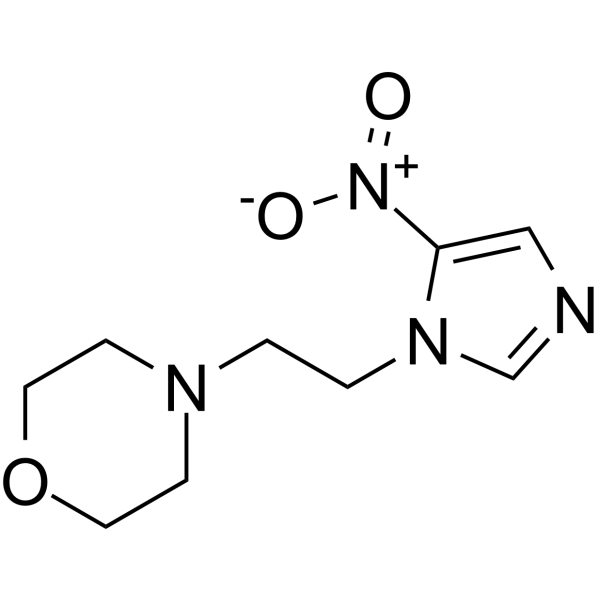
    Nimorazole (K-1900), a 2-nitroimidazole, is a hypoxic cell-radiation sensitizer. Nimorazole has anti-infective and anti-protozoal against trichomoniasis. Nimorazole has the potential for head and neck cancer .
    Nimorazole
  • HY-B1437

    Stovarsol; Acetarsone

    Parasite Infection
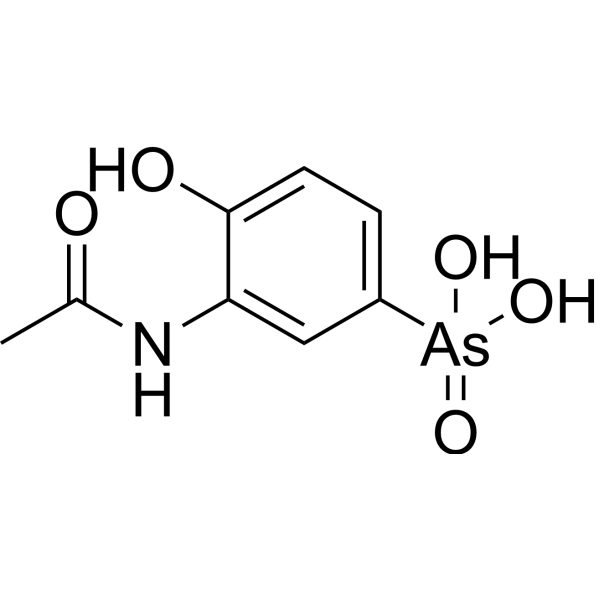
    Acetarsol (Stovarsol) is a potent and orally active anti-infective agent. Acetarsol shows anti-parasite activity. Acetarsol has the potential for the research of proctitis .
    Acetarsol
  • HY-W290527

    Antibiotic Bacterial Infection
    2-Isopropyl-5-methylanisole is an inhibitor of Mycobacterium tuberculosis chorismate mutase (CM) with an IC50 of 21.58 μM. The MIC of 2-Isopropyl-5-methylanisole for Mycobacterium tuberculosis is 152.22 µM. 2-Isopropyl-5-methylanisole holds potential for research in the field of anti-infective studies .
    2-Isopropyl-5-methylanisole
  • HY-14737A
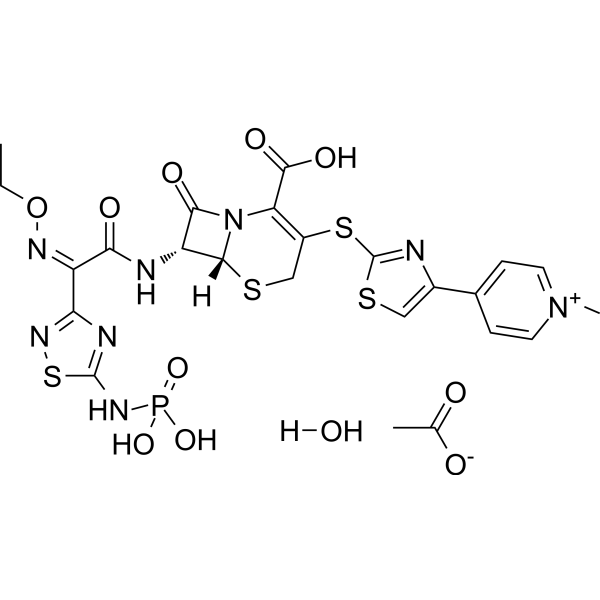
    Ceftaroline fosamil hydrate
    2 Publications Verification

    TAK-599 hydrate; PPI0903 hydrate

    Antibiotic Bacterial Infection
    Ceftaroline fosamil hydrate is a potent cephalosporin antibiotic. Ceftaroline fosamil hydrateshows broad-spectrum activity against Gram-positive pathogens, including methicillin-resistant Staphylococcus aureus (MRSA) and multidrug-resistant Streptococcus pneumoniae, and common Gram-negative organisms. Ceftaroline fosamil hydrate has anti-infective activity, and can be used for the research of complicated skin and skin structure infections (cSSSIs) and community-acquired bacterial pneumonia (CABP) .
    Ceftaroline fosamil hydrate
  • HY-151485

    Parasite Infection
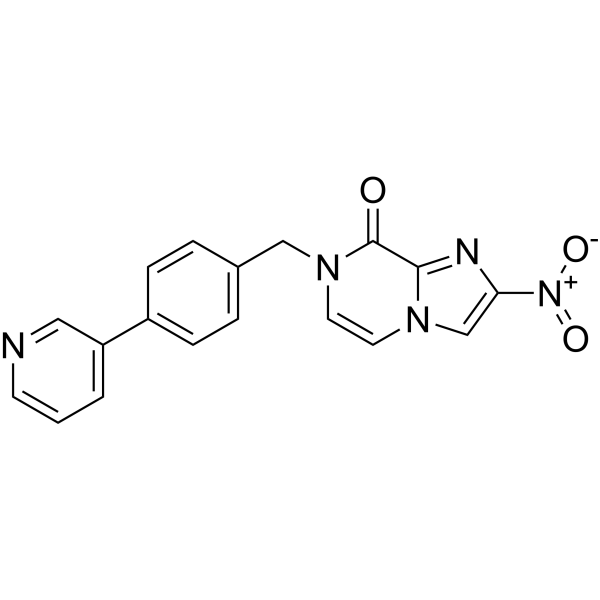
    Anti-infective agent 5 (compound 74) is an orally active inhibitor of Trypanosoma cruzi with an IC50 value of 0.10 μM. Anti-infective agent 5 effectively reduces parasite burden in vivo. Anti-infective agent 5 can be used for the research of infection .
    Anti-infective agent 5
  • HY-P5812

    Integrin Inflammation/Immunology
    IDR-1002 is an anti-infective peptide that enhances the ability of human monocytes to migrate toward chemokines on fibronectin. IDR-1002 also induces adhesion and activation of β1-integrin, a mechanism that promotes monocyte recruitment .
    IDR 1002
  • HY-N0808R

    (±)-Camphor (Standard)

    Reference Standards TRP Channel Influenza Virus Infection Inflammation/Immunology Cancer
    Camphor (Standard) is the analytical standard of Camphor. This product is intended for research and analytical applications. Camphor ((±)-Camphor) is a topical anti-infective and anti-pruritic and internally as a stimulant and carminative. However, Camphor is poisonous when ingested. Antiviral, antitussive, and anticancer activities . Camphor is a TRPV3 agonist .
    Camphor (Standard)
  • HY-14397R

    Indometacin (Standard)

    Reference Standards COX Antibiotic Influenza Virus Bacterial Inflammation/Immunology Cancer
    Indomethacin (Standard) is the analytical standard of Indomethacin. This product is intended for research and analytical applications. Indomethacin (Indometacin) is a potent, orally active COX1/2 inhibitor with IC50 values of 18 nM and 26 nM for COX-1 and COX-2, respectively. Indomethacin has anticancer activity and anti-infective activity. Indomethacin can be used for cancer, inflammation and viral infection research .
    Indomethacin (Standard)
  • HY-W069721

    4-Acetamidobenzenesulfonamide

    Carbonic Anhydrase Drug Metabolite Others
    N-Acetylsulfanilamide is a compound with potential anti-infective activity .
    N-Acetylsulfanilamide
  • HY-178952

    Bacterial Infection
    Anti-infective agent 12 (Compound A09) is a competitive inhibitor of type I signal peptidease (SPase I), with an IC50 of 4.475 μM and a Kd of 16.3 μM. Anti-infective agent 12 has the ability to disrupt bacterial membranes and remove biofilms. Anti-infective agent 12 exhibits potent bactericidal activity against Gram-positive bacteria, with MIC values of 4, 4, 8, and 8 μg/mL for Staphylococcus aureus, Enterococcus faecalis, Enterococcus faecium, and Streptococcus suis, respectively. Anti-infective agent 12 remains effective against multi-drug resistant strains, but has weaker activity against Gram-negative bacteria (such as Escherichia coli and Salmonella), with MIC values > 64 μg/mL. Anti-infective agent 12 has low hemolytic activity and shows significant efficacy in mouse skin infection models .
    Anti-infective agent 12
  • HY-B1702

    Fungal Infection
    Nifuroxime is an anti-infective agent. Nifuroxime can be used in the research of fungal infections .
    Nifuroxime
  • HY-133719

    Fungal Infection
    Fenfuram is an antifungal agent with an EC50 of 6.18 mg/mL against R. solani. Fenfuram can be used in anti-infective research .
    Fenfuram
  • HY-121636S

    RvD2-d5

    TRP Channel Infection Neurological Disease Inflammation/Immunology
    Resolvin D2-d5 is the deuterium labeled Resolvin D2. Resolvin D2 is a metabolite of docosahexaenoic acid (DHA), with anti-inflammatory, anti-infective activities. Resolvin D2 is a potent regulator of leukocytes and controls microbial sepsis. Resolvin D2 is a remarkably potent inhibitor of TRPV1 (IC50 = 0.1 nM) and TRPA1 (IC50 = 2 nM) in primary sensory neurons .
    Resolvin D2-d5
  • HY-178785

    Parasite Infection
    Anti-infective agent 11 (Compound 19) is an orally active antiparasitic agent. Anti-infective agent 11 inhibits the proteolytic activity of P. falciparum. Anti-infective agent 11 exhibits inhibitory activity against P. falciparum 3D7 with an IC50 of 0.28 μM .
    Anti-infective agent 11
  • HY-151484

    Parasite Infection
    Anti-infective agent 4 (compound 73) is an orally active inhibitor of Trypanosoma cruzi with an IC50 value of 0.016 μM. Anti-infective agent 4 effectively reduces parasite burden in vivo. Anti-infective agent 4 can be used for the research of infection .
    Anti-infective agent 4
  • HY-146487

    Bacterial Parasite Infection
    Anti-infective agent 1 (compound 3a) is a potent and selective antiprotozoal and antimycobacterial agent. Anti-infective agent 1 shows antiparasitic activity against P. falciparum and T. brucei rhodesiense, with IC50 values of 10.95 and 0.06 μM, respectively. Anti-infective agent 1 shows antimycobacterial activity against Mycobacterium smegmatis with a MIC of 8 μg/mL .
    Anti-infective agent 1
  • HY-151612

    Parasite Infection
    Anti-infective agent 6 (compound 28) is a potent anti-infectious agent. Anti-infective agent 6 shows a good activity against P. falciparum F32-ART (IC50=1.4 μM) with a good selectivity index (SI>36). Anti-infective agent 6 also shows a potency against L. donovani (IC50=3.5 μM) .
    Anti-infective agent 6
  • HY-157840

    Parasite Infection
    Anti-infective agent 9 (compound 1) is a Plasmodium falciparum inhibitor (IC50=600 nM), can downregulate pyruvate levels and TCA cycle in Plasmodium. Anti-infective agent 9It has good metabolic stability and low toxicity to human liver cells. The study found, Anti-infective agent 9Potential targets for inhibiting Plasmodium falciparum are not 1-deoxidation-d-xylulose-5-Phosphate synthase (DXPS) .
    Anti-infective agent 9
  • HY-151614

    Bacterial Infection
    Anti-infective agent 7 is a potent anti-infectious agent. Anti-infective agent 7 has anti-infection activity against P. falciparum (IC50=2.5 μM) and M. tuberculosis (MIC=9 μM) .
    Anti-infective agent 7
  • HY-161069

    Bacterial Infection
    Anti-infective agent 8 (compound 9d) is an antibacterial agent with an MIC of 0.5 μg/mL against Staphylococcus aureus and Mycobacterium tuberculosis H37Rv. Anti-infective agent 8 has anti-biofilm activity and significantly reduces Staphylococcus aureus biofilm formation .
    Anti-infective agent 8
  • HY-146489

    Bacterial Parasite Infection
    Anti-infective agent 3 (compound 3l) shows antiparasitic activity against P. falciparum and T. brucei rhodesiense, with IC50 values of 0.47 and 0.13 μM, respectively. Anti-infective agent 3 shows antimycobacterial activity against Mycobacterium smegmatis with a MIC of 4 μg/mL .
    Anti-infective agent 3
  • HY-146488

    Parasite Bacterial Infection
    Anti-infective agent 2 (compound 3k) shows antiparasitic activity against P. falciparum and T. brucei rhodesiense, with IC50 values of 0.07 and 2.20 μM, respectively. Anti-infective agent 2 shows antimycobacterial activity against Mycobacterium smegmatis with a MIC of 32 μg/mL .
    Anti-infective agent 2
  • HY-172230

    Virus Protease HCV Infection
    Anti-infective agent 10 (Compound Example 30) is a ns5b polymerase inhibitor that can be used as an anti-HCV agent .
    Anti-infective agent 10
  • HY-19892

    PMX 30063

    Bacterial Antibiotic Infection Cancer
    Brilacidin (PMX 30063) is an anti-infective antimicrobial with MIC90s of 1 and 8 μg/mL for Gram-positive bacteria Streptococcus pneumonia and Streptococcus viridans, and MIC90 of 8 and 4 μg/mL for Gram-negative bacteria Haemophilus influenza and Pseudomonas aeruginosa. Brilacidin is a defensin mimetic antibiotic compound .
    Brilacidin
  • HY-N11409A

    Herbicide Others
    Shikimate-3-phosphate lithium is the salt form of Shikimate-3-phosphate. Shikimate-3-phosphate lithium is a central microbial, parasite and plant metabolite, as a product of the shikimate kinase-catalysed reaction. Shikimate-3-phosphate lithium serves as an enzyme substrate for 5-enolpyruvoyl-shikimate 3-phosphate synthase, which is a target of anti-infectives and of herbicides .
    Shikimate-3-phosphate lithium
  • HY-15034

    INDOMETHACIN SODIUM

    COX Antibiotic Influenza Virus Bacterial Inflammation/Immunology Cancer
    Indomethacin (Indometacin) sodium is a potent, orally active COX1/2 inhibitor with IC50 values of 18 nM and 26 nM for COX-1 and COX-2, respectively. Indomethacin sodium has anticancer activity and anti-infective activity. Indomethacin sodium can be used for cancer, inflammation and viral infection research. .
    Indomethacin sodium
  • HY-P2320

    Bacterial Infection Inflammation/Immunology
    IDR-1 is an antimicrobial peptide that is active against Gram-positive and Gram-negative bacteria. IDR-1 counters infection by selective modulation of innate immunity without obvious toxicities. IDR-1 has anti-inflammatory and anti-infective properties, enhances the levels of monocyte chemokines, and attenuates pro-inflammatory cytokine release .
    IDR-1
  • HY-12687S

    Isotope-Labeled Compounds Bacterial HIV Autophagy Infection
    Tizoxanide-d4 is the deuterium labeled Tizoxanide. Tizoxanide is the active metabolite of Nitazoxanide, which is a thiazolide anti-infective compound against anaerobic bacteria, protozoa, and a range of viruses. Tizoxanide has anti-HIV-1 activities .
    Tizoxanide-d4
  • HY-B2230R

    β-Thujaplicin (Standard)

    Keap1-Nrf2 DNA Methyltransferase Virus Protease Reference Standards Infection Cancer
    Hinokitiol (Standard) is the analytical standard of Hinokitiol. This product is intended for research and analytical applications. Hinokitiol is a component of essential oils isolated from Chymacyparis obtusa, reduces Nrf2 expression, and decreases DNMT1 and UHRF1 mRNA and protein expression, with anti-infective, anti-oxidative, and anti-tumor activities.
    Hinokitiol (Standard)
  • HY-14397G

    Indometacin

    Antibiotic Influenza Virus Bacterial COX Inflammation/Immunology Cancer
    Indomethacin (GMP) is Indomethacin (HY-14397) produced by using GMP guidelines. GMP small molecules work appropriately as an auxiliary reagent for cell therapy manufacture. Indomethacin (Indometacin) is a potent, orally active COX1/2 inhibitor with IC50 values of 18 nM and 26 nM for COX-1 and COX-2, respectively. Indomethacin has anticancer activity and anti-infective activity. Indomethacin can be used for cancer, inflammation and viral infection research .
    Indomethacin
  • HY-121570

    Noxythiolin

    Biochemical Assay Reagents Infection
    Noxytiolin (Noxythiolin) is an anti-infective agent and used for irrigation of the peritoneum .
    Noxytiolin
  • HY-12687R

    TIZ (Standard)

    Reference Standards Bacterial HIV Autophagy Parasite IKK Influenza Virus Infection Cancer
    Tizoxanide (Standard) is the analytical standard of Tizoxanide. This product is intended for research and analytical applications. Tizoxanide (TIZ) is the active metabolite of Nitazoxanide, which is a thiazolide anti-infective compound against anaerobic bacteria, protozoa, and a range of viruses. Tizoxanide (TIZ) has anti-HIV-1 activities and potent inhibition of both HBV and HCV replication with values EC50 of 0.46μM and 0.15 μM, respectively. Tizoxanide also exerts anti-inflammatory effects by inhibiting the production of pro-inflammatory cytokines and suppressing of the activation of the NF-κB and the MAPK signaling pathways in LPS-treated macrophage cells .
    Tizoxanide (Standard)
  • HY-14882R

    TAK-652 (Standard); TBR-652 (Standard)

    CCR HIV Reference Standards Infection Endocrinology
    Cenicriviroc (Standard) is the analytical standard of Cenicriviroc. This product is intended for research and analytical applications. Cenicriviroc (TAK-652) is an orally active, dual CCR2/CCR5 antagonist, also inhibits both HIV-1 and HIV-2, and displays potent anti-inflammatory and antiinfective activity .
    Cenicriviroc (Standard)
  • HY-135625

    Parasite Infection
    BPH-1218 is an inhibitor of squalene synthase (SQS), with the IC50 of 31 nM and 64 nM for TcSQS and HsSQS, respectively, that can be used as an anti-infective agent .
    BPH-1218
  • HY-162113

    Bacterial Infection
    Antibacterial agent 174 (Compound 5g) is a antibacterial agent. Antibacterial agent 174 has potent anti-infective potential in vivo and appreciable pharmacokinetic profiles. Highly active antibacterial agent 174 has favorable biofilm removal performance, low hemolysis and acceptable mammalian cell toxicity .
    Antibacterial agent 174

Inquiry Online

Your information is safe with us. * Required Fields.

Salutation


Country or Region *

Applicant Name *


Organization Name *

Department *


Email Address *


Product Name *

Cat. No.


Requested quantity *

Phone Number *


Remarks

Inquiry Online

Inquiry Information

Product Name:
Cat. No.:
Quantity:
MCE Japan Authorized Agent:

