1. Search Result
Search Result
Pathways Recommended: Stem Cell/Wnt Cell Cycle/DNA Damage
Results for "

B cell differentiation

" in MedChemExpress (MCE) Product Catalog:

89

Inhibitors & Agonists

1

Screening Libraries

1

Fluorescent Dyes

1

Biochemical Assay Reagents

2

Peptides

8

Inhibitory Antibodies

22

Natural
Products

24

Recombinant Proteins

3

Isotope-Labeled Compounds

11

Antibodies

10

Oligonucleotides

1

GMP Molecules

Cat. No. Product Name Target Research Areas Chemical Structure
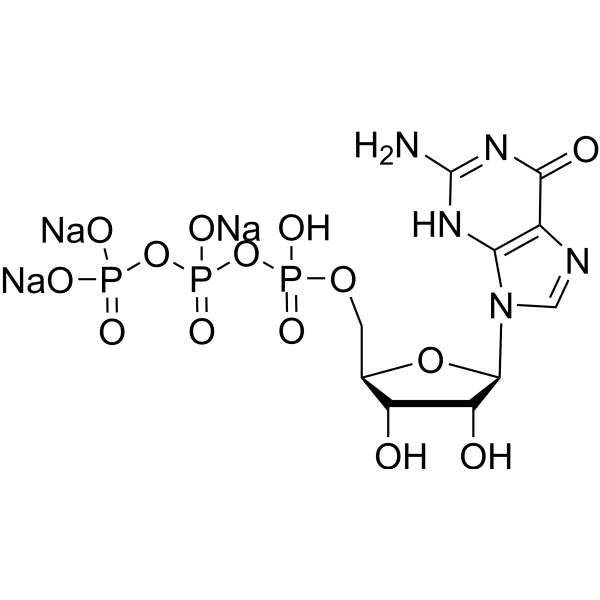
  • HY-W010737
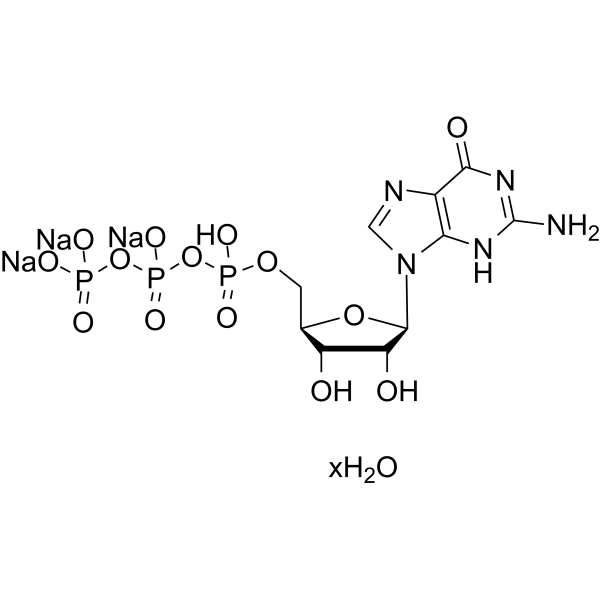
    Guanosine-5'-triphosphate disodium salt
    Maximum Cited Publications
    8 Publications Verification

    5'-GTP disodium salt

    Exosomes Endogenous Metabolite MicroRNA Metabolic Disease
    Guanosine 5'-triphosphate (5'-GTP) trisodium salt is a G protein (G proteins) signaling activator and a high-energy precursor in the biosynthesis of nucleotide units in DNA and RNA. Guanosine 5'-triphosphate trisodium salt can promote myogenic cell differentiation by upregulating miRNA (miR133a, miR133b) and myogenic regulatory factor expression, and by inducing human myogenic precursor cells to release exosomes containing guanosine molecules. Guanosine-5'-triphosphate disodium salt holds promise for research in biosynthesis and skeletal muscle regeneration .
    Guanosine-5'-triphosphate disodium salt
  • HY-10966
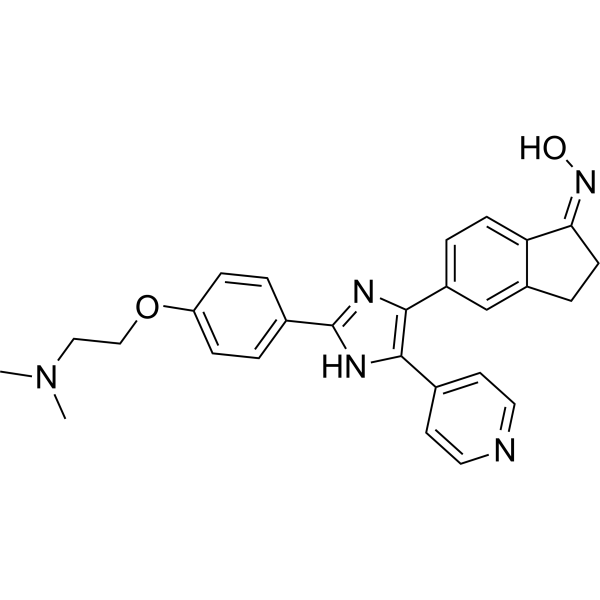
    SB-590885
    5+ Cited Publications

    Raf Apoptosis Neurological Disease Metabolic Disease Cancer
    SB-590885 is a BRAF/c-Raf kinase inhibitor that selectively targets B-Raf, and it amplifies the ERK/MAPK signaling pathway in RAS-activated cells. SB-590885 effectively inhibits the malignant proliferation, transformation and tumorigenicity of oncogenic B-Raf cells; it also induces the proliferation of erythroid progenitor cells, delays their differentiation and promotes hemoglobin synthesis, thereby improving ineffective erythropoiesis and reducing apoptosis. SB-590885 exerts a synergistic effect with TGF-β inhibitors and glucocorticoids, significantly promoting the formation of erythroid colonies in cells from patients with Diamond-Blackfan anemia (DBA). SB-590885 is mainly used in relevant studies on DBA, cisplatin-induced myelosuppression-related anemia, and pan-cancers such as melanoma and colorectal cancer .
    SB-590885
  • HY-P99349

    Loncastuximab tesirine-lpyl; ADCT-402

    Antibody-Drug Conjugates (ADCs) Apoptosis Cancer
    Loncastuximab tesirine is a human cluster of differentiation 19 (CD19)-directed antibody-drug conjugate (ADC). The antibody portion is Loncastuximab (HY-P99711), and the drug-linker conjugate for ADC is Tesirine (HY-128952). Once bound to CD19 on the cell membrane, loncastuximab tesirine is rapidly internalised and triggers cell death. Loncastuximab tesirin induces cell apoptosis, it can be used for the research of diffuse large B-cell lymphoma .
    Loncastuximab tesirine
  • HY-12695
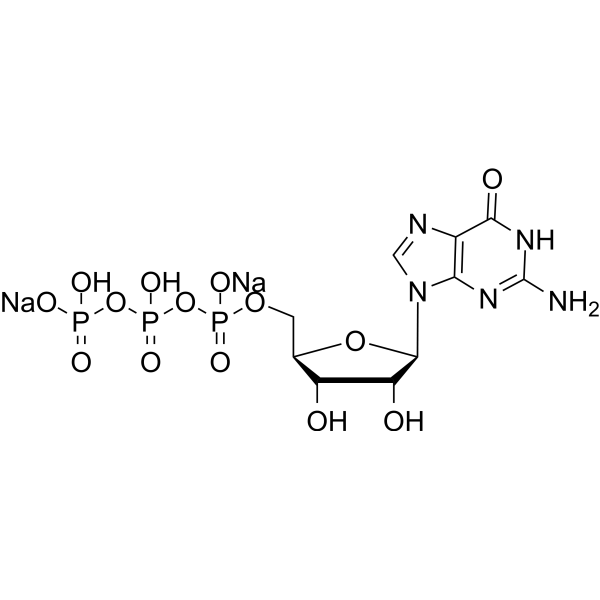
    Guanosine 5'-triphosphate trisodium
    5 Publications Verification

    5'-GTP trisodium

    Exosomes Endogenous Metabolite DNA/RNA Synthesis Metabolic Disease
    Guanosine 5'-triphosphate (5'-GTP) trisodium salt is a G protein (G proteins) signaling activator and a high-energy precursor in the biosynthesis of nucleotide units in DNA and RNA. Guanosine 5'-triphosphate trisodium salt can promote myogenic cell differentiation by upregulating miRNA (miR133a, miR133b) and myogenic regulatory factor expression, and by inducing human myogenic precursor cells to release exosomes containing guanosine molecules. Guanosine-5'-triphosphate trisodium salt holds promise for research in biosynthesis and skeletal muscle regeneration .
    Guanosine 5'-triphosphate trisodium
  • HY-14909
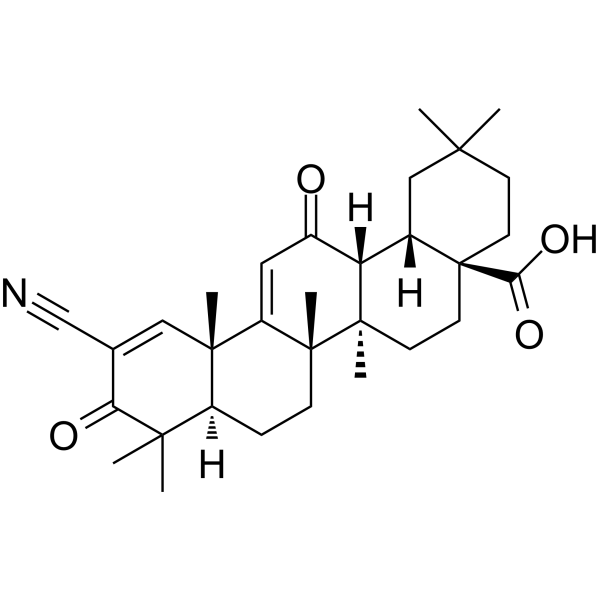
    Bardoxolone
    Maximum Cited Publications
    23 Publications Verification

    CDDO; RTA 401

    Keap1-Nrf2 NF-κB SARS-CoV Apoptosis Reactive Oxygen Species (ROS) Glutathione Peroxidase Necroptosis Infection Neurological Disease Inflammation/Immunology Cancer
    Bardoxolone (CDDO; RTA 401) is a Nrf2 activator. Bardoxolone shows anti-SARS-CoV-2 3CLpro with IC50 of 27.99 μM. Bardoxolone activates the Nrf2 pathway and inhibits the NF-κB pathway. Bardoxolone can induce cells differentiation, apoptosis and shows antiproliferative activity against cancer cells. Bardoxolone can increase ROS and decrease intracellular GSH levels. Bardoxolone inhibits Z-VAD-FMK (HY-16658B)-induced necroptosis. Bardoxolone can be used for the research of cancer, inflammation and infection, such as SARS-CoV infection and glioblastoma .
    Bardoxolone
  • HY-N0704
    Agrimol B
    1 Publications Verification

    Sirtuin PPAR Fatty Acid Synthase (FASN) c-Myc Bacterial Infection Metabolic Disease Cancer
    Agrimol B, a polyphenol, is an orally active and potent SIRT1 activator. Agrimol B shows anti-adipogenic and anticancer activity. Agrimol B shows antibacterial activity against plant pathogens. Agrimol B dramatically inhibits 3T3-L1 adipocyte differentiation by reducing PPARγ, C/EBPα, FAS, UCP-1, and apoE expression. The action of Agrimol B on the cancer cells is likely derived from its effect on c-MYC, SKP2 and p27 .
    Agrimol B
  • HY-173158

    PROTACs Histone Acetyltransferase Cancer
    AUR1545 is a selective KAT2A/KAT2B ((GCN5/PCAF)) PROTAC degrader that induces monocyte differentiation and inhibits the growth of acute myeloid leukemia cells. AUR1545 inhibits cell growth, induces epithelial differentiation and suppresses tumor growth in small cell lung cancer models. AUR1545 inhibits cell growth and induces differentiation in neuroendocrine prostate cancer cells and primary patient-derived organoids. AUR1545 is applicable to research related to acute myeloid leukemia, small cell lung cancer and neuroendocrine prostate cancer .
    AUR1545
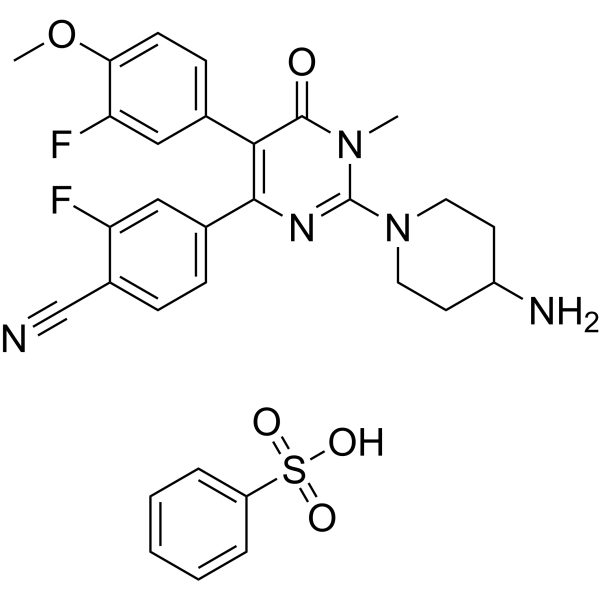
  • HY-129388B
    Pulrodemstat benzenesulfonate
    4 Publications Verification

    CC-90011 benzenesulfonate; LSD1-IN-7 benzenesulfonate

    Histone Demethylase Inflammation/Immunology Cancer
    Pulrodemstat (CC-90011) benzenesulfonate is a potent, selective, reversible and orally active inhibitor of lysine specific demethylase-1 (LSD1) with an IC50 of 0.25 nM. Pulrodemstat benzenesulfonate is less enzymatic inhibition against LSD2, MAO-A, and MAO-B. Pulrodemstat benzenesulfonate induces acute myeloid leukemia (AML) and small cell lung cancer (SCLC) cells differentiation and has potent anticancer activity .
    Pulrodemstat benzenesulfonate
  • HY-P990706

    ALPN-303

    TNF Receptor Inflammation/Immunology
    Povetacicept (ALPN-303) is an engineered Fc fusion protein containing the TACI domain, and acts as a dual APRIL/BAFF antagonist. The Kd value of Povetacicept for human BAFF is 59.3 pM, while its Kd value for human APRIL is 1.00 pM. Povetacicept reduces the activation, proliferation, differentiation and survival of B cells, and inhibits the production of immunoglobulins and autoantibodies. Povetacicept can be used in research related to autoimmune hemolytic anemia, immune thrombocytopenia, systemic lupus erythematosus, lupus nephritis and myasthenia gravis .
    Povetacicept
  • HY-N7204
    4-Hydroxyderricin
    1 Publications Verification

    Monoamine Oxidase Dopamine β-hydroxylase Apoptosis Neurological Disease Inflammation/Immunology
    4-Hydroxyderricin, the major active ingredients of Angelica keiskei Koidzumi, is an orally active, potent selective MAO-B (Monoamine oxidase inhibitors) inhibitor with an IC50 of 3.43 μM. 4-Hydroxyderricin also mildly inhibits dopamine β (DBH)-hydroxylase activity. 4-Hydroxyderricin has antidepressant activity, anti-allergic, anti-diabetic, anti-oxidant, and antitumor effects. 4-Hydroxyderricin promotes apoptosis and cell cycle arrest through regulating PI3K/AKT/mTOR pathway in hepatocellular cells. 4-Hydroxyderricin inhibits osteoclast formation and accelerates osteoblast differentiation . 4-Hydroxyderricin is promising for research of inflammatory diseases .
    4-Hydroxyderricin
  • HY-113262

    Endogenous Metabolite Interleukin Related Neurological Disease Metabolic Disease Inflammation/Immunology
    8-Hydroxyguanosine, an oxidized nucleoside, is a marker of RNA oxidative damage and oxidative stress. 8-Hydroxyguanosine stimulates proliferation and differentiation of murine B cells with immunostimulatory activity. 8-Hydroxyguanosine is promising for research of Alzheimer’s disease and Down’s syndrome .
    8-Hydroxyguanosine
  • HY-P99590A
    Sotatercept (mIgG2a)
    1 Publications Verification

    RAP-011

    TGF-β Receptor TGF-beta/Smad Cardiovascular Disease Metabolic Disease
    Sotatercept (mIgG2a) (RAP-011), the murine homolog of Sotatercept (ACE-011) (HY-P99590), is a soluble activin receptor type IIA (ActRIIA) ligand trap. Sotatercept (mIgG2a) inhibits the binding of activin A and other members of the TGF-β superfamily (such as Activin A/B, GDF11 and BMP9/10) to their receptors by combining and neutralizing them, thereby regulating cell proliferation and differentiation. Sotatercept (mIgG2a) mainly inhibits the SMAD2/3 signaling pathway, and can be used in various diseases such as chronic kidney disease. Sotatercept (mIgG2a) reduces the expression of erythropoietic hepcidin (ERFE), regulates iron metabolism, and promotes red blood cell production. Sotatercept (mIgG2a) has a dual effect of promoting bone formation (anabolic) and inhibiting bone resorption (catabolic) .
    Sotatercept (mIgG2a)
  • HY-18948
    GSK321
    1 Publications Verification

    Isocitrate Dehydrogenase (IDH) Cancer
    GSK321 is a potent, selective mutant IDH1 inhibitor with IC50 values of 2.9, 3.8, 4.6 and 46 nM for R132G, R132C, R132H and WT IDH1, respectively, and >100-fold selectivity over IDH2. GSK321 induces decrease in intracellular α-Hydroxyglutaric acid (2-HG) (HY-113038B), abrogation of the myeloid differentiation block and induction of granulocytic differentiation at the level of leukemic blasts and more immature stem-like cells. GSK321can be used for research of acute myeloid leukemia (AML) and other cancers .
    GSK321
  • HY-129046C

    Ribonuclease B, Bovine Pancreas

    Endonuclease DNA/RNA Synthesis Endocrinology Cancer
    RNase A (Bovine pancreatic RNase) is a widely used Endonuclease in DNA purification by specifically hydrolyzing cytosine or uracil residues of RNA. RNase A degrades the RNA in the RNA/DNA duplex. RNase A catalyses the breakdown of 3',5'-phosphodiester linkages of single stranded RNA. RNase A family members in organisms are tightly involved in various physiological and pathological processes including cell growth and development, proliferation, differentiation and migration. Dysregulation of RNase A activity or expression level is closely related to pancreatic, ovarian, bladder and thyroid cancer. RNase A has tumor cell-killing ability. RNase B, Bovine Pancreas (Ribonuclease B, Bovine Pancreas) is the N-glycosylated form of RNase A. RNase B, Bovine Pancreas can promote the folding of polypeptide chains and play a role similar to molecular chaperones .
    RNase B, Bovine Pancreas
  • HY-N0699
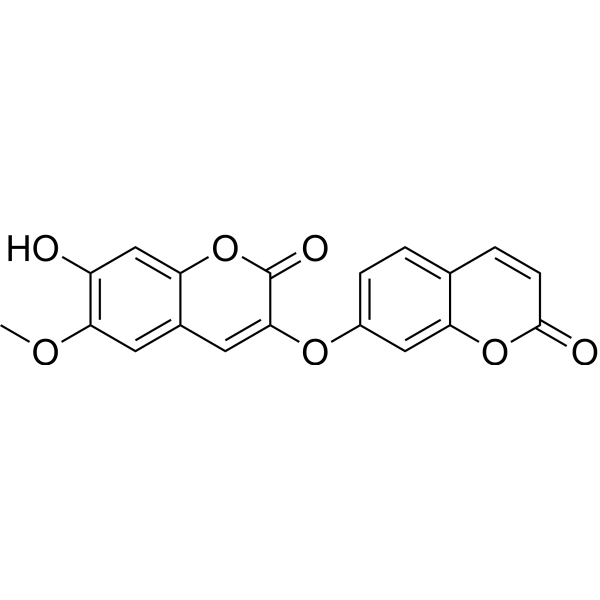
    Daphnoretin
    3 Publications Verification

    Dephnoretin; Thymelol

    PKC Influenza Virus NOD-like Receptor (NLR) Apoptosis HBV JNK PI3K Akt CDK Caspase Bcl-2 Family Infection Inflammation/Immunology Cancer
    Daphnoretin (Dephnoretin; Thymelol) is a protein kinase C (PKC) activator that inhibits the expression of hepatitis B virus (HBV) surface antigen (HBsAg) and exhibits antiviral activity. Daphnoretin exerts its antitumor effects by inhibiting the activation of the PI3K/AKT signaling pathway and triggers the mitochondrial apoptosis pathway. Daphnoretin alleviates chondrocyte apoptosis and inflammatory responses by inhibiting endoplasmic reticulum stress and activation of the NLRP3 inflammasome. Daphnoretin regulates the differentiation and maturation of dendritic cells, inhibits their immunostimulatory function by downregulating the phosphorylation level of JNK, and thus exerts a protective effect in skin graft rejection .
    Daphnoretin
  • HY-N0353
    Curdione
    2 Publications Verification

    (+)-Curdione

    Ferroptosis Apoptosis Reactive Oxygen Species (ROS) Autophagy Glutathione Peroxidase Keap1-Nrf2 Heme Oxygenase (HO) TGF-β Receptor Indoleamine 2,3-Dioxygenase (IDO) Cardiovascular Disease Neurological Disease Cancer
    Curdione ((+)-Curdione) is an orally active sesquiterpenoid. Curdione inhibits platelet aggregation. Curdione induces ferroptosis in colorectal cancer via m6A methylation mediated by METTL14 and YTHDF2. Curdione inhibits ferroptosis in Isoproterenol (HY-B0468)-induced myocardial infarction by regulating the Keap1/Trx1/GPX4 signaling pathway, suppressing oxidative stress (ROS) and apoptosis. Curdione ameliorates Doxorubicin (HY-15142)-induced cardiotoxicity by inhibiting oxidative stress (ROS) and activating the Nrf2/HO-1 pathway. Curdione ameliorates sepsis-induced lung injury by inhibiting platelet-mediated neutrophil extracellular trap formation. Curdione ameliorates Bleomycin (HY-17565A)-induced pulmonary fibrosis by inhibiting TGF-β-induced fibroblast-to-myofibroblast differentiation. Curdione exhibits neuroprotective effects against focal cerebral ischemia-reperfusion injury in rats. Curdione exerts antiproliferative effects against human uterine leiomyosarcoma by targeting IDO1. Curdione protects vascular endothelial cells and atherosclerosis by regulating DNMT1-mediated ERBB4 promoter methylation. Curdione inhibits inducible prostaglandin E2 production (IC50 = 1.1 μM) and cyclooxygenase 2 expression .
    Curdione
  • HY-N0840
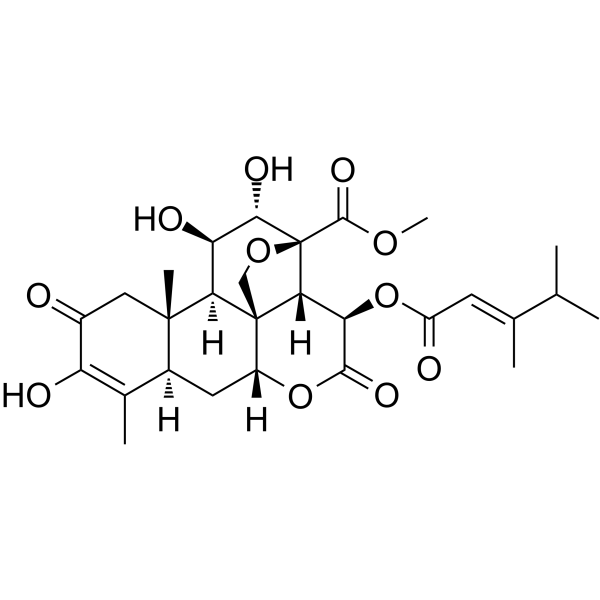
    Bruceantin
    2 Publications Verification

    (-)-Bruceantin; NCI165563; NSC165563

    c-Myc Caspase Mitochondrial Metabolism Apoptosis Parasite Infection Cancer
    Bruceantin ((-)-Bruceantin) is a quassinoid found in B. javanica. Bruceantin activates caspase signaling pathway, causes the mitochondrial dysfunction, inhibits cell proliferation, induces cell differentiation and apoptosis. Bruceantin exhibits anti-leukemia and antiprotozoal activities .
    Bruceantin
  • HY-139348
    PFI-90
    1 Publications Verification

    Histone Demethylase Apoptosis Cancer
    PFI-90 is a selective inhibitor of histone demethylase (KDM3B) that inhibits PAX3-FOXO1 action. PFI-90 induces apoptosis and myogenic differentiation, resulting in the cell death increased. PFI-90 has the potential for the antitumor activity. (patent WO2021101929A1).
    PFI-90
  • HY-12695B
    Guanosine 5'-triphosphate trisodium salt hydrate
    Maximum Cited Publications
    8 Publications Verification

    5'-GTP trisodium salt hydrate

    Exosomes Endogenous Metabolite DNA/RNA Synthesis Metabolic Disease
    Guanosine 5'-triphosphate (5'-GTP) trisodium salt hydrate is a G protein (G proteins) signaling activator and a high-energy precursor in the biosynthesis of nucleotide units in DNA and RNA. Guanosine 5'-triphosphate trisodium salt hydrate can promote myogenic cell differentiation by upregulating miRNA (miR133a, miR133b) and myogenic regulatory factor expression, and by inducing human myogenic precursor cells to release exosomes containing guanosine molecules. Guanosine-5'-triphosphate disodium salt hydrate holds promise for research in biosynthesis and skeletal muscle regeneration .
    Guanosine 5'-triphosphate trisodium salt hydrate
  • HY-N0762
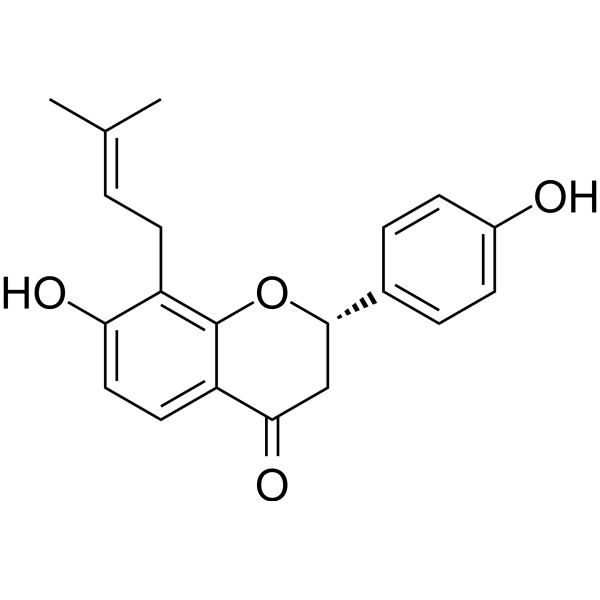
    Isobavachin
    5 Publications Verification

    Cytochrome P450 UGT p38 MAPK NF-κB NO Synthase COX Fc Receptor (FcR) RANKL/RANK Keap1-Nrf2 Reactive Oxygen Species (ROS) Apoptosis Autophagy Neurological Disease Metabolic Disease Inflammation/Immunology Cancer
    Isobavachin is an orally active, blood-brain barrier-penetrating prenylated flavonoid present in Psoralea corylifolia. Isobavachin inhibits human CYP2B6, CYP2C9, CYP2C19, UGT1A1, UGT1A9, and UGT2B7. Isobavachin suppresses MAPK activation, NF-κB nuclear translocation, overexpression of iNOS/COX-2, FcεRI-mediated signaling pathways, and RANKL-induced osteoclastogenesis. Isobavachin induces autophagy, cytotoxicity, neuronal differentiation, and NRF2 activation; it alleviates oxidative damage, inflammatory responses, apoptosis, iron accumulation, mitochondrial biogenesis, and mast cell degranulation. Isobavachin is applicable to research related to liver injury, inflammatory diseases, osteoporosis, liver cancer, prostate cancer, glioma, periodontitis-induced bone loss, and Alzheimer's disease .
    Isobavachin
  • HY-170823

    E1/E2/E3 Enzyme Cancer
    PRC1-IN-1 is a PRC1 complex inhibitor. PRC1-IN-1 binds to both RING1A and RING1B proteins, and inhibits the activities of RING1B-BMI1 and RING1B-PCGF1. PRC1-IN-1 effectively inhibits H2AK119 ubiquitination and induces cell differentiation in leukemia cells. PRC1-IN-1 can be used for the research of leukemia .
    PRC1-IN-1
  • HY-P990121
    Anti-Mouse IL-4 Antibody (11B11)
    1 Publications Verification

    Interleukin Related Inflammation/Immunology Cancer
    Anti-Mouse IL-4 Antibody (11B11) is an anti-mouse IL-4 IgG1 monoclonal antibody. Anti-Mouse IL-4 Antibody (11B11) can inhibit Th2 cell differentiation by blocking the IL-4 signaling pathway. Anti-Mouse IL-4 Antibody (11B11) can significantly reduce fibrosis combined with anti-IL13 mAb. Anti-Mouse IL-4 Antibody (11B11) can be used for researches on cancer and inflammation conditions such as colorectal cancer and prostatitis .
    Anti-Mouse IL-4 Antibody (11B11)
  • HY-101365A
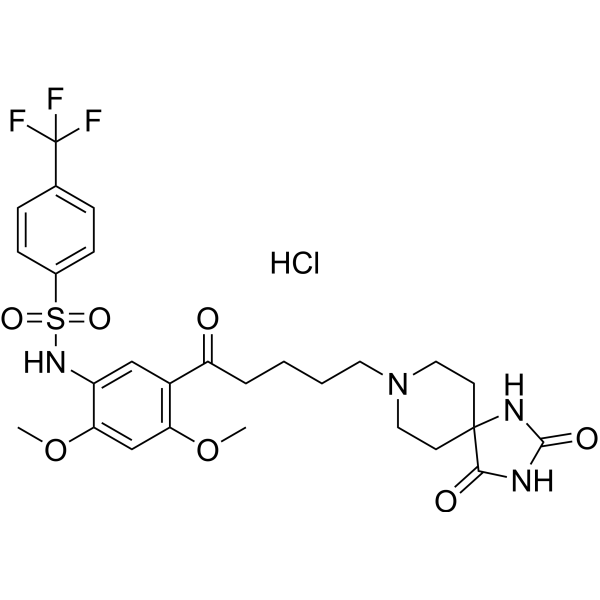
    RS-102221 hydrochloride
    1 Publications Verification

    5-HT Receptor Neurological Disease
    RS-102221 hydrochloride is a selective 5-HT2C receptor antagonist (Ki=10 nM). RS-102221 hydrochloride shows nearly 100-fold selectivity for the 5-HT2C receptor as compared to the 5-HT2A and 5-HT2B receptors. RS-102221 hydrochloride can promote the differentiation of new nerve cells. RS-102221 hydrochloride increases food-intake and weight-gain in rats .
    RS-102221 hydrochloride
  • HY-N0754

    YAP HSP Reactive Oxygen Species (ROS) ERK Autophagy Apoptosis Tyrosinase DNA/RNA Synthesis Neurological Disease Inflammation/Immunology Cancer
    Eupalinolide A is a Yes-associated protein (YAP) degrader and HSP70 inducer. Eupalinolide A inhibits osteogenic differentiation of tendon-derived stem cells (TDSCs). Eupalinolide A induces autophagy in hepatocellular carcinoma cells via activating the ROS/ERK signaling pathway. Eupalinolide A protects PAM212 cells from UVB-, Menadione (HY-B0332)-, or heat shock-induced apoptosis. Eupalinolide A alleviates trauma-induced heterotopic ossification (HO) of Achilles tendon and inhibits growth of MHCC97-L and HCCLM3 hepatocellular carcinoma xenograft tumors in mice. Eupalinolide A can be used for the study of traumatic heterotopic ossification of tendons and hepatocellular carcinoma .
    Eupalinolide A
  • HY-125904
    4-Hydroxyretinoic acid
    1 Publications Verification

    RAR/RXR UGT Cytochrome P450 Apoptosis Drug Derivative Neurological Disease Inflammation/Immunology Cancer
    4-Hydroxyretinoic acid (4-HRA) is a derivative of Retinoic acid (HY-14649). 4-Hydroxyretinoic acid is formed via the catalysis of retinol by cytochrome P-450 isoenzymes. 4-Hydroxyretinoic acid also serves as a substrate for UDP-glucuronosyltransferase (s) and recombinant UGT2B7. 4-Hydroxyretinoic acid binds to the nuclear receptor RAR (Retinoic Acid Receptor), activates RAR and RXR-alpha, subsequently regulates gene expression and cell differentiation, and induces cancer cell apoptosis (Apoptosis). 4-Hydroxyretinoic acid also participates in multiple physiological processes such as immunoregulation, neuroprotection and antioxidation .
    4-Hydroxyretinoic acid
  • HY-109082

    SKI-O-703

    Syk Inflammation/Immunology
    Cevidoplenib (SKI-O-703) is an orally available inhibitor of spleen tyrosine kinase (Syk), with potential anti-inflammatory and immunomodulating activities. Cevidoplenib is also the mesylate form of SKI-O-592. Cevidoplenib and SKI-O-592 inhibits BCR-mediated survival, proliferation, and differentiation of B cells. And SKI-O-592 potently inhibits multiple kinases with IC50s of 6.2 nM (Syk), 1.859 μM (Jak2), 5.807 μM (Jak3), 0.412 μM (RET), 0.687 μM (KOR), 1.783 μM (FLT3), 16.96 μM (FGFR1), 5.662 μM (FGFR3), and 0.709 μM (Pyk2), respectively .
    Cevidoplenib
  • HY-141677

    Histone Demethylase Cancer
    INCB059872 is a potent, orally active, selective and irreversible Lysine-Specific Demethylase 1 (LSD1) inhibitor that achieves inhibitory activity through the formation of covalent FAD-adducts. INCB059872 can inhibit cell proliferation and induce cell differentiation by upregulating the expression of myeloid differentiation markers CD86 and CD11b. INCB059872 can be used for the research of myeloid leukemia .
    INCB059872
  • HY-129079
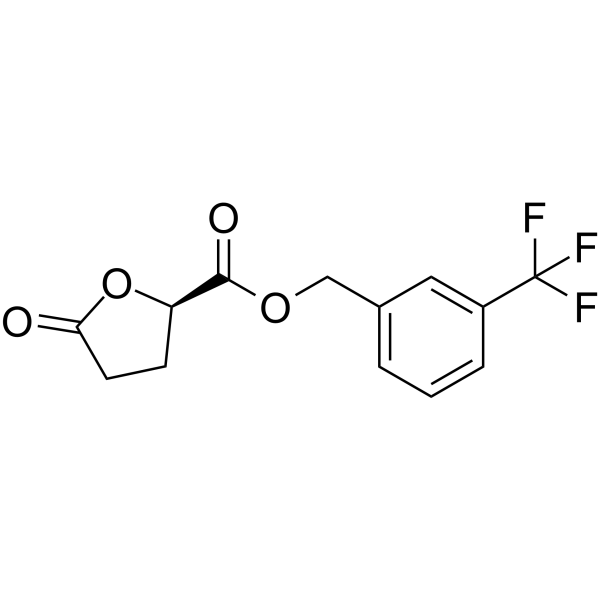
    TFMB-(R)-2-HG
    3 Publications Verification

    Estrogen Receptor/ERR Histone Demethylase Fat Mass and Obesity-associated Protein (FTO) Cancer
    TFMB-(R)-2-HG is a cell membrane-permeable (R)-2-HG and acute myeloid leukemia (AML) oncogenic factor. TFMB-(R)-2-HG competitively inhibits α-ketoglutarate-dependent dioxygenases such as KDM2B and FTO. TFMB-(R)-2-HG impairs cell differentiation in response to Estrogen withdrawal. TFMB-(R)-2-HG is used in acute myeloid leukemia and glioma research .
    TFMB-(R)-2-HG
  • HY-116474

    ERK JNK MMP p38 MAPK STAT Fungal Bacterial NO Synthase PGE synthase NF-κB Wnt β-catenin Infection Metabolic Disease Inflammation/Immunology
    Viridicatol is a quinolone alkaloid with anti-inflammatory, antibacterial, antifungal, osteogenic and chondrogenic activities. Viridicatol reduces the phosphorylation levels of ERK, JNK, p38 and STAT6; inhibits MMP-2, MMP-9, NF-κB signaling pathway and PTP1B; downregulates genes related to mast cell activation; and binds to SHN3 to activate the Wnt/SHN3 signaling pathway. Viridicatol inhibits the expression of pro-inflammatory mediators and cytokines, and promotes osteogenic/chondrogenic differentiation. Viridicatol can be used in studies related to fibrosarcoma, allergy, bacterial infection, fungal infection and osteoporosis .
    Viridicatol
  • HY-B0902A

    MF-934 hydrochloride

    Bacterial Antibiotic Infection
    Rufloxacin hydrochloride (MF-934 hydrochloride) is a fluoroquinolone antibacterial, inhibits B-cell differentiation in human mononuclear cells, inhibits Topo.
    Rufloxacin hydrochloride
  • HY-N7501
    Isoformononetin
    1 Publications Verification

    Others Metabolic Disease Inflammation/Immunology
    Isoformononetin is an analog of Daidzein (HY-N0019) and has immunoprotective effects. Isoformononetin inhibits the differentiation of Th17 and B-cells lymphopoesis to promote osteogenesis in estrogen-deficient bone loss conditions .
    Isoformononetin
  • HY-B0172AS

    3β-Hydroxy-5α-cholanic acid-d2

    Autophagy Apoptosis Endogenous Metabolite Isotope-Labeled Compounds Neurological Disease
    Isoallolithocholic acid-d2 is the deuterium labeled Isoallolithocholic acid (HY-B0172A). Isoallolithocholic acid is a T cell regulator and enhances regulatory T cells (Tregs) differentiation .
    Isoallolithocholic acid-d2
  • HY-141677A

    Histone Demethylase Cancer
    INCB059872 dihydrochloride is a potent, orally active, selective and irreversible Lysine-Specific Demethylase 1 (LSD1) inhibitor that achieves inhibitory activity through the formation of covalent FAD-adducts. INCB059872 dihydrochloride can inhibit cell proliferation and induce cell differentiation by upregulating the expression of myeloid differentiation markers CD86 and CD11b. INCB059872 dihydrochloride can be used for the research of myeloid leukemia .
    INCB059872 dihydrochloride
  • HY-113512

    Influenza Virus Inflammation/Immunology
    17-HDHA is a DHA-derived specialized proresolving mediator (SPM). 17-HDHA enhances the antibody-mediated immune response against influenza virus. 17-HDHA enhances the differentiation of B cells toward the CD27 + CD38 + antibody-secreting cell phenotype, thereby strongly increasing IgM and IgG production by activated B cells .
    17-HDHA
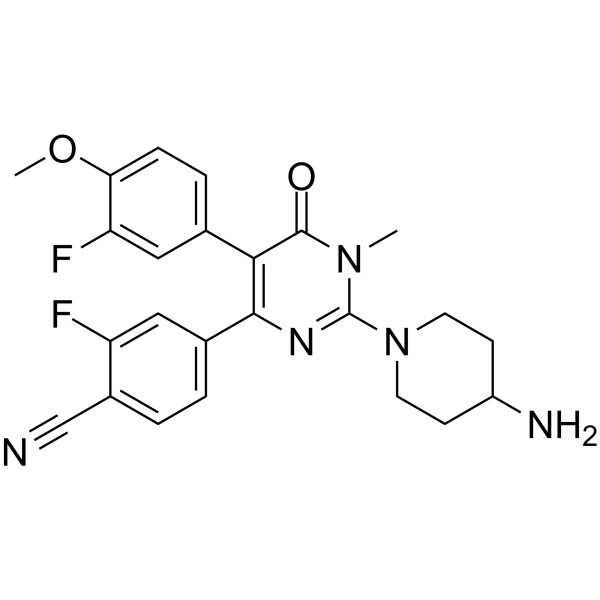
  • HY-129388A
    Pulrodemstat
    4 Publications Verification

    CC-90011; LSD1-IN-7

    Histone Demethylase Inflammation/Immunology Cancer
    Pulrodemstat (CC-90011) is a potent, selective, reversible and orally active inhibitor of lysine specific demethylase-1 (LSD1) with an IC50 of 0.25 nM. Pulrodemstat is less enzymatic inhibition against LSD2, MAO-A, and MAO-B. Pulrodemstat induces acute myeloid leukemia (AML) and small cell lung cancer (SCLC) cells differentiation and has potent anticancer activity .
    Pulrodemstat
  • HY-149132

    DDA

    LXR Cancer
    Dendrogenin A (DDA) is a ligand for liver X receptor (LXR), that induces the expression of sodium/iodine symporter, and increases iodine uptake. Dendrogenin A induces cell differentiation of MCF-7, and reactivates the function of lactating cells. Dendrogenin A induces the expressions of the TSH receptor, thyroid peroxidase, and thyroglobulin, and affects thyroid hormone generation. Dendrogenin A exhibits cytotoxicity in cancer cell B-CPAP and 8505c with IC50 of 4.1 and 6.2 µM. Dendrogenin A arrests the cell cycle at G0/G1 phase .
    Dendrogenin A
  • HY-P990796

    Interleukin Related Inflammation/Immunology Cancer
    Anti-Mouse IL-2 Antibody (S4B6-1) is an anti-mouse IL-2 IgG2a monoclonal antibody. Anti-Mouse IL-2 Antibody (S4B6-1) can reduce CD4 + T cells and increase Tregs. Anti-Mouse IL-2 Antibody (S4B6-1) can induce Th17 cell differentiation. Anti-Mouse IL-2 Antibody (S4B6-1) can be used for research on cancer such as melanoma. The recommend isotype control of Anti-Mouse IL-2 Antibody (S4B6-1): Rat IgG2a kappa, Isotype Control (HY-P990679) .
    Anti-Mouse IL-2 Antibody (S4B6-1)
  • HY-145425

    IRE1 Apoptosis FGFR Inflammation/Immunology
    PAIR2 is a highly selective inhibitor targeting the kinase domain of human IRE1α, with a Ki value of 8.8 nM against human IRE1α. PAIR2 fully occupies the ATP-binding site of the IRE1α kinase domain, partially antagonizes the ribonuclease activity of IRE1α, specifically inhibits regulated IRE1α-dependent decay (RIDD) and its mediated substrate cleavage, while preserving the splicing function of Xbp1 mRNA. PAIR2 also promotes the differentiation of B cells into plasma cells, blocks IRE1α-induced cell apoptosis, and restores the expression of Fgfr2 mRNA in AT2 cells. PAIR2 effectively reaches a steady-state concentration in the lung tissues of Mus musculus, and serves as an important tool for investigating the function of the IRE1α signaling pathway in diseases such as pulmonary fibrosis .
    PAIR2
  • HY-154825

    20(OH)D3; 20S-Hydroxyvitamin D3

    VD/VDR Aryl Hydrocarbon Receptor NF-κB Cytochrome P450 Inflammation/Immunology Cancer
    20-Hydroxyvitamin D3 (20(OH)D3), a product of vitamin D3 hydroxylation, is a noncalcemic immunomodulator. 20-Hydroxyvitamin D3 binds to vitamin D receptor (VDR), activates VDR and aryl hydrocarbon receptor (AhR) signaling, stimulates CYP24A1 expression, and drives VDR nuclear translocation. 20-Hydroxyvitamin D3 inhibits NF-κB activity via IκBα upregulation. 20-Hydroxyvitamin D3 acts as a substrate for CYP27B1 and rat CYP24A1, undergoing hydroxylation to form dihydroxy-derivatives. 20-Hydroxyvitamin D3 inhibits cell proliferation, colony formation, migration, and tumor growth, and induces cell differentiation in cancer cells. 20-Hydroxyvitamin D3 can be used for the research of inflammatory and autoimmune diseases, melanoma, breast carcinomas, and hepatocarcinoma .
    20-Hydroxyvitamin D3
  • HY-P990175

    Orexin Receptor (OX Receptor) Inflammation/Immunology Cancer
    Anti-Mouse OX40L/CD134L Antibody (RM134L) is an anti-mouse OX40L/CD134L IgG2b monoclonal antibody. Anti-Mouse OX40L/CD134L Antibody (RM134L) reduces immune response by inhibiting the OX40/OX40L signaling pathway. Anti-Mouse OX40L/CD134L Antibody (RM134L) can inhibit plasma cell differentiation and antibody secretion. Anti-Mouse OX40L/CD134L Antibody (RM134L) can prolong the survival time of cell transplantation by inhibiting CD4 + T cells. Anti-Mouse OX40L/CD134L Antibody (RM134L) can be used for researches on inflammation and cancer such as graft versus host disease (GVHD), allergic reaction, lupus nephritis and hepatocellular carcinoma (HCC) .
    Anti-Mouse OX40L/CD134L Antibody (RM134L)
  • HY-145491

    ERK NF-κB CCR Inflammation/Immunology
    Resolvin D5 is an anti-inflammatory and analgesic agent produced in M2 macrophages. Resolvin D5 alleviates Paclitaxel (HY-B0015)-induced mechanical allodynia and inflammatory pain by activating the GPR32 receptor, with gender specificity (effective only in male mice) and independence from TRPV1 or TRPA1 channels. Resolvin D5 attenuates LPS-induced ERK phosphorylation and NF-κB nuclear translocation, downregulates proinflammatory mediators such as IL-6 and CCL5, inhibits Th17 cell differentiation and osteoclastogenesis, promotes regulatory T cell differentiation, and shows no cytotoxicity to human monocytes. The level of Resolvin D5 is elevated in arthritic SKG mice, but Resolvin D5 has no effect on dendritic cell differentiation or M1 macrophage polarization, nor does it prevent ZyA-induced arthritis progression. Resolvin D5 is suitable for research related to chemotherapy-induced peripheral neuropathy, inflammatory pain and rheumatoid arthritis .
    Resolvin D5
  • HY-101365

    5-HT Receptor Neurological Disease
    RS-102221 is a selective 5-HT2C receptor antagonist (Ki=10 nM). RS-102221 shows nearly 100-fold selectivity for the 5-HT2C receptor as compared to the 5-HT2A and 5-HT2B receptors. RS-102221 can promote the differentiation of new nerve cells. RS-102221 increases food-intake and weight-gain in rats .
    RS-102221
  • HY-114911

    DA2370; Prenazone; Zepelin

    COX Reactive Oxygen Species (ROS) MMP Inflammation/Immunology
    Feprazone (DA2370; Prenazone), an analogue of Phenylbutazone (HY-B0230), is a nonsteroidal anti-inflammatory agent with analgesic and antipyretic activities. Feprazone acts by inhibiting the activity of cyclooxygenase (COX)-2. Feprazone ameliorates free fatty acid (FFA)-induced oxidative stress by reducing the production of mitochondrial reactive oxygen species (ROS). Feprazone can decrease the expression of MMP-2 and MMP-9. Besides, Feprazone can suppress adipogenesis and increase lipolysis in differentiating 3 T3-L1 cells. Feprazone also can be used to research atherosclerosis and obesity .
    Feprazone
  • HY-153085

    CD19 Inflammation/Immunology Cancer
    CD19 CAR circRNA will express CD19 car protein, and can be used in chimeric antigen receptor T cell immunotherapy (CAR-CD19). The CD19 car is a chimeric antigen receptor. Among them, CD19 is a CD molecule expressed by B cells (i.e. leukocyte differentiation antigen), an important membrane antigen involved in B cell proliferation, differentiation, activation and antibody production, and can also promote BCR signal transduction.
    CD19 CAR circRNA
  • HY-137063

    TGF-beta/Smad TGF-β Receptor Cardiovascular Disease
    (+)-ITD-1 is an inhibitor for TGF-β, that inhibits the TGF-β2 with an IC50 of 0.46 μM. (+)-ITD-1 promotes the degradation of TGF-b type II receptor (TGFBR2) and the differentiation of cardiomyocyte, and inhibits the mesoderm formation in the early differentiation stage of mouse embryonic stem cells (mESCs) .
    (+)-ITD-1
  • HY-120255

    17(R)-HDoHE

    Drug Derivative Inflammation/Immunology
    17(R)-HDHA (17(R)-HDoHE) is a pro-resolving mediator (SPM). 17(R)-HDHA enhances the differentiation of B cells toward the CD27(+)CD38(+) antibody-secreting cell phenotype, thereby strongly increasing IgM and IgG production by activated B cells. 17(R)-HDHA does not affect cell proliferation and is non-toxic to cells .
    17(R)-HDHA
  • HY-155705

    TGF-β Receptor GSK-3 β-catenin Others
    BMP agonist 1 (compound 2 b) is a small-molecule agonist of bone morphogenic protein (BMP). BMP induces C2C12 cell differentiation with BMP and highly depends on active BMP signaling. BMP agonist 1 inhibits GSK3β, increases β-catenin signaling and synergistically regulates Id2and Id3 expression. BMP agonist 1 is used in diseases and defects of the skeleton research .
    BMP agonist 1
  • HY-125153

    Influenza Virus Others
    Bursin is a peptide that can be isolated from the bursa of Fabricius of chicken. Bursin induces the phenotypic differentiation of mammalian and avian B precursor cells. Bursin also increases cyclic guanosine monophosphate in cells of the human B-cell line Daudi, its derivatives are able to protect against infection by amplifying the immune response induced by H9N2 .
    Bursin
  • HY-129388C

    CC-90011 hydrochloride; LSD1-IN-7 hydrochloride

    Histone Demethylase Inflammation/Immunology Cancer
    Pulrodemstat (CC-90011) hydrochloride is a potent, selective, reversible and orally active inhibitor of lysine specific demethylase-1 (LSD1) with an IC50 value of 0.25 nM. Pulrodemstat hydrochloride is less enzymatic inhibition against LSD2, MAO-A, and MAO-B. Pulrodemstat hydrochloride induces acute myeloid leukemia (AML) and small cell lung cancer (SCLC) cells differentiation and has potent anticancer activity .
    Pulrodemstat hydrochloride
  • HY-W750675

    Astaxanthin palmitate

    Drug Derivative Others
    Astaxanthin monopalmitate (Astaxanthin palmitate) is an esterified form of Astaxanthin (HY-B2163) (a carotenoid). Astaxanthin monopalmitate degradation resulted in a mixture of free and palmitate apo-astaxanthins. Carotenoids are important biological active, and may regulate cellular differentiation, growth control, photooxidative protection, cell membrane stability, photosynthesis, vision process and nutrition .
    Astaxanthin monopalmitate

Inquiry Online

Your information is safe with us. * Required Fields.

Salutation


Country or Region *

Applicant Name *


Organization Name *

Department *


Email Address *


Product Name *

Cat. No.


Requested quantity *

Phone Number *


Remarks

Inquiry Online

Inquiry Information

Product Name:
Cat. No.:
Quantity:
MCE Japan Authorized Agent:

