1. Search Result
Search Result
Pathways Recommended: Stem Cell/Wnt Cell Cycle/DNA Damage
Results for "

BE (2)-C cells

" in MedChemExpress (MCE) Product Catalog:

147

Inhibitors & Agonists

1

Screening Libraries

2

Fluorescent Dyes

2

Biochemical Assay Reagents

5

Peptides

10

Inhibitory Antibodies

12

Natural
Products

18

Isotope-Labeled Compounds

2

Oligonucleotides

1

GMP Molecules

Cat. No. Product Name Target Research Areas Chemical Structure
  • HY-B0113
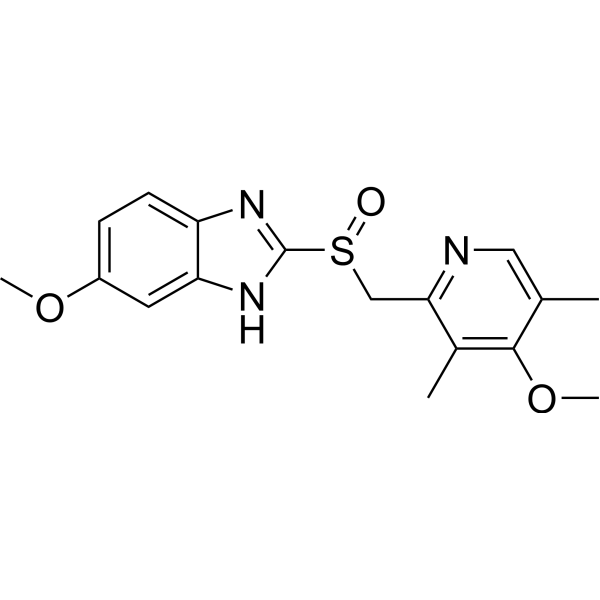
    Omeprazole
    5+ Cited Publications

    H 16868

    Na+/K+ ATPase Proton Pump Bacterial Cytochrome P450 Apoptosis Autophagy Atg8/LC3 TNF Receptor Interleukin Related Infection Neurological Disease Inflammation/Immunology Cancer
    Omeprazole (H 16868) is an orally active H +,K +-ATPase inhibitor and a proton pump inhibitor. Omeprazole competitively inhibits CYP2C19, CYP3A4, and CYP2C9 activity. Omeprazole inhibits gastric acid secretion and can be used for acid-related gastrointestinal disorders. Omeprazole inhibits pancreatic cancer cell proliferation, induces apoptosis, autophagosome accumulation (elevated LC3-I and LC3-II levels), oxidative stress, and cytogenetic imbalance, modulates lysosomal transport, reduces inflammatory cytokines. Omeprazole alters small intestinal morphology and magnesium absorption, and induces gastric mucosa morphologic changes. Omeprazole aslo has neuroprotective and antibacterial effects .
    Omeprazole
  • HY-113071A
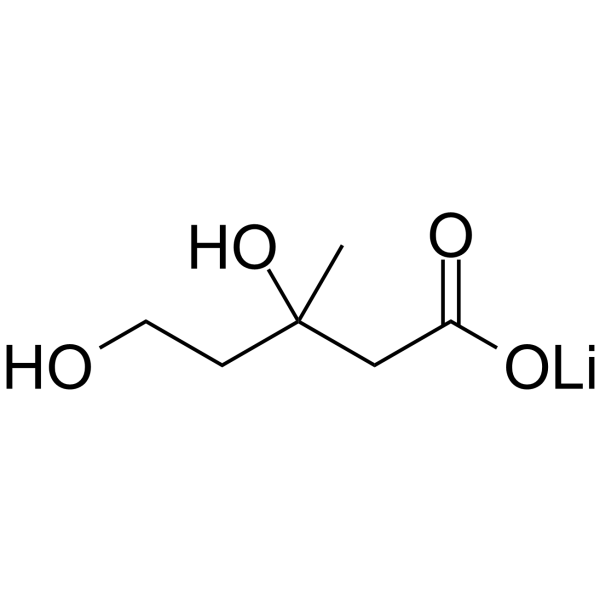
    Mevalonic acid lithium salt
    5+ Cited Publications

    MVA lithium salt

    Endogenous Metabolite Cardiovascular Disease Neurological Disease Metabolic Disease Cancer
    Mevalonic acid (MVA) lithium salt is a precursor substance of the mevalonate pathway, which is essential for cell growth and proliferation. Mevalonic acid lithium salt is effective in inhibiting Simvastatin (HY-17502)-induced decrease in C2C12 cell viability in vitro. Mevalonic acid lithium salt can be used in studies of myopathy and heart failure .
    Mevalonic acid lithium salt
  • HY-124617
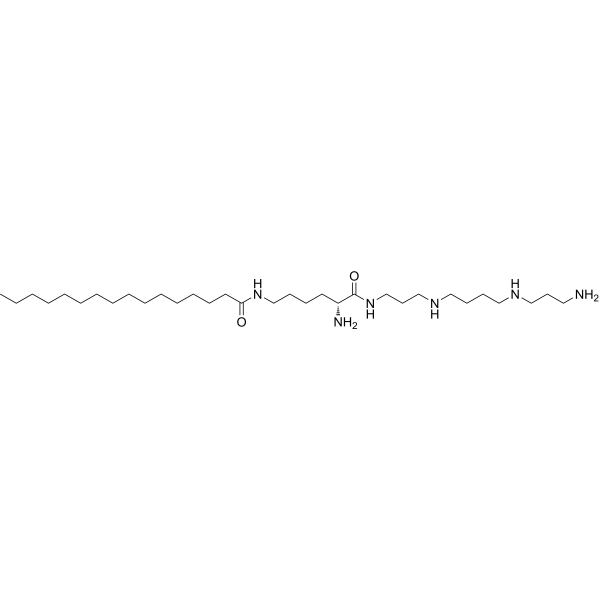
    AMXT-1501
    5+ Cited Publications

    Apoptosis Bacterial Infection Cancer
    AMXT-1501 is a Bacterial agent and polyamine transport system inhibitor. AMXT-1501 targets membrane phospholipids and exhibits antibacterial activity against a variety of Gram-positive and Gram-negative multidrug-resistant bacteria . AMXT-1501 inhibits capsular biosynthesis in Streptococcus pneumoniae . AMXT-1501 targets ornithine decarboxylase and polyamines to inhibit the proliferation of neuroblastoma cells . AMXT-1501 in combination with DFMO (HY-B0744) induces Apoptosis in neuroblastoma cells. AMXT-1501 is applicable to research related to multidrug-resistant bacterial infections, pneumococcal infections, Streptococcus pneumoniae infections, and neuroblastoma .
    AMXT-1501
  • HY-14543
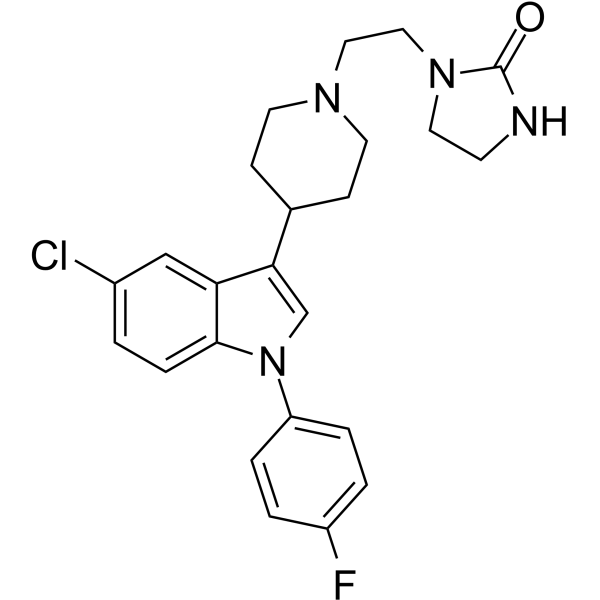
    Sertindole
    3 Publications Verification

    Lu 23-174

    5-HT Receptor Dopamine Receptor Adrenergic Receptor Autophagy Neurological Disease Cancer
    Sertindole (Lu 23-174) is an orally active 5-HT2A, 5-HT2C, dopamine D2, and αl-adrenergic receptors antagonist. Sertindole shows antipsychotic activity and anti-proliferative activity to multiple cancer cells .
    Sertindole
  • HY-W269593
    Perfluorodecanoic acid
    1 Publications Verification

    PFDA

    Caspase Interleukin Related Metabolic Disease
    Perfluorodecanoic acid (PFDA) is an orally active perfluoroalkyl substance. Perfluorodecanoic acid causes dysfunction of rat fetal Leydig cells via endoplasmic reticulum stress-mediated changes in lipid components. Perfluorodecanoic acid reduces testosterone biosynthesis in rat R2C Leydig cells by inducing endoplasmic reticulum stress. Perfluorodecanoic acid can be used in studies related to fetal Leydig cell dysfunction .
    Perfluorodecanoic acid
  • HY-10468
    NM107
    1 Publications Verification

    2'-C-Methylcytidine

    HCV Infection
    NM107 (2'-C-Methylcytidine) is an nucleoside inhibitor of the hepatitis C virus (HCV) NS5B polymerase, the EC50 of NM107 in the wild-type replicon cells is 1.85 μM .
    NM107
  • HY-112820
    Chlorantraniliprole
    2 Publications Verification

    Environmental Pollutants Insecticide Others
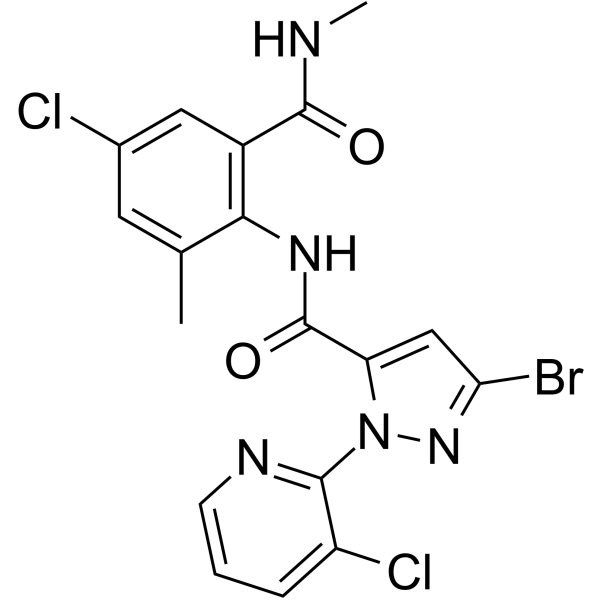
    Chlorantraniliprole is an insecticide that potently and selectively activates insect ryanodine receptor, with EC50s of 40 nM and 50 nM for Drosophila melanogaster and H. virescens ryanodine receptor, and ~300-fold more potent than that in the mouse myoblast cell line, C2C12 (EC50, 14 μM).
    Chlorantraniliprole
  • HY-125348

    Drug Metabolite Cancer
    6α-Hydroxy paclitaxel is one of the main metabolites of Paclitaxel (PTX) (HY-B0015), and it is generated by the liver cytochrome P450 enzyme CYP2C8. 6α-Hydroxy paclitaxel has bone marrow toxicity, but it can enhance the cytotoxicity of PTX against leukemia cells without causing cell toxicity. 6α-Hydroxy paclitaxel can be used in leukemia research .
    6α-Hydroxy paclitaxel
  • HY-B0113A
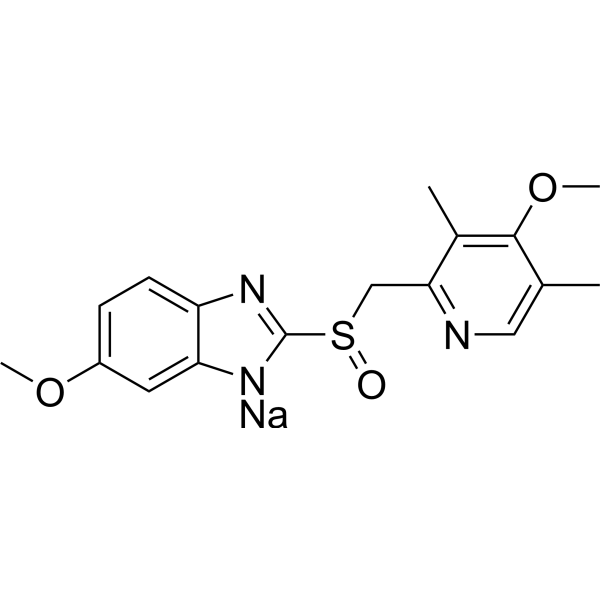
    Omeprazole sodium
    5+ Cited Publications

    H 16868 sodium

    Na+/K+ ATPase Interleukin Related Proton Pump Cytochrome P450 Bacterial Apoptosis Autophagy TNF Receptor Atg8/LC3 Infection Inflammation/Immunology
    Omeprazole (H 16868) sodium is an orally active H +,K +-ATPase inhibitor and a proton pump inhibitor. Omeprazole sodium competitively inhibits CYP2C19, CYP3A4, and CYP2C9 activity. Omeprazole sodium inhibits gastric acid secretion and can be used for acid-related gastrointestinal disorders. Omeprazole sodium inhibits pancreatic cancer cell proliferation, induces apoptosis, autophagosome accumulation (elevated LC3-I and LC3-II levels), oxidative stress, and cytogenetic imbalance, modulates lysosomal transport, reduces inflammatory cytokines. Omeprazole sodium alters small intestinal morphology and magnesium absorption, and induces gastric mucosa morphologic changes. Omeprazole sodium aslo has neuroprotective and antibacterial effects .
    Omeprazole sodium
  • HY-14153
    Tegaserod
    4 Publications Verification

    5-HT Receptor Apoptosis Metabolic Disease Cancer
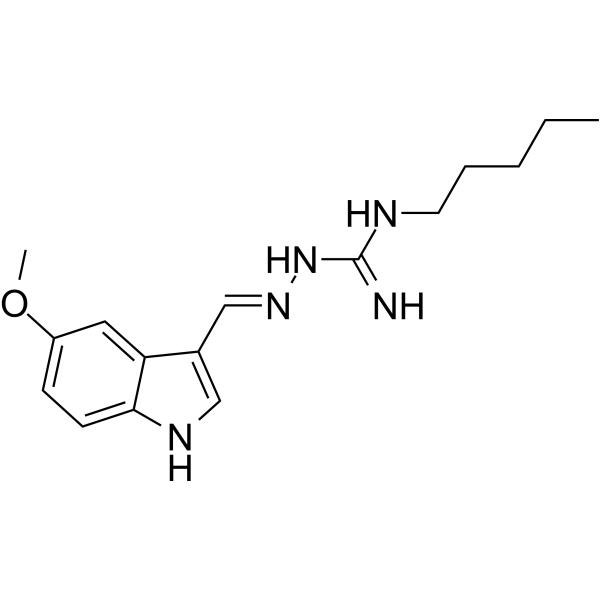
    Tegaserod is an orally active serotonin receptor 4 (HTR4; 5-HT4R) agonist and a 5-HT2B receptor antagonist. Tegaserod has pKis of 7.5, 8.4 and 7.0 for human recombinant 5-HT2A, 5-HT2B and 5-HT2C receptors, respectively. Tegaserod causes tumor cell apoptosis, blunts PI3K/Akt/mTOR signaling and decreases S6 phosphorylation. Tegaserod has anti-tumor activity and has the potential for irritable bowel syndrome (IBS) research .
    Tegaserod
  • HY-14153A
    Tegaserod maleate
    4 Publications Verification

    SDZ-HTF-919; HTF-919

    5-HT Receptor Apoptosis Neurological Disease Metabolic Disease Cancer
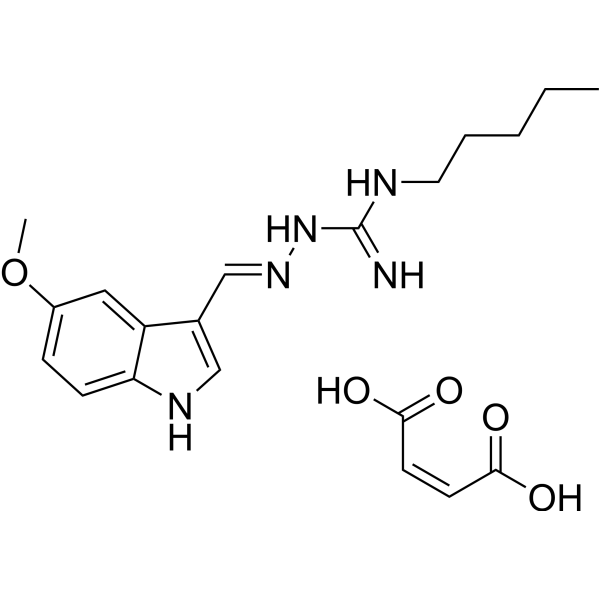
    Tegaserod maleate (SDZ-HTF-919) is an orally active serotonin receptor 4 (HTR4; 5-HT4R) agonist and a 5-HT2B receptor antagonist. Tegaserod maleate has pKis of 7.5, 8.4 and 7.0 for human recombinant 5-HT2A, 5-HT2B and 5-HT2C receptors, respectively. Tegaserod maleate causes tumor cell apoptosis, blunts PI3K/Akt/mTOR signaling and decreases S6 phosphorylation. Tegaserod maleate has anti-tumor activity and has the potential for irritable bowel syndrome (IBS) research .
    Tegaserod maleate
  • HY-175751

    mTOR Cancer
    LRK-4189 is an orally active PIP4K2C (a regulator of mTOR complex) degrader and type 1 immune activator. LRK-4189 induces the degradation of the lipid kinase PIP4K2C. LRK-4189 triggers the interferon signaling pathway in microsatellite-stable (MSS) colorectal cancer cells, activates immunogenic tumor killing, and induces endogenous cell death. LRK-4189 sensitizes microsatellite-stable colorectal cancer tumors to NK cell killing and dendritic cell phagocytosis. LRK-4189 can be used for the research of microsatellite-stable colorectal cancer .
    LRK-4189
  • HY-13463
    Avatrombopag
    5 Publications Verification

    AKR-501; E5501; YM477

    Thrombopoietin Receptor Inflammation/Immunology Cancer
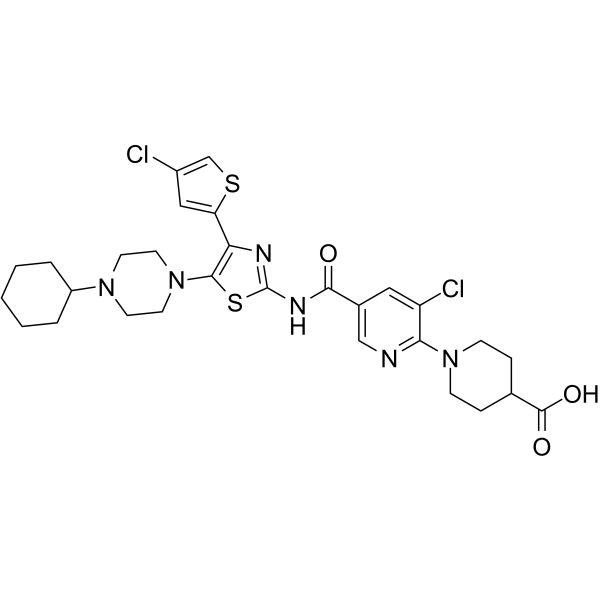
    Avatrombopag (AKR-501) is an orally active, nonpeptide thrombopoietin (TPO) receptor agonist (EC50=3.3 nM). Avatrombopag mimics the biological activities of TPO. Avatrombopag increases platelet production by activating the intracellular signaling system, and promotes production of platelets and megakaryocytes from hemopoietic precursor cells. Avatrombopag is a substrate of cytochrome P450 (CYP) 2C9 and CYP3A .
    Avatrombopag
  • HY-173522

    Kinesin Microtubule/Tubulin Cancer
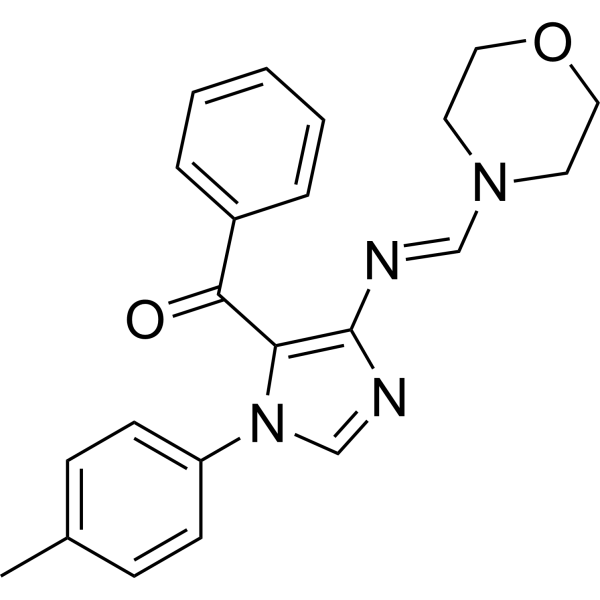
    KIF2C-IN-1 is a cell-penetrating, selective KIF2C inhibitor with fluorescent properties (Ex/Em = 410/510 nm). KIF2C-IN-1 exhibits notable cytotoxicity and weak inhibitory effects on KIF2A/B. KIF2C-IN-1 prohibits the dissociation of KIF2C from microtubules. KIF2C-IN-1 inhibiting KIF2C reverses cross-resistance to microtubule-targeting agents. KIF2C-IN-1 reduces tumorigenesis in chemoresistant triple-negative breast cancer (TNBC) model in mice with the combination of Paclitaxel (HY-B0015) .
    KIF2C-IN-1
  • HY-P990802

    CD3 Metabolic Disease Inflammation/Immunology
    Anti-Mouse CD3ε Antibody (145-2C11) is an orally active anti-mouse CD3ε IgG1 monoclonal antibody. Anti-Mouse CD3ε Antibody (145-2C11) can inhibit the proliferation of effector T cells and improve the function of regulatory T cells (Tregs). Anti-Mouse CD3ε Antibody (145-2C11) relieves inflammatory response by inhibiting the production of pro-inflammatory cytokines and increasing the secretion of anti-inflammatory factors. Anti-Mouse CD3ε Antibody (145-2C11) can be used for researches on metabolic and immune system conditions such as diabetes and lupus. The recommend isotype control of Anti-Mouse CD3ε Antibody (145-2C11): Armenian hamster IgG, Isotype Control (HY-P990305) .
    Anti-Mouse CD3ε Antibody (145-2C11)
  • HY-113071

    MVA

    Endogenous Metabolite Cardiovascular Disease Neurological Disease Metabolic Disease Cancer
    Mevalonic acid (MVA) is a precursor substance of the mevalonate pathway, which is essential for cell growth and proliferation. Mevalonic acid is effective in inhibiting Simvastatin (HY-17502)-induced decrease in C2C12 cell viability in vitro. Mevalonic acid can be used in studies of myopathy and heart failure .
    Mevalonic acid
  • HY-100734
    Histone Acetyltransferase Inhibitor II
    1 Publications Verification

    Histone Acetyltransferase Cancer
    Histone Acetyltransferase Inhibitor II (compound 2c) is a potent, selective and cell permeable p300 histone acetyltransferase inhibitor, with an IC50 of 5 µM. Histone Acetyltransferase Inhibitor II shows anti-acetylase activity in mammalian cells .
    Histone Acetyltransferase Inhibitor II
  • HY-101365A
    RS-102221 hydrochloride
    1 Publications Verification

    5-HT Receptor Neurological Disease
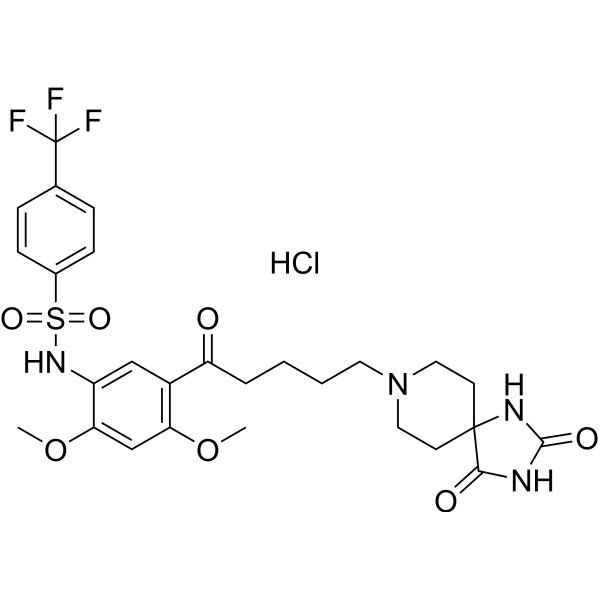
    RS-102221 hydrochloride is a selective 5-HT2C receptor antagonist (Ki=10 nM). RS-102221 hydrochloride shows nearly 100-fold selectivity for the 5-HT2C receptor as compared to the 5-HT2A and 5-HT2B receptors. RS-102221 hydrochloride can promote the differentiation of new nerve cells. RS-102221 hydrochloride increases food-intake and weight-gain in rats .
    RS-102221 hydrochloride
  • HY-150795

    TGF-beta/Smad PI3K Akt ERK JNK Others
    SY-LB-35 is a potent bone morphogenetic protein (BMP) receptor agonist. SY-LB-35 can stimulate significant increases in cell number and cell viability in the C2C12 myoblast cell line, and causes shifts towards the S and G2/M phases of the cell cycle. SY-LB-35 stimulates canonical Smad and non-canonical PI3K/Akt, ERK, p38 and JNK intracellular signaling pathways .
    SY-LB-35
  • HY-N1050

    mTOR Ribosomal S6 Kinase (RSK) Bacterial Infection Neurological Disease Cancer
    Zederone is a sesquiterpene. Zederone inhibits ovarian cancer cell proliferation through mTOR/p70s6K signalling pathway. Zederone inhibits CYP activities with IC50s of 2.9 μM (CYP2B6), 9.2 μM (CYP2C9), 11,2 μM (CYP2C19) and >30 μM (CYP1A2 and CYP2D6). Zederone is hepatotoxic with LD50 value at 24 hours in mice of approximately 223 mg/kg and cytotoxic against the KG1a cell line. Zederone shows antibacterial activity against a number of multi-drug resistant and Methicillin (HY-121544)-resistant Staphylococcus aureus strain. Zederone shows cognition improving capacity and assists in the modulation of gut bacterial dysbiosis .
    Zederone
  • HY-13337

    INX-08189

    HCV Infection
    BMS-986094 (INX-08189) is a potent inhibitor of hepatitis C virus (HCV) replication, with an EC50 of 35 nM at 24 h in Huh-7 cells. BMS-986094 is a phosphoramidate proagent of 6-O-methyl-2’-C-methyl guanosine. BMS-986094 can be used for the research of chronic HCV infection .
    BMS-986094
  • HY-13463A
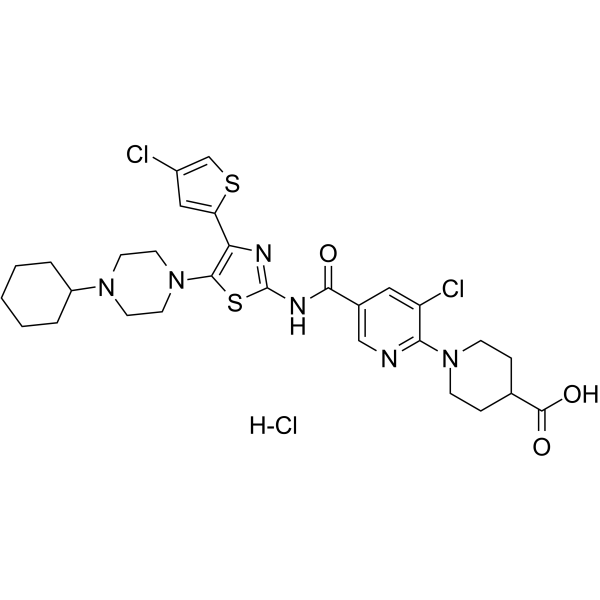
    Avatrombopag maleate
    5 Publications Verification

    AKR-501 maleate; E5501 maleate; YM477 maleate

    Thrombopoietin Receptor Cytochrome P450 ERK STAT Inflammation/Immunology Cancer
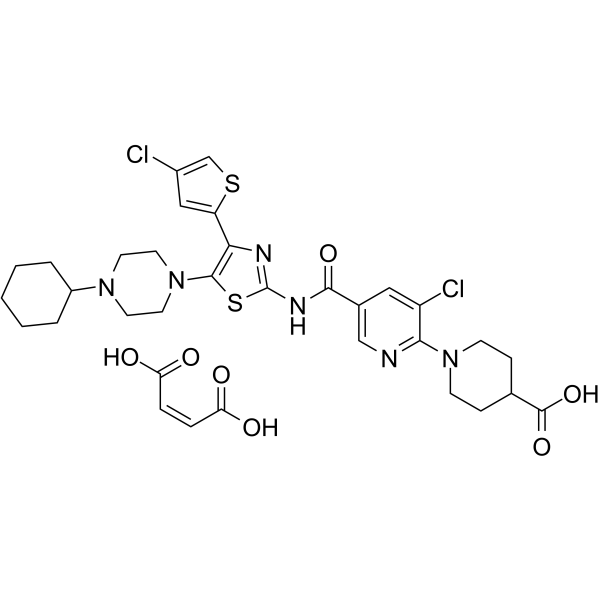
    Avatrombopag (AKR-501) maleate is an orally active, non-peptide thrombopoietin receptor (TPO receptor) agonist (EC50: 3.3 nM). Avatrombopag maleate mimics the biological activity of TPO. Avatrombopag maleate increases platelet production by activating intracellular signaling systems and promotes the production of platelets and megakaryocytes from hematopoietic precursor cells. Avatrombopag maleate is a substrate for cytochrome P450 (CYP) 2C9 and CYP3A .
    Avatrombopag maleate
  • HY-170669

    PROTACs CRM1 Apoptosis NF-κB Cancer
    PROTAC XPO1 degrader-1 (Compound 2c) is an XPO1 degrader. PROTAC XPO1 degrader-1 exhibits anti-proliferative effects, can induce cell apoptosis, inhibit NF-κB activity, and cause cell cycle arrest in the G1 phase. PROTAC XPO1 degrader-1 can be used in research on hematological malignancies (Pink: Target Protein Ligand (HY-170672); Black: Linker (HY-W010525); Blue: E3 Ligase Ligand (HY-170671); E3 Ligase Ligand-Linker Conjugate (HY-170673)) .
    PROTAC XPO1 degrader-1
  • HY-153119

    PROTACs PIKfyve Inflammation/Immunology
    TMX-4153 is a selective PIP4K2C PROTAC degrader. TMX-4153 induces PIP4K2C degradation in MOLT4 cells (DC50 = 24 nM) and HAP1 cells (DC50 = 361 nM). TMX-4153 can be used for the study of biological functions of PIP4K2C (immune modulation)-related diseases. (Pink: BTK ligand (HY-177432), Blue: VHL Ligand (HY-112078), Black: Linker) .
    TMX-4153
  • HY-103608

    VHL Ligand-Linker Conjugates 11; E3 ligase Ligand-Linker Conjugates 11

    E3 Ligase Ligand-Linker Conjugates Cancer
    (S,R,S)-AHPC-(C3-​PEG)​2-​C6-​Cl is a small molecule HaloPROTAC that incorporates the (S,R,S)-AHPC based VHL ligand and 2-unit PEG linker. (S,R,S)-AHPC-(C3-​PEG)​2-​C6-​Cl is capable of inducing the degradation of GFP-HaloTag7 in cell-based assays .
    (S,R,S)-AHPC-(C3-​PEG)​2-​C6-​Cl
  • HY-128591
    DIPQUO
    2 Publications Verification

    Phosphatase Metabolic Disease
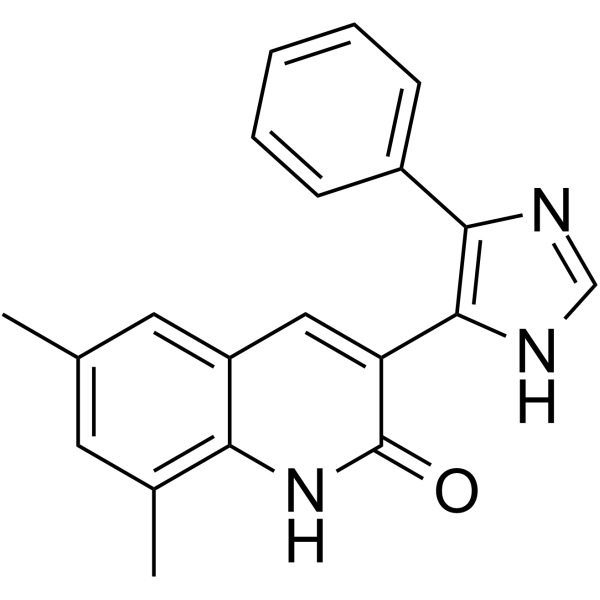
    DIPQUO is an activator of the bone marker alkaline phosphatase (ALP), with an EC50 of 6.27 μM in C2C12 cells. DIPQUO promotes mouse and human osteoblast differentiation via activation of p38 MAPK-β .
    DIPQUO
  • HY-125348S

    Isotope-Labeled Compounds Cancer
    6α-Hydroxy Paclitaxel-d5 is the deuterium labeled 6α-Hydroxy paclitaxel. 6α-Hydroxy paclitaxel is one of the main metabolites of Paclitaxel (PTX) (HY-B0015), and it is generated by the liver cytochrome P450 enzyme CYP2C8. 6α-Hydroxy paclitaxel has bone marrow toxicity, but it can enhance the cytotoxicity of PTX against leukemia cells without causing cell toxicity. 6α-Hydroxy paclitaxel can be used in leukemia research.
    6α-Hydroxy Paclitaxel-d5
  • HY-P990303

    Nuclear Factor of activated T Cells (NFAT) Others
    Anti-Mouse 2C TCR Antibody (1B2) is a mouse-derived IgG1 type antibody inhibitor, targeting to mouse 2C TCR. Anti-Mouse 2C TCR Antibody (1B2) recognizes determinants on the variable regions of both the α and β subunits of the TCR (T cell receptor) expressed by the mouse cytotoxic T lymphocyte clone 2C. Anti-Mouse 2C TCR Antibody (1B2) can be used for the detections of immunofluorescence and flow cytometry .
    Anti-Mouse 2C TCR Antibody (1B2)
  • HY-174866

    Histone Acetyltransferase Epigenetic Reader Domain PROTACs Cancer
    BT-O2C is a highly selective p300 PROTAC degrader. BT-O2C can significantly degrade the level of p300 in HAP1 cells. BT-O2C has significant cytotoxicity in CIC:DUX4 sarcoma (CDS) cell lines (IC50 ranges from 152 to 221 nM) and significantly reduces the expression of CDS target genes (ETV1, ETV4, ETV5). BT-O2C can be used for research on cancer. (Pink: p300 Ligand (HY-174868); Blue: CRBN Ligand (HY-W023573); Black: Linker; CRBN Ligand+Linker (HY-174869)) .
    BT-O2C
  • HY-112821
    IBS008738
    3 Publications Verification

    YAP Inflammation/Immunology
    IBS008738 is a potent TAZ activator. IBS008738 stabilizes TAZ, increases the unphosphorylated TAZ level, enhances the association of MyoD with the myogenin promoter, upregulates MyoD-dependent gene transcription, and competes with myostatin in C2C12 cells. IBS008738 enhances myogenesis in C2C12 cells and facilitates muscle repair in a muscle injury model .
    IBS008738
  • HY-121522

    Histone Demethylase Cancer
    SD-70 is an inhibitor for histone demethylase JMJD2C and exhibits antitumor efficacy. SD-70 inhibits viability of cancer cells CWR22Rv1 (9% cell survival at 10 μM), PC3 (14% cell survival at 2 μM) and DU145 (26% cell survival at 2 μM) .
    SD-70
  • HY-132225

    5-HT Receptor Inflammation/Immunology
    SB 206553 is a 5-HT2C inverse agonist. SB 206553 can attenuate methamphetamine-seeking in rats. SB 206553 has activity for 5-HT2 receptor ligands in HEK-293 or CHO-K1 cells expressing human recombinant 5-HT2 receptors with pKi values of 5.6 nM (5-HT2A), 7.7 nM (5-HT2B) and 7.8 nM (5-HT2C), respectively. SB 206553 can be used for the research of psychostimulant abuse disorders .
    SB 206553
  • HY-P990004

    Tim3 Inflammation/Immunology Cancer
    Anti-Mouse TIM-3 Antibody (B8.2C12) is an anti-mouse TIM-3 IgG1 monoclonal antibody. Anti-Mouse TIM-3 Antibody (B8.2C12) can block the binding of Tim-3 with Phosphatidylserine (PtdSer) and CEACAM1 without interfering with the binding to Galectin-9. Anti-Mouse TIM-3 Antibody (B8.2C12) can inhibit tumor growth and activate tumor infiltrating CD8 + T cells. Anti-Mouse TIM-3 Antibody (B8.2C12) can be used for studying cancer such as breast cancer and colon cancer and constructing experimental autoimmune encephalomyelitis (EAE) models .
    Anti-Mouse TIM-3 Antibody (B8.2C12)
  • HY-146307

    TrxR Cancer
    TrxR-IN-3 (Compound 2c) is a potent inhibitor of TrxR. TrxR-IN-3 exhibits potent antiproliferative activities against five human cancer cell lines, especially against breast tumor cells. TrxR-IN-3 increases ROS levels and resulted in marked apoptosis by regulating apoptosis-related proteins expressed in the breast cancer cells. TrxR-IN-3 also triggers the formation of autophagosomes and autolysosomes by promoting the expression of LC3-II and Beclin-1 and diminishing the expression of LC3-I and p62 proteins .
    TrxR-IN-3
  • HY-101365

    5-HT Receptor Neurological Disease
    RS-102221 is a selective 5-HT2C receptor antagonist (Ki=10 nM). RS-102221 shows nearly 100-fold selectivity for the 5-HT2C receptor as compared to the 5-HT2A and 5-HT2B receptors. RS-102221 can promote the differentiation of new nerve cells. RS-102221 increases food-intake and weight-gain in rats .
    RS-102221
  • HY-W587878

    Cytochrome P450 Pyruvate Kinase Fungal Apoptosis Insecticide Infection Cancer
    Thujopsene is the inhibitor for cytochrome P450, that inhibits CYP2B6, CYP3A4, CYP2C19, CYP2C8, CYP2C9 with IC50s of 1.3, 12.6, 13.6, 29.8, and 44.9 μM, respectively. Thujopsene binds to PKM2, inhibits the metabolism pathway of cancer cell, induces apoptosis in MKN45, thereby exhibiting antitumor efficacy. Thujopsene exhibits anti-termite and antifungal activities through autoxidation .
    Thujopsene
  • HY-115446A

    Cereblon ligand 1 hydrochloride; E3 ligase Ligand-Linker Conjugates 32 hydrochloride

    E3 Ligase Ligand-Linker Conjugates Cancer
    Lenalidomide-C4-NH2 hydrochloride is the Lenalidomide-based Cereblon ligand used in the recruitment of CRBN protein. Lenalidomide-C4-NH2 hydrochloride can be connected to the ligand for protein by a linker to form PROTAC (Compound 24), which has IC50s of 0.98 nM and 13.7 nM in inhibition of RS4;11 and MOLM-13 acute leukemia cell lines growth, respectively .
    Lenalidomide-C4-NH2 hydrochloride
  • HY-108440

    Myosin Cardiovascular Disease
    Shz-1, a small cardiogenic molecule, induces various cardiac-specific genes including sarcomeric tropomyosin in P19CL6 cells. Shz-1 induces Nkx2.5 expression in mouse. Shz-1 activates the axolotl TPM4 promoter-driven ectopic expression in C2C12 cells .
    Shz-1
  • HY-13645

    VEGFR c-Kit PDGFR Cancer
    Henatinib is an orally active small-molecule multikinase inhibitor that has demonstrated broad and potent antitumor activities. Henatinib inhibits the activity of VEGFR-2, c-kit, PDGFR with IC50 values of 0.6 nM, 3.3 nM and 41.5 nM, respectively. Henatinib significantly inhibits VEGFR-2 phosphorylation and its downstream signal pathway in human umbilical vein endothelial cells (HUVECs) .
    Henatinib
  • HY-103607
    (S,R,S)-AHPC-PEG2-C4-Cl
    1 Publications Verification

    VH032-PEG2-C4-Cl; VHL Ligand-Linker Conjugates 7; E3 ligase Ligand-Linker Conjugates 10

    E3 Ligase Ligand-Linker Conjugates Cancer
    (S,R,S)-AHPC-PEG2-C4-Cl (VH032-PEG2-C4-Cl) is a conjugate of ligands for E3 and 13-atom-length linker. The connector of linker is Halogen group. (S,R,S)-AHPC-PEG2-C4-Cl incorporates the (S,R,S)-AHPC based VHL ligand and an alkyl/ether-based linker. (S,R,S)-AHPC-PEG2-C4-Cl is capable of inducing the degradation of GFP-HaloTag7 in cell-based assays .
    (S,R,S)-AHPC-PEG2-C4-Cl
  • HY-N7394

    (3S)-Zuonin A

    AMPK Metabolic Disease Cancer
    Galbacin ((3S)-Zuonin A), the epimer of (-)-Zuonin A (HY-N7394A), is a AMPK activator. Galbacin can be isolated from Myristica fragrans (nutmeg). Galbacin stimulates AMPK enzyme in differentiated C2C12 cells. Galbacin also has anticancer activity, and inhibits the proliferation of lymphocyte and tumor cells. Galbacin prevents weight gain in diet-induced mice model. Galbacin can be used for metabolic syndrome (including obesity and type-2 diabetes) and caners research .
    Galbacin
  • HY-13463B
    Avatrombopag hydrochloride
    5 Publications Verification

    AKR-501 hydrochloride; E5501 hydrochloride; YM477 hydrochloride

    Thrombopoietin Receptor Cardiovascular Disease Cancer
    Avatrombopag (AKR-501) hydrochloride is an orally active, nonpeptide thrombopoietin (TPO) receptor agonist (EC50=3.3 nM). Avatrombopag hydrochloride mimics the biological activities of TPO. Avatrombopag hydrochloride increases platelet production by activating the intracellular signaling system, and promotes production of platelets and megakaryocytes from hemopoietic precursor cells. Avatrombopag hydrochloride is a substrate of cytochrome P450 (CYP) 2C9 and CYP3A .
    Avatrombopag hydrochloride
  • HY-155705

    TGF-β Receptor GSK-3 β-catenin Others
    BMP agonist 1 (compound 2 b) is a small-molecule agonist of bone morphogenic protein (BMP). BMP induces C2C12 cell differentiation with BMP and highly depends on active BMP signaling. BMP agonist 1 inhibits GSK3β, increases β-catenin signaling and synergistically regulates Id2and Id3 expression. BMP agonist 1 is used in diseases and defects of the skeleton research .
    BMP agonist 1
  • HY-174814

    Enterovirus Infection
    Jun15716 is an Enterovirus (EVs) 2C protein (EVs 2C) inhibitor with Kis of 15.9, 44.2 and 17.8 μM for EV-D68, EV-A71 and CVB3, respectively. Jun15716 has a potent antiviral activity against EV-D68 US/MO/14-18947 and CVB3 Nancy cells (EC50s of 1.0 and 0.7 μM, respectively). Jun15716 can be used for viral infections research, such as meningitis, hand, foot and mouth disease (HFMD) and viral myocarditis .
    Jun15716
  • HY-12709A
    ARC 239 dihydrochloride
    1 Publications Verification

    Adrenergic Receptor Cardiovascular Disease Inflammation/Immunology
    ARC 239 dihydrochloride is a selective α2B/2C adrenoceptor antagonist (pKd values are 5.95, 7.41 and 7.56 at α2A, α2B, and α2C receptors respectively). ARC 239 dihydrochloride binds to CHO cell membranes expressing human recombinant a2A-, a2B- or a2C-adrenoceptor subtypes with pKis of 5.6, 8.4, and 7.08, respectively .
    ARC 239 dihydrochloride
  • HY-174815

    Enterovirus Infection
    Jun15799 is an Enterovirus (EVs) 2C protein (EVs 2C) inhibitor with Kis of 0.8, 21.1 and 3.0 μM for EV-D68, EV-A71 and CVB3, respectively. Jun15799 has a significant antiviral activity against EV-D68 US/MO/14-18947, EV-A71 Tainan/4643/1998 and CVB3 Nancy cells (EC50s of 0.3, 11.4 and 0.3 μM, respectively). Jun15799 can be used for viral infections research, such as meningitis, hand, foot and mouth disease (HFMD) and viral myocarditis .
    Jun15799
  • HY-161141

    c-Met/HGFR Cancer
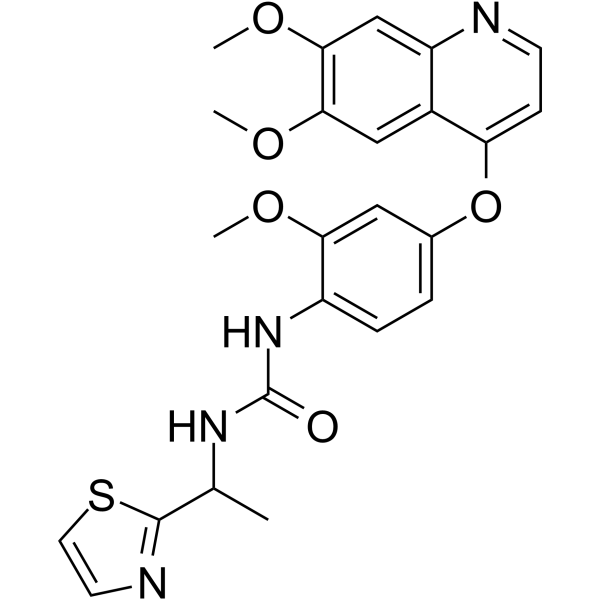
    EGFR/ C-Met-in-2 (Compound H-22) is a dual inhibitor of EGFR/c-Met. EGFR/c-Met-IN-2 inhibits cell proliferation by arresting G2/M phase. EGFR/c-Met-IN-2 has antitumor activity .
    EGFR/c-Met-IN-2
  • HY-144128

    Apoptosis Cancer
    hGGPPS-IN-1 (Compound 18b) is a potent inhibitor of the human geranylgeranyl pyrophosphate synthase (hGGPPS). hGGPPS-IN-1 is an analogue of C-2-substituted thienopyrimidine-based bisphosphonates (C2-ThP-BPs). hGGPPS-IN-1 induces target-selective apoptosis of multiple myeloma (MM) cells and exhibits antimyeloma activity in vivo .
    hGGPPS-IN-1
  • HY-17356G

    Cytochrome P450 PPAR Autophagy Cardiovascular Disease
    Fenofibrate (GMP) is Fenofibrate (HY-17356) produced by using GMP guidelines. GMP small molecules work appropriately as an auxiliary reagent for cell therapy manufacture. Fenofibrate is a selective PPARα agonist with an EC50 of 30 μM. Fenofibrate also inhibits human cytochrome P450 isoforms, with IC50s of 0.2, 0.7, 9.7, 4.8 and 142.1 μM for CYP2C19, CYP2B6, CYP2C9, CYP2C8, and CYP3A4, respectively.
    Fenofibrate
  • HY-177020

    1'-Cyano-2'-C-methyl 4-aza-7,9-dideaza adenosine

    Nucleoside Antimetabolite/Analog Infection
    GS-6620 PM (Compound 2) is an analog of 2′-C-methyl 4-aza-7,9-dideaza adenosine. 2′-C-methyl 4-aza-7,9-dideaza adenosine is an inhibitor of HCV replication in cell culture. GS-6620 PM can be used in the study of hepatitis C virus (HCV) infection .
    GS-6620 PM

Inquiry Online

Your information is safe with us. * Required Fields.

Salutation


Country or Region *

Applicant Name *


Organization Name *

Department *


Email Address *


Product Name *

Cat. No.


Requested quantity *

Phone Number *


Remarks

Inquiry Online

Inquiry Information

Product Name:
Cat. No.:
Quantity:
MCE Japan Authorized Agent:

