
From 11:00 pm to 12:00 pm EST ( 8:00 pm to 9:00 pm PST ) on January 6th, the website will be under maintenance. We are sorry for the inconvenience. Please arrange your schedule properly.
Ofatumumab is a fully human anti-CD20 monoclonal antibody that induces antibody-dependent cell-mediated cytotoxicity (ADCC) and complement-dependent cytotoxicity (CDC) in CD20-expressing B lymphocytes. Ofatumumab has strong lytic activity against CD20-positive B lymphocytes and eliminates CD20-positive tumor cells through ADCC and CDC. Ofatumumab is particularly effective against drug-resistant cells with low CD20 expression and can be applied to the research of chronic lymphocytic leukemia (CLL) .
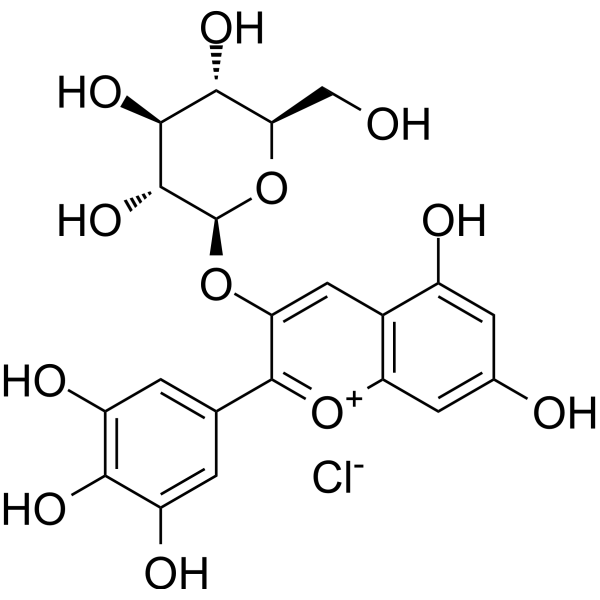
Delphinidin 3-glucoside chloride (Delphinidin 3-O-glucoside chloride) is an active anthocyanin found in Hibiscus sabdariffa extract. Delphinidin 3-glucoside chloride induces a pro-apoptotic effect in B cell chronic lymphocytic leukaemia (B CLL) . Delphinidin 3-glucoside chloride exerts phytoestrogen activity by binding to ERβ, with an IC50 of 9.7 μM . Delphinidin-3-O-glucoside chloride inhibits EGFR with an IC50 of 2.37 µM . Delphinidin 3-glucoside chloride exhibits antitumor effects through pAKT/IRF1/HOTAIR pathway. Delphinidin 3-glucoside chloride exhibits efficacy against oxidative stress, inhibits platelet activation and endothelial dysfunction .
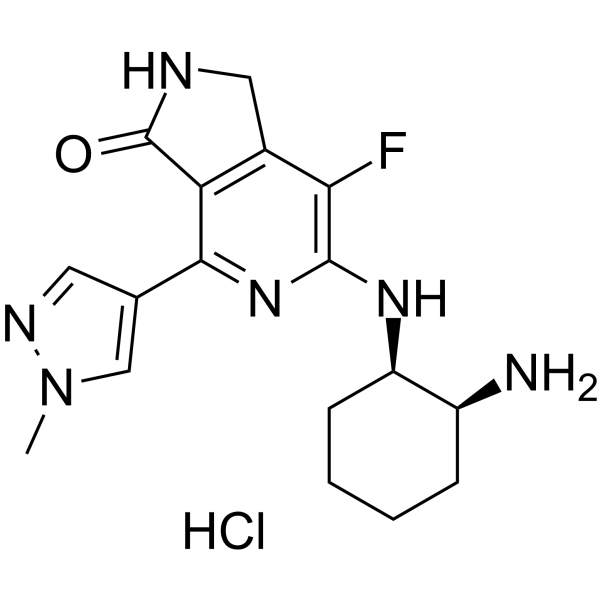
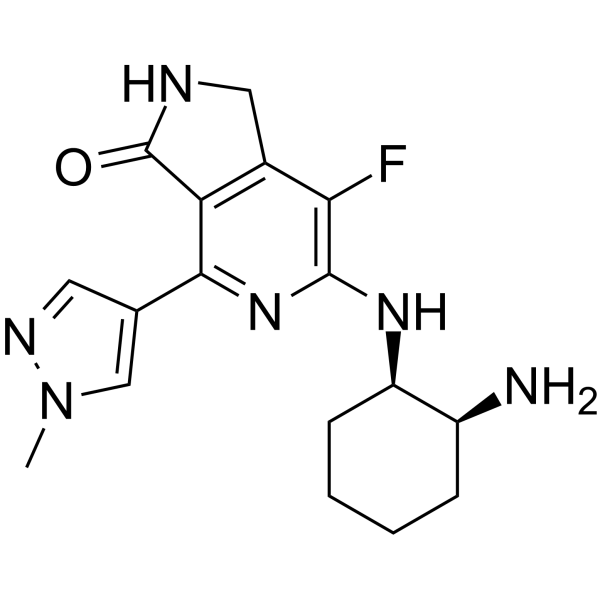
TAK-659 hydrochloride is a highly potent, selective, reversible and orally available dual inhibitor of spleen tyrosine kinase (SYK) and fms related tyrosine kinase 3 (FLT3), with an IC50 of 3.2 nM and 4.6 nM for SYK and FLT3, respectively. TAK-659 hydrochloride induces cell death in tumor cells but not in nontumor cells, and with potential for the treatment of chronic lymphocytic leukemia (CLL) .
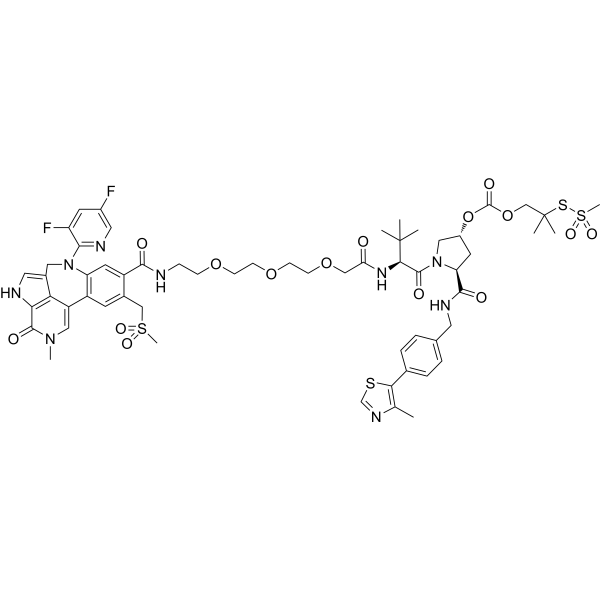
PROTAC BRD4 Degrader linker conjugate is a linker-payload conjugate as well as a bifunctional degrader of BRD4 that binds to VHL, consisting of PROTAC and a linker. PROTAC BRD4 Degrader linker conjugate can be conjugated with STEAP1 and CLL1 antibodies to degrade BRD4 protein, with DC50 values of 0.86 nM and 7.6 nM, respectively. PROTAC BRD4 Degrader linker conjugate can be used in research related to prostate cancer and acute myeloid leukemia (BRD4 ligand: (HY-129939); VHL ligand: (HY-125845)) [1].\n
CAP-100 is a monoclonal antibody that targets CCR7. CAP-100 neutralizes the ligand-binding site and signaling of CCR7. CAP-100 strongly inhibits CCR7-induced migration, extravasation, homing, and survival in chronic lymphocytic leukemia (CLL) samples. CAP-100 triggers potent tumor cell killing, mediated by host immune mechanism. CAP-100 shows a favorable toxicity profile on relevant hematopoietic subsets. CAP-100 is involved in research on anti-tumor and disease such as CLL .
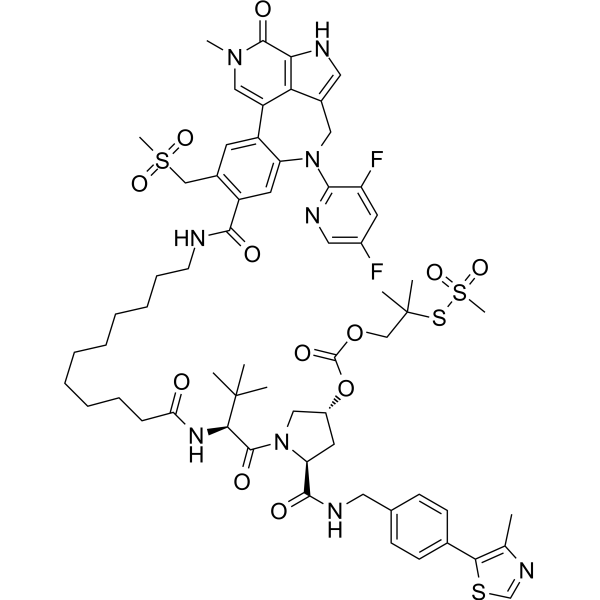
GNE-987 GSH linker-1, a PROTAC-linker Conjugate for PAC, comprises the chimeric BET degrader GNE-987 (HY-129937A) and disulfide-containing linker. GNE-987 GSH linker-1 remains inactive as a degrader until intracellular release of GNE-987 via disulfide reduction and linker self-immolation. GNE-987 GSH linker-1 can be used for the research of acute myeloid leukemia [1].
Cenersen (EL625) is an oligonucleotide targeting TP53. Cenersen can eliminate the activity of TP53 gain-of-function mutants and increase the sensitivity of lymphoma cells to cytotoxic chemotherapy in vitro. Cenersen can be used for the study of chronic lymphocytic leukemia (CLL) .
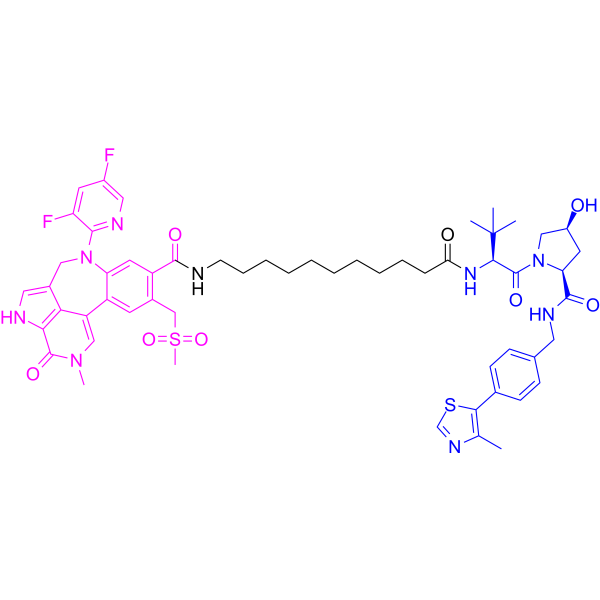
PROTAC BTK Degrader-10 (Example 1P) is a PROTAC degrader for BTK. PROTAC BTK Degrader-10 can be used for research of chronic lymphocytic leukemia (CLL) (Pink: ligand for target protein (HY-170758); Black: linker (HY-W392857); Blue: ligand for E3 ligase Cereblon (HY-W733176))
TAK-659 is a highly potent, selective, reversible and orally available dual inhibitor of spleen tyrosine kinase (SYK) and fms related tyrosine kinase 3 (FLT3), with an IC50 of 3.2 nM and 4.6 nM for SYK and FLT3, respectively. TAK-659 induces cell death in tumor cells but not in nontumor cells, and with potential for the treatment of chronic lymphocytic leukemia (CLL) .
DSP30 is a phosphorothioate cpG-oligodeoxynucleotide and a TLR9 agonist. DSP30 can activate immune system cells, including B cells and dendritic cells, by inducing proliferation and cytokine production.DSP30 can enhance the immunosuppressive function of bone marrow-multipotent mesenchymal stromal cells (BM-MSC). DSP30 combined with interleukin 2 (IL2) is an effective mitotic stimulant in B-cell disorders. DSP30 can be used for the genetic characteristic research and analysis of chronic lymphocytic leukemia (CLL) .
PROTAC BRD4 Degrader-12 (compound 9c) is a PROTAC connected by ligands for von Hippel-Lindau and BRD4. PROTAC BRD4 Degrader-12 can be conjugated with STEAP1 and CLL1 antibodies to degrade the BRD4 protein in PC3 prostate cancer cells, with a DC50 of 0.39 nM and 0.24 nM, respectively [1].
PROTAC BRD4 Degrader-10 (compound 8b) is a PROTAC connected by ligands for von Hippel-Lindau and BRD4. PROTAC BRD4 Degrader-10 can be conjugated with STEAP1 and CLL1 antibodies to degrade the BRD4 protein in PC3 prostate cancer cells, with a DC50 of 1.3 nM and 18 nM, respectively [1].
SpiD3, a spirocyclic dimer, is an anticancer agent. SpiD3 markedly inhibits malignant B-cell proliferation and suppressed NF-κB activation independent of TME-associated stimuli. SpiD3 induces apoptosis and inhibits protein synthesis in chronic lymphocytic leukemia cells. SpiD3 can be used for study of chronic lymphocytic leukemia (CLL) .
FD-895 is a spliceosome modulator derived from a polyketide natural product, targeting the SF3b subunit of the spliceosome. FD-895 possesses core biological activities for regulating RNA splicing (intron retention, alternative splicing) and inducing apoptosis of cancer cells. FD-895 can be used for the research of cancer, such as chronic lymphocytic leukemia (CLL) .
Acalabrutinib (Standard) is the analytical standard of Acalabrutinib. This product is intended for research and analytical applications. Acalabrutinib (ACP-196) is an orally active, irreversible, and highly selective second-generation BTK inhibitor. Acalabrutinib binds covalently to Cys481 in the ATP-binding pocket of BTK. Acalabrutinib demonstrates potent on-target effects and efficacy in mouse models of chronic lymphocytic leukemia (CLL) . Acalabrutinib is a click chemistry reagent, itcontains an Alkyne group and can undergo copper-catalyzed azide-alkyne cycloaddition (CuAAc) with molecules containing Azide groups.
Delphinidin 3-glucoside (chloride) (Standard) is the analytical standard of Delphinidin 3-glucoside (chloride). This product is intended for research and analytical applications. Delphinidin 3-glucoside chloride (Delphinidin 3-O-glucoside chloride) is an active anthocyanin found in Hibiscus sabdariffa extract. Delphinidin 3-glucoside chloride induces a pro-apoptotic effect in B cell chronic lymphocytic leukaemia (B CLL) . Delphinidin 3-glucoside chloride exerts phytoestrogen activity by binding to ERβ, with an IC50 of 9.7 μM . Delphinidin-3-O-glucoside chloride inhibits EGFR with an IC50 of 2.37 µM . Delphinidin 3-glucoside chloride exhibits antitumor effects through pAKT/IRF1/HOTAIR pathway. Delphinidin 3-glucoside chloride exhibits efficacy against oxidative stress, inhibits platelet activation and endothelial dysfunction .
CLT030 Antibody is a human monoclonal antibody targeting CLL1/CLEC12A/CD371, with a Kd value of 7.32 nM against human targets. CLT030 Antibody can be used to synthesize the ADC CLT030. It is applicable to research related to acute myeloid leukemia [1].
CLEC12A Human Pre-designed siRNA Set A contains three designed siRNAs for CLEC12A gene (Human), as well as a negative control, a positive control, and a FAM-labeled negative control.
COLEC10 Human Pre-designed siRNA Set A contains three designed siRNAs for COLEC10 gene (Human), as well as a negative control, a positive control, and a FAM-labeled negative control.
Clec12a Mouse Pre-designed siRNA Set A contains three designed siRNAs for Clec12a gene (Mouse), as well as a negative control, a positive control, and a FAM-labeled negative control.
1D09C3 is a fully human anti-HLA-DR monoclonal antibody. 1D09C3 induces apoptosis and cell death involving a cascade of events, including ROS generation, JNK activation, mitochondrial membrane depolarization, and AIF release from mitochondria. 1D09C3 shows potent anti-tumor activity and increases overall survival and median survival in JVM-2 cells and GRANTA-519 cells xenograft mice models. 1D09C3 can be used for the researches of cancer, such as chronic lymphocytic leukemia (CLL) .
Delphinidin 3-glucoside (chloride) (Standard) is the analytical standard of Delphinidin 3-glucoside (chloride). This product is intended for research and analytical applications. Delphinidin 3-glucoside chloride (Delphinidin 3-O-glucoside chloride) is an active anthocyanin found in Hibiscus sabdariffa extract. Delphinidin 3-glucoside chloride induces a pro-apoptotic effect in B cell chronic lymphocytic leukaemia (B CLL) . Delphinidin 3-glucoside chloride exerts phytoestrogen activity by binding to ERβ, with an IC50 of 9.7 μM . Delphinidin-3-O-glucoside chloride inhibits EGFR with an IC50 of 2.37 µM . Delphinidin 3-glucoside chloride exhibits antitumor effects through pAKT/IRF1/HOTAIR pathway. Delphinidin 3-glucoside chloride exhibits efficacy against oxidative stress, inhibits platelet activation and endothelial dysfunction .
Colec10 Mouse Pre-designed siRNA Set A contains three designed siRNAs for Colec10 gene (Mouse), as well as a negative control, a positive control, and a FAM-labeled negative control.
Mivavotinib (monohydrochloride) (Standard) is the analytical standard of Mivavotinib (monohydrochloride) (HY-100867A). This product is intended for research and analytical applications. TAK-659 hydrochloride is a highly potent, selective, reversible and orally available dual inhibitor of spleen tyrosine kinase (SYK) and fms related tyrosine kinase 3 (FLT3), with an IC50 of 3.2 nM and 4.6 nM for SYK and FLT3, respectively. TAK-659 hydrochloride induces cell death in tumor cells but not in nontumor cells, and with potential for the treatment of chronic lymphocytic leukemia (CLL) .
Agelastatin D is a pyrrole-imidazole alkaloid and cytotoxic agent found in the Western Australian sponge Cymbastela sp.. Agelastatin D induces cytotoxic activity against cancer cells. Agelastatin D can be used for the research of chronic lymphocytic leukemia [1].
Ofatumumab is a fully human anti-CD20 monoclonal antibody that induces antibody-dependent cell-mediated cytotoxicity (ADCC) and complement-dependent cytotoxicity (CDC) in CD20-expressing B lymphocytes. Ofatumumab has strong lytic activity against CD20-positive B lymphocytes and eliminates CD20-positive tumor cells through ADCC and CDC. Ofatumumab is particularly effective against drug-resistant cells with low CD20 expression and can be applied to the research of chronic lymphocytic leukemia (CLL) .
CAP-100 is a monoclonal antibody that targets CCR7. CAP-100 neutralizes the ligand-binding site and signaling of CCR7. CAP-100 strongly inhibits CCR7-induced migration, extravasation, homing, and survival in chronic lymphocytic leukemia (CLL) samples. CAP-100 triggers potent tumor cell killing, mediated by host immune mechanism. CAP-100 shows a favorable toxicity profile on relevant hematopoietic subsets. CAP-100 is involved in research on anti-tumor and disease such as CLL .
CLT030 Antibody is a human monoclonal antibody targeting CLL1/CLEC12A/CD371, with a Kd value of 7.32 nM against human targets. CLT030 Antibody can be used to synthesize the ADC CLT030. It is applicable to research related to acute myeloid leukemia [1].
1D09C3 is a fully human anti-HLA-DR monoclonal antibody. 1D09C3 induces apoptosis and cell death involving a cascade of events, including ROS generation, JNK activation, mitochondrial membrane depolarization, and AIF release from mitochondria. 1D09C3 shows potent anti-tumor activity and increases overall survival and median survival in JVM-2 cells and GRANTA-519 cells xenograft mice models. 1D09C3 can be used for the researches of cancer, such as chronic lymphocytic leukemia (CLL) .
Delphinidin 3-glucoside chloride (Delphinidin 3-O-glucoside chloride) is an active anthocyanin found in Hibiscus sabdariffa extract. Delphinidin 3-glucoside chloride induces a pro-apoptotic effect in B cell chronic lymphocytic leukaemia (B CLL) . Delphinidin 3-glucoside chloride exerts phytoestrogen activity by binding to ERβ, with an IC50 of 9.7 μM . Delphinidin-3-O-glucoside chloride inhibits EGFR with an IC50 of 2.37 µM . Delphinidin 3-glucoside chloride exhibits antitumor effects through pAKT/IRF1/HOTAIR pathway. Delphinidin 3-glucoside chloride exhibits efficacy against oxidative stress, inhibits platelet activation and endothelial dysfunction .
Delphinidin 3-glucoside (chloride) (Standard) is the analytical standard of Delphinidin 3-glucoside (chloride). This product is intended for research and analytical applications. Delphinidin 3-glucoside chloride (Delphinidin 3-O-glucoside chloride) is an active anthocyanin found in Hibiscus sabdariffa extract. Delphinidin 3-glucoside chloride induces a pro-apoptotic effect in B cell chronic lymphocytic leukaemia (B CLL) . Delphinidin 3-glucoside chloride exerts phytoestrogen activity by binding to ERβ, with an IC50 of 9.7 μM . Delphinidin-3-O-glucoside chloride inhibits EGFR with an IC50 of 2.37 µM . Delphinidin 3-glucoside chloride exhibits antitumor effects through pAKT/IRF1/HOTAIR pathway. Delphinidin 3-glucoside chloride exhibits efficacy against oxidative stress, inhibits platelet activation and endothelial dysfunction .
Agelastatin D is a pyrrole-imidazole alkaloid and cytotoxic agent found in the Western Australian sponge Cymbastela sp.. Agelastatin D induces cytotoxic activity against cancer cells. Agelastatin D can be used for the research of chronic lymphocytic leukemia [1].
CLEC12A/MICL (C-type lectin domain family 12 member A/myelosuppressive C-type lectin-like receptor) is a cell surface receptor that acts as a modulator of signaling cascades, specifically promoting target MAP kinases Protease. CLEC12A/MICL Protein, Rat (HEK293, His) is the recombinant rat-derived CLEC12A/MICL protein, expressed by HEK293 , with N-His labeled tag. The total length of CLEC12A/MICL Protein, Rat (HEK293, His) is 205 a.a., with molecular weight of 32-45 kDa.
CLEC12A/MICL Protein is a member of the C-type lectin/C-type lectin-like domain (CTL/CTLD) superfamily. CLEC12A is a cell surface receptor known to regulate signaling cascades and facilitate the tyrosine phosphorylation of target MAP kinases. It interacts with PTPN6 and PTPN11, indicating its involvement in intricate cellular signaling processes. CLEC12A/MICL Protein, Cynomolgus (HEK293, His) is the recombinant cynomolgus-derived CLEC12A/MICL protein, expressed by HEK293 , with N-His labeled tag.
CLEC12A/MICL (C-type lectin domain family 12 member A/myelosuppressive C-type lectin-like receptor) is a cell surface receptor that acts as a modulator of signaling cascades, specifically promoting target MAP kinases Protease. CLEC12A/MICL Protein, Human (HEK293, Fc) is the recombinant human-derived CLEC12A/MICL protein, expressed by HEK293 , with N-hFc labeled tag.
CLEC12A/MICL protein acts as a cell surface receptor, facilitating tyrosine phosphorylation of MAP kinases and modulating signaling cascades. It interacts with PTPN6 and PTPN11, key proteins in signaling pathways. CLEC12A/MICL Protein, Mouse (HEK293, His) is the recombinant mouse-derived CLEC12A/MICL protein, expressed by HEK293 , with N-His labeled tag.
CLEC12A/MICL (C-type lectin domain family 12 member A/myelosuppressive C-type lectin-like receptor) is a cell surface receptor that acts as a modulator of signaling cascades, specifically promoting target MAP kinases Protease. CLEC12A/MICL Protein, Human (Biotinylated, HEK293, His-Avi) is the recombinant human-derived CLEC12A/MICL protein, expressed by HEK293 , with C-Avi, N-His labeled tag.
CLEC12A/MICL (C-type lectin domain family 12 member A/myelosuppressive C-type lectin-like receptor) is a cell surface receptor that acts as a modulator of signaling cascades, specifically promoting target MAP kinases Protease. CLEC12A/MICL Protein, Human (Biotinylated, HEK293, Fc-Avi) is the recombinant human-derived CLEC12A/MICL protein, expressed by HEK293 , with N-hFc, N-Avi labeled tag.
CLEC12A/MICL (C-type lectin domain family 12 member A/myelosuppressive C-type lectin-like receptor) is a cell surface receptor that acts as a modulator of signaling cascades, specifically promoting target MAP kinases Protease. CLEC12A/MICL Protein, Human (HEK293, His) is the recombinant human-derived CLEC12A/MICL protein, expressed by HEK293 , with N-His labeled tag.
CLEC12A/MICL (C-type lectin domain family 12 member A/myelosuppressive C-type lectin-like receptor) is a cell surface receptor that acts as a modulator of signaling cascades, specifically promoting target MAP kinases Protease. FITC-Labeled CLEC12A/MICL Protein, Human (HEK293, His, solution) is the recombinant human-derived CLEC12A/MICL protein, expressed by HEK293 , with N-His labeled tag.
CL-L1/COLEC10, operating as a lectin, displays distinct sugar-binding preferences, with a hierarchy of galactose > mannose = fucose > N-acetylglucosamine > N-acetylgalactosamine. Apart from its sugar-binding role, CL-L1/COLEC10 functions as a chemoattractant, suggesting potential engagement in the modulation of cell migration. CL-L1/COLEC10 Protein, Mouse (HEK293, Fc) is the recombinant mouse-derived CL-L1/COLEC10 protein, expressed by HEK293 , with N-hFc labeled tag.
CL-L1/COLEC10, operating as a lectin, displays distinct sugar-binding preferences, with a hierarchy of galactose > mannose = fucose > N-acetylglucosamine > N-acetylgalactosamine. Apart from its sugar-binding role, CL-L1/COLEC10 functions as a chemoattractant, suggesting potential engagement in the modulation of cell migration. CL-L1/COLEC10 Protein, Cynomolgus (HEK293, Fc) is the recombinant cynomolgus-derived CL-L1/COLEC10 protein, expressed by HEK293 , with N-hFc labeled tag.
Cenersen (EL625) is an oligonucleotide targeting TP53. Cenersen can eliminate the activity of TP53 gain-of-function mutants and increase the sensitivity of lymphoma cells to cytotoxic chemotherapy in vitro. Cenersen can be used for the study of chronic lymphocytic leukemia (CLL) .
DSP30 is a phosphorothioate cpG-oligodeoxynucleotide and a TLR9 agonist. DSP30 can activate immune system cells, including B cells and dendritic cells, by inducing proliferation and cytokine production.DSP30 can enhance the immunosuppressive function of bone marrow-multipotent mesenchymal stromal cells (BM-MSC). DSP30 combined with interleukin 2 (IL2) is an effective mitotic stimulant in B-cell disorders. DSP30 can be used for the genetic characteristic research and analysis of chronic lymphocytic leukemia (CLL) .
CLEC12A Human Pre-designed siRNA Set A contains three designed siRNAs for CLEC12A gene (Human), as well as a negative control, a positive control, and a FAM-labeled negative control.
COLEC10 Human Pre-designed siRNA Set A contains three designed siRNAs for COLEC10 gene (Human), as well as a negative control, a positive control, and a FAM-labeled negative control.
Clec12a Mouse Pre-designed siRNA Set A contains three designed siRNAs for Clec12a gene (Mouse), as well as a negative control, a positive control, and a FAM-labeled negative control.
Colec10 Mouse Pre-designed siRNA Set A contains three designed siRNAs for Colec10 gene (Mouse), as well as a negative control, a positive control, and a FAM-labeled negative control.
Inquiry Online
Your information is safe with us. * Required Fields.
Western blot analysis of extracts from THP-1(lane 2(20μg), Jurkat (lane 3(20μg) and NIH3T3(lane 4(20μg) using FOXO1A (HY-P80132) Rabbit mAb. Proteins were transferred
to a PVDF membrane and blocked with 5% non-fat milk in TBST for 2 hour at room temperature. The primary antibody (1/1000) and Loading control antibody (Beta Actin, HY-P80438, 1/10000) was
used in 5% non-fat milk in TBST at 4°C overnight. Goat Anti-Mouse/Rabbit IgG-HRP Secondary Antibody (1/10000) was used for 1 hour at room temperature.
Western blot analysis of extracts from THP-1(lane 2(20μg), Jurkat (lane 3(20μg) and NIH3T3(lane 4(20μg) using FOXO1A (HY-P80132) Rabbit mAb. Proteins were transferred
to a PVDF membrane and blocked with 5% non-fat milk in TBST for 2 hour at room temperature. The primary antibody (1/1000) and Loading control antibody (Beta Actin, HY-P80438, 1/10000) was
used in 5% non-fat milk in TBST at 4°C overnight. Goat Anti-Mouse/Rabbit IgG-HRP Secondary Antibody (1/10000) was used for 1 hour at room temperature.
Western blot analysis of extracts from THP-1(lane 2(20μg), Jurkat (lane 3(20μg) and NIH3T3(lane 4(20μg) using FOXO1A (HY-P80132) Rabbit mAb. Proteins were transferred
to a PVDF membrane and blocked with 5% non-fat milk in TBST for 2 hour at room temperature. The primary antibody (1/1000) and Loading control antibody (Beta Actin, HY-P80438, 1/10000) was
used in 5% non-fat milk in TBST at 4°C overnight. Goat Anti-Mouse/Rabbit IgG-HRP Secondary Antibody (1/10000) was used for 1 hour at room temperature.
Western blot analysis of extracts from THP-1(lane 2(20μg), Jurkat (lane 3(20μg) and NIH3T3(lane 4(20μg) using FOXO1A (HY-P80132) Rabbit mAb. Proteins were transferred
to a PVDF membrane and blocked with 5% non-fat milk in TBST for 2 hour at room temperature. The primary antibody (1/1000) and Loading control antibody (Beta Actin, HY-P80438, 1/10000) was
MedchemExpress Validation 03
Western blot analysis of extracts from THP-1(lane 2(20μg), Jurkat (lane 3(20μg) and NIH3T3(lane 4(20μg) using FOXO1A (HY-P80132) Rabbit mAb. Proteins were transferred
MedchemExpress Validation 04
Western blot analysis of extracts from THP-1(lane 2(20μg), Jurkat (lane 3(20μg) and NIH3T3(lane 4(20μg) using FOXO1A (HY-P80132) Rabbit mAb. Proteins were transferred
to a PVDF membrane and blocked with 5% non-fat milk in TBST for 2 hour at room temperature. The primary antibody (1/1000) and Loading control antibody (Beta Actin, HY-P80438, 1/10000) was
used in 5% non-fat milk in TBST at 4°C overnight. Goat Anti-Mouse/Rabbit IgG-HRP Secondary Antibody (1/10000) was used for 1 hour at room temperature.
MedchemExpress Validation
Western blot analysis of extracts from THP-1(lane 2(20μg), Jurkat (lane 3(20μg) and NIH3T3(lane 4(20μg) using FOXO1A (HY-P80132) Rabbit mAb. Proteins were transferred
to a PVDF membrane and blocked with 5% non-fat milk in TBST for 2 hour at room temperature. The primary antibody (1/1000) and Loading control antibody (Beta Actin, HY-P80438, 1/10000) was
used in 5% non-fat milk in TBST at 4°C overnight. Goat Anti-Mouse/Rabbit IgG-HRP Secondary Antibody (1/10000) was used for 1 hour at room temperature.
Western blot analysis of extracts from THP-1(lane 2(20μg), Jurkat (lane 3(20μg) and NIH3T3(lane 4(20μg) using FOXO1A (HY-P80132) Rabbit mAb. Proteins were transferred
to a PVDF membrane and blocked with 5% non-fat milk in TBST for 2 hour at room temperature. The primary antibody (1/1000) and Loading control antibody (Beta Actin, HY-P80438, 1/10000) was
used in 5% non-fat milk in TBST at 4°C overnight. Goat Anti-Mouse/Rabbit IgG-HRP Secondary Antibody (1/10000) was used for 1 hour at room temperature.
MedchemExpress Validation
Western blot analysis of extracts from THP-1(lane 2(20μg), Jurkat (lane 3(20μg) and NIH3T3(lane 4(20μg) using FOXO1A (HY-P80132) Rabbit mAb. Proteins were transferred
to a PVDF membrane and blocked with 5% non-fat milk in TBST for 2 hour at room temperature. The primary antibody (1/1000) and Loading control antibody (Beta Actin, HY-P80438, 1/10000) was
used in 5% non-fat milk in TBST at 4°C overnight. Goat Anti-Mouse/Rabbit IgG-HRP Secondary Antibody (1/10000) was used for 1 hour at room temperature.
MedchemExpress Validation
Western blot analysis of extracts from THP-1(lane 2(20μg), Jurkat (lane 3(20μg) and NIH3T3(lane 4(20μg) using FOXO1A (HY-P80132) Rabbit mAb. Proteins were transferred
to a PVDF membrane and blocked with 5% non-fat milk in TBST for 2 hour at room temperature. The primary antibody (1/1000) and Loading control antibody (Beta Actin, HY-P80438, 1/10000) was
used in 5% non-fat milk in TBST at 4°C overnight. Goat Anti-Mouse/Rabbit IgG-HRP Secondary Antibody (1/10000) was used for 1 hour at room temperature.
MedchemExpress Validation
Western blot analysis of extracts from THP-1(lane 2(20μg), Jurkat (lane 3(20μg) and NIH3T3(lane 4(20μg) using FOXO1A (HY-P80132) Rabbit mAb. Proteins were transferred
to a PVDF membrane and blocked with 5% non-fat milk in TBST for 2 hour at room temperature. The primary antibody (1/1000) and Loading control antibody (Beta Actin, HY-P80438, 1/10000) was
used in 5% non-fat milk in TBST at 4°C overnight. Goat Anti-Mouse/Rabbit IgG-HRP Secondary Antibody (1/10000) was used for 1 hour at room temperature.
MedchemExpress Validation
Western blot analysis of extracts from THP-1(lane 2(20μg), Jurkat (lane 3(20μg) and NIH3T3(lane 4(20μg) using FOXO1A (HY-P80132) Rabbit mAb. Proteins were transferred
to a PVDF membrane and blocked with 5% non-fat milk in TBST for 2 hour at room temperature. The primary antibody (1/1000) and Loading control antibody (Beta Actin, HY-P80438, 1/10000) was
used in 5% non-fat milk in TBST at 4°C overnight. Goat Anti-Mouse/Rabbit IgG-HRP Secondary Antibody (1/10000) was used for 1 hour at room temperature.
MedchemExpress Validation
Western blot analysis of extracts from THP-1(lane 2(20μg), Jurkat (lane 3(20μg) and NIH3T3(lane 4(20μg) using FOXO1A (HY-P80132) Rabbit mAb. Proteins were transferred
to a PVDF membrane and blocked with 5% non-fat milk in TBST for 2 hour at room temperature. The primary antibody (1/1000) and Loading control antibody (Beta Actin, HY-P80438, 1/10000) was
used in 5% non-fat milk in TBST at 4°C overnight. Goat Anti-Mouse/Rabbit IgG-HRP Secondary Antibody (1/10000) was used for 1 hour at room temperature.
MedchemExpress Validation
Western blot analysis of extracts from THP-1(lane 2(20μg), Jurkat (lane 3(20μg) and NIH3T3(lane 4(20μg) using FOXO1A (HY-P80132) Rabbit mAb. Proteins were transferred
to a PVDF membrane and blocked with 5% non-fat milk in TBST for 2 hour at room temperature. The primary antibody (1/1000) and Loading control antibody (Beta Actin, HY-P80438, 1/10000) was
used in 5% non-fat milk in TBST at 4°C overnight. Goat Anti-Mouse/Rabbit IgG-HRP Secondary Antibody (1/10000) was used for 1 hour at room temperature.
MedChemExpress values your privacy and your trust is important to us. We use cookies to enhance your website experience. Some cookies are necessary to run the website.
Privacy and Cookie Policy

