From 11:00 pm to 12:00 pm EST ( 8:00 pm to 9:00 pm PST ) on January 6th, the website will be under maintenance. We are sorry for the inconvenience. Please arrange your schedule properly.
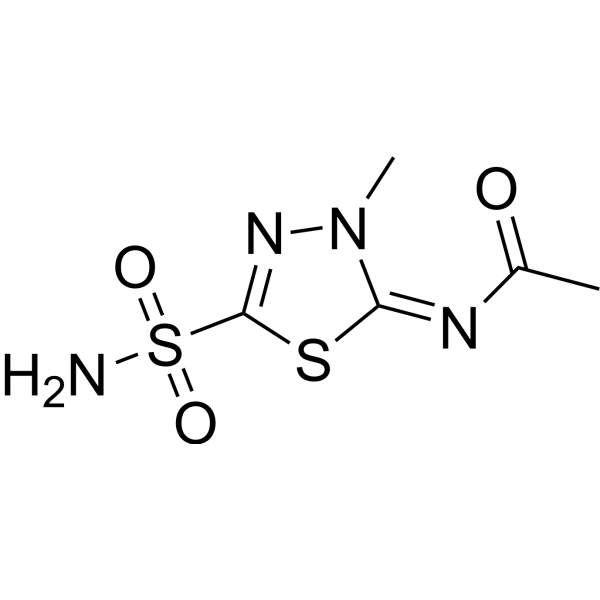
Methazolamide (L584601) is a BBB-penetrable and orally active carbonicanhydrase inhibitor, with a Ki of 14 nM for humancarbonicanhydrase II. Methazolamide can reduce intraocular pressure and has a neuroprotective effect, being able to inhibit neuronal apoptosis. Methazolamide can be used in the research of ophthalmic diseases such as glaucoma and cerebrovascular diseases such as subarachnoid hemorrhage .
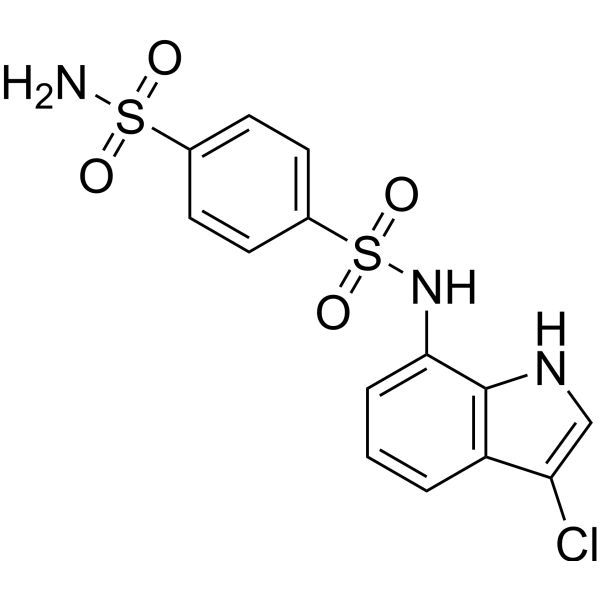
Elsulfavirine (R-1206) is an orally active humancarbonicanhydrase(carbonicanhydrase, CA) inhibitor and an allosteric inhibitor of HIV-1 non-nucleoside reverse transcriptase (NNRT). Elsulfavirine also targets and blocks the interaction between adenylosuccinate lyase (ADSL) and insulin-induced gene proteins INSIG1/2, blocks SREBP-1-mediated de novo lipid synthesis, and inhibits the proliferation of liver cancer cells. The combination of Elsulfavirine and Lenvatinib (HY-10981) produces a synergistic anti-tumor effect. Elsulfavirine is converted into the active metabolite VM1500A in vivo, blocks the DNA polymerase activity of reverse transcriptase, and inhibits HIV-1 replication. Elsulfavirine exhibits a Ki of 1960 nM-52400 nM against humancarbonicanhydrase isoforms including I, VII, VI, VA, VB, IX, XIII, XIV. Elsulfavirine is used in studies related to HIV-1 infection and liver cancer .
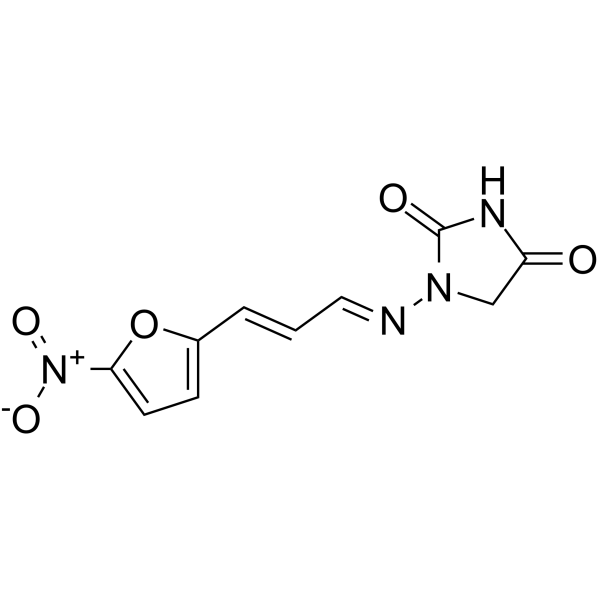
Furagin (Furazidine), an analogue of Nitrofurantoin (HY-A0090), is an antibiotic with antibacterial activity against ESKAPE pathogens with MIC values of 0-32 µg/mL. Furagin inhibits humanCarbonicanhydrases . Furagin is promising for research of cancer and urinary tract infections (UTIs) .
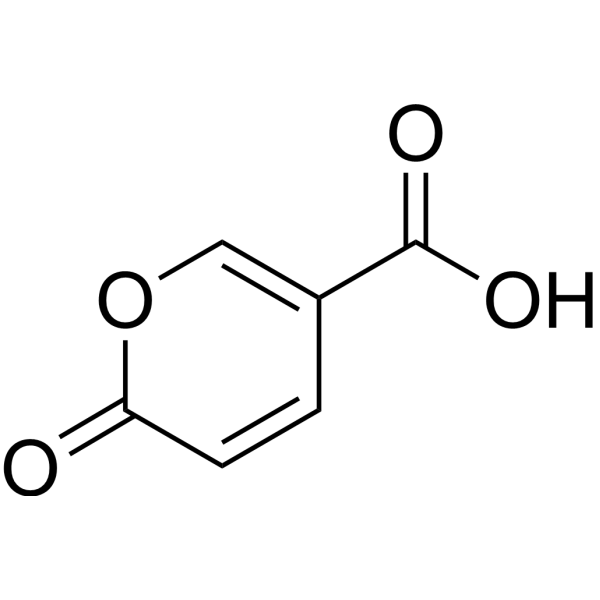
Coumalic acid is an inhibitor of humancarbonicanhydrase (hCA) (KI = 0.073 μM for hCA IX; KI = 0.083 μM for hCA XII). Coumalic acid is a valuable platform compound which can be prepared from malic acid. Coumalic acid can be used in the flavorings, fragrances and cosmetics industries, as polymer components, and pharmaceutical scaffolds. Coumalic acid displays antibronchial and antimalarial activity .
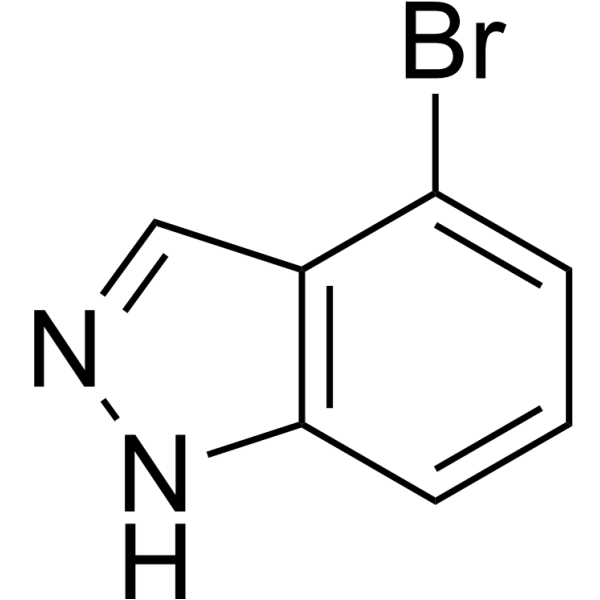
4-Bromo-1H-indazole is a carbonicanhydrase inhibitor, with an IC50 of 0.403 mM and a Ki of 0.383 mM against hCA-I, as well as an IC50 of 0.700 mM and a Ki of 0.935 mM against hCA-II. 4-Bromo-1H-indazole reduces the catalytic activity of human I and II isoforms of carbonicanhydrase .
4-Chloro-3-sulfamoylbenzoic acid is a weak inhibitor of humancarbonicanhydrase isoforms hCA I, hCA II, hCA IV, and hCA IX, and a synthesis intermediate for carbonicanhydrase inhibitors. 4-Chloro-3-sulfamoylbenzoic acid is the major metabolite of tripamide detected in tissues, urine, and feces of rats and rabbits following Tripamide (HY-106570) administration. 4-Chloro-3-sulfamoylbenzoic acid can be used for the study of carbonicanhydrase inhibition and species differences in drug metabolism .
1,3-Dimethyluracil is a pyrimidone derives from a uracil. 1,3-Dimethyluracil found occasionally in human urine. 1,3-Dimethyluracil shows inhibition activity against hCA I and hCA II (humancarbonicanhydrase) with Ki of 316.2 μM and 166.4 μM, respectively .
Perfluorohexane sulfonamide (FHxSA) is the inhibitor for carbonicanhydrase, that inhibits bovine CA and human CA II with IC50 of 0.122 and 1.38 μM. Perfluorohexane sulfonamide is a delayed-action insecticide, that can be used to control red fire ants (Solenopsis invicta). Perfluorohexane sulfonamide could be a environmental pollutant .
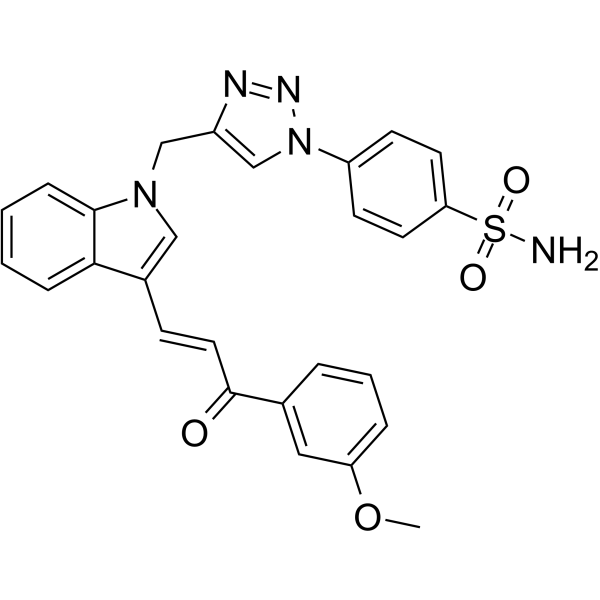
hCA I-IN-2 (Compound 6d) is a selective humancarbonicanhydrase I (hCA I) inhibitor with Ki values of 18.8, 375.1, 1721 and 283.9 nM against hCA I, hCA II, hCAIX and hCAXII, respectively .
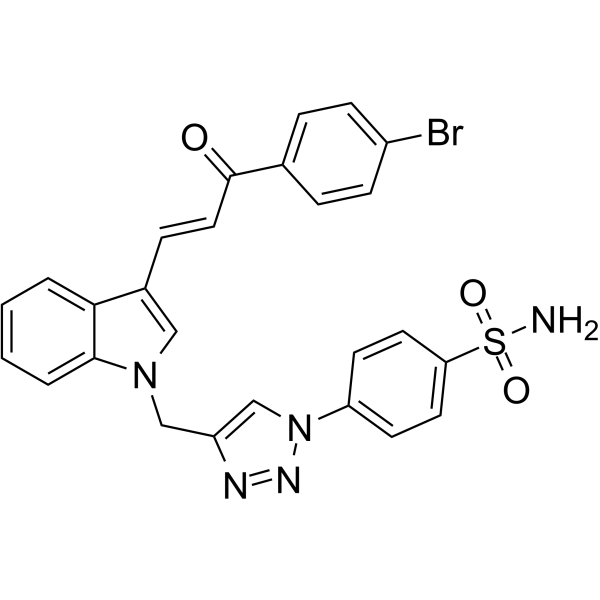
hCA I-IN-1 (Compound 6q) is a humancarbonicanhydrase I (hCA I) inhibitor with Ki values of 38.3, 716.4, 940.1 and 192.8 nM against hCA I, hCA II, hCAIX and hCAXII, respectively .
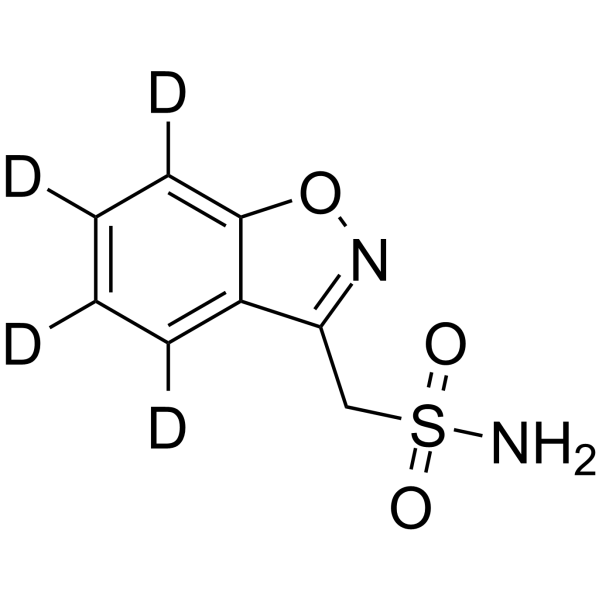
Zonisamide-d4 is the deuterium labeled Zonisamide. Zonisamide (AD 810) is an inhibitor of zinc enzyme carbonicanhydrase (CA), with Kis of 35.2 nM and 20.6 nM for human mitochondrial isozyme hCA II and hCA V, respectively. Zonisamide has antiepileptic activity. Zonisamide can be used for the rsearch for epilepsy, seizures and Parkinson's disease .
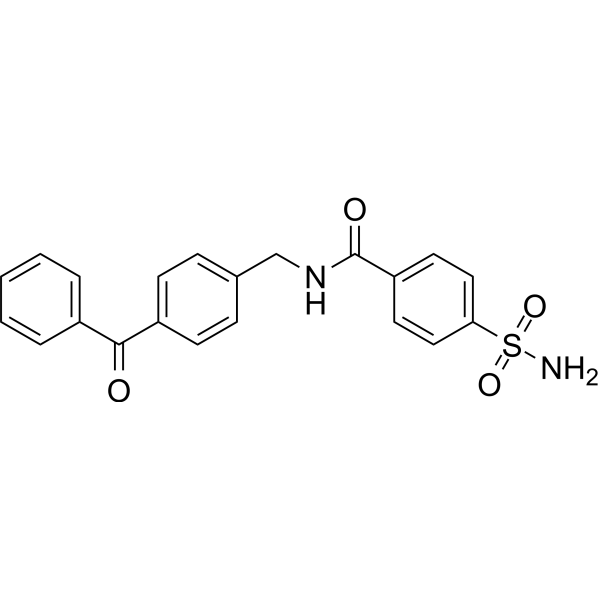
Carbonicanhydrase inhibitor 4 is carbonicanhydrase photoprobe/inhibitor. Carbonicanhydrase inhibitor 4 is against humancarbonicanhydrases (hCA I-XIV) with Ki values of 640-1166 nM .
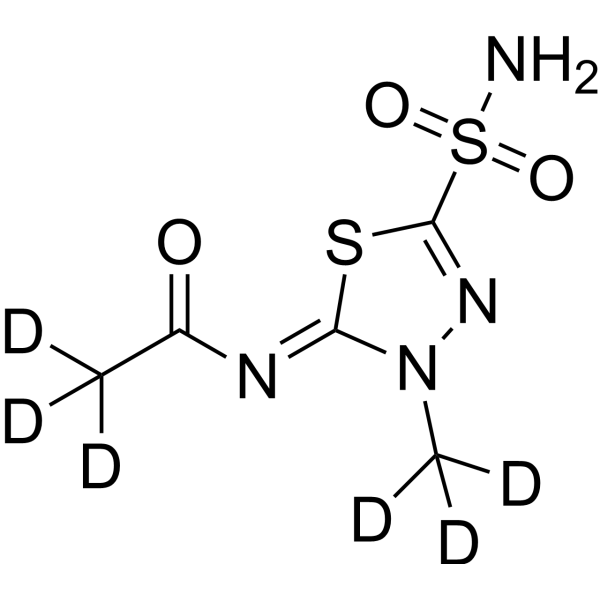
Methazolamide-d6 is the deuterium labeled Methazolamide. Methazolamide (L584601) is a sulfonamide derivative used as a carbonicanhydrase inhibitor with a Ki of 14 nM for humancarbonicanhydrase II. Methazolamide, an intraocular pressure-lowering agent, reduces intraocular pressure elevations associated with glaucoma and other ocular disorders .
hCA-I/ HCA-II-IN-2 (compound 5 k) is an effective inhibitor of humancarbonicanhydrase I (hCA-I) and II (hCA-II). The IC50 for hCA I and hCA II are 89.25 and 54.50 nM respectively .
Furagin (Standard) is the analytical standard of Furagin. This product is intended for research and analytical applications. Furagin (Furazidine) is an analogue of Nitrofurantoin (HY-A0090) and has antibacterial activity. Furagin also inhibits humancarbonicanhydrases (Kis: 260 and 57 nM for hCA IX and XII, respectively) .
BChE/hCA II-IN-1 (Compound 20) is a dual-functional inhibitor of Butyrylcholinesterase (BChE) and humancarbonicanhydrase II (hCA II) with IC50s of 76.50 and 10.69 μM for BChE and hCA II, respectively. BChE/hCA II-IN-1 can be used for neurodegenerative diseases like Alzheimer's and glaucoma research .
4-Acetylphenylboronic acid is a potent inhibitor of carbonicanhydrases II(CA II), with IC50s of 246 μM and 281.40 μM for bovine CA II (bCA II) and humanCA II (hCA II). 4-Acetylphenylboronic acid can be obtained via mechanochemistry and solvent evaporation. 4-Acetylphenylboronic acid has a loss of the carbonyl group at 500-550 K .
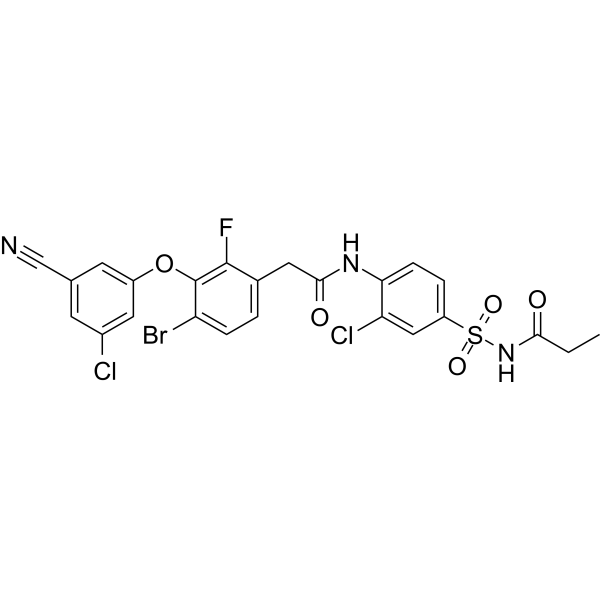
HSV-1/HSV-2-IN-3 inhibits the herpes-simplex-virus (HSV) helicase-primase complex, blocking the coordinated DNA-unwinding and primer-synthesis steps required for viral genome replication. HSV-1/HSV-2-IN-3 exhibits an EC50 of 7.0 nM against HSV-2 in a gD-immunofluorescence cell assay containing 2 % FBS and 57.5 nM when 10 % human serum is present. HSV-1/HSV-2-IN-3 achieves an EC50 of 1.1 nM in a qPCR replication assay. HSV-1/HSV-2-IN-3 shows strong selectivity over humancarbonic-anhydrase off-targets (IC50 ≈ 2.9 µM for hCA II and > 35 µM for hCA I). HSV-1/HSV-2-IN-3 can be studied in anti-HSV research .
CarbonicAnhydrase, Human (EC 4.2.1.1) is a zinc metalloenzyme that catalyzes the hydration of carbon dioxide to form carbonic acid. CarbonicAnhydrase participates in a variety of important physiological processes, such as the maintenance of pH and carbon dioxide homeostasis, the transport of bicarbonate and carbon dioxide, biosynthetic reactions, bone resorption, calcification, and tumorigenesis.
Carbonicanhydrase inhibitor 24 (Compound 11) is a humancarbonicanhydrase(carbonicanhydrase) inhibitor. Ki values of Carbonicanhydrase inhibitor 24 for hCAs IX and XII were 10.7 and 7.5 nM, respectively .
CarbonicAnhydrase I, Human (EC 4.2.1.1) is a zinc metalloenzyme that catalyzes the hydration of carbon dioxide to form carbonic acid. CarbonicAnhydrase I participates in a variety of important physiological processes, such as the maintenance of pH and carbon dioxide homeostasis, the transport of bicarbonate and carbon dioxide, biosynthetic reactions, bone resorption, calcification, and tumorigenesis.
Carbonicanhydrase inhibitor 18 (Compound 9) is a humancarbonicanhydrase (hCA) isoform inhibitor, with Kis of 604.8, 333.6, 1.9 and 6.7 nM for hCA I, hCA II, hCA IX and hCA XII, respectively. Carbonicanhydrase inhibitor 18 can be used for the research of cancer .
Carbonicanhydrase II, Human (EC 4.2.1.1) catalyzes the rapid interconversion of carbon dioxide and water to bicarbonate and protons (or vice versa) , a reversible reaction that occurs relatively slowly in the absence of a catalyst.
Carbonicanhydrase inhibitor 5 is a potent and selective humancarbonicanhydrase (hCA) inhibitor with IC50s of 42.9, 47,6 and 6.7 nM for hCA II, hCA IX and hCA XII, respectively .
Carbonicanhydrase inhibitor 7 (compound 5b) is a potent inhibitor of humancarbonicanhydrase (hCA), with Kis of 6.5 nM, 7.1 nM, 72.1 nM, and 255.8 nM for hCA IX, hCA II, hCA XII and hCA I, respectively .
Carbonicanhydrase inhibitor 6 (compound 9b) is a potent inhibitor of humancarbonicanhydrase (hCA), with Kis of 9.7 nM, 35.2 nM, 88.5 nM, and 91.8 nM for hCA IX, hCA II, hCA XII and hCA I, respectively .
hCA-I/hCA-II-IN-1 (Compound P4) is a potent dual humancarbonicanhydrase I (hCA-I) and humancarbonicanhydrase II (hCA-II) inhibitor with Ki values of 0.22 μM and 0.33 μM, respectively. hCA-I/hCA-II-IN-1 can be used in research on diseases related to CA enzymes such as glaucoma, hypertension, and ulcers .
Methazolamide (Standard) is the analytical standard of Methazolamide. This product is intended for research and analytical applications. Methazolamide (L584601) is a BBB-penetrable and orally active carbonicanhydrase inhibitor, with a Ki of 14 nM for humancarbonicanhydrase II. Methazolamide can reduce intraocular pressure and has a neuroprotective effect, being able to inhibit neuronal apoptosis. Methazolamide can be used in the research of ophthalmic diseases such as glaucoma and cerebrovascular diseases such as subarachnoid hemorrhage .
Lasamide (Standard) is the analytical standard of Lasamide. This product is intended for research and analytical applications. Lasamide is a potent humanCarbonicAnhydrase inhibitor with Ki values of 7.54 and 2.76 nM for hCAXII and hCAIX, respectively .
hCAII-IN-7 (Compound R-13) is a potent humancarbonicanhydrase(hCA) inhibitor with Kis of 60.7, 320.7, 2298, and 35.2 nM for hCA I, II, IV and IX, respectively .
hCAI/II-IN-1 (Compound 3h) is a humancarbonicanhydrase I and II (hCA I/II) inhibitor with IC50 values of 0.047 µM and 0.024 µM against hCA I and hCA II, respectively .
hCAII-IN-2 (Compound 11f) is a cytosolic humancarbonicanhydrase (hCA) inhibitor with Ki values of 261.4, 3.8, 19.6 and 45.2 nM against hCA I, hCA II, hCA IX and hCA XII, respectively .
hCAXII-IN-2 (compound 5i) is a potent humancarbonicanhydrase XII (hCA XII) and hCA IX inhibitor with Ki values of 84.2 nM and 268.5 nM, respectively. hCAXII-IN-2 shows less active against hCA I and hCA II .
1,3-Dimethyluracil is a pyrimidone derives from a uracil. 1,3-Dimethyluracil found occasionally in human urine. 1,3-Dimethyluracil shows inhibition activity against hCA I and hCA II (humancarbonicanhydrase) with Ki of 316.2 μM and 166.4 μM, respectively .
JNJ-26990990 is a broad-spectrum antiepileptic agent with oral activity. JNJ-26990990 can inhibit voltage-gated Na + channels and N-type Ca 2+ channels, but has a very weak inhibitory effect on humancarbonicanhydrase-II (IC50 = 110 μM) .
CA/MAO-B-IN-1 (Compound 78) is a dual inhibitor for human brain carbonicanhydrases (CA) and Monoamine Oxidase-B (MAO-B), with IC50s of 8.8 and 7.0 nM, respectively. CA/MAO-B-IN-1 reveals a human oral absorption of 71.9% through in silico prediction .
hCAII-IN-3 (Compound 16) is a humancarbonicanhydrase (hCA) inhibitor with Ki values of 403.8, 5.1, 10.2 and 5.2 nM against hCA I, hCA II, hCA IX and hCA XII, respectively. hCA IX-IN-2 shows anticancer activity .
hCA IX-IN-1 (Compound 6f) is a humancarbonicanhydrase (hCA) inhibitor with Ki values of 331.4, 28.4, 9.4 and 17.8 nM against hCA I, hCA II, hCA IX and hCA XII, respectively. hCA IX-IN-1 shows anticancer activity .
hCAXII-IN-10 (Compound 18b) is a dual inhibitor of humancarbonicanhydrase isoform XII (hCAXII) and cathepsin B, with a Ki value of 2.2 nM. hCAXII-IN-10 can inhibit the role of hCAXII in providing tumors with a pH microenvironment conducive to tumor growth, and is expected to be used in the study of tumor diseases .
hCAIX/XII-IN-6 is an orally active carbonicanhydrase (CA) inhibitor. hCAIX/XII-IN-6 inhibits human CA isoforms hCA I, II, IV, IX, and XII with Ki values of 6697 nM, 2950 nM, 4093 nM, 4.1 nM and 7.7 nM, respectively. hCAIX/XII-IN-6 can be used for the research of rheumatoid arthritis (RA) .
hCAII-IN-6 (Compound S-13) is a potent humancarbonicanhydrase II (hCA II) inhibitor with a Ki of 4.4 nM. hCAII-IN-6 also inhibits other hCAs isoforms I, IV and IX, with Ki values of 9.2 nM, 480.2 nM and 14.7 nM, respectively. hCAII-IN-6 can be used for glaucoma research .
hCA XII/II/IX-IN-1 (Compound 3) is a potent humancarbonicanhydrase (hCA) inhibitor with IC50 values of 2.6, 0.004, 0.005 and 0.001 μM against hCA I, hCA II, hCA IX and hCA XII, respectively. hCA XII/II/IX-IN-1 shows anticancer activity .
Furagin- 13C3 (Furazidine- 13C3) is the 13C-labeled Furagin (HY-77036). Furagin (Furazidine), an analogue of Nitrofurantoin (HY-A0090), is an antibiotic with antibacterial activity against ESKAPE pathogens with MIC values of 0-32 μg/mL. Furagin inhibits humanCarbonicanhydrases . Furagin is promising for research of cancer and urinary tract infections (UTIs) .
hCAIX/XII-IN-8 (compound 3g) is a potent human (carbonicanhydrase) CA IX and XII inhibitor, with Ki values of 8.5 and 6.7 nM, respectively. hCAIX/XII-IN-8 shows particularly strong inhibitory activity against the tumor-associated membrane-bound isoforms, hCA IX and XII, while maintaining a high selectivity ratio over cytosolic off-target isoforms hCA I and II .
CL 5343 (Standard) is the analytical standard of CL 5343. This product is intended for research and analytical applications. CL 5343 (5-Amino-1,3,4-thiadiazole-2-sulfonamide) is an inhibitor of humancarbonicanhydrase B (HCA-B). CL 5343 can serve as a CA9 ligand to achieve the targeted delivery of maytansinoid to the cell membrane of SKRC52 renal cancer cells .
hCAI/II-IN-6 is an orally active humancarbonicanhydrase (CA) inhibitor. hCAI/II-IN-6 selectively inhibits hCA II and hCA VII isoforms with Ki values of 220, 4.9, 6.5 and >50000 nM for hCA I, hCA II , hCA VII and hCA XII respectively. hCAI/II-IN-6 shows anticonvulsant activity and anti maximal electroshock (MES) activity in vivo. hCAI/II-IN-6 can be used for the research of epilepsy .
hCAIX/XII-IN-13 is an inhibitor of humancarbonicanhydrases (hCA). hCAIX/XII-IN-13 shows good inhibitory activity against the tumor-related CA subtypes IX and XII, with Ki values of 0.08 µM and 0.06 µM, respectively. Under hypoxic conditions, hCAIX/XII-IN-13 can restore the cytotoxicity of Doxorubicin (HY-15142A) on MCF-7 cells, increasing G2/M phase cell cycle arrest and apoptosis .
hCAIX-IN-23 (Compound 27) is a humancarbonicanhydrase (hCA) inhibitor with Ki values of 10.4 and 8.5 nM for hCA IX and hCA XII, respectively. In addition to inhibiting hCA activity, hCAIX-IN-23 releases NO, exhibiting dual antitumor activity. hCAIX-IN-23 induces apoptosis by regulating mitochondrial caspase activity and the ferroptosis pathway (ferroptosis) through the downregulation of hCA IX and iron-regulatory protein expression. hCAIX-IN-23 is useful for renal cancer research .
hCAI/II-IN-5 (compound MZ8) is a potent hCA I and hCA II (humancarbonicanhydrase isoenzymes I and II) inhibitor, with IC50 values of 37.88 and 45.23 nM, respectively. hCAI/II-IN-5 also shows inhibition profile against α-Glycosidase and AChE, with IC50 values of 48.98 and 420.14 nM, respectively. hCAI/II-IN-5 can be used for the research of many diseases such as diabetes, Alzheimer’s disease, heart failure, ulcer, and epilepsy .
α-Glycosidase-IN-1 (compound MZ7) is a potent α-GLY (α-Glycosidase) inhibitor, with an IC50 of 44.72 nM and a KI of 41.74 nM. α-Glycosidase-IN-1 also shows inhibition profile against humancarbonicanhydrase isoenzymes I and II (hCA I and hCA II), and acetylcholinesterase (AChE), with IC50 values of 104.87, 100.04, and 654.87 nM, respectively. α-Glycosidase-IN-1 can be used for the research of many diseases such as diabetes, Alzheimer’s disease, heart failure, ulcer, and epilepsy .
CAXII-IN-3 is an effective carbonicanhydrase (CA XII) inhibitor with a Ki of 53 nM. CAXII-IN-3 exhibits selective inhibition against multiple human CA subtypes with Kis of 5.3 μM, 75 nM, 1.9 μM, > 10 μM against CA I, CA II, CA IV and CA IX. CAXII-IN-3 mainly inhibits CA II and XII, and reduces aqueous humor production. CAXII-IN-3 exhibits β3-AR agonistic activity, can dilate retinal blood vessels, and improve optic nerve perfusion. CAXII-IN-3 can be used in the research of ocular disorders such as glaucoma .
hA2A/hCA XII modulator 1 (compound 14), a triazolopirazine, is a potent hA2A adenosine receptor (hA2AAR) antagonist with Kis of 6.4 nM, 4.819 μM, >30 μM for hA2AAR, hA1AR, hA3AR, respectively. hA2A/hCA XII modulator 1 is a potent humancarbonicanhydrase XII (hCA XII) inhibitor with Kis of 6.2 nM, 46 nM, 466 nM, 8.351 μM for hCA XII, hCA II, hCA IX and hCA I, respectively. hA2A/hCA XII modulator 1 has the potential for cancer research .
CAII-IN-13 is a humancarbonicanhydrase inhibitor, with a Ki of 65.9 nM against humancarbonicanhydrase II and a Ki of 968.4 nM against humancarbonicanhydrase I. CAII-IN-13 functionally inhibits the catalytic activities of humancarbonicanhydrase II and humancarbonicanhydrase I. CAII-IN-13 satisfies the Lipinski's rule of five and may possess physicochemical properties and pharmacokinetic profiles associated with in vivo bioavailability .
Carbonicanhydrase-IN-39 is a bacterialcarbonicanhydrase inhibitor with oral bioavailability. Carbonicanhydrase-IN-39 inhibits α-NgCA and β-NgCA from Neisseria gonorrhoeae, as well as humanhCA I and hCA II. Carbonicanhydrase-IN-39 exhibits bactericidal activity against Neisseria gonorrhoeae and reduces gonococcal burden in infected mouse models. Carbonicanhydrase-IN-39 can be used in the research of gonorrhea .
hCAI/II-IN-9 is a carbonicanhydrase inhibitor with inhibitory activity against humancarbonicanhydrase isoforms I, II, IX, and XII. The inhibition constants (Ki) of hCAI/II-IN-9 for hCA I are in the range of 7.9-894 nM, for hCA II are in the range of 7.5-1645 nM, for hCA IX are in the range of 5.0-240 nM, and for hCA XII are in the range of 0.47-2.83 nM. hCAI/II-IN-9 may have potential applications in inhibiting a variety of pathologies involving these carbonicanhydrase isoforms .
Lasamide (Standard) is the analytical standard of Lasamide. This product is intended for research and analytical applications. Lasamide is a potent humanCarbonicAnhydrase inhibitor with Ki values of 7.54 and 2.76 nM for hCAXII and hCAIX, respectively .
Elsulfavirine sodium (R-1206) is an orally active humancarbonicanhydrase(carbonicanhydrase, CA) inhibitor and an allosteric inhibitor of HIV-1 non-nucleoside reverse transcriptase (NNRT). Elsulfavirine sodium also targets and blocks the interaction between adenylosuccinate lyase (ADSL) and insulin-induced gene proteins INSIG1/2, blocks SREBP-1-mediated de novo lipid synthesis, and inhibits the proliferation of liver cancer cells. The combination of Elsulfavirine sodium and Lenvatinib (HY-10981) produces a synergistic anti-tumor effect. Elsulfavirine sodium is converted into the active metabolite VM1500A in vivo, blocks the DNA polymerase activity of reverse transcriptase, and inhibits HIV-1 replication. Elsulfavirine sodium exhibits a Ki of 1960 nM-52400 nM against humancarbonicanhydrase isoforms including I, VII, VI, VA, VB, IX, XIII, XIV. Elsulfavirine sodium is used in studies related to HIV-1 infection and liver cancer .
Elsulfavirine (Standard) is the analytical standard of Elsulfavirine (HY-109056). This product is intended for research and analytical applications. Elsulfavirine (R-1206) is an orally active humancarbonicanhydrase (carbonicanhydrase, CA) inhibitor and an allosteric inhibitor of HIV-1 non-nucleoside reverse transcriptase (NNRT). Elsulfavirine also targets and blocks the interaction between adenylosuccinate lyase (ADSL) and insulin-induced gene proteins INSIG1/2, blocks SREBP-1-mediated de novo lipid synthesis, and inhibits the proliferation of liver cancer cells. The combination of Elsulfavirine and Lenvatinib (HY-10981) produces a synergistic anti-tumor effect. Elsulfavirine is converted into the active metabolite VM1500A in vivo, blocks the DNA polymerase activity of reverse transcriptase, and inhibits HIV-1 replication. Elsulfavirine exhibits a Ki of 1960 nM-52400 nM against humancarbonicanhydrase isoforms including I, VII, VI, VA, VB, IX, XIII, XIV. Elsulfavirine is used in studies related to HIV-1 infection and liver cancer .
CAII-IN-14 (Compound 3o) is a humancarbonicanhydrase II (hCA II) inhibitor with a Ki value of 1.65 nM. CAII-IN-14 also inhibits hCA I(Ki = 6.15 nM) and hCA IX(Ki = 5.43 nM). CAII-IN-14 exhibits predicted drug-like properties .
Anticancer agent 314 is a multi-target anticancer agent with tubulin polymerization inhibitory activity (IC50 = 6.35 μM) and humancarbonicanhydraseIX (Ki = 27.1 nM) and XII (Ki 20.9 = nM) inhibitory activity. Anticancer agent 314 binds to the colchicine-binding pocket of tubulin and inhibits tumor-associated carbonicanhydrase isoforms via zinc coordination within enzyme active sites. Anticancer agent 314 induces G2/M phase cell cycle arrest, apoptosis via p53-dependent signaling, and broad-spectrum antiproliferative activity across multiple cancer cells. Anticancer agent 314 can be used for the research of cancer, such as leukemia, melanoma, ovarian cancer .
CAIX/XII-IN-17 is a selective humancarbonicanhydrase IX/XII (CA IX/XII) inhibitor with Ki values of 25.1 nM (hCA IX) and 35.2 nM (hCA XII). CAIX/XII-IN-17 induces apoptosis in pancreatic cancer cells. CAIX/XII-IN-17 can be used for the research of breast cancer, pancreatic cancer .
NYM074 is a carbonicanhydrase IX (CAIX) ligand. NYM074 binds specifically to humanCAIX to enable targeted radionuclide delivery. NYM074 supports dual radiolabeling with 68Ga for positron emission tomography (PET) imaging and 177Lu for radionuclide applications. NYM074 can be used for the research of clear cell renal cell carcinoma .
CAIX/XII-IN-18 is a selective humancarbonicanhydrase IX/XII (CA IX/XII) inhibitor with Ki values of 28.1 nM (hCA IX) and 11.6 nM (hCA XII). CAIX/XII-IN-18 induces apoptosis in breast cancer cells. CAIX/XII-IN-18 can be used for the research of breast cancer, pancreatic cancer .
PROTAC hCAII degrader-1 is a potent PROTAC humancarbonicanhydrase II (hCAII) degrader with an DC50 of 0.5 nM in HEK293 cells. PROTAC hCAII degrader-1 recruits cereblon (CRBN) E3 ubiquitin ligase to form a ternary complex. PROTAC hCAII degrader-1 enables ubiquitination and subsequent proteasomal degradation of hCAII .
CA IX-IN-5 (compound 9) is a humancarbonicanhydrase IX (hCA IX) inhibitor with a Ki of 7.4 nM against hCA IX and 25.0 nM against hCA II.CA IX-IN-5 functionally inhibits hCA IX and hCA II isoenzymes, with selectivity for hCA IX over hCA II.CA IX-IN-5 can be used for the research of breast, colorectal, glioblastoma, lung, head and neck, and cervical cancers .
ts-SA is a carbonicanhydrase (CA) inhibitor with activity against seven human CA homologues. ts-SA can bind to the Zn(II) ion in the enzyme active site in a deprotonated form. The organic skeleton of ts-SA extends in the enzyme cavity and participates in multiple interactions with amino acid residues and water molecules. Due to its structural differences, the inhibitory performance of ts-SA is significantly better than that of another pyridine derivative. ts-SA exhibits low nanomolar inhibitory activity and is a multi-target CA inhibitor .
NCX-278 is a humancarbonicanhydrase inhibitor with a 13 nM Ki for hCA II, 410 nM Ki for hCA I, 181 nM Ki for hCA IV, and selective inhibition of hCA II over hCA IV. NCX-278 is a potent and effective stimulator of NO/sGC/cGMP signaling with an EC50 of 2.05 lM. NCX-278 exerts NO-mediated vascular relaxant effects. NCX-278 lowers intraocular pressure in normotensive rabbits. NCX-278 can be used for the research of open-angle glaucoma .
4-Bromo-1H-indazole is a carbonicanhydrase inhibitor, with an IC50 of 0.403 mM and a Ki of 0.383 mM against hCA-I, as well as an IC50 of 0.700 mM and a Ki of 0.935 mM against hCA-II. 4-Bromo-1H-indazole reduces the catalytic activity of human I and II isoforms of carbonicanhydrase .
Coumalic acid is an inhibitor of humancarbonicanhydrase (hCA) (KI = 0.073 μM for hCA IX; KI = 0.083 μM for hCA XII). Coumalic acid is a valuable platform compound which can be prepared from malic acid. Coumalic acid can be used in the flavorings, fragrances and cosmetics industries, as polymer components, and pharmaceutical scaffolds. Coumalic acid displays antibronchial and antimalarial activity .
1,3-Dimethyluracil is a pyrimidone derives from a uracil. 1,3-Dimethyluracil found occasionally in human urine. 1,3-Dimethyluracil shows inhibition activity against hCA I and hCA II (humancarbonicanhydrase) with Ki of 316.2 μM and 166.4 μM, respectively .
Lasamide (Standard) is the analytical standard of Lasamide. This product is intended for research and analytical applications. Lasamide is a potent humanCarbonicAnhydrase inhibitor with Ki values of 7.54 and 2.76 nM for hCAXII and hCAIX, respectively .
Carbonic Anhydrase 2 (CA2) catalyzes the reversible hydration of carbon dioxide. Mutations in CA2 are linked to osteopetrosis and renal tubular acidosis. The gene exhibits biased expression in various tissues, notably in the stomach and colon. Two transcript variants, encoding different isoforms, have been identified. Carbonic Anhydrase 2 Protein, Human (His) is the recombinant human-derived Carbonic Anhydrase 2 protein, expressed by E. coli , with C-6*His labeled tag.
Carbonic Anhydrase 1 Protein, Human (His, solution) expresses in E. coli with a His tag at the N-terminus. Carbonic Anhydrase 1 (CA1) expression and CA1-mediated calcification are significantly associated with atherosclerosis (AS) progression.
Carbonic Anhydrase 3 Protein, Human (His) expresses in E. coli with a His tag at the N-terminus. Carbonic anhydrase 3 (CA III) is a zinc metalloenzyme known to catalyze the reversible hydration of CO2 to HCO3-.
Carbonic Anhydrase 4 Protein, Human (His) a recombinant Mouse Carbonic Anhydrase 4 produced in E. coli, has a His tag at the N-terminus. The Carbonic Anhydrase 4 (CA4) protein is a zinc metalloenzyme that catalyzes the reversible hydration and dehydration of CO2 and HCO3-.
Carbonic Anhydrase VII/CA7 Protein, Human (His) expresses in E. coli with a His tag at the N-terminus. Human carbonic anhydrase VII (hCA VII) is a cytosolic isoform belonging to the α-CA family that shows high carbon dioxide hydration activity.
Carbonic Anhydrase 13 Protein, Human (His) expresses in E. coli with a His tag at the N-terminus. Human Carbonic Anhydrase 13, a member of the human carbonic anhydrase (hCA), can control pH and ion balance regulation.
Carbonic Anhydrase 2 (CA2) catalyzes the reversible hydration of carbon dioxide. Mutations in CA2 are linked to osteopetrosis and renal tubular acidosis. The gene exhibits biased expression in various tissues, notably in the stomach and colon. Two transcript variants, encoding different isoforms, have been identified. Carbonic Anhydrase 2 Protein, Human (C-His, Solution) is the recombinant human-derived Carbonic Anhydrase 2 protein, expressed by E. coli , with C-His labeled tag.
Carbonic Anhydrase VIII/CA8 Protein, Human (His) expresses in E. coli with a His tag at the N-terminus. Carbonic anhydrase 8 (CA8), an isozyme of α-carbonic anhydrases (CAs), is an allosteric inhibitor of inositol trisphosphate receptor-1 (ITPR1), which regulates neuronal intracellular calcium release.
Carbonic Anhydrase 5B Protein, Human (His) expresses in E. coli with a His tag at the N-terminus. Carbonic anhydrase V (CA-V) is a mitochondrial enzyme that provides bicarbonate for pyruvate carboxylase in liver and kidney.
Carbonic anhydrase 4 catalyzes the reversible hydration of carbon dioxide and plays a crucial role in maintaining intracellular and extracellular pH. Carbonic Anhydrase 4 Protein, Human (HEK293, His) is the recombinant human-derived Carbonic Anhydrase 4 protein, expressed by HEK293 , with C-His labeled tag.
Carbonic Anhydrase 14 Protein catalyzes the reversible hydration of carbon dioxide, converting it to bicarbonate ions and protons, and vice versa. Its vital enzymatic activity contributes to physiological processes, regulating acid-base balance, respiration, and cellular pH homeostasis. The protein plays a pivotal role in carbon dioxide transport and metabolism in the body. Carbonic Anhydrase 14 Protein, Human (HEK293, His) is the recombinant human-derived Carbonic Anhydrase 14 protein, expressed by HEK293 , with C-His labeled tag.
Carbonic Anhydrase 10 Protein, Human (His) expresses in E. coli with a His tag at the N-terminus. Carbonic anhydrase 10 is an inactive isoform of carbonic anhydrase (CAs).
CA12 (or carbonic anhydrase 12) plays a crucial role in the reversible hydration of carbon dioxide, catalyzing its conversion into bicarbonate ions and protons. This enzymatic activity is essential for key physiological processes, including regulating pH and maintaining acid-base balance. CA12/Carbonic Anhydrase 12 Protein, Human (HEK293, His) is the recombinant human-derived CA12/Carbonic Anhydrase 12 protein, expressed by HEK293 , with C-His labeled tag.
Carbonic Anhydrase 10 Protein, Human (HEK293, His) expresses in HEK293 cell with a His tag at the N-terminus. Carbonic anhydrase 10 is an inactive isoform of carbonic anhydrase (CAs).
CA5A protein is a mitochondrial carbonic anhydrase that catalyzes the reversible conversion of carbon dioxide to bicarbonate/HCO3, providing essential bicarbonate for mitochondrial enzymes. Impermeable mitochondria rely on CA5A to support enzymatic reactions critical to intermediary metabolism, including the urea cycle and the Krebs cycle. CA5A Protein, Human (His) is the recombinant human-derived CA5A protein, expressed by E. coli , with N-Met, C-His labeled tag.
Carbonic Anhydrase 11 Protein, Human (HEK293, His) is an approximately 38.0 kDa carbonic anhydrase 11 protein with a His-flag. Carbonic anhydrases (CAs) are found in many organisms, in which they contribute to several important biological processes.
The carbonic anhydrase 9 (CA9) protein plays a crucial role as a catalyst in the conversion of carbon dioxide and water. It promotes the formation of bicarbonate and hydrogen ions (dissociated ions of carbonic acid). Carbonic Anhydrase 9 Protein, Human (HEK293, Fc) is the recombinant human-derived Carbonic Anhydrase 9 protein, expressed by HEK293 , with C-hFc labeled tag.
Carbonic anhydrase 10 (CA10) protein, contrary to its name, lacks catalytic activity. This property distinguishes CA10 from typical carbonic anhydrases, which are known for their ability to catalyze the reversible hydration of carbon dioxide. Carbonic Anhydrase 10 Protein, Human (HEK293 ) is the recombinant human-derived Carbonic Anhydrase 10 protein, expressed by HEK293 , with tag free.
Carbonic Anhydrase 2 (CA2) catalyzes the reversible hydration of carbon dioxide. Mutations in CA2 are linked to osteopetrosis and renal tubular acidosis. The gene exhibits biased expression in various tissues, notably in the stomach and colon. Two transcript variants, encoding different isoforms, have been identified. Carbonic Anhydrase 2 Protein, Human (HEK293, His) is the recombinant human-derived Carbonic Anhydrase 2 protein, expressed by HEK293 , with C-His labeled tag.
The carbonic anhydrase 9 (CA9) protein plays a crucial role as a catalyst in the conversion of carbon dioxide and water. It promotes the formation of bicarbonate and hydrogen ions (dissociated ions of carbonic acid). Carbonic Anhydrase 9 Protein, Human (HEK293, His) is the recombinant human-derived Carbonic Anhydrase 9 protein, expressed by HEK293 , with C-6*His labeled tag.
The carbonic anhydrase 9 (CA9) protein plays a crucial role as a catalyst in the conversion of carbon dioxide and water. It promotes the formation of bicarbonate and hydrogen ions (dissociated ions of carbonic acid). FITC-Labeled Carbonic Anhydrase 9 Protein, Human (HEK293, His) is the recombinant human-derived FITC-Labeled Carbonic Anhydrase 9 protein, expressed by HEK293, with C-His labeled tag.
The carbonic anhydrase 9 (CA9) protein plays a crucial role as a catalyst in the conversion of carbon dioxide and water. It promotes the formation of bicarbonate and hydrogen ions (dissociated ions of carbonic acid). Carbonic Anhydrase 9 Protein, Human (Biotinylated, HEK293, Avi-His) is the recombinant human-derived Carbonic Anhydrase 9 protein, expressed by HEK293 , with C-Avi, C-6*His labeled tag.
CA12 (or carbonic anhydrase 12) plays a crucial role in the reversible hydration of carbon dioxide, catalyzing its conversion into bicarbonate ions and protons. This enzymatic activity is essential for key physiological processes, including regulating pH and maintaining acid-base balance. CA12/Carbonic Anhydrase 12 Protein, Human (P.pastoris, His) is the recombinant human-derived CA12/Carbonic Anhydrase 12 protein, expressed by P. pastoris , with N-6*His labeled tag.
The carbonic anhydrase 9 (CA9) protein plays a crucial role as a catalyst in the conversion of carbon dioxide and water. It promotes the formation of bicarbonate and hydrogen ions (dissociated ions of carbonic acid). Carbonic Anhydrase 9 Protein, Human (HEK293, His-Avi) is the recombinant human-derived Carbonic Anhydrase 9 protein, expressed by HEK293 , with C-Avi, C-His labeled tag.
Zonisamide-d4 is the deuterium labeled Zonisamide. Zonisamide (AD 810) is an inhibitor of zinc enzyme carbonicanhydrase (CA), with Kis of 35.2 nM and 20.6 nM for human mitochondrial isozyme hCA II and hCA V, respectively. Zonisamide has antiepileptic activity. Zonisamide can be used for the rsearch for epilepsy, seizures and Parkinson's disease .
Methazolamide-d6 is the deuterium labeled Methazolamide. Methazolamide (L584601) is a sulfonamide derivative used as a carbonicanhydrase inhibitor with a Ki of 14 nM for humancarbonicanhydrase II. Methazolamide, an intraocular pressure-lowering agent, reduces intraocular pressure elevations associated with glaucoma and other ocular disorders .
Furagin- 13C3 (Furazidine- 13C3) is the 13C-labeled Furagin (HY-77036). Furagin (Furazidine), an analogue of Nitrofurantoin (HY-A0090), is an antibiotic with antibacterial activity against ESKAPE pathogens with MIC values of 0-32 μg/mL. Furagin inhibits humanCarbonicanhydrases . Furagin is promising for research of cancer and urinary tract infections (UTIs) .
hCAXII-IN-10 (Compound 18b) is a dual inhibitor of humancarbonicanhydrase isoform XII (hCAXII) and cathepsin B, with a Ki value of 2.2 nM. hCAXII-IN-10 can inhibit the role of hCAXII in providing tumors with a pH microenvironment conducive to tumor growth, and is expected to be used in the study of tumor diseases .
Inquiry Online
Your information is safe with us. * Required Fields.
Western blot analysis of extracts from THP-1(lane 2(20μg), Jurkat (lane 3(20μg) and NIH3T3(lane 4(20μg) using FOXO1A (HY-P80132) Rabbit mAb. Proteins were transferred
to a PVDF membrane and blocked with 5% non-fat milk in TBST for 2 hour at room temperature. The primary antibody (1/1000) and Loading control antibody (Beta Actin, HY-P80438, 1/10000) was
used in 5% non-fat milk in TBST at 4°C overnight. Goat Anti-Mouse/Rabbit IgG-HRP Secondary Antibody (1/10000) was used for 1 hour at room temperature.
Western blot analysis of extracts from THP-1(lane 2(20μg), Jurkat (lane 3(20μg) and NIH3T3(lane 4(20μg) using FOXO1A (HY-P80132) Rabbit mAb. Proteins were transferred
to a PVDF membrane and blocked with 5% non-fat milk in TBST for 2 hour at room temperature. The primary antibody (1/1000) and Loading control antibody (Beta Actin, HY-P80438, 1/10000) was
used in 5% non-fat milk in TBST at 4°C overnight. Goat Anti-Mouse/Rabbit IgG-HRP Secondary Antibody (1/10000) was used for 1 hour at room temperature.
Western blot analysis of extracts from THP-1(lane 2(20μg), Jurkat (lane 3(20μg) and NIH3T3(lane 4(20μg) using FOXO1A (HY-P80132) Rabbit mAb. Proteins were transferred
to a PVDF membrane and blocked with 5% non-fat milk in TBST for 2 hour at room temperature. The primary antibody (1/1000) and Loading control antibody (Beta Actin, HY-P80438, 1/10000) was
used in 5% non-fat milk in TBST at 4°C overnight. Goat Anti-Mouse/Rabbit IgG-HRP Secondary Antibody (1/10000) was used for 1 hour at room temperature.
Western blot analysis of extracts from THP-1(lane 2(20μg), Jurkat (lane 3(20μg) and NIH3T3(lane 4(20μg) using FOXO1A (HY-P80132) Rabbit mAb. Proteins were transferred
to a PVDF membrane and blocked with 5% non-fat milk in TBST for 2 hour at room temperature. The primary antibody (1/1000) and Loading control antibody (Beta Actin, HY-P80438, 1/10000) was
MedchemExpress Validation 03
Western blot analysis of extracts from THP-1(lane 2(20μg), Jurkat (lane 3(20μg) and NIH3T3(lane 4(20μg) using FOXO1A (HY-P80132) Rabbit mAb. Proteins were transferred
MedchemExpress Validation 04
Western blot analysis of extracts from THP-1(lane 2(20μg), Jurkat (lane 3(20μg) and NIH3T3(lane 4(20μg) using FOXO1A (HY-P80132) Rabbit mAb. Proteins were transferred
to a PVDF membrane and blocked with 5% non-fat milk in TBST for 2 hour at room temperature. The primary antibody (1/1000) and Loading control antibody (Beta Actin, HY-P80438, 1/10000) was
used in 5% non-fat milk in TBST at 4°C overnight. Goat Anti-Mouse/Rabbit IgG-HRP Secondary Antibody (1/10000) was used for 1 hour at room temperature.
MedchemExpress Validation
Western blot analysis of extracts from THP-1(lane 2(20μg), Jurkat (lane 3(20μg) and NIH3T3(lane 4(20μg) using FOXO1A (HY-P80132) Rabbit mAb. Proteins were transferred
to a PVDF membrane and blocked with 5% non-fat milk in TBST for 2 hour at room temperature. The primary antibody (1/1000) and Loading control antibody (Beta Actin, HY-P80438, 1/10000) was
used in 5% non-fat milk in TBST at 4°C overnight. Goat Anti-Mouse/Rabbit IgG-HRP Secondary Antibody (1/10000) was used for 1 hour at room temperature.
Western blot analysis of extracts from THP-1(lane 2(20μg), Jurkat (lane 3(20μg) and NIH3T3(lane 4(20μg) using FOXO1A (HY-P80132) Rabbit mAb. Proteins were transferred
to a PVDF membrane and blocked with 5% non-fat milk in TBST for 2 hour at room temperature. The primary antibody (1/1000) and Loading control antibody (Beta Actin, HY-P80438, 1/10000) was
used in 5% non-fat milk in TBST at 4°C overnight. Goat Anti-Mouse/Rabbit IgG-HRP Secondary Antibody (1/10000) was used for 1 hour at room temperature.
MedchemExpress Validation
Western blot analysis of extracts from THP-1(lane 2(20μg), Jurkat (lane 3(20μg) and NIH3T3(lane 4(20μg) using FOXO1A (HY-P80132) Rabbit mAb. Proteins were transferred
to a PVDF membrane and blocked with 5% non-fat milk in TBST for 2 hour at room temperature. The primary antibody (1/1000) and Loading control antibody (Beta Actin, HY-P80438, 1/10000) was
used in 5% non-fat milk in TBST at 4°C overnight. Goat Anti-Mouse/Rabbit IgG-HRP Secondary Antibody (1/10000) was used for 1 hour at room temperature.
MedchemExpress Validation
Western blot analysis of extracts from THP-1(lane 2(20μg), Jurkat (lane 3(20μg) and NIH3T3(lane 4(20μg) using FOXO1A (HY-P80132) Rabbit mAb. Proteins were transferred
to a PVDF membrane and blocked with 5% non-fat milk in TBST for 2 hour at room temperature. The primary antibody (1/1000) and Loading control antibody (Beta Actin, HY-P80438, 1/10000) was
used in 5% non-fat milk in TBST at 4°C overnight. Goat Anti-Mouse/Rabbit IgG-HRP Secondary Antibody (1/10000) was used for 1 hour at room temperature.
MedchemExpress Validation
Western blot analysis of extracts from THP-1(lane 2(20μg), Jurkat (lane 3(20μg) and NIH3T3(lane 4(20μg) using FOXO1A (HY-P80132) Rabbit mAb. Proteins were transferred
to a PVDF membrane and blocked with 5% non-fat milk in TBST for 2 hour at room temperature. The primary antibody (1/1000) and Loading control antibody (Beta Actin, HY-P80438, 1/10000) was
used in 5% non-fat milk in TBST at 4°C overnight. Goat Anti-Mouse/Rabbit IgG-HRP Secondary Antibody (1/10000) was used for 1 hour at room temperature.
MedchemExpress Validation
Western blot analysis of extracts from THP-1(lane 2(20μg), Jurkat (lane 3(20μg) and NIH3T3(lane 4(20μg) using FOXO1A (HY-P80132) Rabbit mAb. Proteins were transferred
to a PVDF membrane and blocked with 5% non-fat milk in TBST for 2 hour at room temperature. The primary antibody (1/1000) and Loading control antibody (Beta Actin, HY-P80438, 1/10000) was
used in 5% non-fat milk in TBST at 4°C overnight. Goat Anti-Mouse/Rabbit IgG-HRP Secondary Antibody (1/10000) was used for 1 hour at room temperature.
MedchemExpress Validation
Western blot analysis of extracts from THP-1(lane 2(20μg), Jurkat (lane 3(20μg) and NIH3T3(lane 4(20μg) using FOXO1A (HY-P80132) Rabbit mAb. Proteins were transferred
to a PVDF membrane and blocked with 5% non-fat milk in TBST for 2 hour at room temperature. The primary antibody (1/1000) and Loading control antibody (Beta Actin, HY-P80438, 1/10000) was
used in 5% non-fat milk in TBST at 4°C overnight. Goat Anti-Mouse/Rabbit IgG-HRP Secondary Antibody (1/10000) was used for 1 hour at room temperature.
MedchemExpress Validation
Western blot analysis of extracts from THP-1(lane 2(20μg), Jurkat (lane 3(20μg) and NIH3T3(lane 4(20μg) using FOXO1A (HY-P80132) Rabbit mAb. Proteins were transferred
to a PVDF membrane and blocked with 5% non-fat milk in TBST for 2 hour at room temperature. The primary antibody (1/1000) and Loading control antibody (Beta Actin, HY-P80438, 1/10000) was
used in 5% non-fat milk in TBST at 4°C overnight. Goat Anti-Mouse/Rabbit IgG-HRP Secondary Antibody (1/10000) was used for 1 hour at room temperature.
MedChemExpress values your privacy and your trust is important to us. We use cookies to enhance your website experience. Some cookies are necessary to run the website.
Privacy and Cookie Policy

