
48 Results for "

Cholera toxin-IN-1

" in MedChemExpress (MCE) Product Catalog:
Products (48)

48 Results for "Cholera toxin-IN-1" in MCE Product Catalog:

16
16 Publications Verification
Cat. No.: HY-B1455
CAS No.: 18323-44-9
Research Areas:  

Infection Cancer

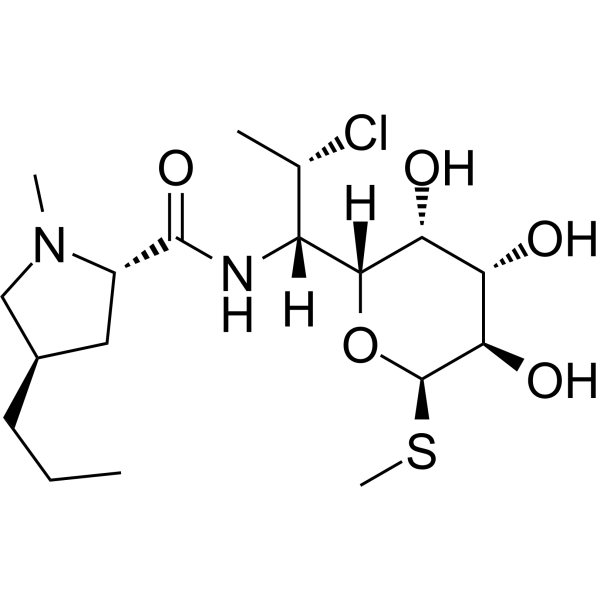
Clindamycin is an orally active and broad-spectrum bacteriostatic lincosamide antibiotic. Clindamycin can inhibit bacterial protein synthesis, possessing the ability to suppress the expression of virulence factors in Staphylococcus aureus at sub-inhibitory concentrations (sub-MICs). Clindamycin resistance results from enzymatic methylation of the antibiotic binding site in the 50S ribosomal subunit (23S rRNA). Clindamycin decreases the production of Panton-Valentine leucocidin (PVL), toxic-shock-staphylococcal toxin (TSST-1) or alpha-haemolysin (Hla). Clindamycin also can be used for researching malaria [1] .
loading...
    loading...
16
16 Publications Verification
Cat. No.: HY-N7118
CAS No.: 58207-19-5
Target:  

Bacterial Antibiotic

Research Areas:  

Infection Cancer

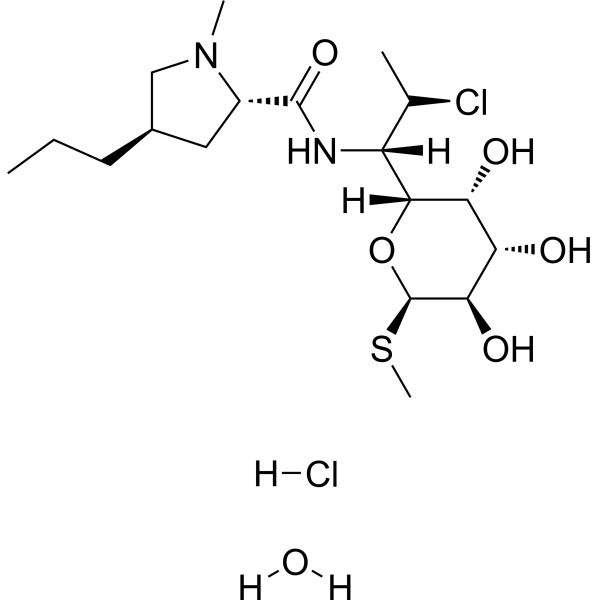
Clindamycin hydrochloride monohydrate is an oral protein synthesis inhibitory agent that has the ability to suppress the expression of virulence factors in Staphylococcus aureus at sub-inhibitory concentrations (sub-MICs). Clindamycin hydrochloride monohydrate resistance results from enzymatic methylation of the antibiotic binding site in the 50S ribosomal subunit (23S rRNA). Clindamycin hydrochloride monohydrate decreases the production of Panton-Valentine leucocidin (PVL), toxic-shock-staphylococcal toxin (TSST-1) or alpha-haemolysin (Hla) [1].
loading...
    loading...
13
13 Cited Publications
Cat. No.: HY-156131
CAS No.: 53179-11-6
Synonyms: ADL 2-1294
Loperamide (ADL 2-1294) is selective and orally active μ opioid receptor agonist with Ki valuess of 3, 48 and 1156 nM against μ, δ and κ opioid receptor, respectively. Loperamide produces antinociception and antihyperalgesia. Loperamide exhibits peripheral selectivity, enhancing fluid, electrolyte, and glucose absorption, reversing PGE2 (HY-101952)- and Cholera toxin (HY-P1446)-induced intestinal secretion, and reducing intestinal motility. Loperamide can be used for the researches of inflammatory pain and protracted diarrhoea [1] .
loading...
    loading...
3
3 Cited Publications
Cat. No.: HY-19778
CAS No.: 1415390-47-4
Target:  

CFTR Autophagy

Research Areas:  

Inflammation/Immunology

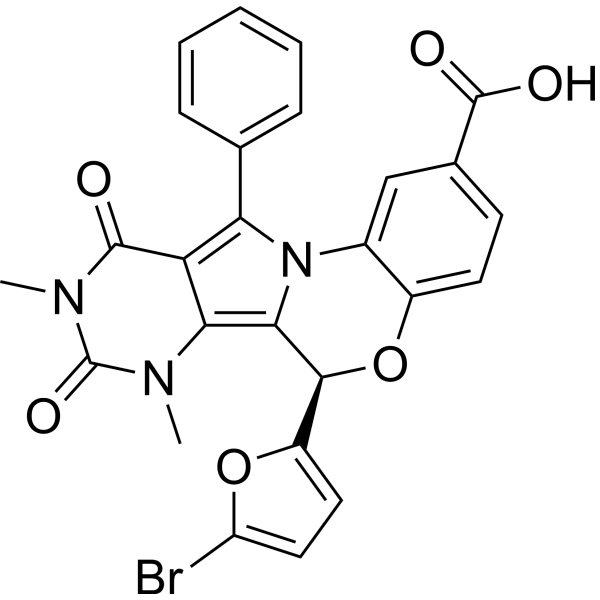
(R)-BPO-27, the R enantiomer of BPO-27, is a potent, orally active and ATP-competitive CFTR inhibitor with an IC50 of 4 nM.
loading...
    loading...
1
1 Cited Publications
Cat. No.: HY-W011910
CAS No.: 2642-37-7
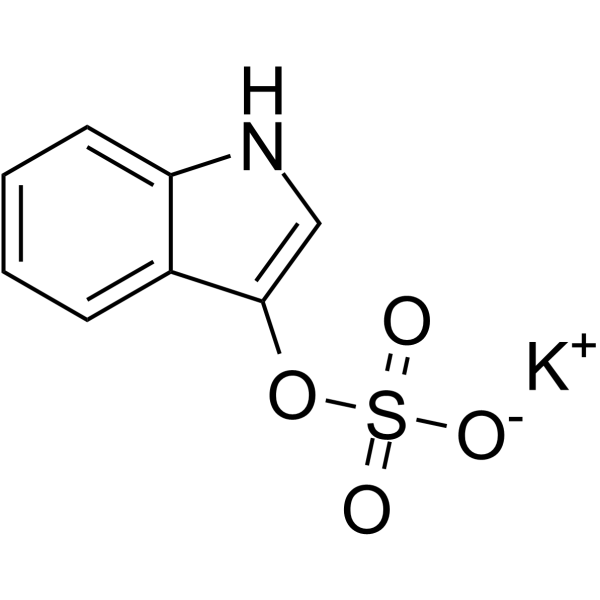
Potassium 1H-indol-3-yl sulfate is a metabolite of tryptophan, produced by intestinal microorganisms and combined with sulfate in the liver before entering the circulatory system. Potassium 1H-indol-3-yl sulfate is a potent endogenous agonist of the aryl hydrocarbon receptor (AhR) and a urinary toxin. Potassium 1H-indol-3-yl sulfate can be used for research on kidney diseases [1] .
loading...
    loading...
1
1 Cited Publications
Cat. No.: HY-112624I
CAS No.: 9004-54-0
Synonyms: Dextran 3; Dextran D3; Dextran T3(MW 2400-3600)
Dextran T3 (Dextran 3; Dextran T3(MW 2400-3600)) is a neural tracer and intestinal permeability probe that can move anterogradely and retrogradely in neuronal axons by passive diffusion. Dextran T3 (MW 3,000) is able to permeate across the intestinal epithelial cell membrane in the presence of cholera toxin-induced cytoskeletal disturbance. Dextran T3 (MW 3,000) is used as a fluorescent marker to rapidly label developing neurons (such as Xenopus retinal ganglion cells) and to assess intestinal barrier function. It can be used to study axonal transport in neuroanatomy and permeability changes in intestinal pathophysiology. The Dextran series of compounds are also natural polysaccharide drug carriers that can be connected to drugs through covalent bonding methods such as ester bonds, amide bonds or click chemistry, or self-assembled to form carriers such as nanoparticles and hydrogels. Dextran is biodegradable and biocompatible, and can achieve targeted delivery and controlled release of drugs. Dextran derivatives can prolong the half-life of drugs, increase local concentrations, and reduce the activity of immune clearance [1] .
loading...
    loading...
1
1 Cited Publications
Cat. No.: HY-129040A
CAS No.: 87862-25-7
Purity:  99.78%
Synonyms: MIBG sulfate; Iobenguane sulfate
Target:  

Adrenergic Receptor

Research Areas:  

Cancer

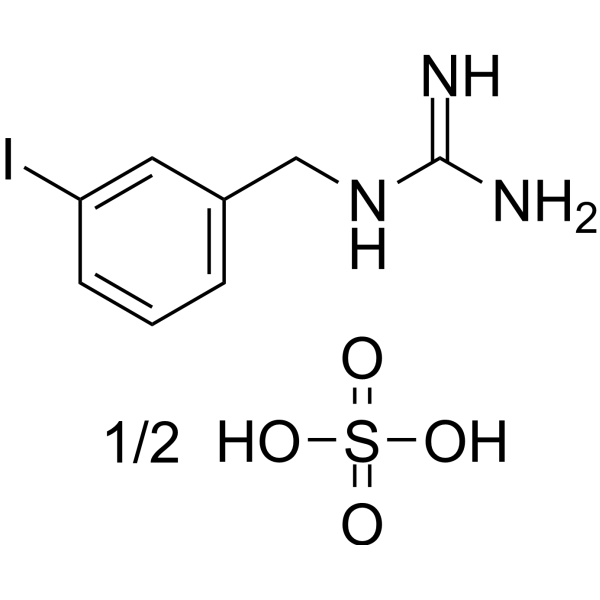
m-Iodobenzylguanidine sulfate (MIBG sulfate) is an analogue of the neurotransmitter norepinephrine with antitumor activity. Radioiodinated m-Iodobenzylguanidine sulfate is clinically used as a tumor-targeted radiopharmaceutical in the diagnosis and treatment of adrenergic tumors. m-Iodobenzylguanidine sulfate is a high-affinity substrate for cholera toxin that interferes with cellular mono(ADP-ribosylation) [1] .
loading...
    loading...
Cat. No.: HY-137592
CAS No.: 38806-38-1
Purity:  99%
Synonyms: ε-NAD
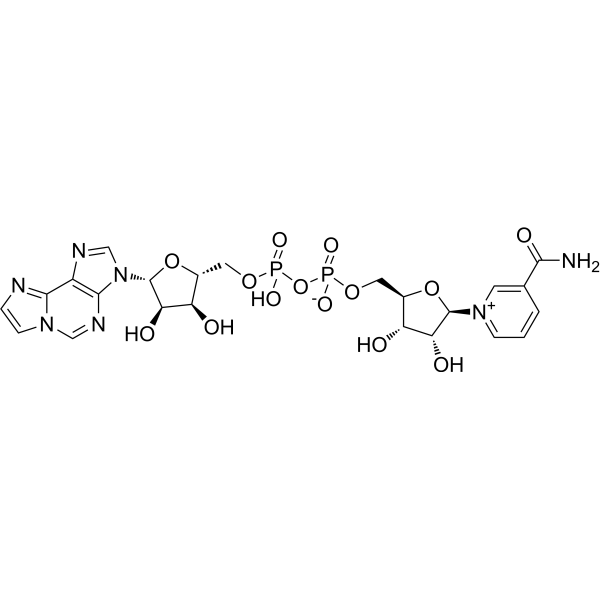
Nicotinamide 1,N6-ethenoadenine dinucleotide (ε-NAD) is a fluorescent analog of NAD. Nicotinamide 1,N6-ethenoadenine dinucleotide can be cleaved by phosphodiesterase I (from C. adamanteus venom) and binds to bovine liver glutamate dehydrogenase. Nicotinamide 1,N6-ethenoadenine dinucleotide can serve as a substrate for G-ADP ribosylation of G proteins catalyzed by bacterial toxins. Nicotinamide 1,N6-ethenoadenine dinucleotide can be used as a fluorescent substrate for the study of ADP ribosylation reactions [1] .
loading...
    loading...
Cat. No.: HY-19285
CAS No.: 102-65-8
Synonyms: SulfachloropyrazINe
Research Areas:  

Infection

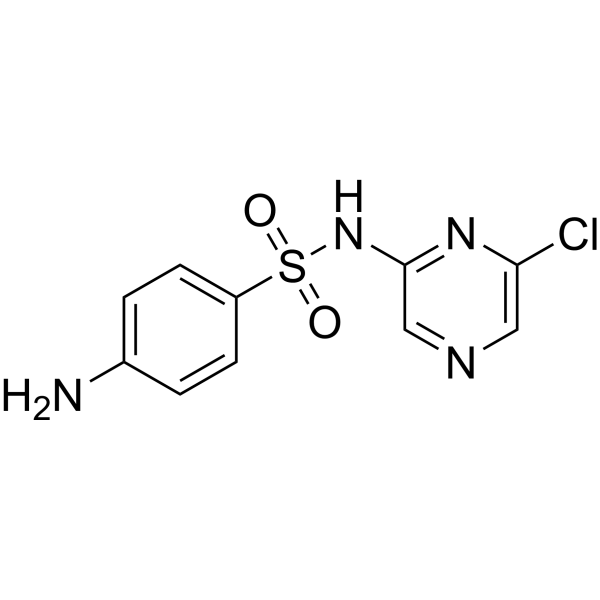
Sulfaclozine (Sulfachloropyrazine) is an efficacious sulphonamide derivative with antibacterial and anticoccidial effects. Sulfaclozine is commonly used for the treatment of various poultry diseases (particularly, collibacteriosis, fowl cholera and coccidiosis) [1].
loading...
    loading...
Cat. No.: HY-19285A
CAS No.: 23307-72-4
Synonyms: SulfachloropyrazINe sodium
Research Areas:  

Infection

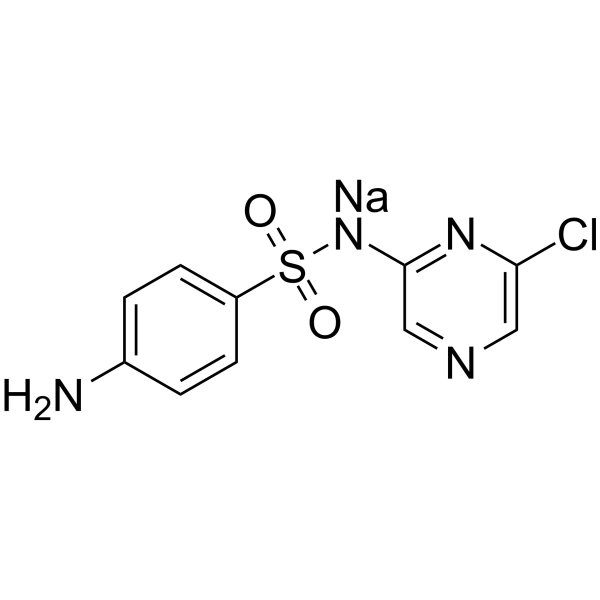
Sulfaclozine sodium (Sulfachloropyrazine sodium) is an efficacious sulphonamide derivative with antibacterial and anticoccidial effects. Sulfaclozine sodium is commonly used for the treatment of various poultry diseases (particularly, collibacteriosis, fowl cholera and coccidiosis) [1].
loading...
    loading...
Cat. No.: HY-145376
CAS No.: 1004296-82-5
Purity:  99.32%
Synonyms: CAI-1
Target:  

Bacterial

Research Areas:  

Others

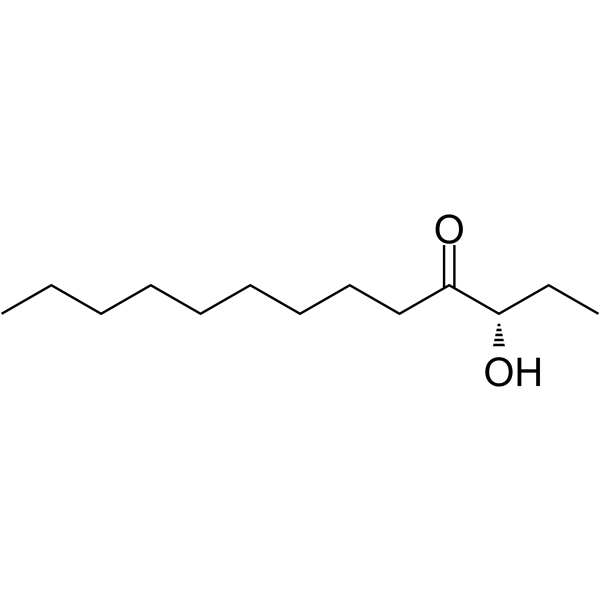
Cholera autoinducer 1 is Vibrio cholerae autoinducer (S)-3-hydroxytridecan-4-one. Cholera autoinducer 1 influences chemotaxis in C. elegans [1].
loading...
    loading...
Cat. No.: HY-132429S
CAS No.: 1644451-34-2
Purity:  99.77%
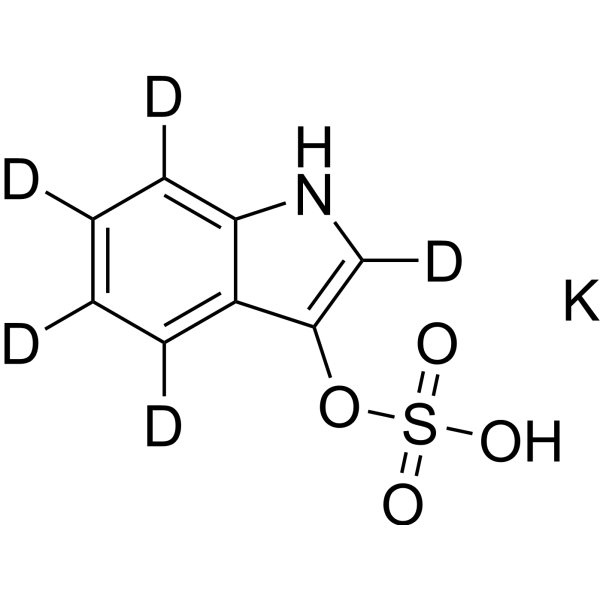
Potassium 1H-indol-3-yl sulfate-d5 is the deuterium labeled 3-Indoxyl Sulfate potassium. Potassium 1H-indol-3-yl sulfate is a metabolite of tryptophan, produced by intestinal microorganisms and combined with sulfate in the liver before entering the circulatory system. Potassium 1H-indol-3-yl sulfate is a potent endogenous agonist of the aryl hydrocarbon receptor (AhR) and a urinary toxin. Potassium 1H-indol-3-yl sulfate can be used for research on kidney diseases.
loading...
    loading...
Cat. No.: HY-111431AS
CAS No.: 2469278-96-2
Purity:  99.63%
Synonyms: p-Tolyl sulfate-d7 potassium
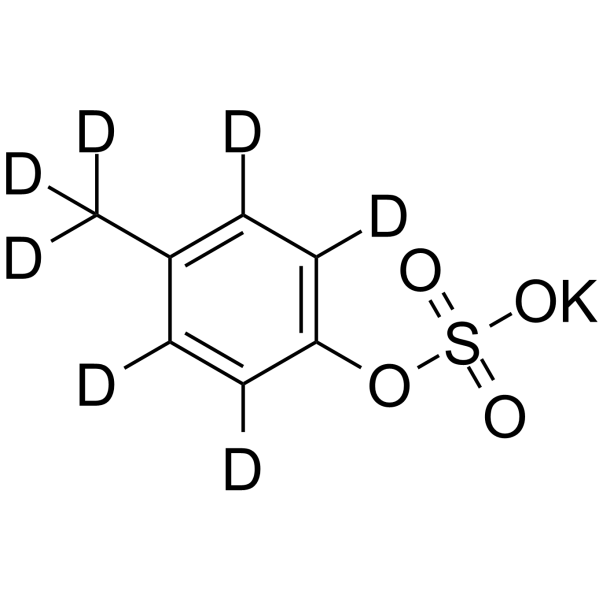
p-Cresol sulfate-d7 (potassium) is the deuterium labeled p-Cresyl sulfate potassium. p-Methylphenyl potassium sulfate is a prototype protein-bound uremic toxin[1][2].
loading...
    loading...
Cat. No.: HY-W011910S
CAS No.: 1346601-03-3
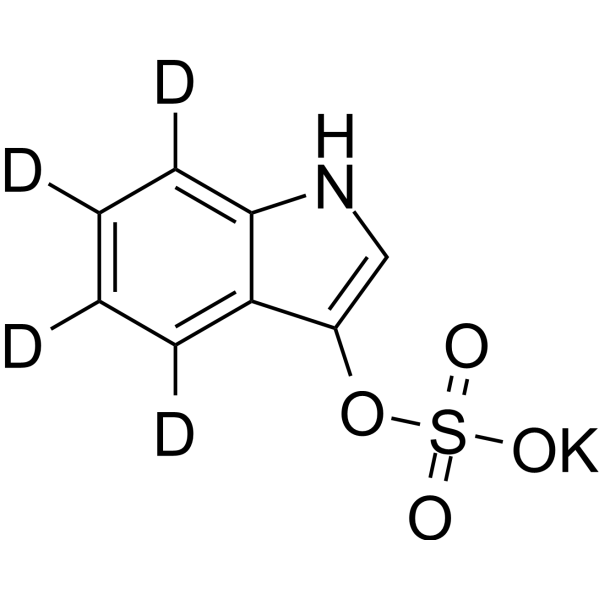
Potassium 1H-indol-3-yl sulfate-d4 potassium is the deuterium labeled Potassium 1H-indol-3-yl sulfate. Potassium 1H-indol-3-yl sulfate is a metabolite of tryptophan, produced by intestinal microorganisms and combined with sulfate in the liver before entering the circulatory system. Potassium 1H-indol-3-yl sulfate is a potent endogenous agonist of the aryl hydrocarbon receptor (AhR) and a urinary toxin. Potassium 1H-indol-3-yl sulfate can be used for research on kidney diseases.
loading...
    loading...
Cat. No.: HY-P4984
CAS No.: 137593-46-5
Target:  

Endogenous Metabolite

Research Areas:  

Infection

Toxic Shock Syndrome Toxin-1 (TSST-1) (58-78) is a superantigen exotoxin produced by Staphylococcus aureus. Toxic Shock Syndrome Toxin-1 (TSST-1) (58-78) binds to TCR and MHC II outside the antigen-presenting site, thereby inducing unconventional polyclonal lymphocyte activation, excessive cytokine production, rapid shock, multiple organ failure syndrome and even death. Toxic Shock Syndrome Toxin-1 (TSST-1) (58-78) exacerbates mammary gland inflammation and further induces mastitis. Toxic Shock Syndrome Toxin-1 (TSST-1) (58-78) is thermostable and can be transmitted to humans via food, causing toxic shock syndrome. Toxic Shock Syndrome Toxin-1 (TSST-1) (58-78) can be used in studies related to toxic shock syndrome and staphylococcal food poisoning [1] .
loading...
    loading...
Cat. No.: HY-P10529
CAS No.: 247185-97-3
Target:  

Trk Receptor

Research Areas:  

Infection

Ganglioside GM1-binding peptide p3 is a synthetic peptide that can specifically bind to the pentasaccharide part of GM1 ganglioside. The dynamic transformation of Ganglioside GM1-binding peptide p3 may play an important role in the function of GM1 as a multiple receptor, such as in the classical pathway of cholera toxin infection. Ganglioside GM1-binding peptide p3 can be used to study the interaction between GM1 and its ligands [1].
loading...
    loading...
Cat. No.: HY-B1455S1
CAS No.: 2140264-63-5
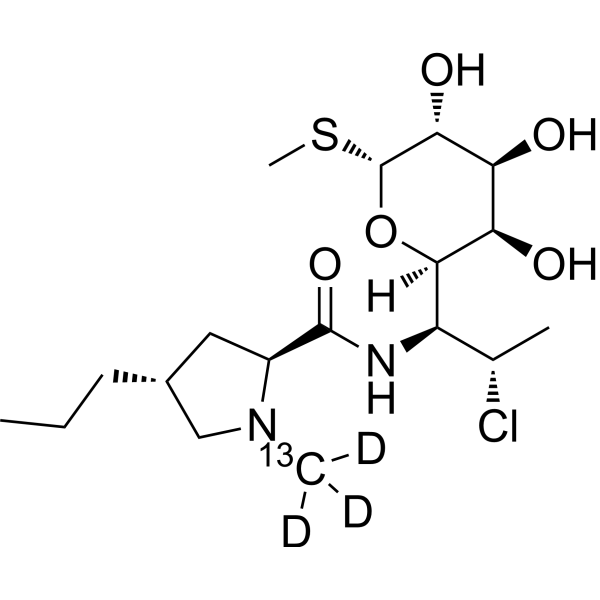
Clindamycin- 13C,d3 is the 13C- and deuterium labeled Clindamycin. Clindamycin is an orally active and broad-spectrum bacteriostatic lincosamide antibiotic. Clindamycin can inhibit bacterial protein synthesis, possessing the ability to suppress the expression of virulence factors in Staphylococcus aureus at sub-inhibitory concentrations (sub-MICs). Clindamycin resistance results from enzymatic methylation of the antibiotic binding site in the 50S ribosomal subunit (23S rRNA). Clindamycin decreases the production of Panton-Valentine leucocidin (PVL), toxic-shock-staphylococcal toxin (TSST-1) or alpha-haemolysin (Hla). Clindamycin also can be used for researching malaria [1] .
loading...
    loading...
Cat. No.: HY-401913
CAS No.: 345288-49-5
Research Areas:  

Infection Cancer

Endo CNTinh-03 is inhibitor for the elevation of cAMP and cGMP induced by agonist, such as G protein-coupled receptors, adenylate cyclase, and guanylate cyclase (IC50 is 4 μM). Endo CNTinh-03 inhibits cholera toxin- and Escherichia coli (STa) toxin- induced CFTR chloride current, ameliorates secretory diarrhea in mouse models, and prevents cyst growth in polycystic kidney disease model [1].
loading...
    loading...
Cat. No.: HY-126484
CAS No.: 60048-73-9
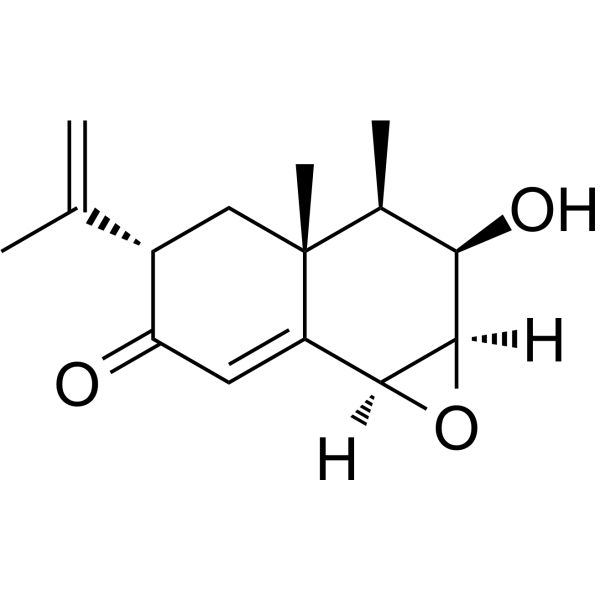
Eremofortin B is a sesquiterpenoid compound synthesized by penicillium roqueforti PR Toxin (PRT) .
loading...
    loading...
Cat. No.: HY-P1441
CAS No.: 1609937-15-6
Target:  

Sodium Channel

Research Areas:  

Others

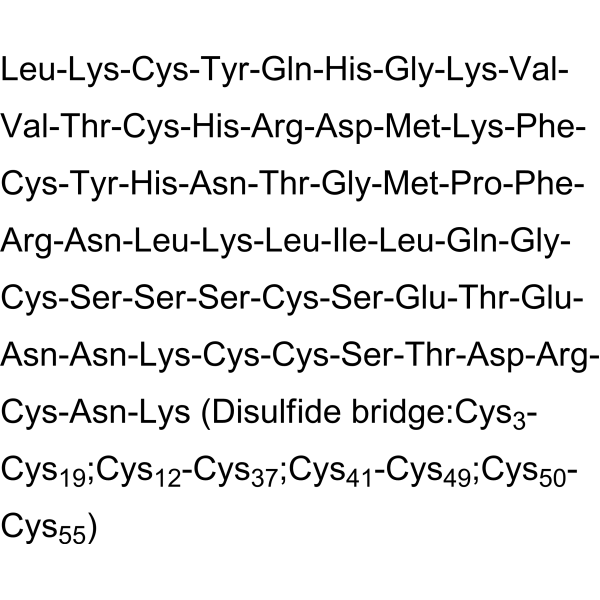
Mambalgin-1 is a toxin isolated from black mamba venom. Mambalgin-1 is a disulfide-rich polypeptide consisting of 57 amino acids and belongs to the family of three-finger toxins. Mambalgin-1 can bind to and stabilize ASICs (acid-sensing ion channels) in a physiologically relevant closed-channel conformation [1].
loading...
    loading...

