35 Results for "

GPCR activation

" in MedChemExpress (MCE) Product Catalog:
Products (35)

35 Results for "GPCR activation" in MCE Product Catalog:

32
32 Publications Verification
Cat. No.: HY-13771
CAS No.: 128-13-2
Purity:  99.94%
Synonyms: Ursodeoxycholate; Ursodiol; UDCA
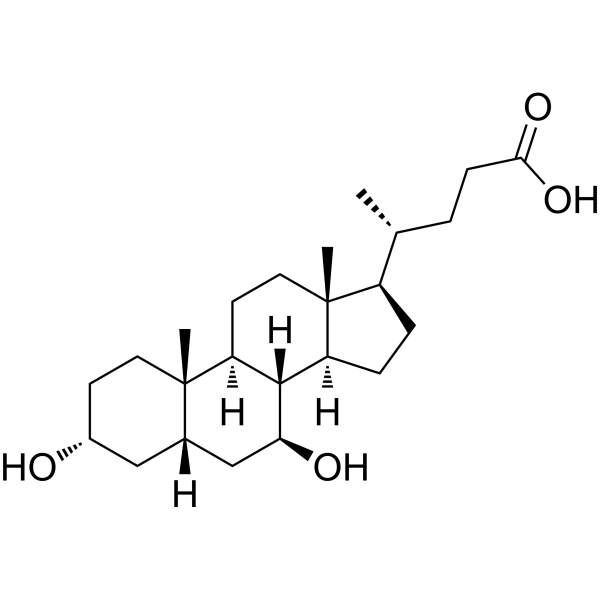
Ursodeoxycholic acid (Ursodeoxycholate) is a secondary bile acid issued from the transformation of (cheno)deoxycholic acid by intestinal bacteria, acting as a key regulator of the intestinal barrier integrity and essential for lipid metabolism. Ursodeoxycholic acid acts as signaling molecule, exerting its effects by interacting with bile acid activated receptors, including G-protein coupled bile acid receptor 5 (TGR5, GPCR19) and the farnesoid X receptor (FXR). Ursodeoxycholic acid can be used for the research of a variety of hepatic and gastrointestinal diseases. Ursodeoxycholic acid also reduces ACE2 expression and is beneficial for reducing SARS-CoV-2 infection. Orally active .
loading...
    loading...
32
32 Publications Verification
Cat. No.: HY-13771A
CAS No.: 2898-95-5
Purity:  99.06%
Synonyms: Ursodeoxycholate sodium; Ursodiol sodium; UCDA sodium
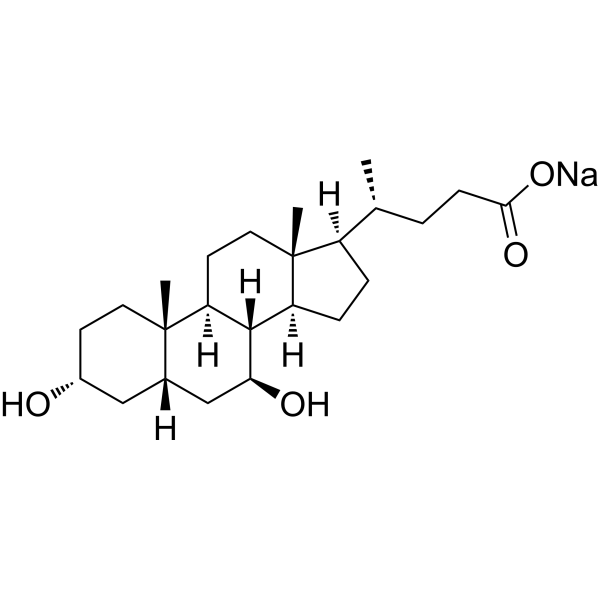
Ursodeoxycholic acid (Ursodeoxycholate) sodium is a secondary bile acid issued from the transformation of (cheno)deoxycholic acid by intestinal bacteria, acting as a key regulator of the intestinal barrier integrity and essential for lipid metabolism. Ursodeoxycholic acid sodium acts as signaling molecule, exerting its effects by interacting with bile acid activated receptors, including G-protein coupled bile acid receptor 5 (TGR5, GPCR19) and the farnesoid X receptor (FXR). Ursodeoxycholic acid sodium can be used for the research of a variety of hepatic and gastrointestinal diseases. Orally active .
loading...
    loading...
5
5 Cited Publications
Cat. No.: HY-113962
CAS No.: 64907-22-8
Purity:  99.88%
Synonyms: 7α,25-OHC
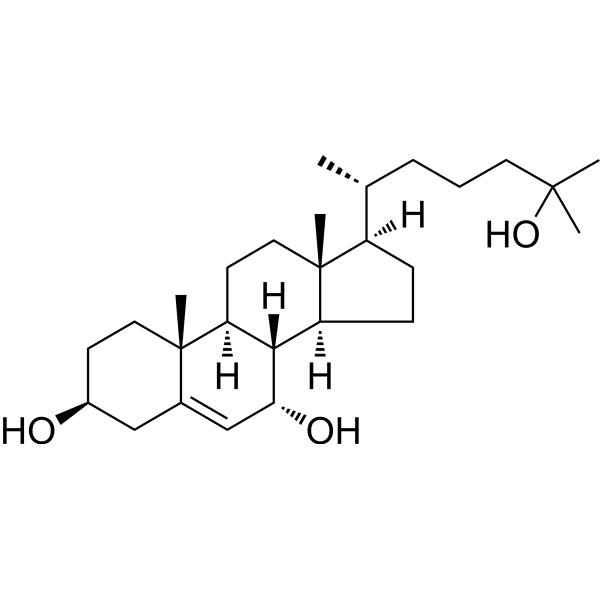
7α, 25-dihydroxycholesterol (7α,25-OHC) is a potent and selective agonist and endogenous ligand of the orphan GPCR receptor EBI2 (GPR183). 7α, 25-dihydroxycholesterol is highly potent at activating EBI2 (EC50=140 pM; Kd=450 pM). 7α, 25-dihydroxycholesterol can serve as a chemokine directing migration of B cells, T cells and dendritic cells .
loading...
    loading...
2
2 Cited Publications
Cat. No.: HY-113066A
CAS No.: 7415-69-2
Purity:  ≥95.0%
Synonyms: GDP disodium salt
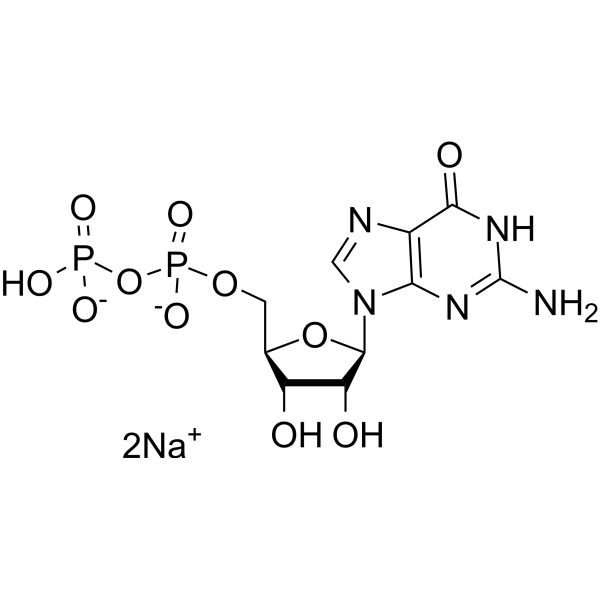
Guanosine 5'-diphosphate (GDP) disodium salt, a purine nucleoside diphosphate, is interconverted to guanosine by the action of exonucleotidase and phosphorylation of nucleoside to guanine. Guanosine 5'-diphosphate disodium salt activates adenosine 5'-triphosphate-sensitive K + channel and is used to study the kinetics and characteristics of GTPases such as those associated with G-protein coupled receptors (GPCR). Guanosine 5'-diphosphate disodium salt is a potential iron mobilizer, which prevents the Hepcidin (HY-P70400)-ferroportin interaction and modulates the interleukin-6 (IL-6)/stat-3 pathway. Elevated levels of guanosine 5’-diphosphate are associated with the pathogenesis of neurological diseases. Guanosine 5'-diphosphate disodium salt is promising for the research of inflammation, such as anemia of inflammation (AI) .
loading...
    loading...
2
2 Cited Publications
Cat. No.: HY-B2132
CAS No.: 61-54-1
Synonyms: 3-(2-Aminoethyl)indole~2-(3-Indolyl)ethylamine
Tryptamine is a selective, blood-brain-penetrating 5-HT4 receptor agonist (EC50=1-3 mM) and an endogenous ligand of the aryl hydrocarbon receptor (AHR) (Kd=10-50 nM). Tryptamine promotes intestinal anion secretion and fluid transport by activating G protein-coupled receptors (GPCRs) and accelerates gastrointestinal motility. Tryptamine regulates Th17/Treg balance to inhibit neuroinflammation, competitively binds to 5-HT receptors to regulate central nervous system activity, and participates in temperature regulation and spinal reflex regulation as a neuromodulator. Tryptamine can be used to study intestinal motility disorders such as functional constipation, and has shown significant efficacy in multiple sclerosis models .
loading...
    loading...
1
1 Cited Publications
Cat. No.: HY-110098
CAS No.: 1110781-88-8
Purity:  99.85%
Synonyms: EPPTB
Ro 5212773 (EPPTB) is a potent and selective trace amine-associated receptor 1 (TAAR1) antagonist (Ki=0.9 nM for mouse TAAR1), with no significant effects on other TAARs. TAAR1 is a G protein-coupled receptor (GPCR) that is nonselectively activated by endogenous metabolites of amino acids .
loading...
    loading...
1
1 Cited Publications
Cat. No.: HY-113478S
CAS No.: 347841-46-7
Purity:  99.52%
Synonyms: Ursodeoxycholate-d4; Ursodiol-d4; UDCA-d4
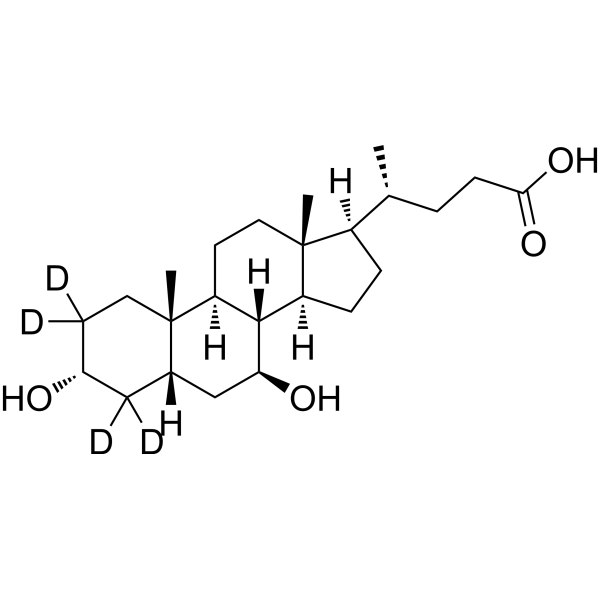
Ursodeoxycholic acid-2,2,4,4-d4 is the deuterium labeled Ursodeoxycholic acid (HY-13771). Ursodeoxycholic acid is a secondary bile acid issued from the transformation of (cheno)deoxycholic acid by intestinal bacteria, acting as a key regulator of the intestinal barrier integrity and essential for lipid metabolism. Ursodeoxycholic acid acts as signaling molecule, exerting its effects by interacting with bile acid activated receptors, including G-protein coupled bile acid receptor 5 (TGR5, GPCR19) and the farnesoid X receptor (FXR). Ursodeoxycholic acid can be used for the research of a variety of hepatic and gastrointestinal diseases. Ursodeoxycholic acid also reduces ACE2 expression and is beneficial for reducing SARS-CoV-2 infection .
loading...
    loading...
1
1 Cited Publications
Cat. No.: HY-157189
CAS No.: 898211-21-7
Purity:  99.72%
Synonyms: GPR132 antagonist 1
Target:  

G2A (GPR132)

Research Areas:  

Metabolic Disease

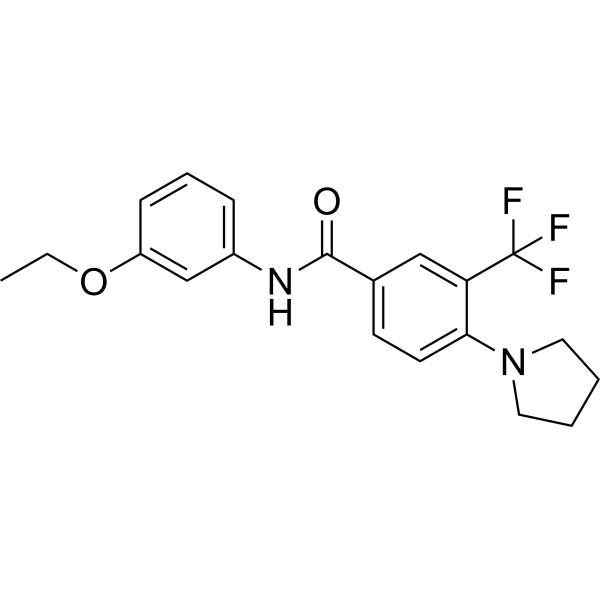
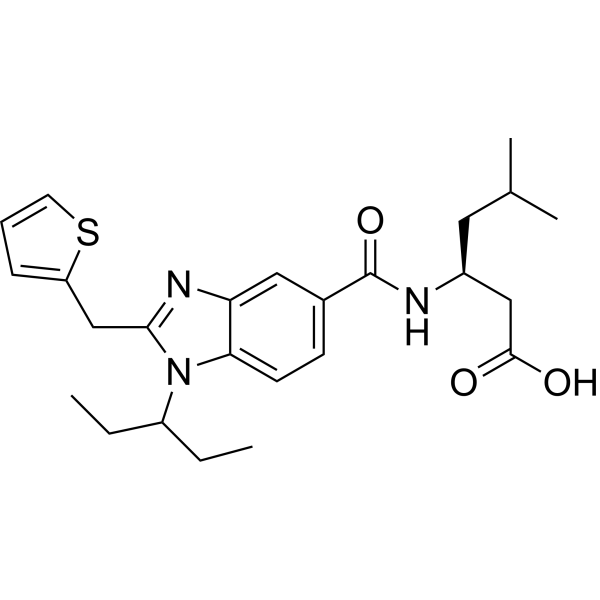
NOX-6-18 (GPR132 antagonist 1) is a GPR132 antagonist with an IC50 of 15.17 nM against the human target. NOX-6-18 inhibits GPR132 activation via interaction with non-conserved residues, blocks activities induced by endogenous agonists and 9 (S)-HODE, and exhibits selectivity for other fatty acid-binding GPCRs. NOX-6-18 regulates macrophage reprogramming, alleviates inflammatory responses, downregulates inflammatory markers and signaling pathways, and reduces the degree of hepatic steatosis and hepatic triglyceride levels. NOX-6-18 regulates metabolic homeostasis, reduces weight gain, enhances glucose metabolism, improves glucose tolerance, decreases fasting blood glucose and insulin levels, and partially reverses reductions in energy expenditure and respiratory quotient. NOX-6-18 can be used in the research of type 2 diabetes .
loading...
    loading...
1
1 Cited Publications
Cat. No.: HY-W105750
CAS No.: 1191-25-9
Synonyms: 6-HHA
6-Hydroxyhexanoic acid (6-HHA) is a bacterial effector molecule with metabolic and immunomodulatory activities. 6-Hydroxyhexanoic acid activates the JAK1-STAT1 signaling pathway, promotes phenotypic conversion of M2 macrophages to M1 macrophages, and exerts anti-tumor effects by regulating macrophage polarization. 6-Hydroxyhexanoic acid inhibits lipolysis in adipocytes mediated by Gαi family GPCR, and reduces high-fat diet-induced weight gain and obesity. 6-Hydroxyhexanoic acid can be used in studies related to pancreatic ductal adenocarcinoma, obesity, and insulin resistance .
loading...
    loading...
1
1 Cited Publications
Cat. No.: HY-107579
CAS No.: 72420-38-3
Purity:  99.25%
Synonyms: AY 25712
Target:  

GPR109A ERK

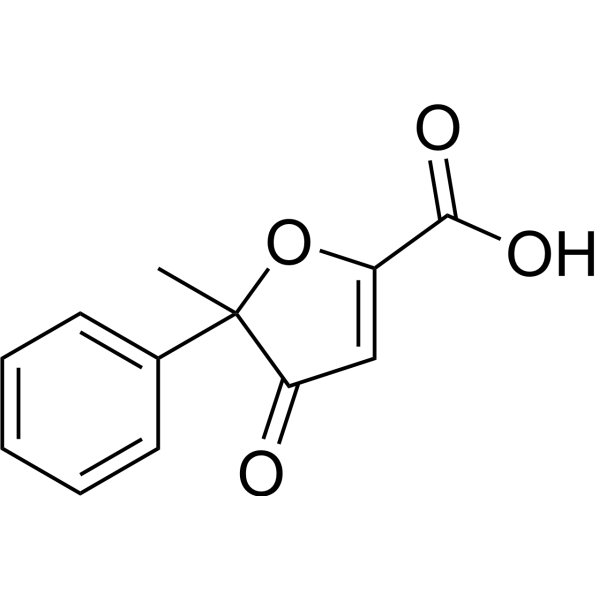
Acifran (AY 25712) is an orally active, full GPR109A and GPR109B agonist and hypolipidemic agent. Acifran reduces Forskolin (HY-15371)-induced cAMP elevation, triggers ERK1/ERK2 phosphorylation, and inhibits lipolysis in adipose tissue through Gi-coupled GPCR activation. Acifran is used for research on atherosclerosis, hyperlipidemia, and type 2 diabetes .
loading...
    loading...
Cat. No.: HY-103080
CAS No.: 1586787-08-7
Purity:  99.89%
Target:  

Apelin Receptor (APJ)

Research Areas:  

Cardiovascular Disease

CMF019 is an orally active, potent and small molecule agonist at Apelin receptor (APJ) with G protein bias. CMF019 binds to APJ with pKi values of 8.58, 8.49 and 8.71 for human, rat, and mouse, respectively. CMF019 mimics the beneficial cardiovascular actions of apelin in rodents . Apelin receptor (APJ) is a G protein-coupled receptor (GPCR) activated by the endogenous peptide apelin. CMF019 is promising for research of chronic diseases, such as, pulmonary arterial hypertension .
loading...
    loading...
Cat. No.: HY-13771R
CAS No.: 128-13-2
Synonyms: Ursodeoxycholate (Standard); Ursodiol (Standard); UDCA (Standard)
Ursodeoxycholic acid (Standard) is the analytical standard of Ursodeoxycholic acid. This product is intended for research and analytical applications. Ursodeoxycholic acid (Ursodeoxycholate) is a secondary bile acid issued from the transformation of (cheno)deoxycholic acid by intestinal bacteria, acting as a key regulator of the intestinal barrier integrity and essential for lipid metabolism. Ursodeoxycholic acid acts as signaling molecule, exerting its effects by interacting with bile acid activated receptors, including G-protein coupled bile acid receptor 5 (TGR5, GPCR19) and the farnesoid X receptor (FXR). Ursodeoxycholic acid can be used for the research of a variety of hepatic and gastrointestinal diseases. Ursodeoxycholic acid also reduces ACE2 expression and is beneficial for reducing SARS-CoV-2 infection. Orally active .
loading...
    loading...
Cat. No.: HY-P10365
Research Areas:  

Others

Vmm-p15 is a peptide agonist optimized for the adhesion G protein-coupled receptor GPR64 (also known as ADGRG2 or HE6). The affinity of VPM-p15 with GPR64 is significantly higher than that of the original p15 peptide. The cAMP level induced by VMM-P15 increased significantly, activated GPR64, and triggered downstream Gs, Gq, and G12/13 signaling. VPM-p15 can be used to study the activation mechanism of adherent GPCR family members .
loading...
    loading...
Cat. No.: HY-113066AR
CAS No.: 7415-69-2
Synonyms: GDP disodium salt (Standard)
Guanosine 5'-diphosphate (disodium salt) (Standard) is the analytical standard of Guanosine 5'-diphosphate (disodium salt). This product is intended for research and analytical applications. Guanosine 5'-diphosphate (GDP) disodium salt, a purine nucleoside diphosphate, is interconverted to guanosine by the action of exonucleotidase and phosphorylation of nucleoside to guanine. Guanosine 5'-diphosphate disodium salt activates adenosine 5'-triphosphate-sensitive K+ channel and is used to study the kinetics and characteristics of GTPases such as those associated with G-protein coupled receptors (GPCR). Guanosine 5'-diphosphate disodium salt is a potential iron mobilizer, which prevents the Hepcidin (HY-P70400)-ferroportin interaction and modulates the interleukin-6 (IL-6)/stat-3 pathway. Elevated levels of guanosine 5’-diphosphate are associated with the pathogenesis of neurological diseases. Guanosine 5'-diphosphate disodium salt is promising for the research of inflammation, such as anemia of inflammation (AI) .
loading...
    loading...
Cat. No.: HY-P10430
Research Areas:  

Neurological Disease

Stalk peptide is a GPR110 activator. Stalk peptide is released from GPCR Autoproteolysis INducing domain by autocatalytic process and then Stalk peptide is inserted into the ligand-binding pocket of the receptor to activate the receptor. Stalk peptide can promote nerve growth and synaptic formation. Stalk peptide can be used to study neurodevelopmental and neurodegenerative diseases .
loading...
    loading...
Cat. No.: HY-P10289A
Synonyms: NPW30, rat acetate
Research Areas:  

Neurological Disease

Neuropeptide W-30 (rat) is an important stress mediator in the central nervous system that modulates the hypothalamus-pituitary-adrenal (HPA) axis and sympathetic outflow. Neuropeptide W-30 (rat) is an endogenous ligand for the two structurally related orphan G-protein-coupled receptors (GPCRs) GPR7 and GPR8. NPW-30 activates and binds to both GPR7 and GPR8 at similar effective doses .
loading...
    loading...
Cat. No.: HY-P10287
CAS No.: 383415-80-3
Synonyms: NPW30, human
Research Areas:  

Neurological Disease

Neuropeptide W-30 (human) is an important stress mediator in the central nervous system that modulates the hypothalamus-pituitary-adrenal (HPA) axis and sympathetic outflow. Neuropeptide W-30 (human) is an endogenous ligand for the two structurally related orphan G-protein-coupled receptors (GPCRs) GPR7 and GPR8. Neuropeptide W-30 (human) activates and binds to both GPR7 and GPR8 at similar effective doses .
loading...
    loading...
Cat. No.: HY-13771S1
CAS No.: 63296-46-8
Synonyms: Ursodeoxycholate-13C; Ursodiol-13C; UDCA-13C
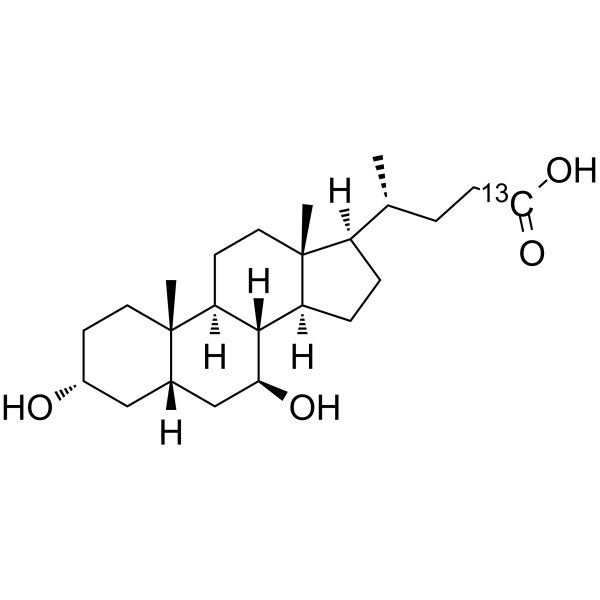
Ursodeoxycholic acid- 13C is the 13C labeled Ursodeoxycholic acid. Ursodeoxycholic acid (Ursodeoxycholate) is a secondary bile acid issued from the transformation of (cheno)deoxycholic acid by intestinal bacteria, acting as a key regulator of the intestinal barrier integrity and essential for lipid metabolism. Ursodeoxycholic acid acts as signaling molecule, exerting its effects by interacting with bile acid activated receptors, including G-protein coupled bile acid receptor 5 (TGR5, GPCR19) and the farnesoid X receptor (FXR). Ursodeoxycholic acid can be used for the research of a variety of hepatic and gastrointestinal diseases. Orally active .
loading...
    loading...
Cat. No.: HY-107579R
CAS No.: 72420-38-3
Synonyms: AY 25712 (Standard)
Acifran (Standard) (AY 25712 (Standard)) is the analytical standard of Acifran (HY-107579). This product is intended for research and analytical applications. Acifran (AY 25712) is an orally active, full GPR109A and GPR109B agonist and hypolipidemic agent. Acifran reduces Forskolin (HY-15371)-induced cAMP elevation, triggers ERK1/ERK2 phosphorylation, and inhibits lipolysis in adipose tissue through Gi-coupled GPCR activation. Acifran is used for research on atherosclerosis, hyperlipidemia, and type 2 diabetes .
loading...
    loading...
Cat. No.: HY-178978
CAS No.: 3051899-13-6
Research Areas:  

Inflammation/Immunology

α,δ-NAG is an orally active glutaminase-resistant less-hydrolyzable L-Glutamine derivative. α,δ-NAG is a G protein-coupled receptor (GPCR) allosteric modulator. α,δ-NAG suppresses neutrophilic airway inflammation by activating the GPCR/ERK/MKP-1 pathway. α,δ-NAG can be used for the researches of inflammation and immunology, such as asthma .
loading...
    loading...

