
1. Search Result
Search Result
Pathways Recommended: Stem Cell/Wnt Cell Cycle/DNA Damage
Results for "

HEK-293T cells

" in MedChemExpress (MCE) Product Catalog:

64

Inhibitors & Agonists

4

Peptides

1

MCE Kits

1

Isotope-Labeled Compounds

2

Oligonucleotides

Cat. No. 상품명 Target 연구분야 Chemical Structure
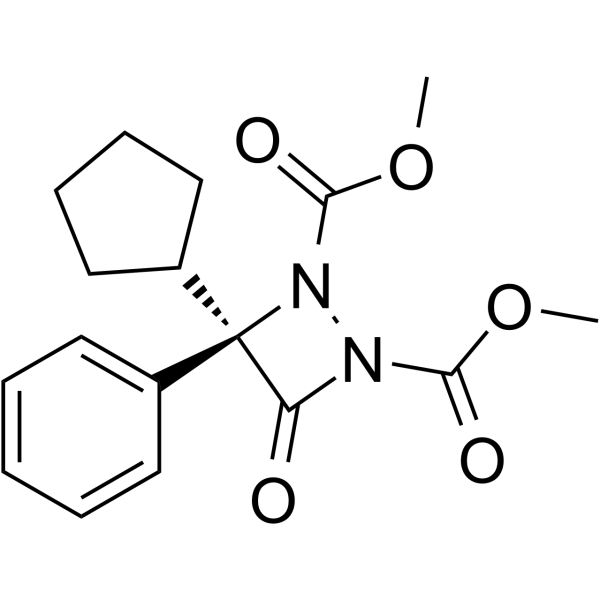
  • HY-101563
    GSK3326595
    Maximum Cited Publications
    31 Publications Verification

    EPZ015938

    Histone Methyltransferase SARS-CoV MDM-2/p53 CDK Apoptosis Infection Cancer
    GSK3326595 is a protein arginine methyltransferase 5 (PRMT5) inhibitor. GSK3326595 decreases SARS-CoV-2 infection, inhibits cancer cell proliferation and induces pro-inflammatory macrophage polarization and increases hepatic triglyceride levels without affecting atherosclerosis. GSK3326595 can be used for research of relapsed/refractory mantle cell lymphoma .
    GSK3326595
  • HY-B1456A
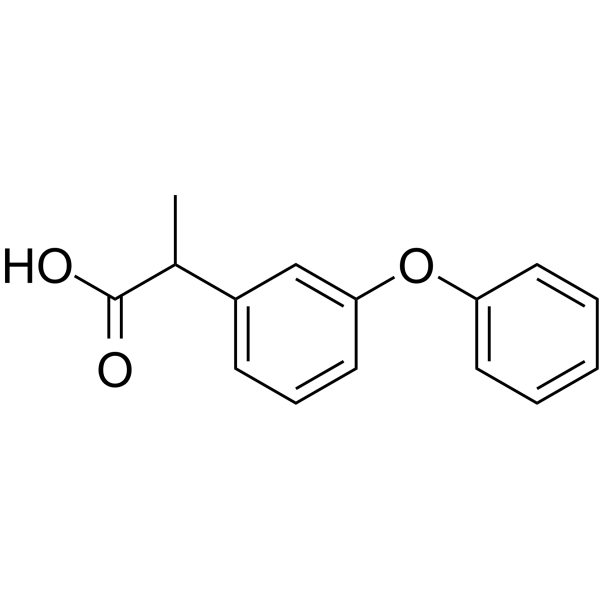
    Fenoprofen
    2 Publications Verification

    LILLY-53858

    COX Melanocortin Receptor ERK Inflammation/Immunology
    Fenoprofen (LILLY-53858) is a nonsteroidal anti-inflammatory agent (NSAID) and inhibits cyclooxygenase (COX). Fenoprofen is a melanocortin receptors (MCRs) positive allosteric modulator (PAM). Fenoprofen also increases ERK1/2 activation in HEK293T cells. Fenoprofen has anti-arthritic activities and can be used for the study of rheumatoid arthritis and osteoarthritis .
    Fenoprofen
  • HY-15888
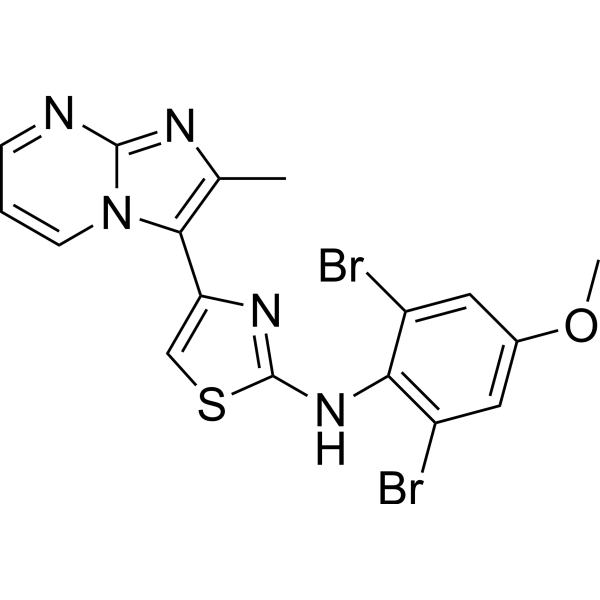
    PTC-209
    15+ Cited Publications

    BMI1 Autophagy Cancer
    PTC-209 is a specific BMI-1 inhibitor with an IC50 of 0.5 μM in HEK293T cell line. PTC-209 irreversibly impairs colorectal cancer-initiating cells (CICs). PTC-209 shows potent anti-myeloma activity and impairs the tumor microenvironment .
    PTC-209
  • HY-108317

    Phosphatase Cancer
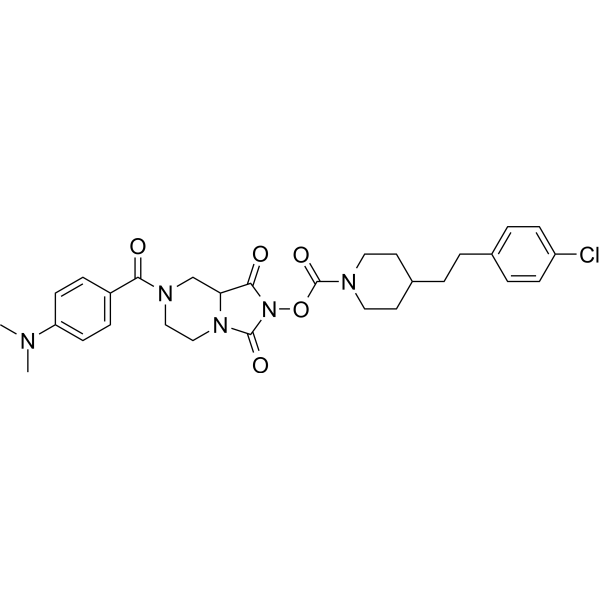
    ABL127 is a selective and covalent inhibitor of protein methylesterase 1 (PME-1) with IC50s of 6.4 nM and 4.2 nM in HEK293T and MDA-MB-231 cells, respectively.
    ABL127
  • HY-153166

    PROTACs GSK-3 Tau Protein Neurological Disease
    PT-65 is a GSK3α and GSK3β PROTAC degrader with DC50 values of 28.3 nM and 34.2 nM, respectively. PT-65 inhibits excessive tau phosphorylation mediated by GSK3β, Aβ and Okadaic acid (HY-N6785). PT-65 is applicable for the research of Alzheimer's disease .
    PT-65
  • HY-12833
    AMZ30
    1 Publications Verification

    Phosphatase Akt ERK Others
    AMZ30 is selective protein phosphatase methylesterase-1(PME-1) inhibitor with IC50s of 600 nM and 3.5 µM in human cell lysates and in HEK 293T cells, respectively. AMZ30 shows >100-fold selectivity relative to other serine hydrolases. AMZ30 reduces the demethylated form of PP2A in living cells. AMZ30 attenuates muscle cell differentiation. AMZ30 increases the resistance of U87MG and U251MG glioblastoma cells to t-BHP-induced oxidative stress. AMZ30can be used for the study of glioblastoma .
    AMZ30
  • HY-150089

    CFTR Inflammation/Immunology
    SRI-37240 is a potent premature termination codons (PTCs) inhibitor. SRI-37240 suppresses CFTR nonsense mutations. SRI-37240 alters cellular translation termination at PTCs in HEK293T cells. SRI-37240 can also restore CFTR function in primary bronchial epithelial cells when combination with G418 .
    SRI-37240
  • HY-B0288B
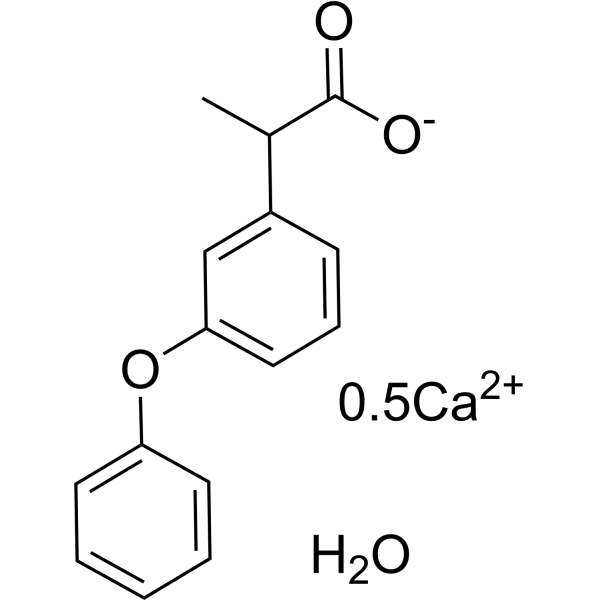
    Fenoprofen Calcium hydrate
    2 Publications Verification

    LILLY-53858 Calcium hydrate

    COX Melanocortin Receptor ERK Inflammation/Immunology
    Fenoprofen (LILLY-53858) Calcium hydrate is a nonsteroidal anti-inflammatory agent (NSAID) and inhibits cyclooxygenase (COX). Fenoprofen Calcium hydrate is a melanocortin receptors (MCRs) positive allosteric modulator (PAM). Fenoprofen Calcium hydrate also increases ERK1/2 activation in HEK293T cells. Fenoprofen Calcium hydrate has anti-arthritic activities and can be used for the study of rheumatoid arthritis and osteoarthritis .
    Fenoprofen Calcium hydrate
  • HY-P4076

    HIV DNA Alkylator/Crosslinker Infection
    MPG peptides, Pβ is an amphipathic cell-penetrating peptide. MPG peptides, Pβ consists of three components: the hydrophobic fusion sequence (GALFLGFLGAAGSTMGA) of HIV glycoprotein 41, a spacer domain (WSQP), and the nuclear localization signal (KKKRKV) of the large T antigen of Simian virus 40. MPG peptides, Pβ can form stable non-covalent complexes with nucleic acids (including DNA) through electrostatic interactions and improve their intracellular delivery. MPG peptides, Pβ can be used in studies of HIV-1-related immune responses .
    MPG peptides, Pβ
  • HY-126037
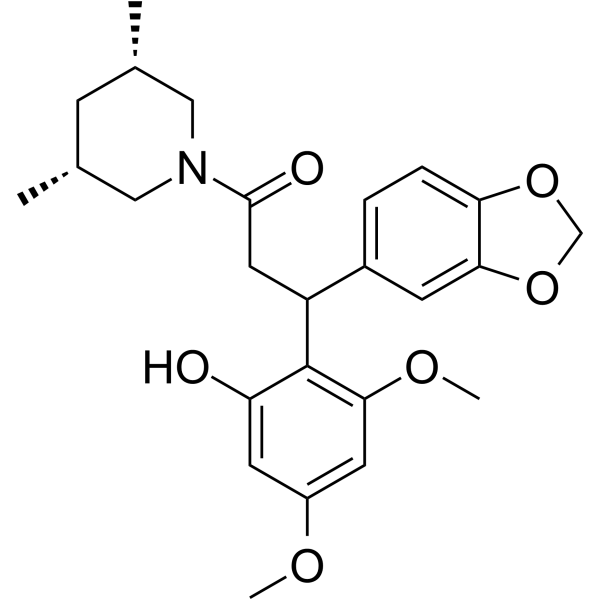
    (±)-ML 209
    1 Publications Verification

    ROR Inflammation/Immunology
    (±)-ML 209 (compound 4n), a diphenylpropanamide, is a retinoic acid-related orphan receptor RORγ antagonist with an IC50 of 1.1 μM. (±)-ML 209 inhibits RORγt transcriptional activity with an IC50 of 300 nM in HEK293t cells. (±)-ML 209 inhibits the transcriptional activity of RORγt, but not RORα in cells. (±)-ML 209 selectively inhibits murine Th17 cell differentiation without affecting the differentiation of naïve CD4 + T cells into other lineages, including Th1 and regulatory T cells .
    (±)-ML 209
  • HY-W585876

    FXR Metabolic Disease
    Chenodeoxycholic acid 3-glucuronide is a metabolite of Chenodeoxycholic acid that can activate the key nuclear receptor (FXR), with an EC50 of 8 μM, and in HEK293T cells, the EC50 for activating FXR is 11 μM .
    Chenodeoxycholic acid 3-glucuronide
  • HY-171978

    Adrenergic Receptor Cardiovascular Disease
    LM-189 is a β2-adrenergic receptor (β2AR) ligand and G protein-biased modulator with a human β2AR Ki of 0.063 nM.LM-189 promotes β2AR coupling to Gαs and Gαi heterotrimers, stabilizes distinct β2AR conformations including a TM6 outward state, and increases β2AR ICL2 dynamics.LM-189 restricts β2AR ligand-binding pocket conformational heterogeneity, stabilizes polar ligand-receptor interaction networks, and exhibits bias toward Gαi signaling over Gαs signaling.LM-189 enabled cryo-EM structural characterization of the β2AR-Gi complex.LM-189 can be used for the research of congestive heart failure .
    LM-189
  • HY-160496

    STAT Cancer
    STAT3-IN-25 (Compound 2p) is a potent STAT3 inhibitor with a p-trifluoroethoxy benzyl substituent. STAT3-IN-25 shows STAT3 luciferase inhibition activity using HEK293T cells with an IC50 of 22.3 nM and ATP production inhibition activity using BxPC-3 cells with an IC50 of 32.5 nM. STAT3-IN-25 has the potential for pancreatic cancer research .
    STAT3-IN-25
  • HY-155938
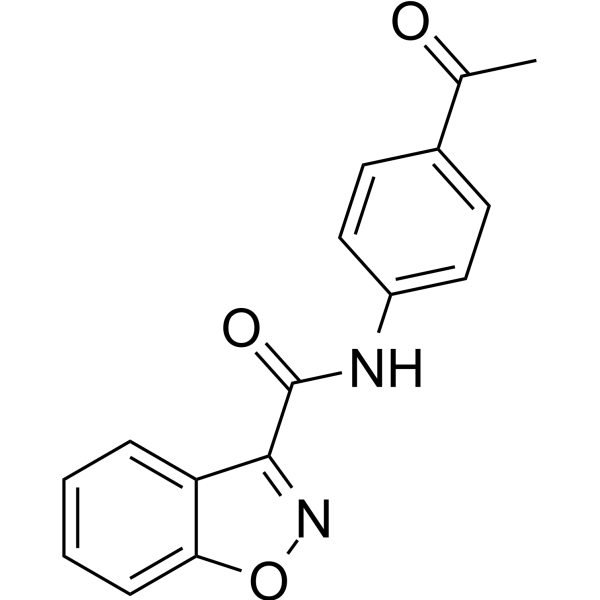
    Cyano-myracrylamide
    1 Publications Verification

    Acyltransferase Neurological Disease Inflammation/Immunology Cancer
    Cyano-myracrylamide is an inhibitor of zinc finger DHHC domain-containing palmitoyltransferase 20 (zDHHC20) with an IC50 value of 1.35 µM. Cyano-myracrylamide also inhibits the S-Acylation of EGFR and CD36. Cyano-myracrylamide also inhibits S-acylation of Legionella E3 ligase GobX, MyD88, and Ras, which are substrates of zDHHC20, zDHHC9, and zDHHC6, respectively, in HEK293T cells expressing recombinant Legionella GobX, recombinant human MyD88, or endogenous Ras .
    Cyano-myracrylamide
  • HY-175764

    PROTACs IRAK NF-κB p38 MAPK TNF Receptor Interleukin Related Inflammation/Immunology
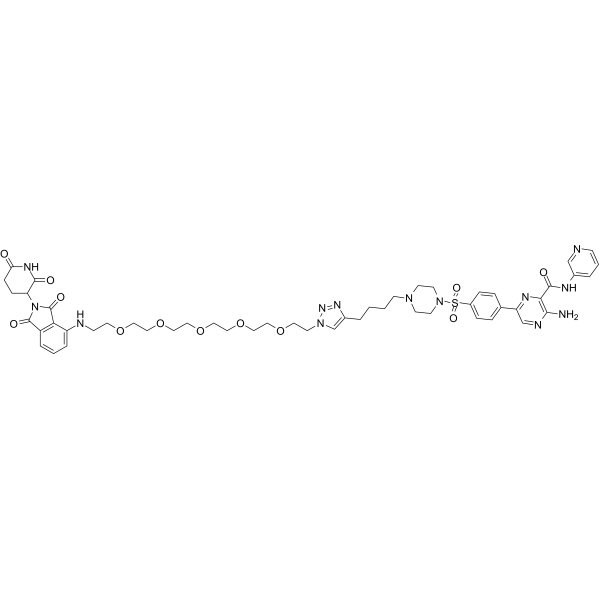
    FIP22 is a potent and selective IRAK4 PROTAC degrader (HEK293T cells: DC50 = 3.2 nM; THP-1 cells: DC50 = 10.6 nM). FIP22 induces the ubiquitin-proteasome system by forming an IRAK4-FIP22-CRBN ternary complex (EC50 = 12.63 nM), thereby potently blocking IRAK4-mediated NF-κB and MAPK signaling pathways. FIP22 can be used for the study of atopic dermatitis (Pink: IRAK4 ligand (HY-175765); Blue: CRBN ligand (HY-W087383); Black: Linker (HY-46871)) .
    FIP22
  • HY-118368

    Influenza Virus Infection Inflammation/Immunology
    L-742001 hydrochloride is an influenza virus PA endonuclease inhibitor, with an EC90 of 4.3 μM for vRNP activity in HEK293T cells .
    L-742001 hydrochloride
  • HY-15888A
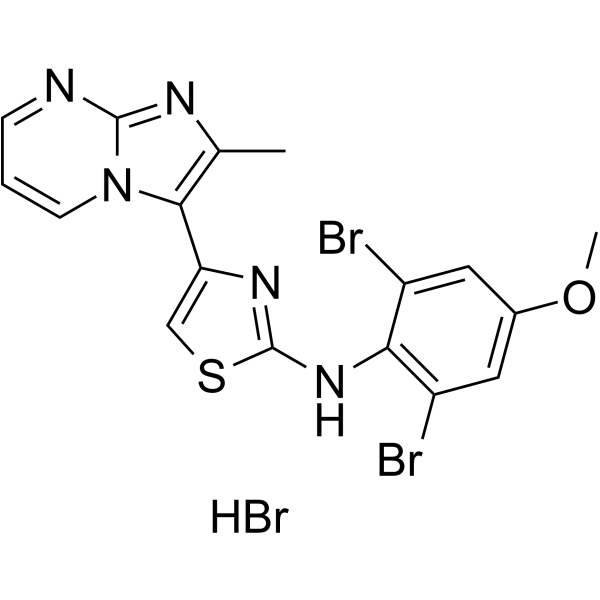
    PTC-209 hydrobromide
    15+ Cited Publications

    BMI1 Autophagy Cancer
    PTC-209 hydrobromide is a specific BMI-1 inhibitor with an IC50 of 0.5 μM in HEK293T cell line. PTC-209 hydrobromide irreversibly impairs colorectal cancer-initiating cells (CICs). PTC-209 hydrobromide shows potent anti-myeloma activity and impairs the tumor microenvironment .
    PTC-209 hydrobromide
  • HY-122716

    PPAR Others
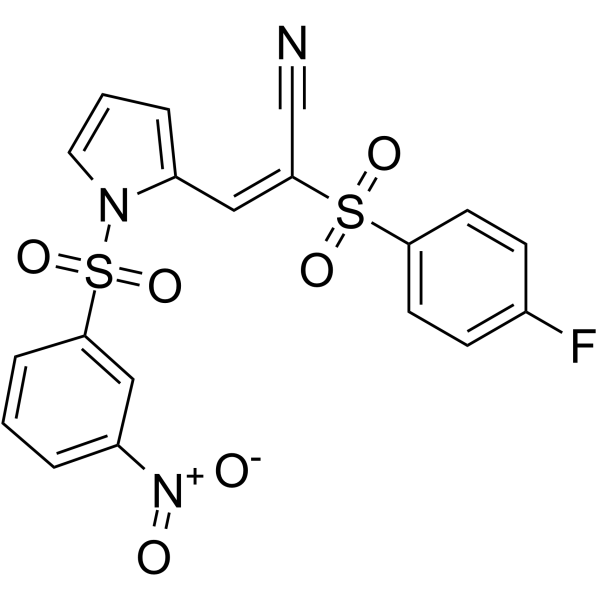
    PTGR2-IN-1 is a potent PTGR2 inhibitor with an IC50 of ~0.7 μM. PTGR2-IN-1 increases 15-keto-PGE2-dependent PPARγ transcriptional activity in PTGR2-transfected HEK293T cells .
    PTGR2-IN-1
  • HY-151465

    HIF/HIF Prolyl-Hydroxylase Cancer
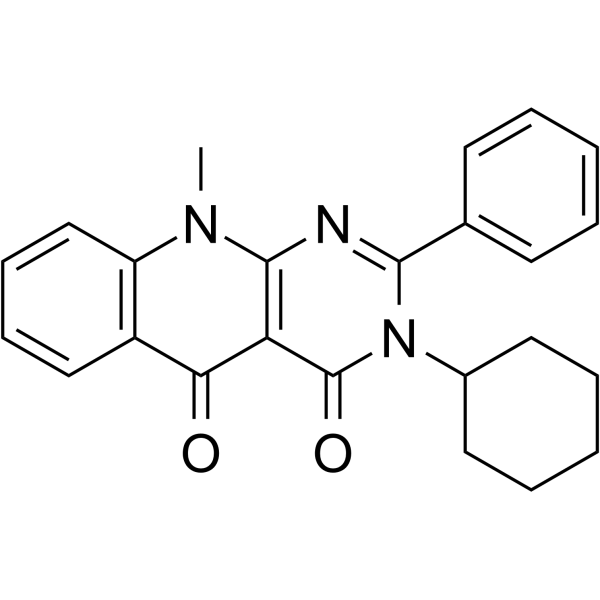
    HIF-1α-IN-4 is a HIF-1α inhibitor with an IC50 value of 24 nM (in HEK293T cell). HIF-1α-IN-4 downregulates VEGF and PDK1 mRNA expressions under hypoxia. HIF-1α-IN-4 can be used in the research of cancer .
    HIF-1α-IN-4
  • HY-116895

    Androgen Receptor MAGL Metabolic Disease
    JJH260 is AIG1inhibitor, and inhibit the fluorophosphonate reactivity and fatty acid esters of hydroxy fatty acid (FAHFA) hydrolysis activity of AIG1in HEK293T cells, with IC50 values of 0.50 μM and 0.57 μM, respectively .
    JJH260
  • HY-173444

    HDAC Transferrin Receptor Apoptosis Ferroptosis Cancer
    HDAC11-IN-3 (Compound A9) is a selective HDAC11 inhibitor (IC50: 4.1 nM). HDAC11-IN-3 has inhibitory effects on U937 and OCI-AML2 acute myeloid leukemia (AML) cell lines (IC50: 10 μM). HDAC11-IN-3 has significant anti-AML activity, inducing apoptosis, cell cycle arrest, and differentiation. HDAC11-IN-3 upregulates the iron transporters transferrin (TF) and transferrin receptor (TFRC), and activates the p62-Keap1-Nrf2-HMOX1 pathway, which together lead to increased intracellular iron levels and induce ferroptosis in AML cells. HDAC11-IN-3 can be used alone or in combination with Cytarabine (HY-13605) for AML research .
    HDAC11-IN-3
  • HY-175397

    DFHBI-thalidomide

    PROTACs NF-κB Early 2 Factor (E2F) Bcl-2 Family VEGFR Cancer
    Dth (DFHBI-thalidomide) is an RNA aptamer-based PROTAC degrader. Dth can degrade a variety of endogenous proteins (such as mCherry, p50, p65 and E2F1) by replacing the 3′ module on the RNA scaffold with the RNA aptamer corresponding to the target protein. Dth upregulates IκB-α and Bax, and downregulates Bcl-2 and VEGF. Dth generates green fluorescence upon binding to the Broccoli RNA aptamer, enabling the tracing of RNA scaffolds. Dth can be used in cancer-related research .
    Dth
  • HY-B0288A

    LILLY-53858 Calcium

    COX Melanocortin Receptor ERK Inflammation/Immunology
    Fenoprofen (LILLY-53858) Calcium is a nonsteroidal anti-inflammatory agent (NSAID) and inhibits cyclooxygenase (COX). Fenoprofen Calcium is a melanocortin receptors (MCRs) positive allosteric modulator (PAM). Fenoprofen Calcium also increases ERK1/2 activation in HEK293T cells. Fenoprofen Calcium has anti-arthritic activities and can be used for the study of rheumatoid arthritis and osteoarthritis .
    Fenoprofen Calcium
  • HY-161740

    AUTOTACs Estrogen Receptor/ERR Autophagy Cancer
    PHTPP-1304 is a PHTPP-based autophagy targeting chimera (AUTOTAC). PHTPP-1304 induces the degradation of estrogen receptor ERβ through the autophagy pathway, rather than ubiquitination (DC50 ≈ 2 nM, in HEK293T cells; < 100 nM in ACHN renal carcinoma and MCF-7 breast cancer cells). PHTPP-1304 can induce the self-oligomerization of p62. PHTPP-1304 can be used to study various cancers mediated by ERβ .
    PHTPP-1304
  • HY-132866

    P-glycoprotein Cancer
    YS-370 (compound 44) is a potent, high selective, and orally active inhibitor of P-glycoprotein (P-gp). YS-370 stimulates the P-gp ATPase activity and has moderate inhibition against CYP3A4. YS-370 effectively reverses multidrug resistance (MDR) to paclitaxel and colchicine in SW620/AD300 and HEK293T-ABCB1 cells. YS-370 in combination with paclitaxel achieves much stronger antitumor activity .
    YS-370
  • HY-148933

    Anaplastic lymphoma kinase (ALK) Cancer
    ALKBH5-IN-2 (compound 6) is a potent ALKBH5 inhibitor with an IC50 value of 0.79 µM. ALKBH5-IN-2 inhibits cell viability .
    ALKBH5-IN-2
  • HY-179475

    CaSR Endocrinology
    KP-2067 is a form of the CaSR agonist peptide. KP-2067 can result in dose-dependent activation of CaSR in HEK293T overexpressing hCaSR cell line, with an EC50 of 18.4 μM. KP-2067 significantly reduces plasma parathyroid hormone in rat model .
    KP-2067
  • HY-162269

    NAMPT Inflammation/Immunology
    Nampt activator-5 is a NAMPT activator with a KD value of 6.19 μM. Nampt activator-5 activates the rate-limiting enzyme in NAD + biosynthesis and promotes NAD + production. Nampt activator-5 delays the senescence process of senescent hepatocytes, extends the lifespan of *Caenorhabditis elegans*, and alleviates age-related dysfunction and abnormal biomarkers in naturally aged mice. Nampt activator-5 can be used in aging research .
    Nampt activator-5
  • HY-151466

    HIF/HIF Prolyl-Hydroxylase Monoamine Oxidase Cancer
    HIF-1α-IN-5 is a HIF-1α inhibitor with an IC50 value of 24 nM (in HEK293T cell). HIF-1α-IN-5 also inhibits MAO-A activity. HIF-1α-IN-5 downregulates VEGF and PDK1 mRNA expressions under hypoxia. HIF-1α-IN-5 can be used in the research of cancer .
    HIF-1α-IN-5
  • HY-178803

    PROTACs BCL6 Cancer
    PROTAC BCL6 Degrader-2 (Compound A19) is an orally active, selective BCL6 PROTAC degrader (DC50s: 34 pM in OCI-LY1 cells and 0.45 nM in HEK293T cells). PROTAC BCL6 Degrader-2 promotes the ubiquitination and degradation of BCL6. PROTAC BCL6 Degrader-2 exhibits anticancer activity against BCL6-dependent diffuse large B-cell lymphoma (Pink: BCL6 ligand (HY-178804); Blue: E3 ligase ligand (HY-W087383); E3 ligase ligand + linker (HY-W998306)) .
    PROTAC BCL6 Degrader-2
  • HY-177071

    HIV Infection
    Asuptegravir (Compound 1) is an inhibitor of HIV integrase activity. Asuptegravir inhibits HIV in HEK293T cells (EC50 = 1.08 nM). Asuptegravir can be studied in anti-AIDs/HIV research .
    Asuptegravir
  • HY-174811

    PROTACs Epigenetic Reader Domain PD-1/PD-L1 Inflammation/Immunology Cancer
    PROTAC BRD4 Degrader-33 is an enzyme activated clickable BRD4 PROTAC degrader with favorable tumor microenvironment-response. PROTAC BRD4 Degrader-33 has superior tumor tissue penetration capabilities and efficiently inhibits PD-L1 protein expression. PROTAC BRD4 Degrader-33 shows potent anti-tumoral immunomodulation activity in 4T1 tumor-bearing mice model . Pink: BRD4 ligand (HY-174812); Blue: CRBN ligase ligand (HY-10984); Black: linker
    PROTAC BRD4 Degrader-33
  • HY-147086

    Leukotriene Receptor G protein-coupled Bile Acid Receptor 1 TNF Receptor Metabolic Disease Inflammation/Immunology
    CAY10789 is a potent CysLT1R (cysteinyl leukotriene receptor 1) antagonist (IC50=2.80 μM) and GPBAR1 (G-protein-coupled bile acid receptor 1) agonist (EC50=3 μM). CAY10789 significantly reduces the adhesion of U937 cells to HAEC, reduces the expression of TNF-α. CAY10789 shows very promising metabolic stability and excellent pharmacokinetics. CAY10789 can be used for the research of colitis, metabolic syndromes, and other GPBAR1/CysLT1R-related diseases .
    CAY10789
  • HY-156401

    PROTACs Epigenetic Reader Domain Cancer
    BRD9 c-1 (Compound 13-7) is a PROTAC BRD9 degrader . BRD9 Degrader-1 has a micromolar binding affinity for BRD9 and a nanomolar affinity for the BRD9-VCB ternary complex. BRD9 Degrader-1 induces BRD9 proteasome degradation in HEK293T cells, which can be reversed by MLN4924 (HY-70062). (Blue: VH032-cyclopropane-F (HY-125905); Black: linker (HY-W763939); Pink: HY-168695) .
    BRD9 Degrader-1
  • HY-158058

    Toll-like Receptor (TLR) Pyroptosis Inflammation/Immunology Cancer
    WYJ-2 is a selective agonist for toll-like receptor 2/1 (TLR2/1) with EC50 of 18.57 nM in human TLR2 and TLR1 transient-cotransfected HEK 293T cells. WYJ-2 induces pyroptosis and exhibits anticancer activity against non-small cell lung cancer (NSCLC) .
    WYJ-2
  • HY-173431

    Dopamine Receptor Reactive Oxygen Species (ROS) Cancer
    Dopamine D4 receptor ligand 3 (Compound 16) is a dopamine D4 receptor (D4R) antagonist (pKi: 8.86). Dopamine D4 receptor ligand 3 has pIC50 values of 5.78, 5.55, and 6.17 for Go, Gi, and βArr2 sensors in HEK-293T cells, respectively. Dopamine D4 receptor ligand 3 inhibits the viability of three human glioma cell lines, U87 MG, T98G, and U251 MG. Dopamine D4 receptor ligand 3 induces ROS production and mitochondrial dysfunction in glioma cells .
    Dopamine D4 receptor ligand 3
  • HY-129808

    LPL Receptor Cardiovascular Disease Cancer
    VPC12249 is a competitive dual LPA1/LPA3 antagonist with Ki values of 137nM and 428 nM, respectively. VPC12249 inhibits calcium mobilization in HEK293T cells with a Ki value of ~130 nM. VPC12249 is promising for research of ovarian cancer and hypertensive diseases .
    VPC12249
  • HY-176288

    Eukaryotic Initiation Factor (eIF) Bcl-2 Family Apoptosis Ras PERK Cancer
    eIF4E/eIF4G PPI-IN-1 is an eIF4E/eIF4G interaction inhibitor with a KD of 20.2 μM for eIF4E protein. eIF4E/eIF4G PPI-IN-1 plays an antitumor role in multiple modes of action including regulating the activity of eIF4E by inhibiting the Ras/MAPK/eIF4E signaling pathway, apoptosis and cell migration. eIF4E/eIF4G PPI-IN-1 suppresses the growth of HepG2 xenografts in nude mice and was relatively nontoxic to mice .
    eIF4E/eIF4G PPI-IN-1
  • HY-171942A

    C24:1-GM2 ammonium

    Endogenous Metabolite Neurological Disease
    C24:1 Ganglioside GM2 (d18:1/24:1) (ammonium) is an endogenous monosialylated ganglioside. C24:1 Ganglioside GM2 (d18:1/24:1) (ammonium) is a self-lipid that can bind to CD1d in HEK293T cells .
    C24:1 Ganglioside GM2 (d18:1/24:1) ammonium
  • HY-175136

    GAh acetate

    Adrenergic Receptor Infection Neurological Disease
    Chloroguanabenz (acetate) is an antiprion agent and a derivative of the α2-adrenergic receptor agonist guanabenz. Chloroguanabenz (acetate) can inhibit the formation of prion in yeast and mammalian in vitro assays. Chloroguanabenz (acetate) can reduce the levels of truncated Huntingtin derivative Htt48 in HEK293T cells. Chloroguanabenz (acetate) can be studied in research on Huntington’s disease .
    Chloroguanabenz acetate
  • HY-172541

    CXCR Cardiovascular Disease
    LN6023 (hydrochloride) (Compound 27) is a CXCR7 agonist. LN6023 (hydrochloride) induces the recruitment of β-arrestin in HEK293T cells expressing human CXCR7 (EC50 = 3.5 µM). LN6023 (hydrochloride) reduces the surface level of P-selectin in isolated and washed human platelets. LN6023 (hydrochloride) can be used to study platelet-mediated thrombosis .
    LN6023 hydrochloride
  • HY-P1432A

    GHSR Cancer
    K-(D-1-Nal)-FwLL-NH2 TFA is a high affinity and potent ghrelin receptor inverse agonist (Ki values are 4.9 and 31 nM in COS7 and HEK293T cells, respectively). K-(D-1-Nal)-FwLL-NH2 blocks ghrelin receptor-mediated Gq- and G13-dependent signaling pathways.
    K-(D-1-Nal)-FwLL-NH2 TFA
  • HY-168384

    STING TNF Receptor Interleukin Related CD28 Inflammation/Immunology
    M04 is an agonist of STING. It induces the expression of the IFN reporter gene in HEK293T cells expressing wild-type human STING, but does not induce this expression in HEK293T cells expressing the R71H-G230A-R293Q (HAQ) STING variant or in mouse RAW 264.7 cells, indicating that its activity is dependent on allelic and species variations. M04 induces the production of TNF-α, IL-10, IL-1β, and IL-12p70 in human peripheral blood mononuclear cells (PBMCs). At a concentration of 50 µM, M04 stimulates dendritic cells isolated from PBMCs to express the MHC class II cell surface receptor HLA-DR and co-stimulatory molecules CD40, CD80, and CD86, and also enhances their ability to activate T cells in an ex vivo assay. M04 can be used in research on inflammatory immune diseases .
    M04
  • HY-176051

    RgE

    GLUT Cancer
    Rapaglutin E (RgE) is a glucose transporter (GLUT) inhibitor. Rapaglutin E exhibits dose-dependent inhibition of [ 3H]-2DG uptake in A549, Jurkat T, PANC10.05, and RBC, with IC50 values 8.9 nM, 3.1 nM, 35.5 nM, 74.2 nM. Rapaglutin E inhibits cell proliferation in A549, PANC10.05, HeLa, Jurkat T, and HEK293T cells .
    Rapaglutin E
  • HY-B1456AR

    LILLY-53858 (Standard)

    Reference Standards COX Melanocortin Receptor ERK Inflammation/Immunology
    Fenoprofen (Standard) (LILLY-53858 (Standard)) is the analytical standard of Fenoprofen (HY-B1456A). This product is intended for research and analytical applications. Fenoprofenc is a nonsteroidal anti-inflammatory agent (NSAID) and inhibits cyclooxygenase (COX). Fenoprofen is a melanocortin receptors (MCRs) positive allosteric modulator (PAM). Fenoprofen also increases ERK1/2 activation in HEK293T cells. Fenoprofen has anti-arthritic activities and can be used for the study of rheumatoid arthritis and osteoarthritis.
    Fenoprofen (Standard)
  • HY-B0288BR

    LILLY-53858 Calcium hydrate (Standard)

    Reference Standards COX Melanocortin Receptor ERK Inflammation/Immunology
    Fenoprofen (LILLY-53858 (Standard)) (Standard) Calcium hydrate is the analytical standard of Fenoprofen Calcium hydrate (HY-B0288B). This product is intended for research and analytical applications. Fenoprofen is a nonsteroidal anti-inflammatory agent (NSAID) and inhibits cyclooxygenase (COX). Fenoprofen is a melanocortin receptors (MCRs) positive allosteric modulator (PAM). Fenoprofen also increases ERK1/2 activation in HEK293T cells. Fenoprofen has anti-arthritic activities and can be used for the study of rheumatoid arthritis and osteoarthritis.
    Fenoprofen Calcium hydrate (Standard)
  • HY-126489

    Parasite Infection
    Tetromycin B is a cysteine protease inhibitor with Ki values of 0.62, 1.42, 32.5, and 1.59 μM for rhodesain, falcipain-2, cathepsin L, and cathepsin B, respectively. It inhibits the growth of T. brucei in vitro (IC50=30.87 μM). Tetromycin B is also cytotoxic to HEK293T kidney cells and J774.1 macrophages (IC50s=71.77 and 20.2 μM, respectively).
    Tetromycin B
  • HY-162885

    Proteasome JAK STAT Interleukin Related Cancer
    YSY01A is a proteasome inhibitor that can suppress cancer cell survival by inducing apoptosis (Apoptosis). Its IC50 values are 51.0 nM for HEK293T, 9.2 nM for A549, 5.2 nM for MCF-7, 8.9 nM for MGC-803, and 35.4 nM for PC-3M cells. Additionally, YSY01A eliminates constitutive STAT3 signaling by downregulating gp130 and JAK2 in human A549 lung cancer cells. YSY01A holds promise for research in the field of cancer therapy .
    YSY01A
  • HY-B1456AS

    LILLY-53858-13C6 sodium hydrate

    Isotope-Labeled Compounds COX Melanocortin Receptor ERK Inflammation/Immunology
    Fenoprofen- 13C6 (LILLY-53858- 13C6) sodium hydrate is the 13C labeled Fenoprofen (HY-B1456A).Fenoprofen (LILLY-53858) is a nonsteroidal anti-inflammatory agent (NSAID) and inhibits cyclooxygenase (COX). Fenoprofen is a melanocortin receptors (MCRs) positive allosteric modulator (PAM). Fenoprofen also increases ERK1/2 activation in HEK293T cells. Fenoprofen has anti-arthritic activities and can be used for the study of rheumatoid arthritis and osteoarthritis .
    Fenoprofen-13C6 sodium hydrate
  • HY-178439

    SARS-CoV Infection
    SARS-CoV-2 3CLpro-IN-33 (Compound 16) is an orally active SARS-CoV-2 3CL protease inhibitor, with an IC50 value of 1.5 nM. SARS-CoV-2 3CLpro-IN-33 shows excellent anti-SARS-CoV-2 viral activity in the HEK293T-AT cell model with an EC50 of 0.017 μM. SARS-CoV-2 3CLpro-IN-33 can be used for the study of COVID-19 infetction .
    SARS-CoV-2 3CLpro-IN-33

온라인 문의

Your information is safe with us. * Required Fields.

호칭


Country or Region *

고객명 *


회사명 *

Department *


메일주소 *


상품명 *

Cat. No.


Requested quantity *

전화번호 *


비고

온라인 문의

Inquiry Information

상품명:
Cat. No.:
수량:
MCE Japan Authorized Agent:

