Search Result
Results for "
HEP3B cell
" in MedChemExpress (MCE) Product Catalog:
1
Biochemical Assay Reagents
| Cat. No. |
Product Name |
Target |
Research Areas |
Chemical Structure |
-
- HY-10331
-
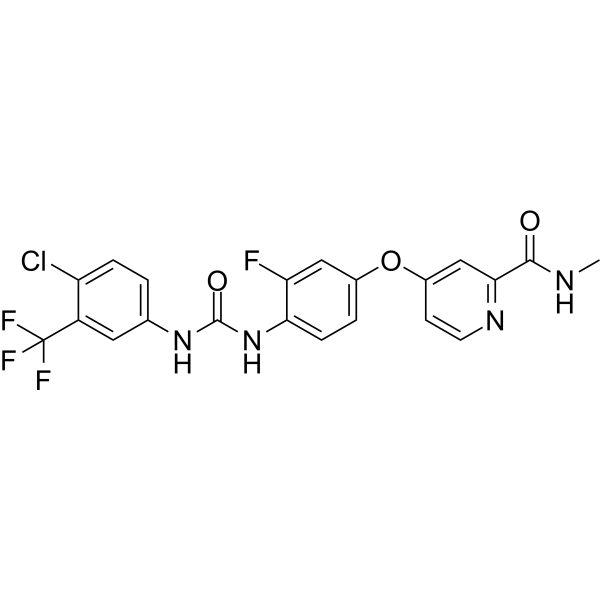
Regorafenib
Maximum Cited Publications
87 Publications Verification
BAY 73-4506
|
VEGFR
Autophagy
PDGFR
Raf
RET
c-Kit
FGFR
Tie
|
Cancer
|
|
Regorafenib (BAY 73-4506) is an orally active and potent multi-targeted receptor tyrosine kinase inhibitor, with IC50 values of 13/4.2/46, 22, 7, 1.5 and 2.5 nM for VEGFR1/2/3, PDGFRβ, Kit, RET and Raf-1, respectively. Regorafenib shows very robust antitumor and antiangiogenic activity .
|
-
-
- HY-N0316
-
|
|
JAK
NF-κB
Reactive Oxygen Species (ROS)
Apoptosis
VEGFR
c-Myc
|
Cancer
|
|
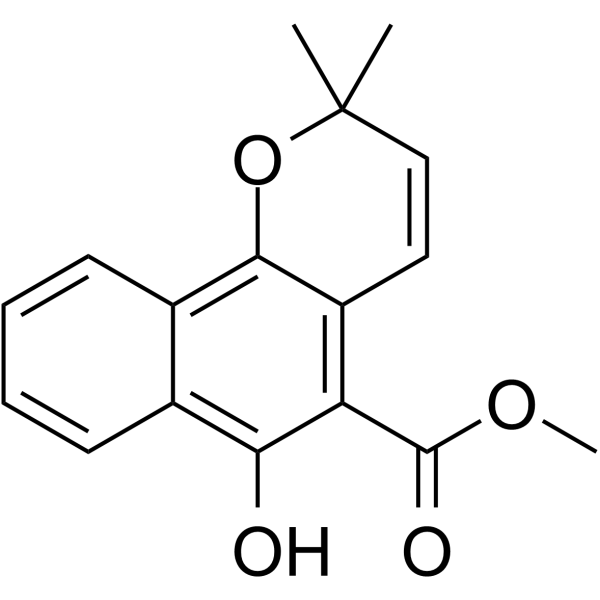
Mollugin is an orally active and potent NF-κB inhibitor. Mollugin induces S-phase arrest of HepG2 cells, and increased intracellular reactive oxygen species (ROS) levels. Mollugin induces DNA damage in HepG2 cells, as well as an increase in the expression of p-H2AX. Mollugin shows anti-cancer effect by inhibiting TNF-α-induced NF-κB activation. Mollugin enhances the osteogenic action of BMP-2 (bone morphogenetic protein 2) via the p38-Smad signaling pathway .
|
-
-
- HY-N0732
-
|
|
IAP
Akt
Caspase
NF-κB
TGF-beta/Smad
JAK
Bacterial
Apoptosis
|
Infection
Metabolic Disease
Inflammation/Immunology
Cancer
|
|
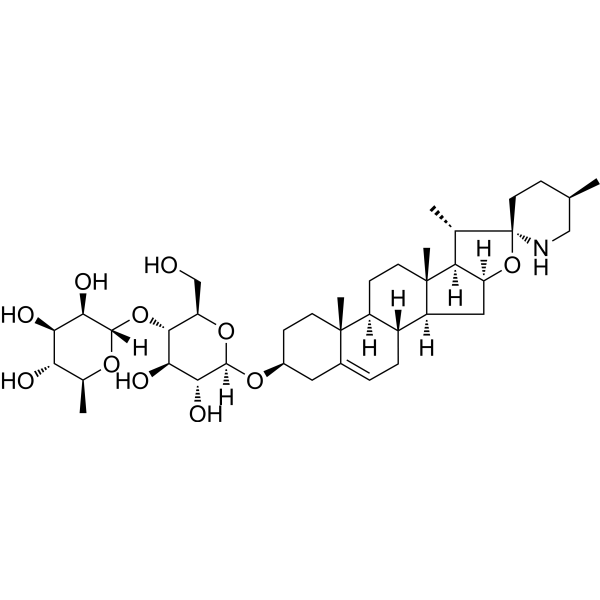
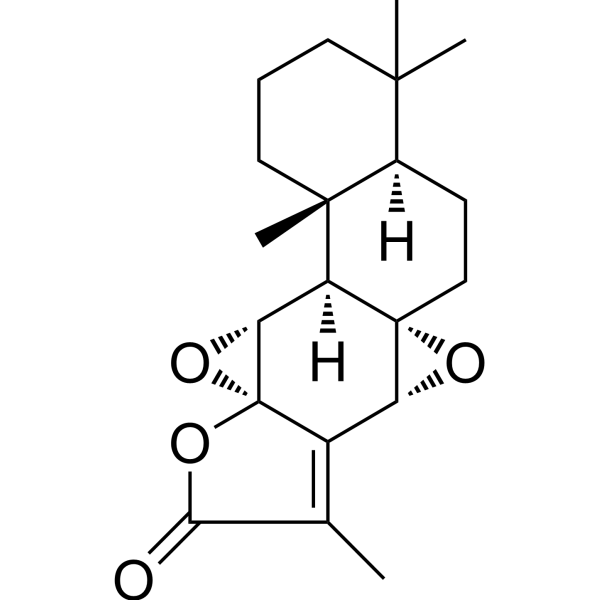
Jolkinolide B is a bioactive diterpene isolated from the roots of Euphorbia fischeriana Steud with oral activity. Jolkinolide B downregulates XIAP, cIAP1, cIAP2, and phosphorylated Akt, upregulates Smac, activates caspase-3 and caspase-9, and inhibits NF-κB, TGFβ/smad3 and JAK/STAT3 pathways. Jolkinolide B exerts comprehensive biological effects including inducing cancer cell apoptosis, suppressing inflammatory responses, improving lung function, alleviating hepatic steatosis and eliminating intracellular Mycobacterium tuberculosis. Jolkinolide B can be used for the research of leukemia, histiocytic lymphoma, asthma, metabolic dysfunction-associated steatotic liver disease and tuberculosis .
|
-
-
- HY-10331A
-
|
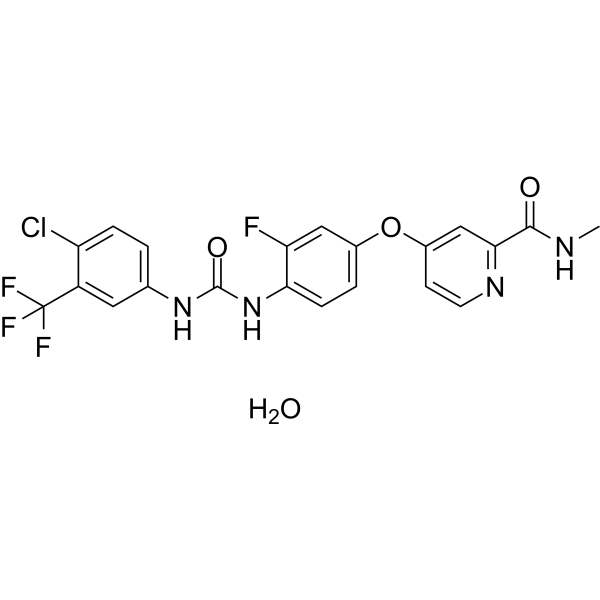
BAY 73-4506 monohydrate
|
VEGFR
Autophagy
PDGFR
Raf
RET
FGFR
c-Kit
Tie
|
Cancer
|
|
Regorafenib (BAY 73-4506) monohydrate is an orally active and potent multi-targeted receptor tyrosine kinase inhibitor, with IC50 values of 13/4.2/46, 22, 7, 1.5 and 2.5 nM for VEGFR1/2/3, PDGFRβ, Kit, RET and Raf-1, respectively. Regorafenib monohydrate shows very robust antitumor and antiangiogenic activity .
|
-
-
- HY-N0699
-
|
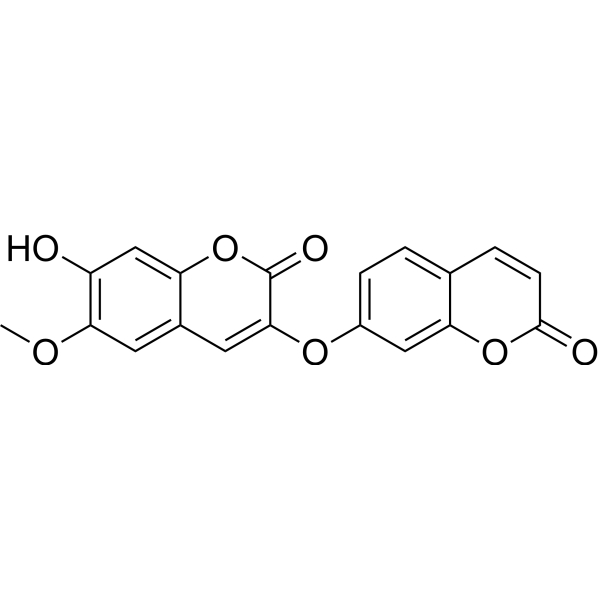
Dephnoretin; Thymelol
|
PKC
Influenza Virus
NOD-like Receptor (NLR)
Apoptosis
HBV
JNK
PI3K
Akt
CDK
Caspase
Bcl-2 Family
|
Infection
Inflammation/Immunology
Cancer
|
|
Daphnoretin (Dephnoretin; Thymelol) is a protein kinase C (PKC) activator that inhibits the expression of hepatitis B virus (HBV) surface antigen (HBsAg) and exhibits antiviral activity. Daphnoretin exerts its antitumor effects by inhibiting the activation of the PI3K/AKT signaling pathway and triggers the mitochondrial apoptosis pathway. Daphnoretin alleviates chondrocyte apoptosis and inflammatory responses by inhibiting endoplasmic reticulum stress and activation of the NLRP3 inflammasome. Daphnoretin regulates the differentiation and maturation of dendritic cells, inhibits their immunostimulatory function by downregulating the phosphorylation level of JNK, and thus exerts a protective effect in skin graft rejection .
|
-
-
- HY-131183
-
|
|
PROTACs
PD-1/PD-L1
|
Inflammation/Immunology
|
|
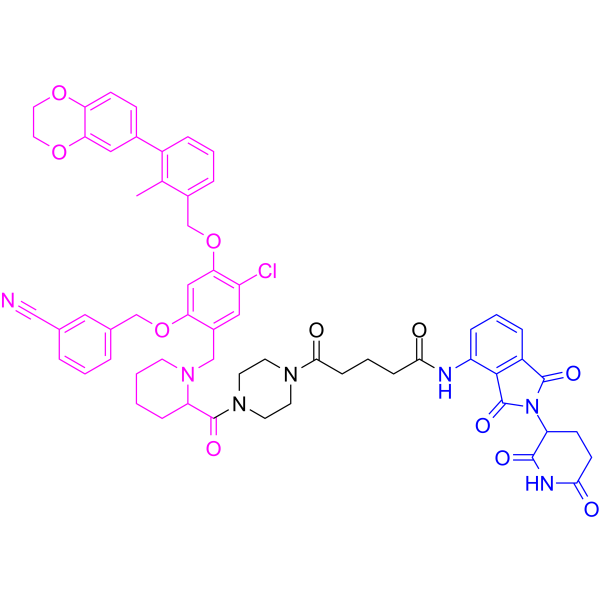
PROTAC PD-1/PD-L1 degrader-1, a PD-1/PD-L1 PROTAC based on Cereblon E3 ligand, inhibits PD-1/PD-L1 interaction with an IC50 of 39.2 nM. PROTAC PD-1/PD-L1 degrader-1 significantly restores the immunity repressed in a co-culture model of Hep3B/OS-8/hPD-L1 and CD3 T cells. PROTAC PD-1/PD-L1 degrader-1 moderately reduces the protein levels of PD-L1 in a lysosome-dependent manner .
|
-
-
- HY-107781
-
-
-
- HY-148049
-
|
|
Liposome
|
Others
|
|
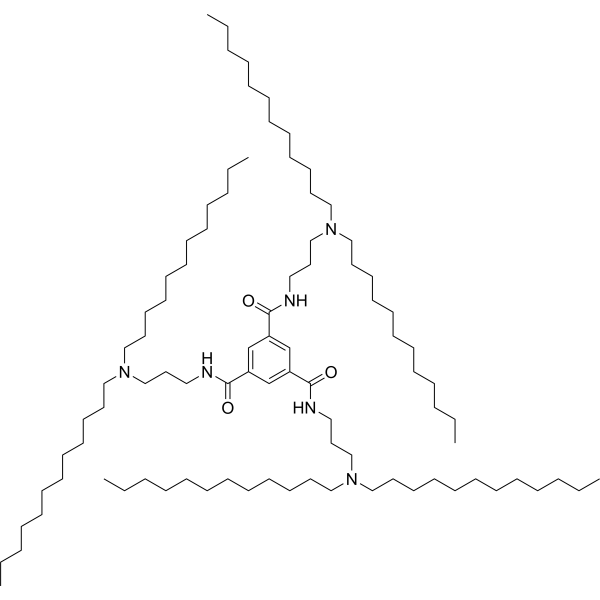
TT3 is an ionizable lipid-like material and a lipid nanoparticle (LLNs)-based mRNA delivery vector. TT3 exhibits liver and spleen specificity and excellent delivery efficiency .
|
-
-
- HY-153967
-
BLU0588
2 Publications Verification
|
PKA
|
Cancer
|
|
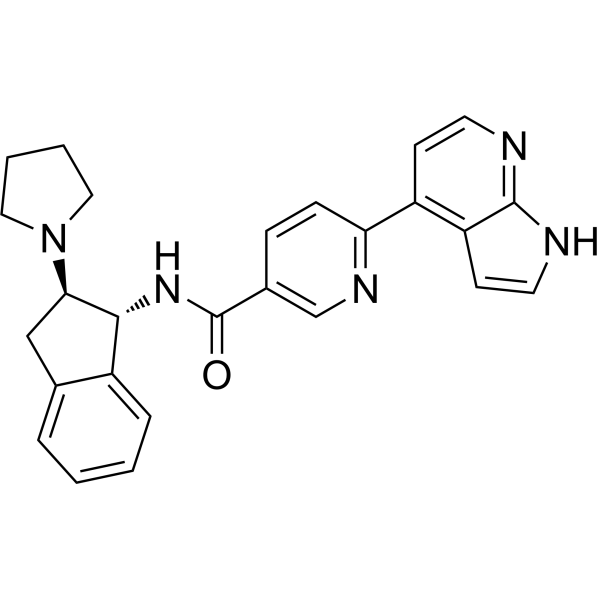
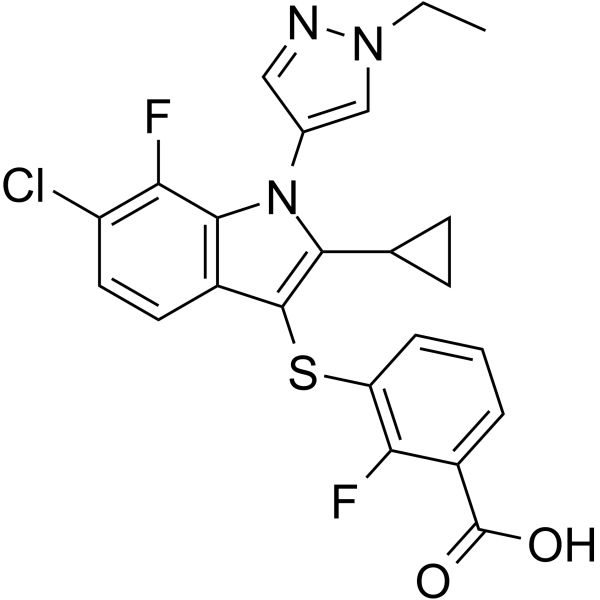
BLU0588 is an orally active, potent and selective PRKACA (protein kinase cAMP-activated catalytic subunit alpha) kinase inhibitor, with an IC50 of 1 nM and dissociation constant (Kd) of 4 nM. BLU0588 can be used for fibrolamellar carcinoma (FLC) research .
|
-
-
- HY-N16040
-
|
|
Liposome
|
Others
|
|
DMG-pSar25 is a double lipid-tailed polysarcosine lipid with 25 sarcosine moieties, serving as a PEG lipid substitute in lipid nanoparticle formulations for mRNA delivery. DMG-pSar25 supports mRNA delivery in lipid nanoparticle formulations .
|
-
-
- HY-N2445
-
|
|
Apoptosis
Akt
JNK
PERK
Caspase
PARP
MDM-2/p53
IAP
Reactive Oxygen Species (ROS)
SOD
FABP
Autophagy
AMPK
mTOR
GLUT
EGFR
PI3K
HSP
VEGFR
FAK
|
Cancer
|
|
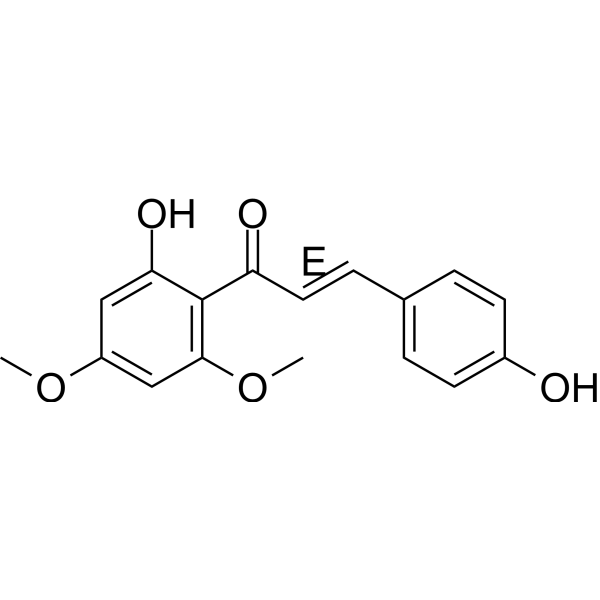
Flavokawain C is an orally active natural chalcone. Flavokawain C inhibits the proliferation of various cancer cells. Flavokawain C upregulates GADD153 in cancer cells, inhibits the phosphorylation of Akt and JNK, suppresses early ERK phosphorylation, activates late ERK phosphorylation, activates caspase related subtypes, induces PARP-1 cleavage, causes upregulation of p21 and p27, downregulation of mutant p53 and anti-apoptotic IAP proteins, elevates intracellular ROS levels, reduces SOD activity, and induces apoptosis. Flavokawain C downregulates FABP4, induces autophagy in cancer cells, and activates the AMPK/mTOR pathway . Flavokawain C decreases the expression of glycolysis-related proteins GLUT1 and HK2, and inhibits glycolysis in nasopharyngeal carcinoma cells. Flavokawain C inhibits the activation of the EGFR/PI3K/Akt/mTOR signaling pathway and reduces the expression of HSP90B1. Flavokawain C inhibits angiogenesis by decreasing the expression of angiogenic proteins Ang-1 and VEGF in human umbilical vein endothelial cells. Flavokawain C increases γ-H2AX levels in cells, inhibits the phosphorylation of FAK, PI3K and AKT in cells, and induces DNA damage in cells. Flavokawain C exerts anti-tumor activity in multiple tumor xenograft mouse models. Flavokawain C is applicable to research related to colorectal cancer, colon adenocarcinoma, nephroblastoma, nasopharyngeal carcinoma and liver cancer .
|
-
-
- HY-108868
-
|
Salirgan; Salurin; Salyrgan
|
HIF/HIF Prolyl-Hydroxylase
VEGFR
|
Metabolic Disease
|
|
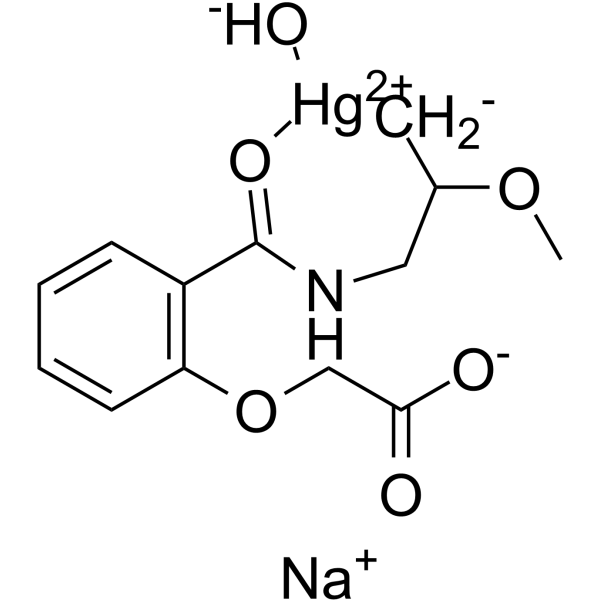
Mersalyl (Salirgan) is a potent vascular endothelial growth factor (VEGF) and hypoxia-inducible factor 1 (HIF-1) inducer. Mersalyl induces VEGF and ENO1 mRNA expression. Mersalyl shows diuresis effects .
|
-
-
- HY-115449
-
|
94G6
|
IGF-1R
Akt
mTOR
|
Cancer
|
|
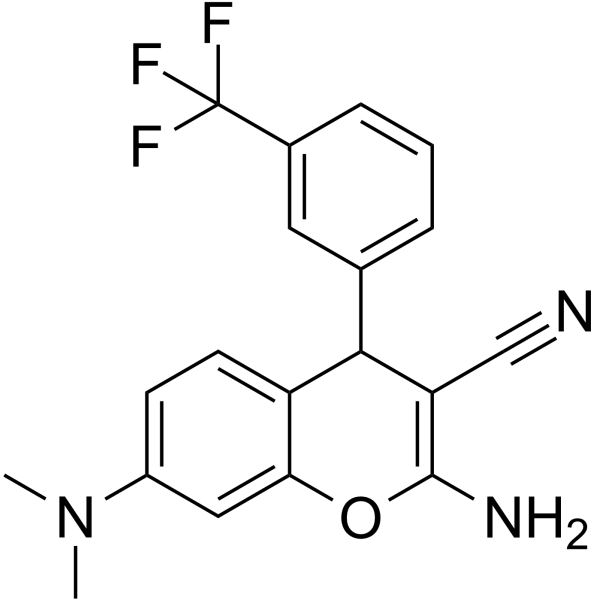
Chromeceptin (94G6) is an IGF signaling pathway inhibitor. Chromeceptin suppresses IGF2 expression at mRNA and protein levels in hepatocyte and HCC cells. Chromeceptin inhibits the phosphorylation levels of AKT and mTOR .
|
-
-
- HY-144999
-
|
|
Wee1
|
Cancer
|
|
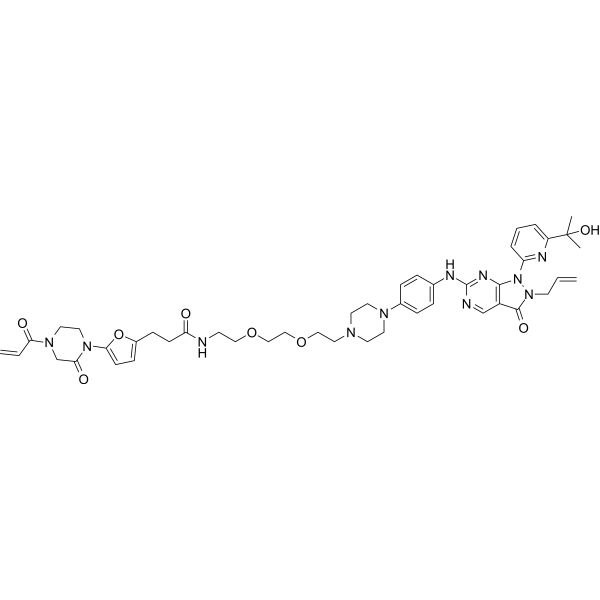
LEB-03-146 is a WEE1 DUBTAC (deubiquitinase-targeting chimera) linking AZD1775 (Adavosertib) to the OTUB1 recruiter EN523 through a PEG2 linker. LEB-03-146 shows significant WEE1 stabilization in HEP3B hepatoma cancer cells .
|
-
-
- HY-159120
-
|
|
HIF/HIF Prolyl-Hydroxylase
|
Metabolic Disease
|
|
ZG-2291 is a selective inhibitor targeting FIH (Factor Inhibiting HIF) with oral activity. By binding to FIH, ZG-2291 promotes a conformational flip of a catalytically important tyrosine, enabling selective inhibition of FIH without affecting other 2OG oxygenases in the JmjC subfamily. ZG-2291k enhances thermogenesis in ob/ob mice and improves obesity-related symptoms and metabolic dysfunctions. ZG-2291 holds promise for research in the field of obesity-related diseases .
|
-
-
- HY-168533
-
|
|
HIF/HIF Prolyl-Hydroxylase
|
Metabolic Disease
|
|
ZG-2305 is a potent, orally active and selective factor inhibiting hypoxia-inducible factor (FIH) inhibitor with Ki values of 79.6, 2786 nM for FIH, PHD2, respectively. ZG-2305 increases the expression of EGLN3 gene. ZG-2305 decreases the cellular triglycerides levels and reduces lipid accumulation. ZG-2305 has the potential for the research of obesity and fatty liver disease .
|
-
-
- HY-W599279
-
|
|
Molecular Glues
NEKs
|
Cancer
|
|
ABS-752 is a potent and orally active GSPT1 and NEK7 molecular glue degrader. ABS-752 shows cytotoxicity. ABS-752 decreases the protein expression of GSPT1 and SALL4, NEK7. ABS-752 is a prodrug activated by the monoamine oxidase, VAP-1, to an aldehyde intermediate and subsequently to the active molecule, ABT-002 (HY-175283). ABS-752 has the potential for the research of hepatocellular carcinoma .
|
-
-
- HY-P10323
-
|
Tumstatin (74-98), human
|
Integrin
FAK
mTOR
Apoptosis
|
Cancer
|
|
T7 Peptide is a protein synthesis inhibitor and anti-angiogenic agent, with a Kd of 10 nM for human transferrin receptor. T7 Peptide inhibits the phosphorylation of focal adhesion kinase, the activation of phosphatidylinositol 3-kinase and Akt, the kinase activity of mTOR, as well as the phosphorylation of 4E-BP1 in endothelial cells. T7 Peptide induces G0/G1 cell cycle arrest, apoptosis and protective autophagy in hepatocellular carcinoma cells, and suppresses tumor growth in mouse models. T7 Peptide is applicable to research related to cancer, glioblastoma, hepatocellular carcinoma and glioma .
|
-
-
- HY-B1272A
-
-
-
- HY-143342
-
|
|
Wee1
|
Cancer
|
|
LEB-03-144 is a WEE1 DUBTAC (deubiquitinase-targeting chimera) linking AZD1775 (Adavosertib) to the OTUB1 recruiter EN523 through a C3 alkyl linker. LEB-03-144 shows significant WEE1 stabilization in HEP3B hepatoma cancer cells .
|
-
-
- HY-146350
-
|
|
TrxR
Reactive Oxygen Species (ROS)
Apoptosis
|
Cancer
|
|
TrxR-IN-4 is a thioredoxin reductase (TrxR) inhibitor with a rat IC50 of 0.37 μM. TrxR-IN-4 inhibits TrxR activity, elevates reactive oxygen species (ROS) and induces apoptosis. TrxR-IN-4 mediates endoplasmic reticulum stress and induces mitochondrial dysfunction. TrxR-IN-4 can be used for the research of hepatocellular carcinoma .
|
-
-
- HY-N1833
-
|
|
Others
|
Cancer
|
|
3'-Geranyl-3-prenyl-2',4',5,7-tetrahydroxyflavone displays cytotoxicity of 1.32, 3.92 and 5.22 μm against the human cervical carcinoma HeLa, human breast carcinoma MCF-7, and human hepatocarcinoma Hep3B cells .
|
-
-
- HY-W242821
-
|
|
Fungal
|
Cancer
|
|
Methyl 3,4-dimethoxycinnamate is an inhibitor of uredospore germination. Methyl 3,4-dimethoxycinnamate also inhibits global DNA methylation in in Hep3B cells .
|
-
-
- HY-N10417
-
|
|
Apoptosis
Autophagy
|
Cancer
|
|
Apoptosis inducer 5 (compound 1b) is a lignan enantiomer that can be found in Crataegus pinnatifida. Apoptosis inducer 5 exhibits cytotoxic effect via apoptosis and autophagy in Hep3B cells .
|
-
-
- HY-156527
-
|
|
HIF/HIF Prolyl-Hydroxylase
|
Cancer
|
|
PHD-IN-2 (Compound 91) is a PHD antagonist (IC50: < 5 nM). PHD-IN-2 induces erythropoietin synthesis in HEP3B cells (EC50: <2.5 μM). PHD-IN-2 can be used for research of cardiovascular disorders, metabolic disorders, hematological disorders, pulmonary disorders, kidney disorders, liver disorders, wound healing disorders, and cancer .
|
-
-
- HY-P2783
-
|
|
HBV
|
Infection
|
|
Destruxin B2 (compound 5) is a natural depsipeptide that can be inhibits hepatitis B surface antigen (HBsAg) secretion in Hep3B cells with an IC50 1.30 μM .
|
-
-
- HY-156130
-
|
|
Epigenetic Reader Domain
|
Cancer
|
|
Menin-MLL inhibitor 29 (Compound C1) is a Menin-MLL PPI inhibitor. Menin-MLL inhibitor 29 binds to Menin with a KD value of 138 nM, and inhibits the binding of Menin to MBM1 (Menin-binding motif 1) with an IC50 value of 46 nM. Menin-MLL inhibitor 29 inhibits HepG2 and Hep3B hepatoma cell proliferation (IC50s: 0.31 μM and 0.71 μM). Menin-MLL inhibitor 29 inhibits tumor growth .
|
-
-
- HY-163839
-
|
|
HIF/HIF Prolyl-Hydroxylase
|
Metabolic Disease
|
|
DS-1093a is an orally active hypoxia-inducible factor prolyl hydroxylase (HIF-PHD) inhibitor, with an EC50 of 0.49 μM in Hep3B cell EPO production. DS-1093a can be used in the research of renal anemia .
|
-
-
- HY-161648
-
|
|
Drug Derivative
|
Cancer
|
|
Anticancer agent 222 (Compound 19) is an orally active anticancer agent that exhibits significant anticancer activity against Huh7, FOCUS, SNU475, SNU182, HepG2, and Hep3B cells (IC50 = 2.9–9.3 μM) .
|
-
-
- HY-162657
-
|
|
Cholinesterase (ChE)
|
Cancer
|
|
AChE-IN-74 (Compound 10) is a modulator for cholinesterase. AChE-IN-74 inhibits the proliferation of liver cancer cell Hep3B and SkHep1 with IC50 of 3.6 and 19.9 μM. AChE-IN-74 exhibits a low embryonic toxicity in zebrafish models (10-15 μM) .
|
-
-
- HY-156526
-
|
|
HIF/HIF Prolyl-Hydroxylase
|
Others
|
|
PHD-IN-1 (compound 80) is a potent inhibitor of PHD2,with an IC50 value of ≤5 nM. PHD-IN-1 shows EC50s of 2.5 μM in EPO Elisa assay both in Caco2-HIFla-HiBiT-clone-1 cells and Hep3B cells,respectively .
|
-
-
- HY-161617
-
|
|
DNA/RNA Synthesis
Apoptosis
|
Cancer
|
|
LASSBio-2052 is a derivative of N-acylhydrazone with antitumor activity against hepatocellular carcinoma (HCC). LASSBio-2052 inhibits HCC cells HepG2 and Hep3B, with IC50 of 18 and 41 μM. LASSBio-2052 arrests the cell cycle at G2/M phase, through downregulation of FOXM1. LASSBio-2052 induces apoptosis in HCC cells .
|
-
-
- HY-145836
-
|
|
FGFR
|
Cancer
|
|
FGFR4-IN-8 (Compound 7v) is an ATP-competitive, highly selective covalent inhibitor of wild-type and gatekeeper mutant FGFR4. FGFR4-IN-8 exhibits excellent potency against FGFR4, FGFR4 V550L, FGFR4 V550M and FGFR4 C552S with IC50s of 0.5, 0.25, 1.6, 931 nM, respectively. FGFR4-IN-8 exhibits potent antiproliferative activity against Hep3B hepatocellular carcinoma cells with the IC50 value of 29 nM. FGFR4-IN-8 demonstrates modest in vivo antitumor efficacy in nude mice bearing the Huh-7 xenograft model .
|
-
-
- HY-175553
-
|
|
VEGFR
Apoptosis
|
Cancer
|
|
VEGFR-2-IN-72 is a selective VEGFR-2 inhibitor with an IC50 of 22.2 nM. VEGFR-2-IN-72 exhibits anticancer activity against HepG2 and Hep3B human HCC cell lines with IC50s of 15.7 and 2.4 μM. VEGFR-2-IN-72 can cause a mild blockage of the cell cycle and induce cell aopoptosis. VEGFR-2-IN-72 can used for the study of hepatocellular carcinoma (HCC) .
|
-
-
- HY-168114
-
|
|
FLT3
PDGFR
VEGFR
|
Cancer
|
|
Multi-kinase inhibitor 3 (compound 12) is a potent and orally active multikinase inhibitor with IC50 values of 1.59, 1.23, 1.19, 0.59, 0.22, 1.15 nM for FLT1/VEGFR1, KDR/VEGFR2, FLT4/VEGFR3, FLT3, PDGFRα, PDGFRβ, respectively. Multi-kinase inhibitor 3 shows antiproliferative activity. Multi-kinase inhibitor 3 shows anticancer activity .
|
-
-
- HY-168115
-
|
|
FLT3
PDGFR
|
Cancer
|
|
Multi-kinase inhibitor 4 (compound 14) is an orally active inhibitor of FLT1, KDR, FLT3, FLT4, PDGFRα, PDGFRβ, with IC50s of 1.97 nM, 1.04 nM, 0.33 nM, 1.44 nM, 0.18 nM, 0.89 nM. Multi-kinase inhibitor 4 plays an important role in cancer research .
|
-
-
- HY-10331B
-
|
BAY 73-4506 mesylate
|
VEGFR
PDGFR
RET
Raf
c-Kit
FGFR
Autophagy
Tie
|
Cancer
|
|
Regorafenib (BAY 73-4506) mesylate is an orally active and potent multi-targeted receptor tyrosine kinase inhibitor, with IC50 values of 13/4.2/46, 22, 7, 1.5 and 2.5 nM for VEGFR1/2/3, PDGFRβ, Kit, RET and Raf-1, respectively. Regorafenib mesylate shows very robust antitumor and antiangiogenic activity .
|
-
-
- HY-10331R
-
|
BAY 73-4506 (Standard)
|
Reference Standards
VEGFR
Autophagy
PDGFR
Raf
RET
c-Kit
FGFR
Tie
|
Cancer
|
|
Regorafenib (Standard) is the analytical standard of Regorafenib. This product is intended for research and analytical applications. Regorafenib (BAY 73-4506) is an orally active and potent multi-targeted receptor tyrosine kinase inhibitor, with IC50 values of 13/4.2/46, 22, 7, 1.5 and 2.5 nM for VEGFR1/2/3, PDGFRβ, Kit, RET and Raf-1, respectively. Regorafenib shows very robust antitumor and antiangiogenic activity .
|
-
-
- HY-10331AR
-
|
BAY 73-4506 monohydrate (Standard)
|
Reference Standards
VEGFR
Autophagy
PDGFR
Raf
RET
FGFR
c-Kit
Tie
|
Cancer
|
|
Regorafenib (monohydrate) (Standard) is the analytical standard of Regorafenib (monohydrate). This product is intended for research and analytical applications. Regorafenib (BAY 73-4506) monohydrate is an orally active and potent multi-targeted receptor tyrosine kinase inhibitor, with IC50 values of 13/4.2/46, 22, 7, 1.5 and 2.5 nM for VEGFR1/2/3, PDGFRβ, Kit, RET and Raf-1, respectively. Regorafenib monohydrate shows very robust antitumor and antiangiogenic activity .
|
-
-
- HY-N0316R
-
|
|
JAK
Reference Standards
NF-κB
Reactive Oxygen Species (ROS)
Apoptosis
VEGFR
c-Myc
|
Cancer
|
|
Mollugin (Standard) is the analytical standard of Mollugin. This product is intended for research and analytical applications. Mollugin is an orally active and potent NF-κB inhibitor. Mollugin induces S-phase arrest of HepG2 cells, and increased intracellular reactive oxygen species (ROS) levels. Mollugin induces DNA damage in HepG2 cells, as well as an increase in the expression of p-H2AX. Mollugin shows anti-cancer effect by inhibiting TNF-α-induced NF-κB activation. Mollugin enhances the osteogenic action of BMP-2 (bone morphogenetic protein 2) via the p38-Smad signaling pathway .
|
-
-
- HY-130625
-
|
|
PD-1/PD-L1
|
Inflammation/Immunology
Cancer
|
|
PD-1/PD-L1-IN 6 (compound A13) is a potent PD-1/PD-L1 interaction inhibitor, with an IC50 of 132.8 nM. PD-1/PD-L1-IN 6 exhibits outstanding immunoregulatory activity. PD-1/PD-L1-IN 6 significantly elevates interferon-γ secretion in a Hep3B/OS-8/hPD-L1 and CD3 T cell co-culture model, without significant toxic effect. PD-1/PD-L1-IN 6 restores the immune response in a T cell-tumor co-culture model .
|
-
-
- HY-162802
-
|
|
Apoptosis
PI3K
Akt
PARP
CDK
|
Cancer
|
|
PI3K/AKT-IN-4 (compound 3) is a diterpenoid that can be isolated from the roots and rhizomes of Salvia castanea Dielsf. PI3K/AKT-IN-4 has antitumor activity, inhibiting cell viability and proliferation (IC50=4.72 μM) and promoting apoptosis by blocking the G0/G1 phase of the Hep3B cell cycle, inducing mitochondrial dysfunction and oxidative stress. In addition, PI3K/AKT-IN-4 inhibits hepatocellular carcinoma by inhibiting the PI3K-Akt signaling pathway and binding to PARP1 and CDK2 targets .
|
-
-
- HY-107781R
-
|
|
Reference Standards
Phosphodiesterase (PDE)
|
Inflammation/Immunology
|
|
PAT-505 (Standard) is the analytical standard of PAT-505 (HY-107781). This product is intended for research and analytical applications. PAT-505 is a potent, selective, noncompetitive and orally available autotaxin inhibitor, with an IC50 of 2 nM in Hep3B cells, 9.7 nM in human blood and 62 nM in mouse plasma.
|
-
-
- HY-143881
-
|
|
FGFR
|
Cancer
|
|
FGFR4-IN-6 (Compound 9ka) is a covalently reversible FGFR4 inhibitor with an IC50 value of 5.4 nM. FGFR4-IN-6 also exhibits good oral pharmacokinetic properties. FGFR4-IN-6 induces significant tumor regressions in a xenograft mouse model of Hep3B2.1-7 HCC cell line without an obvious sign of toxicity . FGFR4-IN-6 is a click chemistry reagent, it contains an Alkyne group and can undergo copper-catalyzed azide-alkyne cycloaddition (CuAAc) with molecules containing Azide groups.
|
-
-
- HY-161706
-
|
|
c-Fms
|
Cancer
|
|
c-Fms-IN-15 (compound 8g) is a potent inhibitor of FMS kinase, with the IC50 of 563 nM .
|
-
-
- HY-161854
-
|
|
HDAC
|
Cancer
|
|
LASSBio-1911 is a potent inhibitor of HDAC6. LASSBio-1911 shows antitumor in hepatocellular carcinoma (HCC) cells with minimal on normal cells .
|
-
-
- HY-N2858
-
|
|
Apoptosis
|
Cancer
|
|
Alpinumisoflavone acetate is a anticancer agent. Alpinumisoflavone acetate shows antiproliferative activity. Alpinumisoflavone acetate decreases the expression of phosphorylation of ERK1/2. Alpinumisoflavone acetate induces mitochondrial dysfunction and mitochondria-mediated Apoptosis. Alpinumisoflavone acetate has the potential for the research of HCC .
|
-
-
- HY-172787
-
|
|
FGFR
Akt
AMPK
|
Cancer
|
|
FGFR4-IN-23 (compound 48c) is a FGFR4 inhibitor with an IC50 value of 2.9 nM against FGFR4 WT kinase. FGFR4-IN-23 inhibits the phosphorylation of FGFR4, AKT and MAPK .
|
-
-
- HY-173393
-
|
|
LXR
|
Cancer
|
|
LXRα agonist 1 (Compound 40) is a selective LXRα agonist (EC50: 42 nM). LXRα agonist 1 also has a certain agonistic effect on LXRβ (EC50: 266 nM). LXRα agonist 1 promotes target gene transcription by stabilizing the ligand binding domain (LBD) of LXRα. LXRα agonist 1 exhibits potent antitumor effects in hepatocellular carcinoma cells when combined with the Raf inhibitor Sorafenib (HY-10201). LXRα agonist 1 can be used in the study of lipotoxic cancers .
|
-
-
- HY-158248
-
|
|
FGFR
|
Cancer
|
|
FGFR4-IN-19 (compound 8B) is a potent covalent fibroblast growth factor receptor 4 (FGFR4) inhibitor (IC50=1.2 nM). FGFR4-IN-19 achieves high efficiency and isotype selectivity by covalently targeting a rare cysteine (C552) in the FGFR4 kinase domain. FGFR4-IN-19 can be used for hepatocellular carcinoma (HCC) research .
|
-
- HY-160121
-
|
Patrinoside aglycone
|
Apoptosis
NO Synthase
TNF Receptor
Interleukin Related
PGE synthase
COX
|
Inflammation/Immunology
Cancer
|
|
Patrinoside aglucone (Compound 8) is an iridoid glucoside that can be isolated from the Valeriana tuberosa. Patrinoside aglucone has potent anticancer activity with G2/M phase tumor cell cycle arrest and apoptosis induction. Patrinoside aglucone also significantly inhibits the proliferation of cancer stem cells (such as MDA-MB-231 and U-251MG cells). Patrinoside aglucone has great anti-inflammatory activity by inhibiting NO release (IC50: 43.44 μM) and significantly reduces the level of TNF-α, IL-1β, IL-6, PGE2 and COX-2 .
|
-
- HY-146407
-
|
|
Apoptosis
|
Cancer
|
|
Anticancer agent 53 is a potent anticancer agent. Anticancer agent 53 shows in vitro cytotoxicity. Anticancer agent 53 induces apoptosis and cell cycle arrest in S/G2/M phases. Anticancer agent 53 shows antitumor activity with no apparent toxicity .
|
-
- HY-155009
-
|
|
HIF/HIF Prolyl-Hydroxylase
|
Others
|
|
PHD2-IN-1 is a potent and orally active inhibitor of HIF prolyl hydroxylase 2 (PHD2) with an IC50 of 22.53 nM. PHD2-IN-1 can be used for anemia research .
|
-
- HY-143340
-
|
|
Wee1
|
Cancer
|
|
LEB-03-145 is a WEE1 DUBTAC (deubiquitinase-targeting chimera) linking AZD1775 (Adavosertib) to the OTUB1 recruiter EN523 through a C5 alkyl linker .
|
-
- HY-143343
-
|
|
Wee1
|
Cancer
|
|
LEB-03-153 is a WEE1 DUBTAC (deubiquitinase-targeting chimera) linking AZD1775 (Adavosertib) to the OTUB1 recruiter EN523 through no linker .
|
-
- HY-152169
-
|
|
Interleukin Related
Apoptosis
TNF Receptor
IFNAR
NF-κB
Bcl-2 Family
|
Inflammation/Immunology
|
|
BIHC is a TNF blocker with anti-inflammatory activity. BIHC can significantly inhibit the proliferation of hepatocellular carcinoma (HCC) cells and exhibits potent cytotoxicity against the HepG2 cell line, capable of inducing cell apoptosis , while demonstrating relatively low toxicity towards normal hepatocytes. Additionally, BIHC can be used for research on inflammatory bowel disease (IBD) .
|
-
- HY-N18989
-
|
|
STAT
Interleukin Related
Endogenous Metabolite
|
Cancer
|
|
Cyclo (L-Ile-D-Leu) (Compound 15) is a STAT3 inhibitor. Cyclo (L-Ile-D-Leu) is isolated from the culture broth of Lactococcus lactis KR-050L. Cyclo (L-Ile-D-Leu) inhibits IL-6-induced STAT3 activation in cancer cells. Cyclo (L-Ile-D-Leu) is applicable to hepatocellular carcinoma research .
|
-
- HY-N17951
-
|
|
Others
|
Others
|
|
Amarolide 11-acetate is a quassinoid, can be found in the barks of Ailanthus altissima.Amarolide 11-acetate exhibits nearly inactive cytotoxicity against human hepatoma cells .
|
-
- HY-N17369
-
|
|
Others
|
Others
|
|
Neogenkwanine H is a daphnane-type diterpene that can be found in Daphne genkwa .
|
-
- HY-N18379
-
|
|
Others
|
Cancer
|
|
Altissimacoumarin L is a terpenylated coumarin. Altissimacoumarin L can be isolated from the root bark of Ailanthus altissima (Mill.) Swingle. Altissimacoumarin L shows no significant cytotoxic activity against hepatoma cells .
|
-
- HY-P11601
-
|
|
Biochemical Assay Reagents
|
Cancer
|
|
MAF-10L is a membrane-disrupting agent, a cationic amphipathic Mastoparan AF derivative with enhanced α-helicity. MAF-10L preferentially interacts with DOPS lipids in cancer cell membranes, disrupting cancer cell membranes to trigger membrane leakage. MAF-10L can be used for the research of cancer .
|
-
- HY-N18378
-
|
|
Others
|
Cancer
|
|
Altissimacoumarin K is a terpenylated coumarin. Altissimacoumarin K can be isolated from the root bark of Ailanthus altissima (Mill.) Swingle. Altissimacoumarin K exhibits no significant cytotoxic effect against hepatoma cells .
|
-
| Cat. No. |
Product Name |
Type |
-
- HY-148049
-
|
|
Biochemical Assay Reagents
|
|
TT3 is an ionizable lipid-like material and a lipid nanoparticle (LLNs)-based mRNA delivery vector. TT3 exhibits liver and spleen specificity and excellent delivery efficiency .
|
| Cat. No. |
Product Name |
Target |
Research Area |
-
- HY-P10323
-
|
Tumstatin (74-98), human
|
Integrin
FAK
mTOR
Apoptosis
|
Cancer
|
|
T7 Peptide is a protein synthesis inhibitor and anti-angiogenic agent, with a Kd of 10 nM for human transferrin receptor. T7 Peptide inhibits the phosphorylation of focal adhesion kinase, the activation of phosphatidylinositol 3-kinase and Akt, the kinase activity of mTOR, as well as the phosphorylation of 4E-BP1 in endothelial cells. T7 Peptide induces G0/G1 cell cycle arrest, apoptosis and protective autophagy in hepatocellular carcinoma cells, and suppresses tumor growth in mouse models. T7 Peptide is applicable to research related to cancer, glioblastoma, hepatocellular carcinoma and glioma .
|
-
- HY-P2783
-
|
|
HBV
|
Infection
|
|
Destruxin B2 (compound 5) is a natural depsipeptide that can be inhibits hepatitis B surface antigen (HBsAg) secretion in Hep3B cells with an IC50 1.30 μM .
|
-
- HY-P11601
-
|
|
Biochemical Assay Reagents
|
Cancer
|
|
MAF-10L is a membrane-disrupting agent, a cationic amphipathic Mastoparan AF derivative with enhanced α-helicity. MAF-10L preferentially interacts with DOPS lipids in cancer cell membranes, disrupting cancer cell membranes to trigger membrane leakage. MAF-10L can be used for the research of cancer .
|
| Cat. No. |
Product Name |
Category |
Target |
Chemical Structure |
-
- HY-N0316
-
-
-
- HY-N0732
-
|
|
Structural Classification
Euphorbia fischeriana Steud.
Classification of Application Fields
Terpenoids
Diterpenoids
Euphorbiaceae
Plants
Disease Research Fields
Cancer
|
IAP
Akt
Caspase
NF-κB
TGF-beta/Smad
JAK
Bacterial
Apoptosis
|
|
Jolkinolide B is a bioactive diterpene isolated from the roots of Euphorbia fischeriana Steud with oral activity. Jolkinolide B downregulates XIAP, cIAP1, cIAP2, and phosphorylated Akt, upregulates Smac, activates caspase-3 and caspase-9, and inhibits NF-κB, TGFβ/smad3 and JAK/STAT3 pathways. Jolkinolide B exerts comprehensive biological effects including inducing cancer cell apoptosis, suppressing inflammatory responses, improving lung function, alleviating hepatic steatosis and eliminating intracellular Mycobacterium tuberculosis. Jolkinolide B can be used for the research of leukemia, histiocytic lymphoma, asthma, metabolic dysfunction-associated steatotic liver disease and tuberculosis .
|
-
-
- HY-N0699
-
-
-
- HY-N16040
-
|
|
Structural Classification
Lipid
|
Liposome
|
|
DMG-pSar25 is a double lipid-tailed polysarcosine lipid with 25 sarcosine moieties, serving as a PEG lipid substitute in lipid nanoparticle formulations for mRNA delivery. DMG-pSar25 supports mRNA delivery in lipid nanoparticle formulations .
|
-
-
- HY-N2445
-
|
|
Structural Classification
Classification of Application Fields
Piperaceae
Plants
Chalcones
Flavonoids
other families
Phenols
Polyphenols
Piper methysticum G.Forst.
Disease Research Fields
Source Classification
Cancer
|
Apoptosis
Akt
JNK
PERK
Caspase
PARP
MDM-2/p53
IAP
Reactive Oxygen Species (ROS)
SOD
FABP
Autophagy
AMPK
mTOR
GLUT
EGFR
PI3K
HSP
VEGFR
FAK
|
|
Flavokawain C is an orally active natural chalcone. Flavokawain C inhibits the proliferation of various cancer cells. Flavokawain C upregulates GADD153 in cancer cells, inhibits the phosphorylation of Akt and JNK, suppresses early ERK phosphorylation, activates late ERK phosphorylation, activates caspase related subtypes, induces PARP-1 cleavage, causes upregulation of p21 and p27, downregulation of mutant p53 and anti-apoptotic IAP proteins, elevates intracellular ROS levels, reduces SOD activity, and induces apoptosis. Flavokawain C downregulates FABP4, induces autophagy in cancer cells, and activates the AMPK/mTOR pathway . Flavokawain C decreases the expression of glycolysis-related proteins GLUT1 and HK2, and inhibits glycolysis in nasopharyngeal carcinoma cells. Flavokawain C inhibits the activation of the EGFR/PI3K/Akt/mTOR signaling pathway and reduces the expression of HSP90B1. Flavokawain C inhibits angiogenesis by decreasing the expression of angiogenic proteins Ang-1 and VEGF in human umbilical vein endothelial cells. Flavokawain C increases γ-H2AX levels in cells, inhibits the phosphorylation of FAK, PI3K and AKT in cells, and induces DNA damage in cells. Flavokawain C exerts anti-tumor activity in multiple tumor xenograft mouse models. Flavokawain C is applicable to research related to colorectal cancer, colon adenocarcinoma, nephroblastoma, nasopharyngeal carcinoma and liver cancer .
|
-
-
- HY-N1833
-
-
-
- HY-W242821
-
-
-
- HY-N10417
-
-
-
- HY-P2783
-
-
-
- HY-N0316R
-
-
-
- HY-N2858
-
-
-
- HY-160121
-
-
-
- HY-N18989
-
-
-
- HY-N17951
-
-
-
- HY-N17369
-
-
-
- HY-N18379
-
-
-
- HY-N18378
-
-
| Cat. No. |
Product Name |
|
Classification |
-
- HY-148049
-
|
|
|
Cationic Lipids
|
|
TT3 is an ionizable lipid-like material and a lipid nanoparticle (LLNs)-based mRNA delivery vector. TT3 exhibits liver and spleen specificity and excellent delivery efficiency .
|
Your information is safe with us. * Required Fields.
Inquiry Information
- Product Name:
- Cat. No.:
- Quantity:
- MCE Japan Authorized Agent:

