


Search Result
Results for "
IL-6 and IL-8
" in MedChemExpress (MCE) Product Catalog:
1
Biochemical Assay Reagents
4
Isotope-Labeled Compounds
| Cat. No. |
Nom du produit |
Target |
Áreas de investigación |
Chemical Structure |
-
- HY-P99165
-
|
|
IGF-1R
TSH Receptor
|
Endocrinology
|
|
Teprotumumab is an IGF-1 receptor (IGF-1R) blocking human monoclonal antibody. Teprotumumab binds to the ligand binding extracellular α-subunit domain of IGF-1R. Teprotumumab inhibits TSH and IGF-1 action in fibrocytes. Teprotumumab attenuates TSH-dependent IL-6 and IL-8 expression and Akt phosphorylation. Teprotumumab can be used for thyroid-associated ophthalmopathy research .
|
-
-
- HY-W251428
-
|
Egg PG
|
Biochemical Assay Reagents
|
Others
|
|
Phosphatidylglycerols (PG) is a selective inhibitor targeting the TLR4 accessory protein CD14/MD-2 complex, inhibiting LPS or virus (such as RSV)-mediated inflammatory signaling pathways through competitive binding. Phosphatidylglycerols directly bind to viral particles to block infection, inhibit COX-2 expression to reduce the release of inflammatory factors (IL-6, IL-8), and improve oxidative stress by regulating mitochondrial membrane phospholipid remodeling. Phosphatidylglycerols can be taken orally or by inhalation and can be used in the study of chronic inflammatory diseases (such as atherosclerosis) and respiratory viral infections (such as RSV) .
|
-
-
- HY-B1203
-
|
9α-Fludrocortisone; 9α-Fluorcortisol
|
Mineralocorticoid Receptor
Glucocorticoid Receptor
Apoptosis
|
Neurological Disease
Metabolic Disease
Inflammation/Immunology
Cancer
|
|
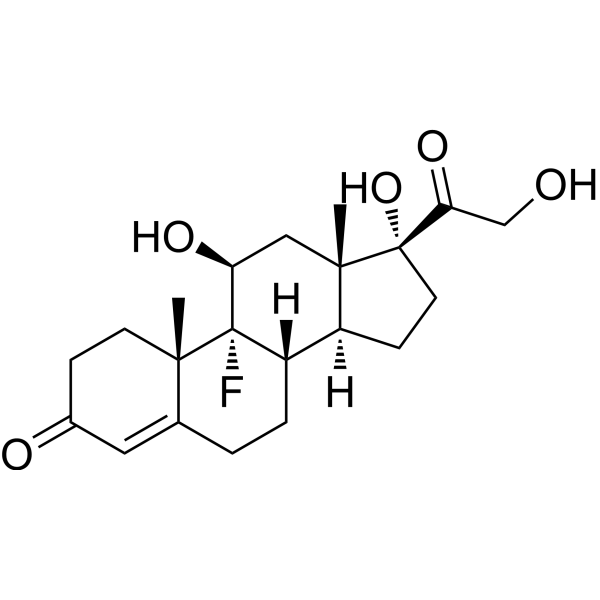
Fludrocortisone (9α-Fludrocortisone) is an orally active mineralocorticoid and glucocorticoid receptor agonist. Fludrocortisone suppresses pro-inflammatory cytokine expression, reduces CCL2, IL-6, IL-8 levels, upregulates mineralocorticoid receptor (MR) expression, induces PI3K/Akt, GSK-3β, CREB, ERK1/2, mTOR phosphorylation, blocks Tau hyperphosphorylation, prevents apoptosis, promotes survival and proliferation, enhances renal sodium and water transport, increases plasma volume and blood pressure, reduces plasma potassium and renin activity, stimulates erythropoietin expression, modulates uterine receptivity genes, and reverses PP242-induced MUC1 upregulation. Fludrocortisone can be used for the research of congenital adrenal hyperplasia, postural hypotension, and adrenal insufficiency .
|
-
-
- HY-110133
-
JTE-607
5 Publications Verification
|
Interleukin Related
|
Inflammation/Immunology
|
|
JTE-607, a highly selective inflammatory cytokine synthesis inhibitor, protects from endotoxin shock in mice. JTE-607 inhibits inflammatory cytokine production, including TNF-α, IL-1β, IL-6, IL-8 and IL-10, from LPS-stimulated human PBMCs, with IC50s of 11, 5.9, 8.8, 7.3 and 9.1 nM, respectively . Cleavage and Polyadenylation Specificity Factor 3 (CPSF3) is the target of JTE-607 .
|
-
-
- HY-N0314
-
-
-
- HY-N2572
-
|
Nepetin; 6-Methoxyluteolin
|
Interleukin Related
|
Neurological Disease
Inflammation/Immunology
Cancer
|
|
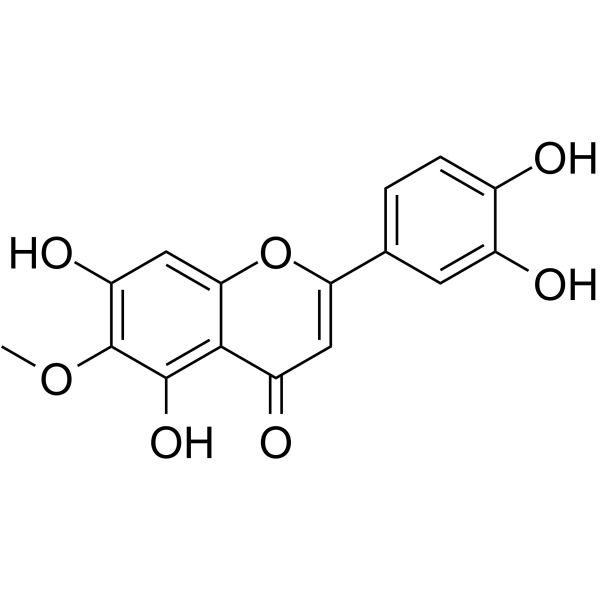
Eupafolin (Nepetin) (6-Methoxyluteolin) is a natural flavonoid isolated from Eupatorium ballotaefolium HBK with potent anti-inflammatory activities. Eupafolin inhibits IL-6, IL-8 and MCP-1 secretion with IC50 values of 4.43 μM, 3.42 μM and 4.17 μM, respectively in ARPE-19 cells .
|
-
-
- HY-P991049
-
|
ATM-001
|
TNF Receptor
|
Metabolic Disease
Inflammation/Immunology
|
|
Atrosimab is an Fv-Fc1K fusion protein with an EC50 value of 0.37 nM against humans. Atrosimab inhibits TNF-induced TNFR1 activation, release of IL-6 and IL-8, and cell death, and alleviates neuroinflammation. Atrosimab is applicable to research related to inflammatory diseases, neurodegenerative diseases, acute and chronic inflammation, experimental arthritis, non-alcoholic steatohepatitis, and experimental autoimmune encephalomyelitis .
|
-
-
- HY-P99555
-
|
OPN-305
|
Toll-like Receptor (TLR)
MyD88
NOD-like Receptor (NLR)
Tau Protein
Interleukin Related
|
Cardiovascular Disease
Neurological Disease
Inflammation/Immunology
Cancer
|
|
Tomaralimab (OPN-305) is a humanized anti-TLR2 IgG4 monoclonal antibody. Tomaralimab inhibits TLR2, MyD88, NLRP3, and reduces pro-inflammatory cytokine (IL-1β, IL-6, IL-8) production. Tomaralimab reduces tau pathology. Tomaralimab improves cognition, atopic dermatitis. Tomaralimab has anticancer effects on pancreatic ductal adenocarcinoma. Tomaralimab is being studied in myelodysplastic syndrome (MDS), atopic dermatitis, pancreatic ductal adenocarcinoma, Alzheimer's disease, and myocardial ischemia/reperfusion injury .
|
-
-
- HY-N0853
-
|
|
AMPK
Acetyl-CoA Carboxylase
PPAR
MMP
Interleukin Related
|
Infection
Cardiovascular Disease
Neurological Disease
Metabolic Disease
Inflammation/Immunology
Cancer
|
|
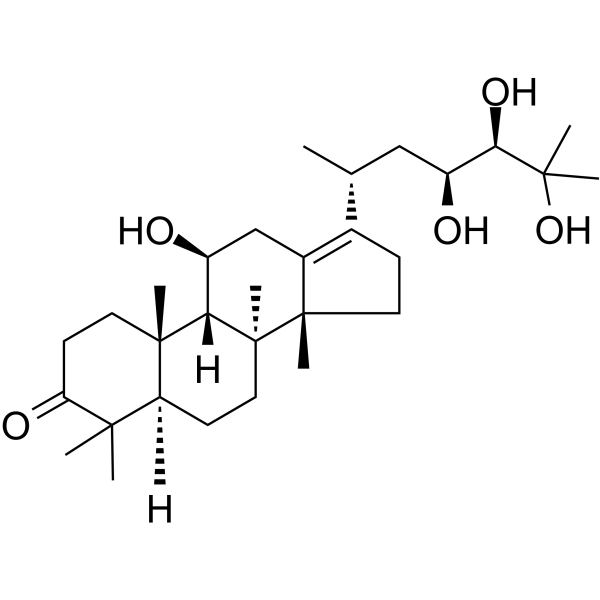
Alisol A is an orally active tetracyclic triterpenoid compound of the prototerpane type. Alisol A can be extracted from the rhizome of Alisma orientale. Alisol A activates AMPK/ACC/SREBP-1c, SIRT1, PPARα, inhibits MMP-2/-9, decreases inflammatory cytokine expression (IL-1β, IL-6, IL-8). Alisol A has anti-tumor activity against breast cancer and colorectal cancer. Alisol A has anti-obesity and anti-atherosclerotic activities. Alisol A can be used in the research of hepatitis B, breast cancer, colorectal cancer, atherosclerosis, and obesity .
|
-
-
- HY-12875
-
|
|
Ras
|
Cancer
|
|
BQU57 is a selective inhibitor of RalA/RalB small GTPases, with a binding potency (Kb) of 7.7 μM for RalB-GDP. BQU57 can block its interaction with effector proteins (such as SEC5 and EXO84), inhibiting tumor cell migration, invasion and non-adherent growth. BQU57 downregulates the NF-κB signaling pathway, reduces the expression of IL-6, IL-8 and MMP-13, and inhibits apoptosis by regulating the Bcl-2/Bax balance. BQU57 also protects the extracellular matrix by inhibiting the Ral/NF-κB pathway and can be used for the study of degenerative diseases. BQU57 exhibits significant antitumor activity in triple-negative breast cancer (TNBC) models, inhibiting orthotopic tumor growth and lung metastasis and enhancing paclitaxel chemotherapy sensitivity .
|
-
-
- HY-N2736
-
|
|
Beta-lactamase
COX
Interleukin Related
Bacterial
JNK
ERK
p38 MAPK
STAT
Apoptosis
NO Synthase
Nuclear Factor of activated T Cells (NFAT)
Lactate Dehydrogenase
Reactive Oxygen Species (ROS)
SOD
Akt
Caspase
Bcl-2 Family
|
Infection
Neurological Disease
Inflammation/Immunology
|
|
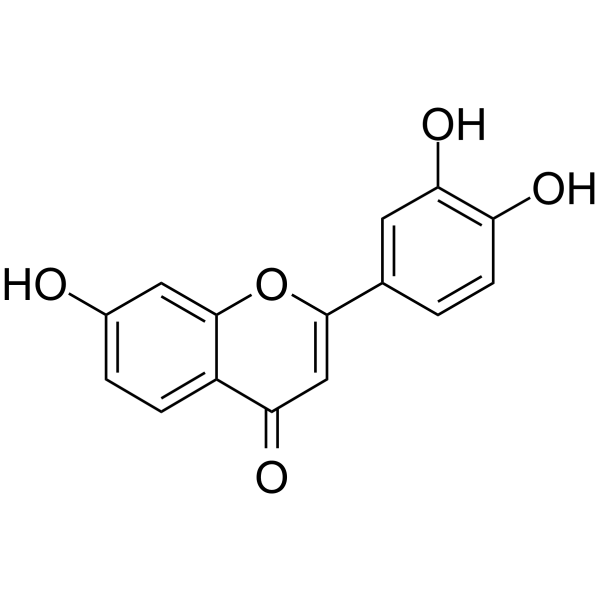
3′,4′,7-Trihydroxyflavone is an orally active inhibitor of OXA-48 (IC50 = 1.89 μM) and COX-1 (IC50 = 36.37 μM). 3′,4′,7-Trihydroxyflavone exhibits antioxidant and anti-inflammatory properties, inhibiting the release of inflammatory cytokines such as IL-6, IL-8, and TNF-α. 3′,4′,7-Trihydroxyflavone inhibits H2O2-induced neuronal apoptosis and ROS accumulation, and exerts anti-neuroinflammatory effects by suppressing the JNK-STAT1 pathway. 3′,4′,7-Trihydroxyflavone exhibits antimicrobial and antibiotic-modifying activities against multidrug-resistant Gram-negative enteric bacteria. 3′,4′,7-Trihydroxyflavone inhibits RANKL-induced osteoclast formation via NFATc1. 3′,4′,7-Trihydroxyflavone activates the CREB-BDNF axis and restores scopolamine (HY-N0296)-induced memory deficits in mice .
|
-
-
- HY-B0506
-
|
OPC7251
|
Bacterial
Antibiotic
DNA/RNA Synthesis
Interleukin Related
|
Infection
Inflammation/Immunology
|
|
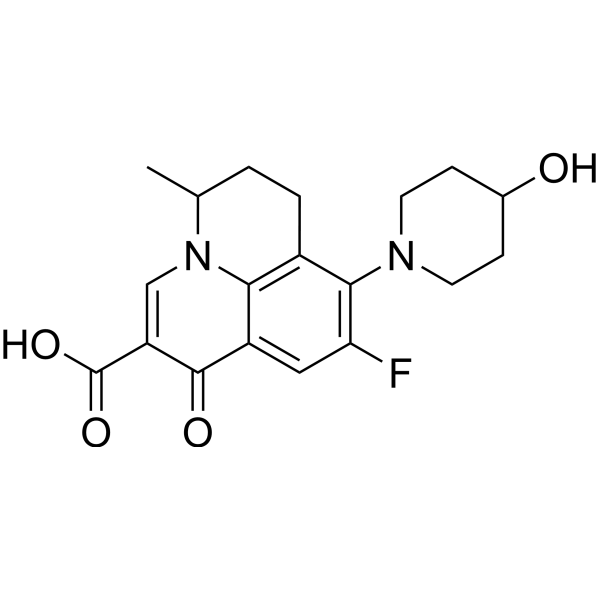
Nadifloxacin (OPC7251) is a broad-spectrum quinolone antibiotic. Nadifloxacin inhibits bacterial DNA gyrase and topoisomerase IV, interfering with DNA replication. It also suppresses the production of proinflammatory cytokines (such as IL-1α, IL-6, and IL-8). Nadifloxacin exhibits antibacterial activity against various pathogens, including Propionibacterium acnes and Staphylococcus aureus. Nadifloxacin also exhibits anti-inflammatory activity. Nadifloxacin can be used in the research of skin infections such as acne vulgaris, folliculitis, and impetigo .
|
-
-
- HY-17028
-
|
|
Bacterial
Antibiotic
DNA/RNA Synthesis
Topoisomerase
|
Infection
Inflammation/Immunology
|
|
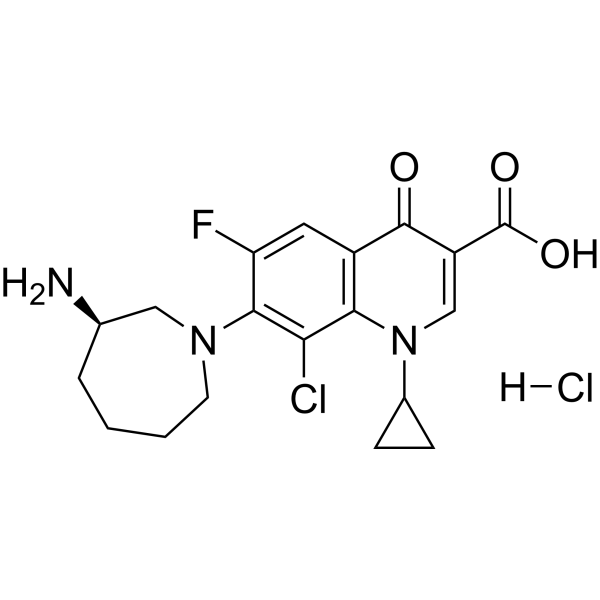
Besifloxacin Hydrochloride is a fourth generation fluoroquinolone antibiotic. Besifloxacin Hydrochloride is a DNA gyrase and topoisomerase IV inhibitor. Besifloxacin Hydrochloride has broad-spectrum antibacterial activity, it is effective against Gram-negative and Gram-positive aerobic and anaerobic strains and reduces the incidence of drug resistance. Besifloxacin Hydrochloride has anti-inflammatory activity. Besifloxacin Hydrochloride can be used in bacterial conjunctivitis research .
|
-
-
- HY-N1353
-
|
|
p38 MAPK
|
Cardiovascular Disease
Inflammation/Immunology
|
|
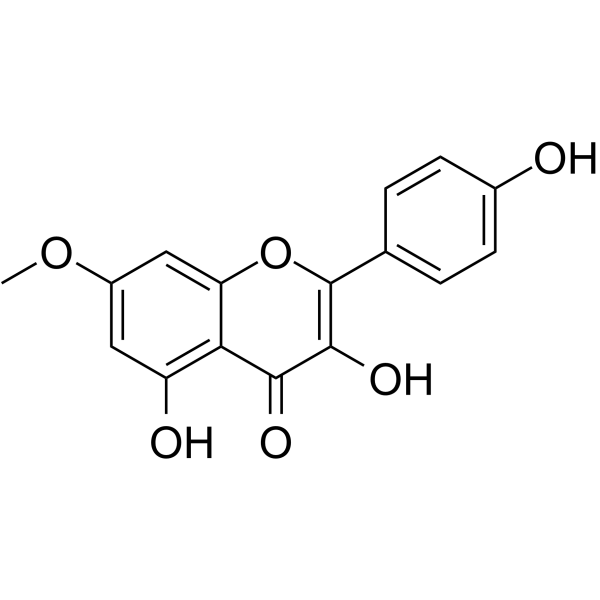
Rhamnocitrin is an anti-inflammatory and antioxidant agent that targets STIM-1, NFATc3 and MAPK pathways and can scavenge DPPH (IC50=28.38 mM). Rhamnocitrin selectively inhibits oxidative stress and inflammatory responses in vascular endothelial cells and neurons. Rhamnocitrin up-regulates miR-185 to inhibit STIM-1-mediated store-operated calcium entry (SOCE), thereby blocking NFATc3 nuclear translocation and downstream inflammatory factor expression, while inducing heme oxygenase HO-1 expression and regulating the ERK/p38 MAPK pathway, inhibiting antioxidant and pro-inflammatory cytokines (such as IL-6, IL-8) and adhesion molecules (such as ICAM-1, VCAM-1). Rhamnocitrin can be used in the study of endothelial-related inflammatory diseases (such as sepsis, acute lung injury, atherosclerosis) and neuroprotection (such as oxidative damage of PC12 cells) .
|
-
-
- HY-P990008
-
Atrosab
1 Publications Verification
|
TNF Receptor
Apoptosis
|
Inflammation/Immunology
|
|
Atrosab is a humanized IgG1 antagonistic anti-TNFR1 antibody. Atrosab inhibits TNF-mediated Apoptosis induction and IL-6 and IL-8 production. Atrosab reduces neurological deficits. Atrosab can be used for research of inflammatory disease. The recommend isotype control is Human IgG1 kappa, Isotype Control (HY-P99001) .
|
-
-
- HY-P991400
-
|
|
TNF Receptor
Apoptosis
Interleukin Related
NF-κB
JNK
p38 MAPK
|
Inflammation/Immunology
|
|
GSK1995057 is a human monoclonal antibody (mAb) targeting TNFRSF1A. GSK1995057 selectively binds to TNFR1, blocks the binding of TNF-α and LT-α, and does not interfere with TNFR2 signaling. GSK1995057 inhibits the activation of NF-κB, JNK and MAPK pathways, alleviates apoptosis (apoptosis) and inflammatory responses (inhibiting IL-1β, IL-6, IL-10, TNF-α), and prevents viability loss of human nucleus pulposus cells. GSK1995057 inhibits the expression of cytokines and neutrophil adhesion molecules in human pulmonary microvascular endothelial cell monolayers, and reduces inflammatory responses and lung injury symptoms in non-human primates. GSK1995057 forms complexes with HAVH autoantibodies, thereby activating TNFR1 and triggering the release of cytokines and IL-8 in human cells. GSK1995057 can be used in research related to intervertebral disc degeneration and acute lung injury .
|
-
-
- HY-W722277A
-
|
|
Interleukin Related
NADH Dehydrogenase
TNF Receptor
JAK
STAT
IRAK
|
Inflammation/Immunology
|
|
LCC-12 (formate) is a copper (II) chelator and a derivative of the biguanide metformin (HY-B0627). LCC-12 (formate) reduces its hydrogen peroxide-dependent oxidation of NADH to NAD+. LCC-12 (formate) reduces IL-1β, IL-2, IL-6, IL-8, and TNF-α levels, as well as JAK2, STAT2, and IL-1 receptor-associated kinase 4 (IRAK4) levels in primary human cytokine-activated monocyte-derived macrophages (MDMs). LCC-12 (formate) reduces the number of CD80+ and CD86+ cytokine-activated MDMs. LCC-12 LCC-12 (formate) improves survival in a mouse model of sepsis induced by LPS or cecal ligation and puncture .
|
-
-
- HY-147506
-
|
|
NOD-like Receptor (NLR)
|
Inflammation/Immunology
|
|
NOD2 antagonist 1 (compound 32) is a potent and selective NOD2 antagonist with an IC50 of 5.23 μM. NOD2 antagonist 1 inhibits Muramyl dipeptide (MDP)-induced IL-8 secretion in THP-1 cells and inhibits MDP-induced IL-6, IL-10, TNF-α release in PBMCs .
|
-
-
- HY-P3412
-
|
|
MAPKAPK2 (MK2)
|
Inflammation/Immunology
|
|
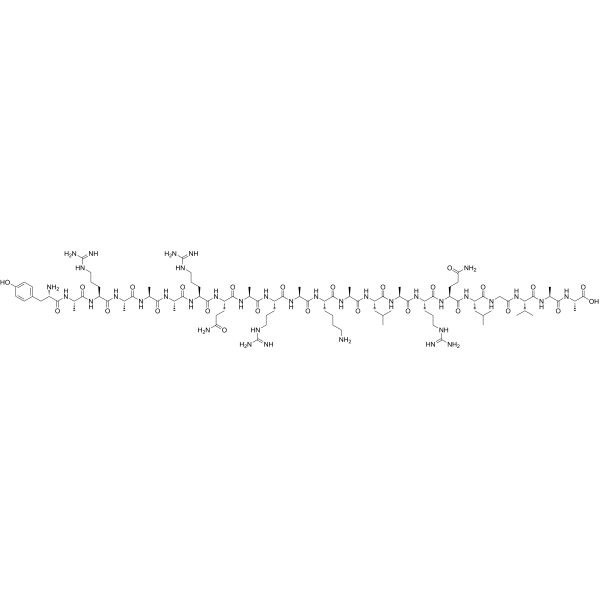
MMI-0100 is a cell-permeant peptide inhibitor of mitogen activated protein kinase activated protein kinase II (MK2). MMI-0100 reduces intimal hyperplasia ex vivo and in vivo. MMI-0100 suppresses IL-6 expression without effect on IL-8 expression. MMI-0100 suppresses fibrotic processes such as vein graft disease .
|
-
-
- HY-N7652
-
|
|
Bacterial
Interleukin Related
|
Infection
Inflammation/Immunology
Cancer
|
|
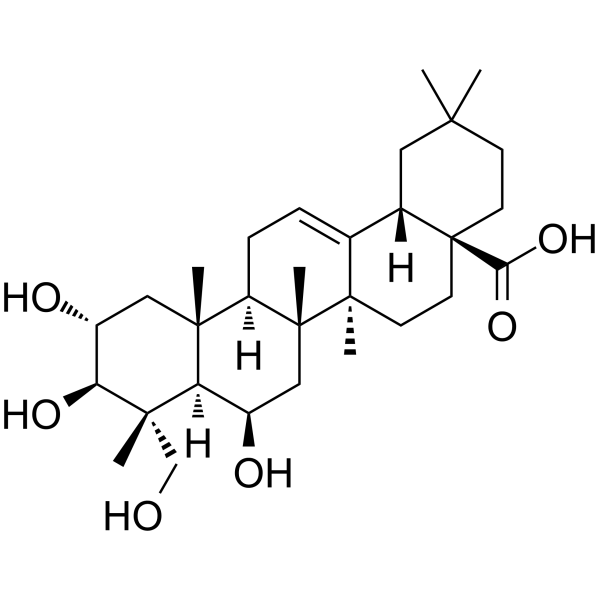
Terminolic acid is a pentacyclic triterpene glycoside and antibacterial agent. Terminolic acid can be isolated from Combretum racemosum. Terminolic acid inhibits proinflammatory cytokines by binding to the receptor active sites of IL-1β and IL-6. Terminolic acid reduces IL-8. Terminolic acid has antibacterial activity against Staphylococcus aureus, Escherichia coli and Enterococcus faecalis with MICs ranging from 64 to 256 μg/mL. Terminolic acid is used in colon cancer research .
|
-
-
- HY-P5523A
-
|
|
NOD-like Receptor (NLR)
NF-κB
Interleukin Related
|
Metabolic Disease
|
|
iE-DAP dihydrochloride is a Nod1 agonist. iE-DAP dihydrochloride activates NOD1, which in turn activates the NF-κB signaling pathway and MLCK signaling pathway, inducing cellular inflammatory responses and tight junction disruption. iE-DAP dihydrochloride downregulates the expression of ZO-1 and Occludin genes. iE-DAP dihydrochloride increases the secretion of IL-6, GRO-α, MCP-1, IL-8 and MIP-1β in term human trophoblast cell cultures. iE-DAP dihydrochloride triggers preterm birth in pregnant mice, reduces fetal body weight, and induces fetal inflammation. iE-DAP dihydrochloride can be used in studies related to mastitis and preterm birth .
|
-
-
- HY-P99390
-
|
MCLA 117
|
CD3
Interleukin Related
IFNAR
TNF Receptor
|
Inflammation/Immunology
Cancer
|
|
Tepoditamab (MCLA-117) is a full-length human IgG1 bispecific monoclonal antibody that binds to CLEC12A of myeloid cells and CD3 of cytotoxic T cells. Among others, CLEC12A is a myeloid differentiation antigen. Tepoditamab kills AML leukaemia mother cells and AML leukaemia stem cells, induces T cell-mediated proliferative lysis of AML cells. Tepoditamab induces upto 30-fold T-cell expansion. Tepoditamab results in moderate to strong cytokine (IFNγ, IL-6, IL-8, IL-10, and TNFα) and IFNγ release in human whole blood and PBMC, respectively. Tepoditamab can be used in acute myeloid leukaemia (AML) research .
|
-
-
- HY-114592
-
-
-
- HY-N6927
-
|
Coleonol B
|
TNF Receptor
Interleukin Related
|
Inflammation/Immunology
|
|
Isoforskolin is the principle active component of C. forskohlii native to China. Isoforskolin reduces the secretion of lipopolysaccharide (LPS)-induced cytokines, namely TNF-α, IL-1β, IL-6 and IL-8, in human mononuclear leukocytes. Isoforskolin acts as an anti-inflammatory agent for the treatment of Lyme arthritis .
|
-
-
- HY-123789
-
|
|
Toll-like Receptor (TLR)
|
Inflammation/Immunology
|
|
T-5342126 is a toll-like receptor 4 (TLR4) antagonist. It reduces LPS-induced production of nitric oxide (NO) in RAW 264.7 cells (IC50=27.8 μM), as well as decreases LPS-induced IL-8, TNF-α, and IL-6 production in isolated human whole blood (IC50s=110.5, 315.6, and 318.4 μM, respectively). T-5342126 (82 mg/kg) reduces ethanol intake and the abundance of ionized calcium-binding adapter molecule 1 (Iba1), a marker of microglial activation, in the central nucleus of the amygdala in ethanol-dependent mice.
|
-
-
- HY-P5523
-
|
|
NOD-like Receptor (NLR)
NF-κB
Interleukin Related
|
Metabolic Disease
|
|
iE-DAP is a Nod1 agonist. iE-DAP activates NOD1, which in turn activates the NF-κB signaling pathway and MLCK signaling pathway, inducing cellular inflammatory responses and tight junction disruption. iE-DAP downregulates the expression of ZO-1 and Occludin genes. iE-DAP increases the secretion of IL-6, GRO-α, MCP-1, IL-8 and MIP-1β in term human trophoblast cell cultures. iE-DAP triggers preterm birth in pregnant mice, reduces fetal body weight, and induces fetal inflammation. iE-DAP is applicable to research related to mastitis and preterm birth .
|
-
-
- HY-131688
-
|
|
PARP
Caspase
|
Inflammation/Immunology
|
|
2-Chlorohexadecanoic acid, an inflammatory lipid mediator, interferes with protein palmitoylation,induces ER-stress markers, reduced the ER ATP content, and activates transcription and secretion of IL-6 as well as IL-8.2-Chlorohexadecanoic acid disrupts the mitochondrial membrane potential and induces procaspase-3 and PARP cleavage.2-Chlorohexadecanoic acid can across blood-brain barrier (BBB) and compromises ER- and mitochondrial functions in the human brain endothelial cell line hCMEC/D3 .
|
-
-
- HY-W017428
-
|
P-Ethyoxybenzaldehyde
|
Interleukin Related
Prostaglandin Receptor
|
Inflammation/Immunology
|
|
4-Ethoxybenzaldehyde (P-Ethyoxybenzaldehyde) is a derivative of benzaldehyde. 4-Ethoxybenzaldehyde can significantly inhibit the production of key inflammatory factors such as prostaglandin E2 (PGE2), IL-6, and IL-8 induced by ultraviolet radiation (UVR). 4-Ethoxybenzaldehyde shows significant efficacy and good safety in reducing facial redness when added to an oil-in-water emulsion at a concentration of 1%. 4-Ethoxybenzaldehyde can be used in the study of chronic inflammatory skin diseases .
|
-
-
- HY-175655
-
|
|
p38 MAPK
Cholinesterase (ChE)
Interleukin Related
|
Neurological Disease
Inflammation/Immunology
|
|
BChE/p38-α MAPK-IN-1 is a selective dual inhibitor of hBChE (IC50 = 772 nM) and p38α MAPK (IC50 = 191 nM). BChE/p38-α MAPK-IN-1 reduces the production of pro-inflammatory cytokines (IL-1β, IL-6, IL-8, TNF-α) in cells. BChE/p38-α MAPK-IN-1 improves Scopolamine (HY-N0296)-induced cognitive impairment, as well as alleviates LPS (HY-D1056)-induced spatial learning impairment and exerts anti-neuroinflammatory effects in mice. BChE/p38-α MAPK-IN-1 can be used for the study of Alzheimer’s disease (AD) by targeting both cholinergic deficit and neuroinflammation .
|
-
-
- HY-106801
-
|
RP 49532
|
Interleukin Related
NF-κB
AP-1
MDM-2/p53
Apoptosis
|
Infection
Inflammation/Immunology
Cancer
|
|
Girolline (RP 49532) is a protein synthesis inhibitor and a functional modulator of eIF5A. Girolline induces ribosome stalling by interfering with the binding of eIF5A to ribosomes. Girolline also inhibits the production of IL-6 and IL-8, and induces cell cycle arrest in tumor cells. Girolline is applicable to research related to inflammatory diseases, solid tumors, leukemia and malaria .
|
-
-
- HY-179009
-
|
|
NOD-like Receptor (NLR)
Interleukin Related
|
Inflammation/Immunology
|
NOD2 agonist 4 (Compound 12b) is a potent NOD2 agonist with an EC50 of 44.1 nM. NOD2 agonist 4 induces cytokine production (MCP-1, IL-6 and IL-8) in peripheral blood mononuclear cells (PBMCs), both alone and in combination with Lipopolysaccharide (LPS) (HY-D1056). NOD2 agonist 4 can be used for the studies of NOD2-targeted immunomodulator or vaccine adjuvant .
|
-
-
- HY-171657
-
|
|
Drug Derivative
SOD
Interleukin Related
COX
Collagen
|
Inflammation/Immunology
|
|
4'-Acetoxy resveratrol is a Resveratrol (HY-16561) derivative. 4'-Acetoxy resveratrol upregulates gene expression of elastin, collagen types III and IV, superoxide dismutase (SOD), and catalase (CAT), while downregulating interleukins (IL-1A, IL-1R2, IL-6, IL-8) and cyclooxygenase-2 (COX-2) in human skin models. 4'-Acetoxy resveratrol can be used for skin reasearch .
|
-
-
- HY-N3700
-
|
Rutaceline
|
Bacterial
HIV
TNF Receptor
Interleukin Related
|
Infection
Inflammation/Immunology
|
|
Decarine (Rutaceline) is a benzophenanthridine alkaloid found in Zanthoxylum species. Decarinewith shows anti-inflammatory, antimycobacterial, and anti-HIV activity. Decarine inhibits NO, TNF-α, IL-1β, IL-6, and IL-8 production in inflammatory cell models. Decarine inhibits growth of Mycobacterium tuberculosis strains, reduces intracellular Mycobacterium tuberculosis survival, and shows low cytotoxicity toward human macrophages. Decarine inhibits HIV replication in acutely infected lymphocytes. Decarine can be used for the researches of inflammation, tuberculosis, and HIV infection .
|
-
-
- HY-N6927R
-
|
Coleonol B (Standard)
|
Reference Standards
TNF Receptor
Interleukin Related
|
Inflammation/Immunology
|
|
Isoforskolin (Standard) is the analytical standard of Isoforskolin. This product is intended for research and analytical applications. Isoforskolin is the principle active component of C. forskohlii native to China. Isoforskolin reduces the secretion of lipopolysaccharide (LPS)-induced cytokines, namely TNF-α, IL-1β, IL-6 and IL-8, in human mononuclear leukocytes. Isoforskolin acts as an anti-inflammatory agent for the treatment of Lyme arthritis .
|
-
-
- HY-178053
-
|
|
Aryl Hydrocarbon Receptor
Cytochrome P450
Interleukin Related
|
Inflammation/Immunology
|
|
AHR agonist 10 is a potent AHR agonist (EC50 = 2.01 nM). AHR agonist 10 can elevate the transcript levels of key AHR downstream pathway target genes, including CYP1A1 and CYP1B1. AHR agonist 10 can downregulate the expression levels of CD36, IL-18 and shows low cytotoxicity (>40 μM) to normal cells. AHR agonist 10 can suppress the expression of CCL5, CCL20, IL-6, IL-8, S100A9, TLR4, TNF-α, and TNFR1, demonstrating that AHR agonist 10 effectively modulate inflammatory responses through AHR dependent signaling pathways. AHR agonist 10 can be used for psoriasis research .
|
-
-
- HY-124613
-
|
|
Interleukin Related
|
Metabolic Disease
Inflammation/Immunology
Cancer
|
|
Pyrazinib is a inhibitor of angiogenesis and metabolism of oesophageal adenocarcinoma (oac) radioresistance, inhibiting the secretion of Il-6, Il-4, Il-8 and Il-13 cytokines from in oac radioresistant cells. Pyrazinib inhibits blood vessel development in zebrafish .
|
-
-
- HY-N0314R
-
|
|
Reference Standards
Interleukin Related
Prostaglandin Receptor
Apoptosis
|
Inflammation/Immunology
|
|
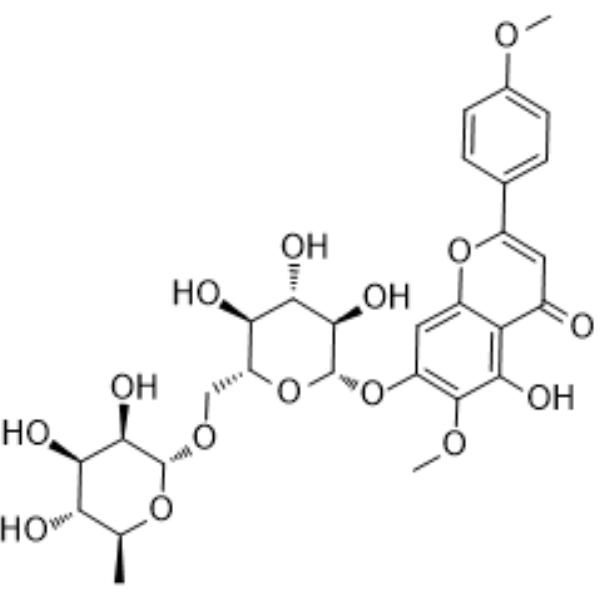
Pectolinarin (Standard) is the analytical standard of Pectolinarin. This product is intended for research and analytical applications. Pectolinarin possesses anti-inflammatory activity . Pectolinarin inhibits secretion of IL-6 and IL-8, as well as the production of PGE2 and NO. Pectolinarin suppresses cell proliferation and inflammatory response and induces apoptosis via inactivation of the PI3K/Akt pathway .
|
-
-
- HY-128423AS
-
|
Acetylisovaleryltylosin-d9
|
Isotope-Labeled Compounds
Apoptosis
Antibiotic
NF-κB
Bacterial
|
Others
|
|
Tylvalosin-d9 (Acetylisovaleryltylo?sin-d9) is the deuterium labeled Tylvalosin (HY-128423A) . Tylvalosin is a third-generation macrolide, with anti-inflammatory property. Tylvalosin decreases the levels of IL-8, IL-6, IL-1β, PGE2, TNF-α and NO, and reduces the inflammatory cells recruitment and activation in mouse acute lung injury model .
|
-
-
- HY-N2572R
-
|
Nepetin (Standard); 6-Methoxyluteolin (Standard)
|
Reference Standards
Interleukin Related
|
Inflammation/Immunology
|
|
Eupafolin (Standard) is the analytical standard of Eupafolin. This product is intended for research and analytical applications. Eupafolin (6-Methoxyluteolin) is a natural flavonoid isolated from Eupatorium ballotaefolium HBK with potent anti-inflammatory activities. Eupafolin inhibits IL-6, IL-8 and MCP-1 secretion with IC50 values of 4.43 μM, 3.42 μM and 4.17 μM, respectively in ARPE-19 cells .
|
-
-
- HY-173180
-
|
|
Lipoxygenase
Interleukin Related
TNF Receptor
IFNAR
|
Inflammation/Immunology
|
|
5-LOX-IN-8 is a 5-LOX inhibitor with anti-inflammatory activity. 5-LOX-IN-8 suppresses IL-6, IL-1β, TNF-α and IFN-γ in macrophages and reduces IL-8 secretion in SW480 cells. 5-LOX-IN-8 reduces disease activity in a DSS colitis model. 5-LOX-IN-8 can be used for research of inflammatory bowel disease (IBD) .
|
-
-
- HY-120269
-
|
|
NF-κB
TNF Receptor
Interleukin Related
|
Neurological Disease
Inflammation/Immunology
|
|
CAY10512 is a NF-κB inhibitor. CAY10512 can suppress the upregulation of NF-κB-sensitive proinflammatory miRNAs (miRNA-9, miRNA-125b, miRNA-146a, miRNA-155) in cerebrospinal fluid and extracellular fluid. CAY10512 significantly reduces the release of pro-inflammatory cytokines (such as TNF-α, MCP-1, IL-8, IL-6). CAY10512 can be used for researchs on neuroinflammation, islet transplantation and microRNA regulation .
|
-
-
- HY-P10854
-
|
|
NF-κB
Interleukin Related
STAT
Akt
|
Neurological Disease
Inflammation/Immunology
|
|
TAT-N15 is a p55PIK inhibitor with remarkable anti-inflammatory activity and neuroprotective effects. TAT-N15 can significantly inhibit the activation of IL-6, IL-8, Akt, and NF-κB pathways, as well as suppress the protein expression of phosphorylated STAT3 and NF-κB. By inhibiting the activation of Akt, STAT3, and NF-κB pathways, TAT-N15 is used in research on acute conjunctivitis, allergic rhinitis, chronic obstructive pulmonary disease (COPD), and stroke .
|
-
-
- HY-P5836
-
|
|
Interleukin Related
Bacterial
Enterovirus
|
Inflammation/Immunology
|
|
Citrullinated LL-37 1cit is a citrullinated LL-37 (HY-P1222) peptide. Citrullinated LL-37 1cit does not alter the antiviral effect of LL-37 toward human rhinovirus. Citrullinated LL-37 1cit shows antibacterial activity toward S. aureus. Citrullinated LL-37 1cit causes a reduction in the levels of IL-8, CCL5, and IL-6 mRNA induced by RV1B .
|
-
-
- HY-110133A
-
|
|
Interleukin Related
|
Inflammation/Immunology
|
|
JTE-607 free base, a highly selective inflammatory cytokine synthesis inhibitor, protects from endotoxin shock in mice. JTE-607 free base inhibits inflammatory cytokine production, including TNF-α, IL-1β, IL-6, IL-8 and IL-10, from LPS-stimulated human PBMCs, with IC50s of 11, 5.9, 8.8, 7.3 and 9.1 nM, respectively . Cleavage and Polyadenylation Specificity Factor 3 (CPSF3) is the target of JTE-607 free base .
|
-
-
- HY-P991310
-
|
LT3015; LT-3000
|
LPL Receptor
|
Neurological Disease
Cancer
|
|
Lpathomab (LT3015; LT-3000) is a human IgG1 monoclonal antibody (mAb) targeting LPA. Lpathomab reduces the release of IL-8 and IL-6 cytokines in SKOV3 cells and blocks LPA-triggered tumor cell migration. Lpathomab reduces neovascularization in Matrigel plug and CNV models. Lpathomab inhibits brain injury in the CCI mouse model. Lpathomab can be used in the study of brain injury, ovarian cancer, diabetic neuropathy, and spinal cord injury. Recommended isotype control: Human IgG1 kappa, Isotype Control (HY-P99001) .
|
-
-
- HY-P5837
-
|
|
Interleukin Related
Enterovirus
|
Inflammation/Immunology
|
|
Citrullinated LL-37 2cit is a citrullinated LL-37 (HY-P1222) peptide. Citrullinated LL-37 2cit reduces LL-37 activity against HRV at 10 μg/mL and reduces the antibacterial effect of LL-37. Citrullinated LL-37 2cit causes a reduction in the levels of IL-8, CCL5, and IL-6 mRNA induced by RV1B. Citrullinated LL-37 2cit shows a moderate loss in the ability to reduce HRV-induced CCL5 secretion .
|
-
-
- HY-B0506R
-
|
OPC7251 (Standard)
|
Reference Standards
Bacterial
Antibiotic
DNA/RNA Synthesis
Interleukin Related
|
Infection
Inflammation/Immunology
|
|
Nadifloxacin (Standard) is the analytical standard of Nadifloxacin (HY-B0506). This product is intended for research and analytical applications. Nadifloxacin (OPC7251) is a broad-spectrum quinolone antibiotic. Nadifloxacin inhibits bacterial DNA gyrase and topoisomerase IV, interfering with DNA replication. It also suppresses the production of proinflammatory cytokines (such as IL-1α, IL-6, and IL-8). Nadifloxacin exhibits antibacterial activity against various pathogens, including Propionibacterium acnes and Staphylococcus aureus. Nadifloxacin also exhibits anti-inflammatory activity. Nadifloxacin can be used in the research of skin infections such as acne vulgaris, folliculitis, and impetigo .
|
-
-
- HY-B0506S1
-
|
OPC7251-d5
|
Isotope-Labeled Compounds
Antibiotic
Bacterial
DNA/RNA Synthesis
Interleukin Related
|
Infection
Inflammation/Immunology
|
|
Nadifloxacin-d5 (OPC7251-d5) is deuterium labeled Nadifloxacin (HY-B0506). Nadifloxacin (OPC7251) is a broad-spectrum quinolone antibiotic. Nadifloxacin inhibits bacterial DNA gyrase and topoisomerase IV, interfering with DNA replication. It also suppresses the production of proinflammatory cytokines (such as IL-1α, IL-6, and IL-8). Nadifloxacin exhibits antibacterial activity against various pathogens, including Propionibacterium acnes and Staphylococcus aureus. Nadifloxacin also exhibits anti-inflammatory activity. Nadifloxacin can be used in the research of skin infections such as acne vulgaris, folliculitis, and impetigo .
|
-
-
- HY-N0853R
-
|
|
Reference Standards
AMPK
Acetyl-CoA Carboxylase
PPAR
MMP
Interleukin Related
|
Infection
Cardiovascular Disease
Metabolic Disease
Cancer
|
|
Alisol A (Standard) is the analytical standard of Alisol A (HY-N0853). This product is intended for research and analytical applications. Alisol A is an orally active tetracyclic triterpenoid compound of the prototerpane type. Alisol A can be extracted from the rhizome of Alisma orientale. Alisol A activates AMPK/ACC/SREBP-1c, SIRT1, PPARα, inhibits MMP-2/-9, decreases inflammatory cytokine expression (IL-1β, IL-6, IL-8). Alisol A has anti-tumor activity against breast cancer and colorectal cancer. Alisol A has anti-obesity and anti-atherosclerotic activities. Alisol A can be used in the research of hepatitis B, breast cancer, colorectal cancer, atherosclerosis, and obesity .
|
-
-
- HY-B1203S
-
|
9α-Fludrocortisone-d5; 9α-Fluorcortisol-d5
|
Isotope-Labeled Compounds
Mineralocorticoid Receptor
Glucocorticoid Receptor
Apoptosis
|
Metabolic Disease
Inflammation/Immunology
Cancer
|
|
Fludrocortisone-d5 (9α-Fludrocortisone-d5) is the deuterium labeled Fludrocortisone (HY-B1203). Fludrocortisone is an orally active mineralocorticoid and glucocorticoid receptor agonist. Fludrocortisone suppresses pro-inflammatory cytokine expression, reduces CCL2, IL-6, IL-8 levels, upregulates mineralocorticoid receptor (MR) expression, induces PI3K/Akt, GSK-3β, CREB, ERK1/2, mTOR phosphorylation, blocks Tau hyperphosphorylation, prevents apoptosis, promotes survival and proliferation, enhances renal sodium and water transport, increases plasma volume and blood pressure, reduces plasma potassium and renin activity, stimulates erythropoietin expression, modulates uterine receptivity genes, and reverses PP242-induced MUC1 upregulation. Fludrocortisone can be used for the research of congenital adrenal hyperplasia, postural hypotension, and adrenal insufficiency.
|
-
- HY-B1203R
-
|
9α-Fludrocortisone (Standard); 9α-Fluorcortisol (Standard)
|
Reference Standards
Mineralocorticoid Receptor
Glucocorticoid Receptor
Apoptosis
|
Metabolic Disease
Inflammation/Immunology
Cancer
|
|
Fludrocortisone (Standard) (9α-Fludrocortisone (Standard)) is the analytical standard of Fludrocortisone (HY-B1203). This product is intended for research and analytical applications. Fludrocortisone is an orally active mineralocorticoid and glucocorticoid receptor agonist. Fludrocortisone suppresses pro-inflammatory cytokine expression, reduces CCL2, IL-6, IL-8 levels, upregulates mineralocorticoid receptor (MR) expression, induces PI3K/Akt, GSK-3β, CREB, ERK1/2, mTOR phosphorylation, blocks Tau hyperphosphorylation, prevents apoptosis, promotes survival and proliferation, enhances renal sodium and water transport, increases plasma volume and blood pressure, reduces plasma potassium and renin activity, stimulates erythropoietin expression, modulates uterine receptivity genes, and reverses PP242-induced MUC1 upregulation. Fludrocortisone can be used for the research of congenital adrenal hyperplasia, postural hypotension, and adrenal insufficiency.
|
-
- HY-B1203S1
-
|
9α-Fludrocortisone-d2; 9α-Fluorcortisol-d2
|
Isotope-Labeled Compounds
Mineralocorticoid Receptor
Glucocorticoid Receptor
Apoptosis
|
Metabolic Disease
Inflammation/Immunology
Cancer
|
|
Fludrocortisone-d2 (9α-Fludrocortisone-d2) is the deuterium labeled Fludrocortisone (HY-B1203). Fludrocortisone is an orally active mineralocorticoid and glucocorticoid receptor agonist. Fludrocortisone suppresses pro-inflammatory cytokine expression, reduces CCL2, IL-6, IL-8 levels, upregulates mineralocorticoid receptor (MR) expression, induces PI3K/Akt, GSK-3β, CREB, ERK1/2, mTOR phosphorylation, blocks Tau hyperphosphorylation, prevents apoptosis, promotes survival and proliferation, enhances renal sodium and water transport, increases plasma volume and blood pressure, reduces plasma potassium and renin activity, stimulates erythropoietin expression, modulates uterine receptivity genes, and reverses PP242-induced MUC1 upregulation. Fludrocortisone can be used for the research of congenital adrenal hyperplasia, postural hypotension, and adrenal insufficiency.
|
-
- HY-N1353R
-
|
|
Reference Standards
Others
p38 MAPK
|
Cardiovascular Disease
Inflammation/Immunology
|
|
Rhamnocitrin (Standard) is the analytical standard of Rhamnocitrin. This product is intended for research and analytical applications. Rhamnocitrin is an anti-inflammatory and antioxidant agent that targets STIM-1, NFATc3 and MAPK pathways and can scavenge DPPH (IC50=28.38 mM). Rhamnocitrin selectively inhibits oxidative stress and inflammatory responses in vascular endothelial cells and neurons. Rhamnocitrin up-regulates miR-185 to inhibit STIM-1-mediated store-operated calcium entry (SOCE), thereby blocking NFATc3 nuclear translocation and downstream inflammatory factor expression, while inducing heme oxygenase HO-1 expression and regulating the ERK/p38 MAPK pathway, inhibiting antioxidant and pro-inflammatory cytokines (such as IL-6, IL-8) and adhesion molecules (such as ICAM-1, VCAM-1). Rhamnocitrin can be used in the study of endothelial-related inflammatory diseases (such as sepsis, acute lung injury, atherosclerosis) and neuroprotection (such as oxidative damage of PC12 cells) .
|
-
- HY-183533
-
-
- HY-W750980
-
|
|
TNF Receptor
Interleukin Related
|
Inflammation/Immunology
|
|
β-Bisabolol is a potent anti-inflammatory agent that can be found in cotton gin trash. β-Bisabolol inhibits the production of nitric oxide (NO), pGE2, TNF-α, IL-6, and IL-8 in LPS (HY-D1056)-stimulated macrophages and fibroblast cells. β-Bisabolol can be used for the research on inflammatory conditions .
|
-
- HY-182639
-
|
|
Exosomes
MAGL
Interleukin Related
VEGFR
|
Cancer
|
|
AM9928 is a monoacylglycerol lipase (MAGL) inhibitor with IC50 and Ki values of 8.9 nM and 7.3 nM, respectively. AM9928 blocks the adhesion and migration of triple-negative breast cancer (TNBC) cells, and inhibits the secretion of IL-6, IL-8 and VEGF-A by TNBC cells. AM9928 suppresses the activation of human brain microvascular endothelial cells (HBMECs) induced by TNBC-derived exosomes, and reduces the secretion of IL-8 and VEGF-A by HBMECs. AM9928 attenuates changes in blood-brain barrier permeability, inhibits tumor growth in the mammary fat pad, and reduces brain colonization of TNBC. AM9928 can be used in studies related to triple-negative breast cancer .
|
-
- HY-180799
-
|
|
Cathepsin
Interleukin Related
|
Inflammation/Immunology
|
|
Cathepsin L-IN-6 (Compound 6a) is a selective cathepsin L inhibitor with an IC50 of 0.021 μM. Cathepsin L-IN-6 suppresses cathepsin L activity by directly binding to cathepsin L. Cathepsin L-IN-6 inhibits IL-6 and IL-8. Cathepsin L-IN-6 shows a high anti-inflammatory activity. Cathepsin L-IN-6 can be used in the research of acute lung injury .
|
-
- HY-W744192
-
|
R-842
|
Drug Metabolite
IFNAR
TNF Receptor
Interleukin Related
|
Infection
Inflammation/Immunology
Cancer
|
|
2-Hydroxy Imiquimod (R-842), a hydroxylated metabolite of Imiquimod (HY-B0180), is an immunomodulating agent. 2-Hydroxy Imiquimod can induce IFN-α, TNF-α, IL-1, IL-6 and IL-8 in human blood cells. 2-Hydroxy Imiquimod exhibits antivirus and antitumor activities. 2-Hydroxy Imiquimod can be used for the researches of cancer, infection and immunology .
|
-
- HY-17028A
-
|
|
Bacterial
Antibiotic
DNA/RNA Synthesis
Topoisomerase
|
Infection
Inflammation/Immunology
|
|
(Rac)-Besifloxacin Hydrochloride is a fourth generation fluoroquinolone antibiotic. (Rac)-Besifloxacin Hydrochloride is a DNA gyrase and topoisomerase IV inhibitor. (Rac)-Besifloxacin Hydrochloride has broad-spectrum antibacterial activity, it is effective against Gram-negative and Gram-positive aerobic and anaerobic strains and reduces the incidence of drug resistance. (Rac)-Besifloxacin Hydrochloride has anti-inflammatory activity. Besifloxacin Hydrochloride can be used in bacterial conjunctivitis research .
|
-
- HY-P992045
-
|
|
Interleukin Related
CXCR
|
Inflammation/Immunology
|
|
HZD37-5 is a humanized monoclonal antibody specifically recognizing N78 loci of IL-17A. HZD37-5 binds to human and rhesus monkeys, blocks IL-17 induced signal transduction and the release of IL-6, IL-8, CXCL-1 and GM-GSF. HZD37-5 significantly inhibited human IL-17A induced-keratinocyte chemoattractant secretion. HZD37-5 can be used for the research of autoimmune diseases including psoriasis and psoriatic arthritis .
|
-
- HY-N17821
-
|
|
Sirtuin
Aurora Kinase
Akt
GSK-3
β-catenin
TGF-β Receptor
Apoptosis
Reactive Oxygen Species (ROS)
Wnt
NF-κB
TNF Receptor
Interleukin Related
IKK
|
Neurological Disease
Inflammation/Immunology
Cancer
|
|
Butrin is a compound found in Butea monosperma flowers. Butrin reduces expression of SIRT1, AURKB, cyclin D1, pAKT, GSK-3β, β-catenin, and TGF-3β expression, enhances apoptosis and ROS production in cancer cells. Butrin downregulates Wnt and NF-κB signaling, mitigates oxidative stress, reduces proinflammatory cytokine (TNF-α, IL-6 and IL-8) production and suppresses neuroinflammation. Butrin inhibits IKK enzyme activity. Butrin can be used for the researches of colorectal cancer, Alzheimer’s disease, and rheumatoid arthritis .
|
-
- HY-N17395
-
|
|
TNF Receptor
Interleukin Related
|
Inflammation/Immunology
|
|
(6R,7R)-Epoxy-1-oleanen-3-ol is a triterpenoid that can be found in Boswellia ovalifoliolata, exhibiting anti-inflammatory activity. (6R,7R)-Epoxy-1-oleanen-3-ol inhibits TNF-α, IL-6, IL-8, and NO production in LPS (HY-D1056)-activated murine neutrophils. (6R,7R)-Epoxy-1-oleanen-3-ol can be used for the research on inflammatory conditions .
|
-
- HY-181676
-
|
|
Cathepsin
|
Inflammation/Immunology
|
|
Anti-inflammatory agent 113 (compound B5) is a Cathepsin L (CTSL) inhibitor and anti-inflammatory agent with a CTSL IC50 of 5.52 μM. Anti-inflammatory agent 113 suppresses CTSL maturation, attenuates NF-κB and p38 MAPK signaling pathway activation, and binds stably in CTSL’s active site via noncovalent interactions with Asp162, Cys25, and Glu63. Anti-inflammatory agent 113 inhibits pro-inflammatory cytokine (IL-6, IL-8) production, reduces inflammatory cell lung infiltration, and alleviates lung tissue injury. Anti-inflammatory agent 113 can be used for the research of acute lung injury .
|
-
- HY-N19791
-
|
|
NF-κB
Fungal
Interleukin Related
|
Infection
Cancer
|
|
6-Methoxymellein, a phytoalexin, is a NF-κB inhibitor. 6-Methoxymellein reduces nuclear localization and DNA binding activity of NF-κB p65 and p50 subunits. 6-Methoxymellein decreases mRNA transcription and secretion of IL-6 and IL-8. 6-Methoxymellein reduces the proportion of CD44 +/CD24 − breast cancer cells, decreases expression of c-Myc, Sox-2 and Oct4, inhibits proliferation and migration of breast cancer cells, and reduces mammosphere growth. 6-Methoxymellein inhibits fungal growth of Trichophyton rubrum and Botrytis cinerea, and inhibits Trichophyton rubrum biofilm formation via hyphal disintegration. 6-Methoxymellein can be used for the research of breast cancer, tinea corporis, and carrot post-harvest storage rot .
|
-
| Cat. No. |
Nom du produit |
Type |
-
- HY-W251428
-
|
Egg PG
|
Biochemical Assay Reagents
|
|
Phosphatidylglycerols (PG) is a selective inhibitor targeting the TLR4 accessory protein CD14/MD-2 complex, inhibiting LPS or virus (such as RSV)-mediated inflammatory signaling pathways through competitive binding. Phosphatidylglycerols directly bind to viral particles to block infection, inhibit COX-2 expression to reduce the release of inflammatory factors (IL-6, IL-8), and improve oxidative stress by regulating mitochondrial membrane phospholipid remodeling. Phosphatidylglycerols can be taken orally or by inhalation and can be used in the study of chronic inflammatory diseases (such as atherosclerosis) and respiratory viral infections (such as RSV) .
|
| Cat. No. |
Nom du produit |
Target |
Research Area |
-
- HY-P3412
-
|
|
MAPKAPK2 (MK2)
|
Inflammation/Immunology
|
|
MMI-0100 is a cell-permeant peptide inhibitor of mitogen activated protein kinase activated protein kinase II (MK2). MMI-0100 reduces intimal hyperplasia ex vivo and in vivo. MMI-0100 suppresses IL-6 expression without effect on IL-8 expression. MMI-0100 suppresses fibrotic processes such as vein graft disease .
|
-
- HY-P5523A
-
|
|
NOD-like Receptor (NLR)
NF-κB
Interleukin Related
|
Metabolic Disease
|
|
iE-DAP dihydrochloride is a Nod1 agonist. iE-DAP dihydrochloride activates NOD1, which in turn activates the NF-κB signaling pathway and MLCK signaling pathway, inducing cellular inflammatory responses and tight junction disruption. iE-DAP dihydrochloride downregulates the expression of ZO-1 and Occludin genes. iE-DAP dihydrochloride increases the secretion of IL-6, GRO-α, MCP-1, IL-8 and MIP-1β in term human trophoblast cell cultures. iE-DAP dihydrochloride triggers preterm birth in pregnant mice, reduces fetal body weight, and induces fetal inflammation. iE-DAP dihydrochloride can be used in studies related to mastitis and preterm birth .
|
-
- HY-P5523
-
|
|
NOD-like Receptor (NLR)
NF-κB
Interleukin Related
|
Metabolic Disease
|
|
iE-DAP is a Nod1 agonist. iE-DAP activates NOD1, which in turn activates the NF-κB signaling pathway and MLCK signaling pathway, inducing cellular inflammatory responses and tight junction disruption. iE-DAP downregulates the expression of ZO-1 and Occludin genes. iE-DAP increases the secretion of IL-6, GRO-α, MCP-1, IL-8 and MIP-1β in term human trophoblast cell cultures. iE-DAP triggers preterm birth in pregnant mice, reduces fetal body weight, and induces fetal inflammation. iE-DAP is applicable to research related to mastitis and preterm birth .
|
-
- HY-P10854
-
|
|
NF-κB
Interleukin Related
STAT
Akt
|
Neurological Disease
Inflammation/Immunology
|
|
TAT-N15 is a p55PIK inhibitor with remarkable anti-inflammatory activity and neuroprotective effects. TAT-N15 can significantly inhibit the activation of IL-6, IL-8, Akt, and NF-κB pathways, as well as suppress the protein expression of phosphorylated STAT3 and NF-κB. By inhibiting the activation of Akt, STAT3, and NF-κB pathways, TAT-N15 is used in research on acute conjunctivitis, allergic rhinitis, chronic obstructive pulmonary disease (COPD), and stroke .
|
-
- HY-P5836
-
|
|
Interleukin Related
Bacterial
Enterovirus
|
Inflammation/Immunology
|
|
Citrullinated LL-37 1cit is a citrullinated LL-37 (HY-P1222) peptide. Citrullinated LL-37 1cit does not alter the antiviral effect of LL-37 toward human rhinovirus. Citrullinated LL-37 1cit shows antibacterial activity toward S. aureus. Citrullinated LL-37 1cit causes a reduction in the levels of IL-8, CCL5, and IL-6 mRNA induced by RV1B .
|
-
- HY-P5837
-
|
|
Interleukin Related
Enterovirus
|
Inflammation/Immunology
|
|
Citrullinated LL-37 2cit is a citrullinated LL-37 (HY-P1222) peptide. Citrullinated LL-37 2cit reduces LL-37 activity against HRV at 10 μg/mL and reduces the antibacterial effect of LL-37. Citrullinated LL-37 2cit causes a reduction in the levels of IL-8, CCL5, and IL-6 mRNA induced by RV1B. Citrullinated LL-37 2cit shows a moderate loss in the ability to reduce HRV-induced CCL5 secretion .
|
| Cat. No. |
Nom du produit |
Target |
Research Area |
Image |
-
- HY-P99165
-
|
|
IGF-1R
TSH Receptor
|
Endocrinology
|
|
Teprotumumab is an IGF-1 receptor (IGF-1R) blocking human monoclonal antibody. Teprotumumab binds to the ligand binding extracellular α-subunit domain of IGF-1R. Teprotumumab inhibits TSH and IGF-1 action in fibrocytes. Teprotumumab attenuates TSH-dependent IL-6 and IL-8 expression and Akt phosphorylation. Teprotumumab can be used for thyroid-associated ophthalmopathy research .
|
-
(5)
-
- HY-P991049
-
|
ATM-001
|
TNF Receptor
|
Metabolic Disease
Inflammation/Immunology
|
|
Atrosimab is an Fv-Fc1K fusion protein with an EC50 value of 0.37 nM against humans. Atrosimab inhibits TNF-induced TNFR1 activation, release of IL-6 and IL-8, and cell death, and alleviates neuroinflammation. Atrosimab is applicable to research related to inflammatory diseases, neurodegenerative diseases, acute and chronic inflammation, experimental arthritis, non-alcoholic steatohepatitis, and experimental autoimmune encephalomyelitis .
|
-
(5)
-
- HY-P99555
-
|
OPN-305
|
Toll-like Receptor (TLR)
MyD88
NOD-like Receptor (NLR)
Tau Protein
Interleukin Related
|
Cardiovascular Disease
Neurological Disease
Inflammation/Immunology
Cancer
|
|
Tomaralimab (OPN-305) is a humanized anti-TLR2 IgG4 monoclonal antibody. Tomaralimab inhibits TLR2, MyD88, NLRP3, and reduces pro-inflammatory cytokine (IL-1β, IL-6, IL-8) production. Tomaralimab reduces tau pathology. Tomaralimab improves cognition, atopic dermatitis. Tomaralimab has anticancer effects on pancreatic ductal adenocarcinoma. Tomaralimab is being studied in myelodysplastic syndrome (MDS), atopic dermatitis, pancreatic ductal adenocarcinoma, Alzheimer's disease, and myocardial ischemia/reperfusion injury .
|
-
(5)
-
- HY-P990008
-
Atrosab
1 Publications Verification
|
TNF Receptor
Apoptosis
|
Inflammation/Immunology
|
|
Atrosab is a humanized IgG1 antagonistic anti-TNFR1 antibody. Atrosab inhibits TNF-mediated Apoptosis induction and IL-6 and IL-8 production. Atrosab reduces neurological deficits. Atrosab can be used for research of inflammatory disease. The recommend isotype control is Human IgG1 kappa, Isotype Control (HY-P99001) .
|
-
(5)
-
- HY-P991400
-
|
|
TNF Receptor
Apoptosis
Interleukin Related
NF-κB
JNK
p38 MAPK
|
Inflammation/Immunology
|
|
GSK1995057 is a human monoclonal antibody (mAb) targeting TNFRSF1A. GSK1995057 selectively binds to TNFR1, blocks the binding of TNF-α and LT-α, and does not interfere with TNFR2 signaling. GSK1995057 inhibits the activation of NF-κB, JNK and MAPK pathways, alleviates apoptosis (apoptosis) and inflammatory responses (inhibiting IL-1β, IL-6, IL-10, TNF-α), and prevents viability loss of human nucleus pulposus cells. GSK1995057 inhibits the expression of cytokines and neutrophil adhesion molecules in human pulmonary microvascular endothelial cell monolayers, and reduces inflammatory responses and lung injury symptoms in non-human primates. GSK1995057 forms complexes with HAVH autoantibodies, thereby activating TNFR1 and triggering the release of cytokines and IL-8 in human cells. GSK1995057 can be used in research related to intervertebral disc degeneration and acute lung injury .
|
-
(5)
-
- HY-P99390
-
|
MCLA 117
|
CD3
Interleukin Related
IFNAR
TNF Receptor
|
Inflammation/Immunology
Cancer
|
|
Tepoditamab (MCLA-117) is a full-length human IgG1 bispecific monoclonal antibody that binds to CLEC12A of myeloid cells and CD3 of cytotoxic T cells. Among others, CLEC12A is a myeloid differentiation antigen. Tepoditamab kills AML leukaemia mother cells and AML leukaemia stem cells, induces T cell-mediated proliferative lysis of AML cells. Tepoditamab induces upto 30-fold T-cell expansion. Tepoditamab results in moderate to strong cytokine (IFNγ, IL-6, IL-8, IL-10, and TNFα) and IFNγ release in human whole blood and PBMC, respectively. Tepoditamab can be used in acute myeloid leukaemia (AML) research .
|
-
(5)
-
- HY-P991310
-
|
LT3015; LT-3000
|
LPL Receptor
|
Neurological Disease
Cancer
|
|
Lpathomab (LT3015; LT-3000) is a human IgG1 monoclonal antibody (mAb) targeting LPA. Lpathomab reduces the release of IL-8 and IL-6 cytokines in SKOV3 cells and blocks LPA-triggered tumor cell migration. Lpathomab reduces neovascularization in Matrigel plug and CNV models. Lpathomab inhibits brain injury in the CCI mouse model. Lpathomab can be used in the study of brain injury, ovarian cancer, diabetic neuropathy, and spinal cord injury. Recommended isotype control: Human IgG1 kappa, Isotype Control (HY-P99001) .
|
-
(5)
-
- HY-P992045
-
|
|
Interleukin Related
CXCR
|
Inflammation/Immunology
|
|
HZD37-5 is a humanized monoclonal antibody specifically recognizing N78 loci of IL-17A. HZD37-5 binds to human and rhesus monkeys, blocks IL-17 induced signal transduction and the release of IL-6, IL-8, CXCL-1 and GM-GSF. HZD37-5 significantly inhibited human IL-17A induced-keratinocyte chemoattractant secretion. HZD37-5 can be used for the research of autoimmune diseases including psoriasis and psoriatic arthritis .
|
-
(5)
| Cat. No. |
Nom du produit |
Category |
Target |
Chemical Structure |
-
- HY-N0314
-
-
-
- HY-N2572
-
-
-
- HY-N0853
-
|
|
Triterpenes
Structural Classification
Alisma plantago-aquatica Linn.
Classification of Application Fields
Terpenoids
Other Diseases
Alismataceae
Plants
Disease Research Fields
Source Classification
|
AMPK
Acetyl-CoA Carboxylase
PPAR
MMP
Interleukin Related
|
|
Alisol A is an orally active tetracyclic triterpenoid compound of the prototerpane type. Alisol A can be extracted from the rhizome of Alisma orientale. Alisol A activates AMPK/ACC/SREBP-1c, SIRT1, PPARα, inhibits MMP-2/-9, decreases inflammatory cytokine expression (IL-1β, IL-6, IL-8). Alisol A has anti-tumor activity against breast cancer and colorectal cancer. Alisol A has anti-obesity and anti-atherosclerotic activities. Alisol A can be used in the research of hepatitis B, breast cancer, colorectal cancer, atherosclerosis, and obesity .
|
-
-
- HY-N2736
-
|
|
Flavonoids
Classification of Application Fields
Flavones
Leguminosae
Other Diseases
Phenols
Polyphenols
Plants
Vicia faba L.
Disease Research Fields
Source Classification
|
Beta-lactamase
COX
Interleukin Related
Bacterial
JNK
ERK
p38 MAPK
STAT
Apoptosis
NO Synthase
Nuclear Factor of activated T Cells (NFAT)
Lactate Dehydrogenase
Reactive Oxygen Species (ROS)
SOD
Akt
Caspase
Bcl-2 Family
|
|
3′,4′,7-Trihydroxyflavone is an orally active inhibitor of OXA-48 (IC50 = 1.89 μM) and COX-1 (IC50 = 36.37 μM). 3′,4′,7-Trihydroxyflavone exhibits antioxidant and anti-inflammatory properties, inhibiting the release of inflammatory cytokines such as IL-6, IL-8, and TNF-α. 3′,4′,7-Trihydroxyflavone inhibits H2O2-induced neuronal apoptosis and ROS accumulation, and exerts anti-neuroinflammatory effects by suppressing the JNK-STAT1 pathway. 3′,4′,7-Trihydroxyflavone exhibits antimicrobial and antibiotic-modifying activities against multidrug-resistant Gram-negative enteric bacteria. 3′,4′,7-Trihydroxyflavone inhibits RANKL-induced osteoclast formation via NFATc1. 3′,4′,7-Trihydroxyflavone activates the CREB-BDNF axis and restores scopolamine (HY-N0296)-induced memory deficits in mice .
|
-
-
- HY-N1353
-
|
|
Cardiovascular Disease
Flavonols
Flavonoids
other families
Classification of Application Fields
Phenols
Polyphenols
Plants
Disease Research Fields
Source Classification
|
p38 MAPK
|
|
Rhamnocitrin is an anti-inflammatory and antioxidant agent that targets STIM-1, NFATc3 and MAPK pathways and can scavenge DPPH (IC50=28.38 mM). Rhamnocitrin selectively inhibits oxidative stress and inflammatory responses in vascular endothelial cells and neurons. Rhamnocitrin up-regulates miR-185 to inhibit STIM-1-mediated store-operated calcium entry (SOCE), thereby blocking NFATc3 nuclear translocation and downstream inflammatory factor expression, while inducing heme oxygenase HO-1 expression and regulating the ERK/p38 MAPK pathway, inhibiting antioxidant and pro-inflammatory cytokines (such as IL-6, IL-8) and adhesion molecules (such as ICAM-1, VCAM-1). Rhamnocitrin can be used in the study of endothelial-related inflammatory diseases (such as sepsis, acute lung injury, atherosclerosis) and neuroprotection (such as oxidative damage of PC12 cells) .
|
-
-
- HY-N7652
-
-
-
- HY-N6927
-
-
-
- HY-W017428
-
-
-
- HY-106801
-
-
-
- HY-N3700
-
|
Rutaceline
|
Structural Classification
Alkaloids
Rutaceae
Plants
Isoquinoline Alkaloids
Zanthoxylum simulans Hance
Source Classification
|
Bacterial
HIV
TNF Receptor
Interleukin Related
|
|
Decarine (Rutaceline) is a benzophenanthridine alkaloid found in Zanthoxylum species. Decarinewith shows anti-inflammatory, antimycobacterial, and anti-HIV activity. Decarine inhibits NO, TNF-α, IL-1β, IL-6, and IL-8 production in inflammatory cell models. Decarine inhibits growth of Mycobacterium tuberculosis strains, reduces intracellular Mycobacterium tuberculosis survival, and shows low cytotoxicity toward human macrophages. Decarine inhibits HIV replication in acutely infected lymphocytes. Decarine can be used for the researches of inflammation, tuberculosis, and HIV infection .
|
-
-
- HY-N6927R
-
-
-
- HY-N0314R
-
-
-
- HY-N2572R
-
-
-
- HY-N0853R
-
|
|
Triterpenes
Structural Classification
Alisma plantago-aquatica Linn.
Terpenoids
Alismataceae
Plants
Source Classification
|
Reference Standards
AMPK
Acetyl-CoA Carboxylase
PPAR
MMP
Interleukin Related
|
|
Alisol A (Standard) is the analytical standard of Alisol A (HY-N0853). This product is intended for research and analytical applications. Alisol A is an orally active tetracyclic triterpenoid compound of the prototerpane type. Alisol A can be extracted from the rhizome of Alisma orientale. Alisol A activates AMPK/ACC/SREBP-1c, SIRT1, PPARα, inhibits MMP-2/-9, decreases inflammatory cytokine expression (IL-1β, IL-6, IL-8). Alisol A has anti-tumor activity against breast cancer and colorectal cancer. Alisol A has anti-obesity and anti-atherosclerotic activities. Alisol A can be used in the research of hepatitis B, breast cancer, colorectal cancer, atherosclerosis, and obesity .
|
-
-
- HY-N1353R
-
|
|
Flavonols
Structural Classification
Flavonoids
other families
Phenols
Polyphenols
Plants
Source Classification
|
Reference Standards
Others
p38 MAPK
|
|
Rhamnocitrin (Standard) is the analytical standard of Rhamnocitrin. This product is intended for research and analytical applications. Rhamnocitrin is an anti-inflammatory and antioxidant agent that targets STIM-1, NFATc3 and MAPK pathways and can scavenge DPPH (IC50=28.38 mM). Rhamnocitrin selectively inhibits oxidative stress and inflammatory responses in vascular endothelial cells and neurons. Rhamnocitrin up-regulates miR-185 to inhibit STIM-1-mediated store-operated calcium entry (SOCE), thereby blocking NFATc3 nuclear translocation and downstream inflammatory factor expression, while inducing heme oxygenase HO-1 expression and regulating the ERK/p38 MAPK pathway, inhibiting antioxidant and pro-inflammatory cytokines (such as IL-6, IL-8) and adhesion molecules (such as ICAM-1, VCAM-1). Rhamnocitrin can be used in the study of endothelial-related inflammatory diseases (such as sepsis, acute lung injury, atherosclerosis) and neuroprotection (such as oxidative damage of PC12 cells) .
|
-
-
- HY-W750980
-
-
-
- HY-N17821
-
|
|
Structural Classification
Flavonoids
Flavones
Leguminosae
Plants
Butea monosperma Kuntze
Source Classification
|
Sirtuin
Aurora Kinase
Akt
GSK-3
β-catenin
TGF-β Receptor
Apoptosis
Reactive Oxygen Species (ROS)
Wnt
NF-κB
TNF Receptor
Interleukin Related
IKK
|
|
Butrin is a compound found in Butea monosperma flowers. Butrin reduces expression of SIRT1, AURKB, cyclin D1, pAKT, GSK-3β, β-catenin, and TGF-3β expression, enhances apoptosis and ROS production in cancer cells. Butrin downregulates Wnt and NF-κB signaling, mitigates oxidative stress, reduces proinflammatory cytokine (TNF-α, IL-6 and IL-8) production and suppresses neuroinflammation. Butrin inhibits IKK enzyme activity. Butrin can be used for the researches of colorectal cancer, Alzheimer’s disease, and rheumatoid arthritis .
|
-
-
- HY-N17395
-
-
-
- HY-N19791
-
|
|
Structural Classification
Monophenols
Coumarins
Phenols
Phenylpropanoids
Decachaeta ovatifolia (DC.) R.M.King & H.Rob.
Umbelliferae
Plants
Source Classification
|
NF-κB
Fungal
Interleukin Related
|
|
6-Methoxymellein, a phytoalexin, is a NF-κB inhibitor. 6-Methoxymellein reduces nuclear localization and DNA binding activity of NF-κB p65 and p50 subunits. 6-Methoxymellein decreases mRNA transcription and secretion of IL-6 and IL-8. 6-Methoxymellein reduces the proportion of CD44 +/CD24 − breast cancer cells, decreases expression of c-Myc, Sox-2 and Oct4, inhibits proliferation and migration of breast cancer cells, and reduces mammosphere growth. 6-Methoxymellein inhibits fungal growth of Trichophyton rubrum and Botrytis cinerea, and inhibits Trichophyton rubrum biofilm formation via hyphal disintegration. 6-Methoxymellein can be used for the research of breast cancer, tinea corporis, and carrot post-harvest storage rot .
|
-
| Cat. No. |
Nom du produit |
Chemical Structure |
-
- HY-128423AS
-
|
|
|
Tylvalosin-d9 (Acetylisovaleryltylo?sin-d9) is the deuterium labeled Tylvalosin (HY-128423A) . Tylvalosin is a third-generation macrolide, with anti-inflammatory property. Tylvalosin decreases the levels of IL-8, IL-6, IL-1β, PGE2, TNF-α and NO, and reduces the inflammatory cells recruitment and activation in mouse acute lung injury model .
|
-
-
- HY-B0506S1
-
|
|
|
Nadifloxacin-d5 (OPC7251-d5) is deuterium labeled Nadifloxacin (HY-B0506). Nadifloxacin (OPC7251) is a broad-spectrum quinolone antibiotic. Nadifloxacin inhibits bacterial DNA gyrase and topoisomerase IV, interfering with DNA replication. It also suppresses the production of proinflammatory cytokines (such as IL-1α, IL-6, and IL-8). Nadifloxacin exhibits antibacterial activity against various pathogens, including Propionibacterium acnes and Staphylococcus aureus. Nadifloxacin also exhibits anti-inflammatory activity. Nadifloxacin can be used in the research of skin infections such as acne vulgaris, folliculitis, and impetigo .
|
-
-
- HY-B1203S
-
|
|
|
Fludrocortisone-d5 (9α-Fludrocortisone-d5) is the deuterium labeled Fludrocortisone (HY-B1203). Fludrocortisone is an orally active mineralocorticoid and glucocorticoid receptor agonist. Fludrocortisone suppresses pro-inflammatory cytokine expression, reduces CCL2, IL-6, IL-8 levels, upregulates mineralocorticoid receptor (MR) expression, induces PI3K/Akt, GSK-3β, CREB, ERK1/2, mTOR phosphorylation, blocks Tau hyperphosphorylation, prevents apoptosis, promotes survival and proliferation, enhances renal sodium and water transport, increases plasma volume and blood pressure, reduces plasma potassium and renin activity, stimulates erythropoietin expression, modulates uterine receptivity genes, and reverses PP242-induced MUC1 upregulation. Fludrocortisone can be used for the research of congenital adrenal hyperplasia, postural hypotension, and adrenal insufficiency.
|
-
-
- HY-B1203S1
-
|
|
|
Fludrocortisone-d2 (9α-Fludrocortisone-d2) is the deuterium labeled Fludrocortisone (HY-B1203). Fludrocortisone is an orally active mineralocorticoid and glucocorticoid receptor agonist. Fludrocortisone suppresses pro-inflammatory cytokine expression, reduces CCL2, IL-6, IL-8 levels, upregulates mineralocorticoid receptor (MR) expression, induces PI3K/Akt, GSK-3β, CREB, ERK1/2, mTOR phosphorylation, blocks Tau hyperphosphorylation, prevents apoptosis, promotes survival and proliferation, enhances renal sodium and water transport, increases plasma volume and blood pressure, reduces plasma potassium and renin activity, stimulates erythropoietin expression, modulates uterine receptivity genes, and reverses PP242-induced MUC1 upregulation. Fludrocortisone can be used for the research of congenital adrenal hyperplasia, postural hypotension, and adrenal insufficiency.
|
-
Your information is safe with us. * Required Fields.
Inquiry Information
- Nom du produit:
- Cat. No.:
- Quantité:
- MCE Japan Authorized Agent:

