
1. Search Result
Search Result
Pathways Recommended: Stem Cell/Wnt Cell Cycle/DNA Damage
Results for "

Jurkat human T cells

" in MedChemExpress (MCE) Product Catalog:

24

Inhibitors & Agonists

1

Peptides

1

Inhibitory Antibodies

3

Natural
Products

Cat. No. Product Name Target Research Areas Chemical Structure
  • HY-173011

    PROTACs Cyclophilin HIV HCV Infection
    RJS308 is a selective Cyclophilin A (CypA) PROTAC degrader. RJS308 induces ubiquitin-dependent CypA degradation by recruiting the VHL E3 ligase complex, and forms a ternary complex with CypA and VHL/elongin C/elongin B. RJS308 exhibits anti-HIV-1 and anti-HCV activities. RJS308 can be used in studies related to viral infections .
    RJS308
  • HY-B0072
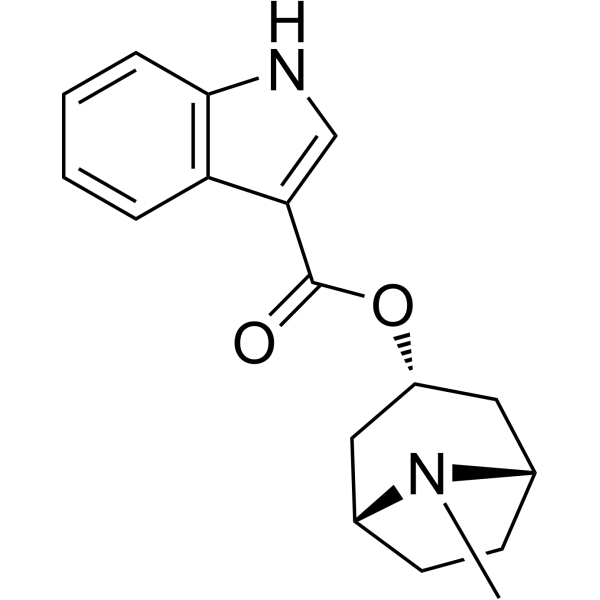
    Tropisetron
    4 Publications Verification

    SDZ-ICS-930 free base

    5-HT Receptor nAChR p38 MAPK NF-κB AP-1 Nuclear Factor of activated T Cells (NFAT) JAK Neurological Disease Inflammation/Immunology Cancer
    Tropisetron is an orally active 5-HT3R antagonist (Ki = 5.3 nM) as well as being a potent and selective α7 nicotinic partial agonist (EC50 = 1.3 μM). Tropisetron prevents phosphorylation and activation of the p38 MAPK. Tropisetron inhibits both IL-2 gene transcription and IL-2 synthesis in stimulated T cells. Tropisetron inhibits the binding to DNA and the transcriptional activity of NFAT and AP-1. Tropisetron is anti-inflammatory and antiemetic. Tropisetron has antitumor and neuroprotective effects. Tropisetron can be studied in research for diseases including hemorrhagic cystitis, chronic joint inflammation, lung cancer and chronic cerebral hypoperfusion .
    Tropisetron
  • HY-175287

    Integrin Cancer
    α5β1 integrin agonist-2 (Compound 2) is a selective α5β1 integrin agonist (EC50 = 45.98 nM). α5β1 integrin agonist-2 induces integrin activation. α5β1 integrin agonist-2 is applicable to the research of leukemia .
    α5β1 integrin agonist-2
  • HY-P1684
    Peptide P60
    1 Publications Verification

    FOXP3 inhibitor P60

    NF-κB Nuclear Factor of activated T Cells (NFAT) Infection Inflammation/Immunology Cancer
    Peptide P60 is a FOXP3 inhibitor. Peptide P60 reduces the nuclear translocation of FOXP3 and impairs FOXP3-mediated inhibition of NF-κB and NFAT activity. Peptide P60 inhibits the immunosuppressive activity of regulatory T cells and restores the proliferation and activation of effector T cells. Peptide P60 induces lymphoproliferative autoimmune syndrome in neonatal ICR mice and reduces the number of CD4 +CD25 +Foxp3 + T cells in the spleen. Peptide P60 enhances the efficacy of AH1 (HY-P4193) peptide vaccine and recombinant adenovirus-based HCV NS3 vaccine in BALB/c mice, including protective effects against CT26 tumor implantation. Peptide P60 can be used in studies related to tumor immunity, viral infection and lymphoproliferative autoimmune syndrome .
    Peptide P60
  • HY-P99884

    PF-06801591

    PD-1/PD-L1 Inflammation/Immunology Cancer
    Sasanlimab is a humanized IgG4 isotype anti-PD-1 antibody. Sasanlimab blocks PD-1 interaction with PD-L1/PD-L2, reverses PD-1-mediated inhibitory T-cell signaling, augments T-cell proliferation and cytokine production. Sasanlimab inhibits colon adenocarcinoma tumor growth, and accelerates graft-versus-host disease incidence via enhanced T-cell activity. Sasanlimab can be used for the research of cancer, such as bladder cancer and colon adenocarcinoma .
    Sasanlimab
  • HY-174830

    PD-1/PD-L1 Cancer
    GJ19 is a PD-L1 inhibitor with an IC50 of 32.06 nM. GJ19 can effectively bind to human/murine PD-L1 protein with Kd values of 171 and 290 nM, respectively. GJ19 concentration-dependently promotes HepG2 cell mortality in a co-culture model of HepG2/hPD-L1 and Jurkat T/hPD-1 cells. GJ19 effectively suppresses tumor growth in a B16-F10 melanoma mouse model. GJ19 can be used for the study of tumor immunotherapy .
    GJ19
  • HY-14622B

    RIP kinase Cardiovascular Disease Neurological Disease
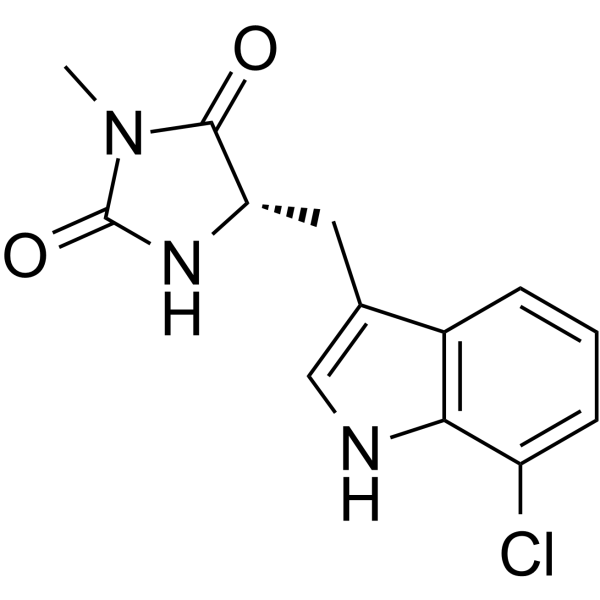
    Necrostatin 2 S enantiomer is the S enantiomer of Necrostatin 2 (HY-14622). Necrostatin 2 S enantiomer inhibits TNF-α-induced necroptosis in Jurkat T cells. Necrostatin 2 S enantiomer can be used for the research of ischemic brain injury (stroke) .
    Necrostatin 2 (S enantiomer)
  • HY-164548

    HSP Apoptosis PI3K Akt NF-κB Inflammation/Immunology Cancer
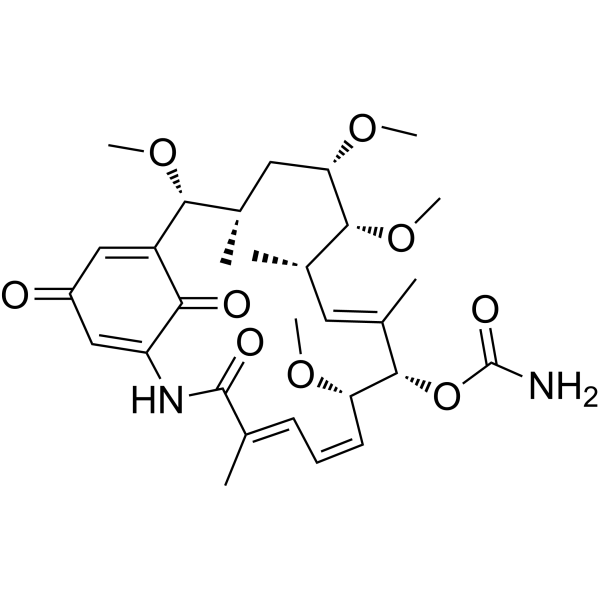
    WK88-1 is an apoptosis inducer and Hsp90 client protein inhibitor with antiproliferative and immunomodulatory activities. WK88-1 inhibits signaling pathways such as PI3K/Akt and NF-κB, and induces mitochondrial dysfunction and cell cycle arrest. WK88-1 effectively suppresses cancer cell migration and invasion, and reverses various EGFR mutations and resistance to Gefitinib (HY-50895). WK88-1 also regulates the differentiation of monocytes and dendritic cells, blocks the expression of multiple chemokines, inhibits immune cell migration and M1 marker transcription, and restores impaired endocytic activity. WK88-1 has been used in studies of breast cancer, non-small cell lung cancer with various EGFR mutations or Met amplification, and atherosclerosis and other related diseases .
    WK88-1
  • HY-118917

    IMPDH Inflammation/Immunology
    VX-148 is an orally active immunosuppressant, which is a non-competitive inosine-5'-monophosphate dehydrogenase (IMPDH) inhibitor with Ki values for IMPDH Ⅱ and IMPDH Ⅰ of 6 and 14 nM respectively. VX-148 can significantly inhibit the proliferation of human peripheral blood mononuclear cells (PBMC) stimulated by T-cell mitogen (PHA) or B-cell mitogen (SPAS). VX-148 has high selectivity for lymphocytes (such as L1210, Jurkat T cells, and Raji B cells), but has no significant toxicity to non-lymphoid cells. VX-148 can inhibit antibody responses in mouse models and significantly prolong the survival time of transplanted skin in allogeneic skin transplantation models. VX-148 can be used in the research of autoimmune diseases (such as rheumatoid arthritis, psoriasis) and organ transplantation anti-rejection .
    VX-148
  • HY-157469

    NPD3064

    HIV Infection
    TNT-i (NPD3064) is an inhibitor targeting M-Sec. TNT-i inhibits M-Sec-induced tunneling nanotube (TNT) formation reversibly. TNT-i reduces wild-type HIV-1 production in macrophages and M-Sec-expressing T cells. TNT-i shows low cytotoxic effects on macrophages and T cells. TNT-i can be used for the research of HIV-1 infection .
    TNT-i
  • HY-172107

    MAP4K Interleukin Related Inflammation/Immunology Cancer
    HPK1-IN-56 (Compound A29) is a HPK1 inhibitor (IC50: 2.70 nM). HPK1-IN-56 inhibits downstream p-SLP76 (IC50: 8.1 nM in Jurkat T cells). HPK1-IN-56 induces the production of IL-2 in human PBMCs. HPK1-IN-56 has anticancer effect, enhances T-cell killing ability and the antitumor efficacy of anti-PD-1 antibody .
    HPK1-IN-56
  • HY-161335

    MAP4K Interleukin Related IFNAR Cancer
    HPK1-IN-43 (compound 9f) is a HPK1 kinase inhibitor with the IC50 value of 0.32 nM. HPK1-IN-43 inhibits the phosphorylation of the downstream protein SLP-76 and enhances the secretion of interleukin-2 (IL-2) and interferon-γ (IFN-γ). HPK1-IN-43 can be used in cancer research .
    HPK1-IN-43
  • HY-162643

    PD-1/PD-L1 PARP Cancer
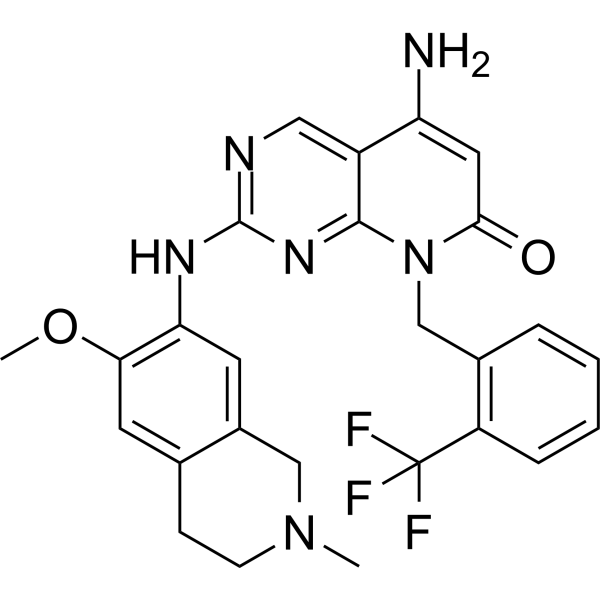
    Antitumor agent-169 (Compound B3) is a dual inhibitor PD-1/PD-L1 interaction and PARP7, with IC50s of 0.426 μM and 2.50 nM. Antitumor agent-169 exhibits an affinity to human PD-L1, with Ki of 20.2 nM. Antitumor agent-169 restores the T cell function, increases IFN-γ secretion. Antitumor agent-169 inhibits cell viability of MDA-MB-231 and Jurkat T, exhibits antitumor efficacy against melanoma in mouse model and good pharmacokinetic characteristics .
    Antitumor agent-169
  • HY-N0990

    Others Cancer
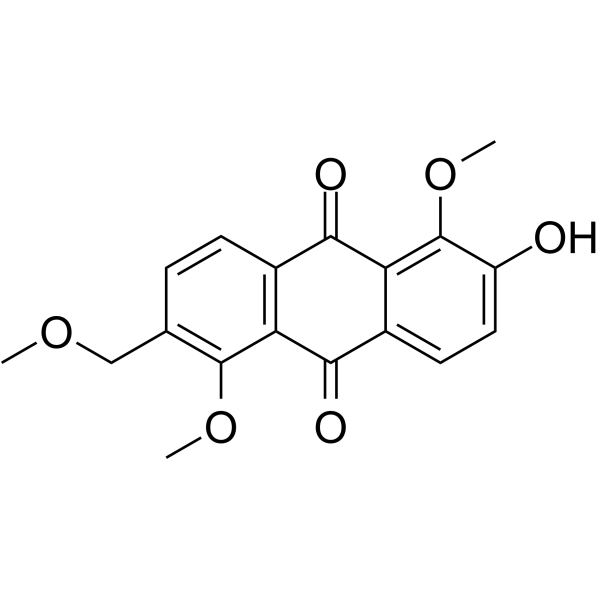
    1,5,15-Trimethylmorindol is an anthraquinone isolated from the leaves of Morinda citrifolia. 1,5,15- trimethylmorindol (25 μg/mL) does not show significant cytotoxic activity on the human T-cell leukemia cell line, Jurkat, by itself but it shows cytotoxicity (IC50 14.5-15.0 μg/mL) when combined with 0.5-1.5 μg/mL of TRAIL in the cell proliferation assay .
    1,5,15-Trimethylmorindol
  • HY-181648

    Galectin Apoptosis Cancer
    Gal-1-IN-1 is a potent and selective human galectin-1 (hGal-1) inhibitor with a Ki of 0.022 μM. Gal-1-IN-1 blocks hGal-1 binding to tumor cells and suppresses human galectin-1-induced pre-apoptosis state. Gal-1-IN-1 reduces hGal-1-expressing cancer cell viability. Gal-1-IN-1 can be used for the research of breast cancer .
    Gal-1-IN-1
  • HY-181507

    CD28 IFNAR TNF Receptor Interleukin Related Cancer
    CD28-IN-3 is a CD28 inhibitor with an IC50 of 7.80 μM and a Kd of 52.45 μM. CD28-IN-3 selectively blocks the CD28-B7 interaction, thereby inhibiting CD28-mediated costimulation. CD28-IN-3 suppresses the production of proinflammatory cytokines IFN-γ, IL-2 and TNF-α. CD28-IN-3 can be used in the research of checkpoint-resistant cancers .
    CD28-IN-3
  • HY-183887

    PD-1/PD-L1 Cancer
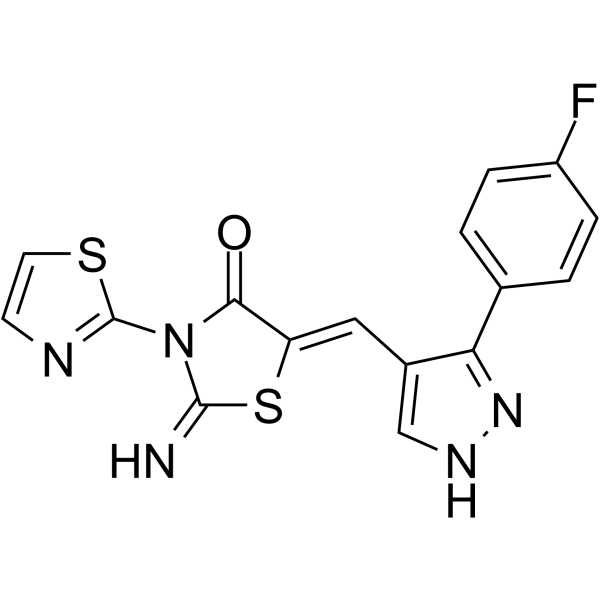
    PD-L1-IN-11 is a PD-L1 inhibitor with human PD-L1 IC50 and KD of 27.82 μM and 49.50 μM, respectively. PD-L1-IN-11 directly binds to PD-L1 via a dimer-locking mechanism, occluding the PD-1 interaction surface to disrupt PD-1/PD-L1 interaction. PD-L1-IN-11 can be used for the research of melanoma, colon carcinoma .
    PD-L1-IN-11
  • HY-182335

    Itk Trk Receptor Interleukin Related IFNAR Inflammation/Immunology
    PF-07245303 is a ITK/TRK inhibitor. PF-07245303 reduces the production of inflammatory cytokines such as IL-4 and IFNγ, and inhibits the phosphorylation of PLCγ1. PF-07245303 inhibits nerve growth factor-induced basophil activation and the phosphorylation of TRKA. PF-07245303 reduces oxazolone-induced ear swelling in mouse ear tissues. PF-07245303 is applicable to research related to atopic dermatitis .
    PF-07245303
  • HY-N19727

    Interleukin Related IFNAR TNF Receptor Apoptosis Infection Cancer
    Chamissonolide is a sesquiterpene lactone with cytotoxic, anti-inflammatory and trypanocidal activities. Chamissonolide reduces the mRNA levels of IL-2, IFN-γ, GM-CSF, iNOS and TNF-α, and upregulates the mRNA level of NF-ATc. Chamissonolide decreases the population of naturally occurring apoptotic cells. Chamissonolide can be used in research related to tumors, African trypanosomiasis and Chagas disease .
    Chamissonolide
  • HY-182550

    Dihydroorotate Dehydrogenase Cancer
    Indoluidin D is a selective dihydroorotate dehydrogenase (DHODH) inhibitor with a human DHODH IC50 of 210 nM. Indoluidin D selectively inhibits human DHODH activity, with induced effects rescuable by orotic acid. Indoluidin D promotes myeloid differentiation and inhibits cancer cell proliferation. Indoluidin D can be used for the research of acute promyelocytic leukemia .
    Indoluidin D
  • HY-186178

    CD38 Metabolic Disease Inflammation/Immunology
    CD38-IN-6 is an orally active CD38 inhibitor. CD38-IN-6 regulates NAD + metabolite levels in the liver of aged obese mice by increasing NAD + and NMN levels, and decreasing NAM and ADPR levels. CD38-IN-6 alleviates inflammatory responses in mice. CD38-IN-6 can be used for research related to obesity and inflammation .
    CD38-IN-6
  • HY-182374

    Dipeptidyl Peptidase Apoptosis Cancer
    AX8819 is a selective dipeptidyl peptidase II (DPP II) inhibitor with an IC50 of 0.88 nM. AX8819 induces caspase-dependent apoptosis. AX8819 exhibits low non-specific toxicity toward proliferating T cells. AX8819 can be used for the research of B cell chronic lymphocytic leukemia .
    AX8819
  • HY-N15339A

    Sigma Receptor Neurological Disease
    Convolamine hydrochloride is a tropane alkaloid and a potent Sigma-1 receptor positive allosteric modulator with an IC50 value of 289 nM. Convolamine hydrochloride can be extracted from Convolvulus plauricalis. Convolamine hydrochloride exhibits cognitive-improving and neuroprotective properties. Convolamine hydrochloride can be used in research related to Wolfram syndrome and Alzheimer's disease .
    Convolamine hydrochloride
  • HY-112448

    Src Interleukin Related Inflammation/Immunology
    Lck-IN-6 (Compound 12g) is a Lck inhibitor with an IC50 of 3 nM. Lck-IN-6 inhibits the production of IL-2. Lck-IN-6 can be used in the research of rheumatoid arthritis and inflammatory bowel disease .
    Lck-IN-6

Inquiry Online

Your information is safe with us. * Required Fields.

Salutation


Country or Region *

Applicant Name *


Organization Name *

Department *


Email Address *


Product Name *

Cat. No.


Requested quantity *

Phone Number *


Remarks

Inquiry Online

Inquiry Information

Product Name:
Cat. No.:
Quantity:
MCE Japan Authorized Agent:

