1. Search Result
Search Result
Pathways Recommended: Stem Cell/Wnt Cell Cycle/DNA Damage
Results for "

Kidney cells

" in MedChemExpress (MCE) Product Catalog:

276

Inhibitors & Agonists

3

Screening Libraries

3

Fluorescent Dye

11

Biochemical Assay Reagents

24

Peptides

10

Inhibitory Antibodies

43

Natural
Products

1

Recombinant Proteins

9

Isotope-Labeled Compounds

3

Antibodies

2

Click Chemistry

14

Oligonucleotides

Cat. No. Product Name Target Research Areas Chemical Structure
  • HY-112879
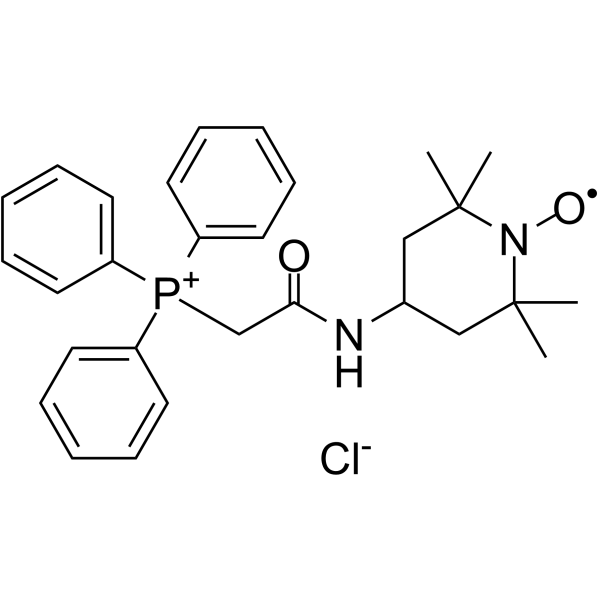
    Mito-TEMPO
    Maximum Cited Publications
    164 Publications Verification

    Calcium Channel PINK1/Parkin Mitochondrial Metabolism Apoptosis Autophagy NOD-like Receptor (NLR) Cardiovascular Disease Neurological Disease Metabolic Disease Inflammation/Immunology
    Mito-TEMPO is a mitochondria-targeted antioxidant. Mito-TEMPO induces mitophagy by activating the PINK1/Parkin pathway, inhibits NLRP3 inflammasome activation, restores mitochondrial membrane potential, and improves renal function and podocyte injury. Mito-TEMPO regulates Ca 2+ homeostasis, inhibits Bnip3 overexpression, shortens action potential duration, and exerts antiarrhythmic effects. Mito-TEMPO reverses premature senescence, reduces trabecular bone loss, and decreases cell apoptosis. Mito-TEMPO can be used in studies of chronic kidney disease, age-related cardiac dysfunction, postmenopausal osteoporosis, and ischemic stroke .
    Mito-TEMPO
  • HY-B1123
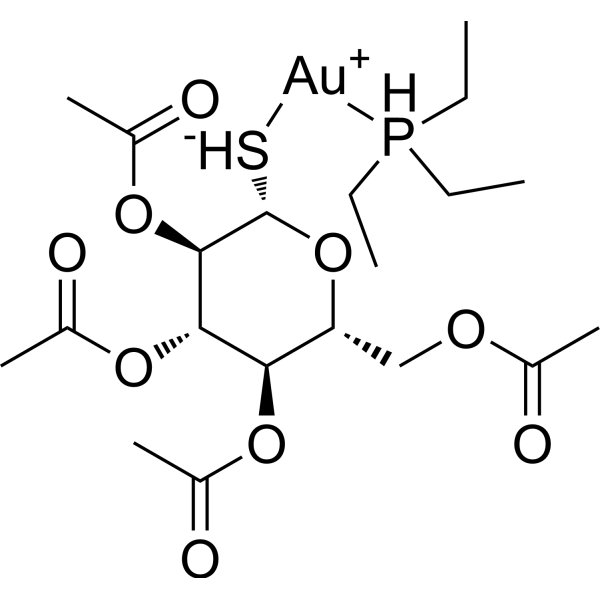
    Auranofin
    35+ Cited Publications

    SKF-39162

    Bacterial SARS-CoV Infection Inflammation/Immunology Cancer
    Auranofin (SKF-39162) is a thioredoxin reductase (TrxR) inhibitor with an IC50 of 0.2 μM. Auranofin exhibits antiviral activity against SARS-CoV21, with a CC50 of 4.2 μM for monkey kidney Vero E6 cells.
    Auranofin
  • HY-N0164
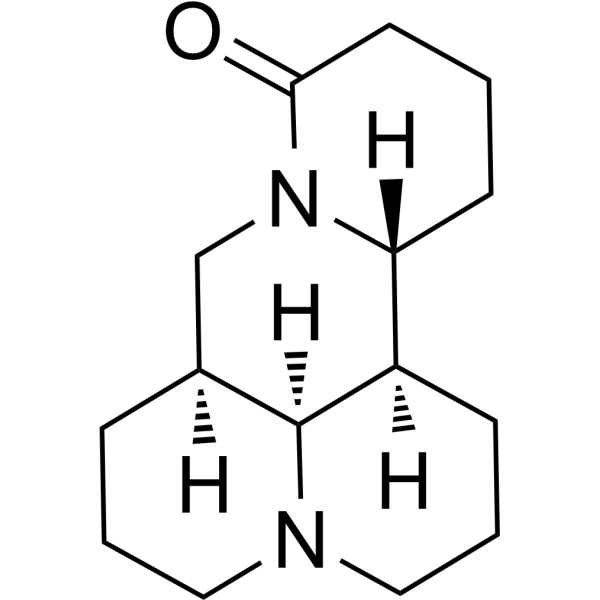
    Matrine
    15+ Cited Publications

    Matridin-15-one; Vegard; α-Matrine

    PINK1/Parkin Opioid Receptor Autophagy Mitophagy Ferroptosis Apoptosis Inflammation/Immunology Cancer
    Matrine (Matridin-15-one) is an alkaloid found in plants from the Sophora genus that can act as a kappa opioid receptor and u-receptor agonist. Matrine has a variety of pharmacological effects, including anti-cancer, anti-oxidative stress, anti-inflammation and anti-apoptosis effects. Matrine is potential in the research of disease like human non-small cell lung cancer, hepatoma, papillary thyroid cancer and acute kidney injury (AKI) .
    Matrine
  • HY-139290
    RGLS4326
    2 Publications Verification

    RG4326

    MicroRNA Metabolic Disease Cancer
    RGLS4326 (RG4326) is a first-in-class, short oligonucleotide inhibitor of microRNA-17 (miR-17). RGLS4326 can be used for the research of autosomal dominant polycystic kidney disease (ADPKD). RGLS4326 inhibits miR-17 function in HeLa cells with an EC50 value of 28.3 nM .
    RGLS4326
  • HY-100594
    EUK-134
    1 Publications Verification

    NF-κB Cardiovascular Disease
    EUK-134, a synthetic superoxide dismutase and catalase mimetic, protects rat kidneys from ischemia-reperfusion-induced damage. EUK-134 is a superoxide dismutase (SOD) mimetics (SODm) with catalase activity. EUK-134 is a mitoprotective antioxidant. EUK-134 reduces the expression of NF-κB, MDA level, and protein carbonylation in H9C2 cells .
    EUK-134
  • HY-P990083

    AT-1501

    TNF Receptor Inflammation/Immunology
    Tegoprubart (AT-1501) is a CD40 ligand inhibitor (EC50=100 ng/mL) and immunosuppressant that selectively inhibits the CD40 ligand, a co-stimulatory molecule involved in T cell activation. Tegoprubart suppresses immune rejection, prevents rejection in animal transplantation models, and reduces cell-mediated and antibody-mediated immune responses to create a more immunotolerant environment. Tegoprubart preserves renal function when combined with Mycophenolate (HY-B0421) and Corticosteroids, and maintains graft function in preclinical studies. Tegoprubart is applicable to research related to kidney transplantation and kidney transplant rejection .
    Tegoprubart
  • HY-P10899

    PROTACs TGF-beta/Smad Endocrinology
    ETTAC-2 is a LRG1 PROTAC degrader, degrading LRG1 via the ubiquitin-proteasome pathway with a DC50 value of 8.38 μM. ETTAC-2 penetrates damaged renal cells to reduce the extracellular secretion of LRG1. ETTAC-2 effectively inhibits the TGF-β-Smad3 signaling pathway and diminishes the secretion of fibrosis-associated extracellular matrix proteins. ETTAC-2 degrades LRG1 within fibrotic kidneys and the efficacy in inhibiting the TGF-β-Smad3 pathway both in vitro and vivo. ETTAC-2 can be used for renal fibrosis research .
    ETTAC-2
  • HY-N1990
    Gypenoside XLIX
    2 Publications Verification

    PPAR Sirtuin Keap1-Nrf2 Toll-like Receptor (TLR) NF-κB Reactive Oxygen Species (ROS) NOD-like Receptor (NLR) Apoptosis Pyroptosis Autophagy Cardiovascular Disease Neurological Disease Metabolic Disease Inflammation/Immunology
    Gypenoside XLIX is a multifunctional bioactive compound that can be isolated from Gynostemma pentaphyllum, with a Ka value of 1.58 μM for its binding to SIRT1. Gypenoside XLIX acts as a PPAR-α agonist. It inhibits the activation of TLR4-mediated NF-κB signaling pathway by activating the Sirt1/Nrf2 signaling pathway, reduces ROS accumulation, and alleviates hepatic inflammatory injury in mice with sepsis-induced liver disease. Gypenoside XLIX targets SIRT1 to block YAP-NLRP3 activation and improve sepsis-induced cardiomyopathy. Gypenoside XLIX inhibits apoptosis (Apoptosis), pyroptosis (Pyroptosis), autophagy (Autophagy), lipid peroxidation, pro-inflammatory cytokines and anti-inflammatory cytokines. Gypenoside XLIX alleviates sepsis-induced splenic injury by inhibiting inflammation and oxidative stress, and mitigates sepsis-associated encephalopathy by targeting PPAR-α. Gypenoside XLIX prevents acute kidney injury by inhibiting IGFBP7/IGF1R-mediated programmed cell death and inflammation. Gypenoside XLIX inhibits the expression and activity of vascular cell adhesion molecule-1 in cytokine-induced human endothelial cells. Gypenoside XLIX is applicable to research related to acute liver injury, lung injury, cardiomyopathy, acute splenic injury, sepsis-associated encephalopathy, acute kidney injury, atherosclerosis and chronic inflammation .
    Gypenoside XLIX
  • HY-120929
    BI8622
    4 Publications Verification

    E1/E2/E3 Enzyme c-Myc Inflammation/Immunology Cancer
    BI8622 is a specific inhibitor of the ubiquitin ligase HUWE1 with an IC50 of 3.1 μM. BI8622 can decrease the protein expression levels of c-myc and glycolytic markers as well as immune modulatory markers after HUWE1 inhibition in triple-negative breast cancer (TNBC) cell lines. BI8622 significantly protects against cisplatin (HY-17394)-induced acute kidney injury (AKI). BI8622 significantly reduces the growth of multiple myeloma (MM) cell lines and induces cell cycle arrest. BI8622 can prevent HUWE1-dependent TTBK2 ubiquitination. BI8622 can be studied in research for various diseases including medulloblastoma, acute kidney injury, breast cancer and MM .
    BI8622
  • HY-Y1117
    Melamine
    1 Publications Verification

    Environmental Pollutants Drug Metabolite Apoptosis COX NADPH Oxidase NF-κB ROS Kinase TGF-β Receptor Neurological Disease Inflammation/Immunology Cancer
    Melamine is an orally active inducer of Apoptosis. Melamine induces animal disease models. Melamine affects the activity of Sertoli cell and can be used for research on male reproductive function. Melamine also has neurotoxicity and nephrotoxicity. Melamine induces cognitive impairment and acute kidney injury models. Melamine can also be used to induce bladder cancer and urinary stone models .
    Melamine
  • HY-10325
    CL-387785
    2 Publications Verification

    EKI-785; WAY-EKI 785

    EGFR Apoptosis Endocrinology Cancer
    CL-387785 (EKI-785; WAY-EKI 785) is an orally active EGFR inhibitor with an IC50 of 370 pM. CL-387785 inhibits EGF-stimulated EGFR autophosphorylation with an IC50 of approximately 5 nM. CL-387,785 exerts selective inhibition on cell lines overexpressing EGFR or c-erbB-2, whereas it shows weak inhibitory effects on cell lines with low expression of these two receptors. CL-387785 effectively induces cell cycle arrest and apoptosis. CL-387785 can be used for the research of non-small cell lung cancer and autosomal recessive polycystic kidney disease .
    CL-387785
  • HY-125944
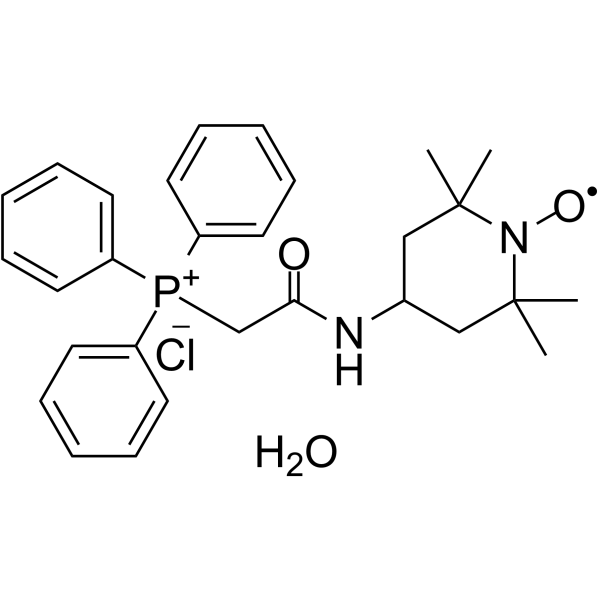
    MitoTEMPO hydrate
    Maximum Cited Publications
    164 Publications Verification

    Mitochondrial Metabolism PINK1/Parkin NOD-like Receptor (NLR) Autophagy Calcium Channel Apoptosis Cardiovascular Disease Neurological Disease Metabolic Disease Endocrinology
    MitoTEMPO hydrate is a mitochondria-targeted antioxidant . MitoTEMPO hydrate induces mitophagy by activating the PINK1/Parkin pathway, inhibits NLRP3 inflammasome activation, restores mitochondrial membrane potential, and improves renal function and podocyte injury. MitoTEMPO hydrate regulates Ca 2+ homeostasis, inhibits Bnip3 overexpression, shortens action potential duration, and exerts antiarrhythmic effects. MitoTEMPO hydrate reverses premature senescence, reduces trabecular bone loss, and decreases cell apoptosis. MitoTEMPO hydrate can be used in studies of chronic kidney disease, age-related cardiac dysfunction, postmenopausal osteoporosis, and ischemic stroke .
    MitoTEMPO hydrate
  • HY-P99152

    Muromanab-CD3

    CD3 Interleukin Related IFNAR Inflammation/Immunology Cancer
    Muromonab (Muromonab-CD3; OKT3) is a mouse monoclonal antibody targeting the CD3 antigen. Muromonab specifically binds to the CD3 antigen on the surface of human and higher primate T cells. Muromonab blocks the function of T cell receptors to recognize foreign antigens and inhibits T cell-mediated immune responses, including cell-mediated lymphocyte lysis and T cell proliferation responses. Muromonab can be used to study acute kidney, liver, heart and combined kidney-pancreas transplant rejection, and can also be used to study graft-versus-host disease in bone marrow transplant patients .
    Muromonab
  • HY-N0249
    Saikosaponin C
    2 Publications Verification

    MMP Infection Inflammation/Immunology
    Saikosaponin C is an orally active MMP-2 inducer. Saikosaponin C induces the survival, growth, migration and capillary tube formation of endothelial cells. Saikosaponin C inhibits the early stage of hepatitis C virus infection. Saikosaponin C can be used in research related to ischemic tissue diseases, chronic kidney diseases and hepatitis C virus infection .
    Saikosaponin C
  • HY-P99302

    BMS-931699 Antibody

    CD28 Inflammation/Immunology
    Lulizumab (Humanized Anti-CD28 Recombinant Antibody) is an anti-CD28 domain antibody antagonist. Lulizumab inhibits T-cell activation by selectively targeting the CD28 signal. In a sensitized non-human primate kidney transplantation model, when combined with Carfilzomib (HY-10455), Lulizumab can regulate immune cells and prolong the survival time of the graft .
    Lulizumab
  • HY-P4053

    Opioid Receptor Neurological Disease
    Dalargin is a potent δ-opioid receptor agonist. Dalargin mitigates Gentamicin (HY-A0276)-induced cell death. Dalargin shows nephroprotective effects on Gentamicin (HY-A0276A)-induced kidney injury. Dalargin shows antiulcer activity .
    Dalargin
  • HY-W012575

    Reactive Oxygen Species (ROS) Inflammation/Immunology
    2,4-Dihydroxybenzoic acid is a degradation product of acid cherry anthocyanins during in vitro cell culture and an analogue of coenzyme Q precursor molecules. 2,4-Dihydroxybenzoic acid can improve the related symptoms of kidney diseases caused by ADCK4/Coq6 deficiency .
    2,4-Dihydroxybenzoic acid
  • HY-139401

    FAP Cancer
    FAPI-34 is a SPECT imaging agent targeting FAP. FAPI-34 specifically binds to FAP, is highly internalized by FAP-expressing cells, accumulates in FAP-expressing tumor lesions, and shows low uptake in normal tissues except the kidneys. FAPI-34 is applicable for tumor-related research .
    FAPI-34
  • HY-144425

    NEKs Inflammation/Immunology
    BSc5367 is a potent Nek1 inhibitor with an IC50 of 11.5 nM. NIMA-related protein kinase Nek1 is crucially involved in cell cycle regulation, DNA repair and microtubule regulation and dysfunctions of Nek1 play key roles in amyotrophic lateral sclerosis (ALS), polycystic kidney disease (PKD) and several types of radiotherapy resistant cancer .
    BSc5367
  • HY-155751

    Interleukin Related TNF Receptor NOD-like Receptor (NLR) Inflammation/Immunology
    HMGB1-IN-1 (compound 6) displays strong NO inhibitory effect in RAW264.7 cells with IC50 value of 15.9 ± 0.6 μM. HMGB1-IN-1 inhibit the HMGB1/NF-κB/NLRP3 pathway. HMGB1-IN-1 shows good anti-inflammatory activity and good anti-sepsis effects in kidney injury .
    HMGB1-IN-1
  • HY-173425

    STING IFNAR TNF Receptor Interleukin Related Inflammation/Immunology
    STING-IN-15 is an orally active STING inhibitor, with an IC50 of 116 nM against h-STING and an IC50 of 96.3 nM against m-STING. STING-IN-15 inhibits the STING signaling pathway in cells, reduces the secretion of IFN-β and IP-10, downregulates the expression of ISG15, ISG56 and TNF-α, and suppresses the phosphorylation of TBK1/IRF3. STING-IN-15 alleviates systemic and renal inflammation induced by STING agonists in mice, reduces tissue damage and the expression of interferon pathway genes, and inhibits spontaneous tissue inflammation in mice. STING-IN-15 can be used for the research of acute kidney injury and autoimmune/inflammatory diseases .
    STING-IN-15
  • HY-Y1840

    Drug Derivative Neurological Disease
    3-Methoxyphenol is a phenolic compound that is biologically toxic. 3-Methoxyphenol is systemically absorbed, disrupts the function of the liver, kidneys, central nervous system, and redox processes, and increases levels of Hb, red blood cells, and white blood cells in the body.
    3-Methoxyphenol
  • HY-14179
    PPQ-102
    4 Publications Verification

    CFTR Inhibitor

    CFTR Others
    PPQ-102 (CFTR Inhibitor) is a reversible CFTR inhibitor that completely inhibits CFTR chloride currents (IC50 ~90 nM). PPQ-102 is not affected by membrane potential-dependent cell allocation or blocking efficiency (uncharged at physiological pH) and effectively prevents cyst enlargement in polycystic kidney disease .
    PPQ-102
  • HY-W011220
    Ciglitazone
    1 Publications Verification

    ADD-3878; U-63287

    PPAR Cardiovascular Disease Cancer
    Ciglitazone is a potent and selective PPARγ agonist (EC50=3 μM). Ciglitazone inhibits proliferation and differentiation of th17 cells. Ciglitazone is a hypoglycemic agent orally active in the obese-hyperglycemic animal models. Ciglitazone induces apoptosis accompanied by activation of p38 MAPK and nuclear translocation of apoptosis inducing factor (AIF) in opossum kidney (OK) renal epithelial cells .
    Ciglitazone
  • HY-N125722

    Aabomycin A1

    ATP Synthase Antibiotic Infection
    Venturicidin A (Aabomycin A1), from actinomycetes, is a membrane-active natural product inhibitor of ATP synthase. Venturicidin A potentiates the aminoglycoside antibiotic gentamicin against multidrug-resistant clinical isolates of Staphylococcus, Enterococcus, and Pseudomonas aeruginosa. Venturicidin A shows noticeable toxicity toward human embryonic-kidney (HEK)cells with an IC50 of 31 μg/mL.
    Venturicidin A
  • HY-P2997
    γ-glutamyltransferase, Porcine kidney
    1 Publications Verification

    GGT, Porcine Kidney

    Endogenous Metabolite Cancer
    γ-glutamyltransferase, Porcine kidney (GGT, Porcine kidney) is an enzyme located on the outer surface of the cell membrane. γ-glutamyltransferase, Porcine kidney maintains the physiological concentration of cytoplasmic glutathione and the cell's defense against oxidative stress by cleaving extracellular glutathione and increasing the availability of amino acids. γ-glutamyltransferase, Porcine kidney is used for pancreatic cancer research .
    γ-glutamyltransferase, Porcine kidney
  • HY-108589

    PNU 37883A

    Potassium Channel Neurological Disease
    PNU 37883 hydrochloride (PNU 37883A) is a selective vascular ATP-sensitive potassium (Kir6, KATP) channels blocker. PNU 37883 hydrochloride has diuretic effects with specific binding in kidney and vascular smooth muscle rather than in brain or pancreatic beta cells .
    PNU 37883 hydrochloride
  • HY-P6084

    NOD-like Receptor (NLR) p38 MAPK Apoptosis Inflammation/Immunology
    RP-220 is a renalase peptide targeting NLRP3. RP220 has anti-inflammatory and anti-apoptotic activities. RP220 inhibits renal tubular epithelial cells apoptosis with alkaline insult by activating MAPK signaling pathway. RP220 significantly inhibits NLRP3 expression and reduces macrophage infiltration and kidney tissue damage in acute kidney injury (AKI) mice model. RP-220 can be uses for systemic lupus erythematosus (SLE) and its complication lupus nephritis (LN) research .
    RP-220
  • HY-P1769

    Angiotensin Receptor Metabolic Disease Endocrinology
    Angiotensin II (5-8), human is an endogenous C-terminal fragment of the peptide vasoconstrictor angiotensin II . Angiotensin II binds the AT II type 1 (AT1) receptor, stimulating GPCRs in vascular smooth muscle cells and increasing intracellular Ca 2+ levels. Angiotensin II also acts at the Na +/H + exchanger in the proximal tubules of the kidney .
    Angiotensin II (5-8), human
  • HY-132595A

    QPI-1002 sodium

    MDM-2/p53 Cancer
    Teprasiran sodium is a small interfering RNA that temporarily inhibits p53-mediated cell death that underlies acute kidney injury (AKI) .
    Teprasiran sodium
  • HY-157395
    malonyl-NAC
    2 Publications Verification

    Pyruvate Kinase Cancer
    malonyl-NAC increases cellular propylation, resulting in reduced endogenous GAPDH activity. malonyl-NAC increases GAPDH malonylation in cells and inhibits pyruvate kinase activity. In addition, malonyl-NAC limits the metabolism and proliferation of a highly glycolytic kidney cancer cell line harboring a tricarboxylic acid cycle mutation .
    malonyl-NAC
  • HY-169266

    Bcl-2 Family Apoptosis Metabolic Disease
    BRD-K56819078 is a Bcl-2 inhibitor that significantly reduces senescent cell load and senescence-related genes in the kidney mRNA expression. BRD-K56819078 exerts anti-aging effects by inhibiting apoptosis .
    BRD-K56819078
  • HY-N7665

    Others Metabolic Disease
    Prosaikogenin G, isolated from the roots of Bupleurum chinensis DC., exhibits significant inhibitory effects on rat mesangial cell proliferation induced by Ang II. Prosaikogenin G has protective action on the kidney . Prosaikogenin G is a derivative of Saikosaponin d in the gastrointestinal tract .
    Prosaikogenin G
  • HY-Y0785

    Drug Metabolite Metabolic Disease
    Glyoxal is a cytotoxic α-oxoaldehyde. Glyoxal induces cell damage and promotes protein glycation to form advanced glycation end-products (AGEs). Glyoxal is promising for research of oxidative stress-related diseases (such as atherosclerosis, cataract, Alzheimer's disease), and the formation of calcium oxalate kidney stones .
    Glyoxal (40% w/w in water)
  • HY-139290A
    RGLS4326 sodium
    2 Publications Verification

    RG4326 sodium

    MicroRNA Cancer
    RGLS4326 sodium is a first-in-class, short oligonucleotide inhibitor of microRNA-17 (miR-17). RGLS4326 sodium can be used for the research of autosomal dominant polycystic kidney disease (ADPKD). RGLS4326 sodium inhibits miR-17 function in HeLa cells with an EC50 value of 28.3 nM .
    RGLS4326 sodium
  • HY-120441

    GK115

    Phospholipase Prostaglandin Receptor Inflammation/Immunology
    CAY10590 (GK115) is an inhibitor of secreted phospholipase A2 (sPLA2) and can be used for the research of chronic inflammatory kidney diseases .
    CAY10590
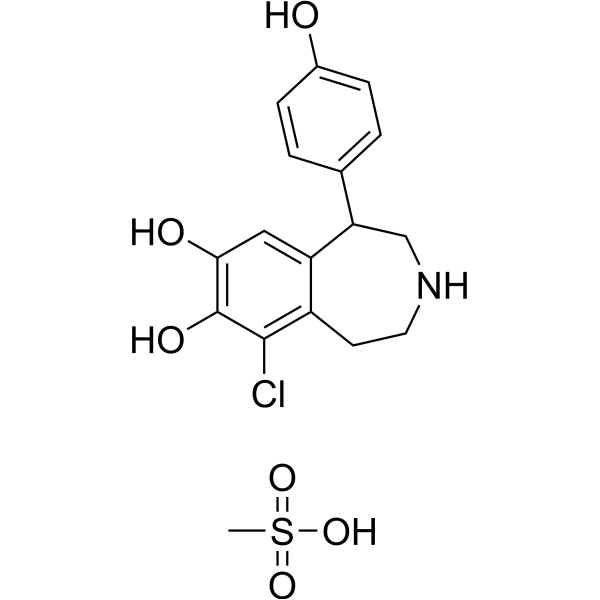
  • HY-W661499

    Phosphatase Apoptosis Reactive Oxygen Species (ROS) Caspase Cancer
    Orellanine, a nephrotoxic alkaloid found in Cortinarius orellanus, is an orally active and selective non-competitive inhibitor of alkaline phosphatase. Orellanine chelates iron, generates reactive oxygen species (ROS), induces DNA scission, forms ortho-semiquinone radicals, downregulates antioxidant defenses, and inhibits mitochondrial function. Orellanine induces caspase 8/9-mediated apoptosis. Orellanine inhibits synthesis of proteins, RNA, DNA, and mitochondrial protein synthesis, with metabolic activation required for cell-free protein synthesis inhibition. Orellanine can be used for the research of metastatic clear cell renal cell carcinoma, acute renal failure, chronic renal insufficiency, and kidney damage .
    Orellanine
  • HY-P11452

    LDLR Endocrinology
    (KKEEE)3K is a kidney-targeting peptide. (KKEEE)3K enters renal tubular cells via megalin receptor-mediated endocytosis. (KKEEE)3K can be used in the research of renal drug delivery .
    (KKEEE)3K
  • HY-132595

    QPI-1002

    Small Interfering RNA (siRNA) MDM-2/p53 Cancer
    Teprasiran (QPI-1002) is a small interfering RNA that temporarily inhibits p53-mediated cell death that underlies acute kidney injury (AKI) .
    Teprasiran
  • HY-129861

    HSV Infection Cancer
    5'-Ethynyl-2'-deoxycytidine is an inhibitor for HSV, that inhibits the cytopathic effect of HSV-1 in primary rabbit kidney cell with a MIC of 0.2 μg/mL. 5'-Ethynyl-2'-deoxycytidine inhibits the proliferation of leukemia L1210 cell with an IC50 of 64.5 μg/mL .
    5'-Ethynyl-2'-deoxycytidine
  • HY-Y0785S

    Isotope-Labeled Compounds Drug Metabolite Metabolic Disease
    Glyoxal-d2 is the deuterium labeled Glyoxal (HY-Y0785). Glyoxal is a cytotoxic α-oxoaldehyde. Glyoxal induces cell damage and promotes protein glycation to form advanced glycation end-products (AGEs). Glyoxal is promising for research of oxidative stress-related diseases (such as atherosclerosis, cataract, Alzheimer's disease), and the formation of calcium oxalate kidney stones .
    Glyoxal-d2
  • HY-N11108

    Others Cancer
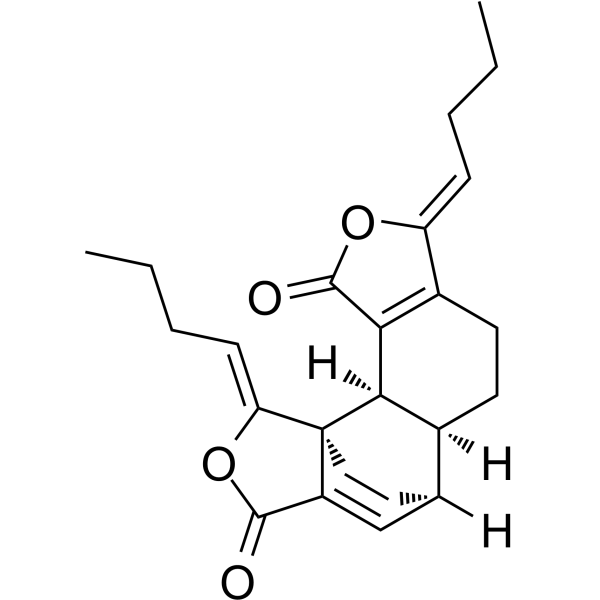
    Gochnatiolide A is a dimeric sesquiterpene that can be found in Ainsliaea henryi. Gochnatiolide A exhibits antiproliferative activity against the kidney, melanoma, ovarian-resistant and glioma cell lines .
    Gochnatiolide A
  • HY-B1123R

    SKF-39162 (Standard)

    Bacterial SARS-CoV Reference Standards Infection Inflammation/Immunology Cancer
    Auranofin (Standard) is the analytical standard of Auranofin. This product is intended for research and analytical applications. Auranofin (SKF-39162) is a thioredoxin reductase (TrxR) inhibitor with an IC50 of 0.2 μM. Auranofin exhibits antiviral activity against SARS-CoV21, with a CC50 of 4.2 μM for monkey kidney Vero E6 cells.
    Auranofin (Standard)
  • HY-P1792

    Angiotensin Receptor Metabolic Disease Endocrinology
    Angiotensin II (1-4), human is an endogenous peptide produced from AT I by angiotensin-converting-enzyme (ACE). Angiotensin II binds the AT II type 1 (AT1) receptor, stimulating GPCRs in vascular smooth muscle cells and increasing intracellular Ca 2+ levels. Angiotensin II also acts at the Na +/H + exchanger in the proximal tubules of the kidney .
    Angiotensin II (1-4), human
  • HY-W075353

    Fluorescent Dye MOFs Cancer
    TPPS can be used as a non-cytotoxic probe for detecting tumor location .
    TPPS
  • HY-149836

    Fluorescent Dye Others
    3-MeOARh-NTR is an activatable imaging probe with high selectivity, and good stability. 3-MeOARh-NTR possesses high selectivity and high signal-to-noise ratio for nitroreductase (NTR) detection, and serves as an efficient molecular tool for endogenous NTR detection .
    3-MeOARh-NTR
  • HY-151342

    Drug Derivative Others
    Ser@TPP@CUR is a Curcumin (HY-N0005) derivative. Ser@TPP@CUR effectively ameliorates injured renal tubular epithelial cells and improves renal functions of acute kidney injury (AKI) mice. Ser@TPP@CUR can be used for the research of AKI .
    Ser@TPP@CUR
  • HY-163121

    Glycosyltransferase TGF-β Receptor FAK Galectin Collagen Endocrinology Cancer
    PST3.1a is an orally active and brain-penetrant N-acetylglucosamine glycosyltransferase (MGAT5) inhibitor with a human IC50 of 2 µM. PST3.1a inhibits TGFβR and FAK signaling pathway activity. PST3.1a alters β1,6-GlcNAc N-glycans and microtubule/microfilament integrity, increases OLIG2 expression, and inhibits proliferation, migration, invasiveness, and clonogenic capacities of glioblastoma initiating cells. PST3.1a reduces invasive and proliferative capacity of glioblastoma initiating cells in orthotopic graft models, increases overall survival of orthotopic graft model mice. PST3.1a blunts MGAT5 overexpression, decreases renal fibrosis via collagen 1, collagen 4, and galectin 3 downregulation in a rat chronic kidney disease model. PST3.1a can be used for the research of glioblastoma multiforme and chronic kidney disease .
    PST3.1a
  • HY-115550

    Parasite Infection
    Chalcone 4 hydrate is an anti-parasitic agent. Chalcone 4 hydrate inhibits the growth and proliferation of Babesia and Theileria in vitro. Chalcone 4 hydrate reduces the viability of mammalian fibroblasts and kidney cells in vitro. Chalcone 4 hydrate can be used for the research of parasitic infections .
    Chalcone 4 hydrate
  • HY-147971

    Parasite Topoisomerase Infection Cancer
    Anticancer agent 75 is a potent anticancer agent. Anticancer agent 75 shows cytotoxicity and selectivity in cancer cell lines. Anticancer agent 75 shows cytotoxicity to normal human kidney cell lines is at least 35 times lower than that of the Doxorubicin standard. Anticancer agent 75 shows good activity of antiplasmodial .
    Anticancer agent 75

Inquiry Online

Your information is safe with us. * Required Fields.

Salutation


Country or Region *

Applicant Name *


Organization Name *

Department *


Email Address *


Product Name *

Cat. No.


Requested quantity *

Phone Number *


Remarks

Inquiry Online

Inquiry Information

Product Name:
Cat. No.:
Quantity:
MCE Japan Authorized Agent:

