1. Search Result
Search Result
Results for "

LC3

" in MedChemExpress (MCE) Product Catalog:

113

Inhibitors & Agonists

2

Biochemical Assay Reagents

4

Peptides

17

Natural
Products

4

Recombinant Proteins

9

Isotope-Labeled Compounds

9

Antibodies

11

Oligonucleotides

Targets Recommended:
Cat. No. Product Name Target Research Areas Chemical Structure
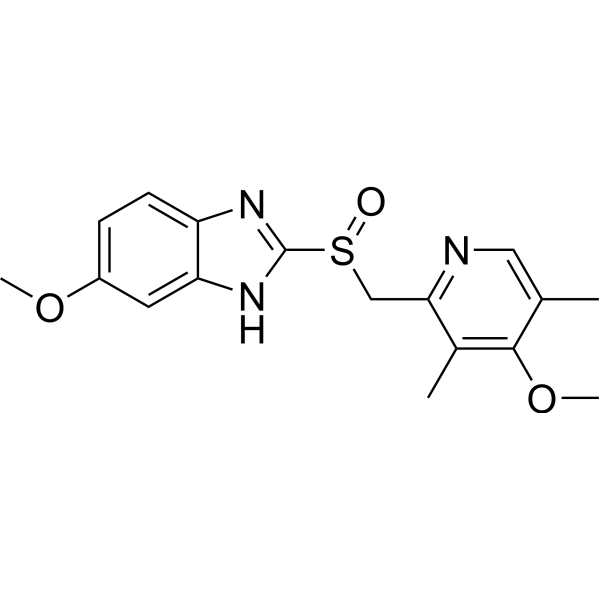
  • HY-B0113
    Omeprazole
    5+ Cited Publications

    H 16868

    Na+/K+ ATPase Proton Pump Bacterial Cytochrome P450 Apoptosis Autophagy Atg8/LC3 TNF Receptor Interleukin Related Infection Neurological Disease Inflammation/Immunology Cancer
    Omeprazole (H 16868) is an orally active H +,K +-ATPase inhibitor and a proton pump inhibitor. Omeprazole competitively inhibits CYP2C19, CYP3A4, and CYP2C9 activity. Omeprazole inhibits gastric acid secretion and can be used for acid-related gastrointestinal disorders. Omeprazole inhibits pancreatic cancer cell proliferation, induces apoptosis, autophagosome accumulation (elevated LC3-I and LC3-II levels), oxidative stress, and cytogenetic imbalance, modulates lysosomal transport, reduces inflammatory cytokines. Omeprazole alters small intestinal morphology and magnesium absorption, and induces gastric mucosa morphologic changes. Omeprazole aslo has neuroprotective and antibacterial effects [3] .
    Omeprazole
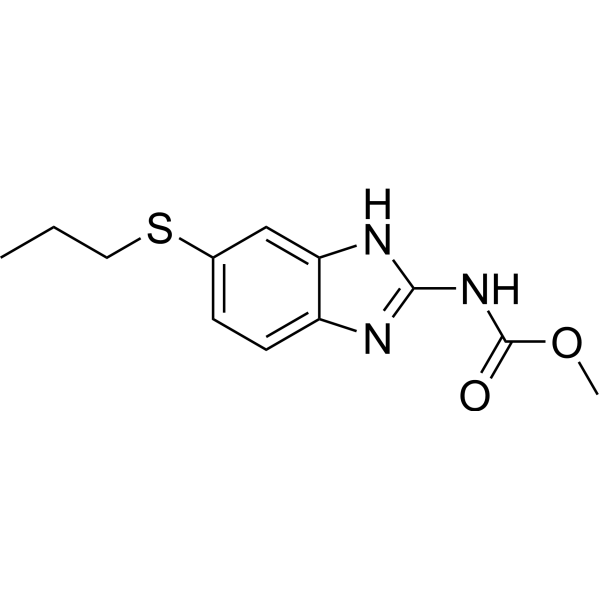
  • HY-B0223
    Albendazole
    5+ Cited Publications

    SKF-62979

    Parasite Microtubule/Tubulin Autophagy Apoptosis Reactive Oxygen Species (ROS) VEGFR HIF/HIF Prolyl-Hydroxylase Antibiotic Bacterial Infection Cancer
    Albendazole (SKF-62979) is an orally active and broad-spectrum parasiticide with high effectiveness and low host toxicity, is used for the research of gastrointestinal parasites in humans and animals. Albendazole induces apoptosis and autophagy in cancer cells. Albendazole also inhibits tubulin polymerization and HIF-1α, VEGF expression, has antioxidant activity, and inhibits the glycolytic process in cancer cells [3] .
    Albendazole
  • HY-N6796
    Manumycin A
    2 Publications Verification

    Antibiotic Exosomes Farnesyl Transferase Ras Apoptosis Phospholipase TNF Receptor Atg8/LC3 Infection Inflammation/Immunology Cancer
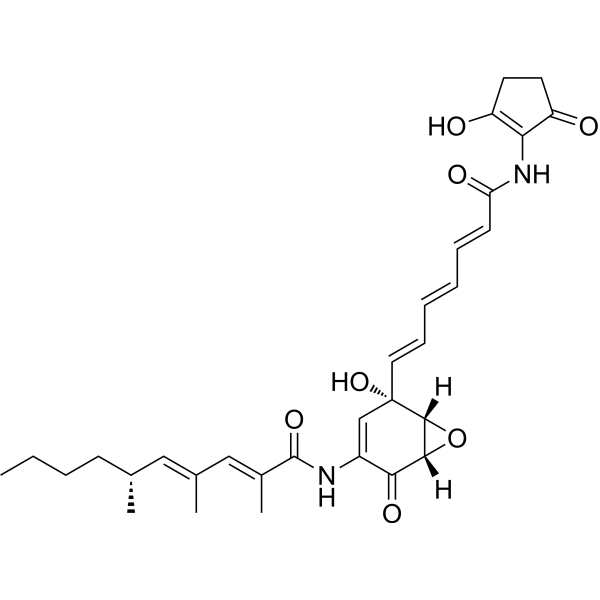
    Manumycin A is a polyketide antibiotic and an inhibitor of thioredoxin reductase 1 (TrxR-1). Manumycin A can inhibit the growth of breast cancer cells and exert its anti-tumor activity through LC3. Manumycin A can downregulate the release of pro-inflammatory cytokines in human monocytes stimulated by TNF α, and has potential anti-inflammatory activity. Manumycin A can inhibit the Ras/Raf/ERK1/2 signaling and hnRNP H1 in castration resistant prostate cancer cells to suppress exosome biogenesis and secretion [3] .
    Manumycin A
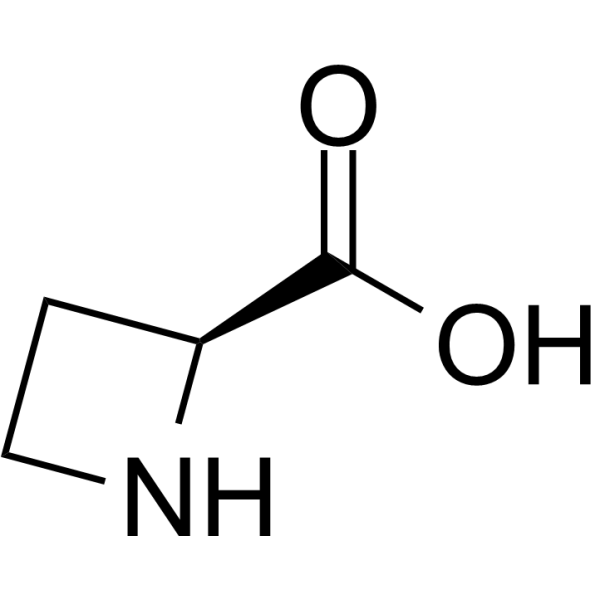
  • HY-W050044
    L-Azetidine-2-carboxylic acid
    1 Publications Verification

    Endogenous Metabolite PERK Atg8/LC3 Autophagy Bcl-2 Family Apoptosis Eukaryotic Initiation Factor (eIF) ATF6 Cardiovascular Disease Neurological Disease Metabolic Disease Endocrinology Cancer
    L-Azetidine-2-carboxylic acid is a proline analog. L-Azetidine-2-carboxylic acid upregulates the lipid autophagy marker LC3-II via activation of the PERK pathway. L-Azetidine-2-carboxylic acid increases pro-apoptotic BAX protein. L-Azetidine-2-carboxylic acid induces ATF6 cleavage and upregulates phosphorylated eIF2α levels. L-Azetidine-2-carboxylic acid induces ER stress, inducing protein misfolding and aggregation. L-Azetidine-2-carboxylic acid shows teratogenic, pro-inflammatory and pro-apoptotic effects [3] .
    L-Azetidine-2-carboxylic acid
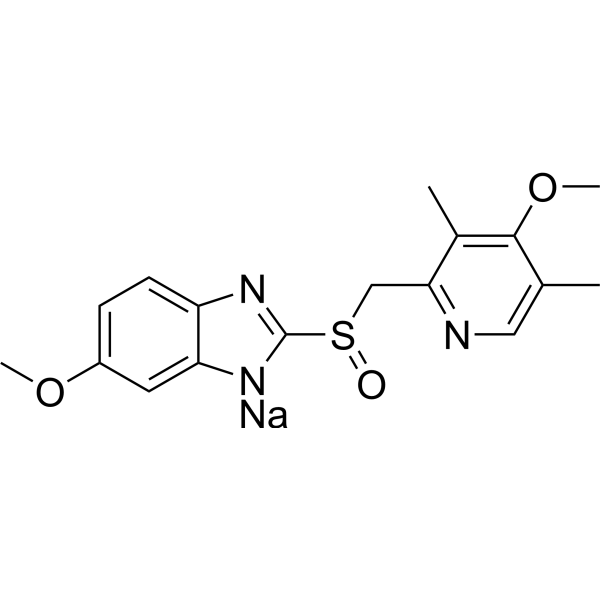
  • HY-B0113A
    Omeprazole sodium
    5+ Cited Publications

    H 16868 sodium

    Na+/K+ ATPase Interleukin Related Proton Pump Cytochrome P450 Bacterial Apoptosis Autophagy TNF Receptor Atg8/LC3 Infection Inflammation/Immunology
    Omeprazole (H 16868) sodium is an orally active H +,K +-ATPase inhibitor and a proton pump inhibitor. Omeprazole sodium competitively inhibits CYP2C19, CYP3A4, and CYP2C9 activity. Omeprazole sodium inhibits gastric acid secretion and can be used for acid-related gastrointestinal disorders. Omeprazole sodium inhibits pancreatic cancer cell proliferation, induces apoptosis, autophagosome accumulation (elevated LC3-I and LC3-II levels), oxidative stress, and cytogenetic imbalance, modulates lysosomal transport, reduces inflammatory cytokines. Omeprazole sodium alters small intestinal morphology and magnesium absorption, and induces gastric mucosa morphologic changes. Omeprazole sodium aslo has neuroprotective and antibacterial effects [3] .
    Omeprazole sodium
  • HY-130259

    Atg8/LC3 Autophagy Neurological Disease
    LC3-mHTT-IN-AN2 (Compound AN2) is a mHTT-LC3 linker compound, which interacts with both mutant huntingtin protein (mHTT) and LC3B but not with wtHTT or irrelevant control proteins. LC3-mHTT-IN-AN2 reduces the levels of mHTT in an allele-selective manner in cultured Huntington disease (HD) mouse neurons .
    LC3-mHTT-IN-AN2
  • HY-W250118
    Cephalin form bovine brain
    2 Publications Verification

    Liposome Autophagy Neurological Disease Metabolic Disease
    Cephalin form bovine brain is an orally active phospholipid widely present in organisms.Cephalin form bovine brain participates in the formation of autophagosome membrane as a lipid anchor of autophagy-related protein Atg8/LC3. Cephalin form bovine brain enhances Autophagic flux, promotes cell differentiation, regulates lipid droplet fusion, delays aging, and also affects lipid metabolism and membrane integrity [3] .
    Cephalin form bovine brain
  • HY-100006
    MRT68921
    Maximum Cited Publications
    27 Publications Verification

    ULK Reactive Oxygen Species (ROS) Apoptosis GSK-3 Bcl-2 Family Cancer
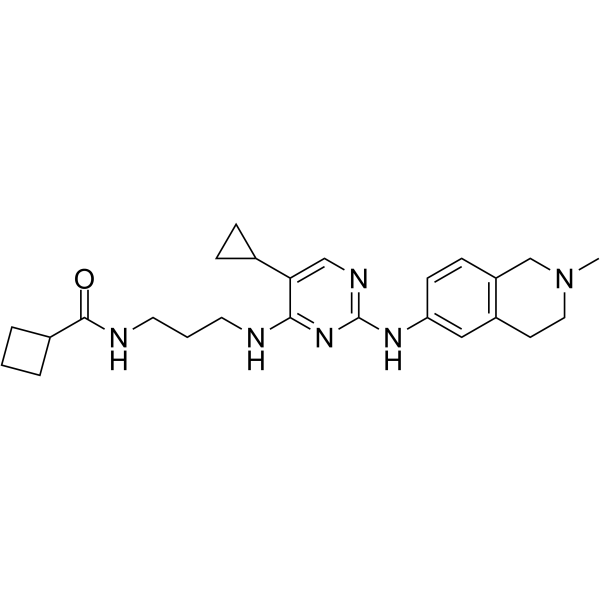
    MRT68921 is a potent NUAK1/ULK1 dual inhibitor. MRT68921 inhibits ULK1 and ULK2 with IC50 values of 2.9 nM and 1.1 nM, respectively. MRT68921 can block cells autophagy and kill tumor cells by breaking the balance of oxidative stress signals. MRT68921 can inhibit cell proliferation and induce ROS production and apoptosis. MRT68921 can be used for the research of cancer, such as breast cancer .
    MRT68921
  • HY-B0633C

    Biochemical Assay Reagents Interleukin Related Atg8/LC3 Inflammation/Immunology
    Hyaluronic acid (Mw: 1000-2000 Da) is a long-chain unbranched polysaccharide with a molecular weight of 1000-2000 Da. Hyaluronic acid (Mw: 2000 Da) inhibits IL-1β expression and increases LC3-II. Hyaluronic acid (Mw: 1000-2000Da) can regulate tissue homeostasis and stress resistance, promote angiogenesis and tissue remodeling. Hyaluronic acid (Mw: 1000-2000 Da) has good biocompatibility and biodegradability, and can be used in drug delivery systems and tissue engineering. Hyaluronic acid (Mw: 2000 Da) can reduce facial skin blemishes and sagging .
    Hyaluronic acid (Mw:1000-2000Da)
  • HY-N0538

    Xylite

    Environmental Pollutants Endogenous Metabolite Bacterial Autophagy Atg7 Atg8/LC3 Metabolic Disease Cancer
    Xylitol can be classified as a polyol and sugar alcohol, exhibiting inhibitory activity on cancer cell proliferation. It induces autophagy (Autophagy) and cell death in A549 cells by activating the autophagy signaling pathway, as evidenced by the increased expression of LC3-II and Atg5-Atg12 upon Xylitol treatment. Additionally, Xylitol inhibits acetaldehyde production by Candida species, thereby reducing their carcinogenic potential. In vivo, Xylitol induces alterations in the gut microbiota of mice, which may enhance cholesterol accumulation and upregulate hepatic ChREBP, while also slowing tumor growth in the B16F10 melanoma C57BL/6 mouse model [3] .
    Xylitol
  • HY-130258

    Atg8/LC3 Autophagy Neurological Disease
    LC3-mHTT-IN-AN1 (Compound AN1) is a mHTT-LC3 linker compound, which interacts with both mutant huntingtin protein (mHTT) and LC3B but not with wtHTT or irrelevant control proteins. LC3-mHTT-IN-AN1 reduces the levels of mHTT in an allele-selective manner in cultured Huntington disease (HD) mouse neurons .
    LC3-mHTT-IN-AN1
  • HY-100006A
    MRT68921 dihydrochloride
    Maximum Cited Publications
    27 Publications Verification

    ULK Reactive Oxygen Species (ROS) Apoptosis GSK-3 Bcl-2 Family Cancer
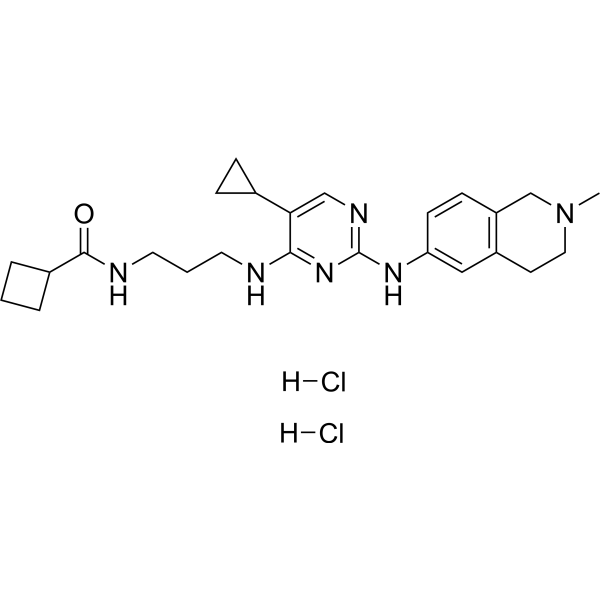
    MRT68921 dihydrochloride is a potent NUAK1/ULK1 dual inhibitor. MRT68921 dihydrochloride inhibits ULK1 and ULK2 with IC50 values of 2.9 nM and 1.1 nM, respectively. MRT68921 dihydrochloride can block cells autophagy and kill tumor cells by breaking the balance of oxidative stress signals. MRT68921 dihydrochloride can inhibit cell proliferation and induce ROS production and apoptosis. MRT68921 dihydrochloride can be used for the research of cancer, such as breast cancer .
    MRT68921 dihydrochloride
  • HY-W010201
    Citronellol
    2 Publications Verification

    (±)-Citronellol; (±)-β-Citronellol

    Environmental Pollutants Necroptosis Autophagy Fungal Reactive Oxygen Species (ROS) ERK Atg8/LC3 TNF Receptor Apoptosis PI3K p62 Cardiovascular Disease Neurological Disease Cancer
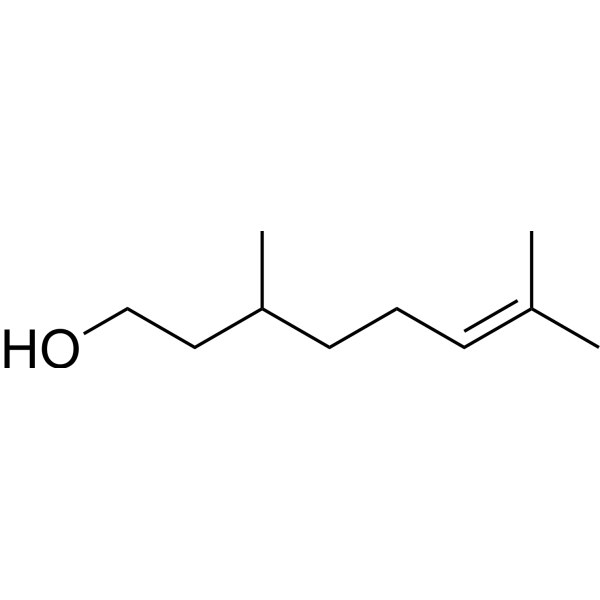
    Citronellol ((±)-Citronellol) is an orally active inducer of apoptosis. Citronellol can prevent oxidative stress, mitochondrial dysfunction, and apoptosis in the SH-SY5Y cell Parkinson's disease model induced by 6-OHDA by regulating the ROS-NO, MAPK/ERK, and PI3K/Akt signaling pathways. Citronellol can induce necroptosis in human lung cancer cells through the TNF-α pathway and accumulation of ROS. Citronellol can reduce the levels of LC-3 and p62 to regulate the autophagy pathway, inhibit oxidative stress and neuroinflammation, and thus have neuroprotective effects on Parkinson's rats. Citronellol exhibits anti-fungal activity against Trichophyton rubrum by inhibiting ergosterol synthesis .
    Citronellol
  • HY-N8441

    17β-Neriifolin

    Atg8/LC3 Na+/K+ ATPase Apoptosis Beclin1 Cardiovascular Disease Inflammation/Immunology Cancer
    Neriifolin, a CNS-penetrating cardiac glycoside, is an inhibitor of the Na +, K +-ATPase. Neriifolin can target beclin 1, inhibits the formation of LC3-associated phagosomes and ameliorates experimental autoimmune encephalomyelitis (EAE) development. Neriifolin induces cell cycle arrest and apoptosis in human hepatocellular carcinoma HepG2 cells [2.
    Neriifolin
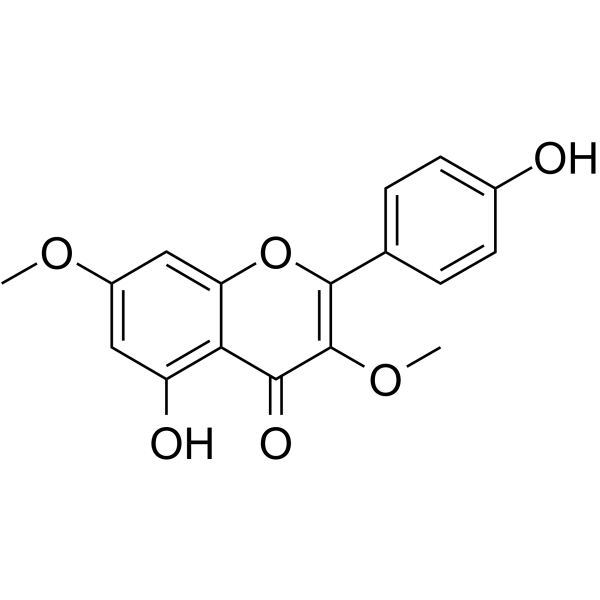
  • HY-N3415
    Kumatakenin
    1 Publications Verification

    Apoptosis Autophagy Caspase Ferroptosis SARS-CoV Neurological Disease Inflammation/Immunology Cancer
    Kumatakenin is an orally active apoptosis inducer and autophagy inhibitor, with a Kd value of 2.94 μM for mouse ATG5. Kumatakenin increases the activities of caspase-3, caspase-8 and caspase-9, thereby inducing caspase-dependent apoptosis in ovarian cancer cells. Kumatakenin reduces the expression of chemokines and pro-oncogenic factors in ovarian cancer cells, and inhibits M2 macrophage polarization. Kumatakenin inactivates TRIM65 function, reduces the expression and stability of FASN, and thus inhibits the proliferation, migration, invasion and tumor progression of esophageal cancer cells. Kumatakenin interacts with ATG5 to reduce its protein level, decrease LC3 level, and reduce the number of autophagosomes in the hippocampus. Kumatakenin binds to Eno3 to upregulate its expression, reduce the stability and expression level of IRP1 mRNA, inhibit ferroptosis, alleviate intestinal inflammation, and restore epithelial barrier function. Kumatakenin enhances the efficacy of antibiotics against pathogenic bacteria, inhibits SARS-CoV-2 replication, and reduces cytokine production. Kumatakenin is applicable to research related to ovarian cancer, esophageal cancer, depression and colitis [3] .
    Kumatakenin
  • HY-112624K

    Dextran 5; Dextran D5; Dextran T5(MW 4500-5500)

    Apoptosis Autophagy Others
    Dextran T5 (MW 5,000) is a sulfated polysaccharide anti-apoptotic and autophagic agent. Dextran T5 (MW 5,000) has sulfated groups and interacts with cell membranes by mimicking endogenous glycosaminoglycans, inhibiting the mitochondrial apoptotic pathway and delaying DNA fragmentation to exert anti-apoptotic activity. Dextran T5 (MW 5,000) also promotes the conversion of LC3-I to LC3-II and the formation of autophagosomes to activate the autophagic pathway. Dextran T5 (MW 5,000) can prolong the survival cycle of CHO cells and increase the production of recombinant erythropoietin (EPO). The Dextran series of compounds are also natural polysaccharide drug carriers that can be connected to drugs through covalent bonding methods such as ester bonds, amide bonds or click chemistry, or self-assembled to form carriers such as nanoparticles and hydrogels. Dextran is biodegradable and biocompatible, and can achieve targeted delivery and controlled release of drugs. Dextran derivatives can prolong drug half-life, increase local concentration and reduce immune clearance activity. The Dextran series of compounds are also natural polysaccharide drug carriers that can be connected to drugs through covalent bonding methods such as ester bonds, amide bonds or click chemistry, or self-assembled to form carriers such as nanoparticles and hydrogels. Dextran is biodegradable and biocompatible, and can achieve targeted delivery and controlled release of drugs. Dextran derivatives can prolong the half-life of drugs, increase local concentrations, and reduce the activity of immune clearance [3].
    Dextran T5 (MW 5,000)
  • HY-112698
    CA-5f
    4 Publications Verification

    p62 Atg8/LC3 Autophagy Apoptosis Cancer
    CA-5f is a potent late-stage macroautophagy/autophagy inhibitor via inhibiting autophagosome-lysosome fusion. CA-5f increases LC3B-II (a marker to monitor autophagy) and SQSTM1 protein, and also increases ROS production. Anti-tumor activity .
    CA-5f
  • HY-158420

    Autophagy Cancer
    STL001 is potent and selective FOXM1 inhibitor. STL001 induces the translocation of nuclear FOXM1 to the cytoplasm and promotes its autophagic degradation. STL001 sensitizes human cancers to a broad-spectrum of cancer therapies .
    STL001
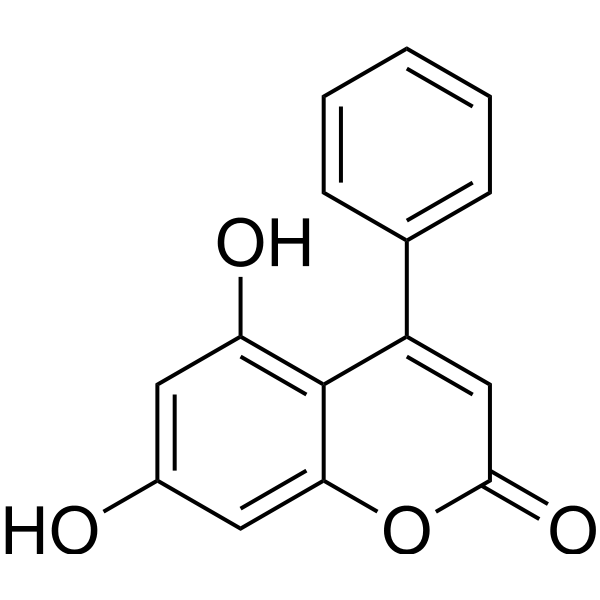
  • HY-174806

    7-(β-D-Galactopyranosyloxy)-4-phenyLChromen-2-one

    Mitophagy PINK1/Parkin Amyloid-β Neurological Disease
    Y040-7904 is a mitophagy activator. Y040-7904 enhances mitophagy by promoting mitochondria transport to autophagosomes and the fusion of autophagosomes with autolysosomes. Y040-7904 induces mitophagy through the SIRT1/FoxO3 pathway. Y040-7904 upregulates the levels of Parkin, PINK1, and LC3II/I. Y040-7904 reduces amyloid-β () accumulation in both in vitro and in vivo models of Alzheimer’s disease.
    Y040-7904
  • HY-176761

    Apoptosis Autophagy Caspase mTOR Cancer
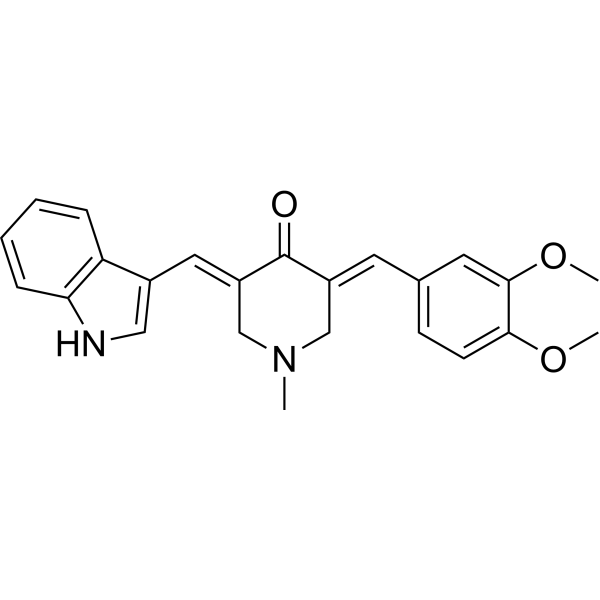
    NSC647889 is an apoptosis and autophagy inducer. NSC647889 induces apoptosis, inhibits mTOR pathway and abrogates DNA synthesis. NSC647889 triggers LC3-positive vesicle formation, modulates AKT and 4EBP1 phosphorylation and shows heightened caspase-3 activation in multicellular spheroids. NSC647889 can be used for the research of solid cancer tumour, head-neck carcinoma, and colorectal cancer [3].
    NSC647889
  • HY-N1399

    AMPK PI3K Autophagy Metabolic Disease Inflammation/Immunology
    Androsin is an active compound isolated from Picrorhiza Kurroa Royle ex Benth. Androsin activates AMPKα/PI3K/Beclin1/LC3 signaling pathway, inhibits SREBP1c/FASN signaling pathway. Androsin can be used in research of asthma and non-alcoholic fatty liver disease (NAFLD). Androsin is orally active .
    Androsin
  • HY-146131

    Atg7 Atg8/LC3 Autophagy Cancer
    ATG7-IN-3 (Compound 18) is a potent ATG7 inhibitor with an IC50 of 0.048 μM. ATG7-IN-3 inhibits Autophagy. ATG7-IN-3 inhibits the formation of LC3B puncta. ATG7-IN-3 can be used in the researches of glioma and colon cancer .
    ATG7-IN-3
  • HY-161746

    AUTOTACs Autophagy Neurological Disease
    Anle138b-F105 is an autophagy-targeting chimera (AUTOTAC) that targets p62/Sequestosome-1/SQSTM1. Anle138b-F105 binds to the ZZ domain of p62, induces conformational activation, self-oligomerization, interaction with LC3, and formation of autophagosomes. Anle138b-F105 induces autophagic flux of ubiquitin-conjugated aggregated proteins, leading to their lysosomal degradation. Anle138b-F105 is applicable for the research of neurodegenerative proteinopathies .
    Anle138b-F105
  • HY-141882
    DC-LC3in-D5
    1 Publications Verification

    Atg8/LC3 Autophagy Infection Inflammation/Immunology Cancer
    DC-LC3in-D5 acts as an autophagy inhibitor by attenuating LC3B lipidation. DC-LC3in-D5 binds with LC3B. DC-LC3in-D5 disrupts the LC3B-LBP2 interaction with an IC50 of 200 nM. DC-LC3in-D5 may contribute to anti-HCV or combination researchs in cancer through inhibiting autophagy .
    DC-LC3in-D5
  • HY-B0113R

    H 16868 (Standard)

    Reference Standards Na+/K+ ATPase Interleukin Related Proton Pump Cytochrome P450 Bacterial Apoptosis Autophagy TNF Receptor Atg8/LC3 Infection Metabolic Disease Cancer
    Omeprazole (Standard) is the analytical standard of Omeprazole. This product is intended for research and analytical applications. Omeprazole (H 16868) is an orally active H +,K +-ATPase inhibitor and a proton pump inhibitor. Omeprazole competitively inhibits CYP2C19, CYP3A4, and CYP2C9 activity. Omeprazole inhibits gastric acid secretion and can be used for acid-related gastrointestinal disorders. Omeprazole inhibits pancreatic cancer cell proliferation, induces apoptosis, autophagosome accumulation (elevated LC3-I and LC3-II levels), oxidative stress, and cytogenetic imbalance, modulates lysosomal transport, reduces inflammatory cytokines. Omeprazole alters small intestinal morphology and magnesium absorption, and induces gastric mucosa morphologic changes. Omeprazole aslo has neuroprotective and antibacterial effects [3] .
    Omeprazole (Standard)
  • HY-B0113S
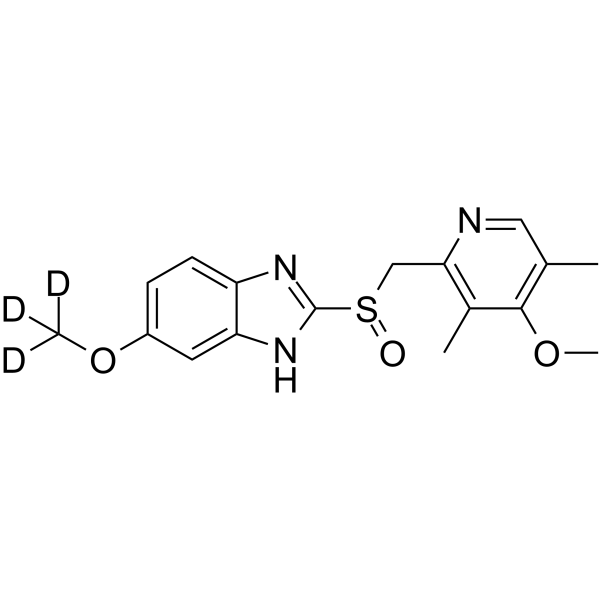
    Omeprazole-d3
    1 Publications Verification

    H 16868-d3

    Na+/K+ ATPase Interleukin Related Proton Pump Cytochrome P450 Bacterial Apoptosis Autophagy TNF Receptor Atg8/LC3 Infection Metabolic Disease Cancer
    Omeprazole-d3 (H 16868-d3) is deuterium labeled Omeprazole. Omeprazole (H 16868) is an orally active H +,K +-ATPase inhibitor and a proton pump inhibitor. Omeprazole competitively inhibits CYP2C19, CYP3A4, and CYP2C9 activity. Omeprazole inhibits gastric acid secretion and can be used for acid-related gastrointestinal disorders. Omeprazole inhibits pancreatic cancer cell proliferation, induces apoptosis, autophagosome accumulation (elevated LC3-I and LC3-II levels), oxidative stress, and cytogenetic imbalance, modulates lysosomal transport, reduces inflammatory cytokines. Omeprazole alters small intestinal morphology and magnesium absorption, and induces gastric mucosa morphologic changes. Omeprazole aslo has neuroprotective and antibacterial effects [3] .
    Omeprazole-d3
  • HY-146130
    ATG7-IN-2
    1 Publications Verification

    Atg7 Autophagy Cancer
    ATG7-IN-2 (compound 1) is a potent ATG7 inhibitor, with an IC50 of 0.089 μM. ATG7-IN-2 inhibits autophagy marker LC3B .
    ATG7-IN-2
  • HY-121811

    Lanceolatin C

    Glycosidase Phosphatase Interleukin Related TNF Receptor COX Beclin1 GLUT FAK Akt mTOR p38 MAPK Keap1-Nrf2 Apoptosis Amyloid-β Tau Protein Autophagy Neurological Disease Inflammation/Immunology Cancer
    Pongamol is an orally active flavonoid with an IC50 of 75 μM and a Ki of 58 μM against PTPase-1B, and an IC50 of 103.5 μM against intestinal α-Glycosidase. Pongamol reduces the release of IL‑1β, TNF‑α, COX‑2 and iNOS in cells, reverses the nuclear translocation of NF‑κB, and upregulates the levels of Beclin 1 and LC3 /LC3. Pongamol promotes glucose uptake by increasing the level of GLUT4 on the surface of skeletal muscle cells. Pongamol inhibits epithelial-mesenchymal transition by suppressing the FAK/Akt-mTOR signaling pathway. Pongamol inhibits neuronal cytotoxicity, suppresses cell apoptosis and extends the lifespan of Caenorhabditis elegans by activating the MAPKs/Nrf2 signaling pathway. Pongamol exerts hypoglycemic effects in diabetic mouse models. Pongamol alleviates oxidative stress, neuroinflammation, deposition and excessive phosphorylation of Tau Protein, and restores autophagy function in Alzheimer's disease mouse models by inhibiting the Akt/mTOR signaling pathway. Pongamol is applicable to research related to Alzheimer's disease, type 2 diabetes, non-small cell lung cancer and postprandial hyperglycemia [3] .
    Pongamol
  • HY-W688687

    Autophagy p62 Atg8/LC3 Others
    XIE62-1004-A is an inducer of p62-LC3 interaction. XIE62-1004-A can bind to the ZZ-domain of p62, inducing p62 oligomerization and activating p62-dependent autophagy .
    XIE62-1004-A
  • HY-175665

    Ligands for E3 Ligase Others
    LC3 liagnd-2 is an E3 ligase ligand. LC3 liagnd-2 can be used for synthesis of PROTAC PDEδ autophagic degrader 1 (HY-157458) .
    LC3 liagnd-2
  • HY-109546

    Na+/K+ ATPase Interleukin Related Proton Pump Cytochrome P450 Bacterial Apoptosis Autophagy TNF Receptor Atg8/LC3 Infection Metabolic Disease Cancer
    Omeprazole (H 16868) magnesium is an orally active H +,K +-ATPase inhibitor and a proton pump inhibitor. Omeprazole magnesium competitively inhibits CYP2C19, CYP3A4, and CYP2C9 activity. Omeprazole magnesium inhibits gastric acid secretion and can be used for acid-related gastrointestinal disorders. Omeprazole magnesium inhibits pancreatic cancer cell proliferation, induces apoptosis, autophagosome accumulation (elevated LC3-I and LC3-II levels), oxidative stress, and cytogenetic imbalance, modulates lysosomal transport, reduces inflammatory cytokines. Omeprazole magnesium alters small intestinal morphology and magnesium absorption, and induces gastric mucosa morphologic changes. Omeprazole magnesium aslo has neuroprotective and antibacterial effects [3] .
    Omeprazole magnesium
  • HY-B0113S3

    H 16868-13C,d3

    Isotope-Labeled Compounds Na+/K+ ATPase Interleukin Related Proton Pump Cytochrome P450 Bacterial Apoptosis Autophagy TNF Receptor Atg8/LC3 Infection Metabolic Disease Cancer
    Omeprazole- 13C,d3 is a 13C-labeled and deuterium labeled Omeprazole. Omeprazole (H 16868) is an orally active H +,K +-ATPase inhibitor and a proton pump inhibitor. Omeprazole competitively inhibits CYP2C19, CYP3A4, and CYP2C9 activity. Omeprazole inhibits gastric acid secretion and can be used for acid-related gastrointestinal disorders. Omeprazole inhibits pancreatic cancer cell proliferation, induces apoptosis, autophagosome accumulation (elevated LC3-I and LC3-II levels), oxidative stress, and cytogenetic imbalance, modulates lysosomal transport, reduces inflammatory cytokines. Omeprazole alters small intestinal morphology and magnesium absorption, and induces gastric mucosa morphologic changes. Omeprazole aslo has neuroprotective and antibacterial effects [3] .
    Omeprazole-13C,d3
  • HY-163001
    Microcolin H
    1 Publications Verification

    Autophagy p62 Atg8/LC3 Cancer
    Microcolin H is a marine lipopeptide and phosphatidylinositol transfer protein ligand that targets PITPα/β. Microcolin H increases the conversion of LC3I to LC3II and reduces p62 levels in cancer cells, leading to autophagy cell death (Autophagy). Microcolin H effectively inhibits tumor development and has anti-proliferative activity in nude mouse subcutaneous tumor models .
    Microcolin H
  • HY-146052
    Autophagy inducer 3
    1 Publications Verification

    Atg8/LC3 Autophagy Cancer
    Autophagy inducer 3 has autophagy induced activity. Autophagy inducer 3 possesses robust autophagic cell death in diverse cancer cells sparing normal counterpart. Autophagy inducer 3 induces lethal autophagy by formation of characteristic autophagic vacuoles, LC3 puncta formation, upregulation of signature autophagy markers like Beclin and Atg family proteins .
    Autophagy inducer 3
  • HY-162588

    NOD-like Receptor (NLR) ATTECs Autophagy Inflammation/Immunology
    MC-ND-18 is an ATTEC degrader that degrades NLRP3 via the Autophagy pathway, with a DC50 of 125.5 nM in THP-1 cells. MC-ND-18 exhibits anti-inflammatory activity in a DSS-induced mouse model of colitis. MC-ND-18 can be used for research on inflammatory bowel disease. MC-ND-18 consists of an NLRP3 inhibitor (HY-156121), a linker (HY-W018745), and an LC3 ligand .
    MC-ND-18
  • HY-146307

    TrxR Cancer
    TrxR-IN-3 (Compound 2c) is a potent inhibitor of TrxR. TrxR-IN-3 exhibits potent antiproliferative activities against five human cancer cell lines, especially against breast tumor cells. TrxR-IN-3 increases ROS levels and resulted in marked apoptosis by regulating apoptosis-related proteins expressed in the breast cancer cells. TrxR-IN-3 also triggers the formation of autophagosomes and autolysosomes by promoting the expression of LC3-II and Beclin-1 and diminishing the expression of LC3-I and p62 proteins .
    TrxR-IN-3
  • HY-P4532

    Cathepsin Neurological Disease
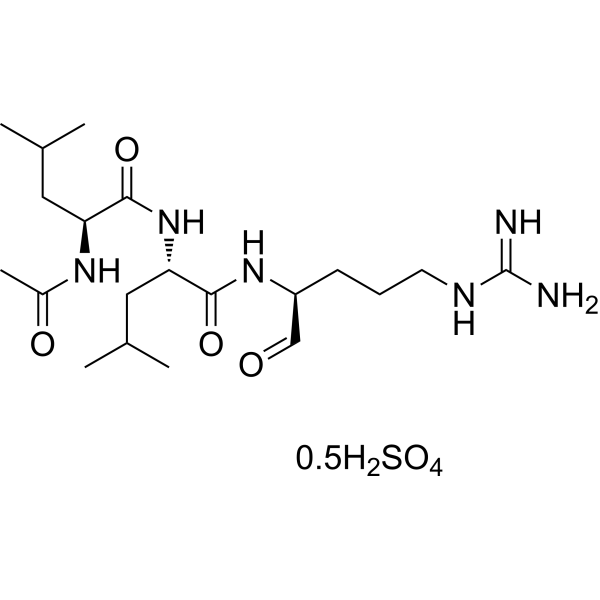
    Ac-Leu-Val-Lys-Aldehyde is a potent cathepsin B inhibitor with IC50s of 4 nM. Ac-Leu-Val-Lys-Aldehyde significantly reduces quinolinic acid (HY-100807)-induced striatal cell death and causes accumulation of LC3-II .
    Ac-Leu-Val-Lys-Aldehyde
  • HY-101535
    ARP101
    1 Publications Verification

    Atg8/LC3 MMP Cancer
    ARP101 is a potent and selective inhibitor matrix metalloproteinase-2 (MMP-2). ARP101 induces autophagy-associated cell death in cancer cells. ARP101 is effective in inducing the formation of autophagosome and conversion of LC3I into LC3II .
    ARP101
  • HY-B0223R

    SKF-62979 (Standard)

    Reference Standards Parasite Microtubule/Tubulin Autophagy Apoptosis Reactive Oxygen Species (ROS) VEGFR HIF/HIF Prolyl-Hydroxylase Antibiotic Bacterial Infection Cancer
    Albendazole (Standard) is the analytical standard of Albendazole. This product is intended for research and analytical applications. Albendazole (SKF-62979) is an orally active and broad-spectrum parasiticide with high effectiveness and low host toxicity, is used for the research of gastrointestinal parasites in humans and animals. Albendazole induces apoptosis and autophagy in cancer cells. Albendazole also inhibits tubulin polymerization and HIF-1α, VEGF expression, has antioxidant activity, and inhibits the glycolytic process in cancer cells [3] .
    Albendazole (Standard)
  • HY-132972

    TrxR Reactive Oxygen Species (ROS) Autophagy Atg8/LC3 Beclin1 p62 Cancer
    TrxR-IN-2 is a thioredoxin reductase (TrxR) inhibitor. TrxR-IN-2 increases reactive oxidative species (ROS) levels and decreases mitochondrial transmembrane potential levels. TrxR-IN-2 triggers DNA damage via H2AX regulation, and induces autophagy via LC3, beclin-1, and p62 regulation. TrxR-IN-2 can be used for the research of drug-resistant hepatocellular carcinoma[1].
    TrxR-IN-2
  • HY-W010201R
    Citronellol (Standard)
    2 Publications Verification

    (±)-Citronellol (Standard); (±)-β-Citronellol (Standard)

    Reactive Oxygen Species (ROS) Reference Standards ERK PI3K TNF Receptor Atg8/LC3 p62 Apoptosis Necroptosis Autophagy Fungal Cardiovascular Disease Neurological Disease Cancer
    Citronellol (Standard) is the analytical standard of Citronellol. Citronellol (Standard) is an orally active inducer of apoptosis. Citronellol (Standard) can prevent oxidative stress, mitochondrial dysfunction, and apoptosis in the SH-SY5Y cell Parkinson's disease model induced by 6-OHDA by regulating the ROS-NO, MAPK/ERK, and PI3K/Akt signaling pathways. Citronellol (Standard) can induce necroptosis in human lung cancer cells through the TNF-α pathway and accumulation of ROS. Citronellol (Standard) can reduce the levels of LC-3 and p62 to regulate the autophagy pathway, inhibit oxidative stress and neuroinflammation, and thus have neuroprotective effects on Parkinson's rats. Citronellol (Standard) exhibits anti-fungal activity against Trichophyton rubrum by inhibiting ergosterol synthesis .
    Citronellol (Standard)
  • HY-RS08029

    Small Interfering RNA (siRNA) Others

    MAP1LC3B Human Pre-designed siRNA Set A contains three designed siRNAs for MAP1LC3B gene (Human), as well as a negative control, a positive control, and a FAM-labeled negative control.

    MAP1LC3B Human Pre-designed siRNA Set A
    MAP1LC3B Human Pre-designed siRNA Set A
  • HY-N15798

    Biochemical Assay Reagents Others
    C18:0 Lc3 Ceramide (d18:1/18:0) is a ganglioside.
    C18:0 Lc3 Ceramide (d18:1/18:0)
  • HY-176749

    α-synuclein Atg8/LC3 Autophagy Neurological Disease
    HUP-46 is a BBB-penatrable modulator of αSyn dimerization and autophagy. HUP-46 reduces the ratio of pPP2A/PP2A, increases the autophagy marker LC3BII levels, and decreases αSyn dimerization. HUP-46 can be used for research of neurodegenerative diseases .
    HUP-46
  • HY-170992

    Autophagy CDK Atg8/LC3 PINK1/Parkin Cancer
    Autophagy agonist-1 (compound 22) is an Autophagy agonist. Autophagy agonist-1 exhibits significant anticancer activity against HepG2 cells and normal cells with IC50s of 8.8 μM and > 50 μM. Autophagy agonist-1 induces G1/S phase cell cycle arrest and inhibits CDK4 and CyclinD1 expression while upregulating P21. Autophagy agonist-1 promotes the accumulation of autophagosomes and the proteins LC3 and PINK1, enhancing autophagy and mitophagy in HepG2 cells .
    Autophagy agonist-1
  • HY-168347

    Atg8/LC3 Others
    TH152 is a reversible, pan ligand for LC3/GABARAP with a KD of 2 µM. LC3/GABARAP is an autophagy associated protein .
    TH152
  • HY-121546

    Atg8/LC3 Autophagy Cancer
    ALLO-1, an autophagy receptor, is essential for autophagosome formation around paternal organelles and directly binds to the worm LC3 homologue LGG-1 through its LC3-interacting region (LIR) motif .
    ALLO-1
  • HY-P10416

    Q14 peptide

    Deubiquitinase Mitophagy Others Neurological Disease
    Q14 is a polypeptide derived from the USP30 (ubiquitin specific peptidase 30) transmembrane (TM) domain with the ability to inhibit the deubiquitination activity of USP30 (IC50=57.2 nM). Q14 reduces USP30 activity by inhibiting the interaction between the USP30 transmembrane domain and its catalytic domain. Q14 peptide contains the LC3 interaction region (LIR) motif, which enables it to bind to the LC3 and accelerate the formation of autophagosomes, thereby promoting mitophagy. Q14 can be used in the study of neurodegenerative diseases as well as mitochondrial quality control and cell metabolism .
    Q14
  • HY-125535

    AMPK mTOR Autophagy Atg8/LC3 Cancer
    OSU-53 is an orally active AMPK activator (EC50: 0.3 μM) and a direct mTOR inhibitor. OSU-53 induces autophagy and increases conversion of LC3 I to LC3 II. OSU-53 also modulates energy homeostasis by suppressing fatty acid biosynthesis and shifting the metabolism to oxidation by up-regulating the expression of PGC1α and NRF-1. OSU-53 has antitumor activity in various tumor models, such as breast cancer and thyroid cancer .
    OSU-53
  • HY-10542A

    Atg8/LC3 Raf Neurological Disease
    (Z)-GW 5074 is a compound which interacts with both mHTT (mutant huntingtin protein) and LC3, but not but not with the wild-type HTT protein. (Z)-GW 5074 inhibits c-Raf, shows no effect on autophagy, and is effective for neurodegenerative disorder .
    (Z)-GW 5074

Inquiry Online

Your information is safe with us. * Required Fields.

Salutation


Country or Region *

Applicant Name *


Organization Name *

Department *


Email Address *


Product Name *

Cat. No.


Requested quantity *

Phone Number *


Remarks

Inquiry Online

Inquiry Information

Product Name:
Cat. No.:
Quantity:
MCE Japan Authorized Agent:

