
1. Search Result
Search Result
Results for "

LPS-induced inflammatory

" in MedChemExpress (MCE) Product Catalog:

193

Inhibitors & Agonists

1

Fluorescent Dyes

7

Peptides

1

Inhibitory Antibodies

76

Natural
Products

13

Isotope-Labeled Compounds

Cat. No. Product Name Target Research Areas Chemical Structure
  • HY-N3006
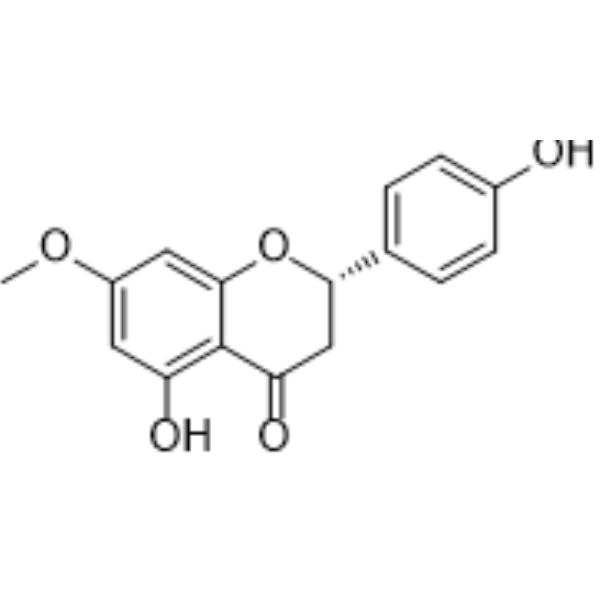
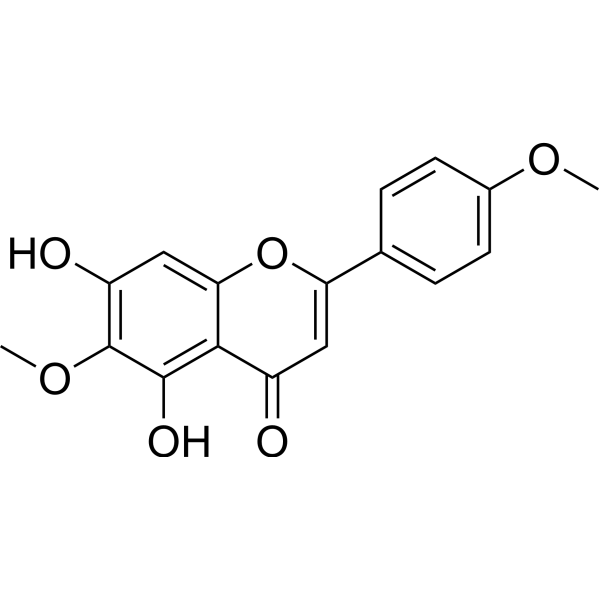
    Sakuranetin
    Maximum Cited Publications
    8 Publications Verification

    Fungal Infection Inflammation/Immunology
    Sakuranetin is a cherry flavonoid phytoalexin, shows strong antifungal activity . Sakuranetin has anti-inflammatory and antioxidative activities. Sakuranetin ameliorates LPS-induced acute lung injury .
    Sakuranetin
  • HY-116807
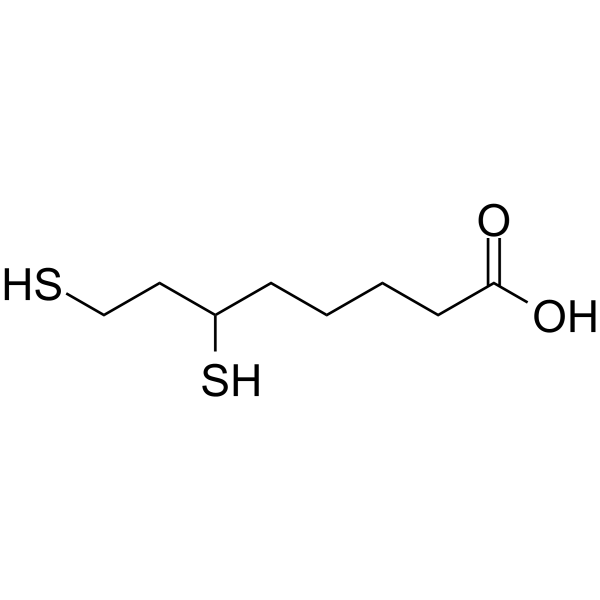
    Dihydrolipoic Acid
    2 Publications Verification

    DHLA

    Reactive Oxygen Species (ROS) Neurological Disease Inflammation/Immunology
    Dihydrolipoic Acid (DHLA) is an excellent antioxidant capable of scavenging almost any oxygen-centered radical . Dihydrolipoic acid exhibits anti-inflammatory properties in various diseases. Dihydrolipoic Acid exerts a preventive effect via ERK/Nrf2/HO-1/ROS/NLRP3 pathway in LPS-induced sickness behavior rats. Dihydrolipoic Acid can be used for the reaserch of depression .
    Dihydrolipoic Acid
  • HY-N0632
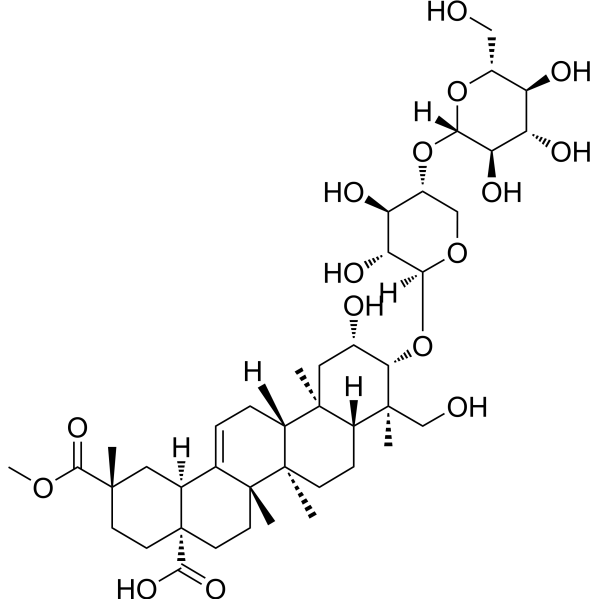
    Esculentoside A
    2 Publications Verification

    COX NF-κB Inflammation/Immunology
    Esculentoside A (EsA), a kind of triterpene saponin isolated from roots of Phytolacca esculenta . Esculentoside A (EsA) possesses anti-inflammatory activity in acute and chronic experimental models , has selective inhibitory activity towards cyclooxygenase-2 (COX-2) . Esculentoside A (EsA) suppresses inflammatory responses in LPS-induced acute lung injury (ALI) through inhibition of the nuclear factor kappa B (NF-ΚB) and mitogen activated protein kinase (MAPK) signaling pathways .
    Esculentoside A
  • HY-N0498
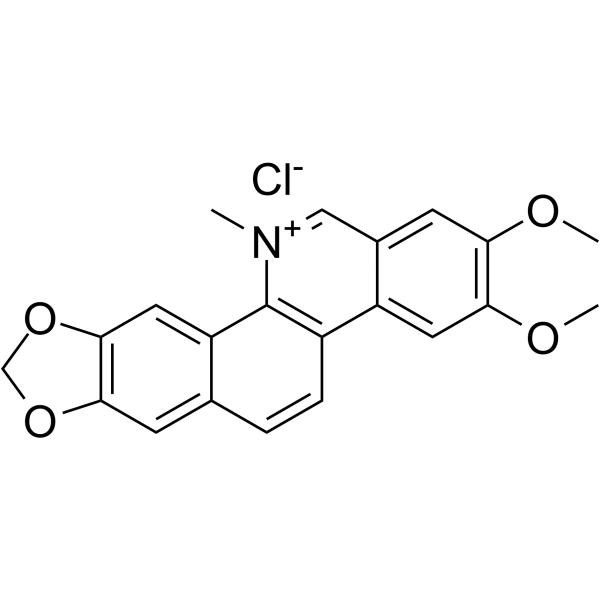
    Nitidine chloride
    4 Publications Verification

    Parasite Apoptosis STAT Topoisomerase ERK FAK p38 MAPK NF-κB Inflammation/Immunology Cancer
    Nitidine chloride, a potential anti-malarial lead compound derived from Zanthoxylum nitidum (Roxb) DC, exerts potent anticancer activity through diverse pathways, including inducing apoptosis, inhibiting STAT3 signaling cascade, DNA topoisomerase 1 and 2A, ERK and c-Src/FAK associated signaling pathway, also has anti-inflammatory activity. Nitidine chloride inhibits LPS-induced inflammatory cytokines production via MAPK and NF-kB pathway .
    Nitidine chloride
  • HY-B0289
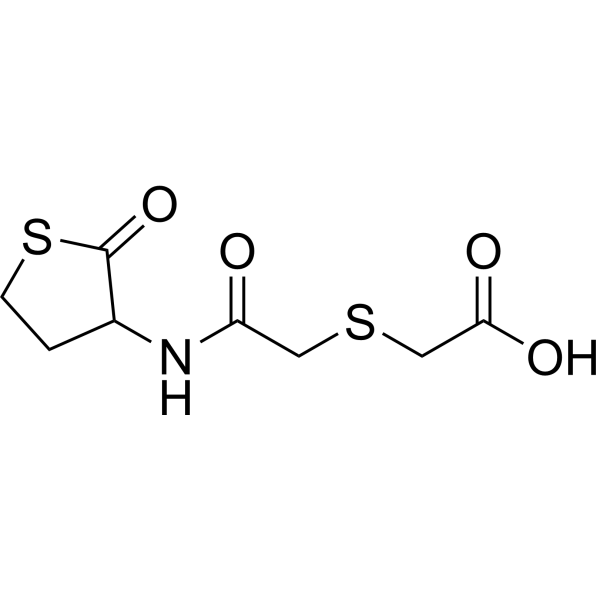
    Erdosteine
    4 Publications Verification

    RV 144

    NF-κB Bacterial Infection Metabolic Disease Inflammation/Immunology
    Erdosteine inhibits lipopolysaccharide (LPS)-induced NF-κB activation . Erdosteine has muco-modulatory, anti-bacterial, anti-inflammatory and anti-oxidant effects .
    Erdosteine
  • HY-129113

    COX Inflammation/Immunology
    α-Chaconine inhibits the expressions of COX-2, IL-1β, IL-6, and TNF-α at the transcriptional level. α-Chaconine inhibits the LPS-induced expressions of iNOS and COX-2 at the protein and mRNA levels and their promoter activities in RAW 264.7 macrophages. Anti-inflammatory effects .
    α-​Chaconine
  • HY-123936

    NF-κB IKK COX Interleukin Related Neurological Disease Inflammation/Immunology
    SR12343 is a IKK/NF-κB inhibitor and a mimetic of the NF-κB essential modulator (NEMO)-binding domain (NBD). SR12343 inhibits TNF-α- and LPS-induced NF-κB activation by blocking the interaction between IKKβ and NEMO. SR12343 suppresses LPS-induced acute pulmonary inflammation in mice. SR12343 extends the healthspan of naturally aged and accelerated aging mice. SR12343 can be used for research on inflammatory and degenerative diseases .
    SR12343
  • HY-148591

    Epigenetic Reader Domain Inflammation/Immunology
    GSK761 is a selective inhibitor of speckled 140 kDa (SP140) with an IC50 value of 77.79 nM. GSK761 reduces monocyte-to-inflammatory macrophage differentiation and lipopolysaccharide (LPS)-induced inflammatory activation. GSK761 induces the production of CD206 + regulatory macrophages by inhibiting SP140 .
    GSK761
  • HY-P99008
    Atibuclimab
    2 Publications Verification

    IC14

    Toll-like Receptor (TLR) Infection Neurological Disease Inflammation/Immunology
    Atibuclimab (IC14), is a chimeric monoclonal antibody directed against CD14 and is composed of murine variable and human IgG4 Fc regions. Atibuclimab attenuates Lipopolysaccharides (HY-D1056) (LPS)-induced symptoms and strongly inhibits LPS-induced proinflammatory cytokine release, while only delaying the release of the anti-inflammatory cytokines soluble TNF receptor type I and IL-1 receptor antagonist. Atibuclimab can be used for the research of amyotrophic lateral sclerosis, sepsis, community-acquired pneumonia, or acute lung injury .
    Atibuclimab
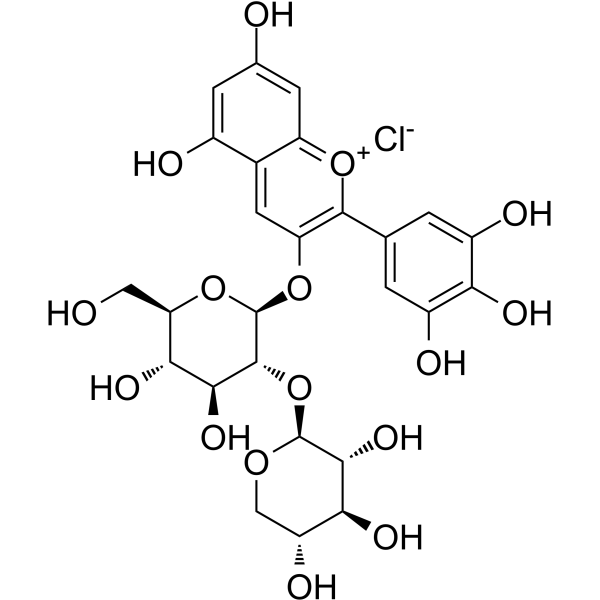
  • HY-129143
    Delphinidin-3-sambubioside chloride
    1 Publications Verification

    Dp3‐Sam chloride

    Apoptosis Metabolic Disease Inflammation/Immunology
    Delphinidin-3-sambubioside (Dp3‐Sam) chloride is an anthocyanin that has orally active anti-inflammatory activity. Delphinidin-3-sambubioside chloride inhibits LPS-induced inflammatory factors release. Delphinidin-3-sambubioside chloride also alleviates hepatic lipid accumulation in HFD rats. Delphinidin-3-sambubioside chloride can be isolated from Hibiscus sabdariffa L. .
    Delphinidin-3-sambubioside chloride
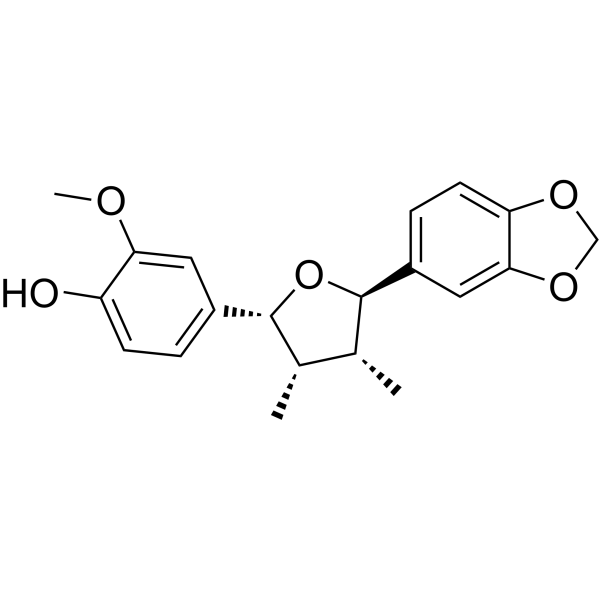
  • HY-N0608
    Myrislignan
    1 Publications Verification

    NF-κB Inflammation/Immunology
    Myrislignan, a lignan isolated from Myristica fragrans Houtt, possesses anti-inflammatory activities. Myrislignan attenuates LPS-induced inflammation reaction in murine macrophage cells through inhibition of NF-kB signalling pathway activation .
    Myrislignan
  • HY-N2535
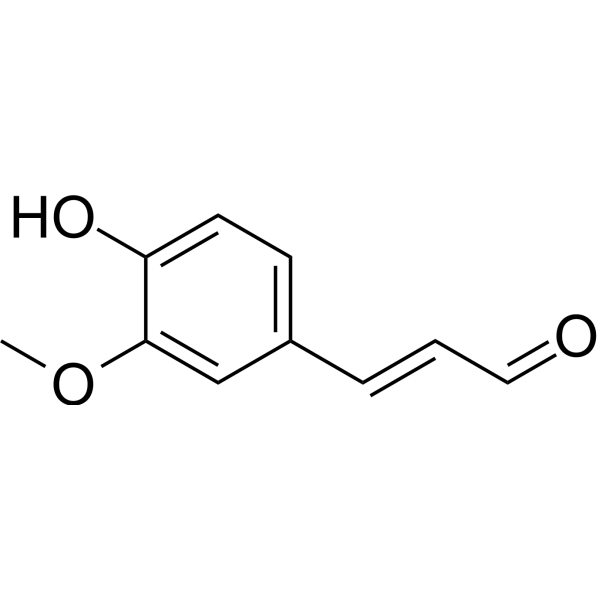
    Coniferaldehyde
    1 Publications Verification

    4-Hydroxy-3-methoxycinnamaldehyde

    Keap1-Nrf2 Apoptosis Inflammation/Immunology
    Coniferaldehyde (4-Hydroxy-3-methoxycinnamaldehyde) is an effective inducer of heme oxygenase-1 (HO-1). Coniferaldehyde inhibits LPS-induced apoptosis through the PKCα/β II/Nrf-2/HO-1 dependent pathway in RAW264.7 macrophage cells. Coniferaldehyde has antioxidant and anti-inflammatory activities .
    Coniferaldehyde
  • HY-119487

    STAT Inflammation/Immunology
    MMPP is an anti-inflammatory agent. MMPP prevents LPS-induced mortality by inhibiting the inflammatory response via STAT3 activity inhibition .
    MMPP
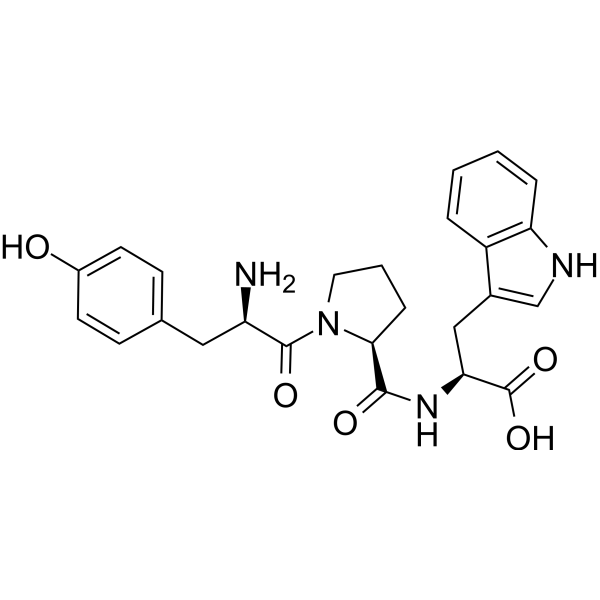
  • HY-145846
    iNOs-IN-1
    1 Publications Verification

    NO Synthase Interleukin Related Inflammation/Immunology
    iNOs-IN-1 (YPW) is a potent inducible nitric oxide synthase (iNOS) inhibitor. iNOs-IN-1 can significantly inhibit the expression of IL-6 and iNOS, as well as reduce LPS-induced NO generation with dose-dependent manner in mouse macrophages. Anti-inflammatory effects .
    iNOs-IN-1
  • HY-N11011

    NF-κB STAT PERK JNK p38 MAPK PGE synthase Interleukin Related TNF Receptor COX Inflammation/Immunology Cancer
    Withaphysalin A is a withanolide compound with anti-inflammatory and antioxidant activities. Withaphysalin A inhibits LPS (HY-D1056)-induced nuclear translocation of NF-κB p65, as well as phosphorylation of STAT3, ERK, JNK and p38 MAPK. Withaphysalin A upregulates the expression of HO-1. Withaphysalin A inhibits LPS-induced production of NO, PGE2, IL-1β, IL-6 and TNF-α. Withaphysalin A downregulates LPS-induced expression of iNOS and COX-2. Withaphysalin A interacts with B-cell activating factor protein (BAFF) to exert inhibitory effects. Withaphysalin A exhibits ELOVL6 inhibitory activity. Withaphysalin A can be used in the research of inflammatory diseases, nephrotic syndrome and chronic myeloid leukemia .
    Withaphysalin A
  • HY-N2008

    NO Synthase Reactive Oxygen Species (ROS) Inflammation/Immunology
    Luteolin 5-O-glucoside, a major flavonoidfrom Cirsium maackii, possesses anti-inflammatory activity. Luteolin 5-O-glucoside inhibits LPS-induced NO production and t-BHP-induced ROS generation. Luteolin 5-O-glucoside suppresses the expression of iNOS and COX-2 in macrophages .
    Luteolin 5-O-glucoside
  • HY-118828B
    12-Oxo phytodienoic acid (≥90%)
    1 Publications Verification

    12-OPDA (≥90%)

    NF-κB p38 MAPK TNF Receptor Interleukin Related NO Synthase Keap1-Nrf2 Neurological Disease Inflammation/Immunology
    12-Oxo phytodienoic acid (≥90%) (12-OPDA (≥90%)) is a plant lipid-derived anti-inflammatory compound. 12-Oxo phytodienoic acid (≥90%) induces the expression of SOCS-1 and inhibits LPS (HY-D1056)-induced activation of the NF-κB and p38 MAPK signaling pathways. 12-Oxo phytodienoic acid (≥90%) inhibits LPS-induced expression of IL-6 and TNF-α, and reduces LPS-induced NO production by decreasing iNOS levels. 12-Oxo phytodienoic acid (≥90%) induces activation of the Nrf2 signaling cascade. 12-Oxo phytodienoic acid (≥90%) can be used for the research of neurodegenerative diseases .
    12-Oxo phytodienoic acid (≥90%)
  • HY-147972

    NF-κB p38 MAPK NO Synthase COX Inflammation/Immunology
    NF-κB/MAPK-IN-1 (compound 11a) is a potent inhibitor of NF-κB and MAPK pathway. NF-κB/MAPK-IN-1 shows inhibitory activity against NO production, with an IC50 of 6.96 µM. NF-κB/MAPK-IN-1 suppresses LPS-induced iNOS, COX-2, ERΚ and P38 signaling activation. NF-κB/MAPK-IN-1 can prevent LPS induced inflammatory response in macrophages. NF-κB/MAPK-IN-1 can be used for rheumatoid arthritis (RA) research .
    NF-κB/MAPK-IN-1
  • HY-N8371

    NO Synthase COX Interleukin Related TNF Receptor Inflammation/Immunology
    Shizukaol B is a lindenane-type dimeric sesquiterpene, used to be isolated from the whole plant of Chloranthus henryi. Shizukaol B has anti-inflammatory effect against lipopolysaccharide (LPS)-induced activation of BV2 microglial cells. Shizukaol B inhibits iNOS and COX-2, and suppresses NO production, TNF-α, and IL-1β expression .
    Shizukaol B
  • HY-W010253

    Apoptosis Interleukin Related NF-κB Reactive Oxygen Species (ROS) Bcl-2 Family NOD-like Receptor (NLR) Cytochrome P450 Infection Inflammation/Immunology
    Benzylurea is an anti-inflammatory agent. Benzylurea inhibits LPS (HY-D1056)-induced upregulation of MTCH2 expression and regulates pathways associated with mitochondrial function, inflammation and cell survival. Benzylurea alleviates LPS-induced proliferation inhibition and apoptosis of periodontal ligament fibroblasts, as well as the release of proinflammatory cytokines. Benzylurea can be used in studies related to periodontitis .
    Benzylurea
  • HY-N2270
    Chicanine
    1 Publications Verification

    p38 MAPK ERK IKK Inflammation/Immunology
    Chicanine is a lignan compound of Schisandra chinesis, inhibits LPS-induced phosphorylation of p38 MAPK, ERK 1/2 and IκB-α, with anti-inflammatory activity .
    Chicanine
  • HY-P11296A

    IKK NF-κB Inflammation/Immunology
    LLVK TFA is a selective IκB phosphorylation inhibitor. LLVK TFA reduces LPS-induced pro-inflammatory cytokines (IL-1β, IL-6, TNF-α). LLVK TFA is promising for research of inflammatory bowel disease and rheumatoid arthritis .
    LLVK TFA
  • HY-126390
    (E/Z)-BCI
    1 Publications Verification

    NSC 150117

    Phosphatase Apoptosis Inflammation/Immunology Cancer
    (E/Z)-BCI (NSC 150117) is a dual-specificity phosphatase 6 (DUSP6) inhibitor with anti-inflammatory activities. (E/Z)-BCI attenuates LPS-induced inflammatory mediators and ROS production in macrophage cells via activating the Nrf2 signaling axis and inhibiting the NF-κB pathway .
    (E/Z)-BCI
  • HY-145564

    PF-07265803

    p38 MAPK Cardiovascular Disease Inflammation/Immunology
    Emprumapimod (PF-07265803) is a potent, orally active and selective inhibitor of p38α MAPK directly inhibits LPS-induced IL-6 production from RPMI-8226 cell (IC50=100 pM). Emprumapimod can be used for the research of dilated cardiomyopathy and acute inflammatory pain .
    Emprumapimod
  • HY-168539

    HuR Inflammation/Immunology
    TM11, a Tanshinone mimic, is a potent HuR inhibitor that can inhibit HuR-RNA complex formation. TM11 reduces LPS-induced inflammatory response in murine macrophages .
    TM11
  • HY-P11296

    IKK NF-κB Inflammation/Immunology
    LLVK is a selective IκB phosphorylation inhibitor. LLVK reduces LPS-induced pro-inflammatory cytokines (IL-1β, IL-6, TNF-α). LLVK is promising for research of inflammatory bowel disease and rheumatoid arthritis .
    LLVK
  • HY-125516

    Endogenous Metabolite Others Inflammation/Immunology
    MCTR3 is a potent cytokine of pro-resolving mediating maresin conjugates in tissue regeneration (MCTR), which reduces the inflammatory response and promotes the tissue regeneration. MCTR3 exhibits potency in ameliorating LPS-induced acute lung injury and arthritis .
    MCTR3
  • HY-N13239

    Apoptosis Inflammation/Immunology
    Dandelion Extract is a dandelion extract, and its ingredients include: Flavone. Dandelion Extract can reduce LPS-induced inflammatory responses in RAW264.7 cells by regulating cell polarization and apoptosis. Dandelion Extract can also reduce CuSO4-induced inflammatory response in zebrafish larvae. .
    Dandelion Extract
  • HY-103639A

    Toll-like Receptor (TLR) Infection
    M62812 is a toll-like receptor 4 (TLR4) signaling inhibitor. M62812 inhibits endothelial and leukocyte activation and prevents lethal septic shock in mice. M62812 can reduces LPS-induced coagulation and inflammatory responses. M62812 can be used for the research of sepsis .
    M62812
  • HY-N6927

    Coleonol B

    TNF Receptor Interleukin Related Inflammation/Immunology
    Isoforskolin is the principle active component of C. forskohlii native to China. Isoforskolin reduces the secretion of lipopolysaccharide (LPS)-induced cytokines, namely TNF-α, IL-1β, IL-6 and IL-8, in human mononuclear leukocytes. Isoforskolin acts as an anti-inflammatory agent for the treatment of Lyme arthritis .
    Isoforskolin
  • HY-176402

    DYRK NO Synthase Neurological Disease Metabolic Disease Inflammation/Immunology Cancer
    Dyrk1A-IN-13 (Compound 1) is a DYRK1A inhibitor (IC50: 41 nM). Dyrk1A-IN-13 reduces LPS-induced NO production and has antioxidant and anti-inflammatory activities. Dyrk1A-IN-13 can be used in the research of Alzheimer's disease, cancer and diabetes .
    Dyrk1A-IN-13
  • HY-150055

    NO Synthase Inflammation/Immunology
    iNOs-IN-3 (Compound 2d) is an orally active nitric oxide synthase (iNOS) inhibitor (IC50=3.342 µM). iNOs-IN-3 shows anti-inflammatory activity and can be used in LPS-induced acute lung injury (ALI) research .
    iNOs-IN-3
  • HY-152213

    Epigenetic Reader Domain Inflammation/Immunology
    BET-IN-13 is a potent BET inhibitor with an IC50 value of 1.6 nM. BET-IN-13 reduces LPS-induced TNF-α, IL-1β, IL-6, and NOS2 mRNA expression levels. BET-IN-13 shows anti-inflammatory activity. BET-IN-13 has the potential for the research of acute liver injury .
    BET-IN-13
  • HY-B1615R

    NAB-365 (Standard)

    Reference Standards Adrenergic Receptor Inflammation/Immunology
    Clenbuterol (Standard) is the analytical standard of Clenbuterol. This product is intended for research and analytical applications. Clenbuterol (NAB-365) is a β2-adrenergic receptor agonist with an EC50 of 31.9 nM . Clenbuterol is a very potent inhibitor of the lipopolysaccharide (LPS)-induced release of TNF-α and IL-1β. Clenbuterol can inhibit the inflammatory process. Clenbuterol is a bronchodilator .
    Clenbuterol (Standard)
  • HY-N12042

    TNF Receptor PI3K Reactive Oxygen Species (ROS) Interleukin Related Inflammation/Immunology
    Taxamairin B is a potent anti-inflammatory agent. Taxamairin B decreases proinflammatory cytokines (TNF-α, IL-1β and IL-6) expression and the production of NO and ROS in LPS-induced RAW264.7 cells. Taxamairin B exhibits significant protective effects in LPS-induced acute lung injury in mice .
    Taxamairin B
  • HY-N12693

    Others Inflammation/Immunology
    Isobiflorin is an anti-inflammatory agent and can be isolated from Syzygium aromaticum. Isobiflorin inhibits LPS-induced PGE2 production with an IC50 value of 46.0 μM .
    Isobiflorin
  • HY-N3006R

    Reference Standards Fungal Infection Inflammation/Immunology
    Sakuranetin is a cherry flavonoid phytoalexin, shows strong antifungal activity . Sakuranetin has anti-inflammatory and antioxidative activities. Sakuranetin ameliorates LPS-induced acute lung injury .
    Sakuranetin (Standard)
  • HY-152034

    STING Inflammation/Immunology
    STING-IN-5 is a potent STING inhibitor, inhibiting LPS-induced NO synthesis in macrophages with an IC50 value of 1.15 μM. STING-IN-5 inhibits the inflammatory response. STING-IN-5 can be used to research anti-inflammatory diseases and sepsis .
    STING-IN-5
  • HY-N12283

    NF-κB Inflammation/Immunology
    NF-κB-IN-13 (compound 12) can significantly inhibit LPS-induced NF-κB activation and NO production in RAW264.7 macrophages. NF-κB-IN-13 has anti-inflammatory effects .
    NF-κB-IN-13
  • HY-N9866

    Others Inflammation/Immunology
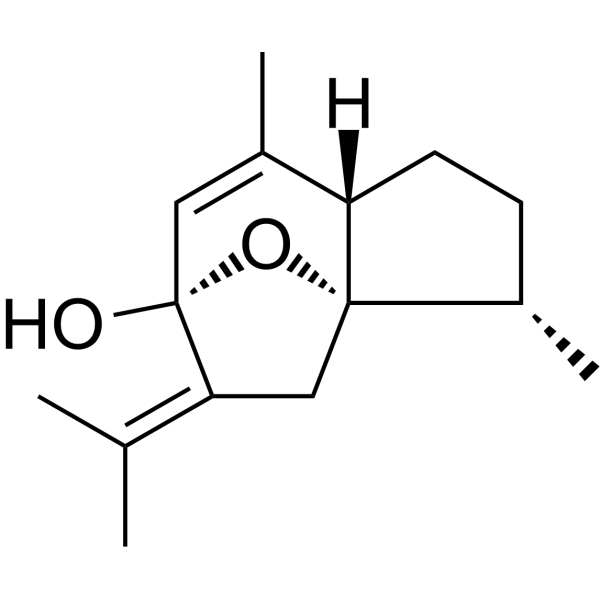
    It is a bioactive compound with anti-inflammatory activity that inhibits LPS-induced NO production in RAW 264.7 cells and acts by inhibiting the phosphorylation of MAPK (ERK, JNK and p38) and NF-κB p65. Grasshopper ketone, as an ingredient, has shown its potential in anti-inflammatory inhibition .
    Grasshopper ketone
  • HY-N0608A

    NF-κB Inflammation/Immunology
    (Rac)-Myrislignan is the racemate of Myrislignan. Myrislignan, a lignan isolated from Myristica fragrans Houtt, possesses anti-inflammatory activities. Myrislignan attenuates LPS-induced inflammation reaction in murine macrophage cells through inhibition of NF-kB signalling pathway activation .
    (Rac)-Myrislignan
  • HY-151921

    p38 MAPK Inflammation/Immunology
    Anti-inflammatory agent 33 is a potent p38α inhibitor. Anti-inflammatory agent 33 inhibits NO production. Anti-inflammatory agent 33 inhibits LPS-induced iNOS, COX-2, p-p38α, p-MK2 protein expression. Anti-inflammatory agent 33 shows anti-inflammatory activity .
    Anti-inflammatory agent 33
  • HY-B0289R

    RV 144 (Standard)

    Reference Standards NF-κB Bacterial Infection Metabolic Disease Inflammation/Immunology
    Erdosteine (Standard) is the analytical standard of Erdosteine. This product is intended for research and analytical applications. Erdosteine inhibits lipopolysaccharide (LPS)-induced NF-κB activation . Erdosteine has muco-modulatory, anti-bacterial, anti-inflammatory and anti-oxidant effects .
    Erdosteine (Standard)
  • HY-B1615

    NAB-365

    Adrenergic Receptor Inflammation/Immunology
    Clenbuterol (NAB-365) is a β2-adrenergic receptor agonist with an EC50 of 31.9 nM . Clenbuterol is a very potent inhibitor of the lipopolysaccharide (LPS)-induced release of TNF-α and IL-1β. Clenbuterol can inhibit the inflammatory process. Clenbuterol is a bronchodilator .
    Clenbuterol
  • HY-W995241

    COX NF-κB Inflammation/Immunology
    BPD is a COX-2 and TAK1-NF-κB inhibitor, with an IC50 of 18.5 μM for COX-2. BPD inhibits the expression of iNOS, TNF-α, IL-6 and IL-1β at the transcriptional level. BPD has anti-inflammatory activity. BPD can inhibit Carrageenan-induced paw oedema and LPS-induced septic death .
    BPD
  • HY-179474

    Toll-like Receptor (TLR) MyD88 Inflammation/Immunology
    TSI-13-57 is a pan-TLR inhibitor (IC50: 2.7 μM, 6.03 μM, 7.37 μM, 6.38 μM for TLR9, TLR7, TLR2, TLR4, respectively). TSI-13-57 inhibits homodimerization of the TIR domains of MyD88. TSI-13-57 reduces systemic inflammatory responses in LPS-induced mice .
    TSI-13-57
  • HY-129113R

    Reference Standards COX Inflammation/Immunology
    α-Chaconine (Standard) is the analytical standard of α-Chaconine. This product is intended for research and analytical applications. α-Chaconine inhibits the expressions of COX-2, IL-1β, IL-6, and TNF-α at the transcriptional level. α-Chaconine inhibits the LPS-induced expressions of iNOS and COX-2 at the protein and mRNA levels and their promoter activities in RAW 264.7 macrophages. Anti-inflammatory effects .
    α-?Chaconine (Standard)
  • HY-148553

    ERK Inflammation/Immunology
    Anti-inflammatory agent 36 is an anti-inflammatory agent. Anti-inflammatory agent 36 inhibits LPS-induced macrophage activation .
    Anti-inflammatory agent 36
  • HY-N1546

    Others Inflammation/Immunology
    Protoplumericin A is a bioactive ingredient of Plumeria obtusa L. attenuates. Protoplumericin A mitigated lipopolysaccharide (LPS) -induced acute lung injury in mice. Protoplumericin A can be used to study the LPS-induced anti-inflammatory effect .
    Protoplumericin A
  • HY-N2053

    NO Synthase Endogenous Metabolite Inflammation/Immunology
    Physalin L inhibits LPS-induced NO production in macrophages with the average inhibitory rate of 70.97%. Anti-inflammatory activity .
    Physalin L

Inquiry Online

Your information is safe with us. * Required Fields.

Salutation


Country or Region *

Applicant Name *


Organization Name *

Department *


Email Address *


Product Name *

Cat. No.


Requested quantity *

Phone Number *


Remarks

Inquiry Online

Inquiry Information

Product Name:
Cat. No.:
Quantity:
MCE Japan Authorized Agent:

