
Search Result
Results for "
MCF-7 xenograft
" in MedChemExpress (MCE) Product Catalog:
| Cat. No. |
상품명 |
Target |
연구분야 |
Chemical Structure |
-
- HY-151504
-
|
ALM301
|
Akt
|
Cancer
|
|
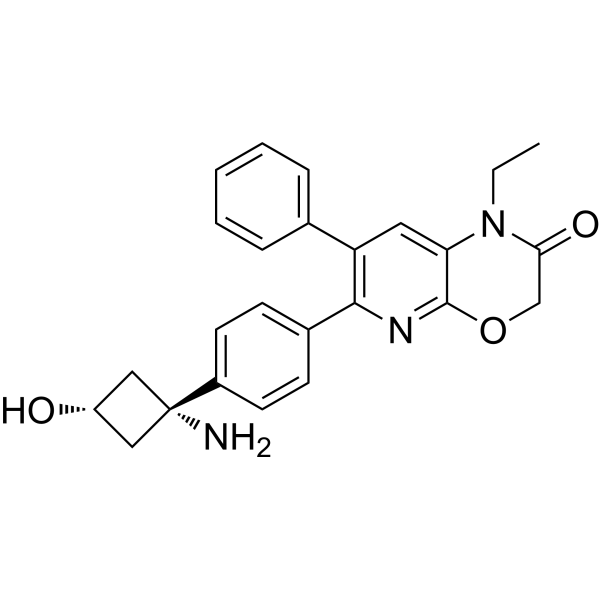
Engasertib is an orally active highly specific AKT inhibitor with IC50 values of 0.13 µM, 0.09 µM and 2.75 µM for AKT1, AKT2 and AKT3, respectively. Engasertib inhibits AKT phosphorylation and modulates downstream signalling in vitro. Engasertib can inhibit cancer cell proliferation and tumor growth .
|
-
-
- HY-153468
-
|
TEQ103; Sera2
|
Sodium Channel
TRP Channel
|
Cancer
|
|
ErSO-TFPy (TEQ103) is an ERα+ tumor cell inhibitor with low nanomolar cytotoxic activity against ERα+ breast cancer cells. ErSO-TFPy activates the sodium channel TRPM4, causes an imbalance of intracellular calcium and sodium ions. ErSO-TFPy dysregulates calcium homeostasis in ERα+ tumor cells, triggers the anticipatory unfolded protein response, and induces rapid immune cell-independent necrotic cell death. ErSO-TFPy can be used for the research of estrogen receptor alpha positive breast cancer .
|
-
-
- HY-N0434
-
|
|
C-type Lectin-like Receptors (CTLRs)
Apoptosis
Dengue Virus
|
Infection
Cancer
|
|
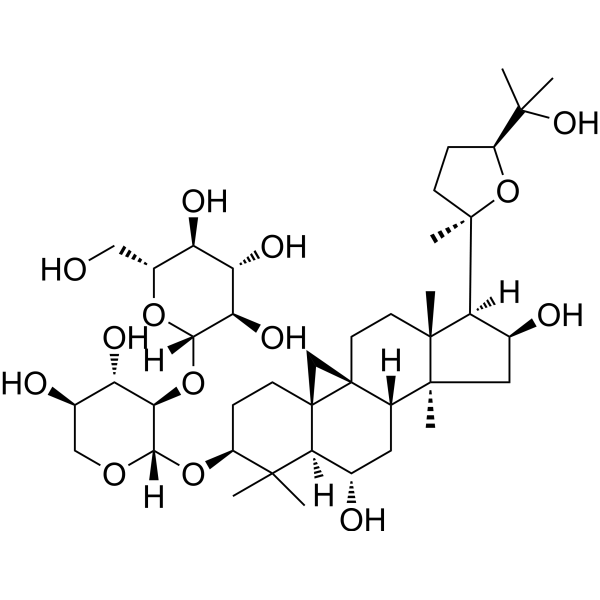
Astragaloside III is a triterpenoid saponin. Astragaloside III can be extracted from Astragalus root. Astragaloside III increases NKG2D and induces TACE phosphorylation. Astragaloside III induces Apoptosis. Astragaloside III has antiviral activity against dengue serotypes 1 and 3. Astragaloside III has anticancer activity against breast and colon cancer .
|
-
-
- HY-176761
-
|
|
Apoptosis
Autophagy
Caspase
mTOR
|
Cancer
|
|
NSC647889 is an apoptosis and autophagy inducer. NSC647889 induces apoptosis, inhibits mTOR pathway and abrogates DNA synthesis. NSC647889 triggers LC3-positive vesicle formation, modulates AKT and 4EBP1 phosphorylation and shows heightened caspase-3 activation in multicellular spheroids. NSC647889 can be used for the research of solid cancer tumour, head-neck carcinoma, and colorectal cancer .
|
-
-
- HY-149480
-
|
|
PROTACs
Estrogen Receptor/ERR
|
Cancer
|
|
ERD-3111 (Compound 44) is an orally active PROTAC ERα degrader (DC50: 0.5 nM). ERD-3111 inhibits tumor growth in the parental MCF-7 xenograft model with wild-type ER and two clinically relevant ESR1 mutated mice model. ERD-3111 can be used in the research of ER+ breast cancer .
|
-
-
- HY-14372
-
|
|
CDK
|
Cancer
|
|
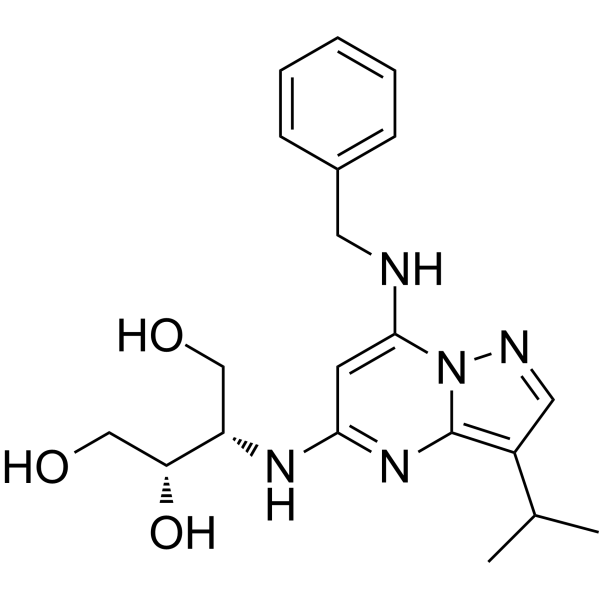
BS-194 is an orally active, selective and potent CDK inhibitor. BS-194 inhibits CDK2, CDK1, CDK5, CDK7, CDK9 (IC50s: 3, 30, 30, 250, and 90 nM respectively). BS-194 potently inhibits cancer cells proliferation. BS-194 can be used in the research of cancers like breast cancer, colon cancer .
|
-
-
- HY-10812
-
|
|
PI3K
mTOR
|
Cancer
|
|
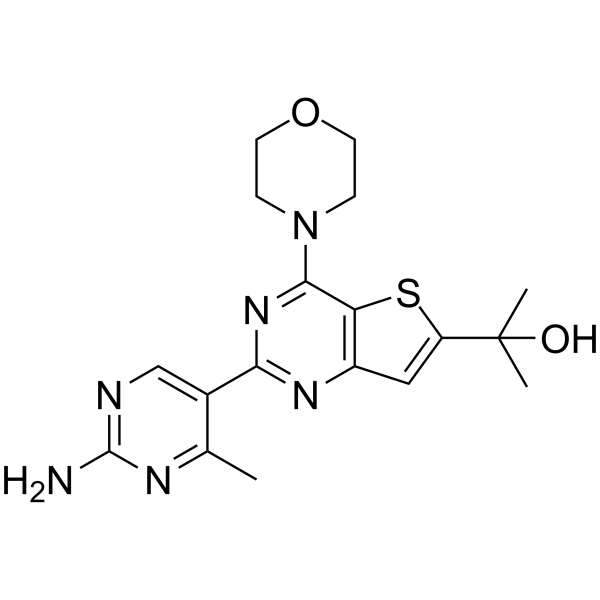
GNE-490, a (thienopyrimidin-2-yl)aminopyrimidine, is a potent pan-PI3K inhibitor with IC50s of 3.5 nM, 25 nM, 5.2 nM, 15 nM for PI3Kα, PI3Kβ, PI3Kδ and PI3Kγ, respectively. GNE-490 has >200 fold selectivity for mTOR (IC50=750 nM). GNE-490 shows potent suppression efficacy profile against MCF7.1 breast cancer xenograft model .
|
-
-
- HY-149295
-
|
|
PROTACs
Estrogen Receptor/ERR
Apoptosis
|
Cancer
|
|
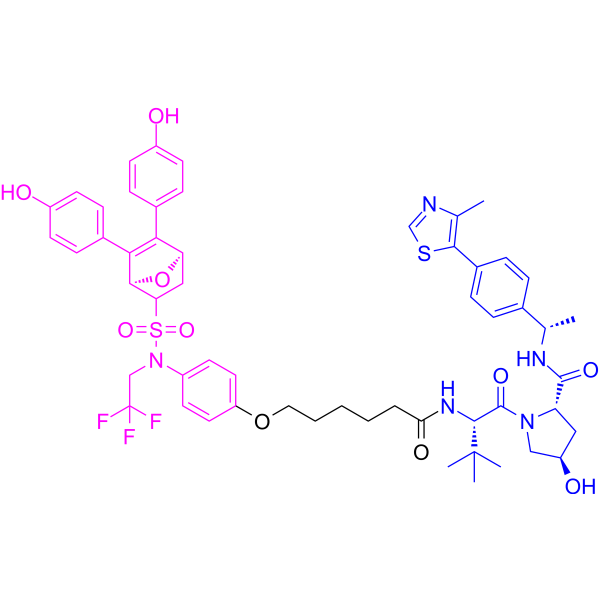
PROTAC ERα Degrader-4 (Compound ZD12) is a highly potent and selectivePROTAC ERα degrader (Ki: 5.08 μM). PROTAC ERα Degrader-4 contains OBHSAs, linker and E3 ligase ligands. PROTAC ERα Degrader-4 shows excellent cell inhibitory and ERα degradation activity against Tamoxifen-sensitive and -resistant ER + breast cancer (BC) cells and ERα-mutated BC cells. PROTAC ERα Degrader-4 can induce apoptosis and can be used for cancer research.
|
-
-
- HY-175785
-
|
|
Estrogen Receptor/ERR
Aryl Hydrocarbon Receptor
Apoptosis
MDM-2/p53
|
Cancer
|
|
X15695 is selective and orally active estrogen receptor (ERα) degrader. X15695 is an aryl hydrocarbon receptor (AHR) ligand. X15695 enables AHR to form a complex with the ERα, promoting its proteasomal degradation. X15695 inhibits the breast cancer cells proliferation, promotes cell cycle block and induces apoptosis. X15695 can be used for the study of breast cancer .
|
-
-
- HY-164548
-
|
|
HSP
Apoptosis
PI3K
Akt
NF-κB
|
Inflammation/Immunology
Cancer
|
|
WK88-1 is an apoptosis inducer and Hsp90 client protein inhibitor with antiproliferative and immunomodulatory activities. WK88-1 inhibits signaling pathways such as PI3K/Akt and NF-κB, and induces mitochondrial dysfunction and cell cycle arrest. WK88-1 effectively suppresses cancer cell migration and invasion, and reverses various EGFR mutations and resistance to Gefitinib (HY-50895). WK88-1 also regulates the differentiation of monocytes and dendritic cells, blocks the expression of multiple chemokines, inhibits immune cell migration and M1 marker transcription, and restores impaired endocytic activity. WK88-1 has been used in studies of breast cancer, non-small cell lung cancer with various EGFR mutations or Met amplification, and atherosclerosis and other related diseases .
|
-
-
- HY-178472
-
|
|
PROTACs
Aurora Kinase
|
Cancer
|
|
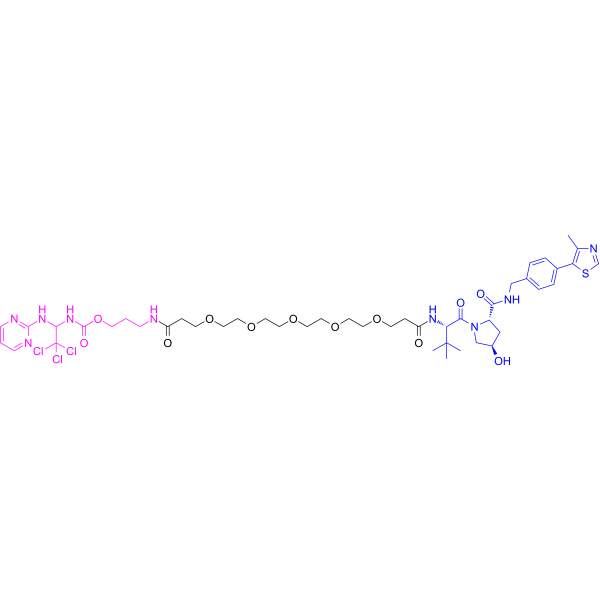
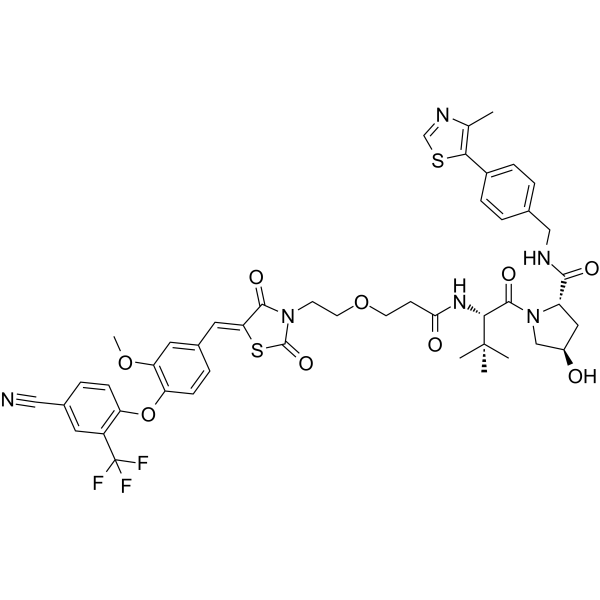
AurAP14 is an Aurora A PROTAC degrader (DC50 = 120 nM). AurAP14 shows significant inhibitory activity against various tumor cell lines, with IC50s of 0.294 μM in A549 cells and 0.534 μM in MCF-7 cells. AurAP14 induces apoptosis and arrests A549 cells in the S and G2/M phases. AurAP14 demonstrates anti-tumor efficacy in nude mouse xenograft models of A549 and A549/PTR. AurAP14can be used in the research on the treatment of Aurora A-overexpressing NSCLC. (Pink: Aurora A ligand (HY-10971), Blue: E3 ligase Ligand (HY-W437598), Black: Linker) .
|
-
-
- HY-175260
-
|
|
Estrogen Receptor/ERR
|
Cancer
|
|
ZN-c5 is a selective and orally active estrogen receptor degrader. ZN-c5 exhibits high potency in the cellular assay (MCF-7, IC50 = 0.3 nM) and binds with high affinity to ERα and ERβ (IC50 = 0.4 nM and 0.8 nM, respectively). ZN-c5 inhibits tumor growth in MCF-7 mouse xenograft model and WHIM20 xenograft model. ZN-c5 can be used for the study of breast cancer .
|
-
-
- HY-106159
-
|
|
Reactive Oxygen Species (ROS)
p38 MAPK
JNK
PERK
Ferroptosis
|
Cancer
|
|
SB-T-101141 is a novel taxane. SB-T-101141 effectively induces a noncanonical ferroptosis to overcome Paclitaxel (HY-B0015) resistance of breast cancer. SB-T-101141 facilitates the production of iron and ferrous ions and ROS. SB-T-101141 stably binds to KHSRP to inhibit the iron-dependent expression of CISD1 related to iron homeostasis. SB-T-101141 synergistically enhances the iron-dependent activation of JNK and PERK pathways via KHSRP. SB-T-101141 suppresses breast tumor growth in MCF-7(PR)/MDA-MB-231(PR) or KHSRP knock-down MCF-7 xenograft mice model .
|
-
-
- HY-175698
-
|
|
ACSL Family
Ferroptosis
Microtubule/Tubulin
COX
Glutathione Peroxidase
|
Cancer
|
|
Ferroptosis inducer-9 is a ferroptosis inducer and colchicine site tubulin polymerization inhibitor. Ferroptosis inducer-9 inhibits MCF-7 cell growth with an IC50 of 14 nM and inhibits [ 3H]colchicine binding. Ferroptosis inducer-9 reduces expression of GPX4 and FTH, increases COX2 and ACSL4, lowers GSH, NADP+, and NADPH levels, increases LPO, MDA, and Fe(II) levels, and decreases SOD concentrations. Ferroptosis inducer-9 demonstrates significant anti-tumor efficacy in HCT116 CRC xenograft model. Ferroptosis inducer-9 can be used for the study of triple negative breast cancer (TNBC) and colorectal cancer (CRC) .
|
-
-
- HY-178343
-
|
|
Aurora Kinase
Apoptosis
|
Cancer
|
|
Aurora A-IN-5 is a potent and highly selective Aurora A inhibitor (IC50 = 0.02 μM), showing 362-fold selectivity for over Aurora B. Aurora A-IN-5 shows its selectivity through unique C−H/π interactions, enhanced hydrophobic contacts, an open binding pocket, and tighter protein packing. Aurora A-IN-5 suppresses Aurora A autophosphorylation, thereby inhibiting cancer cell proliferation by inducing G2/M phase arrest, triggering apoptosis, and suppressing colony formation. Aurora A-IN-5 inhibits tumor growth in MDA-MB-231 xenograft mouse models. Aurora A-IN-5 can be used for breast, cervical, prostate, and lymphoma cancer research .
|
-
-
- HY-176288
-
|
|
Eukaryotic Initiation Factor (eIF)
Bcl-2 Family
Apoptosis
Ras
PERK
|
Cancer
|
|
eIF4E/eIF4G PPI-IN-1 is an eIF4E/eIF4G interaction inhibitor with a KD of 20.2 μM for eIF4E protein. eIF4E/eIF4G PPI-IN-1 plays an antitumor role in multiple modes of action including regulating the activity of eIF4E by inhibiting the Ras/MAPK/eIF4E signaling pathway, apoptosis and cell migration. eIF4E/eIF4G PPI-IN-1 suppresses the growth of HepG2 xenografts in nude mice and was relatively nontoxic to mice .
|
-
-
- HY-176220
-
|
|
AUTACs
Autophagy
Glutathione Peroxidase
Ferroptosis
|
Cancer
|
|
GPX4-AUTAC is a GPX4-targeting autophagy-mediated degrader (AUTAC). GPX4-AUTAC consists of an inhibitor ML162-yne (HY-153748), a degradation tag FBnG (HY-W073762) and a glycol linker (HY-W021401). GPX4-AUTAC promotes the ubiquitination of GPX4 by E3 ligase TRAF6, and enhances the binding with GPX4 and p62, leading to the selective autophagy-dependent degradation of GPX4. GPX4-AUTAC significantly induces ferroptosis and shows a potent anti-cancer activity in breast cancer cells, breast cancer-derived organoids (PDOs) and MDA-MB-231 tumor xenograft mice model, with potent synergistic effects when combined with Sulfasalazine (SAS) (HY-14655) or chemotherapy drugs (Paclitaxel (HY-B0015) or Cisplatin (HY-17394)) .
|
-
-
- HY-176225
-
|
|
PROTACs
Src
Estrogen Receptor/ERR
Apoptosis
|
Cancer
|
|
BY13 is a SRC-3 PROTAC degrader with a DC50 of 0.031 μM. BY13 selectively blocks the ER signaling pathway over that of androgen receptor (AR)) through down-regulating ERα level. BY13 potently overcomes endocrine resistance in breast cancer by inducing cell cycle arrest in G1 phase and apoptosis, with superior effect over Fulvestrant (HY-13636). BY13 significantly inhibits the growth of drug-resistant breast tumors without obvious toxicity in LCC2 xenograft mice model . Pink: SRC-3 ligand (SI-2) (HY-101447); Blue: CRBN ligase ligand (HY-41547); Black: linker (HY-176226)
|
-
-
- HY-173060
-
|
|
ERK
Apoptosis
Autophagy
|
Cancer
|
|
ERK1/2 inhibitor 13 (Compound 21y) is the orally active inhibitor for ERK that inhibits ERK1 and ERK2 with IC50 of 91.71 nM and 97.87 nM. ERK1/2 inhibitor 13 inhibits the proliferation of MCF-7, 4T1, MDA-MB-468, and HCC1970 (IC50 of 0.67, 2.76, 2.15 and 1.68 μM), inhibits the cancer cell migration, induces apoptosis and autophagy in MCF-7. ERK1/2 inhibitor 13 exhibits antitumor and anti-metastatic effect in 4T1 xenograft mouse model .
|
-
-
- HY-149081
-
|
|
Estrogen Receptor/ERR
Cytochrome P450
|
Cancer
|
|
ERα degrader 6 (Compound 31q) is an ERα degrader (KI: 75 nM). ERα degrader 6 also inhibits ARO with an IC50 of 37.7 nM. ERα degrader 6 inhibits tumor growth in MCF-7 tumor xenograft model. ERα degrader 6 can be used for breast cancer research .
|
-
-
- HY-173182
-
|
|
Microtubule/Tubulin
P-glycoprotein
|
Cancer
|
|
Antitumor agent-200 (Compound 2g) is a microtubule synthesis inhibitor. By binding to the colchicine site of tubulin, it causes G2/M cell cycle arrest and generates reactive oxygen species (ROS). Antitumor agent-200 exhibits significant inhibitory activity against MCF7/ADR and KBV200 cell lines with overexpression of P-glycoprotein (P-gp), with drug resistance indices (DRI) of 0.83 and 0.58 respectively. In the MCF-7 xenograft model, Antitumor agent-200 (25 mg/kg, intraperitoneal injection) can achieve a tumor growth inhibition rate of 57.2%. Antitumor agent-200 can be used in the research of the anti-cancer field .
|
-
-
- HY-169019
-
|
|
PI3K
Apoptosis
|
Cancer
|
XJTU-L453 is a PI3Kα inhibitor with an IC50 value of 0.4 nM. XJTU-L453 can inhibit the proliferation of breast cancer cell lines T47D and MCF7, with IC50 values of 0.2 μM and 0.5 μM, respectively. XJTU-L453 can inhibit the PI3K pathway, induce cell cycle arrest, and trigger cell apoptosis (apoptosis). XJTU-L453 also has antitumor activity in MCF7 xenograft mice .
|
-
-
- HY-173075
-
|
|
RIP kinase
Mixed Lineage Kinase
Necroptosis
|
Cancer
|
|
Anticancer agent 267 (Compound 5q) is the activator for RIPK3 and MLKL. Anticancer agent 267 inhibits the proliferation in a variety of cancer cell lines (IC50 for MDA-MB-231, MDA-MB-486 and MCF-7 is 9.79, 10.77 and 5.94 μM, respectively), arrests cell cycle at subG1 phase, and induces necroptosis in cell MDA-MB-231. Anticancer agent 267 exhibits antitumor activity in mouse xenograft models .
|
-
-
- HY-163434
-
|
|
EGFR
Histone Methyltransferase
|
Cancer
|
|
PRMT5/EGFR-IN-1 (Compound 10p) is an orally active dual PRMT5/EGFR inhibitor, with IC50s of 15.47 and 19.31 μM, respectively. PRMT5/EGFR-IN-1 exhibits antiproliferative activity against A549, MCF7, HeLa, and MDA-MB-231 cell lines. PRMT5/EGFR-IN-1 has favorable in vivo PK and PD properties. PRMT5/EGFR-IN-1 can significantly inhibit the growth of MCF7 orthotopic xenograft tumors .
|
-
-
- HY-168102
-
|
|
Microtubule/Tubulin
Apoptosis
|
Cancer
|
|
Antiproliferative agent-59 (Compound 14u) is an inhibitor for tubulin polymerization. Antiproliferative agent-59 exhibits antiproliferative activities against cancer cells Huh7, SGC-7901, and MCF-7 with IC50 of 0.03, 0.18, and 0.13μM. Antiproliferative agent-59 arrests the cell cycle at G2/M phase and induces apoptosis in Huh7 cell. Antiproliferative agent-59 exhibits antitumor efficacy against liver cancer in Huh7 xenograft mouse models, without significant toxicity .
|
-
-
- HY-N9174
-
|
|
Others
|
Cancer
|
|
5,7,3',4'-Tetrahydroxy-3-methoxy-8,5'-diprenylflavone is a natural product that can be extracted from B. papyrifera. 5,7,3',4'-Tetrahydroxy-3-methoxy-8,5'-diprenylflavone has potent anti-proliferation effects on ER-positive breast cancer cells, with an IC50 value of 4.41 μM for MCF-7 cells. 5,7,3',4'-Tetrahydroxy-3-methoxy-8,5'-diprenylflavone also reduces the tumor growth in the BCAP-37 xenograft .
|
-
-
- HY-162227
-
|
|
Microtubule/Tubulin
Apoptosis
|
Cancer
|
|
Antitumor agent-138 (compound 5b) is an inhibitor against tubulin polymerization at tubulin colchicine-binding sites, with IC50 of 1.87 μM. Antitumor agent-138 arrests the cell cycle at G2/M phase and induces an apoptosis in MCF-7 cells. Antitumor agent-138 inhibits cells migration and angiogenesis .
|
-
-
- HY-170651
-
|
|
CDK
HDAC
Apoptosis
|
Cancer
|
|
CDK4/6/HDAC-IN-1 (Compound N14) is a dual-targeting inhibitor of CDK4/6 and HDAC (IC50: CDK4 = 7.23 nM, CDK6 = 13.20 nM, HDAC1 = 55.66 nM, HDAC6 = 48.38 nM). CDK4/6/HDAC-IN-1 induces cell Apoptosis and G0/G1 phase arrest through HDAC-p21-CDK signaling pathway. CDK4/6/HDAC-IN-1 inhibits hepatocellular carcinoma .
|
-
-
- HY-N0434R
-
|
|
Reference Standards
C-type Lectin-like Receptors (CTLRs)
Apoptosis
Dengue Virus
|
Infection
Cancer
|
|
Astragaloside III (Standard) is the analytical standard of Astragaloside III (HY-N0434). This product is intended for research and analytical applications. Astragaloside III is a triterpenoid saponin. Astragaloside III can be extracted from Astragalus root. Astragaloside III increases NKG2D and induces TACE phosphorylation. Astragaloside III induces Apoptosis. Astragaloside III has antiviral activity against dengue serotypes 1 and 3. Astragaloside III has anticancer activity against breast and colon cancer .
|
-
-
- HY-146465
-
|
|
Microtubule/Tubulin
|
Cancer
|
|
Anticancer agent 60 (compound 3h) has antiproliferative activity against human HepG2 cells (IC50 = 4.13 μM) and presents antitumor efficacy in a human HepG2 xenograft mouse model .
|
-
-
- HY-155090
-
|
|
ATM/ATR
|
Cancer
|
|
ATM Inhibitor-8 (Compound 10r) is a highly potent, selective and orally active ATM inhibitor,with an IC50 of 1.15 nM. ATM Inhibitor-8 exhibits anti-tumor activity .
|
-
-
- HY-174854
-
|
|
HDAC
Reactive Oxygen Species (ROS)
Apoptosis
|
Cancer
|
|
PySAHA is a multifunctional HDAC inhibitor. PySAHA can degrade intracellular HDAC via a hydrophobic tagging mechanism. PySAHA also possesses photodynamic therapeutic activity and can generate reactive oxygen species under light irradiation. PySAHA can inhibit the proliferation, migration and induce cell apoptosis of breast cancer cells. PySAHA has antitumor activity and can be used in breast cancer research .
|
-
-
- HY-145849
-
|
|
VEGFR
|
Cancer
|
|
VEGFR2-IN-1 is a potent and selective VEGFR2 inhibitor (IC50=19.8 nM). VEGFR2-IN-1 inhibits cell proliferation and migration through apoptosis activation and VEGFR2 inhibition .
|
-
-
- HY-176404
-
|
|
HSP
|
Cancer
|
|
DDO-6691 is a heat shock protein 90 (HSP90) inhibitor. DDO-6691 has antiproliferative effects on a variety of tumor cells, with HCT-116 colon cancer cells being the most sensitive (IC50: 1.08 μM). DDO-6691 exhibits potent tumor growth inhibition in the HCT-116 xenograft mouse model .
|
-
-
- HY-182946
-
|
|
PI3K
|
Cancer
|
|
PI3Kα-IN-31 is an orally active and selective PI3Kα inhibitor. PI3Kα-IN-31 shows potent preference for mutant PI3Kα over wild-type PI3Kα. PI3Kα-IN-31 exerts antiproliferative effects in PI3Kα-mutant cancer cells. PI3Kα-IN-31 suppresses tumor growth in xenograft models. PI3Kα-IN-31 can be used for the research of breast cancer .
|
-
-
- HY-181823
-
|
|
HOXA
TGF-beta/Smad
Apoptosis
|
Cancer
|
|
HOXA1-IN-1 is a HOXA1 inhibitor. HOXA1-IN-1 downregulates HOXA1 protein levels, suppresses its transcriptional activity, and alters the expression of its downstream target genes. HOXA1-IN-1 induces DNA damage and apoptosis in cancer cells. HOXA1-IN-1 exhibits antitumor efficacy in xenograft models of colorectal cancer and triple-negative breast cancer. HOXA1-IN-1 shows synergistic activity in combination with Cisplatin (HY-17394). HOXA1-IN-1 can be used for the research of colorectal cancer and triple-negative breast cancer .
|
-
-
- HY-P991922
-
|
|
Fc Receptor (FcR)
Complement System
Radionuclide-Drug Conjugates (RDCs)
|
Cancer
|
|
AKIR001 is a high-affinity human IgG1 antibody targeting CD44v6. AKIR001 carries LALA-silencing mutations in its FcγR-binding domain to reduce FcγR and C1q interactions, minimizing tissue interactions and limiting CDC and ADCC risks. [ 177Lu] radiolabeled AKIR001, namely [ 177Lu]Lu-AKIR001, has anticancer activity against epidermoid carcinoma .
|
-
-
- HY-124627
-
|
|
Estrogen Receptor/ERR
|
Cancer
|
|
THIQ-40 is a tetrahydroisoquinoline-based, orally active, and selective estrogen receptor ERα degrader (SERD) (IC50=17 nM), with antitumor efficacy. THIQ-40 possesses functional ERα antagonistic activity, promotes ERα degradation and forms stable ERαLBD complexes. THIQ-40 shows the characteristic of rapid racemization in multi-species plasma. THIQ-40 can be widely applied to studies on the relevant mechanisms and drug development of ERα-positive breast cancer .
|
-
-
- HY-183771
-
|
|
CDK
Apoptosis
Reactive Oxygen Species (ROS)
Mitochondrial Metabolism
Bcl-2 Family
Caspase
|
Cancer
|
|
CDK4/6-IN-28 is a potent, orally active, and selective CDK4/6 inhibitor IC50 values of 14.02 and 10.03 nM, respectively. CDK4/6-IN-28 inhibits breast cancer cell colony formation, migration, and proliferation. CDK4/6-IN-28 induces G1-phase cell cycle arrest and apoptosis in breast cancer cells. CDK4/6-IN-28 exhibits tumor inhibitory activity in breast cancer xenograft mouse models. CDK4/6-IN-28 can be used for the research of breast cancer .
|
-
-
- HY-183568
-
|
|
Methionine Adenosyltransferase (MAT)
|
Cancer
|
|
MAT2A-IN-26 is an orally active MAT2A inhibitor with a human IC50 of 17.53 nM. MAT2A-IN-26 inhibits the enzymatic activity of MAT2A, thereby reducing the levels of S-adenosylmethionine (SAM) and symmetric dimethylarginine (sDMA). MAT2A-IN-26 inhibits the proliferation of MTAP-deficient cancer cells and induces anti-tumor efficacy in xenograft models. MAT2A-IN-26 can be used in non-small cell lung cancer research .
|
-
| Cat. No. |
상품명 |
Target |
Research Area |
Image |
-
- HY-P991922
-
|
|
Fc Receptor (FcR)
Complement System
Radionuclide-Drug Conjugates (RDCs)
|
Cancer
|
|
AKIR001 is a high-affinity human IgG1 antibody targeting CD44v6. AKIR001 carries LALA-silencing mutations in its FcγR-binding domain to reduce FcγR and C1q interactions, minimizing tissue interactions and limiting CDC and ADCC risks. [ 177Lu] radiolabeled AKIR001, namely [ 177Lu]Lu-AKIR001, has anticancer activity against epidermoid carcinoma .
|
-
(5)
| Cat. No. |
상품명 |
Category |
Target |
Chemical Structure |
-
- HY-N0434
-
-
-
- HY-N9174
-
|
|
Flavonoids
Flavones
Plants
Moraceae
Broussonetia papyrifera (Linnaeus) L'Heritier ex Ventenat
Source Classification
|
Others
|
|
5,7,3',4'-Tetrahydroxy-3-methoxy-8,5'-diprenylflavone is a natural product that can be extracted from B. papyrifera. 5,7,3',4'-Tetrahydroxy-3-methoxy-8,5'-diprenylflavone has potent anti-proliferation effects on ER-positive breast cancer cells, with an IC50 value of 4.41 μM for MCF-7 cells. 5,7,3',4'-Tetrahydroxy-3-methoxy-8,5'-diprenylflavone also reduces the tumor growth in the BCAP-37 xenograft .
|
-
-
- HY-N0434R
-
-
Your information is safe with us. * Required Fields.
Inquiry Information
- 상품명:
- Cat. No.:
- 수량:
- MCE Japan Authorized Agent:

