

1. Search Result
Search Result
Results for "

Peptide mimic

" in MedChemExpress (MCE) Product Catalog:

55

Inhibitors & Agonists

1

Screening Libraries

52

Peptides

1

Isotope-Labeled Compounds

Cat. No. Product Name Target Research Areas Chemical Structure
  • HY-P1439
    RS 09
    Maximum Cited Publications
    18 Publications Verification

    Toll-like Receptor (TLR) NF-κB Inflammation/Immunology
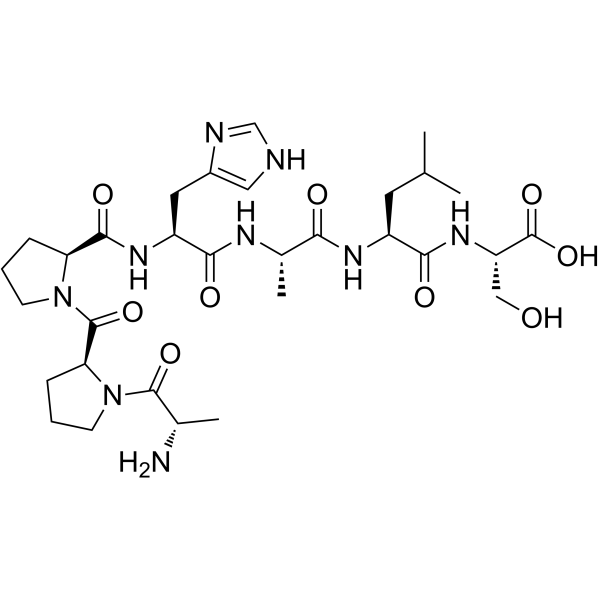
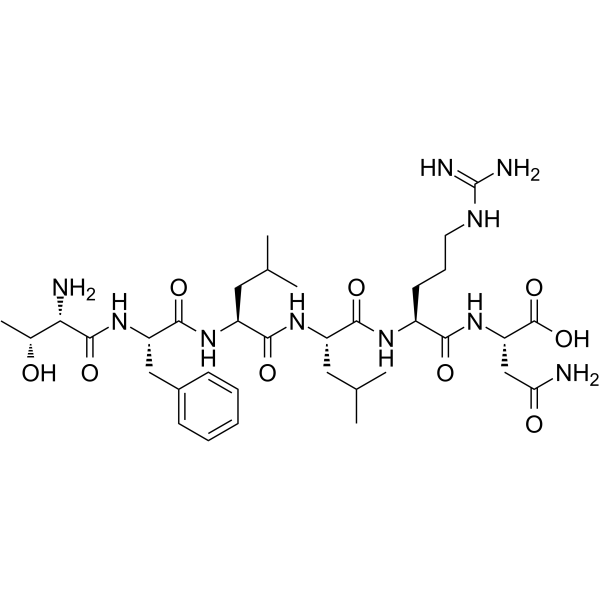
    RS 09 is an LPS (HY-D1056) peptide mimic and TLR4 agonist. RS 09 can bind to TLR-4 and activate NF-κB. RS 09 can function as an adjuvant in vivo, enhancing the antigen-specific immune response .
    RS 09
  • HY-P0102

    nAChR Neurological Disease Metabolic Disease
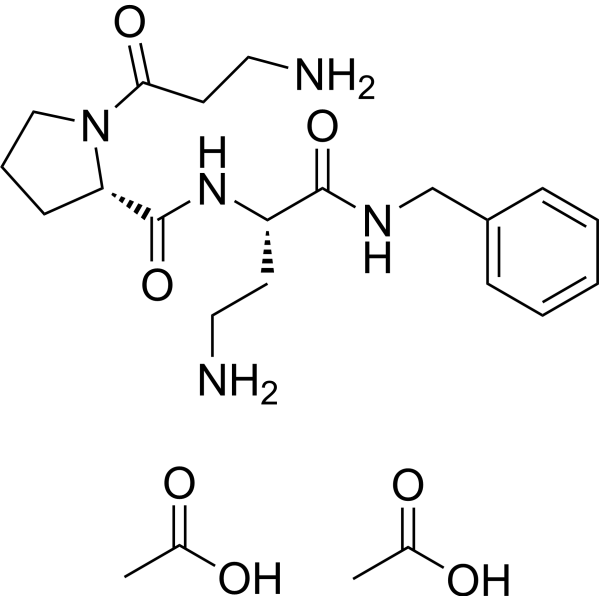
    Dipeptide diaminobutyroyl benzylamide diacetate, a Wagerlin-1-mimicking peptide, is a nAChR antagonist. Dipeptide diaminobutyroyl benzylamide diacetate mimics Waglerin-1 to block neuromuscular junction nicotinic acetylcholine receptors, partially inhibits neuronal signal transduction, and relaxes muscles. Dipeptide diaminobutyroyl benzylamide diacetate reduces appearance of facial wrinkles linked to repeated muscle movement.Dipeptide diaminobutyroyl benzylamide diacetate can be used for the research of mild-to-moderate fine and coarse periocular and perioral wrinkles and periorbital ageing .
    Dipeptide diaminobutyroyl benzylamide diacetate
  • HY-103302

    CGRP Receptor Endocrinology
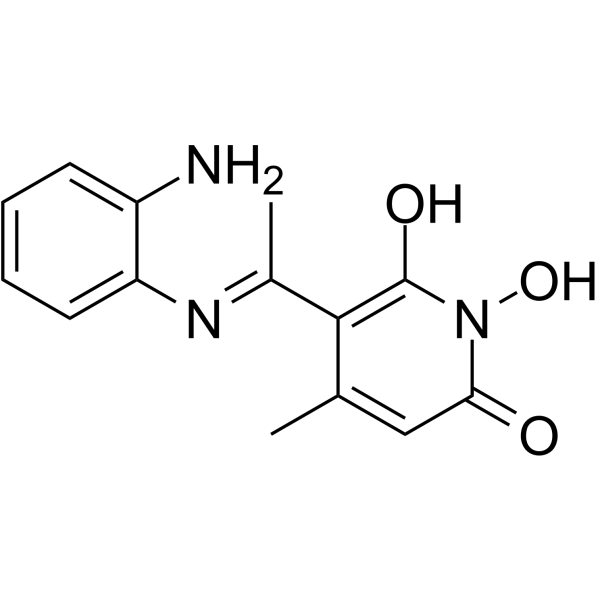
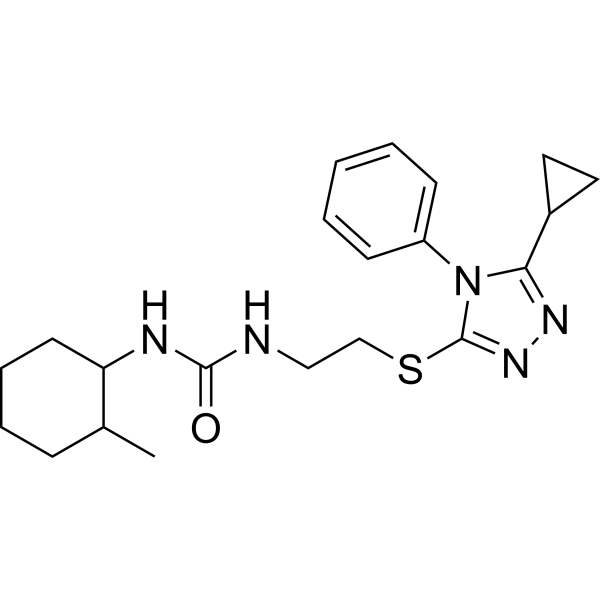
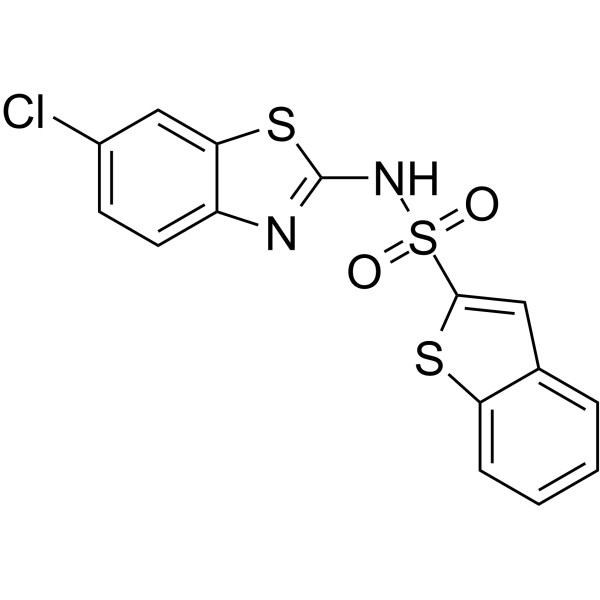
    SUN B8155, a non-peptide agonist of calcitonin (CT) receptor, selectively mimics the biological actions of calcitonin. Calcitonin, a 32-amino acid peptide hormone secreted mainly from the thyroid gland, plays an important role in maintaining bone homeostasis .
    SUN B8155
  • HY-P3732

    Integrin Cancer
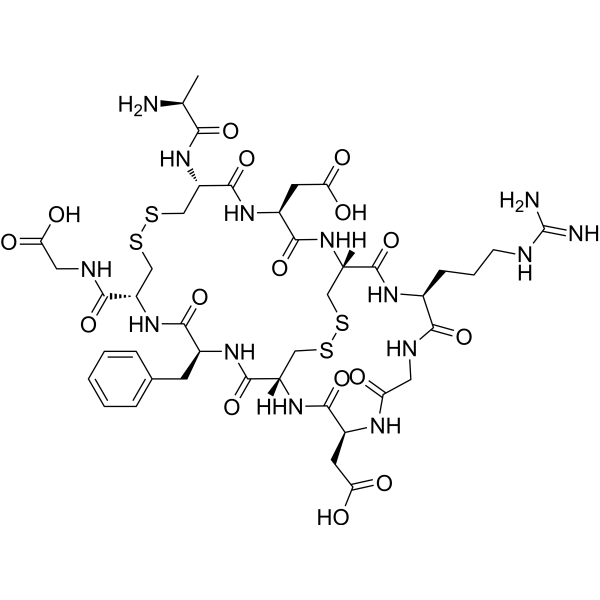
    RGD-4C is a arginine-glycine-aspartic acid peptide (ACDCRGDCFC) with integrin binding activity. The Arg-Gly-Asp (RGD) sequence serves as the primary integrin recognition site in extracellular matrix proteins, and peptides containing this sequence can mimic the recognition specificity of the matrix proteins. RGD-4C is a αv-integrin ligand, can conjugate with bioactive molecule to exert antitumor effects in animal models .
    RGD-4C
  • HY-P11017

    p38 MAPK Cadherin Inflammation/Immunology
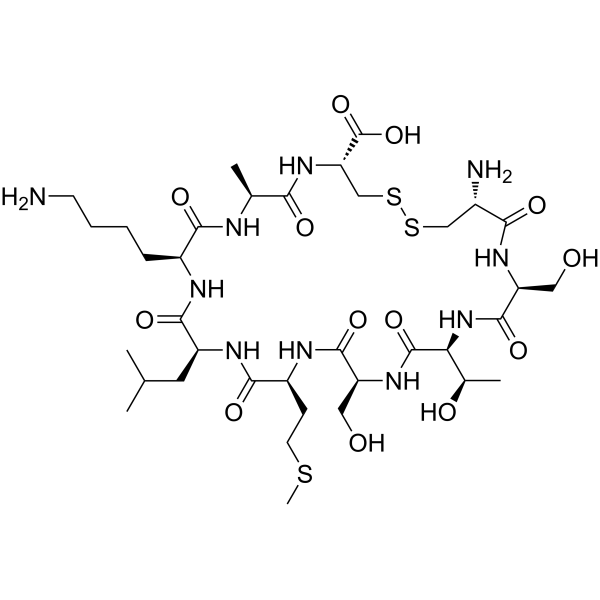
    LNSMGQD is a cyclic peptide fragment derived from desmoglein 1 (amino acids 81-86), which mimics trans-interactions and acts as part of the tandem peptide binding interface of desmoglein 2. LNSMGQD not only binds to desmoglein 1 and 3, but also effectively inhibits their homophilic trans-interactions, while reducing the probability of homophilic or heterophilic binding between desmoglein 2 and Dsc2, N-cadherin and E-cadherin. LNSMGQD is applicable to the research on disease mechanisms such as Crohn's disease and pemphigus vulgaris .
    LNSMGQD
  • HY-103080

    Apelin Receptor (APJ) Cardiovascular Disease
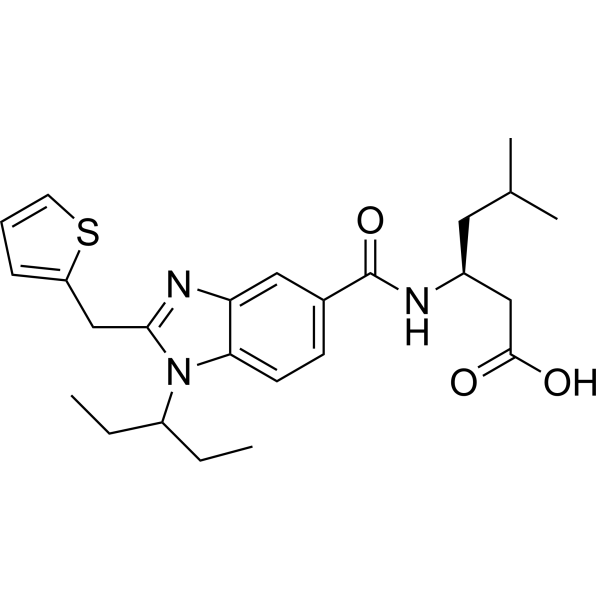
    CMF019 is an orally active, potent and small molecule agonist at Apelin receptor (APJ) with G protein bias. CMF019 binds to APJ with pKi values of 8.58, 8.49 and 8.71 for human, rat, and mouse, respectively. CMF019 mimics the beneficial cardiovascular actions of apelin in rodents . Apelin receptor (APJ) is a G protein-coupled receptor (GPCR) activated by the endogenous peptide apelin. CMF019 is promising for research of chronic diseases, such as, pulmonary arterial hypertension .
    CMF019
  • HY-P1741
    Fibrinogen-Binding Peptide
    1 Publications Verification

    Thrombin Cardiovascular Disease
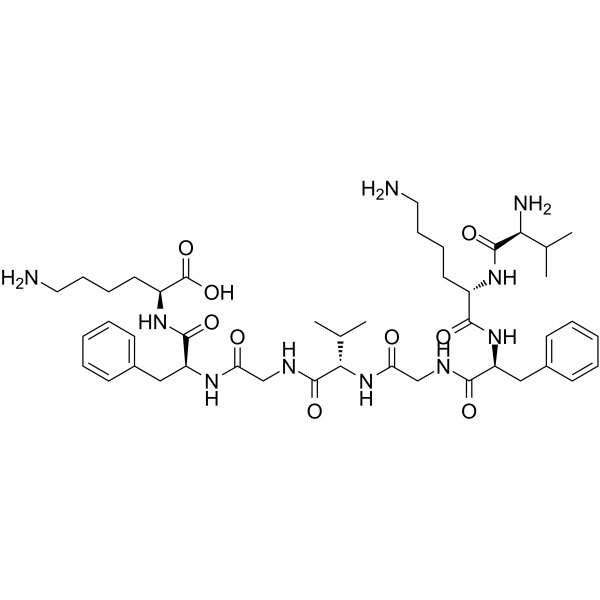
    Fibrinogen-Binding Peptide (designed by anticomplementarity hypothesis) is a presumptive peptide mimic of the vitronectin binding site on the fibrinogen receptor. Fibrinogen-Binding Peptide binds fibrinogen and inhibits both the adhesion of platelets to fibrinogen and platelet aggregation, and also inhibits the adhesion of platelets to vitronectin .
    Fibrinogen-Binding Peptide
  • HY-P10605

    Akt GSK-3 Cancer
    GSK3β-peptide is a substrate mimetic peptide of glycogen synthase kinase 3-β (GSK3-β) that can bind to the active site of GSK3-β and mimic the behavior of a real substrate. GSK3β-peptide can be used to develop substrate mimetic inhibitors of Akt as potential anticancer drugs .
    GSK3β-peptide
  • HY-P2518

    Protease Activated Receptor (PAR) Inflammation/Immunology
    Protease-Activated Receptor-1, PAR-1 Agonist is a selective proteinase-activated receptor1 (PAR-1) agonist peptide. Protease-Activated Receptor-1, PAR-1 Agonist corresponds to PAR1 tethered ligand and which can selectively mimic theactions of thrombin via this receptor .
    Protease-Activated Receptor-1, PAR-1 Agonist
  • HY-13463A
    Avatrombopag maleate
    5 Publications Verification

    AKR-501 maleate; E5501 maleate; YM477 maleate

    Thrombopoietin Receptor Cytochrome P450 ERK STAT Inflammation/Immunology Cancer
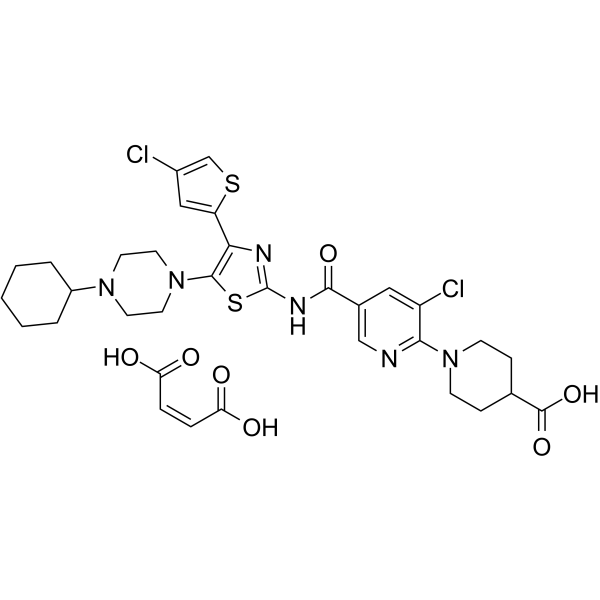
    Avatrombopag (AKR-501) maleate is an orally active, non-peptide thrombopoietin receptor (TPO receptor) agonist (EC50: 3.3 nM). Avatrombopag maleate mimics the biological activity of TPO. Avatrombopag maleate increases platelet production by activating intracellular signaling systems and promotes the production of platelets and megakaryocytes from hematopoietic precursor cells. Avatrombopag maleate is a substrate for cytochrome P450 (CYP) 2C9 and CYP3A .
    Avatrombopag maleate
  • HY-P4371

    Biochemical Assay Reagents Inflammation/Immunology
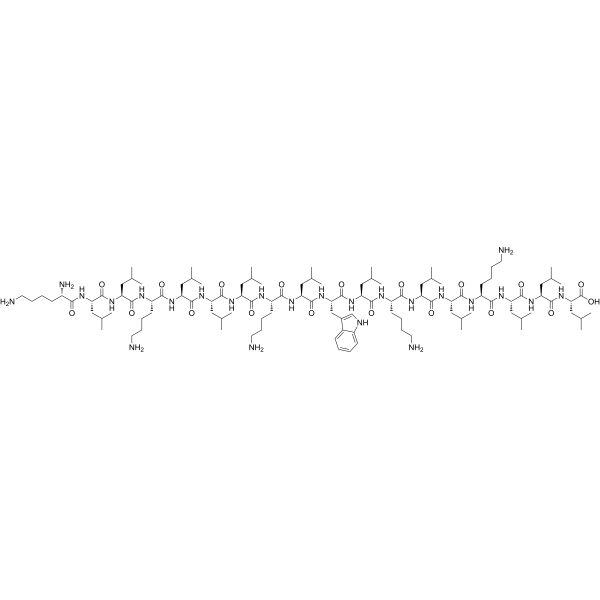
    Hel 13-5 is a monomeric, lipophilic, basic amphipathic α-helical synthetic peptide composed of 18 amino acid residues. Hel 13-5 is designed as a substitute for proteins in artificial pulmonary surfactants, and it mimics the interaction between the N-terminal fragment of human pulmonary surfactant protein B and lipids. Hel 13-5 can bind to phospholipids for the development of pulmonary surfactant model systems. Hel 13-5 can be used in studies related to respiratory distress syndrome .
    Hel 13-5
  • HY-P1439A
    RS 09 TFA
    Maximum Cited Publications
    18 Publications Verification

    Toll-like Receptor (TLR) NF-κB Inflammation/Immunology
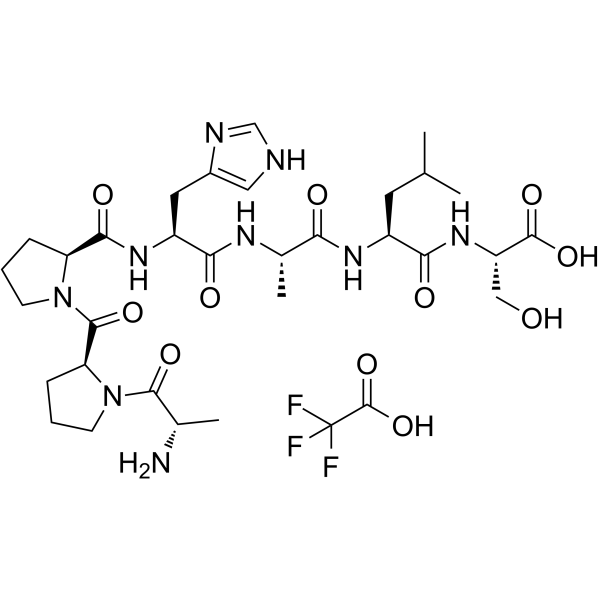
    RS 09 TFA is an LPS (HY-D1056) peptide mimic and TLR4 agonist. RS 09 TFA can bind to TLR-4 and activate NF-κB. RS 09 TFA can function as an adjuvant in vivo, enhancing the antigen-specific immune response .
    RS 09 TFA
  • HY-P2207

    Biochemical Assay Reagents Others
    Sinapultide is a 21-amino-acid peptide that mimics the action of human surfactant protein-B (SP-B). Sinapultide can be used for synthetic phospholipids surfactants improvement .
    Sinapultide
  • HY-114645

    PDK-1 Cancer
    PDK1-IN-RS2 is a mimic of peptide docking motif (PIFtide) and is a substrate-selective PDK1 inhibitor with a Kd of 9 μM. PDK1-IN-RS2 suppresses the activation of the downstream kinases S6K1 by PDK1 .
    PDK1-IN-RS2
  • HY-P11087

    Collagen Others
    P15 is a collagen mimetic peptide with the sequence of GTPGPQGIAGQRGVV. P15 can mimic the cell-binding domain of human type I collagen. P15 is capable of promoting the adhesion, proliferation, and differentiation of osteoblasts. Biomaterials modified with P15 can be used in research related to bone regeneration .
    P15
  • HY-P5253

    Apoptosis Metabolic Disease
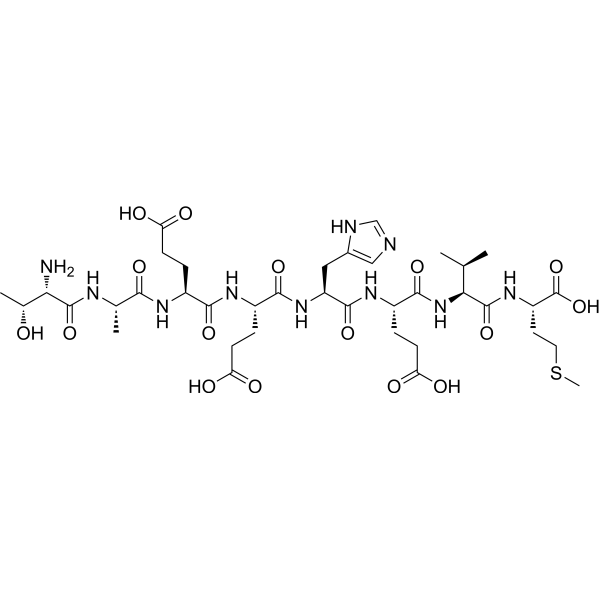
    Octapeptide-2 is a biomimetic peptide that mimics the thymosin-β4 growth factor. Octapeptide-2 can promote hair growth, reduce cell apoptosis, and increase the proliferation of keratinocytes. Octapeptide-2 can be used in the research of hair loss and alopecia areata .
    Octapeptide-2
  • HY-P6365B

    D-4F

    Apolipoprotein Cardiovascular Disease
    APP-018 (D-4F) is 18 D-amino acids peptide that mimics apolipoprotein A-I (apoA-I). APP-018 improves the anti-inflammatory activity of high-density lipoprotein (HDL). APP-018 can be used in researches of cardiovascular diseases .
    APP-018
  • HY-P10602

    RII phosphoPeptide

    PKA Others
    PKA Regulatory Subunit II Substrate (RII phosphopeptide) is a tool peptide derived from the regulatory subunit Type II (RII) of cyclic AMP-dependent protein kinase (PKA). PKA Regulatory Subunit II Substrate is commonly used to mimic the phosphorylation of protein kinases and as a specific substrate for protein phosphatases to assess the activities of these enzymes .
    PKA Regulatory Subunit II Substrate
  • HY-P1075
    CALP3
    2 Publications Verification

    Calcium Channel Neurological Disease Cancer
    CALP3, a Ca 2+-like peptide, is a potent Ca 2+ channel blocker that activates EF hand motifs of Ca 2+-binding proteins. CALP3 can functionally mimic increased [Ca 2+]i by modulating the activity of Calmodulin (CaM), Ca 2+ channels and pumps. CALP3 has the potential in controlling apoptosis in diseases such as AIDS or neuronal loss due to ischemia .
    CALP3
  • HY-P2632

    RADA16

    Biochemical Assay Reagents Neurological Disease
    RAD16-I (RADA16) is a non-directed self-assembling peptide hydrogel. Under physiological conditions, RAD16-I spontaneously forms a three-dimensional nanofiber network that mimics the extracellular matrix, and possesses excellent properties such as high water content, biocompatibility and degradability. RAD16-I serves as an ideal scaffold for three-dimensional cell culture. RAD16-I not only maintains cell viability and induces self-organization, but also supports cell adhesion, proliferation, differentiation and insulin secretion, effectively stabilizes islet clusters and promotes directed differentiation of the cardiac lineage. RAD16-I can construct a cell-friendly nano-microenvironment for research related to diseases such as myocardial infarction and diabetes .
    RAD16-I
  • HY-P5533

    Biochemical Assay Reagents Cancer
    CRT, an iron peptide mimic, can bind to apo-transferrin (apo-Tf). CRT can be used to modify nanoparticles, and enhances drug delivery efficiency .
    CRT
  • HY-P2294A
    pm26TGF-β1 peptide TFA
    1 Publications Verification

    TGF-β Receptor Inflammation/Immunology
    pm26TGF-β1 TFA peptide is a peptide that mimics a portion of the human TGF-β1 molecule. pm26TGF-β1 peptide TFA shows high affinity for the TGF-β1 receptor. pm26TGF-β1 peptide TFA displays potent anti-inflammatory properties and does not exhibit neutrophils’ chemoattraction .
    pm26TGF-β1 peptide TFA
  • HY-34738

    3-(Boc-amino)-1-propanol

    Amino Acid Derivatives Others
    Boc-β-Ala-ol (3-(Boc-amino)-1-propanol) is an alanine derivative with a Boc protecting group at the N-terminus, which can be used to synthesize bioactive peptide mimics, such as Nα-Benzoyl-α-azaornithine phenyl ester, which has trypsin inhibitory activity .
    Boc-β-Ala-ol
  • HY-P10600A

    Ras Others
    BIMAX2 acetate is a high affinity nuclear localization signal (NLS) peptide. BIMAX2 acetate can mimic the activity of the classical nuclear localization signal (cNLS) and competitively bind to importin α, thereby inhibiting the binding of cNLS-cargo proteins to importin α. BIMAX2 acetate can be used to study the role of RBBP4 in regulating nuclear import efficiency and cell senescence .
    BIMAX2 acetate
  • HY-P5220

    Melitane

    Melanocortin Receptor Others
    Acetyl hexapeptide-1 (Melitane) is a biomimetic peptide that mimics the activity of α-melanocyte-stimulating hormone (α-MSH). Acetyl hexapeptide-1 regulates muscle contraction, thereby reducing facial expression lines. Acetyl hexapeptide-1 is one of the components of anti-aging skincare serums targeting dynamic wrinkles. Acetyl hexapeptide-1 can be used in research related to mild photoaged facial skin and premature gray hair .
    Acetyl hexapeptide-1
  • HY-P5220A

    Melitane acetate

    Melanocortin Receptor Others
    Acetyl hexapeptide-1 (Melitane) acetate is a biomimetic peptide that mimics the activity of α-melanocyte-stimulating hormone (α-MSH). Acetyl hexapeptide-1 acetate can regulate muscle contraction, thereby reducing facial expression lines. Acetyl hexapeptide-1 acetate is one of the components of anti-aging skin care essences targeting dynamic wrinkles. Acetyl hexapeptide-1 acetate can be used in studies related to mild photo-aged facial skin and premature graying of hair .
    Acetyl hexapeptide-1 acetate
  • HY-P2612A

    TNF Receptor Others Cancer
    WP9QY, TNF-a Antagonist, TNF-a Antagonist is a biological active peptide. (This cyclic peptide is designed to mimic the most critical tumor necrosis factor (TNF) recognition loop on TNF receptor I. It prevents interactions of TNF with its receptor. This TNF antagonist is a useful template for the development of small molecular inhibitors to prevent both inflammatory bone destruction and systemic bone loss in rheumatoid arthritis.)
    WP9QY TFA
  • HY-P11205A

    Cys-txCD47 TFA

    CD47 Reactive Oxygen Species (ROS) Thrombopoietin Receptor Inflammation/Immunology Cancer
    Cys-PKHB1 (Cys-txCD47) TFA is a peptide conjugated to PKHB1, a CD47 agonist peptide and a thrombospondin-1 peptide mimic with antitumor effects. PKHB1 induces mitochondrial alterations, ROS generation, intracellular Ca + accumulation, and calcium-dependent cell death in breast cancer cells. PKHB1 induces immune system activation in breast cancer cells through immunogenic cell death .
    Cys-PKHB1 TFA
  • HY-P1741A
    Fibrinogen-Binding Peptide TFA
    1 Publications Verification

    Integrin Cardiovascular Disease
    Fibrinogen-Binding Peptide TFA (designed by anticomplementarity hypothesis) is a presumptive peptide mimic of the vitronectin binding site on the fibrinogen receptor. Fibrinogen-Binding Peptide TFA binds fibrinogen and inhibits both the adhesion of platelets to fibrinogen and platelet aggregation, and also inhibits the adhesion of platelets to vitronectin .
    Fibrinogen-Binding Peptide TFA
  • HY-P10495

    Transmembrane Glycoprotein Others Cancer
    GPR110 peptide agonist P12 is a peptide that acts as a GPR110 agonist. GPR110 peptide agonist P12 can significantly enhance the initial rate of GPR110 stimulated G protein GTPγS binding. GPR110 peptide agonist P12 mimics the action of natural ligands, causing the extracellular domain (ECD) of the GPR110 to dissociate from the seven transmembrane domains (7TM), exposing the β-strand-13/stalk region at the N-terminus of the 7TM domain, which acts as an agonist to activate G protein signaling. GPR110 peptide agonist P12 can be used in the study of developmental disorders and cancers related to GPR110 .
    GPR110 peptide agonist P12
  • HY-P11346

    Cadherin Inflammation/Immunology
    N-Cadherin mimic peptide is a N-cadherin agonist. N-Cadherin mimic peptide promotes N-cadherin homodimerization via enhancing β-catenin signaling, inducing early chondrogenesis and cartilage matrix production in mesenchymal stem cells (MSCs). N-Cadherin mimic peptide is promising for research of MSC-based cartilage regeneration .
    N-Cadherin mimic peptide
  • HY-P11443

    Androgen Receptor Cancer
    SRC2-2 peptide is a a coactivator-derived mimic targeting androgen receptor (AR) ligand. SRC2-2 peptide is promising for research of prostate cancer .
    SRC2-2 peptide
  • HY-P11445

    Integrin Cancer
    GREDVGC is a peptide. GREDVGC can mimic VCAM-1 for binding to integrin α4β1. GREDVGC can be used for the research of cancer .
    GREDVGC
  • HY-P2294

    TGF-β Receptor Inflammation/Immunology
    pm26TGF-β1 peptide is a peptide that mimics a portion of the human TGF-β1 molecule. pm26TGF-β1 peptide shows high affinity for the TGF-β1 receptor. pm26TGF-β1 peptide displays potent anti-inflammatory properties and does not exhibit neutrophils’ chemoattraction .
    pm26TGF-β1 peptide
  • HY-P6365A

    L-4F

    Apolipoprotein Cardiovascular Disease
    APL180 (L-4F) is an apolipoprotein A-I mimic peptide, that improves the anti-inflammatory activity of high-density lipoprotein (HDL). APL180 can be used in researches of cardiovascular diseases .
    APL180
  • HY-P11243

    Ephrin Receptor Neurological Disease
    EphA4 agonist compound 23 is a novel EphA4 agonist peptide mimic. EphA4 agonist compound 23 exhibits high affinity, high selectivity, and significant receptor activation ability. EphA4 agonist compound 23 is commonly used in the study of neurodegenerative diseases .
    EphA4 agonist compound 23
  • HY-P10600

    Ras Others
    BIMAX2 is a high affinity nuclear localization signal (NLS) peptide. BIMAX2 can mimic the activity of the classical nuclear localization signal (cNLS) and competitively bind to importin α, thereby inhibiting the binding of cNLS-cargo proteins to importin α. BIMAX2 can be used to study the role of RBBP4 in regulating nuclear import efficiency and cell senescence .
    BIMAX2
  • HY-P11205

    Cys-txCD47

    CD47 Reactive Oxygen Species (ROS) Thrombopoietin Receptor Inflammation/Immunology Cancer
    Cys-PKHB1 (Cys-txCD47) is a peptide conjugated to PKHB1, a CD47 agonist peptide and a thrombospondin-1 peptide mimic with antitumor effects. PKHB1 induces mitochondrial alterations, ROS generation, intracellular Ca + accumulation, and calcium-dependent cell death in breast cancer cells. PKHB1 induces immune system activation in breast cancer cells through immunogenic cell death .
    Cys-PKHB1
  • HY-P10346

    Smooth-Muscle Myosin Light-Chain Kinase (796-815)

    Myosin Cardiovascular Disease Inflammation/Immunology
    smMLCK peptide is a specific inhibitor of smooth muscle myosin light chain kinase (smMLCK). The smMLCK peptide mimics the substrate and competitively inhibits the binding of the actual substrate to the enzyme, thereby inhibiting the kinase activity. This inhibition prevents the phosphorylation of the myosin light chain, thus inhibiting muscle contraction .
    smMLCK peptide
  • HY-P2207A

    Biochemical Assay Reagents Others
    Sinapultide TFA is a 21-amino-acid peptide that mimics the action of human surfactant protein-B (SP-B). Sinapultide TFA can be used for synthetic phospholipids surfactants improvement .
    Sinapultide TFA
  • HY-P2708

    Integrin Cardiovascular Disease
    H-Gly-Pro-Arg-Pro-NH2 is a peptide that mimics the N-terminal Gly-Pro-Arg region in the a chain of fibrin protein. H-Gly-Pro-Arg-Pro-NH2 prevents fibrin polymerization .
    H-Gly-Pro-Arg-Pro-NH2
  • HY-P10594

    Ras Endocrinology
    Myr-Arf1(2–17) is a sarcosinated peptide that mimics the localization and function of Arf1 protein on the cell membrane. Myr-Arf1(2–17) can be used to study the desensitization mechanism of luteinizing hormone/chorionic gonadotropin receptor (LH/CGR) .
    Myr-Arf1(2–17)
  • HY-P1115

    Akt Others
    AKTide-2T is an excellent in vitro substrate for AKT and shows competitive inhibition of histone H2B phosphorylation with a Ki of 12 nM. AKTide-2T mimics the optimal phosphorylation sequence of Akt and is an inhibitory peptide with the wildtype AKTide lacking Thr in the S22 position .
    AKTide-2T
  • HY-P1115A

    Akt Others
    AKTide-2T TFA is an excellent in vitro substrate for AKT and shows competitive inhibition of histone H2B phosphorylation with a Ki of 12 nM. AKTide-2T TFA mimics the optimal phosphorylation sequence of Akt and is an inhibitory peptide with the wildtype AKTide lacking Thr in the S22 position .
    AKTide-2T TFA
  • HY-P2518A

    Protease Activated Receptor (PAR) Cancer
    Protease-Activated Receptor-1, PAR-1 Agonist TFA is a selective proteinase-activated receptor1 (PAR-1) agonist peptide. Protease-Activated Receptor-1, PAR-1 Agonist TFA corresponds to PAR1 tethered ligand and which can selectively mimic theactions of thrombin via this receptor .
    Protease-Activated Receptor-1, PAR-1 Agonist TFA
  • HY-P4038

    HCV Protease Infection
    Hepatitis C Virus S5A/5B is a synthetic peptide substrate. Hepatitis C Virus S5A/5B mimics the NS5A/5B junction of the nonstructural protein (NS), served as the substrate for the study of HCV NS3 protease activity .
    Hepatitis C Virus S5A/5B
  • HY-P10836

    Dengue Virus Infection
    DN59 is a 33 amino acid peptide that mimics the dengue virus type 2 E stem region. DN59 inhibits all four serotypes of dengue virus (IC50: 2-5 μM) as well as other flaviviruses. N59 causes the release of genomic RNA by interacting directly with viral particles. DN59 has antiviral activity .
    DN59
  • HY-P10534

    Prion Protein Infection Neurological Disease
    CCβ is a simple 17-amino acid peptide designed in research. CCβ is able to mimic the conformational transition of proteins from α-helix to β-sheet, which is a key step in the aggregation of proteins associated with many diseases, such as Alzheimer's disease and prion disease. CCβ can be used to study diseases related to protein aggregation .
    ccβ
  • HY-P1075A

    Calcium Channel Neurological Disease Cancer
    CALP3 TFA, a Ca 2+-like peptide, is a potent Ca 2+ channel blocker that activates EF hand motifs of Ca 2+-binding proteins. CALP3 TFA can functionally mimic increased [Ca 2+]i by modulating the activity of Calmodulin (CaM), Ca 2+ channels and pumps. CALP3 TFA has the potential in controlling apoptosis in diseases such as AIDS or neuronal loss due to ischemia .
    CALP3 TFA
  • HY-P10464

    TRP Channel Neurological Disease Inflammation/Immunology
    TAT-AKAP79 326-336 is a cytoosmotic peptide. TAT-AKAP79 326-336 mimics a specific region on the AKAP79 protein that binds to TRPV1 ion channels (amino acid sequence 326-336). TAT-AKAP79 326-336 inhibits the sensitization of TRPV1 and reduce the overresponse of TRPV1 channels to stimuli caused by the activation of cellular kinases such as protein kinase A (PKA) and protein kinase C (PKC) by inflammatory mediators. TAT-AKAP79 326-336 can be used to study the mechanism of pain transduction and inflammatory hyperalgesia .
    Tat-AKAP79 (326-336)

Inquiry Online

Your information is safe with us. * Required Fields.

Salutation


Country or Region *

Applicant Name *


Organization Name *

Department *


Email Address *


Product Name *

Cat. No.


Requested quantity *

Phone Number *


Remarks

Inquiry Online

Inquiry Information

Product Name:
Cat. No.:
Quantity:
MCE Japan Authorized Agent:

