Search Result
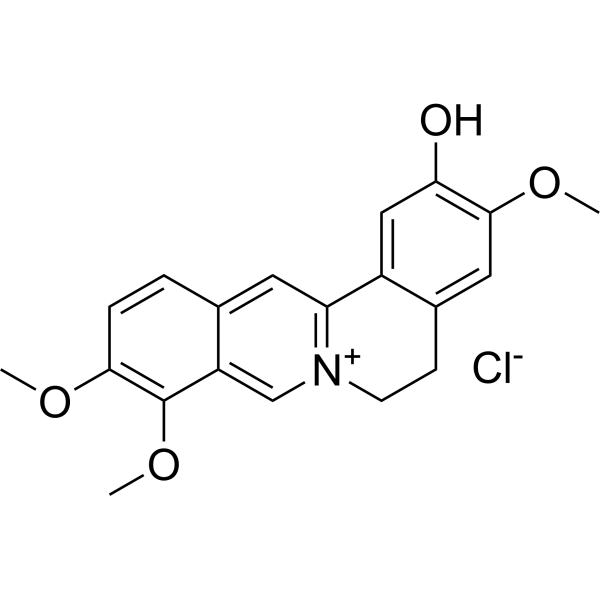
Results for "
Plant extracts
" in MedChemExpress (MCE) Product Catalog:
2
Biochemical Assay Reagents
1
Isotope-Labeled Compounds
| Cat. No. |
Product Name |
Target |
Research Areas |
Chemical Structure |
-
- HY-N0510
-
|
Aristolochic acid I; TR 1736
|
NF-κB
|
Neurological Disease
Metabolic Disease
Inflammation/Immunology
Cancer
|
|
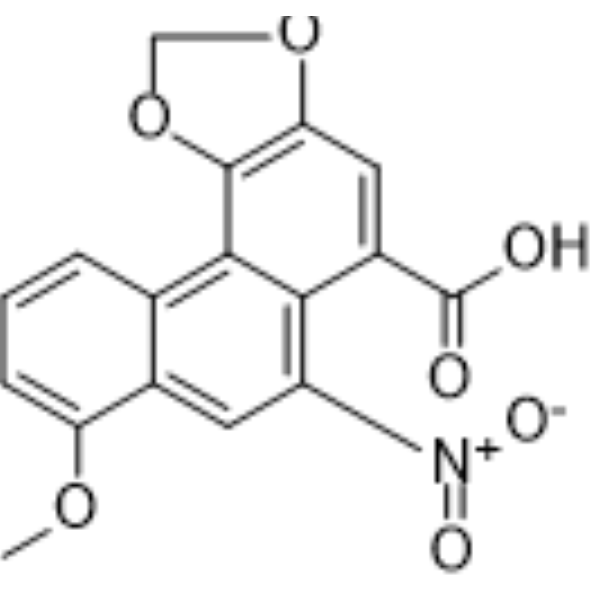
Aristolochic acid A (Aristolochic acid I; TR 1736) is the main component of plant extract Aristolochic acids, which are found in various herbal plants of genus Aristolochia and Asarum. Aristolochic acid A significantly reduces both activator protein 1 (AP-1) and NF-κB activities. Aristolochic acid A reduces BLCAP gene expression in human cell lines .
|
-
-
- HY-N0706
-
|
|
Apoptosis
Autophagy
|
Cancer
|
|
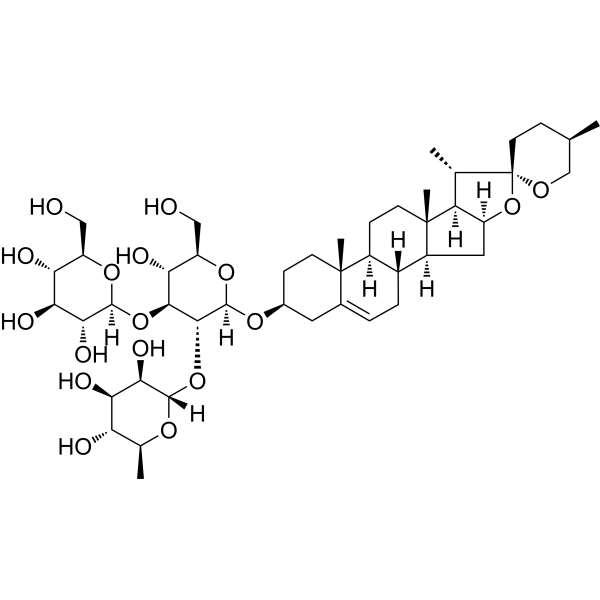
Gracillin is a steroidal saponin that can be extracted from the roots of the plant and has anti-tumor properties. Gracillin can induce cancer cell apoptosis and autophagy .
|
-
-
- HY-136302
-
|
|
Phytohormone
|
Others
|
|
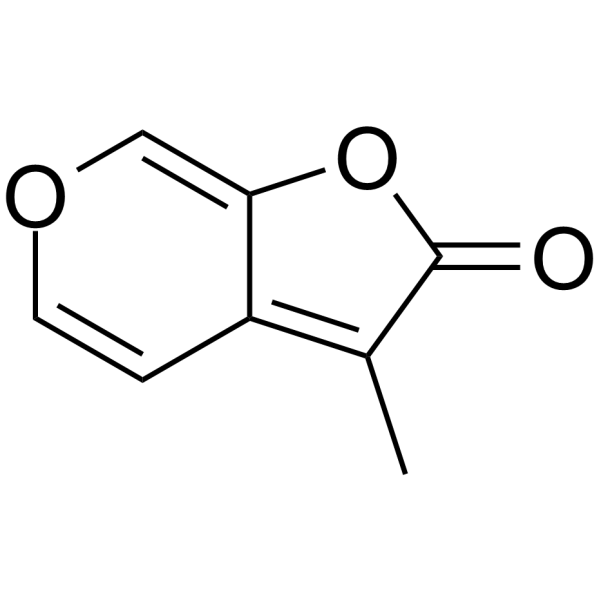
Karrikinolide is a plant-active compound. Karrikinolide can be extracted from smoke water (SW). Karrikinolide promotes total Cytokinin production. Plants treated with Karrikinolide exhibit superior growth in terms of rooting, leaf and bulb size, and fresh weight .
|
-
-
- HY-113471A
-
|
|
Apoptosis
Bacterial
|
Infection
Cancer
|
|
(S)-(-)-Perillic acid is a terpenoid plant extract with antimicrobial and anticancer activities. (S)-(-)-Perillic acid induces cell apoptosis and cell cycle arrest, and increases the levell of Bax, Bcl2, p21 and caspase-3 proteins. (S)-(-)-Perillic acid can be used for cancer and infection research .
|
-
-
- HY-N0938
-
|
|
Fluorescent Dye
|
Others
|
|
Safflower yellow is extracted from the flowers of the plant safflower (Carthamus tinctorius) and as the traditional Chinese medicine it has been extensively used for the treatment of cardio cerebrovascular diseases.
|
-
-
- HY-12136
-
-
-
- HY-N5041
-
|
|
Others
|
Others
|
|
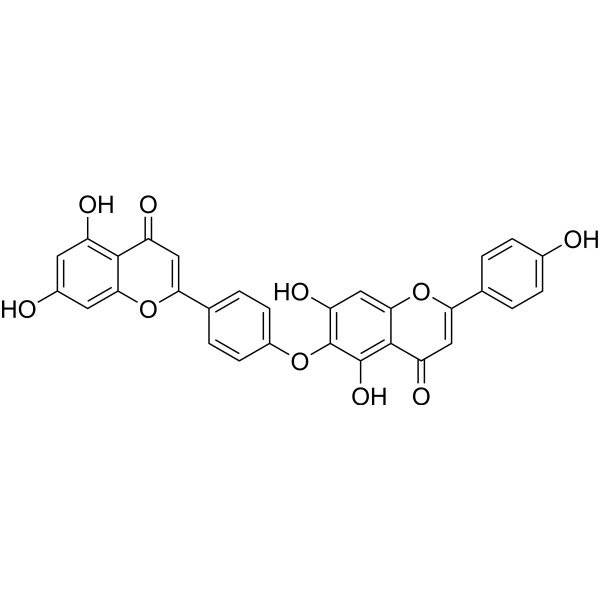
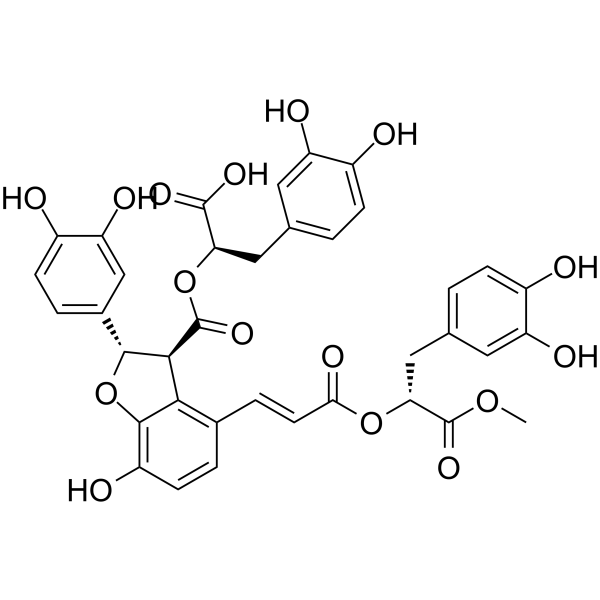
9'''-Methyl salvianolate B is a methanolic extract of Cynoglossum columnae Ten. plants .
|
-
-
- HY-W016289
-
|
3,4,5-Trimethoxyphenol
|
Glycosidase
|
Others
|
|
Antiarol (3,4,5-Trimethoxyphenol) is a natural compound. Antiarol can be extracted from Cochlospermum vitifolium. Antiarol can be used to study plant seed germination and root and hypocotyl growth .
|
-
-
- HY-N0510A
-
|
Aristolochic acid I sodium; TR 1736 sodium
|
NF-κB
|
Neurological Disease
Metabolic Disease
Inflammation/Immunology
Cancer
|
|
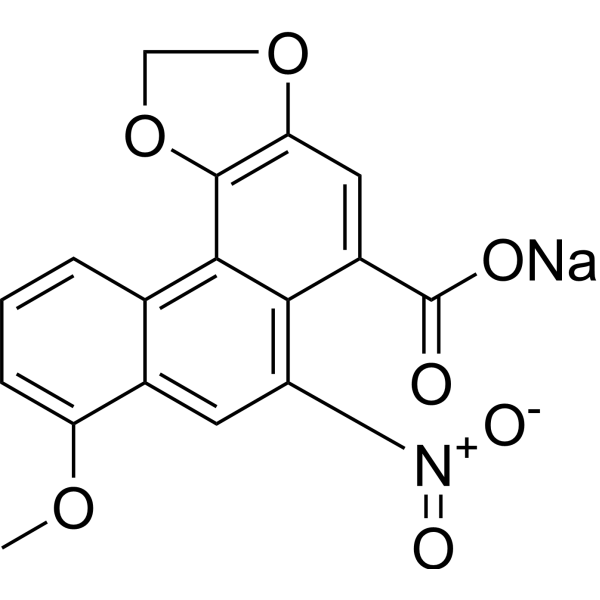
Aristolochic acid A (Aristolochic acid I) sodium is the main component of plant extract Aristolochic acids, which are found in various herbal plants of genus Aristolochia and Asarum. Aristolochic acid A sodium significantly reduces both activator protein 1 (AP-1) and NF-κB activities. Aristolochic acid A sodium reduces BLCAP gene expression in human cell lines .
|
-
-
- HY-W748456
-
|
|
Drug Derivative
|
Others
|
|
Apigenin-7-O-sulfate is a major flavonoid which is found to be a distinctive feature of plants from the Bay of Cadiz and can be extracted from these plants .
|
-
-
- HY-N6584
-
-
-
- HY-N3619
-
|
|
Apoptosis
|
Neurological Disease
Endocrinology
|
|
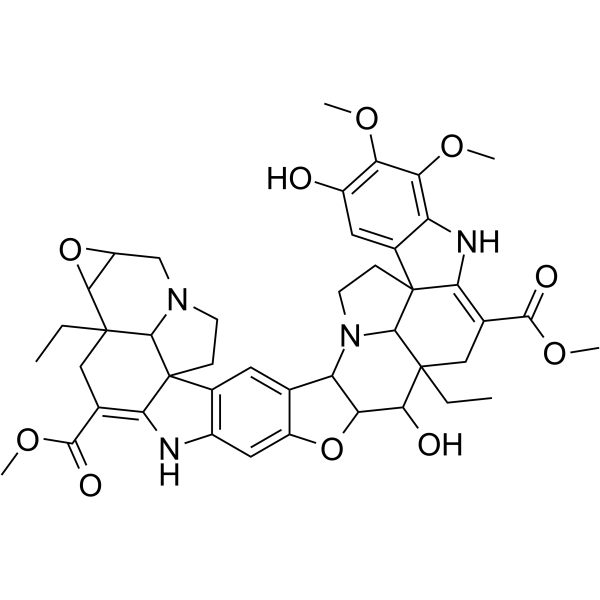
Conophylline is a vinca alkaloid extracted from leaves of a tropical plant Ervatamia microphylla. Conophylline is a differentiation inducer of for pancreatic cells. Conophylline suppresses HSC and induces apoptosis .
|
-
-
- HY-N7029
-
|
|
Others
|
Cancer
|
|
3',4',5',5,7-Pentamethoxyflavone, a natural flavonoid extracted from Rutaceae plants, sensitizes chemoresistant cancer cells to chemotherapeutic agents by inhibition of Nrf2 pathway .
|
-
-
- HY-N0563R
-
|
|
Fluorescent Dye
Reference Standards
|
Others
|
|
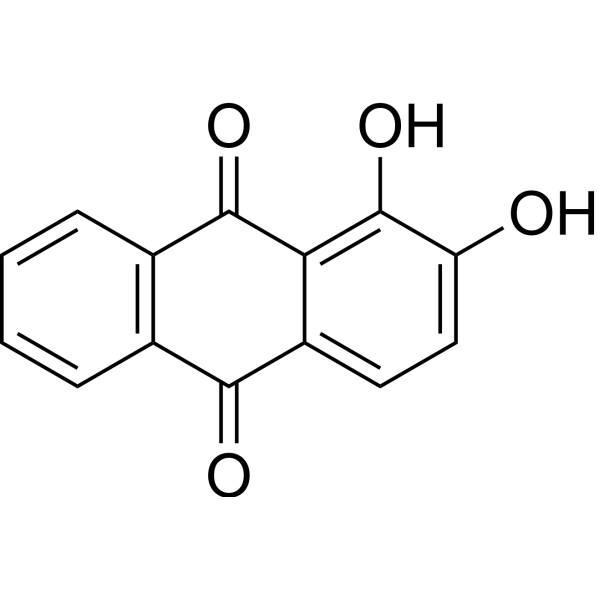
Alizarin (Standard) is the analytical standard of Alizarin. This product is intended for research and analytical applications. Alizarin is a natural dye extracted from the roots of madder plant and has been widely used as a pigment in textile fabrics and paintings .
|
-
-
- HY-125116
-
|
|
Others
|
Others
|
|
Jatrophane 2 is a kind of jatrophane diterpene polyester that can be isolated from the highly irritant extract of whole fresh plants of E. peplus L. (Euphorbiaceae) .
|
-
-
- HY-125115
-
|
|
Others
|
Others
|
|
Jatrophane 3 is a kind of jatrophane diterpene polyester that can be isolated from the highly irritant extract of whole fresh plants of E. peplus L. (Euphorbiaceae) .
|
-
-
- HY-204591
-
|
|
Drug Derivative
|
Others
|
|
Black pepper oleoresin is a substance extracted from the pepper plant (Piper nigrum), which has aroma, spiciness, and bioactive components. It is widely used in food, health products, cosmetics, and daily chemical products.
|
-
-
- HY-N7206
-
|
|
Others
|
Metabolic Disease
|
|
5-O-Methylvisamminol, a (furo) chromone identified in the extract of T. glauca, has a limited occurrence in the plant kingdom. 5-O-Methylvisamminol is useful in (chemical) phylogeny and is a possible excellent chemotaxonomic marker (family and/or subfamily level) for Apiaceae .
|
-
-
- HY-N9898
-
|
|
Others
|
Others
|
|
Sinocrassoside C1 is a natural compound isolated from themethanolic extract of the whole plant ofSinocrassula indica (Crassulaceae) .
|
-
-
- HY-118747
-
|
|
HIV
|
Infection
|
|
Scirpusin A is a naturally occurring compound extracted from the legume plant Caragana rosea Turcz, exhibiting anti-HIV activity. Scirpusin A demonstrates significant inhibitory effects against HIV-1 (EC50=7 μg/mL). Scirpusin A is utilized in research towards the development of anti-HIV therapeutics .
|
-
-
- HY-N11052
-
|
|
Others
|
Others
|
|
Vernodalol is a natural compound extracted from plant sources.
|
-
-
- HY-N2661
-
|
|
Others
|
Others
|
|
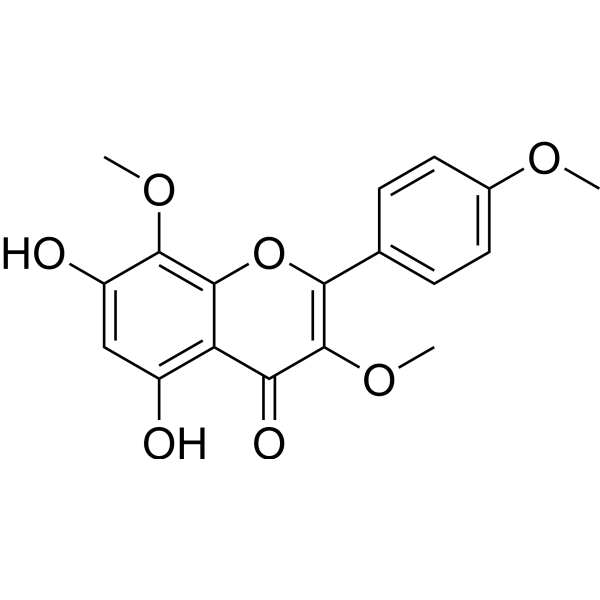
5,7-Dihydroxy-3,4',8-trimethoxyflavone (Substance E) can be isolated from Conyza stricta Willd .
|
-
-
- HY-N3621
-
|
|
Others
|
Others
|
|
Corchoionol C is a n-butanol-soluble fraction of the whole plant extract of Pulicaria undulate .
|
-
-
- HY-147780
-
|
|
Others
|
Cancer
|
|
Fissitungfine B is a compound extracted from the tropical medicinal plant Fissistigma tungfangense. Fissitungfine B has strong anticancer activity .
|
-
-
- HY-N2749
-
|
|
Others
|
Others
|
|
7-Hydroxy-5,8-dimethoxyflavanone is a compound isolated from the ethanol extract of the whole plants of Sarcandra hainanensis .
|
-
-
- HY-N11787
-
|
|
Estrogen Receptor/ERR
|
Metabolic Disease
|
|
Cimicifuga racemosa extract is a herbal remedy with antiestrogenic properties found in the plant Cimicifuga racemosa, commonly used to alleviate menopausal symptoms and relieve symptoms such as hot flashes and night sweats .
|
-
-
- HY-N15374
-
|
|
Bacterial
|
Infection
|
|
Hypercalin B is an antibacterial agent that can be isolated from the hexane and chloroform extracts of the plant Hypericum acmosepalum. Hypercalin B exhibits inhibitory activity against multidrug-resistant strains of Staphylococcus aureus, with a MIC range of 0.5-128 mg/L .
|
-
-
- HY-N0706R
-
|
|
Reference Standards
Apoptosis
Autophagy
|
Cancer
|
|
Gracillin (Standard) is the analytical standard of Gracillin. This product is intended for research and analytical applications. Gracillin is a steroidal saponin that can be extracted from the roots of the plant and has anti-tumor properties. Gracillin can induce cancer cell apoptosis and autophagy .
|
-
-
- HY-169485
-
|
|
Endogenous Metabolite
|
Others
|
|
Aspinolide B is a pentaketide and a 10-membered lactone with plant growth regulatory activity, which can be extracted from Aspergillus ochraceus. Aspinolide B promotes the growth of lateral roots in S. lycopersicum and can be utilized in related research .
|
-
-
- HY-N0510R
-
|
Aristolochic acid I (Standard); TR 1736 (Standard)
|
Reference Standards
NF-κB
|
Cancer
|
|
Aristolochic acid A (Standard) is the analytical standard of Aristolochic acid A. This product is intended for research and analytical applications. Aristolochic acid A (Aristolochic acid I; TR 1736) is the main component of plant extract Aristolochic acids, which are found in various herbal plants of genus Aristolochia and Asarum. Aristolochic acid A significantly reduces both activator protein 1 (AP-1) and NF-κB activities. Aristolochic acid A reduces BLCAP gene expression in human cell lines .
|
-
-
- HY-12136R
-
|
|
Xanthine Oxidase
Reference Standards
|
Cardiovascular Disease
Inflammation/Immunology
Cancer
|
|
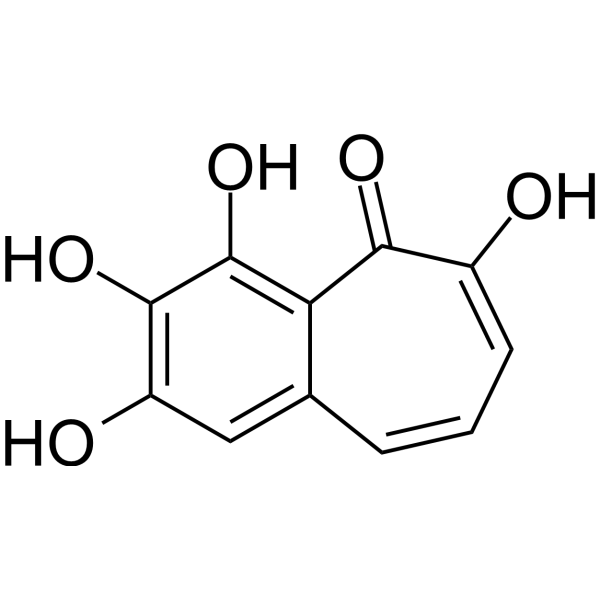
Purpurogallin (Standard) is the analytical standard of Purpurogallin. This product is intended for research and analytical applications. Purpurogallin is a naturally phenol extracted from the plants of Quercus spp, has potent xanthine oxidase (XO) inhibitory activity with an IC50 of 0.2 μM. Purpurogallin has antioxidant and anti-inflammatory effects .
|
-
-
- HY-N17822
-
|
|
Others
|
Others
|
|
9-Angeloylretronecine is a pyrrolizidine alkaloid compound. 9-Angeloylretronecine can be used in natural product chemistry, plant secondary metabolites, and research on active ingredients of Boraginaceae plants. 9-Angeloylretronecine can be extracted from the whole plant methanol extract of Echium glomeratum (a plant of the Boraginaceae family) .
|
-
-
- HY-W1126957
-
|
|
Others
|
Others
|
|
Phaseolus vulgaris extract is a natural active ingredient extracted from the legume plant Phaseolus vulgaris.
|
-
-
- HY-N18665
-
|
|
Others
|
Others
|
|
Medicago sativa extract is a whole-plant extract of alfalfa, a legume, and can be used in research on health supplements.
|
-
-
- HY-N18758
-
-
-
- HY-N18643
-
|
|
Others
|
Inflammation/Immunology
Cancer
|
|
Cassava extract is extracted from the cassava plant (Manihot esculenta) and is rich in antioxidants, with anti-inflammatory and anti-cancer properties.
|
-
-
- HY-N18744
-
|
|
Others
|
Inflammation/Immunology
|
|
Eclipta alba extract is a versatile plant extract derived from the whole plant of Wedelia candel. It is rich in various bioactive compounds, such as eclipta lactone, wedelia saponins, ursolic acid, oleanolic acid, luteolin, and apigenin. Eclipta alba extract is a potent hepatoprotective agent, helping to improve liver function and protect the liver from damage.
|
-
-
- HY-N13571
-
|
|
Others
|
Cancer
|
|
Adenostemmoic acid G is a kaurane-type diterpenoid compound, and other diterpenoid compounds in the plant extract containing it exhibit cytotoxic and antitumor activity. Adenostemmoic acid G can be naturally extracted from the fresh whole plant of Adenostemma lavenia O. KUNTZE .
|
-
-
- HY-N1130
-
|
|
Fungal
|
Infection
|
|
Trianthenol is a tetraterpenoid antifungal agent that can be extracted from the whole plant of Trianthema portulacastrum (a plant of the genus Trianthema in the Aizoaceae family) .
|
-
-
- HY-N17884
-
|
|
Others
|
Others
|
|
Isomogroside VI (Page 74) is a natural product that can be extracted from plant extracts containing mogrosides such as those found in Siraitia grosvenorii .
|
-
-
- HY-N18743
-
|
|
Others
|
Neurological Disease
Inflammation/Immunology
|
|
Achyranthes aspera extract is a versatile plant extract highly regarded for its many medicinal properties, including analgesic, anti-inflammatory, diuretic, antipyretic, and anthelmintic effects.
|
-
-
- HY-N18655
-
|
|
Others
|
Others
|
|
Portulaca oleracea extract is derived from the whole above-ground part of the plant Portulaca oleracea, which is a fully water-soluble raw material for plant cosmetics.
|
-
-
- HY-N13749
-
|
|
Others
|
Cancer
|
|
Juncatrin A is a dihydrophenanthrene compound that can be naturally extracted from the whole plant methanol extract of Juncus atratus Krock. (a plant of the Juncaceae family, Juncus genus). Juncatrin A exhibits only weak antiproliferative activity against HeLa human cervical cancer cells (55.60% inhibition at 30 μM). Juncatrin A can be used in the research of anticancer natural drug precursors and active components of Juncus plants .
|
-
-
- HY-N18737
-
|
|
Others
|
Inflammation/Immunology
|
|
Phyllanthus niruri extract, extracted from the whole plant of Phyllanthus niruri, is rich in bioactive compounds such as alkaloids, flavonoids, and tannins. Phyllanthus niruri extract has alkalizing properties, which may help prevent the formation of gallstones and acidic kidney stones.
|
-
-
- HY-N18724
-
|
|
Others
|
Inflammation/Immunology
|
|
Cucurbita maxima extract, hailing from the Cucurbita maxima plant, revered for its unparalleled anti-inflammatory attributes. This extract has been employed in studying ailments such as arthritand conditions related to the prostate.
|
-
-
- HY-N18759
-
|
|
Others
|
Others
|
|
The main active ingredient of Viola Tricolor Extract is rutin, which is a water-soluble plant cosmetic raw material.
|
-
-
- HY-N18668
-
|
|
Bacterial
|
Inflammation/Immunology
|
|
Curcuma longa extract is derived from the rhizome of the turmeric plant (Curcuma longa), and its active ingredient is curcumin. Curcuma longa extract can be used in research on diseases such as arthritis, joint pain, and muscle soreness.
|
-
-
- HY-W133975
-
|
|
Others
|
Others
|
|
Origanum oil is an essential oil extracted from origanum plants, specifically origanum, belonging to the genus Oregano of the Lamiaceae family.
|
-
-
- HY-N18679
-
|
|
Others
|
Others
|
|
Avena sativa kernel extract is extracted from the kernel of the oat plant, a member of the Poaceae family. Its main active ingredient is glucan, a high-sugar substance that can form a transparent, elastic, and breathable film on the skin.
|
-
-
- HY-N18674
-
|
|
Others
|
Metabolic Disease
Inflammation/Immunology
|
|
Fenugreek extract is a natural plant extract derived from fenugreek seeds. It is rich in bioactive components such as saponins, flavonoids, alkaloids, and mucilage, which help improve blood sugar control, reduce inflammation, and promote digestive health.
|
-
- HY-N18666
-
|
|
Bacterial
|
Infection
Inflammation/Immunology
|
|
Rosmarinus officinalis leaf extract, derived from the leaves of the rosemary plant, possesses antioxidant, anti-inflammatory, antibacterial, and cognitive-enhancing properties. Active ingredients in Rosmarinus officinalis leaf extract include rosmarinic acid, caryopsisic acid, caryopsisol, and flavonoids.
|
-
- HY-N13700
-
|
|
Others
|
Others
|
|
Quadranoside III is a compound with antioxidant and antimicrobial activities isolated from plants, which together with other compounds contribute to the activity of the extracts.
|
-
- HY-W414557
-
|
|
Drug Intermediate
|
Others
|
|
Ethyl 2,4-dihydroxybenzoate is an ethyl benzoate compound that can be found in wood extracts from the plant Artocarpus elasticus .
|
-
- HY-E71015
-
|
|
Biochemical Assay Reagents
|
Metabolic Disease
|
|
Polyperoxidase, Horseradish, is a heme-containing glycoprotein extracted from the roots of the horseradish plant and can be used in enzyme-linked immunosorbent assays (ELISAs).
|
-
- HY-N18738
-
|
|
Others
|
Inflammation/Immunology
|
|
Corydalis bulbosa extract is a botanical derivative obtained from the exquisite plant Corydalis bulbosa aiding in studying discomfort and attenuating the ravages of inflammation.
|
-
- HY-N18778
-
-
- HY-N19049
-
|
|
Others
|
Neurological Disease
|
|
Acmella oleracea extract, derived from the leaves and buds of the Acmella oleracea plant, is a versatile natural ingredient. It contains various bioactive compounds, including alkylamide alkaloids such as acmella alcohol, which impart a tingling sensation and local anesthetic effect to the extract.
|
-
- HY-N18677
-
|
|
Bacterial
|
Infection
Inflammation/Immunology
|
|
Rubia cordifolia extract, derived from the roots of the madder plant, is valued for its anti-inflammatory, antioxidant, antibacterial, and blood-purifying properties. Active ingredients in Rubia cordifolia extract include anthraquinone compounds (such as alizarin and alizarin red), flavonoids, and tannins.
|
-
- HY-N18675
-
|
|
Others
|
Metabolic Disease
|
|
Convolvulus scammonia extract, derived from the roots of the Convolvulus scammonia plant, has laxative and detoxifying properties. It contains active ingredients such as resins and alkaloids.
|
-
- HY-N9839
-
|
|
Others
|
Others
|
|
Phochinenin G is a bis-9,10-dihydrophenanthrene compound that can be naturally extracted from the whole plant of Pholidota chinensis .
|
-
- HY-N9765
-
|
|
NF-κB
NO Synthase
Quinone Reductase
COX
|
Others
|
|
threo-Guaiacylglycerol β-coniferyl ether (compound 9) is a potentially active compound, but its inhibitory activity against NF-κB, nitric oxide production, aromatase, quinone reductase 2, and cyclooxygenase (COX-1/-2) is not significant. threo-Guaiacylglycerol β-coniferyl ether can be naturally extracted from the 95% ethanol extract of the whole plant of Lepisorus contortus (Christ) Ching (a plant of the Polypodiaceae family) .
|
-
- HY-N18813
-
|
|
Others
|
Inflammation/Immunology
|
|
Pennyroyal oil (mentha pulegium) is a natural essential oil extracted from the peppermint plant and can be used in research on gastrointestinal diseases, dysmenorrhea, and respiratory diseases.
|
-
- HY-N18647
-
|
|
Others
|
Others
|
|
Hamamelis Virginiana Extract is made from the dried bark of witch hazel as a raw material. It is a raw material for plant cosmetics with a variety of skin care effects.
|
-
- HY-N19047
-
|
|
Others
|
Others
|
|
Saussurea Involucrata Extract is the active ingredient obtained from the Compositae plant snow lotus, and the main active ingredient is rutin. It has a variety of beauty effects.
|
-
- HY-N16837
-
|
|
Insecticide
|
Infection
|
|
6''-O-β-D-Apiofuranosylastragalin (compound 1) is a flavonoid glycoside that can be naturally extracted from the methanol extract of fresh leaves of Solidago altissima L. (a plant of the genus Solidago in the Asteraceae family). The related methanol extract exhibits antifeedant activity against Thrips palmi and can be used in the research of natural antifeedants for agricultural pest control .
|
-
- HY-N19043
-
|
|
Bacterial
|
Infection
Inflammation/Immunology
|
|
Arctium Seed Extract is obtained from the roots of the burdock plant of the compositae family. It has the effects of antibacterial and anti-inflammatory, detoxification. It can be used in cosmetics material.
|
-
- HY-N18688
-
|
|
Others
|
Metabolic Disease
|
|
Gymnema sylvestre extract, derived from the leaves of the Gymnema sylvestre plant, is renowned for its anti-diabetic and blood sugar-regulating properties. The key active compounds in the extract are gymnemic acids, which are responsible for its ability to block the taste of sweetness and reduce sugar absorption in the intestines.
|
-
- HY-N9392A
-
|
|
Drug Derivative
|
Inflammation/Immunology
|
|
Stemospironine is an alkaloid that can be extracted from plants of the genus Hyacinth. Stemospironine is a cough suppressant used to control coughing. Stemospironine can be used for research on inflammatory conditions .
|
-
- HY-N18691
-
|
|
Others
|
Inflammation/Immunology
|
|
Scutellaria Baicalensis Root Extract is a plant cosmetic raw material obtained from the dried root of Scutellaria baicalensis Georgi. Scutellaria Baicalensis Root Extract mainly contains two flavonoid active ingredients, baicalin and baicalein, which has strong biological activity and is a multi-effect cosmetic additive.
|
-
- HY-N18653
-
|
|
Others
|
Inflammation/Immunology
|
|
Aloe capensis extract is rich in bioactive compounds such as aloe-emodin, plant minerals, vitamins, amino acids, and polysaccharides. It has a strong laxative effect and can be used in research on constipation.
|
-
- HY-N9819
-
|
|
Bacterial
|
Infection
|
|
Jinflexin D is a potential antibacterial agent, without inhibitory activity against methicillin-resistant Staphylococcus aureus (MRSA). Jinflexin D is a dimeric phenanthrene natural product with a unique seven-membered ring system, naturally extracted from the methanol extract of the roots of Juncus inflexus (a plant of the Juncaceae family) .
|
-
- HY-N9885
-
|
|
Others
|
Cancer
|
|
Xuedanencins D is a cucurbitane-type triterpenoid natural product without significant cytotoxicity against human cervical cancer HeLa cells (IC50 >100 μM). Xuedanencins D can be naturally extracted from the 95% ethanol extract of the tubers of Hemsleya penxianensis (a plant of the Hemsleya genus in the Cucurbitaceae family) .
|
-
- HY-N9878
-
|
|
Others
|
Neurological Disease
|
|
Pistaciamide is an N-phenyl-pyrrolidone derivative, and its related pyrrolidone derivatives are commonly used in the treatment of neurological disorders, making it relevant for research of neurological dysfunction. Pistaciamide can be naturally extracted from the 90% ethanol extract of fresh shoots and inflorescences of Pistacia chinensis Bunge. (a plant of the Anacardiaceae family) .
|
-
- HY-N18751
-
|
|
Bacterial
|
Inflammation/Immunology
|
|
Aegle marmelos extract, derived from the Aegle marmelos plant, is rich in various bioactive compounds, such as coumarins (e.g., ligustin, ligustin, ligustin, psoralen, scopolamine, and umbelliferone), flavonoids, phenolic acids, and terpenoids. Aegle marmelos extract possesses anti-inflammatory, antibacterial, antioxidant, antiviral, antifungal, antitumor, and antidiabetic properties.
|
-
- HY-N18692
-
|
|
Others
|
Others
|
|
Cactus Extract is obtained from the rhizome of the plant cactus, and saponin compounds are one of the main effective ingredients in the cactus. It has a certain skin care effect, and can be used as cosmetics material.
|
-
- HY-N1691
-
|
3-Epilycoclavanol
|
Others
|
Cancer
|
|
3-Epilycoclavanol (3-Epilycoclavanol) is a triterpenoid antitumor agent that can be extracted from the dried whole plant of Lycopodium japonicum (a plant of the Lycopodium genus in the Lycopodiaceae family). 3-Epilycoclavanol inhibits human tumor A549 and K562 cell lines at concentrations of 10-100 μg/mL .
|
-
- HY-N18650
-
|
|
Bacterial
|
Infection
Inflammation/Immunology
|
|
Raphanus sativus extract, derived from the radish plant, possesses detoxifying, anti-inflammatory, antioxidant, and antibacterial properties. Its main bioactive components include glucosinolates, anthocyanins, flavonoids, and vitamin C.
|
-
- HY-N16987
-
|
|
Others
|
Others
|
|
Anthriscifoldine B is a lycoctonine-type C19-diterpene alkaloid. Anthriscifoldine B can be naturally extracted from the dried whole plant of Delphinium anthriscifolium var. savatieri .
|
-
- HY-N18729
-
|
|
Others
|
Others
|
|
Stevia rebaudiana extract is derived from the leaves of the stevia plant. Its active ingredients are steviol glycosides, primarily steviol glycosides and rebaudioside A, which give stevia its extremely high sweetness. Stevia rebaudiana extract is used as a natural, zero-calorie sweetener in various foods and beverages, serving as an alternative to sucrose and artificial sweeteners.
|
-
- HY-N18660
-
|
|
Others
|
Inflammation/Immunology
|
|
Plum extract, a plant derivative derived from plums, possesses remarkable antioxidant properties, which may be helpful in the study of diseases related to oxidative stress, including cardiovascular disease, diabetes, and certain malignancies.
|
-
- HY-N18768
-
|
|
Others
|
Metabolic Disease
|
|
Leontopodium Alpinum Extract is a fully water-soluble botanical cosmetic raw material, obtained from the Asteraceae plant Edelweiss. Its main component is ferulic acid, which is an organic acid with strong skin care activity.
|
-
- HY-N9836
-
|
|
Drug Derivative
|
Others
|
|
8,9-Dehydrothymol isobutyrate is a thymol (HY-N6810) derivative that can be naturally extracted from the essential oil of the trunk bark of Tetraclinis articulata (Vahl) Mast. This plant essential oil exhibits certain cytotoxicity and can be used as a research subject in the fields of natural product chemistry and the active components of plant essential oils .
|
-
- HY-N19048
-
|
|
Others
|
Others
|
|
Semen Ziziphi Spinosae Extract is derived from the dried seeds of Ziziphus jujuba Mill.var.spinosa, a plant of the Rhamnaceae family. The active ingredients include flavonoid glycosides, triterpenes, saponins and organic acids, etc.
|
-
- HY-N18654
-
|
|
Others
|
Others
|
|
Perilla Ocymoides Leaf Extract is derived from the dry leaves of Perilla, a plant of the Lamiaceae. The main active ingredient is rosmarinic acid, which, as a phenolic acid compound, has a variety of biological activities. It can be used as cosmetics material.
|
-
- HY-N19045
-
|
|
Others
|
Others
|
|
Ophiopogon Japonicus Extract is obtained from the dried roots of the Liliaceae plant Ophiopogon japonicus. Its main active ingredient is Ophiopogon japonicus polysaccharides. It can be used in functional cosmetics, such as creams, lotions, lotions, essences, and masks.
|
-
- HY-N19073
-
|
|
Others
|
Inflammation/Immunology
|
|
Picrorrhiza kurroa extract is derived from the root of the Picrorrhiza kurroa plant. Its active ingredients include matrine I, matrine II, oleanolic acid, and triterpenoids, which give it hepatoprotective, anti-inflammatory, antioxidant, and immunomodulatory effects.
|
-
- HY-N18690
-
|
|
Others
|
Neurological Disease
|
|
Mucuna pruriens extract, derived from the seeds of the Mucuna pruriens plant, the primary active compound in Mucuna pruriens is L-dopa (levodopa), a precursor to the neurotransmitter dopamine, which contributes to its neuroprotective and mood-enhancing effects.
|
-
- HY-177428
-
|
JA-Val
|
Drug Derivative
|
Others
|
|
Jasmonoyl-valine (JA-Val) is one of the amino acid conjugates of jasmonic acid. Jasmonoyl-valine can be extracted from the alpine plant Saxifraga longifolia. Jasmonoyl-valine may participate in light protection or regulation of photosynthetic mechanisms .
|
-
- HY-N19811
-
|
|
Glycosidase
|
Metabolic Disease
|
|
Eleuthoside B is a naphthyl gentiobioside identified from the bulbs of Eleutherine americana. Eleuthoside B has an IC50 >1.00 mM against α-glucosidase, and it is not the main contributor to the antidiabetic (hypoglycemic) activity exhibited by the plant extract .
|
-
- HY-N18789
-
|
|
Bacterial
|
Infection
Inflammation/Immunology
|
|
Tagetes oil is an organic essential oil extracted from the Tagetes plant exhibiting inherent anti-inflammatory and antimicrobial attributes. Its employment in the research of diverse skin infections, wounds and dermatological conditions has been extensively recognized.
|
-
- HY-135945
-
|
|
Biochemical Assay Reagents
|
Inflammation/Immunology
|
|
Dihydrocoptisine is a benzylisoquinoline alkaloid that can be isolated from the methanolic extract of the whole plant of Argemone mexicana L. Dihydrocoptisine can activate XBP1 transcription activity. Dihydrocoptisine can be studied in research on anti-ulcertative colitis .
|
-
- HY-N18667
-
|
|
Others
|
Inflammation/Immunology
|
|
Centella asiatica extract, derived from the leaves of the Centella asiatica plant, has the ability to promote collagen production, improve skin elasticity, and promote wound healing. It can be used to study various skin problems such as acne, eczema, and psoriasis.
|
-
- HY-N13822
-
|
|
Others
|
Others
|
|
Trigothysoid P is a daphnane-type diterpenoid compound that can be used in antiviral and natural product chemistry research. Trigothysoid P can be extracted from the dried branches and leaves of Trigonostemon thyrsoideum (a plant of the Euphorbiaceae family, genus Trigonostemon) .
|
-
- HY-N17655
-
|
|
Endogenous Metabolite
|
Others
|
|
Neonootkatol is an alcoholic secondary metabolite that can be found in Hedyotis diffusa (HD) and Hedyotis corymbosa (HC) .
|
-
- HY-N9835
-
|
|
Drug Derivative
|
Infection
Cancer
|
|
Thymol isobutyrate is a thymol derivative that can be naturally extracted from the essential oil of the roots and aerial parts (leaves, stems, and flowers) of Carpesium cernuum L. This plant's essential oil has antibacterial and cytotoxic activity and can be used in antibacterial and antitumor research .
|
-
- HY-N17200
-
|
|
Others
|
Cardiovascular Disease
Metabolic Disease
|
|
Cyclocarioside K is a triterpene glycoside compound that can be naturally extracted from the dried leaves of Cyclocarya paliurus (Batal.) Iljinsk (Chinese wingnut) from Bozhou, Anhui, China. The leaves of this plant are traditionally used to lower blood sugar and blood pressure .
|
-
- HY-N16889
-
|
|
Others
|
Infection
Inflammation/Immunology
Cancer
|
|
N-Acetylnornuciferine is an aporphine alkaloid, whose family members possess potential antibacterial, antiviral, antioxidant, or anticancer activities. N-Acetylnornuciferine can be extracted from the dried roots of Liriodendron tulipifera (American tulip tree, a plant of the Magnoliaceae family) using ethanol .
|
-
- HY-N18676
-
|
|
Others
|
Metabolic Disease
|
|
Dolichos Biflorus Extract, derived from the seeds of the Dolichos biflorus plant (commonly known as horse gram), is a nutrient-dense herb widely used in Ayurvedic and traditional medicine for its numerous health benefits. Dolichos biflorus extract contains alkaloids, saponins, flavonoids, carbohydrates, proteins, and tannins. It is known for its digestive support, as it promotes healthy digestion, alleviates bloating, and helps with constipation, along with mild diuretic effects that aid detoxification by eliminating excess fluids and waste products from the body.
|
-
- HY-N19769
-
|
|
Others
|
Others
|
|
Phenylmethyl O-β-D-glucopyranosyl-(1→3)-O-β-D-glucopyranoside (Compound 10) is a triglycoside compound. Phenylmethyl O-β-D-glucopyranosyl-(1→3)-O-β-D-glucopyranoside is isolated from the whole plant of sesame (Sesamum indicum) .
|
-
- HY-N9741
-
|
|
Others
|
Inflammation/Immunology
|
|
(+)-Nyasol is a stilbene-type organic compound that can be naturally extracted from the dried roots of Asparagus filicinus Ham. ex D. Don (an Asparagus species) from Fenna, Tibet, China. This plant is traditionally used in the study of bronchitis, cough, and pneumonia, and can be used in research related to respiratory diseases .
|
-
- HY-N9707
-
|
|
Others
|
Others
|
|
15-Nonacosanol is a secondary alcohol compound and the major surface lipid component of Arabidopsis thaliana cuticular wax. 15-Nonacosanol participates in the plant cuticular wax biosynthesis pathway and the formation process of related gene mutants. 15-Nonacosanol can be extracted from the leaves and stems of Arabidopsis thaliana .
|
-
- HY-N12744
-
|
|
Glucocorticoid Receptor
|
Metabolic Disease
|
|
2-O-trans-p-Coumaroylalphitolic acid (Zj7) is a triterpene which can be extracted from jujube plants. 2-O-trans-P-Coumaroyl alphitolic acid is a selective modulator of glucocorticoid receptor (GR). 2-O-trans-P-coumaroyl alphitolic acid can be used in the study of obesity .
|
-
- HY-P10400
-
|
|
Phytohormone
|
Inflammation/Immunology
|
|
AtPep1 is a plant elicitor peptide. AtPep1 activates transcription of the defensive gene defensin (PDF1.2) and activates the synthesis of H2O2, which are components of the innate immune response against pathogens. AtPep1 can be isolated from extracts of Arabidopsis leaves .
|
-
- HY-N18670
-
|
|
Others
|
Others
|
|
Panax notoginseng extract is derived from the stems and leaves of Panax notoginseng, a plant belonging to the Araliaceae family. Its main active ingredient is notoginsenoside (PNS), among which notoginsenoside Rb1, notoginsenoside Rg1, and notoginsenoside R1 are present in high amounts and can be used for skin conditioning in functional cosmetics.
|
-
- HY-N17589
-
|
|
Others
|
Others
|
|
Purpurin-1-methylether (Compound 7) is an anthraquinone found in Galium spurium var. echinospermon Hayek .
|
-
- HY-N0288
-
Lycorine
Maximum Cited Publications
22 Publications Verification
|
Fatty Acid Synthase (FASN)
Virus Protease
Bacterial
Apoptosis
|
Inflammation/Immunology
Cancer
|
|
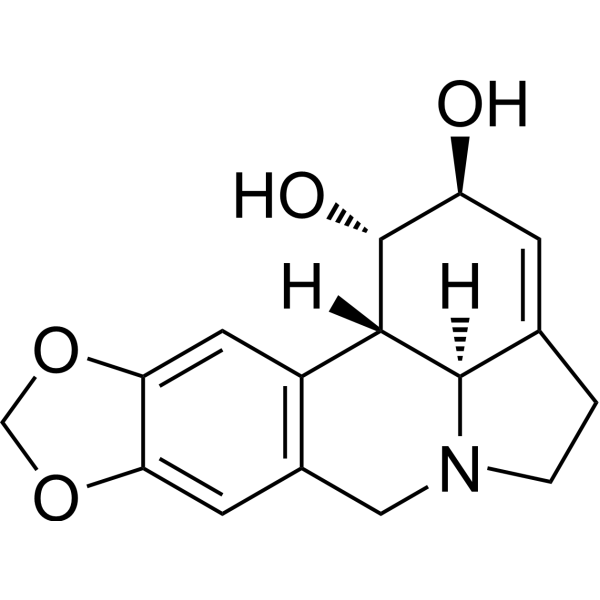
Lycorine is a natural alkaloid extracted from the Amaryllidaceae plant. Lycorine is a potent and orally active SCAP inhibitor with a Kd value 15.24 nM. Lycorine downregulates the SCAP protein level without changing its transcription . Lycorine is also a melanoma vasculogenic inhibitor . Lycorine can be used for the study of prostate cancer and metabolic diseases .
|
-
- HY-N9846
-
|
|
Cholinesterase (ChE)
Glycosidase
|
Neurological Disease
Metabolic Disease
|
|
Luteolin 5,3'-dimethyl ether is a flavonoid compound that exhibits strong binding to enzymes such as acetylcholinesterase (AChE), butyrylcholinesterase (BChE), and α-Glycosidase. Luteolin 5,3'-dimethyl ether can be naturally extracted from the dried roots of Alhagi maurorum (camel thorn). The methanol extract of this plant has significant free radical scavenging ability and enzyme inhibitory potential. Luteolin 5,3'-dimethyl ether can be used in research related to neurodegenerative diseases, diabetes, and skin pigmentation-related diseases .
|
-
- HY-129236
-
|
|
Na+/K+ ATPase
Apoptosis
|
Cancer
|
|
Hellebrin is a bufadienolide compound extracted from plants that can inhibit tumor cell growth. Hellebrigenin shows potential in overcoming cancer cells' resistance to apoptosis stimuli and has also demonstrated anti-proliferation effects in multidrug-resistant (MDR) cancer cell models. Hellebrin can act on Na+/K+-ATPase to regulate intracellular signaling pathways .
|
-
- HY-N1312R
-
-
- HY-N1312
-
-
- HY-W017316
-
-
- HY-B2225B
-
|
Edible corn starch (from corn)
|
Biochemical Assay Reagents
Endogenous Metabolite
|
Others
|
|
Starch (from corn) is a carbohydrate extracted from the kernel of the corn plant. It contains two main components, namely amylose and amylopectin. Starches from corn have various applications in the food industry as thickeners, stabilizers and binders. It is commonly used in the production of products such as baked goods, snacks, sauces and soups. In addition, it can be used as a raw material for the production of biofuels and bioplastics.
|
-
- HY-N16779
-
|
|
Others
|
Cardiovascular Disease
Neurological Disease
|
|
Angustine is a monoterpene indole alkaloid vasodilator. Angustine exhibits potent vasodilatory activity on isolated rat aorta at a concentration of 10 μM (vasodilation rate exceeding 90%). Angustine can be used in the study of diseases such as hypertension, cerebral vasospasm, and peripheral circulatory disorders. Angustine can be naturally extracted from the bark of Nauclea officinalis and is also present in plants of the genera Mitragyna, Uncaria, and Strychnos .
|
-
- HY-N17005
-
|
|
Others
|
Cancer
|
|
3-O-(p-Hydroxybenzoyl)serratriol is a serratene-type triterpenoid compound with low cytotoxicity against cancer cells (IC50 >100 μg/mL against three human cancer cell lines: K562, SMMC-7721, and SGC7901). 3-O-(p-Hydroxybenzoyl)serratriol can be naturally extracted from the whole plant of Palhinhaea cernua .
|
-
- HY-N9814
-
|
|
NO Synthase
|
Inflammation/Immunology
|
|
Shanciol B, isolated from the ethyl acetate extract of the air-dried whole plant of Pholidota imbricate Hook, inhibits nitric oxide (NO) production and 1,1-diphenyl-2-picrylhydrazil (DPPH) radical scavenging activity . Shanciol B is a microsomal prostaglandin E synthase-1 (mPGES-1) inhibitor with anti-inflammatory activity .
|
-
- HY-N9808
-
|
|
Others
|
Others
|
|
Creoside III is a glycoside compound, mainly used as a component of natural product libraries for potential activity screening studies in the field of natural product chemistry. Creoside III can be naturally extracted from the dried roots of Rhodiola crenulata (a plant of the genus Rhodiola in the Crassulaceae family) through methanol reflux extraction, column chromatography separation, and high-performance liquid chromatography purification .
|
-
- HY-W585952
-
|
SA-2-O-β-D-glucoside
|
Drug Metabolite
|
Infection
|
|
Salicylic acid 2-O-β-D-glucoside (SA-2-O-β-D-glucoside) is the glucose-conjugated product of Salicylic Acid (HY-B0167) in plants. Salicylic acid 2-O-β-D-glucoside belongs to an inactive storage form. Salicylic acid 2-O-β-D-glucoside can be used in studies of plant pathogen infection .
|
-
- HY-N1192
-
|
|
NO Synthase
|
Inflammation/Immunology
|
|
Sutherlandin trans-p-coumarate is a selective γ-hydroxynitrile glycoside compound with moderate inhibitory activity on nitric oxide (NO) production in lipopolysaccharide (LPS)-stimulated RAW264.7 macrophages (56.9% inhibition at a concentration of 25 μg/mL). Sutherlandin trans-p-coumarate can be naturally extracted from the dried aerial parts of Sorbaria sorbifolia (a plant of the genus Sorbaria in the Rosaceae family) .
|
-
- HY-N2014
-
-
- HY-N7206R
-
|
|
Reference Standards
Others
|
Metabolic Disease
|
|
5-O-Methylvisamminol (Standard) is the analytical standard of 5-O-Methylvisamminol. This product is intended for research and analytical applications. 5-O-Methylvisamminol, a (furo) chromone identified in the extract of T. glauca, has a limited occurrence in the plant kingdom. 5-O-Methylvisamminol is useful in (chemical) phylogeny and is a possible excellent chemotaxonomic marker (family and/or subfamily level) for Apiaceae .
|
-
- HY-N17138
-
|
|
Others
|
Inflammation/Immunology
Cancer
|
|
threo-1-(4-Hydroxyphenyl)-1-methoxy-2,3-propanediol is an aromatic propanediol phenolic derivative containing methoxy and hydroxyl groups. It can be naturally extracted from the dried aerial parts of Abies delavayi Franch. var. delavayi (Cangshan fir) from Dali, Yunnan, China. This source plant produces anti-inflammatory and anti-tumor active components .
|
-
- HY-N0288R
-
|
|
Fatty Acid Synthase (FASN)
Virus Protease
Bacterial
Apoptosis
Reference Standards
|
Inflammation/Immunology
Cancer
|
|
Lycorine (Standard) is the analytical standard of Lycorine. This product is intended for research and analytical applications. Lycorine is a natural alkaloid extracted from the Amaryllidaceae plant. Lycorine is a potent and orally active SCAP inhibitor with a Kd value 15.24 nM. Lycorine downregulates the SCAP protein level without changing its transcription . Lycorine is also a melanoma vasculogenic inhibitor . Lycorine can be used for the study of prostate cancer and metabolic diseases .
|
-
- HY-N16714
-
|
|
Others
|
Cancer
|
|
Clausine K is a carbazole alkaloid anticancer agent. Clausine K exhibits strong cytotoxicity against human hepatoma HepG2 cells (IC50 = 1.05 μg/mL), superior to the standard drug Etoposide (HY-13629) (IC50 13.40 μg/mL). Clausine K can be naturally extracted from the dried stems of Clausena excavata (a plant of the Rutaceae family) through chromatographic separation and other methods .
|
-
- HY-N1788
-
|
|
Others
|
Others
|
|
3',5-Dihydroxy-4',5',6,7-tetramethoxyflavone (compound 7) is a flavonoid compound that can be used in research on natural product chemistry and the screening of potential activities of flavonoid compounds. 3',5-Dihydroxy-4',5',6,7-tetramethoxyflavone can be extracted from the dried leaves of Murraya paniculata (a plant of the Murraya genus in the Rutaceae family) .
|
-
- HY-N17261
-
|
|
Others
|
Others
|
|
10-Nonacosanol is a long-chain fatty alcohol that can be found in Lonicera fragrantissima.
|
-
- HY-N2205
-
|
|
NF-κB
JNK
|
Cancer
|
|
Esculentoside H (EsH) is a saponin isolated from the root extract of perennial plant Phytolacca esculenta .
Esculentoside H (EH) has anti-tumor activity, the mechanism is related to the capacity for TNFrelease .
Esculentoside H (EsH) suppresses colon cancer cell migration through blockage of the JNK1/2 and NF-κB signaling-mediated matrix metalloproteinases-9 (MMP-9) expression .
|
-
- HY-N19083
-
|
|
Bacterial
|
Inflammation/Immunology
|
|
Tecomella undulata Extract, also known as Rohida extract, is a valuable botanical extract derived from the bark and leaves of the Tecomella undulata plant native to the Indian Thar Desert and is rich in bioactive compounds such as flavonoids, quinones, triterpenoids, and other phytochemicals that contribute to its diverse therapeutic properties. This extract is widely recognized for its hepatoprotective effects demonstrated through its ability to protect against liver damage induced by toxins such as paracetamol and carbon tetrachloride by normalizing elevated liver enzyme levels reducing oxidative stress and improving liver function. Additionally, it exhibits significant anti-inflammatory activity comparable to standard drugs like indomethacin and has been used to treat conditions like ascites and hepatosplenomegaly while also showing immunomodulatory effects by enhancing both humoral and cell-mediated immune responses and possessing antimicrobial properties that make it effective against various pathogens. Recent research suggests that Tecomella undulata may have potential in managing nonalcoholic steatohepatitis (NASH) by reducing body weight insulin resistance and improving liver function markers making it a versatile natural remedy with significant applications in hepatoprotection anti-inflammation and immune support.
|
-
- HY-N9674
-
|
|
Others
|
Cancer
|
|
Epimedonin H is a selective prenylated 2-phenoxychromone compound with no significant cytotoxicity against five human cancer cell lines, including HL-60 and SMMC-7721 (IC50 > 10 μM). Epimedonin H can be used in potential activity screening studies in the field of natural product chemistry. Epimedonin H can be extracted from the dried aerial parts of Epimedium brevicornum (a plant of the genus Epimedium in the Berberidaceae family) .
|
-
- HY-N0926
-
|
Columbamin; Dehydroisocorypalmine
|
Cytochrome P450
Apoptosis
Parasite
|
Infection
Neurological Disease
Inflammation/Immunology
Cancer
|
|
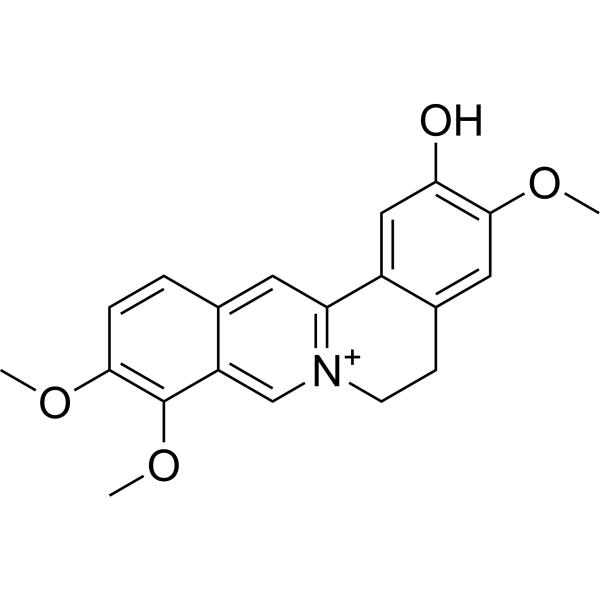
Columbamine (Columbamin; Dehydroisocorypalmine) is an organic heterotetracyclic alkaloid extracted from plants. Columbamine is a metabolite of Berberine (HY-N0716). Columbamine inhibits the cytochrome P450 (CYP) isoform CYP3A4 (IC50 = 30.6 µM). Columbamine induces apoptosis in cancer cells. Columbamine can be used for antioxidant, anti-inflammatory, antitumor, antifungal, antiparasite, hepatoprotective, neuroprotective, hypolipidemic and hypoglycemic study .
|
-
- HY-N0926A
-
|
Columbamin chloride; Dehydroisocorypalmine chloride
|
Cytochrome P450
Apoptosis
Parasite
|
Infection
Neurological Disease
Inflammation/Immunology
Cancer
|
|
Columbamine (Columbamin; Dehydroisocorypalmine) chloride is an organic heterotetracyclic alkaloid extracted from plants. Columbamine chloride is a metabolite of Berberine (HY-N0716). Columbamine chloride inhibits the cytochrome P450 (CYP) isoform CYP3A4 (IC50 = 30.6 µM). Columbamine chloride induces apoptosis in cancer cells. Columbamine chloride can be used for antioxidant, anti-inflammatory, antitumor, antifungal, antiparasite, hepatoprotective, neuroprotective, hypolipidemic and hypoglycemic study .
|
-
- HY-117733
-
|
|
Tie
VEGFR
|
Cancer
|
|
Zerumin A is an anti-angiogenic agent that acts on multiple molecular targets related to angiogenesis (including kdr/VEGFR2, angpt1, angpt2, tie1, and tie2). Zerumin A specifically inhibits the proliferation and migration of human umbilical vein endothelial cells (HUVECs) by regulating the VEGF-VEGFR and ANGPT-TIE signaling pathways, and dose-dependently inhibits angiogenesis (10-20 μM significantly inhibits zebrafish embryo angiogenesis). Zerumin A can be used in the research of cancer and angiogenesis-related inflammatory diseases. Zerumin A can be naturally extracted from the 95% ethanol extract of the fruits, seeds, and pericarp of Alpinia caerulea (R.Br.) Bentham (a plant of the Alpinia genus in the Zingiberaceae family) .
|
-
- HY-125665
-
|
|
Apoptosis
|
Cardiovascular Disease
Cancer
|
|
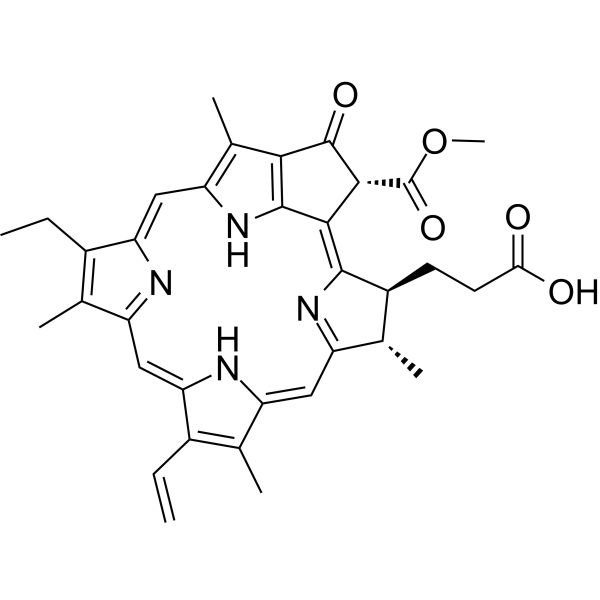
Pheophorbide A is an intermediate product in the chlorophyll degradation pathway. Pheophorbide A can be used as a photosensitizer. Pheophorbide A is a lymphatic vascular activator. Pheophorbide A has antitumor activity. Pheophorbide A can be used for human lymphatic vascular insufficiencies research .
|
-
- HY-N1474R
-
|
|
Reference Standards
Cholinesterase (ChE)
Interleukin Related
PGE synthase
NF-κB
COX
|
Inflammation/Immunology
|
|
Picfeltarraenin IA (Standard) is the analytical standard of Picfeltarraenin IA (HY-N1474). This product is intended for research and analytical applications. Picfeltarraenin IA is an Acetylcholinesterase inhibitor. Picfeltarraenin IA can be extracted from the plant Picria fel-terrae Lour. Picfeltarraenin IA reduces the production of IL-8 and PGE2. Picfeltarraenin IA inhibits COX2 via the NF-κB pathway. Picfeltarraenin IA can be used in the research of respiratory system diseases .
|
-
- HY-N16977
-
|
|
Others
|
Others
|
|
6β,8-Dihydroxyeremophil-7(11)-en-12,8-olide is an eremophilane-type sesquiterpene lactone compound, and eremophilane-type sesquiterpenes are the main secondary metabolites of Ligularia genus plants. 6β,8-Dihydroxyeremophil-7(11)-en-12,8-olide can be naturally extracted from the dried roots of Ligularia virgaurea (Maxim.) Mattf .
|
-
- HY-N2014R
-
-
- HY-N15690
-
|
|
Biochemical Assay Reagents
|
Others
|
|
3-(R)-3-β-Glucopyranosyloxy-4-hydroxybutanoic acid is a butanoic acid glucose. 3-(R)-3-β-Glucopyranosyloxy-4-hydroxybutanoic acid can be isolated from the methanol extract of dried whole plants of Anoectochilus formosanus Hay. 3-(R)-3-β-Glucopyranosyloxy-4-hydroxybutanoic acid can be formed in 3 types of regenerated plantlets in vitro .
|
-
- HY-N16817
-
|
|
NO Synthase
|
Inflammation/Immunology
Cancer
|
|
Rabdoternin E is a potential anti-inflammatory and antitumor agent. 2α-Acetoxy-14,15-cyclopimara-7β,16-diol only inhibits nitric oxide (NO) production in lipopolysaccharide (LPS)-induced RAW264.7 macrophages (IC50=2.3 μM) and exhibits cytotoxicity against human tumor cells such as HL-60 and SW-480 (IC50 values ??of 2.6 μM and 4.1 μM, respectively). Rabdoternin E is an ent-kaurane-type diterpenoid compound that can be naturally extracted from the 70% acetone aqueous extract of the aerial parts of Isodon rosthornii (Diels) Hara (a plant of the Lamiaceae family, Isodon genus) .
|
-
- HY-N16448
-
|
|
Bacterial
|
Infection
|
|
Xanthoascin (Compound 1) is a natural phenolic metabolite with strong anti plant pathogen activity. Xanthoascin can be extracted from the solid fermentation product of endophytic fungus Aspergillus sp. IFB-YXS isolated from Ginkgo biloba leaves. Xanthoascin has a MIC of 0.3125 µg/mL against Clavibacter michiganense subsp. Sepedonicus and moderate inhibitory activity against other pathogens (MIC = 5-20 µg/mL). Xanthoascin can disrupt the permeability of bacterial cell membranes, leading to nucleic acid leakage .
|
-
- HY-N2132R
-
|
Flavokavain B (Standard)
|
Reference Standards
Apoptosis
|
Cancer
|
|
Flavokawain B (Standard) is the analytical standard of Flavokawain B. This product is intended for research and analytical applications. Flavokawain B (Flavokavain B) is a chalcone isolated from the root extracts of kava-kava plant and a potent apoptosis inducer for inhibiting the growth of various cancer cell lines. Flavokawain B (Flavokavain B) shows strong antiangiogenic activity. Flavokawain B (Flavokavain B) inhibits human brain endothelial cell (HUVEC) migration and tube formation with very low and non-toxic concentrations .
|
-
- HY-N11756
-
|
|
Bacterial
|
Infection
|
|
Linearmycin A is a polyene antibiotic that has been found in Streptomyces. It is active against the bacteria S. aureus and E. coli (MICs=3.1 and 1.6 μg/disc, respectively), the fungi S. cerevisiae and C. albicans (MICs=0.1 and 1.6 μg/disc, respectively), and the plant pathogenic fungus A. niger in disc assays (MIC=0.2 μg/disc). Linearmycin A induces lysis and degradation of B. subtilis as a component of Streptomyces Mg1 extract.
|
-
- HY-N9799
-
|
|
NO Synthase
Reactive Oxygen Species (ROS)
|
Inflammation/Immunology
|
|
Pholidotol C is a stilbene compound with nitric oxide (NO) production inhibitory activity and DPPH free radical scavenging activity (IC50 values ??of 28.6 μM and 21.9 μM, respectively). Pholidotol C exerts its anti-inflammatory and antioxidant activities through mechanisms involving the inhibition of NO production in activated macrophages and free radical scavenging, and can be used in research on inflammation-related diseases. Pholidotol C can be extracted from the dried whole plant of Pholidota chinensis (an orchid of the genus Pholidota) .
|
-
- HY-W017316R
-
|
4-Carvomenthenol (Standard)
|
Reference Standards
Endogenous Metabolite
Bacterial
Fungal
|
Infection
Inflammation/Immunology
Cancer
|
|
Terpinen-4-ol (Standard) is the analytical standard of Terpinen-4-ol. This product is intended for research and analytical applications. Terpinen-4-ol (4-Carvomenthenol) is a naturally occurring monoterpene, and can be extracted from a variety of aromatic plants. Terpinen-4-ol is a potent bactericidal agent which possess antifungal , anti-inflammatory and antitumor properties as well, suggesting Terpinen-4-ol to be used for relevant research .
|
-
- HY-B2225BS
-
|
|
Isotope-Labeled Compounds
Biochemical Assay Reagents
Endogenous Metabolite
|
Others
|
|
Starch- 13C12 (from corn) is the 13 labeled Starch (from corn) (HY-B2225B). Starch (from corn) is a carbohydrate extracted from the kernel of the corn plant. It contains two main components, namely amylose and amylopectin. Starches from corn have various applications in the food industry as thickeners, stabilizers and binders. It is commonly used in the production of products such as baked goods, snacks, sauces and soups. In addition, it can be used as a raw material for the production of biofuels and bioplastics.
|
-
- HY-N13821
-
|
|
NO Synthase
|
Inflammation/Immunology
|
|
2α-Acetoxy-14,15-cyclopimara-7β,16-diol (compound 2) is a potential anti-inflammatory agent, exhibiting weak anti-inflammatory activity by inhibiting inflammation-related NO production. 2α-Acetoxy-14,15-cyclopimara-7β,16-diol only inhibits nitric oxide (NO) production in LPS-induced RAW264.7 macrophages, with an inhibition rate of 28.1%. 2α-Acetoxy-14,15-cyclopimara-7β,16-diol can be naturally extracted from the 70% ethanol extract of the seeds of Caesalpinia minax Hance (a plant of the Caesalpinia genus in the Fabaceae family) .
|
-
- HY-N0711
-
|
Cymophenol
|
Environmental Pollutants
Apoptosis
Endogenous Metabolite
Notch
Fungal
Bacterial
|
Infection
Neurological Disease
Inflammation/Immunology
Cancer
|
|
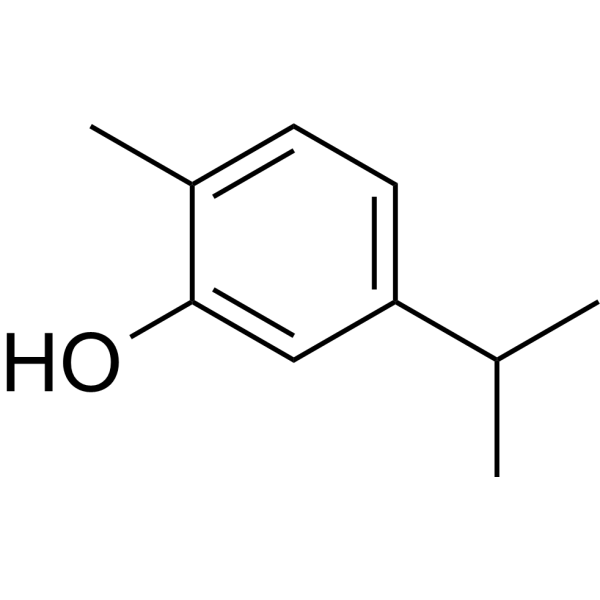
Carvacrol is an orally active and blood-brain barrier-permeable monoterpenic phenol that can be extract from an abundant number of aromatic plants, including thyme and oregano, possessing antioxidant, antibacterial, antifungal, anticancer, anti-inflammatory, hepatoprotective, spasmolytic, and vasorelaxant properties. Carvacrol also causes cell cycle arrest in G0/G1, downregulates Notch-1, and Jagged-1, and induces apoptosis. Carvacrol is used in low concentrations as a food flavoring ingredient and preservative, as well as a fragrance ingredient in cosmetic formulations .
|
-
- HY-N1749
-
|
|
FXR
|
Others
|
|
2-Oxokolavenol is a selective agonist targeting the farnesoid X receptor (FXR), with an EC50 of ~3.7 μM. 2-Oxokolavenol exerts its activity against Acetaminophen (HY-66005)-induced hepatocyte damage in an FXR-dependent manner by binding to the FXR ligand-binding pocket, recruiting co-activators, and inducing FXR transcriptional activity. 2-Oxokolavenol can be naturally extracted from Aglaia spectabilis (a plant of the Aglaia genus in the Meliaceae family) and can be used in research related to liver diseases .
|
-
- HY-N9784
-
|
|
Others
|
Cancer
|
|
2′′,3′′-Dihydroochnaflavone is a flavonoid/flavanone-type ether-linked biflavonoid anti-leukemic compound. 2′′,3′′-Dihydroochnaflavone exhibits significant cytotoxicity against P388 murine lymphocytic leukemia cells (IC50 = 3.1 μg/mL). It can be naturally extracted from the dried leaves of Quintinia acutifolia and has also been previously isolated and identified from Ochna interrima and Luxemburgia nobilis (both Ochnaceae plants). 2′′,3′′-Dihydroochnaflavone can be used in research related to anti-tumor (especially leukemia) applications .
|
-
- HY-N2360
-
|
|
E1/E2/E3 Enzyme
Apoptosis
MMP
ClpP
|
Infection
Inflammation/Immunology
Cancer
|
|
Hinokiflavone is a novel modulator of pre-mRNA splicing activity extracted from plants with anti-inflammatory, anti-tumor and antiviral activities. Hinokiflavone is also a potent inhibitor for matrix metalloproteinases (MMPs). Hinokiflavone attenuates the virulence of Methicillin (HY-121544)-resistant staphylococcus aureus by inhibiting caseinolytic protease P (ClpP) with an IC50 value of 34.36 mg/mL. Hinokiflavone induces apoptosis via the reactive oxygen species-mitochondria-mediated apoptotic pathway and inhibits tumor cell migration and invasion. Hinokiflavone is a SUMO protease inhibitor against sentrin-specific protease 1 (SENP1) activity .
|
-
- HY-N2360R
-
|
|
Reference Standards
E1/E2/E3 Enzyme
Apoptosis
MMP
ClpP
|
Infection
Inflammation/Immunology
Cancer
|
|
Hinokiflavone is a novel modulator of pre-mRNA splicing activity extracted from plants with anti-inflammatory, anti-tumor and antiviral activities. Hinokiflavone is also a potent inhibitor for matrix metalloproteinases (MMPs). Hinokiflavone attenuates the virulence of Methicillin (HY-121544)-resistant staphylococcus aureus by inhibiting caseinolytic protease P (ClpP) with an IC50 value of 34.36 mg/mL. Hinokiflavone induces apoptosis via the reactive oxygen species-mitochondria-mediated apoptotic pathway and inhibits tumor cell migration and invasion. Hinokiflavone is a SUMO protease inhibitor against sentrin-specific protease 1 (SENP1) activity .
|
-
- HY-N0711R
-
|
Cymophenol (Standard)
|
Reference Standards
Notch
Apoptosis
Fungal
Endogenous Metabolite
Bacterial
|
Infection
Inflammation/Immunology
Cancer
|
|
Carvacrol (Standard) is the analytical standard of Carvacrol. This product is intended for research and analytical applications. Carvacrol is an orally active and blood-brain barrier-permeable monoterpenic phenol that can be extract from an abundant number of aromatic plants, including thyme and oregano, possessing antioxidant, antibacterial, antifungal, anticancer, anti-inflammatory, hepatoprotective, spasmolytic, and vasorelaxant properties. Carvacrol also causes cell cycle arrest in G0/G1, downregulates Notch-1, and Jagged-1, and induces apoptosis. Carvacrol is used in low concentrations as a food flavoring ingredient and preservative, as well as a fragrance ingredient in cosmetic formulations .
|
-
- HY-W419589
-
|
|
COX
NO Synthase
Interleukin Related
Reactive Oxygen Species (ROS)
|
Inflammation/Immunology
Cancer
|
|
Xanthomicrol is extracted from the resin of the plant called Chinese bellflower (a member of the Scrophulariaceae family) and is a monoamine oxidase (MAOs) inhibitor. Xanthomicrol has anti-tumor and anti-inflammatory properties, with IC50 values of 0.88 and 1.69 μg/mL in HL60 and K562 cells. Xanthomicrol's the main metabolite of 5DT in mouse colon, and it can reduce levels of iNOS protein and mRNA, as well as COX-2 protein levels. Additionally, Xanthomicrol decreases the production of the pro-inflammatory cytokine IL-1β and induces the expression of the antioxidant enzyme HO-1 .
|
-
- HY-N0563
-
|
|
AMPK
VEGFR
PI3K
Akt
NF-κB
Cytochrome P450
|
Cardiovascular Disease
Cancer
|
|
Alizarin is a natural dye. Alizarin can be extracted from the roots of madder plant. Alizarin activates AMPK and VEGFR2/eNOS pathway. Alizarin regulates PI3K/Akt and inhibits NF-κB pathway. Alizarin enhances CYP1A1 enzyme activity. Alizarin has protective effects on hypertension and vascular endothelial dysfunction. Alizarin has anti-tumor activity against multiple cancers including pancreatic cancer, breast cancer, osteosarcoma and liver cancer. Alizarin has been widely used as a pigment in textile fabrics and paintings .
|
-
- HY-N2423B
-
|
(E/Z)-Allyl-glucosinolate free base; (E/Z)-2-Propenyl-glucosinolate free base
|
NF-κB
p38 MAPK
Apoptosis
|
Cardiovascular Disease
Infection
Inflammation/Immunology
Cancer
|
|
(E/Z)-Sinigrin ((E/Z)-Allyl-glucosinolate; (E/Z)-2-Propenyl-glucosinolate) free base is an orally active aliphatic thioglucoside anti-leukemia compound. Allyl isothiocyanate, produced by the hydrolysis of (E/Z)-sinigrin free base by myrosinase, has an IC50 of 2.71 μM against HL60 leukemia cells. The hydrolysis products of (E/Z)-sinigrin free base can further activate apoptosis pathways, inhibit NF-κB and MAPK signaling pathways, and induce phase II metabolic enzyme activity, thus exhibiting anti-cancer, anti-inflammatory, antibacterial, antioxidant, and wound healing activities. (E/Z)-Sinigrin free base can be used in research on cancer, inflammation-related diseases (such as atherosclerosis), and infectious diseases. (E/Z)-Sinigrin free base can be naturally extracted from the seeds of Brassica nigra, Brassica juncea, and other Brassicaceae plants such as broccoli and Brussels sprouts. Methyl pechueloate is a guaiane-type sesquiterpene ester compound and a potential precursor of xerantholide. It is useful in the structural elucidation and biosynthetic pathway studies of sesquiterpenoids. Methyl pechueloate can be naturally extracted from the aerial parts of Pechuel-Loeschea leibnitziae (Kuntze) O. Hoffm .
|
-
-
-
HY-L157
-
|
|
995 compounds
|
|
Natural product have great diversity and structural complexity of scaffolds. And the number of their drugs represents a large number of sources of new pharmacological entities, so natural products are of great significance in drug discovery. The Dictionary of Natural Products (DNP) shows that natural products mainly come from plants, animals and microorganisms, and animal sources are the second important source of natural products. Animal derived natural products exist to varying degrees in almost all forms of animals, generally secondary metabolite extracted from organisms.
MCE provides a unique collection of 995 animal-sourced natural products. MCE Animal-Sourced Natural Product Library is a useful tool for drug discovery that can be used for high throughput screening (HTS) and high content screening (HCS).
|
| Cat. No. |
Product Name |
Type |
-
- HY-N0938
-
|
|
Fluorescent Dyes
|
|
Safflower yellow is extracted from the flowers of the plant safflower (Carthamus tinctorius) and as the traditional Chinese medicine it has been extensively used for the treatment of cardio cerebrovascular diseases.
|
| Cat. No. |
Product Name |
Type |
-
- HY-B2225B
-
|
Edible corn starch (from corn)
|
Biochemical Assay Reagents
|
|
Starch (from corn) is a carbohydrate extracted from the kernel of the corn plant. It contains two main components, namely amylose and amylopectin. Starches from corn have various applications in the food industry as thickeners, stabilizers and binders. It is commonly used in the production of products such as baked goods, snacks, sauces and soups. In addition, it can be used as a raw material for the production of biofuels and bioplastics.
|
-
- HY-N0510A
-
|
Aristolochic acid I sodium; TR 1736 sodium
|
Biochemical Assay Reagents
|
|
Aristolochic acid A (Aristolochic acid I) sodium is the main component of plant extract Aristolochic acids, which are found in various herbal plants of genus Aristolochia and Asarum. Aristolochic acid A sodium significantly reduces both activator protein 1 (AP-1) and NF-κB activities. Aristolochic acid A sodium reduces BLCAP gene expression in human cell lines .
|
| Cat. No. |
Product Name |
Target |
Research Area |
-
- HY-P10400
-
|
|
Phytohormone
|
Inflammation/Immunology
|
|
AtPep1 is a plant elicitor peptide. AtPep1 activates transcription of the defensive gene defensin (PDF1.2) and activates the synthesis of H2O2, which are components of the innate immune response against pathogens. AtPep1 can be isolated from extracts of Arabidopsis leaves .
|
-
- HY-K0228
-
|
|
|
MCE Oligo (dT)30 Magnetic Beads are designed for the rapid isolation of highly purified, intact mRNA from eukaryotic total RNA or directly from crude extracts of cells, plant and animal tissues. The 1 mL volume is defined as the base specification. All larger sizes correspond to incremental volumes of this base.
|
| Cat. No. |
Product Name |
Target |
Research Area |
Image |
-
- HY-N9415
-
|
|
Inhibitory Antibodies
|
Cancer
|
|
Sitoindoside II is a chemopreventive agent that induces HL-60 cell differentiation (ED50: 69 nM). Sitoindoside II can be isolated from the ethanol extract of whole plants of Munronia delavayi .
|
-
(5)
| Cat. No. |
Product Name |
Category |
Target |
Chemical Structure |
-
- HY-N0510
-
-
-
- HY-N0288
-
-
-
- HY-N0706
-
-
-
- HY-N1312
-
-
-
- HY-W017316
-
-
-
- HY-N0938
-
-
-
- HY-12136
-
-
-
- HY-N5041
-
-
-
- HY-W016289
-
-
-
- HY-N6584
-
-
-
- HY-N3619
-
-
-
- HY-N7029
-
-
-
- HY-N0563R
-
-
-
- HY-125116
-
-
-
- HY-125115
-
-
-
- HY-N7206
-
-
-
- HY-N9898
-
-
-
- HY-118747
-
-
-
- HY-N12744
-
-
-
- HY-N1312R
-
-
-
- HY-N11052
-
-
-
- HY-N2661
-
-
-
- HY-N3621
-
-
-
- HY-N2749
-
-
-
- HY-N11787
-
-
-
- HY-N9415
-
|
|
Lipid
|
Others
|
|
Sitoindoside II is a chemopreventive agent that induces HL-60 cell differentiation (ED50: 69 nM). Sitoindoside II can be isolated from the ethanol extract of whole plants of Munronia delavayi .
|
-
-
- HY-N15374
-
-
-
- HY-N0706R
-
-
-
- HY-N0510R
-
-
-
- HY-12136R
-
-
-
- HY-N17822
-
-
-
- HY-W1126957
-
-
-
- HY-N18665
-
-
-
- HY-N18758
-
-
-
- HY-N18643
-
|
|
Structural Classification
Extract
|
Others
|
|
Cassava extract is extracted from the cassava plant (Manihot esculenta) and is rich in antioxidants, with anti-inflammatory and anti-cancer properties.
|
-
-
- HY-N18744
-
|
|
Structural Classification
Extract
|
Others
|
|
Eclipta alba extract is a versatile plant extract derived from the whole plant of Wedelia candel. It is rich in various bioactive compounds, such as eclipta lactone, wedelia saponins, ursolic acid, oleanolic acid, luteolin, and apigenin. Eclipta alba extract is a potent hepatoprotective agent, helping to improve liver function and protect the liver from damage.
|
-
-
- HY-N13571
-
-
-
- HY-N1130
-
-
-
- HY-N17884
-
-
-
- HY-N18743
-
|
|
Structural Classification
Extract
|
Others
|
|
Achyranthes aspera extract is a versatile plant extract highly regarded for its many medicinal properties, including analgesic, anti-inflammatory, diuretic, antipyretic, and anthelmintic effects.
|
-
-
- HY-N18655
-
|
|
Structural Classification
Extract
|
Others
|
|
Portulaca oleracea extract is derived from the whole above-ground part of the plant Portulaca oleracea, which is a fully water-soluble raw material for plant cosmetics.
|
-
-
- HY-N13749
-
|
|
Structural Classification
Juncaceae
Phenols
Polyphenols
Juncus atratus Krocker
Plants
Source Classification
|
Others
|
|
Juncatrin A is a dihydrophenanthrene compound that can be naturally extracted from the whole plant methanol extract of Juncus atratus Krock. (a plant of the Juncaceae family, Juncus genus). Juncatrin A exhibits only weak antiproliferative activity against HeLa human cervical cancer cells (55.60% inhibition at 30 μM). Juncatrin A can be used in the research of anticancer natural drug precursors and active components of Juncus plants .
|
-
-
- HY-N18737
-
|
|
Structural Classification
Extract
|
Others
|
|
Phyllanthus niruri extract, extracted from the whole plant of Phyllanthus niruri, is rich in bioactive compounds such as alkaloids, flavonoids, and tannins. Phyllanthus niruri extract has alkalizing properties, which may help prevent the formation of gallstones and acidic kidney stones.
|
-
-
- HY-N18724
-
|
|
Structural Classification
Extract
|
Others
|
|
Cucurbita maxima extract, hailing from the Cucurbita maxima plant, revered for its unparalleled anti-inflammatory attributes. This extract has been employed in studying ailments such as arthritand conditions related to the prostate.
|
-
-
- HY-N18759
-
-
-
- HY-N18668
-
|
|
Structural Classification
Extract
|
Bacterial
|
|
Curcuma longa extract is derived from the rhizome of the turmeric plant (Curcuma longa), and its active ingredient is curcumin. Curcuma longa extract can be used in research on diseases such as arthritis, joint pain, and muscle soreness.
|
-
-
- HY-W133975
-
-
-
- HY-N18679
-
|
|
Structural Classification
Extract
|
Others
|
|
Avena sativa kernel extract is extracted from the kernel of the oat plant, a member of the Poaceae family. Its main active ingredient is glucan, a high-sugar substance that can form a transparent, elastic, and breathable film on the skin.
|
-
-
- HY-N18674
-
|
|
Structural Classification
Extract
|
Others
|
|
Fenugreek extract is a natural plant extract derived from fenugreek seeds. It is rich in bioactive components such as saponins, flavonoids, alkaloids, and mucilage, which help improve blood sugar control, reduce inflammation, and promote digestive health.
|
-
-
- HY-N18666
-
|
|
Structural Classification
Extract
|
Bacterial
|
|
Rosmarinus officinalis leaf extract, derived from the leaves of the rosemary plant, possesses antioxidant, anti-inflammatory, antibacterial, and cognitive-enhancing properties. Active ingredients in Rosmarinus officinalis leaf extract include rosmarinic acid, caryopsisic acid, caryopsisol, and flavonoids.
|
-
- HY-N13700
-
-
- HY-W414557
-
-
- HY-N18738
-
|
|
Structural Classification
Extract
|
Others
|
|
Corydalis bulbosa extract is a botanical derivative obtained from the exquisite plant Corydalis bulbosa aiding in studying discomfort and attenuating the ravages of inflammation.
|
-
- HY-N18778
-
-
- HY-N19049
-
|
|
Structural Classification
Extract
|
Others
|
|
Acmella oleracea extract, derived from the leaves and buds of the Acmella oleracea plant, is a versatile natural ingredient. It contains various bioactive compounds, including alkylamide alkaloids such as acmella alcohol, which impart a tingling sensation and local anesthetic effect to the extract.
|
-
- HY-N18677
-
|
|
Structural Classification
Extract
|
Bacterial
|
|
Rubia cordifolia extract, derived from the roots of the madder plant, is valued for its anti-inflammatory, antioxidant, antibacterial, and blood-purifying properties. Active ingredients in Rubia cordifolia extract include anthraquinone compounds (such as alizarin and alizarin red), flavonoids, and tannins.
|
-
- HY-N18675
-
|
|
Structural Classification
Extract
|
Others
|
|
Convolvulus scammonia extract, derived from the roots of the Convolvulus scammonia plant, has laxative and detoxifying properties. It contains active ingredients such as resins and alkaloids.
|
-
- HY-N9839
-
-
- HY-N9765
-
-
- HY-N18813
-
|
|
Structural Classification
Extract
|
Others
|
|
Pennyroyal oil (mentha pulegium) is a natural essential oil extracted from the peppermint plant and can be used in research on gastrointestinal diseases, dysmenorrhea, and respiratory diseases.
|
-
- HY-N18647
-
|
|
Structural Classification
Extract
|
Others
|
|
Hamamelis Virginiana Extract is made from the dried bark of witch hazel as a raw material. It is a raw material for plant cosmetics with a variety of skin care effects.
|
-
- HY-N19047
-
|
|
Structural Classification
Extract
|
Others
|
|
Saussurea Involucrata Extract is the active ingredient obtained from the Compositae plant snow lotus, and the main active ingredient is rutin. It has a variety of beauty effects.
|
-
- HY-N16837
-
-
- HY-N19043
-
|
|
Structural Classification
Extract
|
Bacterial
|
|
Arctium Seed Extract is obtained from the roots of the burdock plant of the compositae family. It has the effects of antibacterial and anti-inflammatory, detoxification. It can be used in cosmetics material.
|
-
- HY-N18688
-
|
|
Structural Classification
Extract
|
Others
|
|
Gymnema sylvestre extract, derived from the leaves of the Gymnema sylvestre plant, is renowned for its anti-diabetic and blood sugar-regulating properties. The key active compounds in the extract are gymnemic acids, which are responsible for its ability to block the taste of sweetness and reduce sugar absorption in the intestines.
|
-
- HY-N9392A
-
-
- HY-N18691
-
|
|
Structural Classification
Extract
|
Others
|
|
Scutellaria Baicalensis Root Extract is a plant cosmetic raw material obtained from the dried root of Scutellaria baicalensis Georgi. Scutellaria Baicalensis Root Extract mainly contains two flavonoid active ingredients, baicalin and baicalein, which has strong biological activity and is a multi-effect cosmetic additive.
|
-
- HY-N18653
-
|
|
Structural Classification
Extract
|
Others
|
|
Aloe capensis extract is rich in bioactive compounds such as aloe-emodin, plant minerals, vitamins, amino acids, and polysaccharides. It has a strong laxative effect and can be used in research on constipation.
|
-
- HY-N9819
-
-
- HY-N9885
-
-
- HY-N9878
-
-
- HY-N18751
-
|
|
Structural Classification
Extract
|
Bacterial
|
|
Aegle marmelos extract, derived from the Aegle marmelos plant, is rich in various bioactive compounds, such as coumarins (e.g., ligustin, ligustin, ligustin, psoralen, scopolamine, and umbelliferone), flavonoids, phenolic acids, and terpenoids. Aegle marmelos extract possesses anti-inflammatory, antibacterial, antioxidant, antiviral, antifungal, antitumor, and antidiabetic properties.
|
-
- HY-N18692
-
|
|
Structural Classification
Extract
|
Others
|
|
Cactus Extract is obtained from the rhizome of the plant cactus, and saponin compounds are one of the main effective ingredients in the cactus. It has a certain skin care effect, and can be used as cosmetics material.
|
-
- HY-N1691
-
-
- HY-N18650
-
|
|
Structural Classification
Extract
|
Bacterial
|
|
Raphanus sativus extract, derived from the radish plant, possesses detoxifying, anti-inflammatory, antioxidant, and antibacterial properties. Its main bioactive components include glucosinolates, anthocyanins, flavonoids, and vitamin C.
|
-
- HY-N16987
-
-
- HY-N18729
-
|
|
Structural Classification
Extract
|
Others
|
|
Stevia rebaudiana extract is derived from the leaves of the stevia plant. Its active ingredients are steviol glycosides, primarily steviol glycosides and rebaudioside A, which give stevia its extremely high sweetness. Stevia rebaudiana extract is used as a natural, zero-calorie sweetener in various foods and beverages, serving as an alternative to sucrose and artificial sweeteners.
|
-
- HY-N18660
-
|
|
Structural Classification
Extract
|
Others
|
|
Plum extract, a plant derivative derived from plums, possesses remarkable antioxidant properties, which may be helpful in the study of diseases related to oxidative stress, including cardiovascular disease, diabetes, and certain malignancies.
|
-
- HY-N18768
-
|
|
Structural Classification
Extract
|
Others
|
|
Leontopodium Alpinum Extract is a fully water-soluble botanical cosmetic raw material, obtained from the Asteraceae plant Edelweiss. Its main component is ferulic acid, which is an organic acid with strong skin care activity.
|
-
- HY-N9836
-
-
- HY-N19048
-
|
|
Structural Classification
Extract
|
Others
|
|
Semen Ziziphi Spinosae Extract is derived from the dried seeds of Ziziphus jujuba Mill.var.spinosa, a plant of the Rhamnaceae family. The active ingredients include flavonoid glycosides, triterpenes, saponins and organic acids, etc.
|
-
- HY-N18654
-
|
|
Structural Classification
Extract
|
Others
|
|
Perilla Ocymoides Leaf Extract is derived from the dry leaves of Perilla, a plant of the Lamiaceae. The main active ingredient is rosmarinic acid, which, as a phenolic acid compound, has a variety of biological activities. It can be used as cosmetics material.
|
-
- HY-N19045
-
|
|
Structural Classification
Extract
|
Others
|
|
Ophiopogon Japonicus Extract is obtained from the dried roots of the Liliaceae plant Ophiopogon japonicus. Its main active ingredient is Ophiopogon japonicus polysaccharides. It can be used in functional cosmetics, such as creams, lotions, lotions, essences, and masks.
|
-
- HY-N19073
-
|
|
Structural Classification
Extract
|
Others
|
|
Picrorrhiza kurroa extract is derived from the root of the Picrorrhiza kurroa plant. Its active ingredients include matrine I, matrine II, oleanolic acid, and triterpenoids, which give it hepatoprotective, anti-inflammatory, antioxidant, and immunomodulatory effects.
|
-
- HY-N18690
-
|
|
Structural Classification
Extract
|
Others
|
|
Mucuna pruriens extract, derived from the seeds of the Mucuna pruriens plant, the primary active compound in Mucuna pruriens is L-dopa (levodopa), a precursor to the neurotransmitter dopamine, which contributes to its neuroprotective and mood-enhancing effects.
|
-
- HY-N19811
-
-
- HY-N18789
-
|
|
Structural Classification
Extract
|
Bacterial
|
|
Tagetes oil is an organic essential oil extracted from the Tagetes plant exhibiting inherent anti-inflammatory and antimicrobial attributes. Its employment in the research of diverse skin infections, wounds and dermatological conditions has been extensively recognized.
|
-
- HY-N18667
-
|
|
Structural Classification
Extract
|
Others
|
|
Centella asiatica extract, derived from the leaves of the Centella asiatica plant, has the ability to promote collagen production, improve skin elasticity, and promote wound healing. It can be used to study various skin problems such as acne, eczema, and psoriasis.
|
-
- HY-N13822
-
-
- HY-N17655
-
-
- HY-N9835
-
-
- HY-N17200
-
-
- HY-N16889
-
-
- HY-N18676
-
|
|
Structural Classification
Extract
|
Others
|
|
Dolichos Biflorus Extract, derived from the seeds of the Dolichos biflorus plant (commonly known as horse gram), is a nutrient-dense herb widely used in Ayurvedic and traditional medicine for its numerous health benefits. Dolichos biflorus extract contains alkaloids, saponins, flavonoids, carbohydrates, proteins, and tannins. It is known for its digestive support, as it promotes healthy digestion, alleviates bloating, and helps with constipation, along with mild diuretic effects that aid detoxification by eliminating excess fluids and waste products from the body.
|
-
- HY-N19769
-
-
- HY-N9741
-
-
- HY-N9707
-
-
- HY-N18670
-
|
|
Structural Classification
Extract
|
Others
|
|
Panax notoginseng extract is derived from the stems and leaves of Panax notoginseng, a plant belonging to the Araliaceae family. Its main active ingredient is notoginsenoside (PNS), among which notoginsenoside Rb1, notoginsenoside Rg1, and notoginsenoside R1 are present in high amounts and can be used for skin conditioning in functional cosmetics.
|
-
- HY-N17589
-
-
- HY-N9846
-
-
- HY-N16779
-
-
- HY-N17005
-
-
- HY-N9814
-
-
- HY-N9808
-
|
|
Structural Classification
Monophenols
Rhodiola rosea Linn.
Crassulaceae
Phenols
Plants
Source Classification
|
Others
|
|
Creoside III is a glycoside compound, mainly used as a component of natural product libraries for potential activity screening studies in the field of natural product chemistry. Creoside III can be naturally extracted from the dried roots of Rhodiola crenulata (a plant of the genus Rhodiola in the Crassulaceae family) through methanol reflux extraction, column chromatography separation, and high-performance liquid chromatography purification .
|
-
- HY-N1192
-
-
- HY-N2014
-
-
- HY-N7206R
-
-
- HY-N17138
-
-
- HY-N0288R
-
-
- HY-N16714
-
-
- HY-N1788
-
-
- HY-N17261
-
-
- HY-N2205
-
-
- HY-N19083
-
|
|
Structural Classification
Extract
|
Bacterial
|
|
Tecomella undulata Extract, also known as Rohida extract, is a valuable botanical extract derived from the bark and leaves of the Tecomella undulata plant native to the Indian Thar Desert and is rich in bioactive compounds such as flavonoids, quinones, triterpenoids, and other phytochemicals that contribute to its diverse therapeutic properties. This extract is widely recognized for its hepatoprotective effects demonstrated through its ability to protect against liver damage induced by toxins such as paracetamol and carbon tetrachloride by normalizing elevated liver enzyme levels reducing oxidative stress and improving liver function. Additionally, it exhibits significant anti-inflammatory activity comparable to standard drugs like indomethacin and has been used to treat conditions like ascites and hepatosplenomegaly while also showing immunomodulatory effects by enhancing both humoral and cell-mediated immune responses and possessing antimicrobial properties that make it effective against various pathogens. Recent research suggests that Tecomella undulata may have potential in managing nonalcoholic steatohepatitis (NASH) by reducing body weight insulin resistance and improving liver function markers making it a versatile natural remedy with significant applications in hepatoprotection anti-inflammation and immune support.
|
-
- HY-N9674
-
-
- HY-N0926
-
-
- HY-N0926A
-
|
Columbamin chloride; Dehydroisocorypalmine chloride
|
Alkaloids
Mahonia bealei (Fort.) Carr.
Quinoline Alkaloids
Plants
Berberidaceae
Source Classification
|
Cytochrome P450
Apoptosis
Parasite
|
|
Columbamine (Columbamin; Dehydroisocorypalmine) chloride is an organic heterotetracyclic alkaloid extracted from plants. Columbamine chloride is a metabolite of Berberine (HY-N0716). Columbamine chloride inhibits the cytochrome P450 (CYP) isoform CYP3A4 (IC50 = 30.6 µM). Columbamine chloride induces apoptosis in cancer cells. Columbamine chloride can be used for antioxidant, anti-inflammatory, antitumor, antifungal, antiparasite, hepatoprotective, neuroprotective, hypolipidemic and hypoglycemic study .
|
-
- HY-117733
-
|
|
Structural Classification
Arecaceae Bercht. & J. Presl
Ketones, Aldehydes, Acids
Terpenoids
Arecaceae
Diterpenoids
Plants
Source Classification
Zingiberaceae
|
Tie
VEGFR
|
|
Zerumin A is an anti-angiogenic agent that acts on multiple molecular targets related to angiogenesis (including kdr/VEGFR2, angpt1, angpt2, tie1, and tie2). Zerumin A specifically inhibits the proliferation and migration of human umbilical vein endothelial cells (HUVECs) by regulating the VEGF-VEGFR and ANGPT-TIE signaling pathways, and dose-dependently inhibits angiogenesis (10-20 μM significantly inhibits zebrafish embryo angiogenesis). Zerumin A can be used in the research of cancer and angiogenesis-related inflammatory diseases. Zerumin A can be naturally extracted from the 95% ethanol extract of the fruits, seeds, and pericarp of Alpinia caerulea (R.Br.) Bentham (a plant of the Alpinia genus in the Zingiberaceae family) .
|
-
- HY-125665
-
|
|
Microorganisms
Ketones, Aldehydes, Acids
Source Classification
|
Apoptosis
|
|
Pheophorbide A is an intermediate product in the chlorophyll degradation pathway. Pheophorbide A can be used as a photosensitizer. Pheophorbide A is a lymphatic vascular activator. Pheophorbide A has antitumor activity. Pheophorbide A can be used for human lymphatic vascular insufficiencies research .
|
-
- HY-N1474R
-
-
- HY-N16977
-
-
- HY-N2014R
-
-
- HY-N15690
-
-
- HY-N16817
-
|
|
Structural Classification
Terpenoids
Labiatae
Erythrina arborescensRoxb.
Diterpenoids
Plants
Source Classification
|
NO Synthase
|
|
Rabdoternin E is a potential anti-inflammatory and antitumor agent. 2α-Acetoxy-14,15-cyclopimara-7β,16-diol only inhibits nitric oxide (NO) production in lipopolysaccharide (LPS)-induced RAW264.7 macrophages (IC50=2.3 μM) and exhibits cytotoxicity against human tumor cells such as HL-60 and SW-480 (IC50 values ??of 2.6 μM and 4.1 μM, respectively). Rabdoternin E is an ent-kaurane-type diterpenoid compound that can be naturally extracted from the 70% acetone aqueous extract of the aerial parts of Isodon rosthornii (Diels) Hara (a plant of the Lamiaceae family, Isodon genus) .
|
-
- HY-N16448
-
|
|
Monophenols
Microorganisms
Phenols
Source Classification
|
Bacterial
|
|
Xanthoascin (Compound 1) is a natural phenolic metabolite with strong anti plant pathogen activity. Xanthoascin can be extracted from the solid fermentation product of endophytic fungus Aspergillus sp. IFB-YXS isolated from Ginkgo biloba leaves. Xanthoascin has a MIC of 0.3125 µg/mL against Clavibacter michiganense subsp. Sepedonicus and moderate inhibitory activity against other pathogens (MIC = 5-20 µg/mL). Xanthoascin can disrupt the permeability of bacterial cell membranes, leading to nucleic acid leakage .
|
-
- HY-N2132R
-
|
Flavokavain B (Standard)
|
Structural Classification
Chalcones
Monophenols
Flavonoids
other families
Phenols
Plants
Source Classification
|
Reference Standards
Apoptosis
|
|
Flavokawain B (Standard) is the analytical standard of Flavokawain B. This product is intended for research and analytical applications. Flavokawain B (Flavokavain B) is a chalcone isolated from the root extracts of kava-kava plant and a potent apoptosis inducer for inhibiting the growth of various cancer cell lines. Flavokawain B (Flavokavain B) shows strong antiangiogenic activity. Flavokawain B (Flavokavain B) inhibits human brain endothelial cell (HUVEC) migration and tube formation with very low and non-toxic concentrations .
|
-
- HY-N11756
-
|
|
Microorganisms
Ketones, Aldehydes, Acids
Source Classification
|
Bacterial
|
|
Linearmycin A is a polyene antibiotic that has been found in Streptomyces. It is active against the bacteria S. aureus and E. coli (MICs=3.1 and 1.6 μg/disc, respectively), the fungi S. cerevisiae and C. albicans (MICs=0.1 and 1.6 μg/disc, respectively), and the plant pathogenic fungus A. niger in disc assays (MIC=0.2 μg/disc). Linearmycin A induces lysis and degradation of B. subtilis as a component of Streptomyces Mg1 extract.
|
-
- HY-N9799
-
-
- HY-W017316R
-
-
- HY-N13821
-
|
|
Triterpenes
Structural Classification
Terpenoids
Plants
Guilandina minax (Hance) G. P. Lewis
Fabaceae
Source Classification
|
NO Synthase
|
|
2α-Acetoxy-14,15-cyclopimara-7β,16-diol (compound 2) is a potential anti-inflammatory agent, exhibiting weak anti-inflammatory activity by inhibiting inflammation-related NO production. 2α-Acetoxy-14,15-cyclopimara-7β,16-diol only inhibits nitric oxide (NO) production in LPS-induced RAW264.7 macrophages, with an inhibition rate of 28.1%. 2α-Acetoxy-14,15-cyclopimara-7β,16-diol can be naturally extracted from the 70% ethanol extract of the seeds of Caesalpinia minax Hance (a plant of the Caesalpinia genus in the Fabaceae family) .
|
-
- HY-N0711
-
|
Cymophenol
|
Structural Classification
Monophenols
Preservatives
Classification of Application Fields
Labiatae
Phenols
Derris elliptica (Roxb.) Benth.
Plants
Inflammation/Immunology
Disease Research Fields
Food Research
|
Environmental Pollutants
Apoptosis
Endogenous Metabolite
Notch
Fungal
Bacterial
|
|
Carvacrol is an orally active and blood-brain barrier-permeable monoterpenic phenol that can be extract from an abundant number of aromatic plants, including thyme and oregano, possessing antioxidant, antibacterial, antifungal, anticancer, anti-inflammatory, hepatoprotective, spasmolytic, and vasorelaxant properties. Carvacrol also causes cell cycle arrest in G0/G1, downregulates Notch-1, and Jagged-1, and induces apoptosis. Carvacrol is used in low concentrations as a food flavoring ingredient and preservative, as well as a fragrance ingredient in cosmetic formulations .
|
-
- HY-N1749
-
-
- HY-N9784
-
-
- HY-N2360
-
-
- HY-N2360R
-
-
- HY-N0711R
-
|
Cymophenol (Standard)
|
Structural Classification
Monophenols
Labiatae
Phenols
Derris elliptica (Roxb.) Benth.
Plants
|
Reference Standards
Notch
Apoptosis
Fungal
Endogenous Metabolite
Bacterial
|
|
Carvacrol (Standard) is the analytical standard of Carvacrol. This product is intended for research and analytical applications. Carvacrol is an orally active and blood-brain barrier-permeable monoterpenic phenol that can be extract from an abundant number of aromatic plants, including thyme and oregano, possessing antioxidant, antibacterial, antifungal, anticancer, anti-inflammatory, hepatoprotective, spasmolytic, and vasorelaxant properties. Carvacrol also causes cell cycle arrest in G0/G1, downregulates Notch-1, and Jagged-1, and induces apoptosis. Carvacrol is used in low concentrations as a food flavoring ingredient and preservative, as well as a fragrance ingredient in cosmetic formulations .
|
-
- HY-N0563
-
-
- HY-N2423B
-
|
(E/Z)-Allyl-glucosinolate free base; (E/Z)-2-Propenyl-glucosinolate free base
|
Structural Classification
Glucosinolates
Plants
Brassicaceae
Source Classification
Mutarda nigra (L.) Bernh.
|
NF-κB
p38 MAPK
Apoptosis
|
|
(E/Z)-Sinigrin ((E/Z)-Allyl-glucosinolate; (E/Z)-2-Propenyl-glucosinolate) free base is an orally active aliphatic thioglucoside anti-leukemia compound. Allyl isothiocyanate, produced by the hydrolysis of (E/Z)-sinigrin free base by myrosinase, has an IC50 of 2.71 μM against HL60 leukemia cells. The hydrolysis products of (E/Z)-sinigrin free base can further activate apoptosis pathways, inhibit NF-κB and MAPK signaling pathways, and induce phase II metabolic enzyme activity, thus exhibiting anti-cancer, anti-inflammatory, antibacterial, antioxidant, and wound healing activities. (E/Z)-Sinigrin free base can be used in research on cancer, inflammation-related diseases (such as atherosclerosis), and infectious diseases. (E/Z)-Sinigrin free base can be naturally extracted from the seeds of Brassica nigra, Brassica juncea, and other Brassicaceae plants such as broccoli and Brussels sprouts. Methyl pechueloate is a guaiane-type sesquiterpene ester compound and a potential precursor of xerantholide. It is useful in the structural elucidation and biosynthetic pathway studies of sesquiterpenoids. Methyl pechueloate can be naturally extracted from the aerial parts of Pechuel-Loeschea leibnitziae (Kuntze) O. Hoffm .
|
-
| Cat. No. |
Product Name |
Chemical Structure |
-
- HY-B2225BS
-
|
|
|
Starch- 13C12 (from corn) is the 13 labeled Starch (from corn) (HY-B2225B). Starch (from corn) is a carbohydrate extracted from the kernel of the corn plant. It contains two main components, namely amylose and amylopectin. Starches from corn have various applications in the food industry as thickeners, stabilizers and binders. It is commonly used in the production of products such as baked goods, snacks, sauces and soups. In addition, it can be used as a raw material for the production of biofuels and bioplastics.
|
-
| Cat. No. |
Product Name |
|
Classification |
-
- HY-B2225B
-
|
Edible corn starch (from corn)
|
|
Binders
Disintegrants
|
|
Starch (from corn) is a carbohydrate extracted from the kernel of the corn plant. It contains two main components, namely amylose and amylopectin. Starches from corn have various applications in the food industry as thickeners, stabilizers and binders. It is commonly used in the production of products such as baked goods, snacks, sauces and soups. In addition, it can be used as a raw material for the production of biofuels and bioplastics.
|
Your information is safe with us. * Required Fields.
Inquiry Information
- Product Name:
- Cat. No.:
- Quantity:
- MCE Japan Authorized Agent:

