
465 Results for "

Pulmonary diseases

" in MedChemExpress (MCE) Product Catalog:
Products (465)

465 Results for "Pulmonary diseases" in MCE Product Catalog:

80
80 Publications Verification
Cat. No.: HY-14519
CAS No.: 59-05-2
Purity:  99.87%
Synonyms: Amethopterin; CL14377; WR19039
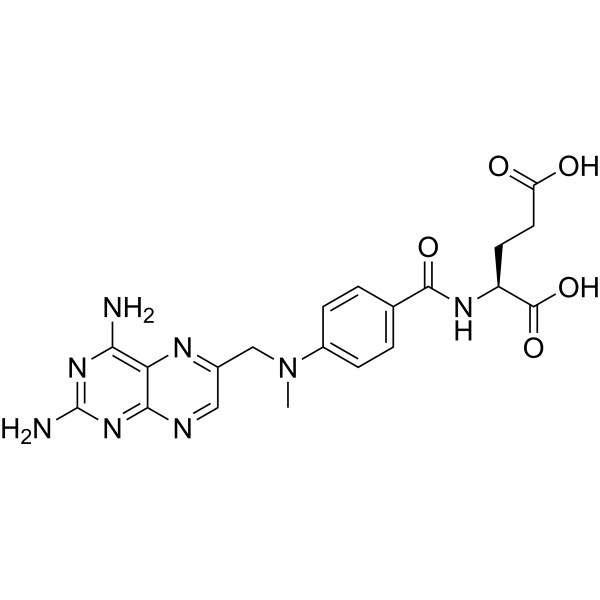
Methotrexate (Amethopterin; CL14377; WR19039) is an orally active antifolate (Antifolate). Methotrexate inhibits dihydrofolate reductase (DHFR), blocks tetrahydrofolate production, suppresses purine/pyrimidine synthesis and transmethylation, and causes intracellular accumulation of AICAR. Methotrexate promotes extracellular adenosine release, regulates the cytokine network, and inhibits the alarmin function of HMGB1. Methotrexate induces apoptosis and cytotoxicity, upregulates the expression of iNOS and COX-2, suppresses hippocampal neurogenesis, and induces pulmonary fibrosis. Methotrexate is used in the research of various immune and inflammation-related diseases such as arthritis, psoriasis, systemic lupus erythematosus, as well as pulmonary fibrosis and breast cancer .
loading...
    loading...
80
80 Publications Verification
Cat. No.: HY-14519B
CAS No.: 133073-73-1
Purity:  98.41%
Synonyms: Amethopterin hydrate; CL14377 hydrate; WR19039 hydrate
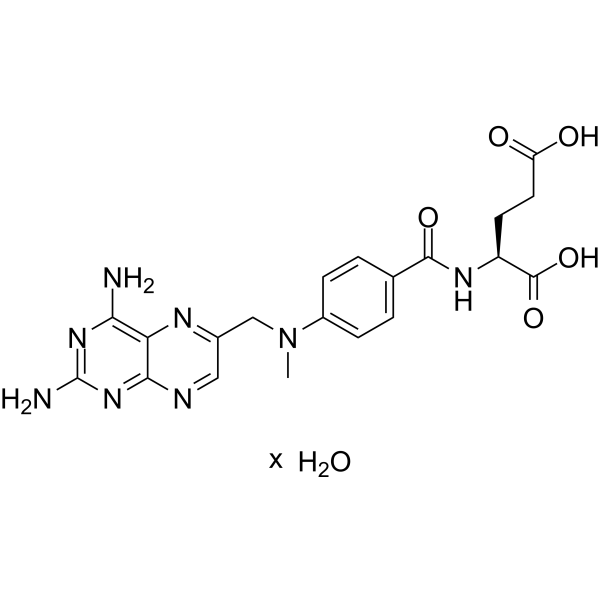
Methotrexate hydrate (Amethopterin hydrate; CL14377 hydrate; WR19039 hydrate) is an orally active antifolate (Antifolate). Methotrexate hydrate inhibits dihydrofolate reductase (DHFR), blocks tetrahydrofolate production, suppresses purine/pyrimidine synthesis and transmethylation, and causes intracellular accumulation of AICAR. Methotrexate hydrate promotes extracellular adenosine release, regulates the cytokine network, and inhibits the alarmin function of HMGB1. Methotrexate hydrate induces apoptosis and cytotoxicity, upregulates the expression of iNOS and COX-2, suppresses hippocampal neurogenesis, and induces pulmonary fibrosis. Methotrexate hydrate is used in the research of various immune and inflammation-related diseases such as arthritis, psoriasis, systemic lupus erythematosus, as well as pulmonary fibrosis and breast cancer .
loading...
    loading...
80
80 Publications Verification
Cat. No.: HY-14519A
CAS No.: 7413-34-5
Purity:  99.71%
Synonyms: Amethopterin disodium; CL14377 disodium; WR19039 disodium
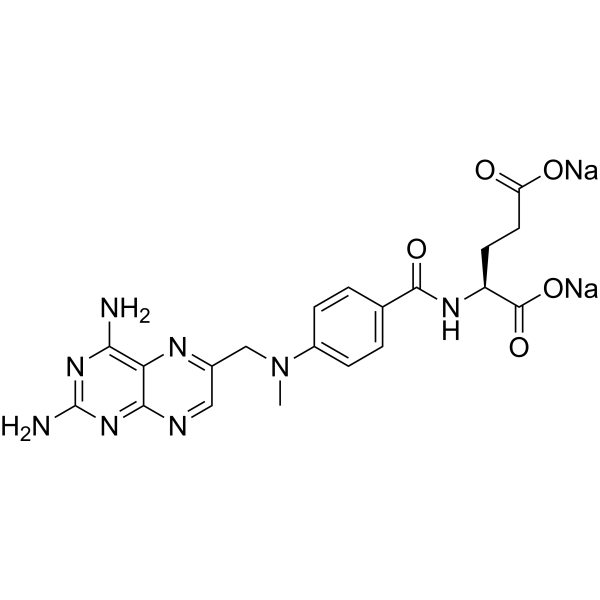
Methotrexate disodium (Amethopterin disodium; CL14377 disodium; WR19039 disodium) is an orally active antifolate (Antifolate). Methotrexate disodium inhibits dihydrofolate reductase (DHFR), blocks tetrahydrofolate production, suppresses purine/pyrimidine synthesis and transmethylation, and causes intracellular accumulation of AICAR. Methotrexate disodium promotes extracellular adenosine release, regulates the cytokine network, and inhibits the alarmin function of HMGB1. Methotrexate disodium induces apoptosis and cytotoxicity, upregulates the expression of iNOS and COX-2, suppresses hippocampal neurogenesis, and induces pulmonary fibrosis. Methotrexate disodium is used in the research of various immune and inflammation-related diseases such as arthritis, psoriasis, systemic lupus erythematosus, as well as pulmonary fibrosis and breast cancer .
loading...
    loading...
47
47 Cited Publications
Cat. No.: HY-100543
CAS No.: 72795-26-7
Purity:  99.60%
Synonyms: ICI-118551
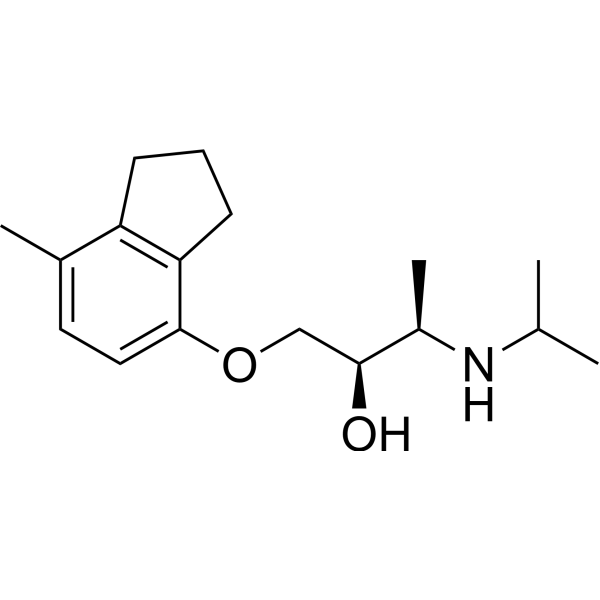
Zenidolol (ICI-118551) is a selective β2-adrenergic receptor antagonist with Ki values of Zenidolol for β2, β1 and β3 adrenergic receptors of 0.7, 49.5 and 611 nM, respectively. Zenidolol exerts antitumor effects via inducing apoptosis, inhibiting tumor sphere formation, and downregulating the HIF pathway by blocking β2-AR on tumor cells. Zenidolol exhibits a unique pulmonary vessel-specific vasodilatory effect in mouse models. Zenidolol can be used as an intraocular pressure-lowering agent in ophthalmic disease research .
loading...
    loading...
23
23 Cited Publications
Cat. No.: HY-101140
CAS No.: 1799974-70-1
Purity:  98.67%
Research Areas:  

Inflammation/Immunology

KI696 is a selective KEAP1/NRF2 protein-protein interaction inhibitor with a human Kd value of 1.3 nM. KI696 acts by competitively occupying the NRF2-binding pocket of the KEAP1 Kelch domain. KI696 blocks KEAP1-mediated ubiquitination and degradation of NRF2, promotes the translocation of NRF2 to the nucleus, activates the expression of downstream antioxidant genes, increases intracellular glutathione levels, and alleviates oxidative stress-induced cell damage and inflammatory cell infiltration in the lungs. KI696 reduces ozone-induced pulmonary oxidative damage and inflammatory cell accumulation in rats, and upregulates pulmonary antioxidant genes. KI696 can be used in research related to chronic obstructive pulmonary disease, oxidative stress and inflammation .
loading...
    loading...
17
17 Cited Publications
Cat. No.: HY-P1645
CAS No.: 9001-73-4
Papain is a cysteine protease of the peptidase C1 family. Papain enhances red cell agglutination by anti-D and anti-A, and increases red cell sensitivity to K cell-mediated lysis in ADCC assays. Papain can induce pulmonary emphysema. Papain can be used for the researches of Rh haemolytic disease of the newborn and pulmonary emphysema .
loading...
    loading...
15
15 Cited Publications
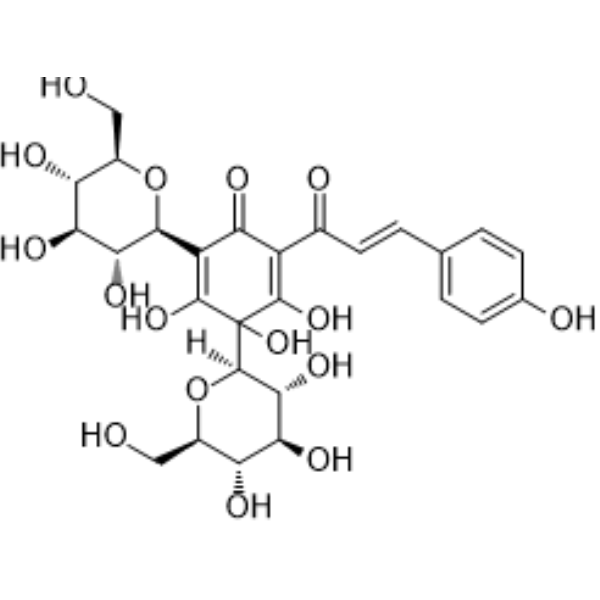
Cat. No.: HY-N0567
CAS No.: 78281-02-4
Synonyms: Safflomin A; HSYA
Hydroxysafflor yellow A (Safflomin A) is a natural product of flavonoids isolated from safflower. Hydroxysafflor yellow A can inhibit cell proliferation and promote apoptosis through the autophagy pathway. Hydroxysafflor yellow A has anti-inflammatory, antioxidant and antitumor effects. Hydroxysafflor yellow A can be used in the study of cardiovascular disease .
loading...
    loading...
13
13 Cited Publications
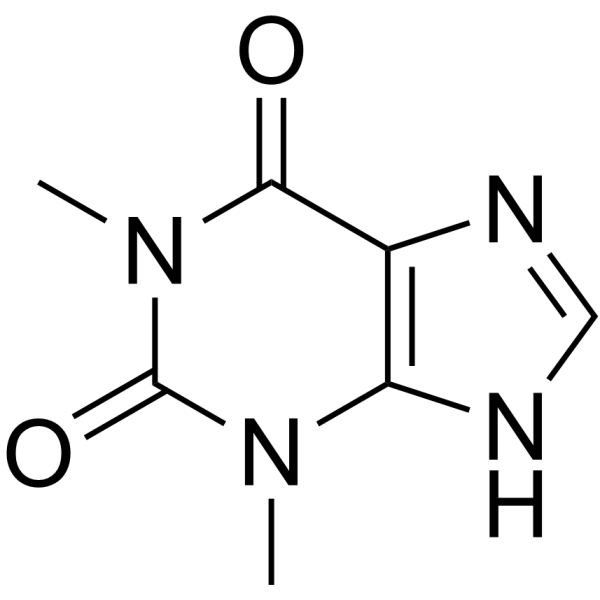
Cat. No.: HY-B0809
CAS No.: 58-55-9
Synonyms: 1,3-Dimethylxanthine; Theo-24
Theophylline (1,3-Dimethylxanthine) is a potent phosphodiesterase (PDE) inhibitor, adenosine receptor antagonist, and histone deacetylase (HDAC) activator. Theophylline (1,3-Dimethylxanthine) inhibits PDE3 activity to relax airway smooth muscle. Theophylline (1,3-Dimethylxanthine) has anti-inflammatory activity by increase IL-10 and inhibit NF-κB into the nucleus. Theophylline (1,3-Dimethylxanthine) induces apoptosis. Theophylline (1,3-Dimethylxanthine) can be used for asthma and chronic obstructive pulmonary disease (COPD) research .
loading...
    loading...
13
13 Cited Publications
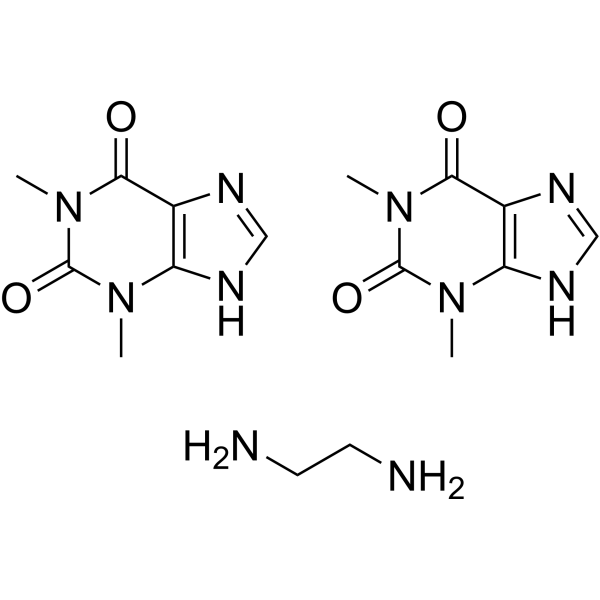
Cat. No.: HY-B0140
CAS No.: 317-34-0
Aminophylline is a competitive phosphodiesterase 3/4 (PDE3/4) inhibitor. Aminophylline also acts as an adenosine receptor antagonist. Aminophylline elevates intracellular cAMP levels via competitive inhibition of PDE3 and PDE4, antagonizes adenosine A1 receptor (ADORA1), regulates intracellular calcium signaling and synaptic vesicle cycling, upregulates the PPAR signaling pathway, and downregulates glutamatergic synaptic pathways simultaneously. Aminophylline can be used in research related to major depressive disorder, epilepsy, asthma, and chronic obstructive pulmonary disease (COPD) .
loading...
    loading...
12
12 Cited Publications
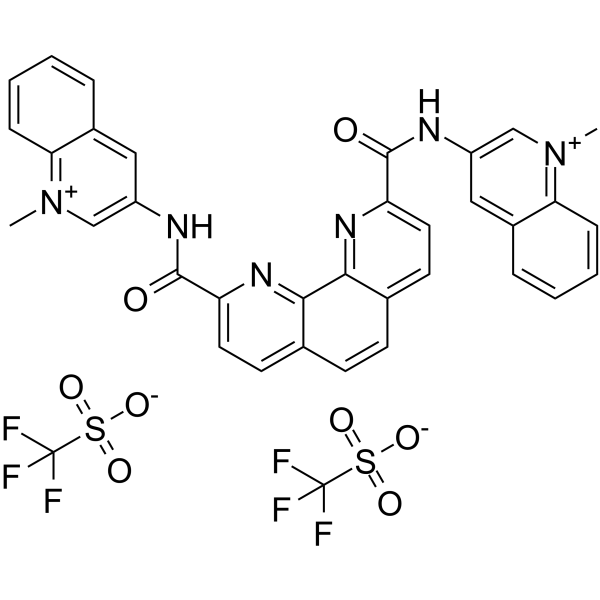
Cat. No.: HY-15594A
CAS No.: 929895-45-4
Purity:  98.99%
Synonyms: Phen-DC3 Triflate
Phen-DC3 Trifluoromethanesulfonate is a bisquinolinium G-quadruplex (G4) ligand. Phen-DC3 Trifluoromethanesulfonate selectively binds to and stabilizes the hybrid quadruplex-duplex hybrid (QDH) derived from the PIM1 promoter. Phen-DC3 Trifluoromethanesulfonate also binds to the c-myc promoter Pu24T G4 via extensive π-stacking, and induces polymerase stalling at α-synuclein DNA and RNA G4 sequences. Phen-DC3 Trifluoromethanesulfonate downregulates LPS (HY-D1056)-induced TNFRSF21, RIPK3 and p-MLKL in VECs, and ameliorates CLP-induced pulmonary vascular leakage in septic rats. Phen-DC3 Trifluoromethanesulfonate can be used in studies related to neurodegenerative diseases and sepsis-associated vascular injury .
loading...
    loading...
11
11 Cited Publications
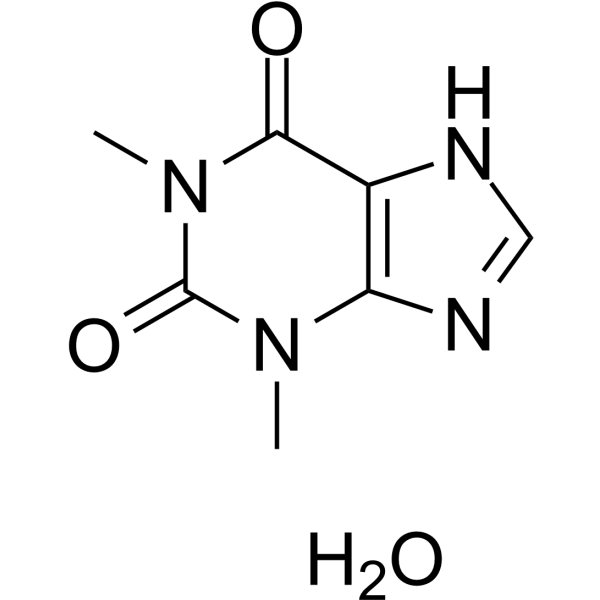
Cat. No.: HY-B0809A
CAS No.: 5967-84-0
Synonyms: 1,3-Dimethylxanthine monohydrate; Theo-24 monohydrate
Theophylline (1,3-Dimethylxanthine) monohydrate is a potent phosphodiesterase (PDE) inhibitor, adenosine receptor antagonist, and histone deacetylase (HDAC) activator. Theophylline (1,3-Dimethylxanthine) monohydrate inhibits PDE3 activity to relax airway smooth muscle. Theophylline (1,3-Dimethylxanthine) monohydrate has anti-inflammatory activity by increase IL-10 and inhibit NF-κB into the nucleus. Theophylline (1,3-Dimethylxanthine) monohydrate induces apoptosis. Theophylline (1,3-Dimethylxanthine) monohydrate can be used for asthma and chronic obstructive pulmonary disease (COPD) research .
loading...
    loading...
11
11 Cited Publications
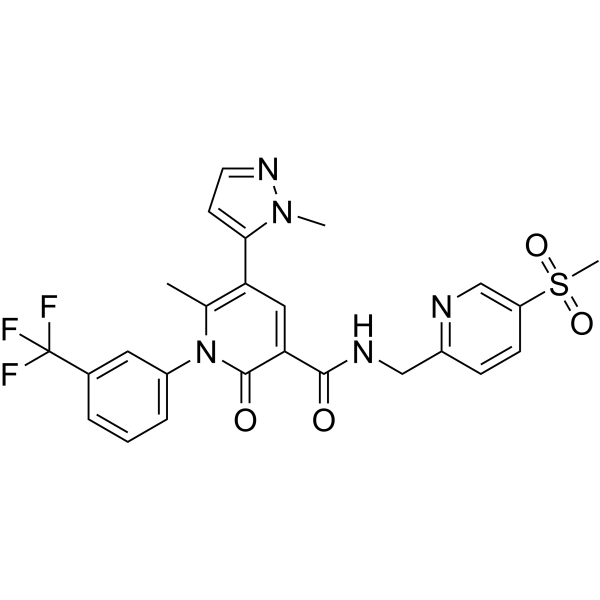
Cat. No.: HY-15651
CAS No.: 848141-11-7
Purity:  99.87%
Synonyms: AZD9668
Alvelestat (AZD9668) is an orally active, selective inhibitor of neutrophil elastase. Alvelestat reduces elastase activity, myeloperoxidase release, neutrophil recruitment and activation, and calcium phosphate precipitation; promotes smooth muscle cell colonization and collagen deposition; and inhibits the formation of neutrophil extracellular traps (NETs) as well as NET-derived neutrophil elastase activity. Alvelestat restores endothelial dysfunction, regulates antioxidant factors, improves the expression of endothelial tight junctions, reduces vascular leakage, and accelerates wound healing. Alvelestat prevents pulmonary hemorrhage, matrix protein degradation, airspace enlargement, and small airway wall remodeling; and alleviates cigarette-induced inflammatory responses. Alvelestat inhibits the growth of abdominal aortic aneurysms exacerbated by Porphyromonas gingivalis. Alvelestat can be used in research related to chronic obstructive pulmonary disease, abdominal aortic aneurysm, radiation-induced skin injury, and bronchiectasis .
loading...
    loading...
8
8 Cited Publications
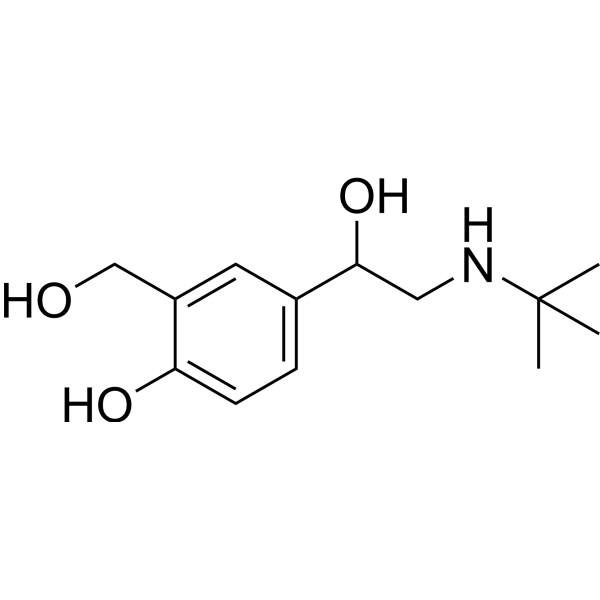
Cat. No.: HY-B1037
CAS No.: 18559-94-9
Synonyms: Albuterol; AH-3365
Target:  

Adrenergic Receptor ERK

Research Areas:  

Inflammation/Immunology Cancer

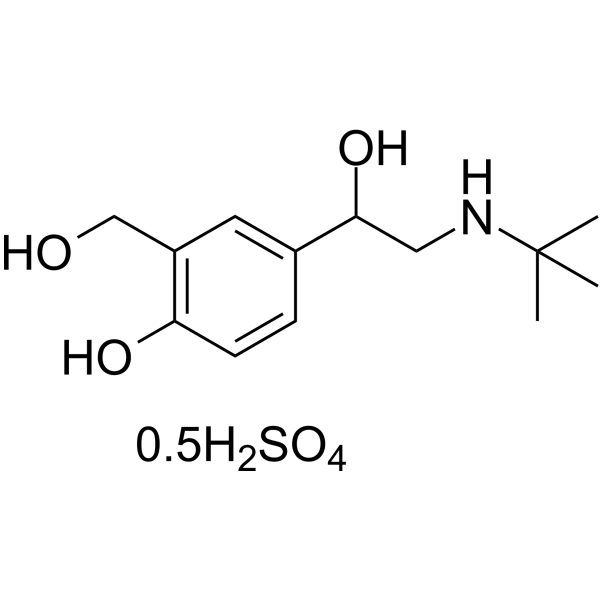
Salbutamol (Albuterol) is an orally active short-acting β2-adrenergic receptor agonist. Salbutamol promotes tumorigenesis in gastric cancer cells through the β2-AR/ERK/EMT pathway. Salbutamol can relax bronchial smooth muscle and is used to study bronchospasm induced by asthma and chronic obstructive pulmonary disease .
loading...
    loading...
8
8 Cited Publications
Cat. No.: HY-B0436
CAS No.: 51022-70-9
Synonyms: Albuterol hemisulfate; AH-3365 hemisulfate
Target:  

Adrenergic Receptor ERK

Research Areas:  

Inflammation/Immunology Cancer

Salbutamol (Albuterol) hemisulfate is an orally active short-acting β2-adrenergic receptor agonist. Salbutamol hemisulfate promotes tumorigenesis in gastric cancer cells through the β2-AR/ERK/EMT pathway. Salbutamol hemisulfate can relax bronchial smooth muscle and is used to study bronchospasm induced by asthma and chronic obstructive pulmonary disease .
loading...
    loading...
8
8 Cited Publications
Cat. No.: HY-14648A
CAS No.: 1177-87-3
Purity:  99.84%
Synonyms: Dexamethasone 21-acetate; Hexadecadrol acetate
Research Areas:  

Inflammation/Immunology

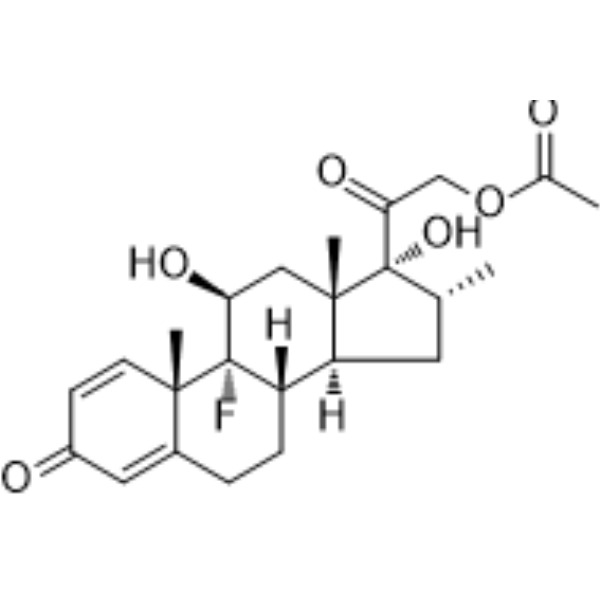
Dexamethasone acetate (Dexamethasone 21-acetate) is the acetate form of the glucocorticoid Dexamethasone (HY-14648). Dexamethasone acetate has a longer duration of action than Dexamethasone. Dexamethasone acetate can accumulate at inflammatory sites, in mouse liver and mouse lung via nanostructured lipid carriers. Dexamethasone acetate can be used to prepare topical formulations for studies related to sensorineural hearing loss, γ-carrageenan-induced paw edema, chronic active hepatitis, pulmonary diseases, and inflammation after vitreoretinal surgery .
loading...
    loading...
7
7 Cited Publications
Cat. No.: HY-108901
CAS No.: 183814-30-4
Purity:  99.91%
Formoterol hemifumarate hydrate is a selective, long-acting beta 2-adrenoceptor agonist. Formoterol is a bronchodilator used for the research of the asthma and chronic obstructive pulmonary disease (COPD). Formoterol hemifumarate hydrate induces mitochondrial biogenesis and promotes cognitive recovery after traumatic brain injury .
loading...
    loading...
6
6 Cited Publications
Cat. No.: HY-B0010
CAS No.: 43229-80-7
Synonyms: (±)Formoterol fumarate
Target:  

Adrenergic Receptor

Research Areas:  

Inflammation/Immunology

Formoterol fumarate ((±)Formoterol fumarate) is a selective β2-adrenoceptor agonist. Formoterol fumarate is at least as β2-adrenoceptor selective as Salbutamol (HY-B1037) and Terbutaline (HY-B0802A). Formoterol fumarate abolishs the contraction induced by Acetylcholine in bronchioles. Formoterol fumarate can be used for the research of chronic obstructive pulmonary disease and bronchial asthma .
loading...
    loading...
5
5 Cited Publications
Cat. No.: HY-14144
CAS No.: 320345-99-1
Purity:  98.58%
Synonyms: LAS 34273; LAS-W 330
Target:  

mAChR

Research Areas:  

Inflammation/Immunology

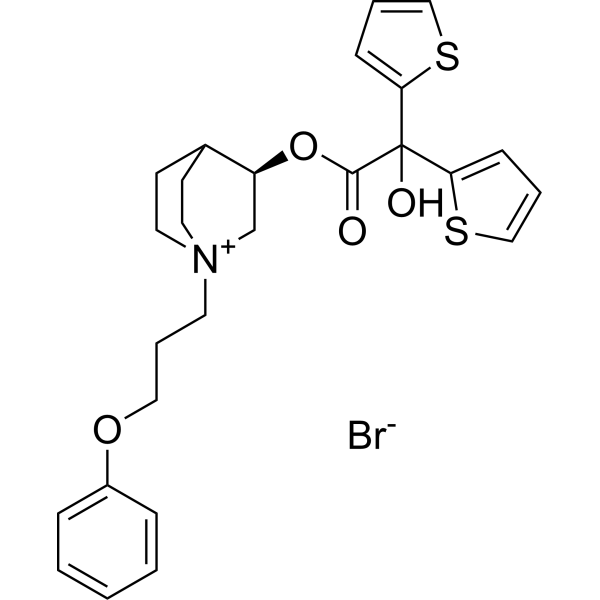
Aclidinium Bromide (LAS 34273; LAS-W 330) is a long-acting, inhaled muscarinic antagonist. Aclidinium Bromide has the potential for chronic obstructive pulmonary disease (COPD) research .
loading...
    loading...
5
5 Cited Publications
Cat. No.: HY-14299
CAS No.: 312753-06-3
Purity:  99.98%
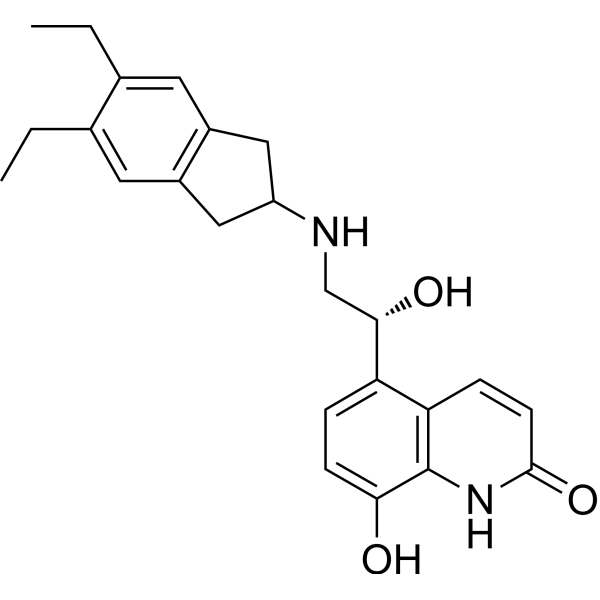
Indacaterol is an orally active ultra-long-acting β2 adrenergic receptor (ADRB2) agonist. Indacaterol inhibits NF-κB activity in a β-arrestin2-dependent manner, preventing further lung damage and improving lung function in COPD (chronic obstructive pulmonary disorder). Indacaterol can also be used in cardiovascular disease research .
loading...
    loading...
5
5 Cited Publications
Cat. No.: HY-14299A
CAS No.: 753498-25-8
Purity:  99.82%
Synonyms: QAB149
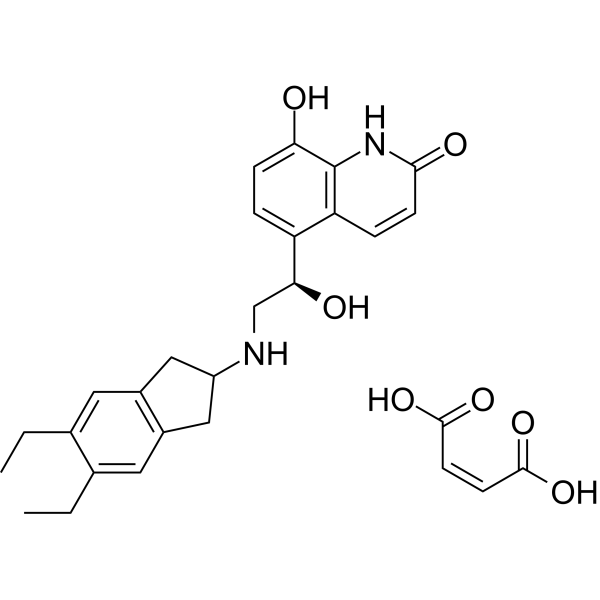
Indacaterol maleate (QAB149) is an orally active ultra-long-acting β2 adrenergic receptor (ADRB2) agonist. Indacaterol maleate inhibits NF-κB activity in a β-arrestin2-dependent manner, preventing further lung damage and improving lung function in COPD (chronic obstructive pulmonary disorder). Indacaterol maleate can also be used in cardiovascular disease research .
loading...
    loading...

