Search Result
Results for "
Rac activity
" in MedChemExpress (MCE) Product Catalog:
4
Biochemical Assay Reagents
15
Isotope-Labeled Compounds
| Cat. No. |
Product Name |
Target |
Research Areas |
Chemical Structure |
-
- HY-110100
-
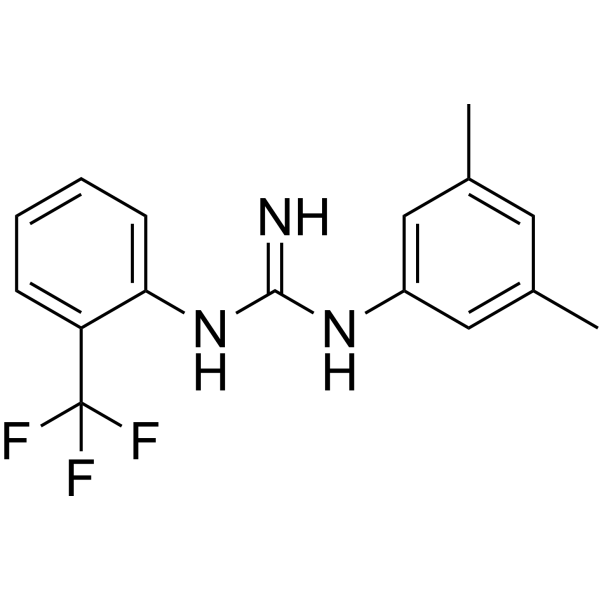
CPYPP
3 Publications Verification
|
DOCK
|
Inflammation/Immunology
|
|
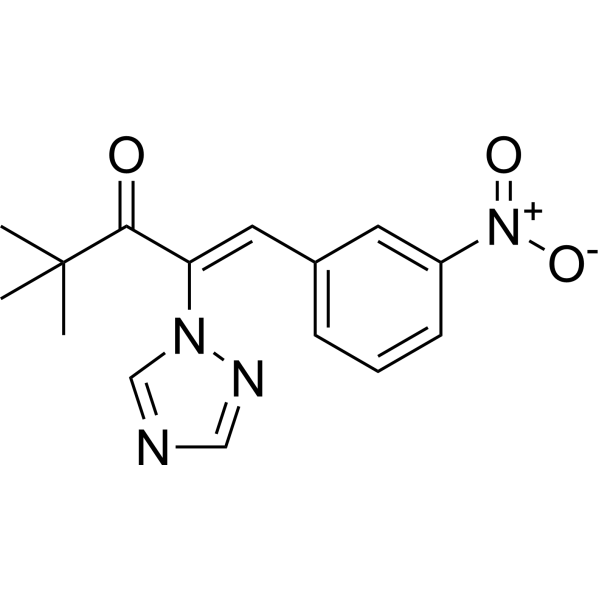
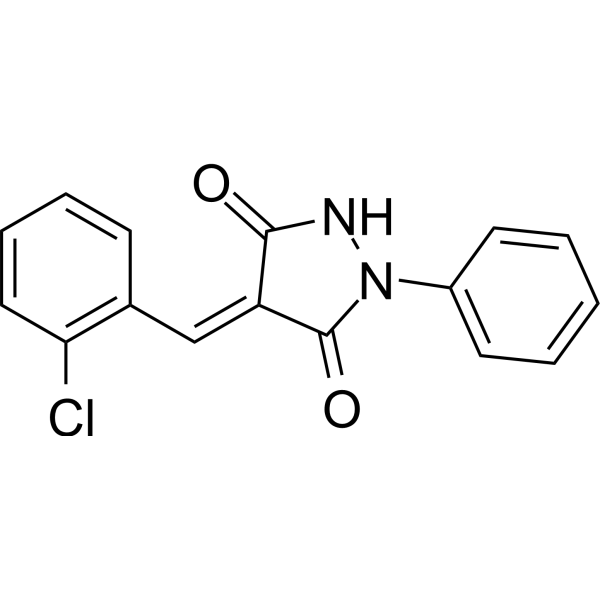
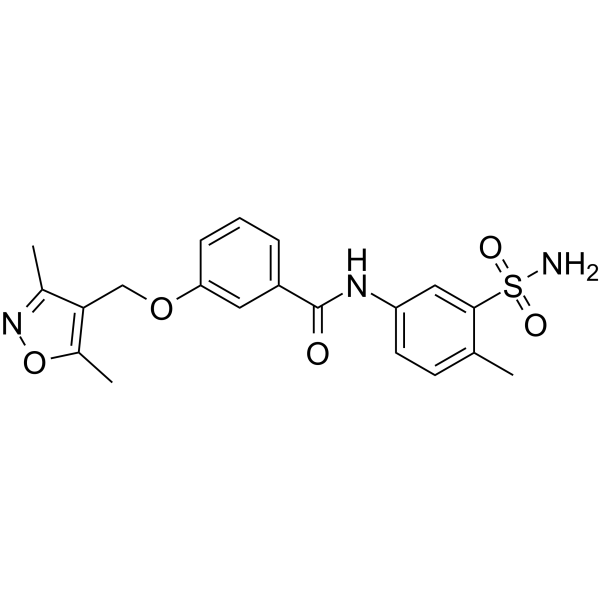
CPYPP is a DOCK2-Rac1 interaction inhibitor. CPYPP binds to DOCK2 DHR-2 domain and inhibits the guanine nucleotide exchange factor (GEF) activity of DOCK2 DHR-2 for Rac1 in a dose-dependent manner with an IC50 of 22.8 µM. CPYPP also inhibits DOCK180 and DOCK5 and less inhibits DOCK9 .
|
-
-
- HY-12810
-
|
|
Ras
|
Cancer
|
|
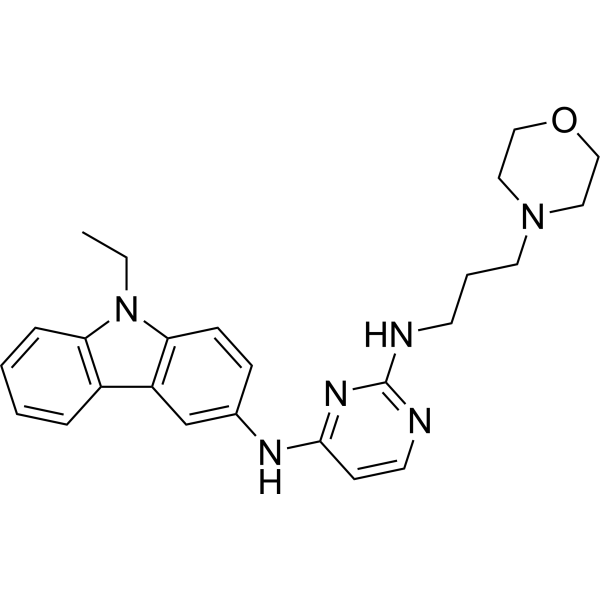
EHop-016 is a potent and selective Rac GTPase Rac1 and Rac3 inhibitor. EHop-016 inhibits Rac1 activity with an IC50 of 1.1 μM in MDA-MB-435 cells. EHop-016 inhibits Vav2 interaction with Rac, Rac-activated PAK1, lamellipodia formation, and cell migration .
|
-
-
- HY-104064
-
1A-116
Maximum Cited Publications
8 Publications Verification
|
Ras
Apoptosis
|
Cancer
|
|
1A-116, a potent Rac1 inhibitor, is specific for W56 residues, can prevent EGF-induced Rac1 activation and block Rac1-P-Rex1 interaction. 1A-116 can induce apoptosis and inhibit cell proliferation, migration and cycle progression in a concentration-dependent manner. 1A-116 also demonstrates a high antimetastatic activity in vivo .
|
-
-
- HY-N0168A
-
|
|
TGF-beta/Smad
NF-κB
|
Infection
Inflammation/Immunology
Cancer
|
|
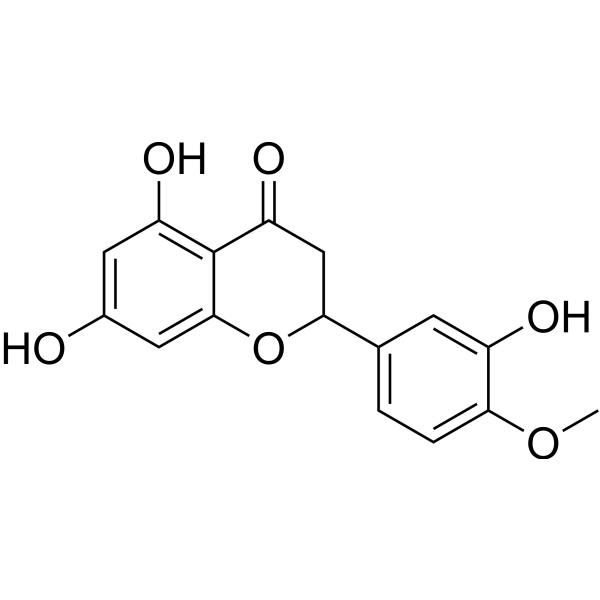
(Rac)-Hesperetin is the racemate of Hesperetin (HY-N0168), an orally active multi-target inhibitor. (Rac)-Hesperetin exhibits significant anti-tumor and anti-inflammatory activities by blocking the TGF-β1-mediated Fyn/RhoA signaling axis and the TLR4-MyD88-NF-κB inflammatory pathway. (Rac)-Hesperetin inhibits the formation of actin stress fibers and the migration and invasion of cancer cells, and is suitable for triple-negative breast cancer research. In inflammation models, (Rac)-Hesperetin effectively alleviates lung injury by reducing the release of pro-inflammatory mediators and regulating the activity of oxidative stress enzymes, and is suitable for acute lung injury research. (Rac)-Hesperetin also interferes with the entry and early replication processes of channel catfish virus, inhibits viral gene expression and progeny virus production, thereby protecting cells from virus-induced cytopathic effects .
|
-
-
- HY-125792
-
|
|
Reactive Oxygen Species (ROS)
Ras
Integrin
|
Cardiovascular Disease
Inflammation/Immunology
|
|
Nexinhib20 is an inhibitor that targets the interactions of Rab27a-JFC1 (IC50: 2.6 μM) and Rac-1-GTP. Nexinhib20 can inhibit neutrophil exocytosis, adhesion, and β2 integrin activation, and has anti-inflammatory activity. Nexinhib20 can be used in the research of diseases such as systemic inflammation and myocardial ischemia-reperfusion injury .
|
-
-
- HY-153128
-
|
|
DOCK
Drug Derivative
|
Inflammation/Immunology
|
|
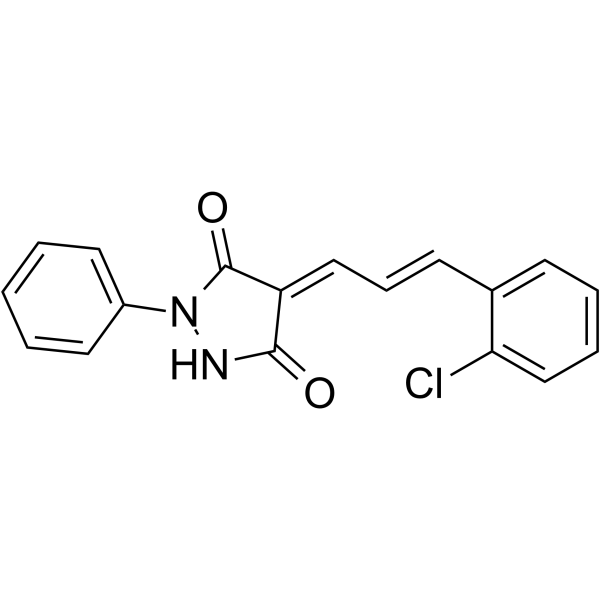
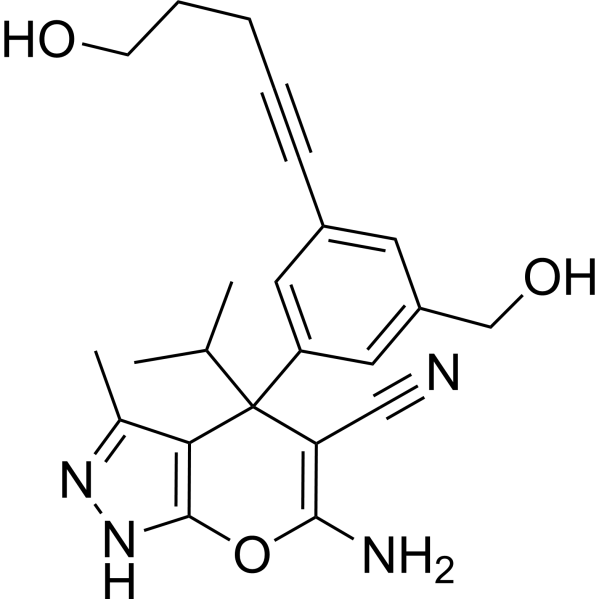
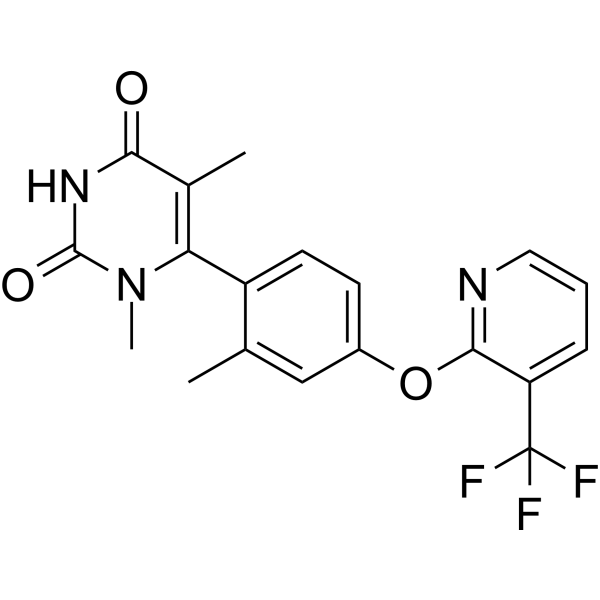
DOCK2-IN-1 (Compound 3) is an analog of CPYPP (HY-110100) and a DOCK2 inhibitor (IC50 = 19.1 μM). DOCK2-IN-1 binds to the DHR-2 domain of DOCK2 and inhibits its mediated Rac guanine nucleotide exchange factor activity. DOCK2-IN-1 blocks chemokine receptor- and antigen receptor-mediated activation of Rac in lymphocytes. DOCK2-IN-1 significantly inhibits chemotaxis and T cell activation. DOCK2-IN-1 can be used in the research of transplant rejection and organ-specific autoimmune diseases .
|
-
-
- HY-133897
-
|
1-Methyl-DL-tryptophan; (Rac)-NLG-8189
|
Indoleamine 2,3-Dioxygenase (IDO)
Apoptosis
|
Inflammation/Immunology
Cancer
|
|
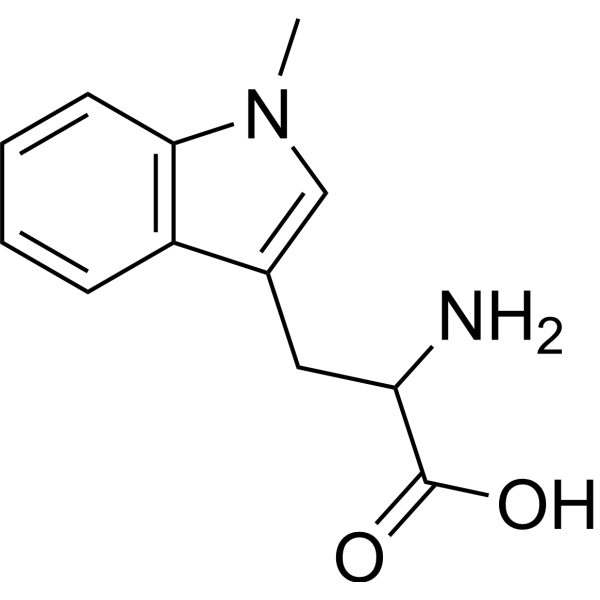
(Rac)-Indoximod (1-Methyl-DL-tryptophan) is an indoleamine 2,3-dioxygenase (IDO) inhibitor. Co-treatment with IFN-γ and (Rac)-Indoximod markedly reduces the activity of human cardiac myofibroblasts (hCMs) expressing α-SMA and induces apoptosis through up-regulating the IRF-1, Fas, and FasL genes .
|
-
-
- HY-111355
-
|
|
Endogenous Metabolite
DOCK
PKC
AMPK
Sirtuin
|
Metabolic Disease
Inflammation/Immunology
Cancer
|
|
Cholesterol sulfate is a naturally occurring, orally active cholesterol derivative that is widely distributed in various tissues and body fluids. Cholesterol sulfate acts as a DOCK2 inhibitor, with IC50 values of 2 μM and 2.9 μM against mouse and human targets, respectively. Cholesterol sulfate restricts excessive neutrophil infiltration and alleviates intestinal inflammation and damage. Cholesterol sulfate serves as an activator of protein kinase C (PKC), which promotes squamous cell differentiation and inhibits skin carcinogenesis. Cholesterol sulfate regulates cholesterol homeostasis and cellular metabolism by activating the AMPK-Sirt1 pathway. Cholesterol sulfate can be used in research related to actinic keratitis, ulcerative colitis, skin cancer, and other conditions .
|
-
-
- HY-106381
-
|
|
PKC
|
Inflammation/Immunology
Cancer
|
|
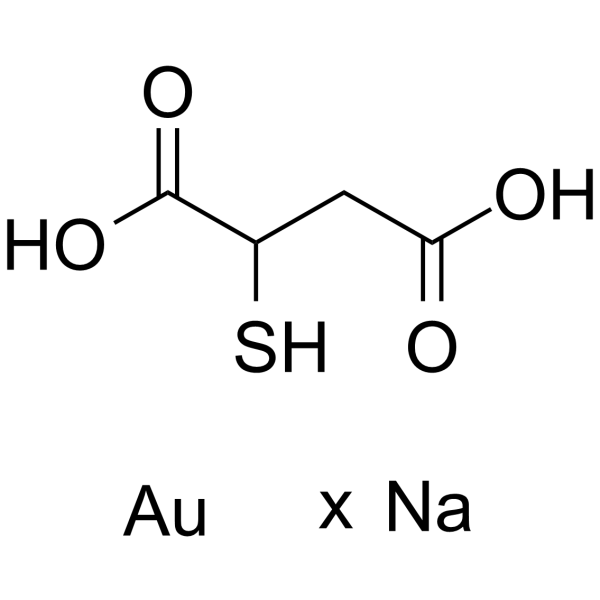
Aurothiomalate sodium is the tetrameric form of Aurothiomalate sodium (HY-106381). Aurothiomalate sodium acts as an inhibitor of PKCI and TrxR1. Aurothiomalate sodium disrupts the PKCI-Par6-Rac1 signaling pathway, and also inhibits TrxR1 activity, TNFα-induced NF-κB activation, and the expression of pro-inflammatory genes. Aurothiomalate sodium blocks Kras-mediated BASC expansion and lung tumor growth, inhibits anchorage-independent growth and tumorigenicity of lung cancer cells, and suppresses neutrophil chemotaxis, phagocytosis, and leukocyte extravasation. Aurothiomalate sodium can be used in research related to rheumatoid arthritis and non-small cell lung cancer .
|
-
-
- HY-134978
-
|
|
SHMT
Bacterial
|
Others
|
|
(Rac)-SHIN2 is a pyrazolopyran derivative and a serine hydroxymethyltransferase (SHMT) inhibitor. (Rac)-SHIN2 has antibacterial activity and low cytotoxicity against Hep2 cells. (Rac)-SHIN2 exerts potent antibacterial activity against both vancomycin-susceptible and vanA-type vancomycin-resistant Enterococcus .
|
-
-
- HY-18061
-
|
(Rac)-STA-21
|
Antibiotic
STAT
Bacterial
|
Infection
Cancer
|
|
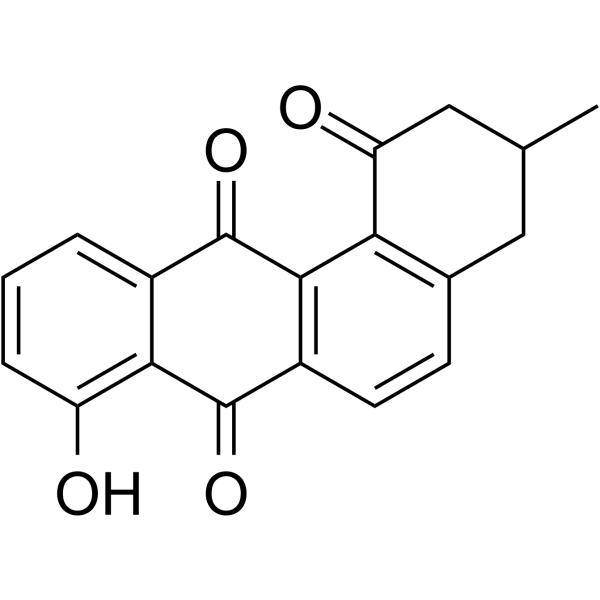
Ochromycinone ((Rac)-STA-21) is a natural antibiotic and a STAT3 inhibitor. Ochromycinone can inhibits STAT3 DNA binding activity, STAT3 dimerization. Ochromycinone has anticancer and antimicrobial activity .
|
-
-
- HY-N2438
-
|
|
Ras
Microtubule/Tubulin
|
Cancer
|
|
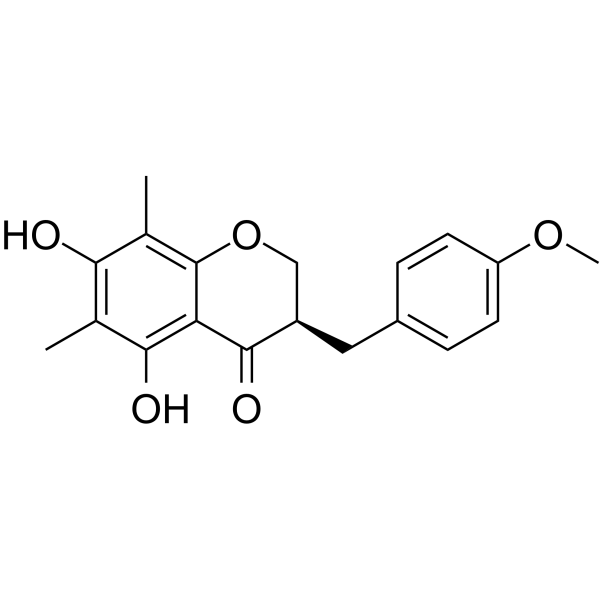
Methylophiopogonanone B is a homoisoflavonoid compound. Methylophiopogonanone B can be isolated from O. japonicus root. Methylophiopogonanone B promotes Rho activation and Tubulin depolymerization. Methylophiopogonanone B significantly increases GTP-Rho, but not GTP-Rac or GTP-CDC42. Methylophiopogonanone B induces cell morphological change via melanocyte dendrite retraction and stress fiber formation. Methylophiopogonanone B exhibits strong antioxidant activity. Methylophiopogonanone B can be used in the research of cervical cancer .
|
-
-
- HY-175341
-
|
|
Acyltransferase
Ras
Akt
|
Cancer
|
|
Rac1-IN-5 is a specific, reversible inhibitor of RAC1 (KD = 30 nM). Rac1-IN-5 competes with guanine nucleotides for specific binding to RAC proteins, effectively blocking RAC1 activity and RAC1-dependent cellular functions. Rac1-IN-5 exhibits anti-tumor metastasis effects in vivo and can improve survival. Rac1-IN-5 can be used to study invasive cancers such as triple-negative breast cancer and colon cancer .
|
-
-
- HY-N7240
-
|
|
Others
|
Metabolic Disease
|
|
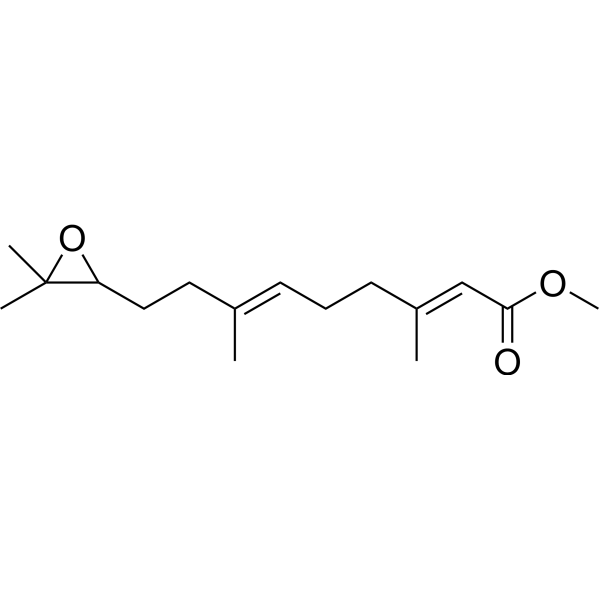
(Rac)-Juvenile hormone III is a cecropia juvenile hormone and juvenile hormone agonist. (Rac)-Juvenile hormone III induces test insects to retain larval characteristics after the final molt to the adult stage. (Rac)-Juvenile hormone III exhibits juvenile hormone activity in Tenebrio molitor pupae and last-instar nymphs of Oncopeltus fasciatus. (Rac)-Juvenile hormone III possesses morphogenetic activity in insect assays .
|
-
-
- HY-N6004
-
|
Shikalkin
|
Others
|
Cancer
|
|
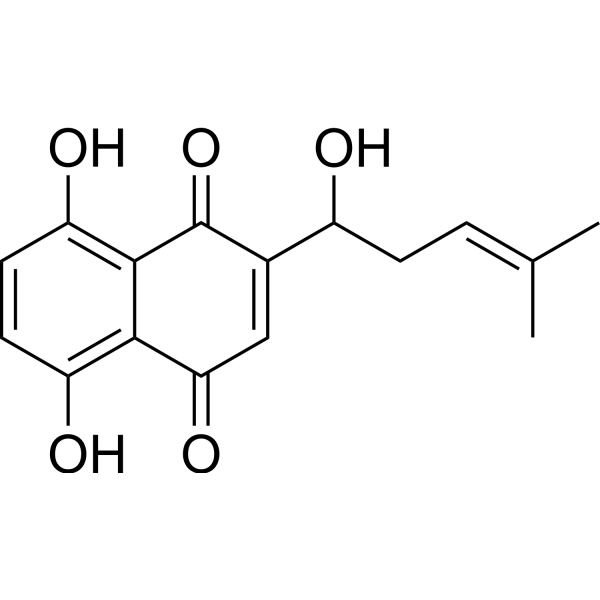
(Rac)-Shikonin (Shikonin) possesses anti-tumor activity. (Rac)-Shikonin (Shikonin) circumvents cancer agent resistance by induction of a necroptotic death .
|
-
-
- HY-N0585
-
|
(Rac)-NCTD
|
Apoptosis
|
Cancer
|
|
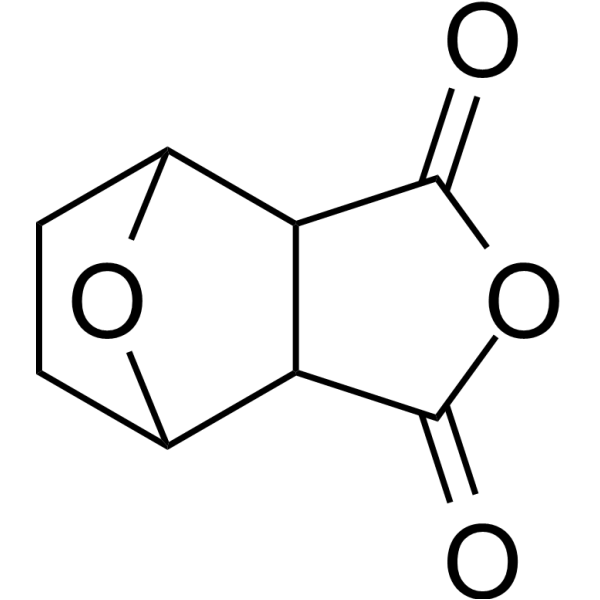
(Rac)-Norcantharidin ((Rac)-NCTD) is the racemic form of Norcantharidin. Norcantharidin is a demethylated derivative of Cantharidin (HY-N0209) and has antitumor activity .
|
-
-
- HY-115376
-
|
ZINC08010136
|
Ras
|
Inflammation/Immunology
|
|
Z62954982 (ZINC08010136) is a potent, selective and cell-permeable Rac1 (IC50=12 μM) inhibitor that is 4 times more effective than NSC23766 (HY-15723A) (IC50=50 μM). Z62954982 disrupts the Rac1/Tiam1 complex and decreases cytoplasmic levels of active Rac1 (GTP-bound Rac1), without affecting the activity of other Rho GTPases (such as Cdc42 or RhoA) .
|
-
-
- HY-15031
-
|
(R)-Naproxen
|
Ras
|
Cancer
|
|
l-Naproxen ((R)-Naproxen) is an enantiomer of (S)-Naproxen. l-Naproxen can inhibit Cdc42 and Rac1 (EC50=96 μM and 212 μM, respectively), and show anti-tumor activity. l-Naproxen is a nonsteroidal antiinflammatory agent (NSAID) .
|
-
-
- HY-119486A
-
|
(Rac)-PF-06649751; (Rac)-CVL-751
|
Dopamine Receptor
Arrestin
|
Neurological Disease
|
|
(Rac)-Tavapadon ((Rac)-PF-06649751) is a potent and selective noncatechol dopamine D1 receptor agonist. (Rac)-Tavapadon displays potent full agonism in the GS activation assay as well as partial agonism in the β-arrestin2 recruitment assay (GS-cAMP, EC50=0.8 nM; β-arrestin2, EC50=68 nM). (Rac)-Tavapadon has antiparkinsonian activity .
|
-
-
- HY-N5112
-
|
(Rac)-β,β-Dimethylacrylalkannin; (Rac)-β,β-Dimethylacrylshikonin
|
HIF/HIF Prolyl-Hydroxylase
|
Others
Cancer
|
|
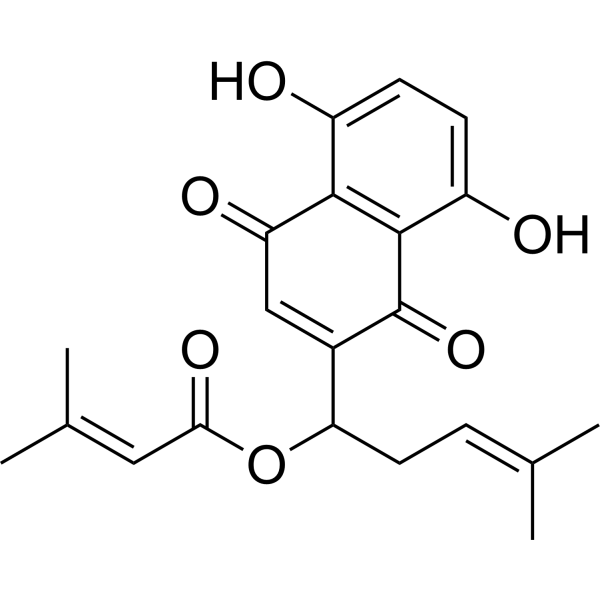
(Rac)-Arnebin 1 ((Rac)-β,β-Dimethylacrylalkannin) is the racemate of β,β-Dimethylacrylalkannin and/or β,β-Dimethylacrylshikonin. β,β-Dimethylacrylalkannin and β,β-Dimethylacrylshikonin are napthoquinones isolated from Arnebia nobilis. β,β-Dimethylacrylshikonin has anti-tumor activity .
|
-
-
- HY-136913
-
|
(Rac)-Betuligenol
|
Endogenous Metabolite
|
Inflammation/Immunology
|
|
(Rac)-Rhododendrol ((Rac)-Betuligenol) is an aromatic compound with pro-oxidant activity. (Rac)-Rhododendrol may be useful in the suppression of liver diseases. (Rac)-Rhododendrol can be toxic to melanocytes, leading to cell death. The metabolite of (Rac)-Rhododendrol, RD-quinone, is cytotoxic and causes enzyme inactivation and endoplasmic reticulum stress by binding to thiol proteins. (Rac)-Rhododendrol-derived melanin exhibits potent pro-oxidant activity and may cause oxidative stress .
|
-
-
- HY-160187A
-
|
|
Cadherin
MMP
Akt
FAK
ERK
NF-κB
|
Cancer
|
|
(Rac)-AAA is a regulator and inhibitor targeting GPR75. By blocking the 20-HETE-induced downregulation of GPR75 expression, (Rac)-AAA effectively inhibits the activation of key downstream signaling pathways including EGFR, AKT, NF-κB and FAK. (Rac)-AAA reverses 20-HETE-mediated epithelial-mesenchymal transition, which is specifically characterized by downregulating vimentin (vimentin), upregulating E-Cadherin, as well as reducing MMP-2 activity and cancer cell migration ability. (Rac)-AAA also abolishes the 20-HETE-induced upregulation of HIC-5 expression and anchorage-independent growth, and modulates the subcellular localization of PKC-α and phosphorylated AKT. (Rac)-AAA is investigated in androgen-independent prostate cancer (castration-resistant prostate cancer) .
|
-
-
- HY-106381A
-
|
|
PKC
TrxR
NF-κB
|
Inflammation/Immunology
Cancer
|
|
Aurothiomalate tetramer sodium is the tetrameric form of Aurothiomalate sodium (HY-106381). Aurothiomalate tetramer sodium acts as an inhibitor of PKCI and TrxR1. Aurothiomalate tetramer sodium disrupts the PKCI-Par6-Rac1 signaling pathway, and also inhibits TrxR1 activity, TNFα-induced NF-κB activation, and the expression of pro-inflammatory genes. Aurothiomalate tetramer sodium blocks Kras-mediated BASC expansion and lung tumor growth, inhibits anchorage-independent growth and tumorigenicity of lung cancer cells, and suppresses neutrophil chemotaxis, phagocytosis, and leukocyte extravasation. Aurothiomalate tetramer sodium can be used in research related to rheumatoid arthritis and non-small cell lung cancer .
|
-
-
- HY-14881S1
-
|
|
Isotope-Labeled Compounds
Bacterial
Antibiotic
|
Others
|
|
(Rac)-Bedaquiline-d6 is the deuterium labeled Bedaquiline (HY-14881) . Bedaquiline (TMC207) is a diarylquinoline agent and inhibits Mycobacterium tuberculosis (Mtb) F1FO-ATP synthase through targeting of both the c- and the ε-subunit . Bedaquiline has uncoupler activity. Bedaquiline is used for the multi-agent resistant tuberculosis .
|
-
-
- HY-16023B
-
|
EM-343; (Rac)-EM-652
|
Estrogen Receptor/ERR
|
Cancer
|
|
(Rac)-Acolbifene (EM-343; (Rac)-EM-652) is the racemic form of EM652 (estrogen receptor?antagonist), has anti-estrogenic and estrogenic activities. (Rac)-Acolbifene (EM-343; (Rac)-EM-652) contains a piperidine ring, shows good pharmacological profile,relative binding affinity (RBA)=380 .
|
-
-
- HY-N7240S
-
|
|
Isotope-Labeled Compounds
Others
|
Others
|
|
Juvenile Hormone III-d3 is the deuterium labeled Juvenile Hormone III. (Rac)-Juvenile Hormone III is a cecropia juvenile hormone and juvenile hormone agonist. (Rac)-Juvenile Hormone III induces test insects to retain larval characteristics after the final molt to the adult stage. (Rac)-Juvenile Hormone III exhibits juvenile hormone activity in Tenebrio molitor pupae and last-instar nymphs of Oncopeltus fasciatus. (Rac)-Juvenile Hormone III possesses morphogenetic activity in insect assays .
|
-
-
- HY-176549
-
|
|
RAD51
|
Cancer
|
|
(Rac)-IBR120 is the racemate of IBR120 (HY-176549A). IBR120 is a RAD51 inhibitor that has significant growth inhibition activity against MDA-MB-468 cells. (Rac)-IBR120 can be used for the research of difficult-to-treat cancers like triple negative breast cancer .
|
-
-
- HY-15136B
-
|
Sch66336 Racemate
|
Farnesyl Transferase
|
Infection
Cancer
|
|
(Rac)-Lonafarnib (Sch66336 racemate) is the racemate of Lonafarnib. Lonafarnib is a potent and orally active farnesyl transferase (FTase) inhibitor. Lonafarnib inhibits the activities of H-ras, K-ras and N-ras with IC50 values of 1.9 nM, 5.2 nM and 2.8 nM, respectively. Lonafarnib also has anti-hepatitis delta virus (HDV) activities .
|
-
-
- HY-W013507R
-
|
|
Reference Standards
NF-κB
Reactive Oxygen Species (ROS)
Glutathione Peroxidase
Phytohormone
Apoptosis
|
Neurological Disease
Inflammation/Immunology
Cancer
|
|
(rac)-Methyl jasmonate (Standard) is the analytical standard of Methyl jasmonate. This product is intended for research and analytical applications. (rac)-Methyl jasmonate is the racemate of Methyl jasmonate (HY-135663). Methyl jasmonate is a phytohormone that regulates the defense response of plants under biotic and biotic stress through jasmonate signaling pathway. Methyl jasmonate inhibits the activation of NF-κB signaling pathway. Methyl jasmonate can promote the mitochondrial ROS production, but also scavenges free radicals and reduces the oxidative stress. Methyl jasmonate exhibits anti-inflammatory, antitumor, anticonvulsant, antinociceptive and sedative activities .
|
-
-
- HY-161346A
-
|
|
PROTACs
Epigenetic Reader Domain
|
Cancer
|
|
(Rac)-EBET-1055 is the racemate of EBET-1055 (HY-161346). EBET-1055 is a bromodomain and extra-terminal (BET) PROTAC degrader. EBET-1055 effectively inhibits the growth of pancreatic ductal adenocarcinoma (PDAC). EBET-1055 also simultaneously modulates cancer-associated fibroblast (CAF) activity, upregulating all reporter gene activities in organoid co-cultures .
|
-
-
- HY-W391625
-
|
(Rac)-Epiligulyl oxide
|
Fungal
|
Cancer
|
|
(Rac)-Dehydrocostus Lactone ((Rac)-Epiligulyl oxide) is a natural product with antiparasitic activity. (Rac)-Dehydrocostus Lactone can significantly inhibit the growth of Trypanosoma brucei rhodesiense. (Rac)-Dehydrocostus Lactone exhibits a broad spectrum of biological effects, including anti-inflammatory, anticancer, antiviral and antimicrobial activities. (Rac)-Dehydrocostus Lactone also has antifungal, antioxidant, antidiabetic, antiulcer and antihelminthic effects. (Rac)-Dehydrocostus Lactone exhibits different IC(50) values in cytotoxicity tests and has a high selectivity index .
|
-
-
- HY-N0168AS1
-
|
|
Isotope-Labeled Compounds
NF-κB
TGF-beta/Smad
|
Neurological Disease
Cancer
|
|
(Rac)-Hesperetin- 13C,d3 is the 13C- and deuterium labeled (Rac)-Hesperetin. (Rac)-Hesperetin is the racemate of Hesperetin (HY-N0168), an orally active multi-target inhibitor. (Rac)-Hesperetin exhibits significant anti-tumor and anti-inflammatory activities by blocking the TGF-β1-mediated Fyn/RhoA signaling axis and the TLR4-MyD88-NF-κB inflammatory pathway. (Rac)-Hesperetin inhibits the formation of actin stress fibers and the migration and invasion of cancer cells, and is suitable for triple-negative breast cancer research. In inflammation models, (Rac)-Hesperetin effectively alleviates lung injury by reducing the release of pro-inflammatory mediators and regulating the activity of oxidative stress enzymes, and is suitable for acute lung injury research. (Rac)-Hesperetin also interferes with the entry and early replication processes of channel catfish virus, inhibits viral gene expression and progeny virus production, thereby protecting cells from virus-induced cytopathic effects .
|
-
-
- HY-B0203B
-
|
(Rac)-R 065824
|
Adrenergic Receptor
NADPH Oxidase
|
Cardiovascular Disease
|
|
(Rac)-Nebivolol ((Rac)-R 065824) is a racemic isomer of Nebivolol. Nebivolol is a selective β1-adrenergic receptor antagonist with an IC50 value of 0.8 nM. Nebivolol can prevent up-regulation of Nox2/NADPH oxidase and lipoperoxidation in the early stages of ethanol-induced cardiac toxicity. Vasodilatory activity .
|
-
-
- HY-167811
-
|
16:0 Lysyl PG hydrochloride
|
Biochemical Assay Reagents
|
|
|
1,2-Dipalmitoyl-sn-glycero-3-[phospho-rac-(3-lysyl(1-glycerol))] hydrochloride (16:0 Lysyl PG hydrochloride) is a synthetic phospholipid with the activity of promoting the preparation of artificial vesicles.
|
-
-
- HY-103447S
-
|
|
Isotope-Labeled Compounds
|
Others
|
|
(Rac)-Zearalenone-d6 is the deuterium labled Zearalenone (HY-103447). Zearalenone is a mycotoxin produced mainly by fungi belonging to the genus Fusarium in foods and feeds. Possess oestrogenic activity in pigs, cattle and sheep, with low acute toxicity. Causes precocious development of mammae and other estrogenic effects in young gilts .
|
-
-
- HY-N0585R
-
|
(Rac)-NCTD (Standard)
|
Reference Standards
Apoptosis
|
Cancer
|
|
(Rac)-Norcantharidin (Standard) is the analytical standard of (Rac)-Norcantharidin (HY-N0585). This product is intended for research and analytical applications. (Rac)-Norcantharidin ((Rac)-NCTD) is the racemic form of Norcantharidin. Norcantharidin is a demethylated derivative of Cantharidin (HY-N0209) and has antitumor activity .
|
-
-
- HY-N6030
-
|
(Rac)-Dencichin; (Rac)-ODAP
|
HIF/HIF Prolyl-Hydroxylase
|
Others
|
|
(Rac)-Dencichine ((Rac)-Dencichin) is the racemate of Dencichin. Dencichin is a non-protein amino acid originally extracted from Panax notoginseng, and can inhibit HIF-prolyl hydroxylase-2 (PHD-2) activity .
|
-
-
- HY-144841A
-
|
(Rac)-CFT7455
|
Molecular Glues
|
Cancer
|
|
(Rac)-Cemsidomide ((Rac)-CFT7455) is the racemate of Cemsidomide (HY-144841) with antitumor activity . Cemsidomide is a ubiquitin ligase pathway Ikaros/Aiolos degrader with molecular glue activity. Cemsidomide has a GI50 of 0.05 nM for NCIH929.1 cells.
|
-
-
- HY-160144S2
-
|
(Rac)-BMS-986322
|
Drug Isomer
|
Others
|
|
(rac)-Lomedeucitinib ((rac)-BMS-986322) is the racemate of Lomedeucitinib. Lomedeucitinib (BMS-986322) is a tyrosine protein kinase (TYK2) inhibitor. Lomedeucitinib has anti-inflammatory activity and significant inhibitory effect on IFNα (IC50=0.047 μM) production downstream of IL-12/TYK2. Lomedeucitinib is indicated for the study of plaque psoriasis and pruritus .
|
-
-
- HY-150617A
-
|
(Rac)-M4076; (Rac)-ATM Inhibitor-5
|
ATM/ATR
STING
PD-1/PD-L1
|
Cardiovascular Disease
Inflammation/Immunology
Cancer
|
|
(Rac)-Lartesertib ((Rac)-M4076) is an isoform of Lartesertib (HY-150617). Lartesertib (M4076) is an inhibitor of the serine/threonine protein kinase ATM with high potency. Lartesertib can inhibit the growth of multiple hematopoietic cell lines. Additionally, when combined with the ATR inhibitor Tuvusertib (HY-111451), Lartesertib can promote the death of tumor cells, activate the immune signaling pathway, and exhibit anti-tumor activity .
|
-
-
- HY-N0608A
-
|
|
NF-κB
|
Inflammation/Immunology
|
|
(Rac)-Myrislignan is the racemate of Myrislignan. Myrislignan, a lignan isolated from Myristica fragrans Houtt, possesses anti-inflammatory activities. Myrislignan attenuates LPS-induced inflammation reaction in murine macrophage cells through inhibition of NF-kB signalling pathway activation .
|
-
-
- HY-14881B
-
|
(Rac)-TMC207; (Rac)-R207910
|
Bacterial
|
Infection
|
|
(Rac)-Bedaquiline is the racemate of Bedaquiline. Bedaquiline (TMC207) is a diarylquinoline agent and inhibits Mycobacterium tuberculosis (Mtb) F1FO-ATP synthase through targeting both the c- and the ε-subunit. Bedaquiline has uncoupler activity. Bedaquiline is used for the multi-agent resistant tuberculosis .
|
-
-
- HY-120583
-
|
|
Bacterial
|
Infection
|
|
(Rac)-LY 255262 is a pyrazolidinone-derivative that has antibacterial activity .
|
-
-
- HY-N16557
-
|
|
Apoptosis
EGFR
STAT
PERK
|
Cancer
|
|
(Rac)-8-Gingerol is a non-volatile component. (Rac)-8-Gingerol can be extracted from ginger. (Rac)-8-Gingerol enhances Apoptosis. (Rac)-8-Gingerol decreases the level of phosphorylated EGFR and, accordingly, the phosphorylation levels of its downstream effectors, STAT3 and ERK. (Rac)-8-Gingerol exhibits anticancer activity against colorectal cancer .
|
-
-
- HY-117090
-
|
(Rac)-4,5-DHP-AMT
|
5-HT Receptor
|
Others
|
|
(rac)-AL-37350A ((rac)-4,5-DHP-AMT) is a 5-HT2 receptor agonist with intraocular pressure-lowering activity. (rac)-AL-37350A has high affinity and selectivity for the 5-HT2 receptor and effectively reduces intraocular pressure in conscious hypertensive cynomolgus monkeys.
|
-
-
- HY-17028A
-
|
|
Bacterial
Antibiotic
DNA/RNA Synthesis
Topoisomerase
|
Infection
Inflammation/Immunology
|
|
(Rac)-Besifloxacin Hydrochloride is a fourth generation fluoroquinolone antibiotic. (Rac)-Besifloxacin Hydrochloride is a DNA gyrase and topoisomerase IV inhibitor. (Rac)-Besifloxacin Hydrochloride has broad-spectrum antibacterial activity, it is effective against Gram-negative and Gram-positive aerobic and anaerobic strains and reduces the incidence of drug resistance. (Rac)-Besifloxacin Hydrochloride has anti-inflammatory activity. Besifloxacin Hydrochloride can be used in bacterial conjunctivitis research .
|
-
-
- HY-50892
-
|
(Rac)-Seliciclib; (Rac)-CYC202
|
CDK
Apoptosis
|
Infection
Cardiovascular Disease
Neurological Disease
Inflammation/Immunology
Cancer
|
|
(Rac)-Roscovitine ((Rac)-Seliciclib) is a selective cyclin-dependent kinases (CDKs) inhibitor. (Rac)-Roscovitine binds to the active sites of CDKs competitively with ATP, inhibiting the phosphorylation activity of CDKs. (Rac)-Roscovitine induces apoptosis in cancer cells. (Rac)-Roscovitine is promising for research of cancers or other diseases associated with CDK dysregulation, such as neurodegenerative diseases, cardiac disorders, viral and protozoan infections, glomerulonephritis, and chronic inflammation .
|
-
-
- HY-N2871
-
|
|
Apoptosis
|
Cancer
|
|
(Rac)-Angophorol is a flavonone compound. (Rac)-Angophorol exerts potential anticancer activity through growth inhibition and apoptosis in K562 cells .
|
-
-
- HY-122448A
-
|
|
Bacterial
Fungal
|
Infection
|
|
(Rac)-Sativan is an isoflavanoid with a broad spectrum of antimicrobial activity against bacteria and phytopathogenic fungi. (Rac)-Sativan exhibits antituberculosis activity against Mycobacterium tuberculosis H37Rv, with MIC values of 50 µg/mL .
|
-
-
- HY-115441
-
|
(Rac)-NND 502
|
Antibiotic
Fungal
|
Infection
|
|
(Rac)-Luliconazole ((Rac)-NND 502) is the racemic isomer of Luliconazole (HY-14283). Luliconazole is a topical antifungal imidazole antibiotic with broad-spectrum and potent antifungal activity .
|
-
- HY-109706
-
|
|
Bacterial
Fungal
|
Infection
|
|
(Rac)-CPI-098 shows antibacterial activity. (Rac)-CPI-098 exhibits superior anti-fungal activity against Monascus ruber, better activity against Aspergillus fumigates, good activity against Aspergillus niger and Aspergillus parasites and moderate activity against Candida albicans .
|
-
- HY-126924
-
|
|
HIV
|
Infection
|
|
(Rac)-Saphenamycin (compound CID_134184) is a gp41 inhibitor with anti-HIV-1 activity. (Rac)-Saphenamycin reveals p-p interactions with Trp571 .
|
-
- HY-W422288
-
|
(Rac)-Ketoconazol; (Rac)-R 41400
|
Fungal
Cytochrome P450
|
Infection
|
|
(Rac)-Ketoconazole ((Rac)-R 41400) is an antifungal imidazole compound with oral activity. (Rac)-Ketoconazole interferes with ergosterol synthesis by inhibiting cytochrome P450-dependent 14α-sterol demethylase (CYP51), a key enzyme on the fungal cell membrane, leading to membrane dysfunction and ultimately inhibition of fungal growth and reproduction. (Rac)-Ketoconazole is indicated for studies of fungal infections .
|
-
- HY-W665464
-
|
|
Drug Derivative
Topoisomerase
|
Cancer
|
|
(Rac)-7-Ethyl-10-hydroxycamptothecin is the derivative of (±)-10-Hydroxycamptothecin (HY-N0275). (±)-10-Hydroxycamptothecin is an indole alkaloid that inhibits the activity of topoisomerase I and has a broad spectrum of anticancer activity .
|
-
- HY-W297348
-
|
|
Protein Arginine Deiminase
|
Others
|
|
(Rac)-Cl-amidine is an orally active peptidyl arginine deimidase (PAD) inhibitor with the property of inhibiting PAD activity. (Rac)-Cl-amidine exhibits enhanced efficacy in cells and can be used to study PAD function. (Rac)-Cl-amidine can effectively regulate gene transcription, cell differentiation and innate immune response .
|
-
- HY-112142A
-
|
DVR-23
|
HBV
|
Inflammation/Immunology
|
|
(Rac)-AB-423 (DVR-23) is an anti-HBV candidate compound with promising anti-HBV activity. (Rac)-AB-423 showed no induction of CYP1A2, CYP3A4, or CYP2B6 enzyme activity at high concentrations. (Rac)-AB-423 exhibited desirable pharmacokinetic properties, enabling good systemic exposure and high oral bioavailability. (Rac)-AB-423 achieved more than 2 log viral load reduction in the hydrodynamic injection (HDI) HBV mouse model .
|
-
- HY-N12224
-
|
MG(17:0/0:0/0:0); 1-Heptadecanoin
|
NO Synthase
|
Inflammation/Immunology
|
|
1-Heptadecanoyl-rac-glycerol (1-Heptadecanoin) is a glyceride compound with anti-inflammatory activity. 1-Heptadecanoyl-rac-glycerol inhibits the occurrence of inflammation by suppressing the expression of inducible nitric oxide synthase (iNOS) related to inflammation. 1-Heptadecanoyl-rac-glycerol can be used for research on diseases related to inflammation .
|
-
- HY-N0168AS
-
|
|
Isotope-Labeled Compounds
NF-κB
TGF-beta/Smad
|
Neurological Disease
Cancer
|
|
(Rac)-Hesperetin-d3 is the deuterium labeled (Rac)-Hesperetin. (Rac)-Hesperetin is the racemate of Hesperetin (HY-N0168), an orally active multi-target inhibitor. (Rac)-Hesperetin exhibits significant anti-tumor and anti-inflammatory activities by blocking the TGF-β1-mediated Fyn/RhoA signaling axis and the TLR4-MyD88-NF-κB inflammatory pathway. (Rac)-Hesperetin inhibits the formation of actin stress fibers and the migration and invasion of cancer cells, and is suitable for triple-negative breast cancer research. In inflammation models, (Rac)-Hesperetin effectively alleviates lung injury by reducing the release of pro-inflammatory mediators and regulating the activity of oxidative stress enzymes, and is suitable for acute lung injury research. (Rac)-Hesperetin also interferes with the entry and early replication processes of channel catfish virus, inhibits viral gene expression and progeny virus production, thereby protecting cells from virus-induced cytopathic effects .
|
-
- HY-N0168AR
-
|
|
Reference Standards
NF-κB
TGF-beta/Smad
|
Neurological Disease
Cancer
|
|
(Rac)-Hesperetin (Standard) is the analytical standard of (Rac)-Hesperetin. This product is intended for research and analytical applications. (Rac)-Hesperetin is the racemate of Hesperetin (HY-N0168), an orally active multi-target inhibitor. (Rac)-Hesperetin exhibits significant anti-tumor and anti-inflammatory activities by blocking the TGF-β1-mediated Fyn/RhoA signaling axis and the TLR4-MyD88-NF-κB inflammatory pathway. (Rac)-Hesperetin inhibits the formation of actin stress fibers and the migration and invasion of cancer cells, and is suitable for triple-negative breast cancer research. In inflammation models, (Rac)-Hesperetin effectively alleviates lung injury by reducing the release of pro-inflammatory mediators and regulating the activity of oxidative stress enzymes, and is suitable for acute lung injury research. (Rac)-Hesperetin also interferes with the entry and early replication processes of channel catfish virus, inhibits viral gene expression and progeny virus production, thereby protecting cells from virus-induced cytopathic effects .
|
-
- HY-119361
-
|
(Rac)-Deoxysappanone B 7,4' dimethyl ether
|
Microtubule/Tubulin
|
Cancer
|
|
(Rac)-Deox B 7,4, a homoisoflavanoid compound, inhibits microtubule polymerization via binding near the colchicine site and promote reversible G2 arrest. (Rac)-Deox B 7,4 possesses nanomolar anti-leukemic activity .
|
-
- HY-111540A
-
|
(Rac)-IDO1-IN-5
|
Indoleamine 2,3-Dioxygenase (IDO)
|
Cancer
|
|
(Rac)-LY-3381916 ((Rac)-IDO1-IN-5; Example 1) is a racemate of LY-3381916 . LY-3381916 is a potent, selective and brain penetrated inhibitor of Indoleamine 2,3-Dioxygenase 1 (IDO1) activity, binds to apo-IDO1 lacking heme rather than mature heme-bound IDO1 .
|
-
- HY-167114
-
|
|
Aurora Kinase
PKC
|
Cancer
|
|
(Rac)-Aurora A/PKC-IN-1 (Compund 2e) is an orally active Aurora A and PKC (α, β1, β2 and θ) kinase inhibitor. (Rac)-Aurora A/PKC-IN-1 has antiproliferative activity in breast cancer cells in vitro and antimetastatic activity in vivo .
|
-
- HY-B0203BS2
-
|
(Rac)-R 065824-d2,15N
|
NADPH Oxidase
Adrenergic Receptor
Isotope-Labeled Compounds
|
Cardiovascular Disease
|
|
(Rac)-Nebivolol-d2, 15N is 15N and deuterated labeled (Rac)-Nebivolol (HY-B0203B). (Rac)-Nebivolol ((Rac)-R 065824) is a racemic isomer of Nebivolol. Nebivolol is a selective β1-adrenergic receptor antagonist with an IC50 value of 0.8 nM. Nebivolol can prevent up-regulation of Nox2/NADPH oxidase and lipoperoxidation in the early stages of ethanol-induced cardiac toxicity. Vasodilatory activity .
|
-
- HY-111817A
-
|
|
Parasite
|
Infection
|
|
(Rac)-ACT-451840 is an isomer of ACT-451840 that exhibits significant antimalarial effects. (Rac)-ACT-451840 exhibits significant antimalarial activity against P. berghei-infected mice at a dose of 20 mg/kg (ED90=13 mg/kg), and has an inhibitory effect at a dose of 300 mg/kg. The ED90 of (Rac)-ACT-451840 in the P. falciparum humanized immunodeficient mouse model is 3.7 mg/kg. (Rac)-ACT-451840 is similar to artemisinin, with a rapid onset of action but requires repeated high doses.
|
-
- HY-122300A
-
|
(Rac)-Levoprotiline
|
Adrenergic Receptor
|
Neurological Disease
|
|
Oxaprotiline ((Rac)-Levoprotiline) is a potent Norepinephrine (NE)/Noradrenaline (NA) uptake inhibitor. Oxaprotiline has antidepressant activity .
|
-
- HY-163646
-
|
|
Cholinesterase (ChE)
|
Neurological Disease
|
|
(Rac)-TZ3O is the (Rac) isomer of TZ3O. TZ3O is an anticholinergic compound with neuroprotective activity. TZ3O improves memory impairment and cognitive decline in a scopolamine-induced Alzheimer's disease rat model and can be used in the study of Alzheimer's disease.
|
-
- HY-N9086A
-
|
5,7,4'-Trihydroxy-6-methylflavanone
|
NO Synthase
COX
Interleukin Related
|
Inflammation/Immunology
|
|
(rac)-Poriol (5,7,4'-Trihydroxy-6-methylflavanone) exhibits antioxidant activity, and scavenges free radical DPPH with an IC50 of 0.18 µg/mL. (rac)-Poriol inhibits the LPS (HY-D1056)-induced NO generation in RAW264.7 (98.35% inhibition rate at 10 μM), and exhibits anti-inflammatory activity. (rac)-Poriol exhibits good binding affinity with iNOS, COX-1, COX-2, TNF-α, and IL-1β .
|
-
- HY-115907A
-
|
|
Drug Isomer
|
Cancer
|
|
(rac)-K20 is the racemate of K20, a KRas G12C inhibitor with an IC50 of 1.16 μM. K20 has antitumor activity .
|
-
- HY-123014
-
|
|
Leukotriene Receptor
|
Cancer
|
|
(Rac)-SC-45694 is a racemate of SC-45694. SC-45694 has full LTB4 agonist activity for neutrophil chemotaxis and has antagonist activity against LTB4-induced neutrophil degranulation .
|
-
- HY-12168B
-
|
(Rac)-BAY 12-9566
|
MMP
|
Cancer
|
|
(Rac)-Tanomastat ((Rac)-BAY 12-9566) is the racemate of Tanomastat. Tanomastat (BAY 12-9566) is an orally bioavailable, non-peptidic biphenyl matrix metalloproteinases (MMPs) inhibitor with a Zn-binding carboxyl group. The Ki values are 11, 143, 301, and 1470 nM for MMP-2, MMP-3, MMP-9, MMP-13 respectively. Tanomastat shows anti-invasive and antimetastatic activity in several experimental tumor models .
|
-
- HY-139784
-
|
(R)-2-Hydroxyoleic acid; (R)-2-OHOA; (R)-LAM561
|
Endogenous Metabolite
|
Cancer
|
|
Idroxioleic acid ((R)-2-Hydroxyoleic acid; (R)-2-OHOA), the R enantiomer of (Rac)-Idroxioleic acid, is an orally active fatty acid that modulates the lipid composition and structure of the membranes. Idroxioleic acid has antitumor activities .
|
-
- HY-108286S
-
|
|
Isotope-Labeled Compounds
Adrenergic Receptor
|
Cardiovascular Disease
|
|
(Rac)-Talinolol-d5 is the racemate of Talinolol. Talinolol (Cordanum) is a long-acting, cardioselective β1-adrenergic receptor blocker. Talinolol exhibits cardioprotective and antihypertensive activities. Talinolol is also a well-known and frequently used probe substrate for P-glycoprotein (P-gp) activity .
|
-
- HY-18061R
-
|
(Rac)-STA-21 (Standard)
|
Antibiotic
Reference Standards
STAT
Bacterial
|
Infection
Cancer
|
|
Ochromycinone (Standard) ((Rac)-STA-21 (Standard)) is the analytical standard of Ochromycinone (HY-18061). This product is intended for research and analytical applications. Ochromycinone is a natural antibiotic and a STAT3 inhibitor. Ochromycinone can inhibits STAT3 DNA binding activity, STAT3 dimerization. Ochromycinone has anticancer and antimicrobial activity.
|
-
- HY-167879
-
|
|
Fungal
Fatty Acid Synthase (FASN)
|
Infection
Inflammation/Immunology
|
|
(Rac)-NPD6433 is a racemate of NPD6433. NPD6433 is a triazenyl indole with broad-spectrum activity against all screening fungal strains. NPD6433 targets the enoyl reductase domain of fatty acid synthase 1 (Fas1), covalently inhibiting its flavin mononucleotide-dependent NADPH-oxidation activity and arresting essential fatty acid biosynthesis .
|
-
- HY-134243
-
|
6-Thioguanosine 5'-diphosphate
|
Endogenous Metabolite
Ras
|
Inflammation/Immunology
|
|
6-T-GDP (6-Thioguanosine 5'-diphosphate) is a metabolite of azathioprine. 6-T-GDP can reduce the transcription of inflammatory factors and the expression of cell adhesion molecules by inhibiting the activity of Rac1, thereby inhibiting the migration of leukocytes and the occurrence of tissue inflammation .
|
-
- HY-120229
-
|
|
Protein Prenyltransferase
|
Neurological Disease
|
|
GGTI-2147 is a potent GGTase I inhibitor. GGTI-2147 blocks geranyl-geranylation of Rap1A and reduces the activity of Rac1 (one of substrates for GGTI) and ameliorates the OGD/R-induced neuronal apoptosis.GGTI-2147 can be used for neurodevelopmental disorders research, such as autism, depression, and schizophrenia .
|
-
- HY-B1448AS
-
|
|
Apoptosis
Calcium Channel
|
Cardiovascular Disease
|
|
(Rac)-Benidipine-d7 is the deuterium labeled Benidipine . Benidipine is a potent and orally active calcium channel antagonist . Benidipine shows anti-apoptosis effects in ischaemic/reperfused myocardial cells . Benidipine increases the activity of endothelial cell-type nitric oxide synthase and improves coronary circulation in hypertensive rats .
|
-
- HY-N9947A
-
|
|
Antibiotic
Bacterial
|
Infection
|
|
(rac)-Methyl-6-gingerol (Compound 14) is the racemate of Methyl-6-gingerol (HY-N9947). Methyl-6-gingerol is an antibiotic that can be isolated from Aframomum melegueta. Methyl-6-gingerol exhibits anti-mycobacterial activity by inhibiting the efflux of toxins within Mycobacterium species .
|
-
- HY-P10650
-
|
|
Ras
|
Cancer
|
|
FAM49B (190-198) mouse is a peptide fragment of FAM49B. FAM49B is a mitochondria-localized protein that regulates mitochondrial fission. FAM49B regulates mitochondrial function and integrity and tumor progression. FAM49B is also a negative regulator in T cell activation, it acts by repressing GTPase Rac activity and modulating cytoskeleton reorganization .
|
-
- HY-N1517A
-
|
|
Aldose Reductase
|
Cancer
|
|
(Rac)-Ganoderic acid C2 is the racemate of Ganoderic acid C2 (HY-N1517). Ganoderic acid C2 is a bioactive triterpenoid in Ganoderma lucidum. Ganoderic acid C2 possesses anti-tumor, antihistamine, anti-aging and cytotoxic effects. Ganoderic acid C2 exhibits high inhibitory activity against the rat lens aldose reductase (RLAR) with an IC50 of 3.8 µM[ .
|
-
- HY-17032
-
|
(Rac)-AS1069562 free base; YM-08054 free base
|
Endogenous Metabolite
|
Neurological Disease
|
|
Indeloxazine ((rac)-AS1069562 free base) is a brain active compound with anti-amnesic activity. Indeloxazine significantly prolonged the step latency in senescence accelerated mice (SAM-P/8/Ta), indicating that it has a promoting effect on brain function. Indeloxazine has a broader pharmacology than piracetam and exhibits stronger anti-amnesic activity. Indeloxazine has also been used as an anticonvulsant compound, further supporting its potential use in neuroprotection and behavioral improvement .
|
-
- HY-B0019
-
|
(Rac)-SENS-401 free base
|
5-HT Receptor
|
Neurological Disease
|
|
Azasetron ((Rac)-SENS-401 free base) is an antiemetic drug with 5-HT3 receptor antagonist activity. Azasetron is often used as a preventive measure for postoperative nausea and vomiting or chemotherapy-induced nausea and vomiting. Azasetron does not impair neutrophil chemotaxis or phagocytosis and does not scavenge O(-)(2) or H(2)O(2) generated by cell-free systems .
|
-
- HY-100187
-
|
(±)-[6]-Gingerol
|
Drug Isomer
|
Cancer
|
|
(Rac)-[6]-Gingerol is a natural product. (Rac)-[6]-Gingerol can be isolated from rhizomes of Z. officinale. (Rac)-[6]-Gingerol shows moderate anticancer activity against lung cancer, ovarian cancer, melanoma, and colon cancer .
|
-
- HY-100187S
-
|
(±)-[6]-Gingerol-13C,d3
|
Isotope-Labeled Compounds
Drug Isomer
|
Cancer
|
|
(Rac)-[6]-Gingerol- 13C,d3 ((±)-[6]-Gingerol- 13C,d3) is the deuterium and 13C-labeled (Rac)-[6]-Gingerol (HY-100187). (Rac)-[6]-Gingerol is a natural product. (Rac)-[6]-Gingerol can be isolated from rhizomes of Z. officinale. (Rac)-[6]-Gingerol shows moderate anticancer activity against lung cancer, ovarian cancer, melanoma, and colon cancer .
|
-
- HY-167717
-
|
(Rac)-F 12511
|
Endogenous Metabolite
|
Metabolic Disease
|
|
(Rac)-Eflucimibe ((Rac)-F 12511) is an ACAT inhibitor with endogenous hypercholesterolemia modulating activity. (Rac)-Eflucimibe has shown high potency and efficacy as an anti-hypercholesterol compound in different hypercholesterolemia animal models .
|
-
- HY-N17532
-
|
|
Dipeptidyl Peptidase
|
Others
|
|
(Rac)-Regaloside D is a phenylpropanoid. (Rac)-Regaloside D can be found in the scaly bulbs of Lilium longiflorum. (Rac)-Regaloside D does not exhibit dipeptidyl peptidase IV (DPP-IV) inhibitory activity in vitro .
|
-
- HY-129819
-
|
|
Bacterial
|
Infection
|
|
(Rac)-DNDI-8219 is an antituberculosis compound with potent anti-leishmanial activity. (Rac)-DNDI-8219 demonstrated superior efficacy in the Leishmania donovani mouse model. (Rac)-DNDI-8219 showed promising activity in the Leishmania infantum hamster model. (Rac)-DNDI-8219 candidate compound R-6 provided excellent oral efficacy in the same hamster model .
|
-
- HY-186205
-
|
|
Drug Metabolite
|
Cancer
|
|
(Rac)-EGC-M5 is an orally active metabolite of green tea Catechin (EGC) (HY-N0898). (Rac)-EGC-M5 enhances the activity of CD4 + T cells. (Rac)-EGC-M5 boosts the cytotoxic activity of NK cells in vivo. (Rac)-EGC-M5 can be used in cancer-related research .
|
-
- HY-126230A
-
|
|
Endogenous Metabolite
|
Cancer
|
|
(Rac)-PAT-494 is a type II autotaxin inhibitor with the activity of inhibiting the production of lysophosphatidic acid (LPA) in the blood. (Rac)-PAT-494 can participate in the inhibition of diseases related to cancer, fibrosis and inflammation by antagonizing the function of autotaxin. (Rac)-PAT-494 shows high activity in biochemical and plasma tests. (Rac)-PAT-494 can reduce plasma LPA levels after oral administration to rats .
|
-
- HY-17437C
-
|
(Rac)-Mefloquin
|
NF-κB
IKK
Apoptosis
|
Cancer
|
|
(Rac)-Mefloquine ((Rac)-Mefloquin) is an orally active NF-κB inhibitor. (Rac)-Mefloquine inhibits the NF-κB and IKK signaling pathways, suppresses NF-κB-Luc luciferase activity, blocks the activation of p65 and IκBα, and reduces the expression of downstream target genes of NF-κB. (Rac)-Mefloquine activates apoptosis-related factors and induces apoptosis in tumor cells. (Rac)-Mefloquine functions as a tumor cell inhibitor. (Rac)-Mefloquine can be used for the research of colorectal cancer .
|
-
- HY-110013A
-
|
|
Endogenous Metabolite
|
Others
|
|
(Rac)-Terreic acid is a natural product that has the activity of inhibiting mitotic kinase 8. (Rac)-Terreic acid can be used as a potential bioactive molecule to participate in the regulation of cell signaling. (Rac)-Terreic acid has shown effects on cell proliferation and cell survival in research .
|
-
- HY-N6060A
-
|
|
Drug Derivative
|
Cancer
|
|
(Rac)-Ophiopogonanone B is a homoisoflavonoid that can be found in the tubers of Liriope graminifolia (Linn.) Baker. (Rac)-Ophiopogonanone B exhibits cytotoxic activity against Hela cells with an IC50 of 14.0 μg/mL. (Rac)-Ophiopogonanone B can be used in the research of cancer .
|
-
- HY-139612B
-
|
(Rac)-JDQ-443; (Rac)-NVP-JDQ443
|
Drug Derivative
Ras
PERK
|
Cancer
|
|
(Rac)-Opnurasib ((Rac)-JDQ-443; (Rac)-NVP-JDQ443) is the levorotomer of Opnurasib (HY-139612). Opnurasib is an orally active, potent, selective, and covalent KRAS G12C inhibitor (extracted from patent WO2021120890A1). Opnurasib shows antitumor activity .
|
-
- HY-150306A
-
|
(Rac)-IM-250
|
HSV
DNA/RNA Synthesis
|
Infection
|
|
(Rac)-Adibelivir ((Rac)-IM-250) is a blood-brain barrier-penetrant HSV helicase-primase inhibitor and metabolic stabilizer with antiviral activity. (Rac)-Adibelivir is also effective against Acyclovir (HY-17422)-resistant strains, and its deuterated structure exhibits enhanced metabolic stability, reducing the formation of hydroxylated metabolites. (Rac)-Adibelivir prolongs in vivo half-life, reduces administration dosage, improves oral bioavailability, and achieves higher brain exposure in mice. (Rac)-Adibelivir can be used in the research of herpes simplex infection, herpes encephalitis and Alzheimer's disease .
|
-
- HY-17618AS
-
|
Rac-K13675-13C,d3
|
Isotope-Labeled Compounds
PPAR
|
Inflammation/Immunology
|
|
Rac-Pemafibrate- 13C,d3 (Rac-K13675- 13C,d3) is the deuterium and 13C-labeled Rac-Pemafibrate (HY-17618A). Pemafibrate racemate (K13675 racemate) is the racemate of pemafibrate, and activates PPARα activity, with EC50s of 1 nM, >10 μM and 1.7 μM for h-PPARα, h-PPARγ and h-PPARδ, respectively.
|
-
- HY-104064R
-
|
|
Reference Standards
Ras
Apoptosis
|
Cancer
|
|
1A-116 (Standard) is the analytical standard of 1A-116 (HY-104064). This product is intended for research and analytical applications. 1A-116, a potent Rac1 inhibitor, is specific for W56 residues, can prevent EGF-induced Rac1 activation and block Rac1-P-Rex1 interaction. 1A-116 can induce apoptosis and inhibit cell proliferation, migration and cycle progression in a concentration-dependent manner. 1A-116 also demonstrates a high antimetastatic activity in vivo .
|
-
- HY-167813
-
|
|
Biochemical Assay Reagents
|
|
|
1-O-Palmityl-2-O-methyl-rac-glycero-3-phosphocholine is a synthetic phospholipid analogue with activity in studying lipid interactions and membrane asymmetry. 1-O-Palmityl-2-O-methyl-rac-glycero-3-phosphocholine is used to explore the overall stability of lipid bilayers. 1-O-Palmityl-2-O-methyl-rac-glycero-3-phosphocholine is of great significance for the study of membrane structure and function.
|
-
- HY-W686760
-
|
|
Bacterial
|
Infection
|
|
(Rac)-Bromamphenicol is the racemate of Bromamphenicol (HY-W686760). Bromamphenicol (Compound Ib) is a derivative of Chloramphenicol (HY-B0239), and exhibits antibacterial activity. Bromamphenicol binds to S50 ribosomal subunit, interfers with the activity of peptidyl transferase, and exhibits inhibitory activity against protein synthesis .
|
-
- HY-W710422
-
|
|
Biochemical Assay Reagents
|
Others
|
|
1-O-Octadecyl-2-O-benzyl-rac-glycerol is a diacylglycerol that contains octadecyl alcohol at the sn-1 and benzyl alcohol at the sn-3 position. It is used in the synthesis of alkylphospholipids containing modifications of the phosphocholine moiety with antitumor activities. The hydroxyl group enables further derivatization or replacement with other reactive functional groups.
|
-
- HY-114833
-
|
(Rac)-Bunolol; dl-Bunolol
|
Adrenergic Receptor
|
Cardiovascular Disease
Neurological Disease
|
|
Bunolol ((Rac)-Bunolol) is a β-adrenergic receptor blocker. Bunolol antagonizes the β-receptor agonist activity induced by Isoproterenol (HY-B0468) and Dichloroisoproterenol. Bunolol reduces the heart rate and mean blood pressure of anesthetized dogs. Bunolol decreases spontaneous motor activity and Amphetamine-induced hyperactivity in rats, potentiates Pentobarbital-induced hypnosis in mice, and protects rats from extensor tonic convulsions induced by maximal electroshock .
|
-
- HY-B1075AS
-
|
MK-0955 (benzylamine)-13C3
|
Bacterial
Antibiotic
|
Infection
|
|
(Rac)-Fosfomycin (benzylamine)- 13C3 is the 13C labeled Fosfomycin . Fosfomycin (MK-0955) is a broad-spectrum antibiotic. Fosfomycin can cross blood-brain barrier penetrating, and irreversibly inhibits an early stage in cell wall synthesis. Fosfomycin shows anti-bacteria activity for a range of bacteria, including multidrug-resistant (MDR), extensively drug-resistant (XDR), and pan-drug-resistant (PDR) bacteria .
|
-
- HY-N3841B
-
|
|
Cytochrome P450
|
Neurological Disease
|
|
(Rac)-δ-Viniferin is a racemate of δ-Viniferin (HY-N3841A), an isomer of ε-Viniferin (HY-N3841). ε-Viniferin (epsilon-Viniferin), the dimer of Resveratrol, displays a potent inhibitory effect for all the CYP activities, with Ki values from 0.5-20 μM. ε-Viniferin possesses potent antioxidant, anti-inflammatory, anti-diabetic, and anti-neurodegenerative capacity .
|
-
- HY-W013507
-
-
- HY-116790B
-
|
(Rac)-Penbutolol; (±)-Isopenbutolol
|
Adrenergic Receptor
|
Cardiovascular Disease
|
|
(±)-Penbutolol ((Rac)-Penbutolol) is the racemic mixture of Penbutolol. (±)-Penbutolol is an orally active β-adrenergic receptor antagonist. (±)-Penbutolol antagonizes exercise-induced tachycardia, reduces the increase in peak expiratory flow rate (PEFR) caused by exercise, and decreases resting plasma renin activity (PRA). (±)-Penbutolol reaches peak plasma concentration 1 hour after oral administration, with a half-life of 4.5 hours, and is converted into an active metabolite in the body. (±)-Penbutolol can be used in cardiovascular-related disease research .
|
-
- HY-113764
-
|
(Rac)-C4-HSL
|
Bacterial
|
Infection
Inflammation/Immunology
|
|
N-Butanoyl-DL-homoserine lactone ((Rac)-C4-HSL) is a racemic mixture of N-Butanoyl-D-homoserine lactone and N-Butanoyl-L-homoserine lactone. N-Butanoyl-L-homoserine lactone is a cleavable ADC linker used in the synthesis of antibody-drug conjugates (ADCs). N-Butanoyl-L-homoserine lactone has antibacterial activity and is used in antibacterial biofilm. N-Butanoyl-L-homoserine lactone aptamers blocks qurom sensing and inhibits biofilm formation in Pseudomonas aeruginosa .
|
-
- HY-W777959
-
|
|
Isotope-Labeled Compounds
5-HT Receptor
|
Neurological Disease
|
|
Azasetron Hydrochloride- 13C,d3 is the deuterium and 13C-labeled Azasetron (HY-B0019). Azasetron ((Rac)-SENS-401 free base) is an antiemetic drug with 5-HT3 receptor antagonist activity. Azasetron is often used as a preventive measure for postoperative nausea and vomiting or chemotherapy-induced nausea and vomiting. Azasetron does not impair neutrophil chemotaxis or phagocytosis and does not scavenge O(-)(2) or H(2)O(2) generated by cell-free systems .
|
-
- HY-113764R
-
|
(Rac)-C4-HSL (Standard)
|
Bacterial
Reference Standards
|
Infection
Inflammation/Immunology
|
|
N-Butanoyl-DL-homoserine lactone (Standard) is the analytical standard of N-Butanoyl-DL-homoserine lactone. This product is intended for research and analytical applications. N-Butanoyl-DL-homoserine lactone ((Rac)-C4-HSL) is a racemic mixture of N-Butanoyl-D-homoserine lactone and N-Butanoyl-L-homoserine lactone. N-Butanoyl-L-homoserine lactone is a cleavable ADC linker used in the synthesis of antibody-drug conjugates (ADCs). N-Butanoyl-L-homoserine lactone has antibacterial activity and is used in antibacterial biofilm. N-Butanoyl-L-homoserine lactone aptamers blocks qurom sensing and inhibits biofilm formation in Pseudomonas aeruginosa .
|
-
- HY-15746S1
-
|
|
Isotope-Labeled Compounds
Adrenergic Receptor
|
Cardiovascular Disease
Endocrinology
|
|
(rac)-Dobutamine-d6 (hydrochloride) is a labelled racemic Dobutamine hydrochloride. Dobutamine hydrochloride is a synthetic catecholamine that acts on α1-AR, β1-AR, β2-AR (α-1, β-1 andβ-2 adrenoceptors). Dobutamine hydrochloride is a selective β1-AR agonist, relatively weak activity at α1-AR and β2-AR. Dobutamine hydrochloride can increase cardiac output and correct hypoperfusion .
|
-
- HY-15746S
-
|
|
Isotope-Labeled Compounds
Adrenergic Receptor
|
Cardiovascular Disease
Endocrinology
|
|
(rac)-Dobutamine-d4 (hydrochloride) is a labelled racemic Dobutamine hydrochloride. Dobutamine hydrochloride is a synthetic catecholamine that acts on α1-AR, β1-AR, β2-AR (α-1, β-1 andβ-2 adrenoceptors). Dobutamine hydrochloride is a selective β1-AR agonist, relatively weak activity at α1-AR and β2-AR. Dobutamine hydrochloride can increase cardiac output and correct hypoperfusion .
|
-
- HY-115507
-
|
|
AMPK
mTOR
ERK
Oxidative Phosphorylation
Reactive Oxygen Species (ROS)
Ras
|
Cancer
|
|
NMac1 is an orally active Nm23/NDPK activator. NMac1 directly binds to Nm23-H1 and activates the NDPK activity of recombinant Nm23-H1 with an EC50 of 10.7 uM. NMac1 induces AMPK activation and inhibits mTOR and ERK, leading to mitochondrial OXPHOS dysregulation and suppressing mitochondrial ROS production, which in turn induces mitochondrial dysfunction in MDA-MB-231 cells. NMac1 inhibits Complex I activity and suppresses changes in morphology and actin cytoskeleton organization following Rac1 activation in MDA-MB-231 cells. NMac1 inhibits tumor invasion, migration and metastasis. NMac1 is useful for studying metastatic tumors, such as breast cancer. NMac1 can be isolated from the ginger cassumunar Roxb .
|
-
- HY-138794A
-
|
|
Deubiquitinase
|
Cancer
|
|
(Rac)-XL177A is the racemic isomer of XL177A (HY-138794). XL177A is a covalent USP7 inhibitor that blocks the deubiquitinase activity of USP7. XL177A destabilizes non-canonical PRC1 complexes or KDM6A and reduces chromatin deposition of H2AK119Ub, thereby relieving the repression of neuronal differentiation programs. Meanwhile, XL177A also regulates the ELOF1-UVSSA-USP7-nuclear β-catenin axis, decreasing the transcription levels of related proteins and the accumulation of nuclear β-catenin. XL177A exerts antiviral effects by reducing the expression levels of coronavirus receptors, and exhibits inhibitory activity against APC-mutated colorectal cancer cells, neuroblastoma, and coronaviruses including SARS-CoV-2 variants. XL177A is mainly used in studies related to colorectal cancer, neuroblastoma, and coronavirus infections .
|
-
- HY-W127391
-
|
(Rac)-1,2-Didodecanoylglycerol
|
Biochemical Assay Reagents
|
Others
|
|
1,2-Dilaurin is a diacylglycerol containing lauric acid at the sn-1 and sn-2 positions. It has been used as an internal standard for the quantification of diglycerides in rat desheathed sciatic nerves. [1] Monomolecular films containing 1,2-dilauroyl-rac-glycerol have been used as substrates to measure surface pressure and the effect of pancreatic procolipase and colipase on porcine pancreatic lipase activity. [2] References: [1]. Zhu, X. and Eichberg, J. 1,2-Diacylglycerol content and its arachidonyl-containing molecular species are reduced in the sciatic nerve of streptozotocin-induced diabetic rats. J. Neurochemistry. 55(3), 1087-1090 (1990).[2]. Wieloch, T., Borgstr m, B., Piéroni, G. et al. Porcine trypsinogen and its trypsin-activated form: lipid binding and lipase activation on monomolecular membranes. FEBS Express. 128(2), 217-220 (1981).
|
-
| Cat. No. |
Product Name |
Type |
-
- HY-W127391
-
|
(Rac)-1,2-Didodecanoylglycerol
|
Biochemical Assay Reagents
|
|
1,2-Dilaurin is a diacylglycerol containing lauric acid at the sn-1 and sn-2 positions. It has been used as an internal standard for the quantification of diglycerides in rat desheathed sciatic nerves. [1] Monomolecular films containing 1,2-dilauroyl-rac-glycerol have been used as substrates to measure surface pressure and the effect of pancreatic procolipase and colipase on porcine pancreatic lipase activity. [2] References: [1]. Zhu, X. and Eichberg, J. 1,2-Diacylglycerol content and its arachidonyl-containing molecular species are reduced in the sciatic nerve of streptozotocin-induced diabetic rats. J. Neurochemistry. 55(3), 1087-1090 (1990).[2]. Wieloch, T., Borgstr m, B., Piéroni, G. et al. Porcine trypsinogen and its trypsin-activated form: lipid binding and lipase activation on monomolecular membranes. FEBS Express. 128(2), 217-220 (1981).
|
-
- HY-167811
-
|
16:0 Lysyl PG hydrochloride
|
Biochemical Assay Reagents
|
|
1,2-Dipalmitoyl-sn-glycero-3-[phospho-rac-(3-lysyl(1-glycerol))] hydrochloride (16:0 Lysyl PG hydrochloride) is a synthetic phospholipid with the activity of promoting the preparation of artificial vesicles.
|
-
- HY-167813
-
|
|
Biochemical Assay Reagents
|
|
1-O-Palmityl-2-O-methyl-rac-glycero-3-phosphocholine is a synthetic phospholipid analogue with activity in studying lipid interactions and membrane asymmetry. 1-O-Palmityl-2-O-methyl-rac-glycero-3-phosphocholine is used to explore the overall stability of lipid bilayers. 1-O-Palmityl-2-O-methyl-rac-glycero-3-phosphocholine is of great significance for the study of membrane structure and function.
|
-
- HY-W739644
-
|
|
Biochemical Assay Reagents
|
|
1-Linoleoyl-2-oleoyl-3-stearoyl-rac-glycerol is a triacylglycerol molecule with biological activity that promotes lipid droplet formation. The fatty acid combination of 1-Linoleoyl-2-oleoyl-3-stearoyl-rac-glycerol makes it an important tool for studying the effects of fatty acids. 1-Linoleoyl-2-oleoyl-3-stearoyl-rac-glycerol has a wide range of applications in cell biology and metabolic research.
|
| Cat. No. |
Product Name |
Target |
Research Area |
-
- HY-P10650
-
|
|
Ras
|
Cancer
|
|
FAM49B (190-198) mouse is a peptide fragment of FAM49B. FAM49B is a mitochondria-localized protein that regulates mitochondrial fission. FAM49B regulates mitochondrial function and integrity and tumor progression. FAM49B is also a negative regulator in T cell activation, it acts by repressing GTPase Rac activity and modulating cytoskeleton reorganization .
|
| Cat. No. |
Product Name |
Category |
Target |
Chemical Structure |
-
- HY-W013507
-
-
-
- HY-N0168A
-
|
|
Structural Classification
Flavonoids
other families
Flavonones
Phenols
Polyphenols
Plants
Source Classification
|
TGF-beta/Smad
NF-κB
|
|
(Rac)-Hesperetin is the racemate of Hesperetin (HY-N0168), an orally active multi-target inhibitor. (Rac)-Hesperetin exhibits significant anti-tumor and anti-inflammatory activities by blocking the TGF-β1-mediated Fyn/RhoA signaling axis and the TLR4-MyD88-NF-κB inflammatory pathway. (Rac)-Hesperetin inhibits the formation of actin stress fibers and the migration and invasion of cancer cells, and is suitable for triple-negative breast cancer research. In inflammation models, (Rac)-Hesperetin effectively alleviates lung injury by reducing the release of pro-inflammatory mediators and regulating the activity of oxidative stress enzymes, and is suitable for acute lung injury research. (Rac)-Hesperetin also interferes with the entry and early replication processes of channel catfish virus, inhibits viral gene expression and progeny virus production, thereby protecting cells from virus-induced cytopathic effects .
|
-
-
- HY-111355
-
|
|
Structural Classification
Animals
Steroids
Source Classification
|
Endogenous Metabolite
DOCK
PKC
AMPK
Sirtuin
|
|
Cholesterol sulfate is a naturally occurring, orally active cholesterol derivative that is widely distributed in various tissues and body fluids. Cholesterol sulfate acts as a DOCK2 inhibitor, with IC50 values of 2 μM and 2.9 μM against mouse and human targets, respectively. Cholesterol sulfate restricts excessive neutrophil infiltration and alleviates intestinal inflammation and damage. Cholesterol sulfate serves as an activator of protein kinase C (PKC), which promotes squamous cell differentiation and inhibits skin carcinogenesis. Cholesterol sulfate regulates cholesterol homeostasis and cellular metabolism by activating the AMPK-Sirt1 pathway. Cholesterol sulfate can be used in research related to actinic keratitis, ulcerative colitis, skin cancer, and other conditions .
|
-
-
- HY-18061
-
-
-
- HY-N2438
-
-
-
- HY-N7240
-
|
|
Structural Classification
Natural Products
Animals
Source Classification
|
Others
|
|
(Rac)-Juvenile hormone III is a cecropia juvenile hormone and juvenile hormone agonist. (Rac)-Juvenile hormone III induces test insects to retain larval characteristics after the final molt to the adult stage. (Rac)-Juvenile hormone III exhibits juvenile hormone activity in Tenebrio molitor pupae and last-instar nymphs of Oncopeltus fasciatus. (Rac)-Juvenile hormone III possesses morphogenetic activity in insect assays .
|
-
-
- HY-N6004
-
-
-
- HY-N0585
-
-
-
- HY-N5112
-
-
-
- HY-W013507R
-
-
-
- HY-N0585R
-
-
-
- HY-N6030
-
-
-
- HY-N0608A
-
-
-
- HY-N16557
-
-
-
- HY-N2871
-
-
-
- HY-122448A
-
-
-
- HY-N12224
-
-
-
- HY-N0168AR
-
|
|
Structural Classification
Flavonoids
other families
Flavonones
Phenols
Polyphenols
Plants
Source Classification
|
Reference Standards
NF-κB
TGF-beta/Smad
|
|
(Rac)-Hesperetin (Standard) is the analytical standard of (Rac)-Hesperetin. This product is intended for research and analytical applications. (Rac)-Hesperetin is the racemate of Hesperetin (HY-N0168), an orally active multi-target inhibitor. (Rac)-Hesperetin exhibits significant anti-tumor and anti-inflammatory activities by blocking the TGF-β1-mediated Fyn/RhoA signaling axis and the TLR4-MyD88-NF-κB inflammatory pathway. (Rac)-Hesperetin inhibits the formation of actin stress fibers and the migration and invasion of cancer cells, and is suitable for triple-negative breast cancer research. In inflammation models, (Rac)-Hesperetin effectively alleviates lung injury by reducing the release of pro-inflammatory mediators and regulating the activity of oxidative stress enzymes, and is suitable for acute lung injury research. (Rac)-Hesperetin also interferes with the entry and early replication processes of channel catfish virus, inhibits viral gene expression and progeny virus production, thereby protecting cells from virus-induced cytopathic effects .
|
-
-
- HY-N9086A
-
|
5,7,4'-Trihydroxy-6-methylflavanone
|
Flavonoids
Flavonones
Plants
Cephalotaxaceae
Cephalotaxus oliveri Mast.
Source Classification
|
NO Synthase
COX
Interleukin Related
|
|
(rac)-Poriol (5,7,4'-Trihydroxy-6-methylflavanone) exhibits antioxidant activity, and scavenges free radical DPPH with an IC50 of 0.18 µg/mL. (rac)-Poriol inhibits the LPS (HY-D1056)-induced NO generation in RAW264.7 (98.35% inhibition rate at 10 μM), and exhibits anti-inflammatory activity. (rac)-Poriol exhibits good binding affinity with iNOS, COX-1, COX-2, TNF-α, and IL-1β .
|
-
-
- HY-18061R
-
-
-
- HY-N9947A
-
-
-
- HY-N1517A
-
-
-
- HY-N17532
-
-
-
- HY-N6060A
-
-
| Cat. No. |
Product Name |
Chemical Structure |
-
- HY-14881S1
-
|
|
|
(Rac)-Bedaquiline-d6 is the deuterium labeled Bedaquiline (HY-14881) . Bedaquiline (TMC207) is a diarylquinoline agent and inhibits Mycobacterium tuberculosis (Mtb) F1FO-ATP synthase through targeting of both the c- and the ε-subunit . Bedaquiline has uncoupler activity. Bedaquiline is used for the multi-agent resistant tuberculosis .
|
-
-
- HY-N7240S
-
|
|
|
Juvenile Hormone III-d3 is the deuterium labeled Juvenile Hormone III. (Rac)-Juvenile Hormone III is a cecropia juvenile hormone and juvenile hormone agonist. (Rac)-Juvenile Hormone III induces test insects to retain larval characteristics after the final molt to the adult stage. (Rac)-Juvenile Hormone III exhibits juvenile hormone activity in Tenebrio molitor pupae and last-instar nymphs of Oncopeltus fasciatus. (Rac)-Juvenile Hormone III possesses morphogenetic activity in insect assays .
|
-
-
- HY-N0168AS1
-
|
|
|
(Rac)-Hesperetin- 13C,d3 is the 13C- and deuterium labeled (Rac)-Hesperetin. (Rac)-Hesperetin is the racemate of Hesperetin (HY-N0168), an orally active multi-target inhibitor. (Rac)-Hesperetin exhibits significant anti-tumor and anti-inflammatory activities by blocking the TGF-β1-mediated Fyn/RhoA signaling axis and the TLR4-MyD88-NF-κB inflammatory pathway. (Rac)-Hesperetin inhibits the formation of actin stress fibers and the migration and invasion of cancer cells, and is suitable for triple-negative breast cancer research. In inflammation models, (Rac)-Hesperetin effectively alleviates lung injury by reducing the release of pro-inflammatory mediators and regulating the activity of oxidative stress enzymes, and is suitable for acute lung injury research. (Rac)-Hesperetin also interferes with the entry and early replication processes of channel catfish virus, inhibits viral gene expression and progeny virus production, thereby protecting cells from virus-induced cytopathic effects .
|
-
-
- HY-103447S
-
|
|
|
(Rac)-Zearalenone-d6 is the deuterium labled Zearalenone (HY-103447). Zearalenone is a mycotoxin produced mainly by fungi belonging to the genus Fusarium in foods and feeds. Possess oestrogenic activity in pigs, cattle and sheep, with low acute toxicity. Causes precocious development of mammae and other estrogenic effects in young gilts .
|
-
-
- HY-160144S2
-
|
|
|
(rac)-Lomedeucitinib ((rac)-BMS-986322) is the racemate of Lomedeucitinib. Lomedeucitinib (BMS-986322) is a tyrosine protein kinase (TYK2) inhibitor. Lomedeucitinib has anti-inflammatory activity and significant inhibitory effect on IFNα (IC50=0.047 μM) production downstream of IL-12/TYK2. Lomedeucitinib is indicated for the study of plaque psoriasis and pruritus .
|
-
-
- HY-B1075AS
-
|
|
|
(Rac)-Fosfomycin (benzylamine)- 13C3 is the 13C labeled Fosfomycin . Fosfomycin (MK-0955) is a broad-spectrum antibiotic. Fosfomycin can cross blood-brain barrier penetrating, and irreversibly inhibits an early stage in cell wall synthesis. Fosfomycin shows anti-bacteria activity for a range of bacteria, including multidrug-resistant (MDR), extensively drug-resistant (XDR), and pan-drug-resistant (PDR) bacteria .
|
-
-
- HY-N0168AS
-
|
|
|
(Rac)-Hesperetin-d3 is the deuterium labeled (Rac)-Hesperetin. (Rac)-Hesperetin is the racemate of Hesperetin (HY-N0168), an orally active multi-target inhibitor. (Rac)-Hesperetin exhibits significant anti-tumor and anti-inflammatory activities by blocking the TGF-β1-mediated Fyn/RhoA signaling axis and the TLR4-MyD88-NF-κB inflammatory pathway. (Rac)-Hesperetin inhibits the formation of actin stress fibers and the migration and invasion of cancer cells, and is suitable for triple-negative breast cancer research. In inflammation models, (Rac)-Hesperetin effectively alleviates lung injury by reducing the release of pro-inflammatory mediators and regulating the activity of oxidative stress enzymes, and is suitable for acute lung injury research. (Rac)-Hesperetin also interferes with the entry and early replication processes of channel catfish virus, inhibits viral gene expression and progeny virus production, thereby protecting cells from virus-induced cytopathic effects .
|
-
-
- HY-B0203BS2
-
|
|
|
(Rac)-Nebivolol-d2, 15N is 15N and deuterated labeled (Rac)-Nebivolol (HY-B0203B). (Rac)-Nebivolol ((Rac)-R 065824) is a racemic isomer of Nebivolol. Nebivolol is a selective β1-adrenergic receptor antagonist with an IC50 value of 0.8 nM. Nebivolol can prevent up-regulation of Nox2/NADPH oxidase and lipoperoxidation in the early stages of ethanol-induced cardiac toxicity. Vasodilatory activity .
|
-
-
- HY-108286S
-
|
|
|
(Rac)-Talinolol-d5 is the racemate of Talinolol. Talinolol (Cordanum) is a long-acting, cardioselective β1-adrenergic receptor blocker. Talinolol exhibits cardioprotective and antihypertensive activities. Talinolol is also a well-known and frequently used probe substrate for P-glycoprotein (P-gp) activity .
|
-
-
- HY-B1448AS
-
|
|
|
(Rac)-Benidipine-d7 is the deuterium labeled Benidipine . Benidipine is a potent and orally active calcium channel antagonist . Benidipine shows anti-apoptosis effects in ischaemic/reperfused myocardial cells . Benidipine increases the activity of endothelial cell-type nitric oxide synthase and improves coronary circulation in hypertensive rats .
|
-
-
- HY-W777959
-
|
|
|
Azasetron Hydrochloride- 13C,d3 is the deuterium and 13C-labeled Azasetron (HY-B0019). Azasetron ((Rac)-SENS-401 free base) is an antiemetic drug with 5-HT3 receptor antagonist activity. Azasetron is often used as a preventive measure for postoperative nausea and vomiting or chemotherapy-induced nausea and vomiting. Azasetron does not impair neutrophil chemotaxis or phagocytosis and does not scavenge O(-)(2) or H(2)O(2) generated by cell-free systems .
|
-
-
- HY-15746S
-
|
|
|
(rac)-Dobutamine-d4 (hydrochloride) is a labelled racemic Dobutamine hydrochloride. Dobutamine hydrochloride is a synthetic catecholamine that acts on α1-AR, β1-AR, β2-AR (α-1, β-1 andβ-2 adrenoceptors). Dobutamine hydrochloride is a selective β1-AR agonist, relatively weak activity at α1-AR and β2-AR. Dobutamine hydrochloride can increase cardiac output and correct hypoperfusion .
|
-
-
- HY-15746S1
-
|
|
|
(rac)-Dobutamine-d6 (hydrochloride) is a labelled racemic Dobutamine hydrochloride. Dobutamine hydrochloride is a synthetic catecholamine that acts on α1-AR, β1-AR, β2-AR (α-1, β-1 andβ-2 adrenoceptors). Dobutamine hydrochloride is a selective β1-AR agonist, relatively weak activity at α1-AR and β2-AR. Dobutamine hydrochloride can increase cardiac output and correct hypoperfusion .
|
-
-
- HY-100187S
-
|
|
|
(Rac)-[6]-Gingerol- 13C,d3 ((±)-[6]-Gingerol- 13C,d3) is the deuterium and 13C-labeled (Rac)-[6]-Gingerol (HY-100187). (Rac)-[6]-Gingerol is a natural product. (Rac)-[6]-Gingerol can be isolated from rhizomes of Z. officinale. (Rac)-[6]-Gingerol shows moderate anticancer activity against lung cancer, ovarian cancer, melanoma, and colon cancer .
|
-
-
- HY-17618AS
-
|
|
|
Rac-Pemafibrate- 13C,d3 (Rac-K13675- 13C,d3) is the deuterium and 13C-labeled Rac-Pemafibrate (HY-17618A). Pemafibrate racemate (K13675 racemate) is the racemate of pemafibrate, and activates PPARα activity, with EC50s of 1 nM, >10 μM and 1.7 μM for h-PPARα, h-PPARγ and h-PPARδ, respectively.
|
-
| Cat. No. |
Product Name |
|
Classification |
-
- HY-167811
-
|
16:0 Lysyl PG hydrochloride
|
|
Phospholipids
|
|
1,2-Dipalmitoyl-sn-glycero-3-[phospho-rac-(3-lysyl(1-glycerol))] hydrochloride (16:0 Lysyl PG hydrochloride) is a synthetic phospholipid with the activity of promoting the preparation of artificial vesicles.
|
Your information is safe with us. * Required Fields.
Inquiry Information
- Product Name:
- Cat. No.:
- Quantity:
- MCE Japan Authorized Agent:

