

1. Search Result
Search Result
Results for "

Tumor uptake

" in MedChemExpress (MCE) Product Catalog:

89

Inhibitors & Agonists

1

Screening Libraries

2

Fluorescent Dyes

1

Biochemical Assay Reagents

21

Peptides

3

Inhibitory Antibodies

3

Natural
Products

Cat. No. Product Name Target Research Areas Chemical Structure
  • HY-15763
    Erastin
    Maximum Cited Publications
    805 Publications Verification

    VDAC Ferroptosis Disulfidptosis Cancer
    Erastin is a ferroptosis inducer. Erastin exhibits the mechanism of ferroptosis induction related to ROS and iron-dependent signaling. Erastin inhibits voltage-dependent anion channels (VDAC2/VDAC3) and accelerates oxidation, leading to the accumulation of endogenous reactive oxygen species. Erastin also disrupts mitochondrial permeability transition pore (mPTP) with anti-tumor activity. Furthermore, Erastin can block the uptake of cystine mediated by SLC7A11 and also spares UMRC6-EV and -C91A cells from disulfidptosis under glucose starvation .
    Erastin
  • HY-P99974
    Nab-Paclitaxel
    4 Publications Verification

    Nanoparticle albumin-bound Paclitaxel; Nanoparticle albumin-bound ABI-007

    Microtubule/Tubulin Apoptosis Autophagy Cancer
    Nab-Paclitaxel (Nanoparticle albumin-bound Paclitaxel) is an albumin-bound nanoparticle formulation of Paclitaxel (HY-B0015). Nab-Paclitaxel is composed of albumin and the active pharmaceutical ingredient Paclitaxel, in which human albumin is used as an excipient to disperse and stabilize particles and carry the main drug. Nab-Paclitaxel is a solvent-free taxane with higher response rates and improved tolerability. Nab-Paclitaxel displays less toxicity and greater antitumor activity. Nab-Paclitaxel is more readily available for tumor cell uptake in three rhabdomyosarcoma, seven neuroblastoma cell lines, and one ostersarcoma cell line Nab-Paclitaxel can be studied in cancer research for example breast cancer and solid tumors. (The product specifications below only indicate the effective content of Paditaxel, the actual albumin quality depends on the batch; the ratio of each ingredient in this product is Paditaxel: albumin -1:7~1:11) .
    Nab-Paclitaxel
  • HY-137331
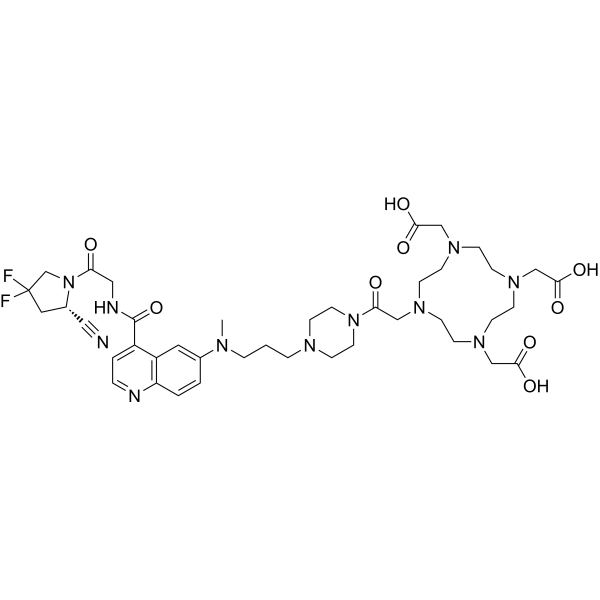
    FAPI-46
    2 Publications Verification

    FAP Cancer
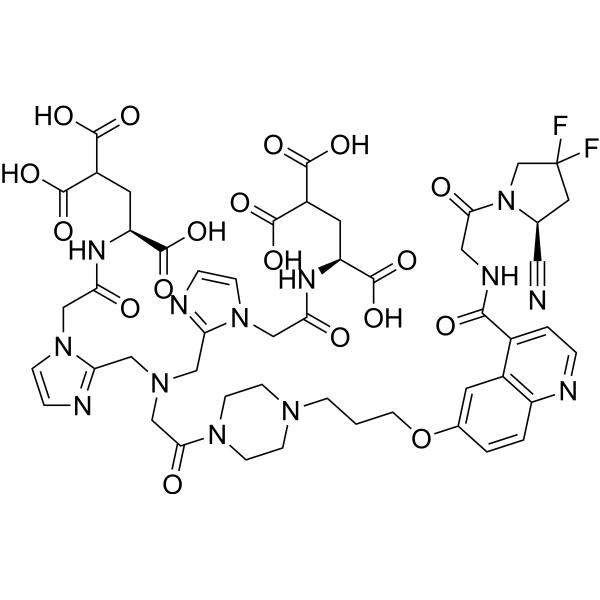
    FAPI-46 is a quinoline-based fibroblast activation protein (FAP)-targeted tracer. Use radioactivity FAPI-46 labeled with 68Ga or 177Lu can be used for tumor imaging in a variety of cancers and has higher tumor uptake rates and longer tumor accumulation .
    FAPI-46
  • HY-D1063
    IR-780
    5+ Cited Publications

    Fluorescent Dye Apoptosis Reactive Oxygen Species (ROS) Cancer
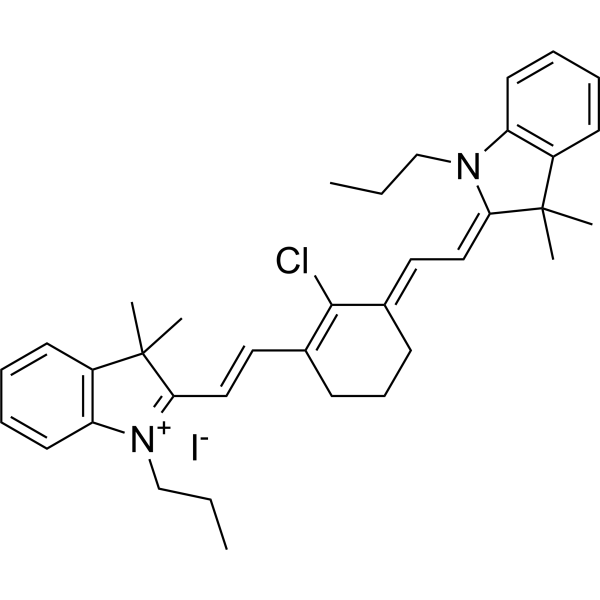
    IR-780 is a near-infrared fluorescent probe for in vivo imaging of tumor cells. IR-780 is transported into tumor cells via OATPs and ABCB10, with uptake dependent on glycolytic activity and plasma membrane potential. IR-780 preferentially accumulates in tumor cell mitochondria, including those of drug-resistant cancer cells, without chemical conjugation. IR-780 generates reactive oxygen species (ROS), induces hyperthermia and apoptosis, inhibits tumor growth and recurrence, and modulates HSP70 expression upon ultrasound or 808 nm laser exposure. IR-780 acts as a sonosensitizer, photodynamic and photothermal agent, and drug delivery carrier, with low acute imaging-dose toxicity and rapid vital organ clearance. IR-780 can be used for the research of cancer, such as breast cancer, lung cancer, and non-small cell lung cancer (NSCLC) .
    IR-780
  • HY-W1126504

    MC339

    Notch Cancer
    ETN029 (MC339) is a selective DLL3 ligand. ETN029 labeled with 225Ac has dose-dependent cytotoxicity in SCLC, NEPC and metastatic melanoma cells and increases the phosphorylation of H2AX expression. ETN029 labeled with 177Lu shows rapid uptake persistent tumor retention and favorable tumor-to-kidney ratio. ETN029 can be used for cancers like SCLC and NEPC imaging and research .
    ETN029
  • HY-P5321
    bFGF (119-126)
    5 Publications Verification

    FGFR Cancer
    bFGF (119-126) is a ligand of bFGF. The complex formed by bFGF (119-126) and bFGF can bind to FGFR1, while inhibiting the bFGF-FGFR1 interaction, FGFR1 phosphorylation and downstream signaling pathways. Therefore, bFGF (119-126) induces cell apoptosis and inhibits cell proliferation, migration, angiogenesis and metastasis. When conjugated with a carrier, bFGF (119-126) enhances cellular uptake via FGFR-mediated endocytosis and serves as an effective FGFR-targeted ligand. When used in combination with ultrasound and Doxorubicin (HY-15142A), bFGF (119-126) significantly enhances the inhibitory effect on tumors. bFGF (119-126) is applicable to research related to lung cancer, breast cancer, glioblastoma and ovarian cancer .
    bFGF (119-126)
  • HY-W087028

    Radionuclide-Drug Conjugates (RDCs) Biochemical Assay Reagents CXCR Cancer
    NOTA-NHS ester is a chelating agent. NOTA-NHS ester can be coupled with T140 (HY-P4810) to produce NOTA-T140. NOTA-T140 can be radiolabeled with Al[ 18F]. The uptake of Al[ 18F]NOTA-T140 in tumors is correlated with the expression level of CXCR4. Al[ 18F]NOTA-T140 can be used in tumor PET imaging studies. NOTA-NHS ester can be used for fluorescent labeling .
    NOTA-NHS ester
  • HY-12203
    PFK-158
    10+ Cited Publications

    Autophagy Apoptosis Cancer
    PFK-158 is a potent and selective PFKFB3 inhibitor with an IC50 value 137 nM. PFK-158 reduces glucose uptake, ATP production, lactate release, and induces apoptosis and autophagy in cancer cells. PFK-158 has broad anti-tumor activity. PFK-158 can also enhance Colistin's resistance to bacteria .
    PFK-158
  • HY-W614269

    Radionuclide-Drug Conjugates (RDCs) Cancer
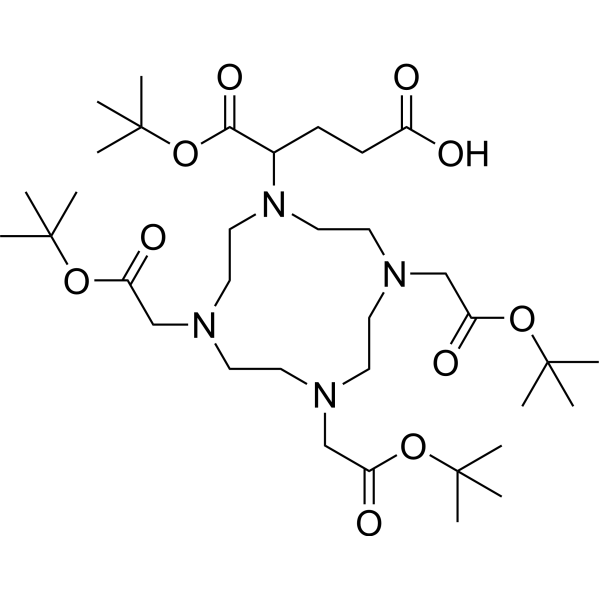
    DOTA-GA(tBu)4 stabilizes the attachment of radiometals to ligands. DOTA-GA(tBu)4 improves the biodistribution of radiolabeled second-generation Affibody molecules by increasing their net negative charge and reducing hepatic uptake, leading to enhanced tumor-to-blood and tumor-to-liver ratios. DOTA-GA(tBu)4 targets HER2>-expressing breast and gastrointestinal cancer .
    DOTA-GA(tBu)4
  • HY-P5126
    DOTA-LM3
    2 Publications Verification

    Radionuclide-Drug Conjugates (RDCs) Somatostatin Receptor Cancer
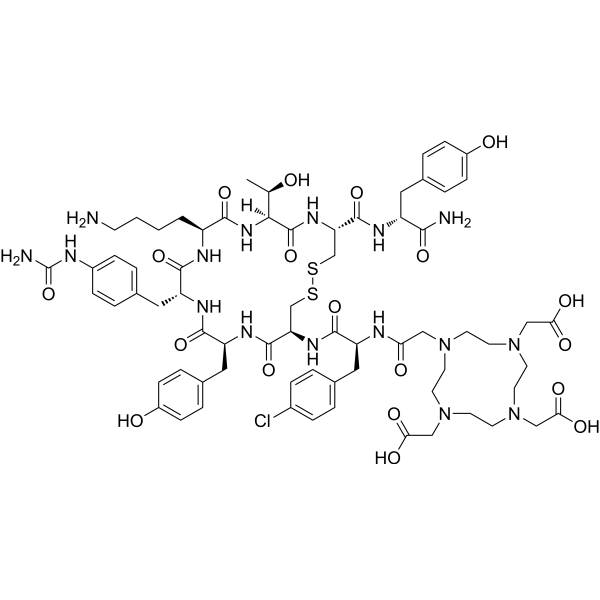
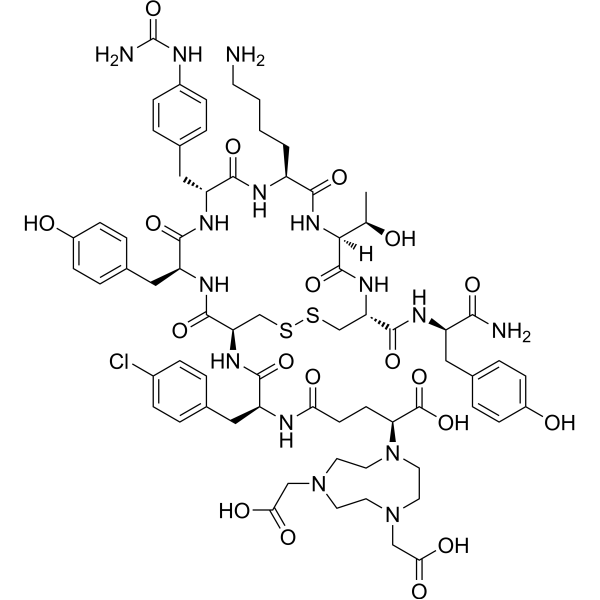
    DOTA-LM3 is a somatostatin receptor (SSTR) antagonist. LM3 refers to p-Cl-Phe- cyclo(D-Cys-Tyr-D-4-amino-Phe(carbamoyl)-Lys-Thr-Cys)D-Tyr- NH2, as well as a somatostatin antagonist. DOTA-LM3 is often isotopically labeled for tracing tumors in vivo, such as 177Lu-DOTA-LM3 and 68 Ga-DOTA-LM3. 68 Ga-DOTA-LM3 shows favorable biodistribution, high tumor uptake, good tumor retention, and few safety concerns. 177Lu-DOTA-LM3 can be used for research in DOTATOC-negative liver metastases, such as pancreatic NET and extensive tumor thrombosis . DOTA-LM3 can be used for the synthesis/research of Radionuclide-Drug Conjugates (RDCs).
    DOTA-LM3
  • HY-139401

    FAP Cancer
    FAPI-34 is a SPECT imaging agent targeting FAP. FAPI-34 specifically binds to FAP, is highly internalized by FAP-expressing cells, accumulates in FAP-expressing tumor lesions, and shows low uptake in normal tissues except the kidneys. FAPI-34 is applicable for tumor-related research .
    FAPI-34
  • HY-158302

    GLUT Apoptosis Cancer
    Glutor is a selective GLUT 1/2/3 inhibitor that can suppress glucose uptake. Glutor can inhibit glycolysis and has anti-tumor activity, inducing cell apoptosis .
    Glutor
  • HY-P5362

    Radionuclide-Drug Conjugates (RDCs) Somatostatin Receptor Neurological Disease Cancer
    NODAGA-LM3 is a ligand that can cross the blood-brain barrier and targets somatostatin receptor SSTR2 with high affinity (IC50 = 1.3 nM). NODAGA-LM3 does not trigger the internalization of SSTR2 and can inhibit agonist-induced internalization processes. NODAGA-LM3 shows low uptake in normal tissues such as the liver and spleen, but high uptake in the lungs and blood pool. 68Ga-labeled NODAGA-LM3 can serve as a PET imaging agent for well-differentiated neuroendocrine tumors, and is applied in studies related to small cell lung cancer and well-differentiated neuroendocrine tumors .
    NODAGA-LM3
  • HY-101849
    Fasentin
    4 Publications Verification

    GLUT TNF Receptor Apoptosis Cardiovascular Disease Cancer
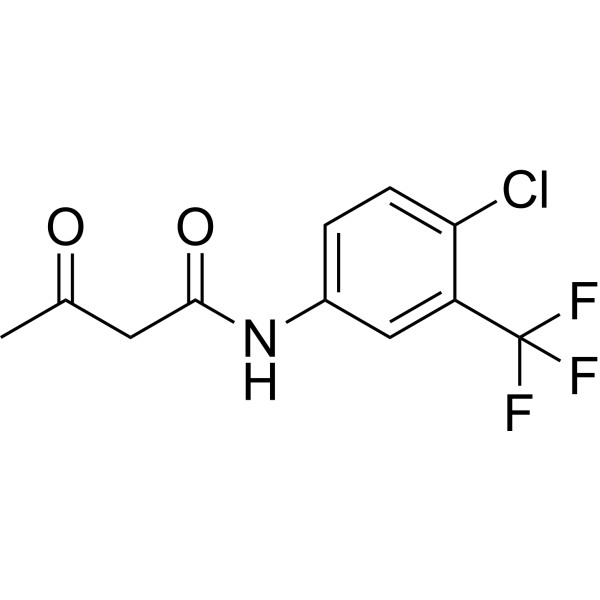
    Fasentin, a potent glucose uptake inhibitor, inhibits GLUT-1/GLUT-4 transporters. Fasentin preferentially inhibits GLUT4 (IC50=68 μM) over GLUT1. Fasentin is a death receptor stimuli (FAS) sensitizer and sensitizes cells to FAS-induced cell death. Fasentin is also a tumor necrosis factor (TNF) apoptosis-inducing ligand sensitizer. Fasentin blocks glucose uptake in cancer cell lines and has anti-angiogenic activity .
    Fasentin
  • HY-N2040
    (20R)-Protopanaxadiol
    1 Publications Verification

    Bacterial Interleukin Related Infection Inflammation/Immunology Cancer
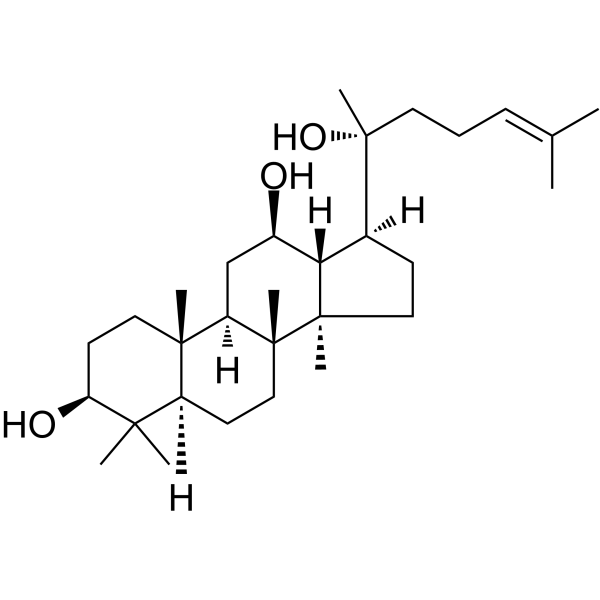
    (20R)-Protopanaxadiol is a metabolite of ginsenosides. (20R)-Protopanaxadiol has anti-inflammatory and antibacterial activities, but shows no significant cytotoxicity against tumor cell lines. In addition, (20R)-Protopanaxadiol can inhibit the uptake of 2-deoxy-D-glucose (2-DG) .
    (20R)-Protopanaxadiol
  • HY-B1231

    RP-2831 hydrochloride

    Adrenergic Receptor Cardiovascular Disease Neurological Disease Inflammation/Immunology Cancer
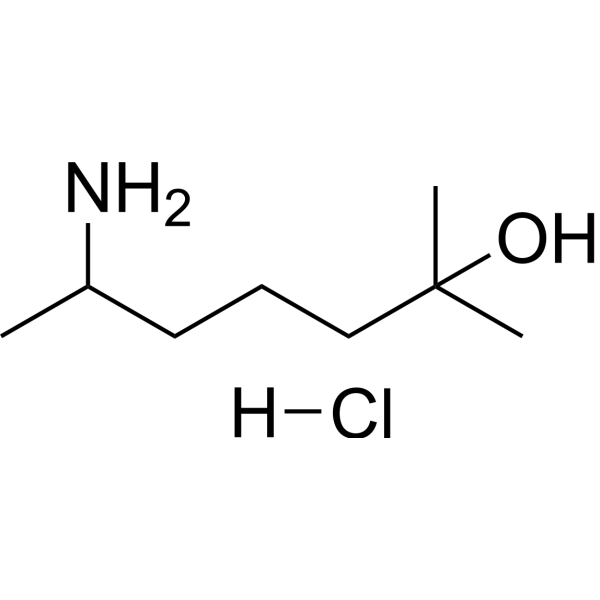
    Heptaminol (RP-2831) hydrochloride is a vasoconstrictor used in the study of hypotension, especially orthostatic hypotension. Heptaminol is also a skin cancer proliferation inhibitor that inhibits immune inflammation induced by the tumor promoting factor 12-O-tetradecanoylphorbol-13-acetate (TPA) in an NO-dependent manner. Heptaminol also acts as a sympathomimetic amine, exerting indirect sympathetic effects. Heptaminol is also an antagonist of catecholamine release and uptake and can increase intracellular free calcium levels .
    Heptaminol hydrochloride
  • HY-P1723
    Spexin
    2 Publications Verification

    Neuropeptide Q

    Neuropeptide Y Receptor Apoptosis Ferroptosis Autophagy Cardiovascular Disease Neurological Disease
    Spexin (Neuropeptide Q) is a selective agonist of galanin receptors GAL2 and GAL3, and is a conserved peptide that functions as a neurotransmitter/neuromodulator and endocrine factor. Spexin can function through both central and peripheral actions. Spexin upregulates Beclin 1 to inhibit ferroptosis induced by excessive autophagy, reduces the uptake of long-chain fatty acids by adipocytes, and regulates energy metabolism by increasing lipid oxidation (e.g., reducing the respiratory exchange ratio in rodents). Spexin improves cardiac function in the Doxorubicin hydrochloride (HY-15142)-induced cardiotoxicity model, protects mitochondrial membrane potential, and reduces iron accumulation and lipid peroxidation. Spexin can be used to study obesity and its related metabolic disorders, cardiovascular diseases (e.g., cardioprotection), and side effects of tumor chemotherapy .
    Spexin
  • HY-P5126A
    DOTA-LM3 TFA
    2 Publications Verification

    Radionuclide-Drug Conjugates (RDCs) Somatostatin Receptor Cancer
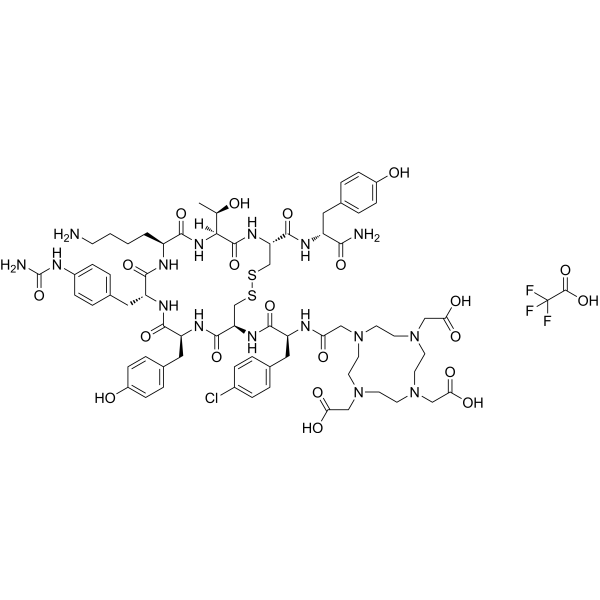
    DOTA-LM3 TFA is a somatostatin receptor (SSTR) antagonist. LM3 refers to p-Cl-Phe- cyclo(D-Cys-Tyr-D-4-amino-Phe(carbamoyl)-Lys-Thr-Cys)D-Tyr- NH2, as well as a somatostatin antagonist. DOTA-LM3 TFA is often isotopically labeled for tracing tumors in vivo, such as 177Lu-DOTA-LM3 TFA and 68 Ga-DOTA-LM3 TFA. 68 Ga-DOTA-LM3 TFA shows favorable biodistribution, high tumor uptake, good tumor retention, and few safety concerns. 177Lu-DOTA-LM3 TFA can be used for research in DOTATOC-negative liver metastases, such as pancreatic NET and extensive tumor thrombosis . DOTA-LM3 (TFA) can be used for the synthesis/research of Radionuclide-Drug Conjugates (RDCs).
    DOTA-LM3 TFA
  • HY-P99925

    REGN421

    Notch Metabolic Disease Cancer
    Enoticumab (REGN421, SAR153192) is an IgG1κ antibody targeting human Dll4. DLL4 is a ligand of the Notch signaling pathway and regulates fatty acid uptake through non-transcriptional regulation of macropinocytosis-dependent long-chain fatty acid uptake. Specific in vivo activity of Enoticumab in an ovarian xenograft model. EGN421 (2.5 mg/kg once weekly) resulted in 86% and 83% tumor growth inhibition in mouse subcutaneous TOV-112D or intraperitoneal A2780 human tumor xenograft models, respectively .
    Enoticumab
  • HY-P1848
    Pep-1 (uncapped)
    2 Publications Verification

    Interleukin Related Cancer
    Pep-1 (uncapped) is a specific ligand of IL-13Ra2. Pep-1 (uncapped) exerts cell penetrating activity through receptor-mediated endocytosis, can cross the blood-tumor barrier (BTB) and target glioma cells. Pep-1 (uncapped) can enhance the uptake of nanoparticles by tumor cells and enhance the cell penetration ability of nanoparticles, and can be used to develop targeted drug delivery systems for glioma .
    Pep-1 (uncapped)
  • HY-128878

    Cholecystokinin Receptor P-glycoprotein Metabolic Disease Endocrinology
    Dexloxiglumide is an orally active and selective cholecystokinin type A (CCKA) receptor antagonist. Dexloxiglumide is the active enantiomer of Loxiglumide, inhibits smooth muscle cell contractions induced by cholecystokinin-octapeptide (CCK-8). Dexloxiglumide exhibits moderate Caco-2 permeability that is polarized, concentration dependent, and pH dependent. Dexloxiglumide increases MRP1-substrate fluorescein uptake. Dexloxiglumide can be studied in research for gastrointestinal diseases and tumors .
    Dexloxiglumide
  • HY-158302A

    GLUT Apoptosis Cancer
    (R)-Glutor is the R-enantiomer of Glutor (HY-158302). Glutor is a selective GLUT 1/2/3 inhibitor that can suppress glucose uptake. Glutor can inhibit glycolysis and has anti-tumor activity, inducing cell apoptosis .
    (R)-Glutor
  • HY-106031

    Topoisomerase DNA/RNA Synthesis Cancer
    F-14512 is an anticancer agent that utilizes the polyamine transport system (PTS) to selectively deliver polyamine-containing drugs to cancer cells. F-14512 enhances the affinity of polyamines for DNA, thereby inhibiting topoisomerase II and achieving selective cellular uptake. F-14512 exhibits significant cytotoxicity against cells with high PTS activity and induces DNA damage. F-14512 demonstrates potent antitumor activity in the MX1 breast tumor xenograft model. F-14512 can be used to study breast cancer .
    F-14512
  • HY-N6924
    Zingibroside R1
    1 Publications Verification

    HIV PIN1 Fungal GLUT Reactive Oxygen Species (ROS) Infection Neurological Disease Metabolic Disease Cancer
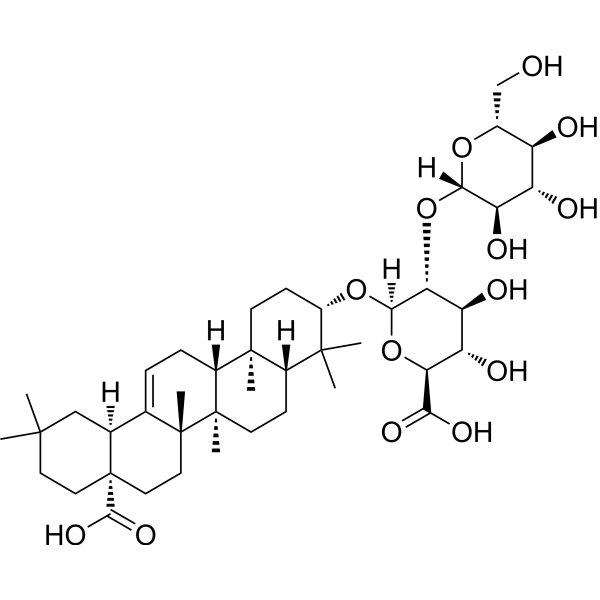
    Zingibroside R1 is an orally active triterpene saponin with multiple biological activities including antioxidant, anti-inflammatory, antiviral, and metabolic regulatory properties. Zingibroside R1 reduces the expression of PIN family members, inhibits the expression of PLT1/PLT2, WOX5, SHR, and SCR, disrupts auxin transport and distribution, triggers plant ROS responses, and inhibits root growth. Zingibroside R1 extends the lifespan of Caenorhabditis elegans, enhances its heat stress resistance, and improves its motor ability. Hydrogel derivatives of Zingibroside R1 inhibit the proliferation of Candida albicans by binding to its β-1,3-glucan and exhibit antifungal activity. Zingibroside R1 inhibits GLUT1-mediated uptake and alleviates liver injury. Zingibroside R1 can be used in research related to neurodegenerative diseases, vulvovaginal candidiasis, acute liver injury, Ehrlich ascites tumor and HIV-1 infection .
    Zingibroside R1
  • HY-175613

    FAP Cancer
    DOTA-ALB-02 is an albumin-bound FAP inhibitor (FAPI) ligand. DOTA-ALB-02 labeled with 177Lu has a high FAP-binding affinity and enhanced tumor uptake and retention with a significant tumor/nontarget ratio. DOTA-ALB-02 can be used for PET/CT and SPECT/CT imaging of cancers, especially late-stage cancers .
    DOTA-ALB-02
  • HY-159067

    DEAE-dextran, MW 500000 hydrochloride, from bacterial (Leuconostoc mesenteroides); Diethylaminoethyl-dextran, MW 500000 hydrochloride

    Biochemical Assay Reagents Cancer
    DEAE-dextran, MW 500000 hydrochloride (DEAE-dextran, MW 500000 hydrochloride, from bacterial (Leuconostoc mesenteroides)) is a high-molecular-weight positively charged polymer that significantly enhances the uptake of viral RNA by tissue culture cells. When employed in the delivery system for "tumor immunity" RNA-splenocyte transfer, DEAE-dextran can markedly extend the lifespan of tumor-bearing animals, comparable to that of actively immunized animals. Furthermore, DEAE-dextran serves as a complexing agent for nucleic acids, forming composite particles with DNA/RNA for extensive applications in gene delivery. Additionally, DEAE-dextran can be utilized as a coating for liposomes .
    DEAE-dextran, MW 500000 hydrochloride
  • HY-123733A

    RPS-001 TFA

    PSMA Cancer
    MIP-1095 (RPS-001) TFA is a potent inhibitor of PSMA with good biodistribution and efficient targeting of tumor lesions. In applications, MIP-1095 TFA will be isotopically labeled ( 131I labeled) as an imaging probe to indicate tumor progression. And 131I-MIP-1095 showed higher renal uptake in mice .
    MIP-1095 TFA
  • HY-175744

    PSMA Cancer
    PSMA-MAL-5 is a PSMA ligand. PSMA-MAL-5 covalently binds to Cys466 of PSMA. PSMA-MAL-5 labeled with 177Lu and 225Ac has high radiostability and tumor uptake. PSMA-MAL-5 also effectively inhibits tumor growth. PSMA-MAL-5 can be used for SPECT/CT imaging and radionuclide therapy of prostate cancer .
    PSMA-MAL-5
  • HY-170779

    FAP Cancer
    DOTA-NI-FAPI-04 is a FAP inhibitor (IC50 = 7.44 nM). By integrating FAP targeting with hypoxia-sensitive groups (nitroimidazole), DOTA-NI-FAPI-04 significantly enhances tumor uptake and retention capabilities. DOTA-NI-FAPI-04 chelates metallic isotopes (such as 68Ga and 177Lu) through DOTA to produce radioactive probes ([68Ga]Ga/DOTA-NI-FAPI-04 and [177Lu]Lu/DOTA-NI-FAPI-04), which can be used for research in tumor diagnostics and therapeutic agents. DOTA-NI-FAPI-04 holds dual targeting potential in the fields of cancer imaging, tumor microenvironment analysis, and radionuclide therapy, particularly suitable for scenarios where the tumor stroma and hypoxic regions synergistically interact .
    DOTA-NI-FAPI-04
  • HY-P10781

    Radionuclide-Drug Conjugates (RDCs) PSMA Cancer
    PSMA-D5 has a binding affinity for PSMA with a Ki of 0.21 nM and can be used for PSMA tracing after radiolabeling. PSMA-D5 ([68Ga]-labeled) contains a DOTA chelator, allowing convenient labeling with therapeutic radionuclides such as 177Lu and 225Ac. PSMA-D5 ([68Ga]-labeled) shows excellent pharmacokinetic properties, exhibiting remarkable tumor uptake in 22Rv1 tumors . PSMA-D5 can be used for the synthesis/research of Radionuclide-Drug Conjugates (RDCs).
    PSMA-D5
  • HY-124689

    Arp2/3 Complex Metabolic Disease Cancer
    TR-100 is a small molecule inhibitor of tumor-associated troponin (Tpm). TR-100 affects the interaction of Tpm3.1 with actin filaments by binding to the C-terminal of Tpm3.1, thereby affecting the stability and function of the actin filaments. This mechanism of action allows TR-100 to specifically affect actin filaments in cancer cells without compromising heart muscle function. TR-100 can be used to study the role of Tpm3.1 in cancer cell proliferation and survival and the effects of Tpm3.1 on insulin-stimulated glucose uptake and insulin secretion .
    TR-100
  • HY-D2281

    FAP Cancer
    FAP Ligand 2, a FAPI-46 derivative, is a specific fibroblast activation protein (FAP)-targeted tracer. FAP Ligand 2 exhibits good tumor uptake and acts as a promising molecular tracer for FAP tumor imaging .
    FAP Ligand 2
  • HY-163281

    Fluorescent Dye Cancer
    FSY-OSO2F shows an uptake in MCF-7 cells through the regulation of L-Tyr, ASC, and ASC2 transporters. FSY-OSO2F can be used as a PET tracer, when labeled with 18F, and exhibits good uptake and good contrast in MCF-7 and 22Rv1 subcutaneous tumors .
    FSY-OSO2F
  • HY-143618

    Biochemical Assay Reagents Cancer
    photoCORM-2 (compound 3) is a single carbon monoxide releasing molecule (CORM). photoCORM-2 exhibits good cellular uptake and real-time monitoring ability of CO uncaging by a color change approach. photoCORM-2 has anti-tumor activity .
    photoCORM-2
  • HY-175612

    FAP Cancer
    DOTA-ALB-01 is an albumin-bound FAP inhibitor (FAPI) ligand. DOTA-ALB-01 labeled with 68Ga or 177Lu has a high FAP-binding affinity and enhanced tumor uptake and retention. DOTA-ALB-01 can be used for PET/CT and SPECT/CT imaging of cancers, especially late-stage cancers .
    DOTA-ALB-01
  • HY-179578

    Enolase AMPK Autophagy Apoptosis mTOR Caspase Metabolic Disease Cancer
    SU212 is a podophyllotoxin-derived ENO1 inhibitor and AMPK activator. SU212 can selectively induce oxidative phosphorylation, reduce glycolysis activity and glucose uptake in tumor cells, and directly bind to ENO1 without affecting these pathways in normal cells. SU212 induces apoptosis and promotes ENO1 degradation via proteasomal and autophagic pathways without inhibiting the catalytic activity. SU212 leads to mitotic arrest and apoptosis in TNBC (triple-negative breast cancer) cells by activating AMPK, demonstrating potent anti-tumor activity in vitro. SU212 inhibits tumor growth and metastasis in syngeneic, xenograft, and diabetic mouse models, exhibiting an excellent safety profile. SU212 can be used in research on t TNBC, diabetes, and fatty liver disease .
    SU212
  • HY-W241345

    Radionuclide-Drug Conjugates (RDCs) Cancer
    DOTA-bis(tert-butyl)ester is a DOTA-based metal chelator that can bind to radionuclides and is used to prepare radionuclide conjugates (RDCs). DOTA-bis(tert-butyl)ester can be conjugated with different salts to form different metal chelators, such as (HY-B1244) hydrochloride to obtain DOTA-MN2. DOTA-MN2 can be reacted with [67]Ga-citrate to obtain radiolabeling. When (67)Ga-DOTA-MN2 is incubated in phosphate buffer solution or mouse plasma for 24 hours, it does not undergo significant decomposition. In the biodistribution experiment of NFSa tumor mice, it has high tumor uptake and rapid plasma clearance, and is a good material for SPECT and PET studies.
    DOTA-bis(tert-butyl)ester
  • HY-P10444

    Radionuclide-Drug Conjugates (RDCs) CXCR Cancer
    DOTA Conjugated JM#21 derivative 7 (compound Ligand-7) is a derivative of CXCR4 targeting peptide conjugated with DOTA and can be used to produce radioligands. Radiolabeled DOTA Conjugated JM#21 derivative 7, i.e., 177Lu-DOTA, has excellent CXCR4 tumor targeting. In vitro biodistribution results of 177Lu-DOTA showed very low uptake in all non-targeted organs except kidney . DOTA Conjugated JM#21 derivative 7 can be used for the synthesis/research of Radionuclide-Drug Conjugates (RDCs).
    DOTA Conjugated JM#21 derivative 7
  • HY-169868

    Biochemical Assay Reagents Cancer
    NOTA-FAPI-52 is a tracer with potent tumor uptake. NOTA-FAPI-52 can be radiolabeled to enable PET imaging or other bioimaging techniques. NOTA-FAPI-52 can be used to study diseases in which fibroblast activation protein (FAP) is overexpressed .
    NOTA-FAPI-52
  • HY-175014

    PD-1/PD-L1 Biochemical Assay Reagents Cancer
    LGT-1 is a PD-L1 ligand. LGT-1 labeled with 18F has an excellent specific uptake in B16-F10 tumor cells, and shows a high tumor uptake but a low liver uptake with good stability in B16-F10 tumor-bearing mice model. LGT-1 can be used as a radiotracer for PET imaging of PD-L1 expression in tumors .
    LGT-1
  • HY-174440

    PSMA Cancer
    BWD is a PSMA ligand (IC50 = 35.86). BWD exhibits excellent in vitro stability and high affinity. BWD can enhance tumor uptake and retention. BWD can inhibit tumor growth in vivo. BWD can be studied in anticancer research .
    BWD
  • HY-173116

    Carbonic Anhydrase Cancer
    DOTA-XYIMSR-01 is a molecular probe targeting CAIX that can be labeled with 177Lu for the inhibition and localization of malignant gliomas. The uptake of [177Lu] Lu-XYIMSR-01 in U87MG tumors is 6.19 % of the injected dose per gram (% ID/g), and the tumor-to-muscle uptake ratio is 20.14. In the orthotopic glioma model, combined injection with Temozolomide (HY-17364) can significantly improve the survival rate of mice and inhibit tumor growth. DOTA-XYIMSR-01 shows promise for research in the field of anti-cancer therapy .
    DOTA-XYIMSR-01
  • HY-163683

    Radionuclide-Drug Conjugates (RDCs) PSMA Cancer
    EB-PSMA-617 is a modified form of PSMA-617 that has enhanced pharmacokinetic properties by conjugating it to Evans Blue (EB) to extend its circulation half-life to improve prostate tumor uptake and radiotherapy efficacy. In preclinical studies using PC3-PIP-loaded mice, EB-PSMA-617 demonstrated prolonged blood half-life, increased accumulation in PSMA-positive tumors, and successful tumor elimination with lower radioactivity .
    EB-PSMA-617
  • HY-159771

    FAP Cancer
    FAP6-19 is a fibroblast activation protein (FAP) targeting radioligand with a Kd of 18.2 nM. FAP6-19 selectively delivers therapeutic radioactive nuclides (such as 177Lu) to the tumor site by targeting the overexpressed FAP protein in the tumor microenvironment, achieving precise killing of cancer cells while minimizing radiation damage to healthy tissues. FAP6-19 exhibits extremely high total cellular uptake and good intracellular retention ability in HT1080 cells. After being labeled with 111In, FAP6-19 produced extremely high tumor/kidney and tumor/liver dose ratios in the mouse model with 4T1 tumors. FAP6-19 can be used in the research of solid tumors expressing FAP.
    FAP6-19
  • HY-P5362A

    Radionuclide-Drug Conjugates (RDCs) Somatostatin Receptor Cancer
    NODAGA-LM3 TFA is a ligand that can cross the blood-brain barrier and targets somatostatin receptor SSTR2 with high affinity (IC50 = 1.3 nM). NODAGA-LM3 TFA does not trigger the internalization of SSTR2 and can inhibit agonist-induced internalization processes. NODAGA-LM3 TFA shows low uptake in normal tissues such as the liver and spleen, but high uptake in the lungs and blood pool. 68Ga-labeled NODAGA-LM3 TFA can serve as a PET imaging agent for well-differentiated neuroendocrine tumors, and is applied in studies related to small cell lung cancer and well-differentiated neuroendocrine tumors .
    NODAGA-LM3 TFA
  • HY-172366

    PSMA Cancer
    BQ0413 exhibits good affinity to PSMA with a KD of 89 pM. BQ0413 exhibits good uptake and internalization property with an internalization rate of 44% in PC3-pip cell. BQ0413 can be used as tumor imaging agent when labeled with 99mTc .
    BQ0413
  • HY-P10239A

    Radionuclide-Drug Conjugates (RDCs) Cancer
    Tyr3-Octreotate acetate is a somatostatin analog. Tyr3-Octreotate acetate exhibits high uptake into tumor, that is capable to be labeled with radioactive metal and thus exhibits antitumor efficacy. Tyr3-Octreotate acetate can be used for the synthesis/research of Radionuclide-Drug Conjugates (RDCs) .
    Tyr3-Octreotate acetate
  • HY-P11265

    GnRH Receptor Fluorescent Dye Cancer
    YQGN-7 is a targeted fluorescent probe for the gonadotropin-releasing hormone receptor (RnRHR). YQGN-7 exhibits high selectivity and affinity for breast cancer cells (KD = 217.8 nM). YQGN-7 achieves precise visualization of the primary and metastatic lesions of breast cancer by targeting the highly expressed GnRHR in tumor cells. YQGN-7 can be used in the research of breast cancer breast-conserving surgery (BCS) .
    YQGN-7
  • HY-158266

    LNC1003

    Radionuclide-Drug Conjugates (RDCs) PSMA Cancer
    DOTA-PSMA-EB-01 (Compound LNC1003) is a specific inhibitor of PSMA (IC50= 10.77 nM).DOTA-PSMA-EB-01 enhances the uptake and retention time of 177Lu in tumors . DOTA-PSMA-EB-01 can be used for the synthesis/research of Radionuclide-Drug Conjugates (RDCs).
    DOTA-PSMA-EB-01
  • HY-175248

    PSMA Cancer
    PSMA-DIM is a dimeric PSMA ligand with a Kd of 37.09 nM for LNCaP cells. PSMA-DIM can be radiolabeled with [ 68Ga]Ga to form [ 68Ga]Ga-PSMA-DIM. [ 68Ga]Ga-PSMA-DIM can effectively distinguish between cells and animal models with different expression levels of PSMA. [ 68Ga]Ga-PSMA-DIM exhibits high LNCaP cells uptake and tumor uptake peak values. PSMA-DIM can be used for the study of prostate cancer (PCa) .
    PSMA-DIM

Inquiry Online

Your information is safe with us. * Required Fields.

Salutation


Country or Region *

Applicant Name *


Organization Name *

Department *


Email Address *


Product Name *

Cat. No.


Requested quantity *

Phone Number *


Remarks

Inquiry Online

Inquiry Information

Product Name:
Cat. No.:
Quantity:
MCE Japan Authorized Agent:

