142 Results for "

acetylation inhibitor

" in MedChemExpress (MCE) Product Catalog:
Products (142)

142 Results for "acetylation inhibitor" in MCE Product Catalog:

138
138 Publications Verification
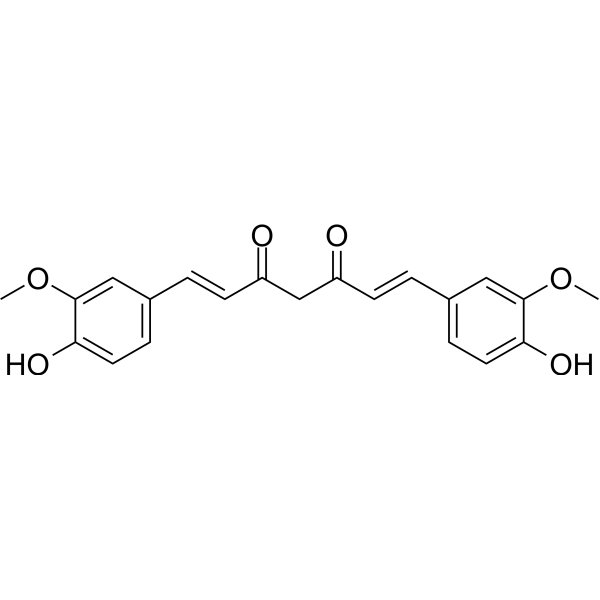
Cat. No.: HY-N0005
CAS No.: 458-37-7
Synonyms: Diferuloylmethane; Natural Yellow 3; Turmeric yellow
Curcumin (Diferuloylmethane), a natural phenolic compound, is a p300/CREB-binding protein-specific inhibitor of acetyltransferase, represses the acetylation of histone/nonhistone proteins and histone acetyltransferase-dependent chromatin transcription. Curcumin is a photosensitizer against microorganisms. Curcumin shows inhibitory effects on NF-κB and MAPKs, and has diverse pharmacologic effects including anti-inflammatory, antioxidant, antiproliferative and antiangiogenic activities. Curcumin induces stabilization of Nrf2 protein through Keap1 cysteine modification.
loading...
    loading...
67
67 Cited Publications
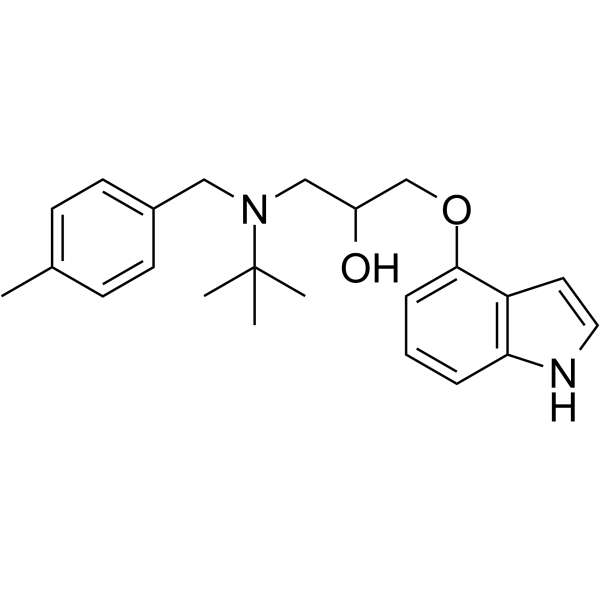
Cat. No.: HY-101491
CAS No.: 2095432-55-4
Purity:  99.87%
Target:  

PGC-1α Autophagy

Research Areas:  

Metabolic Disease

SR-18292 is a PPAR gamma coactivator-1α (PGC-1α) inhibitor, which increases PGC-1α acetylation, suppresses gluconeogenic gene expression and reduces glucose production in hepatocytes.
loading...
    loading...
45
45 Cited Publications
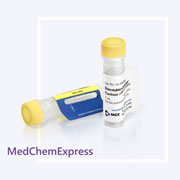
Cat. No.: HY-K0030

MCE Deacetylase Inhibitor Cocktail is a synergistic combination of chemicals designed to preserve the acetylation state of proteins.The 1 mL volume is defined as the base specification. All larger sizes correspond to incremental volumes of this base.

loading...
    loading...
14
14 Cited Publications
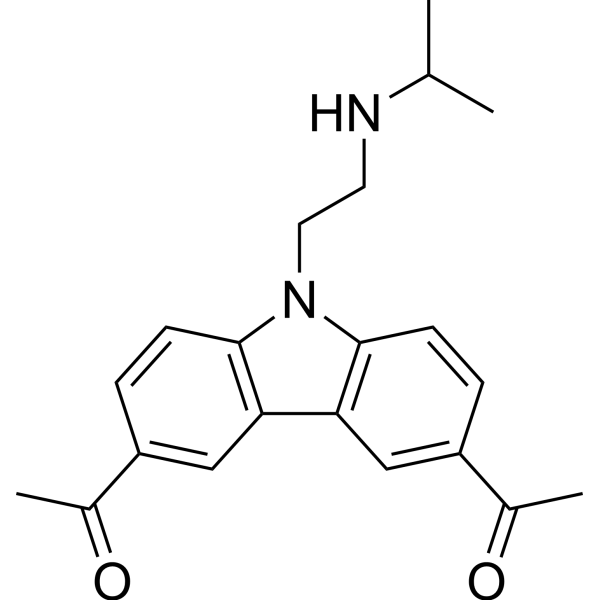
Cat. No.: HY-18935
CAS No.: 1197996-80-7
Synonyms: Curaxin 137; CBL-C137
Research Areas:  

Cancer

CBL0137, a curaxin compound, is a histone chaperone facilitates chromatin transcription (FACT) inhibitor. CBL0137 downregulates NF-κB and activates p53. CBL0137 restores both histone H3 acetylation and trimethylation. CBL0137 is an anticancer agent. CBL0137 induces cancer cell apoptosis .
loading...
    loading...
6
6 Cited Publications
Cat. No.: HY-135899
CAS No.: 1807758-81-1
Purity:  98.81%
Target:  

Sirtuin Apoptosis

Research Areas:  

Cancer

SIRT7 inhibitor 97491, a potent SIRT7 inhibitor with an IC50 of 325 nM, reduces deacetylase activity of SIRT7 in a dose-dependent manner. SIRT7 inhibitor 97491 prevents tumor progression by increasing p53 stability through acetylation at K373/382. SIRT7 inhibitor 97491 promotes apoptosis through caspase pathway. .
loading...
    loading...
5
5 Cited Publications
Cat. No.: HY-19541
CAS No.: 1640282-31-0
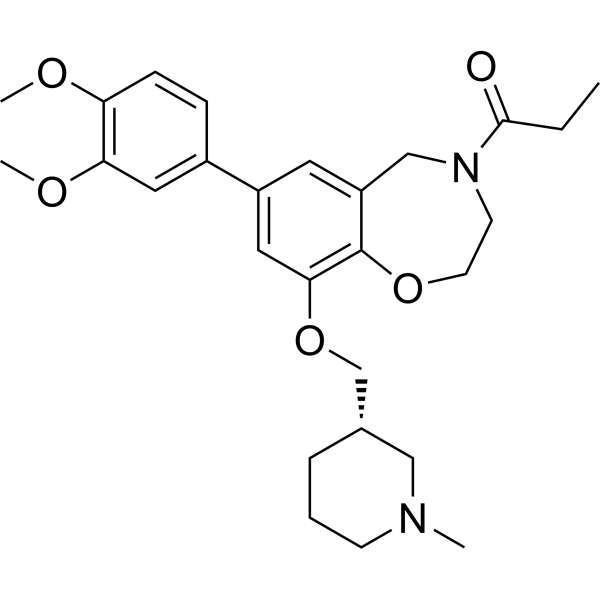
I-CBP112, a chemical probe, is a specific and potent acetyl-lysine competitive protein-protein interaction inhibitor, that inhibits the CBP/p300 bromodomains, enhances acetylation by p300.
loading...
    loading...
3
3 Cited Publications
Cat. No.: HY-W013274
CAS No.: 357649-93-5
Research Areas:  

Cancer

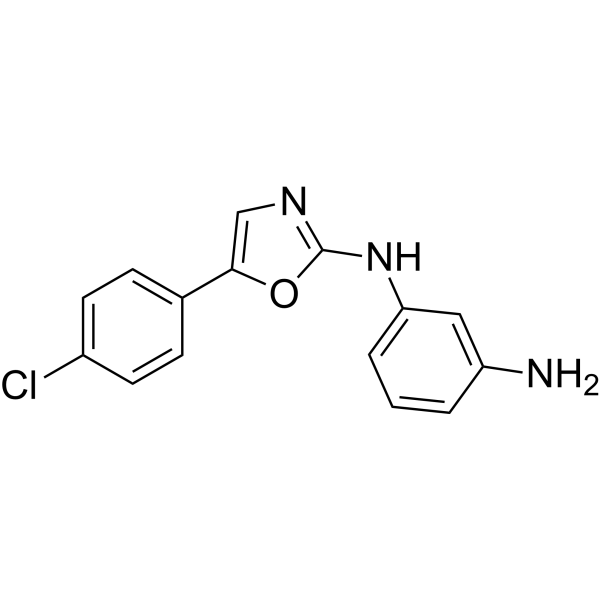
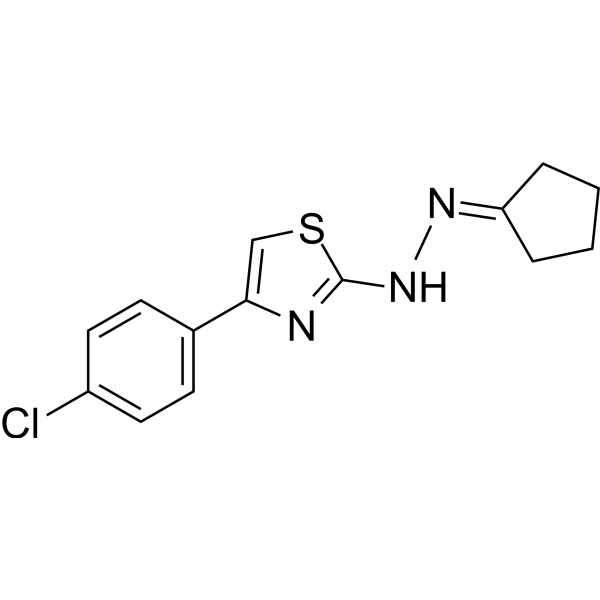
CPTH2 is a potent histone acetyltransferase (HAT) inhibitor. CPTH2 selectively inhibits the acetylation of histone H3 by Gcn5. CPTH2 induces apoptosis and decreases the invasiveness of a clear cell renal carcinoma (ccRCC) cell line through the inhibition of acetyltransferase p300 (KAT3B) .
loading...
    loading...
3
3 Cited Publications
Cat. No.: HY-N0005R
CAS No.: 458-37-7
Synonyms: Diferuloylmethane (Standard); Natural Yellow 3 (Standard); Turmeric yellow (Standard)
Curcumin (Standard) is the analytical standard of Curcumin (HY-N0005). This product is intended for research and analytical applications. Curcumin (Diferuloylmethane), a natural phenolic compound, is a p300/CREB-binding protein-specific inhibitor of acetyltransferase, represses the acetylation of histone/nonhistone proteins and histone acetyltransferase-dependent chromatin transcription. Curcumin is a photosensitizer against microorganisms. Curcumin shows inhibitory effects on NF-κB and MAPKs, and has diverse pharmacologic effects including anti-inflammatory, antioxidant, antiproliferative and antiangiogenic activities. Curcumin induces stabilization of Nrf2 protein through Keap1 cysteine modification.
loading...
    loading...
2
2 Cited Publications
Cat. No.: HY-130538
CAS No.: 6953-61-3
Purity:  99.72%
Target:  

HDAC

Research Areas:  

Cancer

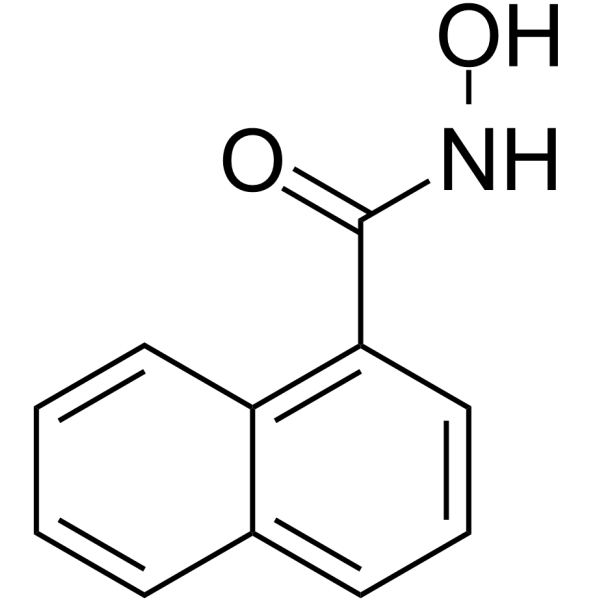
1-Naphthohydroxamic acid (Compound 2) is a potent and selective HDAC8 inhibitor with an IC50 of 14 μM. 1-Naphthohydroxamic acid is more selectively for HDAC8 than class I HDAC1 and class II HDAC6 (IC50 >100 μM). 1-Naphthohydroxamic acid does not increase global histone H4 acetylation and also does not reduce total intracellular HDAC activity .1-Naphthohydroxamic acid can induce tubulin acetylation .
loading...
    loading...
1
1 Cited Publications
Cat. No.: HY-N2345
CAS No.: 23567-23-9
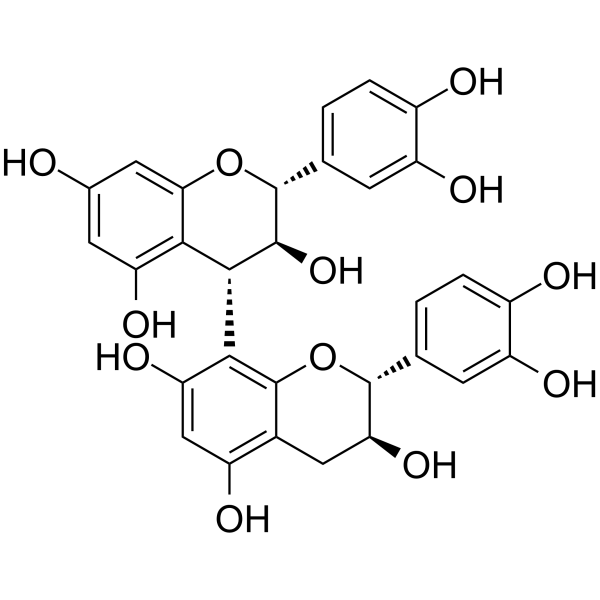
Procyanidin B3 is a natural product with antioxidant activity and oral bioavailability, possessing good blood-brain barrier penetration. Procyanidin B3 is a selective inhibitor of histone acetyltransferase (HAT). By inhibiting p300 HAT-mediated acetylation of the androgen receptor (androgen receptor). Procyanidin B3 alleviates intervertebral disc degeneration (IVDD) by inhibiting the formation of the TLR4/MD-2 complex. Procyanidin B3 can be used in research on prostate cancer and arthritis .
loading...
    loading...
1
1 Cited Publications
Cat. No.: HY-155956
CAS No.: 315703-81-2
Purity:  99.90%
Research Areas:  

Cancer

GM-90257 is a microtubule acetylation inhibitor. GM-90257 binds directly to α-tubulin. GM-90257 prevents the recruitment of α-tubulin acetyltransferase 1 (αTAT1) to the K40 residue in α-tubulin. GM-90257 causes Apoptosis, downregulates BCl-2, and activates JNK and PARP. GM-90257 has anticancer activity against breast cancer .
loading...
    loading...
1
1 Cited Publications
Cat. No.: HY-117709
CAS No.: 1404562-17-9
Purity:  98.90%
Target:  

HDAC

Research Areas:  

Neurological Disease

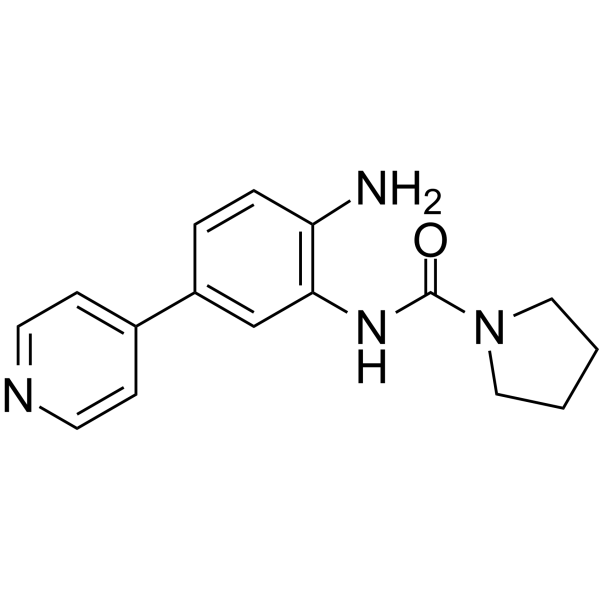
BRD6688 is a selective HDAC2 inhibitor. BRD6688 increases H4K12 and H3K9 histone acetylation in primary mouse neuronal cells. BRD6688 crosses the blood brain barrier and rescues the memory defects associated with p25 induced neurodegeneration in contextual fear conditioning in a CK-p25 mouse model .
loading...
    loading...
1
1 Cited Publications
Cat. No.: HY-109109
CAS No.: 1246374-97-9
Purity:  98.66%
Synonyms: CKD-581
Target:  

HDAC Apoptosis

Research Areas:  

Cancer

Alteminostat (CKD-581) is a potent HDAC inhibitor. Alteminostat inhibits the class I-II HDAC family via histone H3 and tubulin acetylation. Alteminostat can be used for lymphoma and multiple myeloma research .
loading...
    loading...
1
1 Cited Publications
Cat. No.: HY-12310
CAS No.: 1418131-46-0
Purity:  ≥98.0%
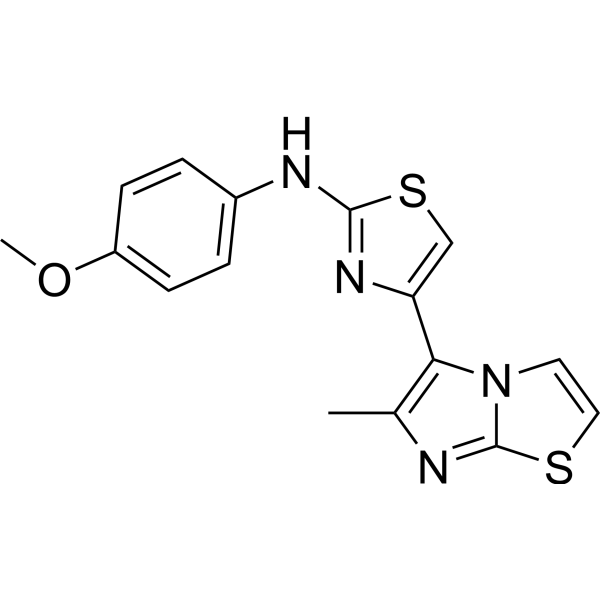
RSC133 is a dual inhibitor of DNA methyltransferase 1 and histone deacetylase 1 inhibitor. RSC133 promotes cell proliferation, up-regulates H3K9 histone acetylation, down-regulates p53, p21, p16/INK4A, and ablates pro-senescence phenotypes .
loading...
    loading...
1
1 Cited Publications
Cat. No.: HY-116818
CAS No.: 1092061-61-4
Purity:  99.79%
Target:  

HDAC

Research Areas:  

Neurological Disease

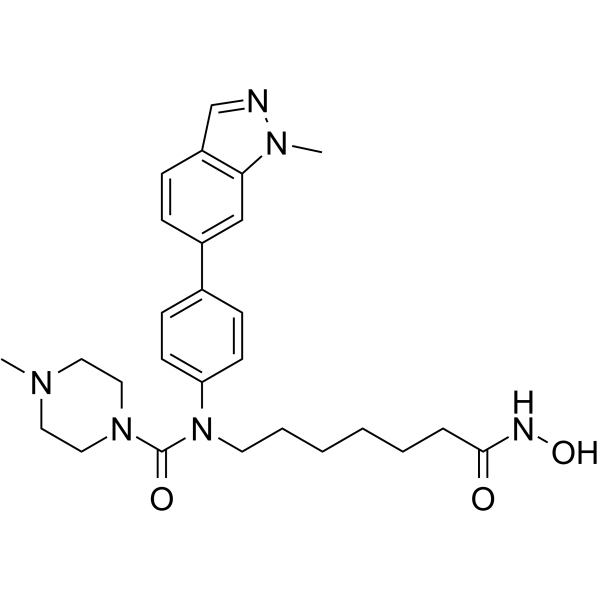
Crebinostat is a potent histone deacetylase (HDAC) inhibitor with IC50 values of 0.7 nM, 1.0 nM, 2.0 nM and 9.3 nM for HDAC1, HDAC2, HDAC3 and HDAC6, respectively. Crebinostat potently induces acetylation of both histone H3 and histone H4 as well as enhances the expression of the cAMP response element-binding protein (CREB) target gene Egr1. Crebinostat increases the density of synapsin-1 punctae along dendrites in cultured neurons. Crebinostat can modulate chromatin-mediated neuroplasticity and exhibits enhanced memory in mice .
loading...
    loading...
Cat. No.: HY-144315
CAS No.: 2415281-52-4
Purity:  99.76%
Synonyms: Snail/HDAC-IN-1
Target:  

HDAC

Research Areas:  

Cancer

CYD19 is a potent Snail/HDAC dual target inhibitor. CYD19 displays potent inhibitory activity against HDAC1 with an IC50 of 0.405 μM and potent inhibition against Snail with a Kd of 0.18 μM. CYD19 increases histone H4 acetylation in HCT-116 cells and decreases the expression of Snail protein to induce cell apoptosis .
loading...
    loading...
Cat. No.: HY-100671
CAS No.: 321695-57-2
Purity:  99.44%
L002 is a potent, cell permeable, reversible and specific acetyltransferase p300 (KAT3B) inhibitor with an IC50 of 1.98 μM . L002 binds the acetyl-CoA pocket and competitively inhibits the FATp300 catalytic domain, blocks histone acetylation and p53 acetylation, and inhibits STAT3 activation . L002 has the potential for hypertension-induced cardiac hypertrophy and fibrogenesis treatment .
loading...
    loading...
Cat. No.: HY-79490
CAS No.: 2922852-48-8
Research Areas:  

Cancer

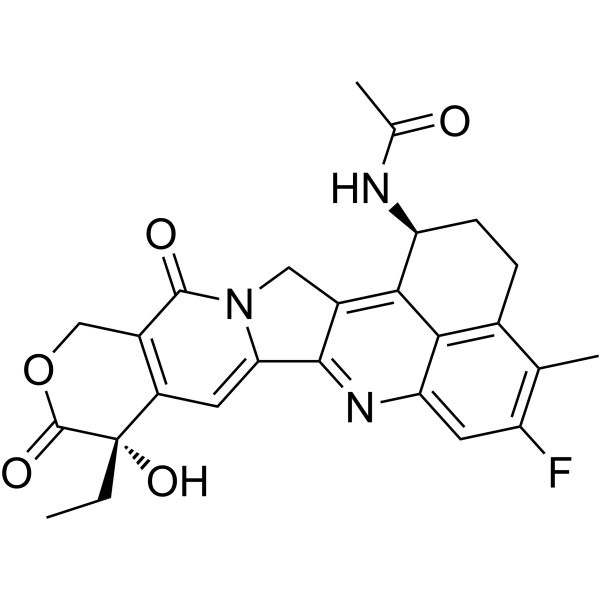
Ac-Exatecan is acetylation-modified Exatecan (HY-13631). Exatecan is a common toxin component in ADC preparation (ADC cytotoxin) and an inhibitor of DNA topoisomerase I (IC50 = 2.2 μM). Exatecan has antitumor activity. Exatecan can be used as a payload for ADC. Exatecan is effective against P-glycoprotein mediated multi-drug resistant cells .
loading...
    loading...
Cat. No.: HY-176244
CAS No.: 1351116-34-1
Research Areas:  

Cancer

KI-TOX-A3 is a TOX protein-protein interaction inhibitor that blocks the TOX-KAT7 protein-protein interaction with an IC50 of 0.51 μM. KI-TOX-A3 induces proteasomal degradation of TOX, restores KAT7-mediated H3K14 acetylation, reverses exhaustion of CD8 + T cells, and inhibits the proliferation of T cell acute lymphoblastic leukemia (T-ALL) cells. KI-TOX-A3 shows promise for use in studies of hematological malignancies such as T-ALL .
loading...
    loading...
Cat. No.: HY-135714
CAS No.: 2134109-20-7
Purity:  99.51%
Synonyms: EKZ-001
Research Areas:  

Neurological Disease Cancer

Bavarostat (EKZ-001) is a blood-brain barrier-permeable, potent HDAC6 inhibitor and PET radiotracer, with an IC50 as low as 17 nM against human HDAC6. Bavarostat can be labeled with 18F and used as a probe to map HDAC6 distribution and measure target occupancy in the brains of non-human primates. Bavarostat also selectively modulates tubulin acetylation, but not histone acetylation. Bavarostat is applicable for research on Alzheimer's disease, other neurodegenerative disorders, and cancers .
loading...
    loading...

