
1. Search Result
Search Result
Pathways Recommended: MAPK/ERK Pathway
Results for "

activates MAPK pathways

" in MedChemExpress (MCE) Product Catalog:

242

Inhibitors & Agonists

1

Screening Libraries

2

Fluorescent Dyes

4

Biochemical Assay Reagents

8

Peptides

4

Inhibitory Antibodies

107

Natural
Products

10

Isotope-Labeled Compounds

2

Oligonucleotides

1

GMP Molecules

Cat. No. Product Name Target Research Areas Chemical Structure
  • HY-50876
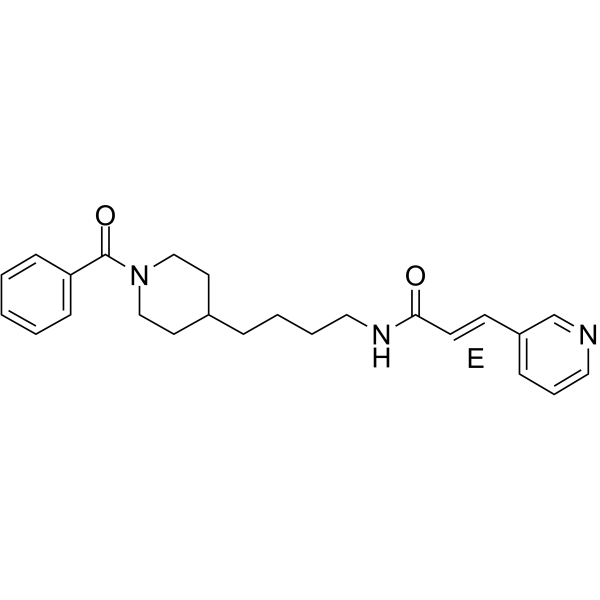
    Daporinad
    60+ Cited Publications

    FK866; APO866

    NAMPT Autophagy Apoptosis mTOR p38 MAPK ERK Cancer
    Daporinad (FK866) is a non-competitive inhibitor of nicotinamide phosphoribosyltransferase (Nampt), with a Ki value of 0.3 nM. Daporinad depletes NAD+ and ATP levels, inhibits mTORC1 and MAPK/ERK pathways, and activates TFEB to induce autophagy. Daporinad causes the depletion of the endoplasmic reticulum Ca²⁺ pool, ultimately weakening the mitogen-induced Ca²⁺ signal and the activation and function of T cells. Daporinad induces cell cycle arrest and apoptosis, and inhibits cell proliferation. Daporinad can be used for the study of myeloma, liver cancer, and immunosuppression .
    Daporinad
  • HY-17363
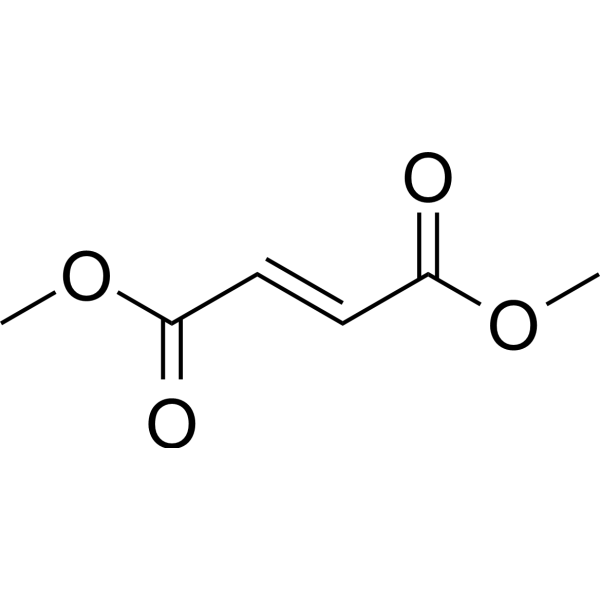
    Dimethyl fumarate
    Maximum Cited Publications
    56 Publications Verification

    Keap1-Nrf2 Reactive Oxygen Species (ROS) HIV Autophagy Endogenous Metabolite Infection Neurological Disease Inflammation/Immunology Cancer
    Dimethyl fumarate (DMF) is an orally active and brain-penetrant Nrf2 activator and induces upregulation of antioxidant gene expression. Dimethyl fumarate induces necroptosis in colon cancer cells through GSH depletion/ROS increase/MAPKs activation pathway, and also induces cell autophagy. Dimethyl fumarate can be used for multiple sclerosis research .
    Dimethyl fumarate
  • HY-N0484
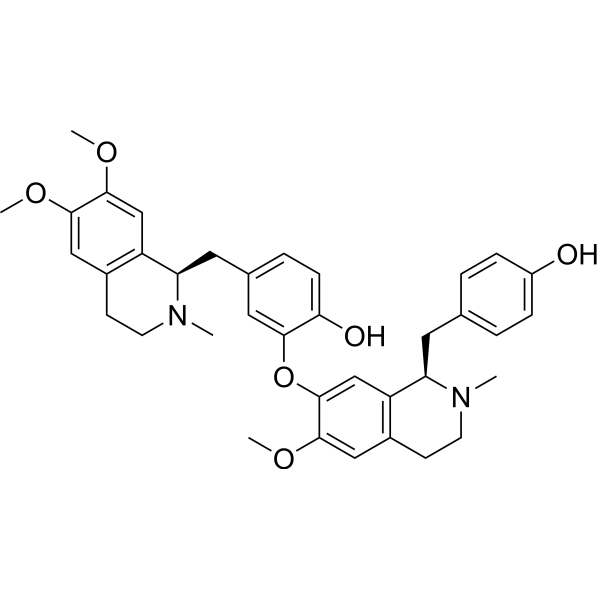
    Liensinine
    15+ Cited Publications

    Reactive Oxygen Species (ROS) Autophagy Apoptosis VEGFR JAK Amyloid-β p38 MAPK HIF/HIF Prolyl-Hydroxylase STAT PI3K JNK Akt Cardiovascular Disease Neurological Disease Inflammation/Immunology Cancer
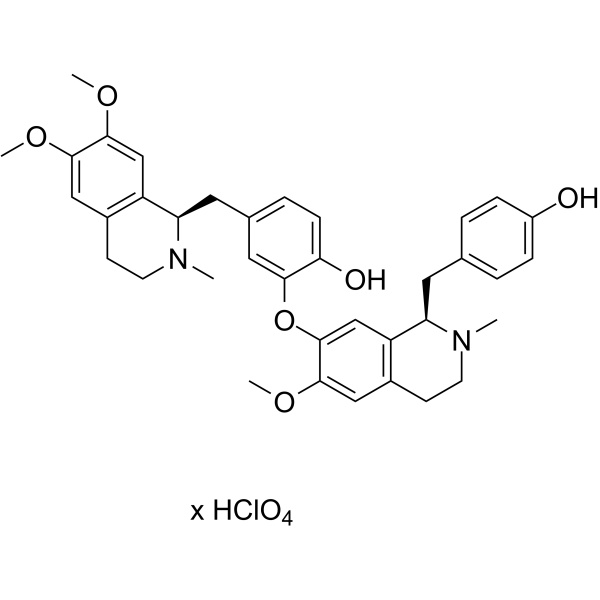
    Liensinine is a bisbenzylisoquinoline alkaloid. By inhibiting the PI3K/AKT and JNK/p38-MAPK signaling pathways, Liensinine suppresses autophagy and apoptosis, clears , and exerts anti-inflammatory, antioxidant and neuroprotective effects. Liensinine activates AMPK and inhibits the expression of HIF-1α and VEGF, thereby suppressing angiogenesis. Liensinine exerts anti-tumor effects through ROS-mediated inhibition of the JAK2/STAT3 signaling pathway. Liensinine can be used for the research of diseases such as Alzheimer's disease, hepatocellular carcinoma, osteosarcoma, sepsis-induced organ injury and stroke .
    Liensinine
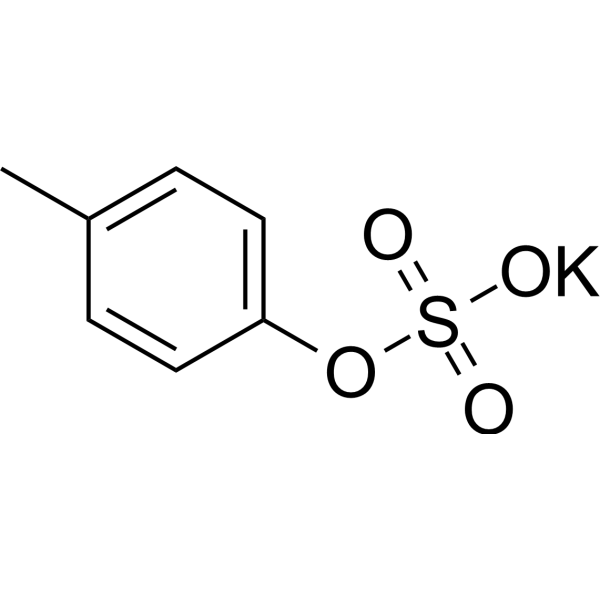
  • HY-111431A
    p-Cresyl sulfate potassium
    5+ Cited Publications

    p-Tolyl sulfate potassium

    Endogenous Metabolite JNK p38 MAPK Metabolic Disease Inflammation/Immunology
    p-Cresyl sulfate potassium is a uremic toxin that binds to a prototype protein. p-Cresyl sulfate potassium activates the JNK and p38 MAPK signaling pathways. p-Cresyl sulfate potassium has pro-inflammatory activity .
    p-Cresyl sulfate potassium
  • HY-158115

    Molecular Glues Raf MEK Cancer
    NST-628 is a brain-permeable MAPK pathway molecule glue that inhibits RAF phosphorylation and MEK activation. NST-628 also binds RAF and prevents the formation of BRAF-CRAF and BRAF-ARAF heterodimers, effectively inhibiting the RAS-MAPK pathway. NST-628 inhibits RAS- and RAF-driven cancers and demonstrated potent inhibition in mutant KRAS, NRAS, BRAF class II/III, and NF1-mutant tumors .
    NST-628
  • HY-158426
    2-APQC
    1 Publications Verification

    Sirtuin Cardiovascular Disease
    2-APQC is an orally active and selective agonist of Sirtuin-3 (SIRT3) (Kd=2.756 μM), antagonizes Isoproterenol/ISO (HY-B0468)-induced cytotoxicity. 2-APQC activates the SIRT3-PYCR1 axis to enhance mitochondrial proline metabolism and inhibit the ROS-p38MAPK pathway by inhibiting signaling pathways such as mTOR-p70S6K, JNK, and TGF-β/Smad3. 2-APQC also activates the AMPK-Parkin axis to alleviate myocardial hypertrophy and fibrosis and protect cardiac function. 2-APQC can be used in the study of heart failure .
    2-APQC
  • HY-112108
    Chitosan oligosaccharide
    5 Publications Verification

    COS

    AMPK Endogenous Metabolite Metabolic Disease Cancer
    Chitosan oligosaccharide (COS) is an oligomer of β-(1→4)-linked D-glucosamine. Chitosan oligosaccharide (COS) activates AMPK and inhibits inflammatory signaling pathways including NF-κB and MAPK pathways.
    Chitosan oligosaccharide
  • HY-100113
    Buloxibutid
    5 Publications Verification

    AT2 receptor agonist C21

    Angiotensin Receptor p38 MAPK TGF-beta/Smad TGF-β Receptor MMP Cardiovascular Disease Neurological Disease Inflammation/Immunology
    Buloxibutid (AT2 receptor agonist C21) is an orally active, selective angiotensin II type 2 receptor (AT2R) agonist, with a Ki value of 0.4 nM for porcine AT2R. Buloxibutid exerts effects such as vasodilation, anti-inflammation, anti-fibrosis (promoting the expression of collagenase MMP-13) and tissue repair mainly by activating the NO/cGMP pathway, inhibiting the pro-proliferative MAPK signaling, and suppressing the pro-fibrotic TGF-β/Smad pathway as well as the inflammatory NF-κB pathway. Buloxibutid can be used in research related to idiopathic pulmonary fibrosis, hypertension, and systemic sclerosis .
    Buloxibutid
  • HY-P10408

    EGFR MMP Calcium Channel NOD-like Receptor (NLR) ERK p38 MAPK Infection Inflammation/Immunology
    Candidalysin is a cytolytic peptide toxin secreted by the fungus Candida albicans. Candidalysin drives epithelial immune responses by activating the EGFR-MAPK signaling pathway, inducing MMP expression and calcium influx, and regulating the c-Fos transcription factor and MKP1 via p38 MAPK and ERK1/2 respectively. Candidalysin is essential for mucosal and systemic infections, activating NLRP3 to promote inflammatory responses, neutrophil recruitment, and Th17 immunity. Candidalysin activates LDH causing membrane damage and exhibiting cytotoxicity
    Candidalysin
  • HY-114277A
    Sotorasib racemate
    1 Publications Verification

    AMG-510 racemate

    Ras p38 MAPK Cancer
    Sotorasib racemate (Compound A) is an orally active racemate of Sotorasib (HY-114277), a covalent inhibitor of KRAS G12C mutant which induces adaptive feedback activation of MAPK pathway. Sotorasib racemate also exerts inhibitor activity against KRAS G12C induced cancer and can be applied to cancer research .
    Sotorasib racemate
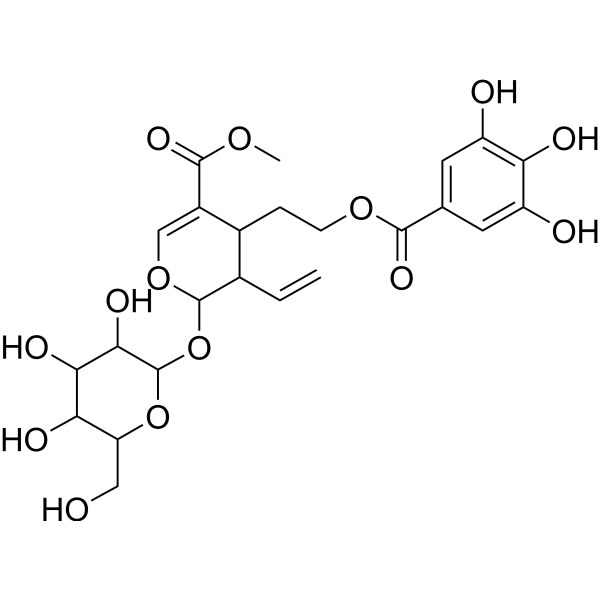
  • HY-N6246

    NF-κB ERK Inflammation/Immunology Cancer
    Asperulosidic Acid (ASPA), a bioactive iridoid glycoside, is extracted from the herbs of Hedyotis diffusa Willd. Asperulosidic Acid (ASPA) has anti-tumor, anti-oxidant, and anti-inflammatory activities . ASPA is related to the inhibition of inflammatory cytokines (TNF-α, IL-6) and mediators via suppression of the NF-κB and mitogen-activated protein kinase (MAPK) signaling pathways .
    Asperulosidic Acid
  • HY-N1419
    Vaccarin
    1 Publications Verification

    AMPK Akt ERK p38 MAPK NF-κB Nuclear Factor of activated T Cells (NFAT) JNK Cardiovascular Disease Metabolic Disease
    Vaccarin is an orally active flavonoid glycoside with multiple biological functions. Vaccarin promotes neovascularization by activating AKT and ERK. Vaccarin activates the AMPK signaling pathway to improve insulin resistance and steatosis. Vaccarin is a MAPK, NF-κB, and NFAT inhibitor, effectively blocking RANKL-induced osteoclastogenesis .
    Vaccarin
  • HY-N0253

    Kalopanaxsaponin B

    Bacterial p38 MAPK NF-κB Apoptosis Infection Inflammation/Immunology
    Hederacoside C (Kalopanaxsaponin B) is an ingredient that can be obtained mainly from ivy leaves. Hederacoside C mediates inflammation by inhibiting activation of MAPK/NF-κB and its downstream signaling pathway. Hederacoside C has anti-inflammatory and antibacterial activity .
    Hederacoside C
  • HY-Y1325I

    Environmental Pollutants Biochemical Assay Reagents Apoptosis NO Synthase p38 MAPK Heme Oxygenase (HO) Keap1-Nrf2 Wnt β-catenin Metabolic Disease Inflammation/Immunology Cancer
    Sodium acetate trihydrate, 99.5% is a short-chain fatty acid salt with multiple biological activities. Sodium acetate trihydrate, 99.5% serves as a direct precursor of acetyl-CoA, and it extensively affects gene expression by promoting histone acetylation. Sodium acetate trihydrate, 99.5% can activate the p38 MAPK pathway to induce cancer cell apoptosis. Sodium acetate trihydrate, 99.5% can activate the Wnt/β-catenin signaling pathway to stimulate the proliferation and migration of cecal epithelial cells, thereby improving intestinal health. Sodium acetate trihydrate, 99.5% alleviates lead accumulation and oxidative damage by upregulating the testosterone-dependent eNOS/NO/cGMP signaling pathway, as well as activating the Nrf2/HO-1 pathway and its downstream antioxidant enzymes .
    Sodium acetate trihydrate, 99.5%
  • HY-N0496
    Ruscogenin
    5+ Cited Publications

    NOD-like Receptor (NLR) Cardiovascular Disease
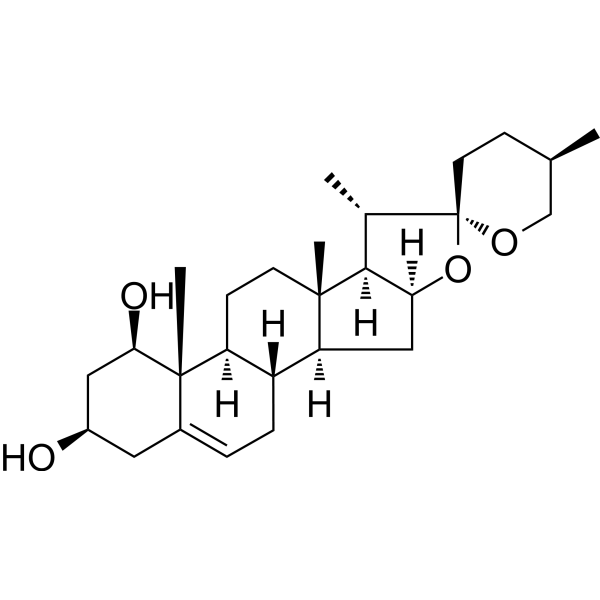
    Ruscogenin, an important steroid sapogenin derived from Ophiopogon japonicus, attenuates cerebral ischemia-induced blood-brain barrier dysfunction by suppressing TXNIP/NLRP3 inflammasome activation and the MAPK pathway. Ruscogenin exerts significant anti-inflammatory and anti-thrombotic activities. Ruscogenin has orally bioactivity .
    Ruscogenin
  • HY-120149

    Toll-like Receptor (TLR) MDM-2/p53 MMP Caspase SOD p38 MAPK NF-κB Apoptosis Neurological Disease Inflammation/Immunology Cancer
    Inotodiol activates p53 signaling pathway, inhibits MMP-2/9, and exhibits antitumor activity in cancer cell HeLa. Inotodiol inhibits the generation of ROS and exhibits antioxidant and neuroprotective effects. Inotodiol inhibits the activation of MAPK and NF-κB signaling pathway, and exhibits anti-inflammatory activity. Inotodiol inhibits TLR-4 mediated TNF-α production (IC50s in BMMC and BMDM is 0.7 μM and 3.0 μM), inhibits the degranulation in mast cell, exhibits anti-allergic activity. Inotodiol is orally active .
    Inotodiol
  • HY-N7046

    Silibinin B

    Amyloid-β Apoptosis JNK p38 MAPK Neurological Disease Cancer
    Silybin B (Silibinin B) is an orally active amyloid-β aggregation inhibitor and ATR pathway activator that can cross the blood-brain barrier. Silybin B inhibits Aβ fibril formation and promotes amorphous aggregate formation, while activating the ATR-mediated DNA damage repair pathway and inhibiting JNK/p38 MAPK signaling. Silybin B can reduce Cisplatin (HY-17394)-induced neuronal DNA damage and apoptosis. Silybin B has anti-oxidative stress, cell cycle regulation and neuroprotective activities. Silybin B is mainly used in the study of Alzheimer's disease and Cisplatin chemotherapy-related neurotoxicity .
    Silybin B
  • HY-B1104

    (±)-Indoprofe

    Akt AMPK NF-κB p38 MAPK Inflammation/Immunology
    Indoprofen ((±)-Indoprofe) activates AKT-AMPK signaling pathway, inhibits NF-κB/MAPK signaling pathway. Indoprofen exhibits anti-inflammatory and immunomodulatory activities. Indoprofen is orally active .
    Indoprofen
  • HY-N8211
    Gypenoside L
    4 Publications Verification

    p38 MAPK ERK NF-κB Inflammation/Immunology Cancer
    Gypenoside L is a saponin that can be found in Gynostemma pentaphyllum. Gypenoside L increases the SA-β-galactosidase activity, promotes the production of senescence-associated secretory cytokines. Gypenoside L also can activate p38 and ERK MAPK pathways and NF-κB pathway to induce senescence. Gypenoside L exhibits anti-tumor and anti-inflammatory activities .
    Gypenoside L
  • HY-10406
    Talmapimod
    3 Publications Verification

    SCIO-469

    p38 MAPK TNF Receptor Interleukin Related VEGFR Apoptosis Neurological Disease Metabolic Disease Inflammation/Immunology Cancer
    Talmapimod (SCIO-469) is an orally active and selective inhibitor of p38α MAPK with an IC50 of 9 nM. Talmapimod inhibits the secretion of inflammatory factors (such as TNFα, IL-1β, IL-6, and VEGF) by suppressing the p38α MAPK pathway, and it also inhibits angiogenesis and osteoclast activation. Talmapimod inhibits the growth of multiple myeloma cells and induces apoptosis. Talmapimod can be used to study various hematological malignancies (such as multiple myeloma, myelodysplastic syndrome) .
    Talmapimod
  • HY-N0634
    Cimifugin
    1 Publications Verification

    Cimitin

    NF-κB Inflammation/Immunology
    Cimifugin (Cimitin) is a bioactive component of Cimicifuga racemosa, a Chinese herb. Cimifugin suppresses allergic inflammation by reducing epithelial derived initiative key factors via regulating tight junctions . Cimifugin reduces the migration and chemotaxis of RAW264.7 cells and inhibits the release of inflammatory factors and activation of MAPKs and NF-κB signaling pathways induced by LPS .
    Cimifugin
  • HY-114491

    ERK Raf Cancer
    Rineterkib (compound B) is an orally available ERK1 and ERK2 inhibitor in the treatment of a proliferative disease characterized by activating mutations in the MAPK pathway. The activity is particularly related to the treatment of KRAS-mutant NSCLC, BRAF-mutant NSCLC, KRAS-mutant pancreatic cancer, KRAS-mutant colorectal cancer (CRC) and KRAS-mutant ovarian cancer. Rineterkib hydrochloride can also inhibit RAF .
    Rineterkib
  • HY-N2353
    Arabinose
    1 Publications Verification

    (±)​-​Arabinose; DL-​Arabinose; dl-​Arabinose

    Environmental Pollutants Endogenous Metabolite Neurological Disease Inflammation/Immunology Cancer
    Arabinose is a pentose sugar commonly found in plants. Arabinose alleviates immune dysregulation and inflammation by promoting balanced immune responses and reducing inflammation. Arabinose induces cytotoxicity, autophagy (Autophagy), and cell cycle arrest in breast cancer cells through the p38-MAPK signaling pathway. Arabinose activates the ACSS2-PPARγ/TFEB-AMPK axis in neuroblastoma cells, thereby exerting neuromodulatory/antidepressant effects. Arabinose can also be used as an intermediate in compound synthesis. Arabinose may be applied in research related to immune inflammation, depression, breast cancer, and other diseases .
    Arabinose
  • HY-N1966
    (E)-Osmundacetone
    2 Publications Verification

    p38 MAPK PPAR Cancer
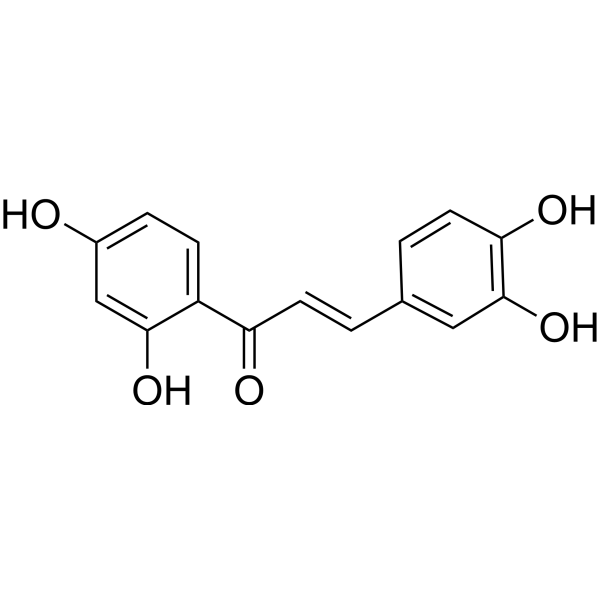
    (E)-Osmundacetone is an inhibitor of the MAPK pathway. (E)-Osmundacetone inhibits the activation of the MAPK signaling pathway and restores the expression of PPARα/ACOX1. (E)-Osmundacetone abrogates abnormal cell proliferation, migration and liver metastasis induced by PTPRO silencing in colorectal cancer cells. (E)-Osmundacetone blocks OA-RD17-mediated activation of the MAPK signaling pathway, thereby reducing macrophage proliferation and migration. (E)-Osmundacetone is applicable to relevant research on colorectal cancer .
    (E)-Osmundacetone
  • HY-W015300

    Octanedioic acid

    Endogenous Metabolite Akt TGF-β Receptor p38 MAPK Metabolic Disease
    Suberic acid (Octanedioic acid) is an orally active crystalline dibasic acid. Suberic acid activates the Akt signaling pathway and regulates the expression of molecules related to the TGF-β and MAPK signaling pathways. Suberic acid inhibits skin dryness .
    Suberic acid
  • HY-13703A
    Nimustine hydrochloride
    1 Publications Verification

    ACNU

    DNA Alkylator/Crosslinker DNA/RNA Synthesis Apoptosis p38 MAPK JNK AP-1 Cancer
    Nimustine hydrochloride (ACNU) is the hydrochloride salt form of Nimustine (HY-13703). Nimustine hydrochloride is an alkylating agent, which induces DNA double-strand breaks (DSBs) and inter-strand crosslinks (ICLs), thereby activating the DNA damage response (DDR) signaling pathway. Nimustine hydrochloride activates p38 MAPK/JNK signaling pathway, and exhibits antitumor activity .
    Nimustine hydrochloride
  • HY-N0592

    NF-κB AMPK Reactive Oxygen Species (ROS) p38 MAPK Infection Metabolic Disease Inflammation/Immunology Cancer
    Demethyleneberberine is a blood-brain barrier-permeable antioxidant. Demethyleneberberine exerts antioxidant effects by targeting mitochondria, activates the AMPK signaling pathway to regulate lipid metabolism, and inhibits inflammation-related pathways such as NF-κB and MAPK. Demethyleneberberine can be used in the research of inflammatory and other diseases .
    Demethyleneberberine
  • HY-N7259

    JNK p38 MAPK Apoptosis Inflammation/Immunology
    (+)-Isomenthone is an enantiomer form of Menthone (HY-N2381). (+)-Isomenthone blocks TNF-α-triggered activation of the JNK and p38 MAPK pathways.(+)-Isomenthone inhibits TNF-α-mediated reductions in cell viability, increases in apoptosis, and downstream apoptotic events linked to pathway activation.(+)-Isomenthone protects human dermal fibroblasts against TNF-α-induced cell death under serum-deprived conditions .
    (+)-Isomenthone
  • HY-B1014

    VD/VDR p38 MAPK JNK ERK NF-κB Akt GSK-3 PKA Apoptosis Cardiovascular Disease Inflammation/Immunology Cancer
    Acenocoumarol is an anticoagulant that functions as a Vitamin K antagonist. Acenocoumarol inhibits MAPK/ERK/JNK signaling pathway, reduces the nuclear translocation of NF-κB p65, activates Akt/GSK3β signaling pathway. Acenocoumarol induces apoptosis in cell A549, arrests cell cycle at S phase .
    Acenocoumarol
  • HY-N2157
    Pteryxin
    1 Publications Verification

    (+)-Pteryxin

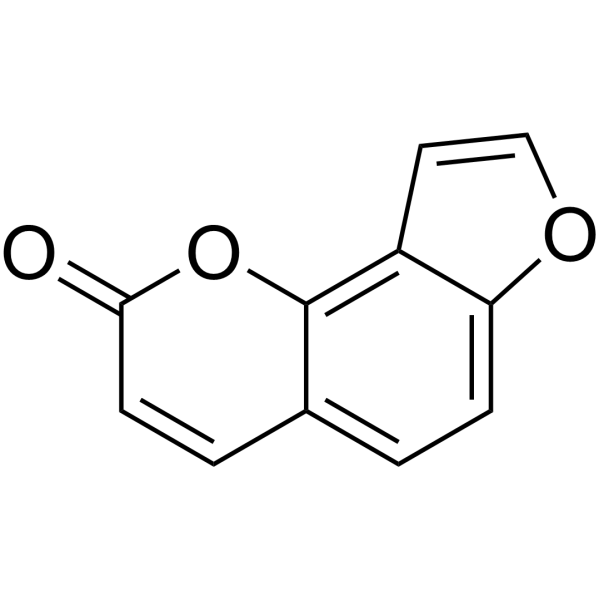
    Cholinesterase (ChE) NF-κB NOD-like Receptor (NLR) Keap1-Nrf2 Reactive Oxygen Species (ROS) Nuclear Factor of activated T Cells (NFAT) p38 MAPK Neurological Disease Metabolic Disease Inflammation/Immunology
    Pteryxin ((+)-Pteryxin) is an orally active multi-target inhibitor that targets NF-κB, MAPK, NLRP3 inflammasome, and Nrf2/ARE pathways. Pteryxin is also a BChE inhibitor (IC50=12.96 μg/mL) with a low inhibitory efficiency on AChE. Pteryxin inhibits the Ca 2+-calcineurin-NFATc1 pathway by blocking NF-κB/MAPK signaling, inhibiting NLRP3 inflammasome activation, and reducing ROS generation, and activates Nrf2-mediated antioxidant enzyme expression. Pteryxin has anti-inflammatory, antioxidant, and osteoclastogenesis inhibitory activities. Pteryxin can be used in the study of inflammatory diseases, osteoporosis, diabetes, and Alzheimer's disease .
    Pteryxin
  • HY-N2963
    Broussonin E
    2 Publications Verification

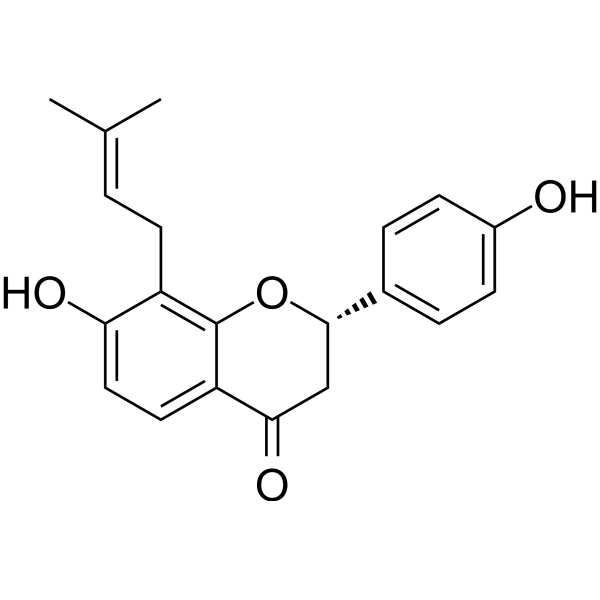
    ERK p38 MAPK JAK STAT TNF Receptor Interleukin Related COX Arginase Inflammation/Immunology
    Broussonin E is a phenolic compound and shows anti-inflammatory activity. Broussonin E can suppress inflammation by modulating macrophages activation statevia inhibiting the ERK and p38 MAPK and enhancing JAK2-STAT3 signaling pathway. Broussonin E can be used for the research of inflammation-related diseases such as atherosclerosis .
    Broussonin E
  • HY-N2484
    Methylnissolin
    2 Publications Verification

    Astrapterocarpan

    PDGFR ERK Cardiovascular Disease Neurological Disease Metabolic Disease Inflammation/Immunology
    Methylnissolin (Astrapterocarpan) is an osteoclast inhibitor with anti-inflammatory, neuroprotective and antioxidant activities. Methylnissolin downregulates the activation of the MAPK and PI3K/AKT pathways, inhibits the phosphorylation of MAPK1 and AKT1, and blocks PDGF-BB-induced phosphorylation of ERK1/2. Methylnissolin reduces the expression and secretion of proinflammatory mediators, decreases intracellular ROS levels, upregulates antioxidant enzymes, and downregulates osteoclastogenesis markers. Methylnissolin is applicable to research related to ischemic stroke, osteoporosis, cardiovascular diseases, skin aging, etc.
    Methylnissolin
  • HY-P991413

    Trk Receptor ERK Akt p38 MAPK Neurological Disease Inflammation/Immunology
    ZEB85 is a human monoclonal antibody (mAb) targeting TrkB. ZEB85 activates TrkB and its downstream cascades, including the ERK, PLCγ, AKT, MAPK signaling pathways and cFOS expression, and enhances neuronal activity. ZEB85 prevents β-amyloid toxicity in cultured hippocampal neurons. ZEB85 is applicable to the research of Alzheimer's disease (AD) .
    ZEB85
  • HY-N2259
    Curcumenol
    4 Publications Verification

    (+)-Curcumenol

    Cytochrome P450 Neurological Disease Inflammation/Immunology Cancer
    Curcumenol ((+)-Curcumenol) is a potent CYP3A4 inhibitor with an IC50 of 12.6 μM, which is one of constituents in the plants of medicinally important genus of Curcuma zedoaria, with neuroprotection, anti-inflammatory, anti-tumor and hepatoprotective activities. Curcumenol ((+)-Curcumenol) suppresses Akt-mediated NF-κB activation and p38 MAPK signaling pathway in LPS-stimulated BV-2 microglial cells .
    Curcumenol
  • HY-N1472
    Levistolide A
    5 Publications Verification

    Apoptosis Reactive Oxygen Species (ROS) PPAR GSK-3 Tau Protein Ras TGF-β Receptor Infection Neurological Disease Inflammation/Immunology
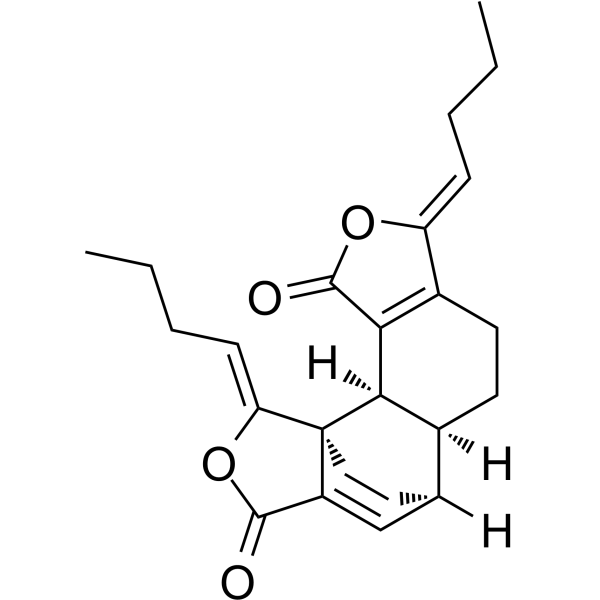
    Levistolide A is an apoptosis inducer and a PEDV virus inhibitor. Levistolide A can induce apoptosis in colon cancer cells and suppress the replication of porcine epidemic diarrhea virus (PEDV) by promoting ROS generation. Levistolide A activates peroxisome proliferator-activated receptor γ (PPARγ) in N2a/APP695swe cells and reduces excessive phosphorylation of tau through the GSK3α/β pathway, improving symptoms in Alzheimer’s mice. Levistolide A improves kidney damage in 5/6 nephrectomy (Nx) mice by inhibiting the RAS,TGF-β1/Smad, and MAPK pathways .
    Levistolide A
  • HY-12873

    Ras p38 MAPK JNK Cancer
    RBC8 is a selective and allosteric RALA and RALB inhibitor. RBC8 stabilizes the inactive GDP-bound state of Ral, preventing its activation. RBC8 promotes the phosphorylation of proteins related to the MAPK/JNK pathway. RBC8 has the activity of inhibiting tumor cell proliferation, migration and invasion. RBC8 is used in the study of various cancers such as lung cancer, gastric cancer, and multiple myeloma .
    RBC8
  • HY-16126
    Carboxyamidotriazole
    4 Publications Verification

    L-651582; CAI

    Calcium Channel NF-κB p38 MAPK NO Synthase Cardiovascular Disease Inflammation/Immunology Cancer
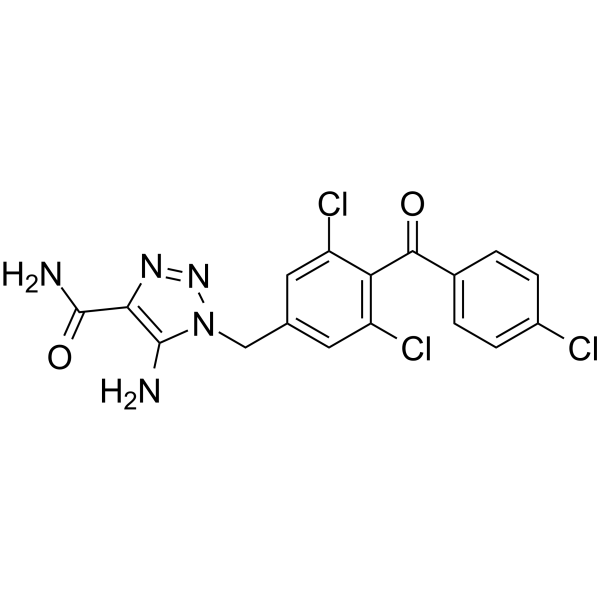
    Carboxyamidotriazole (L-651582) is an orally active cytostatic inhibitor of nonvoltage-operated calcium channels and calcium channel-mediated signaling pathways. Carboxyamidotriazole inhibits NF-κB, MAPK activation and NO production. Carboxyamidotriazole has anti-angiogenic and anti-inflammatory activities. Carboxyamidotriazole has anticancer activity against liver cancer, lung cancer and leukemia .
    Carboxyamidotriazole
  • HY-122672
    Adhesamine
    1 Publications Verification

    FAK Neurological Disease
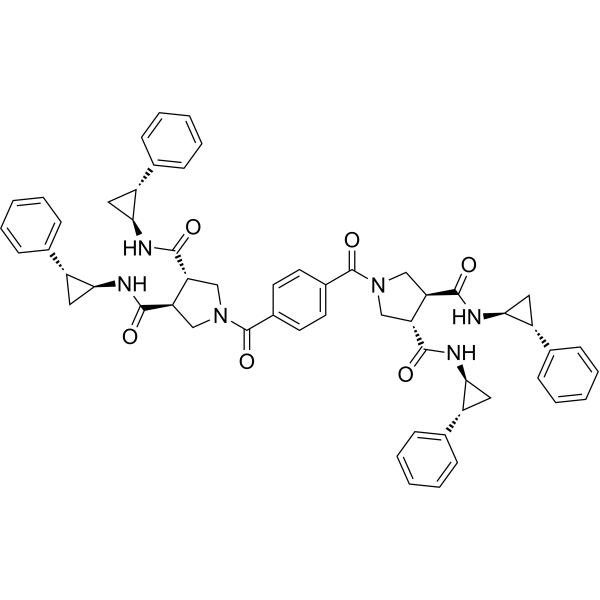
    Adhesamine, dumbbell-shaped molecule, activates MAPK/FAK pathway. Adhesamine promotes adhesion and growth of mammalian cells. Adhesamine accelerates the differentiation and improves the survival of mice hippocampal neurons in primary culture .
    Adhesamine
  • HY-P10954

    p38 MAPK Others
    Link N peptide is a proteoglycan aggregates activator in the extracellular matrix. Link N peptide can selectively activate the p38 mitogen-activated protein kinase (MAPK) pathway to promote the expression of type I and II collagens in human intervertebral disc cells. Link N peptide is promising for research of intervertebral disc degeneration-related diseases .
    Link N peptide
  • HY-N2180

    (+)-Eudesmine

    PKC PKA p38 MAPK NO Synthase Neurological Disease
    Pinoresinol dimethyl ether ((+)-Eudesmin) is a non-phenolic furanoid lignin. Pinoresinol dimethyl ether can be isolated from Magnolia biondii. Pinoresinol dimethyl ether activates MAPK, PKC, and PKA upstream pathways and inhibits NO levels. Pinoresinol dimethyl ether has neuroprotective activity .
    (+)-Eudesmin
  • HY-N4205

    Cytochrome P450 Cancer
    Tetrahydropiperine is an orally effective, selective inhibitor of NF-κB and MAPKs<、b>, and an activator of the PI3K/Akt/mTOR<、b> pathway. Tetrahydropiperine reduces the production of pro-inflammatory cytokines such as TNF-α, IL-6, and nitric oxide (NO) by inhibiting the nuclear translocation of NF-κB and the phosphorylation of MAPKs such as ERK, JNK, and p38. At the same time, Tetrahydropiperine inhibits excessive autophagy by activating the PI3K/Akt/mTOR pathway, protecting neurons from oxidative damage. Tetrahydropiperine has anti-inflammatory, anti-apoptotic, and neuroprotective effects, and is mainly used in the study of inflammatory diseases (such as endotoxemia, arthritis) and neurological diseases such as ischemic stroke .
    Tetrahydropiperine
  • HY-N2485
    4'-Methoxyresveratrol
    1 Publications Verification

    4'-O-Methylresveratrol

    NF-κB NOD-like Receptor (NLR) Inflammation/Immunology
    4'-Methoxyresveratrol (4'-O-Methylresveratrol) is a polyphenol derived from Dipterocarpaceae, with antiandrogenic, antifungal and anti-inflammatory activities. 4'-Methoxyresveratrol alleviates AGE-induced inflammation through suppressing RAGE-mediated MAPK/NF-κB signaling pathway and NLRP3 inflammasome activation .
    4'-Methoxyresveratrol
  • HY-160469

    Akt PROTACs Cancer
    INY-05-040 is an AKT degrader that can selectively and quickly degrade all three AKT isoforms. INY-05-040 exhibits anti-cancer activity. INY-05-040 can inhibit downstream signaling and cell proliferation in 288 cancer cell lines. INY-05-040 can suppress AKT signaling and induces the stress mitogen-activated protein kinase (MAPK) c-Jun N-terminal kinase (JNK). INY-05-040 is effective for breast cancer lines with a low-baseline activation of stress MAPK pathway. INY-05-040 can be studied for anti-cancer research .
    INY-05-040
  • HY-N0204

    Anemoside A3

    NF-κB p38 MAPK Cardiovascular Disease Neurological Disease Inflammation/Immunology Cancer
    Pulchinenoside A (Anemoside A3) is an orally active triterpenoid glycoside found in the root of Pulsatilla chinensis. Pulchinenoside A has amti-inflammation, antitumor, antidepressant, immunoregulatory and neuroprotective efrects. Pulchinenoside A activates NF-κB/MAPK signaling pathway. Pulchinenoside A can induce relaxing effect in rat renal arteries. Pulchinenoside A can be used for the researches of experimental autoimmune encephalomyelitis, breast cancer, depression and renovascular hypertension .
    Pulchinenoside A
  • HY-19345A

    NSC13316 dihydrochloride

    p38 MAPK Neurological Disease Cancer
    Vacquinol-1 (NSC13316) dihydrochloride is a MKK4-specific activator that activates the MAPK pathway. Vacquinol-1 dihydrochloride inhibits the growth, migration and colony formation, and induces apoptosis of cancer cells. Vacquinol-1 dihydrochloride is applicable to research related to cancers such as hepatocellular carcinoma .
    Vacquinol-1 dihydrochloride
  • HY-147972

    NF-κB p38 MAPK NO Synthase COX Inflammation/Immunology
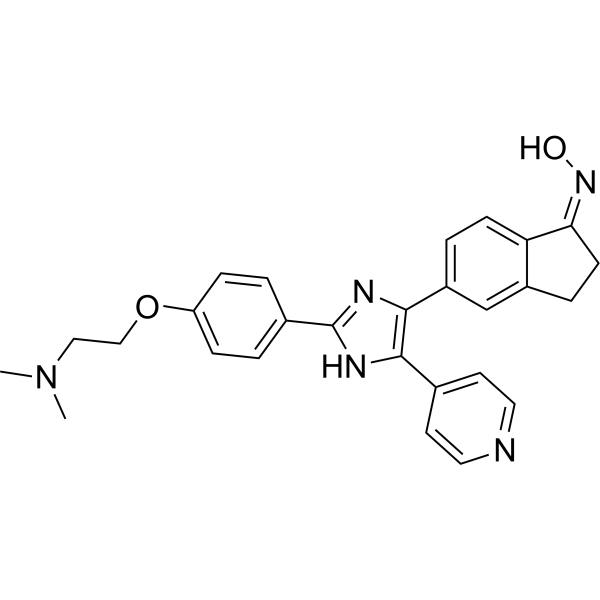
    NF-κB/MAPK-IN-1 (compound 11a) is a potent inhibitor of NF-κB and MAPK pathway. NF-κB/MAPK-IN-1 shows inhibitory activity against NO production, with an IC50 of 6.96 µM. NF-κB/MAPK-IN-1 suppresses LPS-induced iNOS, COX-2, ERΚ and P38 signaling activation. NF-κB/MAPK-IN-1 can prevent LPS induced inflammatory response in macrophages. NF-κB/MAPK-IN-1 can be used for rheumatoid arthritis (RA) research .
    NF-κB/MAPK-IN-1
  • HY-N6826
    Asatone
    3 Publications Verification

    NF-κB Inflammation/Immunology
    Asatone is an active component isolated from Radix et Rhizoma Asari, with anti-inflammatory effect via activation of NF-κB and donwn regulation of p-MAPK (ERK, JNK and p38) pathways .
    Asatone
  • HY-N0592A
    Demethyleneberberine chloride
    3 Publications Verification

    NF-κB AMPK Reactive Oxygen Species (ROS) p38 MAPK Infection Neurological Disease Metabolic Disease Inflammation/Immunology Cancer
    Demethyleneberberine chloride is a blood-brain barrier-permeable antioxidant. Demethyleneberberine chloride exerts antioxidant effects by targeting mitochondria, activates the AMPK signaling pathway to regulate lipid metabolism, and inhibits inflammation-related pathways such as NF-κB and MAPK. Demethyleneberberine chloride can be used in the research of inflammatory and other diseases .
    Demethyleneberberine chloride
  • HY-N8303

    ERK PAK Neurological Disease Inflammation/Immunology
    Gardenin A is an orally active and synthetic PMF analogue with the neurotrophic effect for neurite outgrowth and neuronal differentiation. Gardenin A promotes neuritogenesis via activating MAPK/ERK, PKC, and PKA, but not TrkA, CREB signaling pathways. Gardenin A also has sedative, anxiolytic, antidepressant, and anticonvulsant effects .
    Gardenin A
  • HY-17363S1

    Autophagy HIV Keap1-Nrf2 Endogenous Metabolite Reactive Oxygen Species (ROS) Cancer
    Dimethyl fumarate-d2 is the deuterium labeled Dimethyl fumarate . Dimethyl fumarate (DMF) is an orally active and brain-penetrant Nrf2 activator and induces upregulation of antioxidant gene expression. Dimethyl fumarate induces necroptosis in colon cancer cells through GSH depletion/ROS increase/MAPKs activation pathway, and also induces cell autophagy. Dimethyl fumarate can be used for multiple sclerosis research .
    Dimethyl fumarate-d2

Inquiry Online

Your information is safe with us. * Required Fields.

Salutation


Country or Region *

Applicant Name *


Organization Name *

Department *


Email Address *


Product Name *

Cat. No.


Requested quantity *

Phone Number *


Remarks

Inquiry Online

Inquiry Information

Product Name:
Cat. No.:
Quantity:
MCE Japan Authorized Agent:

