Search Result
Results for "
activity of BACE-1
" in MedChemExpress (MCE) Product Catalog:
1
Biochemical Assay Reagents
| Cat. No. |
Product Name |
Target |
Research Areas |
Chemical Structure |
-
- HY-15908
-
|
Disodium bicinchoninate
|
Beta-secretase
|
Neurological Disease
Cancer
|
|
BCA (Disodium bicinchoninate) is an orally active and non-competitive Beta-site amyloid precursor protein cleaving enzyme 1 (BACE1) inhibitor with an IC50 value of 28 µM, a Ki value of 43 µM. BCA shows anticancer activity. BCA has the potential for the research of Alzheimer's disease (AD) .
|
-
-
- HY-N0226A
-
|
|
Cholinesterase (ChE)
Beta-secretase
Reactive Oxygen Species (ROS)
|
Neurological Disease
Metabolic Disease
|
|
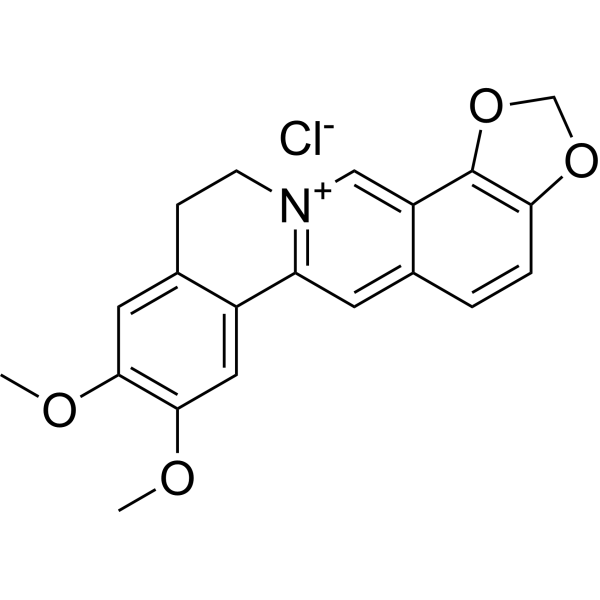
Epiberberine chloride is an alkaloid isolated from Coptis chinensis, acts as a potent AChE and BChE inhibitor, and a non-competitive BACE1 inhibitor, with IC50s of 1.07, 6.03 and 8.55 μM, respectively. Epiberberine chloride has antioxidant activity, with peroxynitrite ONOO - scavenging effect (IC50, 16.83 μM), and may protect against Alzheimer disease . Epiberberine chloride inhibits the early stage of differentiation of 3T3-L1 preadipocytes, downregulates the Raf/MEK1/2/ERK1/2 and AMPKα/Akt pathways . Epiberberine has the potential effect in the research of diabetic disease .
|
-
-
- HY-N0631
-
Cornuside
Maximum Cited Publications
6 Publications Verification
|
p38 MAPK
NF-κB
JNK
Cholinesterase (ChE)
Acyltransferase
NO Synthase
Interleukin Related
TNF Receptor
Prostaglandin Receptor
ERK
COX
|
Neurological Disease
Inflammation/Immunology
|
|
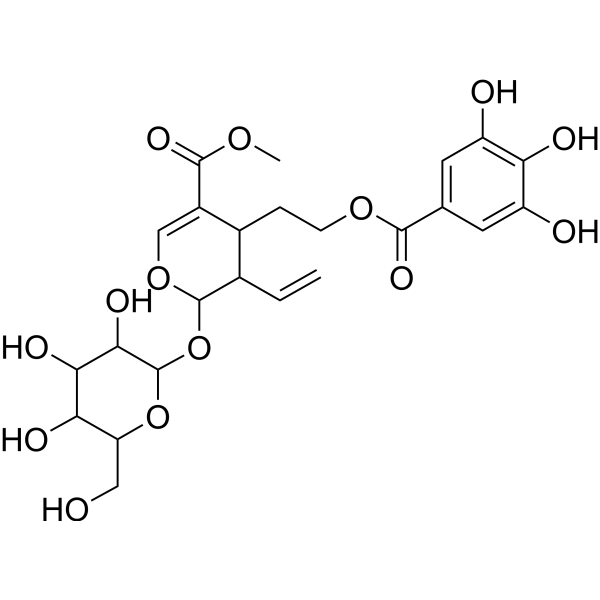
Cornuside is an iridoid glycoside with anti-allergic, anti-inflammatory, and neuroprotective activities. Cornuside exerts anti-allergic activity by downregulating the p38 MAPK, JNK, and NF-κB signaling pathways, and inhibits IgE-mediated histamine release from mast cells. Cornuside improves cognitive impairment in mice by inhibiting BACE1 activity (IC50 = 55.84 μg/mL) and enhancing ChAT activity. Cornuside inhibits LPS (HY-D1056)-induced inflammatory mediators, including iNOS, COX-2, PGE2, TNF-α, IL-6, and IL-1β, by suppressing NF-κB activation .
|
-
-
- HY-N0226
-
|
|
Cholinesterase (ChE)
Beta-secretase
|
Neurological Disease
Metabolic Disease
|
|
Epiberberine is an alkaloid isolated from Coptis chinensis, acts as a potent AChE and BChE inhibitor, and a non-competitive BACE1 inhibitor, with IC50s of 1.07, 6.03 and 8.55 μM, respectively. Epiberberine has antioxidant activity, with peroxynitrite ONOO - scavenging effect (IC50, 16.83 μM), and can be used for the research of Alzheimer disease . Epiberberine inhibits the early stage of differentiation of 3T3-L1 preadipocytes, downregulates the Raf/MEK1/2/ERK1/2 and AMPKα/Akt pathways . Epiberberinecan be used for the research of diabetic disease .
|
-
-
- HY-N0231
-
|
Broussochalcone B
|
Bacterial
Antibiotic
NF-κB
PERK
Akt
Autophagy
Apoptosis
|
Infection
Neurological Disease
Inflammation/Immunology
Cancer
|
|
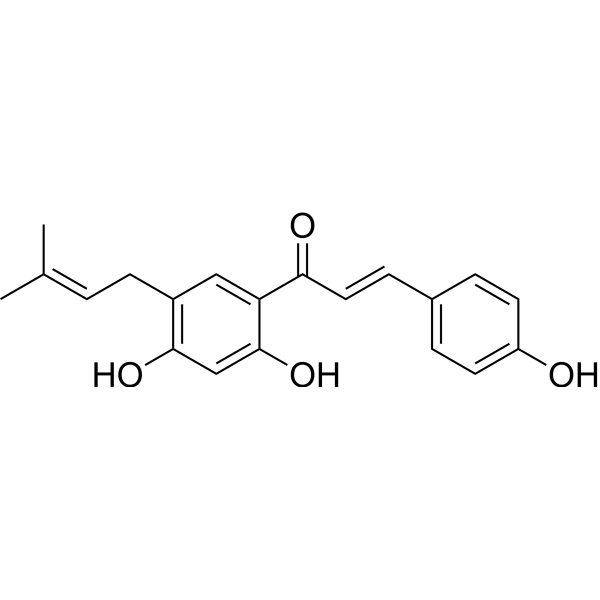
Bavachalcone is a potent inducer of apoptosis. Bavachalcone exerts anticancer activity by promoting autophagy and apoptosis in HepG2 cells. Bavachalcone acts as an anti-neuroinflammatory and antidepressant through the NF-κB pathway. Bavachalcone inhibits osteoclasts by interfering with ERK and Akt signaling pathways and the expression of c-Fos and NFATc1. Bavachalcone exhibits a significant inhibitory effect on baculovirus-expressed BACE-1 in vitro .
|
-
-
- HY-N1255
-
|
(-)-Scoulerine; Discretamine
|
Bcl-2 Family
Apoptosis
mTOR
GABA Receptor
PI3K
Adrenergic Receptor
Beta-secretase
Akt
|
Cancer
|
|
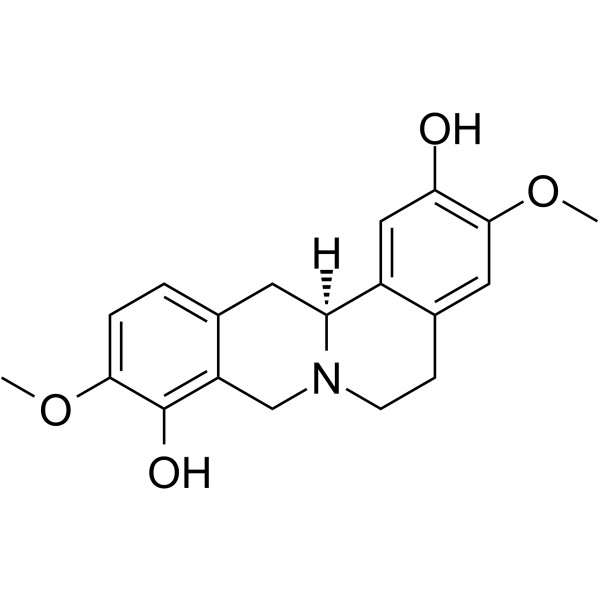
Scoulerine ((-)-Scoulerine; Discretamine) hydrochloride is a multi-target inhibitor with anti-tumor and antioxidant activities. Scoulerine mainly targets the PI3K/Akt/mTOR signaling axis and α1D-adrenergic receptor, disrupts microtubule structure, and induces cell cycle arrest and apoptosis. Scoulerine effectively inhibits mitochondrial dehydrogenase activity, targets GABA receptors and BACE1, and suppresses the proliferation, migration, invasion, epithelial-mesenchymal transition and stem cell properties of cancer cells. Scoulerine also exhibits multiple pharmacological activities including anti-Plasmodium falciparum, antibacterial, antiemetic and antitussive effects, and regulates endoplasmic reticulum stress and mitochondrial function (modulates Bax, Bcl-2 and cytochrome c). Scoulerine is applicable to research related to leukemia, ovarian cancer, and colorectal cancer .
|
-
-
- HY-N1280
-
|
|
Amyloid-β
|
Neurological Disease
|
|
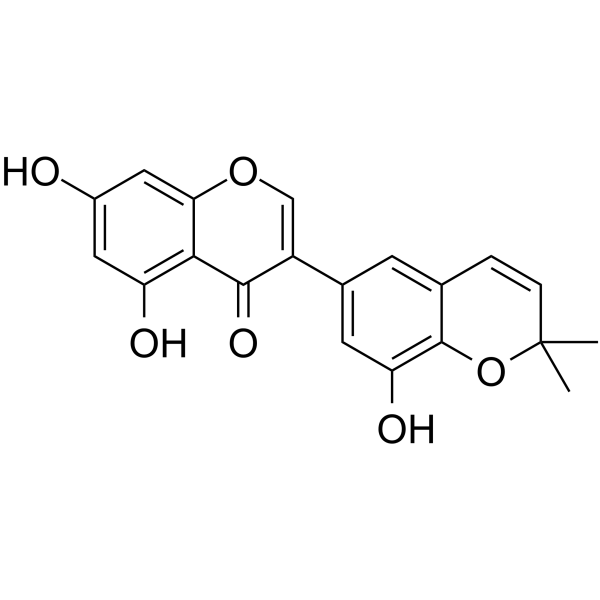
Semilicoisoflavone B, an isoflavone, mainly derived from Glycyrrhiza uralensis Fisch.. Semilicoisoflavone B reduces amyloid β (Aβ) secretion by inhibiting β-secretase-1 (BACE1) expression and activity. Semilicoisoflavone B decreases BACE1 expression mainly through increasing PPARγ expression and inhibiting STAT3 phosphorylation .
|
-
-
- HY-N2215
-
-
-
- HY-P4920
-
|
|
Fluorescent Dye
|
Others
|
|
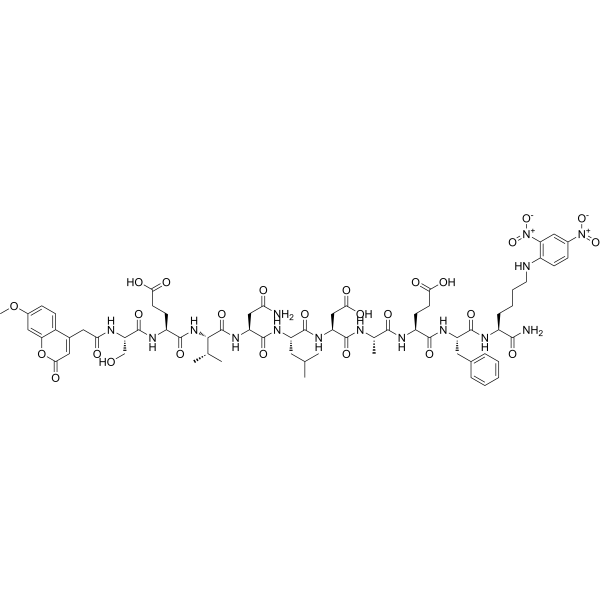
Mca-SEVNLDAEFK(Dnp)-NH2 contains a highly fluorescent 7-methoxycoumarin group that is efficiently quenched by resonance energy transfer to the 2,4-dinitrophenyl group. It can be used to measure the activities of peptidases that are capable of cleaving an amide bond between the fluorescent group and the quencher group, causing an increase in fluorescence, such as can be used to measure the activity of BACE-1 .
|
-
-
- HY-N2284
-
|
|
Cholinesterase (ChE)
Beta-secretase
Phosphodiesterase (PDE)
|
Cancer
|
|
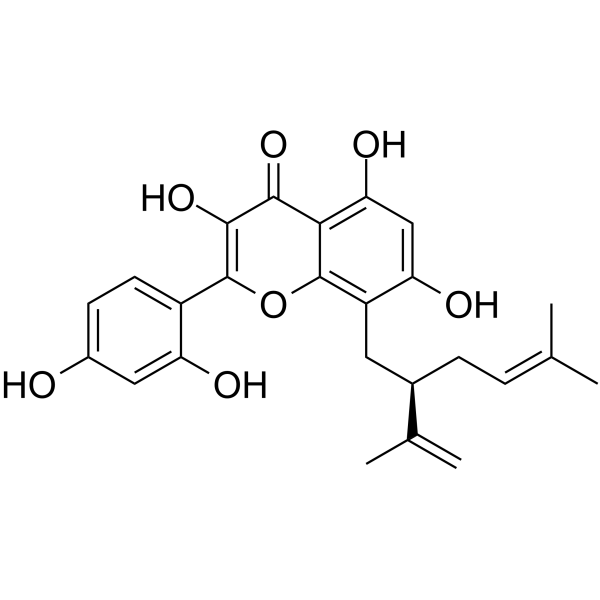
Sophoflavescenol is a prenylated flavonol, which shows great inhibitory activity with IC50 of 0.013 μM against Phosphodiesterase 5 (PDE5), and also inhibits RLAR, HRAR, AGE, BACE1, AChE and BChE with IC50s of 0.30 μM, 0.17 μM, 17.89 μg/mL, 10.98 μM, 8.37 μM and 8.21 μM, respectively.
|
-
-
- HY-108966
-
|
|
Beta-secretase
|
Inflammation/Immunology
|
|
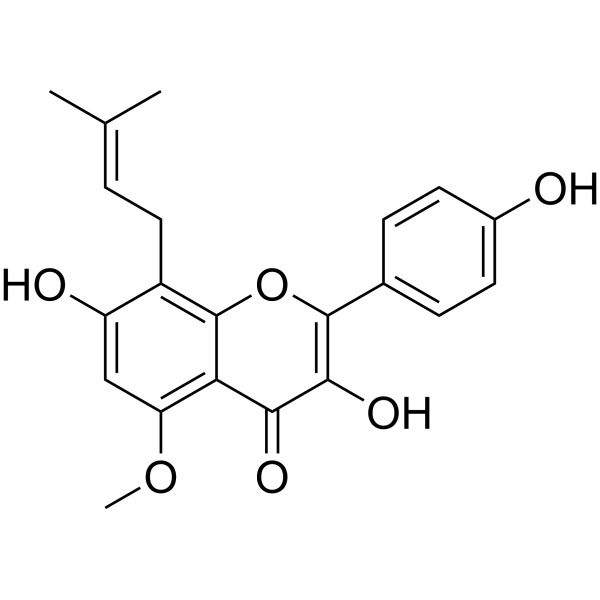
Kushenol C, isolated from the roots of Sophora flavescens, shows anti-Inflammatory and anti-oxidative stress activities. Kushenol C inhibits BACE1 (β-site APP cleaving enzyme 1) with an IC50 of 5.45 µM .
|
-
-
- HY-N7887
-
-
-
- HY-149340
-
|
|
Cholinesterase (ChE)
|
Neurological Disease
|
|
PD07 is an orally active AChE inhibitor (IC50: 0.29 μM for hAChE). PD07 also inhibits ChEs, BACE1 (IC50: 13.42 μM), and Aβ1–42 aggregation in in vitro. PD07 is an antioxidant, and shows DPPH inhibitory activity (IC50: 26.46 μM). PD07 improves memory and cognition in Scopolamine (HY-N0296)-induced amnesia rats. PD07 can be used for research of Alzheimer’s disease .
|
-
-
- HY-175661
-
|
|
Opioid Receptor
Beta-secretase
|
Neurological Disease
|
|
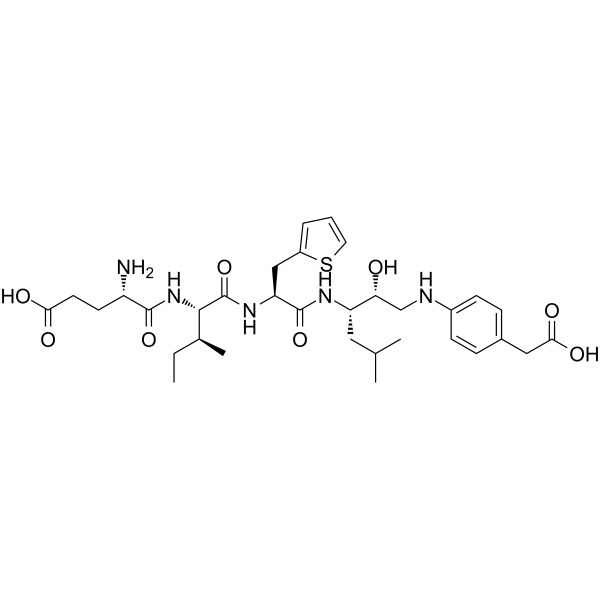
SRI-22136 is a Delta Opioid Receptor (DOR) antagonist that can cross blood-brain barrier with a IC50 of 0.42 nM. SRI-22136 does not have agonistic activity but antagonistic activity against DOR, MOR (IC50 = 370 nM), KOR (IC50 = 54 nM) and can avoid addiction/aversion effects. SRI-22136 can effectively inhibit the BACE1 activity induced by DADLE (a DOR agonist) (HY-105343) (IC50 = 120 nM). SRI-22136 prevents completely Alzheimer’s-like pathology in mouse model. SRI-22136 can used for the study of Alzheimer’s disease .
|
-
-
- HY-P3426
-
|
|
Beta-secretase
|
Cancer
|
|
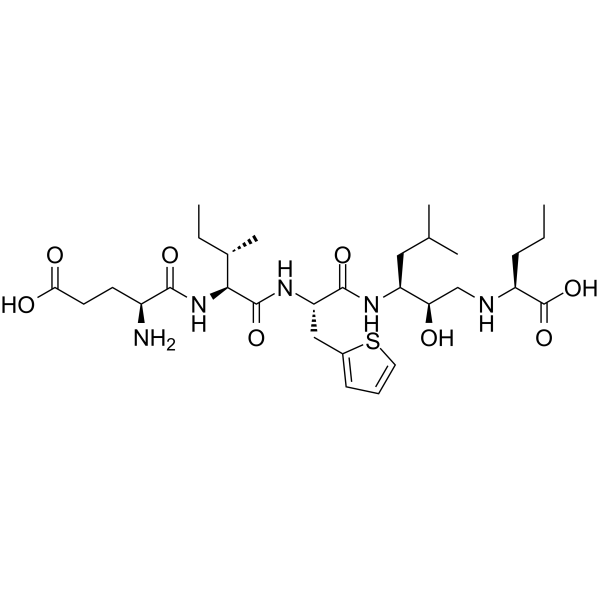
BACE1-IN-10 is a potent BACE1 Inhibitor. BACE1-IN-10 shows sub-micromolar activity against recombinant BACE1 (rBACE1) .
|
-
-
- HY-151348
-
|
|
Beta-secretase
|
Neurological Disease
|
|
BACE1-IN-11 is a BACE1 inhibitor. BACE1-IN-11 has the BACE1 inhibitory activity with an IC50 value of 72 μM. BACE1-IN-11 can be used for the research of Alzheimer’s disease (AD) .
|
-
-
- HY-147851
-
|
|
Beta-secretase
|
Neurological Disease
|
|
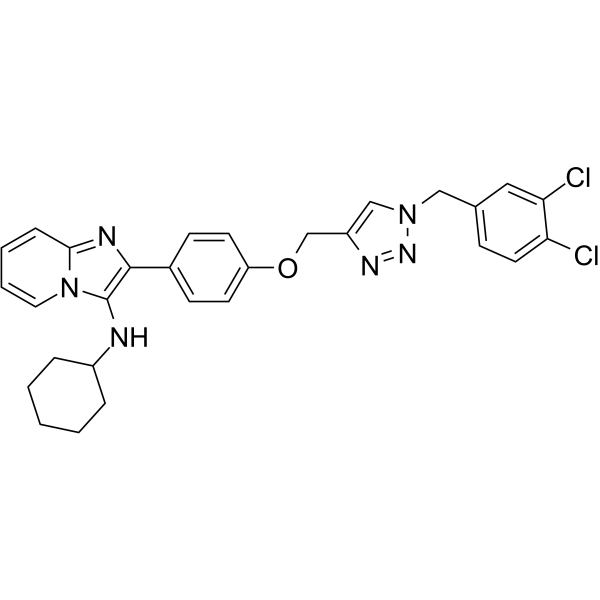
BACE1-IN-12 (compound 7g) is a potent and BBB-penetrated BACE1 inhibitor, with an IC50 of 8.9 µM. BACE1-IN-12 shows selective BuChE (butyrylcholinesterase) inhibitory activity with an IC50 of 3.2 µM. BACE1-IN-12 shows effective antioxidant effect with an IC50 of 10.2 μM (DPPH). BACE1-IN-12 might be served as a potential anti-Alzheimer agent .
|
-
-
- HY-173226
-
|
|
Beta-secretase
|
Neurological Disease
|
|
BACE1-IN-15 (Compound 72) is a selective inhibitor of beta-site amyloid precursor protein cleaving enzyme 1 (BACE-1) with oral activity and the ability to penetrate the blood-brain barrier. Its IC50 value is 121.65 nM (the IC50 value for BACE-2 is 480.92 nM). BACE1-IN-15 can be used in the research of the Alzheimer's disease field
|
-
-
- HY-151260
-
|
|
Beta-secretase
Cholinesterase (ChE)
GSK-3
|
Neurological Disease
|
|
AChE/BACE1/GSK3β-IN-1 is an orally active triple inhibitor of AChE/BACE1/GSK3β. AChE/BACE1/GSK3β-IN-1 has effective inhibitory activity against AChE, BACE1 and GSK3β with IC50 values of 1.0 μM, 20 μM and 15 μM, respectively. AChE/BACE1/GSK3β-IN-1 has good blood-brain barrier penetrability, suitable bioavailability. AChE/BACE1/GSK3β-IN-1 can be used for the research of Alzheimer's disease (AD) .
|
-
-
- HY-P4899
-
|
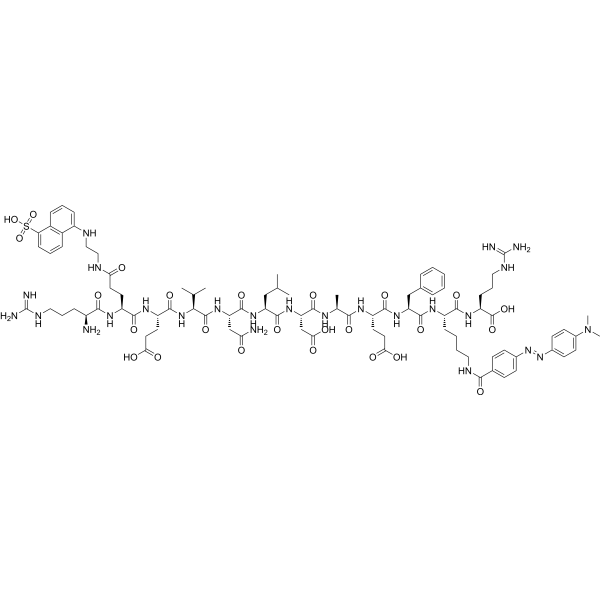
RE(EDANS)EVNLDAEFK(DABCYL)R
|
Beta-secretase
|
Neurological Disease
|
|
β-Secretase substrate VI, fluorogenic is an EDANS and DABCYL double-labeled peptide,serves as a fluorescent substrate for BACE1(Em=360nm,Ex=528nm). β-Secretase substrate VI, fluorogenic can be used for BACE1 activity measurement and the enzyme activity level is directly proportional to the fluorescence reaction .
|
-
-
- HY-147658
-
|
|
Cholinesterase (ChE)
Beta-secretase
ROS Kinase
|
Neurological Disease
|
|
AChE/BChE/BACE-1-IN-1 (Compound 4k) is an orally active inhibitor of AChE, BChE, and BACE-1 with IC50 values of 0.058, 0.082 and 0.115 μM against hAChE, hBChE and hBACE-1, respectively. AChE/BChE/BACE-1-IN-1 shows considerable PAS-AChE binding capability, excellent brain permeation, potential disassembly of Aβ aggregates, and neuroprotective activity against Aβ-induced stress. AChE/BChE/BACE-1-IN-1 has remarkable antioxidant potential .
|
-
-
- HY-147659
-
|
|
Cholinesterase (ChE)
Beta-secretase
ROS Kinase
|
Neurological Disease
|
|
AChE/BChE/BACE-1-IN-2 (Compound 4o) is an orally active inhibitor of AChE, BChE, and BACE-1 with IC50 values of 0.069, 0.127 and 0.097 μM against hAChE, hBChE and hBACE-1, respectively. AChE/BChE/BACE-1-IN-2 shows considerable PAS-AChE binding capability, excellent brain permeation, potential disassembly of Aβ aggregates, and neuroprotective activity against Aβ-induced stress. AChE/BChE/BACE-1-IN-2 has remarkable antioxidant potential .
|
-
-
- HY-N2215R
-
|
|
Reference Standards
Beta-secretase
|
Neurological Disease
|
|
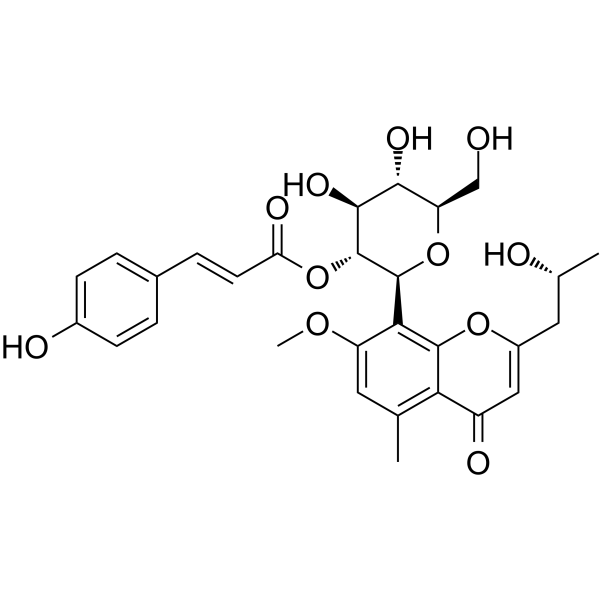
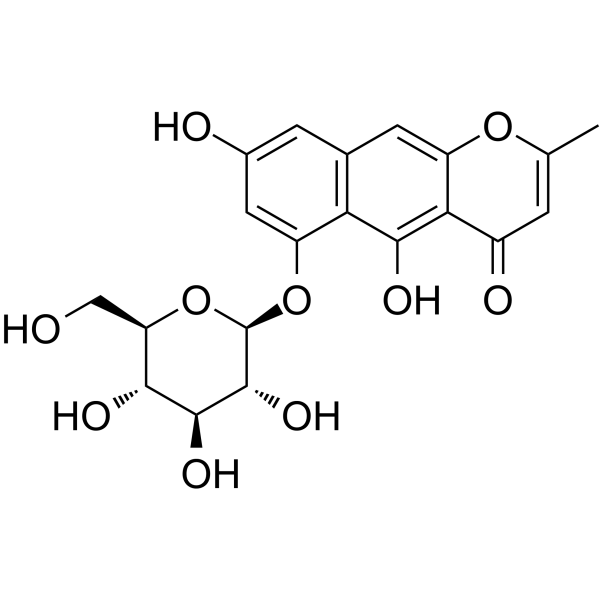
Aloeresin D (Standard) is the analytical standard of Aloeresin D. This product is intended for research and analytical applications. Aloeresin D is a chromone glycoside isolated from Aloe vera, inhibits β-Secretase (BACE1) activity, with an IC50 of 39 μM .
|
-
-
- HY-W750970
-
|
|
Beta-secretase
Cholinesterase (ChE)
|
Neurological Disease
|
|
2-Acetoxyacorenone (compound 8) is a sesquiterpenoid, which can be isolated from the rhizome of Acorus tatarinowii. 2-Acetoxyacorenone has potent AChE and β-BACE1 inhibitory activity and can be used in the study of Alzheimer's disease .
|
-
-
- HY-155304
-
|
|
Cholinesterase (ChE)
|
Neurological Disease
|
|
BuChE-IN-8 (compound 19c) is a butyrylcholinesterase (BuChE) inhibitor with an IC50 of 559 nM. BuChE-IN-8 possesses human β-secretase (BACE1) and Aβ40 aggregation inhibitory activities. BuChE-IN-8 has significant antiamnesic properties .
|
-
-
- HY-N0231R
-
|
Broussochalcone B (Standard)
|
Reference Standards
Bacterial
Antibiotic
NF-κB
PERK
Apoptosis
Autophagy
|
Infection
Neurological Disease
Inflammation/Immunology
Cancer
|
|
Bavachalcone (Standard) is the analytical standard of Bavachalcone. This product is intended for research and analytical applications. Bavachalcone is a potent inducer of apoptosis. Bavachalcone exerts anticancer activity by promoting autophagy and apoptosis in HepG2 cells. Bavachalcone acts as an anti-neuroinflammatory and antidepressant through the NF-κB pathway. Bavachalcone inhibits osteoclasts by interfering with ERK and Akt signaling pathways and the expression of c-Fos and NFATc1. Bavachalcone exhibits a significant inhibitory effect on baculovirus-expressed BACE-1 in vitro .
|
-
-
- HY-157527
-
|
|
Cholinesterase (ChE)
Beta-secretase
|
Neurological Disease
|
|
hAChE-IN-7 (compound 5s) is a mixed inhibitor affecting both the catalytic active site (CAS) and peripheral anionic site (PAS) of hAChE. hAChE-IN-7 displays the balanced inhibitory effect on hAChE (IC50=69.8 nM) and hBuChE (IC50=68.0 nM), and exhibits inhibitory activity against β-secretase-1 (BACE-1) (IC50=3.6 μM). hAChE-IN-7 has the potential for Alzheimer's disease (AD) research .
|
-
-
- HY-155085
-
|
|
Monoamine Oxidase
Amyloid-β
Cholinesterase (ChE)
|
Neurological Disease
|
|
hAChE-IN-3 (compounds 5c) is a potent and blood-brain barrier permeable AChE, BuChE, MAO-B-IN-1 and BACE-1 inhibitor, with IC50 values of 0.44, 0.08, 5.15 and 0.38 μM, respectively. hAChE-IN-3 has antioxidant activity and metal chelating ability. In addition, hAChE-IN-3 can bind to peripheral anion sites, and affect β amyloid and reduce Alzheimer's-associated neurodegeneration. hAChE-IN-3 has the potential for the research of Alzheimer's disease .
|
-
-
- HY-129133
-
|
|
Drug Isomer
|
Others
|
|
cis-Miyabenol C is an isomer of the resveratrol trimer Miyabenol C, which can be isolated from grape herbs. Miyabenol C is an inhibitor of β-amyloid (Aβ) and amyloid β precursor protein (APP) in Alzheimer's disease model mice, and inhibit β-secretase activity without changing the protein level of β-secretase BACE1 .
|
-
-
- HY-N0249R
-
|
|
Reference Standards
Amyloid-β
|
Neurological Disease
|
|
Saikosaponin C (Standard) is the analytical standard of Saikosaponin C. This product is intended for research and analytical applications. Saikosaponin C is a bioactive component found in radix bupleuri, targets amyloid beta and tau in Alzheimer's disease. Saikosaponin C inhibits the secretion of both Aβ1-40 and Aβ1-42, and suppresses abnormal tau phosphorylation, but shows no effect on BACE1 activity and expression .
|
-
-
- HY-115973
-
|
|
Cholinesterase (ChE)
|
Neurological Disease
|
|
AChE-IN-11 (compound 5C) is a triple inhibitor targeting AChE/MAO-B/BACE1 (IC50=7.9 μM, 9.9 μM, 8.3 μM, respectively) and a selective metal ion chelators. AChE-IN-11 exhibits mixed AChE inhibitory effects, binding to both CAS and PAS of AChE. AChE-IN-11 also exhibits good antioxidant activity (ORAC=2.5 eq) and potential neuroprotective effects in Alzheimer's disease .
|
-
-
- HY-N0631R
-
|
|
Reference Standards
Prostaglandin Receptor
ERK
p38 MAPK
Acyltransferase
TNF Receptor
COX
Cholinesterase (ChE)
Interleukin Related
JNK
NO Synthase
NF-κB
|
Neurological Disease
Inflammation/Immunology
|
|
Cornuside (Standard) is the analytical standard of Cornuside (HY-N0631). This product is intended for research and analytical applications. Cornuside is an iridoid glycoside with anti-allergic, anti-inflammatory, and neuroprotective activities. Cornuside exerts anti-allergic activity by downregulating the p38 MAPK, JNK, and NF-κB signaling pathways, and inhibits IgE-mediated histamine release from mast cells. Cornuside improves cognitive impairment in mice by inhibiting BACE1 activity (IC50 = 55.84 μg/mL) and enhancing ChAT activity. Cornuside inhibits LPS (HY-D1056)-induced inflammatory mediators, including iNOS, COX-2, PGE2, TNF-α, IL-6, and IL-1β, by suppressing NF-κB activation.
|
-
-
- HY-N18261
-
|
|
Beta-secretase
|
Neurological Disease
|
|
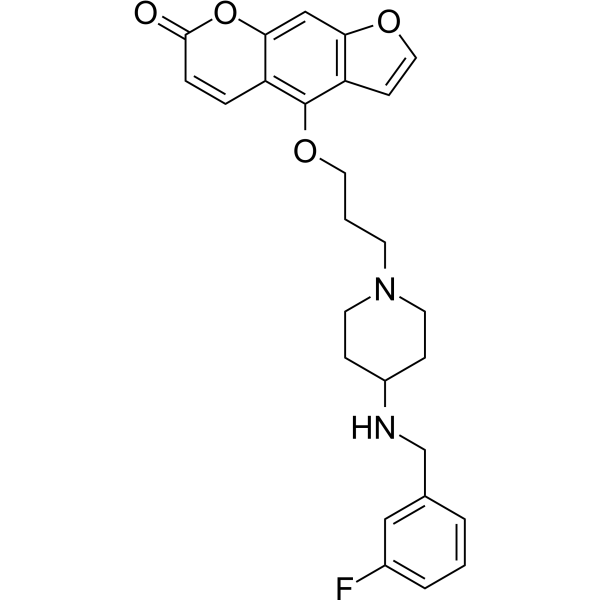
8-geranyloxy-5-methoxypsoralen is a BACE1 inhibitor with an IC50 of 11.1 μM. 8-geranyloxy-5-methoxypsoralen potently inhibits BACE1 activity. 8-Geranyloxy-5-methoxypsoralen can be used for the research of Alzheimer's disease .
|
-
-
- HY-116580
-
|
|
Endogenous Metabolite
|
Neurological Disease
|
|
AZD-3289 is a potent BACE1 inhibitor with potential Alzheimer's disease inhibitory activity. The application of AZD-3289 is intended to slow the pathological progression of Alzheimer's disease by inhibiting the production of β-amyloid protein. The development of AZD-3289 responds to the need to reduce neurodegenerative changes associated with Alzheimer's disease. As a BACE1 inhibitor, AZD-3289 can effectively reduce the accumulation of β-amyloid peptide in the brain, which may improve cognitive function .
|
-
-
- HY-125405
-
|
|
Beta-secretase
Amyloid-β
|
Neurological Disease
|
|
AZ3971 is an orally active, blood-brain barrier permeable BACE1 inhibitor that does not affect the activity of γ-secretase. AZ3971 reduces the production of Aβ. AZ3971 can be used for the research of Alzheimer's disease .
|
-
-
- HY-W347202
-
|
|
COX
|
Neurological Disease
Inflammation/Immunology
|
|
N-Caffeoyl serotonin is a COX-2 inhibitor, with IC50 and Kᵢ values of 42.5 μM and 65.5 μM against COX-2, respectively. N-Caffeoyl serotonin exhibits weak inhibitory activity against BACE1, with an IC50 > 400 μM. N-Caffeoyl serotonin has free radical scavenging activity. N-Caffeoyl serotonin can be used in the research of allergic diseases and Alzheimer's disease .
|
-
-
- HY-182786
-
|
|
Cholinesterase (ChE)
Monoamine Oxidase
Beta-secretase
COX
Amyloid-β
|
Neurological Disease
|
|
MAO-B-IN-56 is a multi-target-directed ligand with AChE, BChE, MAO-B, and BACE1 inhibitory activity, with IC50 values of 0.35 μM, 3.22 μM, 0.14 μM, and 3.85 μM respectively, and shows selectivity for AChE over BChE and MAO-B over MAO-A.MAO-B-IN-56 reduces amyloid-beta production, reduces paw edema, improves spatial memory, and enhances Alzheimer's disease hallmarks and associated histopathological alterations.MAO-B-IN-56 can be used for the research of alzheimer's disease .
|
-
-
- HY-N1255A
-
|
(-)-Scoulerine hydrochloride; Discretamine hydrochloride
|
Apoptosis
PI3K
Akt
mTOR
Adrenergic Receptor
GABA Receptor
Beta-secretase
Bcl-2 Family
|
Cancer
|
|
Scoulerine ((-)-Scoulerine; Discretamine) hydrochloride is a multi-target inhibitor with anti-tumor and antioxidant activities. Scoulerine hydrochloride mainly targets the PI3K/Akt/mTOR signaling axis and α1D-adrenergic receptor, disrupts microtubule structure, and induces cell cycle arrest and apoptosis. Scoulerine hydrochloride effectively inhibits mitochondrial dehydrogenase activity, targets GABA receptors and BACE1, and suppresses the proliferation, migration, invasion, epithelial-mesenchymal transition and stem cell properties of cancer cells. Scoulerine hydrochloride also exhibits multiple pharmacological activities including anti-Plasmodium falciparum, antibacterial, antiemetic and antitussive effects, and regulates endoplasmic reticulum stress and mitochondrial function (modulates Bax, Bcl-2 and cytochrome c). Scoulerine hydrochloride is applicable to research related to leukemia, ovarian cancer, and colorectal cancer .
|
-
| Cat. No. |
Product Name |
Type |
-
- HY-15908
-
|
Disodium bicinchoninate
|
Biochemical Assay Reagents
|
|
BCA (Disodium bicinchoninate) is an orally active and non-competitive Beta-site amyloid precursor protein cleaving enzyme 1 (BACE1) inhibitor with an IC50 value of 28 µM, a Ki value of 43 µM. BCA shows anticancer activity. BCA has the potential for the research of Alzheimer's disease (AD) .
|
| Cat. No. |
Product Name |
Target |
Research Area |
-
- HY-P4920
-
|
|
Fluorescent Dye
|
Others
|
|
Mca-SEVNLDAEFK(Dnp)-NH2 contains a highly fluorescent 7-methoxycoumarin group that is efficiently quenched by resonance energy transfer to the 2,4-dinitrophenyl group. It can be used to measure the activities of peptidases that are capable of cleaving an amide bond between the fluorescent group and the quencher group, causing an increase in fluorescence, such as can be used to measure the activity of BACE-1 .
|
-
- HY-P3426
-
|
|
Beta-secretase
|
Cancer
|
|
BACE1-IN-10 is a potent BACE1 Inhibitor. BACE1-IN-10 shows sub-micromolar activity against recombinant BACE1 (rBACE1) .
|
-
- HY-P4899
-
|
RE(EDANS)EVNLDAEFK(DABCYL)R
|
Beta-secretase
|
Neurological Disease
|
|
β-Secretase substrate VI, fluorogenic is an EDANS and DABCYL double-labeled peptide,serves as a fluorescent substrate for BACE1(Em=360nm,Ex=528nm). β-Secretase substrate VI, fluorogenic can be used for BACE1 activity measurement and the enzyme activity level is directly proportional to the fluorescence reaction .
|
| Cat. No. |
Product Name |
Category |
Target |
Chemical Structure |
-
- HY-N0226A
-
-
-
- HY-N0631
-
Cornuside
Maximum Cited Publications
6 Publications Verification
|
Structural Classification
Iridoids
Cornaceae
Classification of Application Fields
Cornus officinalis Sieb. et Zucc.
Terpenoids
Phenols
Polyphenols
Plants
Inflammation/Immunology
Disease Research Fields
Source Classification
|
p38 MAPK
NF-κB
JNK
Cholinesterase (ChE)
Acyltransferase
NO Synthase
Interleukin Related
TNF Receptor
Prostaglandin Receptor
ERK
COX
|
|
Cornuside is an iridoid glycoside with anti-allergic, anti-inflammatory, and neuroprotective activities. Cornuside exerts anti-allergic activity by downregulating the p38 MAPK, JNK, and NF-κB signaling pathways, and inhibits IgE-mediated histamine release from mast cells. Cornuside improves cognitive impairment in mice by inhibiting BACE1 activity (IC50 = 55.84 μg/mL) and enhancing ChAT activity. Cornuside inhibits LPS (HY-D1056)-induced inflammatory mediators, including iNOS, COX-2, PGE2, TNF-α, IL-6, and IL-1β, by suppressing NF-κB activation .
|
-
-
- HY-N0226
-
-
-
- HY-N0231
-
-
-
- HY-N1255
-
|
(-)-Scoulerine; Discretamine
|
Alkaloids
Structural Classification
other families
Classification of Application Fields
Phenols
Polyphenols
Plants
Isoquinoline Alkaloids
Disease Research Fields
Source Classification
Cancer
|
Bcl-2 Family
Apoptosis
mTOR
GABA Receptor
PI3K
Adrenergic Receptor
Beta-secretase
Akt
|
|
Scoulerine ((-)-Scoulerine; Discretamine) hydrochloride is a multi-target inhibitor with anti-tumor and antioxidant activities. Scoulerine mainly targets the PI3K/Akt/mTOR signaling axis and α1D-adrenergic receptor, disrupts microtubule structure, and induces cell cycle arrest and apoptosis. Scoulerine effectively inhibits mitochondrial dehydrogenase activity, targets GABA receptors and BACE1, and suppresses the proliferation, migration, invasion, epithelial-mesenchymal transition and stem cell properties of cancer cells. Scoulerine also exhibits multiple pharmacological activities including anti-Plasmodium falciparum, antibacterial, antiemetic and antitussive effects, and regulates endoplasmic reticulum stress and mitochondrial function (modulates Bax, Bcl-2 and cytochrome c). Scoulerine is applicable to research related to leukemia, ovarian cancer, and colorectal cancer .
|
-
-
- HY-N1280
-
-
-
- HY-N2215
-
-
-
- HY-N2284
-
|
|
Flavonols
Flavonoids
Classification of Application Fields
Leguminosae
Phenols
Polyphenols
Sophora flavescens Aiton
Plants
Disease Research Fields
Source Classification
Cancer
|
Cholinesterase (ChE)
Beta-secretase
Phosphodiesterase (PDE)
|
|
Sophoflavescenol is a prenylated flavonol, which shows great inhibitory activity with IC50 of 0.013 μM against Phosphodiesterase 5 (PDE5), and also inhibits RLAR, HRAR, AGE, BACE1, AChE and BChE with IC50s of 0.30 μM, 0.17 μM, 17.89 μg/mL, 10.98 μM, 8.37 μM and 8.21 μM, respectively.
|
-
-
- HY-108966
-
-
-
- HY-N7887
-
-
-
- HY-N2215R
-
-
-
- HY-W750970
-
-
-
- HY-N0231R
-
-
-
- HY-129133
-
|
|
Vitis vinifera cv. Zalema
Phenols
Plants
Vitaceae
Source Classification
|
Drug Isomer
|
|
cis-Miyabenol C is an isomer of the resveratrol trimer Miyabenol C, which can be isolated from grape herbs. Miyabenol C is an inhibitor of β-amyloid (Aβ) and amyloid β precursor protein (APP) in Alzheimer's disease model mice, and inhibit β-secretase activity without changing the protein level of β-secretase BACE1 .
|
-
-
- HY-N0249R
-
-
-
- HY-N0631R
-
|
|
Structural Classification
Iridoids
Cornaceae
Cornus officinalis Sieb. et Zucc.
Terpenoids
Phenols
Polyphenols
Plants
Source Classification
|
Reference Standards
Prostaglandin Receptor
ERK
p38 MAPK
Acyltransferase
TNF Receptor
COX
Cholinesterase (ChE)
Interleukin Related
JNK
NO Synthase
NF-κB
|
|
Cornuside (Standard) is the analytical standard of Cornuside (HY-N0631). This product is intended for research and analytical applications. Cornuside is an iridoid glycoside with anti-allergic, anti-inflammatory, and neuroprotective activities. Cornuside exerts anti-allergic activity by downregulating the p38 MAPK, JNK, and NF-κB signaling pathways, and inhibits IgE-mediated histamine release from mast cells. Cornuside improves cognitive impairment in mice by inhibiting BACE1 activity (IC50 = 55.84 μg/mL) and enhancing ChAT activity. Cornuside inhibits LPS (HY-D1056)-induced inflammatory mediators, including iNOS, COX-2, PGE2, TNF-α, IL-6, and IL-1β, by suppressing NF-κB activation.
|
-
-
- HY-N18261
-
-
-
- HY-N1255A
-
|
(-)-Scoulerine hydrochloride; Discretamine hydrochloride
|
Structural Classification
Alkaloids
Phenols
Polyphenols
Umbelliferae
Plants
Isoquinoline Alkaloids
Carphephorus corymbosus (Nutt.) Torr. & A.Gray
Source Classification
|
Apoptosis
PI3K
Akt
mTOR
Adrenergic Receptor
GABA Receptor
Beta-secretase
Bcl-2 Family
|
|
Scoulerine ((-)-Scoulerine; Discretamine) hydrochloride is a multi-target inhibitor with anti-tumor and antioxidant activities. Scoulerine hydrochloride mainly targets the PI3K/Akt/mTOR signaling axis and α1D-adrenergic receptor, disrupts microtubule structure, and induces cell cycle arrest and apoptosis. Scoulerine hydrochloride effectively inhibits mitochondrial dehydrogenase activity, targets GABA receptors and BACE1, and suppresses the proliferation, migration, invasion, epithelial-mesenchymal transition and stem cell properties of cancer cells. Scoulerine hydrochloride also exhibits multiple pharmacological activities including anti-Plasmodium falciparum, antibacterial, antiemetic and antitussive effects, and regulates endoplasmic reticulum stress and mitochondrial function (modulates Bax, Bcl-2 and cytochrome c). Scoulerine hydrochloride is applicable to research related to leukemia, ovarian cancer, and colorectal cancer .
|
-
Your information is safe with us. * Required Fields.
Inquiry Information
- Product Name:
- Cat. No.:
- Quantity:
- MCE Japan Authorized Agent:

