

Search Result
Results for "
adjuvant arthritis
" in MedChemExpress (MCE) Product Catalog:
2
Isotope-Labeled Compounds
| Cat. No. |
Product Name |
Target |
Research Areas |
Chemical Structure |
-
- HY-100754
-
|
PF-06651600
|
JAK
Interleukin Related
STAT
|
Inflammation/Immunology
|
|
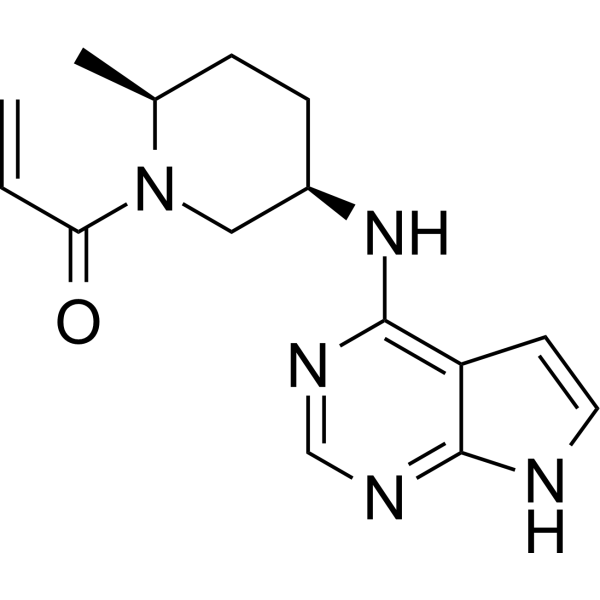
Ritlecitinib (PF-06651600) is a highly selective, orally active, irreversible covalent JAK3 inhibitor (IC50=33 nM) without inhibitory activity towards JAK1, JAK2, and TYK2 (IC50 >10 μ M). Ritlecitinib rapidly inactivates the JAK3 kinase, and blocks signaling and downstream STAT phosphorylation mediated by common gamma chain cytokines such as IL-2 and IL-15. Ritlecitinib can inhibit Th1/Th17 cell differentiation and function, and effectively suppress preclinical animal models such as alopecia areata, adjuvant-induced arthritis (AIA), and experimental autoimmune encephalomyelitis (EAE) .
|
-
-
- HY-153808
-
|
|
Toll-like Receptor (TLR)
|
Inflammation/Immunology
|
|
Complete Freund's adjuvant (CFA) is an immunoadjuvant emulsified with antigen by its discoverer Jules T. Freund to enhance an animal's immune response to an antigen. Complete Freund's adjuvant (CFA) is also an inducer of the Th1 immune response and a ligand of TLRs. Complete Freund's adjuvant (CFA) contains heat-killed inactive tuberculosis bacilli and consists of a paraffin oil-in-water emulsion. Complete Freund's adjuvant (CFA) stimulates a strong and durable immune response and can be used to induce persistent inflammatory pain models in mice, experimental autoimmune myocarditis (EAM) models, and more. Incomplete Freund's adjuvant (IFA) (HY-153808A) is another type of Freund's Adjuvant that stimulates a weaker immune response .
|
-
-
- HY-153808A
-
|
|
Bacterial
|
Inflammation/Immunology
Cancer
|
|
Incomplete Freund's adjuvant (IFA) (Montanide ISA-51) is an immunoadjuvant emulsified with antigen by its discoverer Jules T. Freund. Incomplete Freund's adjuvant (IFA) does not contain inactivated tuberculosis bacilli and consists of petroleum jelly containing lanolin. Incomplete Freund's adjuvant (IFA) induces high antibody titers and long-lasting effector T cell responses with no long-term effects on collagen disease, tumors, or death. Complete Freund's adjuvant (CFA) (HY-153808) is another type of Freund's Adjuvant that stimulates a stronger immune response .
|
-
-
- HY-153808B
-
|
|
Toll-like Receptor (TLR)
|
Inflammation/Immunology
|
|
Complete Freund's adjuvant (CFA, 1 mg/ml) is an immunoadjuvant emulsified with antigen that can enhance an animal's immune response to an antigen. Complete Freund's adjuvant (CFA, 1 mg/ml) is also an inducer of the Th1 immune response and a ligand of TLRs. Complete Freund's adjuvant (CFA, 1 mg/ml) contains heat-killed inactive tuberculosis bacilli and consists of a paraffin oil-in-water emulsion. Complete Freund's adjuvant (CFA, 1 mg/ml) stimulates a strong and durable immune response and can be used to induce rheumatoid arthritis in rats, and more .
|
-
-
- HY-N0807
-
|
|
MMP
NF-κB
JAK
Keap1-Nrf2
|
Metabolic Disease
Inflammation/Immunology
Cancer
|
|
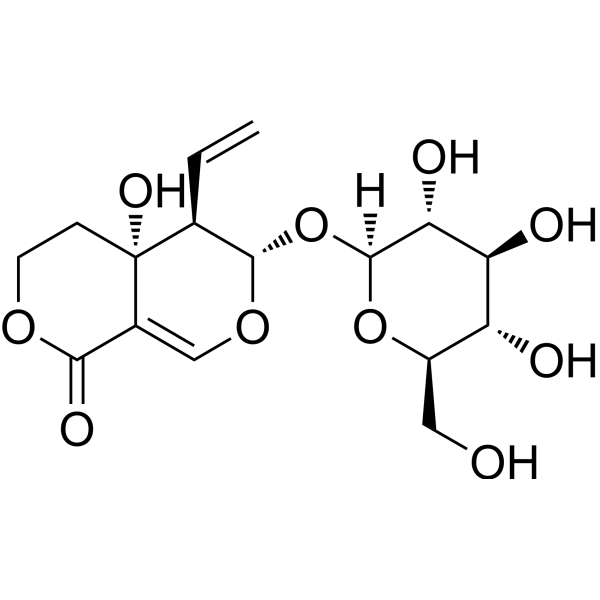
Swertiamarin is an orally active natural product with hypoglycemic, lipid-lowering, anti-rheumatic, and antioxidant activities. Swertiamarin can regulate the levels of pro-inflammatory cytokines, MMP, and NF-κB, and promote osteoblast proliferation. Swertiamarin has antioxidant and hepatoprotective effects against carbon tetrachloride induced rat liver toxicity through the Nrf2/HO-1 pathway. Swertiamarin can attenuate inflammatory mediators by regulating JAK2/STAT3 transcription factors in adjuvant induced arthritis rats. Swertiamarin can be used in the research of diabetes and arthritis .
|
-
-
- HY-B1138
-
|
CL-82204
|
COX
Caspase
|
Infection
Neurological Disease
Inflammation/Immunology
Cancer
|
|
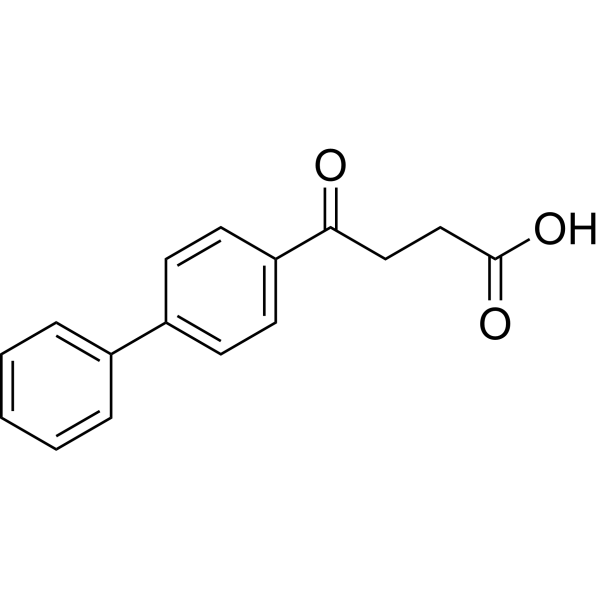
Fenbufen (CL-82204) is an orally active non-steroidal anti-inflammatory drug (NSAID), with analgetic and antipyretic effects. Fenbufen has potent activity in a variety of animal model, including carageenin edema, UV erythema and adjuvant arthritis. Fenbufen has inhibitory activities against COX-1 and COX-2 with IC50s of 3.9 μM and 8.1 μM, respectively. Fenbufen is a caspases (caspase-1, 3, 4, 5, 9) inhibitor .
|
-
-
- HY-100754C
-
|
PF-06651600 tosylate
|
JAK
Interleukin Related
STAT
|
Inflammation/Immunology
|
|
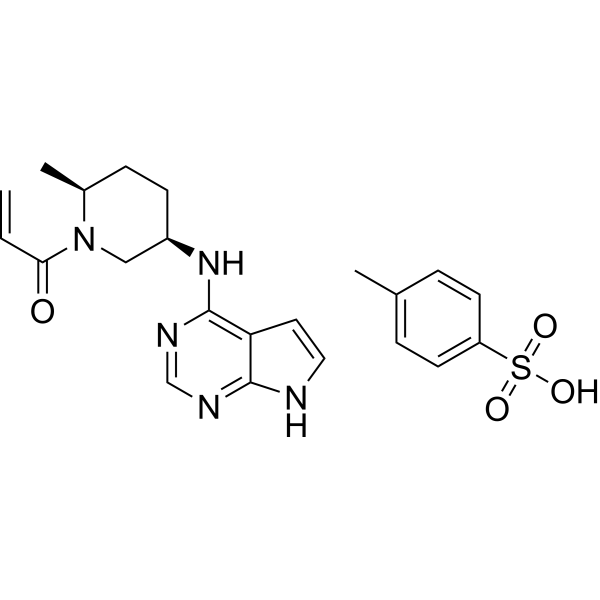
Ritlecitinib (PF-06651600) tosylate is a highly selective, orally active, irreversible covalent JAK3 inhibitor (IC50=33 nM) without inhibitory activity towards JAK1, JAK2, and TYK2 (IC50 >10 μ M). Ritlecitinib tosylate rapidly inactivates the JAK3 kinase, and blocks signaling and downstream STAT phosphorylation mediated by common gamma chain cytokines such as IL-2 and IL-15. Ritlecitinib tosylate can inhibit Th1/Th17 cell differentiation and function, and effectively suppress preclinical animal models such as alopecia areata, adjuvant-induced arthritis (AIA), and experimental autoimmune encephalomyelitis (EAE) .
|
-
-
- HY-116442
-
|
|
Xanthine Oxidase
|
Cardiovascular Disease
Inflammation/Immunology
|
|
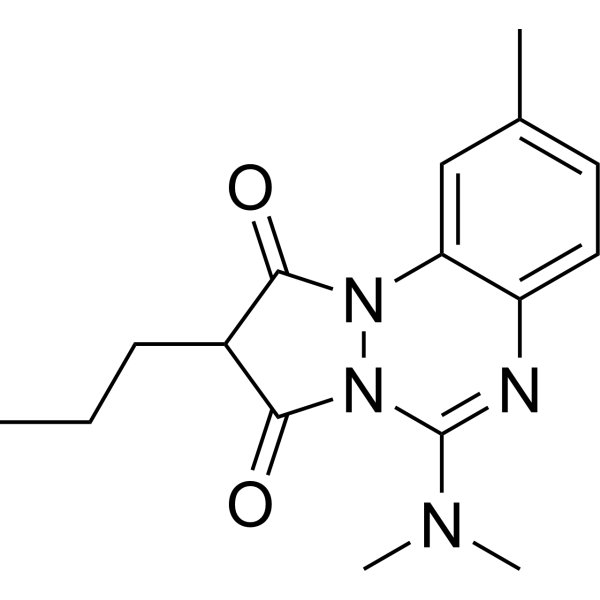
Azapropazone is an orally active nonsteroidal anti-inflammatory agent. Azapropazone inhibits Xanthine oxidase activity with an IC50 of 70-140 μg/mL. Azapropazone exerts significant cardiomyocyte protective effects on dogs with ischemia-reperfusion injury . Azapropazone reduces arthritis. Azapropazone inhibits Adrenaline-induced platelet aggregation. Azapropazone can be used for the research of myocardial ischemia and reperfusion injury, adjuvant arthritis, and gouty arthritis .
|
-
-
- HY-13219
-
|
|
COX
Lipoxygenase
Reactive Oxygen Species (ROS)
NF-κB
|
Neurological Disease
Inflammation/Immunology
|
|
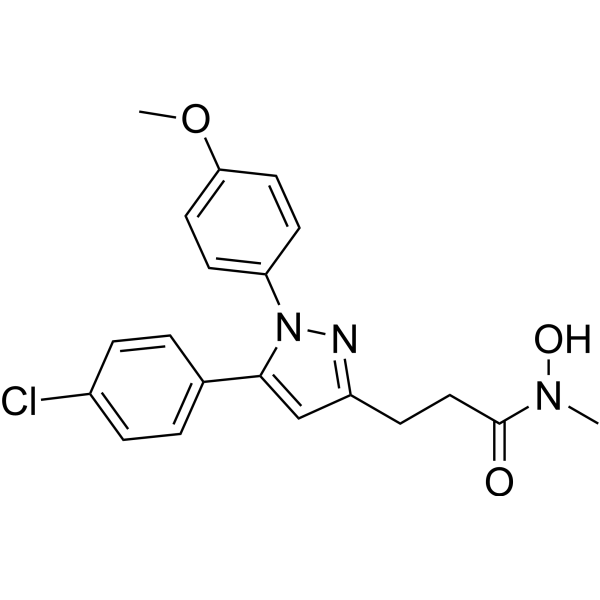
Tepoxalin is an orally active dual inhibitor of Cyclooxygenase/Lipoxygenase, with IC50 values of 4.6 μM (sheep cyclooxygenase), 2.85 μM (rat cyclooxygenase), 0.15 μM (rat 5-lipoxygenase), and 3.0 μM (h12-lipoxygenase), respectively. Tepoxalin inhibits ROS production and NF-κB activation. Tepoxalin suppresses the production of thromboxane B2, leukotriene B4, prostaglandins and cytokines, and blocks platelet aggregation. Tepoxalin exhibits potent anti-inflammatory activity in rats with adjuvant-induced arthritis. Tepoxalin possesses analgesic activity. Tepoxalin shows no ulcerogenic activity within the anti-inflammatory dose range. Tepoxalin can be used in studies related to adjuvant-induced arthritis, skin inflammation and Alzheimer's disease .
|
-
-
- HY-W050088
-
|
HP 549
|
Drug Derivative
|
Neurological Disease
Inflammation/Immunology
|
|
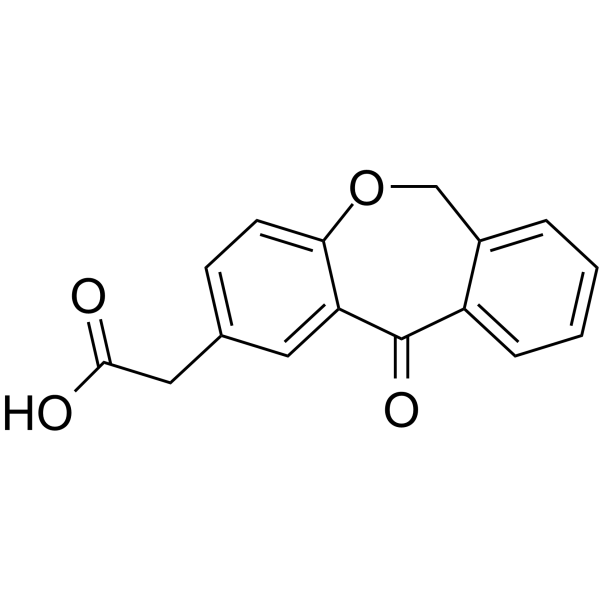
Isoxepac (HP 549) is an orally active non-steroidal anti-inflammatory agent. Isoxepac can inhibit Carrageenan (HY-125474) paw oedema, adjuvant-induced polyarthritis, and prostaglandin synthesis. Isoxepac (200 mg) has an analgesic effect after meniscectomy with a low incidence of side effects. Isoxepac can be used in the research of inflammatory (rheumatoid arthritis) and pain-related diseases .
|
-
-
- HY-P4191A
-
|
|
CCR
|
Inflammation/Immunology
|
|
Met-RANTES (human) acetate is the acetate form of Met-RANTES (human) (HY-P4191). Met-RANTES (human) acetate is the antagonist for CCR1 and CCR5. Met-RANTES (human) acetate inhibits chemokines human MIP-1α and MIP-1β with IC50 of 5 and 2 nM. Met-RANTES (human) acetate reduces bone destruction and ameliorates rats adjuvant-induced arthritis (AIA) .
|
-
-
- HY-17484
-
|
CP 65703
|
Drug Derivative
|
Inflammation/Immunology
|
|
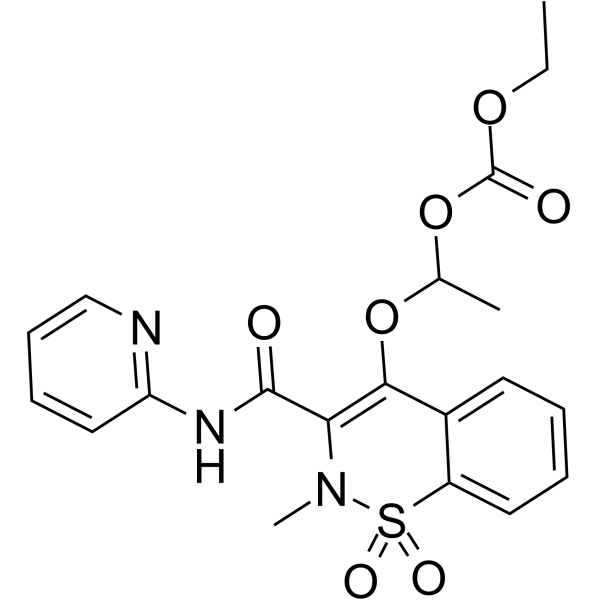
Ampiroxicam is an orally active prodrug of non-steroidal anti-inflammatory drug (NSAID). Ampiroxicam inhibits paw swelling in adjuvant-induced arthritis and acute inflammation models, and suppresses phenylbenzoquinone-induced stretching responses in mice. Ampiroxicam is rapidly and completely converted to Piroxicam (HY-B0253) via non-specific esterases and first-pass metabolism. Ampiroxicam induces contact hypersensitivity and photosensitivity reactions through photoproducts generated by UVA. Ampiroxicam can be used in research related to photosensitivity, adjuvant-induced arthritis, rheumatism, osteoarthritis and other inflammatory diseases .
|
-
-
- HY-151093
-
-
-
- HY-116230
-
|
|
Ser/Thr Protease
|
Inflammation/Immunology
|
|
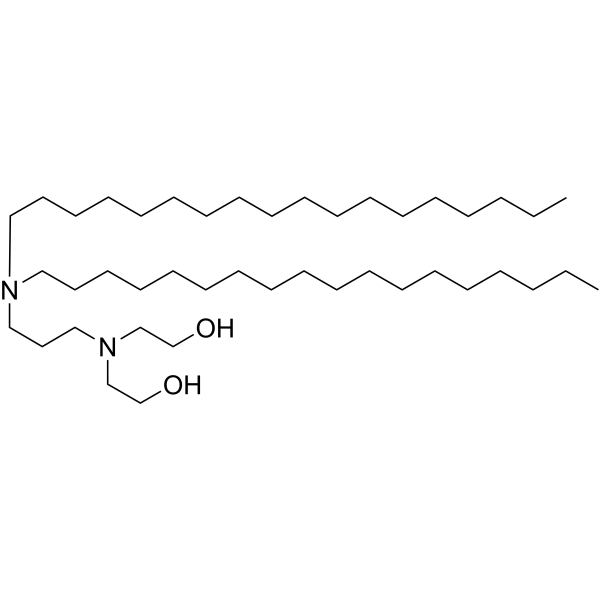
BI-L-45 XX is an orally active anti-inflammatory agent. BI-L-45 XX can inhibit the release of neutrophil enzymes and chemotaxis, and is used in the study of adjuvant-induced arthritis .
|
-
-
- HY-107634
-
-
-
- HY-N2843
-
|
|
Others
|
Inflammation/Immunology
|
|
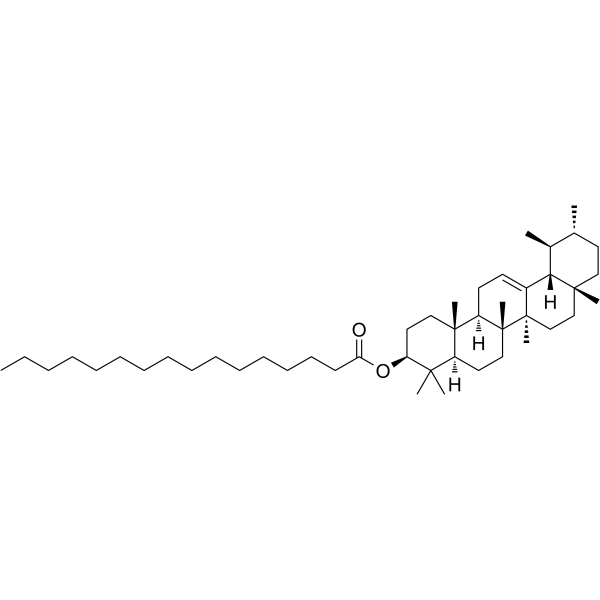
α-Amyrin palmitate is isolated from Santalum album (sandalwood). α-Amyrin palmitate can be used for the study of arthritis in vivo .
|
-
-
- HY-19295
-
|
|
CXCR
|
Inflammation/Immunology
Endocrinology
|
|
TRK-530 sodium is an orally active bisphosphonate. TRK-530 sodium inhibits CINC-1. TRK-530 sodium inhibits dental calculus formation. TRK-530 sodium also inhibits paw edema, joint destruction and osteomyelitis .
|
-
-
- HY-177091
-
|
|
PIKfyve
Interleukin Related
MHC
|
Inflammation/Immunology
|
|
AS2795440 is a PIKfyve inhibitor. AS2795440 selectively inhibits proinflammatory cytokine such as IL-12p40 and IL-6 production and B cell activation without affecting Ca 2+ signaling. AS2795440 significantly reduces joint inflammation and bone loss in adjuvant-induced arthritis (AIA) mice model. AS2795440 can be used for inflammatory and autoimmune diseases like rheumatoid arthritis, psoriasis and inflammatory bowel disease research .
|
-
-
- HY-14305
-
|
|
p38 MAPK
|
Inflammation/Immunology
|
|
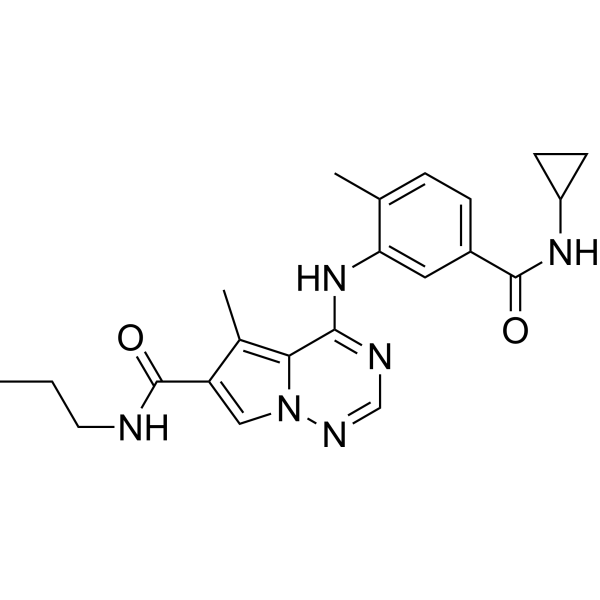
BMS-582949 (compound 7k) is an orally active and highly selective p38α MAP kinase inhibitor, with IC50 values of 13 nM for p38α, and 50 nM for cellular TNFα. BMS-582949 can be used for research on rheumatoid arthritis .
|
-
-
- HY-P4191
-
|
MSPYSSDTTPCCFAYIARPLPRAHIKEYFYTSGKCSN
|
CCR
|
Inflammation/Immunology
|
|
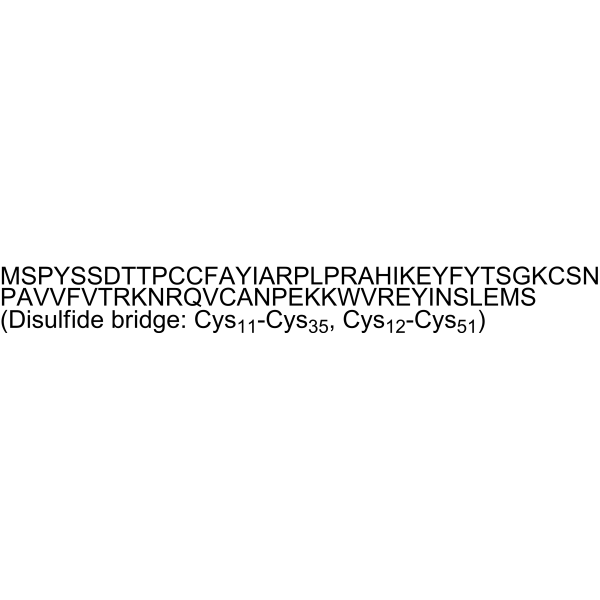
Met-RANTES (human) is the antagonist for CCR1 and CCR5. Met-RANTES (human) inhibits chemokines human MIP-1α and MIP-1β with IC50 of 5 and 2 nM. Met-RANTES (human) reduces bone destruction and ameliorates rats adjuvant-induced arthritis (AIA) .
|
-
-
- HY-W050088S
-
|
HP 549-d6
|
Isotope-Labeled Compounds
Drug Derivative
|
Neurological Disease
Inflammation/Immunology
|
|
Isoxepac-d6 (HP 549-d6) is the deuterium labeled Isoxepac (HY-W050088). Isoxepac (HP 549) is an orally active non-steroidal anti-inflammatory agent. Isoxepac can inhibit Carrageenan (HY-125474) paw oedema, adjuvant-induced polyarthritis, and prostaglandin synthesis. Isoxepac (200 mg) has an analgesic effect after meniscectomy with a low incidence of side effects. Isoxepac can be used in the research of inflammatory (rheumatoid arthritis) and pain-related diseases .
|
-
-
- HY-167676
-
|
|
DNA/RNA Synthesis
|
Inflammation/Immunology
|
|
Cofpropamine, a caffeine derivative that inhibits polyadenylation, enhances the inhibitory effect of cyclophosphamide (HY-17420) in rat adjuvant arthritis and mouse collagen arthritis models .
|
-
-
- HY-100754A
-
|
PF-06651600 malonate
|
JAK
Interleukin Related
STAT
|
Inflammation/Immunology
|
|
Ritlecitinib (PF-06651600) malonate is a highly selective, orally active, irreversible covalent JAK3 inhibitor (IC50=33 nM) without inhibitory activity towards JAK1, JAK2, and TYK2 (IC50 >10 μ M). Ritlecitinib malonate rapidly inactivates the JAK3 kinase, and blocks signaling and downstream STAT phosphorylation mediated by common gamma chain cytokines such as IL-2 and IL-15. Ritlecitinib malonate can inhibit Th1/Th17 cell differentiation and function, and effectively suppress preclinical animal models such as alopecia areata, adjuvant-induced arthritis (AIA), and experimental autoimmune encephalomyelitis (EAE) .
|
-
-
- HY-106027
-
|
RO 31-3948
|
PPAR
|
Metabolic Disease
Inflammation/Immunology
|
|
Romazarit (RO 31-3948) is an anti-inflammatory agent with antirheumatic effect. Romazarit exhibits PPARα agonist activity. Romazarit (30 mg/kg) inhibits the development of hindpaw inflammation in an adjuvant arthritis model .
|
-
-
- HY-120049
-
-
-
- HY-100158
-
|
|
Bacterial
HSV
|
Infection
Inflammation/Immunology
|
|
FCE-20696 hydrochloride is an orally active immunomodulator. FCE-20696 hydrochloride also shows anti-inflammation and anti-infection effects. FCE-20696 hydrochloride can be used for the researches of infection, inflammation and immunology, such as adjuvant arthritis .
|
-
-
- HY-114897
-
|
|
p38 MAPK
|
Inflammation/Immunology
|
|
L-167307 is an effective pyrrole-based p38 kinase inhibitor that can reduce secondary paw swelling in rat adjuvant-induced arthritis models .
|
-
-
- HY-142123
-
|
|
Glucocorticoid Receptor
|
Inflammation/Immunology
|
|
Fluocortolone is an orally active anti-inflammatory agent that effectively reduces plasma fibrinogen levels. Fluocortolone inhibits Mycobacterium butyricum-induced foot edema in a rat model of adjuvanted joint inflammation (3-12 mg/kg) .
|
-
-
- HY-142123R
-
|
|
Glucocorticoid Receptor
Reference Standards
|
Inflammation/Immunology
|
|
Fluocortolone (Standard) is the analytical standard of Fluocortolone. This product is intended for research and analytical applications. Fluocortolone is an orally active anti-inflammatory agent that effectively reduces plasma fibrinogen levels. Fluocortolone inhibits Mycobacterium butyricum-induced foot edema in a rat model of adjuvanted joint inflammation (3-12 mg/kg) .
|
-
-
- HY-114565
-
|
|
Lipoxygenase
Enterovirus
|
Inflammation/Immunology
|
|
LY221068 is an anti-oxidant and an orally active, potent inhibitor of iron-dependent lipid peroxidation and 5-lipoxygenase with antiinflammatory properties. LY221068 inhibits bone damage and paw swelling in the Freund's Complete adjuvant (HY-153808) induced arthritis (FCA) model of rats. LY221068 is promising for research of arthritis .
|
-
-
- HY-116442R
-
|
|
Reference Standards
Xanthine Oxidase
|
Cardiovascular Disease
Inflammation/Immunology
|
|
Azapropazone (Standard) is the analytical standard of Azapropazone (HY-116442). This product is intended for research and analytical applications. Azapropazone is an orally active nonsteroidal anti-inflammatory agent. Azapropazone inhibits Xanthine oxidase activity with an IC50 of 70-140 μg/mL. Azapropazone exerts significant cardiomyocyte protective effects on dogs with ischemia-reperfusion injury . Azapropazone reduces arthritis. Azapropazone inhibits Adrenaline-induced platelet aggregation. Azapropazone can be used for the research of myocardial ischemia and reperfusion injury, adjuvant arthritis, and gouty arthritis .
|
-
-
- HY-17484R
-
|
CP 65703 (Standard)
|
Reference Standards
|
Inflammation/Immunology
|
|
Ampiroxicam (Standard) is the analytical standard of Ampiroxicam. This product is intended for research and analytical applications. Ampiroxicam is an orally active prodrug of non-steroidal anti-inflammatory drug (NSAID). Ampiroxicam inhibits paw swelling in adjuvant-induced arthritis and acute inflammation models, and suppresses phenylbenzoquinone-induced stretching responses in mice. Ampiroxicam is rapidly and completely converted to Piroxicam (HY-B0253) via non-specific esterases and first-pass metabolism. Ampiroxicam induces contact hypersensitivity and photosensitivity reactions through photoproducts generated by UVA. Ampiroxicam can be used in research related to photosensitivity, adjuvant-induced arthritis, rheumatism, osteoarthritis and other inflammatory diseases.
|
-
-
- HY-119530
-
|
BW 57-323
|
Nucleoside Antimetabolite/Analog
|
Others
|
|
Thiamiprine (BW 57-323) is a compound related to azathioprine. Its nucleoside forms are similar to the parent compound in terms of cytotoxicity in vitro (except for the arabinoside). In the rat adjuvant arthritis model in vivo, its riboside and 2'-deoxyriboside are less active than the parent compound. The arabinoside is inactive and nontoxic. It has similar potency to the other parent compounds tested, but has a different safety profile.
|
-
-
- HY-167715
-
|
|
Histamine Receptor
Phosphodiesterase (PDE)
|
Inflammation/Immunology
|
|
Traxanox is an orally available diuretic that enhances phagocytosis of yeast granules by mouse peritoneal macrophages and rat peritoneal polymorphonuclear leukocytes in vitro.
Traxanox inhibits IgE-mediated histamine release and cyclic AMP phosphodiesterase
activity.Traxanox exhibits anti-inflammatory activity, as it inhibits the anaphylactoid reaction and reduces pleural fluid accumulation in experimental models of inflammation. Traxanox also demonstrates a synergistic effect when combined with hydrocortisone or indomethacin in suppressing adjuvant arthritis in rats.
|
-
-
- HY-119530R
-
|
BW 57-323 (Standard)
|
Nucleoside Antimetabolite/Analog
Reference Standards
|
Others
|
|
Thiamiprine (Standard) is the analytical standard of Thiamiprine. This product is intended for research and analytical applications. Thiamiprine (BW 57-323) is a compound related to azathioprine. Its nucleoside forms are similar to the parent compound in terms of cytotoxicity in vitro (except for the arabinoside). In the rat adjuvant arthritis model in vivo, its riboside and 2'-deoxyriboside are less active than the parent compound. The arabinoside is inactive and nontoxic. It has similar potency to the other parent compounds tested, but has a different safety profile.
|
-
-
- HY-114873
-
|
LY25684
|
Phospholipase
COX
Lipoxygenase
Leukotriene Receptor
|
Inflammation/Immunology
|
|
LY256548 (LY25648) is an orally available anti-ischemic and anti-inflammatory compound with central nervous system activity. LY256548 is an inhibitor of phospholipase A2, 5-lipoxygenase (5-LOX), and COX, and inhibits A23187 (HY-N6687)-stimulated leukotriene B4 production. LY256548 inhibits bone damage and paw swelling in the rat Freund's complete adjuvant-induced arthritis (FCA) model .
|
-
-
- HY-119821R
-
|
|
Reference Standards
Glycosidase
|
Infection
|
|
Thiamiprine (Standard) is the analytical standard of Thiamiprine. This product is intended for research and analytical applications. Thiamiprine (BW 57-323) is a compound related to azathioprine. Its nucleoside forms are similar to the parent compound in terms of cytotoxicity in vitro (except for the arabinoside). In the rat adjuvant arthritis model in vivo, its riboside and 2'-deoxyriboside are less active than the parent compound. The arabinoside is inactive and nontoxic. It has similar potency to the other parent compounds tested, but has a different safety profile.
|
-
-
- HY-121856
-
|
|
Others
|
Inflammation/Immunology
|
|
Flumizole, a derivative of substituted 5,6-diaryl-2,3-dihydroimidazo[2,1-b]thiazoles, was synthesized and evaluated for its immunoregulatory and anti-inflammatory properties in animal models such as rat adjuvant-induced arthritis and mouse oxazolone-induced contact sensitivity assays. This compound class combines structural elements from flumizole and levamisole, aiming to enhance therapeutic efficacy. Symmetrically substituted 5,6-diaryl compounds with specific alkyl heteroatom or halogen substitutions showed optimal potency in the arthritis model. However, variations in activity were less consistent in the contact sensitivity assay. Flumizole and related compounds demonstrate potential as dual-action agents, targeting inflammation and immune modulation, offering promise for therapeutic development in immune-related disorders .
|
-
-
- HY-111164
-
|
|
p38 MAPK
Phosphodiesterase (PDE)
|
Inflammation/Immunology
|
|
CBS-3595 is a dual inhibitor of p38 MAP kinase and phosphodiesterase 4 with anti-inflammatory and anti-allodynic activities. CBS-3595 reduces the production of the proinflammatory cytokine IL-6 and increases the levels of the anti-inflammatory cytokine IL-10 in rats. CBS-3595 reduces paw oedema formation in the Complete Freund’s adjuvant (CFA) (HY-153808)-induced arthritis rat model. CBS-3595 is promising for research of autoimmune diseases .
|
-
-
- HY-B1138R
-
|
CL-82204 (Standard)
|
Reference Standards
COX
Caspase
|
Inflammation/Immunology
|
|
Fenbufen (Standard) is the analytical standard of Fenbufen. This product is intended for research and analytical applications. Fenbufen (CL-82204) is an orally active non-steroidal anti-inflammatory drug (NSAID), with analgetic and antipyretic effects. Fenbufen has potent activity in a variety of animal model, including carageenin edema, UV erythema and adjuvant arthritis. Fenbufen has inhibitory activities against COX-1 and COX-2 with IC50s of 3.9 μM and 8.1 μM, respectively. Fenbufen is a caspases (caspase-1, 3, 4, 5, 9) inhibitor .
|
-
-
- HY-B1138S
-
|
|
Isotope-Labeled Compounds
COX
Caspase
|
Inflammation/Immunology
|
|
Fenbufen-d9 (CL-82204-d9) is the deuterium labeled Fenbufen. Fenbufen (CL-82204) is an orally active non-steroidal anti-inflammatory drug (NSAID), with antipyretic effects. Fenbufen has potent activity in a variety of animal model, including carageenin edema, UV erythema and adjuvant arthritis. Fenbufen has inhibitory activities against COX-1 and COX-2 with IC50s of 3.9 μM and 8.1 μM, respectively. Fenbufen is a caspases (caspase-1, 3, 4, 5, 9) inhibitor .
|
-
-
- HY-182506
-
|
BM 12.531
|
Biochemical Assay Reagents
|
Inflammation/Immunology
Cancer
|
|
Azimexon (BM 12.531) is an orally active immunomodulator with radioprotective and antitumor activities. Azimexon prolongs survival in multiple mouse models, enhances immunity and hematopoiesis, and alleviates radiation injury and tumor metastasis. Azimexon causes reversible hemolytic anemia in rats and dogs, and exerts therapeutic activity against adjuvant-induced arthritis in rats. Azimexon can be used for the research of lung carcinoma, leukemia, multiple myeloma, lung tumor, arthritis, breast cancer and AIDS‑related complex .
|
-
-
- HY-181513
-
|
|
Interleukin Related
TNF Receptor
|
Inflammation/Immunology
|
|
DPP-1-IN-2 is a DPP-I inhibitor with a human IC50 of 36.8 nM and oral efficacy. DPP-1-IN-2 binds to intracellular DPP-I, increases its thermal stability, and reduces the activity and expression levels of downstream neutrophil serine proteases by inhibiting its enzymatic activity. DPP-1-IN-2 regulates the secretion of inflammatory factors and chemokines to exert anti-inflammatory effects. DPP-1-IN-2 reverses joint inflammation and tissue damage in adjuvant-induced arthritis rat models. DPP-1-IN-2 is applicable to research related to arthritis .
|
-
-
- HY-W050088R
-
|
HP 549 (Standard)
|
Reference Standards
Drug Derivative
|
Neurological Disease
Inflammation/Immunology
|
|
Isoxepac (Standard) (HP 549 (Standard)) is the analytical standard of Isoxepac (HY-W050088). This product is intended for research and analytical applications. Isoxepac (HP 549) is an orally active non-steroidal anti-inflammatory agent. Isoxepac can inhibit Carrageenan (HY-125474) paw oedema, adjuvant-induced polyarthritis, and prostaglandin synthesis. Isoxepac (200 mg) has an analgesic effect after meniscectomy with a low incidence of side effects. Isoxepac can be used in the research of inflammatory (rheumatoid arthritis) and pain-related diseases .
|
-
-
- HY-100754R
-
|
PF-06651600 (Standard)
|
JAK
Reference Standards
Interleukin Related
STAT
|
Inflammation/Immunology
|
|
Ritlecitinib (Standard) is the analytical standard of Ritlecitinib (HY-100754). This product is intended for research and analytical applications. Ritlecitinib (PF-06651600) is a highly selective, orally active, irreversible covalent JAK3 inhibitor (IC50=33 nM) without inhibitory activity towards JAK1, JAK2, and TYK2 (IC50 >10 μ M). Ritlecitinib rapidly inactivates the JAK3 kinase, and blocks signaling and downstream STAT phosphorylation mediated by common gamma chain cytokines such as IL-2 and IL-15. Ritlecitinib can inhibit Th1/Th17 cell differentiation and function, and effectively suppress preclinical animal models such as alopecia areata, adjuvant-induced arthritis (AIA), and experimental autoimmune encephalomyelitis (EAE) .
|
-
-
- HY-100754CR
-
|
PF-06651600 tosylate (Standard)
|
JAK
Reference Standards
Interleukin Related
STAT
|
Inflammation/Immunology
|
|
Ritlecitinib (tosylate) (Standard) is the analytical standard of Ritlecitinib (tosylate) (HY-100754C). This product is intended for research and analytical applications. Ritlecitinib (PF-06651600) tosylate is a highly selective, orally active, irreversible covalent JAK3 inhibitor (IC50=33 nM) without inhibitory activity towards JAK1, JAK2, and TYK2 (IC50 >10 μ M). Ritlecitinib tosylate rapidly inactivates the JAK3 kinase, and blocks signaling and downstream STAT phosphorylation mediated by common gamma chain cytokines such as IL-2 and IL-15. Ritlecitinib tosylate can inhibit Th1/Th17 cell differentiation and function, and effectively suppress preclinical animal models such as alopecia areata, adjuvant-induced arthritis (AIA), and experimental autoimmune encephalomyelitis (EAE) .
|
-
| Cat. No. |
Product Name |
Target |
Research Area |
-
- HY-P4191A
-
|
|
CCR
|
Inflammation/Immunology
|
|
Met-RANTES (human) acetate is the acetate form of Met-RANTES (human) (HY-P4191). Met-RANTES (human) acetate is the antagonist for CCR1 and CCR5. Met-RANTES (human) acetate inhibits chemokines human MIP-1α and MIP-1β with IC50 of 5 and 2 nM. Met-RANTES (human) acetate reduces bone destruction and ameliorates rats adjuvant-induced arthritis (AIA) .
|
-
- HY-P4191
-
|
MSPYSSDTTPCCFAYIARPLPRAHIKEYFYTSGKCSN
|
CCR
|
Inflammation/Immunology
|
|
Met-RANTES (human) is the antagonist for CCR1 and CCR5. Met-RANTES (human) inhibits chemokines human MIP-1α and MIP-1β with IC50 of 5 and 2 nM. Met-RANTES (human) reduces bone destruction and ameliorates rats adjuvant-induced arthritis (AIA) .
|
-
- HY-P4096C
-
|
|
Peptides
|
Inflammation/Immunology
|
|
Cys-scHAP-1 is an N-terminal cysteine-labeled disordered peptide of HAP-1. Cys-scHAP-1 can be used to construct scHAP-1-targeted liposomes, which bind to human and rabbit fibroblast-like synoviocytes and localize to inflamed joints in vivo in a rat adjuvant-induced arthritis model. Cys-scHAP-1 is applicable to arthritis research .
|
-
- HY-P4096A
-
|
|
Peptides
|
Inflammation/Immunology
|
|
Cys-HAP-1 is a synovium-homing peptide that specifically binds to human and rabbit fibroblast-like synoviocytes, and does not bind to human umbilical vein endothelial cells regardless of TNF-α treatment. Cys-HAP-1 enables targeted drug delivery to inflamed joints after conjugation with liposomes loaded with anti-arthritic agents. Cys-HAP-1 can be used in studies related to adjuvant arthritis .
|
| Cat. No. |
Product Name |
Category |
Target |
Chemical Structure |
-
- HY-N0807
-
-
-
- HY-N2843
-
-
-
- HY-119821R
-
|
|
Structural Classification
Microorganisms
Phenols
Polyphenols
Source Classification
|
Reference Standards
Glycosidase
|
|
Thiamiprine (Standard) is the analytical standard of Thiamiprine. This product is intended for research and analytical applications. Thiamiprine (BW 57-323) is a compound related to azathioprine. Its nucleoside forms are similar to the parent compound in terms of cytotoxicity in vitro (except for the arabinoside). In the rat adjuvant arthritis model in vivo, its riboside and 2'-deoxyriboside are less active than the parent compound. The arabinoside is inactive and nontoxic. It has similar potency to the other parent compounds tested, but has a different safety profile.
|
-
| Cat. No. |
Product Name |
Chemical Structure |
-
- HY-W050088S
-
|
|
|
Isoxepac-d6 (HP 549-d6) is the deuterium labeled Isoxepac (HY-W050088). Isoxepac (HP 549) is an orally active non-steroidal anti-inflammatory agent. Isoxepac can inhibit Carrageenan (HY-125474) paw oedema, adjuvant-induced polyarthritis, and prostaglandin synthesis. Isoxepac (200 mg) has an analgesic effect after meniscectomy with a low incidence of side effects. Isoxepac can be used in the research of inflammatory (rheumatoid arthritis) and pain-related diseases .
|
-
-
- HY-B1138S
-
|
|
|
Fenbufen-d9 (CL-82204-d9) is the deuterium labeled Fenbufen. Fenbufen (CL-82204) is an orally active non-steroidal anti-inflammatory drug (NSAID), with antipyretic effects. Fenbufen has potent activity in a variety of animal model, including carageenin edema, UV erythema and adjuvant arthritis. Fenbufen has inhibitory activities against COX-1 and COX-2 with IC50s of 3.9 μM and 8.1 μM, respectively. Fenbufen is a caspases (caspase-1, 3, 4, 5, 9) inhibitor .
|
-
| Cat. No. |
Product Name |
|
Classification |
-
- HY-153808
-
|
|
|
Adjuvant
|
|
Complete Freund's adjuvant (CFA) is an immunoadjuvant emulsified with antigen by its discoverer Jules T. Freund to enhance an animal's immune response to an antigen. Complete Freund's adjuvant (CFA) is also an inducer of the Th1 immune response and a ligand of TLRs. Complete Freund's adjuvant (CFA) contains heat-killed inactive tuberculosis bacilli and consists of a paraffin oil-in-water emulsion. Complete Freund's adjuvant (CFA) stimulates a strong and durable immune response and can be used to induce persistent inflammatory pain models in mice, experimental autoimmune myocarditis (EAM) models, and more. Incomplete Freund's adjuvant (IFA) (HY-153808A) is another type of Freund's Adjuvant that stimulates a weaker immune response .
|
-
- HY-153808A
-
|
|
|
Adjuvant
|
|
Incomplete Freund's adjuvant (IFA) (Montanide ISA-51) is an immunoadjuvant emulsified with antigen by its discoverer Jules T. Freund. Incomplete Freund's adjuvant (IFA) does not contain inactivated tuberculosis bacilli and consists of petroleum jelly containing lanolin. Incomplete Freund's adjuvant (IFA) induces high antibody titers and long-lasting effector T cell responses with no long-term effects on collagen disease, tumors, or death. Complete Freund's adjuvant (CFA) (HY-153808) is another type of Freund's Adjuvant that stimulates a stronger immune response .
|
-
- HY-153808B
-
|
|
|
Adjuvant
|
|
Complete Freund's adjuvant (CFA, 1 mg/ml) is an immunoadjuvant emulsified with antigen that can enhance an animal's immune response to an antigen. Complete Freund's adjuvant (CFA, 1 mg/ml) is also an inducer of the Th1 immune response and a ligand of TLRs. Complete Freund's adjuvant (CFA, 1 mg/ml) contains heat-killed inactive tuberculosis bacilli and consists of a paraffin oil-in-water emulsion. Complete Freund's adjuvant (CFA, 1 mg/ml) stimulates a strong and durable immune response and can be used to induce rheumatoid arthritis in rats, and more .
|
Your information is safe with us. * Required Fields.
Inquiry Information
- Product Name:
- Cat. No.:
- Quantity:
- MCE Japan Authorized Agent:

