1. Search Result
Search Result
Results for "

cartilage

" in MedChemExpress (MCE) Product Catalog:

128

Inhibitors & Agonists

1

Screening Libraries

2

Fluorescent Dye

36

Biochemical Assay Reagents

20

Peptides

3

MCE Kits

4

Inhibitory Antibodies

18

Natural
Products

7

Recombinant Proteins

2

Isotope-Labeled Compounds

6

Antibodies

5

Oligonucleotides

Cat. No. Product Name Target Research Areas Chemical Structure
  • HY-B1125
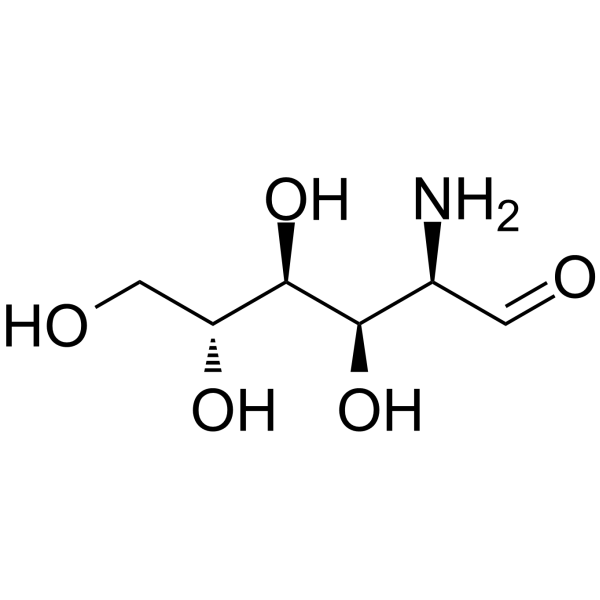
    Glucosamine
    Maximum Cited Publications
    11 Publications Verification

    D-Glucosamine; Chitosamine

    CFTR Endogenous Metabolite Reactive Oxygen Species (ROS) HIF/HIF Prolyl-Hydroxylase Autophagy Inflammation/Immunology Cancer
    Glucosamine (D-Glucosamine) is an amino sugar and a prominent precursor in the biochemical synthesis of glycosylated proteins and lipids, is used as a dietary supplement. Glucosamine also is a natural constituent of glycosaminoglycans in the cartilage matrix and synovial fluid, which when administered exogenously, exerts pharmacological effects on osteoarthritic cartilage and chondrocytes .
    Glucosamine
  • HY-16268
    Kartogenin
    Maximum Cited Publications
    31 Publications Verification

    KGN

    TGF-beta/Smad Inflammation/Immunology
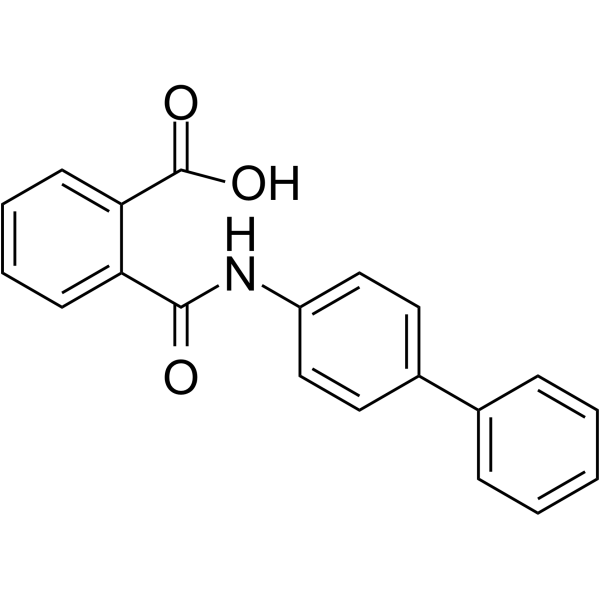
    Kartogenin (KGN) is an inducer of chondrogenic tissue formation (EC50: 100 nM). Kartogenin induces chondrogenesis by binding to fibrin A, disrupting its interaction with the transcription factor core binding factor beta subunit (CBFβ), and by modulating the CBFβ-RUNX1 transcriptional program. Kartogenin also promotes tendon-bone junction (TBJ) wound healing by stimulating collagen synthesis. Kartogenin is widely used in cell-free therapy in the field of regeneration for cartilage regeneration and protection, tendon-bone healing, wound healing and limb development. Kartogenin promotes cartilage repair, coordinates limb development, and is also used in osteoarthritis (OA) research .
    Kartogenin
  • HY-B0636
    Triamcinolone acetonide
    5+ Cited Publications

    Glucocorticoid Receptor FGFR Cardiovascular Disease Inflammation/Immunology Endocrinology Cancer
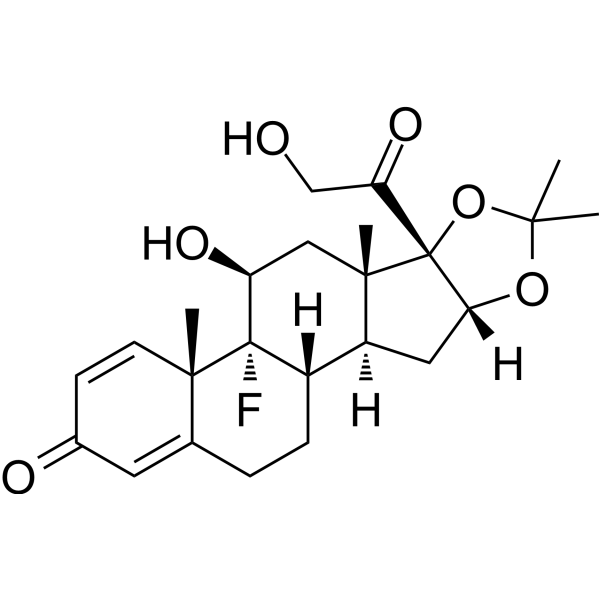
    Triamcinolone acetonide inhibits basic fibroblast growth factor (bFGF) induced proliferation of retinal endothelial cells. Triamcinolone acetonide reduces chondrocyte viability and leads to cartilage destruction. Triamcinolone acetonide activates macrophage with anti-inflammatory characteristics. Triamcinolone acetonide can be used in the study of diseases such as atopic dermatitis .
    Triamcinolone acetonide
  • HY-N0733
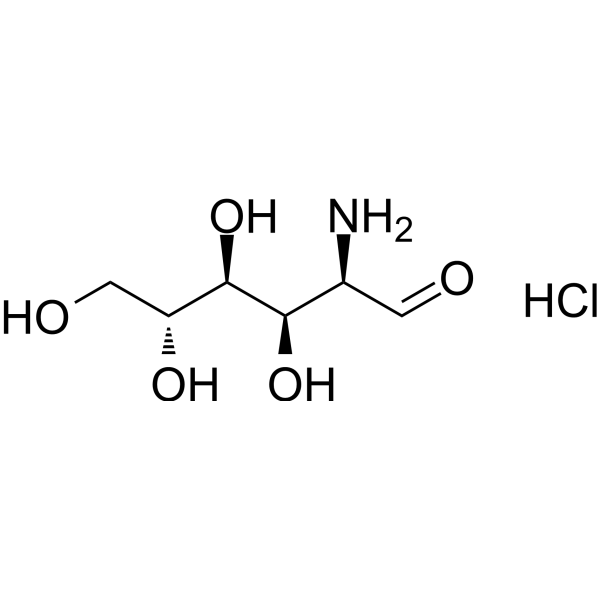
    Glucosamine hydrochloride
    Maximum Cited Publications
    11 Publications Verification

    D-(+)-Glucosamine hydrochloride; Chitosamine hydrochloride

    Endogenous Metabolite Reactive Oxygen Species (ROS) HIF/HIF Prolyl-Hydroxylase Autophagy Inflammation/Immunology Cancer
    Glucosamine hydrochloride (D-Glucosamine hydrochloride) is an amino sugar and a prominent precursor in the biochemical synthesis of glycosylated proteins and lipids, is used as a dietary supplement. Glucosamine hydrochloride also is a natural constituent of glycosaminoglycans in the cartilage matrix and synovial fluid, which when administered exogenously, exerts pharmacological effects on osteoarthritic cartilage and chondrocytes .
    Glucosamine hydrochloride
  • HY-E70005I
    Collagenase, Type VI
    1 Publications Verification

    Type VI collagenase

    MMP Cancer
    Collagenase, Type VI (EC 3.4.24.3) is a collagenase that can degrade type VI collagen. Type VI collagen is a component of cell membranes in various tissues (such as skin, heart, blood vessels, cartilage, and synovial fluid). Excessive collagenase can cause extracellular matrix lesions. Collagenase is also a biomarker for tumor invasion and metastasis. Collagenase, Type VI can specifically act on the peptide bond between proline and glycine. This feature can be used to quickly and sensitively detect its concentration level in experiments using corresponding modified electrodes .
    Collagenase, Type VI
  • HY-B2162A

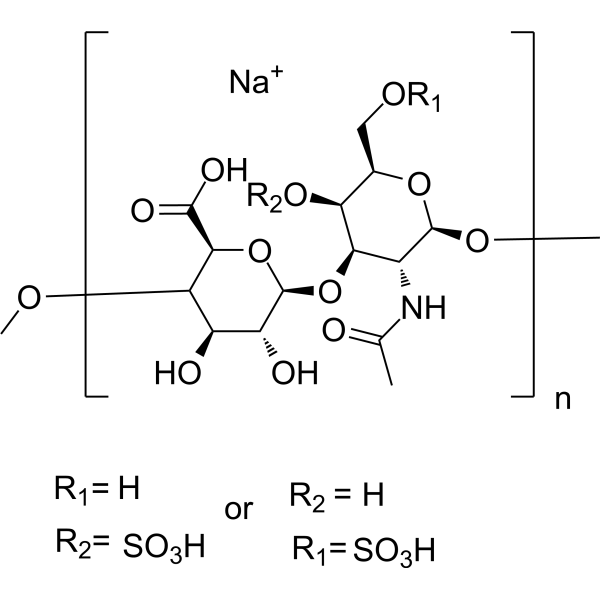
    Chondroitin polysulfate sodium (from shark cartilage)

    NO Synthase MMP Endogenous Metabolite Inflammation/Immunology Cancer
    Chondroitin sulfate sodium (from shark cartilage), one of five classes of glycosaminoglycans, has been widely used in the treatment of osteoarthritis. Chondroitin sulfate reduces inflammation mediators and the apoptotic process and is able to reduce protein production of inflammatory cytokines, iNOS and MMPs .
    Chondroitin sulfate sodium (from shark cartilage)
  • HY-W763582B

    Gelatin Methacryloyl, 90% methacrylation

    Biochemical Assay Reagents Others
    GelMA (Gelatin Methacryloyl), 90% methacrylation, is a derivative obtained by the reaction of Methacrylic anhydride (MA) (HY-W017330) and gelatin. GelMA exhibits excellent biocompatibility, biodegradability, and moldability. GelMA can be photocrosslinked into hydrogels and can be used for research in regeneration of tissues, such as skin, tendon, bone, cartilage, blood vessel, and cardiovascular system. GelMA hydrogel also can be used for research on drug delivery, organ-on-a-chip, and biosensing .
    GelMA, 90% methacrylation
  • HY-114996
    ADAMTS-5 Inhibitor
    4 Publications Verification

    ADAMTS Inflammation/Immunology
    ADAMTS-5 Inhibitor is a potent ADAMTS-5 (aggrecanase-2) inhibitor, with an IC50 of 1.1 µM. ADAMTS-5 Inhibitor shows >40-fold functional selectivity over ADAMTS-4 (aggrecanase-1) .
    ADAMTS-5 Inhibitor
  • HY-W763582

    Gelatin Methacryloyl, 30% methacrylation

    Biochemical Assay Reagents Others
    GelMA (Gelatin Methacryloyl), 30% methacrylation, is a derivative obtained by the reaction of Methacrylic anhydride (MA) (HY-W017330) and gelatin. GelMA exhibits excellent biocompatibility, biodegradability, and moldability. GelMA can be photocrosslinked into hydrogels and can be used for research in regeneration of tissues, such as skin, tendon, bone, cartilage, blood vessel, and cardiovascular system. GelMA hydrogel also can be used for research on drug delivery, organ-on-a-chip, and biosensing .
    GelMA, 30% methacrylation
  • HY-P99111

    CNTO-148

    TNF Receptor Apoptosis Interleukin Related Caspase Inflammation/Immunology Cancer
    Golimumab (CNTO-148) is a potent human IgG1 TNFα antagonist monoclonal antibody. Golimumab has anti-inflammation activitity and inhibits IL-6 and IL-1β production. Golimumab acts via targeting and neutralizing TNF to prevent inflammation and destruction of cartilage and bone. Golimumab has the anticancer activity and induces cell apoptosis. Golimumab can be used for rheumatoid arthritis, Crohn's disease and cancer research .
    Golimumab
  • HY-157424

    PAPS tetralithium salt

    Biochemical Assay Reagents Metabolic Disease
    3′-Phosphoadenosine 5′-phosphosulfate tetralithium salt (PAPS tetralithium salt) is the cosubstrate and the source of sulfonic acid groups in sulfation reactions. 3′-Phosphoadenosine 5′-phosphosulfate tetralithium salt is important for maintaining sulfation balance in living organisms .
    3′-Phosphoadenosine 5′-phosphosulfate tetralithium salt
  • HY-172696

    Liposome Collagen Inflammation/Immunology
    DSPE-PEG2000-WYRGRL is a PEG compound which composed of DSPE and a cartilage-targeting peptide (WYRGRL). WYRGRL is a collagen II-targeting peptide that can bind to collagen II α1. DSPE-PEG2000-WYRGRL can be used for drug delivery .
    DSPE-PEG2000-WYRGRL
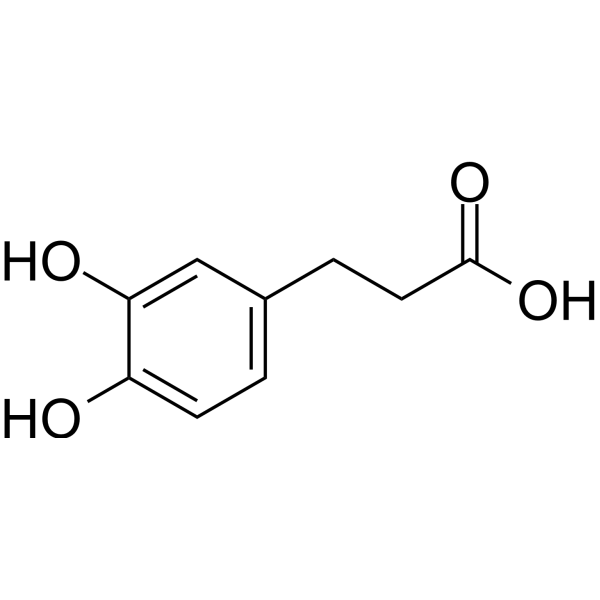
  • HY-N2406
    Dihydrocaffeic acid
    2 Publications Verification

    3,4-Dihydroxy-benzenepropanoic acid

    p38 MAPK Endogenous Metabolite Reactive Oxygen Species (ROS) NO Synthase Inflammation/Immunology
    Dihydrocaffeic acid is a microbial metabolite of flavonoids. Dihydrocaffeic acid scavenges intracellular ROS and increases nitric oxide synthase activity. Dihydrocaffeic acid reduces phosphorylation of MAPK p38 and prevent UVB-induced skin damage. Dihydrocaffeic acid has antioxidant, anti-inflammatory and anti-cartilage degradation activities .
    Dihydrocaffeic acid
  • HY-Y0850U6

    Polyvinyl alcohol (Mw 205000); Poly(Ethenol) (Mw 205000)

    Biochemical Assay Reagents Infection Inflammation/Immunology
    PVA (Polyvinyl alcohol) (Mw 205000) is a polyvinyl alcohol with a molecular weight of 205000, which is used as a biological additive. PVA (Mw 205000) can be cross-linked through physical or chemical methods to form hydrogels, and is widely applied in fields such as biomedicine, food packaging, textiles, papermaking, sensing, and electronic devices. After PVA enema, it has an improving effect on acute colitis induced by DSS (HY-116282C) in mice .
    PVA (Mw 205000)
  • HY-W783268A

    Ser/Thr Protease Inflammation/Immunology
    Matriptase-IN-2 is a secondary amide inhibitor of matriptase derived from sulfonylated 3-amidinophenylalanine, with a Ki value of 5 nM. Matriptase acts as a novel initiator of cartilage matrix degradation in osteoarthritis, and Matriptase-IN-2 inhibits matriptase-mediated cartilage degradation. Matriptase-IN-2 is applicable for the research of osteoarthritis .
    Matriptase-IN-2
  • HY-P10739

    Exosomes Collagen Inflammation/Immunology
    WYRGRL is a selective, high-affinity collagen type II-binding peptide with a IC50 of 140 nM. Collagen type II is the most abundant and specific structural protein in the extracellular matrix of articular cartilage. WYRGRL can precisely target small-molecule compounds such as Dexamethasone (HY-14648) and nanocarrier-engineered exosomes to cartilage, significantly enhancing their therapeutic effects on osteoarthritis .
    WYRGRL
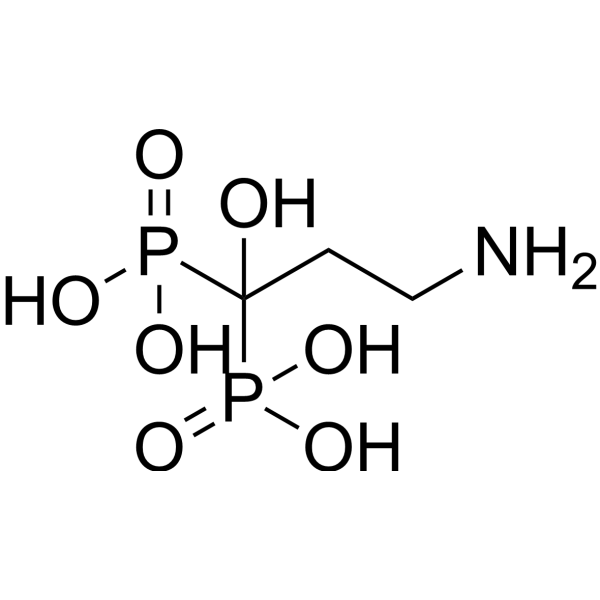
  • HY-B0012
    Pamidronic acid
    1 Publications Verification

    RANKL/RANK Toll-like Receptor (TLR) Wnt β-catenin Metabolic Disease Inflammation/Immunology Cancer
    Pamidronic acid, the second-generation nitrogen-containing bisphosphonate, is an inhibitor of bone loss. Pamidronic acid significantly inhibits subchondral bone loss in early osteoarthritis by upregulating the expression of OPG in cartilage and subchondral bone, and inhibiting the expression of RANKL and MMP-9 in both tissues, as well as TLR-4 in cartilage, thereby alleviating cartilage degeneration. Additionally, Pamidronic acid can inhibit the signaling of Wnt and β-catenin, and is applicable for research on osteoporosis and osteosarcoma .
    Pamidronic acid
  • HY-N0487
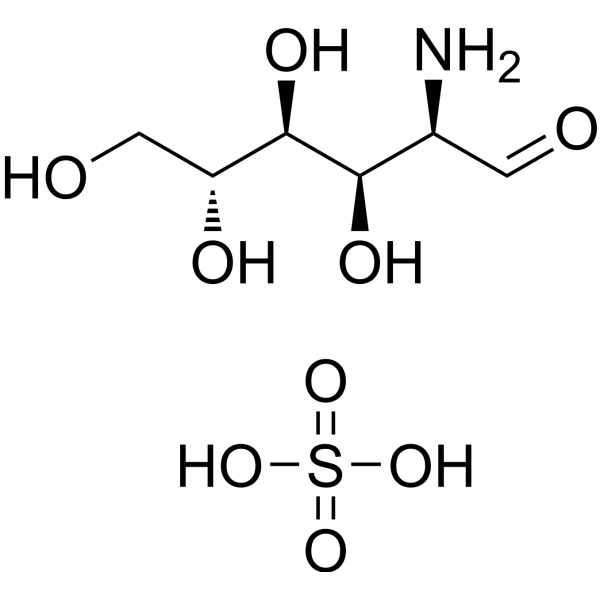
    Glucosamine sulfate
    Maximum Cited Publications
    11 Publications Verification

    D-Glucosamine sulfate

    Endogenous Metabolite Reactive Oxygen Species (ROS) HIF/HIF Prolyl-Hydroxylase Autophagy Inflammation/Immunology Cancer
    Glucosamine sulfate (D-Glucosamine sulfate) is an amino sugar and a prominent precursor in the biochemical synthesis of glycosylated proteins and lipids, is used as a dietary supplement. Glucosamine sulfate also is a natural constituent of glycosaminoglycans in the cartilage matrix and synovial fluid, which when administered exogenously, exerts pharmacological effects on osteoarthritic cartilage and chondrocytes .
    Glucosamine sulfate
  • HY-114775
    RCGD423
    2 Publications Verification

    Interleukin Related Neurological Disease Inflammation/Immunology
    RCGD423 is a gp130 modulator, which prevents articular cartilage degeneration and promotes repair.
    RCGD423
  • HY-W763582A

    Gelatin Methacryloyl, 60% methacrylation

    Biochemical Assay Reagents Others
    GelMA (Gelatin Methacryloyl), 60% methacrylation, is a derivative obtained by the reaction of Methacrylic anhydride (MA) (HY-W017330) and gelatin. GelMA exhibits excellent biocompatibility, biodegradability, and moldability. GelMA can be photocrosslinked into hydrogels and can be used for research in regeneration of tissues, such as skin, tendon, bone, cartilage, blood vessel, and cardiovascular system. GelMA hydrogel also can be used for research on drug delivery, organ-on-a-chip, and biosensing .
    GelMA, 60% methacrylation
  • HY-114164G
    Murine Thrombin
    5+ Cited Publications

    Thrombin Protease Activated Receptor (PAR) MMP VEGFR Epigenetic Reader Domain Cardiovascular Disease Neurological Disease Inflammation/Immunology
    Murine Thrombin is a murine serine protease that plays a central role in blood coagulation. Murine Thrombin stimulates macrophages to polarize into a unique phenotype characterized by anti-inflammatory and pro-repair properties. Murine Thrombin activates PAR1, induces the production of MCP-1, MMP3 and VEGF in mouse intervertebral discs, and causes degradation of the cartilage matrix and destruction of intervertebral disc structure. Murine Thrombin activity increases significantly in paraoxon-induced status epilepticus .
    Murine Thrombin
  • HY-145061

    ADAMTS Metabolic Disease Inflammation/Immunology
    ADAMTS-5-IN-3 (Example 37-2) is a potent inhibitor of ADAMTS-5 and ADAMTS-4 with IC50s of 8 and 12 nM, respectively. ADAMTS-5-IN-3 can be used for the research of diseases involving degradation of cartilage or disruption of cartilage homeostasis, in particular osteoarthrosis and/or rheumatoid arthritis .
    ADAMTS-5-IN-3
  • HY-126367
    Light green SF yellowish
    1 Publications Verification

    Acid Green 5

    Fluorescent Dye Cancer
    Light green SF yellowish (Acid Green 5) is a water-soluble triarylmethane dye. Light green SF yellowish serves as a histological stain that selectively labels mitochondria, collagen, and cartilage, while being an essential component of Papanicolaou staining. Light green SF yellowish is commonly used as a cytoplasmic counterstain for nuclear stains, and is applied in Masson's trichrome staining for collagen fibers, Pap staining, and cytological polychromatic staining in histopathology. Light green SF yellowish also induces growth inhibition and local fibrosarcomas in rats and exerts mild pulmonary tumorigenicity in mice .
    Light green SF yellowish
  • HY-B0012A
    Pamidronate disodium
    1 Publications Verification

    CGP 23339A

    RANKL/RANK Toll-like Receptor (TLR) Wnt β-catenin Metabolic Disease Inflammation/Immunology Cancer
    Pamidronate disodium (CGP 23339A), the second-generation nitrogen-containing bisphosphonate, is an inhibitor of bone loss. Pamidronate disodium significantly inhibits subchondral bone loss in early osteoarthritis by upregulating the expression of osteoprotegerin in cartilage and subchondral bone, and inhibiting the expression of RANKL and MMP-9 in both tissues, as well as TLR-4 in cartilage, thereby alleviating cartilage degeneration. Additionally, Pamidronate disodium can inhibit the signaling of Wnt and β-catenin, and is applicable for research on osteoporosis and osteosarcoma .
    Pamidronate disodium
  • HY-B0730
    Pamidronate disodium pentahydrate
    1 Publications Verification

    RANKL/RANK Toll-like Receptor (TLR) Wnt β-catenin Metabolic Disease Inflammation/Immunology Cancer
    Pamidronate disodium pentahydrate, the second-generation nitrogen-containing bisphosphonate, is an inhibitor of bone loss. Pamidronate disodium pentahydrate significantly inhibits subchondral bone loss in early osteoarthritis by upregulating the expression of osteoprotegerin in cartilage and subchondral bone, and inhibiting the expression of RANKL and MMP-9 in both tissues, as well as TLR-4 in cartilage, thereby alleviating cartilage degeneration. Additionally, Pamidronate disodium pentahydrate can inhibit the signaling of Wnt and β-catenin, and is applicable for research on osteoporosis and osteosarcoma .
    Pamidronate disodium pentahydrate
  • HY-Y0470
    Semicarbazide hydrochloride
    1 Publications Verification

    Aminourea hydrochloride; Hydrazinecarboxamide hydrochloride

    Monoamine Oxidase Cardiovascular Disease Inflammation/Immunology Endocrinology
    Semicarbazide hydrochloride is an orally active urea derivative. Semicarbazide hydrochloride binds to copper or iron in cells. Semicarbazide hydrochloride inhibits the activity of soluble semicarbazide sensitive amine oxidase (SSAO). Semicarbazide hydrochloride damages cartilage, blood vessels, ovaries, testicles, and thyroid follicles .
    Semicarbazide hydrochloride
  • HY-N2350

    MMP NF-κB TNF Receptor Cancer
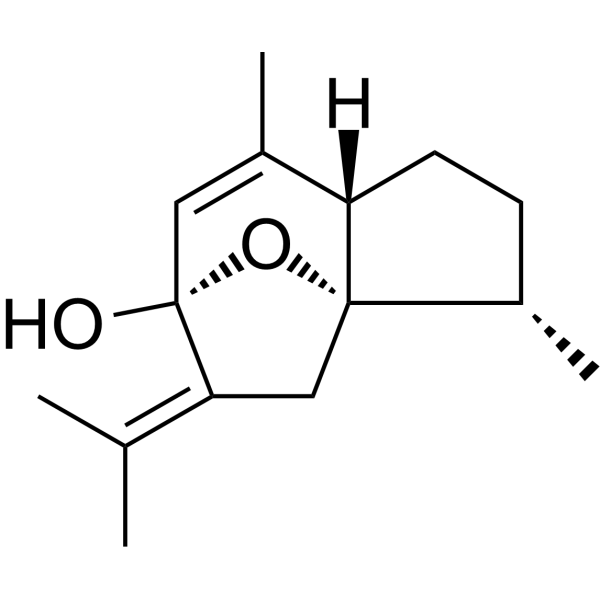
    Cynaropicrin is a sesquiterpene lactone which can inhibit tumor necrosis factor (TNF-α) release with IC50s of 8.24 and 3.18 μM for murine and human macrophage cells, respectively. Cynaropicrin also inhibits the increase of cartilage degradation factor (MMP13) and suppresses NF-κB signaling.
    Cynaropicrin
  • HY-160822

    PF-5212371

    ADAMTS MMP Inflammation/Immunology
    AGG-523 (PF-5212371) is an orally active, reversible, non-hydroxamate, zinc-binding selective inhibitor of ADAMTS4 and ADAMTS5 with IC50 of <0.03 and 0.04 μM. AGG-523 also inhibits MMP-2, -8, 12 activity AGG-523 attenuates release of aggrecanase-generated ARG-aggrecan fragments into synovial fluid, reduces surgery-induced ARG-aggrecan release in rat joint models, and inhibits aggrecanase activity to slow cartilage degradation. AGG-523 can be used for the research of osteoarthritis .
    AGG-523
  • HY-P99671

    M-6495

    ADAMTS Inflammation/Immunology
    Isecarosmab (M-6495) is an anti-ADAMTS monoclonal antibody (mAb) with a KD value of 3.65 pM. Isecarosmab has chondroprotective and anti-inflammatory activities. Isecarosmab can bind albumin to extend plasma half-life .
    Isecarosmab
  • HY-P6022

    Integrin Others
    G4RGDSP, Integrin-binding peptide is a cell integrin-binding peptide that targets integrin receptors. G4RGDSP, integrin-binding peptide is coupled to alginate to increase the viability of cells in the scaffold. G4RGDSP, integrin-binding peptide can be used as an extrudable carrier for chondrocyte delivery for the study of 3D printing technology
    G4RGDSP, integrin-binding peptide
  • HY-136651

    Reactive Oxygen Species (ROS) Inflammation/Immunology
    BNTA, a potent extracellular matrix (ECM) modulator, facilitates cartilage structural molecule synthesis on chondrocytes by activating superoxide dismutase 3 (SOD3). BNTA shows a promising potential for osteoarthritis alleviation by modulating cartilage generation .
    BNTA
  • HY-N2503

    Apoptosis MMP Inflammation/Immunology
    Ginsenoside F4 (GF4), ginseng saponinis, isolated from notoginseng or red ginseng. Ginsenoside F4 (GF4) has inhibitory effect on human lymphocytoma JK cell by inducing its apoptosis . Ginsenoside F4 (GF4) inhibits matrix metalloproteinase 13 (MMP 13) expression in IL-1β-treated chondrocytes and blocks cartilage breakdown in rabbit cartilage tissue culture, shows therapeutic potential for preventing cartilage collagen matrix breakdown in diseased tissues .
    Ginsenoside F4
  • HY-P2612

    TNF Receptor RANKL/RANK Apoptosis Inflammation/Immunology
    WP9QY is an inhibitor targeting TNFα and RANKL, which blocks the TNFα-TNFR1 interaction and inhibits TNFα-mediated apoptosis, cytotoxicity and bone destruction. WP9QY inhibits osteoclastogenesis and promotes osteoblast differentiation, induces chondrocyte proliferation and glycosaminoglycan production, and synergizes with TGF-β3 to promote chondrogenesis. WP9QY effectively repairs full-thickness articular cartilage defects in rabbits via intra-articular injection, and inhibits methylmercury-induced reduction of NeuN-positive cells in mouse brain slices. WP9QY can be applied to the research of diseases related to methylmercury-induced neuronal death, cartilage injury, osteoarthritis and bone loss .
    WP9QY
  • HY-107939

    Glucocorticoid Receptor Cytochrome P450 Neurological Disease Metabolic Disease Inflammation/Immunology
    Paramethasone Acetate is an orally active long-acting glucocorticoid. Paramethasone Acetate directly inhibits testicular aromatase, thereby reducing the synthesis of estradiol. Paramethasone Acetate suppresses the basal and midcycle luteinizing hormone surges in female animals and blocks estrogen synthesis. Paramethasone Acetate also decreases circulating levels of dihydrotestosterone, androstenedione and estradiol in male animals. Paramethasone Acetate inhibits cartilage degeneration and alleviates joint pathological damage in osteoarthritis models. Paramethasone Acetate can be used in research related to osteoarthritis and endocrinology .
    Paramethasone Acetate
  • HY-122624

    MMP Inflammation/Immunology
    MMP13-IN-2 is a potent, selective and orally active MMP-13 inhibitor. MMP13-IN-2 exhibits excellent potency for MMP-13 (IC50=0.036 nM) and selectivities (greater than 1,500-fold) over MMP-1, 3, 7, 8, 9, 14, and TACE. MMP13-IN-2 has the ability to block the release of collagen from cartilage in vitro. MMP13-IN-2 has the potential for collagenase related disease research .
    MMP13-IN-2
  • HY-N1098

    Tyrosinase p38 MAPK NF-κB Bacterial Infection Metabolic Disease Inflammation/Immunology
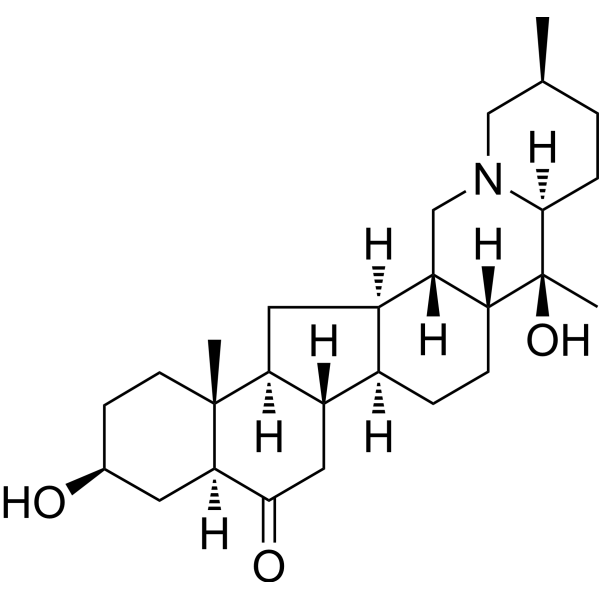
    Velutin is a flavonoid. Velutin can be extracted from mistletoe. Velutin inhibits mushroom Tyrosinase activity with an IC50 of 910.1 μM. Velutin inhibits p38 phosphorylation, the NF-κB pathway and the MAPK pathway. Velutin prevents articular cartilage degeneration and subchondral bone loss. Velutin slows down the progression of intervertebral disc degeneration. Velutin exhibits inhibitory effects on melanogenesis, skin whitening, anti-inflammatory, anti-allergic, anti-oxidant and antibacterial activities. Velutin can be used in studies related to pigmented diseases, osteoarthritis and intervertebral disc degeneration .
    Velutin
  • HY-B2162E

    Chondroitin polysulfate (from shark cartilage)

    Biochemical Assay Reagents Others
    Chondroitin sulfate (from shark cartilage) is a biochemical reagent that can be used as a biological material or organic compound for life science related research.
    Chondroitin sulfate (from shark cartilage)
  • HY-NP113

    Chick Type II collagen, immunization grade

    MMP Inflammation/Immunology
    Highly purified Type II collagen, from chick sternal cartilage (Chick Type II collagen, immunization grade) is an immune grade collagen derived from chick sternal cartilage, which can stimulate the animal's immune system to produce specific antibodies against this collagen. Collagen is also a substrate for hydrolysis by MMPs .
    Highly purified Type II collagen, from chick sternal cartilage
  • HY-N0733R

    D-(+)-Glucosamine hydrochloride (Standard); Chitosamine hydrochloride (Standard)

    Reference Standards Endogenous Metabolite Reactive Oxygen Species (ROS) HIF/HIF Prolyl-Hydroxylase Autophagy Inflammation/Immunology Cancer
    Glucosamine (hydrochloride) (Standard) is the analytical standard of Glucosamine (hydrochloride). This product is intended for research and analytical applications. Glucosamine hydrochloride (D-Glucosamine hydrochloride) is an amino sugar and a prominent precursor in the biochemical synthesis of glycosylated proteins and lipids, is used as a dietary supplement. Glucosamine hydrochloride also is a natural constituent of glycosaminoglycans in the cartilage matrix and synovial fluid, which when administered exogenously, exerts pharmacological effects on osteoarthritic cartilage and chondrocytes .
    Glucosamine hydrochloride (Standard)
  • HY-16268A
    Kartogenin sodium
    Maximum Cited Publications
    31 Publications Verification

    KGN sodium

    TGF-beta/Smad Inflammation/Immunology
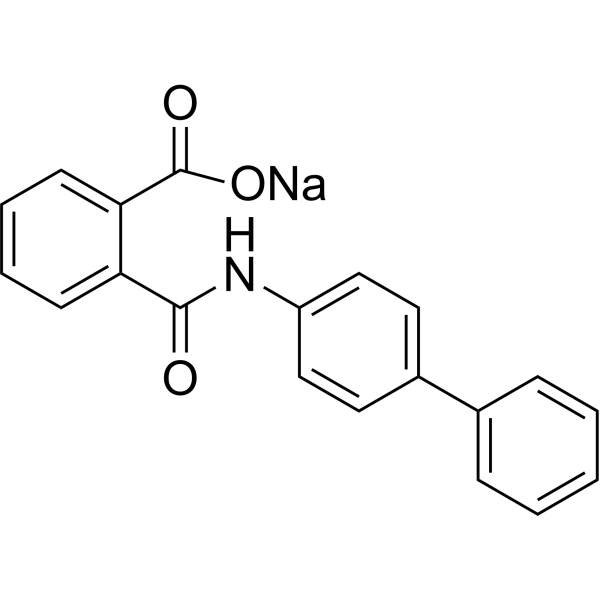
    Kartogenin (KGN) sodium is an inducer of chondrogenic tissue formation (EC50: 100 nM). Kartogenin sodium induces chondrogenesis by binding to fibrin A, disrupting its interaction with the transcription factor core binding factor beta subunit (CBFβ), and by modulating the CBFβ-RUNX1 transcriptional program. Kartogenin sodium also promotes tendon-bone junction (TBJ) wound healing by stimulating collagen synthesis. Kartogenin sodium is widely used in cell-free therapy in the field of regeneration for cartilage regeneration and protection, tendon-bone healing, wound healing and limb development. Kartogenin sodium promotes cartilage repair, coordinates limb development, and is also used in osteoarthritis (OA) research .
    Kartogenin sodium
  • HY-158791

    Phosphodiesterase (PDE) Metabolic Disease Cancer
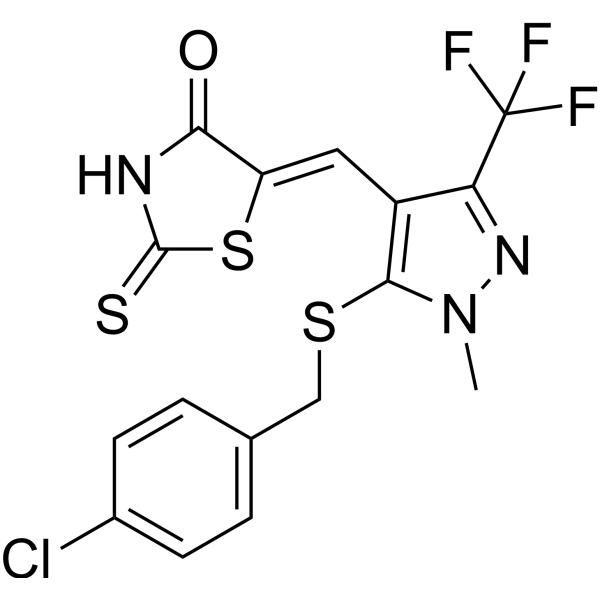
    Enpp-1-IN-21 (compound 4g) is an inhibitor of ecto-nucleotide pyrophosphatase/phosphodiesterase 1 (ENPP1), with IC50 values for ENPP1 and ENPP3 at 0.45 and 0.19 μM, respectively .
    Enpp-1-IN-21
  • HY-NP126

    Porcine Type XI collagen, immunization grade

    MMP Inflammation/Immunology
    Highly purified Type XI collagen, from porcine articular cartilage (Porcine Type XI collagen, immunization grade) is an immune grade collagen derived from porcine articular cartilage, which can stimulate the animal's immune system to produce specific antibodies against this collagen. Collagen is also a substrate for hydrolysis by MMPs .
    Highly purified Type XI collagen, from porcine articular cartilage
  • HY-29347

    Biochemical Assay Reagents Cardiovascular Disease
    Ocrylate is a tissue adhesive that contains an 8-carbon alkyl cyanoacrylate in its structure. Ocrylate can be used in research on gastric fundal varices, bone and cartilage grafting, cerebrospinal fluid leakage repair, and skin closure. Additionally, the rapid polymerization property of Ocrylate makes it suitable for inhibiting vascular embolization .
    Ocrylate
  • HY-P5419A

    Biochemical Assay Reagents Others
    WAAG-3R TFA is a biological active peptide. (Aggrecanases belong to the ADAMTS (A disintegrin and metalloprotease with thrombospondin motif) family of proteases. Aggrecanases cleave aggrecan, the major structural component of cartilage. Aggrecanase-1 (ADAMTS-4) is a major aggrecanase in human osteoarthritic cartilage. This FRET peptide was used in an ADAMTS-4 (Aggrecanase-1) and ADAMTS-5 (Aggrecanase-2) assay . (Ex/Em = 340/420 nm)
    WAAG-3R TFA
  • HY-117668

    Elastase Infection Inflammation/Immunology
    MDL 101146 is an orally active neutrophil elastase inhibitor. MDL 101146 inhibits neutrophil elastase for human with a Ki value of 25 nM. MDL 101146 can be used for the research of arthritis .
    MDL 101146
  • HY-174156

    RANKL/RANK TNF Receptor Inflammation/Immunology
    Y2641, a etrahydro-β-carboline derivative, is an orally active dual RANKL/TNF-α inhibitor with Kd values of 3.984 μM and 18.59 μM for RANKL and TNF-α, respectively. Y2641 inhibits RANKL-induced osteoclastogenic and has anti-inflammatory and cartilage destruction. Y2641 can be used for study of osteoarthritis .
    Y2641
  • HY-P11208C

    GABA Receptor Inflammation/Immunology
    mNLS-CPP-WSTF TFA is the trifluoroacetate salt of mNLS-CPP-WSTF (HY-P11208). mNLS-CPP-WSTF is a nuclear localization signal (NLS)-cell-penetrating peptide based on the mouse WSTF sequence. mNLS-CPP-WSTF significantly inhibits the GABARAP-WSTF interaction, WSTF degradation and inflammatory gene expression. mNLS-CPP-WSTF effectively attenuates chronic inflammation, liver fibrosis and cartilage damage in metabolic-dysfunction-associated steatohepatitis (MASH) and osteoarthritis (OA) mice model. mNLS-CPP-WSTF is promising for research of chronic inflammatory diseases such as MASH and OA .
    mNLS-CPP-WSTF TFA
  • HY-148158

    Pivhydrazine

    Monoamine Oxidase Neurological Disease Inflammation/Immunology
    Pivalylbenzhydrazine (Pivhydrazine) is a potent monoamine oxidase (MAO) inhibitor. Pivalylbenzhydrazine decreases cartilage growth in normal rats. Pivalylbenzhydrazine can be used in research of depression .
    Pivalylbenzhydrazine
  • HY-NP102

    Bovine Type II collagen, immunization grade

    Biochemical Assay Reagents Inflammation/Immunology
    Highly purified Type II collagen, from bovine articular cartilage (Bovine Type II collagen, immunization grade), an immunization grade, is the major matrix protein in cartilage that can be used for the study of arthritis .
    Highly purified Type II collagen, from bovine articular cartilage
  • HY-B1944

    Apoptosis FOXO Others
    Dipropyl phthalate is a plasticizer. Dipropyl phthalate induced activation of the FoxO signaling pathway, leading to abnormal proliferation of pharyngeal arch cartilage and promoting its apoptosis in a zebrafish model. Dipropyl phthalate also induced developmental defects in the craniofacial cartilage of zebrafish embryos in a zebrafish model .
    Dipropyl phthalate

Inquiry Online

Your information is safe with us. * Required Fields.

Salutation


Country or Region *

Applicant Name *


Organization Name *

Department *


Email Address *


Product Name *

Cat. No.


Requested quantity *

Phone Number *


Remarks

Inquiry Online

Inquiry Information

Product Name:
Cat. No.:
Quantity:
MCE Japan Authorized Agent:

