
1. Search Result
Search Result
Results for "

chemical reaction

" in MedChemExpress (MCE) Product Catalog:

273

Inhibitors & Agonists

9

Screening Libraries

20

Fluorescent Dyes

118

Biochemical Assay Reagents

2

Peptides

6

Natural
Products

7

Isotope-Labeled Compounds

17

Click Chemistry

2

Oligonucleotides

Cat. No. Product Name Target Research Areas Chemical Structure
  • HY-W011500
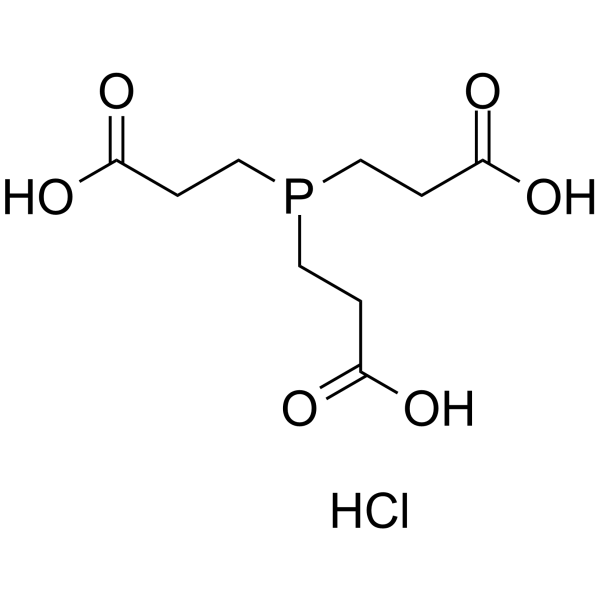
    TCEP hydrochloride
    Maximum Cited Publications
    18 Publications Verification

    Tris(2-​carboxyethyl)​phosphine hydrochloride

    Drug Derivative Others
    TCEP hydrochloride (Tris(2-carboxyethyl)phosphine hydrochloride) is a non-thiol reducing agent that is more stable and produces a faster S-S reductive reaction than other chemical reductants. TCEP hydrochloride is a trialkylphosphine, selectively reduces protein disuldes without altering the properties or interacting with thiol-directed agents in the reaction mixture. TCEP hydrochloride is also a commonly used reducing agent in the DNA/AuNP chemistry .
    TCEP hydrochloride
  • HY-116677

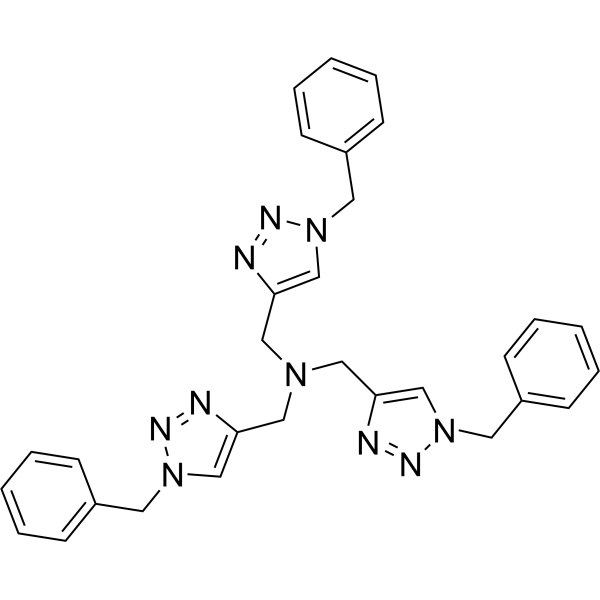
    TBTA

    MOFs Others
    Tris(benzyltriazolylmethyl)amine (TBTA) is a ligand that acts as a biochemical tool for the tagging of proteins and enzymes .
    Tris(benzyltriazolylmethyl)amine
  • HY-D0860

    Biochemical Assay Reagents Others
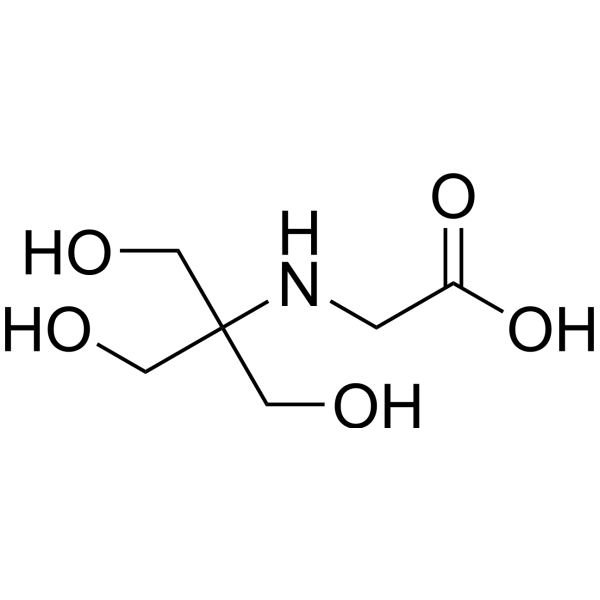
    Tricine is widely used as a buffer in protein electrophoresis, nucleic acid analysis, and immunology, which can help adjust pH and stabilize chemical reactions. In addition, the compound can also be used in research in certain medical fields, such as in antibody detection and drug screening.
    Tricine
  • HY-W048205

    Amino Acid Derivatives Others
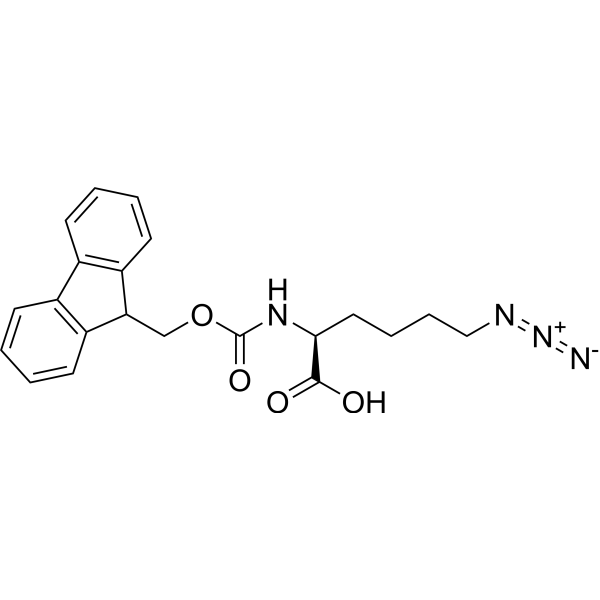
    N6-Diazo-L-Fmoc-lysine is an active compand and can be used in a variety of chemical studies. N6-Diazo-L-Fmoc-lysine is a click chemistry reagent, it contains an Azide group and can undergo copper-catalyzed azide-alkyne cycloaddition reaction (CuAAc) with molecules containing Alkyne groups. It can also undergo strain-promoted alkyne-azide cycloaddition (SPAAC) reactions with molecules containing DBCO or BCN groups.
    N6-Diazo-L-Fmoc-lysine
  • HY-Y1332

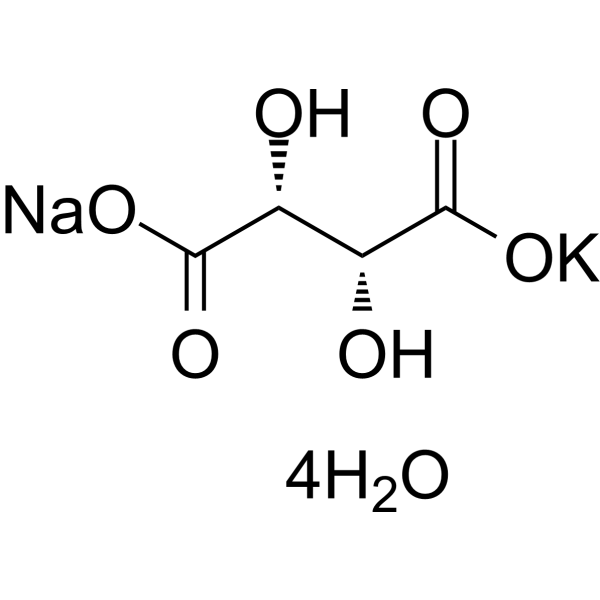
    L-Tartaric acid potassium sodium salt tetrahydrate; Potassium sodium tartrate tetrahydrate; Sodium potassium tartrate tetrahydrate

    Biochemical Assay Reagents Others
    Rochelle salt is an organic-inorganic compound commonly used as a catalyst and complexing reagent. It can be used to catalyze or promote certain chemical reactions, and is widely used in batteries, pharmaceuticals and food industries. In addition, this compound is also used as a substrate or intermediate in some biochemical reactions.
    Rochelle salt
  • HY-Y0971

    TBAF

    Biochemical Assay Reagents Others
    Tetrabutylammonium fluoride is an organic compound containing both ammonium and fluorine functional groups. It is commonly used as a reagent in various chemical synthesis applications, especially as a source of fluoride ions for nucleophilic reactions. Tetrabutylammonium fluoride has several properties that make it suitable for these applications, including its high solubility in polar solvents and its ability to selectively activate certain chemical bonds. In addition, it can be used as a catalyst for organic reactions and as an electrolyte for batteries.
    Tetrabutylammonium fluoride (solution),1M in THF
  • HY-139078
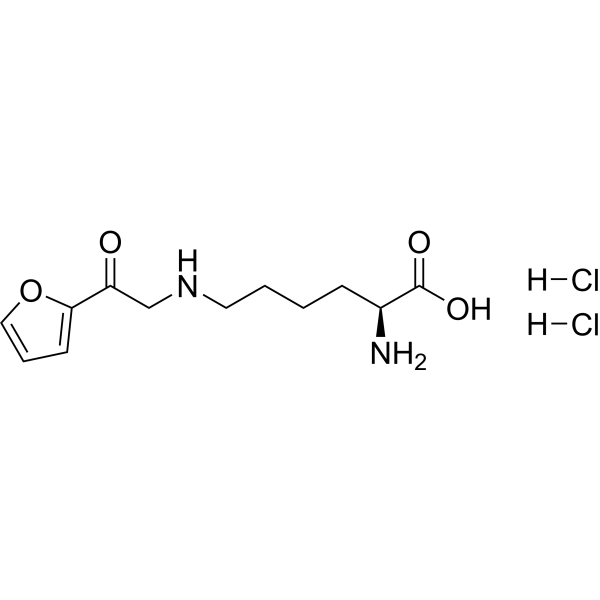
    Furosine dihydrochloride
    1 Publications Verification

    Amino Acid Derivatives Metabolic Disease
    Furosine dihydrochloride, an amino acid derivative, is an important chemical marker of early-stage Maillard reactions. Furosine dihydrochloride is closely related to a variety of diseases such as diabetes .
    Furosine dihydrochloride
  • HY-34717

    Tetra-n-butylammonium tetrafluoroborate

    Biochemical Assay Reagents Others
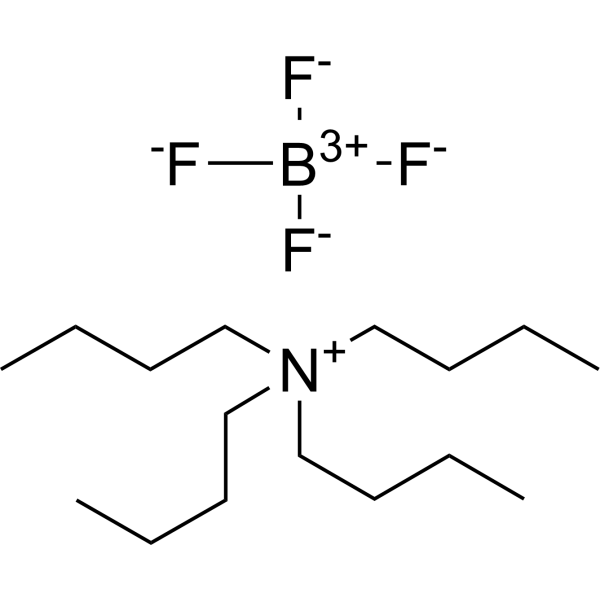
    Tetrabutylammonium tetrafluoroborate is an inorganic salt commonly used in organic synthesis reactions and electrochemical applications. It is usually used as a catalyst or reagent, and is widely used in the field of organic synthesis, such as fluorination reaction, olefin addition and cyclization reaction, etc. In addition, it can also be used in electrochemical deposition and electroplating, and plays an important role in some electronic devices. Although it has no direct application in the medical field, it plays an important role in chemical research and industrial production.
    Tetrabutylammonium tetrafluoroborate
  • HY-127112

    Drug Derivative Others
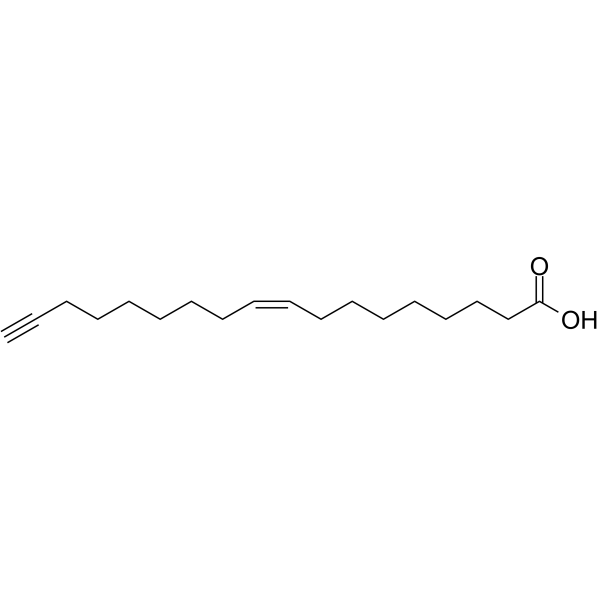
    Oleic acid alkyne is Oleic acid (HY-N1446) with an acetylene group. The terminal alkyne group can be used for click chemical ligation reactions. Oleic acid can be hydroxylated by a microsomal cytochrome P-450-dependent system (ω-OAH). Through click chemistry reactions, fluorescent or biotin-labeled oleic acid can be introduced to analyze its metabolism and biological activity.
    Oleic acid alkyne
  • HY-Y1045

    TBAHS-MB

    Biochemical Assay Reagents Others
    Tetrabutylammonium hydrosulfate is a quaternary ammonium salt that is commonly used as a phase transfer catalyst, acid catalyst and reagent in various chemical reactions, especially in organic synthesis. Tetrabutylammonium hydrosulfate has unique chemical properties that allow it to facilitate the transfer of ions or molecules from one phase to another, making it an important ingredient in a variety of industrial processes.
    Tetrabutylammonium hydrogensulfate
  • HY-Y1131

    Ethyl (R)-3-hydroxybutanoate

    Biochemical Assay Reagents Others
    Ethyl (R)-3-hydroxybutyrate is an organic compound commonly used as a starting material for chiral chemical synthesis. It can be used in the preparation of medicines, spices, fine chemicals and food additives, etc., and is widely used in medicine, cosmetics and food industries. In addition, this compound is also used as a substrate or intermediate in some biochemical reactions
    Ethyl (R)-3-hydroxybutyrate
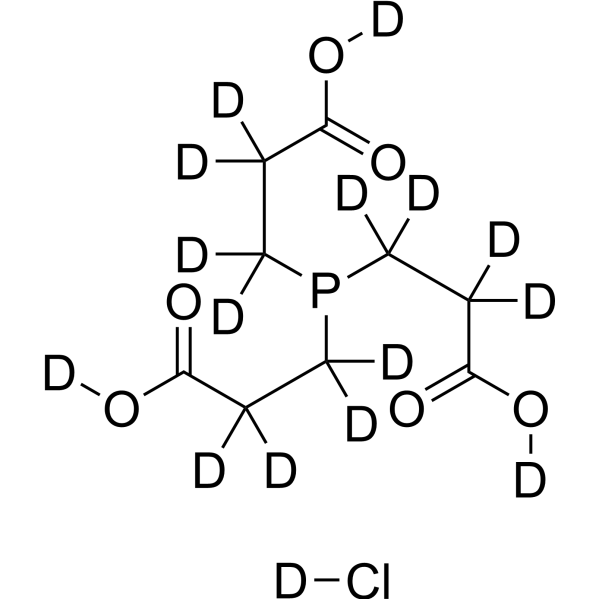
  • HY-W011500S
    TCEP-d16 hydrochloride
    1 Publications Verification

    Isotope-Labeled Compounds Others
    TCEP-d16 (hydrochloride) is the deuterium labeled TCEP hydrochloride . TCEP hydrochloride (Tris(2-carboxyethyl)phosphine hydrochloride) is a non-thiol reducing agent that is more stable and produces a faster S-S reductive reaction than other chemical reductants. TCEP hydrochloride is a trialkylphosphine, selectively reduces protein disuldes without altering the properties or interacting with thiol-directed agents in the reaction mixture. TCEP hydrochloride is also a commonly used reducing agent in the DNA/AuNP chemistry .
    TCEP-d16 hydrochloride
  • HY-B2210

    DIPA; Diisopropylamine dichloroacetate

    Biochemical Assay Reagents Others
    Diisopropylammonium dichloroacetate is an organic compound commonly used as a catalyst and ligand for organic reactions. It can promote various organic chemical reactions, such as olefin addition, carbonylation reaction and asymmetric catalytic reaction, etc. In addition, the compound is also widely used in the research of some medical fields, for example, in the application of anti-tumor therapy.
    Diisopropylammonium dichloroacetate
  • HY-W879064

    Biochemical Assay Reagents Others
    DBCO-Palmitic is a click chemical organic compound. DBCO-Palmitic can be used in the azide-alkyne cycloaddition (SPAAC) reaction.
    DBCO-Palmitic
  • HY-12396
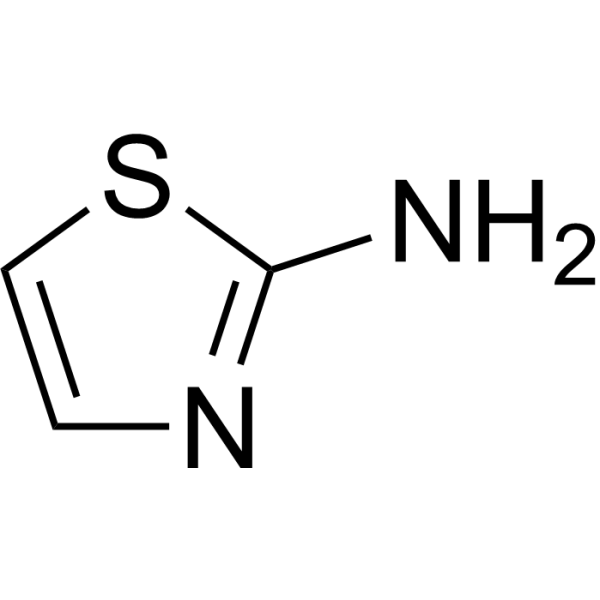
    Aminothiazole
    2 Publications Verification

    2-Aminothiazole; 2-Thiazolylamine

    Bacterial Fungal Virus Protease Infection
    Aminothiazole (2-Aminothiazole), a typical heterocyclic amine, is a precursor for the synthesis of biologically active molecules including sulfur agents, biocides, fungicides, antibiotics, dyes and chemical reaction accelerators .
    Aminothiazole
  • HY-34515

    TMPhen; 3,4,7,8-Tetramethyl-1,10-phenanthroline

    Biochemical Assay Reagents Others
    3,4,7,8-Tetramethyl-1,10-phenanthroline (TMPhen) is an organic molecule commonly used as a ligand or catalyst. It has a wide range of applications in different fields, such as organometallic chemical reactions, electrochemical detection, and organic optoelectronic devices. Due to its excellent performance in fluorescent probes, biosensors and photocatalytic reactions, it has been widely used in research in the fields of chemistry and life sciences.
    3,4,7,8-Tetramethyl-1,10-phenanthroline
  • HY-107783

    Biochemical Assay Reagents Others
    Sulfo-GMBS is a crosslinker widely used in chemical modification and coupling reactions of proteins and peptides. Among amine-thiol crosslinkers, Sulfo-GMBS generates the largest number of crosslinks and covers most of the crosslinks identified by AMAS and GMBS .
    Sulfo-GMBS
  • HY-W094471

    Biochemical Assay Reagents Others
    Lithium acetate dihydrate is a compound with a one-dimensional structure that has various applications in industries such as pharmaceuticals, ceramics, and research laboratories. Lithium acetate dihydrate is often used as a source of lithium ions in chemical reactions and as a precursor in the synthesis of other lithium compounds .
    Lithium acetate dihydrate
  • HY-Y1699

    Biochemical Assay Reagents Others
    Tetrabutylammonium hexafluorophosphate is an organic-inorganic compound commonly used as an ionic solvent and catalyst. It can be used to catalyze or promote reactions in certain chemical reactions, and is widely used in batteries, solar cells and pigments. In addition, this compound is also widely used in organic synthesis and chemical analysis.
    Tetrabutylammonium hexafluorophosphate
  • HY-W008145

    Biochemical Assay Reagents Others
    Sodium tetrachloropalladate(II) is an organic compound commonly used as a catalyst and as a raw material for dye production. It can be used to catalyze or promote reactions in certain chemical reactions, and is widely used in the fields of organic synthesis and dye preparation. In addition, the compound is also used for metallization, silver plating and electroplating of circuit boards.
    Sodium tetrachloropalladate(II)
  • HY-24312

    Biochemical Assay Reagents Others
    AD-mix-α is a mixture of organic compounds, commonly used to distinguish and identify asymmetric carbon atoms in chiral compounds. It consists of compounds containing catalytically active metals and chiral ligands. AD-mix-α is widely used in various organic synthesis reactions, such as hydrogenation, addition, and carbonylation reactions, to increase yield and reduce the formation of side reaction products. Although it has no direct application in the medical field, it plays an important role in the pharmaceutical industry and chemical research.
    AD-mix-α
  • HY-B1952

    2,2'-Oxybis(ethan-1-ol)

    Environmental Pollutants Biochemical Assay Reagents Others
    Diethylene glycol (2,2'-Oxybis(ethan-1-ol)) has excellent solubility and reactivity in certain chemical reactions and can help accelerate the activation of certain reactants. In addition, it is widely used in the production process of pigments, resins and other chemicals.
    Diethylene glycol
  • HY-Y1374

    Biochemical Assay Reagents Others
    Benzoic anhydride is a catalyst that can be used for organic synthesis reactions. Benzoic anhydride is used as a chemical titration reagent for selective quantification and deactivation of phenolic hydroxyl groups on the surface of carbon nanotubes .
    Benzoic anhydride
  • HY-148254

    Deubiquitinase Cancer
    8RK64, a chemical probe, is a covalent UCHL1 inhibitor (IC50: 0.32 μM) . 8RK64 is a click chemistry reagent, it contains an Azide group and can undergo copper-catalyzed azide-alkyne cycloaddition reaction (CuAAc) with molecules containing Alkyne groups. It can also undergo strain-promoted alkyne-azide cycloaddition (SPAAC) reactions with molecules containing DBCO or BCN groups.
    8RK64
  • HY-Y0080

    Environmental Pollutants Biochemical Assay Reagents Others
    Methyl trioctyl ammonium chloride is a quaternary ammonium salt commonly used as a surfactant, stabilizer and phase transfer catalyst in various chemical reactions, especially in organic synthesis. Methyl trioctyl ammonium chloride has unique chemical properties that facilitate the transfer of ions or molecules from one phase to another, making it an important ingredient in a variety of industrial processes.
    Methyl trioctyl ammonium chloride
  • HY-E70026

    Biochemical Assay Reagents Others
    L-fucokinase/GDP-fucose pyrophos-phorylase (FKP) is an enzyme that catalyzes the chemical reaction. L-fucokinase/GDP-fucose pyrophos-phorylase (FKP) has substrate of L-fucose. L-fucokinase/GDP-fucose pyrophos-phorylase (FKP) induces L-fucose phosphorylation to form L-fucose-L-phosphate .
    L-fucokinase/GDP-fucose pyrophos-phorylase (FKP)
  • HY-W127672

    Biochemical Assay Reagents Others
    Tetramethylammonium tetrafluoroborate is a quaternary ammonium salt commonly used as an electrolyte in various chemical reactions, especially in electrochemistry and battery technology. Tetramethylammonium tetrafluoroborate has unique chemical properties that make it an important ingredient in a variety of industrial processes, including the production of advanced materials and electronic components.
    Tetramethylammonium tetrafluoroborate
  • HY-W010394

    Biochemical Assay Reagents Others
    Methyl 3-oxopentanoate, which is also known as diethyl acetylmalonate or MEAM, Methyl 3-oxopentanoate is commonly used as a building block for the synthesis of various organic compounds, including pharmaceuticals, agrochemicals, and flavorings, and it can also Used as a reagent in organic chemical reactions, especially the formation of carbon-carbon bonds through malonate synthesis, the researchers also investigated the potential use of Methyl 3-oxopentanoate in the development of chiral auxiliaries that can aid in the selection of Controlling the stereochemistry of chemical reactions.
    Methyl 3-oxopentanoate
  • HY-W127687

    Tetrabutylammonium (dihydrogen trifluoride)

    Biochemical Assay Reagents Others
    Tetrabutylammonium dihydrogen trifluoride is a quaternary ammonium salt commonly used as an electrolyte in various chemical reactions, especially in electrochemistry and battery technology. Tetrabutylammonium dihydrogen trifluoride has unique chemical properties that make it an important ingredient in a variety of industrial processes, including the production of advanced materials and electronic components.
    Tetrabutylammonium dihydrogen trifluoride
  • HY-Y0075

    Drug Derivative Others
    2-Naphthaldehyde is an aromatic aldehyde. 2-Naphthaldehyde is soluble in various organic solvents. 2-Naphthaldehyde can participate in chemical reactions to generate functionalized ketone derivatives .
    2-Naphthaldehyde
  • HY-157566

    Ligands for E3 Ligase Cancer
    Lenalidomide 5'-piperazine-4-methylpiperidine hydrochloride is a functionalized cerebellar ligand for PROTAC development, combining E3 ligand and terminal piperidine for subsequent chemical reactions. A protein degradant with a rigid connector is generated .
    Lenalidomide 5'-piperazine-4-methylpiperidine hydrochloride
  • HY-W008635

    Biochemical Assay Reagents Others
    Tetrabutylammonium tetrahydroborate is an organic compound commonly used as a reducing agent and catalyst. It can act as a reducing agent in certain chemical reactions and can promote the reduction of organic compounds such as esters, aldehydes and ketones. In addition, this compound is also widely used in organic synthesis and chemical analysis, and also has important uses in some production processes.
    Tetrabutylammonium tetrahydroborate
  • HY-W018584

    o-Phenoxyphenol

    Drug Derivative Others
    2-Phenoxyphenol (o-Phenoxyphenol) is the main product in the photocatalytic reduction and dechlorination reaction of Triclosan (HY-B1119). 2-Phenoxyphenol has low toxicity and can be recycled and utilized as a chemical raw material .
    2-Phenoxyphenol
  • HY-W013264A

    Biochemical Assay Reagents Others
    Tetrabutylammonium chloride monohydrate, a quaternary ammonium cation, is a catalyst in a chemical reaction .
    Tetrabutylammonium chloride monohydrate
  • HY-W005507

    2-imidazolidinone, 1-methyl-

    Biochemical Assay Reagents Others
    1-Methylimidazolidin-2-one is an organic compound commonly used as a solvent and intermediate. It can play a buffering and stabilizing role in some organic synthesis reactions, and can be used as a solvent in some chemical reactions and industrial production processes. In addition, the compound also has good toxicity and biocompatibility, and is widely used in some medical fields.
    1-Methylimidazolidin-2-one
  • HY-W127678

    Tetraethylammonium (trifluoromethanesulphonate)

    Biochemical Assay Reagents Others
    Tetraethylammonium trifluoromethanesulfonate is a quaternary ammonium salt commonly used as a phase transfer catalyst in various chemical reactions, especially in organic synthesis. Tetraethylammonium trifluoromethanesulfonate has unique chemical properties that allow it to facilitate the transfer of ions or molecules from one phase to another, making it an important ingredient in a variety of industrial processes.
    Tetraethylammonium trifluoromethanesulfonate
  • HY-120529

    Biochemical Assay Reagents Others
    Aciculatin is a compound with cytotoxic, anti-inflammatory and anti-arthritic activities, and its synthetic route including specific chemical reaction steps was determined through the first total synthesis.
    Aciculatin
  • HY-W127677

    N,N,N-Triethylethanaminium nitrate

    Biochemical Assay Reagents Others
    Tetraethylammonium nitrate is a quaternary ammonium salt commonly used as an electrolyte in various chemical reactions, especially in electrochemistry and battery technology. Tetraethylammonium nitrate has unique chemical properties that make it an important ingredient in a variety of industrial processes, including the production of advanced materials and electronic components.
    Tetraethylammonium nitrate
  • HY-W033823

    Biochemical Assay Reagents Endogenous Metabolite
    Rhodium(III) oxide is an inorganic compound with catalytic activity. Rhodium(III) oxide can be used as an efficient catalyst in catalytic reactions and is often used to promote chemical reactions. Rhodium(III) oxide is also widely used in energy materials, especially in fuel cells and other renewable energy technologies. Rhodium(III) oxide is studied in the field of materials science for the development of new functional materials.
    Rhodium(III) oxide
  • HY-151745

    ADC Linker Others
    N3-TOTA-Suc is a click chemistry reagent containing an azide group. Click chemistry is a powerful chemical reaction with excellent bioorthogonality features: biocompatible, rapid and highly specific in biological environments . N3-TOTA-Suc is a click chemistry reagent, it contains an Azide group and can undergo copper-catalyzed azide-alkyne cycloaddition reaction (CuAAc) with molecules containing Alkyne groups. It can also undergo strain-promoted alkyne-azide cycloaddition (SPAAC) reactions with molecules containing DBCO or BCN groups.
    N3-TOTA-Suc
  • HY-Y0667

    Biochemical Assay Reagents Others
    Benzyltriethylammonium chloride is a quaternary ammonium salt commonly used as a phase transfer catalyst, surfactant and stabilizer in various chemical reactions, especially in organic synthesis. Benzyltriethylammonium chloride has unique chemical properties that facilitate the transfer of ions or molecules from one phase to another, making it an important ingredient in a variety of industrial processes.
    Benzyltriethylammonium chloride
  • HY-151794

    ADC Linker Others
    DACN(Ms) hydrochloride (compound 1ba) is a click chemistry reagent containing cyclononyne alkyne. DCN(Ms) hydrochloride has high thermal stability, chemical stability, water solubility, and high reactivity for cycloaddition reactions .
    DACN(Ms) hydrochloride
  • HY-151749

    ADC Linker Others
    N3-D-Lys(Fmoc)-OH is a click chemistry reagent containing an azide group. Click chemistry is a powerful chemical reaction with excellent bioorthogonality features: biocompatible, rapid and highly specific in biological environments . N3-D-Lys(Fmoc)-OH is a click chemistry reagent, it contains an Azide group and can undergo copper-catalyzed azide-alkyne cycloaddition reaction (CuAAc) with molecules containing Alkyne groups. It can also undergo strain-promoted alkyne-azide cycloaddition (SPAAC) reactions with molecules containing DBCO or BCN groups.
    N3-D-Lys(Fmoc)-OH
  • HY-151736

    ADC Linker Others
    N3-L-Dap(Boc)-OH is a click chemistry reagent containing an azide group. Click chemistry is a powerful chemical reaction with excellent bioorthogonality features: biocompatible, rapid and highly specific in biological environments . N3-L-Dap(Boc)-OH is a click chemistry reagent, it contains an Azide group and can undergo copper-catalyzed azide-alkyne cycloaddition reaction (CuAAc) with molecules containing Alkyne groups. It can also undergo strain-promoted alkyne-azide cycloaddition (SPAAC) reactions with molecules containing DBCO or BCN groups.
    N3-L-Dap(Boc)-OH
  • HY-Y0689

    MOFs Others
    Thiocarbonyldiimidazole is a synthetic chemical reagent that serves as a nitrogen-containing MOF ligand for synthetic applications. Thiocarbonyldiimidazole enables the preparation of thiocarbonyl imidazolides from alcohols, and is used in the Barton-McCombie deoxygenation reaction and natural product synthesis .
    Thiocarbonyldiimidazole
  • HY-177767

    Biochemical Assay Reagents Others
    EY-CBS is a synthetic and rigid cross linker. EY-CBS reacts selectively with cysteines in a-helices, to stabilize the connecting helix. EY-CBS can be used for the study of the structural stability of protein polypeptides .
    EY-CBS
  • HY-W127342

    Decanoic acid chloride

    Biochemical Assay Reagents Others
    Decanoyl chloride is an organic compound belonging to the class of acid chlorides. It is a colorless liquid with a pungent odor and is commonly used as a reagent in various organic chemical reactions, especially in the synthesis of esters, amides and fatty acids. Decanoyl chloride has numerous applications in synthetic organic chemistry, especially in the production of pharmaceuticals, agrochemicals and specialty chemicals. In addition, it can be used as a precursor for the synthesis of surfactants and detergents.
    Decanoyl chloride
  • HY-125793

    Biochemical Assay Reagents Others
    N,?N-?Dimethylethylamine is a catalyst that can be used in chemical reactions. N,?N-?Dimethylethylamine promotes the formation of specific products by lowering the activation energy required for the reaction .
    N,​N-​Dimethylethylamine
  • HY-W035155

    Drug Intermediate Endogenous Metabolite
    (1,5-Cyclooctadiene)bis(methyldiphenylphosphine)iridium(I) hexafluorophosphate is a highly efficient catalyst with excellent hydrogenation activity. It can catalyze the reaction of hydrogen and organic substrates in various chemical reactions. This compound is often used to synthesize important chemical intermediates and compounds.
    (1,5-Cyclooctadiene)bis(methyldiphenylphosphine)iridium(I) hexafluorophosphate
  • HY-W009202

    TAPI

    Biochemical Assay Reagents Others
    Tetrapropylammonium iodide is an organic compound commonly used as ionic liquids and catalysts. It can be used as a solvent in some chemical reactions, and can also be used as a catalyst to promote some organic synthesis reactions. In addition, the compound is also widely used in batteries, solar cells and pigments.
    Tetrapropylammonium iodide

Inquiry Online

Your information is safe with us. * Required Fields.

Salutation


Country or Region *

Applicant Name *


Organization Name *

Department *


Email Address *


Product Name *

Cat. No.


Requested quantity *

Phone Number *


Remarks

Inquiry Online

Inquiry Information

Product Name:
Cat. No.:
Quantity:
MCE Japan Authorized Agent:

