
Search Result
Results for "
chronic respiratory diseases
" in MedChemExpress (MCE) Product Catalog:
3
Biochemical Assay Reagents
3
Isotope-Labeled Compounds
| Cat. No. |
Product Name |
Target |
Research Areas |
Chemical Structure |
-
- HY-119976
-
|
|
Environmental Pollutants
Apoptosis
Fungal
Mitochondrial Metabolism
Succinate Dehydrogenase
|
Infection
|
|
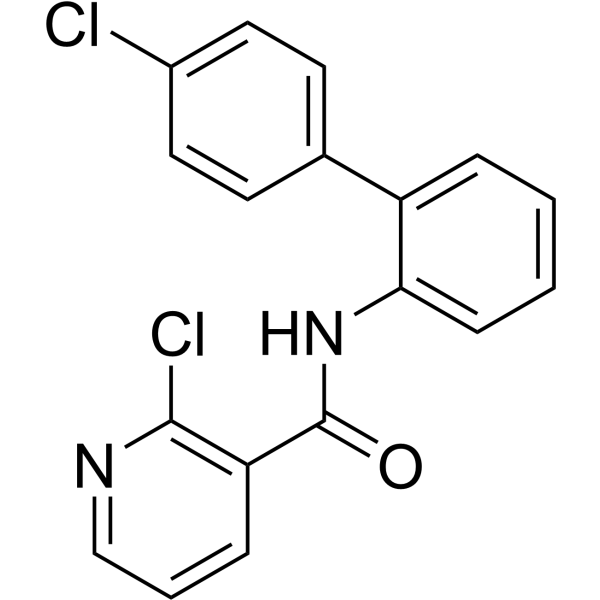
Boscalid is a succinate dehydrogenase (SDHI) inhibitor with antifungal activity. Boscalid binds to the ubiquinone-binding site of fungal mitochondrial complex II, blocks ATP production and aerobic respiration, exhibits good control efficacy against a variety of plant fungal diseases including gray mold, sclerotinia rot and powdery mildew, and is widely used for disease control in agriculture. Boscalid induces apoptosis, altered lipid metabolism, mitochondrial dysfunction, respiratory impairment, oxidative stress, ROS accumulation and neurodevelopmental disorders in zebrafish. Boscalid reduces foraging ability, shortens median death time and causes chronic toxicity in exposed honeybees. Boscalid also possesses genotoxicity, cytotoxicity, elevated mitochondrial superoxide levels and early-stage apoptosis .
|
-
-
- HY-W251428
-
|
Egg PG
|
Biochemical Assay Reagents
|
Others
|
|
Phosphatidylglycerols (PG) is a selective inhibitor targeting the TLR4 accessory protein CD14/MD-2 complex, inhibiting LPS or virus (such as RSV)-mediated inflammatory signaling pathways through competitive binding. Phosphatidylglycerols directly bind to viral particles to block infection, inhibit COX-2 expression to reduce the release of inflammatory factors (IL-6, IL-8), and improve oxidative stress by regulating mitochondrial membrane phospholipid remodeling. Phosphatidylglycerols can be taken orally or by inhalation and can be used in the study of chronic inflammatory diseases (such as atherosclerosis) and respiratory viral infections (such as RSV) .
|
-
-
- HY-P990774
-
|
ASP-7266; TRAB-1; UPB-101
|
Interleukin Related
|
Inflammation/Immunology
|
|
Verekitug (ASP-7266; TRAB-1; UPB-101) is a human monoclonal antibody targeting the thymic stromal lymphopoietin receptor (TSLPR), with a mean half-life of approximately 20 days. At doses of Verekitug ≥100 mg, complete and sustained TSLPR-specific occupancy is achieved, and the antibody does not bind to IL-7Rα. By inhibiting TSLP-driven inflammatory responses, Verekitug blocks TSLP-induced cell proliferation and TARC expression, while reducing fractional exhaled NO levels, blood eosinophil counts, and levels of IL-5 and IgE. Verekitug significantly improves scores for nasal polyps, nasal congestion and olfactory dysfunction, with favorable safety and good tolerability; potential adverse reactions include headache, upper respiratory tract infection, sinusitis and nasopharyngitis. Verekitug is used in relevant studies on asthma, chronic rhinosinusitis with nasal polyps and chronic obstructive pulmonary disease .
|
-
-
- HY-B0551
-
|
|
Potassium Channel
|
Neurological Disease
|
|
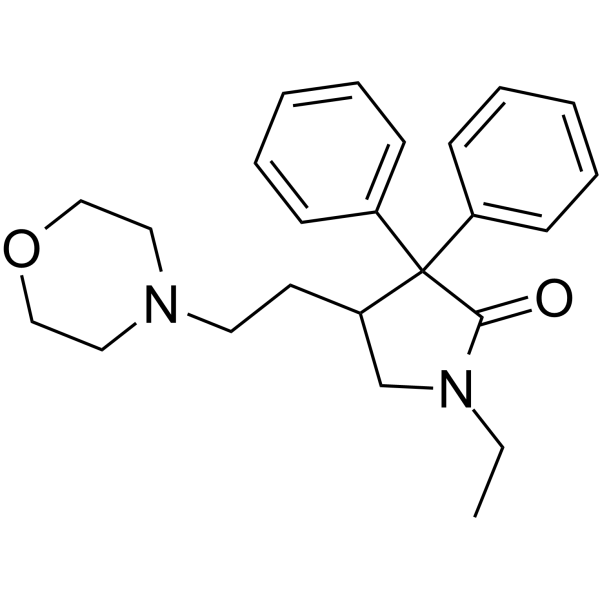
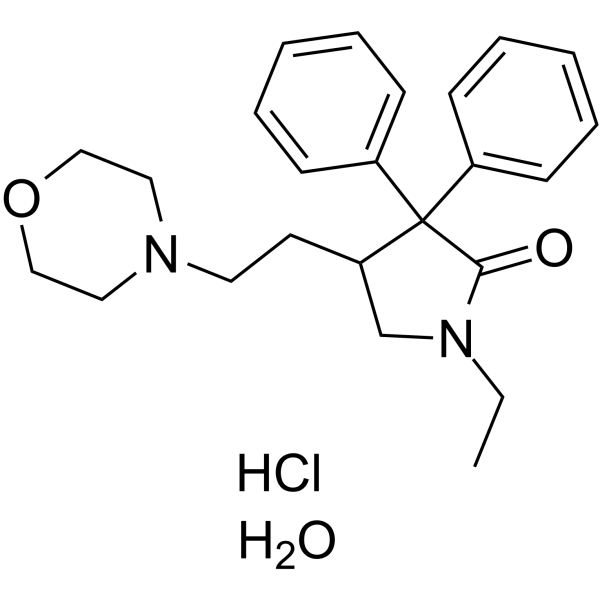
Doxapram is a respiratory stimulant. Doxapram increases breathing rate and depth by acting on the brain's respiratory centers and peripheral chemoreceptors. Doxapram inhibits TASK-1, TASK-3, TASK-1/TASK-3 heterodimeric channel function with EC50s of 410 nM, 37 μM, 9 μM, respectively. Doxapram inhibits the Ca²⁺-activated potassium current (IC50 ≈ 13 μM) and Ca²⁺-independent potassium current (IC50 ≈ 20 μM) in type I cells of the carotid body. Doxapram significantly prolongs the effective refractory period of the atrium and has an anti-arrhythmic effect. Doxapram can be used for the study of respiratory depression such as post-anesthesia respiratory depression, chronic obstructive pulmonary disease and apnea of prematurity .
|
-
-
- HY-B0551A
-
|
|
Potassium Channel
|
Neurological Disease
|
|
Doxapram hydrochloride hydrate is a respiratory stimulant. Doxapram hydrochloride hydrate increases breathing rate and depth by acting on the brain's respiratory centers and peripheral chemoreceptors. Doxapram hydrochloride hydrate inhibits TASK-1, TASK-3, TASK-1/TASK-3 heterodimeric channel function with EC50s of 410 nM, 37 μM, 9 μM, respectively. Doxapram hydrochloride hydrate inhibits the Ca²⁺-activated potassium current (IC50 ≈ 13 μM) and Ca²⁺-independent potassium current (IC50 ≈ 20 μM) in type I cells of the carotid body. Doxapram hydrochloride hydrate significantly prolongs the effective refractory period of the atrium and has an anti-arrhythmic effect. Doxapram hydrochloride hydrate can be used for the study of respiratory depression such as post-anesthesia respiratory depression, chronic obstructive pulmonary disease and apnea of prematurity .
|
-
-
- HY-156963
-
|
FP-025
|
MMP
|
Inflammation/Immunology
|
|
Aderamastat (FP-025) is an orally active, selective MMP-12 inhibitor. Aderamastat provides protection against house dust mite (HDM)-sensitized allergic asthma. Aderamastat can be used in the research of respiratory diseases, including chronic inflammatory airway diseases and pulmonary fibrosis .
|
-
-
- HY-150217
-
|
ODN 10101
|
Toll-like Receptor (TLR)
|
Infection
Inflammation/Immunology
|
|
CpG ODN 10101 (ODN 10101; CPG 10101) is a selective agonist targeting TLR9, a synthetic oligodeoxynucleotide modified with phosphate thioester. CpG ODN 10101 activates B cells and plasmacytoid dendritic cells (pDCs), inducing the production of cytokines and chemokines such as interferon-IFN-α, interferon-inducible protein IP-10, and 2'5'-oligoadenylate synthase (2'5'-OAS), regulating innate immunity and promoting Th1 adaptive immune responses. CpG ODN 10101 also possesses antiviral properties and enhances vaccine immunogenicity, making it suitable as an immunomodulator and vaccine adjuvant for vaccine development in chronic hepatitis C and infectious diseases such as melioidosis, pertussis, and respiratory syncytial virus (RSV) .
|
-
-
- HY-P990933
-
|
CM-326
|
Interleukin Related
|
Inflammation/Immunology
|
|
Ocankitug (CM-326) is a humanized IgG1κ antibody targeting thymic stromal lymphopoietin (TSLP). It can be used for research on type 2 inflammatory respiratory diseases, including moderate to severe asthma, chronic sinusitis with nasal polyps, etc.
|
-
-
- HY-P990094
-
|
CSL311
|
c-Fms
|
Inflammation/Immunology
|
|
Trabikibart (CSL311) is a specific inhibitor targeting the βc receptor (CSF2RB) that inhibits signal transduction mediated by GM-CSF, IL-5, and IL-3. Trabikibart exhibits significant anti-inflammatory and anti-edema effects, reduces myeloid cell infiltration, and inhibits inflammatory cell survival. Trabikibart also possesses antiviral immune functions, which alleviate pulmonary inflammation, reverse airway dysfunction and fibrosis, and thereby restore impaired pulmonary function. Trabikibart can be used in research on related diseases such as acute respiratory distress syndrome, viral pneumonia, asthma, and chronic rhinosinusitis with nasal polyps .
|
-
-
- HY-103445
-
|
|
Elastase
|
Cardiovascular Disease
|
|
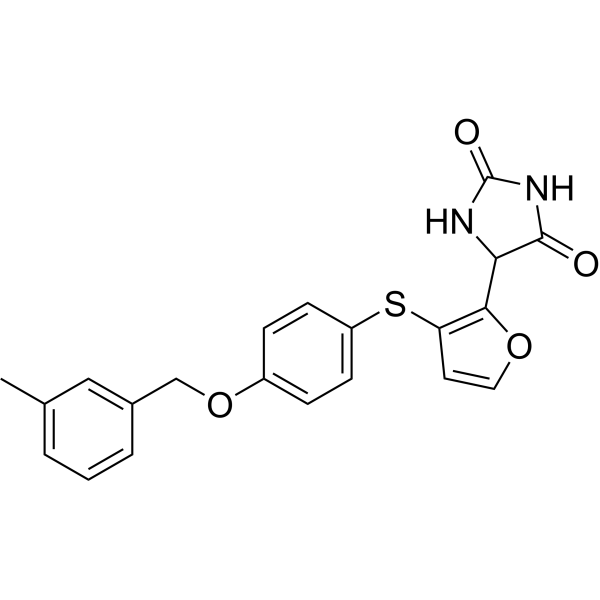
SSR69071 is a potent, orally active and selective inhibitor of neutrophil elastase. SSR69071 reduces myocardial infarct size following ischemia-reperfusion injury . SSR69071 displays a higher affinity for human elastase (Ki=0.0168 nM) than for rat (Ki=3 nM), mouse (Ki=1.8 nM), and rabbit (Ki= 58 nM) elastases .
|
-
-
- HY-B1096
-
|
Ethamivan; N,N-Diethylvanillamide
|
Biochemical Assay Reagents
|
Neurological Disease
|
|
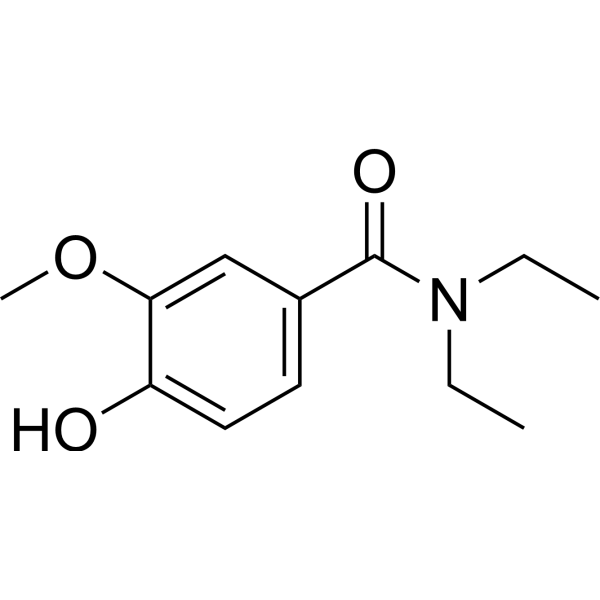
Etamivan (Ethamivan; N,N-Diethylvanillamide) is an orally active respiratory stimulant. Ethamivan regulates breathing patterns by directly stimulating the medullary respiratory center, prioritizing increased breathing depth rather than frequency. Etamivan can be used in the research of barbiturate overdose and chronic obstructive pulmonary disease .
|
-
-
- HY-156684
-
|
GDC-6599
|
TRP Channel
|
Neurological Disease
|
|
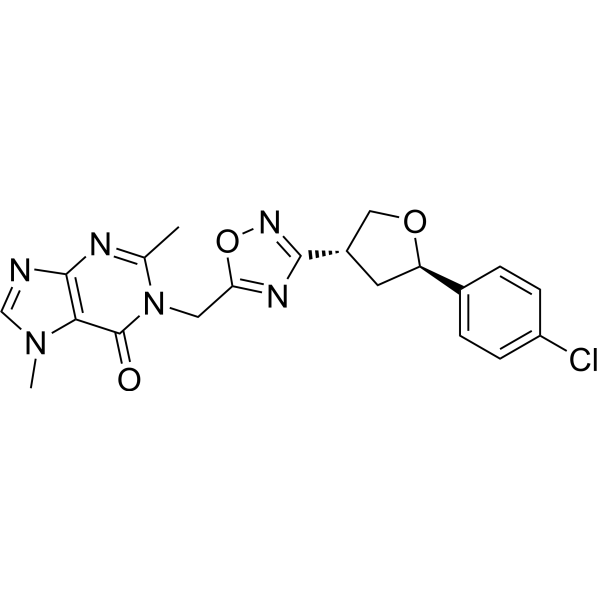
GDC-6599 is an orally active TRPA1 inhibitor, with IC50 values of 5.3 nM in humans, 6.6 nM in rats, 9.3 nM in dogs, 7.2 nM in monkeys, and 15 nM in guinea pigs. GDC-6599 can be used in the research of neuropathic pain and respiratory diseases such as asthma and chronic cough .
|
-
-
- HY-N1132R
-
|
D-Trehalose (Standard); α,α-Trehalose (Standard)
|
Reference Standards
Endogenous Metabolite
|
Metabolic Disease
|
|
Etamivan (Standard) is the analytical standard of Etamivan. This product is intended for research and analytical applications. Etamivan (Ethamivan), an orally active respiratory stimulant, is mainly used in the research of barbiturate overdose and chronic obstructive pulmonary disease .
|
-
-
- HY-130391
-
|
|
MMP
|
Inflammation/Immunology
|
|
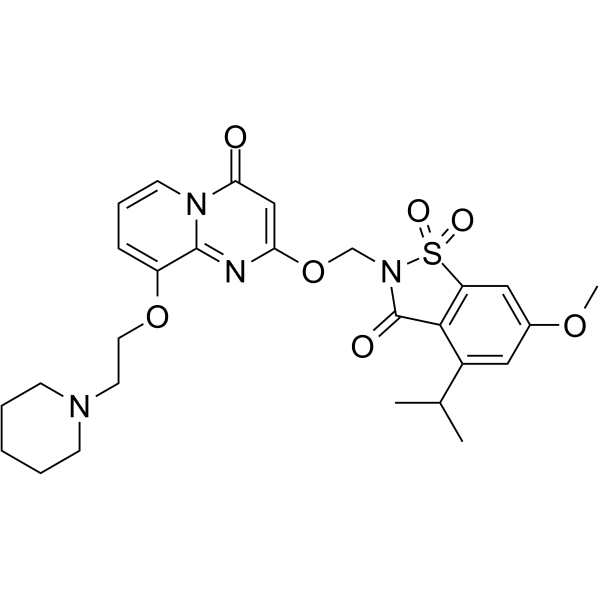
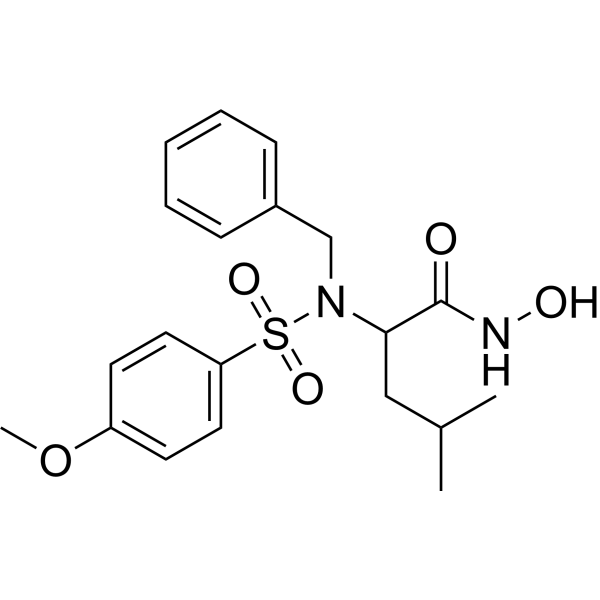
MMP12-IN-3 (compound 32) is a potent MMP12 inhibitor with an IC50 value of 4.9 nM. MMP12-IN-3 has the potential for the research of chronic respiratory diseases such as emphysema .
|
-
-
- HY-159536
-
|
KN-002; VR-588
|
JAK
|
Inflammation/Immunology
|
|
Frevecitinib (KN-002) is a potent pan-JAK inhibitor (i.e. JAK1, JAK2, JAK3, TYK2). Frevecitinib can be used for the study of asthma and other respiratory conditions such as chronic obstructive pulmonary disease (COPD).
|
-
-
- HY-174383
-
|
|
Phosphodiesterase (PDE)
|
Inflammation/Immunology
|
|
PDE3/4-IN-2 is a dual PDE3A and PDE4B1 inhibitor, with an IC50 of 0.13 nM against PDE3A and 50 nM against PDE4B1. PDE3/4-IN-2 exhibits higher systemic exposure and longer retention time in lung tissues in ICR mice. PDE3/4-IN-2 can be used in research on respiratory diseases such as asthma and chronic obstructive pulmonary disease, as well as autoimmune inflammation-related studies .
|
-
-
- HY-B1096R
-
|
Ethamivan (Standard); N,N-Diethylvanillamide (Standard)
|
Biochemical Assay Reagents
Reference Standards
|
Neurological Disease
|
|
Etamivan (Ethamivan; N,N-Diethylvanillamide) (Standard) is the analytical standard of Etamivan (HY-B1096). This product is intended for research and analytical applications. Etamivan is an orally active respiratory stimulant. Ethamivan regulates breathing patterns by directly stimulating the medullary respiratory center, prioritizing increased breathing depth rather than frequency. Etamivan can be used in the research of barbiturate overdose and chronic obstructive pulmonary disease.
|
-
-
- HY-161877
-
|
|
RSV
|
Infection
|
|
GS-7682 is an antiviral compound. GS-7682 has inhibitory activity against pneumoviruses and picornaviruses. GS-7682 can be used in the study of respiratory diseases such as asthma and chronic obstructive pulmonary disease .
|
-
-
- HY-105762A
-
|
Etamiphylline camsylate
|
Adrenergic Receptor
|
Cardiovascular Disease
|
|
Etamiphyllin camsylate (Etamiphylline camsylate) is a cardiac stimulant with oral activity that increases cardiac output without increasing heart rate. Etamiphyllin camsylate is also a respiratory stimulant used for respiratory failure, as Etamiphyllin camsylate relaxes the smooth muscles of the bronchi and bronchioles, thereby opening up the airways to relieve chronic obstructive pulmonary disease .
|
-
-
- HY-107355
-
|
|
Reactive Oxygen Species (ROS)
|
Inflammation/Immunology
|
|
Letosteine is an orally active, potent and safe expectorant. Letosteine has the effect of scavenging reactive oxygen species (ROS). Letosteine dissolves bronchial mucus and reduces respiratory inflammation symptoms, and restores gas exchanges and natural defense mechanisms in the lung. Letosteine can be used for acute or chronic respiratory diseases (such as bronchopneumopathies) research .
|
-
-
- HY-149235
-
|
|
PI3K
|
Inflammation/Immunology
|
|
PI3Kδ-IN-12 (compound 13) is a PI3Kδ inhibitor (pIC50 = 5.8), with pKi values of 8.0/6.5/6.4/6.7 for PI3Kδ/γ/β/α, respectively. PI3Kδ-IN-12 can be used in the study of chronic respiratory diseases such as asthma and chronic obstructive pulmonary disease (COPD) .
|
-
-
- HY-113749
-
|
|
Adrenergic Receptor
|
Inflammation/Immunology
|
|
L-Mabuterol hydrochloride is a selective β2-adrenergic receptor agonist with bronchodilator activity. L-Mabuterol hydrochloride can improve respiratory function and relieve asthma symptoms. L-Mabuterol hydrochloride also shows potential efficacy in the management of chronic obstructive pulmonary disease (COPD) .
|
-
-
- HY-123862
-
|
|
PI3K
Lipase
G Protein-coupled Receptor Kinase (GRK)
|
Inflammation/Immunology
|
|
LAS195319 is an orally active and potent inhibitor against PI3Kδ with an IC50 value of 0.5 nM. LAS195319 is also a highly selective inhibitor against an extensive panel of proteins, lipid kinases and GPCRs. LAS195319 causes an inhibition of neutrophil and eosinophil infiltration. LAS195319 is promising for research of respiratory diseases such as asthma and chronic obstructive pulmonary disease (COPD) .
|
-
-
- HY-129146S
-
|
|
Isotope-Labeled Compounds
Potassium Channel
|
Others
|
|
Doxapram-d5 hydrochloride is deuterium labeled Doxapram hydrochloride. Doxapram hydrochloride is a respiratory stimulant. Doxapram hydrochloride increases breathing rate and depth by acting on the brain's respiratory centers and peripheral chemoreceptors. Doxapram hydrochloride inhibits TASK-1, TASK-3, TASK-1/TASK-3 heterodimeric channel function with EC50s of 410 nM, 37 μM, 9 μM, respectively. Doxapram hydrochloride inhibits the Ca²⁺-activated potassium current (IC50 ≈ 13 μM) and Ca²⁺-independent potassium current (IC50 ≈ 20 μM) in type I cells of the carotid body. Doxapram hydrochloride significantly prolongs the effective refractory period of the atrium and has an anti-arrhythmic effect. Doxapram hydrochloride can be used for the study of respiratory depression such as post-anesthesia respiratory depression, chronic obstructive pulmonary disease and apnea of prematurity.
|
-
-
- HY-B0551S
-
|
|
Isotope-Labeled Compounds
Potassium Channel
|
Neurological Disease
|
|
Doxapram-d8 is deuterated labeled Doxapram (HY-B0551). Doxapram is a respiratory stimulant. Doxapram increases breathing rate and depth by acting on the brain's respiratory centers and peripheral chemoreceptors. Doxapram inhibits TASK-1, TASK-3, TASK-1/TASK-3 heterodimeric channel function with EC50s of 410 nM, 37 μM, 9 μM, respectively. Doxapram inhibits the Ca²⁺-activated potassium current (IC50 ≈ 13 μM) and Ca²⁺-independent potassium current (IC50 ≈ 20 μM) in type I cells of the carotid body. Doxapram significantly prolongs the effective refractory period of the atrium and has an anti-arrhythmic effect. Doxapram can be used for the study of respiratory depression such as post-anesthesia respiratory depression, chronic obstructive pulmonary disease and apnea of prematurity.
|
-
-
- HY-B0551AR
-
|
|
Reference Standards
Potassium Channel
|
Neurological Disease
|
|
Doxapram hydrochloride hydrate (Standard) is the analytical standard of Doxapram hydrochloride hydrate (HY-B0551A). This product is intended for research and analytical applications. Doxapram hydrochloride hydrate is a respiratory stimulant. Doxapram hydrochloride hydrate increases breathing rate and depth by acting on the brain's respiratory centers and peripheral chemoreceptors. Doxapram hydrochloride hydrate inhibits TASK-1, TASK-3, TASK-1/TASK-3 heterodimeric channel function with EC50s of 410 nM, 37 μM, 9 μM, respectively. Doxapram hydrochloride hydrate inhibits the Ca²⁺-activated potassium current (IC50 ≈ 13 μM) and Ca²⁺-independent potassium current (IC50 ≈ 20 μM) in type I cells of the carotid body. Doxapram hydrochloride hydrate significantly prolongs the effective refractory period of the atrium and has an anti-arrhythmic effect. Doxapram hydrochloride hydrate can be used for the study of respiratory depression such as post-anesthesia respiratory depression, chronic obstructive pulmonary disease and apnea of prematurity.
|
-
-
- HY-12980A
-
|
GSK961081 Succinate; TD-5959 Succinate
|
Adrenergic Receptor
mAChR
|
Neurological Disease
|
|
Batefenterol Succinate (GSK961081 Succinate) is a first-of-its-kind inhaled bifunctional bronchodilator with smooth muscle relaxant properties. The activities of Batefenterol Succinate include acting as a smooth muscle parasympathetic antagonist and a beta2-adrenoceptor agonist. Batefenterol Succinate is used to improve respiratory function, especially in patients with chronic obstructive pulmonary disease (COPD) .
|
-
-
- HY-157796
-
|
|
Adrenergic Receptor
|
Metabolic Disease
|
|
β2AR agonist 4 (compound A19) is a potent and selective β2-Adrenoceptor agonist with an EC50 of 3.7 pM. β2AR agonist 4 suppresses the inflammatory cytokines and leukocytes upregulation and improves lung function in COPD rat model .
|
-
-
- HY-163702
-
|
|
Adrenergic Receptor
mAChR
|
Inflammation/Immunology
|
|
CHF-6550 is an antagonist for muscarinic M3 receptor and an agonist for β2 adrenoceptor (MABA), with pKi of 9.3 and 10.6, respectively. CHF-6550 exhibits good hepatocyte clearance in rat models and good pharmacokinetic characteristics in guinea pigs .
|
-
-
- HY-14162
-
|
|
FLAP
|
Inflammation/Immunology
|
AM103 (free acid) is a selective FLAP inhibitor that can block the first step of the LT pathway, which is 5-LO activation. AM103 (free acid) can inhibit the production of LTB4 and cysteinyl leukotrienes (CysLT). AM103 (free acid) has anti-inflammatory activity in a mouse model of chronic lung inflammation and can extend the survival time of mice injected with platelet-activating factor. AM103 (free acid) can be used for research on respiratory diseases such as asthma .
|
-
-
- HY-120246
-
|
|
Adrenergic Receptor
Phosphodiesterase (PDE)
|
Inflammation/Immunology
|
|
GS-5759 is both a β₂-adrenergic receptor agonist and a PDE4 inhibitor. GS-5759 increases intracellular cAMP levels by activating the β₂ receptor, promoting bronchial dilation. GS-5759 inhibits PDE4 activity, reduces cAMP degradation, and enhances anti-inflammatory effects. GS-5759 exhibits potent bronchial dilation and anti-inflammatory capabilities in animal models. GS-5759 can be used for research on respiratory diseases such as chronic obstructive pulmonary disease (COPD) .
|
-
-
- HY-119976S
-
|
|
Isotope-Labeled Compounds
Apoptosis
Fungal
Mitochondrial Metabolism
Succinate Dehydrogenase
|
Others
|
|
Boscalid-d4 is the deuterium labeled Boscalid. Boscalid is a succinate dehydrogenase (SDHI) inhibitor with antifungal activity. Boscalid binds to the ubiquinone-binding site of fungal mitochondrial complex II, blocks ATP production and aerobic respiration, exhibits good control efficacy against a variety of plant fungal diseases including gray mold, sclerotinia rot and powdery mildew, and is widely used for disease control in agriculture. Boscalid induces apoptosis, altered lipid metabolism, mitochondrial dysfunction, respiratory impairment, oxidative stress, ROS accumulation and neurodevelopmental disorders in zebrafish. Boscalid reduces foraging ability, shortens median death time and causes chronic toxicity in exposed honeybees. Boscalid also possesses genotoxicity, cytotoxicity, elevated mitochondrial superoxide levels and early-stage apoptosis .
|
-
-
- HY-119976R
-
|
|
Reference Standards
Apoptosis
Fungal
Mitochondrial Metabolism
Succinate Dehydrogenase
|
Infection
|
|
Boscalid (Standard) is the analytical standard of Boscalid. This product is intended for research and analytical applications. Boscalid is a succinate dehydrogenase (SDHI) inhibitor with antifungal activity. Boscalid binds to the ubiquinone-binding site of fungal mitochondrial complex II, blocks ATP production and aerobic respiration, exhibits good control efficacy against a variety of plant fungal diseases including gray mold, sclerotinia rot and powdery mildew, and is widely used for disease control in agriculture. Boscalid induces apoptosis, altered lipid metabolism, mitochondrial dysfunction, respiratory impairment, oxidative stress, ROS accumulation and neurodevelopmental disorders in zebrafish. Boscalid reduces foraging ability, shortens median death time and causes chronic toxicity in exposed honeybees. Boscalid also possesses genotoxicity, cytotoxicity, elevated mitochondrial superoxide levels and early-stage apoptosis .
|
-
-
- HY-163982
-
|
|
NF-κB
FOXO
|
Inflammation/Immunology
|
|
FOXJ1 agonist 1 (compound 16c) is an orally effective small molecule that can effectively enhance the expression of FOXJ1. Foxj1-IN-1 acts on the mammalian airway system composed of multiciliated cells (MCC) to prevent the development and onset of chronic obstructive pulmonary disease (COPD). Foxj1-IN-1 can induce the production of motile cilia in the respiratory system of zebrafish and mammals, and inhibit elastase-induced COPD mouse models. Foxj1-IN-1 has good liver microsomal stability, in vivo PK curve and AUC; it has no significant inhibition of CYP and hERG, and does not have significant cytotoxicity .
|
-
-
- HY-N18663
-
|
|
Others
|
Inflammation/Immunology
|
|
Lavandula officinalis extract is widely used in research on complex respiratory diseases, such as chronic cough and asthma.
|
-
-
- HY-165508
-
|
CO-1177 free acid
|
Others
|
Infection
|
|
Nesosteine (CO-1177) free acid is a regulator of airway secretions that can improve the transport of respiratory mucus. Nesosteine free acid has the function of promoting mucociliary clearance and enhancing the efficiency of mucociliary clearance. Nesosteine free acid also increases the speed of mucus transport, which helps to accelerate the discharge of mucus in the respiratory tract, relieve airway obstruction, and improve respiratory function. Nesosteine free acid can be used to study respiratory diseases such as chronic bronchitis accompanied by abnormal mucus secretion .
|
-
-
- HY-107355R
-
|
|
Reactive Oxygen Species (ROS)
Reference Standards
|
Inflammation/Immunology
|
|
Letosteine (Standard) is the analytical standard of Letosteine (HY-107355). This product is intended for research and analytical applications. Letosteine is an orally active, potent and safe expectorant. Letosteine has the effect of scavenging reactive oxygen species (ROS). Letosteine dissolves bronchial mucus and reduces respiratory inflammation symptoms, and restores gas exchanges and natural defense mechanisms in the lung. Letosteine can be used for acute or chronic respiratory diseases (such as bronchopneumopathies) research .
|
-
-
- HY-125995
-
|
|
Keap1-Nrf2
Quinone Reductase
|
Inflammation/Immunology
|
|
NFE2L2 activator 3 (Compound 3) is a NFE2L2/NRF2 activator. NFE2L2 activator 3 specifically activates the NAD(P)H:quinone oxidoreductase (NQO1) enzyme, with its EC50 < 1 nM. NFE2L2 activator 3 can be used for research on respiratory system diseases such as chronic obstructive pulmonary disease .
|
-
-
- HY-14296A
-
|
|
Adrenergic Receptor
|
Inflammation/Immunology
|
|
PF-610355 hydrochloride is a β2-adrenergic receptor (β2-AR) full agonist with selectivity for β1-adrenergic receptors. PF-610355 hydrochloride increases intracellular cAMP levels, induces sustained tracheal smooth muscle relaxation, and inhibits acetylcholine-induced bronchoconstriction. PF-610355 hydrochloride can be used in research related to chronic obstructive pulmonary disease, asthma, and respiratory system diseases .
|
-
-
- HY-185006
-
-
| Cat. No. |
Product Name |
Type |
-
- HY-119976
-
|
|
Biochemical Assay Reagents
|
|
Boscalid is a succinate dehydrogenase (SDHI) inhibitor with antifungal activity. Boscalid binds to the ubiquinone-binding site of fungal mitochondrial complex II, blocks ATP production and aerobic respiration, exhibits good control efficacy against a variety of plant fungal diseases including gray mold, sclerotinia rot and powdery mildew, and is widely used for disease control in agriculture. Boscalid induces apoptosis, altered lipid metabolism, mitochondrial dysfunction, respiratory impairment, oxidative stress, ROS accumulation and neurodevelopmental disorders in zebrafish. Boscalid reduces foraging ability, shortens median death time and causes chronic toxicity in exposed honeybees. Boscalid also possesses genotoxicity, cytotoxicity, elevated mitochondrial superoxide levels and early-stage apoptosis .
|
-
- HY-W251428
-
|
Egg PG
|
Biochemical Assay Reagents
|
|
Phosphatidylglycerols (PG) is a selective inhibitor targeting the TLR4 accessory protein CD14/MD-2 complex, inhibiting LPS or virus (such as RSV)-mediated inflammatory signaling pathways through competitive binding. Phosphatidylglycerols directly bind to viral particles to block infection, inhibit COX-2 expression to reduce the release of inflammatory factors (IL-6, IL-8), and improve oxidative stress by regulating mitochondrial membrane phospholipid remodeling. Phosphatidylglycerols can be taken orally or by inhalation and can be used in the study of chronic inflammatory diseases (such as atherosclerosis) and respiratory viral infections (such as RSV) .
|
-
- HY-119976R
-
|
|
Biochemical Assay Reagents
|
|
Boscalid (Standard) is the analytical standard of Boscalid. This product is intended for research and analytical applications. Boscalid is a succinate dehydrogenase (SDHI) inhibitor with antifungal activity. Boscalid binds to the ubiquinone-binding site of fungal mitochondrial complex II, blocks ATP production and aerobic respiration, exhibits good control efficacy against a variety of plant fungal diseases including gray mold, sclerotinia rot and powdery mildew, and is widely used for disease control in agriculture. Boscalid induces apoptosis, altered lipid metabolism, mitochondrial dysfunction, respiratory impairment, oxidative stress, ROS accumulation and neurodevelopmental disorders in zebrafish. Boscalid reduces foraging ability, shortens median death time and causes chronic toxicity in exposed honeybees. Boscalid also possesses genotoxicity, cytotoxicity, elevated mitochondrial superoxide levels and early-stage apoptosis .
|
| Cat. No. |
Product Name |
Target |
Research Area |
Image |
-
- HY-P990774
-
|
ASP-7266; TRAB-1; UPB-101
|
Interleukin Related
|
Inflammation/Immunology
|
|
Verekitug (ASP-7266; TRAB-1; UPB-101) is a human monoclonal antibody targeting the thymic stromal lymphopoietin receptor (TSLPR), with a mean half-life of approximately 20 days. At doses of Verekitug ≥100 mg, complete and sustained TSLPR-specific occupancy is achieved, and the antibody does not bind to IL-7Rα. By inhibiting TSLP-driven inflammatory responses, Verekitug blocks TSLP-induced cell proliferation and TARC expression, while reducing fractional exhaled NO levels, blood eosinophil counts, and levels of IL-5 and IgE. Verekitug significantly improves scores for nasal polyps, nasal congestion and olfactory dysfunction, with favorable safety and good tolerability; potential adverse reactions include headache, upper respiratory tract infection, sinusitis and nasopharyngitis. Verekitug is used in relevant studies on asthma, chronic rhinosinusitis with nasal polyps and chronic obstructive pulmonary disease .
|
-
(5)
-
- HY-P990933
-
|
CM-326
|
Interleukin Related
|
Inflammation/Immunology
|
|
Ocankitug (CM-326) is a humanized IgG1κ antibody targeting thymic stromal lymphopoietin (TSLP). It can be used for research on type 2 inflammatory respiratory diseases, including moderate to severe asthma, chronic sinusitis with nasal polyps, etc.
|
-
(5)
-
- HY-P990094
-
|
CSL311
|
c-Fms
|
Inflammation/Immunology
|
|
Trabikibart (CSL311) is a specific inhibitor targeting the βc receptor (CSF2RB) that inhibits signal transduction mediated by GM-CSF, IL-5, and IL-3. Trabikibart exhibits significant anti-inflammatory and anti-edema effects, reduces myeloid cell infiltration, and inhibits inflammatory cell survival. Trabikibart also possesses antiviral immune functions, which alleviate pulmonary inflammation, reverse airway dysfunction and fibrosis, and thereby restore impaired pulmonary function. Trabikibart can be used in research on related diseases such as acute respiratory distress syndrome, viral pneumonia, asthma, and chronic rhinosinusitis with nasal polyps .
|
-
(5)
| Cat. No. |
Product Name |
Category |
Target |
Chemical Structure |
| Cat. No. |
Product Name |
Chemical Structure |
-
- HY-129146S
-
|
|
|
Doxapram-d5 hydrochloride is deuterium labeled Doxapram hydrochloride. Doxapram hydrochloride is a respiratory stimulant. Doxapram hydrochloride increases breathing rate and depth by acting on the brain's respiratory centers and peripheral chemoreceptors. Doxapram hydrochloride inhibits TASK-1, TASK-3, TASK-1/TASK-3 heterodimeric channel function with EC50s of 410 nM, 37 μM, 9 μM, respectively. Doxapram hydrochloride inhibits the Ca²⁺-activated potassium current (IC50 ≈ 13 μM) and Ca²⁺-independent potassium current (IC50 ≈ 20 μM) in type I cells of the carotid body. Doxapram hydrochloride significantly prolongs the effective refractory period of the atrium and has an anti-arrhythmic effect. Doxapram hydrochloride can be used for the study of respiratory depression such as post-anesthesia respiratory depression, chronic obstructive pulmonary disease and apnea of prematurity.
|
-
-
- HY-B0551S
-
|
|
|
Doxapram-d8 is deuterated labeled Doxapram (HY-B0551). Doxapram is a respiratory stimulant. Doxapram increases breathing rate and depth by acting on the brain's respiratory centers and peripheral chemoreceptors. Doxapram inhibits TASK-1, TASK-3, TASK-1/TASK-3 heterodimeric channel function with EC50s of 410 nM, 37 μM, 9 μM, respectively. Doxapram inhibits the Ca²⁺-activated potassium current (IC50 ≈ 13 μM) and Ca²⁺-independent potassium current (IC50 ≈ 20 μM) in type I cells of the carotid body. Doxapram significantly prolongs the effective refractory period of the atrium and has an anti-arrhythmic effect. Doxapram can be used for the study of respiratory depression such as post-anesthesia respiratory depression, chronic obstructive pulmonary disease and apnea of prematurity.
|
-
-
- HY-119976S
-
|
|
|
Boscalid-d4 is the deuterium labeled Boscalid. Boscalid is a succinate dehydrogenase (SDHI) inhibitor with antifungal activity. Boscalid binds to the ubiquinone-binding site of fungal mitochondrial complex II, blocks ATP production and aerobic respiration, exhibits good control efficacy against a variety of plant fungal diseases including gray mold, sclerotinia rot and powdery mildew, and is widely used for disease control in agriculture. Boscalid induces apoptosis, altered lipid metabolism, mitochondrial dysfunction, respiratory impairment, oxidative stress, ROS accumulation and neurodevelopmental disorders in zebrafish. Boscalid reduces foraging ability, shortens median death time and causes chronic toxicity in exposed honeybees. Boscalid also possesses genotoxicity, cytotoxicity, elevated mitochondrial superoxide levels and early-stage apoptosis .
|
-
| Cat. No. |
Product Name |
|
Classification |
-
- HY-150217
-
|
ODN 10101
|
|
CpG ODNs
|
|
CpG ODN 10101 (ODN 10101; CPG 10101) is a selective agonist targeting TLR9, a synthetic oligodeoxynucleotide modified with phosphate thioester. CpG ODN 10101 activates B cells and plasmacytoid dendritic cells (pDCs), inducing the production of cytokines and chemokines such as interferon-IFN-α, interferon-inducible protein IP-10, and 2'5'-oligoadenylate synthase (2'5'-OAS), regulating innate immunity and promoting Th1 adaptive immune responses. CpG ODN 10101 also possesses antiviral properties and enhances vaccine immunogenicity, making it suitable as an immunomodulator and vaccine adjuvant for vaccine development in chronic hepatitis C and infectious diseases such as melioidosis, pertussis, and respiratory syncytial virus (RSV) .
|
Your information is safe with us. * Required Fields.
Inquiry Information
- Product Name:
- Cat. No.:
- Quantity:
- MCE Japan Authorized Agent:

