
1. Search Result
Search Result
Results for "

covalent ligand

" in MedChemExpress (MCE) Product Catalog:

77

Inhibitors & Agonists

4

Screening Libraries

5

Fluorescent Dyes

9

Biochemical Assay Reagents

4

Peptides

13

MCE Kits

1

Natural
Products

3

Click Chemistry

2

Oligonucleotides

Cat. No. Product Name Target Research Areas Chemical Structure
  • HY-D2270
    Halo tag TMR
    2 Publications Verification

    Fluorescent Dye Others
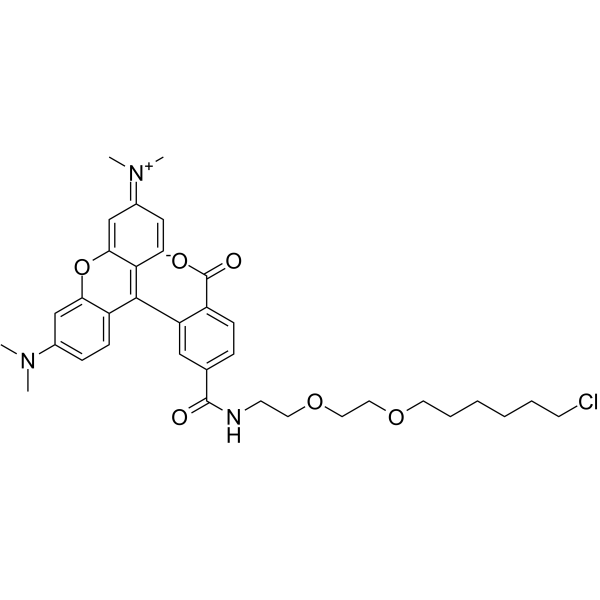
    Halo tag TMR is a red fluorescent dye composed of Halo tag ligand molecules and TMR (TAMRA). Halo tag can quickly and stably covalently bind to Halo protein with high specificity and affinity (Ex/Em = 550/576 nm) .
    Halo tag TMR
  • HY-140739

    Liposome Neurological Disease Cancer
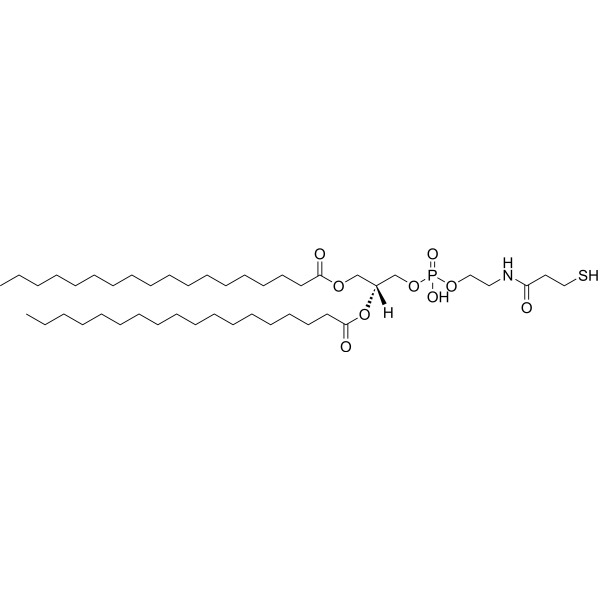
    DSPE-PEG2000-Maleimide sodium (purity>95%) is a phospholipid-PEG conjugate. DSPE-PEG2000-Maleimide utilizes the amphiphilicity of DSPE to insert into the lipid bilayer of liposomes or nanoparticles. DSPE-PEG2000-Maleimide covalently couples to the sulfhydryl (-SH) of ligands (such as antibodies, peptides, or proteins) via thiol-maleimide click chemistry, giving the particles targeting capabilities. DSPE-PEG2000-Maleimide sodium (purity>95%) can be used in the researches of breast cancer, lymphoma, and inherited retinal degeneration .
    DSPE-PEG2000-Maleimide sodium (purity>95%)
  • HY-158301
    MY-1B
    1 Publications Verification

    DNA Methyltransferase RNA MTase Others
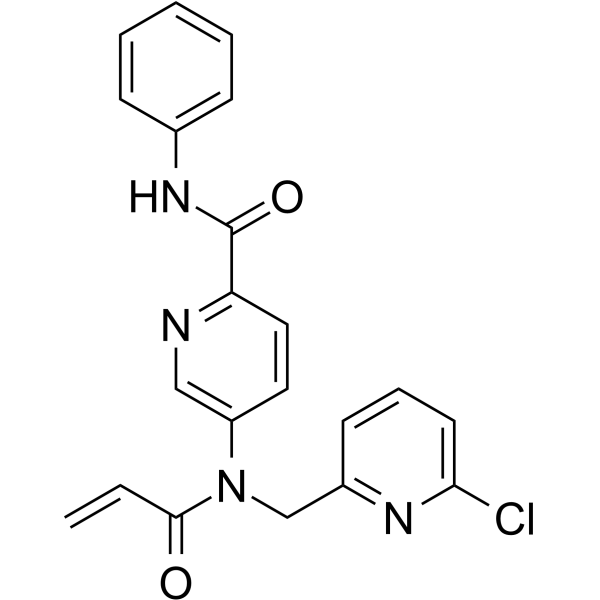
    MY-1B is a covalent inhibitor of the RNA Methyltransferase NSUN2 (IC50: 1.3 μM). MY-1B stereoselectively ligands active-site cysteine residues (C271) of NSUN2. MY-1B can stereoselectively and covalently bind to PSME1, disrupting the proteasome regulatory complex and downregulating the presentation of specific MHC-I subtypes .
    MY-1B
  • HY-151716

    PROTAC Linkers Others
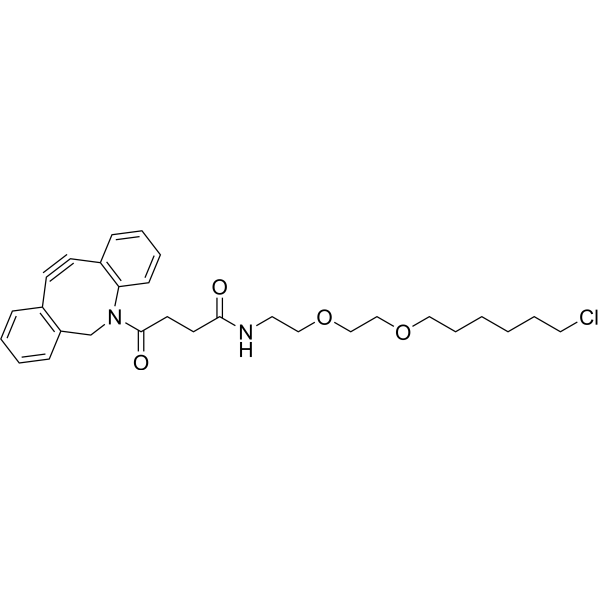
    Halo-DBCO is a click chemistry reagent containing dibenzocyclooctyne (DBCO). Halo-DBCO can be used as a ligand to react with HaloTag to form covalent HaloTag ligand couples .
    Halo-DBCO
  • HY-Y1101B

    N-Methylmorpholine N-Oxide; MMNO; 4-Methylmorpholine 4-oxide

    Biochemical Assay Reagents Others
    4-Methylmorpholine N-oxide (N-Methylmorpholine N-Oxide; MMNO; 4-Methylmorpholine 4-oxide) is an amine oxide ligand and ozonation reagent. 4-Methylmorpholine N-oxide forms coordination complexes with lanthanum (III) nitrate and yttrium (III) nitrate via its nitroso oxygen atom. The metal-ligand bonds are dominated by electrostatic interactions with a small covalent component. 4-Methylmorpholine N-oxide is applicable in ozonation reactions for the synthesis of methyl 9-oxononanoate .
    4-Methylmorpholine N-oxide
  • HY-100848
    TX1-85-1
    2 Publications Verification

    EGFR Cancer
    TX1-85-1 is an irreversible Her3 (ErbB3) inhibitor with an IC50 of 23 nM. TX1-85-1 is also the first selective Her3 ligand, which forms a covalent bond with Cys721 located in the ATP-binding site of Her3. TX1-85-1 induces partial degradation of Her3 protein and attenuates Her3-dependent signaling .
    TX1-85-1
  • HY-134761
    EN4
    2 Publications Verification

    c-Myc Cancer
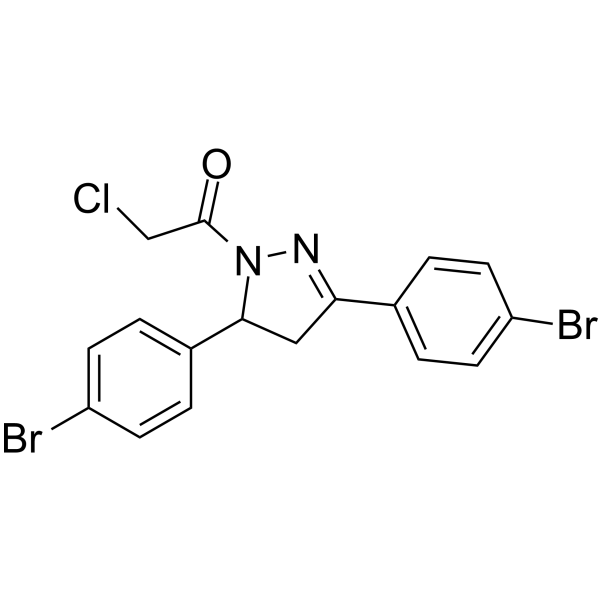
    EN4 is a covalent ligand that targets cysteine 171 (C171) of MYC. EN4 is selective for c-MYC over N-MYC and L-MYC. EN4 inhibits MYC transcriptional activity, downregulates MYC targets, and impairs tumorigenesis .
    EN4
  • HY-P10709

    Collagen Cardiovascular Disease Cancer
    CREKA peptide is a selective non-covalent binding agent targeting fibrin, type IV collagen, and fibronectin, often used as a targeting ligand to modify delivery carriers. CREKA peptide specifically recognizes fibrin, fibronectin, and type IV collagen that are excessively deposited in the tumor microenvironment or fibrotic tissue, mediating the targeted accumulation of the carrier at the lesion site and promoting drug internalization into target cells (such as cancer cells and activated hepatic stellate cells). CREKA peptide can enhance targeted delivery efficiency, increase drug concentration at the lesion site, and reduce systemic side effects .
    CREKA peptide
  • HY-141550

    NF-κB Inflammation/Immunology
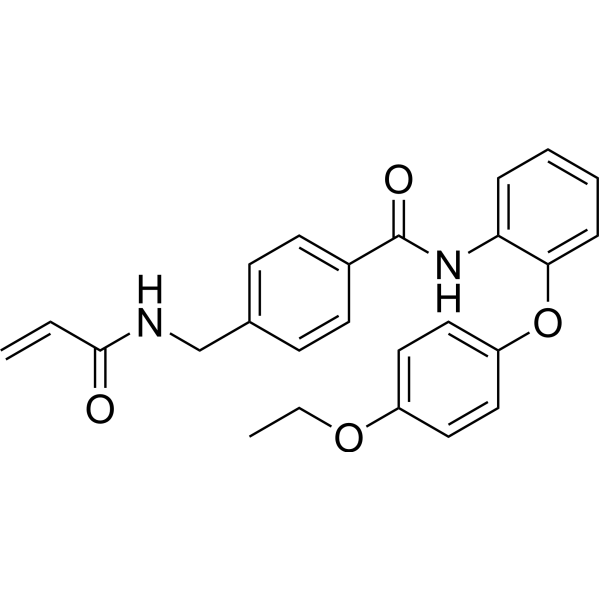
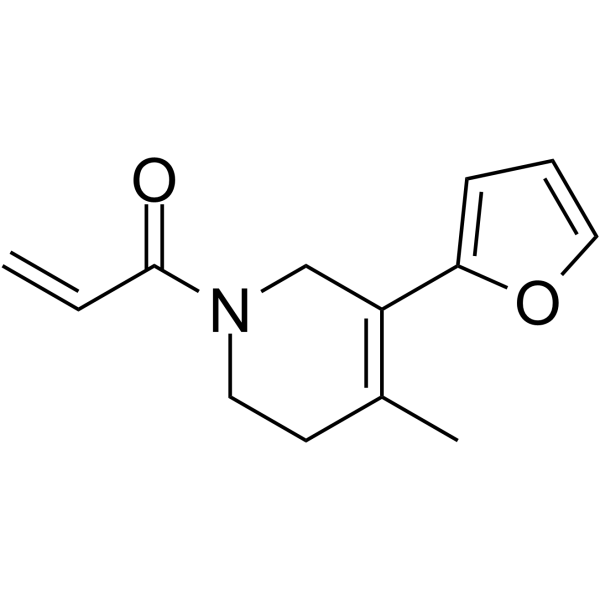
    BPK-25, an active acrylamide, promotes degradation of nucleosome remodeling and deacetylation (NuRD) complex proteins by a post-translational mechanism involving covalent protein engagement. BPK-25 inhibits TMEM173 activation by the cyclic dinucleotide ligand cGAMP .
    BPK-25
  • HY-W145665

    Biochemical Assay Reagents Endogenous Metabolite Others
    Amylose is not a typical small-molecule ligand with a specific traditional receptor-binding target. It is a polysaccharide. In food science and biological systems, amylose can interact with proteins and free fatty acids through non-covalent forces like hydrophobic interactions and electrostatic interactions. For example, it can form a ternary complex with them, which is related to the structure and digestion of starch. It is widely studied in the fields of food science, carbohydrate metabolism, and is also relevant in research on controlling glycemic responses, as it affects starch digestion rate .
    Amylose
  • HY-W229874

    E1/E2/E3 Enzyme NF-κB Reactive Oxygen Species (ROS) SOD Cancer
    EN106 is a potent inhibitor of FEMIB. EN106 is a cysteine-reactive covalent ligand. EN106 disrupts recognition of the key reductive stress substrate of FEM1B, FNIP1. EN106 reduces oxidative stress and rescues high glucose-induced impaired angiogenesis in HUVECs .
    EN106
  • HY-122577

    Aldehyde Dehydrogenase (ALDH) Cancer
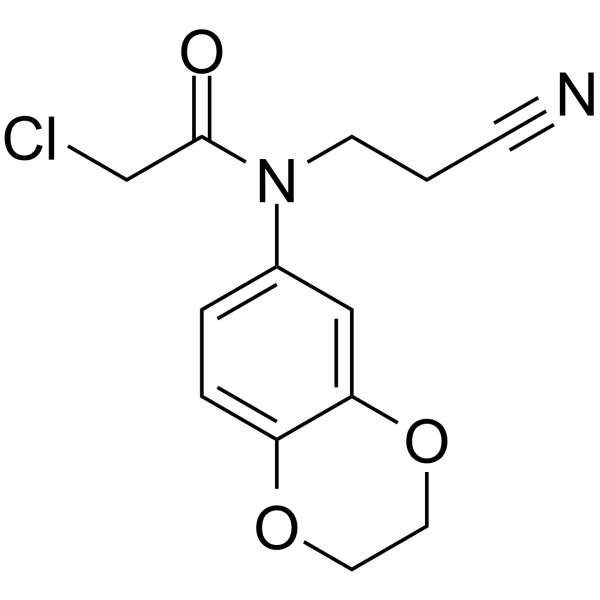
    EN40 is a potent, selective aldehyde dehydrogenase 3A1 (ALDH3A1) inhibitor as a covalent ligand, exhibits an IC50 value of 2 uM
    EN40
  • HY-115715
    EN219
    1 Publications Verification

    E1/E2/E3 Enzyme Cancer
    EN219 is a moderately selective synthetic covalent ligand against an N-terminal cysteine (C8) of RNF114 with an IC50 of 470 nM. EN219 inhibits RNF114-mediated autoubiquitination and p21 ubiquitination .
    EN219
  • HY-177554

    Biochemical Assay Reagents Cancer
    KB05yne is a site-selective, alkyne-functionalized electrophilic "probe" fragment probe designed for covalent ligand discovery, with preferential reactivity toward specific cysteine residues in proteins. KB05yne strongly labels wild-type target proteins (e.g., CDKN2AIP, HPCAL1) but does not label their cysteine-to-alanine mutants, confirming site-specific cysteine reactivity. KB05yne can be used for the discovery and optimization of site-specific covalent ligands, and is applicable to proteins with diverse structures and functions, especially in studies targeting cysteine residues in cancer-related or difficult-to-purify proteins .
    KB05yne
  • HY-176812

    Ras PI3K Akt Cancer
    VVD-849 is a RAS ligand. VVD-849 covalently binds to Cys242 in the RAS-binding domain of PI3K p110α and promotes RAS/PI3K interaction. VVD-849 partially inhibits pAKT (S473) in HER2-overexpressing tumors. VVD-849 can be used for the research of cancers such as breast cancer .
    VVD-849
  • HY-129610

    PROTACs FKBP Cancer
    KB02-SLF is a PROTAC-based nuclear FKBP12 degrader (molecular glue). KB02-SLF promotes nuclear FKBP12 degradation by covalently modifying DCAF16 (E3 ligase) and can improve the durability of protein degradation in biological systems. SLF binds ubiquitin E3 ligase ligand KB02 via a linker to form KB02-SLF .
    KB02-SLF
  • HY-129917
    KB02-JQ1
    4 Publications Verification

    PROTACs Epigenetic Reader Domain Cancer
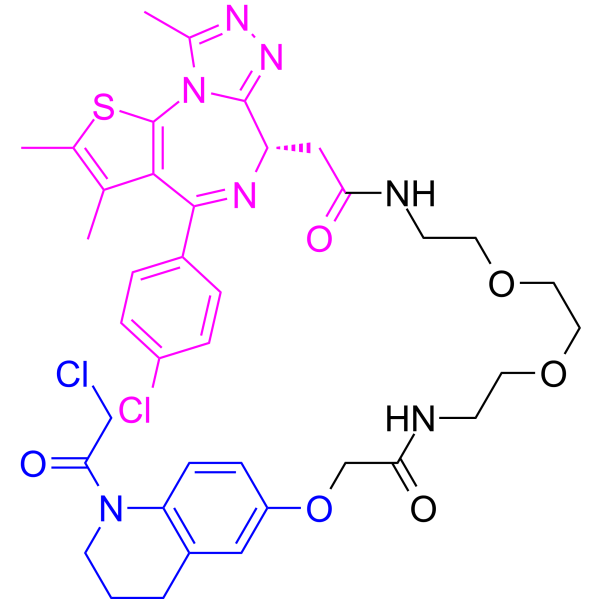
    KB02-JQ1 is a highly selective and PROTAC-based BRD4 degrader (molecular glue), but does not degrade BRD2 or BRD3. KB02-JQ1 promotes BRD4 degradation by covalently modifying DCAF16 (E3 ligase) and can improve the durability of protein degradation in biological systems. JQ1 binds ubiquitin E3 ligase ligand KB02 via a linker to form KB02-JQ1 .
    KB02-JQ1
  • HY-168992

    Histone Methyltransferase Neurological Disease Cancer
    UNC6535 is a covalent ligand targeting the SETDB1 triple Tudor domain (3TD) with negative allosteric modulator properties, with an IC50 of 3.4 μM and a Kd of 4.2 μM. UNC6535 inhibits the methyltransferase activity of recombinant SETDB1 protein lacking the 3TD domain. UNC6535 reversibly binds to the aromatic cages of both TD2 and TD3 subdomains of SETDB1 3TD simultaneously, displacing the endogenous H3K9Me2K14Ac histone tail ligand. UNC6535 can be used in research on cancer and neurodegenerative diseases .
    UNC6535
  • HY-153918A

    Ligands for Target Protein for PROTAC Cancer
    (S)-SKBG-1 is an inactive and covalent NONO ligand, used for assay control..
    (S)-SKBG-1
  • HY-177119

    PROTACs RIP kinase Mixed Lineage Kinase Infection Inflammation/Immunology
    ZBP1 Covalent PROTAC-1 is a covalent Z-DNA binding protein 1 ZBP1 PROTAC degrader, with its DC50 being 25.69 nM. ZBP1 Covalent PROTAC-1 integrates the ligand that recruits the VHL E3 ubiquitin ligase and the DNA aptamer (Aptamer Z3) with the specific Zα domain that can bind to ZBP1, which has a high affinity (KD = 2.71 nM) with ZBP1. After degrading ZBP1, the phosphorylation levels of downstream signaling molecules RIPK3 and MLKL significantly decrease. ZBP1 Covalent PROTAC-1, encapsulated by nano-liposomes, significantly improves the survival rate of mice infected with influenza A virus (IAV) after administration via the trachea .
    ZBP1 Covalent PROTAC-1
  • HY-158008

    Ras Cancer
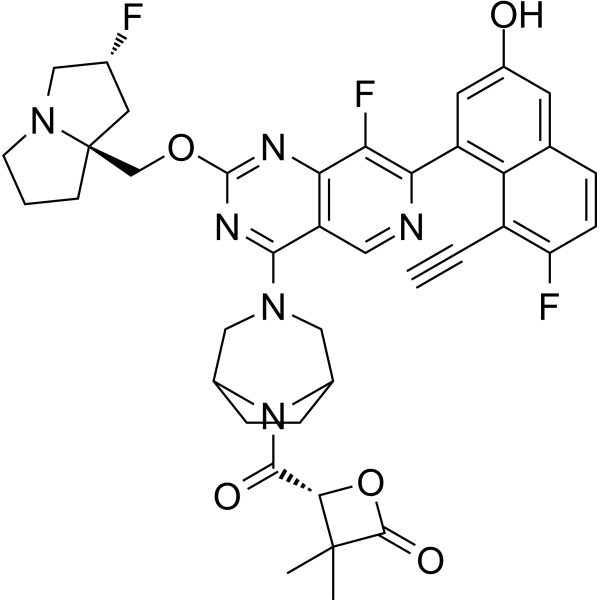
    (R)-G12Di-7 is a covalent ligand for KRAS-G12D, which selectively labels K-Ras-G12D·GDP and K-Ras-G12D·GppNHp. (R)-G12Di-7 exhibits inhibitory activity against G12D mutated cancer cells .
    (R)-G12Di-7
  • HY-169369

    XJZ-06-462

    MDM-2/p53 Apoptosis Cancer
    TRAP-1 (XJZ-06-462) is a non-covalent regulated induced proximity targeting chimera (RIPTAC) with JQ-1 carboxylic acid (HY-78695) as its target protein ligand. TRAP-1 forms a ternary complex with p53 Y220C and BRD4, potently activates p53 transcription, and inhibits the growth and proliferation of tumor cells. TRAP-1 upregulates p21 and other p53 target genes in pancreatic cell lines carrying p53 Y220C, and induces cellular senescence and apoptosis. TRAP-1 can be used in cancer research involving p53 Y220C-carrying tumors .
    TRAP-1
  • HY-W1005067

    Molecular Glues Hippo (MST) Estrogen Receptor/ERR Others
    EN171 is a covalent ligand that covalently targets both C38 and C96 on 14-3-3 to enhance 14-3-3 interactions with ERα, YAP and TAZ, leading to impaired estrogen receptor and Hippo pathway transcriptional activity. EN171 can not only be used as a molecular glue to enhance native protein interactions but can also be used as a covalent 14-3-3 recruiter in heterobifunctional molecules to sequester nuclear neo-substrates such as BRD4 and BLC6 into the cytosol .
    EN171
  • HY-161242A

    Bcl-2 Family Cancer
    CBI1 formic is a covalent BAX inhibitor. CBI1 formic selectively derivatizes BAX at C126 and inhibits BAX activation by triggering ligands or point mutagenesis. CBI1 formic blocks t-2-hex lipidation and oligomerization of BAX. CBI1 formic inhibits BAX activation induced by BH3 ligands, F116A mutagenesis or t-2-hex .
    CBI1 formic
  • HY-149933

    Cannabinoid Receptor Neurological Disease
    AM841 is a high-affinity electrophilic ligand. AM841 interacts covalently with a cysteine in helix six and activates the CB1 cannabinoid receptor. AM841 reduces Forskolin (HY-15371)-stimulated cAMP accumulation. AM841 also slows gastrointestinal motility .
    AM841
  • HY-175744

    PSMA Cancer
    PSMA-MAL-5 is a PSMA ligand. PSMA-MAL-5 covalently binds to Cys466 of PSMA. PSMA-MAL-5 labeled with 177Lu and 225Ac has high radiostability and tumor uptake. PSMA-MAL-5 also effectively inhibits tumor growth. PSMA-MAL-5 can be used for SPECT/CT imaging and radionuclide therapy of prostate cancer .
    PSMA-MAL-5
  • HY-158036

    PROTACs STING Others Inflammation/Immunology
    PROTAC STING degrader-2 is a protein Degrader that targets Stimulator of interferon genes (STING) (DC50=0.53 μM). PROTAC STING Degrader-2 is combined with STING protein and E3 ubiquitin ligase in a covalent manner to induce the degradation of STING protein. PROTAC STING Degrader-2 can be used to investigate the role of STING in autoinflammation and autoimmune diseases (PINK: STING binder (HY-145009); Blue: VHL ligand (HY-164043); Black: linker) .
    PROTAC STING Degrader-2
  • HY-176239

    PROTACs PI3K Akt Apoptosis Autophagy Cancer
    PROTAC PI3Kδ degrader-1 is a Lysine-targeted covalent PI3Kδ PROTAC degrader with a DC50 of 3.98 nM. PROTAC PI3Kδ degrader-1 has a potent antiproliferative activity and selective PI3Kδ inhibition (IC50: 8 nM). PROTAC PI3Kδ degrader-1 also significantly degrades p-AKT, induces cell cycle arrest in G1 phase and prompts cell apoptosis and autophagy. PROTAC PI3Kδ degrader-1 effectively inhibits the tumor growth in SU-DHL-6 xenograft mice model . Pink: PI3Kδ ligand (HY-169983); Blue: VHL ligase ligand (HY-112078); Black: linker (HY-W013381)
    PROTAC PI3Kδ degrader-1
  • HY-134184

    AUTACs Autophagy Inflammation/Immunology Cancer
    AUTAC2 is a FKBP12-targeting autophagy-mediated degrader (AUTAC). AUTAC2 contains an FBnG (p-Fluorobenzyl Guanine) and an SLF (c ligand of FKBP) moiety. SLF binds non-covalently to FKBP12 .
    AUTAC2
  • HY-D2923

    Fluorescent Dye Others
    PA-JF549-Halo ligand is a covalently linked conjugate comprising the photoactivatable fluorescent dye PA-JF549 and a ligand for the HaloTag protein. PA-JF549-Halo ligand exhibts inherent structural properties and predispose it to localize within mitochondria. PA-JF549-Halo ligand combines the exceptional brightness, photostability, and cell permeability of the JF549 dye with photoactivation capabilities and the high specificity characteristic of HaloTag protein labeling technology. PA-JF549-Halo ligand enables high-quality single-molecule imaging and super-resolution imaging of specific proteins within live cells .
    PA-JF549-Halo ligand
  • HY-144323

    PROTACs PERK Cancer
    YF135 is an efficient and reversible-covalent KRAS G12C PROTAC. YF135 is designed and synthesized by tethering KRAS G12C inhibitor 48 (compound 6d) as the ligand, and basing on the scaffold of MRTX849 linkage VHL ligand. YF135 significantly induces the degradation of KRAS G12C in a reversible manner and decreases phospho-ERK level through the E3 ligase VHL mediated proteasome pathway .
    YF135
  • HY-122054A

    Keap1-Nrf2 Cancer
    BPK-29 hydrochloride is a specific ligand that disrupts the atypical orphan nuclear receptor NR0B1-protein (such RBM45 and SNW1) interactions by covalently modifying C274. BPK-29 hydrochloride impairs the anchorage-independent growth of KEAP1-mutant cancer cells .
    BPK-29 hydrochloride
  • HY-164977

    PROTACs Phosphatase Cancer
    JCS-1 is a potent DcpS PROTAC degrader. JCS-1 non-covalently binds DcpS with a RG3039-based warhead and recruits the E3 ligase VHL. JCS-1 promotes ubiquitination and degradation of DcpS at nanomolar concentrations (DC50 in MOLM-14 cells: 87 nM). JCS-1 can be used for the research of AML and other DcpS-dependent genetic disorders (Pink: DcpS ligand (HY-102020); Blue: E3 ligase VHL ligand (HY-151227); Black: linker (HY-141230)) .
    JCS-1
  • HY-174853

    E1/E2/E3 Enzyme Others
    TRIM25 ligand-1 (Compound 10) is a covalent ligand. TRIM25 ligand-1 can covalently bind to Cys498 in the PRYSPRY domain of TRIM25 and enhance its auto-ubiquitination activity. TRIM25 ligand-1 is selective for TRIM25 in vitro and in live cells .
    TRIM25 ligand-1
  • HY-176183

    Ligands for Target Protein for PROTAC STING Inflammation/Immunology
    STING ligand-4 (Compound 2) is a nitro-free covalent STING inhibitor with an IC50 < 0.2 μM. STING ligand-4 can be used for synthesis of PROTAC STING degrader-4 (HY-176180) .
    STING ligand-4
  • HY-150905

    EGFR Cancer
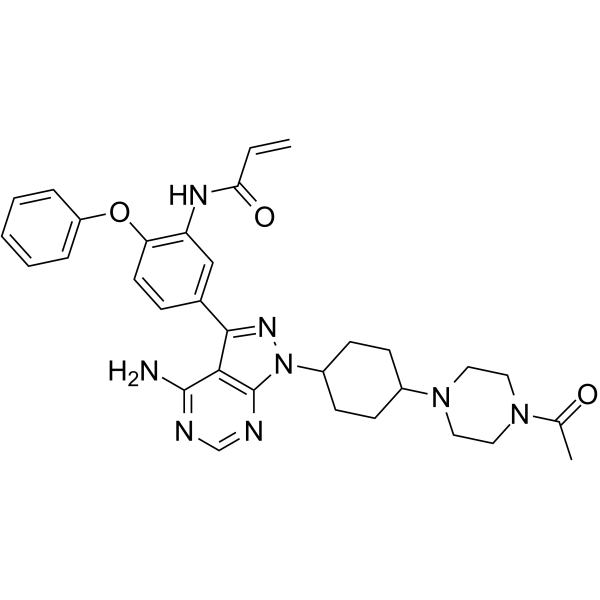
    EGFR ligand-2 (compound C4), a covalent EGFR ligand, is a EGFR mutant inhibitor with IC50s of 21 nM and 48 nM for EGFR L858R and EGFR L858R/T790M, respectively. EGFR ligand-2 can be used to synthesize PROTAC .
    EGFR ligand-2
  • HY-172822

    ByeTAC Btk Cancer
    TLT8 is a ByeTAC protein degrader targeting BTK. TLT8 non-covalently binds to Rpn-13 and BTK, thereby inducing BTK degradation. TLT8 can be used in chronic lymphocytic leukemia research. (Rpn-13 ligand: HY-159808; BTK ligand: HY-Z3101; linker: HY-172823) .
    TLT8
  • HY-155075

    PROTACs Glutathione Peroxidase Ferroptosis Cancer
    NC-R17 is a PROTAC-class, non-covalent GPX4 degrader based on RSL3, involved in ferroptosis. NC-R17 has antitumor activity and is used for non-covalent GPX4 PROTAC design . NC-R17 consists of a target protein ligand (red part) Demethyl-RSL3 (HY-135832); an E3 ubiquitin ligase ligand (blue part) Lenalidomide (HY-A0003) and a PROTAC linker (black part) (HY-169376). E3 ubiquitin ligase and linker can form Lenalidomide-C13-piperazine-Boc (HY-169377) .
    NC-R17
  • HY-120188

    PPAR Others
    CC618 is a selective PPARβ/δ antagonist. CC618 covalently modifies conserved Cys249 in the PPARβ/δ ligand-binding pocket via nucleophilic aromatic substitution, converting its thiol moiety to a 5-trifluoromethyl-2-pyridylthioether .
    CC618
  • HY-170453

    Epigenetic Reader Domain Cancer
    iHAC is an inhibitor HSP90-anchoring chimera, that covalently binds BRD4 ligand (+)-JQ-1 to HSP90, and inhibits the proliferation of cancer cells. iHAC activates the anti-tumor immune response, inhibits the recurrence and metastasis of 4T1 breast cancer in mouse models .
    iHAC
  • HY-175240

    PROTACs Epigenetic Reader Domain Cancer
    PROTAC BRD4 Degrader-38 is a BRD4 PROTAC degrader with DC50s of 86 and 106 nM for the short and long isoforms of BRD4, respectively. PROTAC BRD4 Degrader-38 significantly induces the degradation of BRD4 by covalently engaging C232 of E3 ligase TRIM28 .Pink: BRD4 ligand (HY-78695); Blue: E3 ligase ligand (HY-203082); Black: linker (HY-40172)
    PROTAC BRD4 Degrader-38
  • HY-122054

    Keap1-Nrf2 Cancer
    BPK-29 is a specific ligand that disrupts the atypical orphan nuclear receptor NR0B1-protein (such RBM45 and SNW1) interactions by covalently modifying C274. BPK-29 impairs the anchorage-independent growth of KEAP1-mutant cancer cells .
    BPK-29
  • HY-153934

    GHR Endocrinology
    Tetrazole-C15-(N-acetylsulfamoyl)butanoic acid (Ligand 1) improves the pharmacokinetic properties of therapeutic peptides and proteins through non-covalent binding with human serum albumin (HSA). Tetrazole-C15-(N-acetylsulfamoyl)butanoic acid can be used for synthesis of long-acting human growth hormone (HGH) analog somapacitan .
    Tetrazole-C15-(N-acetylsulfamoyl)butanoic acid
  • HY-176180

    PROTACs STING NF-κB IKK Inflammation/Immunology
    PROTAC STING degrader-4 is a nitro-free covalent STING PROTAC degrader with a DC50 of 3.23 μM. PROTAC STING degrader-4 effectively inhibits STING as well as its downstream signaling, such as p-TBK1 and p-NF-κB (p-P65), and immune-inflammatory cytokines. PROTAC STING degrader-4 mitigates kidney and blood inflammation in Cisplatin (HY-17394)-induced acute kidney injury (AKI) mice model . Pink: STING ligand (HY-176183); Blue: CRBN ligase ligand (HY-103596); Black: linker (HY-176182); CRBN ligase ligand + linker: HY-176181
    PROTAC STING degrader-4
  • HY-178991

    DNA/RNA Synthesis Cancer
    WRN-IN-21 (Compound 11b) is a WRN helicase inhibitor with pIC50 values for WRN and BLM helicases of 3.6 and 5.4 respectively. WRN-IN-21 can be used for the study of MSI-related cancers .
    WRN-IN-21
  • HY-174415

    PROTACs EGFR Akt ERK Cancer
    ZSH-2117 is a covalent and selective EGFR PROTAC degrader with a DC50 of 45 nM in Ba/F3-EGFR L858R/T790M/C797S cells. ZSH-2117 significantly inhibits cell proliferation and reduces the downstream EGFR signaling proteins level of AKT and ERK. ZSH-2117 effectively inhibits tumor growth in Ba/F3-EGFR L858R/T790M/C797S xenograft mice model . Pink: EGFR ligand (HY-175162); Blue: NEDD4 ligase ligand (HY-175159); Black: linker
    ZSH-2117
  • HY-115715A

    Fluorescent Dye Cancer
    EN219-alkyne is an alkyne-functionalized EN219 probe. EN219 (HY-P0287A) is a moderately selective synthetic covalent ligand against an N-terminal cysteine (C8) of RNF114 with an IC50 of 470 nM. EN219 inhibits RNF114-mediated autoubiquitination and p21 ubiquitination . EN219-alkyne is a click chemistry reagent, it contains an Alkyne group and can undergo copper-catalyzed azide-alkyne cycloaddition (CuAAc) with molecules containing Azide groups.
    EN219-alkyne
  • HY-P11253

    VISTA Inflammation/Immunology
    DOTA-Bn-CA-170 is a molecular probe targeting the VISTA protein, with a Kd value of 0.124 nM. DOTA-Bn-CA-170 is formed by covalently linking the p-SCN-Bn-DOTA ligand with CA-170 (HY-101093). DOTA-Bn-CA-170 labeled with [ 68Ga]Ga successfully achieves specific and high-contrast PET imaging of VISTA expression in various tumor-bearing mouse models. DOTA-Bn-CA-170 can be used for the study of VISTA-targeted immunotherapy .
    DOTA-Bn-CA-170
  • HY-140739A

    Liposome Neurological Disease Cancer
    DSPE-PEG2000-Maleimide free acid is a phospholipid-PEG conjugate. DSPE-PEG2000-Maleimide free acid utilizes the amphiphilicity of DSPE to insert into the lipid bilayer of liposomes or nanoparticles. DSPE-PEG2000-Maleimide free acid covalently couples to the sulfhydryl (-SH) of ligands (such as antibodies, peptides, or proteins) via thiol-maleimide click chemistry, giving the particles targeting capabilities. DSPE-PEG2000-Maleimide free acid can be used in the researches of breast cancer, lymphoma, and inherited retinal degeneration .
    DSPE-PEG2000-Maleimide free acid
  • HY-150352

    Biochemical Assay Reagents Others
    Dextran-COOH is a dextran derivative with carboxyl (–COOH) functional groups introduced into the molecular chain. Dextran-COOH can be covalently coupled with a variety of bioactive molecules, drugs, small molecule ligands, fluorescent probes and other functional materials .
    Dextran-COOH (MW 40kDa)

Inquiry Online

Your information is safe with us. * Required Fields.

Salutation


Country or Region *

Applicant Name *


Organization Name *

Department *


Email Address *


Product Name *

Cat. No.


Requested quantity *

Phone Number *


Remarks

Inquiry Online

Inquiry Information

Product Name:
Cat. No.:
Quantity:
MCE Japan Authorized Agent:

