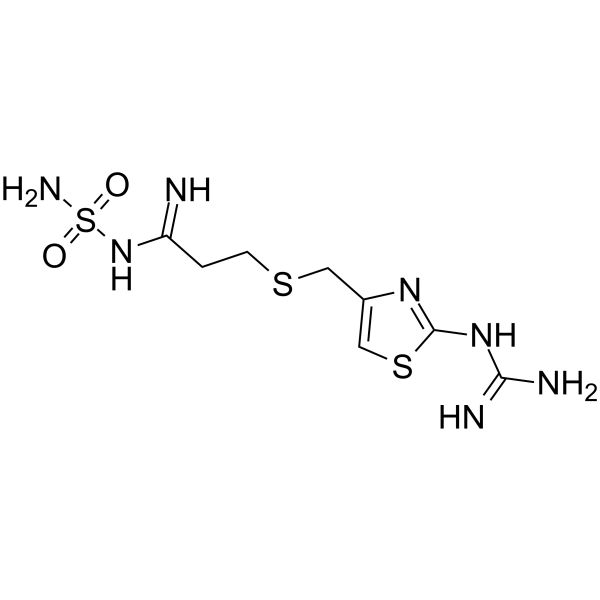
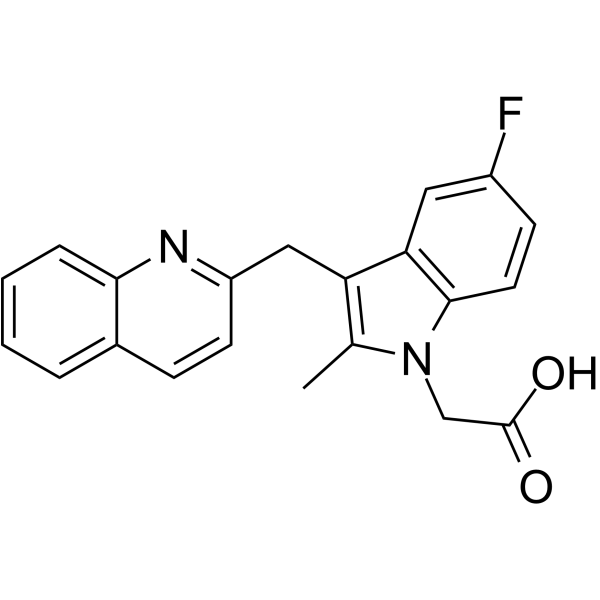
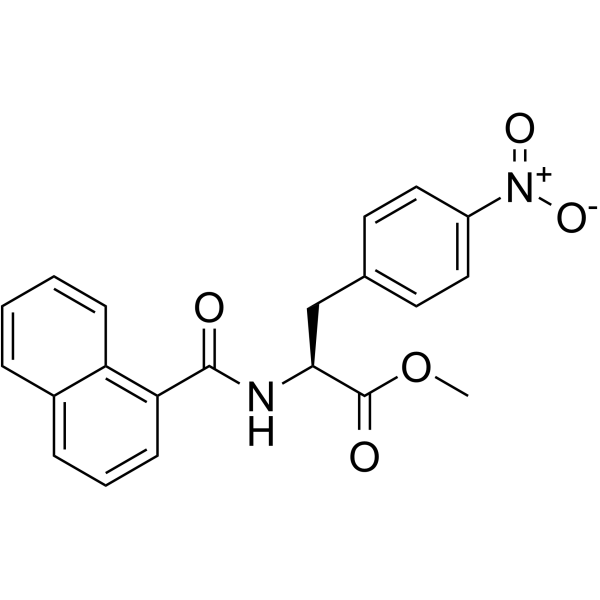
1. Search Result
Search Result
Results for "

eosinophil

" in MedChemExpress (MCE) Product Catalog:

147

Inhibitors & Agonists

1

Biochemical Assay Reagents

4

Peptides

19

Inhibitory Antibodies

10

Natural
Products

17

Recombinant Proteins

7

Isotope-Labeled Compounds

2

Antibodies

11

Oligonucleotides

Cat. No. Product Name Target Research Areas Chemical Structure
  • HY-17042
    Cetirizine
    3 Publications Verification

    Histamine Receptor Inflammation/Immunology Endocrinology
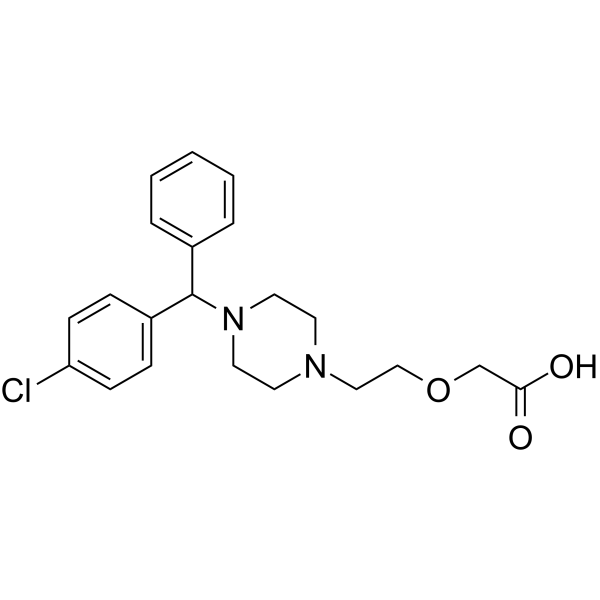
    Cetirizine, a second-generation antihistamine and the carboxylated metabolite of hydroxyzine, is a specific, orally active and long-acting histamine H1-receptor antagonist. Cetirizine marks antiallergic properties and inhibits eosinophil chemotaxis during the allergic response .
    Cetirizine
  • HY-13315
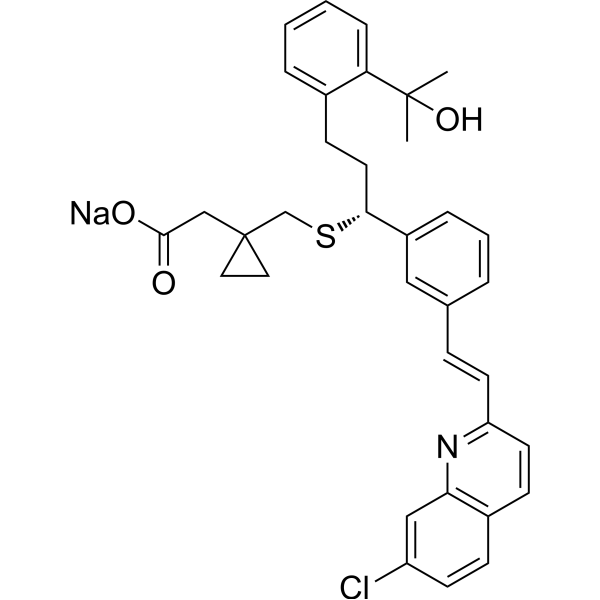
    Montelukast sodium
    Maximum Cited Publications
    14 Publications Verification

    MK0476

    Leukotriene Receptor Inflammation/Immunology Cancer
    Montelukast sodium (MK0476) is a potent, selective and orally active antagonist of cysteinyl leukotriene receptor 1 (CysLT1). Montelukast sodium can be used for the reseach of asthma and liver injury. Montelukast sodium also has an antioxidant effect in intestinal ischemia-reperfusion injury, and could reduce cardiac damage. Montelukast sodium decreases eosinophil infiltration into the asthmatic airways. Montelukast sodium can also be used for COVID-19 research .
    Montelukast sodium
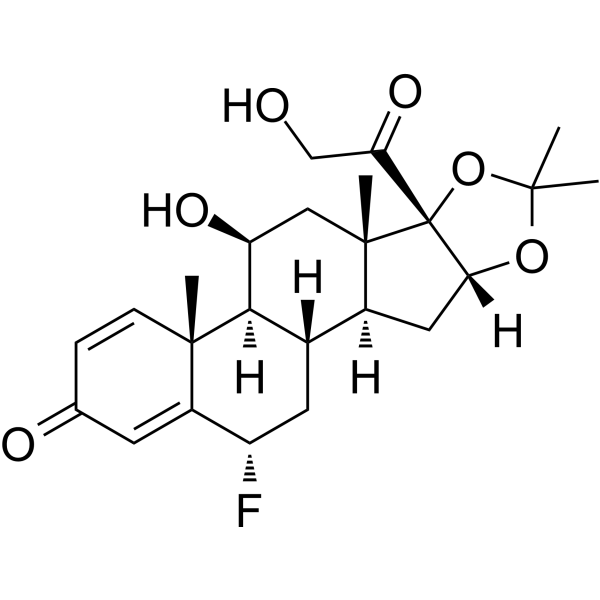
  • HY-B1121
    Flunisolide
    1 Publications Verification

    Glucocorticoid Receptor Apoptosis Inflammation/Immunology Endocrinology
    Flunisolide is a corticosteroid, which is an orally active glucocorticoid receptor activator with anti-inflammatory activity. Flunisolide can induce eosinophil apoptosis, and is used for the research of asthma or rhinitis, and inflammation .
    Flunisolide
  • HY-13315A
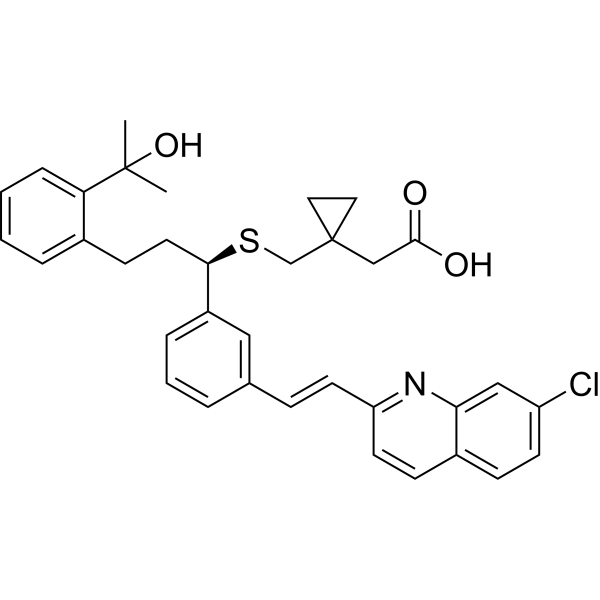
    Montelukast
    Maximum Cited Publications
    14 Publications Verification

    MK0476 free base

    Leukotriene Receptor Inflammation/Immunology Cancer
    Montelukast (MK0476 free base) is a potent, selective and orally active antagonist of cysteinyl leukotriene receptor 1 (CysLT1). Montelukast can be used for the reseach of asthma and liver injury. Montelukast also has an antioxidant effect in intestinal ischemia-reperfusion injury, and could reduce cardiac damage. Montelukast decreases eosinophil infiltration into the asthmatic airways. Montelukast can also be used for COVID-19 research .
    Montelukast
  • HY-P9945

    SB 240563

    Interleukin Related Cardiovascular Disease Inflammation/Immunology
    Mepolizumab (SB 240563) is a humanized monoclonal antibody that binds to and neutralizes interleukin-5 (IL-5), the major cytokine involved in eosinophil proliferation, activation, and survival. Mepolizumab can be used for the research of eosinophilic granulomatosis with polyangiitis (EGPA) and severe eosinophilic asthma .
    Mepolizumab
  • HY-P990774

    ASP-7266; TRAB-1; UPB-101

    Interleukin Related Inflammation/Immunology
    Verekitug (ASP-7266; TRAB-1; UPB-101) is a human monoclonal antibody targeting the thymic stromal lymphopoietin receptor (TSLPR), with a mean half-life of approximately 20 days. At doses of Verekitug ≥100 mg, complete and sustained TSLPR-specific occupancy is achieved, and the antibody does not bind to IL-7Rα. By inhibiting TSLP-driven inflammatory responses, Verekitug blocks TSLP-induced cell proliferation and TARC expression, while reducing fractional exhaled NO levels, blood eosinophil counts, and levels of IL-5 and IgE. Verekitug significantly improves scores for nasal polyps, nasal congestion and olfactory dysfunction, with favorable safety and good tolerability; potential adverse reactions include headache, upper respiratory tract infection, sinusitis and nasopharyngitis. Verekitug is used in relevant studies on asthma, chronic rhinosinusitis with nasal polyps and chronic obstructive pulmonary disease .
    Verekitug
  • HY-17042A
    Cetirizine dihydrochloride
    3 Publications Verification

    P071

    Histamine Receptor Inflammation/Immunology Endocrinology Cancer
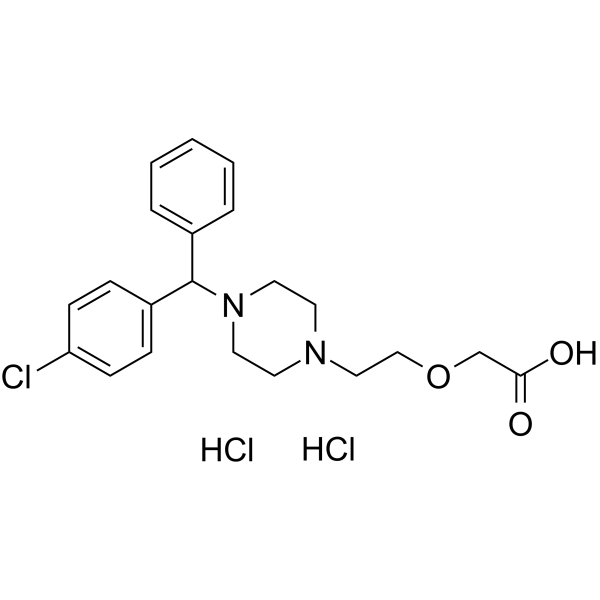
    Cetirizine dihydrochloride, a second-generation antihistamine and the carboxylated metabolite of hydroxyzine, is a specific, orally active and long-acting histamine H1-receptor antagonist. Cetirizine dihydrochloride marks antiallergic properties and inhibits eosinophil chemotaxis during the allergic response .
    Cetirizine dihydrochloride
  • HY-19969
    YM-90709
    1 Publications Verification

    Interleukin Related Inflammation/Immunology
    YM-90709 is a novel IL-5 inhibitor which selectively blocks the binding of IL-5 to the IL-5 receptor (IL-5R).YM-90709 potently inhibits the binding of [ 125I]-IL-5 to IL-5R on human peripheral eosinophils and eosinophilic HL-60 clone 15 cells with IC50 values of 1.0 and 0.57 μM .
    YM-90709
  • HY-P9945A

    Interleukin Related Inflammation/Immunology
    Mepolizumab (anti-IL5) is a humanized monoclonal antibody that binds to and neutralizes interleukin-5 (IL-5), the major cytokine involved in eosinophil proliferation, activation, and survival. Mepolizumab can be used for the research of eosinophilic granulomatosis with polyangiitis (EGPA) and severe eosinophilic asthma .
    Mepolizumab (anti-IL5)
  • HY-111346

    1-Linoleoyl-rac-glycerol; 1-Monolinolein

    Phospholipase Apolipoprotein Interleukin Related Metabolic Disease Inflammation/Immunology
    1-Linoleoyl glycerol is a LpPLA2 inhibitor. 1-Linoleoyl glycerol acts as a precursor for synthesizing various functional lipids, such as phospholipids. 1-Linoleoyl glycerol mitigates inflammation induced by Apolipoprotein CIII (reduction of IL-6) .
    1-Linoleoyl Glycerol
  • HY-12887

    RP 73401; RPR 73401

    Phosphodiesterase (PDE) Inflammation/Immunology Cancer
    Piclamilast (RP 73401) is a phosphodiesterase 4 (PDE4) inhibitor, with IC50 values of 16 nM and 2 nM in pig aorta and eosinophil soluble, respectively .
    Piclamilast
  • HY-14277A

    R 50547 hydrochloride

    Histamine Receptor Neurotensin Receptor Integrin Inflammation/Immunology
    Levocabastine (R 50547) hydrochloride is a potent and selective histamine H1-receptor antagonist. Levocabastine hydrochloride is also a selective, high affinity neurotensin receptor subtype 2 (NTR2) antagonist, with a Ki of 17 nM for mNTR2. Levocabastine hydrochloride can act as a VLA-4 antagonist, interferes with conjunctival eosinophil infiltration in allergic conjunctivitis (AC) .
    Levocabastine hydrochloride
  • HY-P99371

    AK002; Antolimab

    Apoptosis Inflammation/Immunology
    Lirentelimab (AK002) is a humanized IgG1 monoclonal antibody that targets sialic acid-binding Ig-like lectin 8 (SIGLEC8). Lirentelimab induces cell apoptosis of IL-5-activated eosinophils and inhibits IgE-mediated mast cell activation. Lirentelimab can be used for the research of eosinophilic gastritis and duodenitis .
    Lirentelimab
  • HY-134772

    STAT Cytochrome P450 Inflammation/Immunology
    AS1810722 is an orally active and potent STAT6 inhibitor with an IC50 of 1.9 nM. AS1810722 shows a good profile of CYP3A4 inhibition. AS1810722, a derivative of fused bicyclic pyrimidine, has the potential for allergic diseases such as asthma and atopic diseases research .
    AS1810722
  • HY-P990748

    SAR443765

    Interleukin Related Inflammation/Immunology
    Lunsekimig (SAR443765) is an anti-TSLP/IL13/ALB nonobody composed of 5 sequentially linked variable region heavy chains. Lunsekimig decreases blood eosinophils and lowers plasma levels of IL-5, eotaxin-3, and IgE. Lunsekimig also improves lung function. Lunsekimig can be used for the study and treatment of type 2 inflammatory asthma .
    Lunsekimig
  • HY-101173

    VUF 8325 dihydrobromide; SKF 91105 dihydrobromide

    Histamine Receptor Neurological Disease
    Imetit dihydrobromide (VUF 8325 dihydrobromide) is a high affinity and potent agonist of histamine H3 and H4 receptors, with Ki values of 0.3 and 2.7 nM, respectively. Imetit mimics histamine effect in triggering a shape change in eosinophils (EC50=25 nM) .
    Imetit dihydrobromide
  • HY-120940

    PAK Cancer
    AZ13705339 is a highly potent and selective PAK1 inhibitor with IC50s of 0.33 nM and 59 nM for PAK1 and pPAK1, respectively. AZ13705339 has binding affinities to PAK1 and PAK2, with Kds of 0.28 nM and 0.32 nM, respectively. AZ13705339 can be used in the research of cancers .
    AZ13705339
  • HY-B0538A

    TWT-8152; BMY 26517

    Histamine Receptor Cardiovascular Disease Inflammation/Immunology
    Pemirolast potassium is an orally active antiallergic agent. Pemirolast potassium attenuates Paclitaxel (HY-B0015) hypersensitivity reactions. Pemirolast potassium can be used for bronchial asthma and conjunctivitis research - .
    Pemirolast potassium
  • HY-P9923
    Benralizumab
    1 Publications Verification

    MEDI-563; BIW-8405; KHK4563

    Interleukin Related Apoptosis Inflammation/Immunology Cancer
    Benralizumab (MEDI-563) is an interleukin-5 receptor α (IL-5Rα)-directed cytolytic monoclonal antibody that induces direct, rapid and nearly complete depletion of eosinophils via enhanced antibody-dependent cell-mediated cytotoxicity. Benralizumab can be used for severe eosinophilic asthma .
    Benralizumab
  • HY-P990213

    Interleukin Related Inflammation/Immunology
    Anti-Mouse/Human IL-5 Antibody (TRFK5) is a rat-derived anti-mouse IL-5 IgG1 κ type antibody inhibitor. Anti-Mouse/Human IL-5 Antibody (TRFK5) can significantly decrease eosinophils. Anti-Mouse/Human IL-5 Antibody (TRFK5) shows potent anti- inflammation effect on pulmonary inflammation and asthma .
    Anti-Mouse/Human IL-5 Antibody (TRFK5)
  • HY-123532

    VUF6002

    Histamine Receptor Neurological Disease
    JNJ10191584 (VUF6002) is an orally active and selective histamine H4 receptor antagonist with a Ki value of 26 nM. JNJ10191584 shows 540-fold selectivity to H4 receptor over H3 receptor with a Ki value of 14.1 μM. JNJ10191584 inhibits chemotaxis of eosinophils and mast cells with IC50 values of 530 nM and 138 nM, respectively .
    JNJ10191584
  • HY-136500

    PGH2

    Endogenous Metabolite Amyloid-β Neurological Disease Inflammation/Immunology
    Prostaglandin H2 (PGH2) is an endothelium-derived contracting factor. Prostaglandin H2 can cause vasoconstriction. Prostaglandin H2 is the common precursor of all PGs and is produced by several cells that express cyclooxygen-ases. Prostaglandin H2 can activate PGD2 receptors CRTH2 and DP via interacting directly with the receptors and/or by giving rise to PGD2 after catalytic conversion by plasma proteins. Prostaglandin H2 can induce eosinophils migration and inhibit platelet aggregation. Prostaglandin H2 can accelerate the formation of dimers and higher oligomers of amyloid β1-42. Prostaglandin H2 can be used for the researches of inflammation and neurological disease, such as Alzheimer disease .
    Prostaglandin H2
  • HY-12642A
    Diethylcarbamazine
    1 Publications Verification

    Parasite Bacterial TNF Receptor Interleukin Related Infection Metabolic Disease Inflammation/Immunology
    Diethylcarbamazine is an orally active microfilaricidal agent used originally in onchocerciasis and lymphatic filiariasis. Diethylcarbamazine reduces eosinophil trafficking to the lung tissue and exerts anti-allergic effects. Diethylcarbamazine reduces serum levels of leptin, TNF-α, IL-6, MCP-1, glucose, insulin, and triglycerides, and ameliorates insulin resistance without altering body, liver, or adipose tissue weights. Diethylcarbamazine enhances reactive oxygen intermediate expression by polymorphonuclear neutrophils, increases lymphocyte proliferation, and inhibits actinomycetoma lesion development. Diethylcarbamazine can be used for the researches of bronchial asthma, insulin resistance and infection .
    Diethylcarbamazine
  • HY-B0629

    Glucocorticoid Receptor Metabolic Disease Cancer
    Mometasone is an inhaled glucocorticoid. Mometasone can be used in mild asthma with a low sputum eosinophil level. Mometasone has the potential for the research of chronic hand eczema and rhinosinusitis .
    Mometasone
  • HY-P1764

    Dopamine Receptor Neurological Disease
    Secretoneurin, rat, a 33-amino acid polypeptide, is generated by proteolytic processing of secretogranin II (SgII). Secretoneurin, rat induces dopamine release in the rat striatum in vivo and in vitro, and it exerts a very strong chemotactic effect on monocytes and eosinophils but not on granulocytes .
    Secretoneurin, rat
  • HY-11067
    WHI-P97
    1 Publications Verification

    JAK Inflammation/Immunology
    WHI-P97 is a potent and selective JAK-3 inhibitor. WHI-P97 is effective in preventing the development allergic asthma in vivo .
    WHI-P97
  • HY-W105101

    Endogenous Metabolite Others
    3,5-Dibromotyrosine is a product of protein oxidation by eosinophil peroxidase .
    3,5-Dibromotyrosine
  • HY-17042S1

    Histamine Receptor Inflammation/Immunology
    Cetirizine-d8 is a deuterium labeled Cetirizine. Cetirizine, a second-generation antihistamine and the carboxylated metabolite of hydroxyzine, is a specific, orally active and long-acting histamine H1-receptor antagonist. Cetirizine marks antiallergic properties and inhibits eosinophil chemotaxis during the allergic response .
    Cetirizine-d8
  • HY-P990264

    Transmembrane Glycoprotein Inflammation/Immunology
    Anti-Mouse CD70 Antibody (FR70) is a rat-derived ant-mouse CD70 IgG2b κ type antibody inhibitor. Anti-Mouse CD70 Antibody (FR70) decreases CD4 +, CD8 + T cells and eosinophils. Anti-Mouse CD70 Antibody (FR70) shows potent anti-inflammatory and anti-immune effects on allergic lung inflammation and cardiac transplant mice models .
    Anti-Mouse CD70 Antibody (FR70)
  • HY-116953

    LXB4

    Endogenous Metabolite Inflammation/Immunology
    Lipoxin B4 (LXB4) is a structurally distinct product of arachidonic acid metabolism. Lipoxin B4 reduces leukocyte infiltration and mucus secretion in the nasal mucosa and decreases mast cell and eosinophil degranulation in the upper airway. Lipoxin B4 decreases airway inflammation, mucus metaplasia and hyper- responsiveness in the lower airway. Lipoxin B4 shows mucosal protective actions and has the potential for the research of allergic inflammation in the upper and lower airways .
    Lipoxin B4
  • HY-19501

    CCR Inflammation/Immunology
    DPC-168 is an orally effective CCR3 antagonist (IC50 = 41 nM). DPC-168 exhibits a significant ability to inhibit eosinophil chemotaxis and pulmonary inflammation. DPC-168 can be used for research on airway inflammation .
    DPC-168
  • HY-14277

    R 50547

    Histamine Receptor Neurotensin Receptor Integrin Inflammation/Immunology
    Levocabastine (R 50547) is a potent and selective histamine H1-receptor antagonist. Levocabastine hydrochloride is also a selective, high affinity neurotensin receptor subtype 2 (NTR2) antagonist, with a Ki of 17 nM for mNTR2. Levocabastine can act as a VLA-4 antagonist, interferes with conjunctival eosinophil infiltration in allergic conjunctivitis (AC) .
    Levocabastine
  • HY-P991633

    Interleukin Related Inflammation/Immunology
    TQC2938 is a humanized IgG2 monoclonal antibody inhibitor targeting Stimulation-2 (ST2). TQC2938 inhibits the ST2/IL-33 signaling pathway, reduces the level of downstream Th2 cytokines (such as IL-4, IL-5, and IL-13) and eosinophils as well as other inflammatory cells. TQC2938 can be used for inflammatory diseases like asthma research .
    TQC2938
  • HY-P990296

    CCR Infection Inflammation/Immunology Cancer
    Anti-Mouse CCR3/CD193 Antibody (6S2-19-4) is a rat-derived IgG2b λ type antibody inhibitor, targeting to mouse CCR3/CD193. Anti-Mouse CCR3/CD193 Antibody (6S2-19-4) can deplete eosinophils. Anti-Mouse CCR3/CD193 Antibody (6S2-19-4) can be used for the researches of cancer, infection, inflammation and immunology, such as lymphoma, ileitis and strongyloides stercoralis infection .
    Anti-Mouse CCR3/CD193 Antibody (6S2-19-4)
  • HY-177304

    TNF Receptor Inflammation/Immunology
    Anti-inflammatory agent 104 (Compound 26) is an anti-inflammatory compound. The IC50 of Anti-inflammatory agent 104 for the inhibition of TNF-α synthesis and release in the human macrophage cell line U937 is 0.024 nM. Anti-inflammatory agent 104 can reduce eosinophils in rat lungs by 63% .
    Anti-inflammatory agent 104
  • HY-120629

    CCR Inflammation/Immunology
    BMS-639623 is a potent and orally activeCCR3 antagonist with an IC50 of 0.3 nM. BMS-639623 picomolar inhibition potency against eosinophil chemotaxis (IC50=38 pM). BMS-639623 can be used for the research of asthma .
    BMS-639623
  • HY-P99846

    QAX576

    Interleukin Related Inflammation/Immunology
    Dectrekumab (QAX576) is a human monoclonal antibody that targets IL-13. Dectrekumab significantly improves intraepithelial esophageal eosinophil counts and dysregulated esophageal disease-related transcripts with Eosinophilic esophagitis (EoE) in a sustained manner and can be used for inflammation and immunology related research .
    Dectrekumab
  • HY-107558

    VUF6002 maleate

    Histamine Receptor Neurological Disease
    JNJ10191584 (VUF6002) maleate (compound 40) is an orally active and selective histamine H4 receptor antagonist with a Ki value of 26 nM. JNJ10191584 maleate shows 540-fold selectivity to H4 receptor over the H3 receptor with a Ki value of 14.1 μM. JNJ10191584 maleate inhibits chemotaxis of eosinophils and mast cells with IC50 values of 530 nM and 138 nM, respectively .
    JNJ10191584 maleate
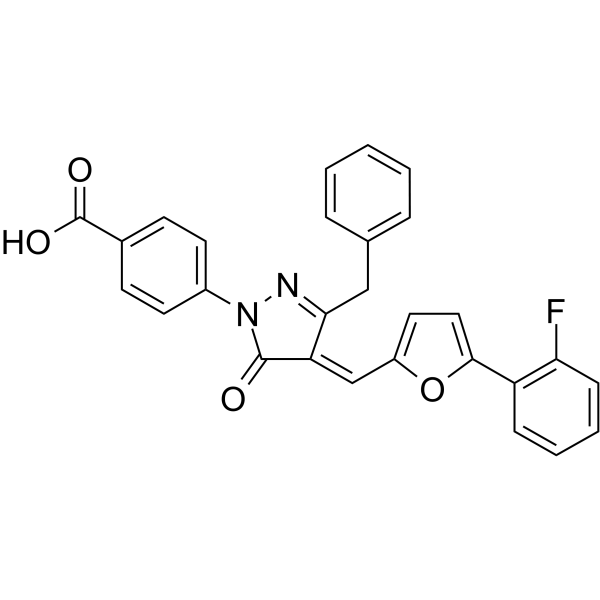
  • HY-171242

    JAK STAT Others
    LNK01004 is a JAK inhibitor with strong inhibitory effects on JAK1 (IC50: 10 nM), JAK2 (IC50:<0.51 nM) and TYK2 (IC50: 1.0 nM) . LNK01004 can simultaneously inhibit multiple cytokine-induced p-STAT signaling pathways. LNK01004 can be used in the research of diseases such as atopic dermatitis .
    LNK01004
  • HY-114732

    Adrenergic Receptor Others
    Procaterol is an oral selective β2 adrenergic receptor agonist. Procaterol inhibits eosinophil migration and the release of eosinophil chemotactic factor from BEAS-2B cells through a cyclic AMP-dependent mechanism. Procaterol has a large dose difference existing between the bronchodilator effect and the anabolic effect in rat, can be used for asthma research in athletes .
    Procaterol
  • HY-165528

    XC8

    CCR Inflammation/Immunology
    Histamine glutarimide (XC8) is an orally active anti-asthma agent. Histamine glutarimide blocks the maturation of chemokines (CCL2, CCL7, CCL8, CCL13) and inhibits the migration of eosinophils and the degranulation of mast cells. In asthma models induced by carrageenan and rat ovalbumin, Histamine glutarimide can reduce airway resistance and the count of eosinophils in bronchoalveolar lavage fluid. Histamine glutarimide can be used in asthma research .
    Histamine glutarimide
  • HY-W585843

    Interleukin Related Inflammation/Immunology
    1,1′-Ethylidenebis[L-tryptophan] is an impurity in the synthesis of L-tryptophan. 1,1′-Ethylidenebis[L-tryptophan] promotes the proliferation of eosinophilic leukemia cells, induces the release of eosinophil cationic protein from eosinophils, and stimulates T cells to produce IL-5. 1,1′-Ethylidenebis[L-tryptophan] (40 µg/kg) can induce fascia thickening, mast cell infiltration, and fibrosis in adipose and subcutaneous muscle tissues in mice. 1,1′-Ethylidenebis[L-tryptophan] can be used in immunology and inflammation research .
    1,1′-Ethylidenebis[L-tryptophan]
  • HY-15132

    Ser/Thr Protease Inflammation/Immunology
    MOL-6131 is a highly selective, reversible tryptase inhibitor, with a Ki of 45 nM. MOL-6131 significantly reduces the following features of allergic airway inflammation: eosinophil infiltration in lung tissue, goblet cell hyperplasia and mucus occlusion of airways .
    MOL-6131
  • HY-120940A

    PAK Cancer
    AZ13705339 hemihydrate is a highly potent and selective PAK1 inhibitor with IC50s of 0.33 nM and 59 nM for PAK1 and pPAK1, respectively. AZ13705339 hemihydrate has binding affinities to PAK1 and PAK2, with Kds of 0.28 nM and 0.32 nM, respectively. AZ13705339 hemihydrate can be used in the research of cancers .
    AZ13705339 hemihydrate
  • HY-122558

    Prostaglandin Receptor Neurological Disease
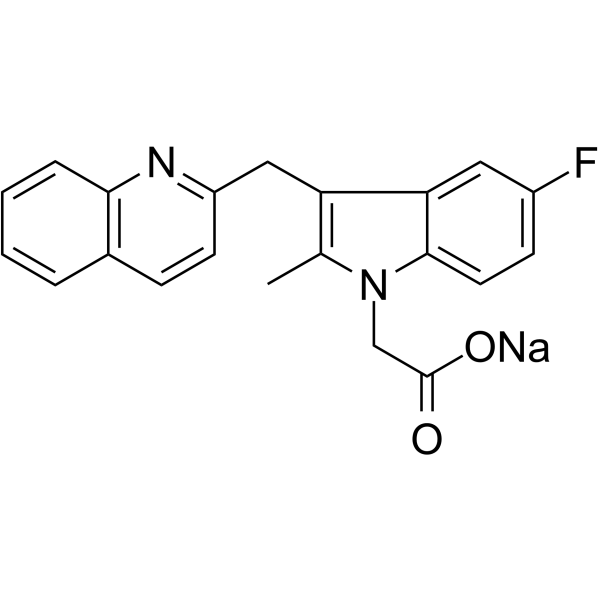
    AM432 (sodium) is a potent and selective antagonist of the DP2 receptor (CRTH2). AM432 (sodium) exhibits excellent potency in a human whole blood eosinophil shape change assay with prolonged incubation. AM432 (sodium) also demonstrates excellent pharmacokinetics in dog and mouse models of inflammatory disease .
    AM432 sodium
  • HY-17042S

    Histamine Receptor Inflammation/Immunology
    Cetirizine-d4 is a deuterium labeled Cetirizine. Cetirizine, a second-generation antihistamine and the carboxylated metabolite of hydroxyzine, is a specific, orally active and long-acting histamine H1-receptor antagonist. Cetirizine marks antiallergic properties and inhibits eosinophil chemotaxis during the allergic response[1][2][3].
    Cetirizine-d4
  • HY-124065

    Prostaglandin Receptor Inflammation/Immunology
    ARRY-502 is an orally active, potent and selective CRTh2 antagonist. ARRY-502 blocks PGD2-mediated Th2 inflammation (e.g., eosinophil activation, airway hyperresponsiveness). ARRY-502 is promising for research of Th2-related asthma .
    ARRY-502
  • HY-156203

    P2Y Receptor Inflammation/Immunology
    MRS4608 (Compound 17) is a selective P2Y14 receptor antagonist with IC50 values of 20 (hP2Y14R) and 21.4 nM (mP2Y14R). MRS4608 has anti-inflammatory activity and can reduce the infiltration of eosinophils. MRS4608 can be used for the researches of inflammation and immunology, such as asthma .
    MRS4608
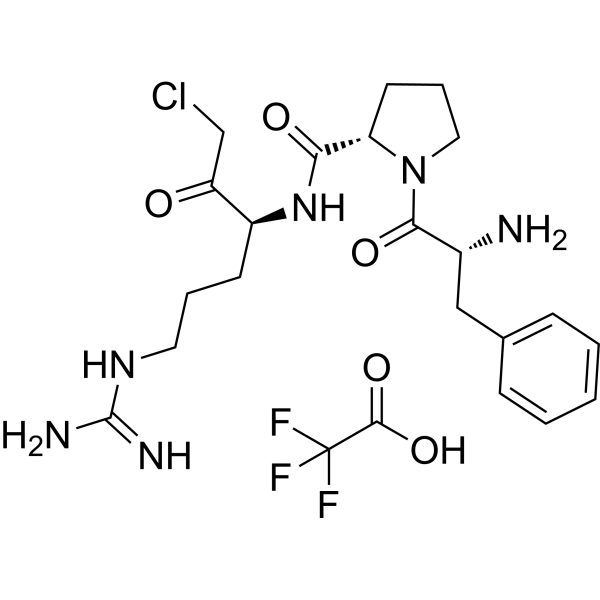
  • HY-105999B

    Protease Activated Receptor (PAR) Others
    APC 366 (TFA) is an irreversible mast cell tryptase inhibitor. APC 366 (TFA) can be used for the research of allergic diseases .
    APC 366 TFA
  • HY-106979

    SAR-943

    Drug Derivative Interleukin Related Inflammation/Immunology
    Olcorolimus (SAR-943) is a Rapamycin (HY-10219) derivative. Olcorolimus can reduce IL-4, IL-5, eosinophil, neutrophil, lymphocyte, cellular fibronectin; lung epithelial cell proliferation and mucus hypersecretory phenotype in Ovalbumin (HY-W250978)-sensitized BALB/c mice. Olcorolimus can be used for the researches of inflammation and immunology, such as asthma .
    Olcorolimus

Inquiry Online

Your information is safe with us. * Required Fields.

Salutation


Country or Region *

Applicant Name *


Organization Name *

Department *


Email Address *


Product Name *

Cat. No.


Requested quantity *

Phone Number *


Remarks

Inquiry Online

Inquiry Information

Product Name:
Cat. No.:
Quantity:
MCE Japan Authorized Agent:

