1. Search Result
Search Result
Results for "

excessive activity

" in MedChemExpress (MCE) Product Catalog:

47

Inhibitors & Agonists

4

Screening Libraries

1

Biochemical Assay Reagents

2

Peptides

3

MCE Kits

9

Natural
Products

3

Isotope-Labeled Compounds

Cat. No. Product Name Target Research Areas Chemical Structure
  • HY-W013375
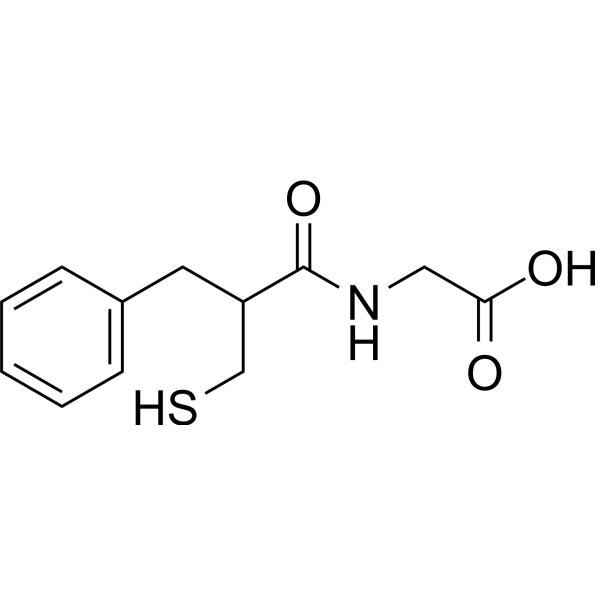
    Thiorphan
    3 Publications Verification

    Neprilysin Neurological Disease
    Thiorphan is a selective neprilysin (NEP) inhibitor with an IC50 of 6.9 nM. Thiorphan competitively binds to NEP and blocks its activity, preventing the degradation of neuropeptides such as substance P (SP) and neurokinin NKA. In the field of neonatal brain injury research, Thiorphan can increase the levels of SP and NKA, activate NK1 and NK2 receptors and downstream transduction pathways, and inhibit excessive activation of NMDA receptors. Thus, Thiorphan can protect neocortical neurons from excitotoxic cell death. Thiorphan may also inhibit NEP from enhancing bronchoconstriction and can be used in the study of respiratory diseases .
    Thiorphan
  • HY-14401

    CLTX-305; JTT-305; MK-5442

    CaSR Thyroid Hormone Receptor Metabolic Disease Inflammation/Immunology
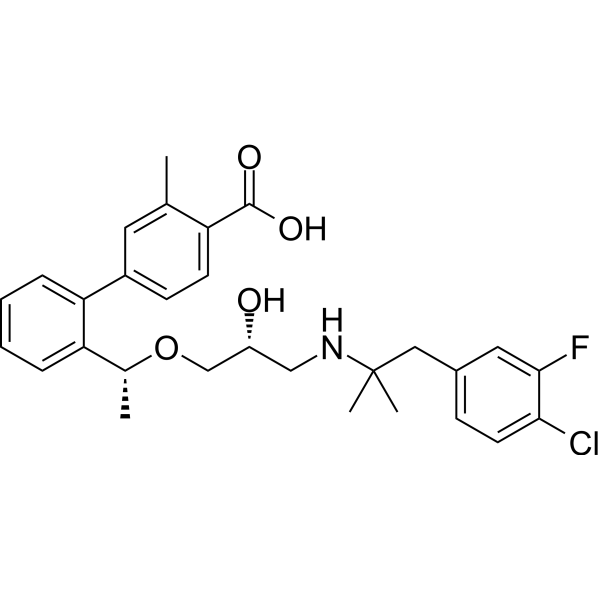
    Encaleret (CLTX-305) is an orally active antagonist of the calcium-sensing receptor (CaSR), with an IC50 of 12 nM. Encaleret exerts its effect by inhibiting the excessive activity of functional gain-of-function CaSR variants, and can restore blood calcium levels, promote the secretion of parathyroid hormone, improve magnesium and phosphorus metabolism, and increase urinary calcium excretion. Encaleret can be used in the research of diseases such as osteoporosis and autosomal dominant hypocalcemia type 1 .
    Encaleret
  • HY-18101A
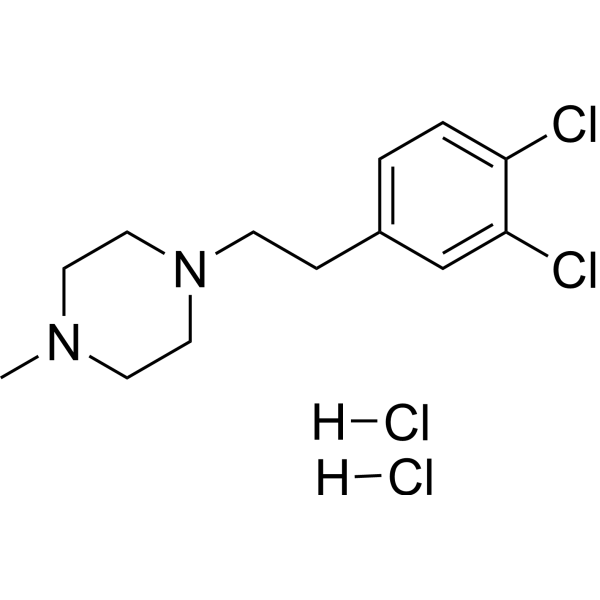
    BD-1063 dihydrochloride
    3 Publications Verification

    Sigma Receptor TRP Channel Neurological Disease
    BD-1063 dihydrochloride is a selective σ-1 receptor antagonist with inhibitory activity against TRPC5 and TRPM3. BD-1063 dihydrochloride exerts anti-hyperalgesic and anti-allodynic effects by inhibiting sustained calcium influx mediated by TRPC5 and TRPM3, and reverses the effects of Carrageenan (HY-125474). BD-1063 dihydrochloride also significantly reduces excessive ethanol self-administration behavior. BD-1063 dihydrochloride is widely used in studies on the mechanisms underlying neuropathic pain, inflammatory hyperalgesia, and alcohol abuse and dependence .
    BD-1063 dihydrochloride
  • HY-W007087

    GABA Receptor Metabolic Disease
    Valerate sodium is the sodium salt of valeric acid, a short-chain fatty acid, and exhibits oral activity. Valerate sodium reduces binge ethanol intake and decreases blood ethanol concentration in mice, while also exerting anxiolytic effects. Valerate sodium increases GABA levels, regulates epigenetics and alters gut microbiome function. Valerate sodium can be used in research related to excessive alcohol consumption .
    Valerate sodium
  • HY-W704574

    Carboxypeptidase Bradykinin Receptor Interleukin Related Cardiovascular Disease Metabolic Disease
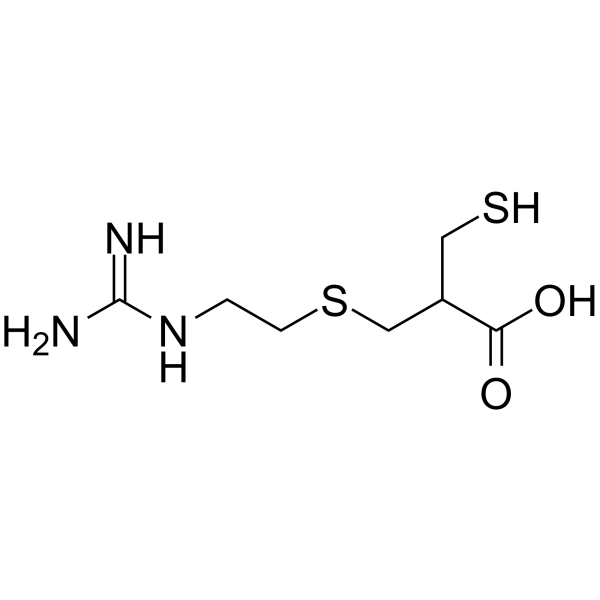
    Mergetpa is a reversible Arg-carboxypeptidase inhibitor with high affinity. Mergetpa reduces B1R. Mergetpa blocks the overexpression of IL-1β protein and mRNA in glucose-fed rats. Mergetpa significantly increases the expression of IL-1β protein in the renal cortex. Mergetpa is used to block the conversion of kinins and B2 receptor antagonists into metabolites lacking the C-terminal arginine. Mergetpa inhibits the time-dependent enhancement of the response of isolated rabbit aorta to bradykinin. Mergetpa preserves the chemotactic activity of full-length SDF-1α on cells. Mergetpa reverses hyperglycemia, excessive weight gain, elevated levels of oxidative stress markers and overexpression of inflammatory markers in glucose-fed rats .
    Mergetpa
  • HY-B0380A

    Opioid Receptor Toll-like Receptor (TLR) Calcium Channel Potassium Channel IRAK ERK JNK NF-κB Akt Apoptosis Neurological Disease Metabolic Disease Inflammation/Immunology Cancer
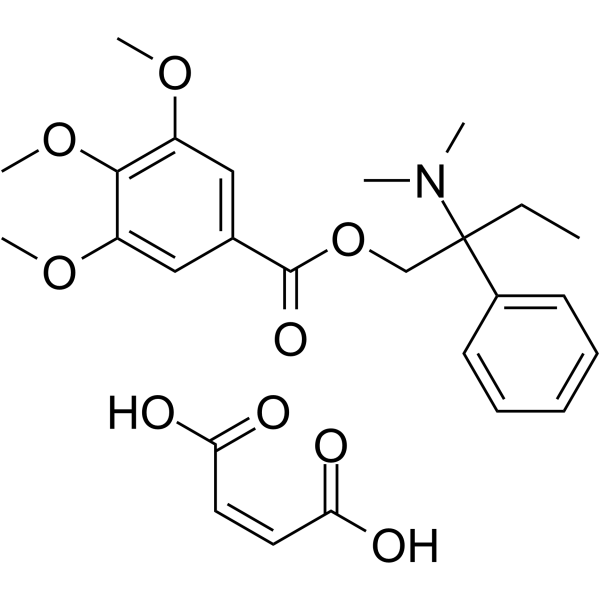
    Trimebutine maleate is a multi-target inhibitor and opioid receptor agonist with antimuscarinic activity. Trimebutine maleate inhibits L-type Ca 2+ channels and large-conductance calcium-activated potassium channels (BKCa channels), thereby inhibiting extracellular calcium influx and potassium ion efflux. Trimebutine maleate also targets Toll-like receptors, inhibits Toll-like receptor 2/4/7/8/9 signals, and inhibits LPS-induced IRAK1 activation, as well as ERK1/2, JNK and NF-κB activation, thereby exerting anti-inflammatory effects. Trimebutine maleate also induces tumor cell apoptosis by inhibiting the AKT/ERK pathway. Trimebutine maleate also inhibits excessive contraction of smooth muscle and can be used in the study of gastrointestinal disorders such as irritable bowel syndrome (IBS) .
    Trimebutine maleate
  • HY-B0380

    Opioid Receptor Toll-like Receptor (TLR) Calcium Channel Potassium Channel IRAK ERK JNK NF-κB Akt Apoptosis Neurological Disease Metabolic Disease Inflammation/Immunology Cancer
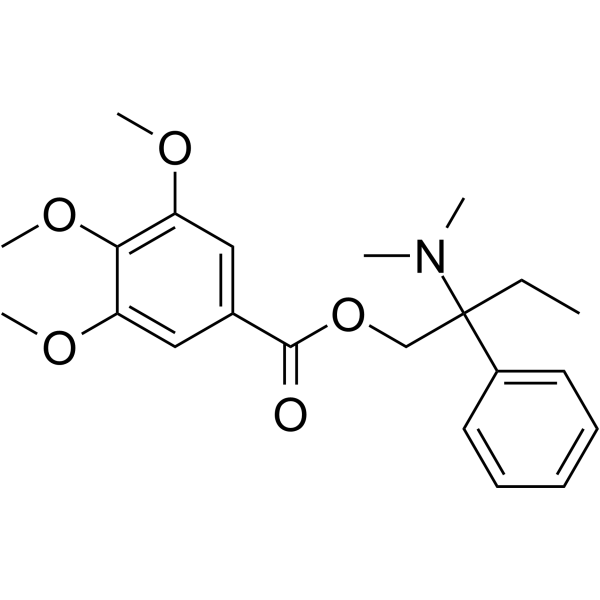
    Trimebutine is a multi-target inhibitor and opioid receptor agonist with antimuscarinic activity. Trimebutine inhibits L-type Ca 2+ channels and large-conductance calcium-activated potassium channels (BKCa channels), thereby inhibiting extracellular calcium influx and potassium ion efflux. Trimebutine also targets Toll-like receptors, inhibits Toll-like receptor 2/4/7/8/9 signals, and inhibits LPS-induced IRAK1 activation, as well as ERK1/2, JNK and NF-κB activation, thereby exerting anti-inflammatory effects. Trimebutine also induces tumor cell apoptosis by inhibiting the AKT/ERK pathway. Trimebutine also inhibits excessive contraction of smooth muscle and can be used in the study of gastrointestinal disorders such as irritable bowel syndrome (IBS) .
    Trimebutine
  • HY-N1970
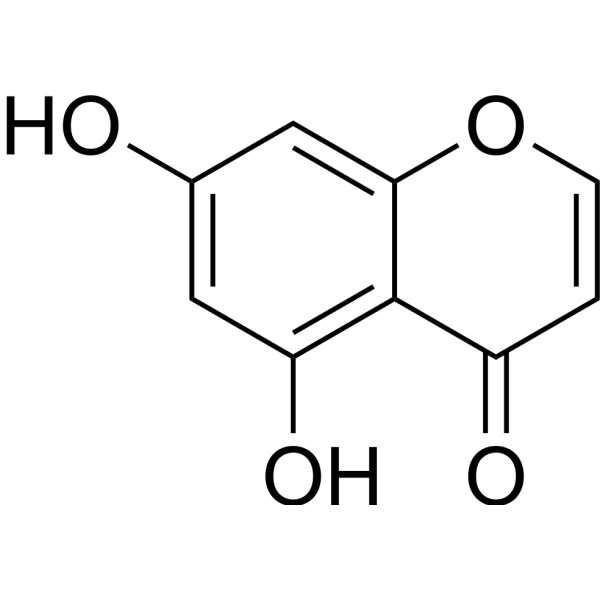
    5,7-Dihydroxychromone
    2 Publications Verification

    Keap1-Nrf2 Caspase PARP Fungal Infection Neurological Disease Metabolic Disease Inflammation/Immunology Cancer
    5,7-Dihydroxychromone is a flavonoid compound with antioxidant properties. 5,7-Dihydroxychromone induces Nrf2 nuclear translocation, increases Nrf2/ARE binding activity, and up-regulates Nrf2-dependent antioxidant genes HO-1, NQO1, GCLc. 5,7-Dihydroxychromone attenuates excessive ROS generation, inhibits activated caspase-3, caspase-9, cleaved PARP expression, and prevents neuronal apoptosis and cell death. 5,7-Dihydroxychromone increases LXRα and PPARγ mRNA expression, induces preadipocyte differentiation, and regulates blood glucose levels. 5,7-Dihydroxychromone inhibits radial growth of soil pathogenic fungi, radicle elongation of select seedlings, and transiently inhibits Bradyrhizobium sp. growth in high mannitol medium. 5,7-Dihydroxychromone can be used for the research of Parkinson’s disease, type 2 diabetes mellitus and pathogenic fungal infection .
    5,7-Dihydroxychromone
  • HY-120868
    TP-004
    1 Publications Verification

    MetAP Metabolic Disease Cancer
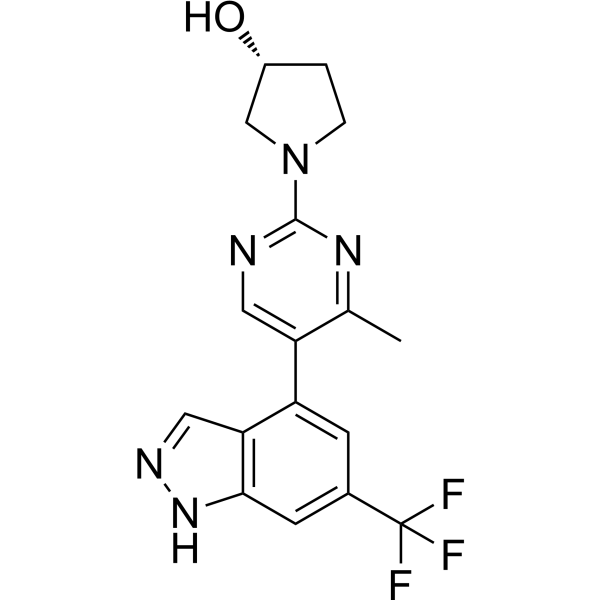
    TP-004 is a potent and reversible inhibitor of methionine aminopeptidase 2 (MetAP2), with an IC50 of 6 nM against MetAP2. TP-004 is a chemical probe. TP-004 suppresses MetAP2 enzymatic activity, blocks N-terminal methionine cleavage, impairs protein maturation and stability, and thereby inhibits cell proliferation and angiogenesis. TP-004 can be used for the study of tumors and diseases associated with excessive angiogenesis .
    TP-004
  • HY-N1510

    Glycosidase Notch Toll-like Receptor (TLR) NF-κB Mucin Reactive Oxygen Species (ROS) Bacterial TGF-beta/Smad Anaplastic lymphoma kinase (ALK) Infection Inflammation/Immunology Cancer
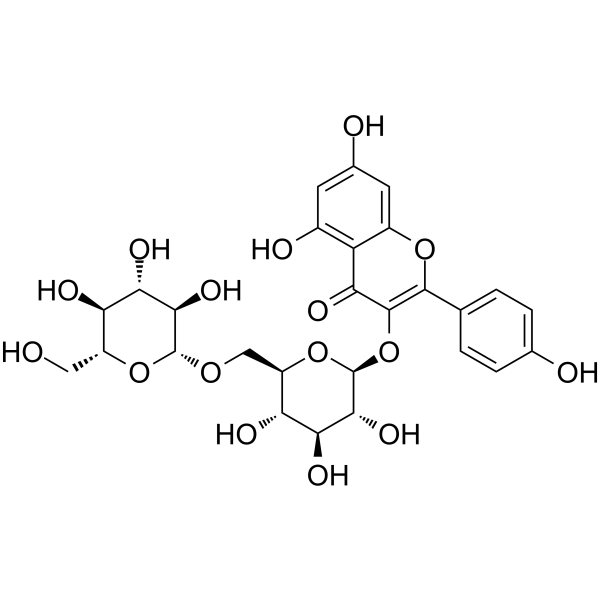
    Kaempferol 3-O-gentiobioside is an orally active flavonoid, with a Ka value of 57 µM against human NOTCH1 and an IC50 value of 50 μM against α-glucosidase. Kaempferol 3-O-gentiobioside inhibits the NOTCH signaling pathway. It downregulates the expression of TLR4 and NLRP3, and suppresses the activation and nuclear translocation of NF-κB. Kaempferol 3-O-gentiobioside inhibits the expression of MUC5AC, reduces nitrite and ROS levels, and attenuates excessive mucus secretion. It exhibits antibacterial activity, reducing the formation and growth of MRSA biofilms. Kaempferol 3-O-gentiobioside blocks the TGF-β/ALK5/Smad signaling pathway and inhibits epithelial-mesenchymal transition. It suppresses the proliferation, migration, invasion and metastatic growth of tumor cells. Kaempferol 3-O-gentiobioside alleviates airway inflammation and mucus hypersecretion in mice with allergic asthma . It reduces the volume of ovarian cancer xenografts in mice. Kaempferol 3-O-gentiobioside can be used in research related to allergic asthma, diabetes, MRSA infection, breast cancer, gastric cancer and ovarian cancer .
    Kaempferol 3-O-gentiobioside
  • HY-129724

    ACTH-(11-13); Lys-Pro-Val; H-Lys-Pro-Val-OH

    Melanocortin Receptor Bacterial NF-κB Apoptosis Interleukin Related Infection Neurological Disease Metabolic Disease Inflammation/Immunology
    α-MSH (11-13) (ACTH-(11-13)) is a C-terminal tripeptide of α-MSH that can cross the blood-brain barrier. α-MSH (11-13) exhibits antipyretic, anti-inflammatory, and antibacterial activities. α-MSH (11-13) also exerts neuroprotective effects after traumatic brain injury by inhibiting excessive activation of microglia and reducing neuronal apoptosis. α-MSH (11-13) can be used in research related to traumatic brain injury, fever, and bacterial infections .
    α-MSH (11-13)
  • HY-W145481A

    Carob galactomannan

    Sirtuin Inflammation/Immunology
    D-Galacto-D-mannan (Carob galactomannan) is an orally active Dectin-2 agonist. D-Galacto-D-mannan exerts antioxidant activity against hydroxyl radical generation. D-Galacto-D-mannan activates Dectin-2 to trigger downstream signaling pathways, promote the expression of immunoregulatory molecules, coordinate innate and adaptive immune responses, and inhibit excessive inflammatory responses by upregulating the expression of Sirtuin 1. When used as a vaccine adjuvant, D-Galacto-D-mannan induces cellular and humoral immune responses, promotes IFNγ secretion, increases antibody levels and virus neutralization titers, and elevates the levels of immunoglobulin G and A. D-Galacto-D-mannan can serve as an adjuvant for foot-and-mouth disease vaccines, enhance the vaccine-mediated ability of hosts to defend against viral infection in mice, and reduce local side effects at the inoculation site in pigs. D-Galacto-D-mannan can be used in the research of inflammatory and immune diseases, such as foot-and-mouth disease .
    D-Galacto-D-mannan
  • HY-19230

    Calmodulin NO Synthase CaMK Calcineurin Proteasome Caspase Cardiovascular Disease
    DY-9760e is a calmodulin (CaM) inhibitor. DY-9760e selectively inhibits the activity of various calmodulin-dependent enzymes by antagonizing the Ca²⁺/CaM complex, exhibiting the strongest inhibitory activity against nNOS, CaM kinase II, and calcineurin (Ki: 0.9, 1.4, and 2.0 μM, respectively). DY-9760e inhibits excessive nitric oxide production and protein tyrosine nitration, as well as the activation of calpain and caspase-3. DY-9760e reduces infarct size, improves cardiac function, and inhibits oxidative stress and cell death. DY-9760e can be used in research on the treatment of myocardial infarction, cerebral ischemia, and other diseases .
    DY-9760e
  • HY-106166

    16α-Bromoepiandrosterone

    Drug Derivative NO Synthase Infection Inflammation/Immunology
    α-Epibromide (16α-Bromoepiandrosterone) is an adrenal steroid derivative. α-Epibromide decreases nitric oxide production. α-Epibromide restores T helper cell type 1 activity and accelerates chemotherapy-induced bacterial clearance in a model of progressive pulmonary tuberculosis. α-Epibromide reduces mortality related to excessive inflammation and opportunistic lung infections .
    α-Epibromide
  • HY-177739

    Drug Derivative Collagen Inflammation/Immunology
    Antifibrotic agent 2 (Compound 636) is a polycyclic pyridinone derivative with antifibrotic activity. Antifibrotic agent 2 reduces the pathological accumulation of fibrosis-related proteins such as fibronectin and collagen, prevents excessive fibrous connective tissue from depositing in organs or tissues, and reverses or delays the remodeling of tissue fibrosisby regulating the abnormal proliferation and activation of fibroblasts. Antifibrotic agent 2 can be used for research on pulmonary fibrosis .
    Antifibrotic agent 2
  • HY-161083

    PARP Histone Methyltransferase Cancer
    PARP/EZH2-IN-2 (compound 12e) is a dual target PARP1 and EZH2 inhibitor, with IC50 values of 6.89 and 27.34 nM, respectively. PARP/EZH2-IN-2 shows anticancer activity, with no toxicity to normal cells. PARP/EZH2-IN-2 achieves synthetic lethality indirectly by inhibiting EZH2 to increase the sensitivity to PARP1, and induces cell death by regulating excessive autophagy .
    PARP/EZH2-IN-2
  • HY-P11297

    Angiotensin-converting Enzyme (ACE) Cardiovascular Disease
    AC-SDKP-NH2 is a substrate peptide of Angiotensin converting enzyme (ACE). AC-SDKP-NH2 has anti-inflammatory and anti-fibrotic activities. AC-SDKP-NH2 directly acts on tissues and prevents or reverses them from excessive fibrosis, but fails to reduce blood pressure and left ventricular hypertrophy (LVH). AC-SDKP-NH2 attenuates inflammation and cell differentiation, proliferation and migration, therefore reducing fibrosis in the heart, vessels and kidneys in mice model. AC-SDKP-NH2 can be used for cardiovascular diseases such as hypertension research .
    AC-SDKP-NH2
  • HY-165527

    Dopamine Receptor 5-HT Receptor Neurological Disease
    S18327 is a multi-target antipsychotic agent. S18327 exerts its efficacy by acting on multiple neurotransmitter systems in the brain, and it has antagonistic effects on dopamine receptors (particularly the D2 receptor) and 5-hydroxytryptamine 2A receptors (5-HT2A receptor). S18327 can counteract excessive dopamine activity and hypo-function of glutamate. S18327 exhibits a multi-parameter pharmacological profile that is highly similar to that of Clozapine (HY-14539). S18327 can produce the same discriminative stimulus as Clozapine, improve cognitive filtering deficits associated with schizophrenia, and display anxiolytic properties. S18327 has relatively weak affinity for histaminergic receptors and muscarinic receptors, which avoids the side effects of Clozapine .
    S18327
  • HY-B0380S1

    Isotope-Labeled Compounds Opioid Receptor Toll-like Receptor (TLR) Calcium Channel Potassium Channel IRAK ERK JNK NF-κB Akt Apoptosis Neurological Disease Metabolic Disease Inflammation/Immunology Cancer
    Trimebutine-d5 fumarate is deuterium labeled Trimebutine fumarate. Trimebutine fumarate is a multi-target inhibitor and opioid receptor agonist with antimuscarinic activity. Trimebutine fumarate inhibits L-type Ca 2+ channels and large-conductance calcium-activated potassium channels (BKCa channels), thereby inhibiting extracellular calcium influx and potassium ion efflux. Trimebutine fumarate also targets Toll-like receptors, inhibits Toll-like receptor 2/4/7/8/9 signals, and inhibits LPS-induced IRAK1 activation, as well as ERK1/2, JNK and NF-κB activation, thereby exerting anti-inflammatory effects. Trimebutine fumarate also induces tumor cell apoptosis by inhibiting the AKT/ERK pathway. Trimebutine fumarate also inhibits excessive contraction of smooth muscle and can be used in the study of gastrointestinal disorders such as irritable bowel syndrome (IBS) .
    Trimebutine-d5 fumarate
  • HY-B0380AR

    Reference Standards Opioid Receptor Apoptosis Potassium Channel NF-κB Akt IRAK JNK Toll-like Receptor (TLR) ERK Calcium Channel Neurological Disease Metabolic Disease Inflammation/Immunology Cancer
    Trimebutine maleate (Standard) is the analytical standard of Trimebutine maleate (HY-B0380A). This product is intended for research and analytical applications. Trimebutine maleate is a multi-target inhibitor and opioid receptor agonist with antimuscarinic activity. Trimebutine maleate inhibits L-type Ca 2+ channels and large-conductance calcium-activated potassium channels (BKCa channels), thereby inhibiting extracellular calcium influx and potassium ion efflux. Trimebutine maleate also targets Toll-like receptors, inhibits Toll-like receptor 2/4/7/8/9 signals, and inhibits LPS-induced IRAK1 activation, as well as ERK1/2, JNK and NF-κB activation, thereby exerting anti-inflammatory effects. Trimebutine maleate also induces tumor cell apoptosis by inhibiting the AKT/ERK pathway. Trimebutine maleate also inhibits excessive contraction of smooth muscle and can be used in the study of gastrointestinal disorders such as irritable bowel syndrome (IBS) .
    Trimebutine maleate (Standard)
  • HY-N1970R

    Reference Standards Keap1-Nrf2 Caspase PARP Fungal Infection Neurological Disease Metabolic Disease Inflammation/Immunology Cancer
    5,7-Dihydroxychromone (Standard) is the analytical standard of 5,7-Dihydroxychromone (HY-N1970). This product is intended for research and analytical applications. 5,7-Dihydroxychromone is a flavonoid compound with antioxidant properties. 5,7-Dihydroxychromone induces Nrf2 nuclear translocation, increases Nrf2/ARE binding activity, and up-regulates Nrf2-dependent antioxidant genes HO-1, NQO1, GCLc. 5,7-Dihydroxychromone attenuates excessive ROS generation, inhibits activated caspase-3, caspase-9, cleaved PARP expression, and prevents neuronal apoptosis and cell death. 5,7-Dihydroxychromone increases LXRα and PPARγ mRNA expression, induces preadipocyte differentiation, and regulates blood glucose levels. 5,7-Dihydroxychromone inhibits radial growth of soil pathogenic fungi, radicle elongation of select seedlings, and transiently inhibits Bradyrhizobium sp. growth in high mannitol medium. 5,7-Dihydroxychromone can be used for the research of Parkinson’s disease, type 2 diabetes mellitus and pathogenic fungal infection .
    5,7-Dihydroxychromone (Standard)
  • HY-129030

    iGluR Neurological Disease
    BDZ-g is a potent, selective antagonist of AMPA receptor. BDZ-g has the potential for the research of various neurological disorders involving excessive activity of AMPA receptors .
    BDZ-g
  • HY-169292

    Glycosidase Reactive Oxygen Species (ROS) Cancer
    Antitumor agent-188 (compound C6) exerts α-glucosidase inhibitory activity, and antitumor effects.Antitumor agent-188 induces excessive production of ROS to trigger oxidative stress .
    Antitumor agent-188
  • HY-169581

    Reactive Oxygen Species (ROS) Mitosis Cancer
    DIM-C-pPhtBu is an orally active endoplasmic reticulum stress activator. DIM-C-pPhtBu induces mitochondrial and lysosome dysfunction, excessive mitosis, ROS production, and unfolded protein response-mediated cell death in neck cancer cells. DIM-C-pPhtBu has antitumor activity .
    DIM-C-pPhtBu
  • HY-19036

    Adrenergic Receptor Neurological Disease
    SDZ NVI 085 is a compound with CNS stimulatory effects, primarily through the α1-adrenoceptor subtype, with anti-cataplexy and anti-stroke activities. SDZ NVI 085 also has a significant alertness effect and can be used to study other types of excessive sleepiness .
    SDZ NVI 085
  • HY-18938A

    GS-4997 hydrochloride

    Apoptosis MAP3K Cancer
    Selonsertib hydrochloride (GS-4997 hydrochloride) is an orally bioavailable enzyme inhibitor with potential anti-inflammatory, anti-tumor and anti-fibrotic activities. Selonsertib hydrochloride blocks ASK1 phosphorylation and activation by binding to the catalytic kinase domain. Selonsertib hydrochloride prevents the production of inflammatory cytokines and reduces the expression of genes associated with fibrosis. Selonsertib hydrochloride inhibits excessive apoptosis and limits cell proliferation .
    Selonsertib hydrochloride
  • HY-N0712R

    Reference Standards Autophagy Cardiovascular Disease Inflammation/Immunology
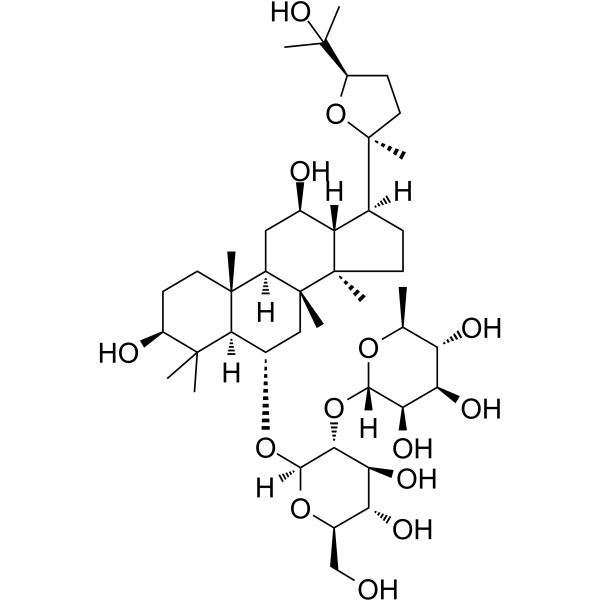
    Typhaneoside (Standard) is the analytical standard of Typhaneoside. This product is intended for research and analytical applications. Typhaneoside, extracted from Typha angustifolia L., Typhaneoside can inhibit the excessive autophagy of hypoxia/reoxygenation cells and increase the phosphorylation of Akt and mTOR. Typhaneoside has certain effects on the cardiovascular system, including lowering blood lipid levels, promoting antiatherosclerosis activities, as well as improving immune and coagulation function .
    Typhaneoside (Standard)
  • HY-19625A

    Reactive Oxygen Species (ROS) Paraptosis Cancer
    (E/Z)-MCB-613 is a pan-Steroid Receptor Coactivator (SRC) stimulator. (E/Z)-MCB-613 overstimulates SRC activity in cancer cells resulting in excessive generation of reactive oxygen species (ROS), leading to cell stress and death by a process called paraptosis. (E/Z)-MCB-613 is a cytotoxic molecule that plays an important role in cancer .
    (E/Z)-MCB-613
  • HY-179525

    c-Myc Microtubule/Tubulin Apoptosis Cancer
    DL78 is an effective anti-mitotic agent. DL78 induces mitotic arrest, mitotic catastrophe and apoptosis in cancer cells by disrupting the interaction between Myc and α-tubulin. DL78 exhibits broad anti-cancer activity, especially against cancer cells with chromosomal instability and excessive expression of MYC. DL78 significantly reduces tumor burden in the OV81.2 xenograft model. DL78 can be used for the study of ovarian cancer .
    DL78
  • HY-162797

    Phosphodiesterase (PDE) TNF Receptor Interleukin Related Inflammation/Immunology
    PDE4-IN-18 (compound 1l) is a PDE4 inhibitor (IC50=1.55 μM) with anti-inflammatory activity. PDE4-IN-18 exerts anti-inflammatory effects by reducing excessive immune cell infiltration and intestinal membrane formation, as well as reducing the mRNA expression of pro-inflammatory cytokines (such as TNF-α and IL-6) in synovial tissue. PDE4-IN-18 can be used in the study of rheumatoid arthritis and psoriasis .
    PDE4-IN-18
  • HY-159517

    Apoptosis PI3K Akt mTOR STAT Cancer
    PI3K/Akt/mTOR-IN-5 (compound D3) is a derivative of Pseudolaric Acid B (HY-N6939) with anti-tumor activity. PI3K/Akt/mTOR-IN-5 inhibits excessive proliferation of tumor cells through the PI3K/AKT/mTOR and STAT3/GPX4 pathways. PI3K/Akt/mTOR-IN-5 effectively inhibits EDU positivity, reduces colony formation, places HCT-116 cells in the S phase and G2/M phase, and induces apoptosis .
    PI3K/Akt/mTOR-IN-5
  • HY-B0380S2

    Isotope-Labeled Compounds Opioid Receptor Toll-like Receptor (TLR) Calcium Channel Potassium Channel IRAK ERK JNK NF-κB Akt Apoptosis Neurological Disease Metabolic Disease Inflammation/Immunology Cancer
    Trimebutine-d3 hydrochloride is deuterium labeled Trimebutine hydrochloride. Trimebutine hydrochloride is a multi-target inhibitor and opioid receptor agonist with antimuscarinic activity. Trimebutine hydrochloride inhibits L-type Ca 2+ channels and large-conductance calcium-activated potassium channels (BKCa channels), thereby inhibiting extracellular calcium influx and potassium ion efflux. Trimebutine hydrochloride also targets Toll-like receptors, inhibits Toll-like receptor 2/4/7/8/9 signals, and inhibits LPS-induced IRAK1 activation, as well as ERK1/2, JNK and NF-κB activation, thereby exerting anti-inflammatory effects. Trimebutine hydrochloride also induces tumor cell apoptosis by inhibiting the AKT/ERK pathway. Trimebutine hydrochloride also inhibits excessive contraction of smooth muscle and can be used in the study of gastrointestinal disorders such as irritable bowel syndrome (IBS) .
    Trimebutine-d3 hydrochloride
  • HY-B0380R

    Opioid Receptor Toll-like Receptor (TLR) Calcium Channel Potassium Channel IRAK ERK JNK NF-κB Akt Apoptosis Reference Standards Neurological Disease Metabolic Disease Inflammation/Immunology Cancer
    Trimebutine (Standard) is the analytical standard of Trimebutine (HY-B0380). This product is intended for research and analytical applications. Trimebutine is a multi-target inhibitor and opioid receptor agonist with antimuscarinic activity. Trimebutine inhibits L-type Ca 2+ channels and large-conductance calcium-activated potassium channels (BKCa channels), thereby inhibiting extracellular calcium influx and potassium ion efflux. Trimebutine also targets Toll-like receptors, inhibits Toll-like receptor 2/4/7/8/9 signals, and inhibits LPS-induced IRAK1 activation, as well as ERK1/2, JNK and NF-κB activation, thereby exerting anti-inflammatory effects. Trimebutine also induces tumor cell apoptosis by inhibiting the AKT/ERK pathway. Trimebutine also inhibits excessive contraction of smooth muscle and can be used in the study of gastrointestinal disorders such as irritable bowel syndrome (IBS) .
    Trimebutine (Standard)
  • HY-173077

    PD-1/PD-L1 Bacterial Infection Inflammation/Immunology
    PD-L1/LpxC-IN-1 (Conpound 12b) is the inhibitor for PD-L1 and LpxC with IC50 of 5.2 μM and 0.081 μM. PD-L1/LpxC-IN-1 inhibits the biosynthesis of bacterial lipopolysaccharide, causes the lysis and death of bacterial cells. PD-L1/LpxC-IN-1 inhibits Gram-negative bacteria, MIC for K. pneumoniae ATCC 13883, E. coli ATCC 8739, S. typhimurium ATCC 14028 and P. aeruginosa ATCC 9027 is 0.25-0.5 μg/mL. PD-L1/LpxC-IN-1 downregulates the expression of inflammatory factors IL-2 and IFN-γ, upregulates the expression of CD4+ and CD8+ cells, thereby activating the immune system and inhibiting excessive inflammatory responses. PD-L1/LpxC-IN-1 exhibits antibacterial activity in K. pneumoniae ATCC 13883 infected mouse models .
    PD-L1/LpxC-IN-1
  • HY-N17406

    Endogenous Metabolite Fungal Heme Oxygenase (HO) Apoptosis Reactive Oxygen Species (ROS) Cancer
    Dankasterone A is a secondary metabolite. Dankasterone A can be derived from the Fungus Talaromyces purpurogenu. Dankasterone A upregulates HO-1 protein expression, induces Apoptosis, induces excessive ROS production. Dankasterone A has anti-cancer activity against prostate cancer .
    Dankasterone A
  • HY-183144

    mAChR Neurological Disease Inflammation/Immunology
    Vedaclidine is an orally active muscarinic acetylcholine receptor (mAChR) modulator with mixed receptor activity, which activates muscarinic M2 and M4 receptors and blocks muscarinic M1, M3 and M5 receptors. Vedaclidine exerts its activity through interaction with spinal M4 muscarinic receptors, and does not induce hypothermia or excessive salivation. Vedaclidine can be used in research related to pain, neuropathic pain and inflammatory pain states .
    Vedaclidine
  • HY-N19782

    Bacterial Apoptosis Reactive Oxygen Species (ROS) Infection Neurological Disease
    Striatisporolide A is an antibacterial agent. Striatisporolide A exhibits antibacterial activity against Escherichia coli in vitro. Striatisporolide A damages the cell wall and cell membrane of Escherichia coli, and induces changes in protein levels and morphology. Striatisporolide A reduces the level of apoptosis (apoptosis) in HUVECs, inhibits excessive production of ROS, and possesses pro-proliferative and mild cytoprotective effects. Striatisporolide A can be used in studies related to bacterial infections and degenerative diseases .
    Striatisporolide A
  • HY-14401B

    CLTX-305 sodium; JTT-305 sodium; MK-5442 sodium

    CaSR Thyroid Hormone Receptor Metabolic Disease
    Encaleret (CLTX-305) sodium is an orally active antagonist of the calcium-sensing receptor (CaSR), with an IC50 of 12 nM. Encaleret sodium exerts its effect by inhibiting the excessive activity of functional gain-of-function CaSR variants, and can restore blood calcium levels, promote the secretion of parathyroid hormone, improve magnesium and phosphorus metabolism, and increase urinary calcium excretion. Encaleret sodium can be used in the research of diseases such as osteoporosis and autosomal dominant hypocalcemia type 1 .
    Encaleret sodium
  • HY-N18301

    ATM/ATR Checkpoint Kinase (Chk) MDM-2/p53 E1/E2/E3 Enzyme CDK Mitosis Reactive Oxygen Species (ROS) Apoptosis Cancer
    Americanin A is a Neolignan. Americanin A can be isolated from the seeds of Phytolacca americana. Americanin A activates ATM and ATR, initiating the subsequent signal transduction cascades that include Chk1, Chk2, and tumor suppressor p53. Americanin A targets selectively Skp2 for degradation and thereby stabilizes p27. Americanin A suppresses the activity of Cyclin B1 and its partner cdc2 to prevent entry into Mitosis. Americanin A induces Apoptosis by producing excessive ROS. Americanin A has anti-cancer activity against colorectal cancer .
    Americanin A
  • HY-164717

    Poly(ADP-ribose) Glycohydrolase (PARG) Cancer
    FORX-428 is a selective and orally active Poly (ADP-ribose) glycohydrolase (PARG) inhibitor. FORX-428 exhibits strong and reversible binding to the catalytic domain of human PARG, and thereby inhibits PARG´s enzymatic activity. FORX-428 leads to the excessive accumulation of PAR chains and activates DNA damage and replication stress responses. FORX-428 selectively inhibits the proliferation of various cancer cell lines, including breast, ovarian, and gastric cancer .
    FORX-428
  • HY-118817

    Reactive Oxygen Species (ROS) Calcium Channel JNK ERK p38 MAPK Apoptosis Neurological Disease
    Evariquinone is an anthraquinone compound isolated from the endophytic fungus Colletotrichum sp. JS-0367 of mulberry. Evariquinone possesses direct antioxidant activity. It inhibits excessive phosphorylation of the JNK, ERK1/2 and p38 MAPK signaling pathways by suppressing ROS and Ca 2+, thereby reducing neuronal apoptosis. Evariquinone can be used to study glutamate excitotoxicity-related neurological disorders (such as Alzheimer's disease, Parkinson's disease, cerebral ischemia, etc.) .
    Evariquinone
  • HY-N16745

    Parasite HIV HIV Protease Infection
    5-Hydroxynoracronycine is a selective inhibitor targeting Leishmania, HIV-1 protease, and nitric oxide (NO) production. 5-Hydroxynoracronycine has an IC50 of 93.1 μmol/L against HIV-1 protease and an IC50 of 0.19 mg/mL for scavenging DPPH free radicals. 5-Hydroxynoracronycine exerts anti-leishmanial, anti-HIV, antioxidant and antibacterial activities by inhibiting pathogen proliferation, enzyme activity and inflammation-related NO excessive production. 5-Hydroxynoracronycine can be used in the research of leishmaniasis, HIV infection, and inflammation-related diseases .
    5-Hydroxynoracronycine
  • HY-18101

    Sigma Receptor TRP Channel Neurological Disease
    BD-1063 is a selective σ-1 receptor antagonist with inhibitory activity against TRPC5 and TRPM3. BD-1063 exerts anti-hyperalgesic and anti-allodynic effects by inhibiting sustained calcium influx mediated by TRPC5 and TRPM3, and reverses the effects of Carrageenan (HY-125474). BD-1063 also significantly reduces excessive ethanol self-administration behavior. BD-1063 is widely used in studies on the mechanisms underlying neuropathic pain, inflammatory hyperalgesia, and alcohol abuse and dependence .
    BD-1063
  • HY-183544

    TrxR Glutathione Peroxidase Ferroptosis Reactive Oxygen Species (ROS) Cancer
    Platinum (IV) Prodrug-1 (Compound 6b) is a Pt (IV) prodrug and selective TrxR1 inhibitor. Platinum (IV) Prodrug-1 induces ferroptosis (Ferroptosis) by depleting glutathione, accumulating intracellular lipid peroxides, and inactivating Glutathione peroxidase 4. Platinum (IV) Prodrug-1 triggers endoplasmic reticulum stress and immunogenic cell death via excessive accumulation of intracellular ROS. Platinum (IV) Prodrug-1 exhibits anticancer activity against both Cisplatin (HY-17394)-sensitive and Cisplatin-resistant triple-negative breast cancer cells. Platinum (IV) Prodrug-1 can be used for the research of triple-negative breast cancer .
    Platinum(IV) Prodrug-1
  • HY-18101S

    Isotope-Labeled Compounds Sigma Receptor TRP Channel Neurological Disease
    BD-1063-d8 dihydrochloride is the deuterium labeled BD1063 dihydrochloride (HY-18101A) . BD-1063 dihydrochloride is a selective σ-1 receptor antagonist with inhibitory activity against TRPC5 and TRPM3. BD-1063 dihydrochloride exerts anti-hyperalgesic and anti-allodynic effects by inhibiting sustained calcium influx mediated by TRPC5 and TRPM3, and reverses the effects of Carrageenan (HY-125474). BD-1063 dihydrochloride also significantly reduces excessive ethanol self-administration behavior. BD-1063 dihydrochloride is widely used in studies on the mechanisms underlying neuropathic pain, inflammatory hyperalgesia, and alcohol abuse and dependence .
    BD-1063-d8 dihydrochloride
  • HY-W715812

    Fungal Apoptosis Caspase Reactive Oxygen Species (ROS) MDM-2/p53 SOD Bcl-2 Family PERK JNK p38 MAPK Cardiovascular Disease Infection Endocrinology Cancer
    Bromuconazole is a triazole fungicide with oral efficacy and blood-brain barrier permeability . Bromuconazole protects crops from various fungal contaminations. Bromuconazole exhibits cytotoxicity against a variety of cancer cells, induces G0/G1 cell cycle arrest and inhibits DNA synthesis in cancer cells, and triggers cytoskeletal structural disorder, genotoxic damage, apoptotic (apoptosis) cell death, and mitochondrial membrane depolarization. Bromuconazole activates caspase-3, induces excessive production of ROS, p53 and Bax, lipid peroxidation, increased activities of SOD and CAT, and downregulates Bcl-2. By upregulating p-ERK1/2 and p-JNK, Bromuconazole disrupts the MAPK signaling pathway, impairs the cellular stress response of human trophoblast cells and endometrial cells, and damages the implantation process . Bromuconazole is applicable to research related to glioma, colon cancer, reproductive injury (implantation dysfunction), and cardiac dysfunction .
    Bromuconazole
  • HY-181926

    COX HDAC Microtubule/Tubulin Interleukin Related Amyloid-β Tau Protein Neurological Disease
    COX-2/HDAC6-IN-1 (Compound 11e) is a dual COX-2 and HDAC6 inhibitor, with an IC50 of 0.12 μM against HDAC6 and an IC50 of 0.66 μM against COX-2. COX-2/HDAC6-IN-1 enhances the acetylation level of α-tubulin, regulates epigenetic gene expression, and inhibits the expression of pro-inflammatory mediators (COX-2, IL-1β, IL-6 and TNF-α). COX-2/HDAC6-IN-1 promotes Amyloid-β clearance and reduces excessive phosphorylation of Tau protein. COX-2/HDAC6-IN-1 maintains neuronal morphology by stabilizing MAP2, protects synaptic integrity by regulating synapsin, and restores the expression of memory-related genes. COX-2/HDAC6-IN-1 possesses neuroprotective activity and improves learning and memory abilities in Scopolamine (HY-N0296)-induced Alzheimer's disease mouse models. COX-2/HDAC6-IN-1 is applicable to research related to Alzheimer's disease .
    COX-2/HDAC6-IN-1

Inquiry Online

Your information is safe with us. * Required Fields.

Salutation


Country or Region *

Applicant Name *


Organization Name *

Department *


Email Address *


Product Name *

Cat. No.


Requested quantity *

Phone Number *


Remarks

Inquiry Online

Inquiry Information

Product Name:
Cat. No.:
Quantity:
MCE Japan Authorized Agent:

