
1. Search Result
Search Result
Results for "

fungal disease

" in MedChemExpress (MCE) Product Catalog:

112

Inhibitors & Agonists

4

Screening Libraries

5

Biochemical Assay Reagents

1

Peptides

28

Natural
Products

14

Isotope-Labeled Compounds

Targets Recommended:
Cat. No. Product Name Target Research Areas Chemical Structure
  • HY-10863
    Anandamide
    2 Publications Verification

    AEA; Arachidonoyl ethanolamide

    Cannabinoid Receptor PPAR TRP Channel GPR55 Fungal Tau Protein Endogenous Metabolite Infection Neurological Disease Metabolic Disease Inflammation/Immunology
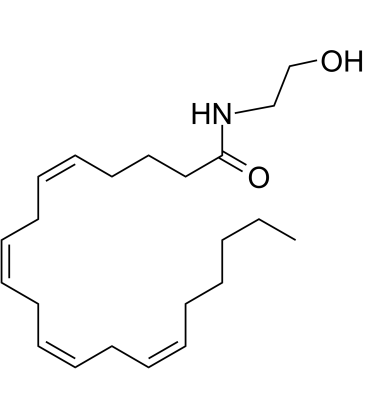
    Anandamide is an endocannabinoid. Anandamide modulates both neuronal and immune functions through two protein-coupled cannabinoid receptors (CB1 and CB2). Anandamide can activate numerous other receptors like PPARS, TRPV1, and GPR18/GPR55. Anandamide also has potential anti-fungal and anti-inflammatory activities. Anandamide can be used for the research of Alzheimer’s disease (AD) and ulcerative colitis .
    Anandamide
  • HY-119976
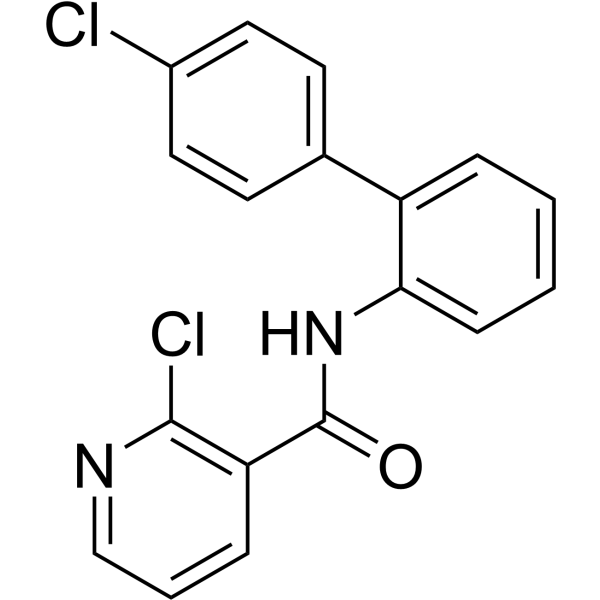
    Boscalid
    1 Publications Verification

    Environmental Pollutants Apoptosis Fungal Mitochondrial Metabolism Succinate Dehydrogenase Infection
    Boscalid is a succinate dehydrogenase (SDHI) inhibitor with antifungal activity. Boscalid binds to the ubiquinone-binding site of fungal mitochondrial complex II, blocks ATP production and aerobic respiration, exhibits good control efficacy against a variety of plant fungal diseases including gray mold, sclerotinia rot and powdery mildew, and is widely used for disease control in agriculture. Boscalid induces apoptosis, altered lipid metabolism, mitochondrial dysfunction, respiratory impairment, oxidative stress, ROS accumulation and neurodevelopmental disorders in zebrafish. Boscalid reduces foraging ability, shortens median death time and causes chronic toxicity in exposed honeybees. Boscalid also possesses genotoxicity, cytotoxicity, elevated mitochondrial superoxide levels and early-stage apoptosis .
    Boscalid
  • HY-N10573
    UDP-rhamnose
    2 Publications Verification

    Drug Derivative Fungal Infection
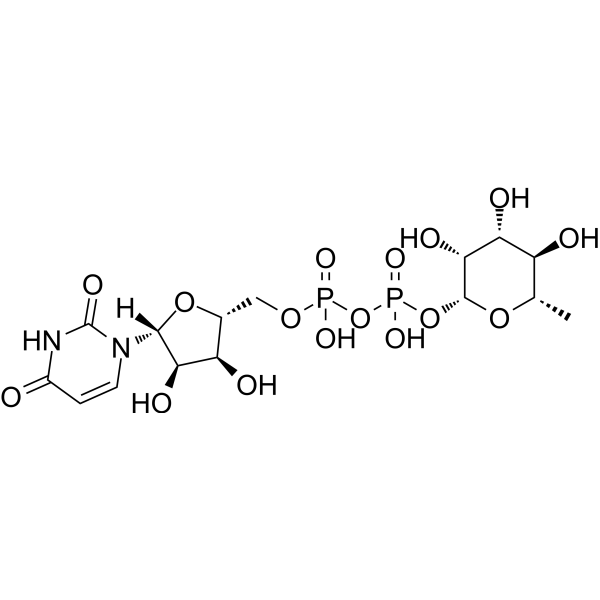
    UDP-rhamnose, the activated form of Rhamnose (HY-N1420) in fungi, is a key precursor for fungi to synthesize rhamnose-containing glycans. UDP-rhamnose can be used in the research on the treatment of fungal diseases .
    UDP-rhamnose
  • HY-13582
    Carbendazim
    Maximum Cited Publications
    6 Publications Verification

    Environmental Pollutants Fungal Parasite Infection Cancer
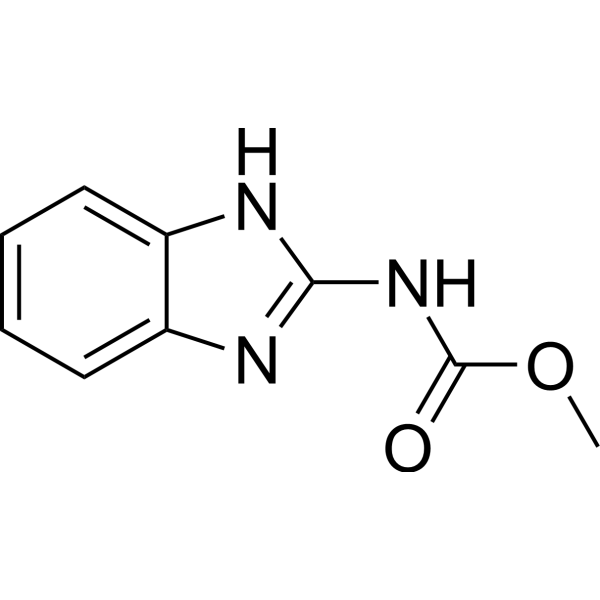
    Carbendazim is a potent and orally active broad-spectrum benzimidazole fungicide and can be acts as a pesticide for fungal diseases research, such as SeproriaFusarium and Sclerotina . Carbendazim is a benzimidazole (HY-Y1825) derivative with antitumor activity and used for cancer research, especially advanced solid tumors and lymphoma .
    Carbendazim
  • HY-B0996

    NSC-17764

    Bacterial Fungal Infection Inflammation/Immunology
    Hexetidine (NSC-17764) is an orally active antibacterial and antifungal agent with broad antibacterial and antifungal activity. Hexetidine combined with IPBC potentiates strong fungal growth inhibition properties. Hexetidine at concentrations greater than 0.1% can cause oral ulceration. Additionally, Hexetidine improves its plaque inhibiting activities combined with zinc and has been confirmed the effectiveness on purulent wound along with ultrasound. Hexetidine is a promising candidate for research in fungus-related diseases and soft tissue purulent-inflammatory
    Hexetidine
  • HY-N9497

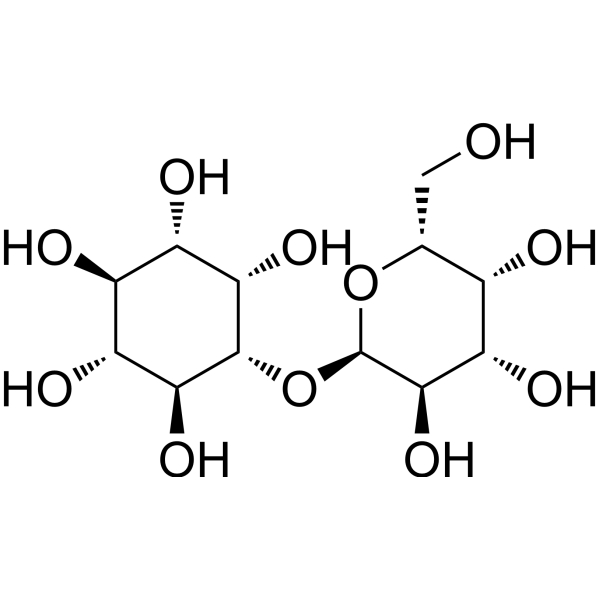
    Galectin Fungal Infection
    Galactinol is a disaccharide carbohydrate serving as a galactosyl donor, which belongs to the raffinose family oligosaccharide pathway and acts as an important osmoprotectant. Galactinol not only induces disease resistance in plants against fungal and bacterial pathogens, but also significantly enhances plant tolerance to abiotic stresses such as drought, high salinity, low temperature and oxidative damage. In addition, Galactinol has the ability to scavenge hydroxyl radicals, can act as a signaling component for root colonization-induced systemic resistance, and is positively correlated with seed longevity in various crops, making it a potential biomarker for evaluating seed vigor. Therefore, Galactinol can be used in the research of various plant diseases including fungal leaf spot, bacterial angular leaf spot, gray mold and soft rot .
    Galactinol
  • HY-77995

    o-Anisaldehyde

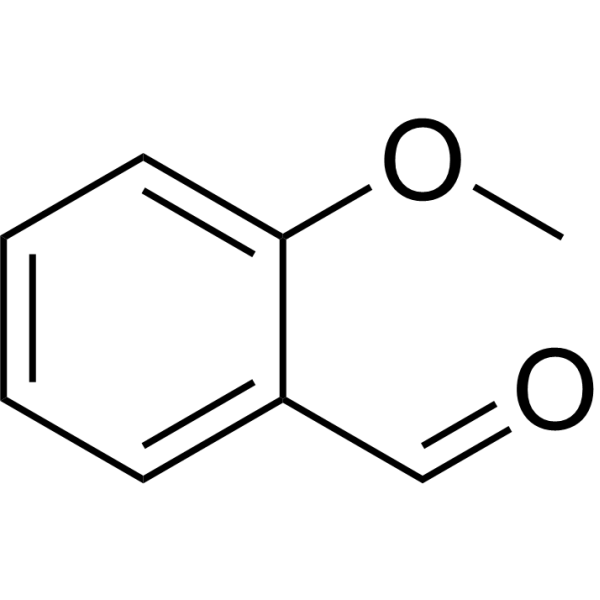
    Bacterial Fungal Infection
    2-Methoxybenzaldehyde (o-Anisaldehyde) is a bacterial/fungal inhibitor with a BA50 value of 0.19 for Salmonella. 2-Methoxybenzaldehyde can be used for the study of bacterial and fungal infectious diseases .
    2-Methoxybenzaldehyde
  • HY-123230

    CGA 279202

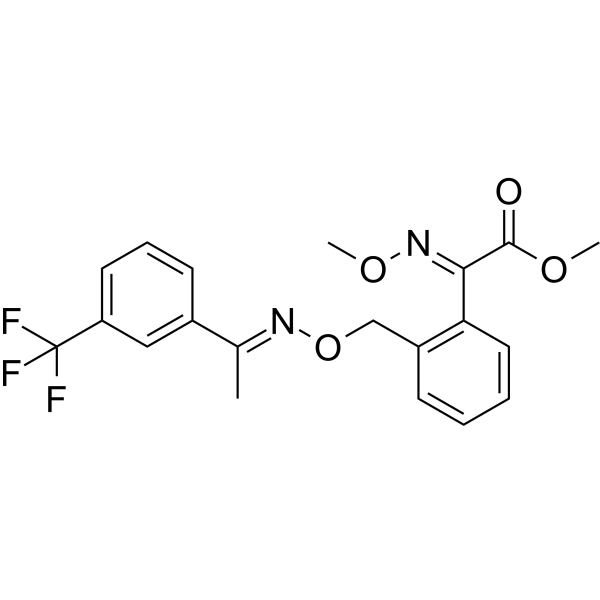
    Environmental Pollutants Fungal Caspase Apoptosis PARP Infection Neurological Disease
    Trifloxystrobin (CGA 279202) is a type of fungicide. Trifloxystrobin has toxicity, antiparasitic activity and induce apoptosis, oxidative stress and DNA damage. Trifloxystrobin can be used for the reaesrch of fungal diseases .
    Trifloxystrobin
  • HY-135549
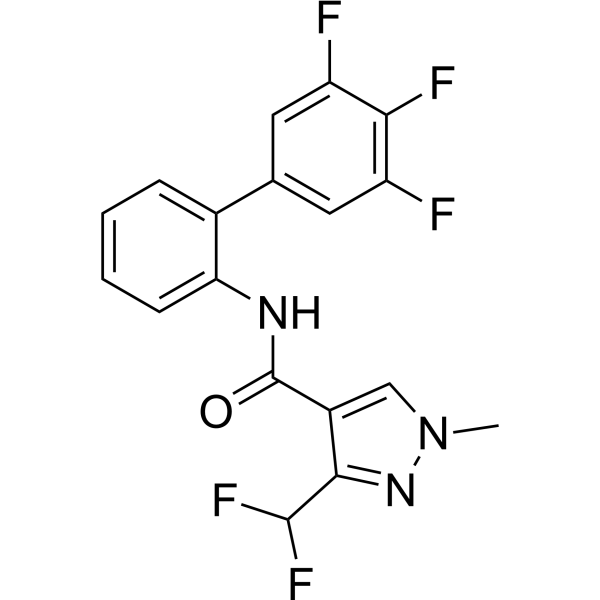
    Fluxapyroxad
    1 Publications Verification

    Environmental Pollutants Antibiotic Cytochrome P450 Fungal Succinate Dehydrogenase Infection Inflammation/Immunology
    Fluxapyroxad is a synthetic broad-spectrum fungicide for the control of fungal diseases. Fluxapyroxad inhibits succinate dehydrogenase in complex II of the mitochondrial respiratory chain, resulting in inhibition of spore germination, germ tubes and mycelia growth within the fungus target species .
    Fluxapyroxad
  • HY-N2896

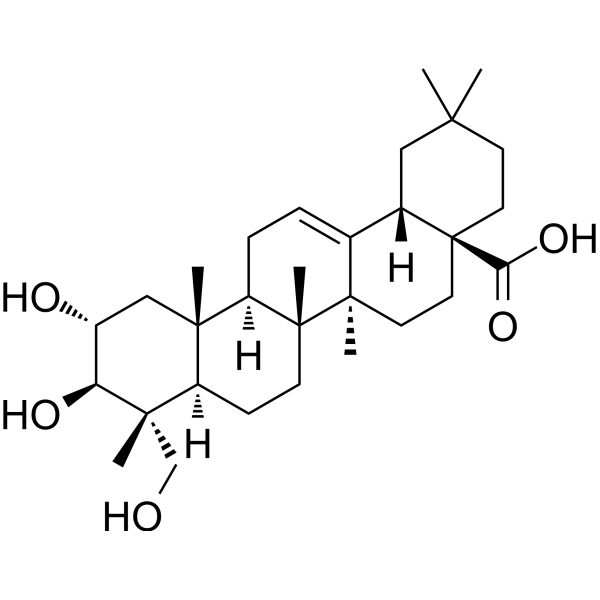
    Reactive Oxygen Species (ROS) Apoptosis Fungal Bacterial NF-κB SOD AMPK mTOR Notch Toll-like Receptor (TLR) Wnt MyD88 Sirtuin Infection Neurological Disease Inflammation/Immunology Cancer
    Arjunolic acid is an orally active, multifunctional bioactive compound. Arjunolic acid exhibits free radical scavenging activity, as well as fungal and bacterial activities. Arjunolic acid induces apoptosis (Apoptosis) in various cancer cells. Arjunolic acid protects hepatocytes against induced oxidative stress and apoptosis by reducing reactive oxygen species and inhibiting NF-κB activation. Arjunolic acid regulates pancreatic dysfunction in type 2 diabetic rats by blocking the activation of the TLR-4/MyD88 and canonical Wnt pathways. Arjunolic acid inhibits neuroinflammation and ameliorates depressive behaviors via the SIRT1/AMPK/Notch1 signaling pathway in microglia. Arjunolic acid improves Crohn's disease-like colitis by restoring gut microbiota composition and inhibiting TLR4 signaling. Arjunolic acid suppresses osteosarcoma progression by inhibiting Wnt3a-mediated M2 polarization of macrophages. Arjunolic acid ameliorates diabetic retinopathy via the autophagy pathway regulated by AMPK/mTOR/HO-1. Arjunolic acid is applicable to research related to type 2 diabetes, organ toxicity, depression, Crohn's disease, osteosarcoma, diabetic retinopathy, and testicular dysfunction .
    Arjunolic acid
  • HY-N8574

    Heptacosan-1-ol

    Biochemical Assay Reagents Infection
    1-Heptacosanol (Heptacosan-1-ol) is a long-chain fatty alcohol with antifungal, antibacterial (against Escherichia coli and Staphylococcus aureus), nematicidal, anticancer and antioxidant activities. 1-Heptacosanol can be isolated from leaf extracts of Ficus septica and Lecaniodiscus cupanioides. 1-Heptacosanol not only effectively resists pathogenic fungal infections, but also shows potential against pepper anthracnose in phytopathology. 1-Heptacosanol can be used in the research of fungal infections, cancer and oxidative stress-related diseases .
    1-Heptacosanol
  • HY-B2033
    Pyrimethanil
    1 Publications Verification

    Environmental Pollutants Fungal Infection
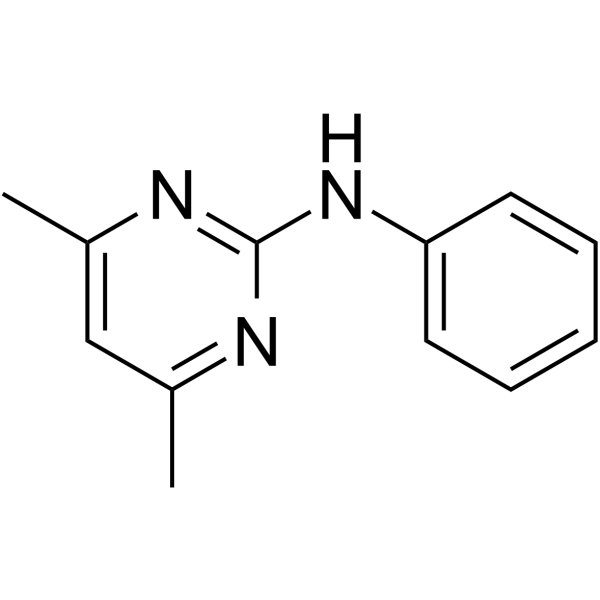
    Pyrimethanil is an anilinopyrimidine and broad-spectrum contact fungicide for the control of Botrytis spp. on a wide variety of crops . Pyrimethanil inhibits the biosynthesis of methionine and other amino acids in Botrytis cinerea. Pyrimethanil can be used for the research of fungal diseases prevention on fruit, vegetable and ornamental plants with mold infection .
    Pyrimethanil
  • HY-N6625
    Chlorothalonil
    1 Publications Verification

    Environmental Pollutants Estrogen Receptor/ERR Fungal Infection
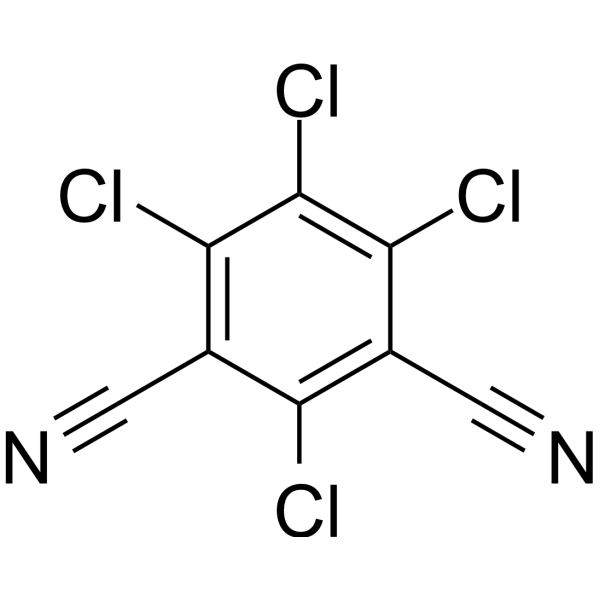
    Chlorothalonil is a broad-spectrum foliar fungicide with oral activity. Chlorothalonil can be used to combat fungal diseases in vegetable and crop leaves. Chlorothalonil can alter the microbial community in the soil. Chlorothalonil inhibits spermatogenesis. Chlorothalonil can cause intestinal epithelial barrier dysfunction and fetal toxicity .
    Chlorothalonil
  • HY-109040

    VT-1129

    Fungal Cytochrome P450 Infection Inflammation/Immunology
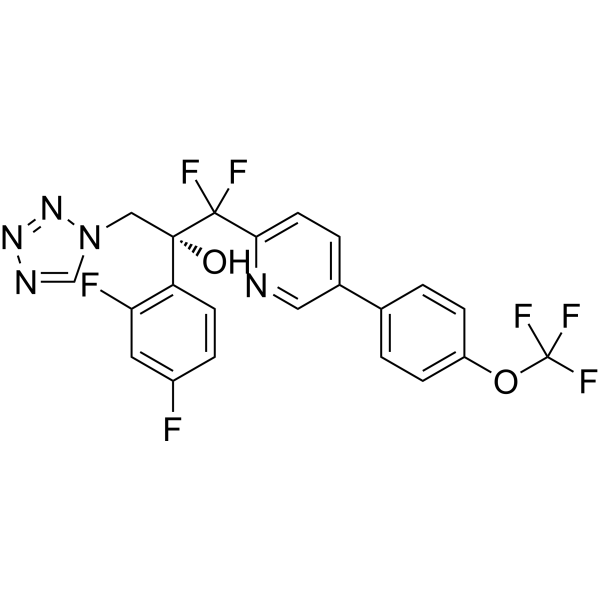
    Quilseconazole (VT-1129) is an orally active, highly selective fungal cytochrome P450 enzyme Cyp51 inhibitor that can cross the blood-brain barrier. Quilseconazole prevents the synthesis of ergosterol, an important component of the fungal cell membrane, by inhibiting Cyp51. Quilseconazole has minimal effects on human CYP enzymes. Quilseconazole has antifungal activity and can be used in the study of cryptococcal meningitis and other diseases .
    Quilseconazole
  • HY-N8284
    Tomentosin
    1 Publications Verification

    Apoptosis Reactive Oxygen Species (ROS) Fungal SOD Interleukin Related NF-κB Toll-like Receptor (TLR) Keap1-Nrf2 Infection Neurological Disease Inflammation/Immunology Cancer
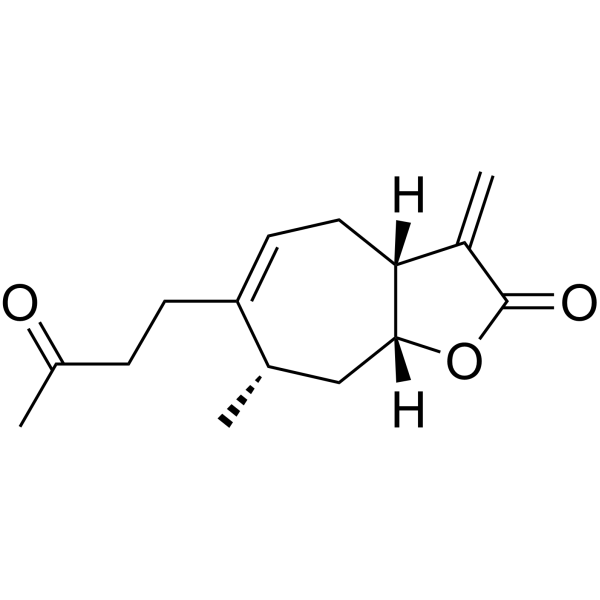
    Tomentosin is an orally active natural sesquiterpenoid lactone. Tomentosin exhibits multiple activities such as anti-tumor, anti-fungal, anti-inflammatory, anti-oxidant and neuroprotective effects. Tomentosin can inhibit tumor cell proliferation, migration and invasion, and induce apoptosis. Tomentosin can be used in the research of tumors, inflammation and nervous system diseases .
    Tomentosin
  • HY-B0854

    Environmental Pollutants Lactate Dehydrogenase Apoptosis Fungal Cytochrome P450 Keap1-Nrf2 Infection Metabolic Disease Cancer
    Mancozeb is a widely used fungicide that is effective against fungal diseases in most cereals, vegetables, fruits and ornamental plants. In addition, Mancozeb can cause liver damage in mice by activating the Keap1/Nrf2 signaling pathway. Mancozeb upregulates lactate dehydrogenase and cytochrome c to alter cell metabolism and induce cell death. Mancozeb has reproductive toxicity and can induce apoptosis in ovarian cells .
    Mancozeb
  • HY-119630

    Zinc propylenebis(dithiocarbamate)

    Environmental Pollutants Bacterial Infection
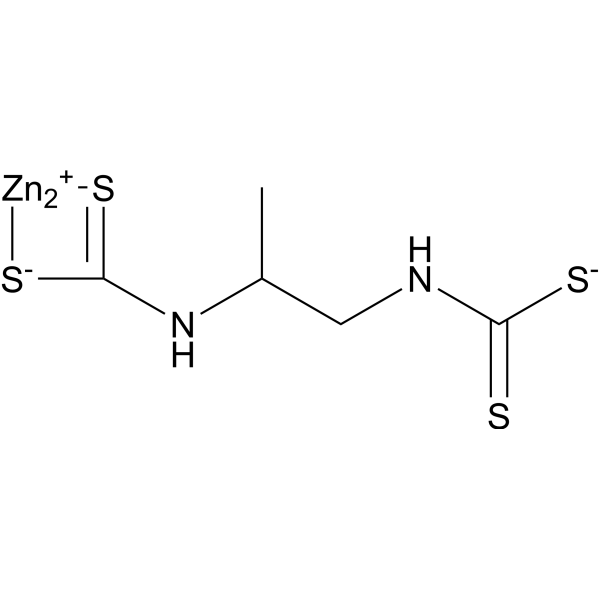
    Propineb (Zinc propylenebis) is a compound widely used in fruit and vegetables cultures, due to its large spectrum of activity against fungal plant diseases .
    Propineb
  • HY-Y1058

    BHA

    Fungal Infection
    Benzohydroxamic acid (BHA) is a chitin deacetylase (CDA) inhibitor with significant antifungal activity. The Ki values of BHA against the CDAs of Verticillium dahliae and Puccinia striiformis f. sp. tritici are 8.31 μM and 9.83 μM, respectively. Benzohydroxamic acid can restore the defense responses of infected host plants, upregulate the expression of defense-related genes, and reduce the growth and reproduction of fungi in plants. Benzohydroxamic acid can be used in the research of the field of controlling agricultural fungal diseases, such as various plant fungal diseases caused by Verticillium dahliae, Puccinia striiformis and other fungi, like cotton wilt and wheat stripe rust .
    Benzohydroxamic acid
  • HY-13582R
    Carbendazim (Standard)
    Maximum Cited Publications
    6 Publications Verification

    Parasite Fungal Reference Standards Infection Cancer
    Carbendazim (Standard) is the analytical standard of Carbendazim. This product is intended for research and analytical applications. Carbendazim is a potent and orally active broad-spectrum benzimidazole fungicide and can be acts as a pesticide for fungal diseases research, such as SeproriaFusarium and Sclerotina . Carbendazim is a benzimidazole (HY-Y1825) derivative with antitumor activity and used for cancer research, especially advanced solid tumors and lymphoma .
    Carbendazim (Standard)
  • HY-B1948

    S-3308

    Fungal Infection
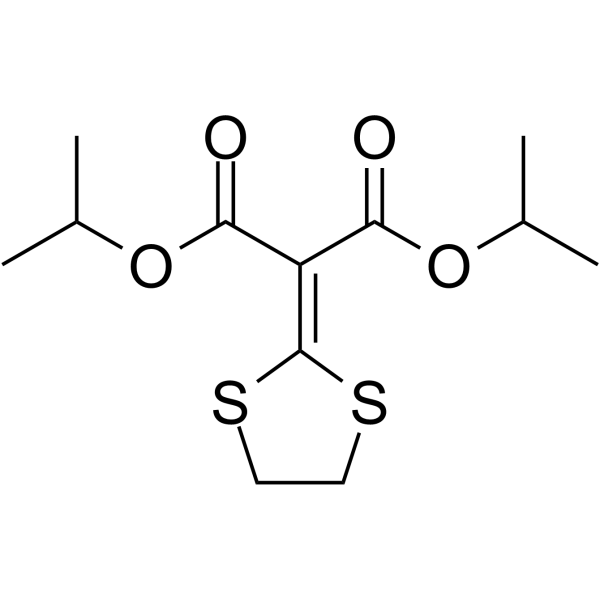
    Diniconazole (S-3308) is a newly developed fungicide. Diniconazole exhibits fungicidal activity against Bolrytis cintrca, Sordaria fumicola, Fusarium graminearum, Sclerotium cepivornm, and Bipolaris sorokiniana with IC50 values of 0.012, <0.001, 0.008, 0.02, and 0.06 mg/L, respectively. Diniconazole can be used in research related to the prevention and control of plant fungal diseases and plant growth regulation .
    Diniconazole
  • HY-W775091

    IKF-5411

    Fungal Succinate Dehydrogenase Infection
    Isofetamid (IKF-5411) is a succinate dehydrogenase inhibitor and a fungicide. Isofetamid exhibits good control effects against various fungal diseases such as gray mold, white mold, and powdery mildew. Isofetamid is promising for research of plant fungal diseases .
    Isofetamid
  • HY-148071

    Fungal Others
    Epocholeone is a growth regulator. Epocholeone can control fungal or physiological diseases of crops .
    Epocholeone
  • HY-139161

    Environmental Pollutants Fungal Infection
    Penflufen is a highly efficient, broad-spectrum succinate dehydrogenase inhibitor (SDHI). Penflufen can be used as a fungicide and has broad bioactivity against many fungal diseases, including potato black scurf, wheat sharp eyespot, rice sheath blight, and root rot in peanut and other similar fungal diseases .
    Penflufen
  • HY-N11911
    Verazine
    1 Publications Verification

    (-)-Verazine

    Fungal Infection Neurological Disease
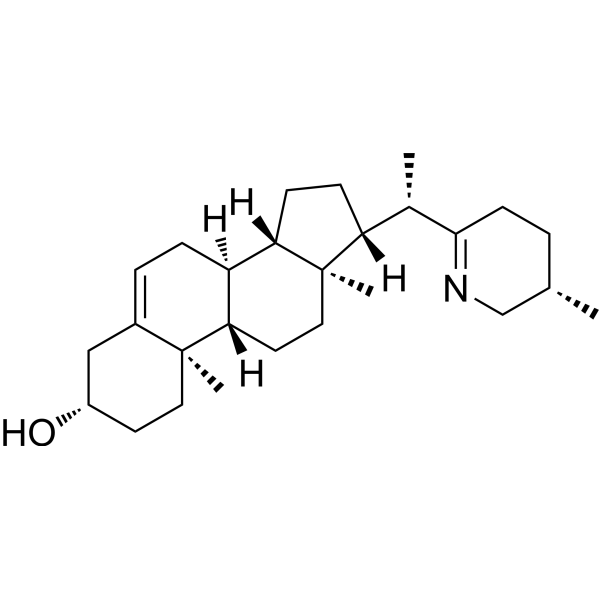
    Verazine ((-)-Verazine) is an anti-Fungal Agent that can be found in the dried roots and rhizoma of Veratrum maackii Regel. Verazine causes DNA damage in the cerebellum and cerebral cortex of mice in a dose-dependent manner. Verazine can be used in the study of fungal infections and neurological diseases .
    Verazine
  • HY-W516735

    Fungal Succinate Dehydrogenase Infection
    Sedaxane is a new broad-spectrum seed treatment fungicide. Sedaxane inhibits fungal respiration by binding to the succinate dehydrogenase complex in fungal mitochondria. Sedaxane has broad-spectrum activity against a variety of seed-borne and soil-borne fungi. Sedaxane can be used in the study of barley loose smut and barley stripe disease .
    Sedaxane
  • HY-129671

    5β-Hydroxyecdysterone

    Parasite Fungal Infection
    Polypodine B is a natural ecdysone ester isolated from the bark of Dacrydium intermedium. Polypodine B significantly inhibits the activity of Acanthamoeba castellani. Polypodine B has moderate antifungal activity. Polypodine B can be used for research on parasitic diseases and fungal infections .
    Polypodine B
  • HY-116541

    ASM

    Environmental Pollutants Fungal Bacterial Infection
    Acibenzolar-S-methyl (ASM) is a plant resistance inducer that mimics pathogen-host interactions and leads to systemic acquired resistance in plants. Acibenzolar-S-methyl helps reduce the use of pesticides and can be used in research to prevent plant diseases .
    Acibenzolar-S-methyl
  • HY-123230R

    CGA 279202 (Standard)

    Reference Standards Fungal Caspase PARP Apoptosis Infection Neurological Disease
    Trifloxystrobin (Standard) is the analytical standard of Trifloxystrobin. This product is intended for research and analytical applications. Trifloxystrobin (CGA 279202) is a type of fungicide. Trifloxystrobin has toxicity, antiparasitic activity and induce apoptosis, oxidative stress and DNA damage. Trifloxystrobin can be used for the reaesrch of fungal diseases .
    Trifloxystrobin (Standard)
  • HY-N6243

    Fungal Cardiovascular Disease Others
    Veratrosine is a Trihydroxynapthalene reductase (THR) inhibitor and fungal plant pathogen inhibitor with activity against Curvularia lunata THR. Veratrosine interacts with THR, an enzyme in the DHN melanin biosynthesis pathway of Curvularia lunata. Veratrosine can be used for the research of leaf blight of rice, brown spot of rice, and blast disease of foxtail millet .
    Veratrosine
  • HY-B2033R
    Pyrimethanil (Standard)
    1 Publications Verification

    Reference Standards Fungal Infection
    Pyrimethanil (Standard) is the analytical standard of Pyrimethanil. This product is intended for research and analytical applications. Pyrimethanil is an anilinopyrimidine and broad-spectrum contact fungicide for the control of Botrytis spp. on a wide variety of crops . Pyrimethanil inhibits the biosynthesis of methionine and other amino acids in Botrytis cinerea. Pyrimethanil can be used for the research of fungal diseases prevention on fruit, vegetable and ornamental plants with mold infection .
    Pyrimethanil (Standard)
  • HY-N11709

    Apoptosis VEGFR ATM/ATR PTEN Akt mTOR HIF/HIF Prolyl-Hydroxylase NF-κB Notch Cholinesterase (ChE) Amyloid-β γ-secretase Ferroptosis Fungal Infection Neurological Disease Metabolic Disease Cancer
    Theasaponin E1 is an orally effective tea saponin. Theasaponin E1 inhibits the proliferation of cancer cells by activating apoptosis. Theasaponin E1 inhibits angiogenesis in ovarian cancer cells and HUVECs by reducing the expression of VEGF. Theasaponin E1 upregulates the phosphorylation level of ATM protein and the expression level of PTEN protein in cancer cells, decreases the phosphorylation levels of Akt, mTOR, p70S6K and 4E-BP1 proteins, downregulates the expression of HIF-1α and NF-κB, and reduces the protein expression of Notch ligands Dll4 and Jagged1. Theasaponin E1 exerts neuroprotective effects by inhibiting the activity of acetylcholinesterase, activating α-secretase and neprilysin, reducing the concentration of , and inhibiting the activities of β-secretase and γ-secretase. Theasaponin E1 exhibits toxic effects on cancer cells and quinone reductase-inducing activity, and inhibits tumor growth in vivo. Theasaponin E1 induces ferroptosis in Pomacea canaliculata by synergistically disrupting cholesterol homeostasis and sphingolipid metabolism. Theasaponin E1 possesses anti-biofilm activity against Candida albicans. Theasaponin E1 can be used in the research of ovarian cancer, obesity, Alzheimer's disease and fungal infections .
    Theasaponin E1
  • HY-B2033S

    Isotope-Labeled Compounds Fungal Infection
    Pyrimethanil- 13C, 15N2 is the 13C-labeled and 15N-labeled Pyrimethanil. Pyrimethanil is an?anilinopyrimidine?and broad-spectrum?contact fungicide for the control of Botrytis spp. on a wide variety of crops . Pyrimethanil inhibits the biosynthesis of methionine and other amino acids in?Botrytis cinerea. Pyrimethanil can be used for the research of fungal diseases prevention on fruit, vegetable and ornamental plants with mold infection .
    Pyrimethanil-13C,15N2
  • HY-10863S

    AEA-d8

    Isotope-Labeled Compounds Cannabinoid Receptor PPAR Endogenous Metabolite Tau Protein GPR55 Fungal TRP Channel Infection
    Anandamide-d8 is a deuterated labeled Anandamide . Anandamide is an endocannabinoid. Anandamide modulates both neuronal and immune functions through two protein-coupled cannabinoid receptors (CB1 and CB2). Anandamide can activate numerous other receptors like PPARS, TRPV1, and GPR18/GPR55. Anandamide also has potential anti-fungal and anti-inflammatory activities. Anandamide can be used for the research of Alzheimer’s disease (AD) and ulcerative colitis .
    Anandamide-d8
  • HY-N8744

    (±)-Vestitol

    Fungal Infection
    Vestitol ((±)-Vestitol) is an isoflavonoid phytoalexin and Antifungal agent. Vestitol can be isolated from the leaves of Trifolium arvense. Vestitol inhibits the mycelial growth of Helminthosporium carbonum with a ED50 of 17 μg/mL. Vestitol can be used in the research of fungal infections (Helminthosporium carbonum-induced plant diseases) .
    Vestitol
  • HY-W1127089

    Fungal Cytochrome P450 Interleukin Related Infection Inflammation/Immunology
    Antifungal agent 136 is a CYP51 inhibitor and antifungal agent. Antifungal agent 136 downregulates the expression of interleukin-6 to alleviate inflammatory responses. Antifungal agent 136 exhibits activity against both drug-sensitive and drug-resistant Candida albicans strains. Antifungal agent 136 can be used in the research of fungal infections and inflammatory diseases .
    Antifungal agent 136
  • HY-N6625S

    Fungal Inflammation/Immunology
    Chlorothalonil- 13C2 is the 13C-labeled Chlorothalonil. Chlorothalonil is a broad spectrum fungicide and is effective in protecting plants against fungal diseases caused mainly by Phytophthora infestans and Alternaria solani. Chlorothalonil is used for controlling of fungal foliar diseases of vegetables and crops .
    Chlorothalonil-13C2
  • HY-W774934

    Fungal
    Isopyrazam is a plant protection product with fungal activity. Isopyrazam exhibits excellent disease resistance on crops and effectively inhibits the growth of multiple plant pathogenic fungi. The application of Isopyrazam can significantly improve the yield and quality of crops.
    Isopyrazam
  • HY-135258

    Galectin Fungal Others
    Galactinol dihydrate is a disaccharide carbohydrate serving as a galactosyl donor, which belongs to the raffinose family oligosaccharide pathway and acts as an important osmoprotectant. Galactinol dihydrate not only induces disease resistance in plants against fungal and bacterial pathogens, but also significantly enhances plant tolerance to abiotic stresses such as drought, high salinity, low temperature and oxidative damage. In addition, Galactinol dihydrate has the ability to scavenge hydroxyl radicals, can act as a signaling component for root colonization-induced systemic resistance, and is positively correlated with seed longevity in various crops, making it a potential biomarker for evaluating seed vigor. Therefore, Galactinol dihydrate can be used in the research of various plant diseases including fungal leaf spot, bacterial angular leaf spot, gray mold and soft rot .
    Galactinol dihydrate
  • HY-13582S

    Isotope-Labeled Compounds Fungal Infection Cancer
    Carbendazim-d4 is the deuterium labeled Carbendazim. Carbendazim is a potent and orally active broad-spectrum?benzimidazole fungicide and can be acts as a pesticide for fungal diseases research, such as Seproria,?Fusarium?and?Sclerotina . Carbendazim is a benzimidazole (HY-Y1825) derivative with antitumor activity and used for cancer research, especially advanced solid tumors and lymphoma .
    Carbendazim-d4
  • HY-W047478

    NSC 10154

    Fungal Interleukin Related Infection Inflammation/Immunology Cancer
    3-Methylcarbazole (NSC 10154) is a carbazole alkaloid with an IC50 of 25 μg/mL against human fibrosarcoma cells. 3-Methylcarbazole inhibits mycelial growth and conidial germination of a variety of phytopathogenic fungi. 3-Methylcarbazole exhibits anti-inflammatory and antitumor activities. 3-Methylcarbazole can be used in studies related to fibrosarcoma, phytopathogenic fungal infections and inflammatory diseases .
    3-Methylcarbazole
  • HY-B2048S

    Isotope-Labeled Compounds Others
    Pencycuron-d5 is the deuterium labeled Pencycuron (HY-B2048). Pencycuron is a benzoylurea fungicide. Pencycuron kills fungi by inhibiting the synthesis of fungal cell walls.Pencycuron can be used in research on the control of fungal diseases on crops, such as sheath blight, powdery mildew and late blight .
    Pencycuron-d5
  • HY-W019803

    Fungal Infection Others
    Diclobutrazol, a systemic fungicide, is highly active against rusts, powdery mildews, and other fungal phytopathogens. Diclobutrazol can be used as a pesticide to control of various crop diseases .
    Diclobutrazol
  • HY-116541R

    ASM (Standard)

    Bacterial Fungal Reference Standards Infection
    Acibenzolar-S-methyl (Standard) is the analytical standard of Acibenzolar-S-methyl. This product is intended for research and analytical applications. Acibenzolar-S-methyl (ASM) is a plant resistance inducer that mimics pathogen-host interactions and leads to systemic acquired resistance in plants. Acibenzolar-S-methyl helps reduce the use of pesticides and can be used in research to prevent plant diseases .
    Acibenzolar-S-methyl (Standard)
  • HY-122955

    Antibiotic Fungal Bacterial Infection
    Xanthobaccin A is a potent antibiotic that can be isolated from the culture fluid of Stenotrophomonas sp. strain SB-K88. Xanthobaccin A exhibits activity against fungi and G+ bacteria, induces zoospore immobilization and lysis, inhibits mycelial growth. Xanthobaccin A can be used for the research of beet damping-off disease, bacterial and fungal infection .
    Xanthobaccin A
  • HY-N6625R

    Reference Standards Fungal Estrogen Receptor/ERR Infection
    Chlorothalonil (Standard) is the analytical standard of Chlorothalonil. This product is intended for research and analytical applications. Chlorothalonil is a broad-spectrum foliar fungicide with oral activity. Chlorothalonil can be used to combat fungal diseases in vegetable and crop leaves. Chlorothalonil can alter the microbial community in the soil. Chlorothalonil inhibits spermatogenesis. Chlorothalonil can cause intestinal epithelial barrier dysfunction and fetal toxicity .
    Chlorothalonil (Standard)
  • HY-B1975

    Fungal Reactive Oxygen Species (ROS) Infection
    Dithianon is a broad-spectrum anthraquinone fungicide with good adherence to the surface of leaves and fruits. Dithianon is used to control several several fungal of some fruits and vegetables, as anthracnose (Colletotrichum sp., Elsinoe ampelina), mildew (Plasmopara viticola), phomopsis (Phomopsis viticola), among others .
    Dithianon
  • HY-123096

    Silthiopham; Mon65500

    Fungal Infection
    Silthiofam (Silthiopham) is a wheat fungicide used to control take-all disease caused by the soil-borne fungus Gaeumannomyces graminis .
    Silthiofam
  • HY-122494

    SF-1293

    Bacterial Infection
    Bilanafos is a natural organic phosphine tripeptide antibiotic metabolized by Streptomyces hydroscopius or Streptomyces viridochromeogenes. Bialaphos has antimicrobial activity aganist Gram-negative and positive bacteria as well as some fungal plant diseases .
    Bilanafos
  • HY-B2048

    Fungal Infection
    Pencycuron is a benzoylurea fungicide. Pencycuron kills fungi by inhibiting the synthesis of fungal cell walls.Pencycuron can be used in research on the control of fungal diseases on crops, such as sheath blight, powdery mildew and late blight .
    Pencycuron
  • HY-B2048R

    Reference Standards Fungal Infection
    Pencycuron (Standard) is the analytical standard of Pencycuron. This product is intended for research and analytical applications. Pencycuron is a benzoylurea fungicide. Pencycuron kills fungi by inhibiting the synthesis of fungal cell walls.Pencycuron can be used in research on the control of fungal diseases on crops, such as sheath blight, powdery mildew and late blight .
    Pencycuron (Standard)

Inquiry Online

Your information is safe with us. * Required Fields.

Salutation


Country or Region *

Applicant Name *


Organization Name *

Department *


Email Address *


Product Name *

Cat. No.


Requested quantity *

Phone Number *


Remarks

Inquiry Online

Inquiry Information

Product Name:
Cat. No.:
Quantity:
MCE Japan Authorized Agent:

