

Search Result
Results for "
gluconeogenesis
" in MedChemExpress (MCE) Product Catalog:
8
Biochemical Assay Reagents
5
Isotope-Labeled Compounds
| Cat. No. |
Product Name |
Target |
Research Areas |
Chemical Structure |
-
- HY-B0511
-
Biotin
Maximum Cited Publications
26 Publications Verification
Vitamin B7; Vitamin H; D-Biotin
|
Environmental Pollutants
Endogenous Metabolite
|
Metabolic Disease
|
|
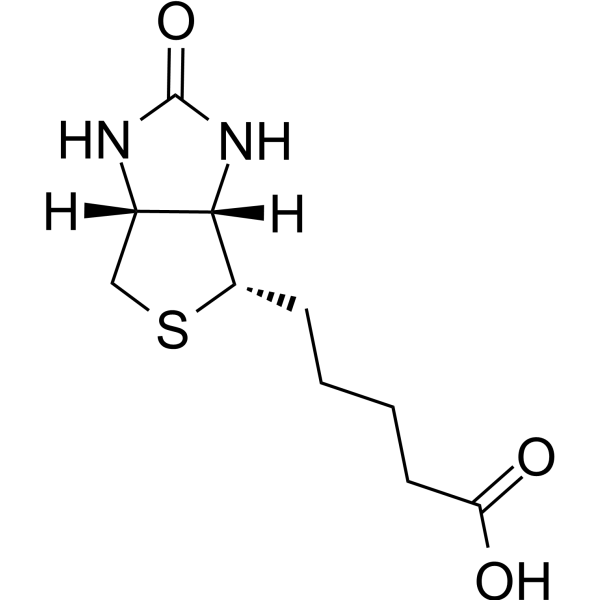
Biotin, vitamin B7 and serves as a coenzyme for five carboxylases in humans, involved in the synthesis of fatty acids, isoleucine, and valine, and in gluconeogenesis. Biotin is necessary for cell growth, the production of fatty acids, and the metabolism of fats and amino acids .
|
-
-
- HY-P0082
-
|
Glucagon
|
GCGR
|
Metabolic Disease
Cancer
|
|
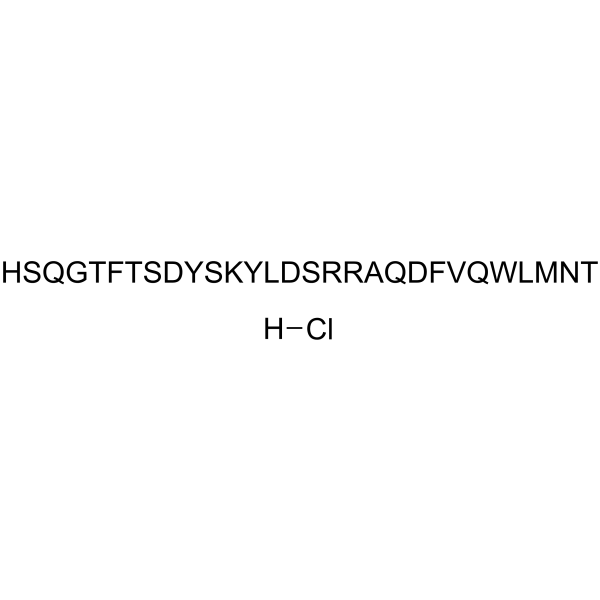
Glucagon (1-29), bovine, human, porcine is a peptide hormone, produced by pancreatic α-cells. Glucagon stimulates gluconeogenesis . Glucagon (1-29), bovine, human, porcine activates HNF4α and increases HNF4α phosphorylation .
|
-
-
- HY-W008807
-
|
Phosphoenolpyruvate potassium
|
Endogenous Metabolite
|
Metabolic Disease
|
|
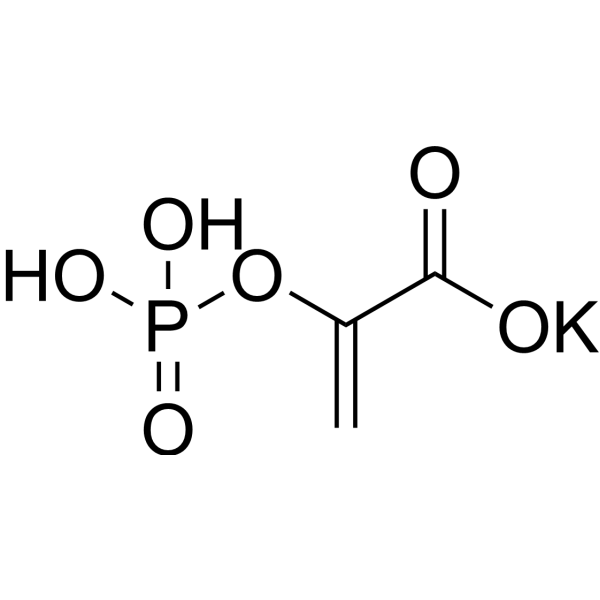
Phosphoenolpyruvic acid (Phosphoenolpyruvate) potassium is a glycolysis metabolite with a high-energy phosphate group. Phosphoenolpyruvic acid potassium is involved in glycolysis and gluconeogenesis, and used as energy source to produce ATP, under the energy-limited conditions. Phosphoenolpyruvic acid potassium also exhibits cytoprotective and anti-oxidative properties .
|
-
-
- HY-N0143
-
|
Floridzin
|
Caspase
JAK
GLUT
STAT
Apoptosis
Bacterial
SGLT
mTOR
Akt
NF-κB
PI3K
DNA/RNA Synthesis
|
Infection
Neurological Disease
Metabolic Disease
Cancer
|
|
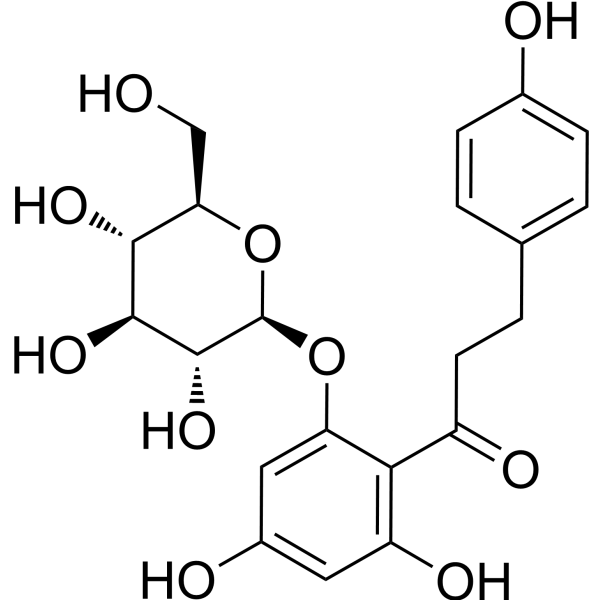
Phlorizin (Floridzin) is an orally active non-selective sodium-glucose cotransporter (SGLT) inhibitor, with an IC50 of 0.04 μM and a Ki of 39 nM against hSGLT2, and an IC50 of 0.17 μM and a Ki of 0.31 μM against hSGLT1. Phlorizin promotes GLUT4 translocation, inhibits gluconeogenesis and promotes glycogen synthesis by activating the PI3K/Akt/mTOR pathway. Phlorizin reduces DNA damage and apoptosis (apoptosis) by inhibiting the NF-κB inflammatory pathway. Phlorizin induces apoptosis via activating the Caspase pathway by antagonizing the JAK/STAT3 and PCK pathways. Phlorizin also exhibits antibacterial, anti-inflammatory and neuroprotective activities .
|
-
-
- HY-137808
-
|
Succinyl-CoA sodium
|
Endogenous Metabolite
|
Neurological Disease
Metabolic Disease
|
|
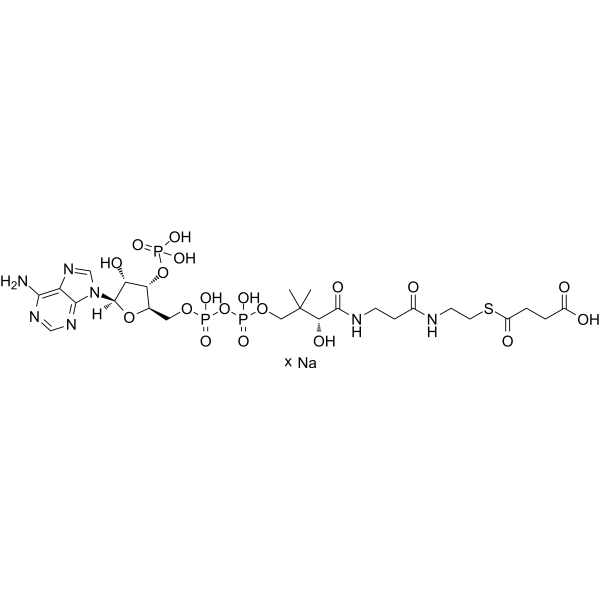
Succinyl CoA (Succinyl-coenzyme A) sodium is a pivotal intermediate metabolite in the tricarboxylic acid cycle and a key coenzyme A metabolite. Succinyl CoA sodium is biosynthesized from α-ketoglutarate or propionyl-CoA. Succinyl CoA sodium acts as a critical precursor and substrate for heme biosynthesis and gluconeogenesis. Succinyl CoA sodium insufficiency caused by cobalamin deficiency is directly linked to growth retardation, impaired heme synthesis, tissue glycine accumulation and neurological abnormalities. Succinyl CoA sodium can be used in research on metabolic, neurological, and hematological abnormalities (such as porphyria) caused by nutritional vitamin B12 deficiency (leading to a lack of Succinyl-Coenzyme A synthesis) .
|
-
-
- HY-151223
-
|
Triose phosphate
|
Endogenous Metabolite
Biochemical Assay Reagents
|
Metabolic Disease
|
|
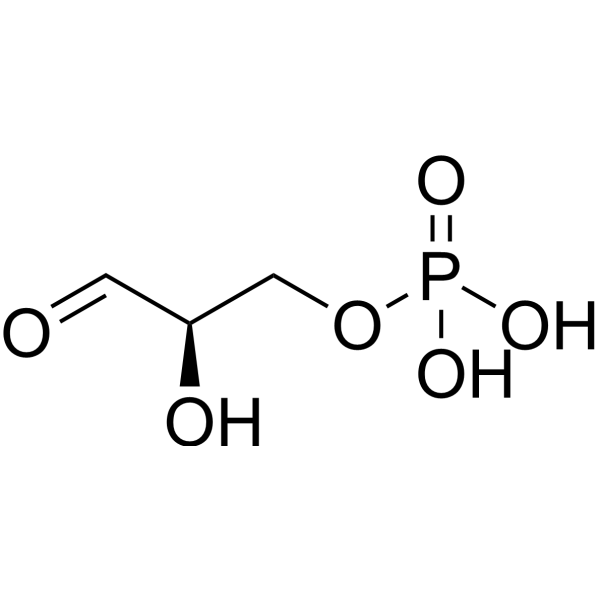
D-Glyceraldehyde 3-phosphate (Triose phosphate) is a common molecule in living organisms and is an important intermediate in glycolysis and gluconeogenesis, as well as a sugar product of the Calvin cycle. D-Glyceraldehyde 3-phosphate is involved in the biosynthesis of tryptophan and thiamin. D-Glyceraldehyde 3-phosphate is released as aldehyde by aldolase or triose phosphate isomerase. D-Glyceraldehyde 3-phosphate forms adducts with thiols .
|
-
-
- HY-W010382
-
|
2-Oxosuccinic acid
|
Endogenous Metabolite
Reactive Oxygen Species (ROS)
|
Metabolic Disease
|
|
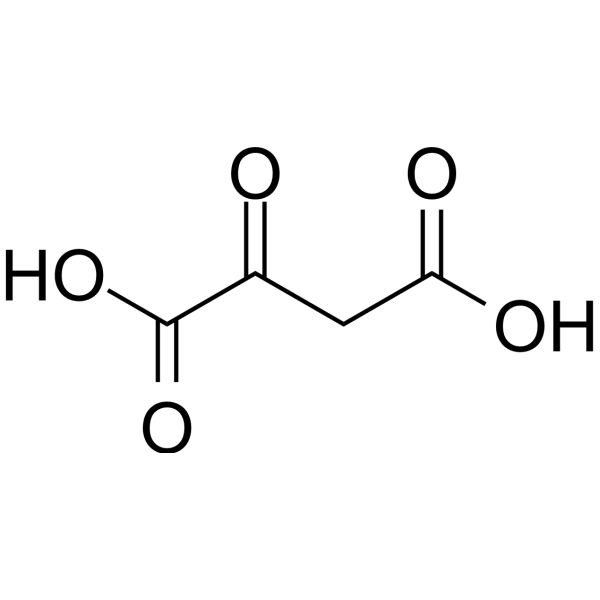
Oxaloacetic acid (2-Oxosuccinic acid) is a metabolic intermediate involved in several ways, such as citric acid cycle, gluconeogenesis, the urea cycle, the glyoxylate cycle, amino acid synthesis, and fatty acid synthesis, whereby Oxaloacetic acid facilitates the clearance of reactive oxygen species (ROS) and improves mitochondrial function .
|
-
-
- HY-128748
-
|
|
Endogenous Metabolite
|
Others
|
|
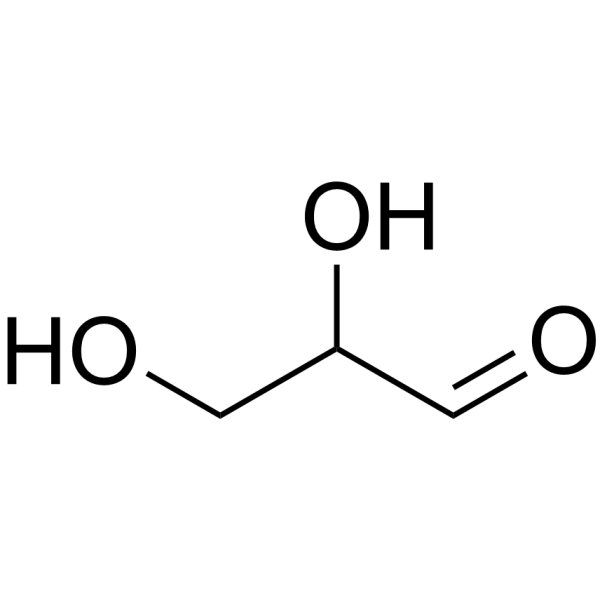
DL-Glyceraldehyde is a bioactive substance involved in cellular energy metabolism and a key intermediate in sugar metabolism pathways (such as glycolysis and gluconeogenesis). During glycolysis, DL-Glyceraldehyde is converted by enzymes into other metabolites to provide energy for cells; during gluconeogenesis, DL-Glyceraldehyde participates in the synthesis of glucose as a precursor. In the field of medical research, DL-Glyceraldehyde can be used to study diseases related to sugar metabolism, such as diabetes, tumors, etc[1][2].
|
-
-
- HY-134816
-
|
|
Toll-like Receptor (TLR)
|
Metabolic Disease
Inflammation/Immunology
Cancer
|
|
D-Glucan is an orally effective Dectin-1 receptor immune activator with antioxidant properties (reducing TNF-α). D-Glucan activates macrophages and neutrophils to scavenge free radicals, inhibit oxidative stress and inflammatory responses, and improve insulin sensitivity. D-Glucan promotes glycolysis by enhancing the activity of the antioxidant enzyme glutathione, inhibiting gluconeogenesis and activating GK. D-Glucan can be used in the research of liver damage protection (antagonizing Acetaminophen (HY-66005) toxicity), radiation protection (synergistic with vitamin E) and diabetes (improving glucose metabolism) .
|
-
-
- HY-P0082A
-
|
Glucagon hydrochloride
|
GCGR
|
Metabolic Disease
Cancer
|
|
Glucagon (1-29), bovine, human, porcine hydrochloride is a peptide hormone, produced by pancreatic α-cells. Glucagon hydrochloride stimulates gluconeogenesis . Glucagon (1-29), bovine, human, porcine hydrochloride activates HNF4α and increases HNF4α phosphorylation .
|
-
-
- HY-113054
-
|
|
Acyltransferase
Bacterial
Endogenous Metabolite
|
Infection
Metabolic Disease
|
|
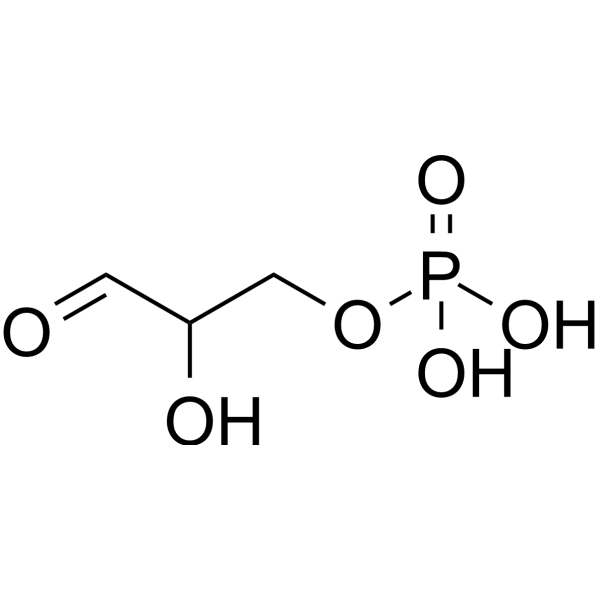
DL-Glyceraldehyde 3-phosphate is an intermediate in several metabolic pathways, including glycolysis and gluconeogenesis. DL-Glyceraldehyde 3-phosphate is a potent inhibitor of the growth of E. coli. DL-Glyceraldehyde 3-phosphate is a competitive inhibitor of the acyltransferase .
|
-
-
- HY-113126
-
|
|
Endogenous Metabolite
ATP Synthase
|
Neurological Disease
Metabolic Disease
|
|
3-Hydroxyisobutyric acid is an intermediate in the metabolic pathways of L-valine and thymine, and can be found in urine. 3-Hydroxyisobutyric acid is a secreted mediator of endothelial cell fatty acid transport and insulin resistance. 3-Hydroxyisobutyric acid can also inhibit key enzymes of energy metabolism in the cerebral cortex of young rats. The levels of 3-Hydroxyisobutyric acid are closely related to various diseases such as 3-hydroxyisobutyric aciduria, diabetes, and ketoacidosis .
|
-
-
- HY-108743
-
|
|
Insulin Receptor
|
Endocrinology
|
|
Insulin degludec is an ultra-long-acting form of insulin used for the research of hyperglycemia caused by type 1 and type 2 dabetes. Insulin degludec shows binding efficiency with an IC50 value of 19.59 nM for insulin receptor. Insulin degludec can be used for the research of type 1 and type 2 diabetes .
|
-
-
- HY-108468
-
KL001
2 Publications Verification
|
Cryptochrome
|
Metabolic Disease
|
|
KL001 is a first-in-class cryptochrome (CRY, a flavoproteins that are sensitive to blue light, and is involved in the circadian rhythms of plants and animals) stabilizer which specifically interacts with CRY1 and CRY2. KL001 prevents ubiquitin-dependent degradation of CRY, resulting in lengthening of the circadian period. KL001 has the potential to control fasting hormone-induced gluconeogenesis .
|
-
-
- HY-P2917
-
|
GyK
|
Nuclear Hormone Receptor 4A/NR4A
|
Metabolic Disease
Inflammation/Immunology
|
|
Glycerol kinase, microorganism (GyK) acts as a NR4A1 inhibitor with enzymatic activity. It directly binds to and inhibits the transcription factor NR4A1, thereby negatively regulating hepatic gluconeogenesis and reducing blood glucose levels. Glycerol kinase, microorganism positively regulates UCP1 expression via partial dependence on the β-adrenergic receptor-cAMP-CREB pathway, promotes browning of white adipose tissue and thermogenesis, and further modulates intracellular fatty acid composition and energy metabolism. In diabetic mouse models, overexpression of Glycerol kinase effectively antagonizes NR4A1-induced hyperglycemia, demonstrating potential for improving glucose homeostasis. Glycerol kinase, microorganism can be used for studies on diabetes and obesity .
|
-
-
- HY-B0528A
-
|
(±)-p-Octopamine hydrochloride
|
Adrenergic Receptor
Endogenous Metabolite
|
Neurological Disease
Endocrinology
|
|
Octopamine ((±)-p-Octopamine) hydrochloride, a biogenic monoamine structurally related to noradrenaline, acts as a neurohormone, a neuromodulator and a neurotransmitter in invertebrates. Octopamine hydrochloride can stimulate alpha2-adrenoceptors (ARs) in Chinese hamster ovary cells transfected with human alpha2-ARs. Octopamine hydrochloride increased glycogenolysis, glycolysis, oxygen uptake, gluconeogenesis and the portal perfusion pressure .
|
-
-
- HY-14414
-
|
SR6452
|
REV-ERB
Apoptosis
|
Metabolic Disease
|
|
GSK4112 (SR6452) is a Rev-erbα agonist with an EC50 value of 0.4 μM. GSK4112 can be used as a chemical tool to probe the function of Rev-erbα in transcriptional repression, regulation of circadian biology, and metabolic pathways .
|
-
-
- HY-W587427
-
|
|
Endogenous Metabolite
Monocarboxylate Transporter
|
Neurological Disease
Cancer
|
|
D-2-Phosphoglyceric acid trisodium is a glycolysis and gluconeogenesis intermediate with altered levels linked to MCT4-modulated glycolytic pathways. D-2-Phosphoglyceric acid trisodium shows reduced intracellular levels in hypoxic glioblastoma stem cells after MCT4 knockdown. D-2-Phosphoglyceric acid trisodium can be used for the research of glioblastoma .
|
-
-
- HY-136717
-
|
|
FBPase
|
Metabolic Disease
|
|
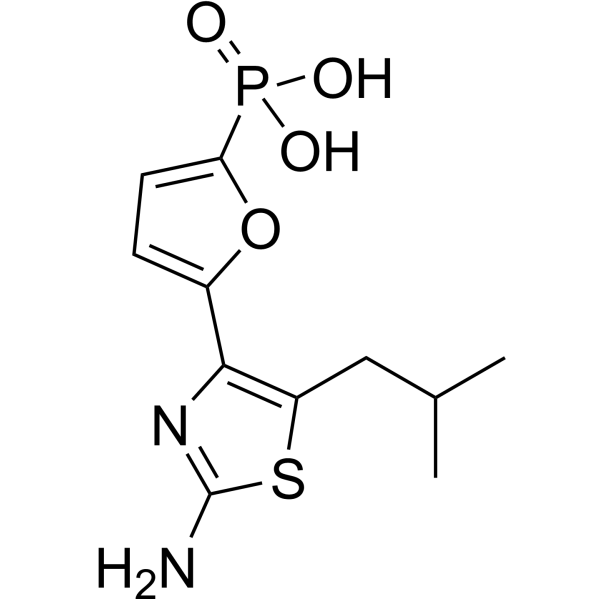
FBPase-1 inhibitor-1 (Compound 1) is an allosteric FBPase-1 inhibitor with an IC50 of 3.3 μM or 3.9 μM. FBPase-1 inhibitor-1 blocks gluconeogenesis by inhibiting FBPase-1. FBPase-1 inhibitor-1 can be used for the research of type 2 diabetes (t2dm) .
|
-
-
- HY-16307
-
|
|
FBPase
|
Metabolic Disease
|
|
MB05032 is a special and efficacious gluconeogenesis inhibitor targeted the AMP binding site of fructose 1,6-bisphosphatase (FBPase) with an IC50 value of 16 nM.
|
-
-
- HY-W039315
-
|
|
Biochemical Assay Reagents
|
Metabolic Disease
|
2,5-Anhydro-D-mannitol, 97% is an antimetabolic fructose analogue. 2,5-Anhydro-D-mannitol, 97% depletes intracellular ATP, reduces oxygen consumption, regulates substrate oxidation, increases phosphomonoester levels, decreases inorganic phosphate levels, and promotes the release of intracellular calcium from intracellular calcium stores via phospholipase C-dependent activity in hepatocytes .
|
-
-
- HY-N5083
-
-
-
- HY-B2099A
-
|
1-Butylbiguanide hydrochloride
|
AMPK
|
Cancer
|
|
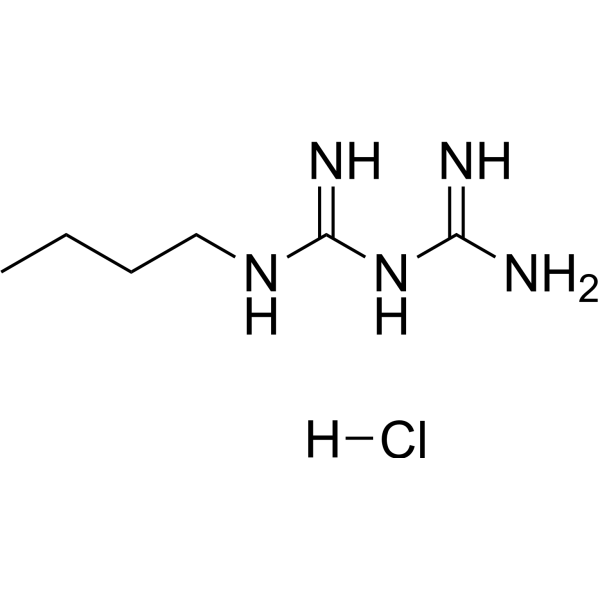
Buformin hydrochloride (1-Butylbiguanide hydrochloride), a potent AMPK activator, acts as an orally active biguanide antidiabetic agent. Buformin hydrochloride decreases hepatic gluconeogenesis and lowers blood glucose production in vivo. Buformin hydrochloride also has anti-cancer activities and is applied in cancer study (such as, cervical cancer and breast cancer, et al) .
|
-
-
- HY-Y0624
-
|
|
Endogenous Metabolite
Mitochondrial Metabolism
|
Metabolic Disease
|
|
4-Pentenoic acid is a medium-chain unsaturated fatty acid. 4-Pentenoic acid has hypoglycemic and fatty acid oxidation inhibitory activities. 4-Pentenoic acid can affect blood glucose metabolism and energy metabolism through mechanisms such as inhibiting long-chain fatty acid oxidation, reducing gluconeogenesis, and promoting glucose utilization .
|
-
-
- HY-P2726
-
|
Fructose-diphosphate aldolase
|
Fructose-1,6-bisphosphate aldolase
Endogenous Metabolite
|
Metabolic Disease
|
|
Aldolase, Rabbit muscle (Fructose-diphosphate aldolase) is a glycolytic enzyme and glucose availability sensor. Aldolase, Rabbit muscle catalyzes the reversible carbon-carbon cleavage of fructose-1,6-bisphosphate to produce dihydroxyacetone phosphate and glyceraldehyde 3-phosphate. Aldolase, Rabbit muscle is an essential component for v-ATPase activity. Aldolase, Rabbit muscle participates in processes such as gluconeogenesis, the Calvin cycle and glycolysis .
|
-
-
- HY-113049
-
|
Phosphoenolpyruvate
|
Endogenous Metabolite
|
Metabolic Disease
|
|
Phosphoenolpyruvic acid (Phosphoenolpyruvate) is a glycolysis metabolite with a high-energy phosphate group. Phosphoenolpyruvic acid is involved in glycolysis and gluconeogenesis, and used as energy source to produce ATP, under the energy-limited conditions. Phosphoenolpyruvic acid also exhibits cytoprotective and anti-oxidative properties .
|
-
-
- HY-W009417
-
|
|
Environmental Pollutants
Glycosidase
|
Metabolic Disease
|
|
Cedryl acetate is an orally active α-glucosidase inhibitor with an IC50 of 94 μM against yeast α-glucosidase. Cedryl acetate reduces high-fat diet-induced body weight gain, visceral fat pad weight, adipocyte hypertrophy, hepatic lipid accumulation, glucose intolerance, insulin resistance and gluconeogenesis. Cedryl acetate can be used in the research of obesity and obesity-related metabolic syndrome .
|
-
-
- HY-W134005
-
|
Ethylenediaminetetraacetic acid magnesium disodium tetrahydrate
|
Phosphatase
|
Others
|
|
Mg(Ⅱ)-EDTA disodium tetrahydrate is a reversible non-covalent activator of fructose diphosphatase (Km=0.9 μM). Mg(Ⅱ)-EDTA disodium tetrahydrate synergistically activates fructose diphosphatase with free Mg 2+, promotes the hydrolysis of fructose-1,6-bisphosphate at pH≤8, and plays a role in enhancing the activity of key enzymes in gluconeogenesis .
|
-
-
- HY-N7676
-
Marein
3 Publications Verification
|
AMPK
HDAC
|
Cardiovascular Disease
Neurological Disease
Metabolic Disease
|
|
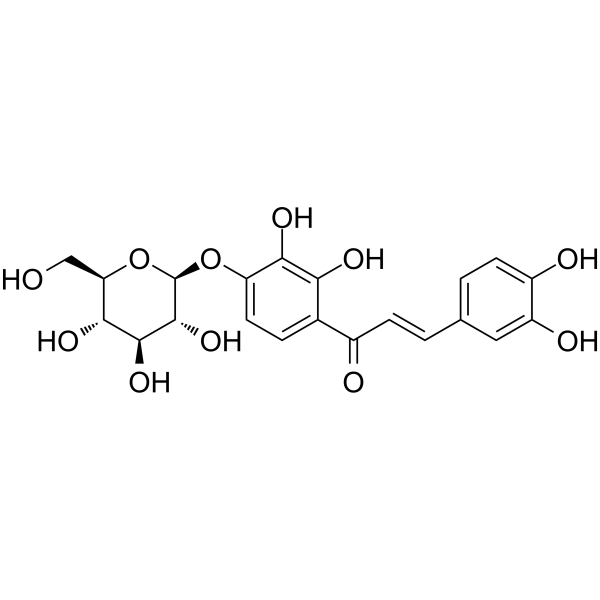
Marein has the neuroprotective effect due to a reduction of damage to mitochondria function and activation of the AMPK signal pathway. Marein improves insulin resistance induced by high glucose in HepG2 cells through CaMKK/AMPK/GLUT1 to promote glucose uptake, through IRS/Akt/GSK-3β to increase glycogen synthesis, and through Akt/FoxO1 to decrease gluconeogenesis. Marein is a HDAC inhibitor with an IC50 of 100 μM. Marein has beneficial antioxidative, antihypertensive, antihyperlipidemic and antidiabetic effects .
|
-
-
- HY-P2989
-
|
|
Endogenous Metabolite
|
Metabolic Disease
Cancer
|
|
Pyruvate carboxylase is a key mitochondrial anaplerotic enzyme that catalyzes the conversion of pyruvate to oxaloacetate. Pyruvate carboxylase not only maintains tricarboxylic acid cycle activity and redox homeostasis, but also drives hepatic gluconeogenesis and fatty acid synthesis. The activity of Pyruvate carboxylase is upregulated in insulin-resistant states, exacerbating hepatic glucose production. Pyruvate carboxylase also shows significantly enhanced expression in early-stage non-small cell lung cancer (NSCLC). Pyruvate carboxylase promotes tumor proliferation by supporting nucleotide and lipid synthesis, and its functional deficiency cannot be compensated by glutaminolysis. Pyruvate carboxylase can be used in the research of prediabetes type 2 and NSCLC .
|
-
-
- HY-B0511R
-
|
Vitamin B7 (Standard); Vitamin H (Standard); D-Biotin (Standard)
|
Endogenous Metabolite
Reference Standards
|
Metabolic Disease
|
|
Biotin (Standard) is the analytical standard of Biotin. Biotin, vitamin B7 and serves as a coenzyme for five carboxylases in humans, involved in the synthesis of fatty acids, isoleucine, and valine, and in gluconeogenesis. Biotin is necessary for cell growth, the production of fatty acids, and the metabolism of fats and amino acids .
|
-
-
- HY-34154
-
|
|
Lactate Dehydrogenase
|
Others
|
|
4-(Dimethylamino)phenol is a potent cyanide antidote. 4-(Dimethylamino)phenol increases the extracellular lactate dehydrogenase (LDH) without markedly affecting gluconeogenesis. 4-(Dimethylamino)phenol cannot decreases the ATP content until the membrane becomes permeable to LDH. 4-(Dimethylamino)phenol’s toxicity is related to its reaction with glutathione and formation of covalent complexes, leading to impaired cellular function .
|
-
-
- HY-148285
-
|
Succinyl-coenzyme A; S-(Hydrogen succinyl)coenzyme A
|
Endogenous Metabolite
|
Metabolic Disease
|
|
Succinyl CoA (Succinyl-coenzyme A) is a pivotal intermediate metabolite in the tricarboxylic acid cycle and a key coenzyme A metabolite. Succinyl CoA is biosynthesized from α-ketoglutarate or propionyl-CoA. Succinyl CoA acts as a critical precursor and substrate for heme biosynthesis and gluconeogenesis. Succinyl CoA insufficiency caused by cobalamin deficiency is directly linked to growth retardation, impaired heme synthesis, tissue glycine accumulation and neurological abnormalities. Succinyl CoA can be used in research on metabolic, neurological, and hematological abnormalities (such as porphyria) caused by nutritional vitamin B12 deficiency (leading to a lack of Succinyl-Coenzyme A synthesis) .
|
-
-
- HY-W010382S
-
|
2-Oxosuccinic acid-13C4
|
Endogenous Metabolite
Isotope-Labeled Compounds
|
Metabolic Disease
|
|
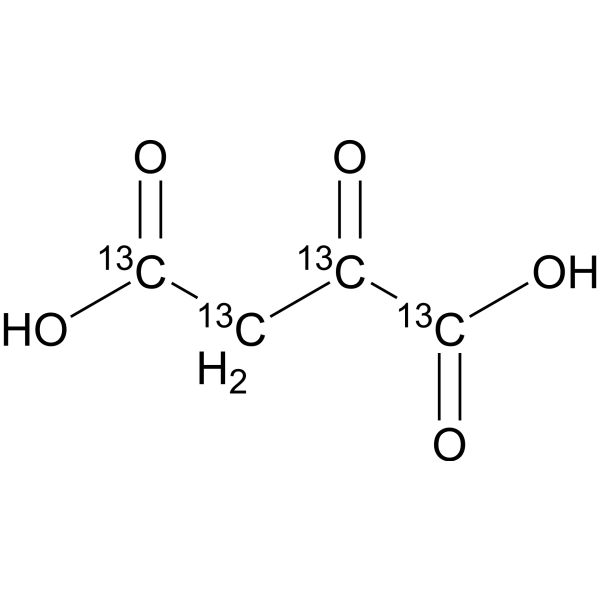
Oxaloacetic acid- 13C4 is the 13C-labeled Oxaloacetic acid. Oxaloacetic acid (2-Oxosuccinic acid) is a metabolic intermediate involved in several ways, such as citric acid cycle, gluconeogenesis, the urea cycle, the glyoxylate cycle, amino acid synthesis, and fatty acid synthesis .
|
-
-
- HY-147645
-
|
|
FBPase
|
Metabolic Disease
|
|
FBPase-IN-2 (Compound HS36) is a covalent FBPase inhibitor with an IC50 value of 0.15 μM for wild-type FBPase. FBPase-IN-2 inhibits glucose production in primary mouse hepatocytes via gluconeogenesis modulation. FBPase-IN-2 can be used for the research of type 2 diabetes mellitus .
|
-
-
- HY-W008807S
-
|
Phosphoenolpyruvate potassium-13C2
|
Isotope-Labeled Compounds
Endogenous Metabolite
|
Metabolic Disease
|
|
Phosphoenolpyruvic acid (potassium)- 13C2 is the 13C labeled Phosphoenolpyruvic acid potassium (HY-W008807) . Phosphoenolpyruvic acid (Phosphoenolpyruvate) potassium is a glycolysis metabolite with a high-energy phosphate group. Phosphoenolpyruvic acid potassium is involved in glycolysis and gluconeogenesis, and used as energy source to produce ATP, under the energy-limited conditions. Phosphoenolpyruvic acid potassium also exhibits cytoprotective and anti-oxidative properties .
|
-
-
- HY-B0511S3
-
|
Vitamin B7-13C5; Vitamin H-13C5; D-Biotin-13C5
|
Isotope-Labeled Compounds
Endogenous Metabolite
|
Metabolic Disease
|
|
Biotin- 13C5 (Vitamin B7- 13C5) is 13C labeled Biotin. Biotin, vitamin B7 and serves as a coenzyme for five carboxylases in humans, involved in the synthesis of fatty acids, isoleucine, and valine, and in gluconeogenesis. Biotin is necessary for cell growth, the production of fatty acids, and the metabolism of fats and amino acids .
|
-
-
- HY-W115752
-
|
Diamine sulfate (99%)
|
PEPCK
Aldehyde Dehydrogenase (ALDH)
|
Neurological Disease
Metabolic Disease
Cancer
|
|
Hydrazine sulfate is an orally active PEPCK inhibitor. Hydrazine sulfate inhibits PEPCK and low-Km ALDH. Hydrazine sulfate impairs gluconeogenesis and enhances the protective effect of energy substrates against MPP + toxicity. Hydrazine sulfate exacerbates liver damage in rats when combined with Ethanol. Hydrazine sulfate can be used in the research of shock, non-small cell lung cancer, colorectal cancer and Parkinson's disease .
|
-
-
- HY-149987
-
|
KHK-IN-3
|
Ketohexokinase
|
Cardiovascular Disease
Metabolic Disease
Inflammation/Immunology
|
|
KHK-IN-3 (Example 1) is a ketohexokinase (KHK) inhibitor. KHK-IN-3 can be used in the study of kidney disease, nonalcoholic steatohepatitis (NASH), diabetes and heart failure. KHK is a rate-limiting enzyme and fructokinase involved in fructose metabolism. KHK catalyzes the phosphorylation of fructose to fructose-1-phosphate (FIP) at the expense of ATP. The lack of feedback inhibition of fructose metabolism triggers the accumulation of downstream intermediates such as lipogenesis, gluconeogenesis, and oxidative phosphorylation .
|
-
-
- HY-P2820
-
|
|
Endogenous Metabolite
|
Metabolic Disease
|
|
Phosphoglucomutase, Rabbit muscle is often used in biochemical studies. Phosphoglucomutase is an enzyme that can transfer the phosphate group on the α-D-glucose monomer forward from the 1-position to the 6-position or reversely transfer from the 6-position to the 1-position, and promote the glucose-1-phosphate and glucose-6-phosphate Transform each other. Phosphoglucomutase is a key enzyme in glycolysis and gluconeogenesis, and plays an important role in the metabolism of proteins, lipids and nucleic acids .
|
-
-
- HY-N0143A
-
|
Floridzin dihydrate
|
SGLT
PI3K
Akt
GLUT
NF-κB
JAK
STAT
Caspase
Apoptosis
DNA/RNA Synthesis
mTOR
Bacterial
|
Infection
Neurological Disease
Metabolic Disease
Cancer
|
|
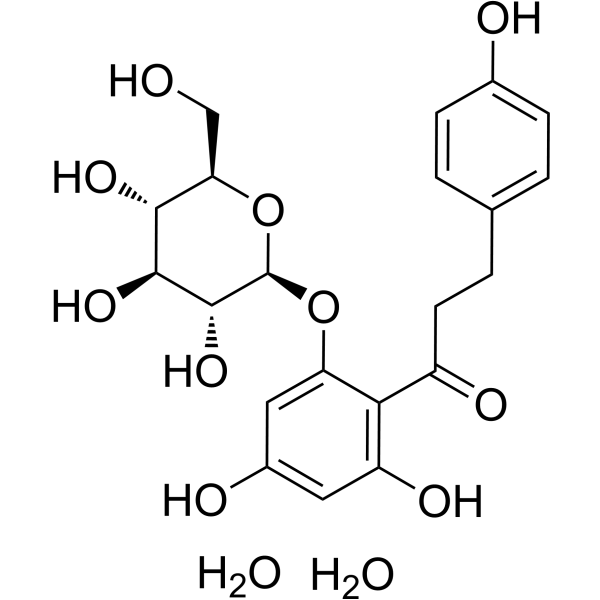
Phlorizin (Floridzin) dihydrate is an orally active non-selective sodium-glucose cotransporter (SGLT) inhibitor, with an IC50 of 0.04 μM and a Ki of 39 nM against hSGLT2, and an IC50 of 0.17 μM and a Ki of 0.31 μM against hSGLT1. Phlorizin dihydrate promotes GLUT4 translocation, inhibits gluconeogenesis and promotes glycogen synthesis by activating the PI3K/Akt/mTOR pathway. Phlorizin dihydrate reduces DNA damage and apoptosis (apoptosis) by inhibiting the NF-κB inflammatory pathway. Phlorizin dihydrate induces apoptosis via activating the Caspase pathway by antagonizing the JAK/STAT3 and PCK pathways. Phlorizin dihydrate also exhibits antibacterial, anti-inflammatory and neuroprotective activities .
|
-
-
- HY-W010382R
-
|
2-Oxosuccinic acid (Standard)
|
Reference Standards
Endogenous Metabolite
Reactive Oxygen Species (ROS)
|
Metabolic Disease
|
|
Oxaloacetic acid (Standard) is the analytical standard of Oxaloacetic acid. This product is intended for research and analytical applications. Oxaloacetic acid (2-Oxosuccinic acid) is a metabolic intermediate involved in several ways, such as citric acid cycle, gluconeogenesis, the urea cycle, the glyoxylate cycle, amino acid synthesis, and fatty acid synthesis, whereby Oxaloacetic acid facilitates the clearance of reactive oxygen species (ROS) and improves mitochondrial function .
|
-
-
- HY-N3720
-
|
6-Demethoxycapillarisin
|
PEPCK
|
Metabolic Disease
|
|
Demethoxycapillarisin (6-Demethoxycapillarisin) inhibits PEPCK mRNA levels (IC50: 43 μM) by activation of the PI3K pathway. Demethoxycapillarisin decreases glucose production .
|
-
-
- HY-W011704
-
|
Phosphoenolpyruvate cyclohexylammonium salt
|
Endogenous Metabolite
|
Metabolic Disease
|
|
Phosphoenolpyruvic acid (Phosphoenolpyruvate) cyclohexylammonium salt is a glycolysis metabolite with a high-energy phosphate group. Phosphoenolpyruvic acid cyclohexylammonium salt is involved in glycolysis and gluconeogenesis, and used as energy source to produce ATP, under the energy-limited conditions. Phosphoenolpyruvic acid cyclohexylammonium salt also exhibits cytoprotective and anti-oxidative properties .
|
-
-
- HY-N7092A
-
|
L-arabino-2-Hexulose, 95%
|
Endogenous Metabolite
|
Metabolic Disease
|
|
L-(+)-Fructose, 95% (L-arabino-2-Hexulose, 95%) is the L-isomer of D-Fructose (HY-N7092). L-(+)-Fructose, 95% participates in glycolysis and gluconeogenesis, and can be used to study photosynthesis and carbohydrate storage in plant biology. L-(+)-Fructose, 95% is applicable for investigating the activity of fructokinase and other fructose-metabolizing enzymes .
|
-
-
- HY-B0528AR
-
|
(±)-p-Octopamine hydrochloride (Standard)
|
Reference Standards
Adrenergic Receptor
Endogenous Metabolite
|
Neurological Disease
Endocrinology
|
|
Octopamine (hydrochloride) (Standard) is the analytical standard of Octopamine (hydrochloride). This product is intended for research and analytical applications. Octopamine ((±)-p-Octopamine) hydrochloride, a biogenic monoamine structurally related to noradrenaline, acts as a neurohormone, a neuromodulator and a neurotransmitter in invertebrates. Octopamine hydrochloride can stimulate alpha2-adrenoceptors (ARs) in Chinese hamster ovary cells transfected with human alpha2-ARs. Octopamine hydrochloride increased glycogenolysis, glycolysis, oxygen uptake, gluconeogenesis and the portal perfusion pressure .
|
-
-
- HY-P2822
-
|
PGK
|
Endogenous Metabolite
|
Infection
Endocrinology
Cancer
|
Phosphoglycerate kinase, yeast (PGK), namely phosphoglycerate kinase, is a glycolytic enzyme commonly used in biochemical research. Phosphoglycerate kinase can catalyze the reversible transfer of phosphate groups from 1,3-bisphosphoglycerate (1,3-BPG) to ADP to generate 3-phosphoglycerate (3-PG) and ATP. At the same time, it can also participate in gluconeogenesis, catalyzing the opposite reaction to produce 1,3BPGA and ADP. Phosphoglycerate kinase is involved in energy metabolism, interaction with nucleic acid, tumor progression, cell death and virus replication and other related processes .
|
-
-
- HY-168103
-
|
|
FBPase
|
Metabolic Disease
|
|
FBPase-IN-3 (compound 45) is a FBPase (fructose-1,6-bisphosphatase) inhibitor with an IC50 of 2.08 μM. FBPase-IN-3 exhibits potent inhibitory activity of gluconeogenesis .
|
-
-
- HY-W197205
-
|
|
Sirtuin
Histone Acetyltransferase
PEPCK
|
Metabolic Disease
|
|
SL010110 is an anti-hyperglycemic agent. SL010110 potently inhibits gluconeogenesis by inhibiting SIRT2, activating p300, and subsequently promoting PEPCK1 degradation. SL010110 downregulates the protein level of PEPCK1 without affecting the gene expressions of PEPCK, glucose-6-phosphatase, and fructose-1,6-bisphosphatase. SL010110 significantly improves glucose homeostasis in type 2 diabetic (T2D) mice model. SL010110 can be used for T2D research .
|
-
-
- HY-W011704A
-
|
Phosphoenolpyruvate tricyclohexylammonium salt
|
Endogenous Metabolite
|
Metabolic Disease
|
|
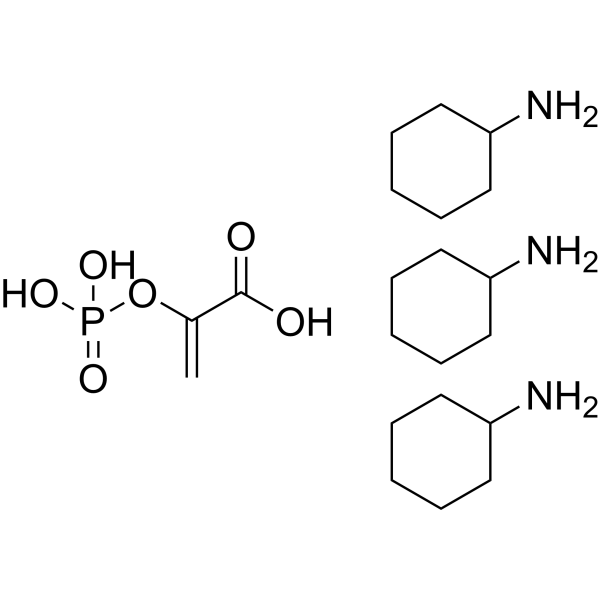
Phosphoenolpyruvic acid (Phosphoenolpyruvate) tricyclohexylammonium salt is a glycolysis metabolite with a high-energy phosphate group. Phosphoenolpyruvic acid tricyclohexylammonium salt is involved in glycolysis and gluconeogenesis, and used as energy source to produce ATP, under the energy-limited conditions. Phosphoenolpyruvic acid tricyclohexylammonium salt also exhibits cytoprotective and anti-oxidative properties .
|
-
- HY-B2099
-
|
1-Butylbiguanide
|
AMPK
|
Metabolic Disease
Cancer
|
|
Buformin (1-Butylbiguanide), a potent AMPK activator, acts as an orally active biguanide antidiabetic agent. Buformin decreases hepatic gluconeogenesis and lowers blood glucose production in vivo. Buformin also has anti-cancer activities and is applied in cancer study (such as, cervical cancer and breast cancer, et al) .
|
-
- HY-P2761
-
|
|
Biochemical Assay Reagents
|
Metabolic Disease
|
|
Glucokinase is a glucose-phosphorylating enzyme that has an important role in glucose homeostasis. Glucokinase acts as a glucose sensot of pancreatic β-cells. Glucokinase regulates the conversion of glucose to glucogen as well as gluconeogenesis. Glucokinase in mammals can phosphorylate hexoses like mannose or fructose in addition to glucose. Glucokinase can be studied in research on diabetes .
|
-
- HY-W008807R
-
|
Phosphoenolpyruvate potassium (Standard)
|
Reference Standards
Endogenous Metabolite
|
Metabolic Disease
|
|
Phosphoenolpyruvic acid potassium (Standard) (Potassium 1-carboxyvinyl hydrogenphosphate (Standard)) is the analytical standard of Phosphoenolpyruvic acid potassium (HY-W008807). This product is intended for research and analytical applications. Phosphoenolpyruvic acid potassium is a glycolysis metabolite with a high-energy phosphate group. Phosphoenolpyruvic acid potassium is involved in glycolysis and gluconeogenesis, and used as energy source to produce ATP, under the energy-limited conditions. Phosphoenolpyruvic acid potassium also exhibits cytoprotective and anti-oxidative properties.
|
-
- HY-B0528
-
|
|
Adrenergic Receptor
Endogenous Metabolite
|
Neurological Disease
Endocrinology
|
|
Octopamine is a biogenic monoamine structurally related to noradrenaline, acts as a neurohormone, a neuromodulator and a neurotransmitter in invertebrates. Octopamine can stimulate alpha2-adrenoceptors (ARs) in Chinese hamster ovary cells transfected with human alpha2-ARs. Octopamine increased glycogenolysis, glycolysis, oxygen uptake, gluconeogenesis and the portal perfusion pressure .
|
-
- HY-175266
-
|
|
PROTACs
Cytochrome P450
Pregnane X Receptor (PXR)
|
Metabolic Disease
|
|
MI1013 is a PROTAC PXR degrader (DC50 = 89 nM, Dmax = 82%). MI1013 degrades PXR in human hepatocellular carcinoma RG cells (HepaRG). MI1013 specifically and safely regulates CYP3A4 promoter activity through PXR degradation. MI1013 affects several key genes involved in sulfate conjugation (e.g., SULT1E1), bile acid synthesis (CYP7A1), gluconeogenesis (PCK1), ketone synthesis (HMGCS20), and hepatocyte proliferation (MKI67). (Pink: PXR ligand 3: HY-175267, Blue: Pomalidomide-propargyl ligand: HY-W410002, Pink + Black: PXR ligand-Linker Conjugate 1: HY-175268) .
|
-
- HY-N13191
-
|
Ingenol 3-benzoate
|
PKC
|
Others
|
|
Ingenol 3-monobenzoate (Ingenol 3-benzoate) is a disgust inducing agent. Ingenol 3-monobenzoate can bind to and activate PKC (Ki=0.14 nM), inhibit the gene expression of phosphoenolpyruvate carboxykinase, thereby inhibiting gluconeogenesis, and increasing blood cortisol levels, producing food aversion .
|
-
- HY-B0511A
-
|
Vitamin B7 sodium; Vitamin H sodium; D-Biotin sodium
|
Endogenous Metabolite
|
Metabolic Disease
|
|
Biotin (Vitamin B7) sodium is a water-soluble B vitamin and serves as a coenzyme for five carboxylases in humans, involved in the synthesis of fatty acids, isoleucine, and valine, and in gluconeogenesis. Biotin sodium is necessary for cell growth, the production of fatty acids, and the metabolism of fats and amino acids .
|
-
- HY-B0399A
-
|
DL-Carnitine; DL-Levocarnitine
|
Mitochondrial Metabolism
|
Metabolic Disease
|
|
(±)-Carnitine (DL-Carnitine) is an orally effective racemic mixture of L-Carnitine (HY-B0399) and D-Carnitine. (±)-Carnitine elevates the mitochondrial NAD +/NADH ratio in the presence of 1,3-butanediol (HY-77490A). (±)-Carnitine does not increase glucose and urea production from L-glutamine, but stimulates propionate gluconeogenesis in rat renal cortical slices, and significantly reduces hepatic ketone body levels in rats fed a diet containing 30% high fat plus 20% 1,3-butanediol .
|
-
- HY-N8141
-
|
|
Others
|
Metabolic Disease
|
|
Regaloside H, a phenylpropanoid glycerol glucoside, is a gluconeogenesis inhibitor. Regaloside H can reduce glucose production in Hepatocytes .
|
-
- HY-14955A
-
|
(Rac)-MB06322; (Rac)-CS-917
|
Others
|
Others
|
|
(Rac)-Managlinat dialanetil ((Rac)-MB06322) is a compound for the inhibition of type 2 diabetes that is in Phase II clinical trials and works by inhibiting gluconeogenesis.
|
-
- HY-126718
-
|
Ketohypoglycin
|
Mitochondrial Metabolism
|
Metabolic Disease
|
|
Methylenecyclopropylpyruvate (Ketohypoglycin) is an inhibitor for gluconeogenesis. Methylenecyclopropylpyruvate inhibits ketogenesis and affects the fatty acids metabolism. Methylenecyclopropylpyruvate may interfere with the mitochondrial β-oxidation pathway, affects the contents and composition of coenzyme A, and affects the glucose homeostasis .
|
-
- HY-134274A
-
|
8-Bromoguanosine-5'-triphosphate tetrasodium
|
Bacterial
|
Metabolic Disease
|
|
8-Br-GTP (tetrasodium) (8-Bromoguanosine-5'-triphosphate (tetrasodium)) is a derivative of the energy substrate – GTP, for protein synthesis and gluconeogenesis. 8-Br-GTP (tetrasodium) inhibits the E. coli GTPase FtsZ with a Ki of 31.8 μM. 8-Br-GTP (tetrasodium) promotes the assembly of porcine brain microtubules .
|
-
- HY-137912
-
|
|
Drug Metabolite
|
Endocrinology
Cancer
|
|
trans-Resveratrol-3-O-β-D-Glucuronide is an active metabolite of trans-resveratrol. trans-Resveratrol-3-O-β-D-Glucuronide reduces the proliferation of several intestinal cancer cell line. trans-Resveratrol-3-O-β-D-Glucuronide increases pyruvate production in livers .
|
-
- HY-136855
-
|
|
Sirtuin
AMPK
PGC-1α
Apoptosis
Reactive Oxygen Species (ROS)
|
Metabolic Disease
|
|
MitoPBN is a AMPK/SIRT3/PGC-1α axis modulator, reactive oxygen species scavenger and mitochondrial function enhancer. MitoPBN increases the phosphorylation level of AMPK, restores SIRT3 expression and reverses the down-regulation of PGC-1α, thereby promoting mitochondrial biogenesis. MitoPBN regulates glucose metabolism, reduces blood glucose by inhibiting hepatic gluconeogenesis and increasing hepatic glucose uptake, while scavenging mitochondrial superoxide anion/hydrogen peroxide, maintaining membrane potential and increasing ATP production. MitoPBN also reduces cell apoptosis, improves sperm motility, survival rate and membrane integrity, but may induce reductive stress in cryopreserved sperm at high concentrations. MitoPBN is widely applicable to research related to diabetes and type 2 diabetes .
|
-
- HY-186028
-
|
|
Olfactory Receptor
|
Metabolic Disease
|
|
HOR1-C59 is a highly selective Or5v1/Olfr110 agonist with an EC50 of 7.12 nM. HOR1-C59 can improve glucose homeostasis, alleviate obesity and insulin resistance. HOR1-C59 is applicable for obesity-related research .
|
-
- HY-108281
-
|
Tromaril; RH 8
|
Others
|
Inflammation/Immunology
|
|
Enfenamic acid is a nonsteroidal anti-inflammatory agent and a prostaglandin synthetase inhibitor, inhibiting hepatic gluconeogenesis in Swiss albino mice. Enfenamic acid suppresses wound healing .
|
-
- HY-128748R
-
|
|
Endogenous Metabolite
Reference Standards
|
Others
|
|
DL-Glyceraldehyde (Standard) is the analytical standard of DL-Glyceraldehyde. This product is intended for research and analytical applications. DL-Glyceraldehyde is a bioactive substance involved in cellular energy metabolism and a key intermediate in sugar metabolism pathways (such as glycolysis and gluconeogenesis). During glycolysis, DL-Glyceraldehyde is converted by enzymes into other metabolites to provide energy for cells; during gluconeogenesis, DL-Glyceraldehyde participates in the synthesis of glucose as a precursor. In the field of medical research, DL-Glyceraldehyde can be used to study diseases related to sugar metabolism, such as diabetes, tumors, etc .
|
-
- HY-N5083R
-
-
- HY-113049A
-
|
Phosphoenolpyruvate trisodium
|
Endogenous Metabolite
|
Metabolic Disease
|
|
Phosphoenolpyruvic acid (Phosphoenolpyruvate) trisodium is a glycolysis metabolite with a high-energy phosphate group. Phosphoenolpyruvic acid trisodium is involved in glycolysis and gluconeogenesis, and used as energy source to produce ATP, under the energy-limited conditions. Phosphoenolpyruvic acid trisodium also exhibits cytoprotective and anti-oxidative properties .
|
-
- HY-12735
-
|
|
GCGR
|
Metabolic Disease
Endocrinology
|
|
SCH 900822 is a potent and selective glucagon receptor (hGCGR) antagonist that blocks the binding of glucagon to its receptor, thereby reducing hepatic glycogenolysis and gluconeogenesis, thereby lowering blood glucose production. SCH 900822 can be used in the study of type 2 diabetes .
|
-
- HY-W011704AR
-
|
Phosphoenolpyruvate tricyclohexylammonium salt (Standard)
|
Endogenous Metabolite
Reference Standards
|
Metabolic Disease
|
|
Phosphoenolpyruvic acid (Phosphoenolpyruvate) tricyclohexylammonium salt is a glycolysis metabolite with a high-energy phosphate group. Phosphoenolpyruvic acid tricyclohexylammonium salt is involved in glycolysis and gluconeogenesis, and used as energy source to produce ATP, under the energy-limited conditions. Phosphoenolpyruvic acid tricyclohexylammonium salt also exhibits cytoprotective and anti-oxidative properties .
|
-
- HY-B2099S
-
|
1-Butylbiguanide-d9 hydrochloride
|
Isotope-Labeled Compounds
AMPK
|
Metabolic Disease
Cancer
|
|
Buformin-d9 (hydrochloride) is the deuterium labeled Buformin. Buformin (1-Butylbiguanide), a potent AMPK activator, acts as an orally active biguanide antidiabetic agent. Buformin decreases hepatic gluconeogenesis and lowers blood glucose production in vivo. Buformin also has anti-cancer activities and is applied in cancer study (such as, cervical cancer and breast cancer, et al) .
|
-
- HY-134098R
-
|
Adipic acid diisopropyl ester (Standard)
|
TRP Channel
Reference Standards
|
Others
|
|
Oxaloacetic acid (Standard) is the analytical standard of Oxaloacetic acid. This product is intended for research and analytical applications. Oxaloacetic acid (2-Oxosuccinic acid) is a metabolic intermediate involved in several ways, such as citric acid cycle, gluconeogenesis, the urea cycle, the glyoxylate cycle, amino acid synthesis, and fatty acid synthesis, whereby Oxaloacetic acid facilitates the clearance of reactive oxygen species (ROS) and improves mitochondrial function .
|
-
- HY-B2099AR
-
|
1-Butylbiguanide hydrochloride (Standard)
|
AMPK
Reference Standards
|
Cancer
|
|
Buformin (hydrochloride) (Standard) is the analytical standard of Buformin (hydrochloride). This product is intended for research and analytical applications. Buformin hydrochloride (1-Butylbiguanide hydrochloride), a potent AMPK activator, acts as an orally active biguanide antidiabetic agent. Buformin hydrochloride decreases hepatic gluconeogenesis and lowers blood glucose production in vivo. Buformin hydrochloride also has anti-cancer activities and is applied in cancer study (such as, cervical cancer and breast cancer, et al) .
|
-
- HY-113126A
-
|
|
Endogenous Metabolite
ATP Synthase
|
Neurological Disease
Metabolic Disease
|
|
3-Hydroxyisobutyric acid sodium is an intermediate in the metabolic pathways of L-valine and thymine, and can be found in urine. 3-Hydroxyisobutyric acid sodium is a secreted mediator of endothelial cell fatty acid transport and insulin resistance. 3-Hydroxyisobutyric acid sodium can also inhibit key enzymes of energy metabolism in the cerebral cortex of young rats. The levels of 3-Hydroxyisobutyric acid sodium are closely related to various diseases such as 3-hydroxyisobutyric aciduria, diabetes, and ketoacidosis .
|
-
- HY-113126R
-
-
- HY-B0528AS
-
|
(±)-p-Octopamine-d4 hydrochloride
|
Adrenergic Receptor
Endogenous Metabolite
|
Neurological Disease
Endocrinology
|
|
Octopamine-d4 (hydrochloride) is the deuterium labeled Octopamine hydrochloride. Octopamine ((±)-p-Octopamine) hydrochloride, a biogenic monoamine structurally related to noradrenaline, acts as a neurohormone, a neuromodulator and a neurotransmitter in invertebrates. Octopamine hydrochloride can stimulate alpha2-adrenoceptors (ARs) in Chinese hamster ovary cells transfected with human alpha2-ARs. Octopamine hydrochloride increased glycogenolysis, glycolysis, oxygen uptake, gluconeogenesis and the portal perfusion pressure .
|
-
- HY-W009417R
-
|
|
Reference Standards
Glycosidase
Environmental Pollutants
|
Metabolic Disease
|
|
Cedryl acetate (Standard) is the analytical standard of Cedryl acetate. This product is intended for research and analytical applications. Cedryl acetate is an orally active α-glucosidase inhibitor with an IC50 of 94 μM against yeast α-glucosidase. Cedryl acetate reduces high-fat diet-induced body weight gain, visceral fat pad weight, adipocyte hypertrophy, hepatic lipid accumulation, glucose intolerance, insulin resistance and gluconeogenesis. Cedryl acetate can be used in the research of obesity and obesity-related metabolic syndrome .
|
-
- HY-Y0624R
-
|
|
Reference Standards
Endogenous Metabolite
Mitochondrial Metabolism
|
Metabolic Disease
|
|
4-Pentenoic acid (Standard) is the analytical standard of 4-Pentenoic acid (HY-Y0624). This product is intended for research and analytical applications. 4-Pentenoic acid is a medium-chain unsaturated fatty acid. 4-Pentenoic acid has hypoglycemic and fatty acid oxidation inhibitory activities. 4-Pentenoic acid can affect blood glucose metabolism and energy metabolism through mechanisms such as inhibiting long-chain fatty acid oxidation, reducing gluconeogenesis, and promoting glucose utilization.
|
-
- HY-148285A
-
|
Succinyl-coenzyme A disodium; S-(Hydrogen succinyl)coenzyme A disodium
|
Endogenous Metabolite
|
Metabolic Disease
|
|
Succinyl CoA (Succinyl-coenzyme A) disodium is a pivotal intermediate metabolite in the tricarboxylic acid cycle and a key coenzyme A metabolite. Succinyl CoA disodium is biosynthesized from α-ketoglutarate or propionyl-CoA. Succinyl CoA disodium acts as a critical precursor and substrate for heme biosynthesis and gluconeogenesis. Succinyl CoA disodium insufficiency caused by cobalamin deficiency is directly linked to growth retardation, impaired heme synthesis, tissue glycine accumulation and neurological abnormalities. Succinyl-Coenzyme A sodium can be used in research on metabolic, neurological, and hematological abnormalities (such as porphyria) caused by nutritional vitamin B12 deficiency (leading to a lack of Succinyl-Coenzyme A synthesis) .
|
-
- HY-N0143R
-
|
Floridzin (Standard)
|
Reference Standards
Caspase
JAK
GLUT
STAT
Apoptosis
Bacterial
SGLT
mTOR
Akt
NF-κB
PI3K
DNA/RNA Synthesis
|
Infection
Neurological Disease
Metabolic Disease
Cancer
|
|
Phlorizin (Floridzin) (Standard) is the analytical standard of Phlorizin. This product is intended for research and analytical applications. Phlorizin is an orally active non-selective sodium-glucose cotransporter (SGLT) inhibitor, with an IC50 of 0.04 μM and a Ki of 39 nM against hSGLT2, and an IC50 of 0.17 μM and a Ki of 0.31 μM against hSGLT1. Phlorizin promotes GLUT4 translocation, inhibits gluconeogenesis and promotes glycogen synthesis by activating the PI3K/Akt/mTOR pathway. Phlorizin reduces DNA damage and apoptosis (apoptosis) by inhibiting the NF-κB inflammatory pathway. Phlorizin induces apoptosis via activating the Caspase pathway by antagonizing the JAK/STAT3 and PCK pathways. Phlorizin also exhibits antibacterial, anti-inflammatory and neuroprotective activities .
|
-
- HY-N3628
-
-
- HY-34154R
-
|
|
Reference Standards
|
Others
|
|
4-(Dimethylamino)phenol (Standard) is the analytical standard of 4-(Dimethylamino)phenol. This product is intended for research and analytical applications. 4-(Dimethylamino)phenol is a potent cyanide antidote. 4-(Dimethylamino)phenol increases the extracellular lactate dehydrogenase (LDH) without markedly affecting gluconeogenesis. 4-(Dimethylamino)phenol cannot decreases the ATP content until the membrane becomes permeable to LDH. 4-(Dimethylamino)phenol’s toxicity is related to its reaction with glutathione and formation of covalent complexes, leading to impaired cellular function .
|
-
- HY-108468R
-
|
|
Cryptochrome
Reference Standards
|
Metabolic Disease
|
|
KL001 (Standard) is the analytical standard of KL001 (HY-108468). This product is intended for research and analytical applications. KL001 is a first-in-class cryptochrome (CRY, a flavoproteins that are sensitive to blue light, and is involved in the circadian rhythms of plants and animals) stabilizer which specifically interacts with CRY1 and CRY2. KL001 prevents ubiquitin-dependent degradation of CRY, resulting in lengthening of the circadian period. KL001 has the potential to control fasting hormone-induced gluconeogenesis .
|
-
- HY-182438
-
|
|
Drug Intermediate
|
Metabolic Disease
|
|
SDZ 51641 is an orally active fatty acid oxidation inhibitor. By reducing fatty acid oxidation, SDZ 51641 deprives the gluconeogenesis process of required energy and cofactors, thereby lowering blood glucose levels in diabetic models. SDZ 51641 can be used in diabetes research .
|
-
- HY-153667
-
|
|
Free Fatty Acid Receptor
|
Metabolic Disease
|
|
MK-2305 is an orally active GPR40 partial agonist with an EC50 of 6 nM in rats. MK-2305 mediates glucose-stimulated insulin secretion and inhibits endogenous glucose production by reducing gluconeogenesis from tricarboxylic acid (TCA) cycle substrates. MK-2305 increases plasma insulin levels under hyperglycemic and glucose-stimulated conditions, reduces fasting blood glucose, and improves glucose homeostasis. MK-2305 can be used in studies related to type 2 diabetes .
|
-
- HY-175128
-
|
8-AET-GTP sodium
|
Drug Derivative
|
Metabolic Disease
|
|
8-(2-Aminoethylthio)guanosine-5'-O-triphosphate (8-AET-GTP) is a GTP (HY-113225) derivative. GTP is the energy substrate for protein synthesis and gluconeogenesis.
|
-
- HY-P3001A
-
|
|
Malate Dehydrogenase (MDH)
|
Metabolic Disease
|
|
Malate dehydrogenase, Yeast (EC 1.1.1.37) is an enzyme in the citric acid cycle that catalyzes the conversion of malate to oxaloacetate (requiring NAD+). Malate dehydrogenase participates in gluconeogenesis, the process of synthesizing glucose from small molecules.
|
-
- HY-P3001C
-
|
|
Biochemical Assay Reagents
|
Metabolic Disease
|
|
Malate dehydrogenase, Bacteria (EC 1.1.1.37), is an enzyme in the citric acid cycle that catalyzes the conversion of malate to oxaloacetate (requiring NAD+). Malate dehydrogenase also participates in gluconeogenesis, the process of synthesizing glucose from small molecules.
|
-
- HY-W555010
-
|
Phosphoenolpyruvate monosodium
|
Endogenous Metabolite
|
Metabolic Disease
|
|
Phosphoenolpyruvic acid (Phosphoenolpyruvate) monosodium is a glycolysis metabolite with a high-energy phosphate group. Phosphoenolpyruvic acid monosodium is involved in glycolysis and gluconeogenesis, and used as energy source to produce ATP, under the energy-limited conditions. Phosphoenolpyruvic acid monosodium also exhibits cytoprotective and anti-oxidative properties .
|
-
- HY-116725
-
|
|
Phosphatase
|
Metabolic Disease
|
|
Glipentide is a sulfonylurea receptor agonist. Glipentide increases the concentration of fructose-2,6-bisphosphate in rat hepatocytes and inhibits basal gluconeogenesis. Glipentide can reduce glycerol production in rat adipose tissue. Glipentide can be used in research on endocrine and metabolic diseases such as diabetes .
|
-
- HY-167931
-
|
|
Drug Derivative
|
Metabolic Disease
|
|
Cinnamohydrazide, an unsaturated carboxylic acid derivative, serves as a precursor to aspartame through enzyme-mediated amination to phenylalanine. This compound may offer potential benefits in the prevention and treatment of diabetes by facilitating insulin secretion, enhancing pancreatic β-cell function, inhibiting hepatic gluconeogenesis, promoting glucose uptake, amplifying insulin signaling pathways, delaying carbohydrate digestion and glucose absorption, and reducing protein glycation and insulin fibrillation.
|
-
- HY-183279
-
|
|
FXR
AMPK
|
Metabolic Disease
|
|
FXR antagonist 4 (Compound 4l) is an orally active, selective FXR antagonist with an IC50 of 0.70 μM. FXR antagonist 4 binds to FXR, differentially regulates bile acid and lipid transporter genes, and exerts no effect on gluconeogenesis-related genes. FXR modulator 1 activates the AMPK signaling pathway to inhibit fatty acid synthesis. FXR modulator 1 alleviates hepatic steatosis, ballooning degeneration and fibrosis, and improves dyslipidemia. FXR modulator 1 can be used for research on metabolic dysfunction-associated steatohepatitis .
|
-
- HY-E70976
-
|
|
Endogenous Metabolite
|
Metabolic Disease
|
|
3-Phosphoglyceric Phosphokinase, Baker's yeast (S. cerevisiae) (EC 2.7.2.3) is an enzyme that catalyzes the reversible transfer of a phosphate group from 1,3-bisphosphoglyceRate (1,3-BPG) to ADP producing 3-phosphoglyceRate (3-PG) and ATP. 3-Phosphoglyceric Phosphokinase, Baker's yeast (S. cerevisiae) (EC 2.7.2.3) is a transferase. 3-Phosphoglyceric Phosphokinase is a major enzyme used in glycolysis, in the first ATP-geneRating step of the glycolytic pathway. In gluconeogenesis, the reaction catalyzed by 3-Phosphoglyceric Phosphokinase proceeds in the opposite direction, geneRating ADP and 1,3-BPG.
|
-
- HY-183044
-
|
|
Sirtuin
|
Metabolic Disease
|
|
SIRT1 activator 4 is an orally active, NAD +-independent SIRT1 activator. SIRT1 activator 4 is also an analog of (E)-2'-desmethyl Sulindac (HY-B0008), with weak or negligible inhibitory activity against COX-1 and no inhibitory activity against COX-2. SIRT1 activator 4 can be used for the research of metabolic diseases .
|
-
| Cat. No. |
Product Name |
Type |
-
- HY-134816
-
|
|
Biochemical Assay Reagents
|
|
D-Glucan is an orally effective Dectin-1 receptor immune activator with antioxidant properties (reducing TNF-α). D-Glucan activates macrophages and neutrophils to scavenge free radicals, inhibit oxidative stress and inflammatory responses, and improve insulin sensitivity. D-Glucan promotes glycolysis by enhancing the activity of the antioxidant enzyme glutathione, inhibiting gluconeogenesis and activating GK. D-Glucan can be used in the research of liver damage protection (antagonizing Acetaminophen (HY-66005) toxicity), radiation protection (synergistic with vitamin E) and diabetes (improving glucose metabolism) .
|
-
- HY-W039315
-
|
|
Biochemical Assay Reagents
|
2,5-Anhydro-D-mannitol, 97% is an antimetabolic fructose analogue. 2,5-Anhydro-D-mannitol, 97% depletes intracellular ATP, reduces oxygen consumption, regulates substrate oxidation, increases phosphomonoester levels, decreases inorganic phosphate levels, and promotes the release of intracellular calcium from intracellular calcium stores via phospholipase C-dependent activity in hepatocytes .
|
-
- HY-W134005
-
|
Ethylenediaminetetraacetic acid magnesium disodium tetrahydrate
|
Biochemical Assay Reagents
|
|
Mg(Ⅱ)-EDTA disodium tetrahydrate is a reversible non-covalent activator of fructose diphosphatase (Km=0.9 μM). Mg(Ⅱ)-EDTA disodium tetrahydrate synergistically activates fructose diphosphatase with free Mg 2+, promotes the hydrolysis of fructose-1,6-bisphosphate at pH≤8, and plays a role in enhancing the activity of key enzymes in gluconeogenesis .
|
-
- HY-W115752
-
|
Diamine sulfate (99%)
|
Biochemical Assay Reagents
|
|
Hydrazine sulfate is an orally active PEPCK inhibitor. Hydrazine sulfate inhibits PEPCK and low-Km ALDH. Hydrazine sulfate impairs gluconeogenesis and enhances the protective effect of energy substrates against MPP + toxicity. Hydrazine sulfate exacerbates liver damage in rats when combined with Ethanol. Hydrazine sulfate can be used in the research of shock, non-small cell lung cancer, colorectal cancer and Parkinson's disease .
|
-
- HY-N0143A
-
|
Floridzin dihydrate
|
Biochemical Assay Reagents
|
|
Phlorizin (Floridzin) dihydrate is an orally active non-selective sodium-glucose cotransporter (SGLT) inhibitor, with an IC50 of 0.04 μM and a Ki of 39 nM against hSGLT2, and an IC50 of 0.17 μM and a Ki of 0.31 μM against hSGLT1. Phlorizin dihydrate promotes GLUT4 translocation, inhibits gluconeogenesis and promotes glycogen synthesis by activating the PI3K/Akt/mTOR pathway. Phlorizin dihydrate reduces DNA damage and apoptosis (apoptosis) by inhibiting the NF-κB inflammatory pathway. Phlorizin dihydrate induces apoptosis via activating the Caspase pathway by antagonizing the JAK/STAT3 and PCK pathways. Phlorizin dihydrate also exhibits antibacterial, anti-inflammatory and neuroprotective activities .
|
-
- HY-W011704
-
|
Phosphoenolpyruvate cyclohexylammonium salt
|
Biochemical Assay Reagents
|
|
Phosphoenolpyruvic acid (Phosphoenolpyruvate) cyclohexylammonium salt is a glycolysis metabolite with a high-energy phosphate group. Phosphoenolpyruvic acid cyclohexylammonium salt is involved in glycolysis and gluconeogenesis, and used as energy source to produce ATP, under the energy-limited conditions. Phosphoenolpyruvic acid cyclohexylammonium salt also exhibits cytoprotective and anti-oxidative properties .
|
-
- HY-N7092A
-
|
L-arabino-2-Hexulose, 95%
|
Biochemical Assay Reagents
|
|
L-(+)-Fructose, 95% (L-arabino-2-Hexulose, 95%) is the L-isomer of D-Fructose (HY-N7092). L-(+)-Fructose, 95% participates in glycolysis and gluconeogenesis, and can be used to study photosynthesis and carbohydrate storage in plant biology. L-(+)-Fructose, 95% is applicable for investigating the activity of fructokinase and other fructose-metabolizing enzymes .
|
-
- HY-113049A
-
|
Phosphoenolpyruvate trisodium
|
Biochemical Assay Reagents
|
|
Phosphoenolpyruvic acid (Phosphoenolpyruvate) trisodium is a glycolysis metabolite with a high-energy phosphate group. Phosphoenolpyruvic acid trisodium is involved in glycolysis and gluconeogenesis, and used as energy source to produce ATP, under the energy-limited conditions. Phosphoenolpyruvic acid trisodium also exhibits cytoprotective and anti-oxidative properties .
|
| Cat. No. |
Product Name |
Target |
Research Area |
-
- HY-P0082
-
|
Glucagon
|
GCGR
|
Metabolic Disease
Cancer
|
|
Glucagon (1-29), bovine, human, porcine is a peptide hormone, produced by pancreatic α-cells. Glucagon stimulates gluconeogenesis . Glucagon (1-29), bovine, human, porcine activates HNF4α and increases HNF4α phosphorylation .
|
-
- HY-P0082A
-
|
Glucagon hydrochloride
|
GCGR
|
Metabolic Disease
Cancer
|
|
Glucagon (1-29), bovine, human, porcine hydrochloride is a peptide hormone, produced by pancreatic α-cells. Glucagon hydrochloride stimulates gluconeogenesis . Glucagon (1-29), bovine, human, porcine hydrochloride activates HNF4α and increases HNF4α phosphorylation .
|
-
- HY-108743
-
|
|
Insulin Receptor
|
Endocrinology
|
|
Insulin degludec is an ultra-long-acting form of insulin used for the research of hyperglycemia caused by type 1 and type 2 dabetes. Insulin degludec shows binding efficiency with an IC50 value of 19.59 nM for insulin receptor. Insulin degludec can be used for the research of type 1 and type 2 diabetes .
|
| Cat. No. |
Product Name |
Category |
Target |
Chemical Structure |
-
- HY-B0511
-
-
-
- HY-W008807
-
-
-
- HY-N0143
-
-
-
- HY-137808
-
-
-
- HY-151223
-
-
-
- HY-W010382
-
-
-
- HY-128748
-
-
-
- HY-113054
-
-
-
- HY-113126
-
-
-
- HY-B0528A
-
-
-
- HY-N5083
-
-
-
- HY-Y0624
-
-
-
- HY-113049
-
-
-
- HY-W009417
-
-
-
- HY-N7676
-
-
-
- HY-B0511R
-
-
-
- HY-148285
-
|
Succinyl-coenzyme A; S-(Hydrogen succinyl)coenzyme A
|
Human Gut Microbiota Metabolites
Microorganisms
Endogenous metabolite
Source Classification
|
Endogenous Metabolite
|
|
Succinyl CoA (Succinyl-coenzyme A) is a pivotal intermediate metabolite in the tricarboxylic acid cycle and a key coenzyme A metabolite. Succinyl CoA is biosynthesized from α-ketoglutarate or propionyl-CoA. Succinyl CoA acts as a critical precursor and substrate for heme biosynthesis and gluconeogenesis. Succinyl CoA insufficiency caused by cobalamin deficiency is directly linked to growth retardation, impaired heme synthesis, tissue glycine accumulation and neurological abnormalities. Succinyl CoA can be used in research on metabolic, neurological, and hematological abnormalities (such as porphyria) caused by nutritional vitamin B12 deficiency (leading to a lack of Succinyl-Coenzyme A synthesis) .
|
-
-
- HY-W010382R
-
-
-
- HY-N3720
-
-
-
- HY-N7092A
-
-
-
- HY-B0528AR
-
|
(±)-p-Octopamine hydrochloride (Standard)
|
Structural Classification
Monophenols
Phenols
Endogenous metabolite
Source Classification
|
Reference Standards
Adrenergic Receptor
Endogenous Metabolite
|
|
Octopamine (hydrochloride) (Standard) is the analytical standard of Octopamine (hydrochloride). This product is intended for research and analytical applications. Octopamine ((±)-p-Octopamine) hydrochloride, a biogenic monoamine structurally related to noradrenaline, acts as a neurohormone, a neuromodulator and a neurotransmitter in invertebrates. Octopamine hydrochloride can stimulate alpha2-adrenoceptors (ARs) in Chinese hamster ovary cells transfected with human alpha2-ARs. Octopamine hydrochloride increased glycogenolysis, glycolysis, oxygen uptake, gluconeogenesis and the portal perfusion pressure .
|
-
-
- HY-W011704A
-
-
-
- HY-W008807R
-
|
Phosphoenolpyruvate potassium (Standard)
|
Ketones, Aldehydes, Acids
Endogenous metabolite
Source Classification
|
Reference Standards
Endogenous Metabolite
|
|
Phosphoenolpyruvic acid potassium (Standard) (Potassium 1-carboxyvinyl hydrogenphosphate (Standard)) is the analytical standard of Phosphoenolpyruvic acid potassium (HY-W008807). This product is intended for research and analytical applications. Phosphoenolpyruvic acid potassium is a glycolysis metabolite with a high-energy phosphate group. Phosphoenolpyruvic acid potassium is involved in glycolysis and gluconeogenesis, and used as energy source to produce ATP, under the energy-limited conditions. Phosphoenolpyruvic acid potassium also exhibits cytoprotective and anti-oxidative properties.
|
-
-
- HY-B0528
-
|
|
Monophenols
Microorganisms
Phenols
Source Classification
|
Adrenergic Receptor
Endogenous Metabolite
|
|
Octopamine is a biogenic monoamine structurally related to noradrenaline, acts as a neurohormone, a neuromodulator and a neurotransmitter in invertebrates. Octopamine can stimulate alpha2-adrenoceptors (ARs) in Chinese hamster ovary cells transfected with human alpha2-ARs. Octopamine increased glycogenolysis, glycolysis, oxygen uptake, gluconeogenesis and the portal perfusion pressure .
|
-
-
- HY-N13191
-
|
Ingenol 3-benzoate
|
Natural Products
Euphorbia esula L.
Euphorbiaceae
Plants
Source Classification
|
PKC
|
|
Ingenol 3-monobenzoate (Ingenol 3-benzoate) is a disgust inducing agent. Ingenol 3-monobenzoate can bind to and activate PKC (Ki=0.14 nM), inhibit the gene expression of phosphoenolpyruvate carboxykinase, thereby inhibiting gluconeogenesis, and increasing blood cortisol levels, producing food aversion .
|
-
-
- HY-B0511A
-
-
-
- HY-B0399A
-
-
-
- HY-N8141
-
-
-
- HY-128748R
-
-
-
- HY-N5083R
-
-
-
- HY-W011704AR
-
-
-
- HY-113126R
-
-
-
- HY-W009417R
-
-
-
- HY-Y0624R
-
-
-
- HY-N0143R
-
-
-
- HY-N3628
-
-
| Cat. No. |
Product Name |
Chemical Structure |
-
- HY-W010382S
-
1 Publications Verification
|
|
Oxaloacetic acid- 13C4 is the 13C-labeled Oxaloacetic acid. Oxaloacetic acid (2-Oxosuccinic acid) is a metabolic intermediate involved in several ways, such as citric acid cycle, gluconeogenesis, the urea cycle, the glyoxylate cycle, amino acid synthesis, and fatty acid synthesis .
|
-
-
- HY-W008807S
-
|
|
|
Phosphoenolpyruvic acid (potassium)- 13C2 is the 13C labeled Phosphoenolpyruvic acid potassium (HY-W008807) . Phosphoenolpyruvic acid (Phosphoenolpyruvate) potassium is a glycolysis metabolite with a high-energy phosphate group. Phosphoenolpyruvic acid potassium is involved in glycolysis and gluconeogenesis, and used as energy source to produce ATP, under the energy-limited conditions. Phosphoenolpyruvic acid potassium also exhibits cytoprotective and anti-oxidative properties .
|
-
-
- HY-B0511S3
-
|
|
|
Biotin- 13C5 (Vitamin B7- 13C5) is 13C labeled Biotin. Biotin, vitamin B7 and serves as a coenzyme for five carboxylases in humans, involved in the synthesis of fatty acids, isoleucine, and valine, and in gluconeogenesis. Biotin is necessary for cell growth, the production of fatty acids, and the metabolism of fats and amino acids .
|
-
-
- HY-B2099S
-
|
|
|
Buformin-d9 (hydrochloride) is the deuterium labeled Buformin. Buformin (1-Butylbiguanide), a potent AMPK activator, acts as an orally active biguanide antidiabetic agent. Buformin decreases hepatic gluconeogenesis and lowers blood glucose production in vivo. Buformin also has anti-cancer activities and is applied in cancer study (such as, cervical cancer and breast cancer, et al) .
|
-
-
- HY-B0528AS
-
|
|
|
Octopamine-d4 (hydrochloride) is the deuterium labeled Octopamine hydrochloride. Octopamine ((±)-p-Octopamine) hydrochloride, a biogenic monoamine structurally related to noradrenaline, acts as a neurohormone, a neuromodulator and a neurotransmitter in invertebrates. Octopamine hydrochloride can stimulate alpha2-adrenoceptors (ARs) in Chinese hamster ovary cells transfected with human alpha2-ARs. Octopamine hydrochloride increased glycogenolysis, glycolysis, oxygen uptake, gluconeogenesis and the portal perfusion pressure .
|
-
Your information is safe with us. * Required Fields.
Inquiry Information
- Product Name:
- Cat. No.:
- Quantity:
- MCE Japan Authorized Agent:

