1. Search Result
Search Result
Results for "

heat shock response

" in MedChemExpress (MCE) Product Catalog:

22

Inhibitors & Agonists

1

Biochemical Assay Reagents

3

Peptides

7

Natural
Products

1

Oligonucleotides

Targets Recommended:
Cat. No. Product Name Target Research Areas Chemical Structure
  • HY-W014102
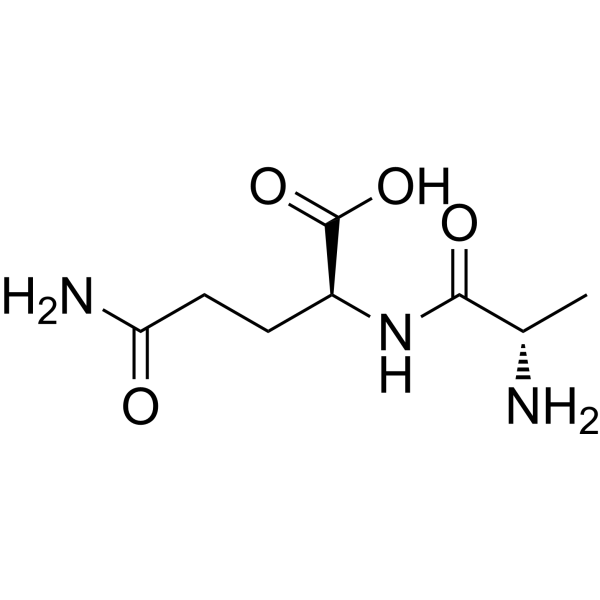
    L-Alanyl-L-glutamine
    1 Publications Verification

    Endogenous Metabolite Metabolic Disease Inflammation/Immunology
    L-Alanyl-L-glutamine, a glutamine dipeptide, is benefit for the antioxidant system, attenuating inflammation, and may modulate the heat shock protein (HSP) response in catabolic situations .
    L-Alanyl-L-glutamine
  • HY-139214
    IXA4
    Maximum Cited Publications
    9 Publications Verification

    IRE1 Neurological Disease
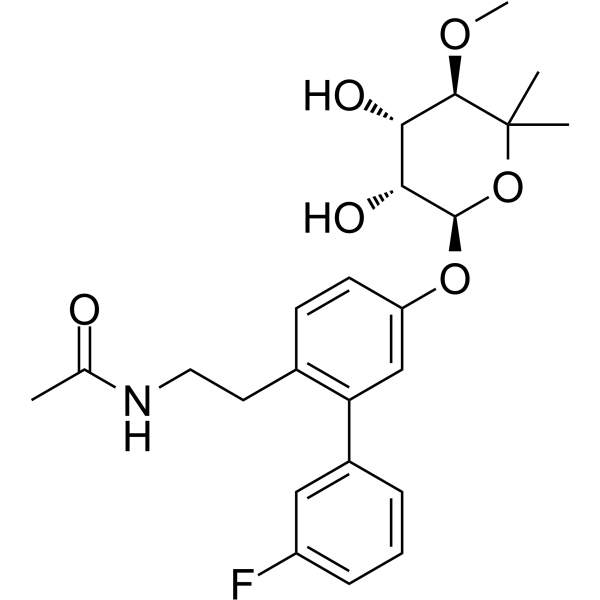
    IXA4 is a highly selective, non-toxic IRE1/XBP1s activator. IXA4 activates IRE1/XBP1s signaling without globally activating the unfolded protein response (UPR) or other stress-responsive signaling pathways (e.g., the heat shock response or oxidative stress response). IXA4 reduces secretion of APP through IRE1 activation .
    IXA4
  • HY-18669
    ML346
    5+ Cited Publications

    HSP Cancer
    ML346 is an activator of Hsp70 expression and HSF-1 activity, with an EC50 of 4.6 μM for Hsp70. ML346 restores protein folding in conformational disease models, without significant cytotoxicity or lack of specificity. ML346 induces specific increases in genes and protein effectors of the heat shock response (HSR), including chaperones such as Hsp70, Hsp40, and Hsp27 .
    ML346
  • HY-145102

    HSP Apoptosis Cancer
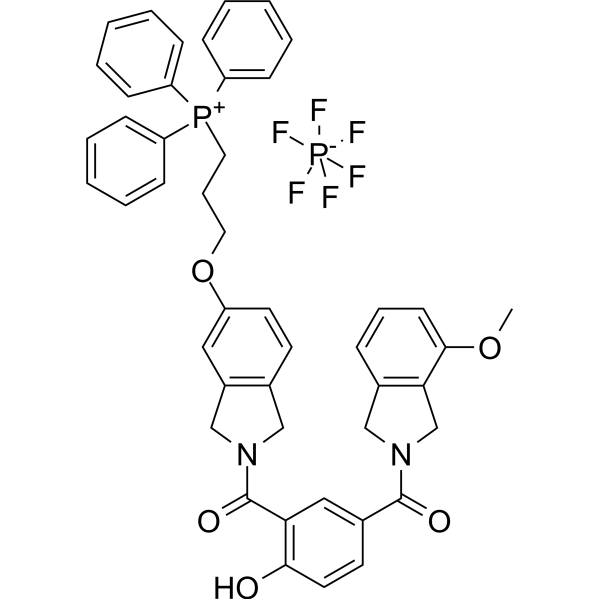
    NCT-58 is a potent inhibitor of C-terminal HSP90. NCT-58 does not induce the heat shock response (HSR) due to its targeting of the C-terminal region and elicits anti-tumor activity via the simultaneous downregulation of HER family members as well as inhibition of Akt phosphorylation. NCT-58 kills Trastuzumab-resistant breast cancer stem-like cells. NCT-58 induces apoptosis in HER2-positive breast cancer cells .
    NCT-58
  • HY-171616

    HSP β-catenin Cancer
    DCEM1 binds to heat shock protein 60 (HSP60) and inhibits the interaction of HSP60 with ClpP, thereby blocking the mitochondrial unfolded protein response. DCEM1 inhibits β-catenin expression and ATP production in PC-3 and TKO cells. DCEM1 can be used in prostate cancer research .
    DCEM1
  • HY-142980

    Dioleoylphosphatidylglycerol

    Liposome Inflammation/Immunology
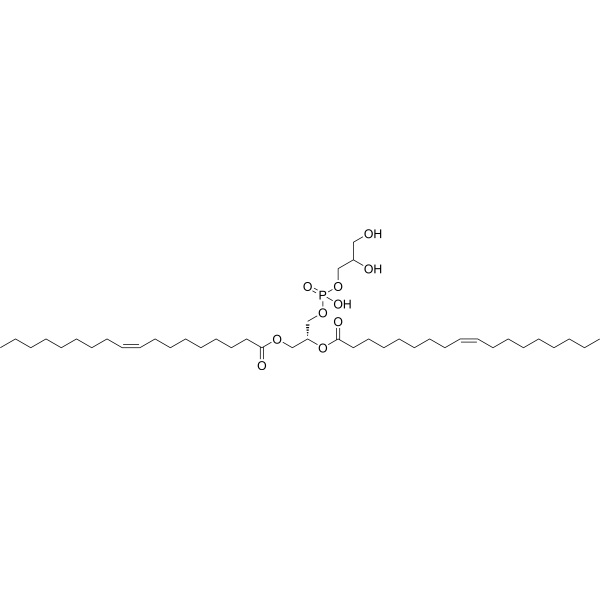
    DOPG (Dioleoylphosphatidylglycerol) is a negatively charged phosphatidylglycerol phospholipid. DOPG is abundant in prokaryotic cell membranes and mitochondria, and has a low phase transition temperature and a tendency to form stable vesicles. DOPG inhibits the production of inflammatory mediators in macrophages in response to heat shock protein B4 (HSPB4)-activated toll-like receptor 2 (TLR2). DOPG is applicable to studies of membrane biology, drug-membrane interactions (especially in systems targeting negatively charged membranes), construction of drug delivery carriers, as well as research on sterile corneal inflammation and wound healing promotion .
    DOPG
  • HY-N6850
    Calenduloside E
    1 Publications Verification

    Apoptosis Pyroptosis AMPK Bcl-2 Family JAK STAT Calcium Channel Interleukin Related TNF Receptor SOD Reactive Oxygen Species (ROS) PPAR Cardiovascular Disease Inflammation/Immunology
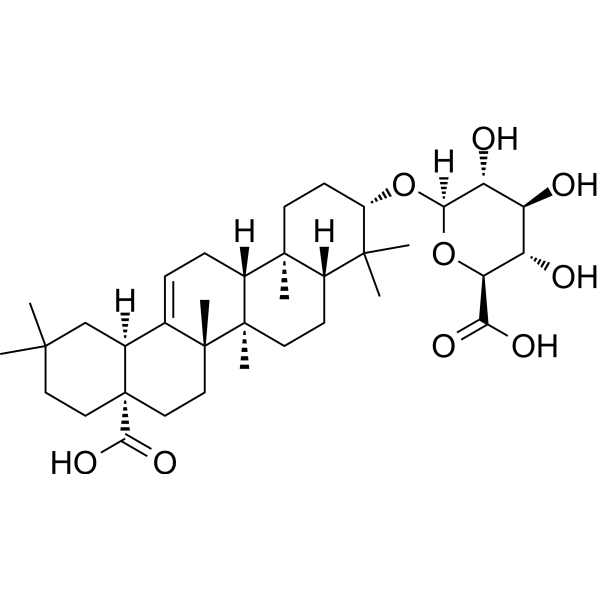
    Calenduloside E is a pentacyclic triterpenoid saponin that can be extracted from the bark and roots of Aralia ovata, and has anti-inflammatory and anti-apoptotic activities. Calenduloside E alleviates atherosclerosis by regulating macrophage polarization, improves mitochondrial function by regulating the AMPK-SIRT3 pathway, and alleviates acute liver injury. In addition, Calenduloside E promotes the interaction between L-type calcium channels and Bcl-2 related apoptosis genes, inhibits calcium overload, and alleviates myocardial ischemia/reperfusion injury. Calenduloside E also improves non-alcoholic fatty liver disease by regulating heat shock-dependent pathways, and inhibits ROS mediated JAK1-STAT3 pathways to reduce cellular inflammatory responses .
    Calenduloside E
  • HY-N14780

    (+)-Pochonin D

    HSP Interleukin Related Enterovirus Infection Inflammation/Immunology Cancer
    Pochonin D ((+)-Pochonin D) is an inhibitor of heat shock protein 90 (Hsp90) with antiviral and anti-inflammatory activities. Pochonin D inhibits Hsp90, affects the homeostasis, folding and assembly processes of viral proteins, and reduces the replication capacity of viruses. Pochonin D reduces the infiltration of inflammatory cells, decreases the secretion of inflammatory cytokines such as TNF-α and IL-1β, and alleviates inflammatory responses. Pochonin D is a promising candidate for research on human rhinovirus (HRV) infection and cancer .
    Pochonin D
  • HY-145559

    KU-596

    HSP Metabolic Disease
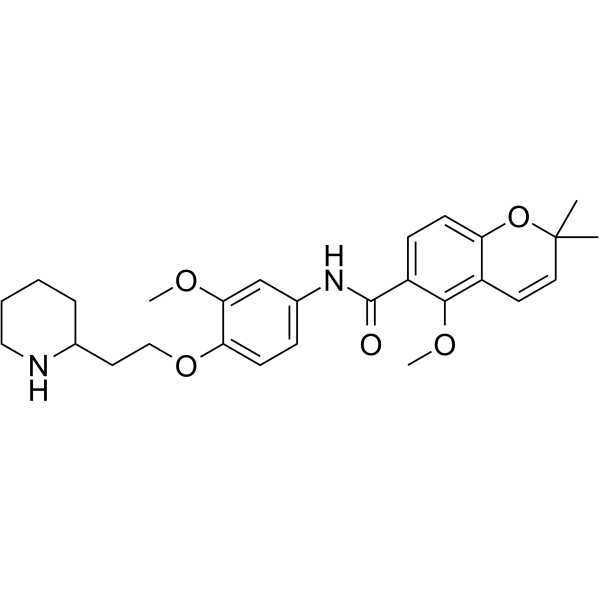
    Cemdomespib (KU-596) is a highly bioavailable second-generation Hsp90 modulator. Cemdomespib has shown efficacy in improving sensory deficits in models of diabetic peripheral neuropathy. Cemdomespib induces Hsp70 levels and manifest neuroprotective activity through induction of the heat shock response .
    Cemdomespib
  • HY-144867

    HSP Cancer
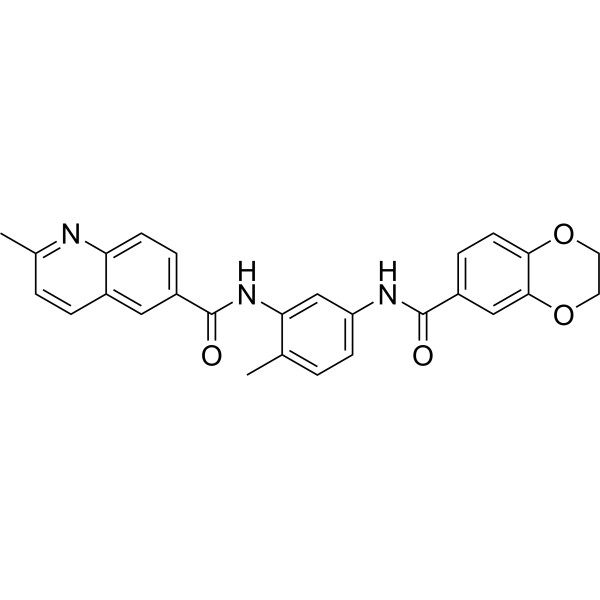
    CCT245232 is a potent inhibitor of heat shock factor 1 (HSF1). HSF1 is the master regulator of the heat shock response, in which multiple genes are induced in response to temperature increase and other stresses. CCT245232 has the potential for the research of proliferative diseases, such as cancer (extracted from patent WO2015049535A1) .
    CCT245232
  • HY-N6679A
    10,11-Dehydrocurvularin
    2 Publications Verification

    HSP TGF-beta/Smad Infection Cancer
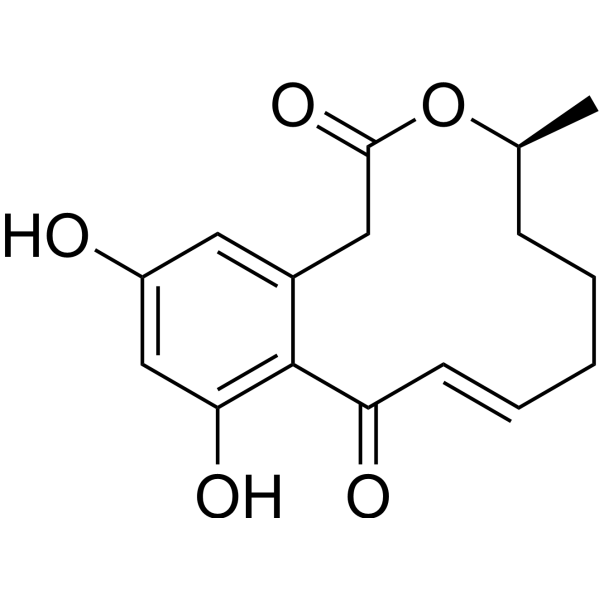
    10,11-Dehydrocurvularin is a prevalent fungal phytotoxin and an antibiotic. 10,11-Dehydrocurvularin is a strong activator of the heat shock response. 10,11-Dehydrocurvularin inhibits TGF-β signalling pathway. Anti-tumorous activity .
    10,11-Dehydrocurvularin
  • HY-149431

    HSP Potassium Channel Cancer
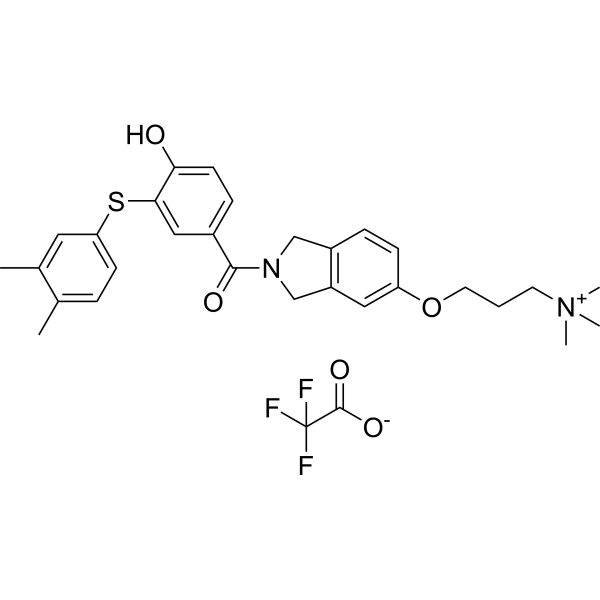
    NDNA4 (compound 17) is a selective inhibitor of Hsp90α (IC50: 0.34 μM). NDNA4 is a permanently charged analog with low membrane permeability and low cytotoxicity against Ovcar-8 and MCF-10A ((IC50 >100 μM)). NDNA4 prevents disruption of hERG channel maturation without generating a heat shock response or causing degradation of Hsp90α-dependent client proteins .
    NDNA4
  • HY-147125

    HSP Akt CDK Raf Apoptosis Cancer
    DDO-6600 is a covalent Hsp90 inhibitor. DDO-6600 disrupts the interaction between Hsp90 and its co-chaperone protein Cdc37, thereby inducing the degradation of kinase client proteins (such as AKT, CDK4, c-Raf). DDO-6600 has inhibitory activity against various cancer cells. DDO-6600 inhibits the migration and invasion of HCT-116 cells, and induces cell cycle arrest and apoptosis. DDO-6600 significantly inhibits tumor growth in the HCT-116 xenograft tumor model. DDO-6600 can be used for research on colorectal cancer .
    DDO-6600
  • HY-P10757

    Peptide-Drug Conjugates (PDCs) Apoptosis HSP Eukaryotic Initiation Factor (eIF) PERK Cancer
    DTX-P7 is a peptide-drug conjugate. DTX-P7, composed of Docetaxel (DTX, HY-B0011) and a heptapeptide (P7), induces unfolded protein response and subsequent apoptosis by degrading Hsp90 .
    DTX-P7
  • HY-162752

    Apoptosis Cancer
    Anticancer agent 250 (compound 104) has antitumor activity, inducing apoptosis, slowing proliferation, and degrading key oncogenic proteins (such as aRaf, CDK4 ) without inducing a heat shock response .
    Anticancer agent 250
  • HY-W014102R

    Reference Standards Endogenous Metabolite Metabolic Disease Inflammation/Immunology
    L-Alanyl-L-glutamine (Standard) is the analytical standard of L-Alanyl-L-glutamine. This product is intended for research and analytical applications. L-Alanyl-L-glutamine, a glutamine dipeptide, is benefit for the antioxidant system, attenuating inflammation, and may modulate the heat shock protein (HSP) response in catabolic situations .
    L-Alanyl-L-glutamine (Standard)
  • HY-N12887

    Mitochondrial Metabolism Others Cancer
    Mycothiazole is an inhibitor for mitochondrial electron transport chain (ETC) complex I. Mycothiazole exhibits cytotoxicity in cancer cells Huh7 (IC50 is 55.8 μM), U87 and MCF7. Mycothiazole induces apoptosis in Huh7. Mycothiazole utilizes the unfolded protein response (UPR) and heat shock response (HSR) pathway involved transcription factors ATFS-1 and HSF1, to extend the lifespan of C. elegans .
    Mycothiazole
  • HY-149432

    HSP Potassium Channel Cancer
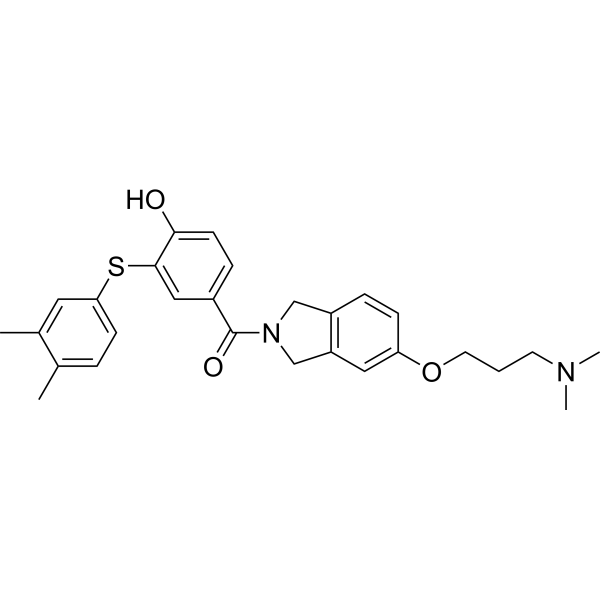
    NDNA3 (compound 14) is a selective inhibitor of Hsp90α (IC50: 0.51 μM). NDNA3 is a permanently charged analog with low membrane permeability and low toxicity to Ovcar-8 (IC50: 12.66 μM) and MCF-10A (IC50: 11.72 μM) cells. NDNA3 prevents disruption of hERG channel maturation without generating a heat shock response or causing degradation of Hsp90α-dependent client proteins .
    NDNA3
  • HY-137936

    Antibiotic Infection
    Terrecyclic acid is a sesquiterpene originally isolated from A. terreus with antibiotic and anticancer activity. It is active against S. aureus, B. subtilis, and M. roseus (MICs=25, 50, and 25 μg/mL, respectively). Terrecyclic acid induces a heat shock response, increases levels of reactive oxygen species (ROS), and inhibits NF-κB activity and cell growth in 3T3-Y9-B12 cells.2 In vivo, terrecyclic acid (0.1, 1, and 10 mg/ml) reduces the number of ascitic fluid tumor cells in a mouse model of P388 murine leukemia.
    Terrecyclic Acid
  • HY-N17756

    HSP Cancer
    Withanolide D (Compound 2) is a steroidal ester found in Withania somnifera (L.) Dunal, with anticancer activity. Withanolide D can activate the heat-shock factor 1 (HSF1)-dependent stress response. Withanolide D can be used for the research of cancer such as lymphoma .
    Withanolide D
  • HY-181687

    HSP CDK Cancer
    Hsp90-IN-46 is a Hsp90 inhibitor. Hsp90-IN-46 exhibits broad-spectrum antiproliferative activity against tumor cell lines. Hsp90-IN-46 inhibits breast cancer cell proliferation by reducing colony formation and downregulating the proliferation marker Ki-67. Hsp90-IN-46 inhibits Hsp90 and its ATPase activity, downregulates the downstream substrate oncoproteins HER2 and CDK4, and moderately induces the heat shock response. Hsp90-IN-46 shows significant antitumor activity in a mouse model of triple-negative breast cancer tumor xenografts. Hsp90-IN-46 can be used for research on various cancers including triple-negative breast cancer, leukemia, non-small cell lung cancer, colon cancer, ovarian cancer, renal cancer, prostate cancer .
    Hsp90-IN-46
  • HY-181062

    HSP Apoptosis Autophagy ULK RIP kinase CDK Cancer
    VWK147 is a second-generation HSP90 C-terminal domain (CTD) inhibitor. VWK147 targets the CTD dimerization interface, prevents HSP90 CTD dimerization, disrupts co-chaperone PPID binding to HSP90 CTD, and inhibits HSP90 chaperone function dependent on dimerization. VWK147 reduces protein levels of HSP90 client proteins ULK1, RIPK1, and CDK4 without inducing a heat shock response. VWK147 induces cell death, including apoptosis, in Cisplatin (HY-17394)-sensitive and -resistant urothelial carcinoma cells. VWK147 induces LC3-II accumulation, inhibits autophagosome-lysosome fusion to block canonical autophagy, and induces non-canonical LC3 lipidation independent of ULK1 and PIK3C3 complexes. VWK147 can be used for the research of urothelial carcinoma .
    VWK147

Inquiry Online

Your information is safe with us. * Required Fields.

Salutation


Country or Region *

Applicant Name *


Organization Name *

Department *


Email Address *


Product Name *

Cat. No.


Requested quantity *

Phone Number *


Remarks

Inquiry Online

Inquiry Information

Product Name:
Cat. No.:
Quantity:
MCE Japan Authorized Agent:

