
1. Search Result
Search Result
Results for "

heme

" in MedChemExpress (MCE) Product Catalog:

196

Inhibitors & Agonists

3

Fluorescent Dyes

15

Biochemical Assay Reagents

6

Peptides

1

Inhibitory Antibodies

42

Natural
Products

8

Recombinant Proteins

9

Isotope-Labeled Compounds

11

Antibodies

1

Click Chemistry

Targets Recommended:
Cat. No. Product Name Target Research Areas Chemical Structure
  • HY-19424
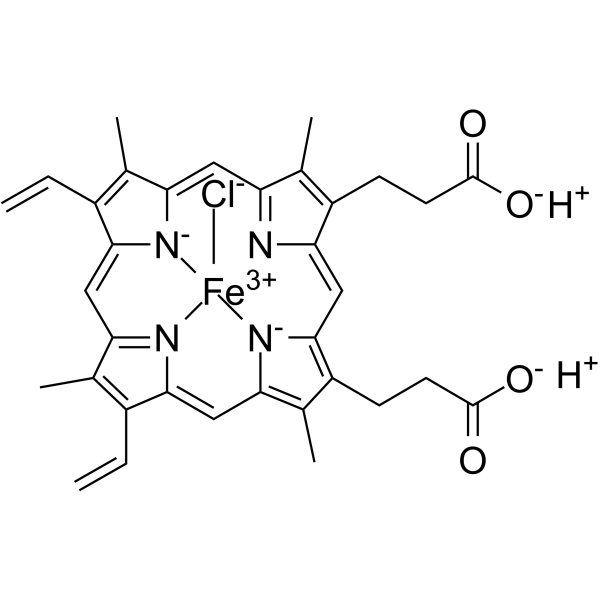
    Hemin
    Maximum Cited Publications
    85 Publications Verification

    Hemin chloride

    Autophagy Mitophagy Ferroptosis Cardiovascular Disease
    Hemin is an iron-containing porphyrin. Hemin is an Heme oxygenase (HO)-1 inducer.
    Hemin
  • HY-101193
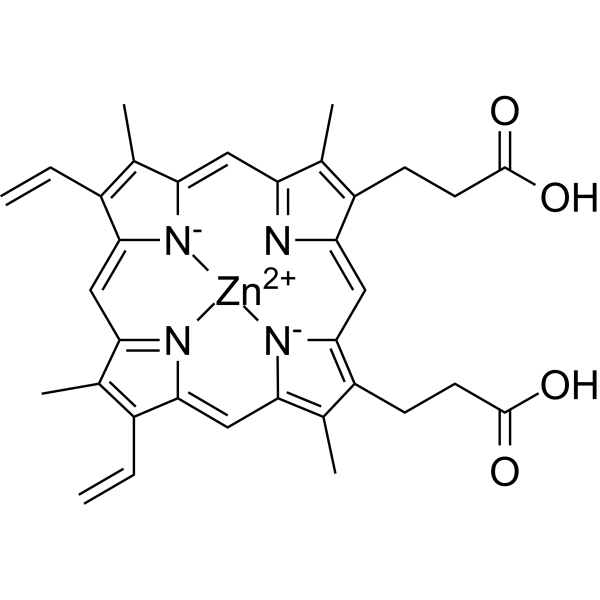
    Zinc Protoporphyrin
    65+ Cited Publications

    Zn(II)-protoporphyrin IX; ZnPP; Zinc Protoporphyrin-9

    Reactive Oxygen Species (ROS) Endogenous Metabolite Apoptosis Cardiovascular Disease Metabolic Disease Cancer
    Zinc Protoporphyrin (Zn(II)-protoporphyrin IX) is an orally active and competitive heme oxygenase-1 (HO-1) inhibitor. Zinc Protoporphyrin regulates expression of HO-1 at the transcriptional level. The effect of Zinc Protoporphyrin on HO-1 expression is controversial.  It was shown to induce HO-1 expression in some cells, but suppress it in others. Zinc Protoporphyrin is used as a screening marker of iron deficiency in vivo. Zinc Protoporphyrin has anti-cancer activity .
    Zinc Protoporphyrin
  • HY-N0323
    Bilirubin
    5+ Cited Publications

    Endogenous Metabolite Metabolic Disease
    Bilirubin is a yellow breakdown product of heme catabolism . Bilirubin exhibits antioxidant and antimutagenic effects .
    Bilirubin
  • HY-B1247
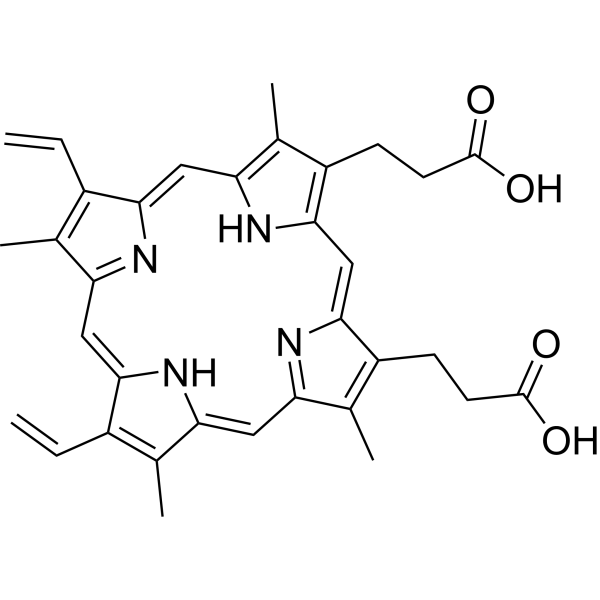
    Protoporphyrin IX
    20+ Cited Publications

    PPIX

    Endogenous Metabolite Others
    Protoporphyrin IX is a final intermediate in the heme biosynthetic pathway, which acts as a radiation sensitizer enhancing ROS generation even in a hypoxic state and inducing DNA damage. Protoporphyrin IX also acts as a photo sensitizer undergoing photobleaching that occurs through direct degradation by light irradiation. Protoporphyrin IX is formed and accumulated following 5-aminolevulinic acid (5-ALA) (HY-W000450) administration in the tumor cells of rats. Protoporphyrin IX causes selective improvement of basal cell carcinoma when activated red fluorescence of a peak wavelength at 405 nm. Protoporphyrin IX is promising for research of sonodynamic and photodynamic agents for a wide range of cancers, such as bladder cancer and nodular basal cell carcinoma .
    Protoporphyrin IX
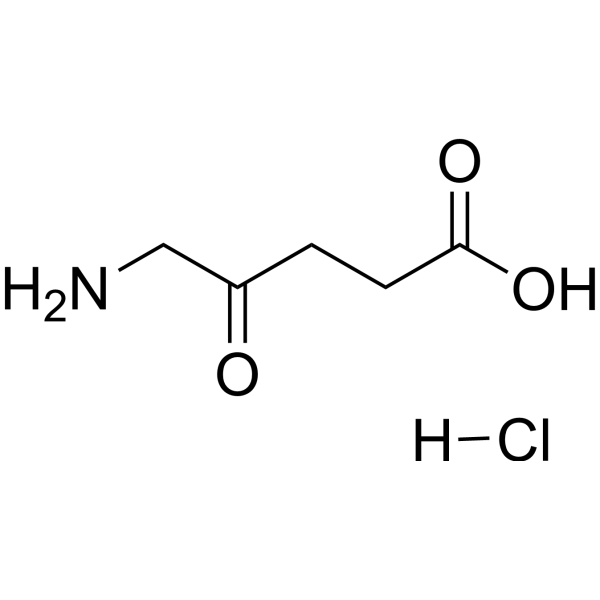
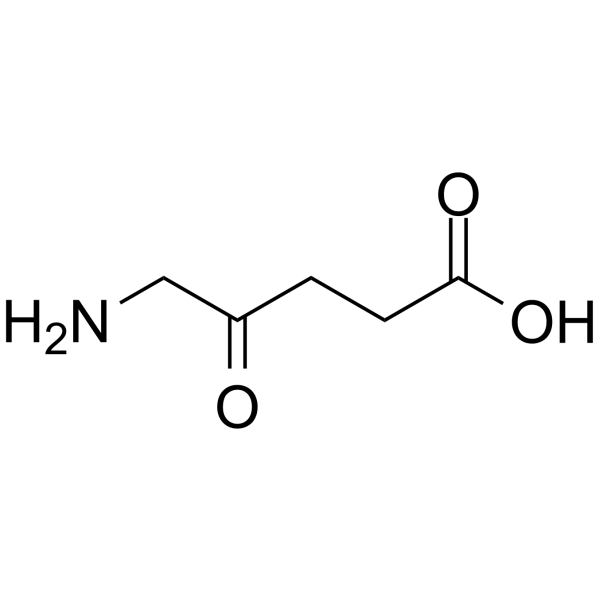
  • HY-N0305

    5-ALA hydrochloride; δ-Aminolevulinic acid hydrochloride; 5-Amino-4-oxopentanoic acid hydrochloride

    Reactive Oxygen Species (ROS) Neurological Disease Metabolic Disease Inflammation/Immunology Cancer
    5-Aminolevulinic acid (5-ALA; δ-Aminolevulinic acid; 5-Amino-4-oxopentanoic acid) hydrochloride is an orally active heme precursor. 5-Aminolevulinic acid hydrochloride promotes aerobic energy metabolism and increases ATP levels by enhancing the activity of cytochrome c oxidase. 5-Aminolevulinic acid hydrochloride enhances LPS-induced proinflammatory cytokine production and gene activation, and restores the phagocytic activity and ROS generation capacity of neutrophils. 5-Aminolevulinic acid hydrochloride selectively accumulates protoporphyrin IX in tumor cells; as a photosensitizer and radiosensitizer, it induces ROS burst upon light or X-ray irradiation to inhibit tumor growth. 5-Aminolevulinic acid hydrochloride can be applied to the research of septic shock, melanoma, and cancer radiotherapy .
    5-Aminolevulinic acid hydrochloride
  • HY-101194
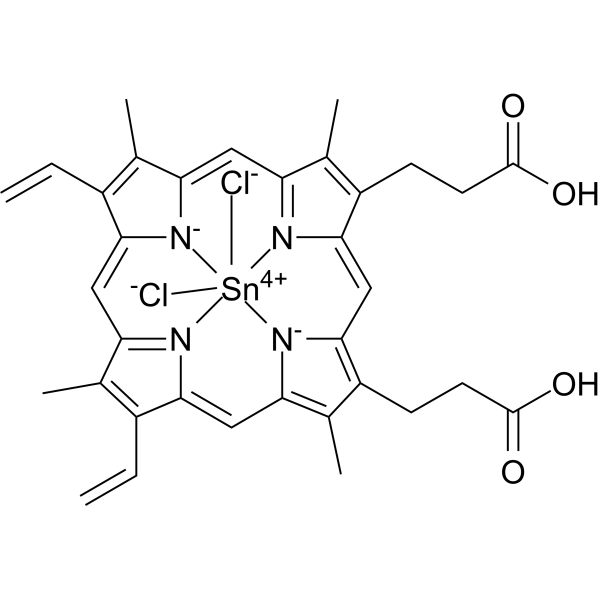
    Tin protoporphyrin IX dichloride
    15+ Cited Publications

    Tin-protoporphyrin IX; Sn-Protoporphyrin; SnPPIX

    Reactive Oxygen Species (ROS) Cancer
    Tin protoporphyrin IX dichloride (SnPPIX) is a potent Heme oxygenase-1 (HO-1) inhibitor. Tin protoporphyrin IX dichloride sensitizes pancreatic ductal adenocarcinoma (PDAC) tumors to chemotherapy in mice model .
    Tin protoporphyrin IX dichloride
  • HY-137808
    Succinyl-Coenzyme A sodium
    3 Publications Verification

    Succinyl-CoA sodium

    Endogenous Metabolite Neurological Disease Metabolic Disease
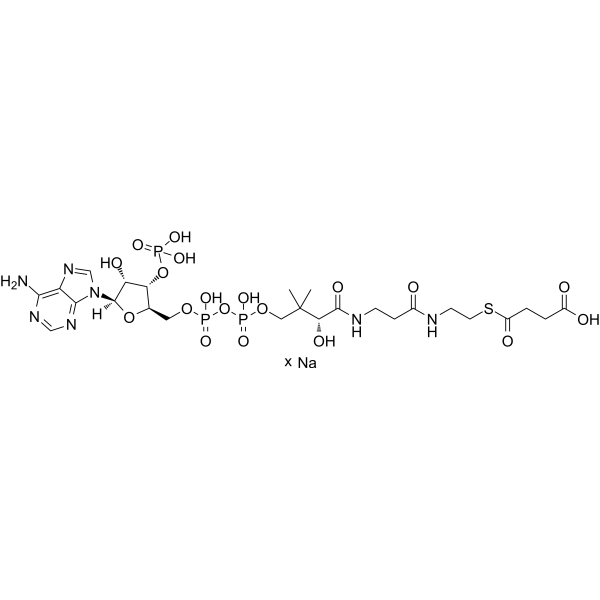
    Succinyl CoA (Succinyl-coenzyme A) sodium is a pivotal intermediate metabolite in the tricarboxylic acid cycle and a key coenzyme A metabolite. Succinyl CoA sodium is biosynthesized from α-ketoglutarate or propionyl-CoA. Succinyl CoA sodium acts as a critical precursor and substrate for heme biosynthesis and gluconeogenesis. Succinyl CoA sodium insufficiency caused by cobalamin deficiency is directly linked to growth retardation, impaired heme synthesis, tissue glycine accumulation and neurological abnormalities. Succinyl CoA sodium can be used in research on metabolic, neurological, and hematological abnormalities (such as porphyria) caused by nutritional vitamin B12 deficiency (leading to a lack of Succinyl-Coenzyme A synthesis) .
    Succinyl-Coenzyme A sodium
  • HY-135005A
    Biliverdin
    1 Publications Verification

    Endogenous Metabolite Inflammation/Immunology
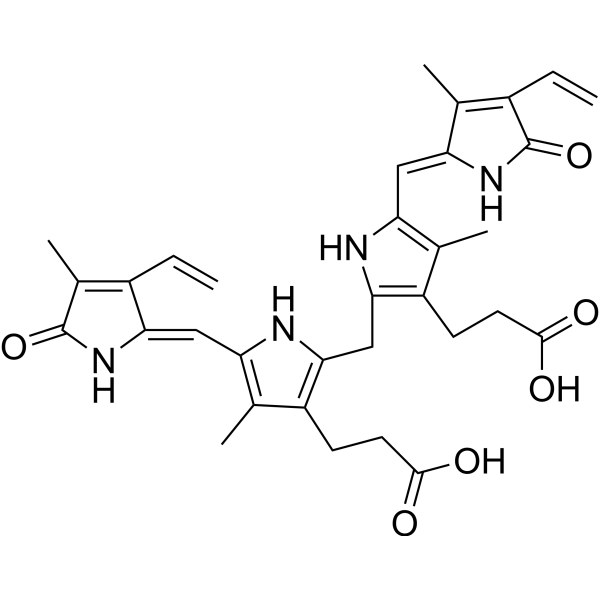
    Biliverdin, a tetrapyrrolic pigment, is a product of heme catabolism. Heme is broken down into Biliverdin and carbon monoxide and iron by heme oxidase. Biliverdin is then quickly broken down to bilirubin by Biliverdin reductase. Biliverdin can mediate the protective effects of HO-1 in many disease models including IRI and organ transplantation. Biliverdin exhibits anti-mutagenic, an antioxidant, anti-inflammatory, and immunosuppressant properties .
    Biliverdin
  • HY-W010184
    4,6-Dioxoheptanoic acid
    5+ Cited Publications

    Succinylacetone

    MOFs Endogenous Metabolite Cardiovascular Disease
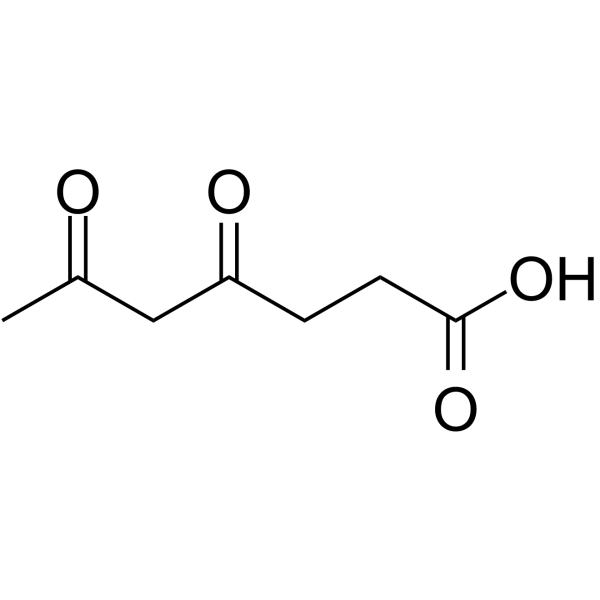
    4,6-Dioxoheptanoic acid is a potent inhibitor of heme biosynthesis.
    4,6-Dioxoheptanoic acid
  • HY-B0754A
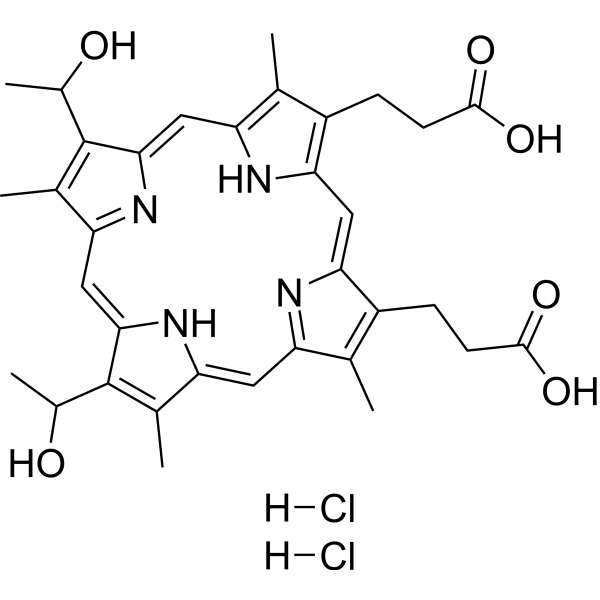
    Hematoporphyrin dihydrochloride
    10+ Cited Publications

    Hematoporphyrin IX dihydrochloride

    Apoptosis Endogenous Metabolite Cancer
    Hematoporphyrin dihydrochloride (Hematoporphyrin IX dihydrochloride), a photosensitizer, is a substrate for affinity chromatography of heme-binding proteins. Hematoporphyrin dihydrochloride can induce apoptosis in U87 glioma cells and decrease tumor growth in vivo when exposed to red light .
    Hematoporphyrin dihydrochloride
  • HY-111798A

    Reactive Oxygen Species (ROS) Cancer
    Heme Oxygenase-1-IN-1 (Compound 2) hydrochloride is a heme oxygenase 1 (HO-1) inhibitor with an IC50 of 0.25 μM .
    Heme Oxygenase-1-IN-1 hydrochloride
  • HY-111798
    Heme Oxygenase-1-IN-1
    10+ Cited Publications

    Reactive Oxygen Species (ROS) Cancer
    Heme Oxygenase-1-IN-1 (compound 2) is a potent heme oxygenase 1 (HO-1) inhibitor, with an IC50 of 0.25 μM. Heme Oxygenase-1-IN-1 can be used for cancer research .
    Heme Oxygenase-1-IN-1
  • HY-135005
    Biliverdin hydrochloride
    1 Publications Verification

    Endogenous Metabolite Inflammation/Immunology
    Biliverdin hydrochloride, a tetrapyrrolic pigment, is a product of heme catabolism. Heme is broken down into Biliverdin and carbon monoxide and iron by heme oxidase. Biliverdin hydrochloride is then quickly broken down to bilirubin by Biliverdin reductase. Biliverdin hydrochloride is anti-mutagenic, an antioxidant, anti-inflammatory, and immunosuppressant .
    Biliverdin hydrochloride
  • HY-W012145

    Others Metabolic Disease
    TMPD dihydrochloride, a readily oxidizable compound, is an enzymatically convert redox active substrate molecule. TMPD dihydrochloride is also an electron donor and serves as a reducing cosubstrate for heme peroxidases . TMPD dihydrochloride is also a complex IV substrate .
    TMPD dihydrochloride
  • HY-134608

    Co-PPIX

    Reactive Oxygen Species (ROS) Influenza Virus Infection
    Cobalt protoporphyrin IX (Co-PPIX) is a potent and specific heme oxygenase-1 (HO-1) inducer. Cobalt protoporphyrin IX exhibits broad-spectrum antiviral activities against Influenza A virus (IAV) .
    Cobalt protoporphyrin IX
  • HY-111540
    LY-3381916
    2 Publications Verification

    IDO1-IN-5

    Indoleamine 2,3-Dioxygenase (IDO) Cancer
    LY-3381916 (IDO1-IN-5) is a potent, selective and brain penetrated inhibitor of IDO1 activity, binds to apo-IDO1 lacking heme rather than mature heme-bound IDO1 .
    LY-3381916
  • HY-D2869

    Fluorescent Dye Drug Intermediate Others
    Ac-H-FluNox is an acetylated cell-compatible prodrug of H-FluNox (HY-D2339). Ac-H-FluNox undergoes intracellular hydrolysis of its acetyl group by esterases to generate H-FluNox, which then undergoes a deoxygenation reaction with labile heme to form a fluorescent product. Ac-H-FluNox detects fluctuations of labile heme in living cells, acute labile heme release upon nitric oxide stimulation, and accumulation of labile heme following inhibition of heme export proteins .
    Ac-H-FluNox
  • HY-P99934
    Eftozanermin alfa
    1 Publications Verification

    ABBV-621

    Apoptosis Caspase TNF Receptor Cancer
    Eftozanermin alfa (ABBV-621) is a tumor necrosis factor-related apoptosis-inducing ligand receptor (TRAIL-R) agonist. Eftozanermin alfa is a fusion protein consisting of a mutant immunoglobulin G1-Fc linked to 2 single-chain trimers of TRAIL. Eftozanermin alfa induces apoptosis in tumor cells by activation of death receptors (DR4 receptor and DR5 receptor) with Kds of 780 nM and 635 nM. Eftozanermin alfa can be used for the research of multiple solid and heme malignancies .
    Eftozanermin alfa
  • HY-28247

    Endogenous Metabolite Metabolic Disease
    N-Formylkynurenine is an intermediate in the catabolism of tryptophan. It is a formylated derivative of kynurenine. The formation of N-formylkynurenine is catalyzed by heme dioxygenases.
    N-Formylkynurenine
  • HY-E70387

    Endogenous Metabolite Others
    Ligninase is a general term for extracellular heme-containing peroxidases produced by Phanerochaete chrysosporium. Ligninase can catalyze lignin degradation. Ligninase can be used in waste treatment and detoxification of environmental pollutants .
    Ligninase
  • HY-B0850
    Difenoconazole
    3 Publications Verification

    Environmental Pollutants Fungal Infection
    Difenoconazole is a sterol demethylation inhibitor, as a fungicide. Difenoconazole binds the heme portion of the fungal cytochrome P450 51, interferes the mycelial growth and inhibits the spore germination of pathogens, suppressing fungal growth .
    Difenoconazole
  • HY-B2184
    Sofalcone
    2 Publications Verification

    Autophagy Bacterial Infection Inflammation/Immunology
    Sofalcone, a gastric antiulcer agent, is known to induce the expression of Heme oxygenase-1 (HO-1) in gastric epithelium.
    Sofalcone
  • HY-B1817A

    Zinc(II) acetate, 99.99% trace metals basis

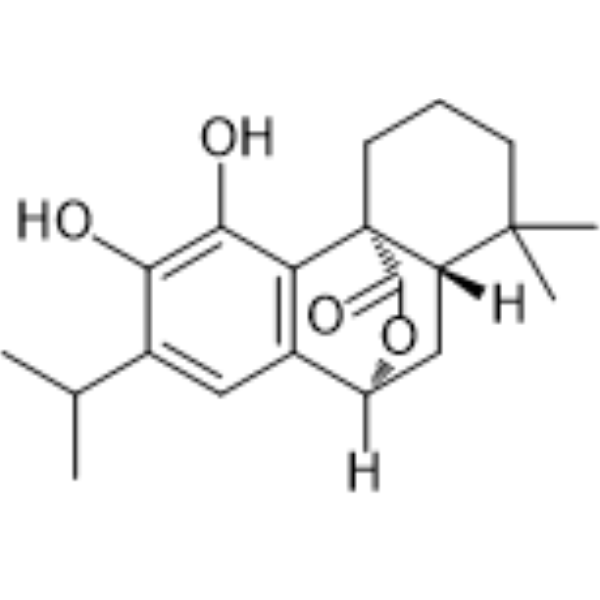
    CDK Heme Oxygenase (HO) Apoptosis Others
    Zinc (Zinc (II)) acetate, 99.99% trace metals basis is a heme oxygenase 1 (HO-1) activator and apoptosis inducer with cytotoxic and anticancer activities. Zinc acetate, 99.99% trace metals basis enhances HO-1 expression, alters the microRNA profile, and increases the level of caspase-cleaved cytokeratin 18. Zinc acetate, 99.99% trace metals basis also regulates the expression of Cdk2/cyclin E and interferes with cell cycle progression. Zinc acetate, 99.99% trace metals basis effectively inhibits cancer cell proliferation and induces their rapid death, with no significant cytotoxicity to non-tumor tissues. Zinc acetate, 99.99% trace metals basis has been widely used in studies related to hepatocellular carcinoma, prostate cancer, and other conditions .
    Zinc acetate, 99.99% trace metals basis
  • HY-147817

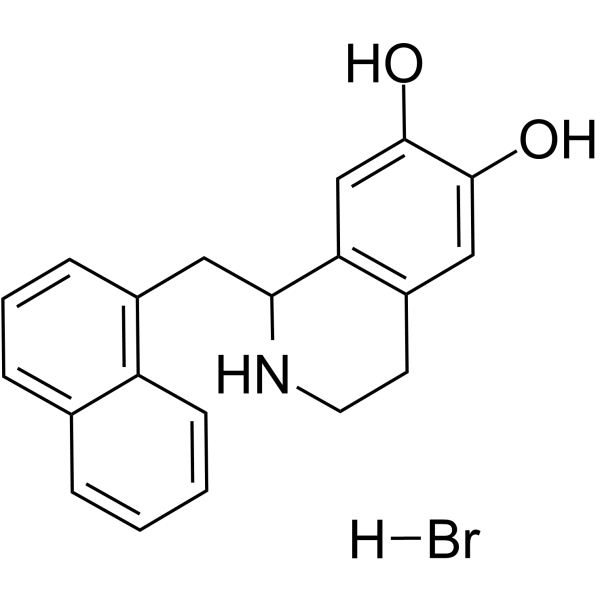
    Reactive Oxygen Species (ROS) Inflammation/Immunology Cancer
    Heme Oxygenase-2-IN-1 (Compound 9) is a potent, selective heme oxygenase-2 (HO-2) inhibitor with IC50 values of 0.9 μM and 14.9 μM against HO-2 and HO-1, respectively .
    Heme Oxygenase-2-IN-1
  • HY-109136
    Runcaciguat
    1 Publications Verification

    BAY 1101042

    Guanylate Cyclase Cardiovascular Disease Metabolic Disease
    Runcaciguat (BAY 1101042) is a selective, orally active, allosteric activator of soluble guanylate cyclase (sGC) that specifically targets its oxidized and heme-free form. Runcaciguat binds to sGC in a histidine-dependent manner and restores cyclic guanosine monophosphate (cGMP) production under oxidative stress, independent of nitric oxide (NO) or heme. Runcaciguat exhibits renoprotective and cardioprotective activities, such as reduced proteinuria and improved renal function. Runcaciguat is primarily being studied in chronic kidney disease (CKD) associated with hypertension, diabetes, and metabolic disorders, as well as potential cardiovascular indications such as heart failure with preserved ejection fraction (HFpEF) .
    Runcaciguat
  • HY-B0754

    Hematoporphyrin IX

    Apoptosis Endogenous Metabolite Cancer
    Hematoporphyrin (Hematoporphyrin IX), a photosensitizer, is a substrate for affinity chromatography of heme-binding proteins. Hematoporphyrin can induce apoptosis in U87 glioma cells and decrease tumor growth in vivo when exposed to red light .
    Hematoporphyrin
  • HY-W583212

    ZnMP

    Biochemical Assay Reagents Heme Oxygenase (HO) Inflammation/Immunology
    Zn (II) Mesoporphyrin IX (ZnMP) is a heme oxygenase inhibitor with photochemical substrate activity. Zn (II) Mesoporphyrin IX specifically inhibits the activity of bone marrow heme oxygenase. In vitro, Zn (II) Mesoporphyrin IX inhibits the growth of erythroid and myeloid progenitor cells in rabbit bone marrow, and blocks the rhG-CSF-induced mobilization of these progenitor cells into the peripheral blood, exhibiting toxicity to hematopoietic growth and progenitor cell production in rabbits. Zn (II) Mesoporphyrin IX undergoes irreversible photochemical decomposition conforming to first-order kinetic characteristics when irradiated with UV-B in 95% ethanol solution. Zn (II) Mesoporphyrin IX can be used in hematopoietic regulation research, but its photolability and toxic effects on the hematopoietic system require attention .
    Zn(II) Mesoporphyrin IX
  • HY-132188

    Endogenous Metabolite Others
    Manganese peroxidase is a heme protein that oxidizes Mn2+ to Mn3+. Manganese peroxidase catalyzes plant lignin de-polymerization. Manganese peroxidase can be used for the biodegradation of hazardous environmental contaminants, and especially for dye wastewater decolorization .
    Manganese peroxidase
  • HY-D2339

    Fluorescent Dye Others
    H-FluNox is a selective fluorescent probe that senses labile heme using biomimetic N-oxide deoxygenation to trigger fluorescence. H-FluNox is more than 100-fold selective for labile heme over Fe(II), enabling the discrimination of labile heme from labile Fe(II) pools in living cells. H-FluNox is sensitive enough to detect the subcellular labile heme. (λex=490 nm, λem=535 nm)
    H-FluNox
  • HY-148285

    Succinyl-coenzyme A; S-(Hydrogen succinyl)coenzyme A

    Endogenous Metabolite Metabolic Disease
    Succinyl CoA (Succinyl-coenzyme A) is a pivotal intermediate metabolite in the tricarboxylic acid cycle and a key coenzyme A metabolite. Succinyl CoA is biosynthesized from α-ketoglutarate or propionyl-CoA. Succinyl CoA acts as a critical precursor and substrate for heme biosynthesis and gluconeogenesis. Succinyl CoA insufficiency caused by cobalamin deficiency is directly linked to growth retardation, impaired heme synthesis, tissue glycine accumulation and neurological abnormalities. Succinyl CoA can be used in research on metabolic, neurological, and hematological abnormalities (such as porphyria) caused by nutritional vitamin B12 deficiency (leading to a lack of Succinyl-Coenzyme A synthesis) .
    Succinyl CoA
  • HY-B1247R

    PPIX (Standard)

    Reference Standards Endogenous Metabolite Others
    Protoporphyrin IX (Standard) is the analytical standard of Protoporphyrin IX. This product is intended for research and analytical applications. Protoporphyrin IX is a final intermediate in the heme biosynthetic pathway, which acts as a radiation sensitizer enhancing ROS generation even in a hypoxic state and inducing DNA damage. Protoporphyrin IX also acts as a photo sensitizer undergoing photobleaching that occurs through direct degradation by light irradiation. Protoporphyrin IX is formed and accumulated following 5-aminolevulinic acid (5-ALA) (HY-W000450) administration in the tumor cells of rats. Protoporphyrin IX causes selective improvement of basal cell carcinoma when activated red fluorescence of a peak wavelength at 405 nm. Protoporphyrin IX is promising for research of sonodynamic and photodynamic agents for a wide range of cancers, such as bladder cancer and nodular basal cell carcinoma .
    Protoporphyrin IX (Standard)
  • HY-113803

    4-HNE alkyne

    Biochemical Assay Reagents Cancer
    4-Hydroxynonenal alkyne (4-HNE alkyne) is a click chemical reagent containing alkynes. 4-Hydroxynonenal alkyne induces heme oxygenase and cell apoptosis in colon cancer (RKO) cells .
    4-Hydroxynonenal alkyne
  • HY-106359A

    RDP-58 acetate

    TNF Receptor IFNAR Reactive Oxygen Species (ROS) Cancer
    Delmitide (RDP58) acetate is an orally active d-isomer decapeptide with potent anti-inflammatory activity. Delmitide acetate inhibits production of TNF-α, IFN-γ, and interleukin (IL)-12, and up-regulates heme oxygenase 1 activity. Delmitide acetate can be used for the research of ulcerative colitis .
    Delmitide acetate
  • HY-129834

    Drug Metabolite Metabolic Disease
    Bilirubin Conjugate disodium is a ditaurate derivative of Bilirubin. Bilirubin, a major end product of heme breakdown, is an important constituent of bile .
    Bilirubin Conjugate disodium
  • HY-145197

    Glutathione Peroxidase Cardiovascular Disease
    MPO-IN-3 is a potent myeloperoxidase (MPO) inhibitor (WO2013068875A1, example 191). Myeloperoxidase (MPO) is a heme-containing enzyme belonging to the peroxidase superfamily .
    MPO-IN-3
  • HY-111540B
    (S)-LY-3381916
    1 Publications Verification

    (S)-IDO1-IN-5

    Indoleamine 2,3-Dioxygenase (IDO) Cancer
    (S)-LY-3381916 ((S)-IDO1-IN-5; Example 1B) is an active S-isomer of LY-3381916. (S)-LY-3381916 binds to IDOL with an IC50 value less than 1.5 µΜ . LY-3381916 is a potent, selective and brain penetrated inhibitor of Indoleamine 2,3-Dioxygenase 1 (IDO1) activity, binds to apo-IDO1 lacking heme rather than mature heme-bound IDO1 .
    (S)-LY-3381916
  • HY-162857

    Heme Oxygenase (HO) Neurological Disease Cancer
    Heme Oxygenase-1-IN-3 (compound 4) is a highly selective heme oxygenase-1 (HO-1) inhibitor (Kd=141 nM) that can be used in the research of cancer and neurodegenerative diseases .
    Heme Oxygenase-1-IN-3
  • HY-115658

    Bacterial Infection Metabolic Disease
    VU0420373 is a potent heme sensor system (HssRS) activator with an EC50 of 10.7 μM and a pEC50 of 4.97. VU0420373 induces heme biosynthesis, and is toxic to fermenting S. aureus .
    VU0420373
  • HY-106359

    RDP-58

    TNF Receptor IFNAR Reactive Oxygen Species (ROS) Infection Inflammation/Immunology Cancer
    Delmitide (RDP58) is an orally active d-isomer decapeptide with potent anti-inflammatory activity. Delmitide inhibits production of TNF-α, IFN-γ, and interleukin (IL)-12, and up-regulates heme oxygenase 1 activity. Delmitide can be used for the research of ulcerative colitis .
    Delmitide
  • HY-101193R

    Zn(II)-protoporphyrin IX (Standard); ZnPP (Standard); Zinc Protoporphyrin-9 (Standard)

    Reference Standards Reactive Oxygen Species (ROS) Endogenous Metabolite Apoptosis Cardiovascular Disease Metabolic Disease Cancer
    Zinc Protoporphyrin (Standard) is the analytical standard of Zinc Protoporphyrin. This product is intended for research and analytical applications. Zinc Protoporphyrin (Zn(II)-protoporphyrin IX) is an orally active and competitive heme oxygenase-1 (HO-1) inhibitor and markedly attenuates the protective effects of Phloroglucinol (PG) against H2O2 . Zinc Protoporphyrin is used as a screening marker of iron deficiency in individual pregnant women and children, but also to assess population iron status in combination with haemoglobin concentration . Zinc Protoporphyrin has anti-cancer activity .
    Zinc Protoporphyrin (Standard)
  • HY-P2995A

    Biochemical Assay Reagents Others
    Hemoglobin porcine is an oxygen-transporting protein present in the blood of domestic pigs, and also an oxygen carrier with higher oxygen affinity than human hemoglobin. Hemoglobin porcine exhibits cooperative oxygen-binding properties, with weaker heme-heme interactions than those of human hemoglobin .
    Hemoglobin porcine
  • HY-B1247A
    Protoporphyrin IX disodium
    20+ Cited Publications

    PPIX disodium

    Endogenous Metabolite Cancer
    Protoporphyrin IX disodium is a final intermediate in the heme biosynthetic pathway, which acts as a radiation sensitizer enhancing ROS generation even in a hypoxic state and inducing DNA damage. Protoporphyrin IX disodium also acts as a photo sensitizer undergoing photobleaching that occurs through direct degradation by light irradiation. Protoporphyrin IX disodium is formed and accumulated following 5-aminolevulinic acid (5-ALA) (HY-W000450) administration in the tumor cells of rats. Protoporphyrin IX disodium causes selective improvement of basal cell carcinoma when activated red fluorescence of a peak wavelength at 405 nm. Protoporphyrin IX disodium is promising for research of sonodynamic and photodynamic agents for a wide range of cancers, such as bladder cancer and nodular basal cell carcinoma .
    Protoporphyrin IX disodium
  • HY-N0305S

    5-ALA-15N hydrochloride; δ-Aminolevulinic acid-15N hydrochloride; 5-Amino-4-oxopentanoic acid-15N hydrochloride

    Isotope-Labeled Compounds Autophagy Mitophagy Endogenous Metabolite Apoptosis Metabolic Disease Cancer
    5-Aminolevulinic acid- 15N (hydrochloride) is the 15N-labeled 5-Aminolevulinic acid (hydrochloride). 5-Aminolevulinic acid hydrochloride (5-ALA hydrochloride) is an intermediate in heme biosynthesis in the body and the universal precursor of tetrapyrroles.
    5-Aminolevulinic acid-15N hydrochloride
  • HY-W854721

    Manganese(III) Protoporphyrin IX Chloride

    Heme Oxygenase (HO) Metabolic Disease
    Mn(III) protoporphyrin IX chloride is a metalloporphyrin. It induces mRNA expression of the genes encoding δ-aminolevulinate synthase and heme oxygenase (HO), enzymes that catalyze the rate-limiting steps of heme biosynthesis and degradation, respectively, in chick embryo liver cells when used at a concentration of 10 μM. Mn(III) protoporphyrin IX chloride-containing nanobialys have been used in magnetic resonance imaging (MRI) of fibrin clots in vitro. It has also been used in the synthesis of Mn(III) protoporphyrin IX-6(7)-glycyl-glycyl-L-histidine methyl ester (MnGGH), a metalloporphyrin conjugate with microperoxidase activity.
    Mn(III) Protoporphyrin IX chloride
  • HY-116188

    Others Inflammation/Immunology
    HX1 is a potent reversible myeloperoxidase (MPO) inhibitor with an IC50 value of 50 nM. HX1 is bound within the active site cavity above the heme and blocks the substrate channel. HX1 is promising for research of inflammatory diseases .
    HX1
  • HY-170322

    Indoleamine 2,3-Dioxygenase (IDO) Metabolic Disease Cancer
    TDO2-IN-1 is a selective TDO2 inhibitor. TDO2-IN-1 binds to the active pocket, heme-binding pocket and substrate-binding pocket of apo-TDO2, interacts with key residues, competitively inhibits heme insertion, and suppresses intracellular TDO2 activity. TDO2-IN-1 can be used in research related to cancer, metabolism and other fields .
    TDO2-IN-1
  • HY-W010184R

    Succinylacetone (Standard)

    Reference Standards Endogenous Metabolite Cardiovascular Disease
    4,6-Dioxoheptanoic acid is a potent inhibitor of heme biosynthesis.
    4,6-Dioxoheptanoic acid (Standard)
  • HY-34887

    Drug Derivative Others
    Acridone-4-carboxylic acid (ACA) (Compound 2c) is a heme-interacting acridone derivatives that prevents free heme-mediated protein oxidation and degradation. Acridone-4-carboxylic acid inhibits protein carbonyl formation with an IC50 of 43 μM .
    Acridone-4-carboxylic acid
  • HY-147365

    Environmental Pollutants Herbicide Others
    Acifluorfen-methyl is an inhibitor of the heme and chlorophyll biosynthetic enzyme protoporphyrinogen oxidase (Protox). Acifluorfen-methyl is a photobleaching herbicide .
    Acifluorfen-methyl
  • HY-132183

    Endogenous Metabolite Metabolic Disease
    Chloride peroxidase is a monomeric, heme-containing enzyme. Chloride peroxidase is capable of electrophilic chlorinations through the umpolung of chloride by oxidation with hydrogen peroxide .
    Chloride peroxidase

Inquiry Online

Your information is safe with us. * Required Fields.

Salutation


Country or Region *

Applicant Name *


Organization Name *

Department *


Email Address *


Product Name *

Cat. No.


Requested quantity *

Phone Number *


Remarks

Inquiry Online

Inquiry Information

Product Name:
Cat. No.:
Quantity:
MCE Japan Authorized Agent:

