18 Results for "

herbicide metabolism

" in MedChemExpress (MCE) Product Catalog:
Products (18)

18 Results for "herbicide metabolism" in MCE Product Catalog:

2
2 Cited Publications
Cat. No.: HY-12853
CAS No.: 104206-82-8
Purity:  99.94%
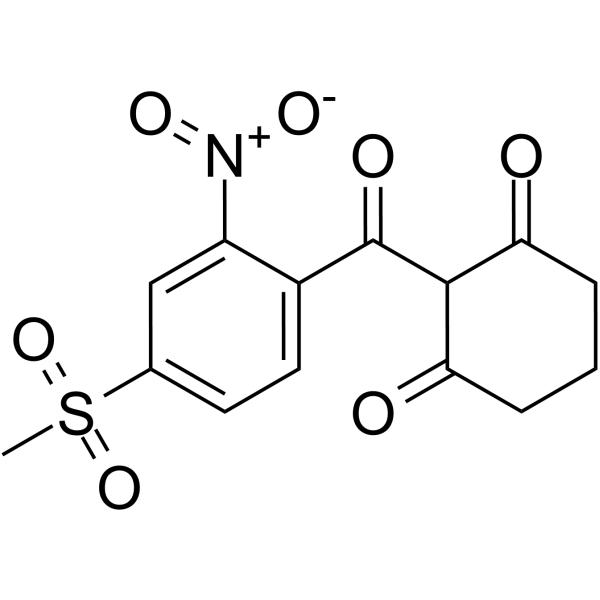
Mesotrione is a herbicide belongs to the benzoylcyclohexanedione family. Mesotrione is a potent and competitive and reversible inhibitor of HPPD enzyme. Mesotrione is selective to maize due to rapid metabolism and relative high tolerance by the susceptible crop plant .
loading...
    loading...
1
1 Cited Publications
Cat. No.: HY-B0859
CAS No.: 94-74-6
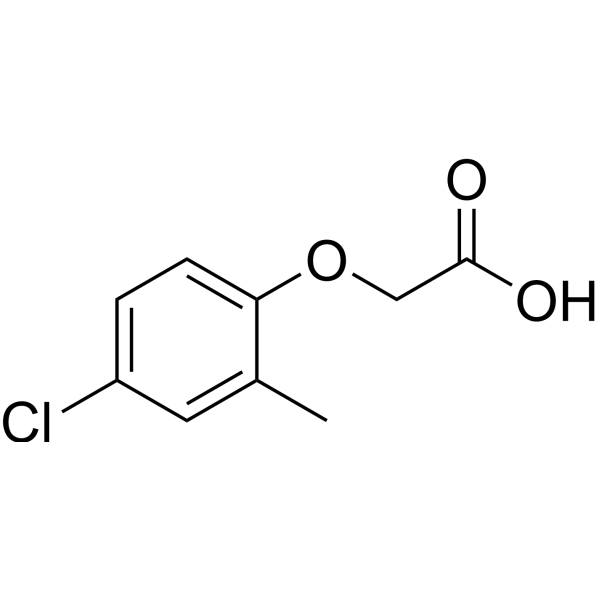
MCPA is an orally active phenoxyacetic acid herbicide. MCPA interferes with membrane integrity, energy metabolism (decreases ATP levels), and redox balance in plant cells. MCPA increases hepatic cytochrome P-450 levels and increases aniline hydroxylase and 7-ethoxycoumarin O-deethylase activities. MCPA can be used to control broadleaf weeds .
loading...
    loading...
1
1 Cited Publications
Cat. No.: HY-B0859A
CAS No.: 3653-48-3
Research Areas:  

Metabolic Disease

MCPA sodium is an orally active phenoxyacetic acid herbicide. MCPA sodium interferes with membrane integrity, energy metabolism (decreases ATP levels), and redox balance in plant cells. MCPA sodium increases hepatic cytochrome P-450 levels and increases aniline hydroxylase and 7-ethoxycoumarin O-deethylase activities. MCPA sodium can be used to control broadleaf weeds .
loading...
    loading...
Cat. No.: HY-144900
CAS No.: 210631-68-8
Purity:  99.95%
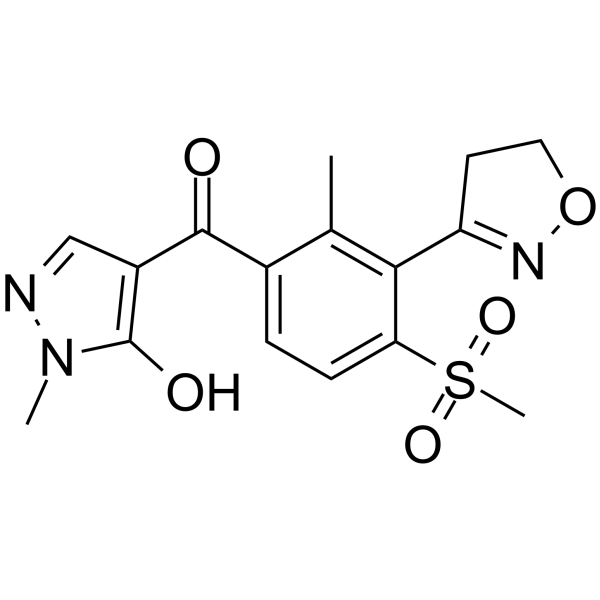
Topramezone is a potent 4-hydroxyphenylpyruvate dioxygenase (4-HPPD) inhibitor. Topramezone is a herbicide, used for the post-emergence control of broadleaf and grass weeds in corn .
loading...
    loading...
Cat. No.: HY-B2013
CAS No.: 71283-80-2
Research Areas:  

Others

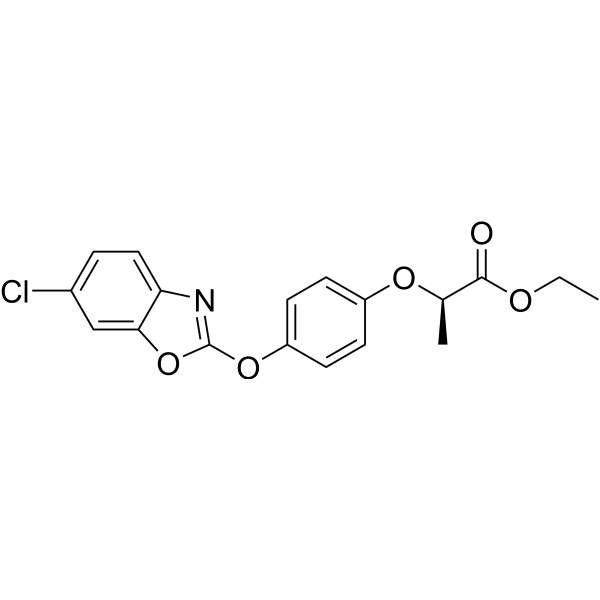
Fenoxaprop-P-ethyl is an acetyl-CoA carboxylase (ACC) inhibitor and post-emergence herbicide. Fenoxaprop-P-ethyl inhibits the conversion of acetyl-CoA to malonyl-CoA, reduces malonyl-CoA synthesis and disrupts fatty acid synthesis. Fenoxaprop-P-ethyl disrupts lipid homeostasis through cascaded inhibition of lipid metabolism, decreases total lipid content, downregulates fatty acid elongase genes and inhibits their activity. Fenoxaprop-P-ethyl disrupts fatty acid synthesis in rice seedlings and controls annual monocotyledonous weeds in wheat, durum wheat, rye, triticale and barley fields .
loading...
    loading...
Cat. No.: HY-W020788
CAS No.: 98730-04-2
Synonyms: CGA 154281
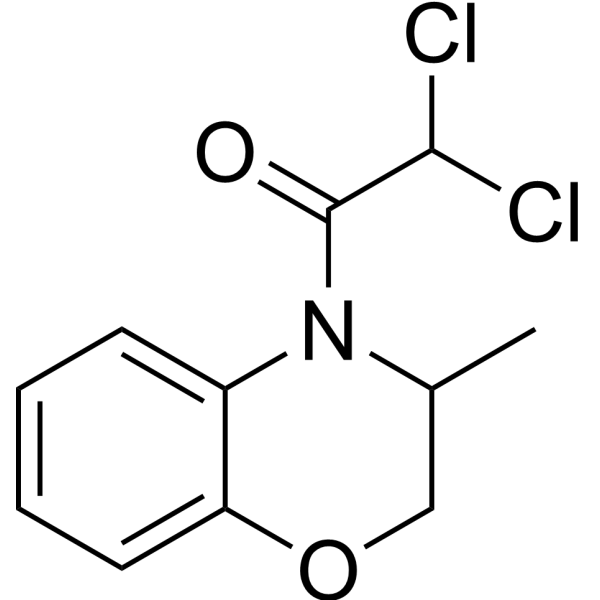
Benoxacor (CGA 154281) is a herbicide safener and xenobiotic metabolism regulator. Benoxacor protects maize from the toxicity of metolachlor mainly by inducing detoxifying enzymes such as Glutathione S-transferase. Benoxacor also activates FXR, PXR and ERRα, and inhibits aromatase (aromatase). However, Benoxacor exhibits potential subacute oral toxicity and a high risk of hepatotoxicity in animal models. Benoxacor induces reactive oxygen species accumulation, interferes with embryonic heart development, and causes increased liver and kidney weights as well as alterations in gut microbiota in mice. Benoxacor can be used in studies related to hepatic steatosis, infertility, breast cancer and developmental toxicity .
loading...
    loading...
Cat. No.: HY-B2035
CAS No.: 51218-49-6
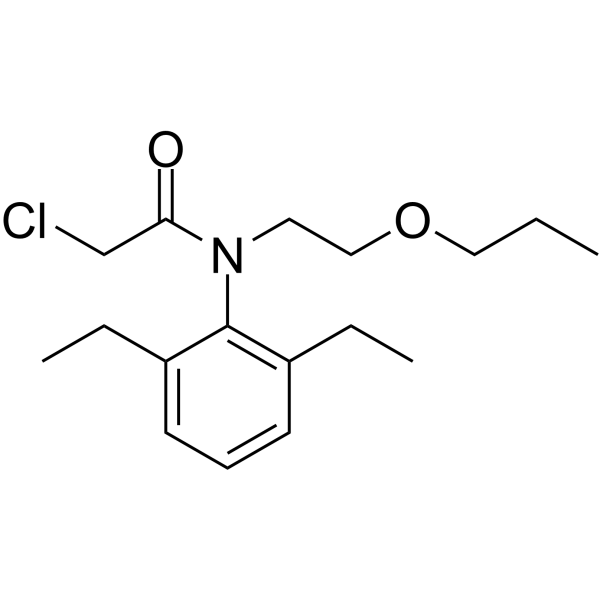
Pretilachlor is a chloroacetamide herbicide with biological activities including endocrine disruption, oxidative stress induction, apoptosis induction, and immunotoxicity. Pretilachlor exerts its effects by interfering with hormone metabolism, inducing oxidative stress, activating apoptotic pathways, and inhibiting immune functions. Pretilachlor upregulates the transcription of P53, Mdm2, and Bbc3, and increases the activities of Caspase3 and Caspase9; it upregulates the transcription of genes in the HPG/HPT axis and the activity of aromatase; it induces oxidative stress, elevates ROS levels, and upregulates CAT, SOD, and GPX. Pretilachlor downregulates the transcription of CXCL-C1C, IL-1β, and IL-8. Pretilachlor disrupts the normal physiological processes and embryonic development of fish, exhibiting significant toxicity. Pretilachlor can be used in studies related to weeding, environmental pollution, and behavioral toxicity in fish .
loading...
    loading...
Cat. No.: HY-162883
CAS No.: 3014814-72-0
Target:  

SHMT

Research Areas:  

Others

SHMT-IN-4 (Compound 9ay) is a herbicide that targets and inhibits serine hydroxymethyltransferase (SHMT1) with an IC50 value of 193.8 g a.i./ha (active ingredient content per hectare). SHMT-IN-4 interferes with amino acid synthesis and metabolism in plants by binding to SHMT1, thereby inhibiting plant growth. Additionally, SHMT-IN-4 shows no significant toxicity to maize and honeybees .
loading...
    loading...
Cat. No.: HY-B0859S1
CAS No.: 352431-14-2
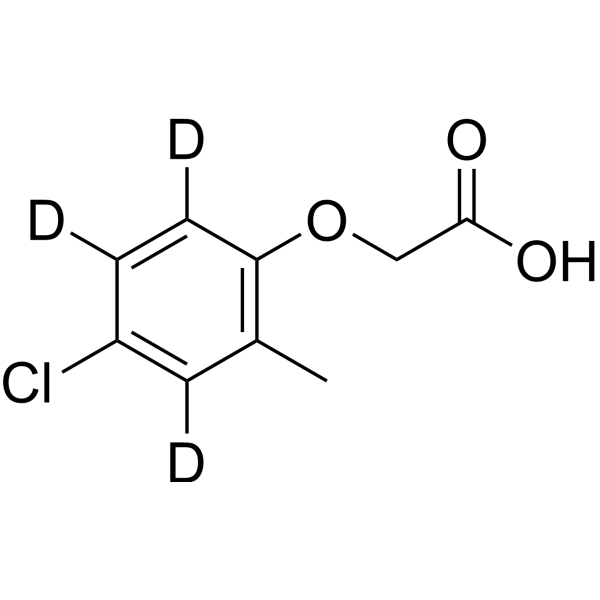
MCPA-d3 is the deuterium labeled MCPA (HY-B0859). MCPA is an orally active phenoxyacetic acid herbicide. MCPA interferes with membrane integrity, energy metabolism (decreases ATP levels), and redox balance in plant cells. MCPA increases hepatic cytochrome P-450 levels and increases aniline hydroxylase and 7-ethoxycoumarin O-deethylase activities. MCPA can be used to control broadleaf weeds .
loading...
    loading...
Cat. No.: HY-144900R
CAS No.: 210631-68-8
Research Areas:  

Others

Topramezone (Standard) is the analytical standard of Topramezone. This product is intended for research and analytical applications. Topramezone is a potent 4-hydroxyphenylpyruvate dioxygenase (4-HPPD) inhibitor. Topramezone is a herbicide, used for the post-emergence control of broadleaf and grass weeds in corn .
loading...
    loading...
Cat. No.: HY-W020788R
CAS No.: 98730-04-2
Synonyms: CGA 154281 (Standard)
Benoxacor (Standard) is the analytical standard of Benoxacor. This product is intended for research and analytical applications. Benoxacor (CGA 154281) is a herbicide safener and xenobiotic metabolism regulator. Benoxacor protects maize from the toxicity of metolachlor mainly by inducing detoxifying enzymes such as Glutathione S-transferase. Benoxacor also activates FXR, PXR and ERRα, and inhibits aromatase (aromatase). However, Benoxacor exhibits potential subacute oral toxicity and a high risk of hepatotoxicity in animal models. Benoxacor induces reactive oxygen species accumulation, interferes with embryonic heart development, and causes increased liver and kidney weights as well as alterations in gut microbiota in mice. Benoxacor can be used in studies related to hepatic steatosis, infertility, breast cancer and developmental toxicity .
loading...
    loading...
Cat. No.: HY-12853R
CAS No.: 104206-82-8
Research Areas:  

Others

Mesotrione (Standard) is the analytical standard of Mesotrione. This product is intended for research and analytical applications. Mesotrione is a herbicide belongs to the benzoylcyclohexanedione family. Mesotrione is a potent and competitive and reversible inhibitor of HPPD enzyme. Mesotrione is selective to maize due to rapid metabolism and relative high tolerance by the susceptible crop plant .
loading...
    loading...
Cat. No.: HY-W713900
CAS No.: 2469242-78-0
MCPA-d3-1 is the deuterium labeled MCPA (HY-B0859). MCPA is an orally active phenoxyacetic acid herbicide. MCPA interferes with membrane integrity, energy metabolism (decreases ATP levels), and redox balance in plant cells. MCPA increases hepatic cytochrome P-450 levels and increases aniline hydroxylase and 7-ethoxycoumarin O-deethylase activities. MCPA can be used to control broadleaf weeds .
loading...
    loading...
Cat. No.: HY-B0859R
CAS No.: 94-74-6
MCPA (Standard) is the analytical standard of MCPA (HY-B0859). This product is intended for research and analytical applications. MCPA is an orally active phenoxyacetic acid herbicide. MCPA interferes with membrane integrity, energy metabolism (decreases ATP levels), and redox balance in plant cells. MCPA increases hepatic cytochrome P-450 levels and increases aniline hydroxylase and 7-ethoxycoumarin O-deethylase activities. MCPA can be used to control broadleaf weeds .
loading...
    loading...
Cat. No.: HY-B0859S
Synonyms: 4-Chloro-2-Methylphenoxyacetic acid-13C8
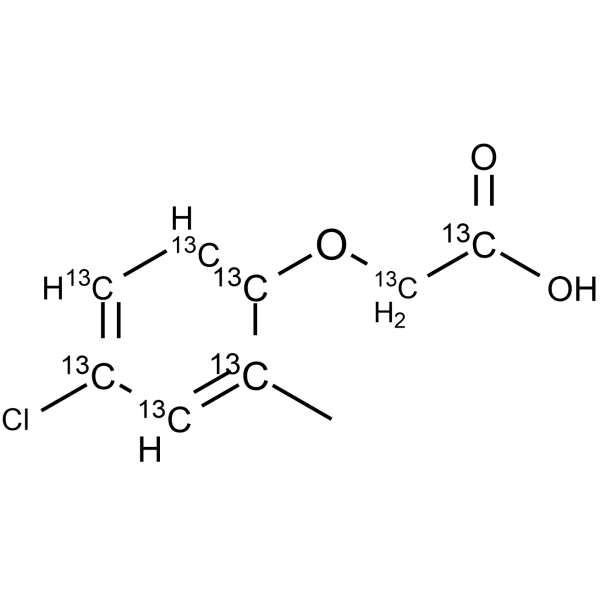
MCPA- 13C8 is the 13C-labeled MCPA (HY-B0859). MCPA is an orally active phenoxyacetic acid herbicide. MCPA interferes with membrane integrity, energy metabolism (decreases ATP levels), and redox balance in plant cells. MCPA increases hepatic cytochrome P-450 levels and increases aniline hydroxylase and 7-ethoxycoumarin O-deethylase activities. MCPA can be used to control broadleaf weeds .
loading...
    loading...
Cat. No.: HY-B2035R
CAS No.: 51218-49-6
Pretilachlor (Standard) is the analytical standard of Pretilachlor (HY-B2035). This product is intended for research and analytical applications. Pretilachlor is a chloroacetamide herbicide with biological activities including endocrine disruption, oxidative stress induction, apoptosis induction, and immunotoxicity. Pretilachlor exerts its effects by interfering with hormone metabolism, inducing oxidative stress, activating apoptotic pathways, and inhibiting immune functions. Pretilachlor upregulates the transcription of P53, Mdm2, and Bbc3, and increases the activities of Caspase3 and Caspase9; it upregulates the transcription of genes in the HPG/HPT axis and the activity of aromatase; it induces oxidative stress, elevates ROS levels, and upregulates CAT, SOD, and GPX. Pretilachlor downregulates the transcription of CXCL-C1C, IL-1β, and IL-8. Pretilachlor disrupts the normal physiological processes and embryonic development of fish, exhibiting significant toxicity. Pretilachlor can be used in studies related to weeding, environmental pollution, and behavioral toxicity in fish .
loading...
    loading...
Cat. No.: HY-189010
Target:  

Herbicide HPPD

Research Areas:  

Others

HPPD-IN-13 is a potent herbicide targeting HPPD, with an IC50 value of 0.132 μM against EcHPPD. HPPD-IN-13 primarily forms bidentate coordination with the ferrous ion in the active site of HPPD, and competitively blocks HPPA metabolism via π-π stacking and multiple hydrogen bonds, ultimately leading to plant albinism and death. HPPD-IN-13 can be used in the research and development of novel bleaching herbicides .
loading...
    loading...
Cat. No.: HY-N12990
CAS No.: 34328-57-9
Synonyms: MyA
Myrigalone A (MyA) is a plant ethylene biosynthesis inhibitor and natural herbicide . Myrigalone A possesses antioxidant, antifungal, and antimicrobial activities. Myrigalone A interferes with auxin homeostasis during seed germination. Myrigalone A delays seed germination, inhibits the formation of roots, hypocotyls, and root hairs, and causes developmental delay in specific organisms. Myrigalone A triggers the induction of detoxification programs, alters the metabolism of gibberellins, cis-(+)-12-oxophytodienoic acid, and jasmonic acid, disrupts the antioxidant system and oxidative signaling, and impairs the function of aquaporins and water uptake in imbibed seeds. Myrigalone A can be used in studies related to herbicides and plant growth regulators .
loading...
    loading...
  • 1

